RSS
 

Posts Tagged ‘rules’

Facebook is planning to relax censorship rules for newsworthy images

25 Oct
 Image: Nick Ut/The Associated Press

Last month Norway’s largest newspaper, Aftenposten, published an open letter on its front page, accusing Facebook CEO Mark Zuckerberg of ‘abuse of power.’ The letter was published as a response to Facebook removing the famous ‘Napalm Girl’ image, taken by photographer Nick Ut, from the newspaper’s Facebook page on the grounds of a blanket ban on nudity in all images posted on the social network.

The picture had been used in an article about the seven most iconic images in the history of war. After receiving a wave of intense criticism following the incident, Facebook has announced in a blog post that it will be relaxing its photo censorship rules around news events:

‘In the weeks ahead, we’re going to begin allowing more items that people find newsworthy, significant, or important to the public interest — even if they might otherwise violate our standards. We will work with our community and partners to explore exactly how to do this, both through new tools and approaches to enforcement. Our intent is to allow more images and stories without posing safety risks or showing graphic images to minors and others who do not want to see them.’

We will have to wait and see how exactly this will be defined but it’s fair to assume that Nick Ut’s picture would have been considered historically significant and therefore safe under the revised guidelines. 

We should expect any changes to take effect within the next few weeks as Facebook is working on replacing its filter algorithms. The company says it will be working closely with experts, publishers, journalists, photographers, law enforcement officials and safety advocates to achieve this. 

What do you think? Is this a step in the right direction for Facebook? Let us know in the comments.

Articles: Digital Photography Review (dpreview.com)

 
Comments Off on Facebook is planning to relax censorship rules for newsworthy images

Posted in Uncategorized


The FAA finalizes commerical drone use rules, is fine with your drone photography business

23 Jun

The FAA has finalized a rule regarding commercial use of drones, and the organization is a-okay with individuals profiting from aerial photography – provided that operators follow some guidelines.

The update to Federal Regulations has been available for public comment since February 2015, and has now been finalized to provide guidance for commercial UAS (unmanned aircraft system) use. The guidelines are much the same as when they were first proposed, stating that your drone and everything attached to it must weigh less than 55lb/25kg, and the pilot must remain within line of sight of the aircraft.

Flying over crowds is a no-no, unless everyone in the crowd is participating in the shoot or under a reasonable amount of cover. As initially proposed, drone operators must be at least 16 and have a ‘remote pilot certificate’ or be under direct supervision of someone who has one.

The rule goes into effect in August 2016, so you’ve got plenty of time to study up and get your certificate.

Articles: Digital Photography Review (dpreview.com)

 
Comments Off on The FAA finalizes commerical drone use rules, is fine with your drone photography business

Posted in Uncategorized


Eff You: Sleek & Superior Bicycle Defies Global Racing Rules

24 Nov

[ By WebUrbanist in Technology & Vehicles & Mods. ]

rule breaking bike

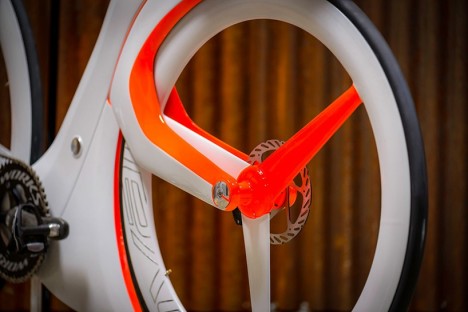
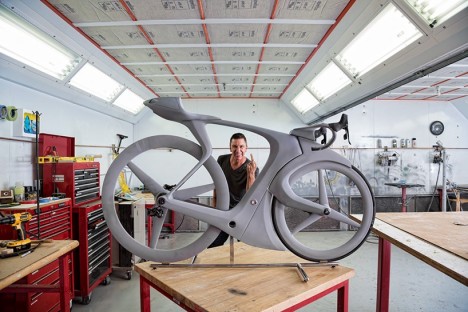
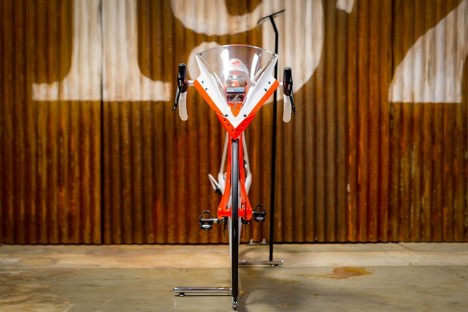
This stunning concept bike breaks from conventions set by international racing authorities to bring riders a vastly improved cycling experience, from enhanced aerodynamics and speed assists to smartphone functionality and storage space.

specialized custom bike

Creative Director at Specialized, Robert Egger, designed  fUCI (a jab at the UCI, or: Union Cycliste Internationale) as a functional and physical critique: “The UCI really caters to a very small population, but there’s so many other people out there who couldn’t care less about the UCI,” he explains. “They don’t follow the racing and they don’t even know all the limitations that are put on bikes for the UCI riders. So, my feeling was let’s design a bike for someone who really just wants to go fast on a road bike.”

specialized iphone slot

Wheels are supposed to be the same size, but differently-sized ones in this model help riders get up to high speeds more quickly. An added motor assist works like a turbo on a sports car, something completely accepted in that vehicular realm but unusual on bikes, “so just like when you ride the turbo and you put your foot on the pedal and it lurches forward, the same thing here.”

smart bike powered wheel

“This little motor will get the flywheel up to speed so when you’re stopped at a stop sign, or when you’re starting out of your garage in the morning, this’ll be that burst of power to get the flywheel up and running.”

smart bike seat storage

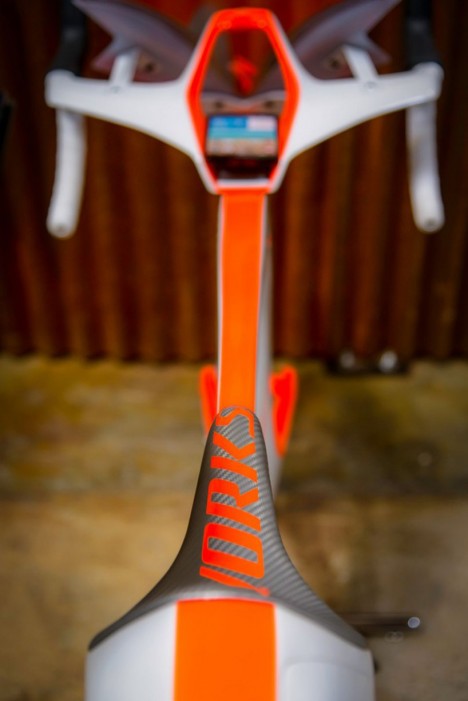
The shape is dramatic and impressive, but also pragmatic; it facilitates, for example, clever seat storage space for odds and ends (like keys or wallets) or potential essentials like spare tires and tubes.

front slot

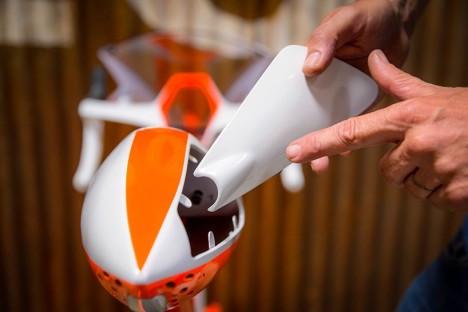
A slot in front, protected by an aerodynamic mud and wind guard, lets you put your smart device in place for navigation, too.

e bike full model

e bike helmet protection

The goal of this project is in part to raise awareness of what bikes can be when stripped of the rules people think are common sense but are really tied to the limited and specialized world of racing. The hacks in this case enhance functionality on various fronts and, frankly, produce a much more awesome-looking ride, too.

Share on Facebook


[ By WebUrbanist in Technology & Vehicles & Mods. ]

[ WebUrbanist | Archives | Galleries | Privacy | TOS ]


WebUrbanist

 
Comments Off on Eff You: Sleek & Superior Bicycle Defies Global Racing Rules

Posted in Creativity


7 Street Photography Rules That Should Be Broken

07 Jul

There is an all-too-common path that many people follow when they begin to practice street photography. They grab their camera, go to the busiest place they can find, and capture people head-on over and over again.

While this is certainly something that you should do, it is not the only thing. I want to dispel a few myths about street photography to help broaden the content that you photograph. There is a wide range of ways to capture interesting street photographs for you to try.

Plant, Chase Bank

Plant, Chase Bank

1. People need to be present in the image

Street photography is about people, but it does not have to include them. This type of photography is about life, and you do not need to smack a person in the middle of a frame to have it be a street shot.

The goal for this type of photography is to capture unique and interesting moments that mean something to you. There is no rule for how to do this without people in the frame, but the goal is to go beyond the typical pretty landscape shot, and foster some sort of meaning and uniqueness within the image.

No matter where you live, but particularly if you live in a less populated area, it can be good to focus on this idea. Explore your surroundings and try to explain it through your imagery. Include people when you can, and when it furthers your aim, but look for unique shots of your surroundings at the same time.

If you find a great area with beautiful light, then capture it like it is. It is a typical mistake for photographers to mess up a really interesting scene by including any random passerby. Often people seem to think that this passerby is what makes the image a street image, but that could not be further from the truth. If you find a good background and want a person to be in the shot, that person needs to be able to add to the photograph. Otherwise, try to just capture the scene as it is.

2. You can only photograph on busy city streets

Front Yard, Burbank, California

Front Yard, Burbank, California

Explore the work of Martin Parr, Lee Friedlander, William Eggleston, Stephen Shore, Robert Frank, and Trent Parke, among others. Some of these photographers have photographed prolifically in very busy places, but all of them photographed, at some point or another, in areas devoid of people. Whether it is a shot of a busy beach/resort scene or a shot of a British pastry, you can still identify an image that was created by Martin Parr. Lee Friedlander’s images all have an eerie and dark quality to them (at least that’s how they make me feel) no matter if they were taken on a New York street corner, in a hotel room, or on an empty street in the suburbs. Study the works of these photographers taken in less populated areas and figure out which images appeal to you the most and why.

Street Photography can be done almost anywhere. Great photographers have a knack for learning how to take strong photographs in areas that others may think of as lacking content. Go to areas that you think would be terrible for photography, and try to figure out how to take a good photograph there. This is a very powerful exercise for your growth.

3. Never photograph a person’s back / You must always include the face
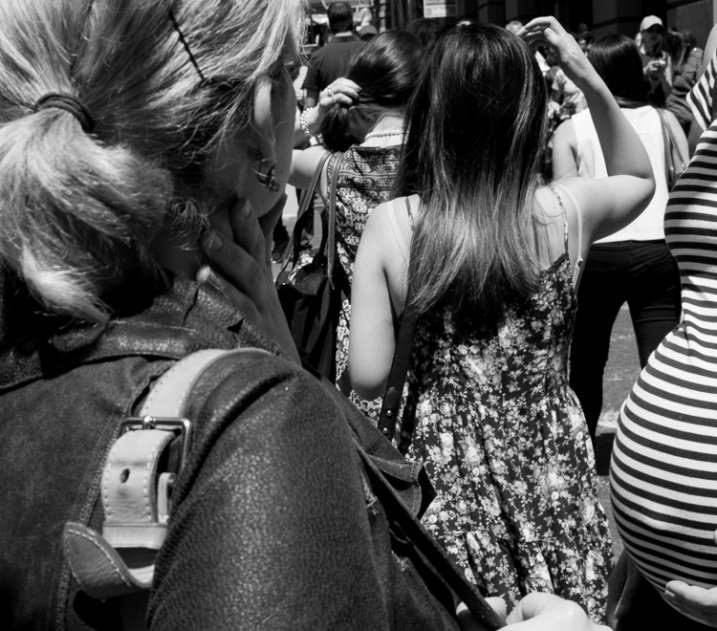
Hands, SoHo, NYC.

Hands, SoHo, NYC.

While the face is one of the most powerful ways to show emotion in an image, it is not always necessary to include it, particularly if it has a boring expression. Missing a person’s face because of bad technique or fear is one thing; if the face is good, you should capture it. But gestures, hands, a pose, clothing, or a specific element on a person can all be the most interesting part of an image. In these cases, it might be best to get close and capture just that interesting element. Doing that, and getting in close to the details, can also give an image a graphic quality that makes shapes, lines, and colors stand out.

4. You need a lot of depth and many different things happening in the scene for it to be effective
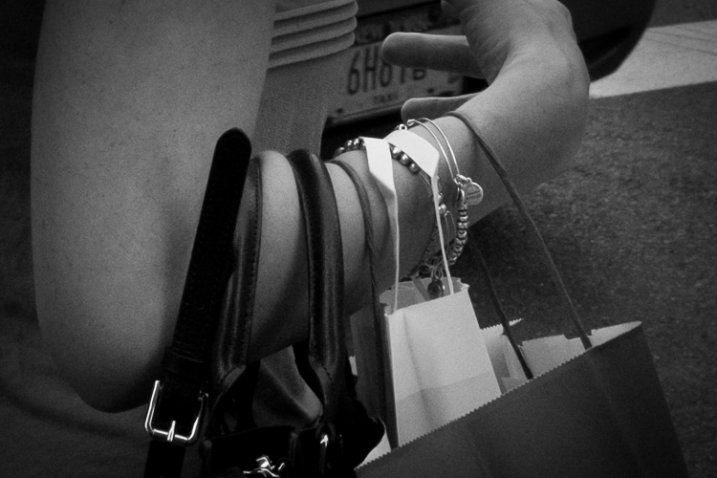
Bags, SoHo, NYC.

Bags, SoHo, NYC.

I very much like shooting this way and if you are a fan of Alex Webb’s work, you probably already understand the allure of a complex image that shows multiple levels of interest, all put together in a single frame. When done well these images can be incredible. They are wow images. These are situations that you should seek out.

However, compositions like this do not make the photograph good. What makes a photograph good is what is happening in it. Search for that first, and then you can figure out whether it will be better to create a complex image with a lot of supporting elements, or whether it will be better to just focus on the main element. It will be counterproductive if you walk out the door looking to create only images like Alex Webb. Look for interesting things and then figure out the best way to frame them.

5. Great street photographs are all about luck

As photographers we create our own luck. There is an element of randomness to every candid photograph, but the reality is that thousands of these “lucky” moments occur around us everyday that we don’t see.

Photography is both about waiting for these moments and about seeking them out. If you put in the time to shoot, you will come across many moments, no matter where you are. As you improve as a photographer, more moments will not occur around you, you will just get better at noticing them.

6. Street photography is about being bold
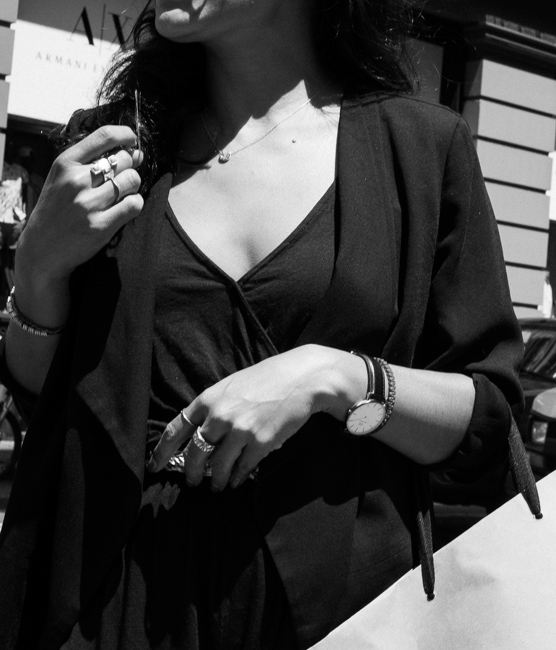
Hair Tug, SoHo, NYC.

Hair Tug, SoHo, NYC.

Some street photographers are very extroverted and bold. Some are quiet and timid. Some get in your face with a flash, and some wait carefully for something to happen in front of them. Work around whatever personality you have. If you are an introvert, then there is a good chance that getting a running start as you pounce on a person with a flash like Bruce Gilden will be tougher for you to pull off. It’s important to create a strategy of shooting that feels comfortable for you. Otherwise, if you are not having fun out there, then you are not going to want to put in the time necessary to get good images.

No matter what, you are going to have to bring yourself out of your comfort zone. You are going to have to figure out what you want your images to look like, and what you need to do to pull that off. If you want to use a zoom lens, use it because you like the look of a telephoto image, not because you are afraid to get close. If you are afraid to get close, use a light wide-angle lens, pick a spot, and let people come to you. Inch a little closer each time. You do not have to jump in there with cameras blazing to capture a good image. Figure out how to locate moments that are interesting and then develop your way of being able to put yourself in the right spot to capture them. Over time you will improve and feel like you belong there.

7. Street photography is about the extraordinary

There is a typical moment that I come across when teaching. I will be photographing with a student and suddenly a person with red, blue, or green hair, or covered in tattoos, will pass by. The student will take that shot faster than any shot they’ve taken the whole day. That hair or the tattoos just clicked as an interesting street image in their minds. Red hair can be interesting, but it is just one element. While it stands out and feels extraordinary and different, it’s not actually that unique.

Street photography can focus on anything. It can be colorful, mundane, ordinary, or something overt. A lot of the most incredible street photography actually captures ordinary moments in ways that feel extraordinary. Street photography is about finding the extraordinary in all types of moments. Do not just sit there looking for red hair. Seek out people and scenes that fly below the radar, and capture what makes them interesting.
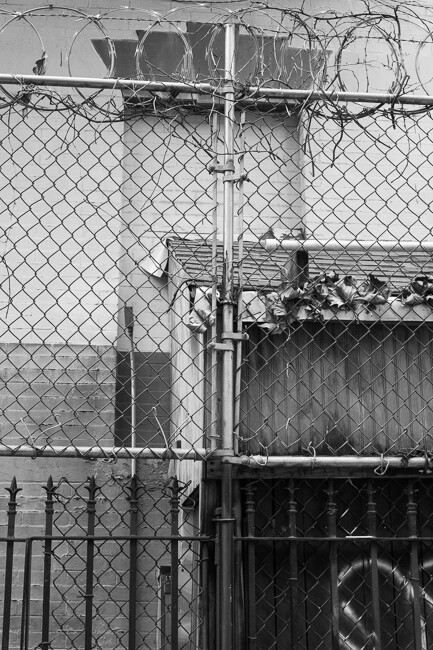
Fence, East Village, NYC.

Fence, East Village, NYC.

googletag.cmd.push(function() {
tablet_slots.push( googletag.defineSlot( “/1005424/_dPSv4_tab-all-article-bottom_(300×250)”, [300, 250], “pb-ad-78623” ).addService( googletag.pubads() ) ); } );

googletag.cmd.push(function() {
mobile_slots.push( googletag.defineSlot( “/1005424/_dPSv4_mob-all-article-bottom_(300×250)”, [300, 250], “pb-ad-78158” ).addService( googletag.pubads() ) ); } );

The post 7 Street Photography Rules That Should Be Broken by James Maher appeared first on Digital Photography School.


Digital Photography School

 
Comments Off on 7 Street Photography Rules That Should Be Broken

Posted in Photography


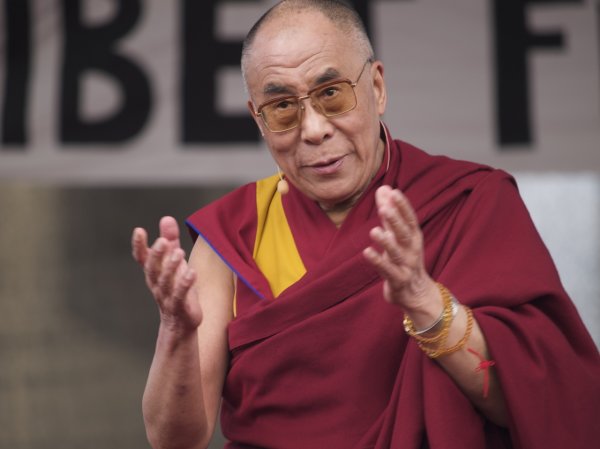
11 Rules of Living by Dalai Lama to Help You Bring Zen to Your Photography

07 Mar

Note from the Editor: this article is a little different than our usual dPS how to tutorials, more in line with personal growth. But see if there aren’t some things you can use and apply to you photography to help you take better photos.

“Happiness is not something ready made. It comes from your own actions.” – Dalai Lama

Often times we feel a desire to start from scratch and achieve something remarkable. As spring is approaching, use this time of increased motivation to think about your goals as a photographer.

Jan Michael Ihl

By Jan Michael Ihl

Over a decade ago, The Dalai Lama shared with the world a set of simple guidelines to help you live a complete and meaningful life. In this article we look at 11 of those rules of living from a photographer’s perspective. Whenever you decide to take your time and set your priorities, read the advice of the world’s greatest wise man and project it on your own career and life activities.

1. Take into account that great love and great achievements involve great risk.

Quitting your day job to start a photography business is a risky step accompanied by doubts and fear of failure. But if you’re firm about becoming a successful photographer, you just need to step out of your comfort zone. The ride to success will probably be harsh, but on the other hand, it will be fun! Just listen to your inner superhero and try to enjoy the very process of taking risk.

2. Share your knowledge. It’s a way to achieve immortality.

This advice isn’t as difficult to follow as you may think. These days blogging is a great way for people to spread their knowledge and exchange ideas. Being an active member on a photography forum, or supporting a photography related project (for instance, Defrozo calls all photographers to help them build the ultimate photography marketing platform) are also good opportunities for any photographer to do good for the community. After all, what goes around comes around.

MD. Hasibul  Haque Sakib

By MD. Hasibul Haque Sakib

3. When you lose, don’t lose the lesson.

Screwed up a photo shoot? That’s not a reason for giving up, as failing can teach you so much more than success. Analyze your missteps, do your best to fix them, and prepare more carefully next time. Yes, that mistake can leave a bitter aftertaste for a long time, but after all, you would never feel good without feeling bad.

4. Follow the three Rs: Respect for self, Respect for others, Responsibility for all your actions.

Respect for self ensures determination, which is crucial to success. For instance, if you set your prices too low, people may think you’re not confident about your professionalism and thus, would not commit capturing their memories to you.

Even if you’re not sharing the values and interests of people you work with, there must be something they can teach you, respect that.

Even if you’re a solopreneur, being responsible and respectful is essential for running a successful photography business.

5. Remember that not getting what you want is sometimes a wonderful stroke of luck.

I have a friend who couldn’t afford a Canon 5D MarkII a few years ago, which pushed him to seek other ways to reach the image he envisioned. As a result, he improved his skills drastically and even won a prestigious photography contest. He now owns a studio now and his business is growing fast. My friend is pretty sure he wouldn’t have reached this point if he had bought that camera and let it do the job for him. The moral of this story is that something you consider a lost opportunity may in reality be a chance to win. Just stay positive and keep your eyes wide open.

Umberto Salvagnin

By Umberto Salvagnin

6. Learn the rules so you know how to break them properly.

Did you know that Picasso mastered the illusion of volume just to learn how to flatten it in his paintings? Like with any art, in photography any rule can be broken – as long as it’s broken intentionally. If you’re looking for an innovative approach and want to go out of the box with your composition and lighting, you have to know where the box’s limits are.

7. When you realize you’ve made a mistake, take immediate steps to correct it.

Everyone could make a mistake, but not anyone could immediately react and correct it. It’s all about taking responsibility for your own actions. If the final photos don’t meet the expectations of your customer and you know it’s your fault, do something to fix it and do it fast. A free compensatory session or a small sorry gift can help you own the situation. Quick reaction will speak of your integrity – it won’t be left unnoticed.

8. Spend some time alone every day.

I’m sure you know how it feels when creative ideas flow out of you like a stream. I think you can also remember the tough periods of creative block when it seems you’re unable to produce anything new or interesting. Every creative experiences these ebbs and flows of inspiration. Some solitude during your day can be a great practice to help you stay balanced and productive.

Jhoc

By jhoc

9. Once a year, go someplace you’ve never been before.

Seeing new places and faces, discovering new cultures and atmospheres is extremely important for any photographer. So do your best to not get stuck in the routine, and go to a new destination at least once a year, even if it’s a small village not far from your habitat.

10. Judge your success by what you had to give up in order to get it.

Success is always about making sacrifices and compromises. However, it’s up to you to decide how much to give up on the way to it. Your own photography business will require you to be a wearer of many hats, it will also soak up tons of your time and energy. But if it pushes you to compromise your loved ones or life values, stop and think whether it will be a success at all if it’s achieved this way.

11. Open your arms to change, but don’t let go of your values.

Change is an essential part of any business, especially when you work in the creative field. Embrace new technologies and don’t miss an opportunity to boost up your marketing, but don’t betray your values as they are the first to speak of your personality and brand.

Nick Kenrick

By Nick Kenrick

The Dalai Lama’s rules of living are not novelties, it’s something we’ve all heard at least once during a lifetime. However, we often forget or fail to apply these laws in our daily routine. So having these simple truths listed in one place which you can get back to once in a while may help you be a better person and achieve more in life. Do you agree? Share your own life lessons and favorite quotes in the comments!

googletag.cmd.push(function() {
tablet_slots.push( googletag.defineSlot( “/1005424/_dPSv4_tab-all-article-bottom_(300×250)”, [300, 250], “pb-ad-78623” ).addService( googletag.pubads() ) ); } );

googletag.cmd.push(function() {
mobile_slots.push( googletag.defineSlot( “/1005424/_dPSv4_mob-all-article-bottom_(300×250)”, [300, 250], “pb-ad-78158” ).addService( googletag.pubads() ) ); } );

The post 11 Rules of Living by Dalai Lama to Help You Bring Zen to Your Photography by Darlene Hildebrandt appeared first on Digital Photography School.


Digital Photography School

 
Comments Off on 11 Rules of Living by Dalai Lama to Help You Bring Zen to Your Photography

Posted in Photography


5 Photography Rules Moms Can Ignore

09 Jan

If you’re anything like me, you made the investment in a DSLR camera to take beautiful professional quality photos of your kids. You want to document their childhood so the moments they may not remember on their own, they’ll have at their fingertips down the road.

Photography rules mom can break 02

Your camera has opened up a world of possibility in how to go about documenting your days as a family. But, if you’re new to photography, you may have quickly realized that your camera has a lot of buttons, settings, and dials that you have no clue how to use. On top of it all, the advice you’ve been given or articles you read have had conflicting information as well.

When I began my learning journey with the wonderful world of technical photography I was bombarded with information overload. There was no shortage of advice, opinions, and tutorials for what I needed to do to take beautiful pictures. I was told I needed to learn flash, and that I needed special filers, or software, or more lenses, or even a different camera.

During my years of ‘going pro‘ I’ve learned it’s that photography is all about intention and purpose. The rules a nature photographer follows, are going to be much different than the rules that apply to a mom trying to take better photos of her kids.

Photography rules mom can break 05

These days, I’m breaking some of the most common photography rules that were shared with me on my own photography learning journey. Why not become a ‘rule breaker‘ with me? If there’s one thing I’ve learned from my kid, it’s that rules are always meant to be broken. Life (and your photography) will be so much more fun that way.

5 rules moms can ignore

Rule #1: You need to invest a lot of money in gear and accessories

Once you get your camera other DSLR owners will be lining up to tell you all the other gadgets and gizmos you should have to go along with it. If you’re a mom who is just starting out, you don’t need to run out and invest in big bulky external flashes, studio light set ups, lots of lenses and filters, etc. The few affordable accessories I DO think a mom can benefit from are: a 1.8 prime lens (a 35mm works well on an APS-C or cropped sensor) for low light indoor photos, a 70-300mm zoom lens for sports photos, a sturdy tripod, and a wireless remote so you can trigger the shutter away from the camera and actually be in photos with your kids every now and then.

Photography rules mom can break 07

Rule #2: Manual mode is the only way to take good photos

The next piece of advice that I constantly read over and over again was that I needed to learn how to put my camera in ‘M’ (Manual mode) to take good photos. Although there is definitely a better level of control and confidence that comes from mastering Manual mode and knowing how Shutter Speed, ISO, and Aperture all work together to expose photos, it’s not the be-all, end-all, to shooting amazing images. I’d argue that finding decent light is definitely a better starting place for moms. There are still times when I’m running after my preschooler taking snapshots in tricky, constantly changing light, and I won’t shoot in full Manual mode. In these moments I typically opt to use A/Av mode instead and get a bit of help from my camera in choosing shutter speed for me.

Photography rules mom can break 01

Rule #3: The bigger the camera the better

I will admit, as I learned more and more about my photography, I got a bit of camera envy. I knew that the pros shot with some really fancy top of the line cameras, and I thought that I needed the same gear, in order to achieve the same results. The truth is, entry level SLRs are improving by leaps and bounds and are rivalling the bigger cameras in their low light, high ISO capabilities. If your camera is over four or five years old you might want to consider a slight upgrade. Because as it is with technology, newer models will have additional power to them (especially in the area of ISO limits), but you don’t need to immediately jump to a top of line model that costs thousands of dollars in order to take beautiful shots.

Rule #4: The best times of day to photograph are sunrise and sunset

This was another rule that was stated to me over and over and over again, especially as I made the transition to professional photography. Even though the light tends to be awesome during these times (sunset isn’t called the ‘golden hour‘ for no reason), a shoot during these times can go south rather quickly when your child hasn’t had a nap and it’s nearing their dinner time. I want to challenge you to take photos of your kids when they are in the best mood. Good photography is all about finding the right light. The middle of a bright sunny day might be more tricky to seek out even lighting, but if that’s when your kids are the most awake, and alert and willing to play for the lens, then that’s when you should shoot. At the end of the day, it’s all about their beautiful smile and not the beautiful sunset behind them.

Photography rules mom can break 03

Photography rules mom can break 06

Rule #5 You need to invest in Photoshop or Lightroom to edit professionally

One misconception I had when I bought my first DSLR camera was that my photos would come straight out of the camera looking professionally retouched. I learned very quickly that wasn’t always the case, and that editing software would allow me to transform my drab photos into fabulous works of art. Photoshop and Lightroom are two of the most frequently talked about and discussed programs out there for professional photographers, but they are complicated and in some cases expensive, pieces of software that can take a great deal of time and effort to learn. For a mom who is on the go and wants something a bit more user friendly and lower cost, I absolutely love the website PicMonkey. From basic editing features, to filters, collages, and more this website makes it super easy for the mom on the go to still make her DSLR photos look incredible.

Photography rules mom can break 04

Are there any other photography ‘rules’ you’ve heard before that you have a difficult time following? I’d love to hear about them in the comments. Happy snapping!

If you want some inspiration, or more reading and tips for photographing kids, check out these articles:

  • The 3 Biggest Kid Photography Mistakes
  • KIDS: Weekly Photography Challenge
  • How to go Beyond the Regular Composition Advice for Getting the Best Shots of your Kids
  • 7 Tips for Photographing Kids
  • Click! a dPS ebook to help you take better photos of your kids

The post 5 Photography Rules Moms Can Ignore by Beryl Young appeared first on Digital Photography School.


Digital Photography School

 
Comments Off on 5 Photography Rules Moms Can Ignore

Posted in Photography


Photography Rules and Finding Balance to Discover Your Own Style

13 Oct

By Lori Peterson

Digital photography has put the camera in more hands than ever before and everyone seems to either want to follow the standard mold of photography or they want to completely break away from it.

For instance, Ian Ruhter took a delivery van and transformed it into a giant wet plate camera. There are so many photographers out there that are wanting to copy someone else’s style instead of finding their own. Learn the rules and then use them or twist them as you need to do to make your own art and to tell your story. One part of your image may follow the standard photography rules and another part will completely be out of the norm. Not everyone sees the image or the story the same and that is fine. Don’t get so caught up in trying to make everything absolutely perfect that you lose the shot.

One of the rules that you hear a lot is to simplify your image. Sometimes, especially in street photography, you can’t simplify the scene. Sometimes the scene has to speak for itself. Whether it’s chaos or clutter, sometimes you need to just go with what you have and work with it. There are stories that can be told just by being the silent observer and recording the image at that place and time.

Photography Rules and Finding Balance

Some photographers will talk to you endlessly about the Rule of Thirds and not centering your subject. Composition of the image is really subjective, but people get too comfortable just centering the image and when they start thinking outside of that box they begin to see everything in a new way. Moving your subject slightly off to the side can actually bring the focus onto them. Just make sure that no matter where your subject is in the image that they are the focus.

Photography Rules and Finding Balance

Using patterns and lines can draw your viewer in more. It helps for them to picture the scene and even put themselves into that moment in time. S-curves work really well to draw your eyes to a particular spot in an image. You can also try a new perspective and get down really low to the ground and use whatever lines are there to your advantage. Experimenting with your shooting techniques can help you learn what works for your style and what doesn’t.

Photography Rules and Finding Balance

Use of color and tone in an image can set the scene for the viewer. Colors can bring a harmony and unity to an image or it can be used to emphasize a certain part of the image. Color can add contrast, it can help parts of the image blend in, or it can really make a bold statement. Using color in your image can convey emotion and without a written word it can tell you what time of day it is, such as sunrise or sunset.

Photography Rules and Finding Balance

You could do a Google search on photography rules and it would make your head spin from trying to follow all of them, but the important thing about photography rules is knowing when to follow them, when to break them, and when to vary them up just enough to fit your image. Learning to find that balance takes time and practice. Sometimes you just have to learn from the mistakes you make and take those lessons with you to your next shoot. Don’t forget that art is very subjective and what works for one image may not work for another. Experimenting with techniques and composition helps you to learn about photography and find your own creative balance.

Lori Peterson is an award winning photographer based out of the St. Louis Metro Area. Her dynamic work ranges from creative portraits to very unique fine art photography. Lori’s work can be seen at www.loripetersonphotography.com and also on her blog at www.loripetersonphotographyblog.com. You can follow her on Facebook at https://www.facebook.com/LoriPetersonPhotography.

Post originally from: Digital Photography Tips.

Check out our more Photography Tips at Photography Tips for Beginners, Portrait Photography Tips and Wedding Photography Tips.

Photography Rules and Finding Balance to Discover Your Own Style

The post Photography Rules and Finding Balance to Discover Your Own Style by Guest Contributor appeared first on Digital Photography School.


Digital Photography School
 
Comments Off on Photography Rules and Finding Balance to Discover Your Own Style

Posted in Photography


Break the Rules: 100 Lomo Photography Ideas to Get Inspired

28 Jun

Lomography is a quite unknown term, but many of us practice it more than once. Actually, what some consider mistakes like exposure defects or over-saturated colors are what makes lomography so special. This movement was born in early ‘90s by a group of Viennese students who discovered the Lomo LC-A camera while on vacation in Prague. Since then lomography has Continue Reading

The post Break the Rules: 100 Lomo Photography Ideas to Get Inspired appeared first on Photodoto.


Photodoto

 
Comments Off on Break the Rules: 100 Lomo Photography Ideas to Get Inspired

Posted in Photography


US Judge rules for Eggleston in dispute with collector

04 Apr

20130329eggleston-promo1.jpg

Celebrated American photographer William Eggleston won a legal victory when a US District Court judge dismissed a claim of fraudulent and negligent misrepresentation brought by collector Jonathan Sobel. Sobel, an avid Eggleston collector, argued that by creating a new set of large format inkjet prints beyond the 30-year old dye transfer print limited edition of the same image, Eggleston was diluting the value of the earlier prints, one of which Sobel owned. Read on for more details. (via ARTINFO)

News: Digital Photography Review (dpreview.com)

 
Comments Off on US Judge rules for Eggleston in dispute with collector

Posted in Uncategorized


Combining Rules of Composition to Improve Your Landscape Images

04 Jan

One of the most elusive and frustrating elements of photography is finding the right composition. Many otherwise good images are often derailed by poor compositional choices. There are several primary rules of composition to be aware of, and by being aware of them, and then combining them, you can give your landscape photos a real boost in terms of interest.

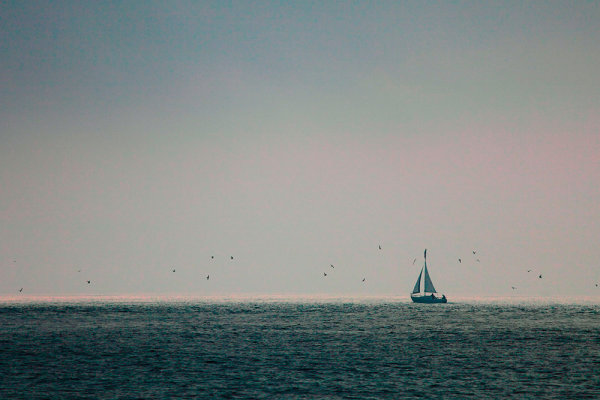
In this image, I had a flat gray mist killing any interest in the sky. But when this lone sailboat began sailing right at the edge of the mist, I began to see possibilities. By placing the sailboat at the intersection of the rule of thirds, and placing the horizon line at the bottom third of the image, I allowed the negative space to take up a lot of room. That negative space gives the boat a place to go, and keeps the interest squarely on the sailboat.

The first and most basic rule is the Rule of Thirds.  This rule states simply that elements of interest in your photos should be positioned one third of the way in from top, bottom, left or right of the image.  Elements of primary importance should be positioned at the intersection of those thirds.  The rule of thirds tends to be the first rule I look to when composing my images.  But I find my strongest images happen when I am able to combine the rule of thirds with other rules.  These rules include using leading lines, using negative space, and using framing.  Of course, there are always times to break these “rules”- they are actually more guidelines than rules. But that’s another article altogether.

Use negative space to help your subject stand out. Too often photographers try to eliminate negative space, simply because there’s nothing of interest in that space. Negative space is simply an area of the image with nothing in it- a blank sky, a dark shadow area, a flat expanse of land.  However, that negative space can be used to contrast against your subject, ensuring the viewer’s eye goes right where you want it to.  Ideally, your subject should be heading or pointing IN to the negative space, to lead your eye into the composition.

The shoreline in this image leads the viewer's eye right to the lighthouse. The lighthouse is positioned right at the intersection of the rule of thirds, with the water on the right creating some nice negative space in contrast with the rocky shore. The horizon line is roughly at the top third of the image.

Leading lines are another excellent tool to use to help draw attention to your subject. Ideally these lines are created by other elements in your composition and help lead the viewer’s eye right to your subject.  Leading lines help create depth when used to lead the eye into the frame, giving a more three dimensional feel to the image.

A very effective way to draw attention to your subject is to use other elements to frame it within the image. Framing can be used to help keep interest where it belongs, and keep the eye from wandering aimlessly through the image.  Framing can add context to an image.  For instance, trees at the edges of an image, framing off a lake, or mountain peak, give a sense of where the photographer is when taking the image.  Eliminating those elements removes the context. This is not necessarily bad, but another variation to consider when photographing at a location. I’ve often found myself frustrated that a tree was in the way, or I couldn’t get the view I wanted because a building was in the way. Then I realize that I can use the trees, or use the building (by shooting through an open window), to add that context that gives an added layer of interest to a photo.

By keeping these four simple compositional guidelines in mind when shooting, you can create a variety of images from the same subject, increasing your keeper ratio finding images you may not have found otherwise.

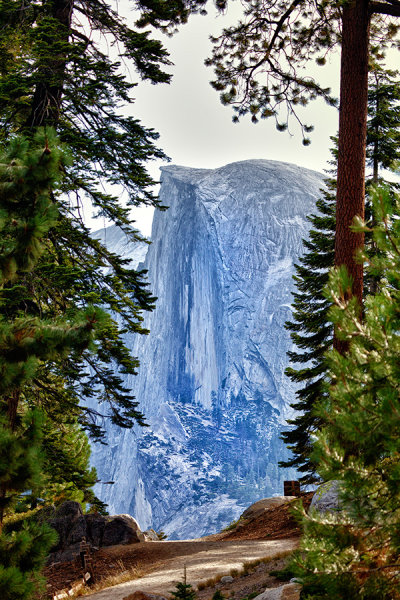
In this image of Half Dome, foreground trees are used to set apart Half Dome and make it stand out, while providing a context. In addition, note that the trees are roughly at one third on each side of the image. This need not be exact, but it helps create a space within the image that the eye finds pleasing.

Post originally from: Digital Photography Tips.

Check out our more Photography Tips at Photography Tips for Beginners, Portrait Photography Tips and Wedding Photography Tips.

Combining Rules of Composition to Improve Your Landscape Images


Digital Photography School

 
Comments Off on Combining Rules of Composition to Improve Your Landscape Images

Posted in Photography