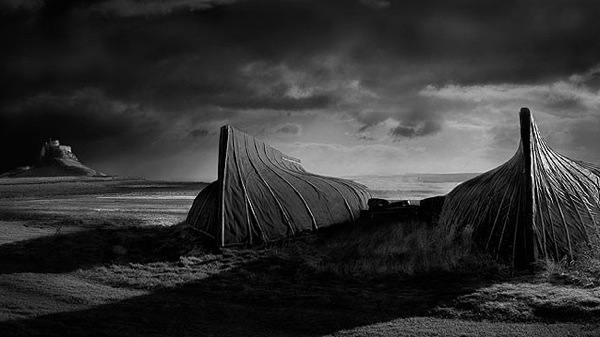
If your photos aren’t turning out the way you expect them to, new gear is not necessarily the answer. In fact, chances are you are making one of these seven common mistakes. Don’t be discouraged though; just as a musician needs time to refine their skills, so does a photographer. Once you recognize where the problem lies, it’s easy to make adjustments and achieve better results the next time out.
1) Shooting at the Wrong Time of Day
Harsh afternoon sunlight can wreak havoc on a landscape photo. With bright highlights and dark shadows, the contrast makes for especially difficult exposures. For truly dramatic scenic opportunities, dedicate the hours around sunrise and sunset to photography. You’ll be amazed at how few people are there to clutter your composition. With the soft light and colorful skies, your photos will take on a new level of natural beauty.
2) Your Images Lack a Clear Subject
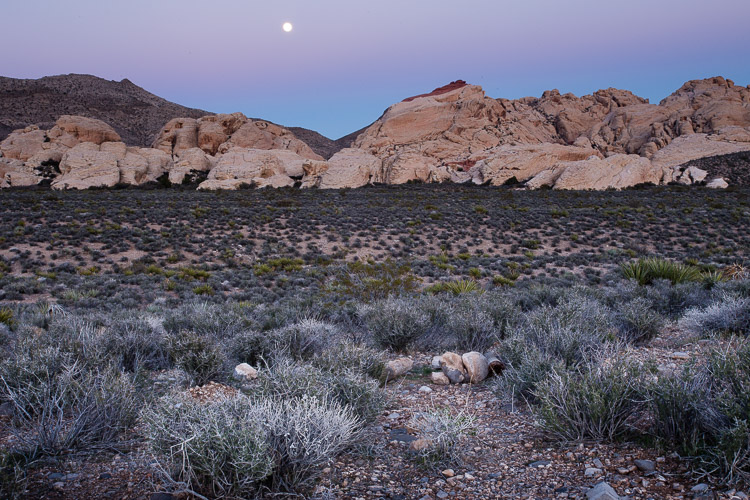
When you experience something grand, it’s tempting to try and include it all into one frame. The expansive landscape is undeniably beautiful but it’s lacking in any one point of importance. Before pressing the shutter, ask yourself “What is my subject?” If you’re able to provide an answer, you can learn to see like a camera. The human eye interprets a scene differently, heavily influenced by our peripheral vision and ability to scan from left to right. The camera however sees in a much simpler way, only able to record a small portion onto the sensor. By determining what the subject is, you can take the necessary steps to make an effective photo.

3) No Foreground
The gentle hues of dawn are worth getting out of bed for, but color alone won’t hold the viewer’s interest. To make a dramatic impact on your scenic and travel images, find a strong foreground element. This can be a field of flowers, a boulder, tree, or even a man-made object. The idea is to add visual interest all the way through the frame. As you explore various options, try several perspectives including ground level. By having this location worked out in advance, you’ll be ready to capture the fleeting light.
4) Lazy Composition
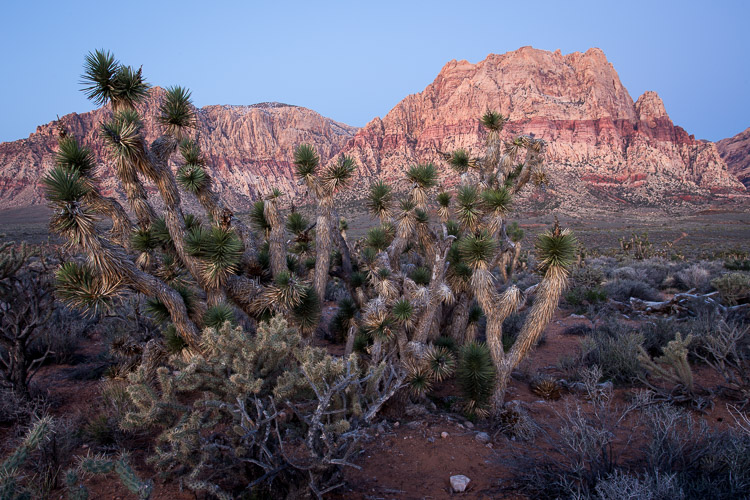
At nearly every scenic vista or photographic landmark, you’ll notice a definitive dirt spot where grass once grew. This well-worn spot is the final destination for scores of tourists who shoot the same photo year after year. Rather than following the crowd, take a quick loop around the area and search for unique perspectives. To more effectively communicate your vision, check all four corners of your viewfinder, and either zoom or physically move to make a stronger image. Do you need the fence in the bottom corner, or the tree that seems to enter the frame from nowhere? This type of attention to detail will help strengthen the composition in-the-camera which saves you time at home trying to clone out unwanted objects.

5) It’s Been Done Before
Automatic modes were designed to provide average results under a variety of conditions. While this can be effective on occasion, it’s fundamentally opposite of what you’re trying to achieve with your art. Do you really want your images to be just average? In order to go beyond the safe shot, creative photographers will push the boundaries to explore their own vision. Rather than trying to recreate what’s already been done, find your own twist on it. This may not always be in line with current trends, but who’s to say you’re attempts won’t cause their own stir.

6) There’s Too Much Contrast
One of the most common issues with scenic photos is the huge contrast difference between the foreground and the sky. The solution is not a new camera or complicated software. Actually, a simple tool known as the graduated neutral density filter is all you need. These commonly come in strengths of two (0.6), three (0.9), and four (1.2) stops. While HDR is another effective method, these filters allow you to achieve your vision in the camera at the time of exposure.
Start by manually spot metering the foreground. The goal is to expose in such a way that the foreground is not black, leaving some detail in the shadow areas. This could be at “-1″ on your meter, or “0”, or even “+1″. Of course if you are not sure which foreground looks best, bracket. Take a quick test shot and notice how the foreground looks well exposed but the sky is overexposed. The next step is where the magic happens.

Get out your graduated neutral density filter and position the dark portion over the top part of the lens. This will darken the bright sky while leaving your foreground properly exposed. You can fine tune the effect by adjusting the filter placement up or down in the mount.

7) Fear of High ISOs
You may be surprised to learn that a high ISO can be helpful for landscape photography. This is particularly true when shooting without a tripod or including a person in the frame. In these instances, the shutter speed can be no slower than about 1/125 to prevent camera shake and/or subject motion. Then, to achieve great depth of field and keep everything sharp from near to far, your desired aperture would be f/11 or f/16. With these two decisions made, you may take your photo only to find that it’s too dark. This is where the ISO comes into play. Simply double the ISO number and watch as the photo gets brighter.
Many photographers are overly sensitive about high ISO noise and refrain from using anything over 800. Instead they’ll slow down the shutter speed, rely on image stabilizers, or open the aperture wider. The results may look acceptable on the small LCD only to appear soft when viewed or printed larger. Like most aspects of photography, there is always a tradeoff to consider. Would you rather have a blurry, but noise-free photo, or a sharp image with a bit of noise? Considering that most image editing programs now offer terrific noise reduction options, the ISO noise isn’t as harmful as it once was.

googletag.cmd.push(function() {
tablet_slots.push( googletag.defineSlot( “/1005424/_dPSv4_tab-all-article-bottom_(300×250)”, [300, 250], “pb-ad-78623” ).addService( googletag.pubads() ) ); } );
googletag.cmd.push(function() {
mobile_slots.push( googletag.defineSlot( “/1005424/_dPSv4_mob-all-article-bottom_(300×250)”, [300, 250], “pb-ad-78158” ).addService( googletag.pubads() ) ); } );
The post 7 Landscape Photography Mistakes That Could be Ruining Your Photos by Chris Corradino appeared first on Digital Photography School.