Tag: Roofs

  • Inverted Roofs: Bowl-Shaped Rain Collectors Naturally Cool Desert Homes

    [ By WebUrbanist in Architecture & Public & Institutional. ]
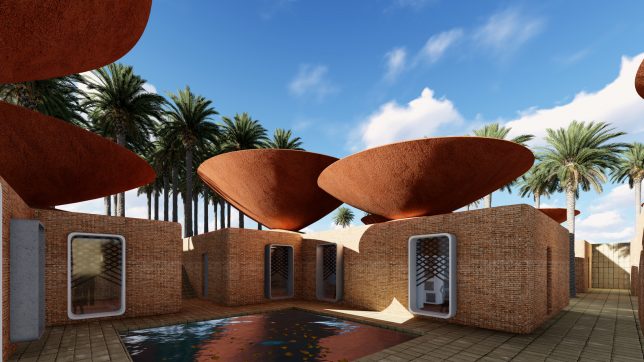
    rainwater-roof-system

    Iranian architects have developed a Concave Roof system to collect rainwater in arid climates with low precipitation, helping cool buildings in hot and dry regions of the world. The water can in turn be filtered for drinking or integrated into interior graywater systems.
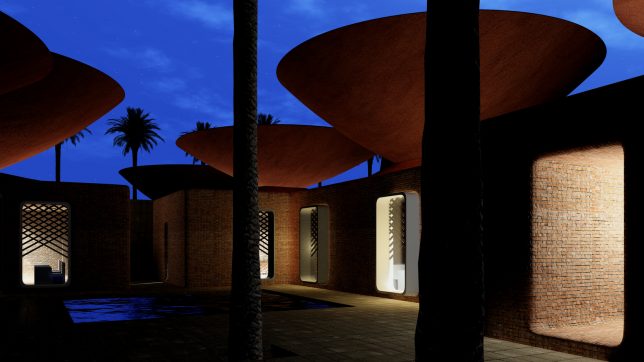
    roofs-at-night

    These systems help reduce reliance on artificial air conditioning (or work were it is unavailable). They could ultimately help keep people in their home regions who might otherwise have to move due to climactic changes.
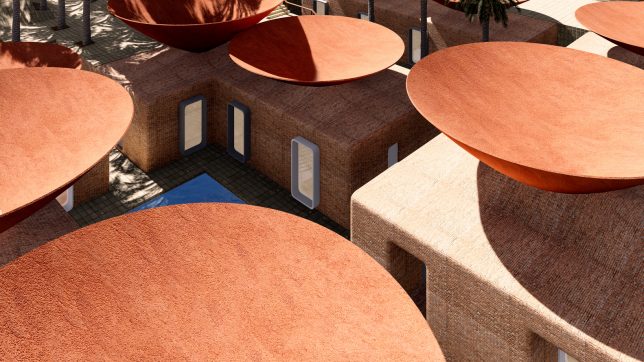
    roofs-from-above

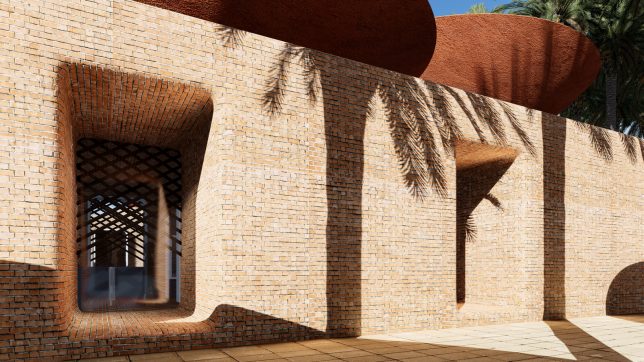
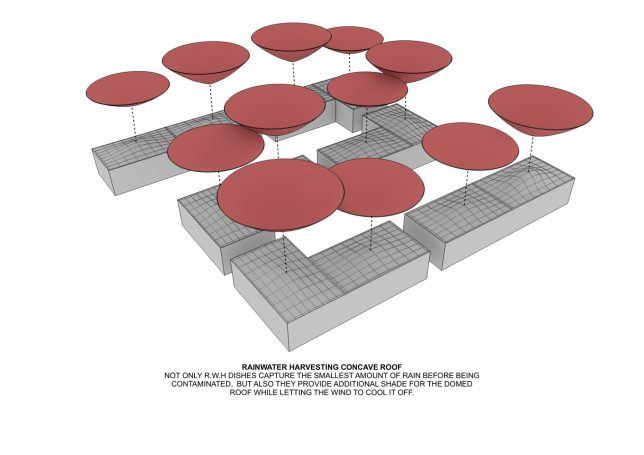
    BMDesign Studios’s addresses rapid evaporation with the bowl-shaped roof additions, designed to channel even the smallest amounts of accumulated rain, coalescing them into drops big enough to harvest before they evaporate.
    desert-roof-bowls

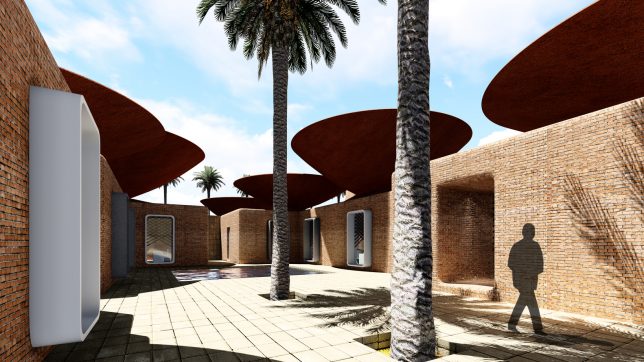
    These inverted shells also provide shade while allowing air to pass between upper and lower roofs, acting as a cooling system in the process.
    roof-in-arid-climate

    wall-reservoir

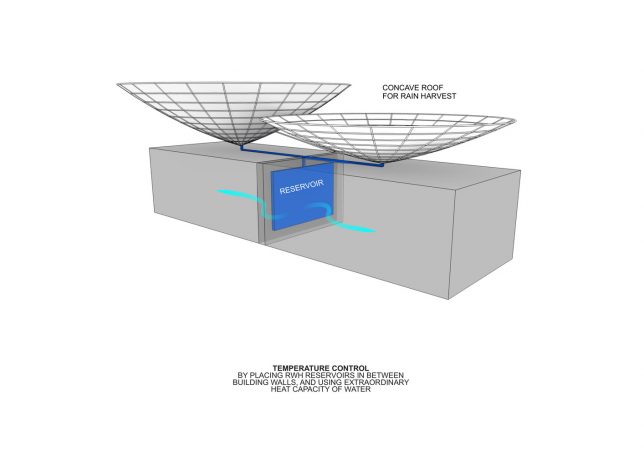
    Reservoirs tied into the system are situated between building walls to take advantage of the thermal capacity of the water to regular interior temperatures.
    concave-roofs

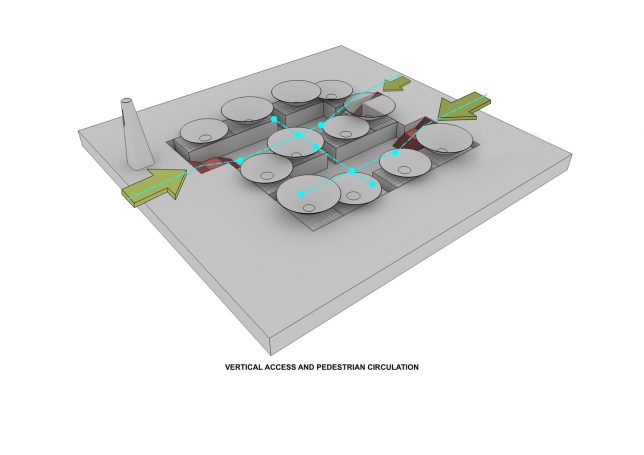
    sunken-courtyard

    circulation

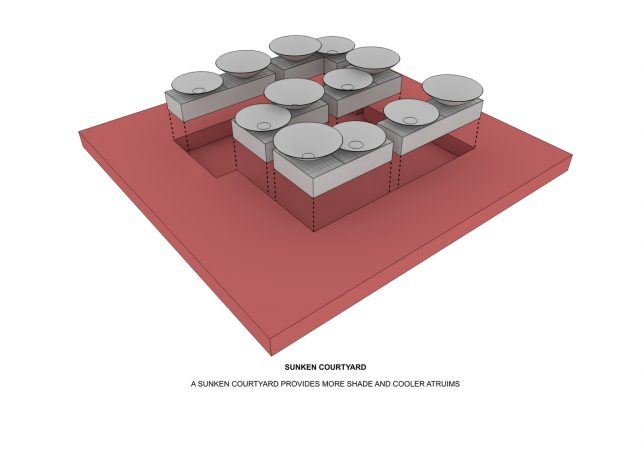
    The courtyard and circulation spaces are also sunken to further cool the complex. Temperatures are higher and precipitation in parts of Iran is as much as 2/3 lower compared to global averages, so every drop counts.

    Share on Facebook


    [ By WebUrbanist in Architecture & Public & Institutional. ]

    [ WebUrbanist | Archives | Galleries | Privacy | TOS ]


    WebUrbanist

  • Urban Agritecture: Terraced Townhouse Supports Series of Green Roofs

    [ By WebUrbanist in Architecture & Houses & Residential. ]

    urban-agritecture

    A stepped-roof residence recently completed in Vietnam combines architecture and agriculture, inspired by the terraced rice fields found in the countryside.

    windows-and-shade

    steps-and-light

    Designed by H&P Architects, the accessible platforms overhead serve a variety of purposes simultaneously. Slotted windows at each incremental level allow in light while the natural vegetation helps filter dust, noise and heat in the tropical climate. These plants, in turn, are supported by a built-in irrigation system as well as channeled storm water.

    stepped-house-design

    rooftop-deck-vegetation

    A series of small staircases connect each of the exterior decks, stepping over planters that span the length of the house across multiple levels.

    living-room-view

    light-conditions

    terraced-green-space

    At grade and on the floor above are living accommodations including a play area, lounge and kitchen as well as multiple bedrooms. A workshop and study are located on the third and top level. The whole house is also designed to maximize airflow across levels, bringing cool air in from the shaded side and venting it along the horizontal rooftop windows.

    green-roof-diagram

    roof-view-looking-down

    From the architects: “agricultural cultivation helps bring city dwellers closer to the nature by giving them interesting first-hand experience in planting, taking good care and sharing harvested produce from their own farmland plots with their neighbors.”

    stepped-housed

    stepped-house-at-night

    This home “serves as a constant reminder of the origin of paddy rice civilization in a flat world context threatened by various types of pollution currently at an alarming level. it is, at the same time, expected to promote the expansion of farmland plots in urban areas with a view to securing food supplies for future life.”

    Share on Facebook


    [ By WebUrbanist in Architecture & Houses & Residential. ]

    [ WebUrbanist | Archives | Galleries | Privacy | TOS ]


    WebUrbanist