RSS
 

Posts Tagged ‘Real’

Panasonic Lumix FZ2500 / FZ2000 real world samples gallery

10 Dec
Straight-out-of-camera JPEG. 132mm equiv., ISO 125, 1/640 sec, F4.5. Photo by Carey Rose

The Panasonic Lumix FZ2500 / FZ2000, the company’s followup to the popular FZ1000, comes with a whole new 24-480mm F2.8-4.5 lens in front of its 20MP 1″-type CMOS sensor. It also comes with a built-in neutral density filter, 4K video and 4K photo modes and Panasonic’s Depth-from-Defocus (DFD) technology for quick and accurate autofocus.

We’ve taken advantage of some rare sunny weather in the midst of this Seattle winter to put together a samples gallery from this stills and video superzoom – take a look.

See our Panasonic FZ2500 / FZ2000 real world samples gallery

Articles: Digital Photography Review (dpreview.com)

 
Comments Off on Panasonic Lumix FZ2500 / FZ2000 real world samples gallery

Posted in Uncategorized


Red Cross & IKEA Install Replica of Real Syrian Apartment in Flagship Store

16 Nov

[ By WebUrbanist in Design & Guerilla Ads & Marketing. ]

ikea-mockup

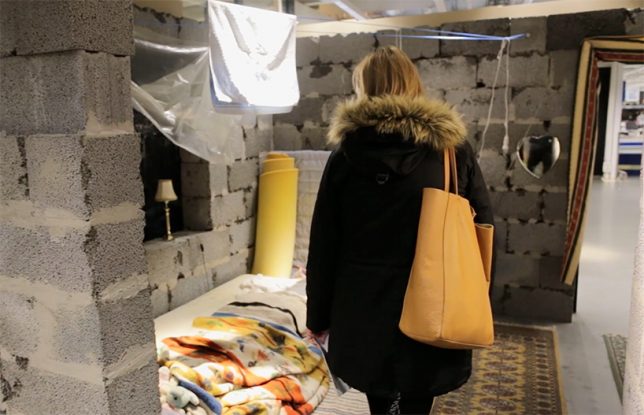
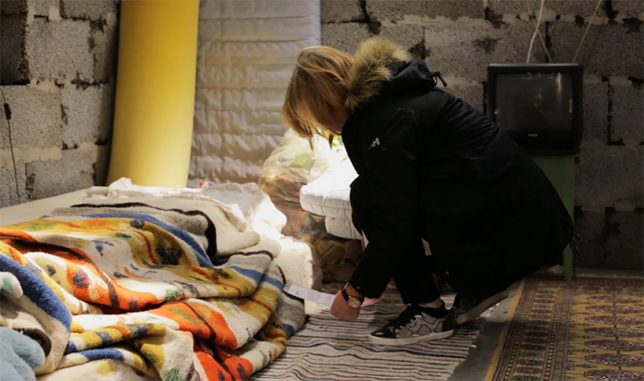
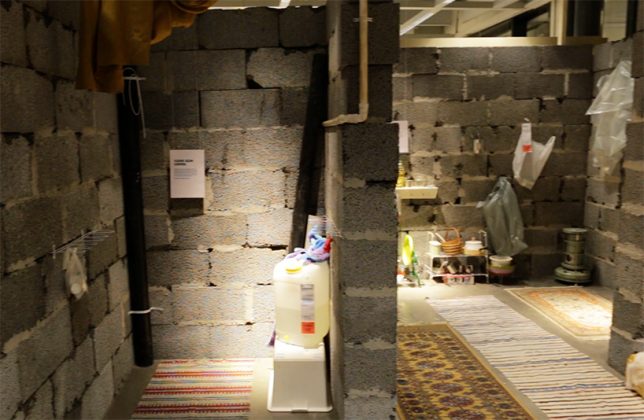
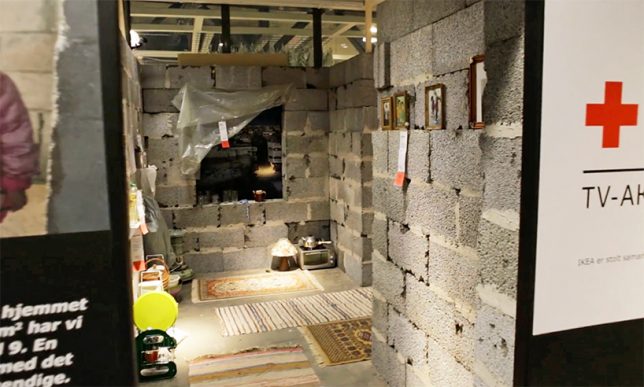
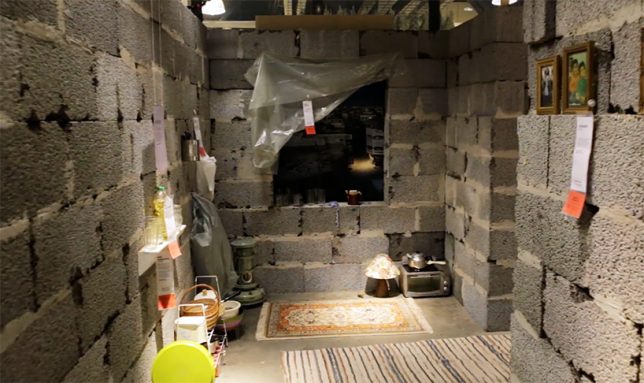
Amidst the colorfully furnished spaces mocked up in IKEA’s flagship store sits a place of jarring contrast, a replicated version of an actual 260-square-foot house that is home to a family of nine in Syria.

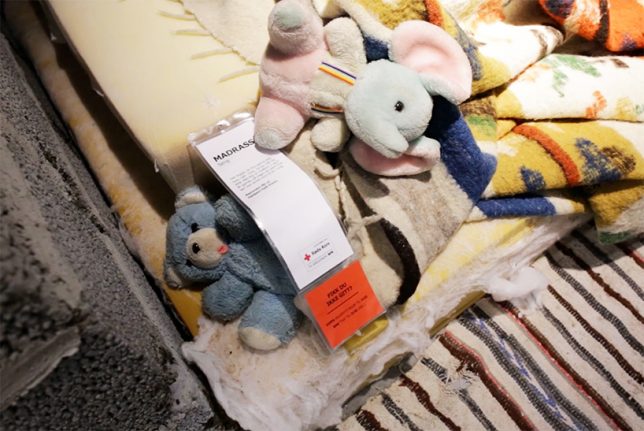
IKEA has done installations before and worked on flat-pack refugee shelters, but this piece really brings the problem home, putting it in front of consumers as they shop. In collaboration with the Red Cross, the displays also feature tags that offer people ways to help by donating to relief efforts.

ikea-replica-home

ikea-house-tag

ikea-syria-installation

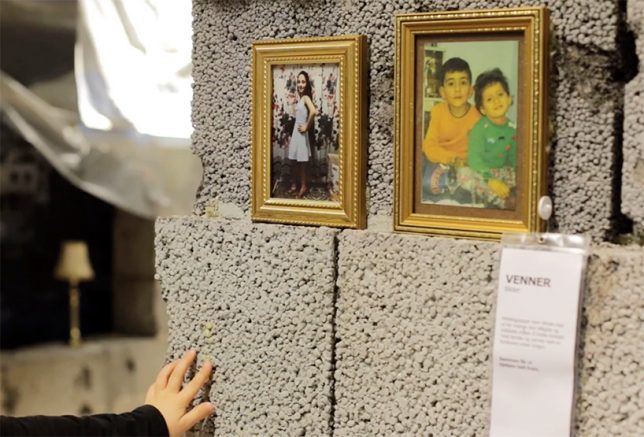
The original house in Damascus, Syria after which this one in Slependen, Norway was modeled houses Rana and eight of her family members. Both the real and replica versions feature hard cinder block walls — the latter relays stories of the residents, how they live and what they lack in terms of food, medicine and clean water.

ikea-red-crosss-collaboration

ikea-interior

ikea-house-replica

“We had been working with the Red Cross for months, so we had a lot of footage from Syria,” said the agency behind the idea. “But no matter how emotional it was, nothing got close to the experience of visiting people in a war zone. We realised we could give Norwegians that experience at IKEA. At the one place where you think of and plan the future — the apartment served as a physical reminder of how lucky we are.”

Share on Facebook


[ By WebUrbanist in Design & Guerilla Ads & Marketing. ]

[ WebUrbanist | Archives | Galleries | Privacy | TOS ]


WebUrbanist

 
Comments Off on Red Cross & IKEA Install Replica of Real Syrian Apartment in Flagship Store

Posted in Creativity


How to Go Beyond the Hero Image and Get Real Storytelling Photos

02 Nov

Good photography is really about telling stories, and that’s where all the lessons of composition, juxtaposition, lines, and focus fall short. Compelling images tell compelling stories, but the hard part is recognizing that story. I’ll tell you a story of how I missed the opportunity to do that, and look at some ways you can add more storytelling into your photography.

A bear story with a moral

I was camped on a low tundra bench above a swift blue river in Alaska’s western Arctic. Our green canoes lay upside down next to the kitchen tent, and the willows along the river were flecked with the first autumn yellow. It was early when I crawled from my tent, stood and stretched. While still reaching skyward I saw another form rise from the tundra a stone’s throw away, a young grizzly giving me a curious look. I dropped my arms and turned just in time to see its sibling offering me a similar stare from a bit farther back. These bears were three-year-olds, spending their first summer away from their mother, ursine-teenagers, and just as troublesome. Unlike the many adult bears we’d encountered on our journey down the river, these two didn’t yet know to give humans a wide berth.
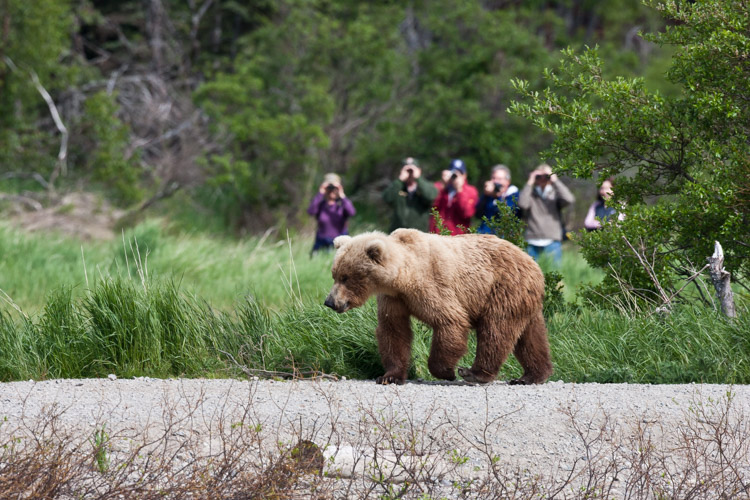
In Katmai National Park at the famous Brooks Falls tourists are inescapable. In this image, I embraced that part of the story of being there.

In Katmai National Park at the famous Brooks Falls tourists are inescapable. In this image, I embraced that part of the story.

Safety first

They backed off, after I shooed them with a wave of the arms, though not far enough. I woke my co-guide, and together we herded them away from camp and down onto the gravel bar below. One of the two young bears, rather than wandering off, decided to push my buttons and walked straight over. When off hiking or away from camp, you always give bears the right of way, but in camp, you can’t do that. Bears cannot learn that camps are places to explore.

Standing on the low bench, I knew that I could not let this mischievous youngster enter our camp. I stepped forward as he approached, right to the edge of the cut bank, and started speaking to the bear in a low steady voice. “I can’t let you up here, you have to back off. Back off. Now.” The bear paused in its approach, then stepped forward again. I raised a can of strong pepper spray, and held it up, ready to fire. The bear took another step forward, and then another until he was just eight feet away.

Hard lesson learned

And that’s when I felt a sudden moment of regret. Not for my behavior around this young, dumb bear, (in that, I knew I was doing the right thing) but for the fact that my camera lay in my tent. This beautiful (if troublesome) beast was so close I could count his whiskers. What a photo-op I was missing! But I pushed that aside, and spoke again, “One more step and you are getting it in the face. Don’t do it”, I said. “I’ll give you a count of three, then you are getting sprayed. One. Two…” before I could say three the young bear thought better of his situation, turned and ambled back to the river, swam across with his sibling, and disappeared.
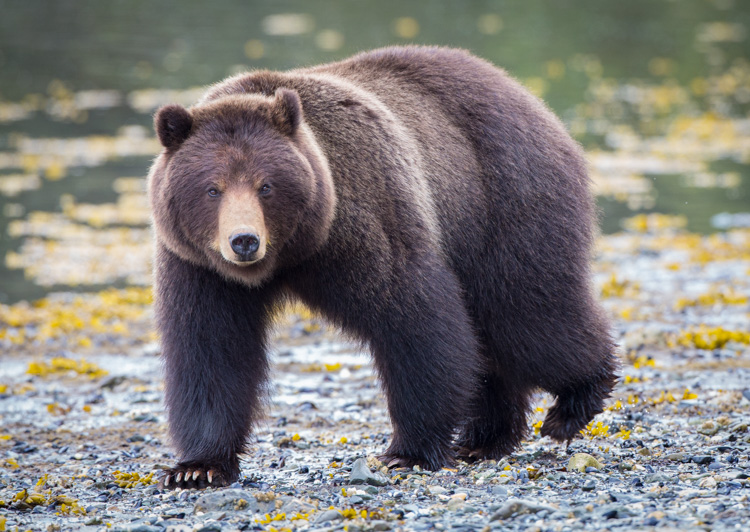
Similar to the story I related above, this bear approached a group of photographers I was a part of on Admiralty Island, Alaska. He came very close, and I regret not taking a moment to show a wider shot with the group of us in the frame.

Similar to the story I related above, this bear approached a group of photographers I was a part of on Admiralty Island, Alaska. He came very close, and I regret not taking a moment to show a wider shot with the group of us in the frame.

Think outside the frame – the moral

In retrospect, as I thought about the images I missed, I realized that it wasn’t the frame-filling portraits of the bear that would have been so spectacular about that moment. It was the story that went with it. Facing the bear down with a can of pepper spray, the bear testing us, and his eventual retreat. That’s where the compelling images were, not in the missed photos of the bear, but in the missed story that went with it.

If I had a camera in that moment with the bear, even if I’d been on the sidelines, I know I would have blown it and gone for the wildlife portraits, missing the much more interesting interaction that was taking place.
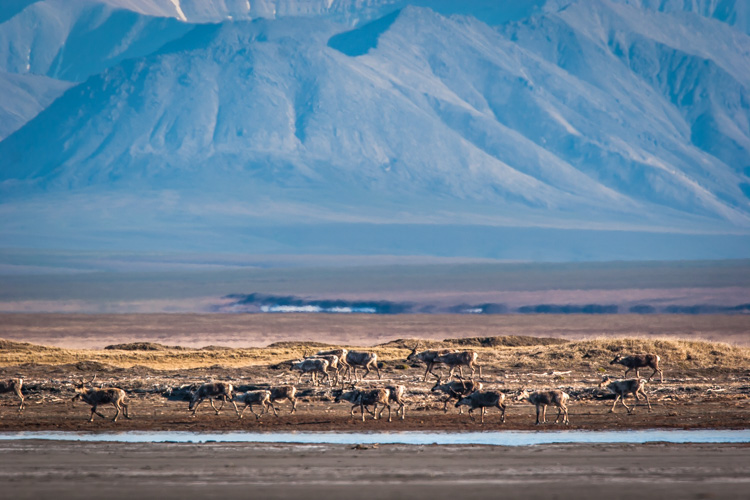
Here a herd of caribou is seen migrating across the coastal plain of the Arctic National Wildlife Refuge in Alaska. This image tells a more important story of movement, landscape, and perspective than a more typical portrait of an animal would.

Here a herd of caribou is seen migrating across the coastal plain of the Arctic National Wildlife Refuge in Alaska. This image tells a more important story of movement, landscape, and perspective than a more typical portrait of just an animal would.

Learn from the best

Take a look at any issue of National Geographic. Many, even most, of images that are selected are storytelling images, not illustrations. The compositions are atypical, often showing the interaction of people or animals within the scene. Those photographers stepped back from a typical composition and explored their surroundings in a way that most of us, myself included, usually forget to do.
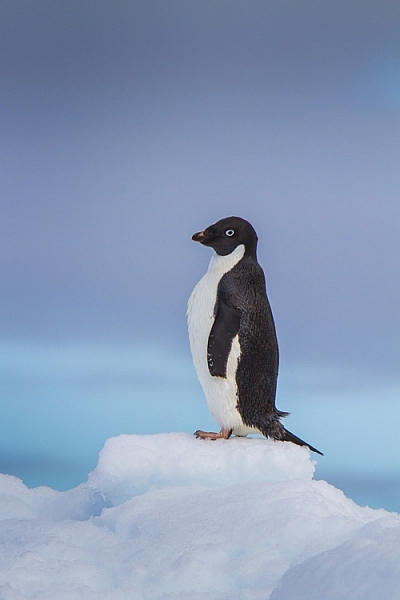
This image of an Adelie Penguin on an iceberg, I made in Antarctica. Getting close to wildlife is easy there, and the following image provides information to see just how easy.
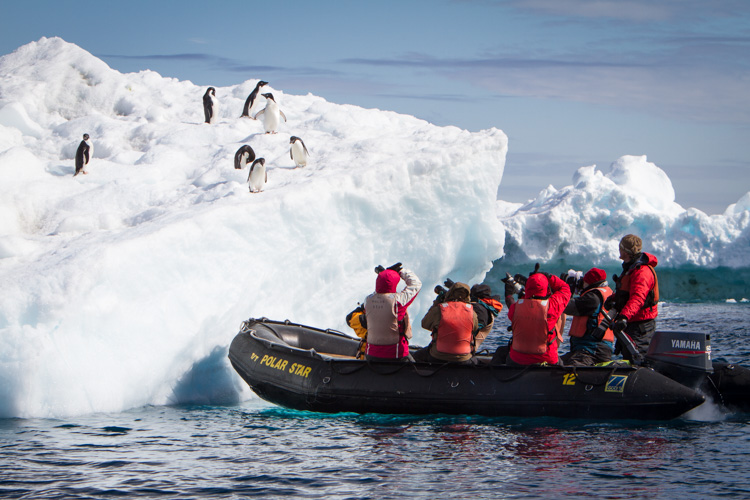
This image of an Adelie Penguin on an iceberg, I made in Antarctica. Getting close to wildlife is easy there, and the following image provides information to see just how easy.

A zodiac pull right up to an iceberg with Adelie Penguins.

A zodiac pulled right up to an iceberg with Adelie Penguins.

Look around

This is an easy lesson to say, a much harder one to perform in the field because the real story is often easy to miss.

Another example: I was photographing the start of the Yukon Quest sled dog Race in Fairbanks, Alaska, where I live, a few years ago. I’d been concentrating on the passing dogs, the smiling mushers, and been studiously avoiding the crowds of people that surrounded me. At one point a spectator raised a point and shoot in front of my shot, I was irritated, but in that moment I was forced to pause. It clicked, and I realized that the real story was the crowd of mushing fans, out on a cold morning to watch the race. I changed my composition and made an image of the spectator’s camera. That shot is much more telling of the experience than any of my previous photos.
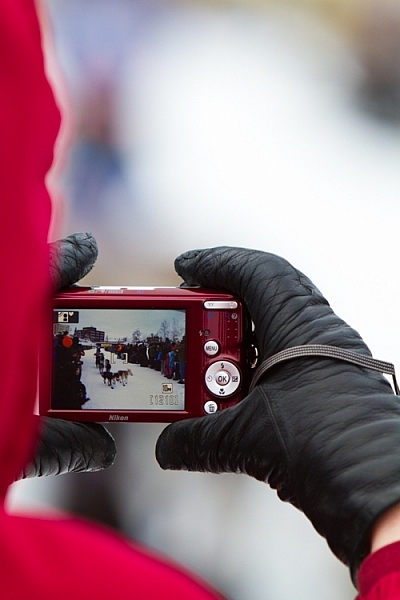
Here, the scene of the dog teams seen through a spectator's camera is more telling of the experience of the start of the Yukon Quest.

Here, the scene of the dog teams seen through a spectator’s camera is more telling of the experience of the start of the Yukon Quest.
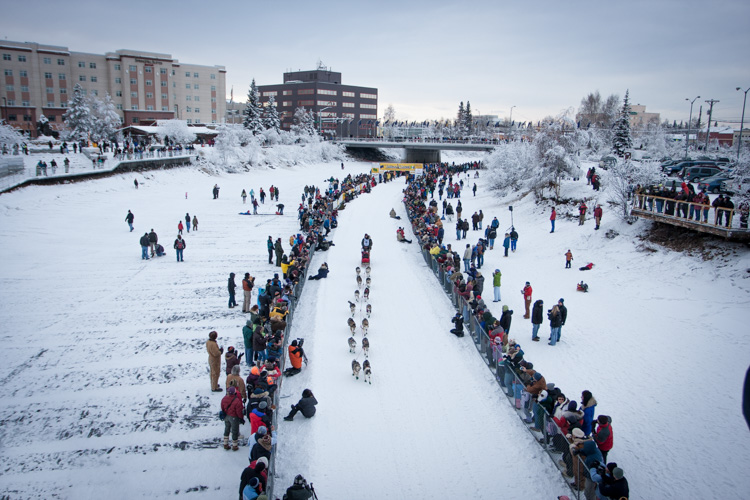
This broad perspective is also an effective way to tell the story, showing the rows of spectators and the buildings of Fairbanks in the background.

This broad perspective is also an effective way to tell the story, showing the rows of spectators and the buildings of Fairbanks in the background.

Sometimes it’s a sudden realization like mine at the mushing race, but often, you have to put some effort into the real story. You need to break away from the scene you think you should be photographing, pause, and look around. Consider not just the scene, but the experience. What are you, or those around you, feeling, seeing, and doing?

Stay open to your surroundings

While being focused on your subject is vital to creating good images, it’s important not to close yourself off too much. Take the time to look around. Literally step away from your tripod, and turn 360 degrees while paying attention. What else is out there? Have you been missing anything as you’ve been staring through your viewfinder? What happens if you back up and show the surroundings?
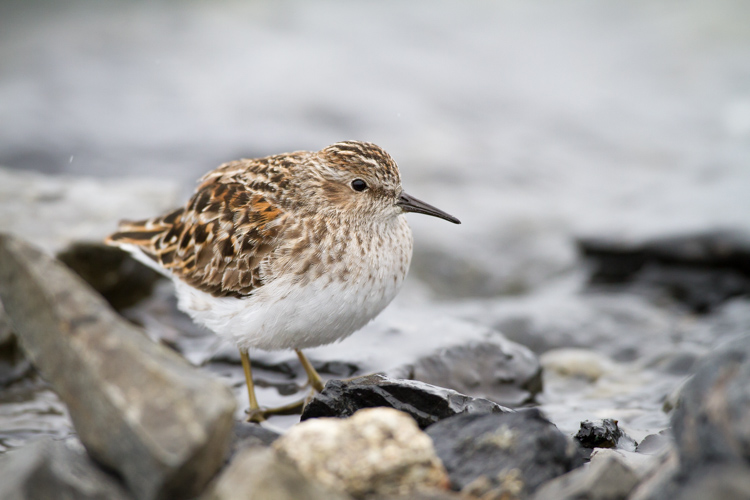
While an image of single bird, in this case a Least Sandpiper is nice portrait, it is more of an illustration than a story.

While an image of a single bird, in this case, a Least Sandpiper is a nice portrait, it is more of an illustration than a story.
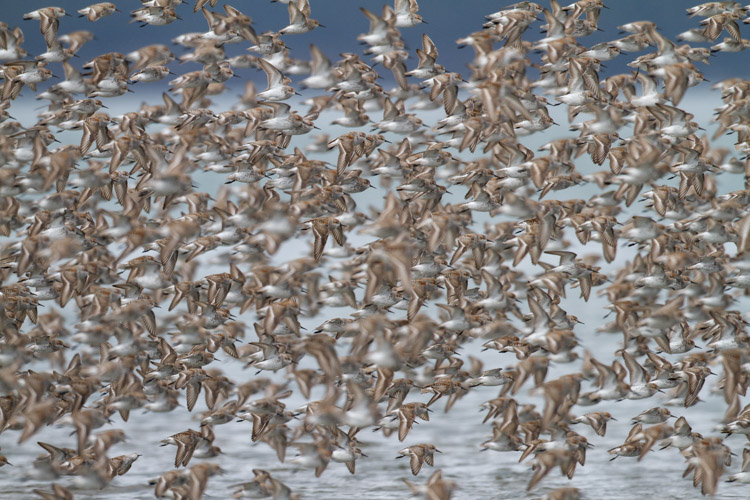
A large flock of shorebirds, when compared to the single-bird portrait, is more telling of the lives of the birds, and their epic migrations.

A large flock of shorebirds, when compared to the single-bird portrait, is more telling of the lives of the birds, and their epic migrations.

Think in terms of stories

That real story can be told within a single image, but there are also other strategies. Though an entire article is required to discuss the photo essay (5 Tips for Creating a Photo Essay with a Purpose), I do want to note that you can always think through your story using a series of images. This is also a good way to make the classic images you strive for while simultaneously capturing the storytelling ones as well.

Telling the real story is important not just for the quality of our images, but also for the quality of our experience. These storytelling images may not have the flash and glamor of a bear portrait or a sprinting sled dog, but it will help your viewers know the story, and that really is where the real excitement lies.

googletag.cmd.push(function() {
tablet_slots.push( googletag.defineSlot( “/1005424/_dPSv4_tab-all-article-bottom_(300×250)”, [300, 250], “pb-ad-78623” ).addService( googletag.pubads() ) ); } );

googletag.cmd.push(function() {
mobile_slots.push( googletag.defineSlot( “/1005424/_dPSv4_mob-all-article-bottom_(300×250)”, [300, 250], “pb-ad-78158” ).addService( googletag.pubads() ) ); } );

The post How to Go Beyond the Hero Image and Get Real Storytelling Photos by David Shaw appeared first on Digital Photography School.


Digital Photography School

 
Comments Off on How to Go Beyond the Hero Image and Get Real Storytelling Photos

Posted in Photography


Pentax 55-300mm F4.5-6.3 ED PLM WR RE real world sample gallery

18 Oct

The Pentax 55-300mm F4.5-6.3 ED PLM WR RE is a new variable aperture ultra telephoto zoom that is the first Pentax lens to use their new ‘Pulse Autofocus Motor’. Although it is a bit darker than the old 55-300, autofocus is much faster and virtually silent. Take a look at our samples to see how sharp this handy new zoom is.

Articles: Digital Photography Review (dpreview.com)

 
Comments Off on Pentax 55-300mm F4.5-6.3 ED PLM WR RE real world sample gallery

Posted in Uncategorized


Horror House: Real Estate Listing Instantly Infamous for ‘Terrifying’ Decor

15 Oct

[ By SA Rogers in Design & Fixtures & Interiors. ]

horror-house-3

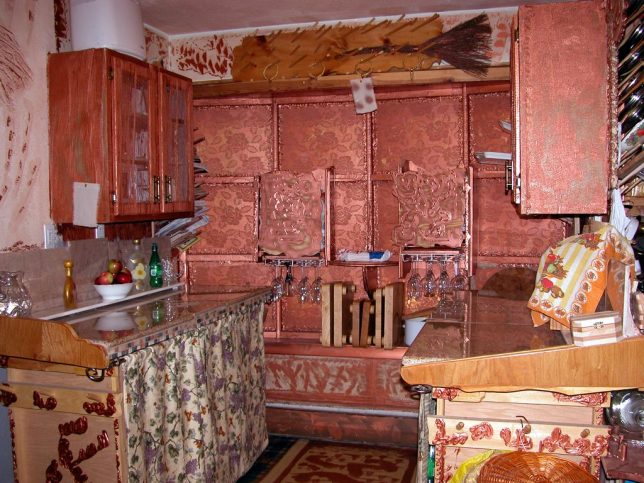
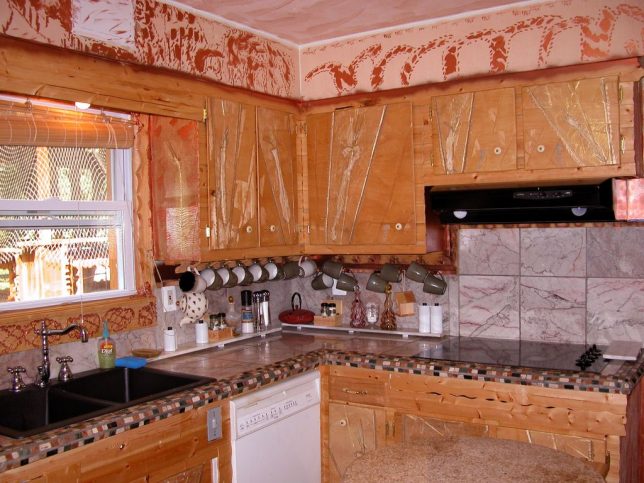
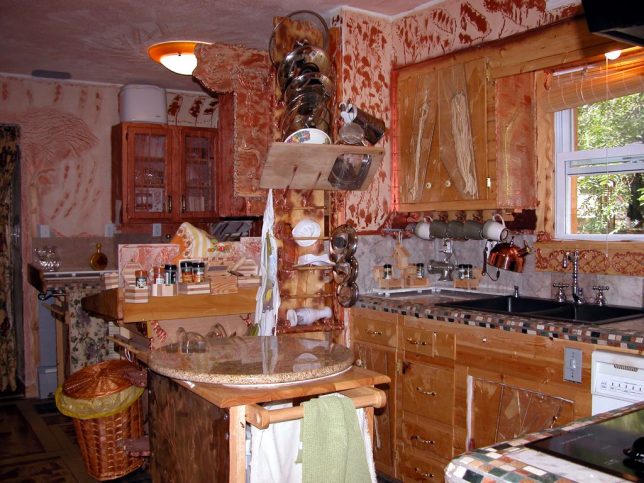
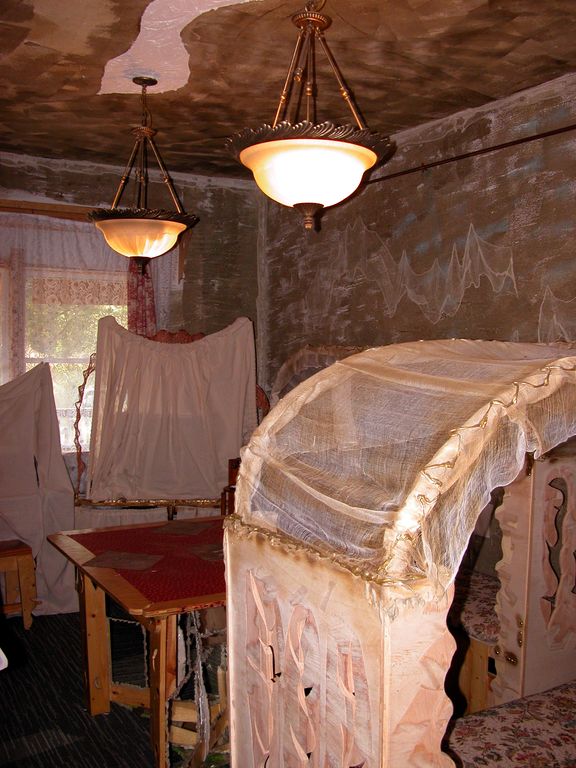
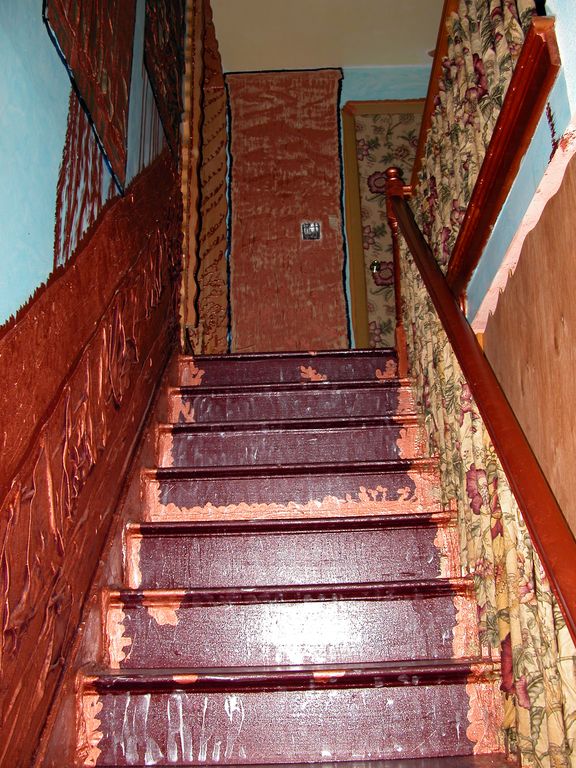
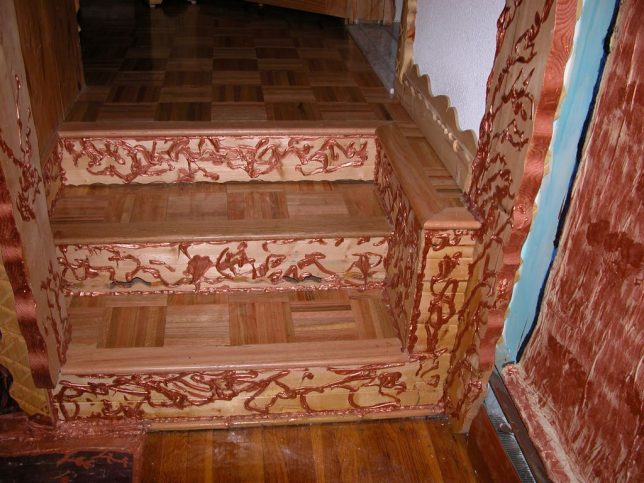
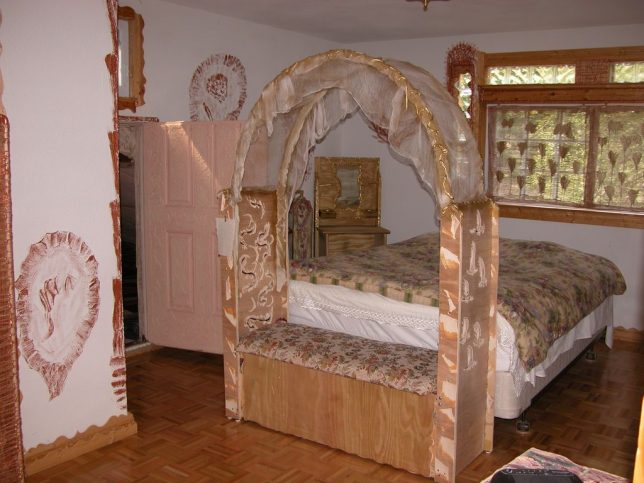
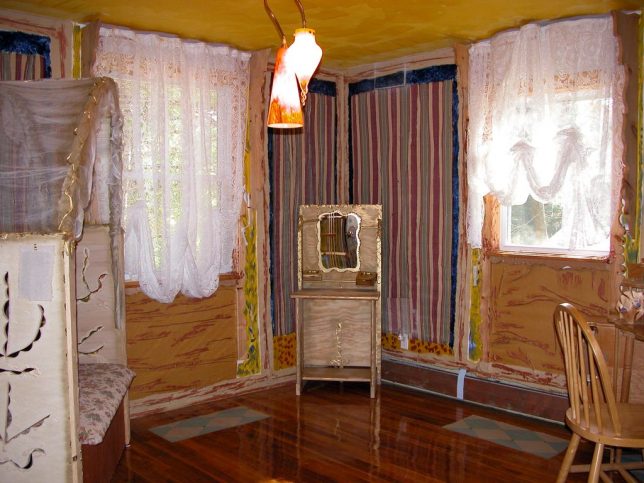
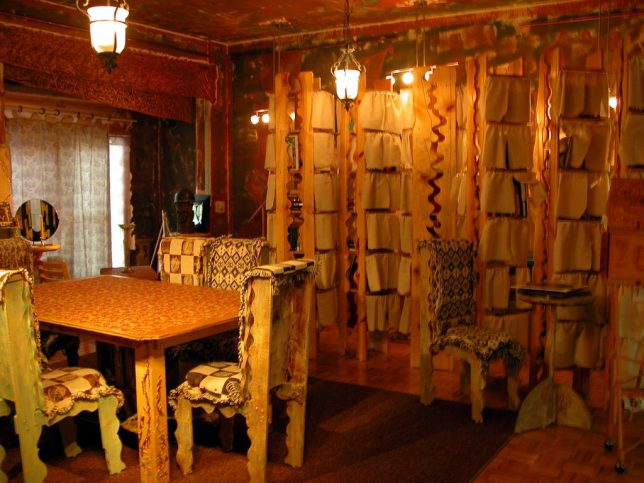
Had Buffalo Bill escaped Clarice Starling and moved into a quaint suburban Connecticut home, his interior decor might have looked a little something like this. At 24 Brentwood Drive, an absolutely amazing color palette in shades of dried blood, glistening internal organs and Exorcist vomit green adorns every available surface in the form of hand-painted designs. And the best part is – all of this could be yours for just $ 339,900.

horror-house-1

horror-house-2

horror-house-5

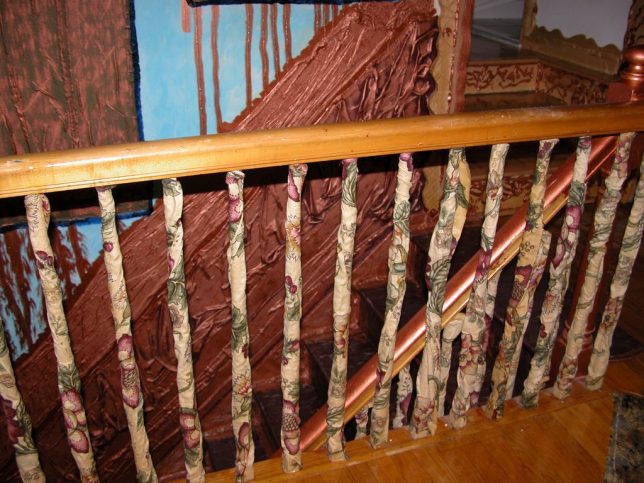
Believe it or not, this is an actual real estate listing on Zillow.com, described by listing agent Ernie Rossi as a “unique one of a kind finishing completed by a professional!” The agents provide a full 51-photo tour on the site, showing off room after room filled with decoupaged stair rails, musty-looking floral curtains, decorative stamped paint in rust red and squiggly designs in shiny copper.

horror-house-7

horror-house-8

horror-house-9

Naturally, the listing went viral on social media upon discovery, with people describing the interiors as “serial killer chic,” “deranged” and “a portal to hell.” The real estate agents told The National Post that the sellers are artists, and remain optimistic that someone out there will fall in love with their designs. The home has only had one interested party in thirty days online, however.

horror-house-10 \

horror-house-11

horror-house-12

Who knows – maybe it’s actually some kind of viral horror marketing for a horror movie or a Halloween attraction, given that it’s mid-October and the house is located near the ominously named Mount Horr and Secret Lake – but there are elements of the home that feel earnest. Check out the full listing to decide for yourself.

Share on Facebook


[ By SA Rogers in Design & Fixtures & Interiors. ]

[ WebUrbanist | Archives | Galleries | Privacy | TOS ]


WebUrbanist

 
Comments Off on Horror House: Real Estate Listing Instantly Infamous for ‘Terrifying’ Decor

Posted in Creativity


Real Scale Revealed: Digital Mashups Show Off Oversized Wonders

08 Oct

[ By SA Rogers in Art & Drawing & Digital. ]

quick-perspective-scale-1

When you see the Burj Khalifa photoshopped into New York City’s skyline, glimpse a B-2 bomber on an NFL football field or spot the largest scorpion that ever lived creeping up next to a cat, you get a better sense of just how big these things are. Kevin Wisbeth, who created the YouTube series ‘A Quick Perspective,’ offers up a bunch of digitally altered images mashing together various images and objects to give people a real sense of scale.

quick-perspective-scale-6

“These are all concept images that don’t seem appealing enough for a video,” he says – but the results are stunning nonetheless, starting with the 1,729-foot Willis Tower (the second-tallest building in the United States) placed inside the Mir Mine, one of the deepest mines in the world (pictured top.) The second depicts the 882-foot-long Titanic atop the deck of the U.S.S. Ronald Reagan, which measures 1,092 feet in length.

quick-perspective-scale-4

The Pulmonoscorpius kirktonensis, or Breathing Scorpion, was a prehistoric arachnid that grew up to 24 inches long, or about the size of a contemporary house cat.

quick-perspective-scale-3

The M-1 Rocket motor, designed in the ‘50s, was never actually built – but if it had been, it would have boasted a diameter large enough to fully cover a Smart Car with two feet left over on either side.

quick-perpsective-scale-7

The Dionysus asteroid, which is part of the Apollo asteroid belt and contains resources estimated to be worth $ 2.6 trillion dollars, “wouldn’t even surpass the bridge span” of the Golden Gate Bridge if placed above it.

burj-khalifa-size

The Burj Khalifa pokes into the sky above Manhattan, easily surpassing One World Trade Center by almost 1,000 feet and the Empire State Building by 1,300 feet. It’s currently the tallest structure in the world at 2,722 feet tall.

quick-perspective-scale-8

“Although the Death Star doesn’t exist in reality, it’s truly the biggest and most bad-ass machine ever conceived. The Death Star’s estimated width is around 99 miles across, or around 1/4 the length of Florida.”

See more of the images on Imgur.

Share on Facebook


[ By SA Rogers in Art & Drawing & Digital. ]

[ WebUrbanist | Archives | Galleries | Privacy | TOS ]


WebUrbanist

 
Comments Off on Real Scale Revealed: Digital Mashups Show Off Oversized Wonders

Posted in Creativity


Sigma 12-24mm F4 DG HSM Art real world sample gallery

04 Oct

Hot on the heels of its Photokina announcement, the Sigma 12-24mm F4 Art arrived on our doorstep last week, meaning it was time to shoot wide. Just 1mm shy of matching the world’s widest rectilinear zoom, the Canon 11-24mm F4 L, the Sigma gives a large amount of the Canon’s focal range for a much lower price of $ 1599. To see if its images are as tempting as the specs are, we wasted no time getting it out in the real world mounted on the new Canon 5D Mark IV, the 5DSR, and a Sony a7R II with Sigma’s MC11 adaptor.  

See our Sigma 12-24 F4 Art real world samples

Articles: Digital Photography Review (dpreview.com)

 
Comments Off on Sigma 12-24mm F4 DG HSM Art real world sample gallery

Posted in Uncategorized


How to Shoot Real Estate Photography Using Natural Light

14 Aug

There’s something about the way sunlight illuminates a room. The light pours over surfaces, metal fixtures gleam, wood detail shines, and the edges of furniture upholstery glows. Natural shadows produced by different objects convey a sense of depth. A naturally-lit image gives you a feel for what it would be like to see the space in person.

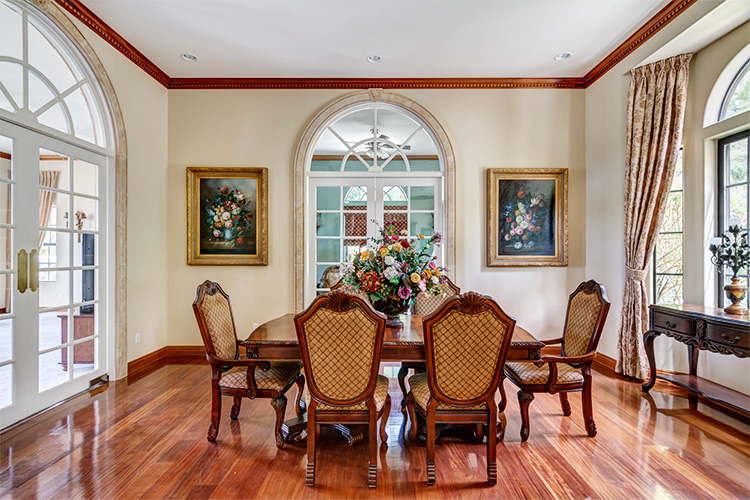
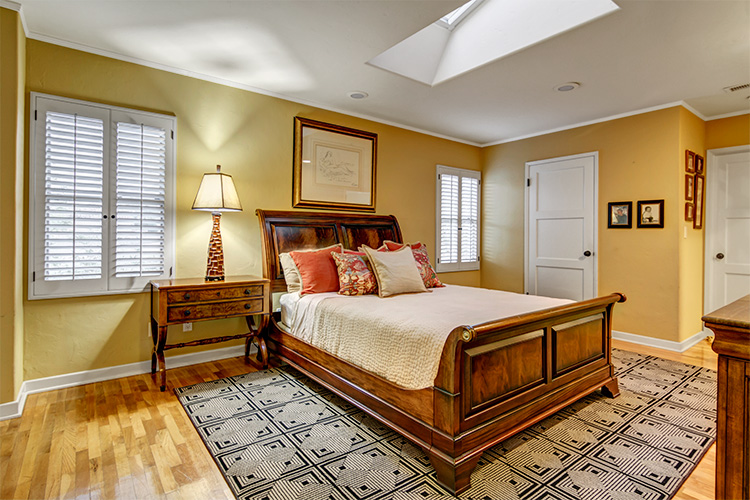
1 dining

The following will give you a basic understanding of equipment needs, how to manage contrast and mixed lighting in a room, and HDR shooting techniques to get you started doing real estate photography using natural light.

Equipment

Shooting with natural light has the benefit of a short equipment list. A camera, tripod, and wide angle lens is all you need.

  • Camera: A DSLR with auto-bracketing will increase your shooting speed and ease.
  • Tripod: Your tripod should be sturdy enough that your camera will stay put if you need to manually adjust camera settings, while shooting a series of bracketed images.
  • Wide Angle Lens (with lens hood): For cropped sensor cameras, the Tokina 11-16mm is a fantastic choice for real estate photography. The Canon 10-22mm is also a great option. You’ll be able to handle just about any real estate shooting situation with either of these aspherical lenses. For full frame cameras you’ll want a lens in the 16-35mm range. A lens hood is necessary to prevent lens flare.
  • Not required, but definitely a bonus: Circular Polarizer. In addition to deepening blue skies, a circular polarizer can be very helpful in reducing glare on windows, foliage and pool surfaces.

Sunlight on the exterior

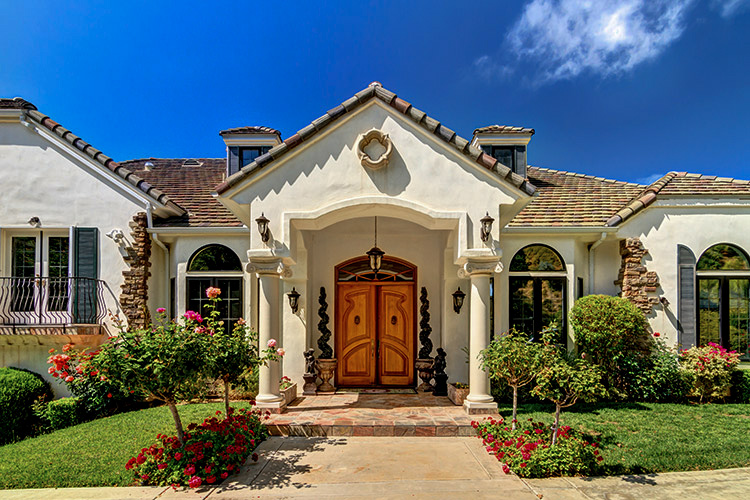
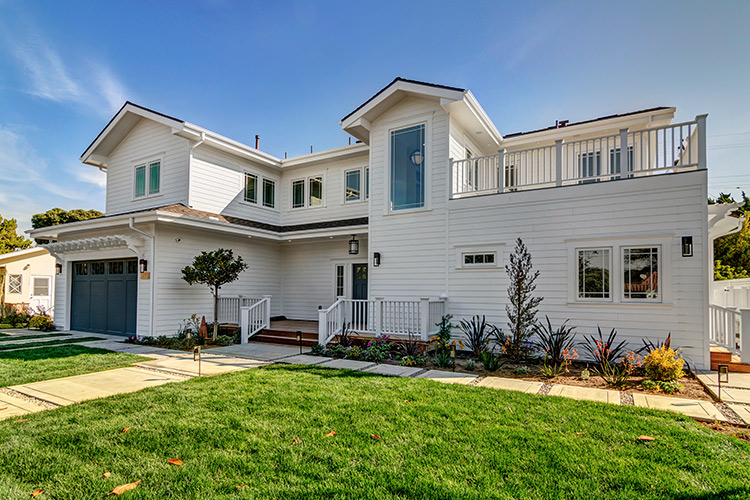
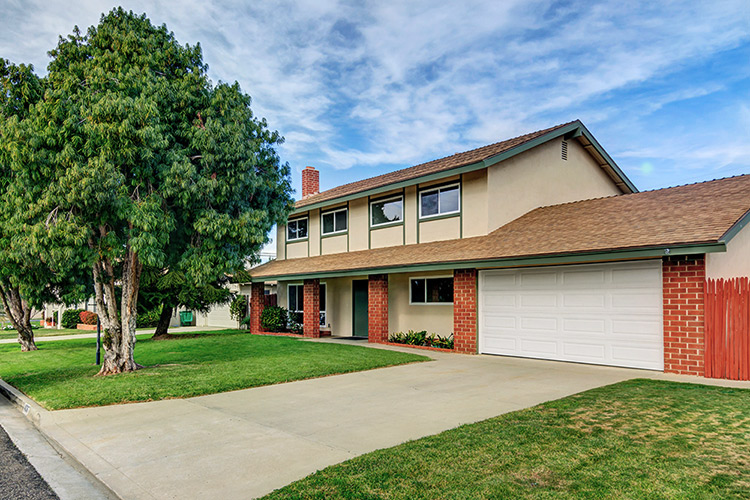
A sunny day is the best canvas for your exterior shots. Try to schedule your shoot during a time of day when the sun will be shining on the front of the house. Ask your client (or check Google Maps) to see which direction the house faces. You want capture the front exterior in its best light, as it’s almost always used as the featured image for the property’s listing.

2 exterior sun darlene

If it’s not possible to shoot the exterior in sunlight, don’t fret. Shooting HDR (explained later on) will help perk up a shady exterior.

851 Cabrillo Ave 05 Exterior print

4036 Baldwin Lane 01 ExteriorFront

Camera position within a room

There’s usually one ideal spot in a room, to position your camera to showcase the best angle. A room’s best angle usually shows:

  1. As much of the room as possible.
  2. The most aesthetically pleasing furniture and/or architectural elements.

For the natural light photographer, finding that spot depends on two things: available space, and window brightness.

Most importantly, you need to pick a space you can physically occupy. For smaller houses and rooms, quite often your only choice is the doorway, as it is likely to be the only spot where you can fit behind the tripod, and still squeeze enough of the room into your shot. Capturing three walls in your shot will give the viewer a better idea of the size and space of the room.

Rooms large enough to offer more than one shooting location often have windows lacking shades or blinds. Pick a spot in which extremely bright windows are angled more than 45 degrees away from center of your lens’ field of view. Doing so will help you avoid a high-contrast shooting situations and potential lens flare, which will in turn reduce your time spent in post-production.

4 side light

The shooting location for this image placed the bright window at a 90-degree angle to the lens, minimizing contrast, as well as producing a pleasantly side-lit scene. An out of frame kitchen window, provided supplemental light from the right.

5 low contrast window

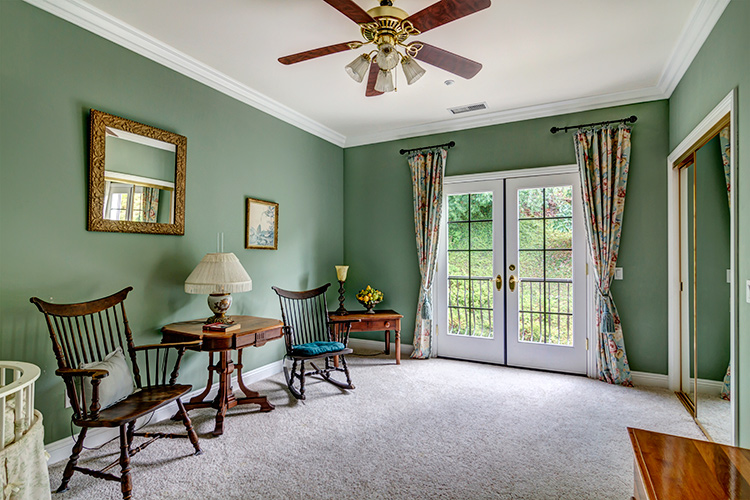
This room’s patio doors looked directly onto a foliage-covered hillside, resulting in a reduced contrast between interior and exterior, and less work required in post-production.

Working with windows

The windows in smaller rooms, such as bedrooms and bathrooms (in which your shooting position is limited) usually have blinds or shades. If the windows are bright, consider closing them at least partially, to reduce contrast between the interior and exterior – especially if the view outside is not an additional selling point for the house. This cuts down on the overall contrast of the scene, while still illuminating the room. It also prevents direct light from hitting your lens, minimizing flare and ghosting.

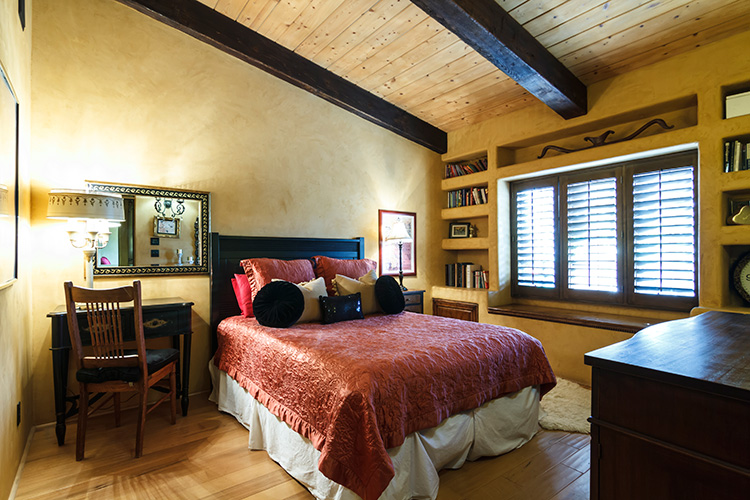
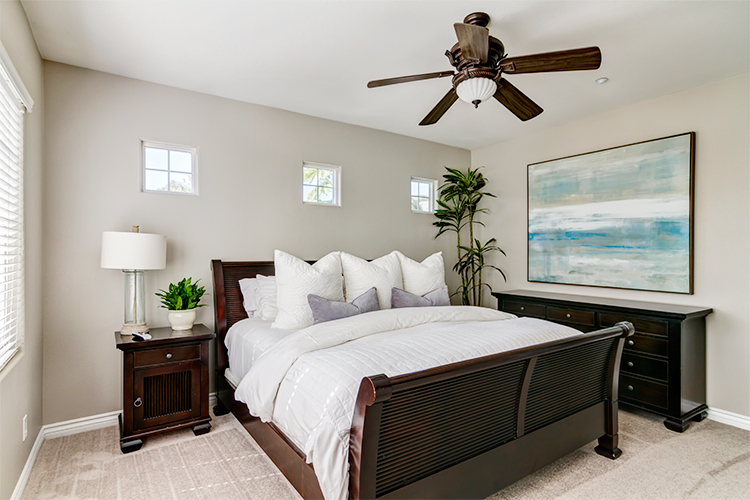
6 bed shades

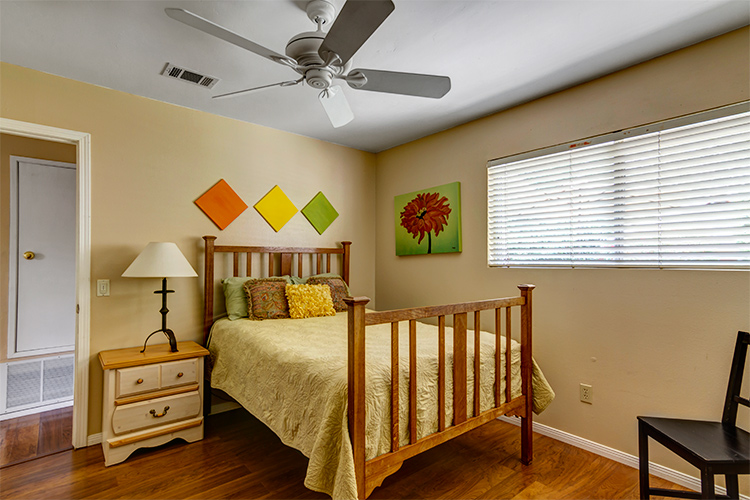
Blinds are angled at 45 degree to cut down on scene contrast.

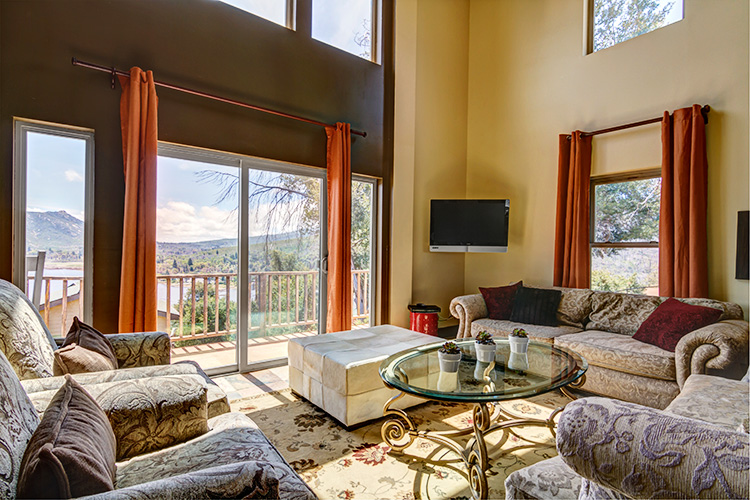
7 living partial

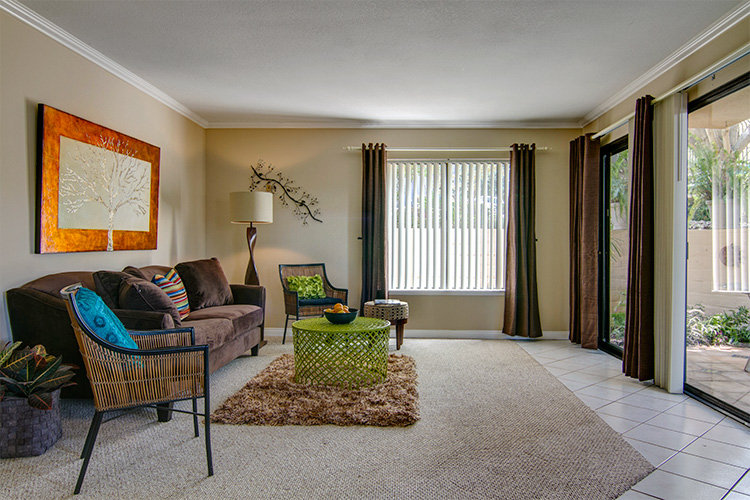
Blinds on the brightest window are partially closed, whereas the patio door blinds were left open.

Shooting HDR

Natural light can create beautiful images, but they do require some extra work in post-production. Rarely can a single exposure handle the range of contrast produced by an interior space with windows. HDR techniques will help remedy shadowy corners and bright windows, properly exposing all parts of the space.

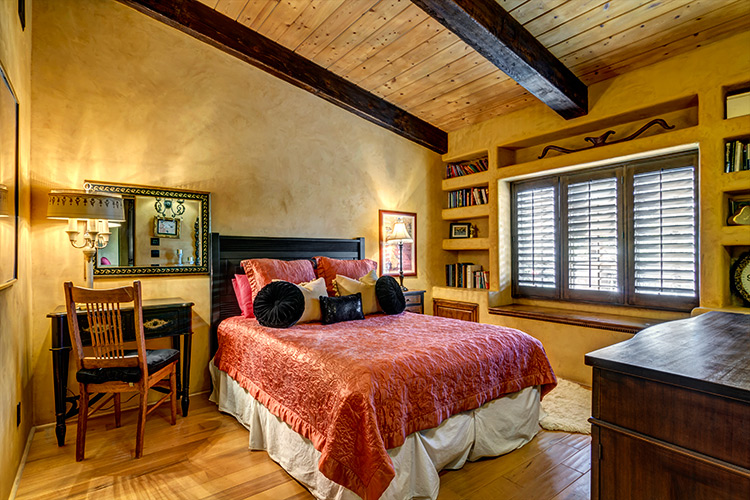
8 bed no hdr

From a single exposure.

9 bed hdr

HDR composite created with nice bracketed images.

To create an HDR image, you’ll need to shoot a series of bracketed images. Tiny rooms without any windows, such as washrooms and closets, usually require three images bracketed by 1-1.5 stops. In most rooms 5-7 images will do the trick. High-contrast spaces containing bright interior lighting and/or windows, may require nine bracketed images. For rooms with exterior views, sometimes HDR programs have difficulty rendering the contrast, no matter how many bracketed images you shoot, and the composite starts to look unnatural.

In general, it’s difficult to achieve a natural look within an image that contains a room with a view. For finer control over this interior/exterior blending process, consider shooting an image to expose for the view out the window, then using Photoshop to mask the view into the HDR composite image of the room.

10 view hdr

HDR composite image.

11 view hdr+extra image
HDR composite with an additional image exposed for the view masked into the windows with Photoshop (above). Even though the change is subtle, the potentially distracting overexposed window scene is now closer to proper levels, making it easier for the viewer’s eye to move from the interior to exterior, and back again.

Mixed lighting inside

One of the difficulties of working with natural light, is dealing with mixed lighting situations. If enough light is coming in through the windows, you can choose to leave interior lights off, resulting in a single daylight color temperature throughout the image. Leaving interior lights off works especially well when window light is sufficiently illuminating the room, the light fixtures themselves aren’t in the frame, and the palette of the room is mostly white.

12 bath sunlight only

Lights off in this bathroom resulted in a fresh and clean look.

13 bed sunlight only

The window light was so abundant in this bedroom that turning the interior lights on could have arguably made the scene look unnatural.

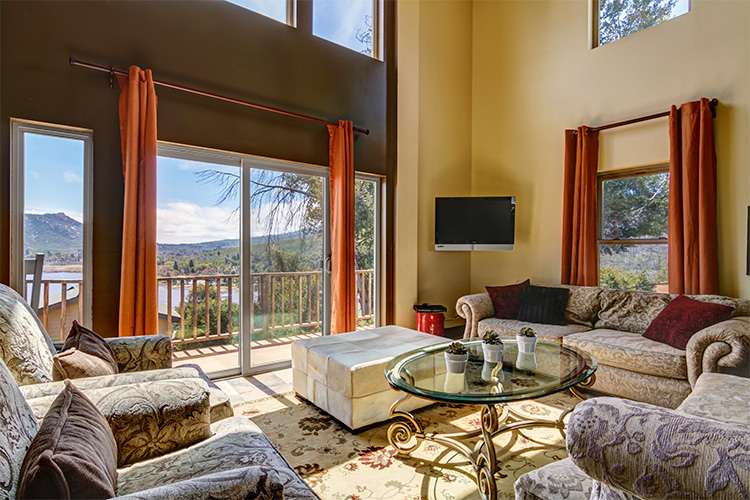
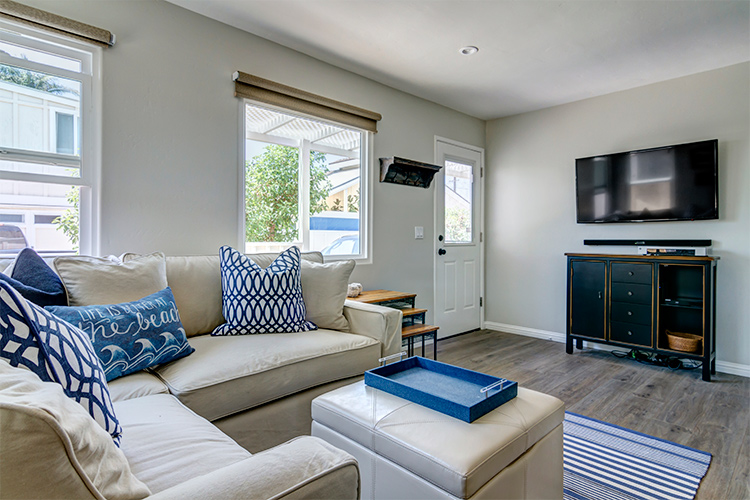
14 living sunlight only

The interior lights were kept off to avoid mixing tungsten with daylight for this shot. Turning them on wouldn’t have added much illumination, as the sunlight was quite bright on its own.

If the room isn’t bathed in sunlight, or contains light fixtures like pendants or chandeliers that should be on display, make sure to turn them on. You’ll end up with multiple color casts that will require correction later, but there’s a point at which simplifying the lighting just to speed up post-production, starts to undermine the ambiance of the room.

15 living mixed

Mixed lighting in the living room above, and the bedroom below, required a significant amount of color correction in production, but resulted in more inviting and warmer looking spaces.

16 bedroom mixed

You can reduce your color correcting time by masking in the lights, the same way you would the view outside a window. Shoot the room with the lights off, then with the lights on. Create two HDR composites of each lighting situation, then mask in the illuminated lights. This works well with fixtures that don’t provide much illumination but should be seen turned on.

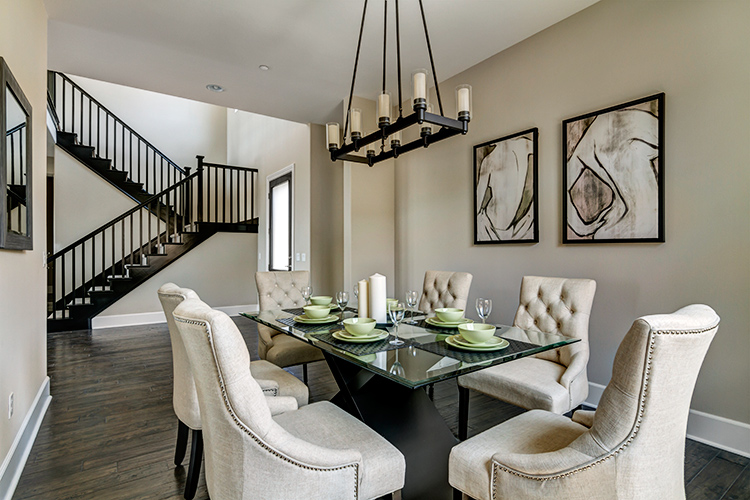
17 dining chandelier off

HDR composite with chandelier off.

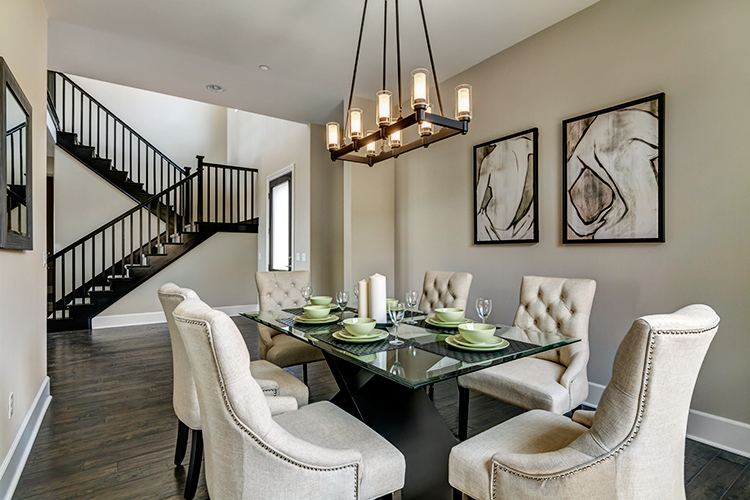
18 dining chandelier on

HDR composite with the illuminated chandelier masked in with Photoshop.

Conclusion

Shooting real estate with only sunlight and interior lighting lends a beautiful, natural aesthetic to your images. When setting out, remember:

  • A wide angle lens is a must-have, along with camera and tripod.
  • Shoot the exterior bathed in sunlight, if possible.
  • Avoid shooting directly into extremely bright windows.
  • Adjust shades and blinds to control contrast within a room.
  • Decide how to deal with mixed lighting, and shoot different variations to give yourself plenty of options in post-production later.

Please post your questions and share your real estate photos in the comments below.

googletag.cmd.push(function() {
tablet_slots.push( googletag.defineSlot( “/1005424/_dPSv4_tab-all-article-bottom_(300×250)”, [300, 250], “pb-ad-78623” ).addService( googletag.pubads() ) ); } );

googletag.cmd.push(function() {
mobile_slots.push( googletag.defineSlot( “/1005424/_dPSv4_mob-all-article-bottom_(300×250)”, [300, 250], “pb-ad-78158” ).addService( googletag.pubads() ) ); } );

The post How to Shoot Real Estate Photography Using Natural Light by Lauren Schroeder appeared first on Digital Photography School.


Digital Photography School
 
Comments Off on How to Shoot Real Estate Photography Using Natural Light

Posted in Photography


Traffic-Proof Transit: Real Car-Straddling Bus Rolls Out in China

06 Aug

[ By WebUrbanist in Technology & Vehicles & Mods. ]

lanebusfeature

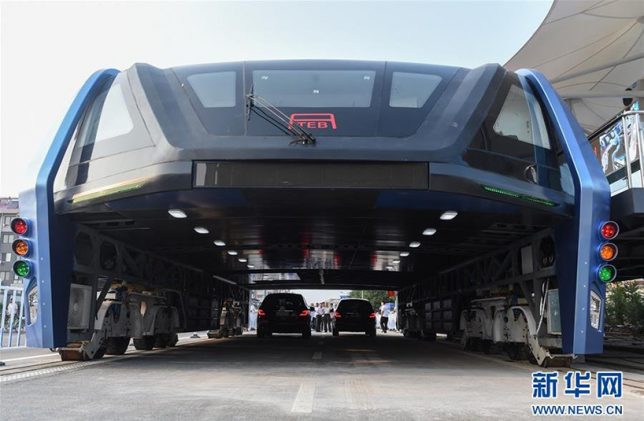
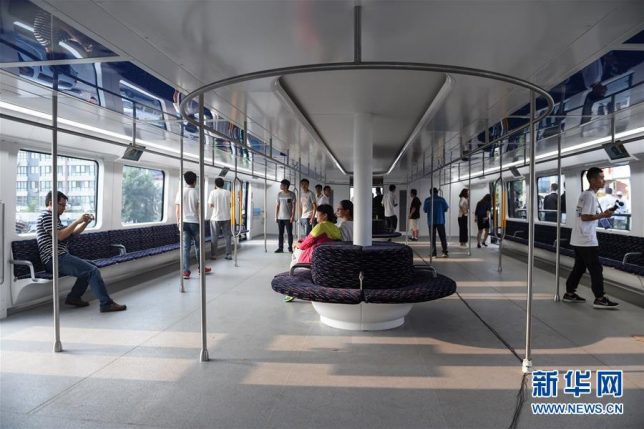
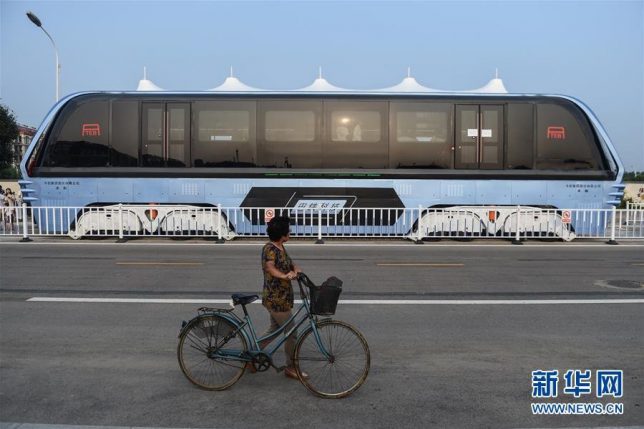
Initial plans to develop a lane-spanning bus in China were met with great enthusiasm but some skepticism, the latter of which is now being addressed versus a real-life, full-sized prototype.

The idea is simple: a bus that arches over traffic, neither hindered by nor hindering other vehicles on the road. Its mass and reduced need to start and stop also make the bus more sustainable than most transit options.

lanebus2

The mega-vehicle is spacious and vast, 72 feet long, 25 feet wide and 16 feet tall. With seven feet of clearance, leaves plenty of room below for ordinary road vehicles.

lanebustest

The bus runs on specialized tracks on either side of two-lane traffic roadways and can carry up to 300 passengers at top speeds of up to 60 miles per hour.

Since the concept has been demonstrated, countries including Brazil, France, India and Indonesia have expressed interest in the TEB-1 system, hoping to deploy it on their own congested urban roadways.

Share on Facebook


[ By WebUrbanist in Technology & Vehicles & Mods. ]

[ WebUrbanist | Archives | Galleries | Privacy | TOS ]


WebUrbanist

 
Comments Off on Traffic-Proof Transit: Real Car-Straddling Bus Rolls Out in China

Posted in Creativity


Real Life LEGO Man: Fleshy Mini-Figure Cosplay Will Freak You Out

02 Aug

[ By SA Rogers in Art & Sculpture & Craft. ]

real life lego man 1

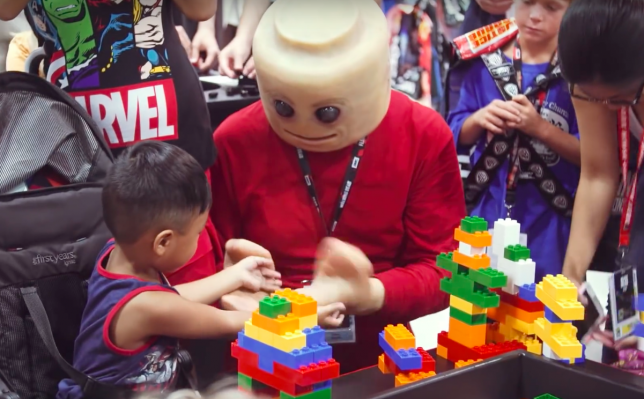
You’ll never hear the phrase ‘all thumbs’ the same way again after looking at this real life Lego man complete with eyebrows, wrinkles and the biggest, weirdest thumb nails you’ve ever seen. Dubbed ‘Creepyfig,’ this disturbingly fleshy cosplay project brings Lego mini figures into human scale and parades him around San Diego Comic-Con, where there are so many crazy things to look at, he barely gets a second glance from most adults before reaching the official Lego exhibit.

Screen Shot 2016-08-01 at 4.07.31 PM

Screen Shot 2016-08-01 at 4.09.12 PM

Artist Frank Ippolito created the mask and hands and donned the costume himself, getting a spirited reaction from kids who poked his head curiously and placed Lego bricks in his clumsily large hands. The head – complete with its characteristic peg – is made of 14 pounds of silicone and includes realistic details like dark eye circles and frown lines. In the video, Ippolito remarks that the eyes are difficult to see out of, but he completed the project in just a week, leaving no time for refinement. By the end of the day, sweat is literally pouring out of the silicone costume components.

Screen Shot 2016-08-01 at 4.12.37 PM

Screen Shot 2016-08-01 at 4.13.31 PM

Created in collaboration with Adam Savage’s Tested, the Creepyfig set started out as a giant lump of hand-sculpted clay. Ippolito specializes in makeup for film and television, giving him the skills to nail those details (no pun intended.) See the whole process from start to finish in a second video, courtesy of Tested.

real life lego man 6

Now, if only someone would make appropriately sized Lego bricks and accessories so we can see this project take a sharp left turn deeper into Uncanny Valley.


Share on Facebook


[ By SA Rogers in Art & Sculpture & Craft. ]

[ WebUrbanist | Archives | Galleries | Privacy | TOS ]


WebUrbanist

 
Comments Off on Real Life LEGO Man: Fleshy Mini-Figure Cosplay Will Freak You Out

Posted in Creativity