RSS
 

Posts Tagged ‘Plastic’

That’s a Wrap! 15 Building Facades Veiled in Plastic & Cloth

06 Jul

[ By SA Rogers in Architecture & Cities & Urbanism. ]
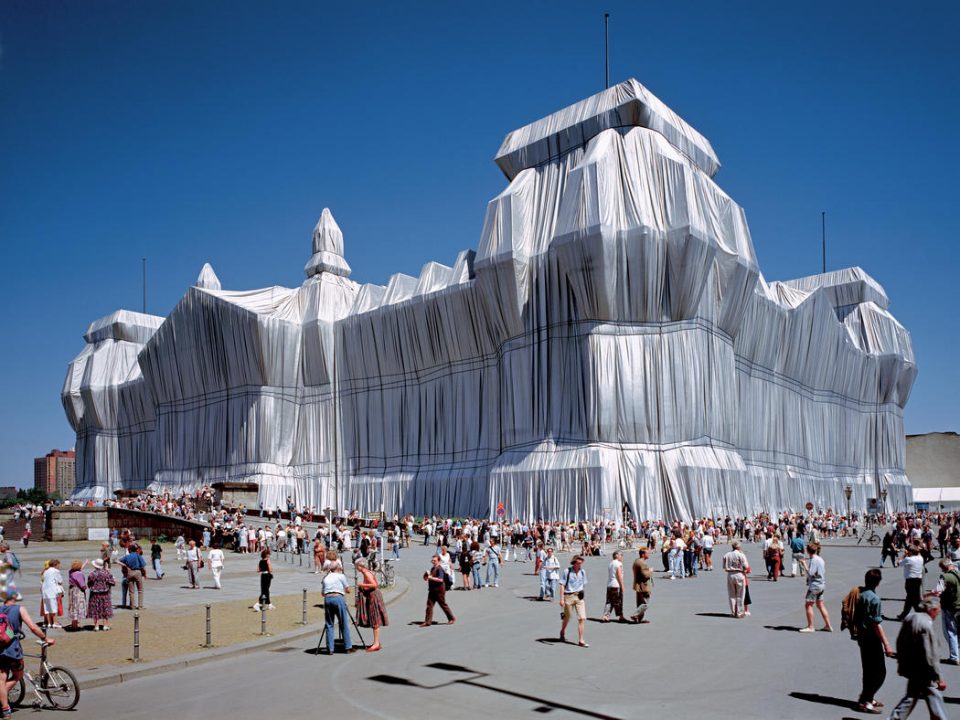
Stretched or hung around the skeletons of buildings, these membranes made of plastic, fabric and metal mesh act like architectural clothing, diffusing light and obscuring the original forms. From Christo and Jeanne Claude’s iconic Wrapped Reichstag to homes enveloped in translucent ETFE, these veiled structures have an air of mystery, their second skin often made of unexpected materials like plastic bottles or camouflage-printed textiles.

Lucas Cultural Arts Museum by OMA
wrap facade OMA 1

wrap facade oma 2

wrap facade oma 3

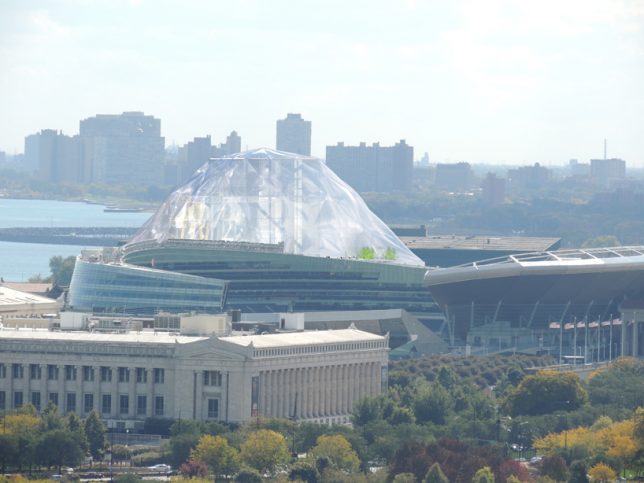
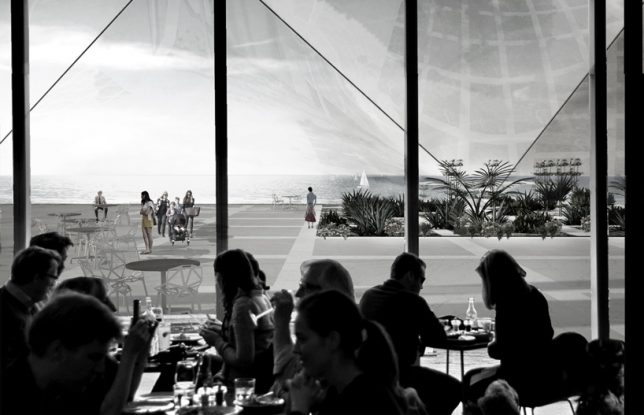
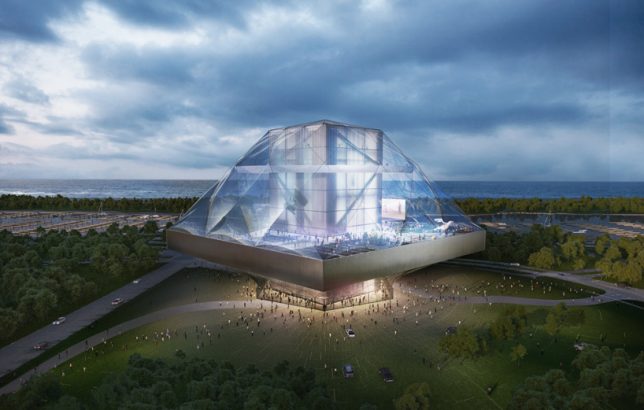
Once it’s finally built, after a long delay that saw its planned building site changing from Chicago to California, the Lucas Cultural Arts Museum (LCAM) could be veiled in a dome-like transparent membrane made of ETFE plastic. Designed by OMA, this second layer creates a sheltered, freely accessible sky park, and can also function as a giant movie screen.

Wrapped Reichstag by Christo + Jeanne Claude

wrap facade reichstag 3

wrap facade reichstag 4

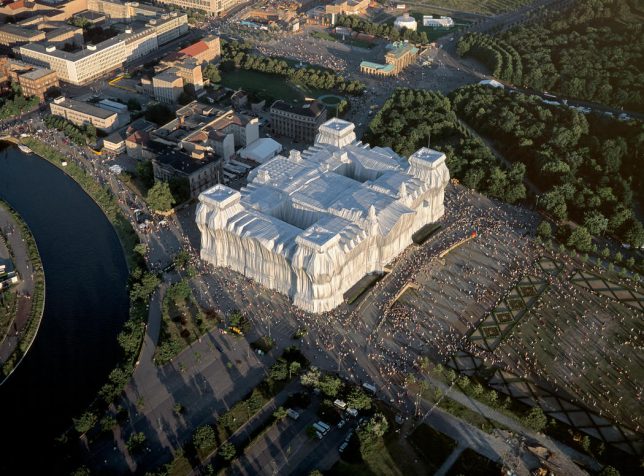
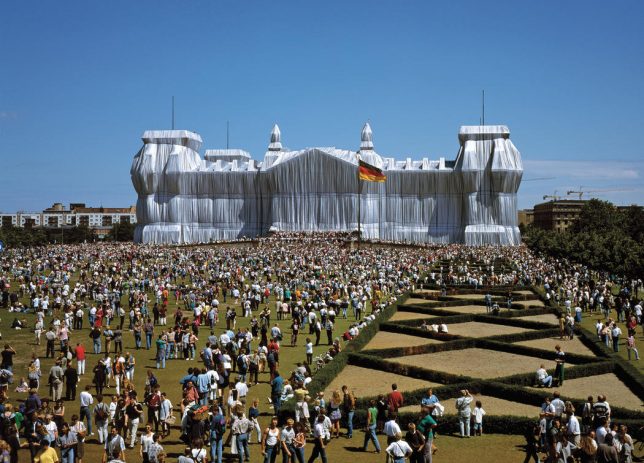
Virtually any structure with a membrane of some sort wrapped around it evokes the iconic work of artistic duo Christo and Jeanne Claude, particularly ‘Wrapped Reichstag.’ In 1995, the artists completely covered the entire Kunstmuseum Bonn with more than a million square feet of aluminum-colored fabric as a symbol for the new Germany after the fall of the Berlin Wall. The project cost $ 15 million USD and remained in place for two weeks.

Shrink-Wrapped Storefront by SO-IL
wrap facade storefront

wrap facade storefront 2

wrap facade storefront 3

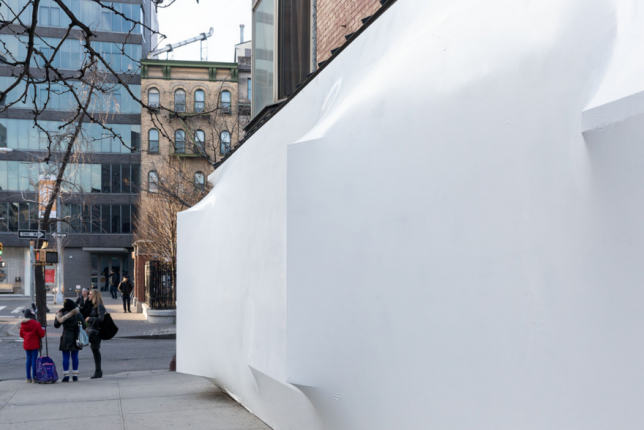
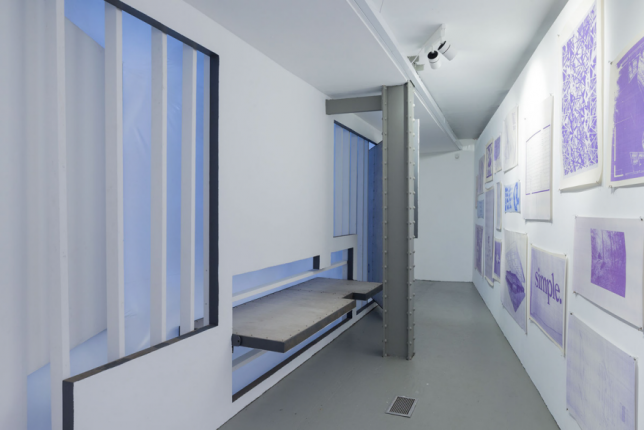
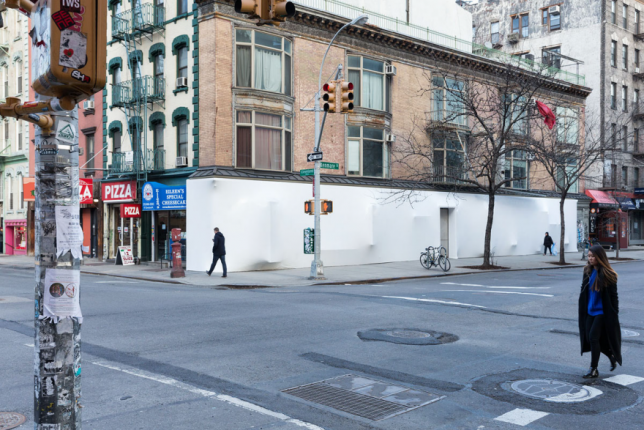
Brooklyn-based studio SO-IL literally shrink-wrapped the famous Storefront for Art and Architecture’s facade in white plastic, creating a mysterious series of bulges and a single entryway. Taking inspiration from the seasonal storage of boats, SO-IL plays with the concept of artistic preservation. It’s actually not unusual for entire buildings to be shrink-wrapped for various purposes, like sensitive renovations, but the company that helped carry out the project noted that artistic usage of the wrapping method is rare. The new facade gave the storefront a snow-white and pristine look that lasted just days as it proved a tempting surface for vandals.

Glowing Home in Japan by Suppose Design Office

wrap facade glowing house 1

wrap facade glowing house 2

wrap facade glowing house 3

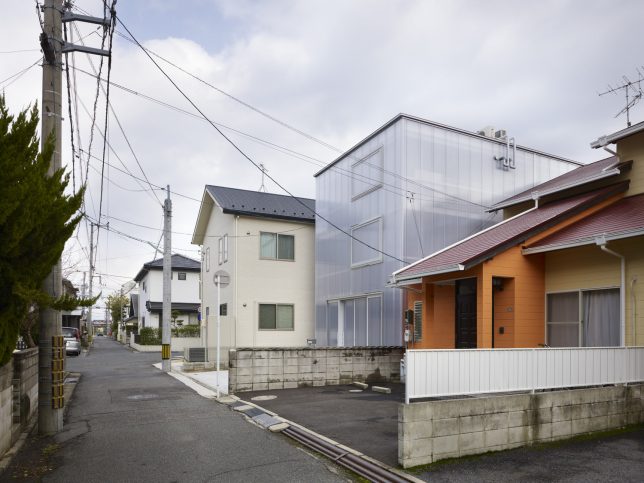
Plastic sheets wrapped around the exterior of a three-story steel home in Hiroshima filter light and create a lantern-like effect at night when illuminated from within. This translucent envelope enables a light-filled home on the inside, which was no small task for architecture firm Suppose Design Office as the narrow property is boxed in on three sides. Reed shades are hung in the upper stories during the summer to keep them from overheating.

Exterior Curtains on an Australian Home
wrap facade curtains

wrap facade curtains 2

wrap facade curtain house 3

wrap facade curtain house 4

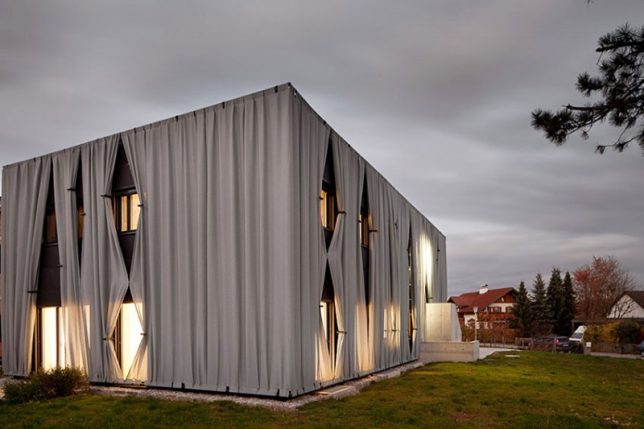
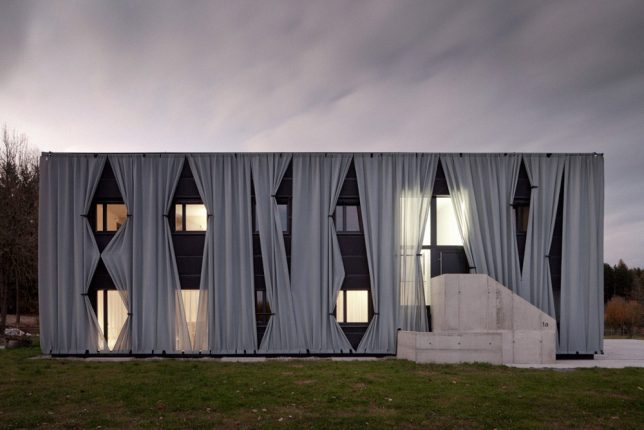
In a reversal of the usual curtained windows, Herzl Arkitekten of Austria covered an entire two-story building in oversized outdoor draperies, veiling the outside of the duplex from view. Pegs hold the curtains open around windows and doors.

Next Page – Click Below to Read More:
Thats A Wrap 15 Building Facades Veiled In Plastic Cloth

Share on Facebook


[ By SA Rogers in Architecture & Cities & Urbanism. ]

[ WebUrbanist | Archives | Galleries | Privacy | TOS ]

WebUrbanist

 
Comments Off on That’s a Wrap! 15 Building Facades Veiled in Plastic & Cloth

Posted in Creativity


Boxed Water is Better: Paper Packaging Beats Plastic Bottles

06 Apr

[ By WebUrbanist in Design & Products & Packaging. ]

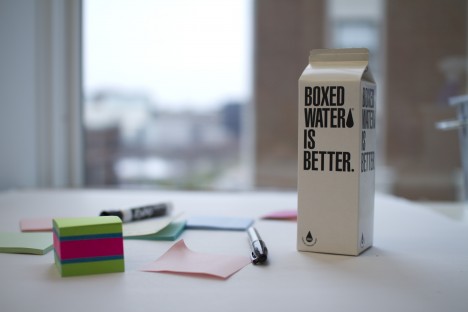
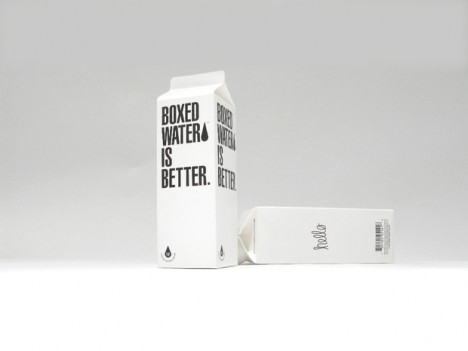
boxed water image

The brand tells you what it is in bold minimalist script: better, but more specifically, its packaging is better than the dominant plastic bottle alternative – a square peg for what product designers have long assumed was a round hole.

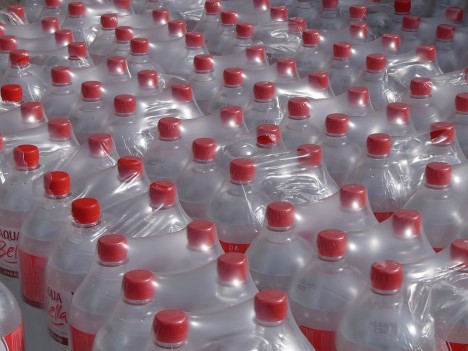
boxed water versus bottles

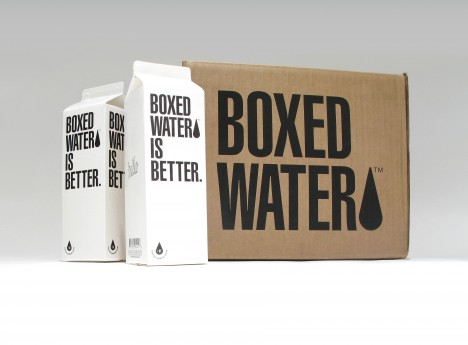
Aside from the (cardboard carton) material itself being more sustainable, the trick is in the shipping: a single truck packed with pallets of flat-pack water boxes means 25 fewer trucks than shipping plastic bottles to a bottling plant.

boxed water is better

Plastic bottles not only take up more space when filled (thanks to their rounded shape), but far more space when empty in the first place. They are also being banned in some cities, which means more market opportunity for companies like Boxed Water Is Better.

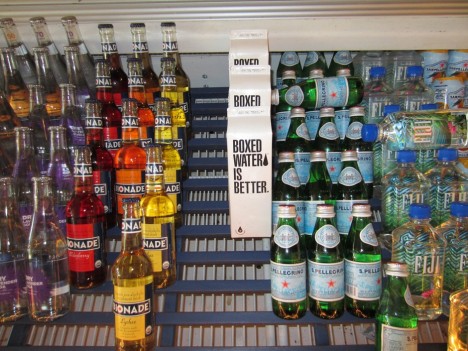
boxed water on shelves

The recyclable packages also stand out on the shelves – white cartons and black type stacked alongside complex logos and variegated shapes of their plastic relatives.

boxed water better

Some will still question the need for conveniently-packaged water altogether, and in a perfect world (perhaps someday) we would all use reusable containers, but for now this seems like a solid (or liquid) step in the right direction. Meanwhile, the company helps customers go green indirectly as well, planting two trees for each picture of their product posted – not bad marketing, either.

Share on Facebook


[ By WebUrbanist in Design & Products & Packaging. ]

[ WebUrbanist | Archives | Galleries | Privacy | TOS ]

WebUrbanist

 
Comments Off on Boxed Water is Better: Paper Packaging Beats Plastic Bottles

Posted in Creativity


Fungi Farm Prototype Turns Waste Plastic into Edible Treats

15 Dec

[ By WebUrbanist in Conceptual & Futuristic & Technology. ]

fungi muratium toxic waste

Breaking down one of the most difficult types of trash, this incredible working incubator turns sterilized plastic remnants into nutritional biomass humans can consume and digest, in short: food. Texture, taste and flavor depend upon the strain of fungus, but reportedly can be quite strong as well as quite sweet.

fungus growth system

fungi plastic utensil set

fungi eating good

Livin Studio, an Austrian design group known for innovative work on insect farms, has built a working model of this growth sphere (dubbed the Fungi Mutarium) that takes parts of mushrooms usually left uneaten and grows them into fresh snacks.

fungi eating growth sphere

From the creators: “We were working with fungi named Schizophyllum Commune and Pleurotus Ostreatus. They are found throughout the world and can be seen on a wide range of timbers and many other plant-based substrates virtually anywhere in Europe, Asia, Africa, the Americas and Australia. Next to the property of digesting toxic waste materials, they are also commonly eaten. As the fungi break down the plastic ingredients and don’t store them, like they do with metals, they are edible.”

fungi incubation chamber diagram

In terms of the process, “Fungi Mutarium is a prototype that grows edible fungal biomass, mainly the mycelium, as a novel food product. Fungi is cultivated on specifically designed agar shapes that the designers called FU.  Agar is a seaweed based gelatin substitute and acts, mixed with starch and sugar, as a nutrient base for the fungi. The FUs are filled with plastics. The fungi is then inserted, it digests the plastic and overgrows the whole substrate. The shape of the FU is designed so that it holds the plastic and to offer the fungi a lot of surface to grow on. “

fungus diagram design

For now, the digestion is a relatively slow process, taking up to a few months for a set of cultures to fully mature, but by the standards of plastic biodegrading in nature this is still an extraordinary feat. The team continues to work with university researchers to make the process faster and more efficient. “Scientific research has shown that fungi can degrade toxic and persistent waste materials such as plastics, converting them into edible fungal biomass.”

fungi edible grown creaiton

fungi plastic eating design

This novel application comes just a few years after a group of Yale students discovered a species of fungi on a trip to Ecuador as part of a Rainforest Expedition and Labratory led by a molecular biochemist. Even in the absence of light and air, the species they examined thrived in landfill environments, suggesting potential near-future and larger-scale solution for existing waste sites as well.

Share on Facebook


[ By WebUrbanist in Conceptual & Futuristic & Technology. ]

[ WebUrbanist | Archives | Galleries | Privacy | TOS ]

WebUrbanist

 
Comments Off on Fungi Farm Prototype Turns Waste Plastic into Edible Treats

Posted in Creativity


LEGO Brooklyn: Artist Recreates Borough with Plastic Blocks

22 Aug

[ By Steph in Art & Sculpture & Craft. ]

LEGO Brooklyn Model 1

Familiar scenes from Brooklyn, from the local flower shop to the train station, are lovingly rendered in pixelated plastic by local resident and artist Jonathan Lopes. Lopes loves BK so much, he has filled his entire 400-square-foot living room with LEGO replicas of his neighborhood – and he does it without altering the bricks at all, working within the limitations of the retail sets.

LEGO Brooklyn Model 2

LEGO Brooklyn Model 3

The obsession started with a Star Wars LEGO model purchased a decade ago, leading to the design of his own creations. By 2011, Lopes had used a half-million bricks to mimic the Apollo Theater, trolleys in Red Hook, Firehouse Engine 226 and a gardening shop on Hoyt Street.

LEGO Brooklyn Model 4

LEGO Brooklyn Model 6
Lopes told the New York Daily News that he works out his ideas while riding on the subway. Some of the pieces, like a four-foot-tall model of the Williamsburg Savings Bank made of 12,000 bricks, go on display around the city, while others are dismantled almost as soon as they’re finished to build something new.

LEGO Brooklyn Model 5

See Lopes’ entire LEGO Brooklyn at MOCPages.

Share on Facebook


[ By Steph in Art & Sculpture & Craft. ]

[ WebUrbanist | Archives | Galleries | Privacy | TOS ]


WebUrbanist

 
Comments Off on LEGO Brooklyn: Artist Recreates Borough with Plastic Blocks

Posted in Creativity


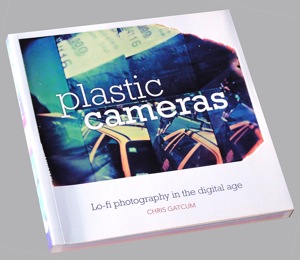
Plastic Cameras: Lo-Fi Photography in the Digital Age [Book Review]
27 Feb

Plastic camerasYears ago a cinematographer friend told me of a dinner he once had in Paris with a Mr Cooke. Mr Cooke of the famed British optical firm Cooke, Taylor and Hobson.

During the meal Mr Cooke explained that he spent most of his waking and working hours designing lenses to perform with maximum sharpness and minimum degrees of aberration to achieve the perfect capture of the photographic image. In spite of these heroic efforts he spoke with some level of bitterness that certain cinematographers persisted in covering his carefully crafted lenses with all sorts of rubbish, grease and diffusers to degrade, soften and generally muck up the performance of these precisely manufactured optics … all in the pursuit of artistic expression!

Just as the plastic cameras described in this book do today!

Author Gatcum is of the opinion that digital photography and the associated image editing software has made it so much easier to produce perfect shots … but there are many enthusiasts out there who don’t necessarily want ‘perfect shots’. It’s at this point in the argument that plastic cameras and their ‘lo-fi’ aesthetic enter the discussion.

You have only to flip through the images in the book to enjoy the thrills and spills that plastic cameras can create! Images with severe vignetting, extreme aberrations, uneven sharpness across the frame, colour that shows that things are definitely not right in the lenses’ colour capture. For not right, read very right in the vocab of the adventurous photographer!

From my own experiences with early Diana cameras and more recent LOMO replicas you have to take a chance, sometimes succeeding with a shot that stuns! Or that doesn’t! Perfection is not on the menu! Chance is the name of the game!

Diana F front

The story really starts with the original Diana, made by the Great Wall Plastics factory in Hong Kong in the 1960s and first sold for about a dollar. By the 1970s the resourceful and wise out there quickly saw the Diana’s potential and snapped them up from junk shops to began using them for creative photography. These days the original $ 1.00 Dianas sell on eBay for $ 50 plus.

By 2007 the Lomography company saw an opportunity and cleverly re-manufactured the Diana and its sub models, selling them for prices approaching $ 100, complete with all their imperfections.

These days we’re spoilt for choice. The book lists dozens of crazy models, all available from companies such as Lomo and the like.

Like the magnificent 120 format Holga and its variations. These include the Holga 120 TLR, the Holgaroid, the Holga 120 3D, Holga PC pinhole camera. Also in 35mm: Holga 135 TLR.

Lomo of course markets a wide variety of models: the 35mm based LC-A, the Lomo Smerna duet of models, with one sporting a flash socket. Plus many, many more.

And a long list from other makers: Blackbird; Recesky TLR; Halina Panorama; Twinkle 2; Split-Cam; Robot 3; Action 4; Agat 18k; Ikinimo 110 … the list goes on.

Then the game got clever: you can now buy Holga lenses that fit current DSLR models such as Olympus and Panasonic Four Thirds format models.

There are even apps that digitally replicate the look and feel of plastic cameras!
The book is a ball of fun and even if you never buy a plastic camera to pursue the path of erratic photographic capture you will enjoy the ride as you thumb through its pages.

Footnote: these days the name Cooke appears on high level lenses used still in feature film and TV series photography. They’re highly regarded and no doubt are frequently plastered with layers of Vaseline, parachute silk, ripstop nylon etc!

Author: G Gatcum.
Publisher: Ammonite Press.
Distributor: Capricorn Link.
Length: 192 pages.
ISBN: 978 1 90770 840 4.
Price: “Get a price on Plastic Cameras at Amazon (currently 22% off)

Post originally from: Digital Photography Tips.

Check out our more Photography Tips at Photography Tips for Beginners, Portrait Photography Tips and Wedding Photography Tips.

Plastic Cameras: Lo-Fi Photography in the Digital Age [Book Review]


Digital Photography School

 
Comments Off on Plastic Cameras: Lo-Fi Photography in the Digital Age [Book Review]

Posted in Photography