Street, landscape, NYC!
You’ve been reading their articles for months or years, have you ever wondered “Who are the photographers who write for dPS”? We thought it would be a good time to introduce them to you through a series of interviews. No worries, Darren will get his turn too!
Today meet Peter West Carey, Seattle and LA based photographer and long time contributor for Digital Photography School.
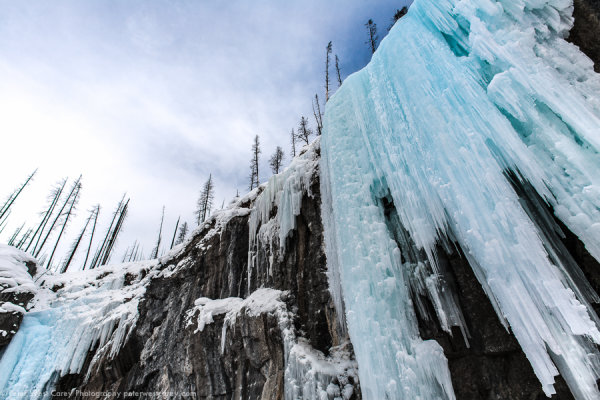
I became addicted to photography about 22 years ago. I started shooting professionally five years ago.
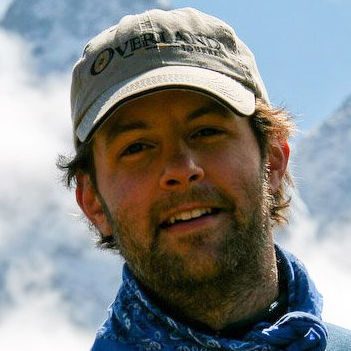
I live a freelance lifestyle, which means a little of this and a little of that. I earn my wages from writing about photography on DPS and other sites, teaching photography through local and international workshops, leading photography tours to Nepal, Bhutan and Hawaii (and sometimes Alaska) as well as shooting occasional weddings, portraits and products. It’s a mix of all things photography.
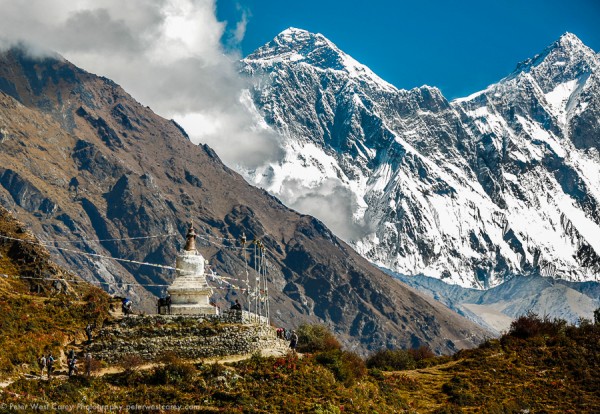
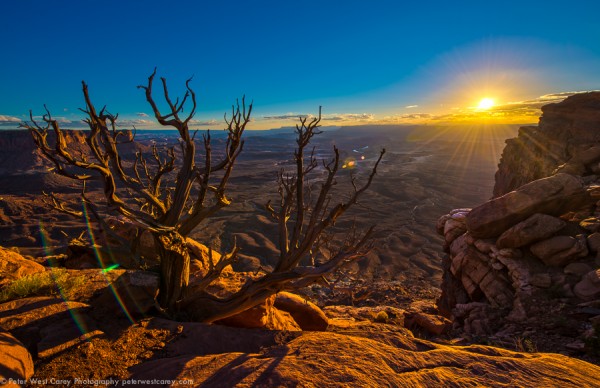
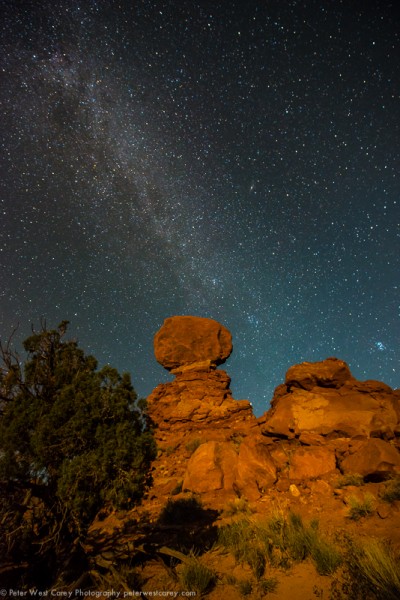
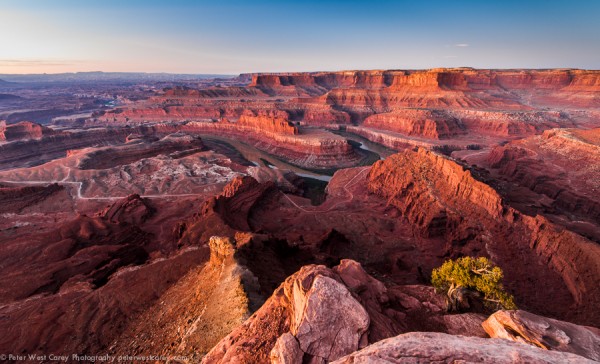
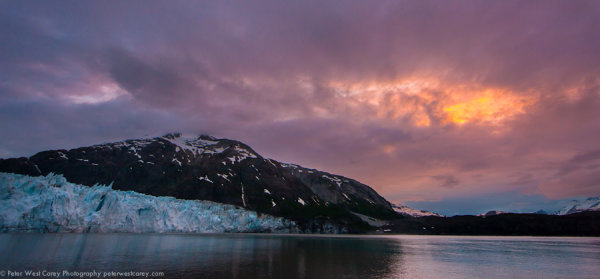
I’m going to go broad on this one and call it “Outdoor”. That’s mostly landscape photography but in my mind that also includes travel photography, which some people consider a separate genre. The majority of my travel photography includes landscapes. Can I call it “Outdoor Travel” and cover it all?
I started writing for DPS in the Spring of 2008 when the blog had about 30,000 subscribers.
I shoot with a Canon 7D and 28-300mm L lens most of the time. I also use a Canon EF 10-22mm wide angle lens. Throw on top of that a Tamron 90mm Macro as a kick around lens I picked up for doing some work for them. I use f-stop bags (the Satori and Guru being two excellent bags) and have recently fallen in love with a Think Tank Aviation Navigator roller bag. That bag will help keep my back from bending out of shape. I have three flashes (580 EX II, 580 EX and 420 EX) and some gel filters and Gary Fong adapters for them. I use Singh Ray graduated filters and Hoya haze filters. I also test a variety of gear throughout the year, thanks to shops like BorrowLenses.com and often use Nikon and Pentax gear. I’m not one to be a brand snob; I’ll use whatever is handed to me as long as it produces quality results and won’t take me five hours to read the manual.
My number one tip to a new photographer is to look at light all the time, not just when you have a camera. Start asking questions about how light is falling on the street where you walk to work, the trees above you or the buildings. How does it reflect off surfaces and what is the quality of the light at different times of day. Also, how does the same subject (building, for instance) look in different light? Photography is about capturing light and the sooner you start thinking critically about the light around you every day, the sooner you can improve on capturing that light.
I am hell bent on finishing a series I started on my blog in October called 31+ Days Of Photography Experiments and then turning it into an ebook for those taking my photography classes. The best way to learn photography is to do it, all the time. And to keep learning by experimenting. I am halfway through the series with 20 days of free photography experiments already listed, but I need to hammer out the remaining 15 or so.
I am on the normal slew of sites: Facebook, Twitter, 500px, Google+, Flickr, Etsy, Pinterest. I have a blog and a professional site where people can learn more about the photo tours I lead. I love to help people learn more about photography and that is the main reason I write for DPS. If you have a specific photography question, drop me a line and I’ll do my best to answer it either here or on my blog. And lastly, a link to the 31+ Days Of Photography Experiments previously mentioned. http://thecareyadventures.com/blog/2012/31-days-of-photography-experiments/
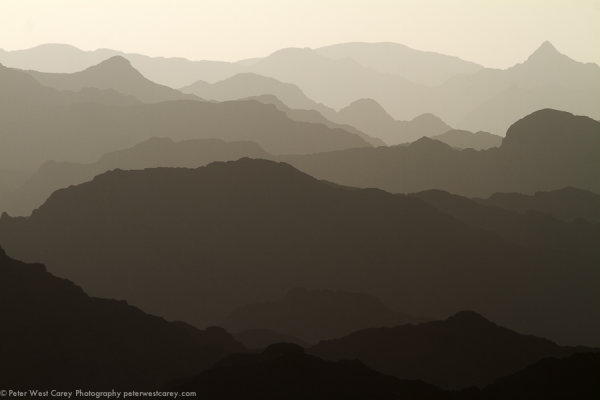
Post originally from: Digital Photography Tips.
Check out our more Photography Tips at Photography Tips for Beginners, Portrait Photography Tips and Wedding Photography Tips.
Meet The Photographers Who Write For Digital Photography School ~ Peter West Carey
Traditional Chinese Landscape Painting has endured for almost 1500 years, longer than any genre in Western culture. What perceptual qualities (that we can see for ourselves) lie behind this? How can we adopt these to the medium of digital photography? Looking at the visual structure of paintings began for us as a way to analyze what makes a an image “work,” and it has grown into a fascination with a very different way of seeing – that of the classical Chinese Landscape painters.
George DeWolfe and Lydia Goetze explore this subject in their new essay The Synthesis of Chinese Landscape Painting and Photography.


Inspired by the subversive nature of skateboarding, Sebastian Denz is a photographer who transforms 3D images from a gimmicky trick into an art form. See how he takes simple images of skateboarding into a hyperreality. Discover more on Sebastian Denz here: bit.ly The Creators Project is a partnership between Intel and VICE: thecreatorsproject.com ** Subscribe to The Creators Project: bit.ly Check out our full video catalog: www.youtube.com Like The Creators Project on Facebook: fb.com Follow The Creators Project on Twitter: twitter.com Read our Tumblr: thecreatorsproject.tumblr.com
Video Rating: 4 / 5
Photo shoot with model Brittney Dactylic and photographers Dave Gruentzel and Alvin Arzaga in the Historic Third Ward in Milwaukee Wisconsin.
Part 2 of a review of my photography equipment, looking at my lighting equipment
photographypricingguide.com Photography pricing guideline. How to set profitable prices for photography. Portrait photography pricing. Wedding photography pricing.
Video Rating: 4 / 5
Examples of wildlife photography – mainly birds – with details of camera and lens settings for each image. There is no sound with this video.
Video Rating: 0 / 5
Macro photography is the art of capturing the fine detail of very small subjects that may not be able to be seen by the naked eye. Technically, to fall under the term ‘macro’, the subject should be captured with a reproduction ratio of 1:1, i.e. the subject will be captured on the sensor at 100 % life size.
Macro lenses are specially designed to minimise the focussing distance, allowing the photographer to get closer to the subject and so increase the reproduction ratio. There are a number of other techniques that can be used to help achieve the desired magnification without a dedicated lens (extension tubes, close-up filters, reversing rings), however, one of less often considered techniques is to use something that you probably already have in your kit bag: a telephoto lens.
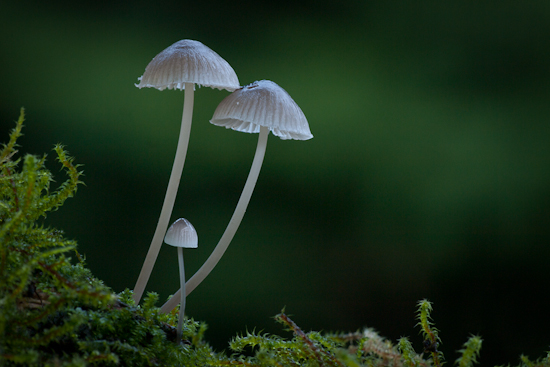
Milking Bonnet Fungi (Mycena galopus)
Telephoto lenses offer extreme magnification but generally have much larger minimum focussing distances pushing the photographer further from the subject and so reducing the reproduction ratio. Some telephoto lenses, when combined with camera systems utilising smaller sensors, are able to offer 1:1 magnification (‘true macro’) however, typically, telephoto lenses are limited to close-up photography, at near-macro reproduction ratios.
Using a telephoto lens for this kind of work offers a couple of advantages over a dedicated macro lens that are a direct result of the large minimum focus distance. Because the working distance to the subject is in the region of 1 metre (compared to 15 – 30 cm of standard macro lenses) the risk of disturbing your subject as you compose your shot is much reduced. Also, given the extra distance between the camera and the subject, you are much less likely to cast a shadow over your subject and have a lot of freedom with the lighting you can employ to light the subject – both natural and flash.
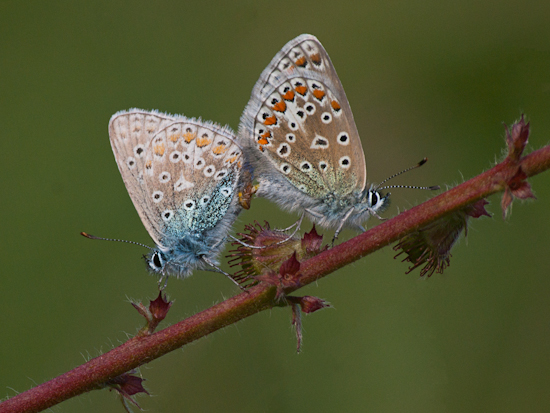
Common Blue butterflies, mating (Polyommatus icarus)
Using a telephoto lens for such precise work is not without challenge, so here are a few tips to help maximise your chances of getting that near-macro shot, with your telephoto lens:

Common Blue Damselfly (Enallagma cyathigerum)
Using a telephoto lens for near-macro photography will typically not allow you to magnify your subject as far as if using a dedicated macro lens, but you will be able to test the water to see if macro photography is something you enjoy, without having to splash out on any additional kit. If you do decide that macro photography is for you, by putting this technique to practise you will learn a lot of good field craft that will be of benefit when you get around to picking up that new macro lens.
Post originally from: Digital Photography Tips.
Check out our more Photography Tips at Photography Tips for Beginners, Portrait Photography Tips and Wedding Photography Tips.
6 Tips for Near-Macro Photography with a Telephoto Lens
www.Berger-Bros.com One of the most frequently asked questions posed by students new to the world of digital photography is this “What is the difference between a jpeg file and a raw file?” Yvonne Berger, head photography instructor at Berger Bros Cameras in long Island, New York, explains the difference between jpeg and raw files and breaks it down in a simple and easy to understand explanation. A jpeg file is a basic file that every digital camera is capable of taking. So, whether you’re using a point and shoot or a digital slr, chances are the default setting is a jpeg file. The jpeg file gets processed within your camera. However, a raw file gets processed “post process” with an editing software program. Why shoot jpeg vs. a raw file? A jpeg file is easier to use and can be emailed, etc. A raw file needs editing software, like Adobe Photoshop Elements, Photoshop CS5, Lightroom…even Picasa…in order to be read. Benefits of jpeg 1) it’s quick 2) easy to use, and 3) ready to go Benefits of raw files 1) better quality than jpeg So, which one should you use? Well, if you’re using a lower end point and shoot camera then chances are you can’t use raw…so you’ll need to go with jpeg files. Some of the higher end point and shoot cameras can shoot raw by using the setting “jpeg plus raw”.
Video Rating: 4 / 5
Nikon D4, AF-S Nikkor 85mm f/1.8G lens, Wireless Transmitter WT-5 are now officially announced! Large close Up pics: www.kentyuphotography.com The New 16.2 Megapixel Nikon D4 Wields a Formidable Fusion of Swift Performance, Battle-Tested Technologies and Innovative New Features to Create High Caliber Photo and HD Multimedia Content 51-point AF System has been further enhanced for maximum speed in a variety of challenging shooting situations, even at 10 frames per second (fps). Considered the new Nikon flagship, the D4 renders supreme image quality, a feat accomplished with a new 16.2-megapixel FX-format CMOS sensor, coupled with the latest generation of Nikon’s EXPEED 3 image processing engine to help produce images and videos with stunning clarity and color. Photographers are also able to shoot in even the most challenging environments and lighting conditions with the assistance of Nikon’s new 91000-pixel 3D color matrix meter and a broad ISO range from 100 to a staggering 204800 for low-light capture like never before. The Nikon D4 is engineered for the modern professional and incorporates never before seen HD-SLR video features for those who also need to capture multimedia content from the field. Image Quality That Hits the Mark The heart of the new D4 is the Nikon-developed 16.2-megapixel FX-format (36 x 23.9mm) CMOS sensor that provides amazing image quality, brilliant dynamic range and vivid colors in nearly any lighting condition.
Video Rating: 4 / 5
 As we approach the end of the year I thought it might be time to do a weekly challenge on the topic of ‘best shot in 2012′.
So dig through your shots from 2012 and share your best shot with us.
What ‘best’ means is up to you. It could be a shot that is technically best, makes you feel great or captures a best moment. Whatever you like.
Once you’ve selected your best shot of 2012 upload it to your favourite photo sharing site and either share a link to it or – embed it in the comments using the our new tool to do so.
If you tag your photos on Flickr, Instagram, Twitter or other sites with Tagging tag them as #DPSBEST2012 to help others find them. Linking back to this page might also help others know what you’re doing so that they can share in the fun.
Also – don’t forget to check out some of the great shots posted in last weeks Environmental Portraits challenge where there were some beautiful shots submitted.
Post originally from: Digital Photography Tips.
Check out our more Photography Tips at Photography Tips for Beginners, Portrait Photography Tips and Wedding Photography Tips.
Best Shot of 2012: Weekly Photography Challenge