RSS
 

Posts Tagged ‘Photography’

24 Hours Left to Save 25% on our New Trick Photography eBook

12 Jun

Photomagic_coverAJust on 3 weeks ago we announced our brand new eBook – Photo Magic – a guide to taking 11 special effects/trick photography techniques.

To celebrate the launch we offered dPS readers a 25% Early Bird saving and also put each person who picked up a copy an entry into a draw to win a new DSLR or lens to the value of $ 1500 USD.

As this post goes live there a bit over 24 hours to go to take advantage of this Early Bird Special and to get into the draw to win that gear – both of which offers will be closed off at midnight US Eastern time on 12th June.

Not only will you save some money and put yourself in the running to win the prize – this eBook will give you the ability to shoot 11 great special effects techniques including (click the photos to see larger versions):

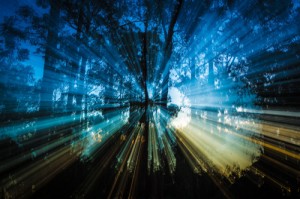
zoomeffectZoom Effect

Add a dynamic zoom effect with a slow shutter speed, and learn a super charged variation using your flash.

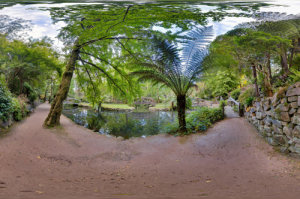
360panorama360 Panorama

A spherical 360 degree panorama puts you there by showing the whole world from a particular viewpoint.

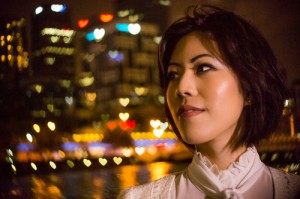
aperture_masksAperture Masks

Create a romantic, magical or cool background for your night portraits with aperture masks.

flour_hairflickFlour Hair Flick

Half a cup of flour, add three lights and flick hair vigorously for this dramatic action shot.

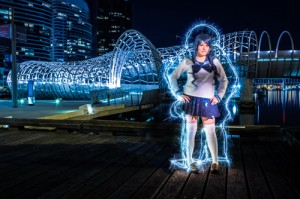
lightpainting_sparklersLight Painting Sparklers

Sparklers, a sci-fi schoolgirl and some really nifty colour and light tricks create this dynamic light painted photo.

lightpainting_steelwoolLight Painting Steel Wool

Stars twinkling above and fire sparking below lights up the beach in a dramatic combination shot.

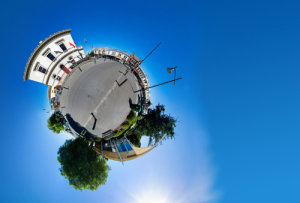
littleworldLittle World

Starting with a panorama, create whole planets with this super distorted, super fun effect.

mixing_ambient_flashMixing Ambient and Flash

Capture and freeze motion in the same shot for a striking effect by mixing flash and continuous light.

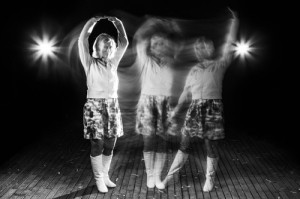
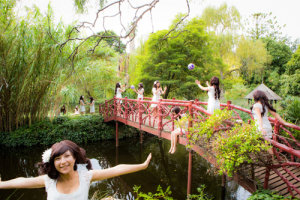
multiple_exposuresMultiple Exposures

If two are twice the fun, eleven clones are a party! This multiple exposure technique is a unique way to tell a story.

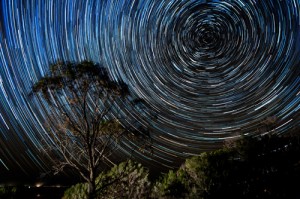
startrailsStar Trails

Capture the majesty of the night sky as it spins eternally overhead with this surprisingly accessible star trail technique.

waterdropletWater Droplets

Natures little lenses create many images with this technique to get you started using water refraction in your photography.

Get more information on this great new eBook here or pick up a copy by clicking the ‘Download it Now’ button below.

download_it_now_photomagic

// < ![CDATA[ // < ![CDATA[ // < ![CDATA[ // < ![CDATA[ // < ![CDATA[ // < ![CDATA[ // < ![CDATA[ // < ![CDATA[ // < ![CDATA[ // < ![CDATA[ // < ![CDATA[ // < ![CDATA[ // < ![CDATA[ // < ![CDATA[ // < ![CDATA[ // < ![CDATA[ // < ![CDATA[ // < ![CDATA[ // < ![CDATA[ // < ![CDATA[ // < ![CDATA[ // < ![CDATA[ // < ![CDATA[ // < ![CDATA[ // < ![CDATA[ // < ![CDATA[ // < ![CDATA[ function EJEJC_lc(th) { return false; } // ]]>PrThe // ]]>

Post originally from: Digital Photography Tips.

Check out our more Photography Tips at Photography Tips for Beginners, Portrait Photography Tips and Wedding Photography Tips.

24 Hours Left to Save 25% on our New Trick Photography eBook


Digital Photography School

 
Comments Off on 24 Hours Left to Save 25% on our New Trick Photography eBook

Posted in Photography


Modern digital media collages take Deutsche Börse Photography Prize

12 Jun

Screen_Shot_2013-06-11_at_8.46.15_AM.png

Adam Broomberg and Oliver Chanarin have won the 2013 Deutsche Börse Photography Prize for their War Primer 2 publication — a collection of screen grabs and smartphone images paying homage to Bertold Brecht’s original War Primer project from 1955. Learn more on connect.dpreview.com.

News: Digital Photography Review (dpreview.com)

 
Comments Off on Modern digital media collages take Deutsche Börse Photography Prize

Posted in Uncategorized


15 Tips for Successful Fireworks Photography

10 Jun

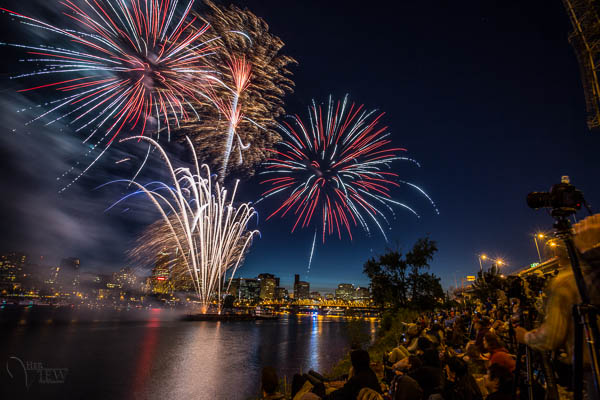
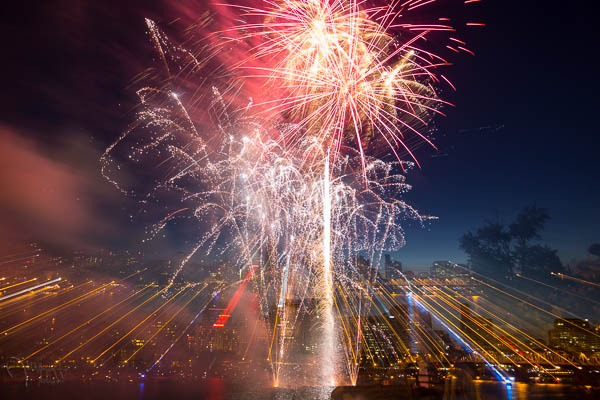
fireworks-tips-dps-08

With the summer coming up and different celebrations you may have the opportunity to photograph some fireworks.  If you’re in the USA you have the 4th of July, in Canada July 1st.  In many other places you can find fireworks festivals or competitions even, or special occasions when fireworks may be set off including weddings, New Years Day or course and of course at Disneyland!

So here’s a few tips to help you photograph fireworks. The biggest thing to remember is that it’s all about practice, experimentation, and the following mantra (say it with me!)

SHOOT – REVIEW – ADJUST – REPEAT

Please remember that if you’ve never tried fireworks before it’s all trial and error and I’ve made a lot of mistakes myself before I got any images that I was happy to show anyone.  Each time I photograph fireworks there’s always some element that’s unpredictable so you have to learn to adapt and learn from your own mistakes, correct for next time and do it again. So take these tips to help you get started.

15 tips for fireworks photography

#1 Use the right equipment: use a sturdy tripod and remote to fire the camera  and bring an extra battery as long exposures tend to use them up quickly.  I say STURDY tripod because it needs to hold your camera steady for several seconds without sinking, tipping, or wobbling. I wrote an article on my site on Tips for buying a tripod of you need more info on what to get.

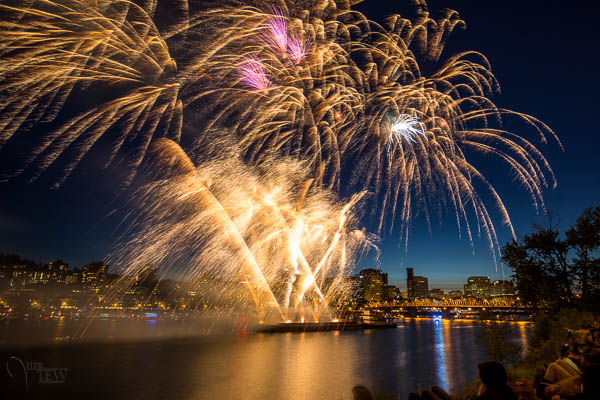
This image was actually purchased by the company that put on the fireworks show in Portland.

This image was actually purchased by the company that put on the fireworks show in Portland.

#2 Set your ISO low like 100 or 200, for a couple reasons. First the higher the ISO you use the more noise you’ll introduce into your images, so keep it low to prevent that. Noise also lives in blue areas of images and nighttime has a lot of blue so that compounds the issue.  Long exposures also tend to increase noise so if you add it all up you get a lot of noise so keep the ISO low to eliminate that variable.

#3 Turn OFF long exposure noise reduction.  This setting, while it does a really good job of noise reduction, adds an extra complication you don’t need when doing photography of fireworks.  The way it works is that if you take say a 10 second exposure, it takes a second one of equal length but just black (the shutter doesn’t open). Then it merges the two together and blends the blank one into the shadow areas of the first one which is where noise typically shows the most. The problem is that fireworks happen so fast you don’t want to have to wait 10 seconds to be able to see your image, make any adjustments and shoot again. I did this once my accident and it was very frustrating and I missed most of the show and did not get the results I wanted because I couldn’t review and correct.

#4 Do NOT use live view if your camera has it. This will eat up your battery really fast. Live view is really for shooting video and using the display screen so much uses a lot of power, as does making long exposures.  Save your battery for actually shooting and set up your shot using the eyecup viewfinder.
fireworks-tips-dps-09#5 set your camera on Manual mode for exposure and set your aperture to f5.6 or f8.  Those apertures are pretty optimal for fireworks as the light streaks are controlled by the size of the aperture.  Closing down more will make the light trails thinner, opening up more will make them wider and possible too over exposed.  Do some tests but all the times I’ve done fireworks I keep coming back to f8 as my preference.

#6 Set your shutter speed to between two and ten seconds.  Do a test shot before the show starts and see if the sky is too dark or too bright and adjust the exposure time accordingly. As long as you’re under 30 seconds you can let the camera time the shots for you.  Or you can switch to Bulb and just open and close manually when you feel you’ve captured enough bursts in one image.

#7 Focus your lens ahead of time, and then turn off AF otherwise the camera will keep trying to refocus every shot and you may end up with missed images or blurry fireworks if the camera misses. Assuming you’re a fair distance away from the fireworks you shouldn’t have to refocus at all unless you change your angle of view or want to focus somewhere else, like the people in front of you.

#8 Use a neutral density filter to get a longer exposure if need be.   If it’s not 100% dark out yet it (the sky still has some light) this will allow you to get a longer exposure and make sure the fireworks bursts have a nice arch.  If your exposure is too short you’ll end up with short stubby looking bursts, not the nice umbrella shaped ones. If yours are too short, just make the exposure time longer. If you are getting too many bursts in one shot and it’s coming out over exposed, shorten the exposure time.  Using the ND filter if it IS dark will also allow you to shoot longer exposures and capture more bursts per image.  Play with that and try it with and without the filter if you have one.  A polarizing filter will work to a lesser degree also.

ISO 100, f/10, 1 second

ISO 100, f/10, 1 second – notice the bursts don’t really make a nice arch? A longer exposure will make your trails longer. You choose how you want them to appear and adjust accordingly.

#9 Shoot most of your shots at the start of the show to avoid the smoke/haze that appears a bit later. Eventually the sky will be filled with smoke and it’s not as pretty looking.  That’s when I’ll try some close ups or abstracts (keep reading for more on that later)

#10 Scout your location ahead of time and get there early to get a good spot, think about background (what’s behind the show) and if you want the people around and in front of you as part of the shot. In general the good viewing areas fill up sometimes 1-2 hours prior to the fireworks show. If you want a good spot with enough room for you and your tripod, go early and take a good book or something to entertain you while you wait.

Notice I've included the crowd to show perspective.

Notice I’ve included the crowd to show perspective.

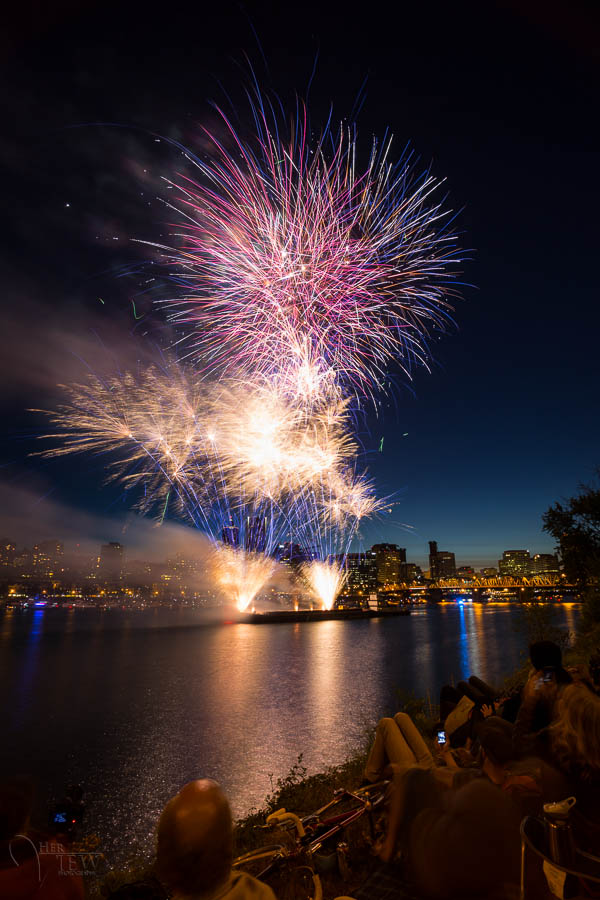
#11 Make sure you leave enough room in your frame to anticipate the height of the opened bursts. Adjust as necessary if you miss on the first shot – it’s a lot of trial and error and correcting. It’s often hard to tell where the highest fireworks will end up in the sky, you may want to try both horizontal and vertical compositions.

Try a vertical composition for an added sense of power, especially if you can get a reflection like this one.

Try a vertical composition for an added sense of power, especially if you can get a reflection like this.

#12 It takes a bit of practice to time your shots when you hear the fireworks being released, so ideally you capture a few bursts.  Do some testing to see how many bursts is just right for your taste.  Try some with more, and some with less. Having too many may overexpose the overall image, so keep that in mind.

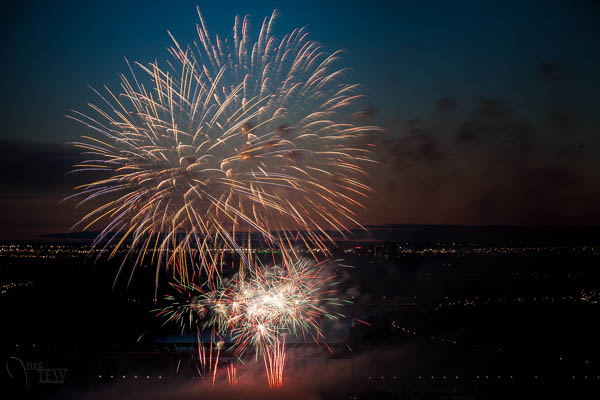
#13 Shoot into the eastern sky not facing west, if you want a darker sky. Here in Edmonton we are quite far north and even by 10:30pm in the summer the sky is not fully dark yet.  I’ve found that when I shoot into the sunset my sky gets too blown out and the lights of the fireworks don’t show up as well as they do against a darker sky.  So try and find a vantage point that has you facing east when possible if that’s an issue for you as well.

Western facing, notice the sky isn't dark enough and the fireworks seem lost against it.

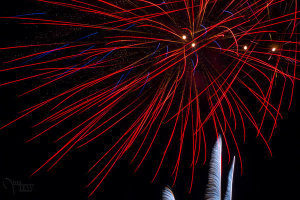
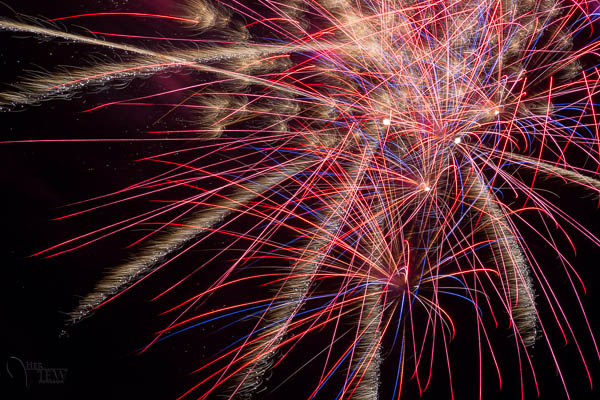
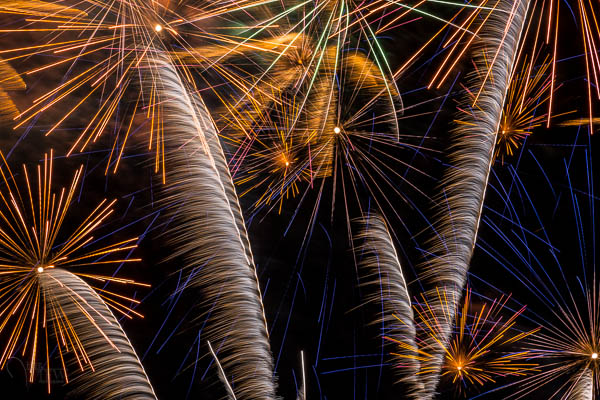
#14 Try some telephoto shots as well as the usual wide, try some close ups zoomed in tighter for something a bit more abstract. For this you will need to aim basically into thin air and try to anticipate where the bursts will open

Abstracted using a longer lens, I think they look like palm trees.

Abstracted using a longer lens, I think they look like palm trees.

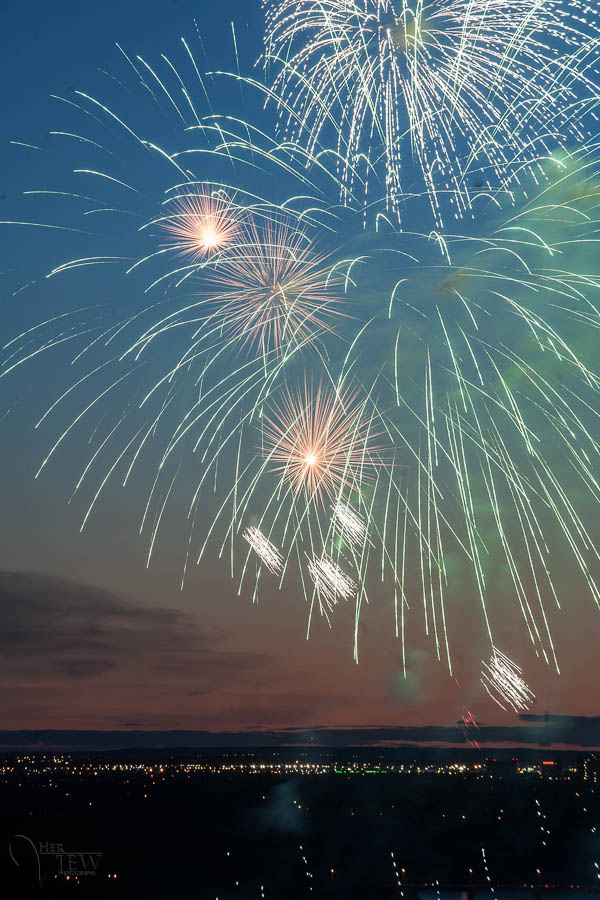
#15 if you have a zoom lens try zooming during the exposure and see what you get!  If you’re going to try this make sure you have focused at the most zoomed in point of the lens.  Try different technique including counting 1/2 the exposure before you zoom, or zooming right away and the last 1/2 is zoomed out. Try zooming fast, then slow. Try more bursts, or less. Get some city lights in the shot too.

ISO 100, f/6.3, 6 seconds - zoomed during exposure.

ISO 100, f/6.3, 6 seconds – lens zoomed during the exposure.

Summary

The biggest tip I can give you overal is experiment with your settings to get the look you want. Use my settings above as a starting point, adapt to your situation and your camera equipment until you’re happy with the results.

Have a great time this summer trying these out and don’t forget to share your images of fireworks, and any additional tips you’d like to add.

Post originally from: Digital Photography Tips.

Check out our more Photography Tips at Photography Tips for Beginners, Portrait Photography Tips and Wedding Photography Tips.

15 Tips for Successful Fireworks Photography


Digital Photography School

 
Comments Off on 15 Tips for Successful Fireworks Photography

Posted in Photography


An Introduction to Bird photography

09 Jun

A Guest Post by Lithuanian Photographer Tadas Naujokaitis.

Birds are very interesting creatures, but it’s not so easy to photograph them. Wild birds usually don’t pose where you want and, moreover, it’s often difficult to get close enough to take quality pictures. But if you know some basics of bird photography, it becomes much easier to capture amazing moments of the birds’ life.

Equipment

It’s not necessary to have an expensive camera of lens, however the proper equipment lets to take bird photos easier.

Lens
Most birds are quite shy, so you need at least 200mm (300mm is better) to take pictures of them. Longer focal length not only lets to photograph birds from larger distance, it also gives more blurred background. However more millimeters (or larger aperture) means more expensive, larger and heavier lens. Knowing all that, I think that 400mm f/5.6 lens is the best, if you want to have as much millimeters as possible, not too small aperture and still want to be mobile. Of course, you can make magnificent bird images with 100mm or less, just you should find more courageous birds or compose them to landscape.
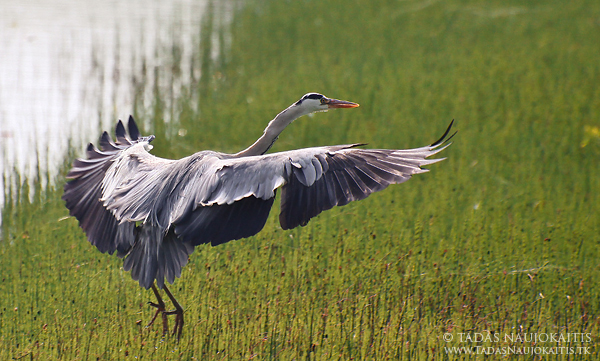
Grey Heron is landing far enough where it feels safe, but with 400mm it’s possible to capture it with all the details.

Camera
In bird photography, almost all DSLR’s will make a good job. However, if you’re planning to photograph birds in flight, pay attention to fps (frames per second), high ISO results and AF (autofocus) system’s accuracy. If you don’t have a DSLR camera, then bird photography becomes a bit more difficult (especially due to slow AF), but don’t give up – a good photographer, I believe, will make better bird photos with mobile phone than a poor one with the most expensive equipment.

Tripod, monopod, flash, even remote control sometimes help much, but usually aren’t necessary.

Camera settings

It’s very important to know what settings to choose in certain situation to get most from your camera.

Exposure
In bird photography lens with long focal length are usually used, so it’s very important to set not too long exposure, if you don’t want that camera shake would cause blurry pictures. The rule is to set expose not longer than focal length of your lens. For example, if your lens focal length is 400mm, you need to set at least 1/400 exposure to get sharp images. However, it is valid only if you have a full-frame camera. If your have a DSLR with smaller sensor (e.g. APS-C DSLR – with 1.6 crop factor), you need to multiply millimeters of your lens from the crop factor. This time that would be (400 x 1.6 = 640) 1/640 exposure. If you don’t have a DSLR, you usually won’t need to multiply anything – the focal length, written on your camera lens, usually already is multiplied (actually it’s 35mm equivalent). Today, most lens or cameras have image stabilization (IS, VR…), and that helps much in low light conditions. Using it, you can set as many steps longer exposure, as you find in your lens/camera specifications, and get sharp images. For instance, if there is a 2 steps 400mm lens stabilizer, you can set 2 steps longer exposure (1/400-1/200-1/100, with APS-C camera: 1/640-1/320-1/160). When using tripod, of course, these rules to minimize camera shake are not so important.

If you want so freeze action, set 1/1000 or shorter exposure, if you would like to show movement, use 1/60 or longer.

Aperture
As you may already knew, aperture controls DOF (depth of field). That means, if you want a more blurred background, set the largest aperture (the smallest number). However, when using telephoto lens, some parts of bird’s body may appear out of focus, so pay attention where exactly you are focusing (that usually is the bird’s eye). If necessary, close aperture a bit.
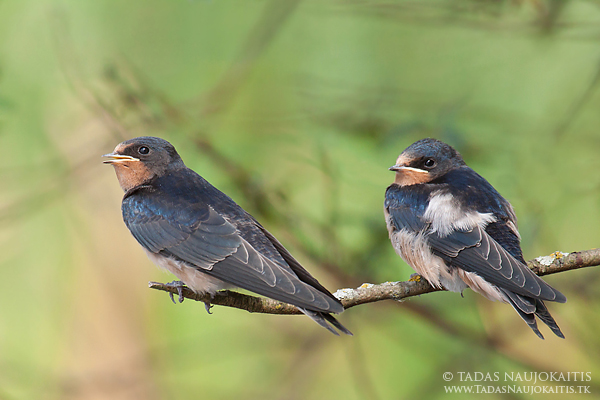
When photographing these young Swallows I needed to set f/8 aperture to get both birds in focus.

ISO
In bird photography, as in anywhere else, the lower ISO speed, the better. However, it’s much better to set ISO 800 or 1600 and get a sharp picture, than ISO 200, and get the blurry one.
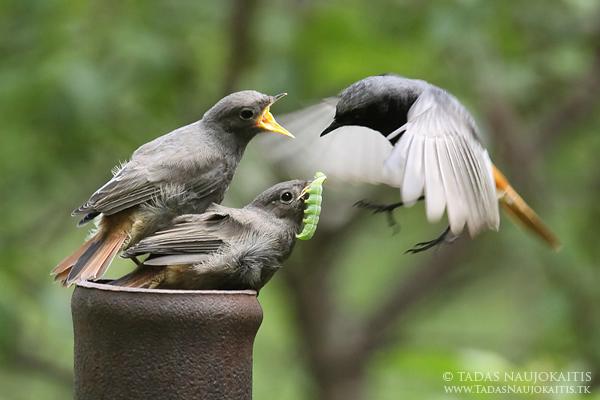
This photo of Black Redstart was made with ISO 2000, because there wasn’t much light, and I believe it was worth it.

Some other notes
When photographing birds, three modes work the best. If you want to control aperture (depth of field), choose Av (aperture priority) mode. For shutter speed controlling (especially useful when photographing birds in flight) use Tv (shutter priority) mode. If you exactly know what settings you need, choose M (manual) mode.

If you photograph dark bird in light background or want to get more details from dark areas, set the positive exposure compensation value, if you want to avoid overexposed areas, set the negative one.
I recommend you to always shoot in RAW, if possible, because later you can easily fix such things as WB (white balance) with computer.

Ways to photograph birds

The next step is to learn, how to get to the birds closer, so then you will be able to take quality pictures of them.

So you can:

Don’t do anything exceptional
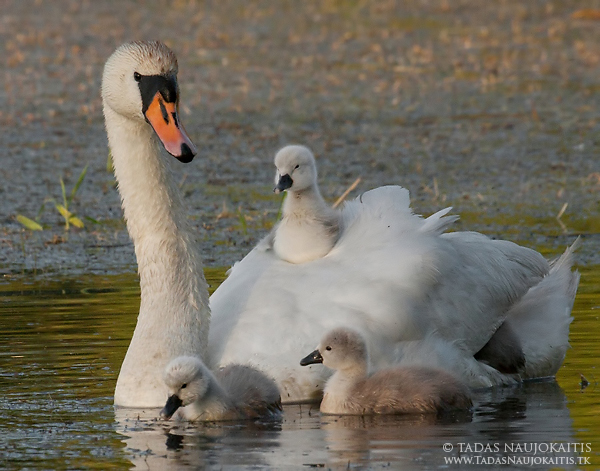
Some birds are courageous and let you to come close enough. The best example is Mute Swans.
Move carefully
Many birds let you to come close enough if you simply don’t make any sudden movements.

Stalk
Sometimes this really works, just make sure that bird doesn’t see you when you are getting close and then, very carefully, take picture.

Lie without any movements
Birds sometimes come surprisingly close, when you lie. Just find a good place or put some food and be patient!

Hide
When photographing a shy bird or wanting a small bird to come very close for a quality photo this is the best technique. You can hide using hunting blind, camouflage net or the blind you made yourself from surrounding materials. The lower is blind, the more courageous birds feel. If you use surrounding materials to camouflage the blind or to hide yourself, that is another advantage. You can hide near various objects, which attracts birds. Also, you can put some food where you want for birds to come. Sunflower’s seeds are the best food in most cases. If you want that bird would sit on the twig or something similar before taking food, put that twig above the food.
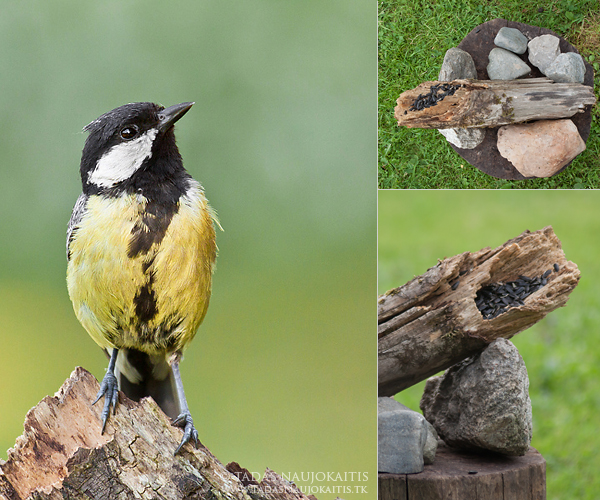
Here you can see the photo of Great Tit and how it was made.
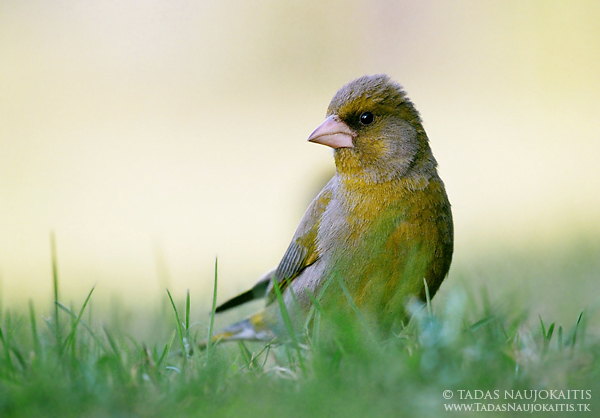
Sometimes it’s enough to put some sunflower’s seeds on the grass! And this is the result.

It doesn’t matter which way you choose, be patient. Don’t wander from one bird (birds) to other (others), if you didn’t succeeded from the first time. Sometimes it’s a good idea to go back next day and try again.

The Image

Now, lets talk about the image itself. We know what equipment we need, what camera settings to choose, how to get to the bird closer, now it’s time to find out how to make the image of the bird look attractive.

The light
Everything starts with a good light. The best time for photography is morning or evening because the light is soft and has a pleasant hue, shadows are not so distinct, it’s easier to get details from very bright and dark areas.
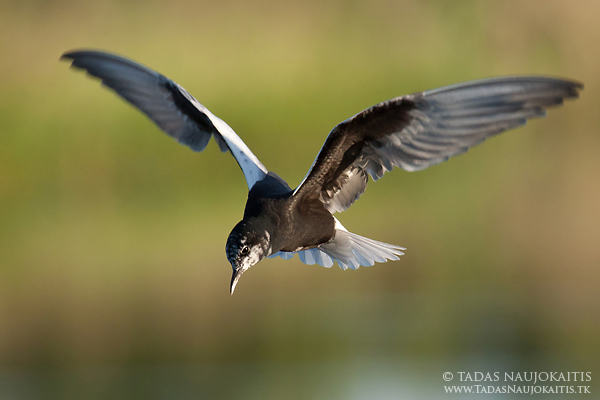
In this example you can see that this White-winged Tern has both black and white feathers, but because it was photographed in the evening, there are no pure white or black areas.

Composition
It is usual to leave some space in the direction the bird is looking or flying. Rule of thirds sometimes helps too. Simply try some different framing to see when you get the best result. In addition, try to avoid any distracting elements, when you are taking the picture. And one more thing to mention: when you are taking the photo of the bird, try to be in it’s eye level.

The bird’s sitting place and the background
It’s the best, when the place, where the bird sits, shows bird’s natural habitat. It can be almost anything because birds live in very different habitats. The background shouldn’t be distracting and usually it looks better when it isn’t the sky (but not always!).
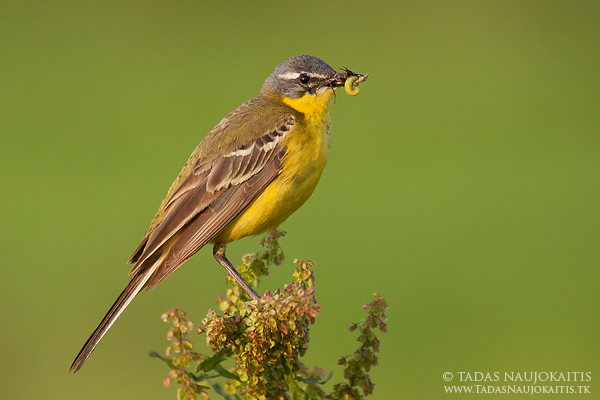
Capture something more
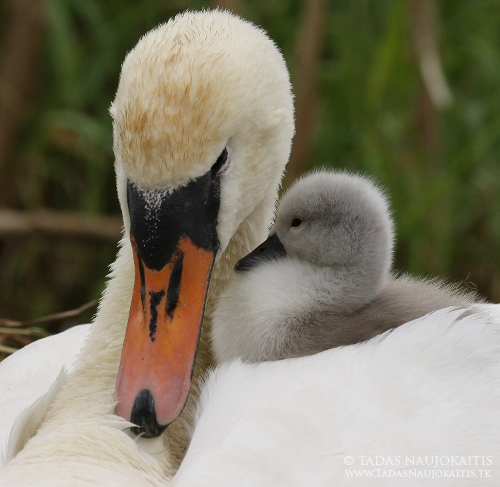
Ethics of bird photography

Birds are wonderful creatures. When you are taking photos, don’t harm them. I strongly advice you not to photograph birds near nests (except when the distance is large and bird isn’t sensitive to disturbance – there are only very few such species). Even if you don’t harm birds, you can show the place of the nest for predators. The life of bird is more important than a photo.

Conclusion

Bird photography is exciting and full of adventures. I hope after this article it will be easier for you to take beautiful bird photos.

About the Author: Tadas Naujokaitis lives in Lithuania. See more of his work at www.tadasnaujokaitis.tk and connect with him on his Facebook page.

Post originally from: Digital Photography Tips.

Check out our more Photography Tips at Photography Tips for Beginners, Portrait Photography Tips and Wedding Photography Tips.

An Introduction to Bird photography


Digital Photography School
 
Comments Off on An Introduction to Bird photography

Posted in Photography


Converging Lines: Weekly Photography Challenge

08 Jun

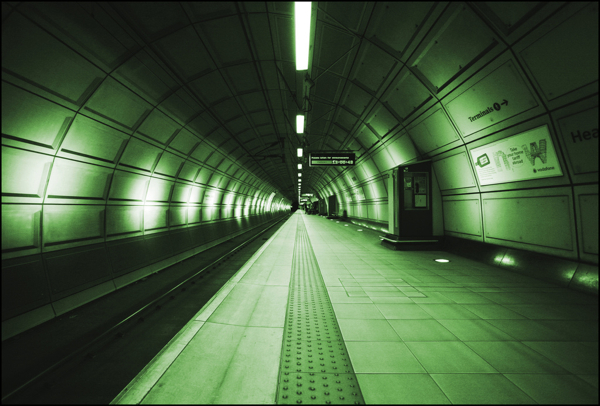
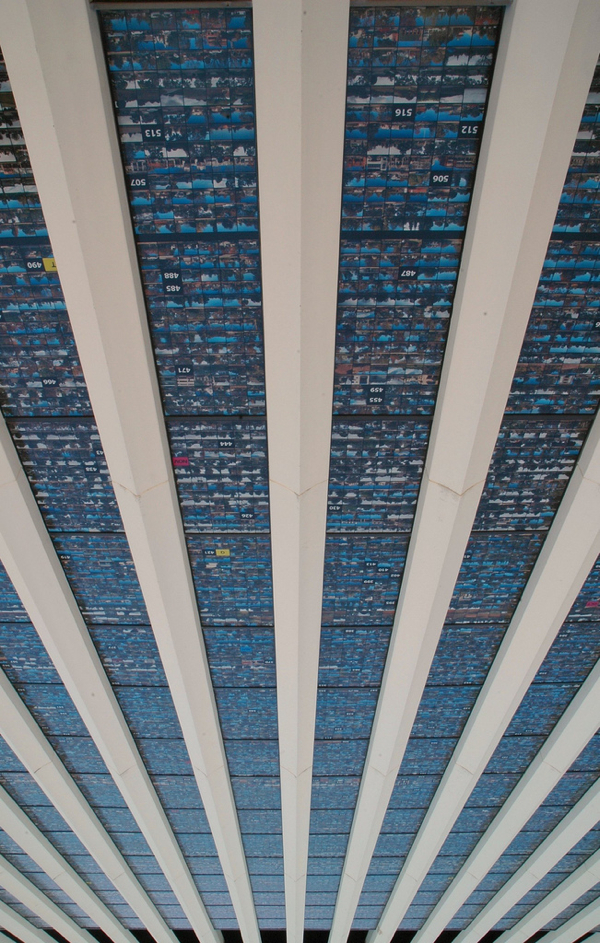
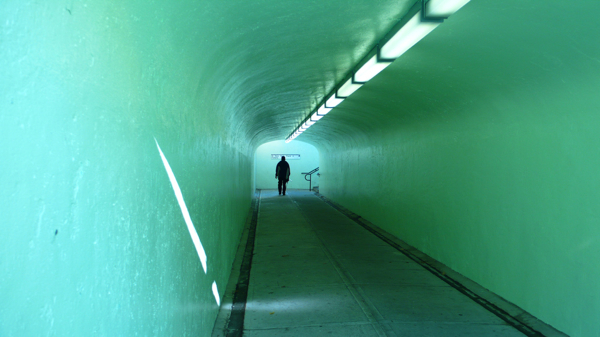
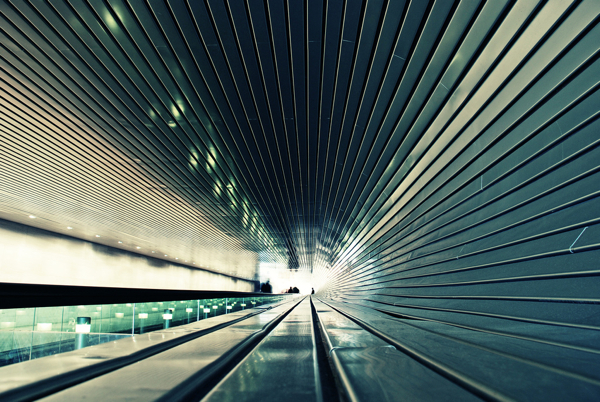
This week we published a tutorial on using converging lines in the composition of your photos so today we thought it might make a good theme for our weekly challenge.

Empty road

So – your challenge is to grab your camera and head out to find some converging lines to shoot – and then to share those photos with us.

You can see some examples of converging lines in shots in the post from earlier in the week but as you get out and about you’re sure to see them all around you – once you start looking you’ll be amazed how many they are.

Once you’ve taken your converging lines photo upload it to your favourite photo sharing site either share a link to them even better – embed them in the comments using the our new tool to do so.

If you tag your photos on Flickr, Instagram, Twitter or other sites with Tagging tag them as #DPSCONVERGE to help others find them. Linking back to this page might also help others know what you’re doing so that they can share in the fun.

Also – don’t forget to check out some of the great shots posted in last weeks Critique Yourself challenge – there were some great shots submitted.

Post originally from: Digital Photography Tips.

Check out our more Photography Tips at Photography Tips for Beginners, Portrait Photography Tips and Wedding Photography Tips.

Converging Lines: Weekly Photography Challenge


Digital Photography School

 
Comments Off on Converging Lines: Weekly Photography Challenge

Posted in Photography


Minimalist Photography ~ 4 Tips To Keep It Simple With A Maximum Impact

08 Jun

Minimalism is a very subjective concept in the art world. The Webster dictionary defines it as follows: A style or technique that is characterized by extreme spareness and simplicity. Some love it, others hate it, but no one seems to be indifferent. Many artists thrive in the openness of the concept, others have a problem with the lack of definition and direction. Many of us are drawn to ‘less is more’ with simple lines, geometric patterns, strong shadows, contrasting colors, lone subjects, etc. For others, deciding what to leave out of the frame to make a stronger image is a difficult exercise. Here are a few tips and examples to get you started in your quest for minimalist imagery.

©Valerie Jardin ~ Contrasting colors make for great minimalist subjects.

©Valerie Jardin ~ Bright colors make great minimalist subjects.

1. Composition

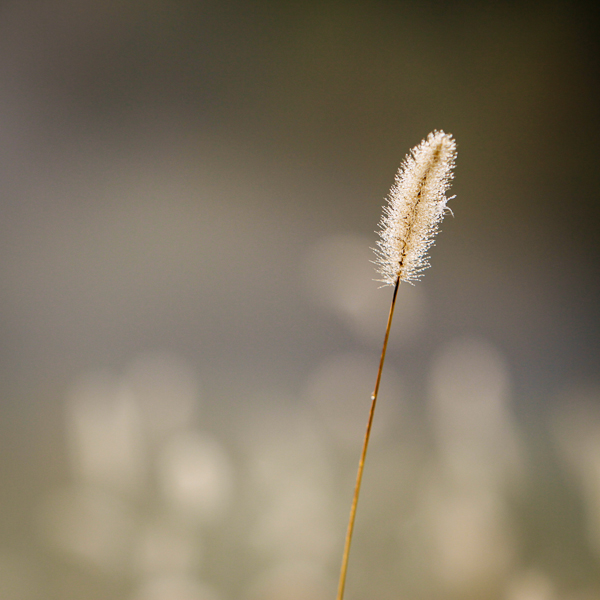
“Keep it simple” doesn’t mean “keep it boring”. Contrary to what you may think, a minimalist approach requires a lot of creativity. The use of negative space is an integral part of minimalist photography.  A well placed subject doesn’t have to be large to have a big impact.  Deciding what to leave out of the frame and create a stronger image can be challenging and often requires a lot of practice until it becomes the way you see. I recommend training yourself to make those decisions in camera instead of cropping unwanted distractions in post processing. A clever use of depth of field will also isolate your subject from the background by shooting with an aperture as wide (smallest number) as your lens will allow.

2. Textures and colors

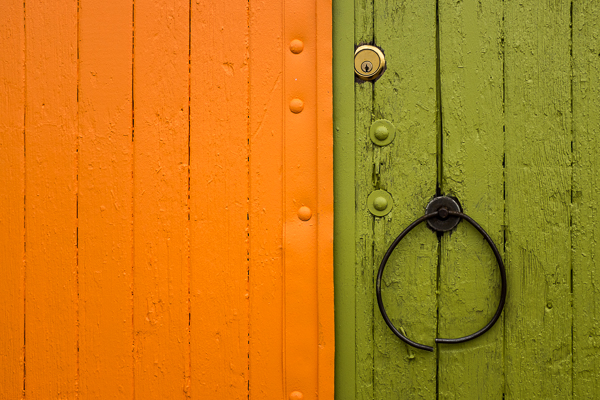
A bright color or contrasting colors make great minimalist subjects. The same applies to textures. The viewer should be able to almost feel the texture. Sometimes it’s all about finding a creative angle to make the photograph. Don’t be afraid the experiment. Shoot straight on, shoot high or  low, work your frame until you get the shot that will speak to you.

3. Lines and geometric patterns

Strong lines make strong images. A good place to get started with minimalist photography is by paying attention to modern architecture around you. Leading lines, and other geometric shapes, can make great backdrops for minimalist pictures. Isolating a bird on a power line, if done well, can make a great minimalist shot. There are great opportunities around you all the time, you just have to learn to see them and that requires practice.

4. Telling a story

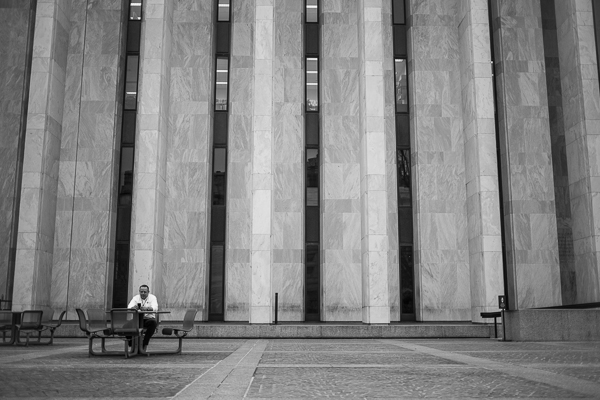
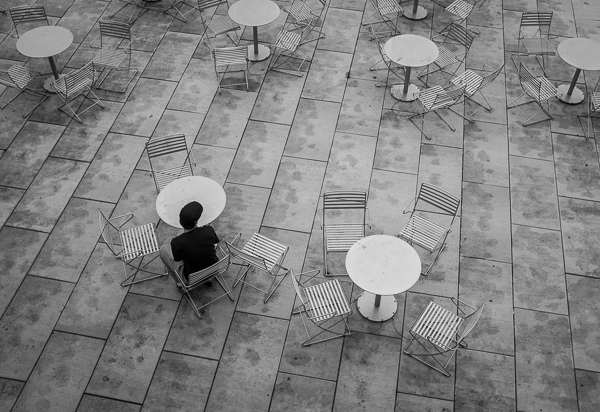
Push your minimalist photography to the next level by telling a story. Minimalist street photography showcases an interesting urban landscape with a human element. The human element, however small, becomes the focal point of the image. Yet, it’s the interesting background that draws the photographer to make the shot. Symmetry, lines, curves, shadows all play a vital part in making the photograph. Sometimes the story and the environment come together spontaneously and it’s the photographer’s job to see it and respond quickly. Other times it require a bit of patience for the right subject to walk through the frame. A minimalist approach to photography can be applied in nature as well as in an urban environment. You can practice anywhere, so get out there and open yourself to a different way of seeing with your camera!

©Valerie Jardin ~  The use of negative space is an integral part of minimalist photography.

©Valerie Jardin ~ The use of negative space is an integral part of minimalist photography.

©Valerie Jardin

©Valerie Jardin ~ Using a shallow depth of field will allow you to isolate your subject from a distracting background.

©Valerie Jardin ~ You can use a minimalist approach in nature as well as in an urban environment.

©Valerie Jardin ~ You can use a minimalist approach in nature as well as in an urban environment.

©Valerie Jardin

©Valerie Jardin

©Valerie Jardin

©Valerie Jardin

©Valerie Jardin

©Valerie Jardin

©Valerie Jardin ~ Strong lines make strong images.

©Valerie Jardin ~ Strong lines make strong images.

©Valerie Jardin

©Valerie Jardin

©Valerie Jardin

©Valerie Jardin

©Valerie Jardin ~  The viewer should be able to almost feel the texture. Sometimes it’s all about finding a creative angle to make the photograph.

©Valerie Jardin ~ The viewer should be able to almost feel the texture. Sometimes it’s all about finding a creative angle to make the photograph.

©Valerie Jardin ~ In minimalist street photography The human element, however small, becomes the focal point of the image.

©Valerie Jardin ~ Minimalist street photography showcases an interesting urban landscape with a human element.

©Valerie Jardin ~ The human element, however small, becomes the focal point of the image.

©Valerie Jardin ~ The human element, however small, becomes the focal point of the image.

Post originally from: Digital Photography Tips.

Check out our more Photography Tips at Photography Tips for Beginners, Portrait Photography Tips and Wedding Photography Tips.

Minimalist Photography ~ 4 Tips To Keep It Simple With A Maximum Impact


Digital Photography School

 
Comments Off on Minimalist Photography ~ 4 Tips To Keep It Simple With A Maximum Impact

Posted in Photography


Abstract Photography Techniques Worthly Of The Gods

08 Jun

Photography has been used as a medium for artistic expression since its initial inception some hundred or so years ago. In this digital age, photography offers not just great picture taking open access to all, but it can also unlock the bounds of an artist’s imagination, incorporating the natural and synthetic world around them to produce images of stunning artistic Continue Reading

The post Abstract Photography Techniques Worthly Of The Gods appeared first on Photodoto.


Photodoto

 
Comments Off on Abstract Photography Techniques Worthly Of The Gods

Posted in Photography


Critique Yourself: Weekly Photography Challenge

04 Jun

This week we published a post by Lynsey Peterson in which she shared 5 of her own images that she feels could have been better.

Look at me

It was a brave move by Lynsey to share that post and got me thinking about the topic of self critique.

My own experience of photography is that going through the process of critiquing your own work to see how you might improve is actually a very valuable process and as a result I’d like to encourage others to do the same as this weeks photography challenge.

Your challenge is to share a photo that you’ve taken recently and share with us how you’d improve it if you could shoot it again.

Would you change the composition, use different gear, pose your subject differently, shoot at a different time of day, use a different approach to lighting…. or something else?

There’s no need to write a long essay critique (although feel free). Just a few points on what you’d do to improve your shot next time is fine.

Once you’ve worked out which shot you want to critique upload it to your favourite photo sharing site either share a link to them even better – embed them in the comments using the our new tool to do so.

If you tag your photos on Flickr, Instagram, Twitter or other sites with Tagging tag them as #DPSCRITIQUE to help others find them. Linking back to this page might also help others know what you’re doing so that they can share in the fun.

Also – don’t forget to check out some of the great shots posted in last weeks Spirit challenge – there were some great shots submitted.

Post originally from: Digital Photography Tips.

Check out our more Photography Tips at Photography Tips for Beginners, Portrait Photography Tips and Wedding Photography Tips.

Critique Yourself: Weekly Photography Challenge


Digital Photography School

 
Comments Off on Critique Yourself: Weekly Photography Challenge

Posted in Photography


Photo Magic, 3D Photography

04 Jun

creek110319-133-hdr-3d

This will blow your mind. If you have never tried ‘free view’ 3D, then you might find it hard to imagine that you can take 3D photos with any camera and see them on any computer screen without glasses or special technology. I will show you how.

I’m Neil Creek, author of DPS’s latest ebook Photo Magic: Special Effects Photography Made Easy and the popular Photo Nuts ebook series. Photo Magic is full of techniques to create unique and impressive images, just like this one, so if you want a copy you can grab it here at the special launch price of $ 15.

We see the world with two eyes, and that tells us the depth of a scene. Most cameras can only capture a flat plane, destroying any depth the original scene had and robbing it of a great deal of its impact. This technique lets you capture photos of certain scenes that contain the depth of the original, and with a little bit of practice most people can learn to see these photos simply by crossing their eyes.

I’ve written a detailed guide on how to see 3D photos on my blog, and it has already helped thousands of people to learn how to ‘free view’ 3D photography. If you’re not familiar with the technique, go and have a read, then come back, enjoy the photo above in glorious 3D.

Now I bet you want to know how you can make these images yourself!

What I’ll Be Using For The Shot

  • Canon 5D MkIII
  • 24-70mm f2.8 lens

How The Shot Was Taken

Taking a 3D photo is actually really simple, but with some limitations. Most importantly: this technique will not work with a moving subject. You won’t be able to take good photos of moving water, leaves blowing in the wind, people you can’t direct, or anything else which does not stay still for a few seconds. Feel free to give it a go if you think your subject is still enough, but the effect may not work well.

The technique is called the “cha-cha” method because all you do is rock from one side to the other when taking a pair of photos.

Find a subject that you think will look good in 3D. My photo looks interesting because there are rocks and outcrops and overhangs and grass and all kinds of things going on in the depth of the photo which you can’t see in the 2D version. Use a relatively narrow aperture, as out of focus parts of a 3D photo can be distracting rather than attractive. A faster shutter speed also helps to reduce camera shake, since you are hand-holding.

Compose your shot and pick out a feature that’s not too far away from you to be a reference point. This will probably be in the lower third of the photo, near the centre. Now stand with your weight on your right foot and take the first photo. Then, while watching your reference point and trying to keep it in the same place in your viewfinder, put your weight onto your left foot and take the second photo. And you’re done! The magic happens in the processing.

Portrait or landscape?
For free viewing, it’s best to take all of your 3D photos in portrait orientation. This requires you to cross your eyes less and is thus more comfortable. Also, two landscape photos side by side are very wide and will thus make the whole image appear smaller on your monitor. However, if you have a 3D TV or monitor and you are taking 3D photos to display with it, then landscape is the better choice. These displays overlay the two images, so a landscape oriented photo will fill the screen.

Processing the Shot

Now that we have two images, to share and show them as a 3D pair we need to make them one. It’s not as simple however as just sticking them side by side in one file. There are a couple of issues we need to take care of which are unique to 3D photos: Alignment and the 3D window.

Both of these issues can be handled with a nifty piece of retro-looking software called Stereo Photo Maker, and the AutoPano plugin for it. Download them both at the links below, install AutoPano, run Stereo Photo Maker and in its preferences, point to AutoPano and you’re ready to go!

  • Download and install StereoPhoto Maker
  • Download and install AutoPano and link it to StereoPhoto Maker as a plugin

Alignment
Taking 3D photos with the cha-cha method can cause each photo to become slightly misaligned from the other. There is also distortion introduced from pointing the camera at the same target in each photo. Even though this is necessary for the most 3D coverage with your two photos, this keystone distortion needs to be corrected. This is achieved with the AutoPano plugin.

2013-05-28 22_33_50-Left Image(creek110319-133-hdr-3d

3D Window
The edge of the frame of your photo has an apparent position in 3D space: where your monitor is. Things look weird and uncomfortable if parts of your photo appear to be touching this frame, it’s far better to make it look like they are inside it, beyond the monitor. Stereo Photo Maker has a tool to help here as well.

Step by step process

  • Drag both photos onto the StereoPhoto Maker shortcut icon
  • Zoom out a bit with your mouse’s scroll wheel if you need to to make it easier to fuse the pair into 3D with the cross-eye technique
  • Click on the auto align button to use autopano to correct for any distortions
  • Click on the Easy Adjustment button to fix the 3D images position relative to the 3D window (see below for more information)
  • I find adding a border helps, so if you like, in the menu go to View – Border Options
  • Check “Show Border” and adjust the border settings to your liking
  • Save the image by clicking in the menu File – Save Stereo Image

Positioning the image within the 3D window is done with the “Easy Adjustment” button in the top toolbar. This opens the adjustment dialogue box, seen here, and you move the slider above the two overlaid images, increasing or decreasing their separation, thus moving them in or out of the 3D plane. It can be difficult to know exactly how to adjust this but a good rule of thumb is to look at the lower edge, and get features here to overlap. With practice and experimentation you can try different positions for the 3D window, creating cool effects with elements coming through the 3D window. It’s best to avoid anything touching the 3D window however.

2013-05-28 00_54_11-Easy Adjustment

Some More Examples

Now you’ve got your feet wet, here are some more 3D photos I’ve taken over the years to show you. And don’t forget, if you liked this post, then you’re bound to enjoy Photo Magic! The book is packed with cool stuff you can create just like this, fully explained with examples, explanations and variations you can try on the looks described. Check it out here.

Enjoy dancing with your camera! Cha cha!

creek-100717-049-hdr-3d

creek-060830-159-3d

creek-110317-035

creek-090308-295-3d

creek-081129-131-3d

creek-040506-091-3d

creek110319-061-3d

creek-110317-033

Post originally from: Digital Photography Tips.

Check out our more Photography Tips at Photography Tips for Beginners, Portrait Photography Tips and Wedding Photography Tips.

Photo Magic, 3D Photography


Digital Photography School

 
Comments Off on Photo Magic, 3D Photography

Posted in Photography


How to Use Converging Lines to Enhance Your Photography

04 Jun
Converging-LinesPhoto by stevacek

When framing a landscape shot one of the types of environmental features that many photographers look for and like to incorporate in their shots is converging lines.

We’ve talked previously about how lines have the potential to add interest to an image – but multiple lines that converge together (or come close to one another) can be a great technique to lead your viewers eye into a shot.

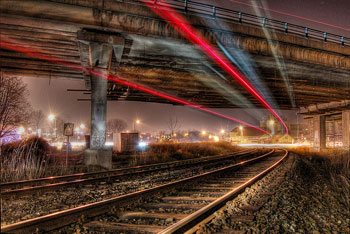
Perhaps the classic example (and one that’s probably been overdone) of converging lines are railway tracks.

Position yourself in the middle of two tracks (after taking a look at what might be coming from behind) and you’ll see the two tracks on either side of you appear to get closer and closer together as they go into the distance.

Take this shot and the natural reaction for those looking at the scene will be for them to follow the lines off into the distance. In a sense the two lines act like a funnel which directs the gaze of those entering them in a certain direction.

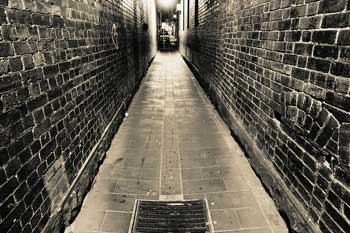
The same effect can be achieved with roads or pathways, converging fence lines, a set of stairs, power lines or virtually any other lines that run parallel into the distance or that actually converge at some point.

4 Tips Regarding Converging Lines

1. Experiment with Positioning – the classic railway line shot described above has many possibilities. One is to position the tracks dead center and symmetrically in the shot.

Another positioning would be to step to one side of the tracks and let them run diagonally through your frame from a lower corner to the opposite upper corner. The beauty of this is that you’ll end up with a more dynamic shot. Symmetrical and vertical placement of the lines can be powerful but diagonal lines tend to convey movement.

Alternatively stepping away from the start of the lines can give another perspective – as can holding your camera on an angle to give another diagonal framing of the lines.


2. Wide Angle Lenses – different lenses can totally change the impact of a shot with converging lines. I find that a wide angle lens can be particularly useful – especially when positioning yourself between the two lines.

This will help to give the perception that the distance between the lines at the starting point of the image is wider than it is. This exaggeration of the width of your lines can have a powerful impact upon your shot.

Lines-ConvergingPhoto by MarvinOS

3. Positioning the ‘convergence’ – one thing to consider when you have converging lines in an image is that they draw the eye into a shot – towards the point that they converge – this becomes one of the most important parts of this image – a focal point.

As you’re framing your shot ask yourself – ‘where is the most effective position to frame this?”

Keep in mind rules like the Rule of Thirds that says that the intersecting points of imaginary lines a third of the way into an image are key points for positioning points of interest.

Also know that if the point of convergence is outside the frame of the shot that you are leading the eye out of your shot. This could leave a shot unbalanced and with tension – alternatively it could enhance the shot and leave your viewers wondering about the place that they converge.

4. Adding Interest at the Point of Convergence – Sometimes it is worth enhancing the point of convergence with something of interest (for example waiting until a train appears in the distance on the tracks – or positioning a person at the top of stairs) – on other occasions the composition of the shot is strong enough without adding an extra subject.

If you’ve got some examples of converging lines in images that you’ve taken I’d love to see them over at the DPS forums – either in the How I took It or Critique My Shot sections.

Here are a few more Converging Lines shots to illustrate the point and hopefully give a little inspiration.

Converging-Lines-2-1Image by MarkyBon

Converging-Lines-3-1Image by Loving Earth

Converging-Lines-4-1Image by vividiti

Converging-Lines-5-1Image by Lush.i.ous

Converging-Lines-7Image by Aeloux

Post originally from: Digital Photography Tips.

Check out our more Photography Tips at Photography Tips for Beginners, Portrait Photography Tips and Wedding Photography Tips.

How to Use Converging Lines to Enhance Your Photography


Digital Photography School

 
Comments Off on How to Use Converging Lines to Enhance Your Photography

Posted in Photography