New Zealand-based EXO Camera Equipment has launched a Kickstarter campaign to get its camera-style casing for GoPro cameras off the ground. The company hopes to produce the EXO GP-1, a metal body into which GoPro cameras can be placed, to take on a more traditional camera form. Read more
Tag: like
-
A lot to like: Real-world Leica Q gallery posted
The Leica Q certainly wowed us when we spent a little time with a pre-production unit back in June. Its 24MP full-frame CMOS sensor, 28mm F1.7 stabilized lens and 3.68M dot equivalent viewfinder cut an impressive figure, something modern and classic all at once. Now we’ve been out shooting with a full production camera and have been quite impressed with our results – take a peek. Read more
-
This is what it’s like to be dumped with fire retardant
DPReview’s home state of Washington has been hot and dry of late – severely so. As wild fires rage in the east of the state, local authorities are fighting to contain the flames and prevent property damage. KOMO News videographer Eric Jensen was in the town of Chelan today covering the evacuation, and captured some incredible footage of fire retardant being deployed from a low-flying aircraft. Click through to take a look
-
Like a Ninja: Tokyo Apartment is Only for the Nimble
[ By Delana in Architecture & Houses & Residential. ]

A tiny 750 square foot apartment is definitely not a lot of space for two people, but this couple was lucky enough to find an exceptionally creative architect. This Tokyo home had a lot of room to grow vertically, so Hiroyuka Shinozaki Architects used floating floors and a series of stairs and ladders to create a spacious living area and studio.
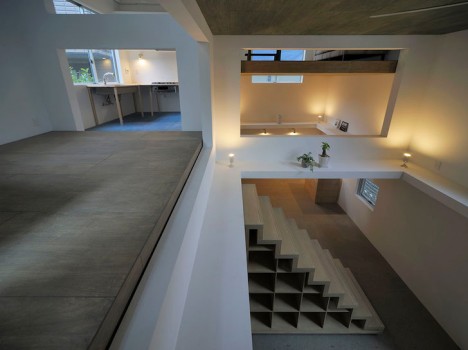

The interior of the home is virtually free of walls and even features huge cutout areas in some of the floors. The architects named it House T, but the owners call it a “ninja house.” Their reasoning behind the name? The couple feels that they have to be as nimble as ninjas to navigate the innovative interior.


Large hanging lights and the wide-open space fill the combination home/studio with bright, cozy light. Part of the space is largely unfinished, with plywood floors and very little furniture. It contributes to the austere yet homey feel of the apartment.


In addition to the absence of walls, many of the home’s functions and features were built into the walls to maximize available floor space. A decent amount of storage is built into the home’s central set of stairs. While walking along ledges and tiptoeing around holes in the floor might not be for everyone, the pair who live in the apartment say that the unique layout – and the unusual way in which they have to navigate it – has made them healthier.
Want More? Click for Great Related Content on WebUrbanist:
9 Amazing Apartment Interior Designs & Cool Condo Plans
Color, pattern, unexpected materials and careful editing of rustic historic architectural details make these apartment and condo remodels one-of-a-kind.
Click Here to Read More »»
Herringbone House: Tiny Tokyo Residence Split into 7 Levels
Measuring just 280 square feet, this tiny house in Tokyo by architecture firm Flathouse includes a public biscuit shop on the first level and manages to fit a …
Click Here to Read More »»
Off the Block: 13 Out-There Apartment Designs in Japan
Japanese architects have come up with some of the world’s most extreme, clever and off-the-wall solutions for spatial challenges, manipulating the shapes and …
Click Here to Read More »»


[ By Delana in Architecture & Houses & Residential. ]
[ WebUrbanist | Archives | Galleries | Privacy | TOS ]
-
It’s Your Image Do What you Like to it
Quite some years ago when I was doing my Fine Art Degree at University I was working on an image which I wasn’t quite sure about. My tutor came over and asked what was wrong. I told him that I thought people wouldn’t like one aspect of it. He looked at me and said, “It’s your image, you can do anything you like to it.” Ever since then I keep repeating those words to myself.
For a number of years now I’ve been putting images on the internet like so many other people. The internet is flooded with them, yet, since the advent of digital photography, there seems to be a growing trend that making images your own is somehow cheating, or it is no longer a photo because you “Photoshopped” it. I don’t understand where this has come from.
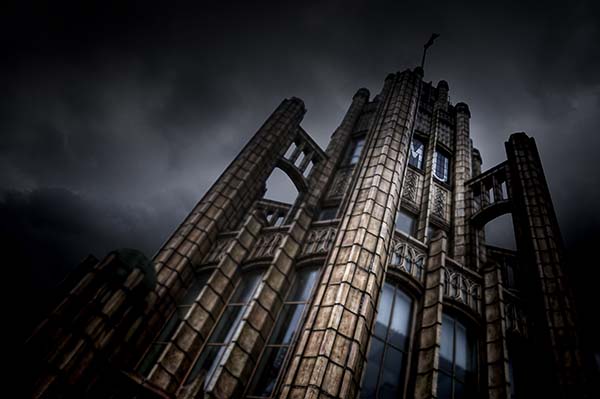
Manipulating Photos
So many times we hear people saying that they want to take the perfect image straight from the camera, but even in the days of film every image was manipulated to some extent in the darkroom. When working in the darkroom not every photo was printed exactly the same. They were all given different exposure times, or different levels of magenta for contrast (I only printed black and white) to get the best result. You could also dodge and burn for tone control.
Even color good labs would print an image once, then make colour corrections and repeat until they were happy with the final result.
I have no issues now in manipulating my photos until I am happy with the result. I am not looking for a true representation of what I see – I am looking for something more.
Of course, I have to add that there are different types of photography and some styles, like nature and pure landscape, that frown on too much editing. You can really only do basic editing to those. I do fine art photography and I think in this genre as anything goes.
I once read Adobe said about Photoshop “If you can imagine it, then you can create it.” I love that statement and it is one I live by. I believe there is nothing that is impossible and I push my images to get the best results for what I desire.
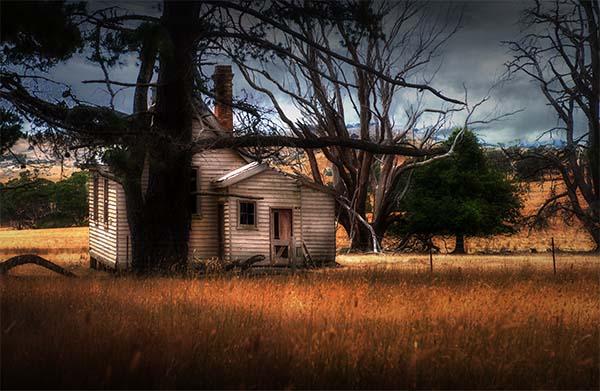
Having a Vision
Before you start doing a lot of work to your images it is good to have an idea of what look you are trying to achieve. I don’t know about having a preconceived idea first. Some people can work like that, but I’ve never found it helpful. I usually find if I do work from a preconception, I’m often disappointed with the final result.
I have a certain thing, or look, that I try to get with my images because I like lots of drama and a sense of theatre. I have always been fascinated with how the world we live in would look if it were abandoned. I like empty images – images void of people. So many of my images, the fine art ones, don’t have people in them.
The thing to remember is that everyone works differently, and how I work is not going to be the same as you. I have some techniques that I often try with images, but I tend to work intuitively. I just try things, delete things, and keep going until I am happy with what I have.
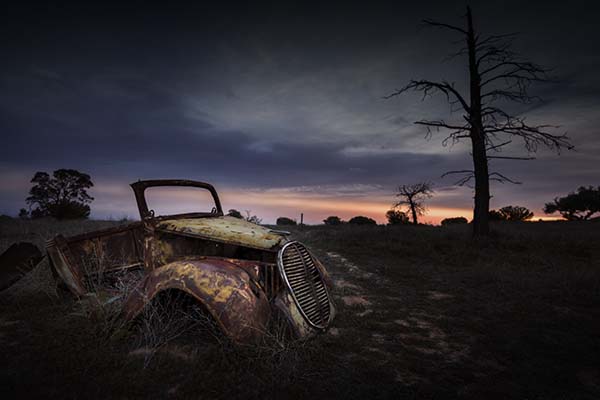
Putting Images on the Internet
The big test comes when the images are put online and people tell you what they think of them. The biggest thing to remember here is that it is your work; it is your image and your vision. What other people think shouldn’t matter.
There are always going to be people who tell you what to do with your image, and think they know what you want to do with it more than you. I come across these people all the time, and I usually say something like, “Thank you, that is an interesting idea, but it isn’t really what I wanted,” or, “I tried it, but decided I didn’t like it.”
Sometimes I think we care too much about what other people think, but in the end the only person who really has to like the work is you. If you are true to yourself then people start to understand that and begin to appreciate what you do.
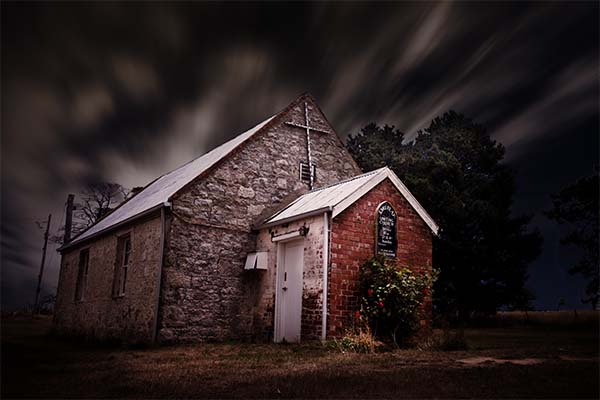
Fine Art Photography
When you start disregarding the rules, you are moving further into fine art photography. There is a history in this area of pushing work to the limit, and bringing it back.
If you go to any gallery and look at the contemporary art works you will find things that are unique and were considered, at the time they were done, as breaking rules, not conforming. You have to admire artists like Picasso who just did what they wanted. They make their own images the way they wanted. How different would the world be today if artists like Picasso, Monet, Warhol, to name a few, hadn’t disregarded what was considered art and just did what everyone else was doing?
We live in a world where anything is possible and you can do whatever you like to your photos. There are always going to be people who think what you do isn’t photography, but you have to remember that it is just their opinion and you don’t have to listen to them.
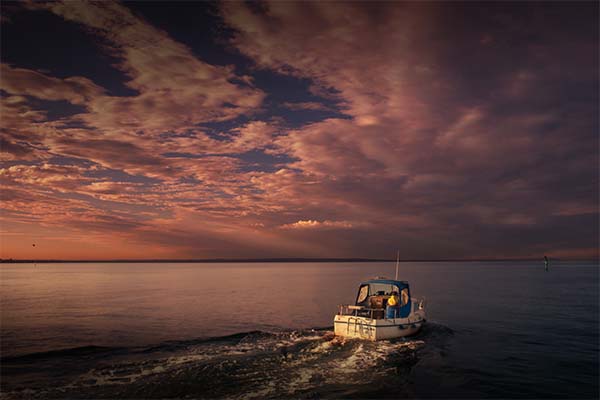
Making My Work My Own
In my own work, I have visions of what I am trying to accomplish and I strive to reach them. Though often, I have no plan of how I will actually get there, I just keep doing things until I am happy.
I have folders of skies, so I can make sure I get the sky I want for my images. I’ve had people tell me that if I replace the sky then I have changed the image and it is no longer a photo. I ask them, “What is it now?”, they say they “don’t know, digital art”, but what is digital art? I don’t listen, it is still a photograph. It is merged, and there’s more than one image, but it is still photography.
I have folders of textures to apply, though they can be overused. Again, it is a personal opinion and I might think that, and you can disagree. I find they can help certain images, but take over in others. It usually depends on how I feel at the time. I will try them, delete them, and then try something different. Often the hardest part is finding the texture that works best for that image.
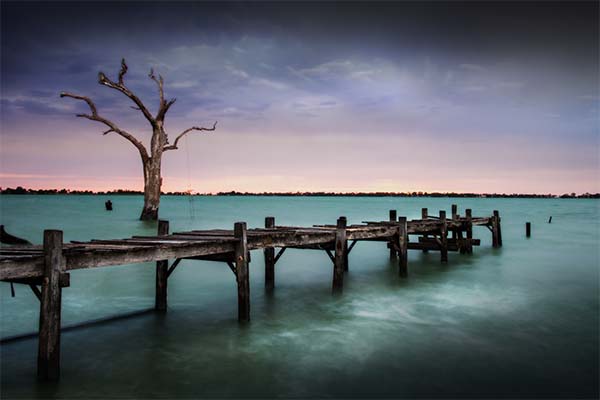
Conclusion
It really is all personal. Art is subjective. Love it or hate it, you have to respect what others do to their images. No one thing that Ansel Adams did in his darkroom was bad, we love his images. I say to you embrace that, make your images your own. Always remember;
It is your image and you can do what you like to it.
googletag.cmd.push(function() {
tablet_slots.push( googletag.defineSlot( “/1005424/_dPSv4_tab-all-article-bottom_(300×250)”, [300, 250], “pb-ad-78623” ).addService( googletag.pubads() ) ); } );googletag.cmd.push(function() {
mobile_slots.push( googletag.defineSlot( “/1005424/_dPSv4_mob-all-article-bottom_(300×250)”, [300, 250], “pb-ad-78158” ).addService( googletag.pubads() ) ); } );The post It’s Your Image Do What you Like to it by Leanne Cole appeared first on Digital Photography School.
-
Rapid Resin: Liquid 3D Printing Looks Like Morphing T2 Metal
[ By WebUrbanist in Conceptual & Futuristic & Technology. ]
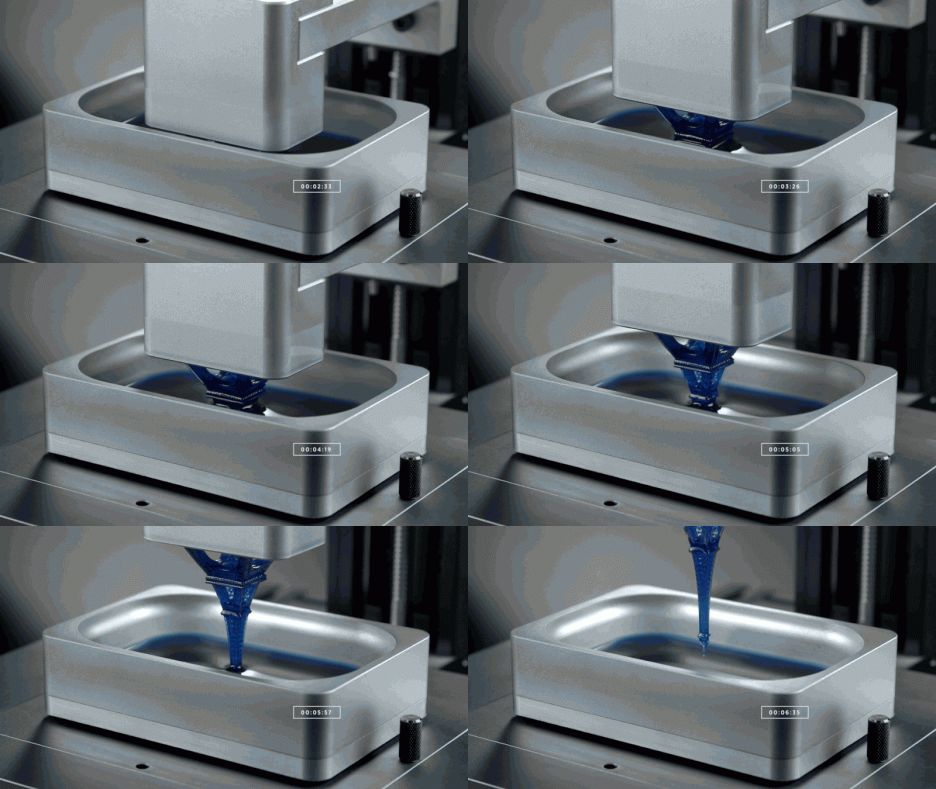
Generating objects 25 to 100 times faster than traditional layer-based 3D printers, this new continuous-liquid approach to high-speed fabrication can create complex yet refined finished objects that are at once more pristine and quickly produced, all by harnessing oxygen and light to ‘grow’ results. Its inventors say their solution was inspired in part by a well-known, time-traveling, liquid-metal robot from a science fiction film and indeed both technologies may be poised to change the the future.
A group of scientists from the University of North Carolina have just published a paper in Science on the technology, filed for a patent and formed a company around it called Carbon3D, currently backed by $ 40,000,000 in funding. Essentially, a pool of photosensitive resin floating on a plane of dissolved oxygen provides the raw material bath, while a device suspended above draws resin up and out. The trick to hardening the substance as it is lifted lies in a UV light projector which emits a 2D cross-section of each layer, continuously changing shape as the device above is raised.

Watching it in action, it is easy to see how the idea came in part from the shape-shifting Terminator ‘upgrade’ first found in the second installation of the ongoing movie franchise. Emerging from a liquid pool, the resulting solid takes shape with remarkable speed.
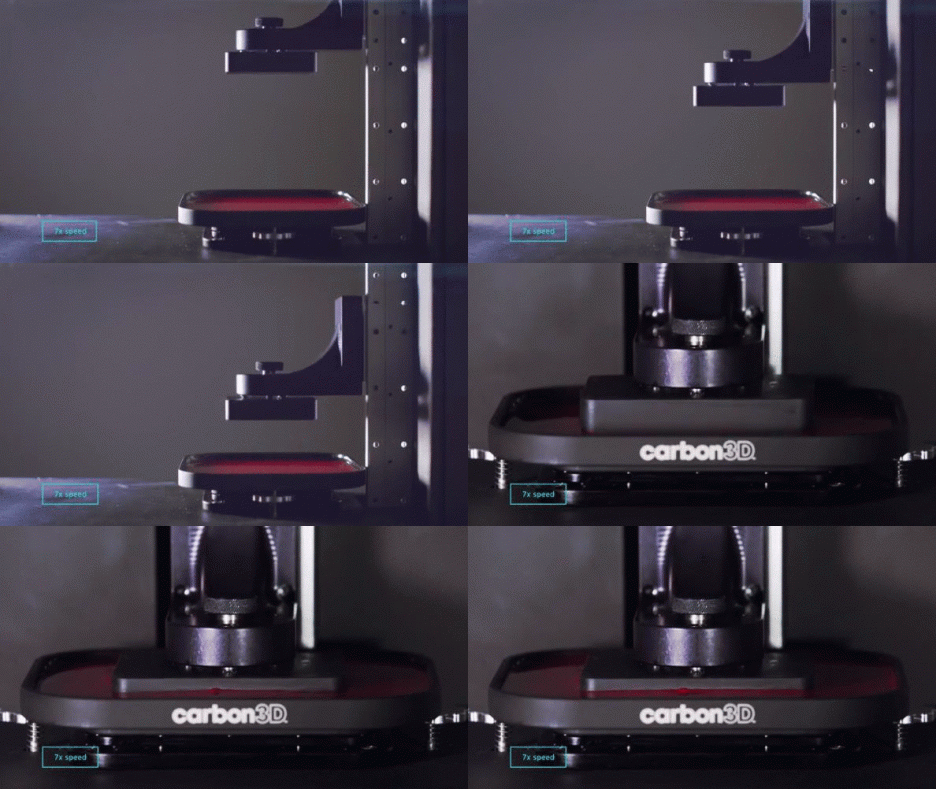
Effectively, each layer of the object is not only printed at once, but without delays in between – hence “continuous liquid interface production.” In contrast, normal 3d printers are limited in part by the printer heads that deposit materials one point at a time, moving along each plane before moving up to the next level. “Traditional 3D printing requires a number of mechanical steps, repeated over and over again in a layer-by-layer approach. CLIP is a chemical process that carefully balances light and oxygen to eliminate the mechanical steps and the layers.”
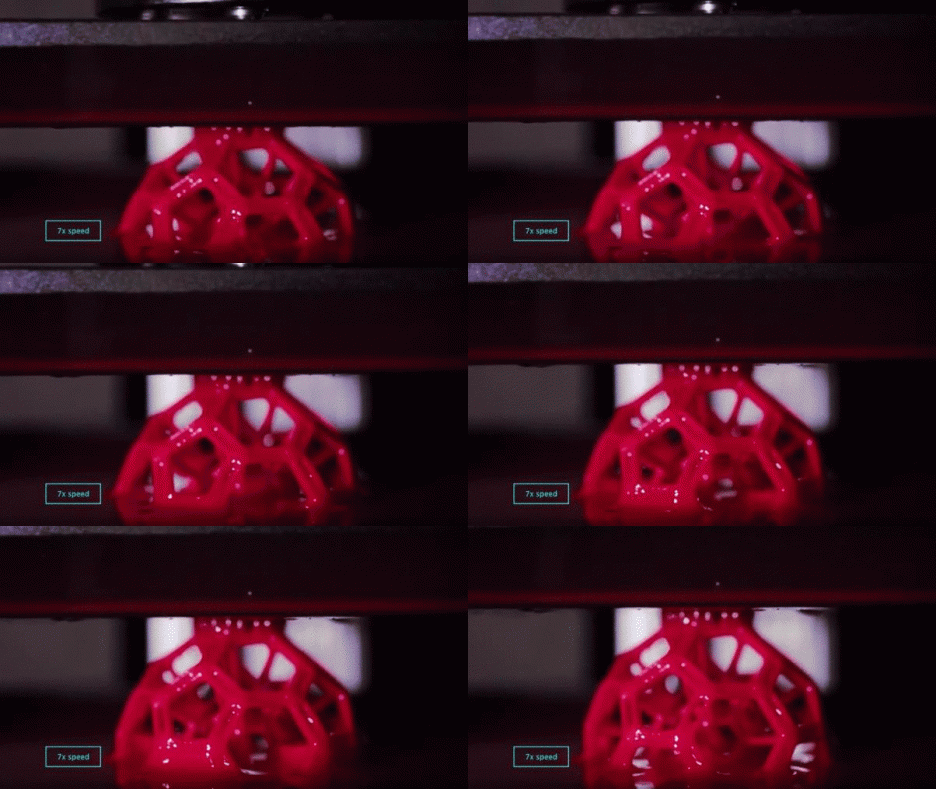
Moreover, unlike many current models, the continuous production method eliminates rough edges and forms a fully-solid object that, depending on the materials used, could result in a cleaner and stronger finished product. Indeed, the device supports a range of both solid and flexible polymers, giving it potential for all kinds of applications. “Parts printed with CLIP are much more like injection-molded parts. CLIP produces consistent and predictable mechanical properties, creating parts that are smooth on the outside and solid on the inside.”
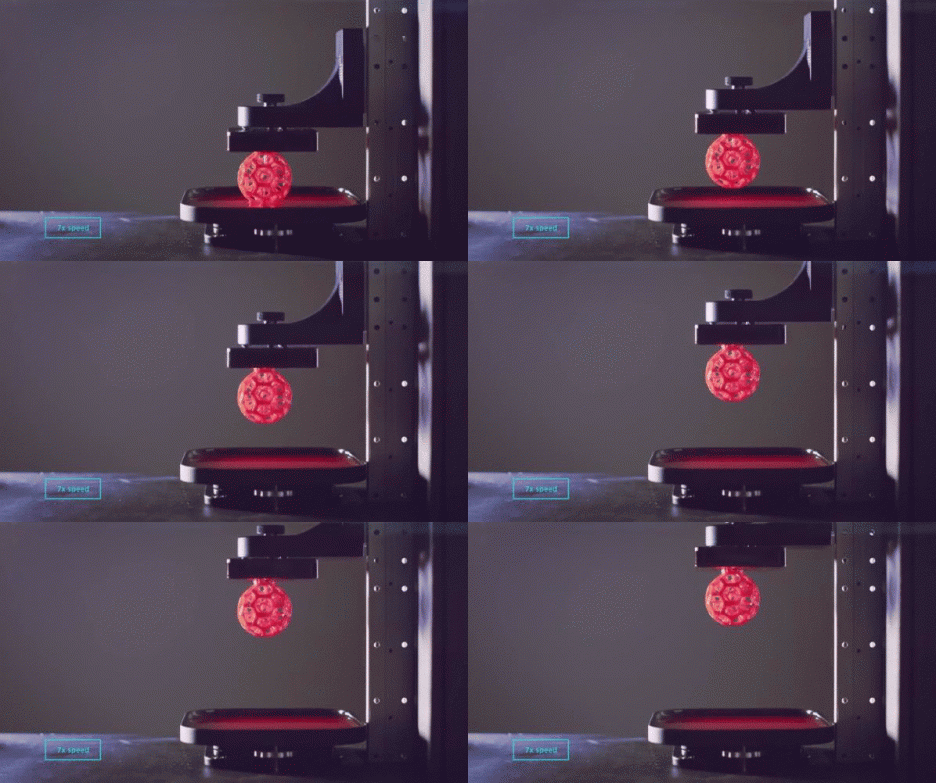
Meanwhile, materials like “elastomers cover a range of needs, from the high elasticity needed for athletic shoes to the strength and temperature resistance needed for automotive parts.” Currently, the device on display is just a prototype, but once put into commercial production it could well be a pivotal piece in transitioning the 3D printing industry from a slow-growing niche to a full-fledged revolution for making everything from rapid prototypes to other useful objects at speed.
Want More? Click for Great Related Content on WebUrbanist:
Castle in a Grain of Sand: Tiny Nanoscale 3D Printing
These amazingly detailed objects are smaller than a grain of sand, printed with polymers at record-breaking speeds using advanced 3D printing technology.
Click Here to Read More »»
Under Construction: World’s First Concrete-Printing Robot
An interdisciplinary team of architects and material specialists is developing a commercially-viable 3D-printing machine capable of creating complex objects …
Click Here to Read More »»
3D Printing Goes Giant: Print Your Own Home?!
Imagine programming a large-scale, 3D-printing robot to simply print your entire home, from top to bottom, within a matter of hours.
Click Here to Read More »»
[ By WebUrbanist in Conceptual & Futuristic & Technology. ]
[ WebUrbanist | Archives | Galleries | Privacy | TOS ]
-
How to Organize and Photograph Events Like a Pro
The Main Event: How to organize and shoot events like a pro.

The Footy Show and image courtesy of Nine Network Australia © Gina Milicia 2015
If you own a camera and are known in your circle of friends as an enthusiast or a pro, there’s a really good chance you’ve been asked to photograph an event.
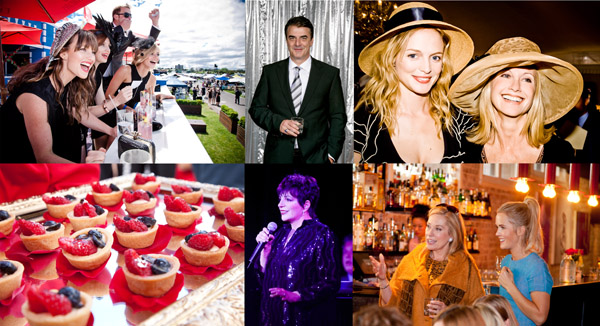
An event is basically any time a group of three or more people gather together to celebrate a milestone. This could be your best friend’s wedding, Uncle Dave’s 50th birthday, your next-door neighbor’s bar mitzvah, your cousin Maria’s engagement, a product or corporate event, or an awards ceremony. They’re all defined as events.
© Gina Milicia 2015
I’ve been shooting events for the last 25 years. In that time, I’ve been the official event photographer for the Australian Grand Prix, the Melbourne Cup, the Dalai Lama, Bvlgari, WWE Wrestling, the Logies (Australia’s Emmys), press conferences with rock stars, product launches for big brands, Uncle Dave’s 50th (great party!) and my cousin’s engagement.
The protocol I use to photograph events is the same for Uncle Dave’s 50th as it is for an A-list function. I’m going to share all the pre-event and event protocols, tips and techniques I’ve developed over the last 25 years – so you can photograph events like a pro too.
The “no more tears” gear check list
© Gina Milicia 2015
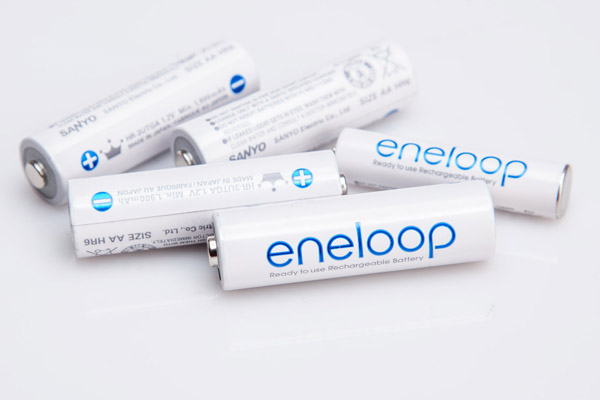
Always ensure you have fresh batteries for your event. If you are shooting a lot of events and working with flash on-camera you may want to consider investing in rechargeable AA and AAA batteries for your flashes and other devices. They are a bit of an investment at the start, but eventually pay for themselves and are far more environmentally friendly.
“To be prepared is half the victory.” – Miguel de Cervantes
I always organize my gear the day before I shoot a big event. This is an extensive list based on all the items I’ve managed to forget over the years – and yes, there have sometimes been tears and yes, they did cause me stress.
- Test all flashes, sync cables and radio slaves. (I once broke someone’s wedding! If you haven’t heard this story, you can relive my heartbreak here.)
- Pack fresh batteries and spares.
- Charge all camera batteries.
© Gina Milicia 2015
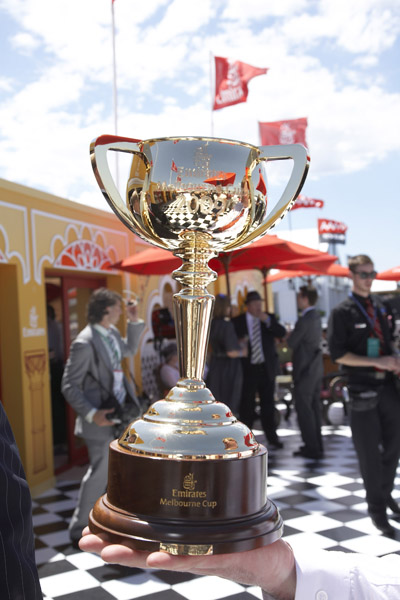
In one of my early Melbourne Cup shoots, I was sent to the finish line to cover the presentation of the Melbourne Cup for its sponsor, Emirates. It had been a long day and I was still a bit green to this event caper. I completely overestimated my flash and camera’s battery lives and had to endure a stressful 30 minutes waiting to photograph “the money shot” with my camera blinking, “I’m about to die! Now feed me!”
My spare battery and charger were safely tucked away in my camera bag about 20-minute walk away. (Doh!) I managed to squeeze out five frames by turning the camera on and off. I got the shot, but it wasn’t fun.
- Clean your lenses. Always check for dust, mould, scratches and smears. There’s nothing worse than having to retouch 300 shots because of gunk in the corner of the frame, or worse still, a large gooby that completely ruins a shot.
- Fully charge your laptop, phone, and booster for remote locations.
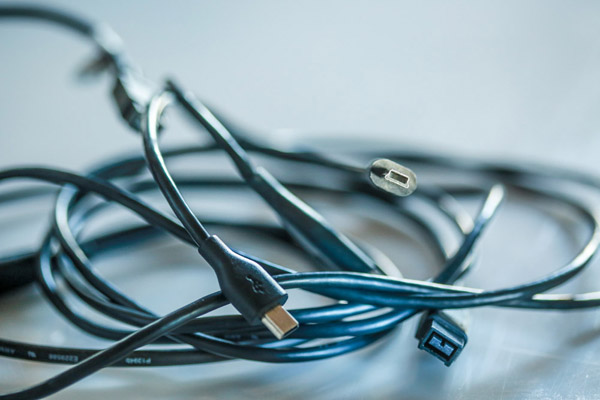
- Ensure you have all your cables, accessories and chargers for laptops, etc.
- Pack two card readers and spare cables.
- Carry extra memory cards and spare cards.
© Gina Milicia 2015
I once shot a wedding at a very remote Australian location. It was at the end of a long, hard week and I realized when I arrived that I had forgotten the USB cable for my card reader. I knew it was going to be a big wedding — the magazine wanted full coverage, from start to finish — and I only had enough memory cards to cover about half of it.
I sent my assistant out to the tiny country town’s shopping district in search of a cable or a card reader while I continued the pre-wedding shots. She rang every camera store within 20km (12.5 miles), but no luck. I ended up having to shoot with the limited number of memory cards I had, and treat it as if I was shooting with film.
I got there in the end, but that little oversight could’ve been very costly. Now I carry two memory card readers and put spare cables in my glove box camera bag, handbag and laptop bag.
Nutella comes in a handy travel size. © Gina Milicia 2015
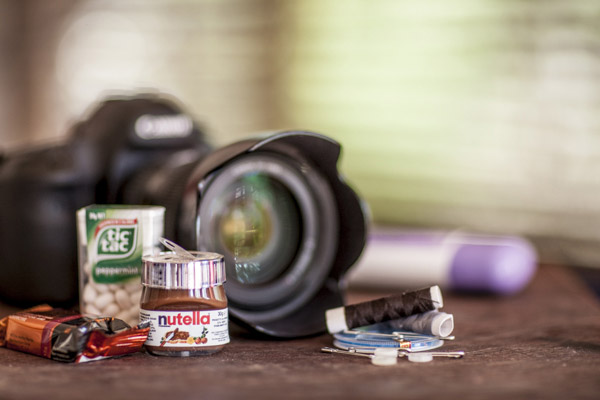
- Put together a survival kit (water, tissues, deodorant, mints, snacks, protein bars, nuts, umbrella, blankets, spare warm clothes, and comfy shoes for the drive home). Events can go on for hours and often run over meal times. There’s nothing worse than being cold, tired, hungry or stinky at an event. Always pack an emergency kit to keep you going between meals and showers.
- Read the run sheet, look up all shoot locations and work out the best travel routes. I always work out the best way to get to my gig the night before. Events can be stressful enough without having to worry about getting lost on the way.
- Wash your car and fill the tank. Again, it’s all about minimizing stress. Events are usually dressy affairs, so it’s nice to turn up in a clean car. It feels better, too.
- Pre-pack and recheck all lighting, tripods, stands, and accessories.
- Ensure your gear is portable, lightweight and quickly and easily accessible. Here’s my personal event location kit: Roller bag, laptop, monopod or tripod, two camera bodies, 24mm-105mm f/4 lens, 70mm-200mm f/2.8 lens, 85mm lens, two speedlights, rechargeable AA batteries.
- Have a safe spot to store the memory cards you use at the event. Mark them clearly so you don’t accidentally overwrite them.
- Bring a hard drive for backup. If you have time and a safe place to do it, download your memory cards onto your computer and back them up at the same time. I have an in/out system that I use. Check out: Photography Workflow Tips – From Memory Card to Computer and Beyond for more info.
- Keep drunken guests away from your table. Food and drinks don’t mix with and laptops. One spilled drink and it’s all over.
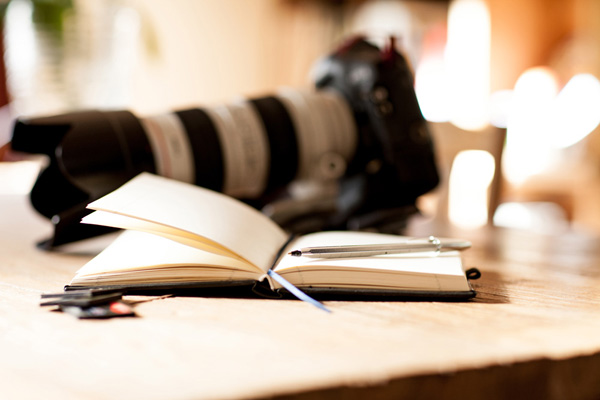
- Don’t forget a pen and notebook to jot down important information.
Dress code
Your next clients may be among the guests at the event you’re shooting. You only have one chance to make a good impression, so make sure it’s a good one.
© Gina Milicia 2015
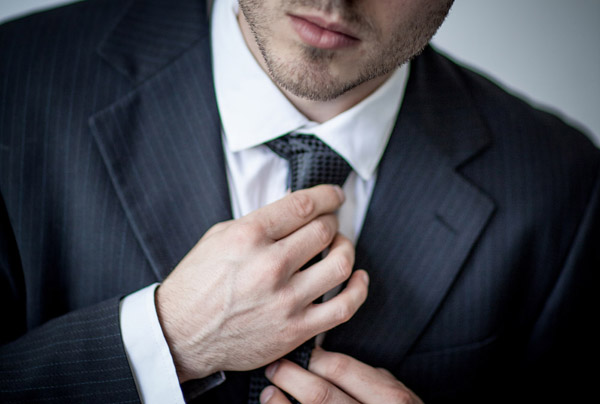
I’d love to wear my favorite torn jeans and boots to every shoot I do, but I know that wouldn’t make a very good impression. I don’t want to embarrass clients by turning up in inappropriate attire, so I always check the dress code first.
I believe a good photographer should blend in with the guests. Don’t get me wrong, I’m not suggesting you turn up dressed like Paris Hilton. Rock out your own style, but maybe tone down the diamond tiara, nine-inch gold-plated heels and leopard skin jumpsuit.
Here are a few suggestions you may want to take on board:
- Buy a great pair of really comfortable dress shoes. There’s nothing worse than wearing uncomfortable shoes on a long shoot.
- The best color to blend in at an event is black.
- Always carry a lint roller, safety pins, shoe polish and a sewing kit in your bag for those just in case moments. I once tore my pants just before an event.
Etiquette
© Gina Milicia 2015
- Never be seen eating or drinking at the event.
- Food and drink should always be consumed away from guests (eat before you go).
- Ask for the best place to store your gear (I often call the venue in advance to ask to have a space set up for me).
- Don’t annoy guests and corner them and bang on with boring stories.
- Only give out your card if somebody specifically asks for it.
- Keep notes on a pad or your Smartphone so you can remember the names of key people.
- Always ask guests if they mind you taking their photo. If people are deep in conversation, try and wait for a break before cutting in. This is tricky, especially for new photographers. Try, “Hello. Sorry for interrupting. Do you mind if I take a photo?” Tone is really important. Never be pushy and always have a huge smile on your face. Compliment guests on their hat, bag, shoes, or eyes, but do it sincerely.
- If you’re working with other photographers, try and help them set up shots and work together. This is a small industry; chances are you will work together again and it’s always great to develop friendships with other photographers. This can be a lonely industry sometimes.
- Never stand around looking bored. If you’ve run out of guests, shoot the food, band or signage.
- Email shots of the band, flowers and food to the suppliers. This is a great way to value add for your client, a nice thing to do for the suppliers, and a great way to meet potential new clients.
Day of the event
Try and arrive 30 minutes, to an hour before the event. This will give you plenty of time to unpack your gear and compose yourself before the event starts. There’s nothing worse than arriving late and having to set up under pressure.
Do a quick reconnaissance of the location, take note of the lighting and try to pre-plan good locations for group shots and portraits. Set up your gear. Test and retest everything to make sure it’s working. Check that your memory cards are in your camera, the ISO is set to the correct setting, and your flashes are firing properly.
Read the shot list and check and double check you’re getting all your key shots. Continually refer back to this on the day. Cover every detail possible on the day: signage, food, gift bags, drinks, flowers, and table settings. This is a great opportunity to introduce your skills to other businesses, so make sure you forward these images to caterers, florists and designers.
Try and keep group shots to a maximum of five people. I often shoot people in groups of two, three and five. Take three to five frames when shooting groups of people because someone will always blink or pull a funny face. Tell the group you’ll take a few shots so they don’t look, or walk away, after the first frame. Keep talking while you’re photographing the group so you command their attention. Otherwise they’ll look the wrong way, start talking or eating, and ruin your shot.
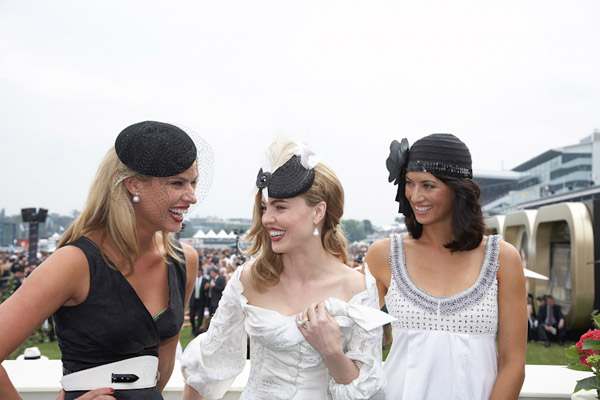
Using a long lens makes it really easy to capture candid images at events. © Gina Milicia 2015
People shots
Don’t be afraid to tidy people up (fix their jackets, ask them to stand in a more flattering way). Not every shot needs to be posed. Try and get a mix of candid images of people talking, laughing and enjoying the day. I find these shots are best done using a long lens when people don’t know you’re taking them. It’s very difficult to look discreet when you’re five inches away using a 28mm lens.
Try and shoot speeches with a long lens, no flash. This means you can be in a discreet position and take several shots of the speaker without annoying them with your flashes. I like to wait until the speaker looks up from their notes or smiles to acknowledge applause.
Avoid taking shots of people eating. I’ve yet to see someone who looks glamorous with a mouth full of food.
After the event
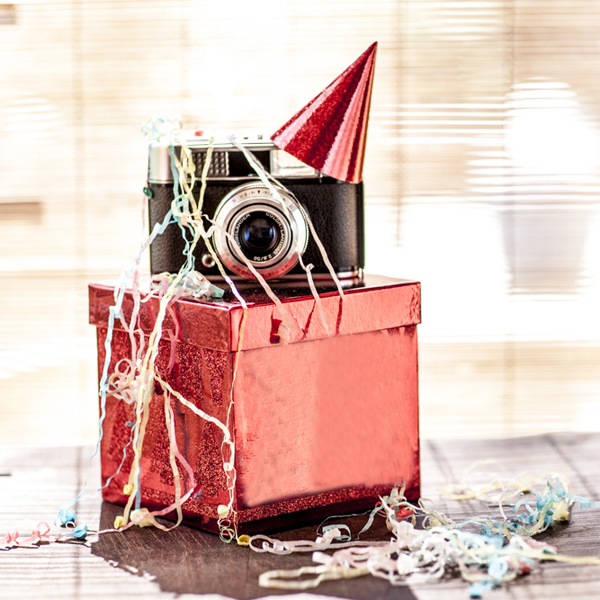
© Gina Milicia 2015
- Carefully back up ALL your files (Then back them up again when you get back to your office/base).
- Do a final double check for random gear you might have left behind (I’ve lost two monopods).
- Rehydrate and eat something before you process your files.
- Send off any extra shots to caterers, florists or guests who may have approached you during the event.
Do you have any pre-event rituals that you use to help your day run smoothly? Is there anything I may have missed? I’d love to hear your suggestions.
googletag.cmd.push(function() {
tablet_slots.push( googletag.defineSlot( “/1005424/_dPSv4_tab-all-article-bottom_(300×250)”, [300, 250], “pb-ad-78623” ).addService( googletag.pubads() ) ); googletag.pubads().enableSingleRequest();
googletag.pubads().disableInitialLoad();
googletag.pubads().collapseEmptyDivs( true );
googletag.enableServices();
} );googletag.cmd.push( function() { googletag.display( ‘pb-ad-78623’ ); } );
googletag.cmd.push(function() {
mobile_slots.push( googletag.defineSlot( “/1005424/_dPSv4_mob-all-article-bottom_(300×250)”, [300, 250], “pb-ad-78158” ).addService( googletag.pubads() ) ); googletag.pubads().enableSingleRequest();
googletag.pubads().disableInitialLoad();
googletag.pubads().collapseEmptyDivs( true );
googletag.enableServices();
} );googletag.cmd.push( function() { googletag.display( ‘pb-ad-78158’ ); } );
The post How to Organize and Photograph Events Like a Pro by Gina Milicia appeared first on Digital Photography School.
-
Photographing Special Events Like the Birth of a Baby
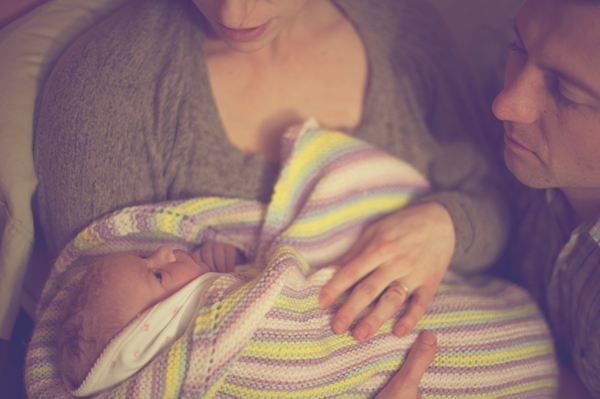
Sometime in your life as a photographer, you might be lucky enough to get the chance to photograph an event that is so special, so sacred, so personal, that all you can do is be grateful that you have been invited to be part of that unforgettable moment.
My photos and words will focus on photographing the birth of a brand new baby, but there are many other events, some happy, some sad, that you might be asked to photograph, and these suggestions may help you with those times too.
Be Respectful
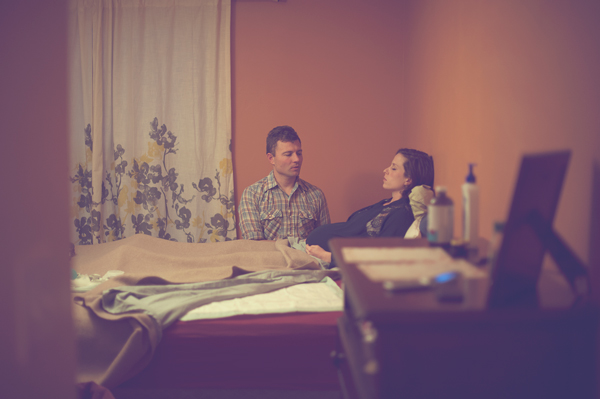
Above all else, be respectful. This moment isn’t about you. It isn’t about your amazing sparkling personality. It isn’t even about making sure you “set up a perfect shot”. My goal at each birth is that ultimately, they won’t even remember that I was there. They will have beautiful photographs that help them remember all the delightful details of that moment, but they won’t have memories of a photographer barking orders, or pushing their birth coach to the side to get a better shot.
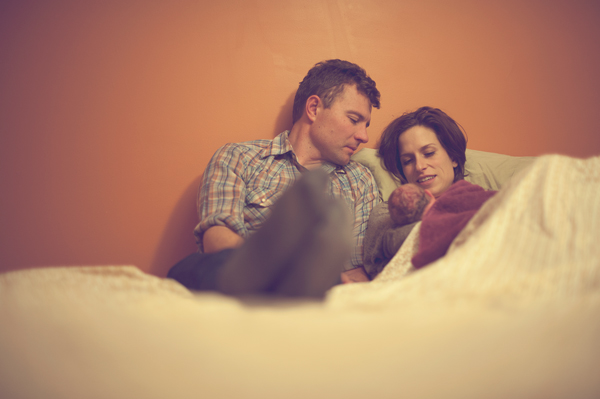
I have a rule for myself that I don’t disturb anything that is going on. I try not to move anything, and I don’t give any suggestions to anyone about where they should be or what they should do. I have stood on a chair for a better vantage point, but I want to capture what would happen if I wasn’t even there.
Make sure that you have permission, and that the hospital, or wherever you are photographing the event, is okay with you being there. You might want to mention to the nurse, midwife, or doctor, that you have no intention of getting in their way, and that they can let you know if you are, and you will move.
Discuss Expectations
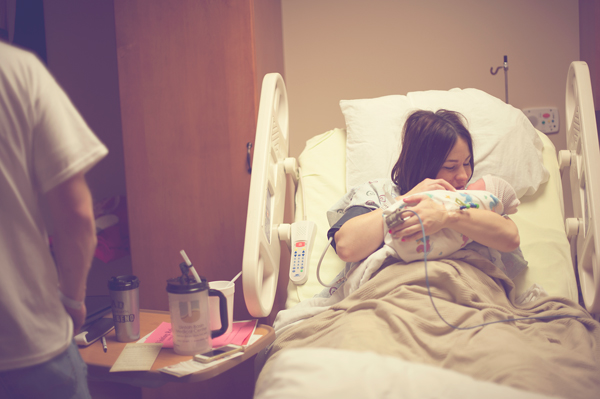
Make sure you know exactly how much they want photographed. Especially in a situation like a birth, there are many different comfort levels. Sometimes I photograph everything, and sometimes I photograph only what they’d want to show friends and children later. Make sure you know what they’re hoping to get, and make sure they know what you are willing to deliver. Birth stories can be very unpredictable, so make sure you are both prepared for things going differently than how you planned.
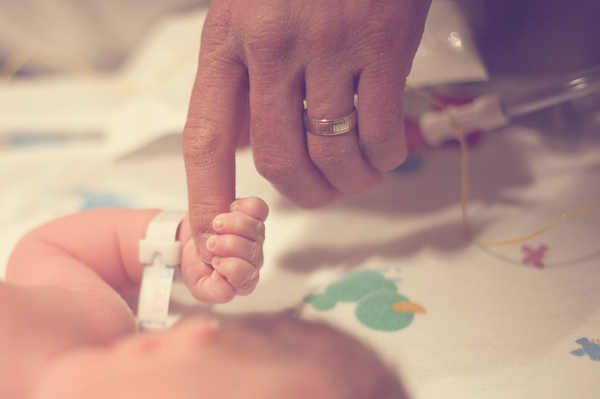
Every single birth story I have photographed has been vastly different, but that’s one of the things that makes them so amazing to photograph. I am photographing events as they unfold, not knowing when or exactly how everything will happen. I even photographed two births in the same night one time, one right after the other, and they were both their own unique, perfect story. I was a bit tired the next day, but it was so worth it!
Be Prepared
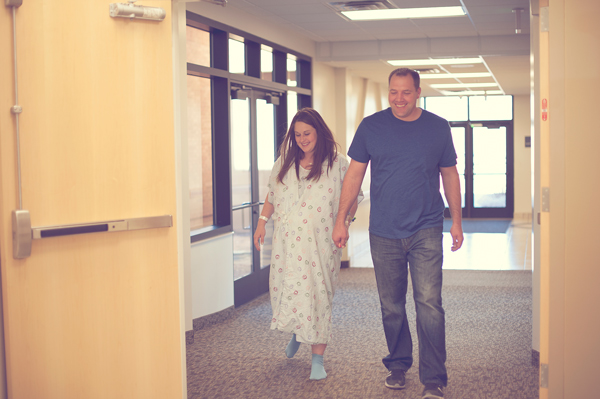
Since you won’t know how long you will be there, and what might happen, be prepared for anything. Make sure your batteries are fully charged (I will admit that I had a bit of learning curve on this one. I had three batteries in my bag, all at one bar. As I checked one after the other, I couldn’t believe that I had forgotten to charge my spares. Luckily one battery lasted the entire time, (and it wasn’t a big deal, but it could have been a tragedy), make sure you have extra memory cards, and have your camera ready to go at a moment’s notice.
I give the parents my cell phone number, my home number, and my husband’s cell phone number. I tell them to keep me updated as we get closer to the due date, and let me know about any labor, even if they think it might be false labor. It’s a guessing game to know what time to be there, but I try to be there around one or two hours before delivery, erring on the side of being there too early rather than too late (I missed a delivery by five minutes one time. The hospital was 30 minutes away, and neither I nor the parents expected labor to go that fast. It was one of my saddest days as a photographer).
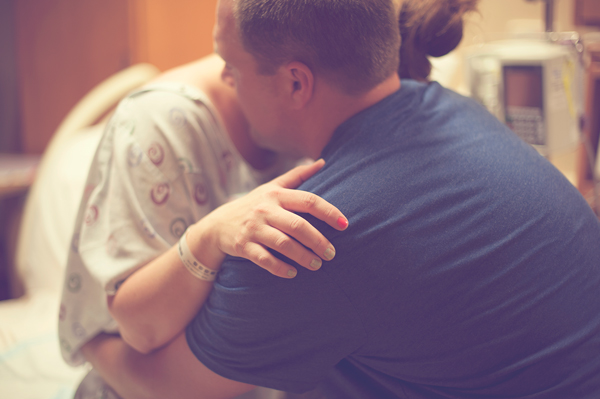
You might even want to bring water, a snack, and a book or magazine to read. If things are progressing slowly, you will be glad you brought them. You don’t want the laboring mother, or her birth coach to feel like they need to worry about feeding and entertaining you. Remember, they shouldn’t even remember that you are there.
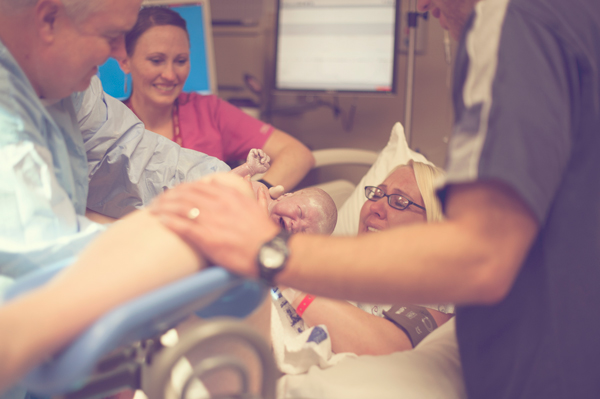
Be a Keen Observer
Watch carefully so you don’t miss any emotions. Be aware of what could be coming, so you can position yourself in the right place at the right time. In the above photo, I knew that the mom didn’t know if she was having a girl or a boy, and I also knew that she had four boys already. I knew the moment she found out would be a very emotional moment. When she heard, “It’s a girl!” and had that baby placed in her arms, there was no holding back the tears of joy for any of us. Yes, I cry during births. It hasn’t hurt my camera yet.
Be sensitive about emotions that they may not want to remember in a lot of detail later. Some moments during labor are very intense, and sometimes a mom might not be as in control as she hopes to be. I had a friend tell me once that she had a photographer at her birth, and she was disappointed later when she got the photos and saw herself. Her good memories of the experience were overshadowed by seeing pain and loss of control on her face in the photos.
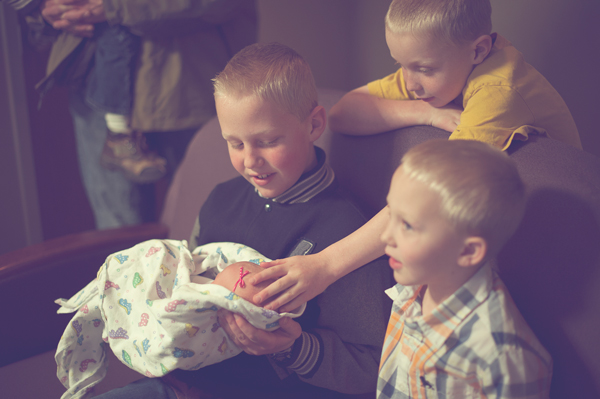
The story that you are telling with your photos will be a big part of the memory that will stick with them, long after that day. The moments of pain can be captured by photographing the support and love: a hand held, a shoulder to lean on. Tell the story true, but focus on the strength, love, joy, wonder, and amazement.
Have you ever had the chance to photograph a birth or other special event? I’d love to hear about your experience in the comments.
googletag.cmd.push(function() {
tablet_slots.push( googletag.defineSlot( “/1005424/_dPSv4_tab-all-article-bottom_(300×250)”, [300, 250], “pb-ad-78623” ).addService( googletag.pubads() ) ); googletag.pubads().enableSingleRequest();
googletag.pubads().disableInitialLoad();
googletag.pubads().collapseEmptyDivs( true );
googletag.enableServices();
} );googletag.cmd.push( function() { googletag.display( ‘pb-ad-78623’ ); } );
googletag.cmd.push(function() {
mobile_slots.push( googletag.defineSlot( “/1005424/_dPSv4_mob-all-article-bottom_(300×250)”, [300, 250], “pb-ad-78158” ).addService( googletag.pubads() ) ); googletag.pubads().enableSingleRequest();
googletag.pubads().disableInitialLoad();
googletag.pubads().collapseEmptyDivs( true );
googletag.enableServices();
} );googletag.cmd.push( function() { googletag.display( ‘pb-ad-78158’ ); } );
The post Photographing Special Events Like the Birth of a Baby by Melinda Smith appeared first on Digital Photography School.
-
Faceted Facade: Crystaline Hotel Shaped Like Amethyst Geode
[ By WebUrbanist in Boutique & Art Hotels & Travel. ]

Grand or gaudy, brilliant or just big, this giant-sized, crystal-styled structure is to be the first in a series of gemstone-inspired hotels in which guest rooms are tucked behind colorful glazing – even its designers at NL Architects concede the scheme is at least “slightly insane.”


Dubbed the Amethyst Hotel, this project draws on a long history of cultural associations with this crystal: “The violet-coloured quartz stone has been the subject of numerous myths through history – in Greece it was believed to prevent drunkenness, while medieval soldiers used it for protection during battle, and others thought it could strengthen the immune system or prevent nightmares.”


Kamiel Klaasse and Pieter Bannenberg also drew inspiration from the long-standing tradition of having huge atrium spaces at the heart of hotel designs, seen in major chains like Hyatt and Marriott in the United States and around the world.


Instead of constructing the whole building around an central atrium, however, this approach conceptually slices the structure through its center, just as a geode is cut open to reveal the inner cavity and its hidden crystals.


Set to be built on an artificial island in China (though shown here in various theoretical settings), the design is already arguably serving part of its purpose simply by having been proposed: it is being discussed, debated, critiqued and commented upon by architects and designers around the world and as they say: all press is good press.
Want More? Click for Great Related Content on WebUrbanist:

Subterranean Quarry Hotel to Extend 328 Feet Underground
A futuristic-looking hotel set into a 328-foot-deep abandoned quarry in China is now under construction, and will offer bungee jumping and aquatic sports.
Click Here to Read More »»

A Room for London: Cloud-Shaped Temporary Rooftop Hotel
Floating like a cloud between the ground and the sky, this ephemeral rooftop hotel was designed to perch atop the Queen Elizabeth Hall in London in 2012.
Click Here to Read More »»
Urban Geodes: Crystal Street Art Hidden in Broken Spaces
Breaking open even the dullest rock may reveal amazing crystals. This street art project exposes formations in cracked concrete, broken brick and rusted pipes.
Click Here to Read More »»
[ By WebUrbanist in Boutique & Art Hotels & Travel. ]
[ WebUrbanist | Archives | Galleries | Privacy | TOS ]
-
Natural Style Newborn Photos: The Way I Like to Remember Them
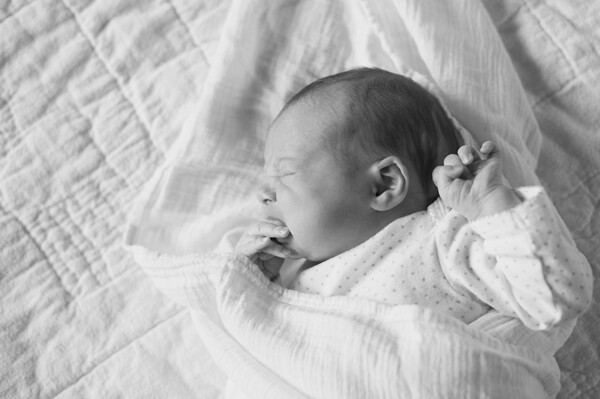
Why natural lifestyle newborn photography?
There are lots of different styles of photography when it comes to capturing a newborn baby. Some people love to use lots of props, and introduce many fun things into every photo. Some are experts at posing the baby in unique and whimsical positions.
Although I can appreciate all the different styles, I prefer to capture a newborn baby the way that I remember my three newborns. My kids are almost all grown up now, and it’s hard to remember exactly what they were like when they were brand new. Every once in awhile, I have sweet memories of how they were once upon a time. The sweet smell of a newborn’s head. The skinny knees stretching out. The reflex grasp of those tiny fingers. The perfect little toes and wrinkly feet. The million different expressions that could keep me entertained for hours. The soft cheek, and even the peeling skin that inevitably showed up for a little while.
These are the things I remember. These are the memories I cherish. These are the moments I try to preserve with my camera with natural newborn photos.
Keep it real
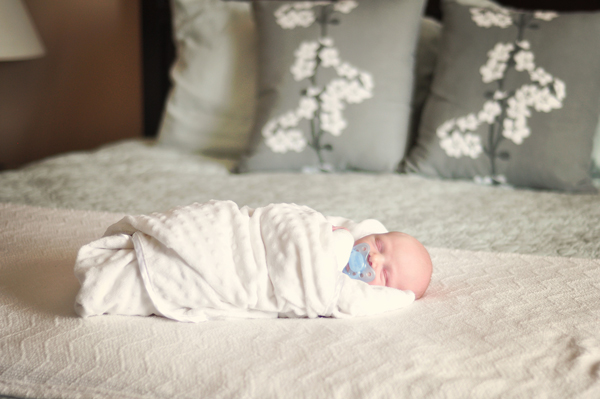
One of the wonderful things about photographing babies more naturally, is that you can let so many ideas of perfection go. If your baby loves a pacifier, photograph him with a pacifier. If she’s having a fussy day, grab a few crying photos. It’s okay, because it’s life. Real life. We’re not trying to create an illusion that the baby is something other than who he is, that very moment.
Be patient and flexible when photographing newborns, and leave lots of time to stop for feeding, burping, or changing a diaper. If your goal is to just capture baby as she is, you don’t have to be as worried about getting a whole session in within the two week old time period. It’s okay if baby isn’t quite as moldable if you aren’t trying to mold them into anything in particular. Since we’re just keeping it real, you can be more relaxed. Shoot another day if the first day you try just doesn’t work out. Also, you don’t have to stress out about keeping the baby sleepy the whole time. If he’s asleep, photograph him that way. If she’s wide awake, capture those eyes. It doesn’t matter.
Get the details
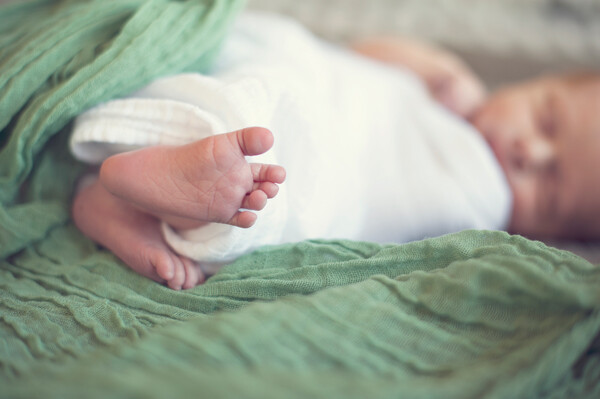
I love to photograph little details. I can’t hold a newborn without pulling her socks off to have a peek at her feet. That means that I can’t photograph a newborn without getting a few shots of those perfect little baby feet, either. Find the little details you love, and capture them. Feet, hands, ears, knees, hair; everything is cuter in miniature. It’s a good idea to capture hands and feet with mom or dad’s hands holding them too, because it will help the parents remember exactly how small they were.
Don’t wait for a perfect expression. Those wrinkly foreheads, big yawns, hungry mouths, pouty lips, and even those sad cries can be perfect photo opportunities. Baby faces are fascinating!
Shoot wide open
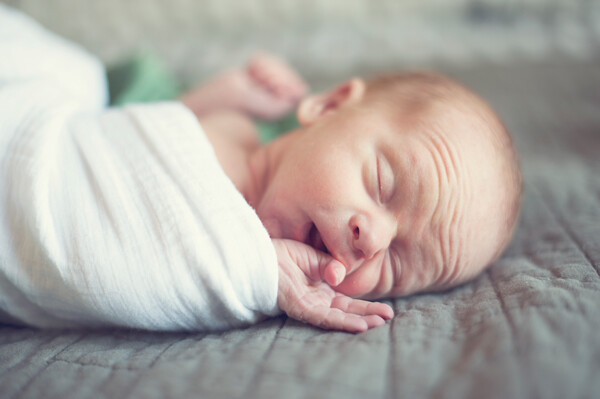
I like to use a pretty wide aperture when I photograph these details. If you can shoot at around f/2, give or take, those details will be the star of the photo. You won’t be distracted by other things, and the part you want to highlight will look especially sharp. Shooting wide open is a good idea when you are capturing other newborn moments, like baby’s bath, putting socks or a hat on, swaddling, or anything that you want the focus to be on or a particular action.
Be careful when you are shooting with a depth of field this shallow that your focus is EXACTLY where you want it, and that you don’t move after you lock in your focus. A slight movement from you or the baby could put your photo completely out of focus, and ruin what you are trying to achieve.
For more help shooting indoors with a wide aperture, you can read my article on Indoor Portraits Using Natural Light.
Capture baby’s world
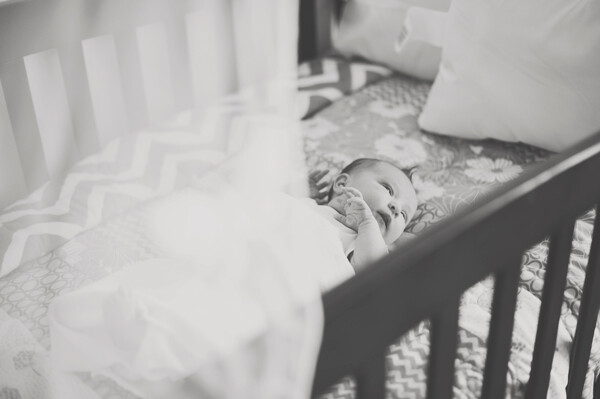
You might want to get some photos of your sweet newborn in her carefully decorated crib or nursery. If there’s a rocking chair that he loves to be held in, photograph mom or dad rocking the baby. One of my favorite memories with my babies was getting them out of their crib in the morning, or after nap time. They always seemed so happy to see me, and they looked so sweet and small in those big cribs. I wish I had photos to help me remember those times in better detail. Think of baby’s little world, and photograph him in the places he spends a lot of time in.
You could also take photos of the little things that are part of life with a baby, without the baby in the photo. Stacks of diapers, rubber ducks, teeny shoes, bottles, pacifiers, etc. can be photographed to remember what life was like when your house was overtaken by baby things.
Show the love
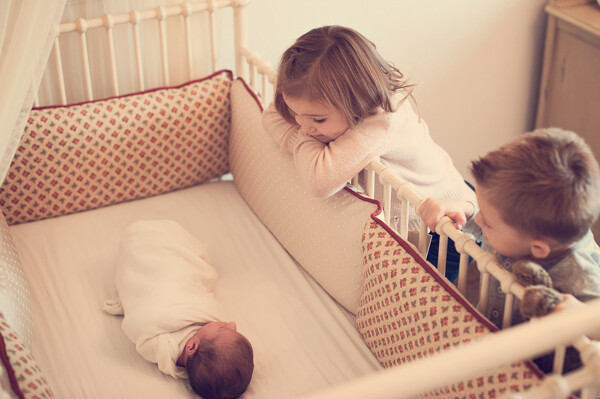
Don’t forget to capture how the rest of the family feels about the new baby. Photograph sister’s look of adoration. Photograph brother’s fascination with baby’s little toes. Photograph mom’s absolute love for her tiny new being. Photograph dad’s proud protectiveness, and contrasting rough, big hands.
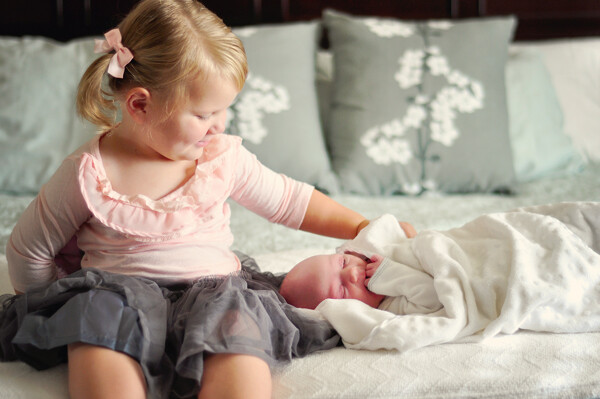
Sometimes the relationships the family has with the new baby are my very favorite thing to photograph. The love and bonding that happens so quickly with a new baby in the house is an amazing thing, and those special moments are so important to preserve.
Be careful with young siblings that you keep the newborn safe as you are photographing them. You can capture their natural reactions to the baby while still keeping the baby safe. Let them sit near their little brother or sister if they’re too young to hold the baby. They can pat him, or lightly kiss him on the head. If you have a young child hold the baby, make sure someone is standing right outside the frame to take the baby as soon as little sister is “done”, because sometimes that can happen very suddenly.
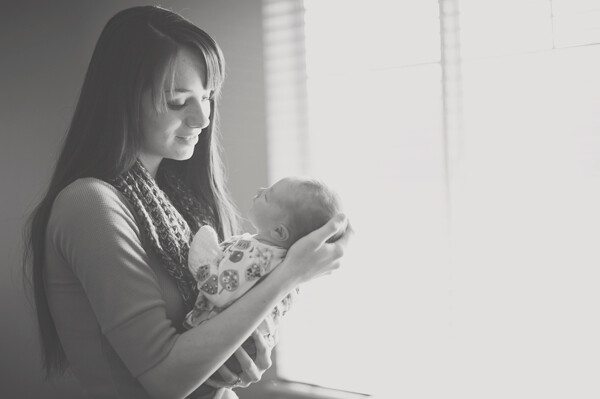
If you’ve always thought that baby photos had to be perfectly posed and creatively propped, give lifestyle newborn photography a chance. Try photographing a new baby swaddled in a blanket. See if you can capture a bunch of funny expressions, or capture “a day in the life” of the newborn. You may decide that these natural, real life photos are your favorite after all.
googletag.cmd.push(function() {
tablet_slots.push( googletag.defineSlot( “/1005424/_dPSv4_tab-all-article-bottom_(300×250)”, [300, 250], “pb-ad-78623” ).addService( googletag.pubads() ) ); } );googletag.cmd.push(function() {
mobile_slots.push( googletag.defineSlot( “/1005424/_dPSv4_mob-all-article-bottom_(300×250)”, [300, 250], “pb-ad-78158” ).addService( googletag.pubads() ) ); } );The post Natural Style Newborn Photos: The Way I Like to Remember Them by Melinda Smith appeared first on Digital Photography School.