RSS
 

Posts Tagged ‘like’

Sites to Browse – DVDs – Movies – Learn to Talk like Yoda

15 Apr

Talk like Yoda, you should read this tip about how you can.

“With scissors never run. Bookmark the MalekTips webpage, you should. Of the Force beware the Dark side.”

Advice like this can only be provided by the Jedi Master, Yoda. While it is doubtful you will ever learn how to wield a lightsaber like him, you can at least talk like him with the “Yoda-Speak Generator”. Simply type your comment into the box and press the “Convert to Yoda-Speak” button, and presto. Appear as if Yoda spoke it himself, your text will. Yes, hmmm….

Read more at MalekTips.
New Computer and Technology Help and Tips – MalekTips.Com

 
Comments Off on Sites to Browse – DVDs – Movies – Learn to Talk like Yoda

Posted in Technology


Tree-Inspired Tower: Condo Balconies Unfurl Like Leaves

23 Mar

[ By WebUrbanist in Architecture & Houses & Residential. ]

tree shaped tower balconies

An iconic new mixed-use development in the heart of Montpellier in southern France, L’Arbre Blanc (The White Tree) grew out of a design concept tied to the outdoor traditions of this temperate region along the Mediterranean Sea.

tree tower city views

tree tower building detail

Spinning out from a central core, the design-defining balconies unfold brilliantly to offer upper-level residents an array of amazing panoramic views while providing shade for units below.

tree tower exterior view

This collaborative project by Sou Fujimoto Architects, Nicolas Laisné Associés and Manal Rachdi Oxo Architects (via ArchDaily with images by RSI Studio) includes a restaurant, bar, offices and art gallery in addition to dwellings.

tree towers and surrounds

tree tower urban context

Set in the fastest-growing city in France, the building is designed as a transition point between the heart of the old city and a series of faster-growing neighborhoods surrounding the existing center.

tree tower bar restaurant

tree tower street level

A series of passive heating and cooling strategies, including wind and solar usage, reinforce the tree concept with practical and sustainable solutions for everyday occupants.

tree tower interior designs

tree tower artificial lake

In terms of the housing units themselves: “The architects sought to encourage free-choice architecture, which they see as underpinning tomorrow’s housing trend where everyone starts with a ‘housing stock’ when they buy their flat and are not confined to manufactured articles, regimented layouts, turnkey spaces. Instead they are given possibilities, modular interior spaces they can choose from a catalogue of optional features and floor plans.”

Share on Facebook


[ By WebUrbanist in Architecture & Houses & Residential. ]

[ WebUrbanist | Archives | Galleries | Privacy | TOS ]


WebUrbanist

 
Comments Off on Tree-Inspired Tower: Condo Balconies Unfurl Like Leaves

Posted in Creativity


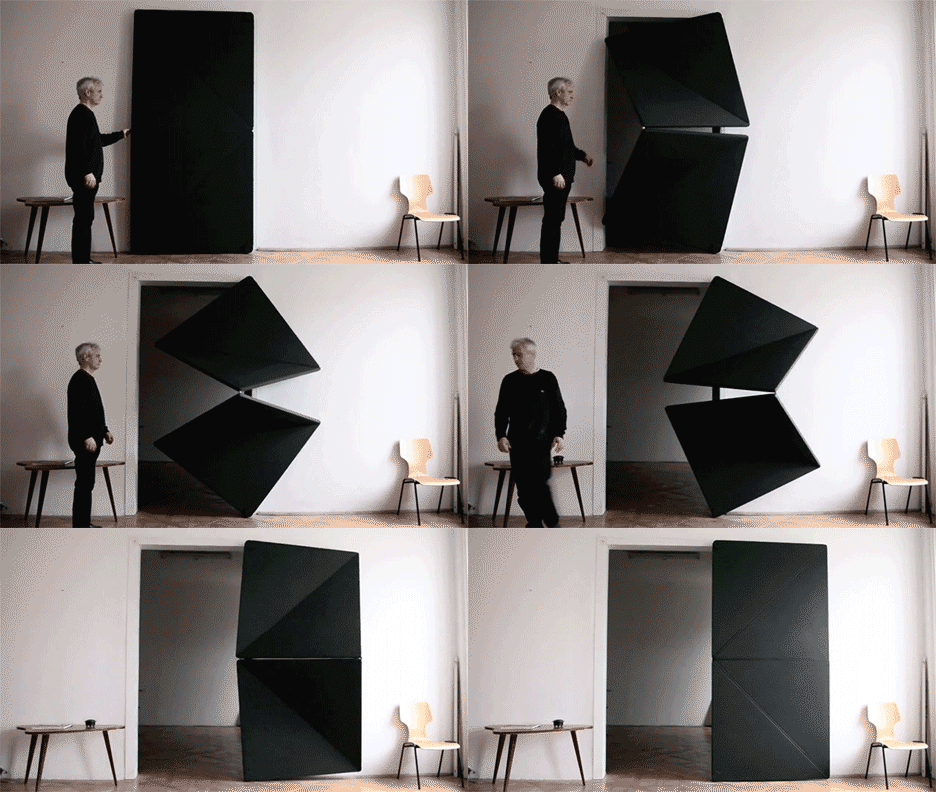
Touch to Open: Kinetic Doors Unfold Like Life-Sized Origami

21 Feb

[ By WebUrbanist in Design & Furniture & Decor. ]

flip-animated-kinetic-doorw

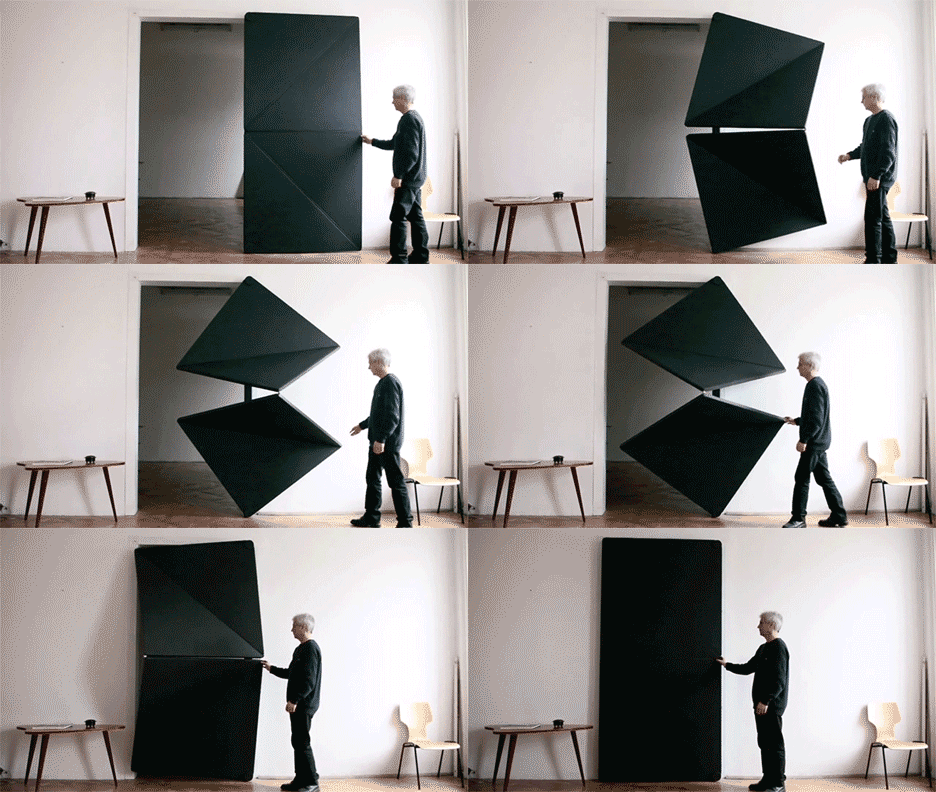
Made of rubber, metal, glass and wood, these dynamic flip panel doors tackle perhaps the world’s original architectural invention in a series in a fresh, new and interactive fashion.

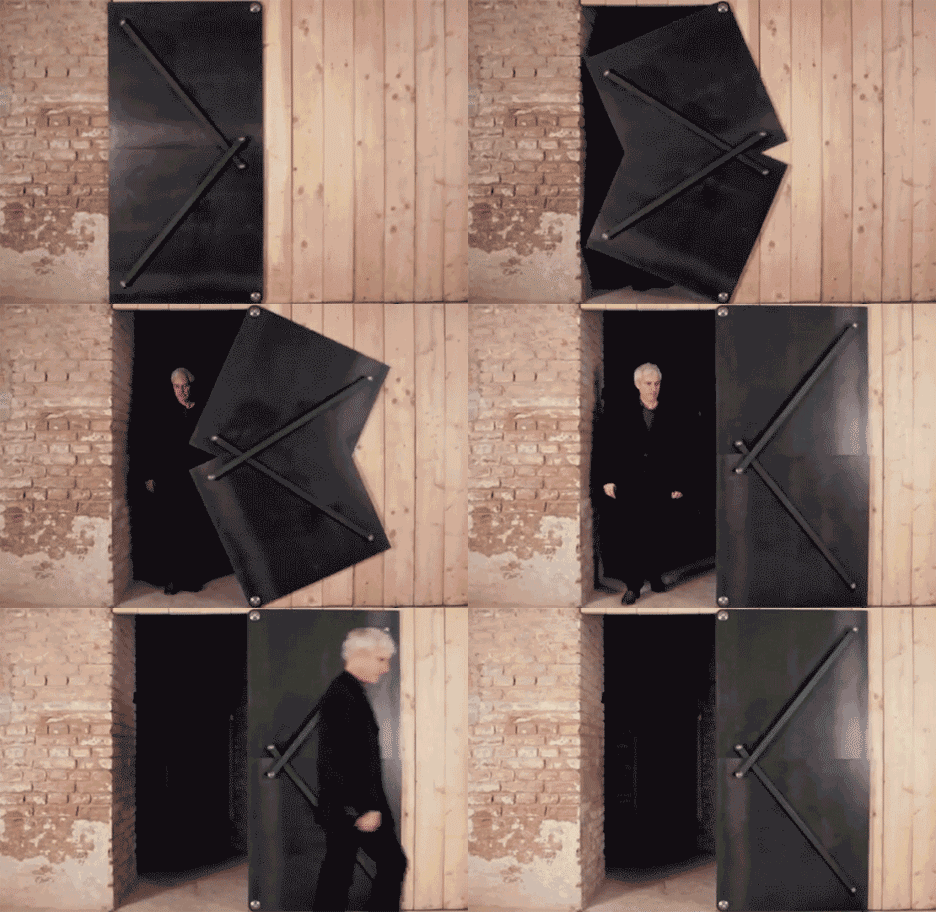
flip-panel-door-loop

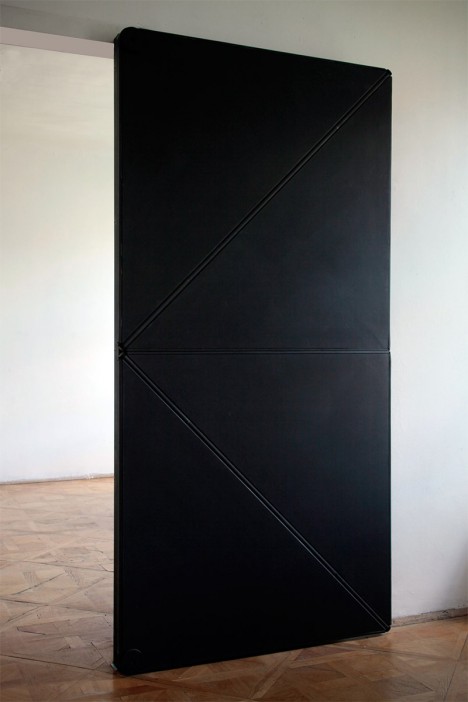
Each member of the Evolution Door set by Austrian artist, designer and builder Klemens Torggler involves a multi-panel contraption the flips open and re-closes in a fantastic feat of kinetic motion.

flip-steel-door-design

The steel version of the door is particularly ingenious as its space-saving method of action. Like its sliding cousins, it avoids the in-and-out motions of a typical doorway to minimize the space you need to set aside in front of or behind it.

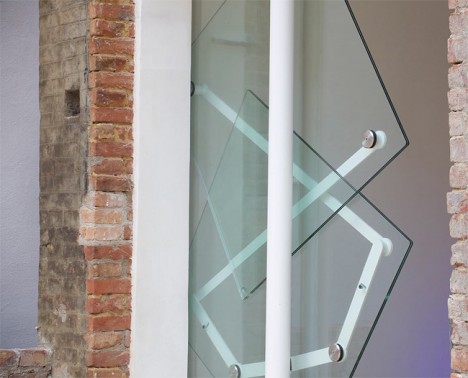
klemens toggler glass door

The glass design uses a minimalist framework of structural supports, all of which then disappears entirely into a secret wall space hidden alongside it.

With steel and glass variants in particular, though, viewers are sure to wonder how one avoids getting a finger pinched if they are not paying full attention,  hence this short video regarding benefits of the softest member of the Evolution family.

flip panel door design

Aside from the finger-friendly end result, there is something brilliant in the common approach of these works: each bypasses all positions outside of the binary ones – these doors are either opened or closed between uses, never resting anywhere in between.

Share on Facebook


[ By WebUrbanist in Design & Furniture & Decor. ]

[ WebUrbanist | Archives | Galleries | Privacy | TOS ]


WebUrbanist

 
Comments Off on Touch to Open: Kinetic Doors Unfold Like Life-Sized Origami

Posted in Creativity


Blob: Oblong White Mobile Home Looks Like a Dino Egg

11 Feb

[ By Steph in Architecture & Houses & Residential. ]

Blob Modern Mobile Home 1

Designed as an extension to a home, this mobile live/work pod eschews conventional mobile home aesthetics in favor of something decidedly more eccentric. ‘Blob VB3′ is an oblong white living space that looks like a gigantic egg when it’s all closed up, but the sides open to reveal a gridded interior for storing small items, working and even sleeping.

Blob Modern Mobile Home 2

Architecture firm dmvA came up with the prototype in response to strict building codes in the client’s city. It contains lots of open niches for storage, multipurpose platforms, lighting, a kitchen and a bathroom. When the airplane-like ‘nose’ is open, it functions as a roof for a small indoor/outdoor space.

Blob Modern Mobile Home 3

Primarily made of polyester, the Blob VB3 is easy to transport, aerodynamic and versatile. It could be used as a guest room, office, pool house or garden house. A circular skylight lets light into the bright white interior.

Blob Modern Mobile Home 4

While the open shelves don’t exactly make it ideal for pulling behind a truck like an Airstream, it’s an interesting way to add a little extra space to an existing building without having to deal with local building regulations.

Share on Facebook


[ By Steph in Architecture & Houses & Residential. ]

[ WebUrbanist | Archives | Galleries | Privacy | TOS ]


WebUrbanist

 
Comments Off on Blob: Oblong White Mobile Home Looks Like a Dino Egg

Posted in Creativity


There’s no key like low key

31 Jan

Ein Beitrag von: Christian Meermann

In der Regel gilt für Fotografen die Regel, dass für ein gutes Foto möglichst gutes Licht gebraucht wird, am besten noch durch Lampen, Blitzgeräte und Reflektoren kontrolliert und gesteuert. Mich interessiert aber oft der diametral entgegengesetzte Zugang: Ich frage mich, mit wie wenig Licht ein Bild auskommen kann.
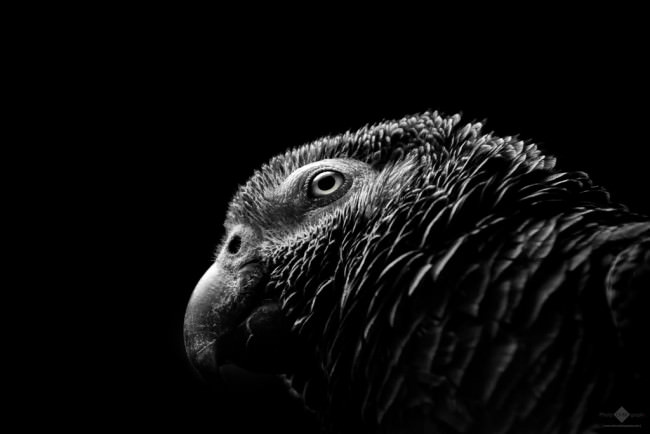
© Christian Meermann

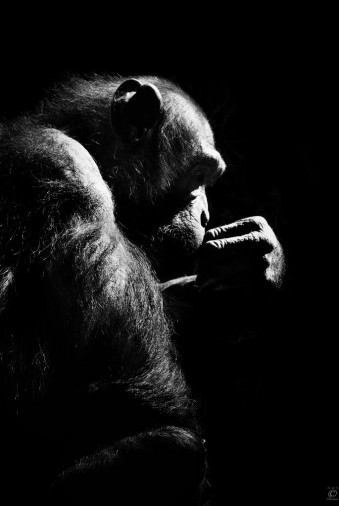
Dark is beautiful

Wie dunkel darf ein Bild sein, bevor es als zu dunkel empfunden wird? Trotzdem ist das, was ich betreibe, nicht wirklich Low-Light- oder Low-Key-Fotografie im traditionellen Sinne. Die unbearbeiteten Originalfotos meiner Bilder sehen – was die Belichtung angeht – meistens wie ganz normale Fotos aus.

Die Umwandlung in ein Low-Key-Bild geschieht vollständig bei der Nachbearbeitung am Rechner. Der Hintergrund wird oft völlig schwarz und auch ansonsten dominieren die dunklen Töne. Aber: Ich versuche bei allem Hang zur Dunkelheit stets, wenigstens einen kleinen Teil sehr hell zu belassen. Andernfalls ist schnell der Punkt erreicht, an dem ein Bild zu dunkel erscheint.
© Christian Meermann

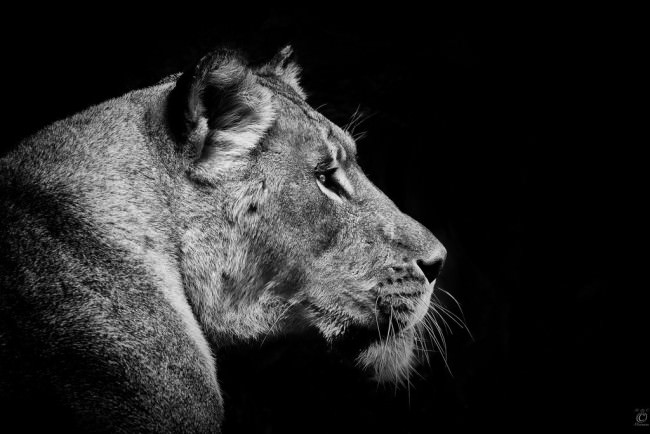
Lioness

Dieses Foto ist in der Zoom Erlebniswelt in Gelsenkirchen aufgenommen worden. Das Originalbild ist von mäßiger Qualität, was durch die dicke Glasscheibe bedingt ist, die mich von der Löwin trennte – zum Glück.

Das Tier hatte gerade etwas bemerkt und deshalb von seinem Knochen abgelassen, der wohl seine Mahlzeit für den Tag war. Es schaute und regte sich nicht. Aber dann sah es irgendetwas besonders Interessantes. Der Körper spannte sich ein wenig, der Kopf senkte sich ein wenig und die Löwin wirkte ungemein fokussiert – so, wie es nur Raubkatzen sein können. In diesem Moment drückte ich ab.

Dieses Bild ist mein erstes schwarzweißes Tierportrait vor schwarzem Hintergrund. Die Idee, hier überhaupt in schwarzweiß umzuwandeln, war ursprünglich aus dem Wunsch geboren, dadurch die ziemlich ekligen Blutreste am Maul der Löwin verschwinden zu lassen. Ich hatte noc keine Ahnung, wie faszinierend das Fell der Löwin ohne Farbe aussehen würde.

Die Idee, den Hintergrund zu schwärzen, entstand aus dem Wunsch, den Knochen zu entfernen, der vom unteren Bildrand aus ins Bild lugte. Das Schwärzen des Hintergrundes erledigte ich damals mit Kontrollpunkten in Nik Silver Efex sowie mit einem einem ganz weichen Nachbelichten-Pinsel in Apple Aperture.

Auf diese Weise blieben die Haare beim Schwärzen erhalten. Um eine völlige Schwärzung des Hintergrundes zu erreichen, musste ich den Pinsel mehrfach anwenden. Dieses Verfahren ist zwar je nach Motiv ziemlich viel Arbeit, jedoch bietet es eine ziemlich genaue Kontrolle, besonders, wenn man den Pinsel nur auf die dunkle Töne anwendet.

Diese Form der Nachbearbeitung eignet sich hervorragend dazu, Fellstrukturen nicht nur hervorzuheben, sondern überhaupt erst als interessantes Motiv sichtbar zu machen. Mal ehrlich: Wer achtet beim Originalfoto schon auf das Fell? Ich jedenfalls nicht. Außerdem wird der intensive Blick des Tieres hervorgehoben. Auf diese Wiese wird aus einem eigentlich ziemlich langweiligen und belanglosen Profilfoto ein spannendes Tierportrait.

© Christian Meermann© Christian Meermann

Minimalismus – Stepping Down

Echte Künstler haben schon vor dem Beginn der Arbeit eine Vorstellung davon, wie das fertige Produkt am Ende aussehen soll. Previsualization nennt man das auf Englisch. Bei der Tierfotografie ist dies fast immer ausgeschlossen. Wer kann schon sagen, was ein Tier als Nächstes macht – wohin es sich dreht, wie es schaut, ob es noch etwas länger stillhält.

Als Tierfotograf nimmt man, was man bekommen kann und ist dabei nicht wählerisch. Was aus den Fotos wird, entscheidet sich oft erst bei der Nachbearbeitung am Rechner, nicht zuletzt auch deshalb, weil sich beim Fotografieren im Zoo oft gar nicht abschätzen lässt, inwiefern sich die zahlreichen Störfaktoren, die Zoos so mit sich bringen, überhaupt entfernen oder ausgleichen lassen.
© Christian Meermann

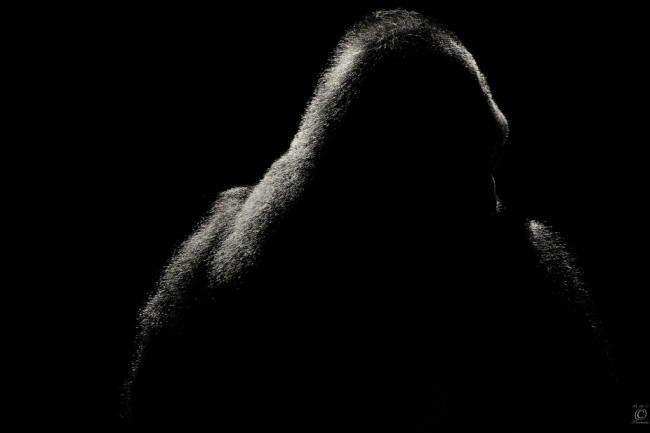
Dieses Foto ist eines der ganz wenigen, bei denen ich schon beim Abdrücken wusste, wie es aussehen sollte. Die Glasscheibe war sehr blind bzw. schmutzig und würde viele Details verschlucken. Die Sonne stand sehr ungünstig und schien außerdem sehr grell, so dass sie sehr helle Glanzlichter auf dem Fell des Gorillas erzeugte. Außerdem hatte sich der Gorilla von mir abgewandt.

Aber weil es mir schon beim Fotografieren dieses Mal nur auf die Umrisse des Tieres ankam, drückte ich trotzdem ab. Ursprünglich war der Arbeitstitel des Fotos beim Abdrücken „A Shoulder To Cry/Lean on“. Nachdem das Bild fertig war, sah mir der Gorilla aber eher aus wie ein geschlagener Boxer, der den Ring verlässt, oder wie ein abgewählter Politiker, der sich, nunmehr bedeutungslos, von seinem Publikum abwendet.

So taufte ich das Bild letztlich „Stepping Down“ und benutzte es auf Flickr, um auf die Bedrohung der Tiere in der freien Wildbahn durch den Menschen aufmerksam zu machen. Es war außerdem das erste in einer kleinen Serie weiterer Stepping-Down-Fotos, die andere, ebenfalls bedrohte Tiere in Posen zeigt, in denen sie besiegt, geschlagen, mut- und kraftlos aussehen.

© Christian Meermann© Christian Meermann

Simuliertes Licht – Watusi On Black

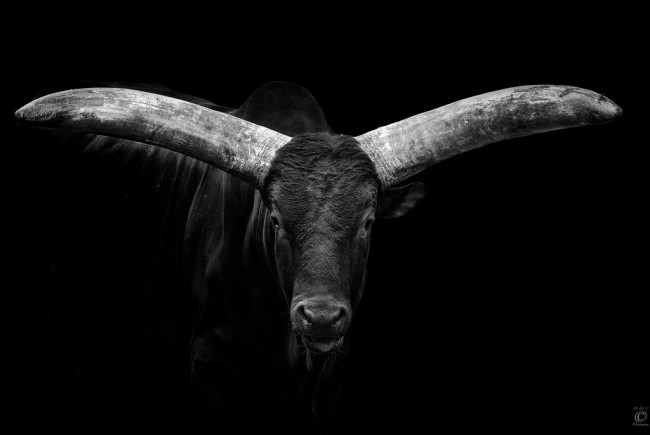
Um Tierportraits interessanter zu machen, muss man sie manchmal ein wenig aufpeppen – zum Beispiel, indem man bei der Nachbearbeitung eine Beleuchtungssituation nachempfindet, die eigentlich gar nicht gegeben war. Auf diese Weise löst man auch ein ganz anderes Problem, das sich durch die völlige Schwärzung des Hintergrundes ergibt: Scharf freigestellte Umrisse vor schwarzem Hintergrund wirken oft eher unrealistisch, wie ausgeschnitten und aufgeklebt. Als Beispiel für einen solchen Fall mag das Foto „Watusi On Black“ dienen. Hier zunächst das unbearbeitete Original:?
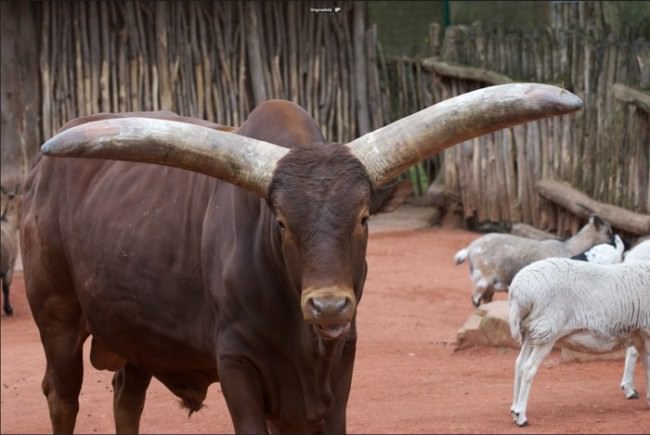
© Christian Meermann

Im nächsten Schritt übergab ich das Bild an Silver Efex Pro für die Umwandlung nach schwarzweiß und die anfängliche Abdunkelung des Hintergrundes.
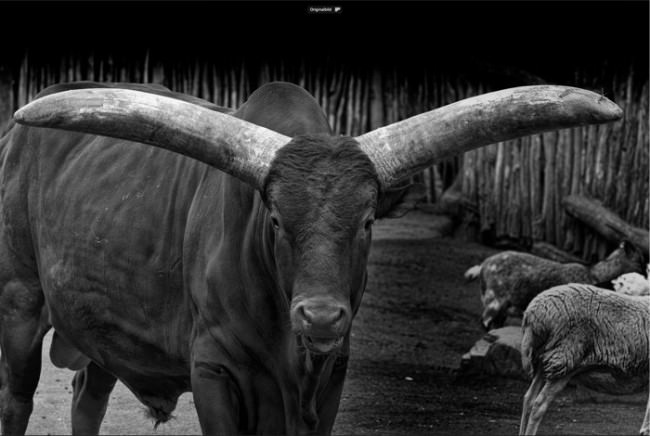
© Christian Meermann

Danach benutzte ich den Nachbelichten- sowie den Kurven-Pinsel in Apple Aperture für die vollständige Schwärzung des Hintergrundes. ?

© Christian Meermann

Dieses Bild ging nun wieder an Silver Efex, das mittels seiner Kontrollpunkttechnologie unvergleichlich weiche Übergange von vollständig schwarzen zu belichteten Bereichen schaffen kann. Durch das Hinzufügen von Schattenbereichen wurde hier eine Belichtungssituation geschaffen, die das Bild gleich deutlich realistischer und interessanter wirken lässt:
© Christian Meermann

A Spoonfull of Colour

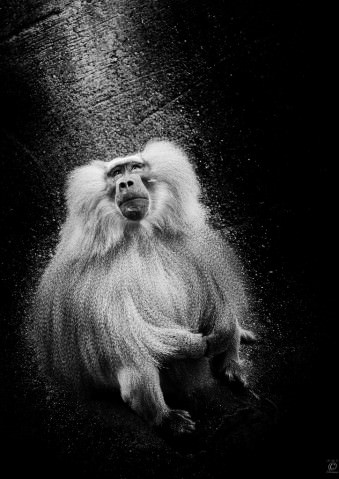
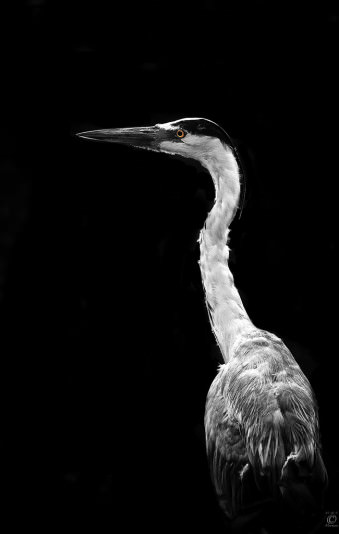
Ich bin ein ausgesprochener Anhänger des Colour Keying, auch wenn mir klar ist, dass viele Fotografen eine fast schon dogmatisch anmutende Ablehnung gegenüber dieser Technik hegen. Dies mag daran liegen, dass sie allzu oft auf ziemlich grässliche Weise missbraucht worden ist.

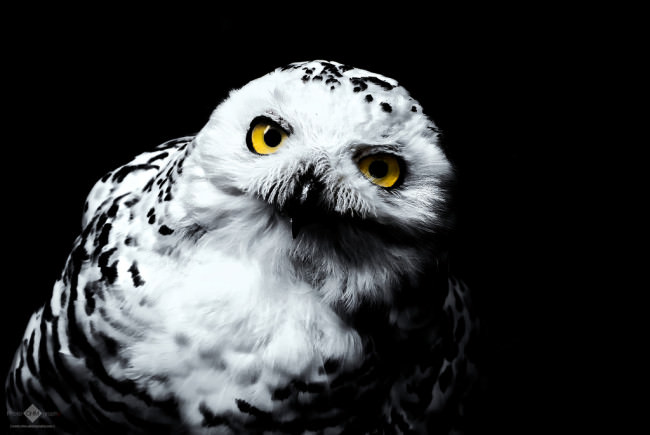
Im richtigen Maß – und vor allen Dingen: subtil – eingesetzt, kann ein farbiger Akzent ein Schwarzweißbild ungemein aufwerten. Bei monochromen Tierportraits sind es zumeist die Augen, die ein wenig Farbe sehr gut vertragen und zwar besonders dann, wenn diese Augen den Betrachter gezielt anschauen, also quasi ein Blickkontakt besteht.

Dafür hier drei Beispiele ohne weitere Kommentare, wohl aber mit der Absicht, eine legitime und faszinierende Ausdrucksform der Fotobearbeitung vor ihrer unverdienten Ächtung zu bewahren.

© Christian Meermann

© Christian Meermann

© Christian Meermann

There’s no key like low key.
Dark is beautiful.

Diese beiden Sätze sind mir ein Motto bei meiner fotografischen Arbeit. In Zukunft möchte ich mir irgendwann ein Makroobjektiv anschaffen und mich in diesem Gebiet versuchen. Fast allen meinen Tierfotos ist ohnehin gemein, dass sie möglichst „nah ran“ wollen.

Der Schritt zur Makrofotografie liegt demnach auf der Hand. Die meisten Blüten- und Insektenmakros im Netz sind allerbestens ausgeleuchtet. Es gibt also noch allerhand zu tun, wenn es darum geht, die dunkle Seite dieses Genres zu erforschen.

Im Sommer werde ich eine Woche lang den Hadrian’s Wall entlang wandern und dabei hoffentlich ein paar schöne Landschaftsaufnahmen mitnehmen können. Ohne die Gelegenheiten schon jetzt zu kennen, die sich auf diesem Weg vielleicht auftun, ist jetzt schon eines sicher: Es werden sicher auch einige Low-Key-Schwarzweißfotos dabei sein.

Die beiden Sätze sind aber auch ein Plädoyer an andere FotografInnen, sich der Dunkelheit anzunähern und sie als kreatives Betätigungsfeld zu erkunden.


kwerfeldein – Fotografie Magazin

 
Comments Off on There’s no key like low key

Posted in Equipment
 

Holding Your Digital Camera Properly Like It’s Your Baby

10 Jan

When you own a digital camera, you’ve got to treat it right, almost as if it were your very own baby. Wait…just a second there! It IS your very own baby, so you had better hold it gently and carefully. If that’s not convincing enough for you, then maybe a practical reason will affect you better: To avoid buying a Continue Reading

The post Holding Your Digital Camera Properly Like It’s Your Baby appeared first on Photodoto.


Photodoto

 
Comments Off on Holding Your Digital Camera Properly Like It’s Your Baby

Posted in Photography


Puzzle Facade: Play a Building Like a Giant Rubik’s Cube

22 Dec

[ By Steph in Art & Installation & Sound. ]

Rubiks Cube Architecture Project 1
The entire facade of the Ars Electronic Building in Linz, Austria has become the world’s largest playable Rubik’s cube thanks to a color-changing illuminated facade controlled by a 3D-printed device. Anyone who wants to try their hand at the ‘Puzzle Facade‘ manipulates the hand-held interface-cube like they would an ordinary Rubik’s cube, and their movements are translated to the building.

Rubiks Cube Architecture Project 2

The interactive display, by Spanish artist and designer Javier Lloret, uses bluetooth to connect the cube to a software program that converts the information into color and light. Only being able to see two sides of the building increases the difficulty factor.

Rubiks Cube Architecture Project 3

Of course, if you think you’re skilled enough to try to crack a Rubik’s cube this big, you’d better be pretty confident, because your handiwork is going to be on citywide display. Watch it in action above.

Share on Facebook


[ By Steph in Art & Installation & Sound. ]

[ WebUrbanist | Archives | Galleries | Privacy | TOS ]


WebUrbanist

 
Comments Off on Puzzle Facade: Play a Building Like a Giant Rubik’s Cube

Posted in Creativity


How to Shoot Sports at Night and in Other Challenging Situations Like a Pro

21 Dec

Sports photography is often shot either one of two ways – a 1/1000th shot freezing everything in frame and capturing a single, frenetic moment during a race, or at 1/60th, panning with the subject and creating some motion blur to emphasize the speed of the subject. No matter which method, they’re always taken during the day. Daylight allows photographers to Continue Reading

The post How to Shoot Sports at Night and in Other Challenging Situations Like a Pro appeared first on Photodoto.


Photodoto

 
Comments Off on How to Shoot Sports at Night and in Other Challenging Situations Like a Pro

Posted in Photography


Excel at Underwater Photography Like You’re Part Fish

18 Dec

Underwater photography is an acquired taste that is both an art form and a means of obtaining data. Usually, scuba divers are the ones taking underwater photos, but this art form can also be carried out while diving on surface supply, just swimming, snorkeling or safely inside a submersible. While underwater photography can be understandably difficult to successfully carry out, Continue Reading

The post Excel at Underwater Photography Like You’re Part Fish appeared first on Photodoto.


Photodoto

 
Comments Off on Excel at Underwater Photography Like You’re Part Fish

Posted in Photography


Puzzle Facade: Play a Building Like a Giant Rubik’s Cube

12 Dec

[ By Steph in Art & Installation & Sound. ]

Rubiks Cube Architecture Project 1
The entire facade of the Ars Electronic Building in Linz, Austria has become the world’s largest playable Rubik’s cube thanks to a color-changing illuminated facade controlled by a 3D-printed device. Anyone who wants to try their hand at the ‘Puzzle Facade‘ manipulates the hand-held interface-cube like they would an ordinary Rubik’s cube, and their movements are translated to the building.

Rubiks Cube Architecture Project 2

The interactive display, by Spanish artist and designer Javier Lloret, uses bluetooth to connect the cube to a software program that converts the information into color and light. Only being able to see two sides of the building increases the difficulty factor.

Rubiks Cube Architecture Project 3

Of course, if you think you’re skilled enough to try to crack a Rubik’s cube this big, you’d better be pretty confident, because your handiwork is going to be on citywide display. Watch it in action above.

Share on Facebook


[ By Steph in Art & Installation & Sound. ]

[ WebUrbanist | Archives | Galleries | Privacy | TOS ]


WebUrbanist

 
Comments Off on Puzzle Facade: Play a Building Like a Giant Rubik’s Cube

Posted in Creativity