RSS
 

Posts Tagged ‘lighting’

Lighting 103: Introduction

13 Jan

Abstract: Our flashes are calibrated to produce white light. But in the real world, white light is a rarity.

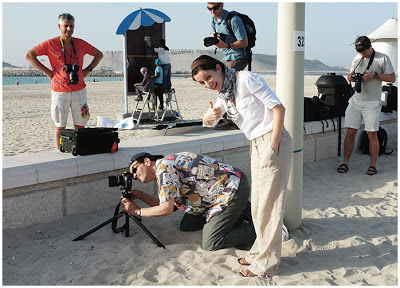
Sara Lando (your mollusk portraitist from Lighting 102) gives a thumbs up while spending a week assisting for photographer Gregory Heisler (seen squinting through camera).

She was assisting Greg for a week of shooting and teaching at Gulf Photo Plus in Dubai. Sara learned a ton of stuff, duly reported on in a three-part series that to this day remains one of the most popular pieces ever written on this site.

Many of the things she learned while following Greg around had little to do with photography: his work ethic, thought process, etc. (Seriously, read the series.) But the week also changed the way Sara thought about light, her most important takeaway being this:

"White light is a lie."
Read more »
Strobist

 
Comments Off on Lighting 103: Introduction

Posted in Photography


Act Fast: Free Lighting in Layers DVD Promo at Midwest

09 Dec

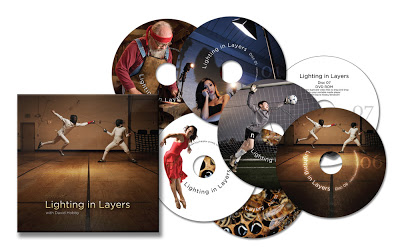
Quick heads-up on a great deal: Midwest Photo is giving away a free 7-DVD set of Lighting in Layers (more info on the DVDs, here) with every single Jumpstarter kit purchased, while supplies last.

The Jumpstarter kits are already a great value. The no-flash kit actually costs less than the DVDs themselves, at $ 142.99. But no matter which kit you might be considering—the no light, single-light, add-a-light, or two-light version—the DVD set addition makes it an even better value.

Two things to know:

1. You have to enter the code HOBBYSHIP at checkout.
2. The deal also includes free UPS ground shipping within continential US. You have to calculate shipping before you enter the code. But it should take it off after the code is entered, if you choose Ground UPS and live in the lower 48.

You can learn more about the core components of the kits here, in Lighting 101.

Links to the various versions of the Jumpstarter kits follow below:

Lighting Kit WITHOUT Flash ($ 142.99)

Lighting Kit WITH LumoPro LP180 Flash ($ 271.99)

Add-A-Light Kit ($ 198.00) (Includes LP180 flash, but no Ares remote)

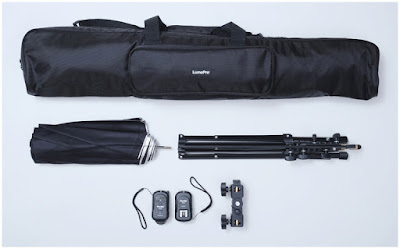
2-Light Kit ($ 469.99) (Includes 2 LP180 flashes, remote, stands, umbrellas, case, etc.)
Strobist

 
Comments Off on Act Fast: Free Lighting in Layers DVD Promo at Midwest

Posted in Photography


Lighting 103 Starts in January

06 Dec

Are you busy in 2017? If not (or even if so!) we invite you to join Strobist's upcoming Lighting 103 course live, when it arrives in January.

As with Lighting 101 and 102, L103 is completely free. There are some minimum gear requirements (sorry, I can't afford to give each of you gel packs.) But as with L101 and 102, there is nothing crazy expensive.

The first section of the course will debut in mid-January, and new lessons will post bi-weekly after that. Expect the course to last for most (if not all) of the 2017, as there are already a couple dozen lessons planned.

Are you in? Cool beans. Here's what you need to know. Read more »
Strobist

 
Comments Off on Lighting 103 Starts in January

Posted in Photography


7 Smart Lighting Setups for Portraits Taken at Home

30 Nov

Let’s get one thing clear – you’re not going to learn how to shoot perfect portraits overnight. There are many things you need to learn first. When it comes to portrait-shooting, no factor is more important than lighting. Even if you’re planning a home portrait session, you can still make the most from various lighting setups to achieve great results. Continue Reading

The post 7 Smart Lighting Setups for Portraits Taken at Home appeared first on Photodoto.


Photodoto

 
Comments Off on 7 Smart Lighting Setups for Portraits Taken at Home

Posted in Photography


Polaroid LED photo studio color box light offers portable, low-heat lighting

03 Sep

A new Polaroid-branded LED photo studio color box light has been introduced: a 907g / 2lb lightweight offering with an attachable handgrip, remote control and quiet operation easy-press buttons. Information including the color temperature, brightness and mode, as well as battery life, are displayed on an integrated LCD.

The new color box light is designed to be highly portable with support for both handheld and tripod usage; it can also be connected to other photo boxes for larger projects. According to Polaroid, the light features 600 LEDs and can achieve up to a 93% efficiency. 

The Polaroid LED photo studio color box light is available from Amazon now for $ 120.

Articles: Digital Photography Review (dpreview.com)

 
Comments Off on Polaroid LED photo studio color box light offers portable, low-heat lighting

Posted in Uncategorized


4 Common Lighting Styles to Get the Perfect Portrait

01 Sep

When you begin doing portrait lighting for the first time, the general advice you get is to put your light at 45º to your subject, and aim it down at 45º. It’s a quick way to get something reasonably good, without a lot of understanding. With a little more knowledge, you can make better lighting decisions, and get more dramatic images.
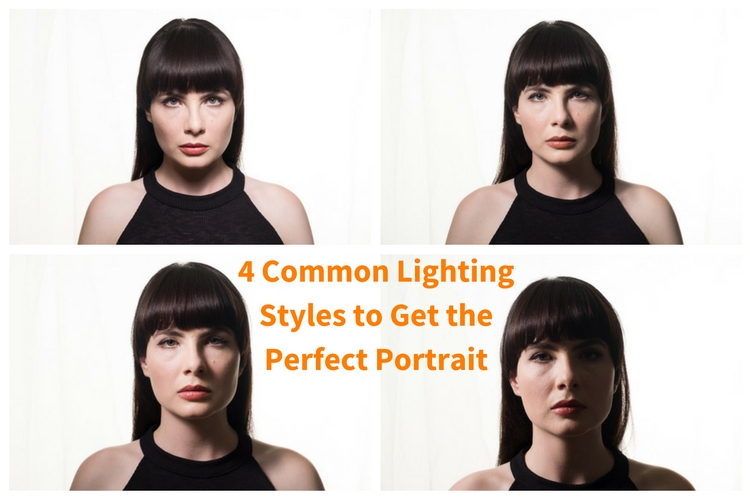
4 Common Lighting Styles to Get the Perfect Portrait

Light has four main properties:

  1. Quantity
  2. Quality
  3. Color
  4. Direction

In this article, we’re looking at direction of light only. If you look at the work of the Masters in painting, you’ll notice that they go to great pains to create light and shadow through their brush strokes. You can of course translate these to your own lighting. So let’s look at the different portrait lighting styles or patterns you can use.

To be able to see these patterns, your subject should be facing the camera. The key to seeing what’s happening is to pay attention to what the shadow is doing, especially the nose shadow.
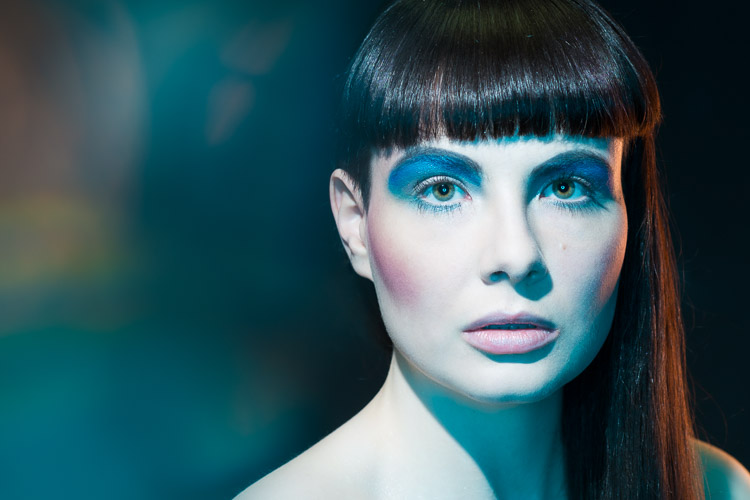
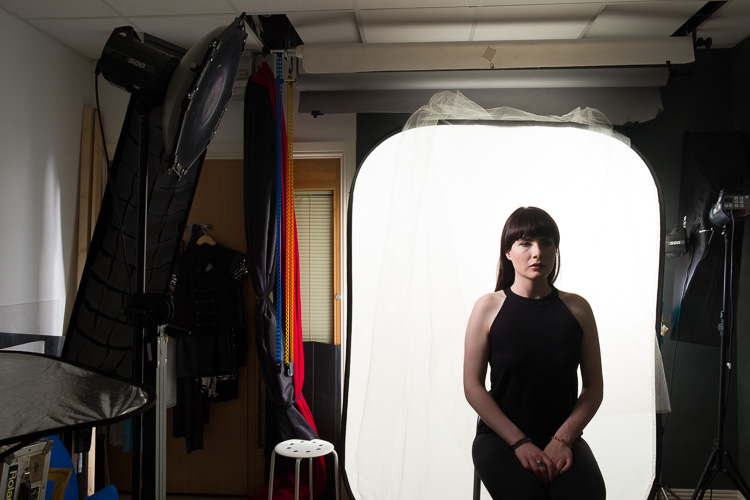
Short Lighting with a Butterfly pattern.

Short lighting style

For this setup, I’ve used an Elinchrom BXR500 with a 44cm white beauty dish. The deflector is translucent, and I’ve added a grid to control the spill of the light. The Camera was a Fujifilm X-T10 with a Fujinon 18-55 lens.

The Portrait Lighting Styles

1. Butterfly Lighting

Butterfly lighting refers to the shape of the shadow under the nose that this pattern creates. It’s meant to look like a butterfly in flight, viewed from straight on. It’s also called Paramount lighting when used with guys to sound more masculine. If you look at the work of 30s and 40s Hollywood photographers like George Hurrell, you’ll see this lighting style in operation.
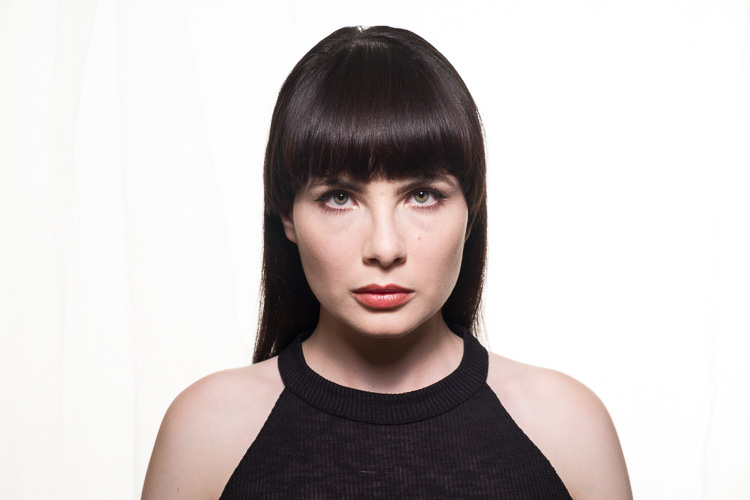
Classical Lighting Patterns 01

The basic butterfly portrait lighting, with no reflector.

First you should place your light on a boom stand, and position it so it creates a line between you, the light, and your subject. Your light should be high enough to create the butterfly shadow. If it’s too low, you won’t get a shadow and the light will be too flat. If it’s too high, you’ll have the nose shadow will cut into the lip.

As you look into the eyes of your subject, make sure you can see a reflection of your light. This reflection is called a catchlight, and helps give life to the eyes. If you cannot see the catchlight, lower your light a bit.
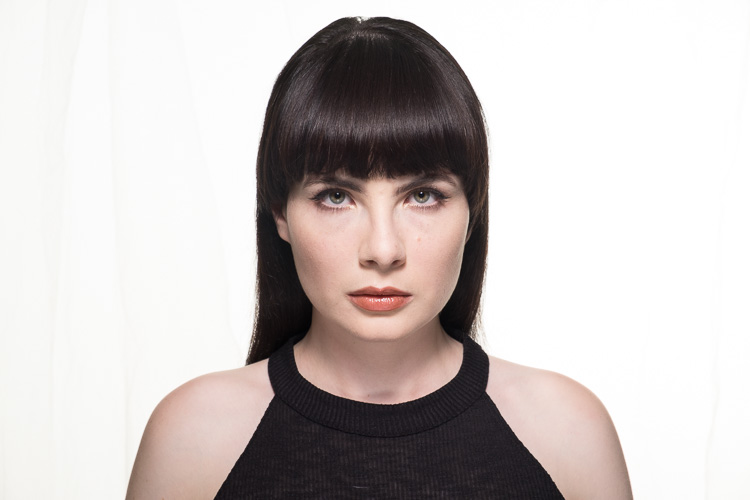
Classical Lighting Patterns 02

The basic butterfly portrait lighting, with silver reflector.

With Butterfly Lighting, it’s common practice to put a reflector (or even another light at lower power) underneath the chin to bounce light back up. This helps soften the look, and reduces the shadows caused by your light position. You’re not trying to overpower the light from above, as doing this will cast shadow upwards on the face, which isn’t particularly flattering.
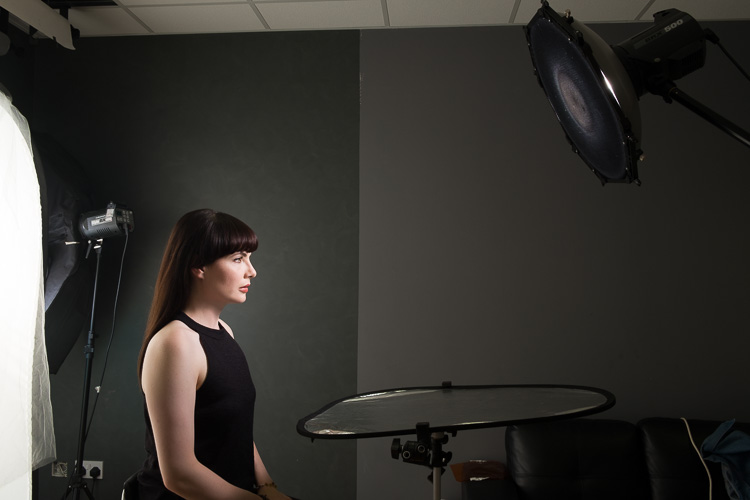
Classical Lighting Patterns 03

Behind the scenes shot of the basic butterfly lighting, with a reflector.

2. Loop Lighting

For Loop Lighting, you’re looking for a loop shaped nose shadow. Move your light to the left, or light from the centre. You’ll see the shadow change shape. With Loop Lighting, the nose shadow shouldn’t touch the shadow side of the cheek.
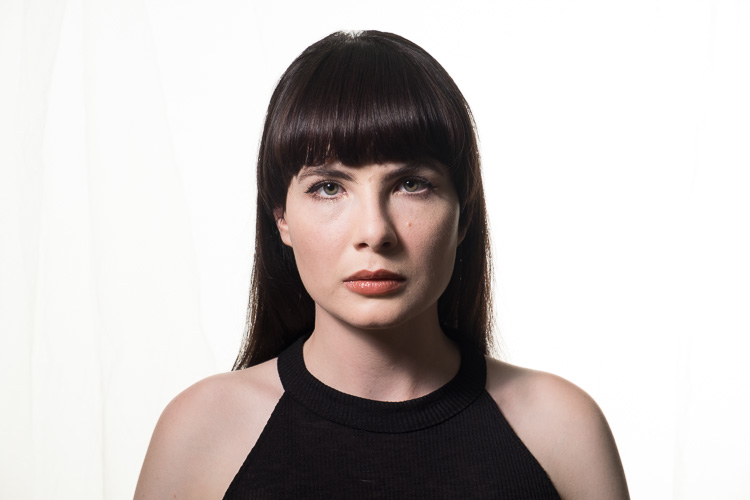
Classical Lighting Patterns 04

Loop Lighting

You should aim to have the bottom of the nose shadow about halfway between the lip and the nose in position. With Loop lighting, you’ve got two main options for filling in shadows. You can use a reflector, or a second light from the opposite side of the face as the key light, or you can use an on axis (behind the camera) fill light (like a ring light or an Octabox).

3. Rembrandt Lighting

If you move the key light around a farther, the nose shadow will meet the cheek. Some refer to this as closed loop lighting, with the normal Loop Lighting being referred to as open loop lighting. From a technical standpoint, Rembrandt Lighting usually has a higher light position than closed loop lighting, but for most the term Rembrandt refers to any light that creates a triangle of light below the eye opposite the light source.
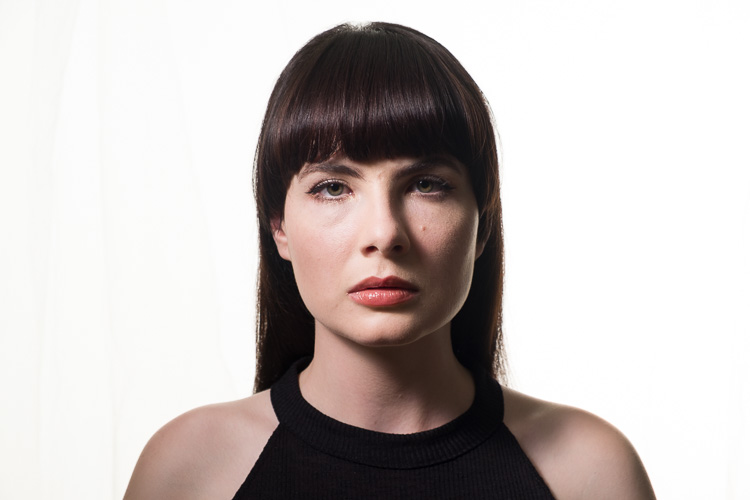
Classical Lighting Patterns 05

Rembrandt Lighting

You can probably guess that the name is based on the work of the painter Rembrandt. A lot of his portraits were painted while the subject was lit from a skylight or high window, giving that famous look.
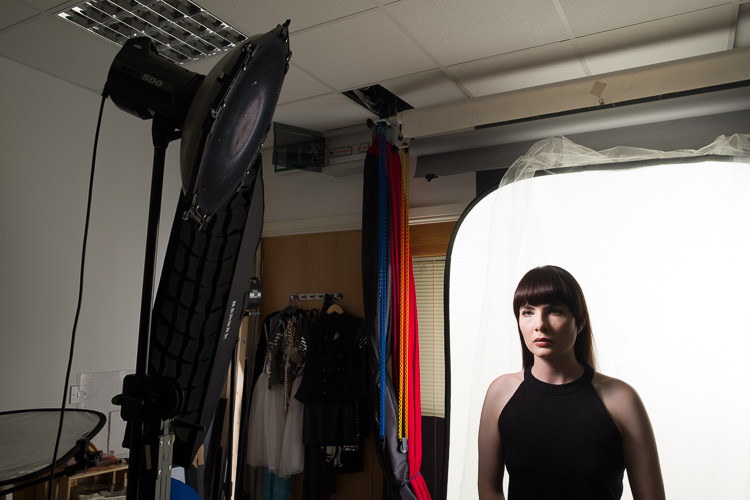
Classical Lighting Patterns 06

Behind the scenes making a Rembrandt Lighting.

4. Split Lighting

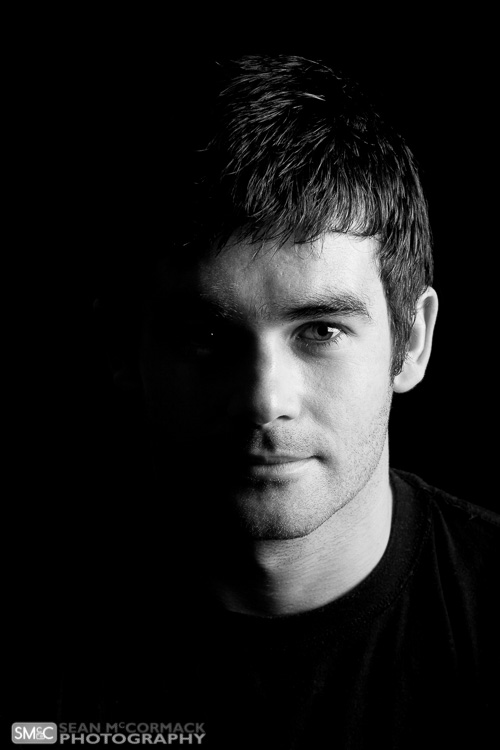
You’ve moved the light slowly from straight on, and your final light style is when the light is perpendicular to the camera. You’re lighting only one half of the face. One of the most famous uses of this is The Beatles album ‘With The Beatles’, where all four members are split lit. You should only be able to see one eye in the shot for this pattern (the other will be in shadow).
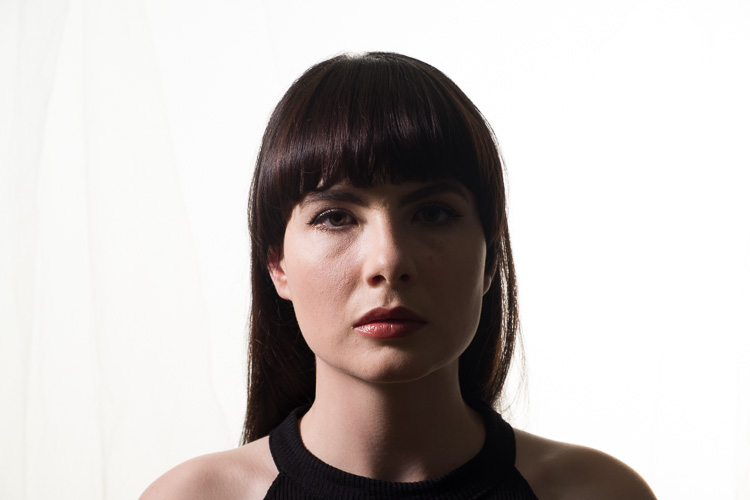
Classical Lighting Patterns 07

Split Lighting.

Classical Lighting Patterns 08

Behind the scenes for Split Lighting.

Broad and Short Lighting

To show how the patterns work, you’ve shot straight on to your subject. In real life this is only one view that you’d capture. By turning the face to the side you get even more options. When the face is at an angle, there are two parts of the face visible, the broad side, and the short side. The broad side is the one nearest you, from the ear to the nose. The short side is the small bit of the side facing away from you, that you can actually see.

By aiming the light at the broad side of the face, you see the face in detail, with very little shadow. On the other hand, if you light the short side of the face, you get more shadow. These lighting positions are referred to as Broad and Short Lighting respectively.

You can use Short Light to flatter heavier subjects, as the shadow tends to hide weight in the face. Broad lighting is better for thinner people, and is often used in fashion. For the Short Light example, the light was in the same position as our Split Lighting, the model has just been turned towards the light. For Broad Lighting, you can have it any where in front, though for this example, it was off to camera right.
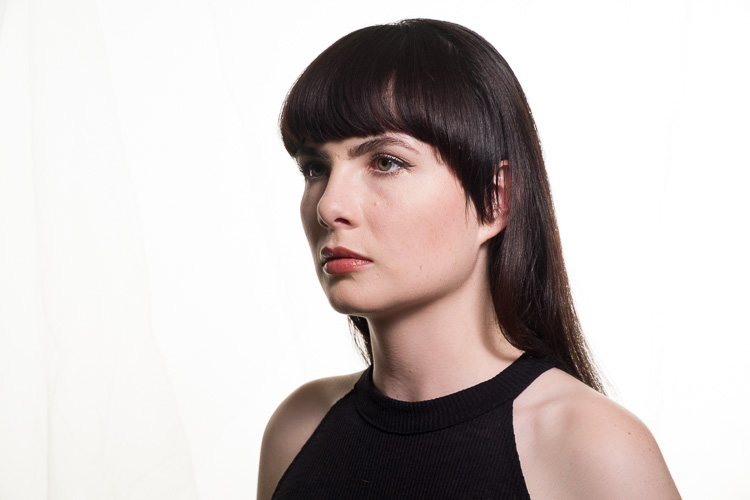
Classical Lighting Patterns 09

Broad Lighting (main light is to camera right).
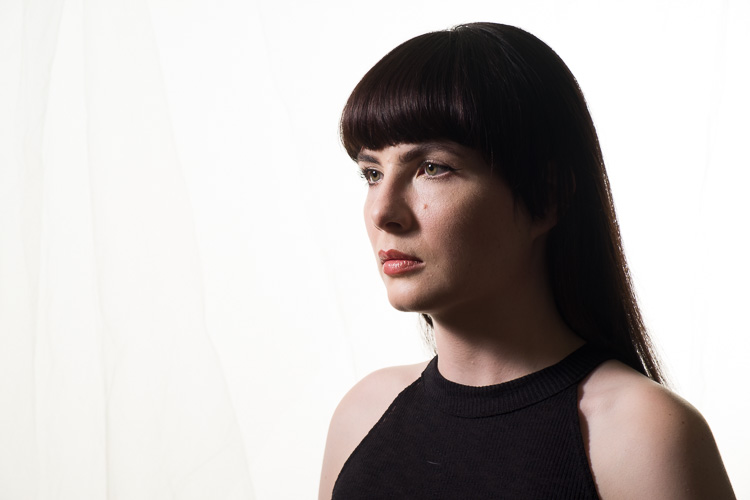
Classical Lighting Patterns 10

Short Lighting (main light is to camera left, closer to the background than the subject).

Creating Drama

The trick to creating drama is to use shadow effectively. For this reason Short Lighting is the best option. You can use each pattern in a short light fashion.

Remember at the start, you were told to pay attention to the nose shadow? For Butterfly, you’re still looking for the butterfly shadow. The light will be directly in front of your subject’s nose to get this. As you move the light away, towards Loop position, it’ll start to become more dramatic. You can even do a Rembrandt portrait for really dramatic effect.
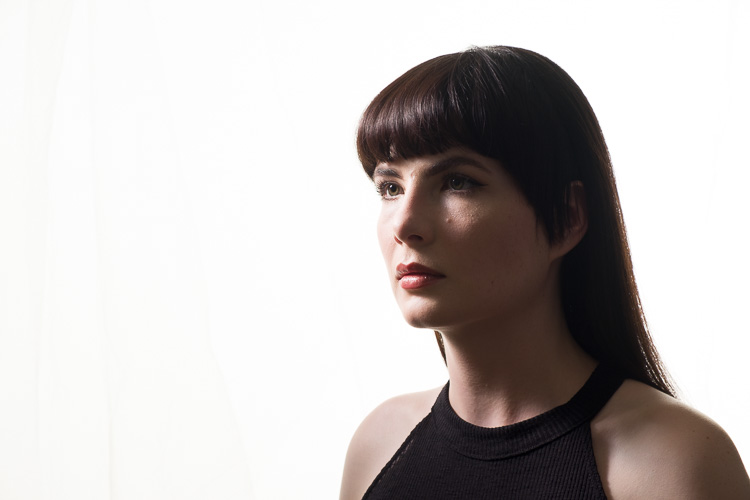
Classical Lighting Patterns 11

Rembrandt Lighting, Short lit with no fill.
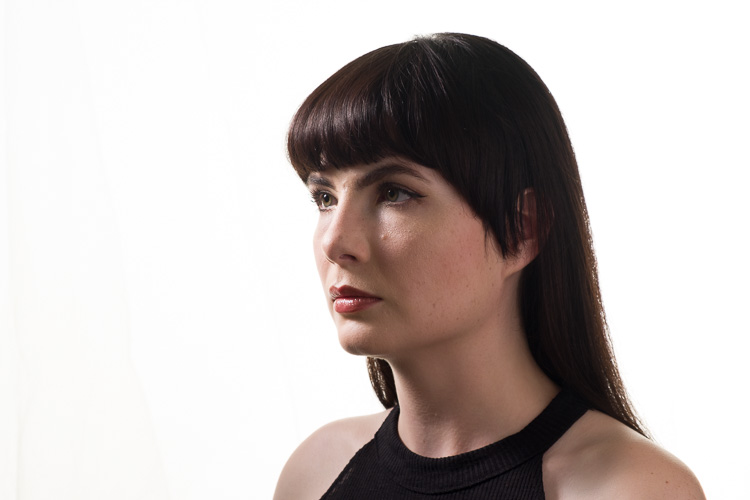
Classical Lighting Patterns 12

Rembrandt Lighting, Short lit with silver reflector fill.

So that’s how to use common portrait lighting styles or patterns. You should get familiar with them, and as you look at magazines and online, you’ll start to see them in use.

Examples of Portait Lighting in photos
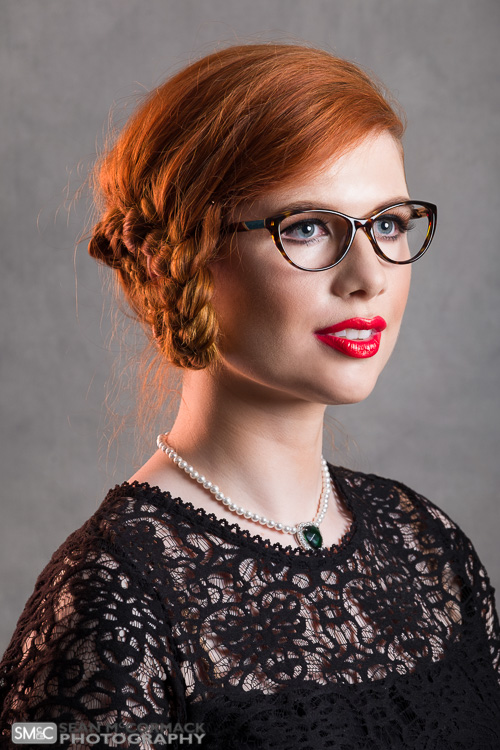
Classical Lighting Patterns 16

Short Lit Loop Light

Classical Lighting Patterns 14

Split Lighting

Classical-Lighting-Patterns-13.jpg

Butterfly Lighting

Short Lighting with a Butterfly pattern.

Short Lighting with a Butterfly pattern.

googletag.cmd.push(function() {
tablet_slots.push( googletag.defineSlot( “/1005424/_dPSv4_tab-all-article-bottom_(300×250)”, [300, 250], “pb-ad-78623” ).addService( googletag.pubads() ) ); } );

googletag.cmd.push(function() {
mobile_slots.push( googletag.defineSlot( “/1005424/_dPSv4_mob-all-article-bottom_(300×250)”, [300, 250], “pb-ad-78158” ).addService( googletag.pubads() ) ); } );

The post 4 Common Lighting Styles to Get the Perfect Portrait by Sean McCormack appeared first on Digital Photography School.


Digital Photography School
 
Comments Off on 4 Common Lighting Styles to Get the Perfect Portrait

Posted in Photography


Publishing Today and Tomorrow: Lighting 102 v.2.0

04 Aug

Hey folks,

Things may have appeared rather quiet around here, but there is a lot going on under the hood. You’ll remember that in 2014 Strobist transformed from a 2x/week blog to more of a knowledge bank. This was done to create the time and space to develop other projects.

The latter has included things like The Traveling Photographer and the Photographer’s Oil Collective, both of which are off and running.

But the flipside of this change in rhythm at Strobist was also to be able to put more time into the larger chunks of the site as opposed to day-to-day posting. I want to keep growing and improving the larger modules that create the real long-term value at Strobist, rather than just posting for posting’s sake. To that end, today and tomorrow a completely revised and updated Lighting 102 series will be debuting on Strobist.

Apologies in advance for the feast-or-famine situation in your RSS feed or inbox. I have been working on the L102 redo for a while now, along with Lighting 103 (in production) and Lighting 104 (fully mapped out).

Thanks for your continued interest and support. You guys rock.

Cheers,
David

Strobist

 
Comments Off on Publishing Today and Tomorrow: Lighting 102 v.2.0

Posted in Photography


Lighting 102: Introduction

03 Aug

Welcome to the all-new, completely revised Lighting 102. If you are here, you should already have read through Lighting 101, and have a good understanding of its concepts.
__________

In lighting 101 you learned the basics of getting your light off camera, how to sync it, and how to position it to reveal form. In Lighting 102 we'll go beyond those basics. You'll learn how to create shape and form while at the same time controlling your light throughout the three-dimensional space in your photo.Read more »
Strobist

 
Comments Off on Lighting 102: Introduction

Posted in Photography


Lighting 102: Shape and Detail

03 Aug

"One light for shape, another for detail."

This simple concept, which I learned from photographer Jim Richardson about 25 years ago, forever changed the way that I thought about lighting. It's like a switch was turned on inside of my brain. Read more »
Strobist

 
Comments Off on Lighting 102: Shape and Detail

Posted in Photography


Lighting 102: Angle

03 Aug

The legibility from our fill light doesn't call attention to itself. It just makes your other light look that much better. It introduces a balance; a range; a relationship between the two lights.

Think of it like a backup band behind a soloist: the band is there to fill in the gaps, add background and make the soloist sound even better. Fill light is the music machine to your drunken karaoke key light.

So just like we did in Lighting 101, lets take a walk around the block and explore some lighting angles. For consistency, we are going to keep the same key light source for every photo on this page. So it is just about the lighting angles — i.e., no other variables.Read more »
Strobist

 
Comments Off on Lighting 102: Angle

Posted in Photography