RSS
 

Posts Tagged ‘Lenses’

12 December, 2013 – The World’s Finest Sensor Meets the World’s Best Lenses

12 Dec

The new Sony A7r has, arguably, the finest 35mm format sensor ever made. Leica’s M lenses are, again arguably, the best 35mm format lenses ever made.

What happens with they mate? Indeed – what could go wrong?

Find out in our latest review.


You can win an all-expenses paid photographic expedition to Antarctica, along with air fare from anywhere in the world. The value of this prize is $ 15,000.

The Luminous Landscape wants you to try any of our more than 60 training or travel videos and our new free video player. Each purchase is an entry, and an annual subscription that includes all previous as well as new videos counts as six entries. The winner of a free lifetime subscription is also chosen from each month’s entries.

Find Out More 


The Luminous Landscape – What’s New

 
Comments Off on 12 December, 2013 – The World’s Finest Sensor Meets the World’s Best Lenses

Posted in News


29 Popular DSLR Lenses Among Our Readers [November 2013]

01 Dec

Two weeks back we released a list of the 13 most popular DSLRs judged according to what our readers have been buying on Amazon over the last 4 months*. Today we’re presenting you with a similar list of the most popular DSLR lenses among our readership.

As usual – Canon and Nikon lenses were by far the most popular so I’ve divided them into two lists but I’ve also included a third list of lenses from other manufacturers below.

Nikon Lenses

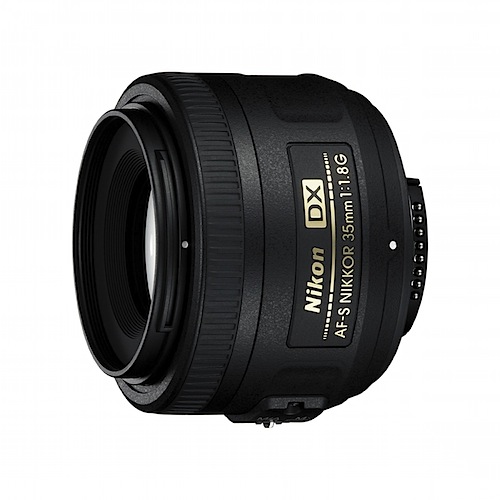
1. Nikon 35mm f/1.8G AF-S DX Lens for Nikon Digital SLR Cameras

_images_I_71fojgW-K5L._AA1500_.jpg

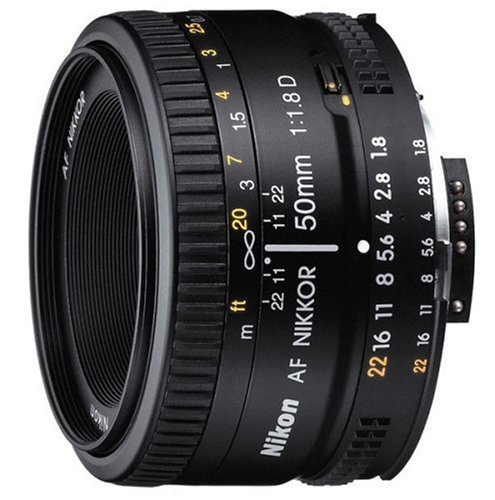
2. Nikon 50mm f/1.8D AF Nikkor Lens for Nikon Digital SLR Cameras

_images_I_51CnjgPJ+jL.jpg

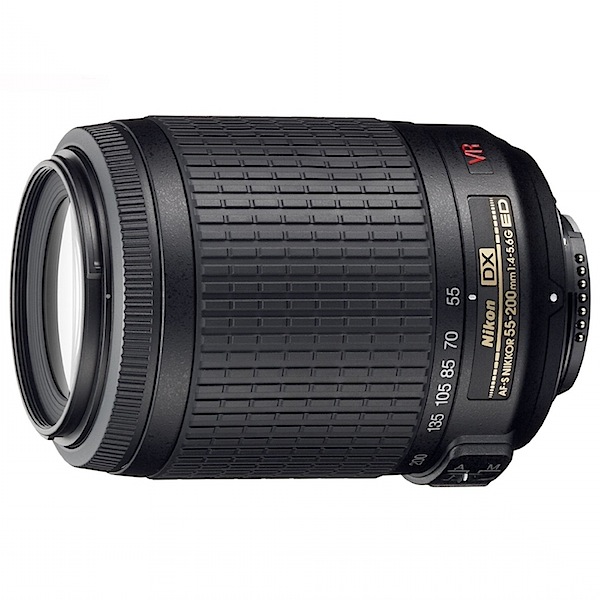
3. Nikon 55-200mm f/4-5.6G ED IF AF-S DX VR [Vibration Reduction] Nikkor Zoom Lens

81aelpm45eL._AA1500_.jpeg

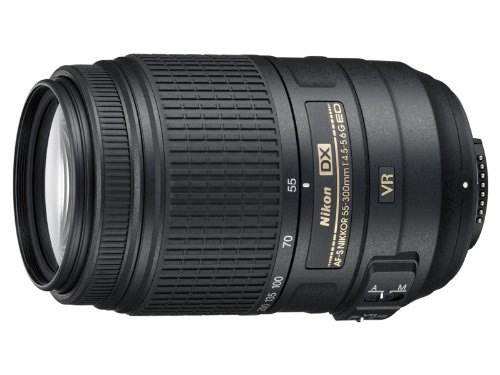
4. Nikon 55-300mm f/4.5-5.6G ED VR AF-S DX Nikkor Zoom Lens for Nikon Digital SLR

_images_I_41BQhxfleTL.jpg

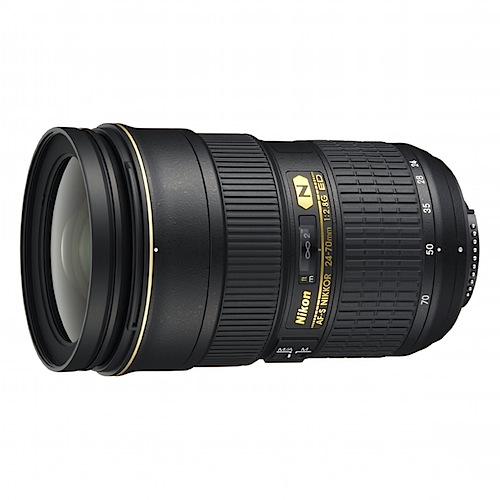
5. Nikon 24-70mm f/2.8G ED AF-S Nikkor Wide Angle Zoom Lens

_images_I_71NFmoXyeGL._AA1500_.jpg

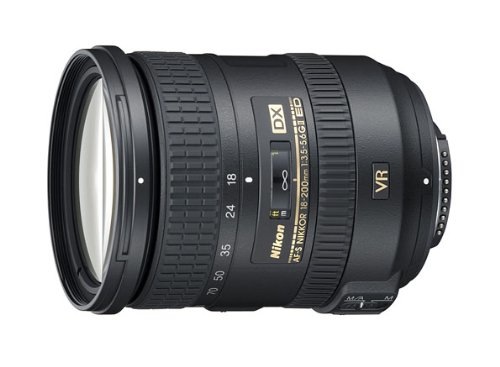
6. Nikon 18-200mm f/3.5-5.6G AF-S ED VR II Nikkor Telephoto Zoom Lens for Nikon DX-Format Digital SLR Cameras

_images_I_41Evnjjp6mL.jpg

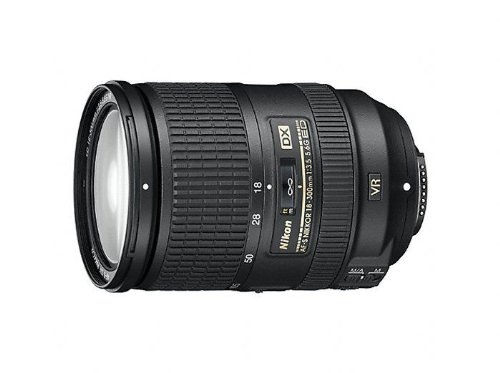
7. Nikon 18-300mm f/3.5-5.6G AF-S DX Nikkor Lens

41rXcOrwyoL.jpeg

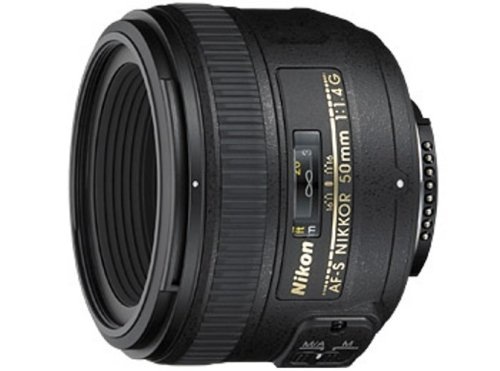
8. Nikon 50mm f/1.4G SIC SW Prime Nikkor Lens for Nikon Digital SLR Cameras

_images_I_41lq816JqzL.jpg

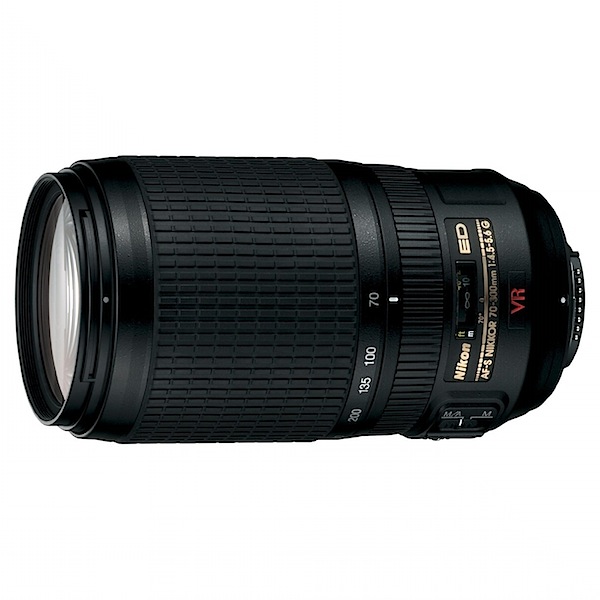
9. Nikon 70-300mm f/4.5-5.6G ED IF AF-S VR Nikkor Zoom Lens

71DmoFcpcfS._AA1500_.jpeg

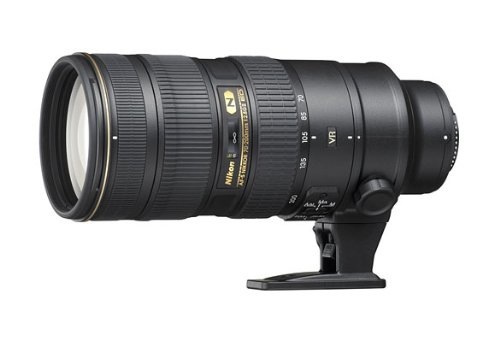
10. Nikon 70-200mm f/2.8G ED VR II AF-S Nikkor Zoom Lens For Nikon Digital SLR Cameras

_images_I_41lLtMR4hlL.jpg

Canon Lenses

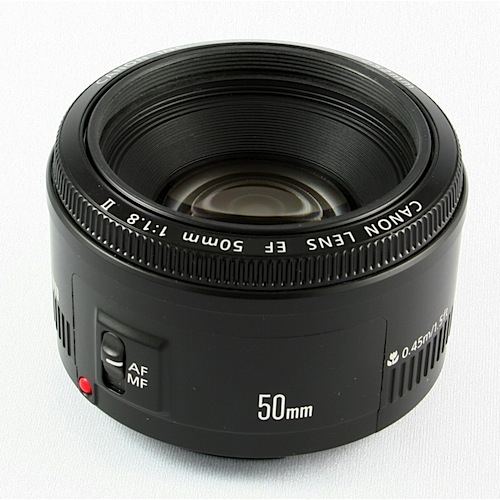
1. Canon EF 50mm f/1.8 II Camera Lens

_images_stories_50mm18.jpg

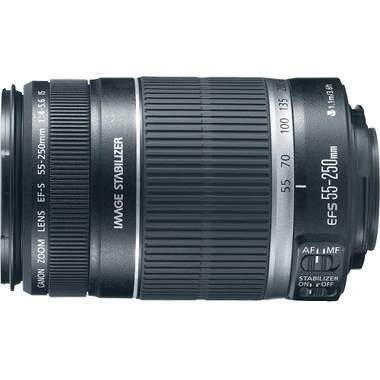
2. Canon EF-S 55-250mm f/4.0-5.6 IS Telephoto Zoom Lens for Canon Digital SLR Cameras + Lens Cleaning Kit

_images_I_41iFOthf-oL.jpg

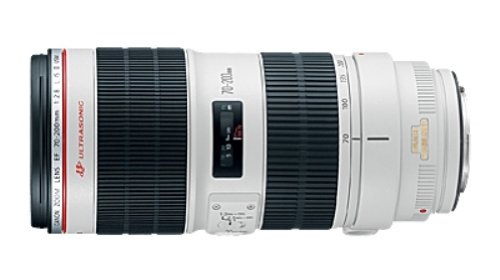
3. Canon EF 70-200mm f/2.8L IS II USM Telephoto Zoom Lens for Canon SLR Cameras

_images_I_41nW4a0AjAL.jpg

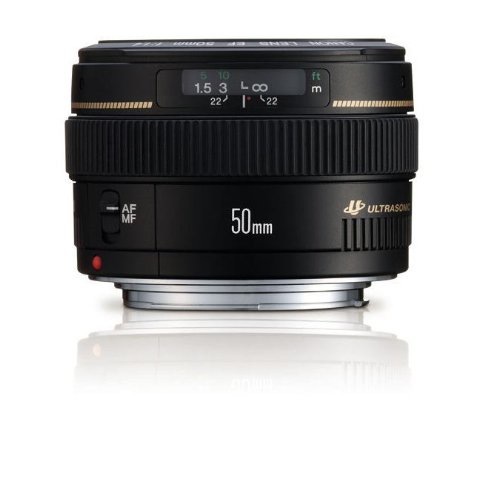
4. Canon EF 50mm f1.4 USM Standard & Medium Telephoto Lens for Canon SLR Cameras

_images_I_41QZeK5lgrL.jpg

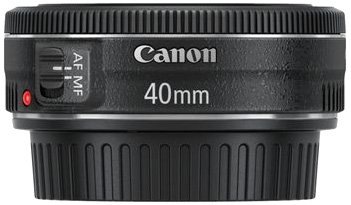
5. Canon 40mm EF f/2.8 STM Lens

_images_I_41dMgVaaPlL.jpg

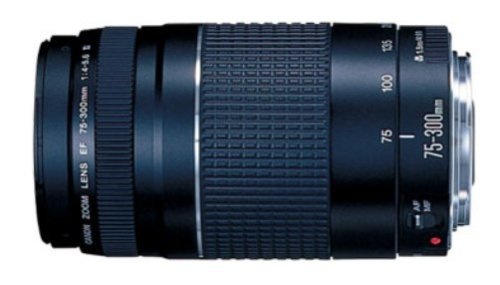
6. Canon EF 75-300mm f/4-5.6 III Telephoto Zoom Lens for Canon SLR Cameras

_images_I_41KD00SN1gL.jpg

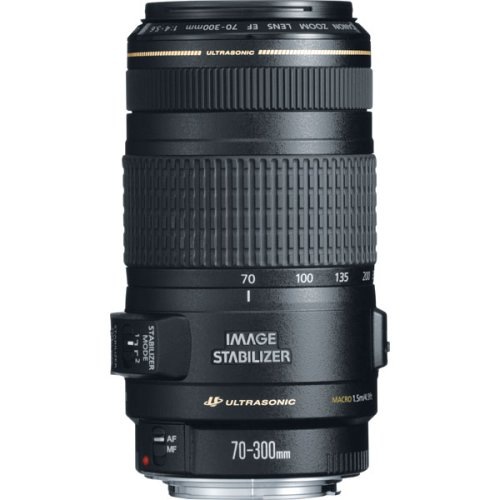
7. Canon EF 70-300mm f/4-5.6 IS USM Lens for Canon EOS SLR Cameras

_images_I_41ECW2G8TWL.jpg

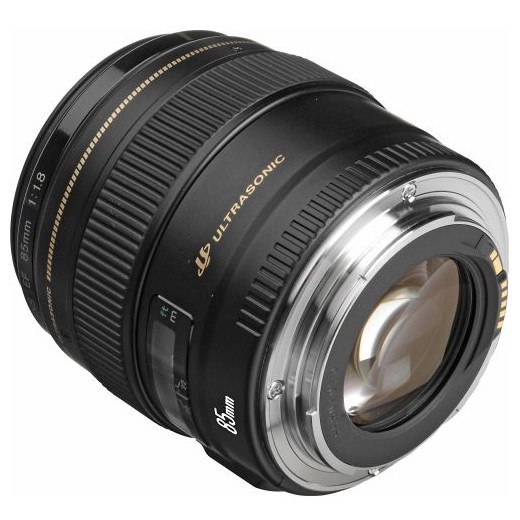
8. Canon EF 85mm f/1.8 USM Medium Telephoto Lens

canon-85mm.jpeg

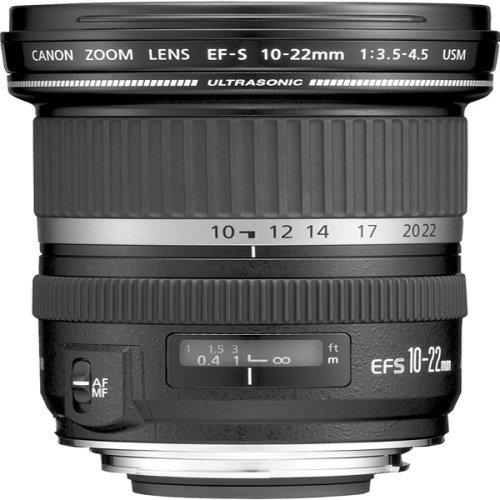
9. Canon EF-S 10-22mm f/3.5-4.5 USM SLR Lens

canon-10-22.jpeg

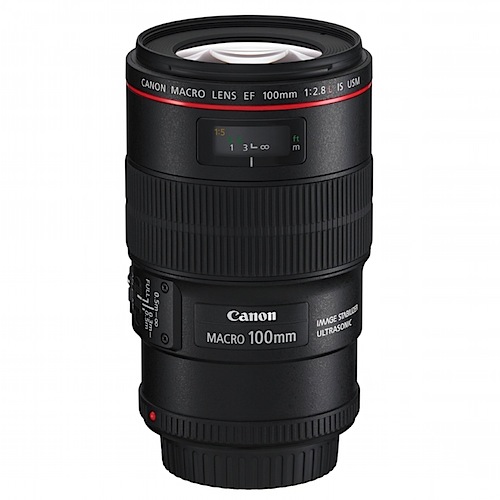
10. Canon EF 100mm f/2.8L IS USM 1-to-1 Macro Lens for Canon Digital SLR Cameras

_images_I_819FZMQPWfL._AA1500_.jpg

Other Brands

Brands like Signma, Tamron and Tokina continue to grow in popularity with our readers – many times they provide a more affordable price on equivalent lenses focal lengths from the main brands. Here’s the most popular ones among our readers:

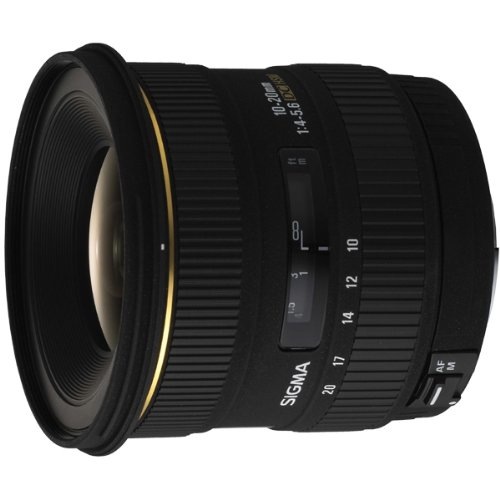
1. Sigma 10-20mm f/4-5.6 EX DC HSM Lens for Canon Digital SLR Cameras (also available for Nikon, Samsung and Sigma DSLRS)

_images_I_41lE6crotiL.jpg

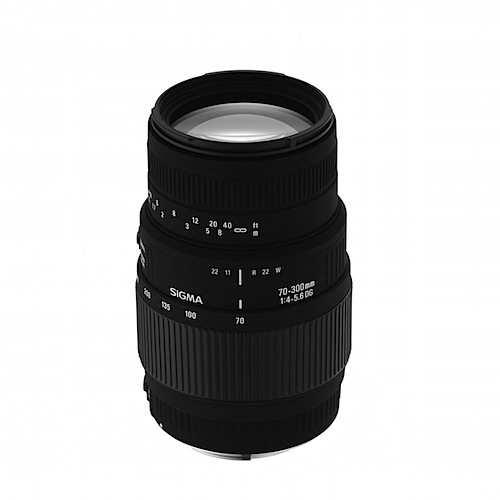
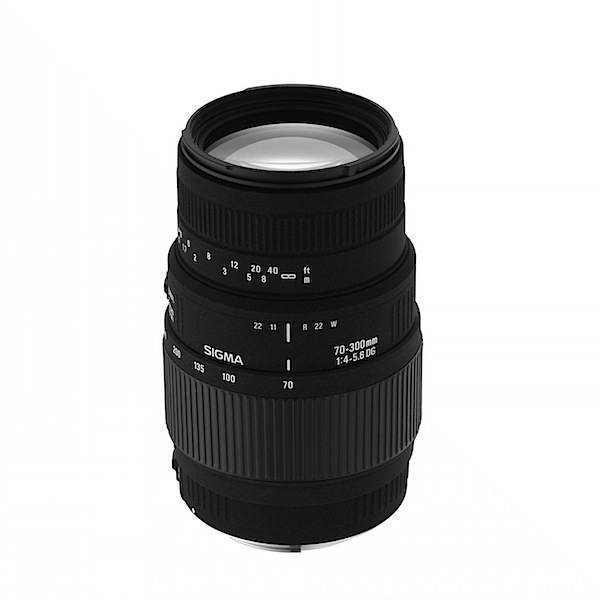
2. Sigma 70-300mm f/4-5.6 SLD DG Macro Lens with built in motor for Nikon Digital SLR Cameras

_images_I_71bTTzWv3hL._AA1500_.jpg

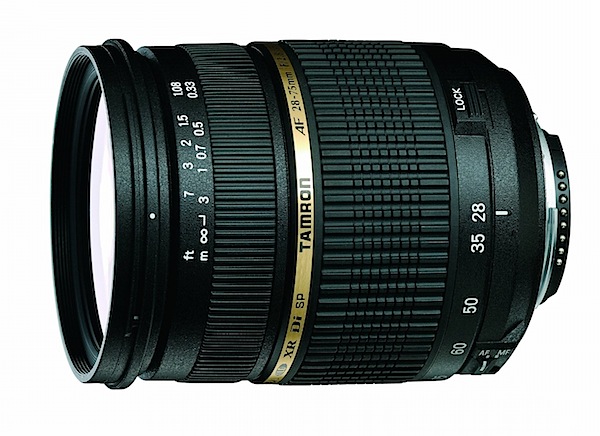
3. Tamron AF 28-75mm f/2.8 SP XR Di LD Aspherical (IF) for Canon Digital SLR Cameras (also available for Minolta and Sony Pentax, and Nikon DSLRs)

91EjMKKW3-L._SL1500_.jpeg

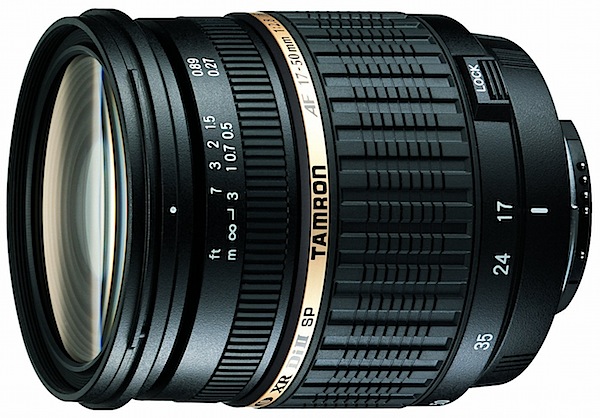
4. Tamron AF 17-50mm F/2.8 XR Di-II LD SP Aspherical (IF) Zoom Lens for Canon Digital SLR Cameras (also available for Nikon and Minolta and Sony DSLRs)

tamron

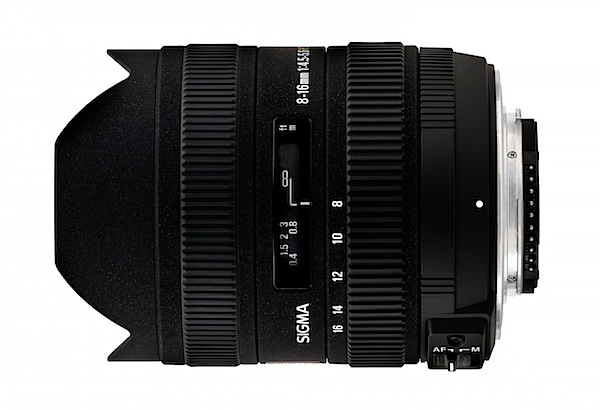
5. Sigma 8-16mm f/4.5-5.6 DC HSM FLD AF Ultra Wide Zoom Lens for APS-C sized Canon Digital DSLR Camera (also available for Nikon, Pentax, Sigma and Sony DSLRs)

81kS1-KqfiL._SL1500_.jpeg

5. Sigma 70-300mm f/4-5.6 SLD DG Macro Lens with built in motor for Nikon Digital SLR Cameras

71bTTzWv3hL._AA1500_.jpeg

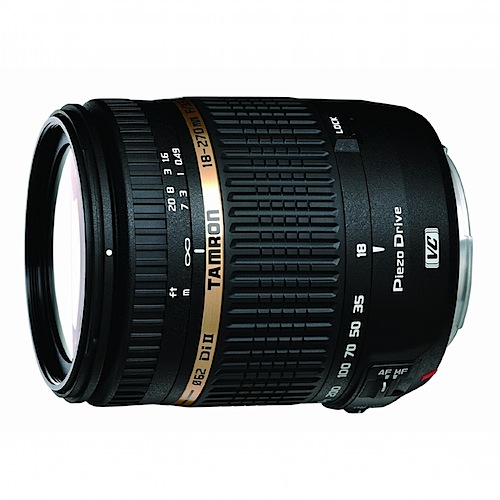
6. Tamron AF 18-270mm f/3.5-6.3 Di II VC PZD LD Aspherical IF Macro Zoom Lens for Canon DSLR Cameras (also available for Nikon and Sony DSLRs)

_images_I_81sE17h2DXL._AA1500_.jpg

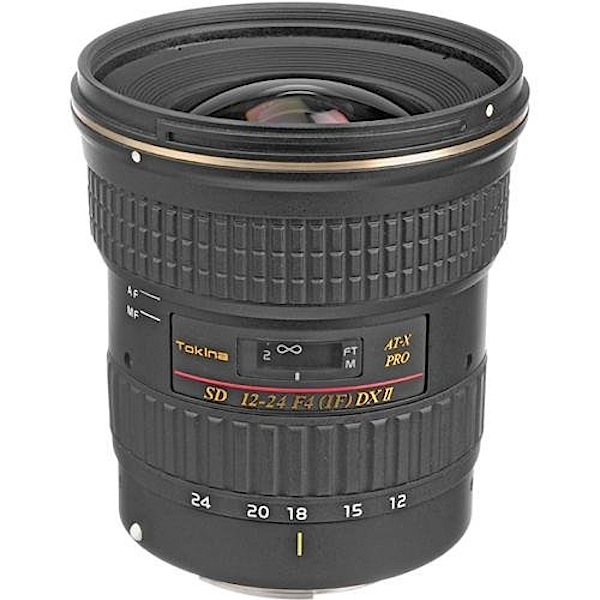
8. Tokina 12-24MM F/4.0 Pro II Zoom Lens for Digital Canon SLR Cameras (Tokina also make a similar lens for Nikon DSLRS)

51kjX6Z-VuL.jpeg

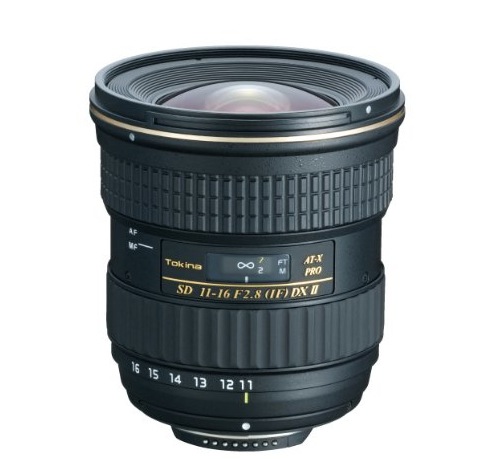
9. Tokina 11-16mm f/2.8 AT-X116 Pro DX II Digital Zoom Lens (for Canon EOS Cameras) (Tokina also make a similar lens for Nikon DSLRS

412tBLShXmL.jpg

* Note: these lists were compiled from reports supplied to us from Amazon.com where we are affiliates. One of the ways dPS is able to cover its costs and be a sustainable business is that we earn a small commission when readers make a purchase from Amazon after clicking on our links (including those above). While no personal details are passed on we do get an overall report from Amazon about what was bought and are able to create this list.

Post originally from: Digital Photography Tips.

Check out our more Photography Tips at Photography Tips for Beginners, Portrait Photography Tips and Wedding Photography Tips.

29 Popular DSLR Lenses Among Our Readers [November 2013]

The post 29 Popular DSLR Lenses Among Our Readers [November 2013] by Darren Rowse appeared first on Digital Photography School.


Digital Photography School

 
Comments Off on 29 Popular DSLR Lenses Among Our Readers [November 2013]

Posted in Photography


DPReview Top Picks: Stand-out third party lenses

28 Nov

lensintropic.jpg

When you buy into a camera system, it can be tempting to only consider lenses of the same make as your camera. But companies such as Sigma, Tamron and Tokina offer some excellent options too. In this article, we’re highlighting our pick of stand-out third party lenses. We’ve chosen them based on their ability to offer something different to the camera manufacturers’ own, in terms of either focal length range, maximum aperture, image quality or value. Click through to read all about them.

News: Digital Photography Review (dpreview.com)

 
Comments Off on DPReview Top Picks: Stand-out third party lenses

Posted in Uncategorized


Wide-angle Lenses and the Landscape

02 Nov

Wide-angle lenses and the landscape

If there was ever a subject and a lens made for each other, then it is the wide-angle lens and the landscape.

Wide-angle lenses are ideal for landscape photography:

  • They have more depth of field at any given aperture setting and camera to subject distance than telephotos. It is simple to stop down and obtain front to back sharpness.
  • The perspective of the wide-angle lens draws the viewer into the image and adds a sense of depth by making the horizon seem further away than it really is. You can see the effect in this landscape taken with a zoom lens set to a focal length of 26mm:

Wide-angle lenses and the landscape

Telephoto lenses, by contrast, increase the sense of distance between the viewer and the photo. They are lenses of isolation that you use to pick out an element of the landscape, as in this photo taken with an 85mm lens:

Wide-angle lenses and the landscape

Wide-angles are lenses of inclusion that you use to capture a larger slice of the scene.

Bruce Percy’s article A Gift takes an interesting perspective on this topic.

What is a wide-angle lens?

There is no precise definition of a wide-angle lens, but it includes focal lengths of up to around 40mm on a full-frame camera, 25mm on an APS-C camera and 20mm on a micro-four thirds camera. The definition is hazy because some zoom lenses cover a focal length range from wide-angle at one end to telephoto at the other. It is difficult to pinpoint where one ends and the other begins.

Prime or zoom?

There are pros and cons of both, so let’s look at each in turn.
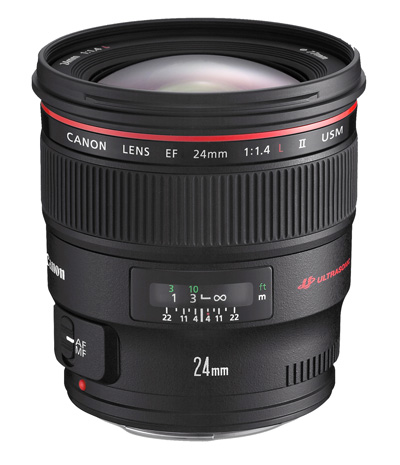
Canon EF 24mm f1.4 wide-angle lens

The biggest advantages of prime lenses are that you get excellent value for money in terms of image quality. They are great for photographers on a budget. An inexpensive prime gives you great image quality, and you would have to spend much more on a zoom lens to get one that gives the same image quality throughout the focal length range.

Another benefit of prime lenses is that they have wider maximum apertures than zooms. While this may not be much of a benefit in landscape photography, when you often need to stop down to f11 or f16, it may come in useful if you are shooting images hand-held in dim light.

Prime lenses are often lighter than zoom lenses. This is a generalisation only; for example, a wide-angle prime lens with a maximum aperture of f1.4 may be larger and heavier than a zoom that covers the equivalent focal length.
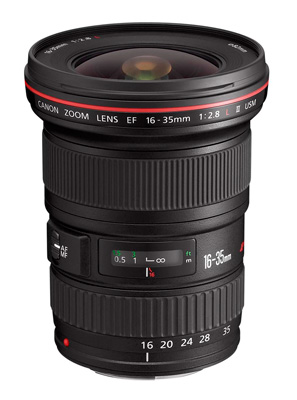
Canon EF 16-35mm f2.8L wide-angle lens

The biggest benefit of zoom lenses is the rather obvious one of having several focal lengths available. This comes in useful in landscape photography because there are times when you are unable to move closer to (or even further away) from your subject. If you are standing on the edge of a cliff, for example, then it is not physically possible to move forwards. The advantage of a zoom lens in this situation is that it enables you to frame the landscape precisely. That’s what happened in this photo. I used a 17-40mm lens set to 28mm to frame this image:

Wide-angle lenses and the landscape

Getting the most out of a wide-angle lens

Here are some tips for getting the most out of your wide-angle lens:

Wide-angle lenses and the landscape

1. Include some foreground interest.

Look for something interesting to place in the first third of your photo. This gives the viewer something to look at.

Wide-angle lenses and the landscape

2. Move in close to the subject.

It depends on exactly what you are photographing, but see what happens when you move closer to your subject with a wide-angle lens. Remember that wide-angle lenses make distant objects appear smaller, and if you are not careful you may end up with everything in the frame too distant to be of interest.

Perhaps what I’m really saying is that you should decide what is your main subject in the photo. In a landscape that may be something like a tree, a rock or even a person in the landscape. Once you have decided on the subject, see if moving closer makes the image stronger.

But: don’t move too close, don’t be afraid of including negative space to improve the image. It’s a subjective thing, and your eye for how close to the subject to get will improve with practice.

Wide-angle lenses and the landscape

3. Use leading lines and patterns to create a sense of movement. The viewer’s eyes will follow the lines through the image. This creates a sense of movement and depth. Do you see how the rocks in the foreground in the above image create lines that point towards the distant volcano?

Understanding Lenses: Part I – A guide to Canon wide-angle and kit lenses

Understanding Lenses ebook

If you liked this article then take a look at my ebook, Understanding Lenses: Part I – A guide to Canon wide-angle and kit lenses. It is a complete guide to wide-angle and kit lenses for the Canon EOS camera system, showing you how to use them and how to decide which lens to buy.

Post originally from: Digital Photography Tips.

Check out our more Photography Tips at Photography Tips for Beginners, Portrait Photography Tips and Wedding Photography Tips.

Wide-angle Lenses and the Landscape

The post Wide-angle Lenses and the Landscape by Andrew Gibson appeared first on Digital Photography School.


Digital Photography School

 
Comments Off on Wide-angle Lenses and the Landscape

Posted in Photography


Samyang announces five full frame E-mount lenses

16 Oct

samyang.png

Samyang has announced that it will be making five full frame lenses in E mount, which will be available within 2 months. The lenses are all based on existing designs, namely the 14mm f/2.8 ED AS IF UMC, 24mm f/1.4 ED AS IF UMC, 35mm f/1.4 AS UMC, 85mm f/1.4 AS IF UMC, and the T-S 24mm f/3.5 ED AS UMC tilt-and-shift. All feature manual focus and aperture operation too. As these are essentially SLR lenses with an adapter tube permanently fitted, they won’t offer any of the size advantages achievable by ‘native’ lenses.

News: Digital Photography Review (dpreview.com)

 
Comments Off on Samyang announces five full frame E-mount lenses

Posted in Uncategorized


Sony announces five full-frame E-mount ‘FE’ lenses, updates 70-200mm

16 Oct

SEL2470.png

Sony has announced no fewer than five ‘FE’ full frame E-mount lenses to accompany the A7 and A7R. First up is the FE 28-70mm F3.5-5.6 OSS, an image-stabilised ‘kit’ zoom for the A7. There are three premium lenses with Zeiss badges: the FE 55mm F1.8 ZA Carl Zeiss Sonnar T*, the FE 35mm F2.8 ZA Carl Zeiss Sonnar T*, and the FE 24-70mm F4 Carl Zeiss Vario Tessar T*. The fifth lens is a ‘G’ class telezoom, the FE 70-200mm F4 G OSS. Sony has also updated its Alpha-mount fast telezoom to make the 70-200mm F2.8G SSM II. 

News: Digital Photography Review (dpreview.com)

 
Comments Off on Sony announces five full-frame E-mount ‘FE’ lenses, updates 70-200mm

Posted in Uncategorized


DxOMark investigates lenses for the Nikon D7100

04 Oct

DxOMark-logo-520.jpg

Our friends and collaborators over at DxOMark have recently been looking into how lenses score on specific cameras, and the latest model they’ve examined is Nikon’s 24 MP APS-C flagship, the D7100. The article looks at no fewer than 126 lenses, and gauges the advantage of the D7100’s higher pixel count and lack of a low-pass filter compared to the 16MP D7000. As a bonus, there’s also an assessment of how the imaging performance of Nikon SLRs has improved over the last decade. Click through for the link.   

News: Digital Photography Review (dpreview.com)

 
Comments Off on DxOMark investigates lenses for the Nikon D7100

Posted in Uncategorized


DxOMark investigates lenses for the Nikon 7100

04 Oct

DxOMark-logo-520.jpg

Our friends and collaborators over at DxOMark have recently been looking into how lenses score on specific cameras, and the latest model they’ve examined is Nikon’s 24 MP APS-C flagship, the D7100. The article looks at no fewer than 126 lenses, and gauges the advantage of the D7100’s higher pixel count and lack of a low-pass filter compared to the 16MP D7000. As a bonus, there’s also an assessment of how the imaging performance of Nikon SLRs has improved over the last decade. Click through for the link.   

News: Digital Photography Review (dpreview.com)

 
Comments Off on DxOMark investigates lenses for the Nikon 7100

Posted in Uncategorized


Can computer corrections make simple lenses look good?

30 Sep

lenses2.png

Modern lenses tend to be large and expensive, with multiple glass elements combining to minimise optical aberrations. But what if we could just use a cheap single-element lens, and remove those aberrations computationally instead ? This is the question scientists at the University of British Columbia are asking, and they’ve come up with a way of improving images from a simple single element lens that gives pretty impressive results. Click through to read more.  

News: Digital Photography Review (dpreview.com)

 
Comments Off on Can computer corrections make simple lenses look good?

Posted in Uncategorized


They’re Finally Here!The Sony Smart Lenses – QX10 & QX100

25 Sep

Meet the Sony Smart Lenses, pro-quality lenses that are also full-fledged cameras!

These first-of-their-kind lens cameras use your smartphone as a viewfinder, settings panel and shutter release.

Plus, they connect wirelessly, so you can use them attached to your phone or totally off board to snap the perfect shot at any angle.

Get all the advantages of a DSLR – shallow depth of field, optical zoom, a 20 megapixel sensor that’s 4x the size of your iPhone’s! And, retain the ease of shooting and sharing on your phone.

*We are getting a limited supply and shipping them out first come, first serve.*

Learn More or Reserve Yours Now

 Tweet it!      Share

p.s. Want to see the QX10 in action? We will be demonstrating this innovative wonder on a live video stream *TODAY* (Wed. 9/25) at 9am PST (that’s noon to you, East Coasters). Head to our Ustream page to have all your burning questions answered!

Related posts:

  1. Attachable Lenses for Your Camera-Phone, Fisheye & Macro/Wide Angle Phone Lenses Extra photos for bloggers: 1, 2, 3 Camera-phones. They’re a…
  2. Better Lenses for Less Money: How To Use Vintage Lenses with Your DSLR Extra photos for bloggers: 1, 2 ~Have a cool photo…
  3. The iPhone Lens Wallet
    Keeps Your Cell Lenses in One Place Check out that sweet collection of lenses for your smarty-pants…


Photojojo

 
Comments Off on They’re Finally Here!The Sony Smart Lenses – QX10 & QX100

Posted in Equipment