RSS
 

Posts Tagged ‘Lead’

All Roads Really Lead to Rome: City-Centric Arterial Renderings

06 Jan

[ By WebUrbanist in Art & Drawing & Digital. ]

all roads lead rome

During the lead up to the invasion of Iraq, a German newspaper published step-by-step driving directions from Berlin to Baghdad, highlighting the interconnectivity of contiguous European and Middle Eastern land masses.

roads to rome map

This series of maps from Moovel Lab highlights similar phenomena, starting with a map that shows the truth of an old aphorism about all roads leading to Rome. Ancient Romans created an estimated 50,000 miles of road across Europe, Asia and Africa, with their coastal Italian capital as the origin point.

all roads 10 cities

Next, they moved on to 10 major cities in the United States, analyzing how regional traffic flowed into each, before going through a full analysis of fastest routes to state capitals. The results were surprisingly varied: “Remarkable are the different road networks throughout the States. While the east coast seems to rely on roads parallel to the coast. The rockies and appalachian mountains reveal their topography with their curvy roads containing some blank spots not reached by any road. While the mid west of the USA show long straight road networks in rectangular alignment.”

roads us capitals map

Their process is relatively intuitive. The mapmakers overlaid a grid on existing open-source maps, then added a query: how would one get from here to Rome (or other cities)? The results have been turned into maps that look almost like a study of the human vascular system, with small veins feeding larger arteries along the path to the hub point. “The outcome of this project is somewhere between information visualisation and data art, unveiling mobility and a very large scale. View and interactively explore all roads to rome and other cities.”

Share on Facebook


[ By WebUrbanist in Art & Drawing & Digital. ]

[ WebUrbanist | Archives | Galleries | Privacy | TOS ]

WebUrbanist

 
Comments Off on All Roads Really Lead to Rome: City-Centric Arterial Renderings

Posted in Creativity


Lead Finger: Incredible Miniatures Carved Out of Pencil Tips

30 Jul

[ By Steph in Art & Sculpture & Craft. ]

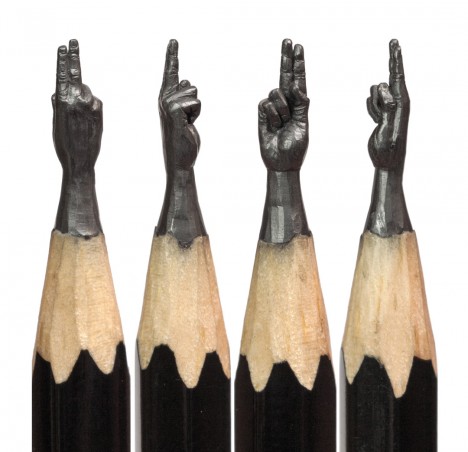
pencil carvings 3

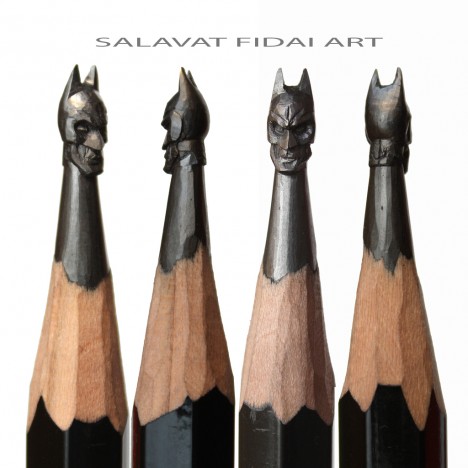
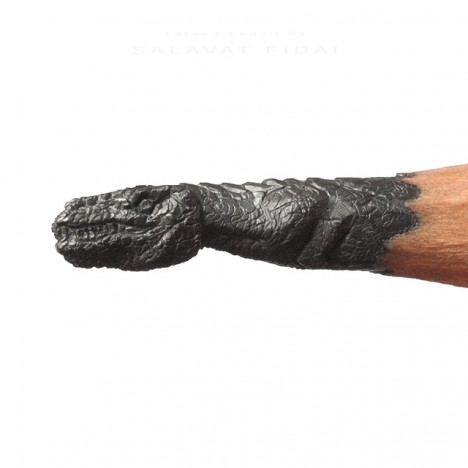
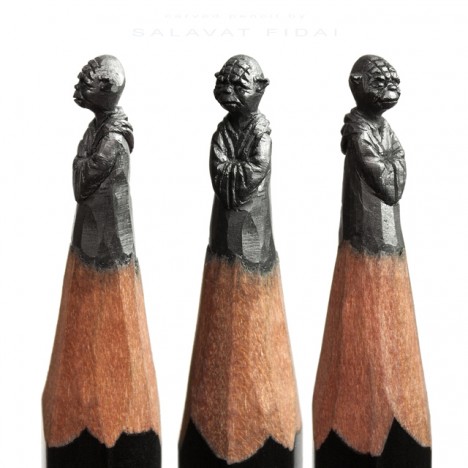
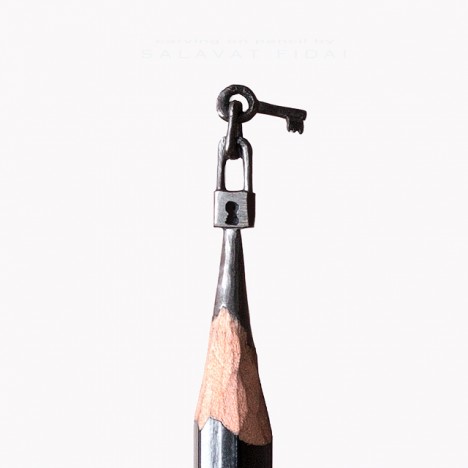
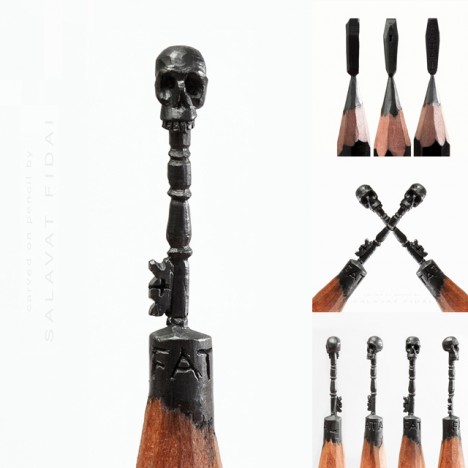
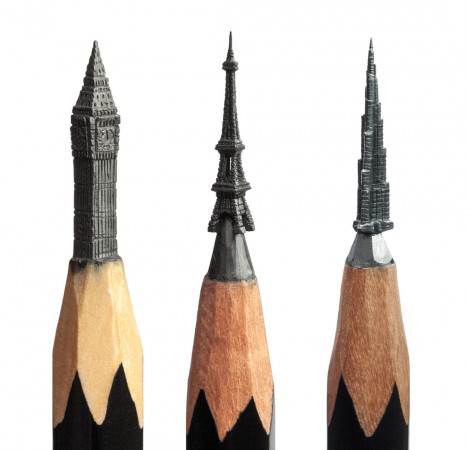
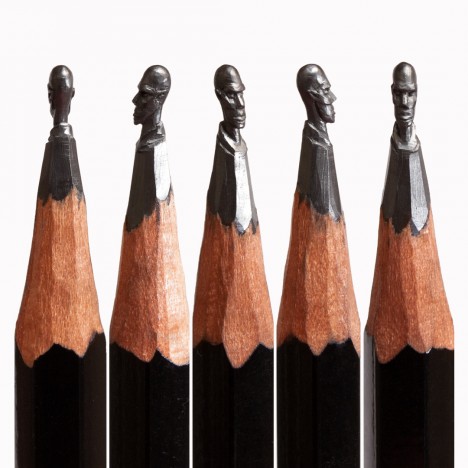
Eagle feathers, the folds on Yoda’s robe and individual bricks on iconic buildings are among the impossibly tiny details captured in pencil lead by miniaturist Salivat Fidai. The Russian artist uses an X-acto knife to carefully scrape away minuscule shavings of graphite, revealing everything from realistic dinosaur heads to the Eiffel Tower.

pencil carving 5

pencil carving 4

Sped-up videos on Fidai’s Instagram give us a look at the process, which starts with scraping away an inch or two of wood to reveal the graphite core. The artist creates the basic shape of each sculpture and then makes the refinements. This technique requires not just an eye for detail but a very light hand as well, to avoid putting too much pressure on the lead and snapping it.

pencil lead carvings 1

pencil carving 9

pencil carving 8

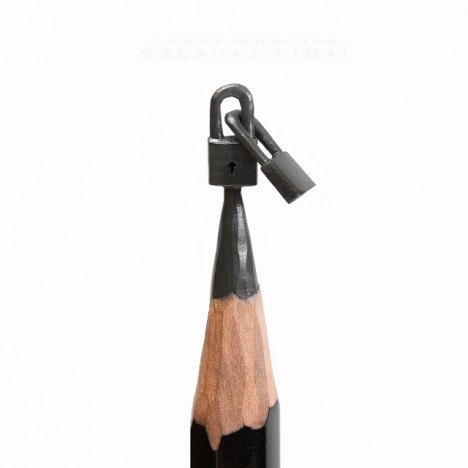
They’re all cool, but perhaps most impressive are the ones featuring little pieces that have been carefully separated from the main graphite core, like this lock. Many originals are up for sale at the artist’s Etsy shop.

pencil carvings 11

pencil carving 6

pencil carving 7

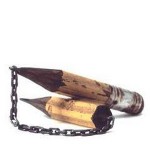
Another artist creating similar works is Dalton Ghetti, a carpenter by trade who uses sewing needles and razor blades to carve entire chains of graphite as well as other sculptures, all without the benefit of a magnifying glass.

Share on Facebook


[ By Steph in Art & Sculpture & Craft. ]

[ WebUrbanist | Archives | Galleries | Privacy | TOS ]

WebUrbanist

 
Comments Off on Lead Finger: Incredible Miniatures Carved Out of Pencil Tips

Posted in Creativity


How To Lead Your Viewer’s Focus to the Subject

05 Jul

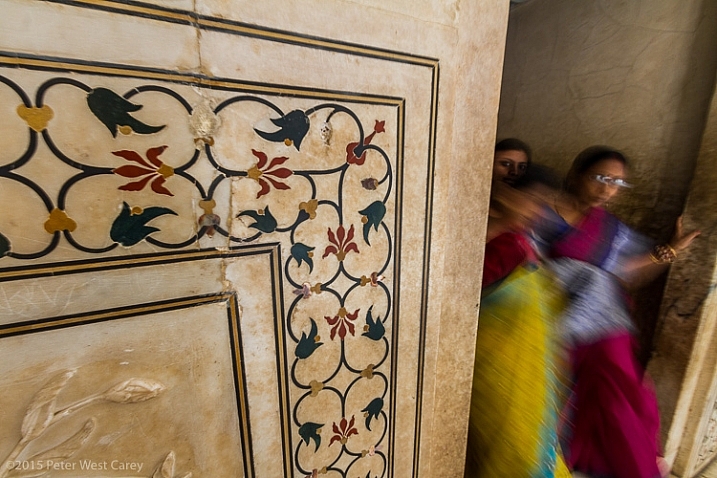
Take a look at this photo and remember what your initial thoughts are:

Inlaid Marble Detail Inside Taj Mahal, Agra, India, Asia

Inlaid marble detail inside Taj Mahal, Agra, India, Asia

Where was the first place you looked in the photo? What about the second?

Some of the more interesting photos (and artwork in general) moves your view around the image, and often brings you back for more.

When you take a photo, you know what you’re looking at and what is most important, but this doesn’t always come through in your picture, unless you make a concerted effort to help the viewer see the same thing. Luckily, as a photographer you have more than a few tricks to lead your viewers in your photos.

Leading Lines

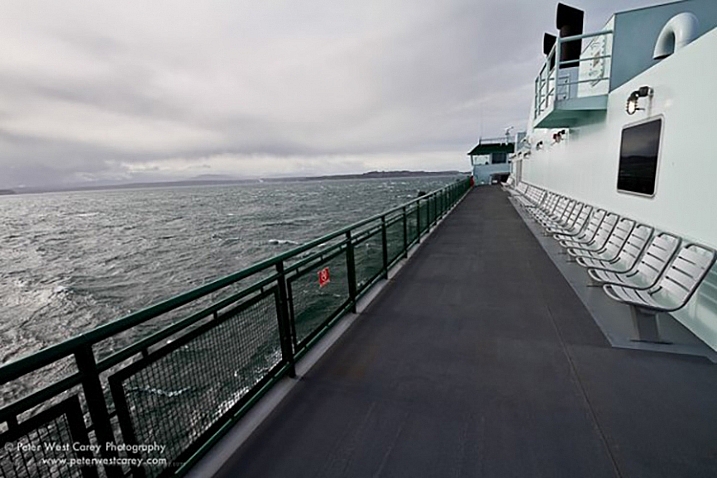
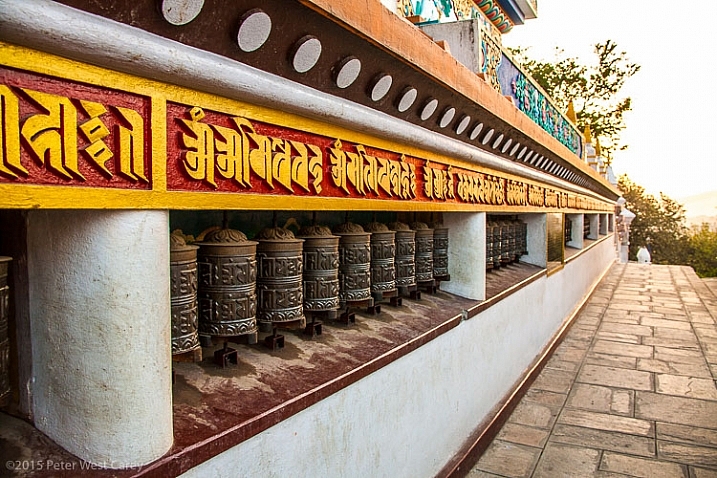
The first technique is to simply point the way. As humans, we like lines that go somewhere and we tend to follow them. A trail, a road, repeating patterns; they are all fodder for the technique of leading lines.

PWC-2011-0207-0588

Crossing to the Olympic Peninsula, Washington, USA

Prayer Wheel Wall, Kathmandu, Nepal

Prayer wheel wall, Kathmandu, Nepal


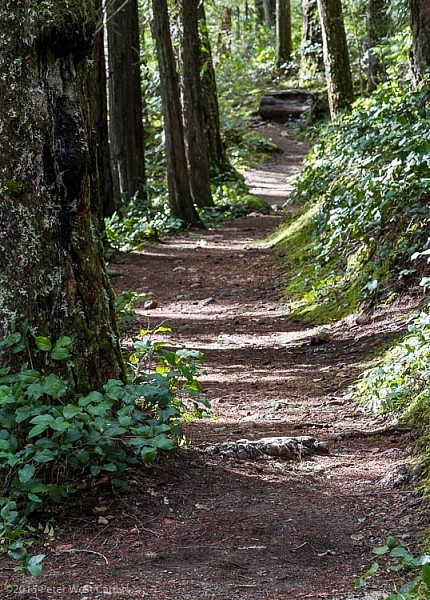
Leading lines, when stretched far, can also give your image greater depth by taking viewers into your scene. The lines need not be straight. They can be as meandering as a forest path.

PWC-110402-153640-3017

Meandering path, Cascade Mountains, USA

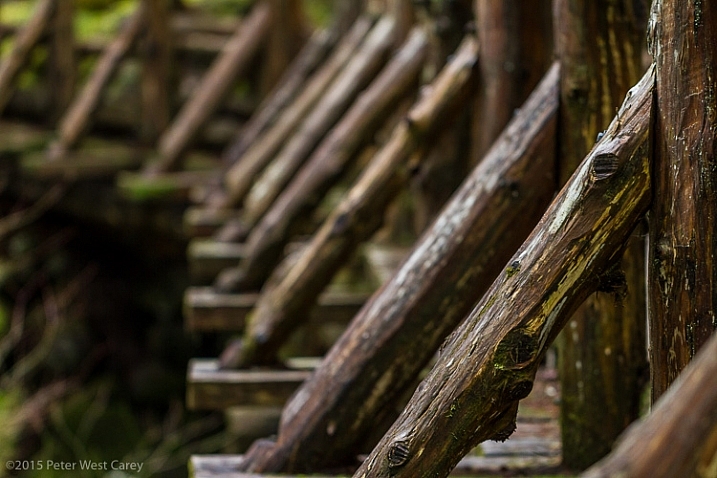
Non-traditionally, I consider a repeating pattern, moving in a particular direction, to be a form of leading line. Such as with this line of bridge braces.

Across The Bridge

Wooden bridge in Olympic National Park, Washington, USA

Selective Focus

Selective focus seems so simple, but can be tricky if you haven’t mastered the use of aperture in your photography. Selective focus is also useful when you have a subject far on the edge of your photo. By habit we tend to look at the middle of a scene first and it’s quite easy to use selective focus to move your viewers to the edge, and the main subject.

PWC-100815-070403-0541

Sunrise on South Sister Mountain, Oregon, USA

It’s also another way to help your viewers ignore the distractions in the scene and find the main subject.

Alaska Rainforest Floor, Glacier Bay National Park, Alaska, USA

Alaska Rainforest Floor, Glacier Bay National Park, Alaska, USA

There is a great article here: How to Use Leading Lines for Better Compositions by Anne McKinnell, that expands on this topic.

Colors

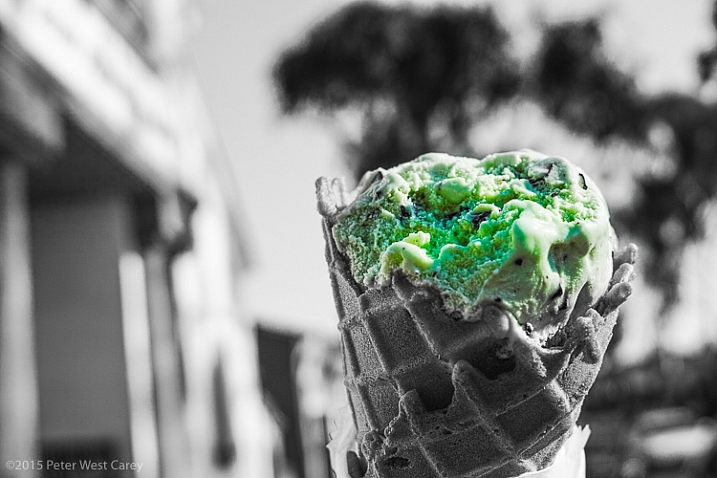
We’ve all seen this technique that became quite popular many years ago.

Chocloate Chip Mint Icre Cream Cone, Balboa Island, California, USA, North America

Chocolate chip mint ice cream cone, Balboa Island, California, USA, North America

You might have just cringed or you might have liked the technique, but there is no doubting where you looked in the photo.

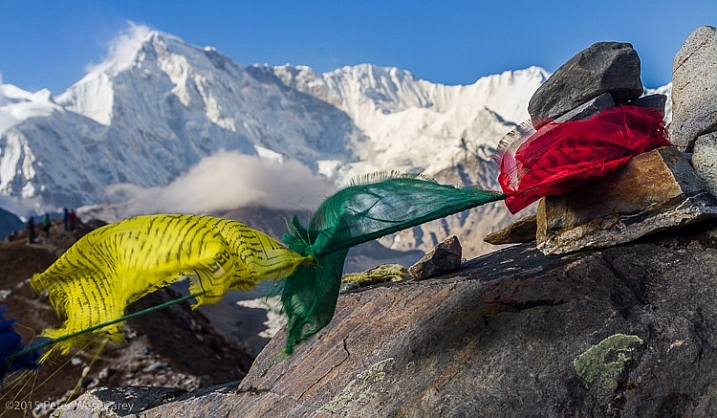
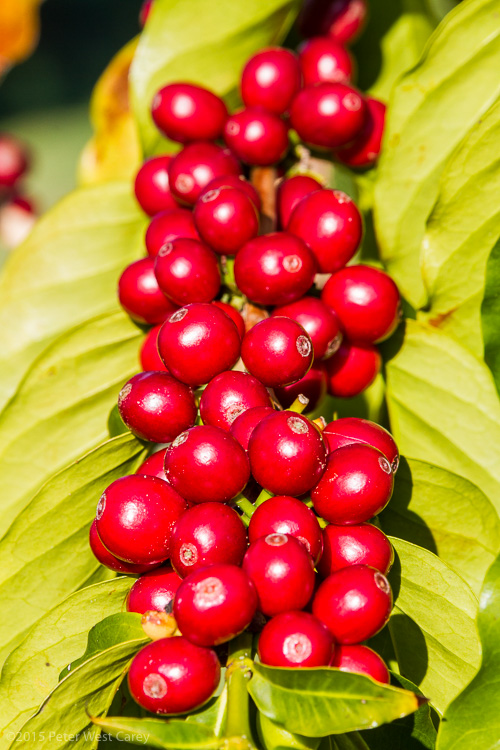
But color need not be a single instance amongst black and white. Simply having a splash of color in a fairly monotone scene helps move the viewer to your main subject.

Prayer Flags And Cho Oyu, Gokyo, Nepal, Asia

Prayer flags and Cho Oyu, Gokyo, Nepal, Asia

Plumeria flowers, outdoors

Plumeria flowers, outdoors

Coffee Cherries Sit Ripe For Picking In Hawaii, USA

Coffee cherries sit ripe for picking In Hawaii, USA

Contrast

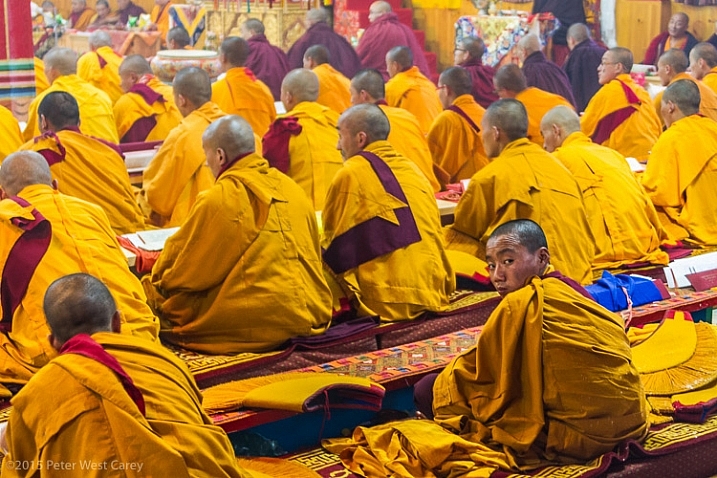
Something or someone going against the grain also brings focus and attention to that point.

PWC-Bhutan2013-0321-6240

Buddhist monks, Jakar, Bhutan

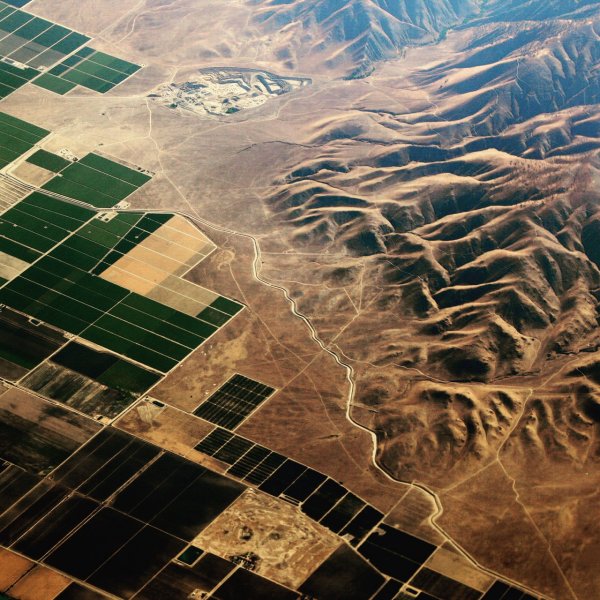
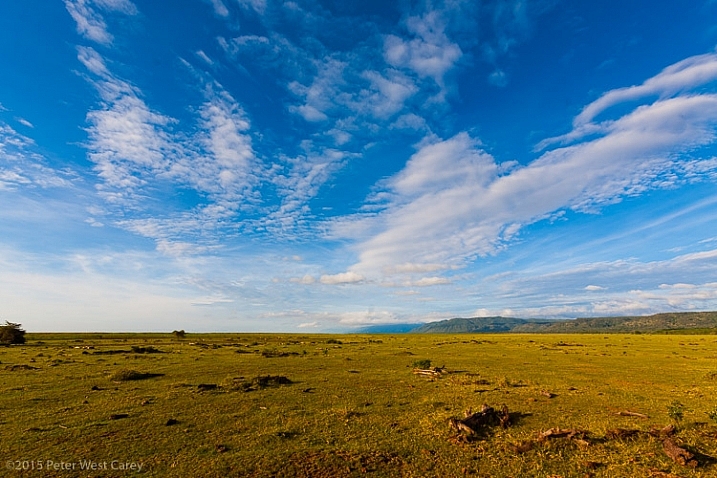
It can also be a contrast in colors or patterns.

High above California's Central Valley, USA

High above California’s Central Valley, USA

The wide open spaces of Serengeti National Park beckon, Tanzania, Africa

The wide open spaces of Serengeti National Park beckon, Tanzania, Africa

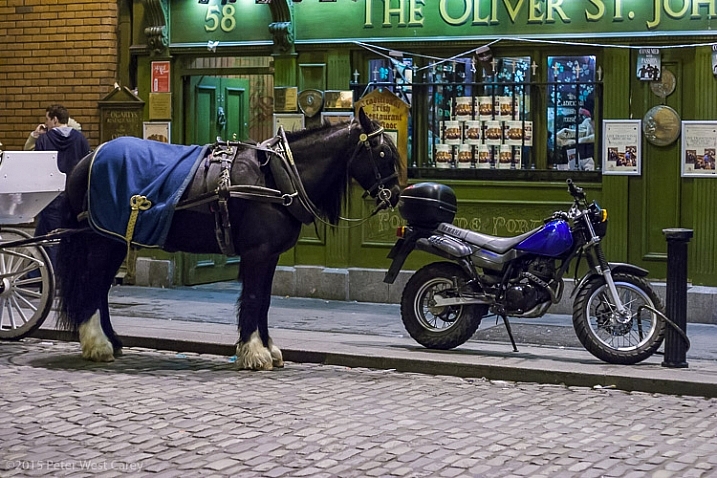
Or it can be a juxtaposition that is the contrast; old and new, youth and elders, fast and slow, etc…

PWC-040318-215251-9790

Old:New; Slow:Fast, Natural:Man-made – Dublin, Ireland

Eyes

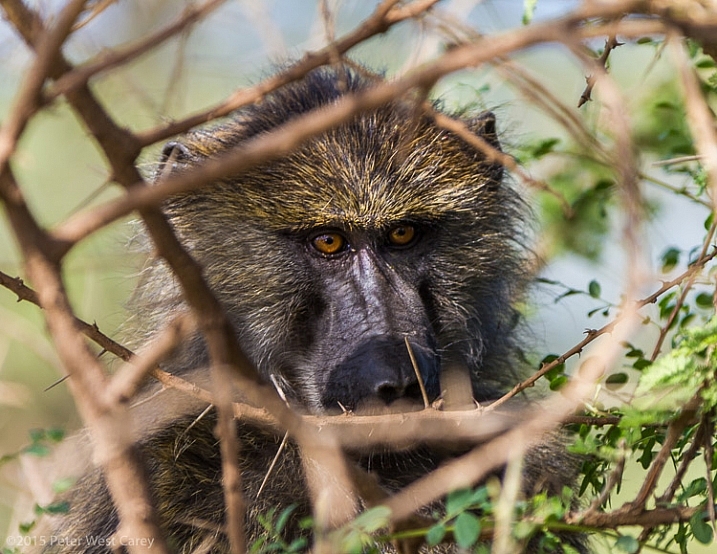
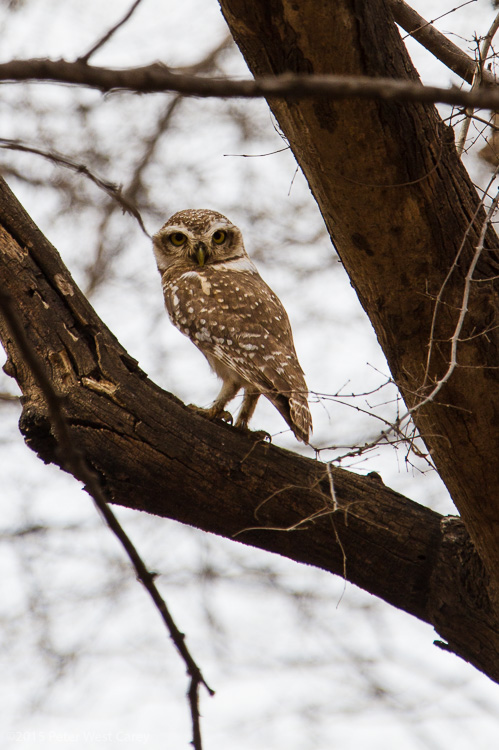
Eyes are an easy way to draw focus. So easy, it almost seems like cheating. We naturally connect with eyes, be they human or animal. We can look around a scene and find eyes faster than most objects.

Use that to your advantage!

Close-up of monkey - East Africa - Tanzania

A baboon in the thicket, Serengeti National Park, Tanzania

PWC-India2012-0418-7848

Pygmy owl, Ranthambhore National Park, India

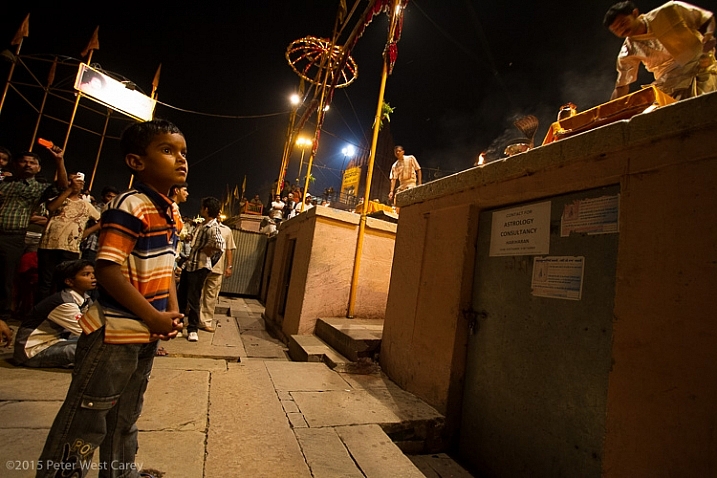
Eyes can also be used to point a way. I have often stated that we don’t like eyes looking off the edge of the photo because we want to know what the person is looking at. But eyes looking toward the middle of an image invite exploration.

PWC-India2012-0422-8911

Child watching Ganga Arti Celebration, Varanasi, India

Frozen Action

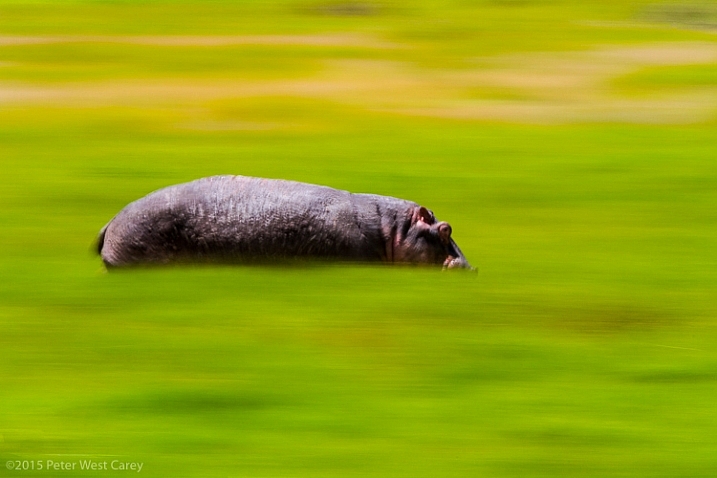
Panning blur is a simple technique to freeze action on your subject, while letting the rest of the image blur. This is a type of selective focus, when we get right down to it, but used in a unique way.

Hippos are amazingly fast animals, deceptively so. I had heard about this before heading to Africa in 2010, but once I witnessed just how fast they can run, and how mean they can be, I made sure my daughter and I were always close to, or in, a vehicle larger than a hippo when they were around. Ngorongoro Conservation Area, Tanzania.

Hippos are amazingly fast animals, deceptively so. I had heard about this before heading to Africa in 2010, but once I witnessed just how fast they can run, and how mean they can be, I made sure my daughter and I were always close to, or in, a vehicle larger than a hippo when they were around. Ngorongoro Conservation Area, Tanzania.

The technique not only leads viewers directly to the main subject as it is the only thing in focus, but also has them looking back where the subject came from, and asking why is there movement.

For more on this technique, check out: Mastering Panning – Photographing Moving Subjects.

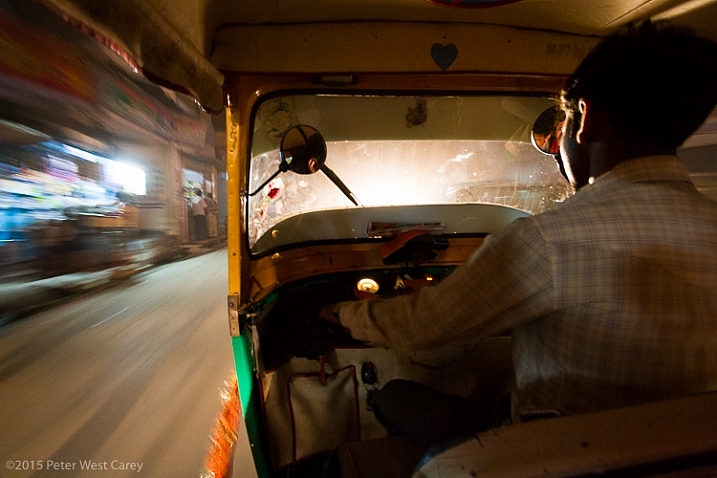
It can also be used when inside a moving object to emphasize speed, while also giving focus to the stationary objects of interest.

Speeding through the night streets of Varanasi, India

Speeding through the night streets of Varanasi, India

Going Into Your Photo

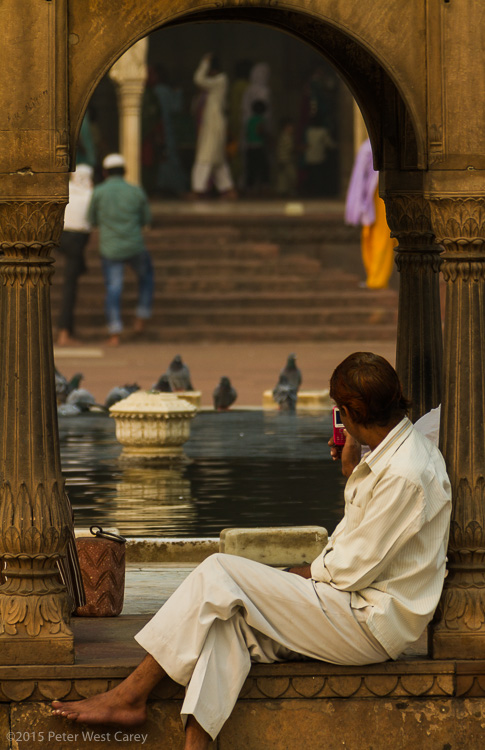
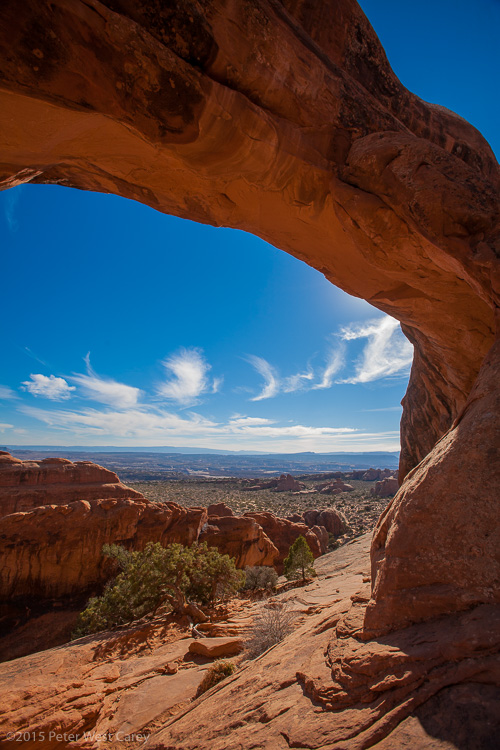
Arches, doorways, tunnels…these are all things that naturally make us want to go “into” a photo. We want to progress from the outside in. Craft your images by having more than one layer, in a three dimensional sense.

PWC-India2011-1031-9584

Taking photos at Masjid-i Jah?n-Num?, Delhi, India

Through The Arch

Arches National Park, Utah, USA

Conclusion

Postcard shots are certainly a fine use of a digital camera. They capture a whole scene and make things static. But if you want to move your viewers around your images and have them coming back for more, think about how you are composing your photos.

googletag.cmd.push(function() {
tablet_slots.push( googletag.defineSlot( “/1005424/_dPSv4_tab-all-article-bottom_(300×250)”, [300, 250], “pb-ad-78623” ).addService( googletag.pubads() ) ); } );

googletag.cmd.push(function() {
mobile_slots.push( googletag.defineSlot( “/1005424/_dPSv4_mob-all-article-bottom_(300×250)”, [300, 250], “pb-ad-78158” ).addService( googletag.pubads() ) ); } );

The post How To Lead Your Viewer’s Focus to the Subject by Peter West Carey appeared first on Digital Photography School.


Digital Photography School

 
Comments Off on How To Lead Your Viewer’s Focus to the Subject

Posted in Photography


A Collection of Pathway and Roadway Photos to Lead You

19 Jul

As I’ve been on the road for a couple weeks now I’ve seen more than a share of roads recently. So I thought I’d find some pathway and roadway photos to lead you on – hopefully to get out and do some of your own photography.

Enjoy the journey down these highways and byways!

Photograph The Pathway by Ian David Soar on 500px

The Pathway by Ian David Soar on 500px

Photograph bench in foggy autumn park by Sergiy Trofimov on 500px

bench in foggy autumn park by Sergiy Trofimov on 500px

Photograph Foggy Road by Casey McCallister on 500px

Foggy Road by Casey McCallister on 500px

Photograph The pathway by Jorge Maia on 500px

The pathway by Jorge Maia on 500px

Photograph Tuscan Farmhouses by Alberto Di Donato on 500px

Tuscan Farmhouses by Alberto Di Donato on 500px

Photograph Pathway by Derek Toye on 500px

Pathway by Derek Toye on 500px

Photograph foggy mountain forest and man by Sergiy Trofimov on 500px

foggy mountain forest and man by Sergiy Trofimov on 500px

Photograph Along the Way by Carlos Gotay on 500px

Along the Way by Carlos Gotay on 500px

Photograph Untitled by Ursula Rodgers on 500px

Untitled by Ursula Rodgers on 500px

Photograph Margam Abbey Ruins by Linda Bullock on 500px

Margam Abbey Ruins by Linda Bullock on 500px

Photograph Pathway to the light I by David Brand on 500px

Pathway to the light I by David Brand on 500px

Photograph Spring Awakening by Bernard Chen on 500px

Spring Awakening by Bernard Chen on 500px

Photograph Smoky BB by Kalevi Tamm on 500px

Smoky BB by Kalevi Tamm on 500px

Photograph Morning Glory by Stephen Emerson on 500px

Morning Glory by Stephen Emerson on 500px

Photograph In Motion by Bee Eye on 500px

In Motion by Bee Eye on 500px

Photograph Fortress of Solitude by LEE INHWAN on 500px

Fortress of Solitude by LEE INHWAN on 500px

Photograph Coliseum, past and future !  by Beboy Photographies on 500px

Coliseum, past and future ! by Beboy Photographies on 500px

Photograph The road by Vendenis . on 500px

The road by Vendenis . on 500px

Photograph The Cistern by Pawe? Uchorczak on 500px

The Cistern by Pawe? Uchorczak on 500px

Photograph Road to Home by Ethan Shox on 500px

Road to Home by Ethan Shox on 500px

Photograph Phare du Petit Minou by Stefan Cruysberghs on 500px

Phare du Petit Minou by Stefan Cruysberghs on 500px

Photograph Autumn Melancholy by Andreas Steegmann on 500px

Autumn Melancholy by Andreas Steegmann on 500px

Photograph One always wonders about roads not taken... by Sandeep Thomas on 500px

One always wonders about roads not taken… by Sandeep Thomas on 500px

Photograph Trollstigen by Jiri Paur on 500px

Trollstigen by Jiri Paur on 500px

Photograph Road Trip by Jake Olson Studios on 500px

Road Trip by Jake Olson Studios on 500px

Photograph Rainbow Bridge Experience by Loïc Lagarde on 500px

Rainbow Bridge Experience by Loïc Lagarde on 500px

Photograph roadway by Alexa Capricious on 500px

roadway by Alexa Capricious on 500px

Photograph Street Scene Stone Town - Zanzibar Africa by Gerry Legere on 500px

Street Scene Stone Town – Zanzibar Africa by Gerry Legere on 500px

Photograph La Ferrería by Ariasgonzalo . on 500px

La Ferrería by Ariasgonzalo . on 500px

Photograph Street Noir by András Sümegi on 500px

Street Noir by András Sümegi on 500px

Photograph Winding Road by Danny Seidman on 500px

Winding Road by Danny Seidman on 500px

The post A Collection of Pathway and Roadway Photos to Lead You by Darlene Hildebrandt appeared first on Digital Photography School.


Digital Photography School

 
Comments Off on A Collection of Pathway and Roadway Photos to Lead You

Posted in Photography


All Time Low – Time Bomb Guitar Cover (Lead & Rhythm)

26 Jan

Twitter: twitter.com f4f? Facebook: www.facebook.com Tumblr: outpokingpuppieswithsporks.tumblr.com f4f? Dailybooth: dailybooth.com f4f? Tabs: tabs.ultimate-guitar.com Sorry for the minor mistakes. I had to hurry it up cause the camera was low battery. The synchronization might be off in this video but I don’t think you would notice much of it. Well hope you enjoy 😀 I do not own this music it is the property of DGC Records, All Time Low and all the rightful owners. Camera: Nikon D90 Editing Software: Adobe Premiere Elements 4.0 Camtasia Studio Guitar: Epiphone Standard Les Paul Royale Amp: G-DEC Junior Copyright Disclaimer Under Section 107 of the Copyright Act 1976, allowance is made for “fair use” for purposes such as criticism, comment, news reporting, teaching, scholarship, and research. Fair use is a use permitted by copyright statute that might otherwise be infringing. Non-profit, educational or personal use tips the balance in favor of fair use.
Video Rating: 4 / 5