This article was written by Andrew S Gibson, the author of Understanding Lenses: Part II, and is part of a series of lessons about camera lenses. Links to the others are at the bottom of the article.

Buying a new lens is a bit like meeting new people. It takes time to get to know someone well, to gain an understanding of their character and outlook on life.
It’s the same with lenses. It takes time to understand the optical qualities of a new piece of glass. These include perspective, bokeh and focal length, all of which affect the look of the photo.
That’s why I spend a lot of time taking photos whenever I buy a new lens. They don’t have to be great images. The aim is to get a feel for how things look through the viewfinder with that particular lens. As my understanding of its optics improves, so do my photos.
Here are some suggestions for getting to know your lenses better. They apply to lenses you already own as well as new ones:
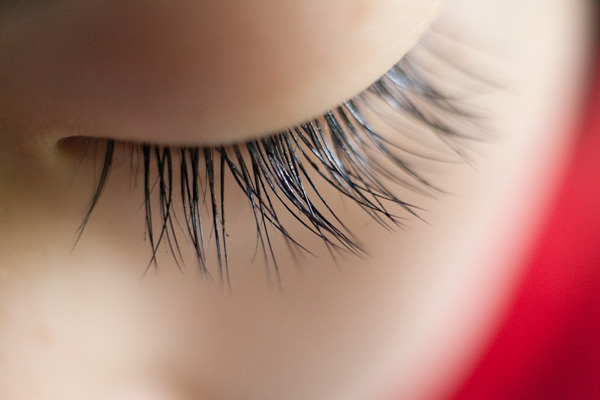
1. What is the minimum focusing distance of your lens? Get as close to your subject as you can and take some photos. Then move further away and repeat. How does the camera to subject distance affect the images?
If you have a close-up lens or extension tubes, try fitting them to the lens and see how close you can get now. How good is the lens for close-up photography?
2. Is your lens a zoom? If so, then it is possible that you skip from focal length to focal length as you shoot, never really getting to know any of the settings well.
Instead, lock your lens to a specific focal length and shooting with nothing but that for a while. Some lenses have a zoom lock, if not you can use masking tape to hold the zoom ring in place.
If the subject is too small in the frame, walk towards it (where possible), or further back if it is too large. This will teach you how the perspective of that focal length changes with distance.

3. Change the aperture. Aperture has a dramatic effect on the appearance of the photo. Try using the widest aperture of your lens to see how your photos look.
Repeat with smaller apertures (f5.6, f8, f11 etc). How does aperture affect the look of the photo? How is depth-of-field affected as you get closer to your subject? (hint: it gets smaller).
4. Shoot a variety of subjects, including ones that you may not immediately think of. If you have a wide-angle lens, take some portraits. How close to your sitter can you get before the distortion is too great?
If you have a telephoto lens, try taking some landscape photos. How does the ability to crop in on a small part of the landscape affect the way you take photos? What happens if you use the widest aperture setting of the lens? What does the background look like?

5. How does your position affect the perspective of the lens? What happens if you get down on the ground and shoot? Or up above your subject? Practise taking photos from different heights and angles to see the affect the changes have on your images.
6. How good is the autofocus performance of the lens? Some lenses have better autofocus motors than others. This affects autofocus performance, regardless of which camera you have.
If you take photos of moving subjects, it is a good idea to test your particular camera and lens combination in AI Servo mode so that you can get a feel for how accurately it tracks a moving subject.

Here are some photos taken with my most recent purchase, the Canon EF 40mm f2.8 STM pancake lens. They cover a variety of subjects, techniques and aperture settings (close-ups taken with an extension tube fitted).
Taking photos like this has helped me familiarise myself with the lens. I’m using it mainly for portraits, and the more I take more I understand how to get the best out of this particular focal length.

Here are some photos taken in China with my 85mm f1.8 lens. There are a variety of images taken at different focusing distances and aperture settings (I used an additional close-up lens for the close-up photos).
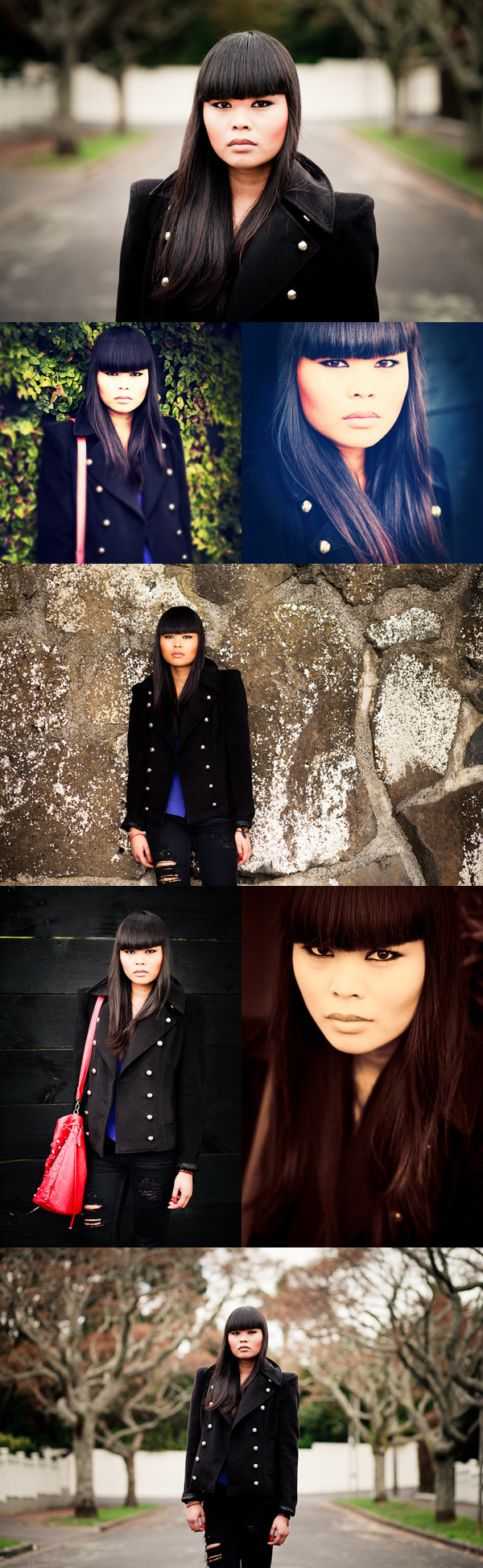
And here is a set of portraits taken with the same 85mm lens. The variety is created by varying the focusing distance, background, point of view, aperture and post-processing.
Previous articles
These are the previous articles in the series:
- Why your Kit Lens is Better than You Think
- 7 Ways to Get More Out of a Wide-angle Lens
- Why Lens Quality Doesn’t Matter Quite as Much as You Think it Does
- How to Prevent Lens Flare
- Nifty Fifties – Why I Love 50mm Prime Lenses
- How a Humble 85mm Lens Became my Favourite
Understanding Lenses: Part II
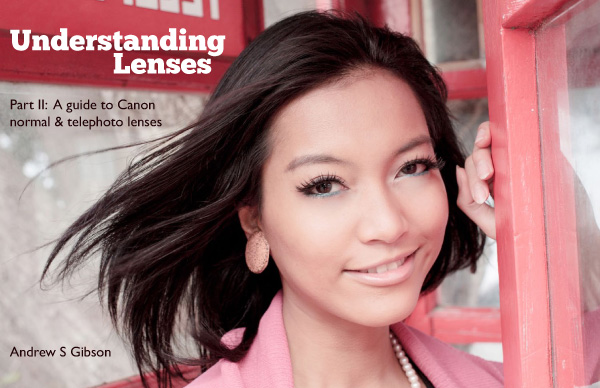
If you liked this article then take a look at my latest eBook, Understanding Lenses: Part II – A guide to Canon normal and telephoto lenses.
My next lesson in this series will explore ways of using aperture creatively to create dramatic images.
Post originally from: Digital Photography Tips.
Check out our more Photography Tips at Photography Tips for Beginners, Portrait Photography Tips and Wedding Photography Tips.
Getting to Know Your Lenses


Digital Photography School