![]() |
Articles: Digital Photography Review (dpreview.com)
![]() |
Articles: Digital Photography Review (dpreview.com)
If you have a camera and a long lens, then you’re halfway toward a Schlieren photography setup. YouTube channel Veritasium demonstrates the effect in the video above, essentially revealing gasses and airflow normally invisible to the human eye. All it takes is an optical-grade concave mirror, an LED, a camera on a tripod with a telephoto lens and a razor blade.
What the camera sees with everything aligned is actually the slight differences in the refractive index of whatever’s in front of the mirror. If you light a match in front of the mirror, light from the LED will change direction slightly differently as it passes through the warmer and cooler air around the flame.
We don’t normally perceive those differences, but this setup reveals them as lighter and darker spots to the camera. The same thing happens with, for example, butane escaping from a lighter. Light passes through it at a slightly different angle than the air around it, and the Schlieren rig captures those slight differences.
Suddenly, it’s possible to see the heat displaced when you rub your hands together, or worse, the stuff that flies everywhere when you sneeze. It’s pretty darn cool, especially when played in slow motion as in the video above.
Articles: Digital Photography Review (dpreview.com)
$ (document).ready(function() { SampleGalleryV2({“containerId”:”embeddedSampleGallery_6130176634″,”galleryId”:”6130176634″,”isEmbeddedWidget”:true,”standalone”:false,”selectedImageIndex”:0,”startInCommentsView”:false,”isMobile”:false}) });
There’s no denying it: Oregon is an incredibly beautiful place. So Portland resident Sam Forencich’s challenge isn’t finding amazing scenes to photograph – it’s finding a fresh way to do it. Experimenting with new approaches and different techniques led the veteran photojournalist and landscape photographer to infrared. He tells Resource Travel:
‘The exciting thing about infrared is that there is no standard for what it’s supposed to look like. This grants you a wide latitude to interpret the look, and there are many directions you can go in.’
And that’s how a time-lapse was born: his recent work, Invisible Oregon, was recorded entirely with converted infrared cameras. It brings an otherworldly and eerie quality to some of the state’s familiar scenery. Check out the video below and head to Resource Travel for a full interview with Forencich, which includes a discussion of his well-known image of Dennis Rodman, named by Sports Illustrated one of the 100 best photos of all time.
Read Resource Travel’s interview with
Sam Forencich
Articles: Digital Photography Review (dpreview.com)
[ By WebUrbanist in Art & Street Art & Graffiti. ]

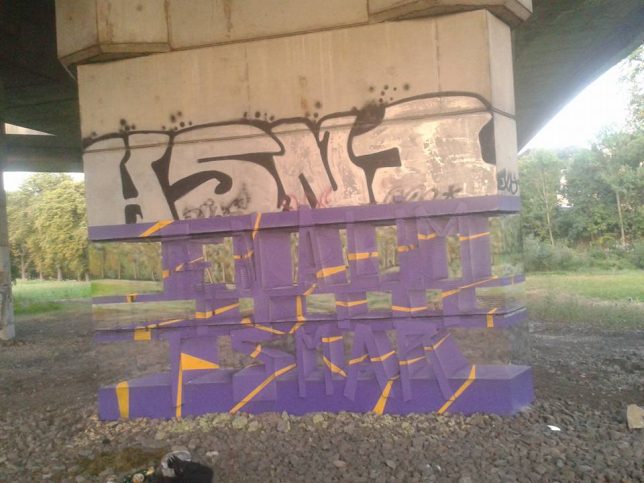
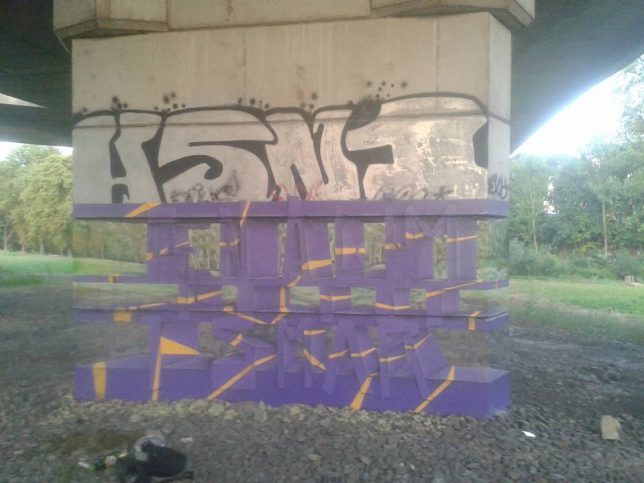
3D graffiti artist Milane Ramsi has combined two challenging types of urban art into a single installation, making a concrete pillar appear to vanish while producing three-dimensional lettering.

The installation wraps a concrete support post for a highway overpass in Karlovy Vary, a city in the Czech Republic. The work spells the artist’s name in reverse, appearing to pierce the pillar thanks to a combination of colors overlaid on a simulated background. The purple gives a general shape to the work while the yellow adds apparent depth and dimension.

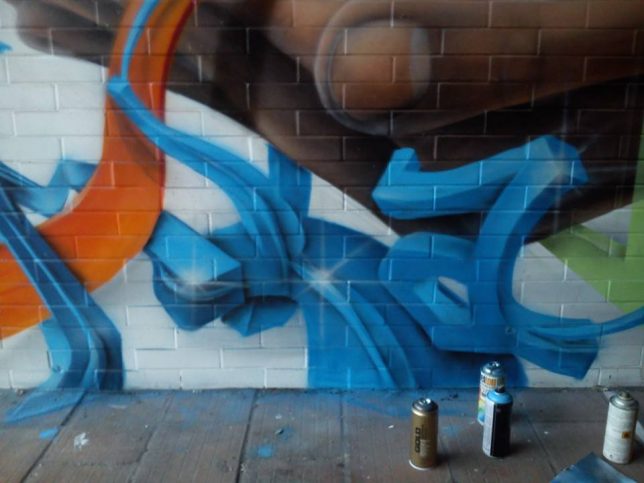
His other works range from tags to 3D-looking works that appear to pop off the wall, but this particular piece combines elements that span graffiti types and styles.

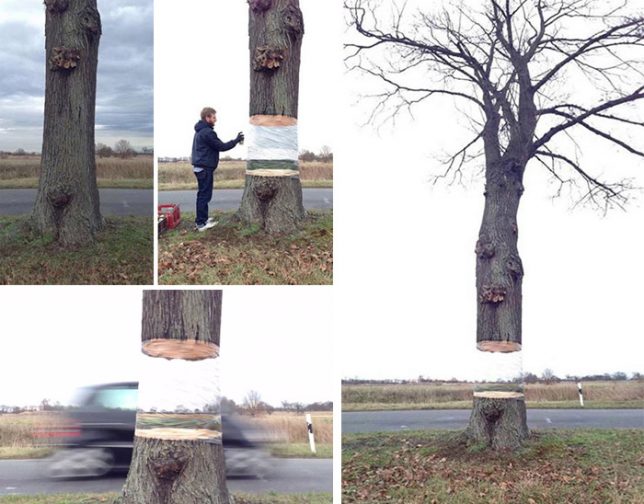
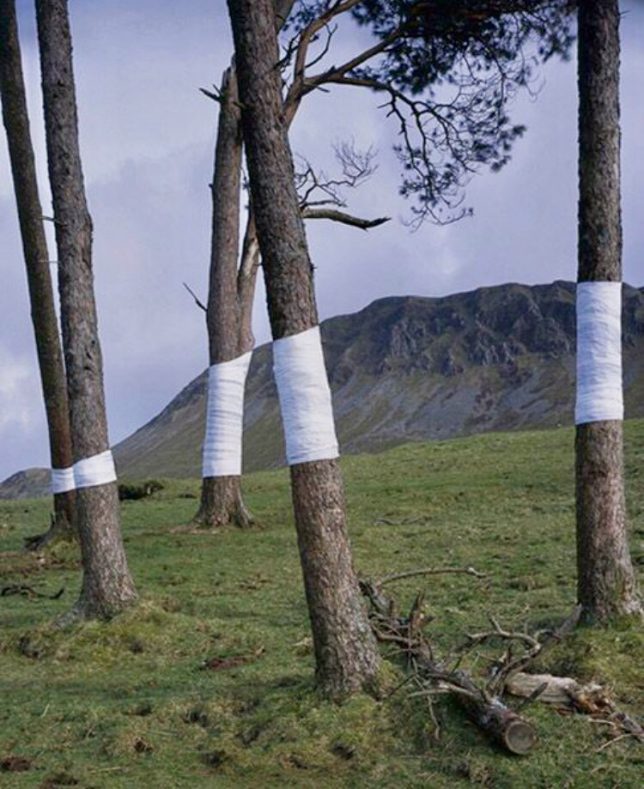
In invisibility aspect is reminiscent of another clever work of roadside art, a wrapped tree designed to look like it has been cut across the middle, leaving the top half portion of the trunk and branches to seemingly float on air. And below: Tree Line by photographer Zander Olsen.


[ By WebUrbanist in Art & Street Art & Graffiti. ]
[ WebUrbanist | Archives | Galleries | Privacy | TOS ]
[ By WebUrbanist in Art & Sculpture & Craft. ]

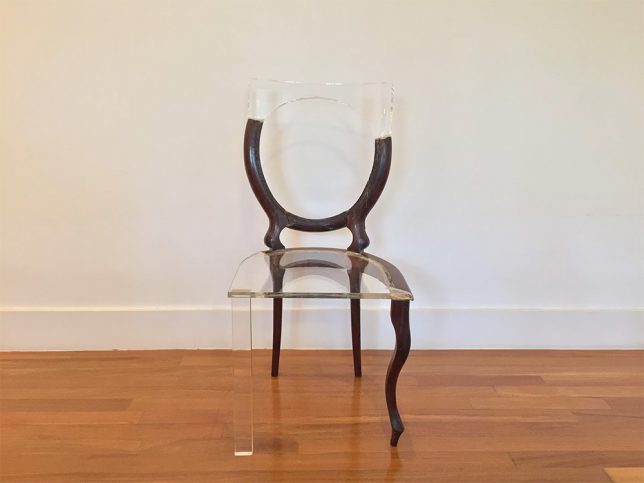
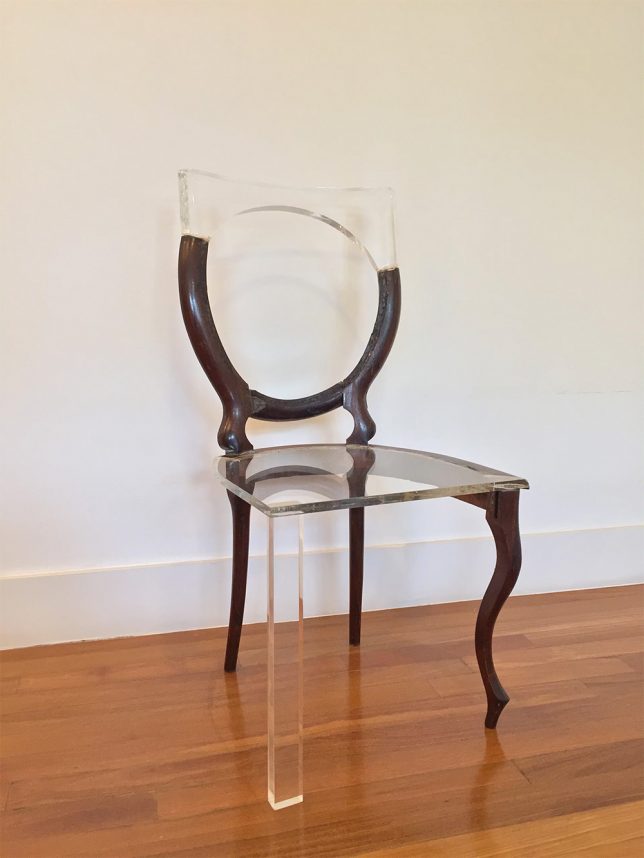
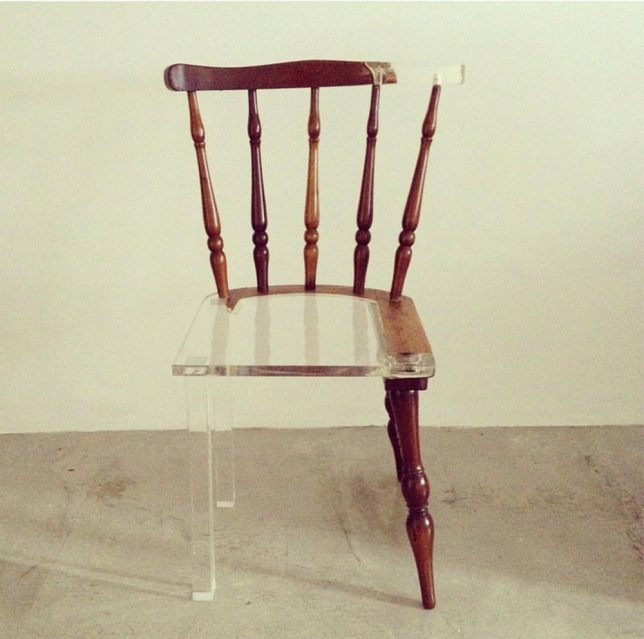
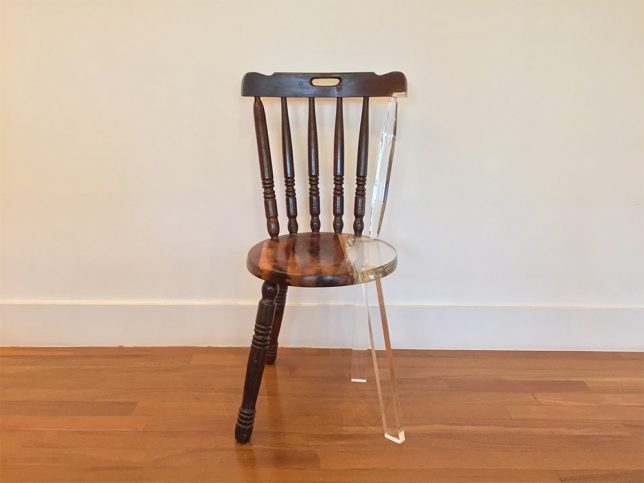
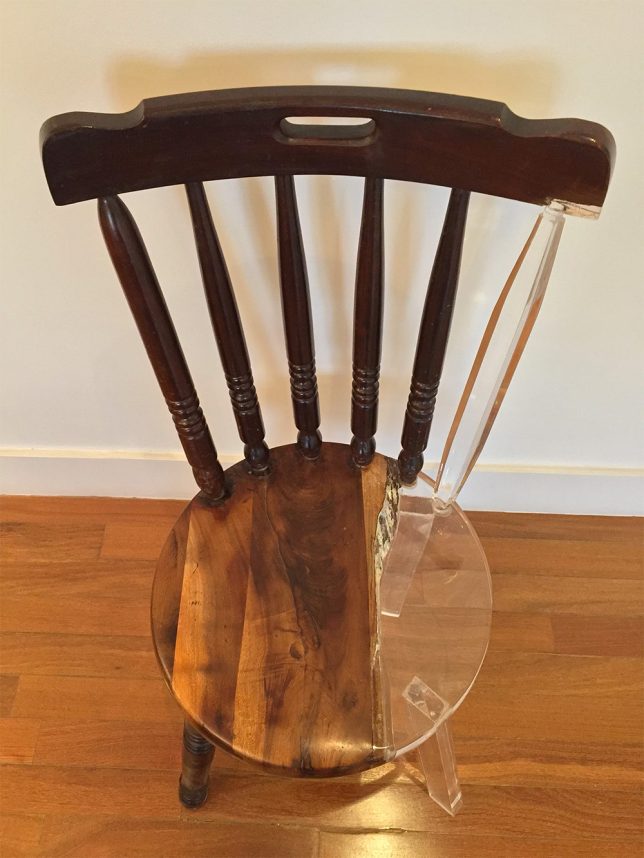
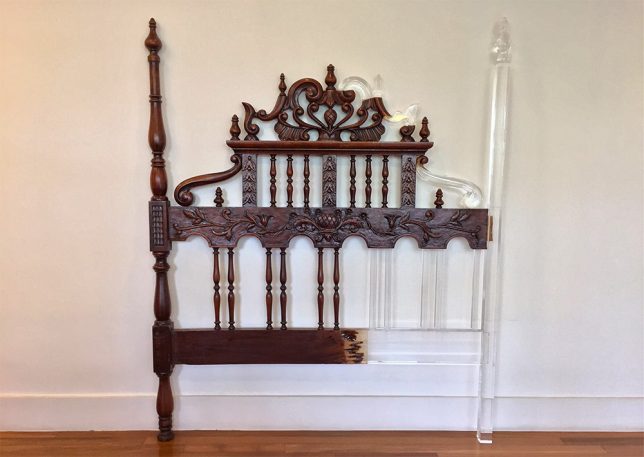
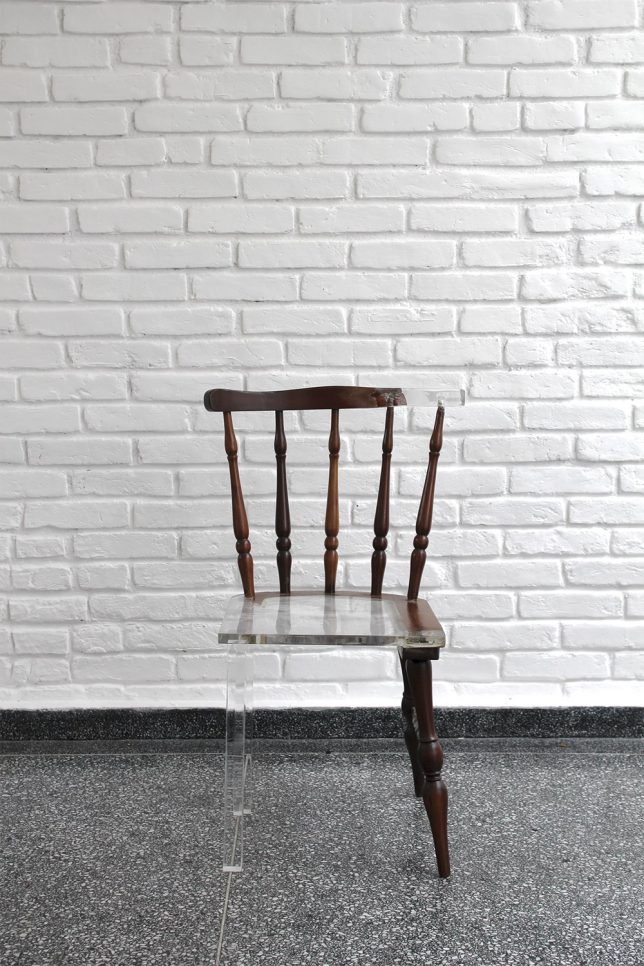
Wooden furniture remnants stand out clearly against their subtle replacement parts in this series of artistic chair and bed repairs. Translucent acrylic fills in the gaps of these pieces, parts of My New Old Chair and Dear Bed collections by artist Tatiane Freitas. Mirroring the construction methods used for the two materials, the missing lathe-spun wooden parts are replaced by simplified acrylic geometries.


The approach follows a certain vein of old-versus-new expressionism also found in fields of design and architecture — added elements are clearly distinguished from existing ones in order to make the time period differences legible at a glance.


As with repair-oriented designers, there is a functional component here as well: the old chairs are able to be useful again thanks to these careful interventions.


More about the artist: “In her day to day before graduating from Fashion school Tati Freitas was already looking into ways to create objects which could be both confortable and admired. Craft wood is her most common material, and that which gives her objects its forms, but she’s also been developing with more brute substances, like cement, and the sensible acrilic.”


[ By WebUrbanist in Art & Sculpture & Craft. ]
[ WebUrbanist | Archives | Galleries | Privacy | TOS ]
[ By WebUrbanist in Architecture & Houses & Residential. ]

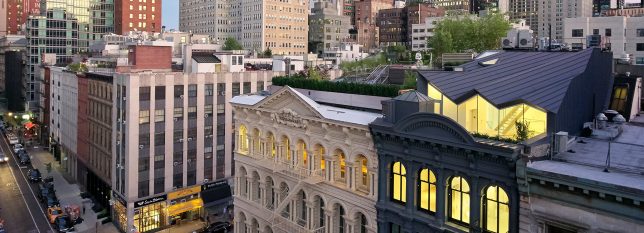
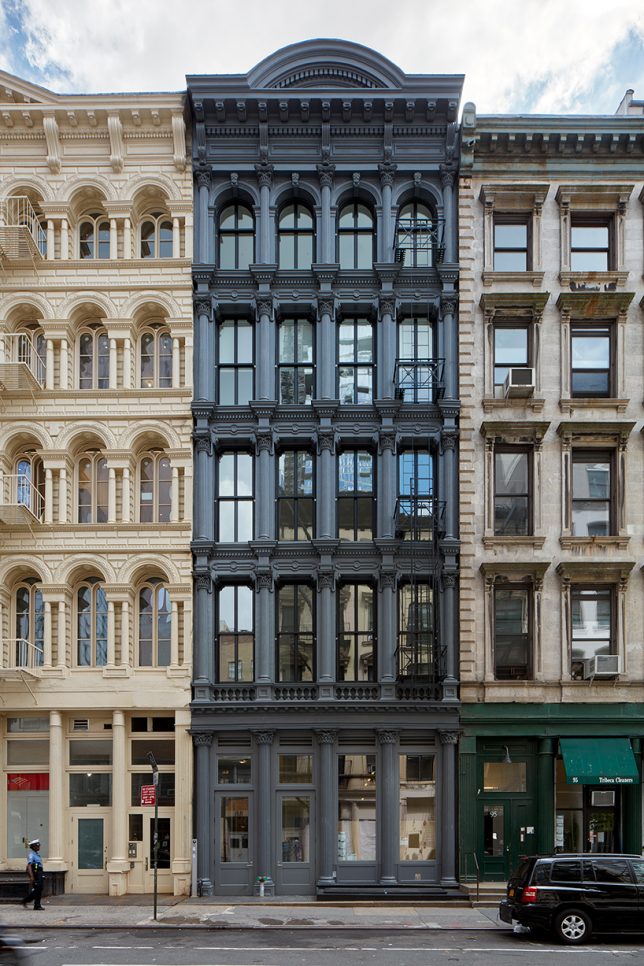
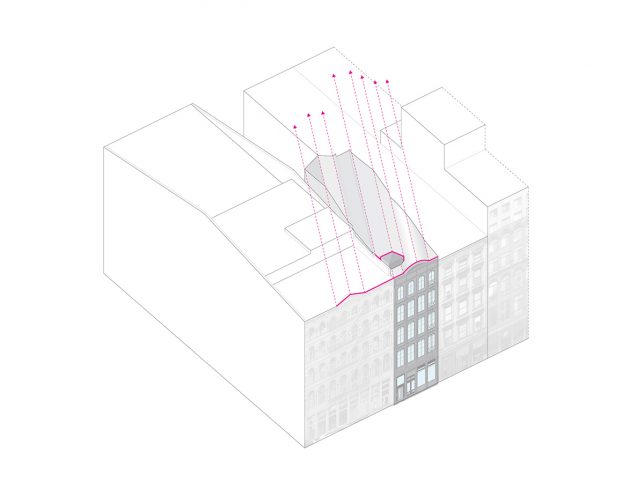
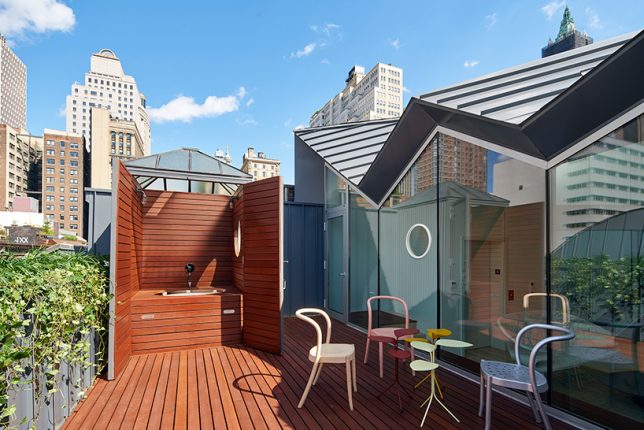
Unseen above the restored cast-iron facade of this 1857 residential structure in Tribeca, a stunning modern loft extends the building’s livable space, its form responding directly to lines of sight.


Designed by WORKac and known as the Stealth Building, the addition had to work with the existing facade — to preserve its appearance, rendering it invisible became the obvious approach.


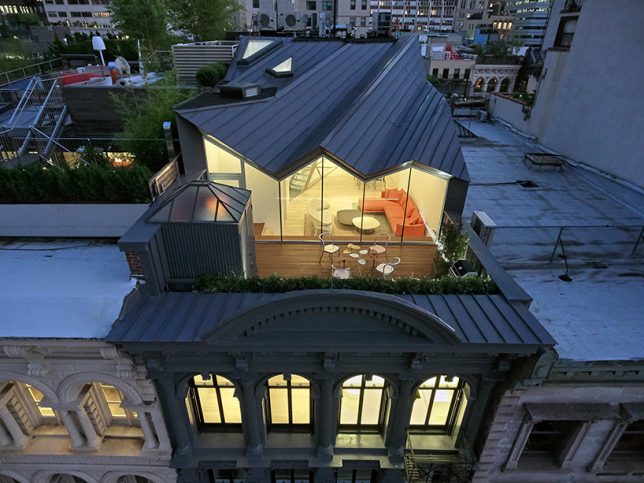
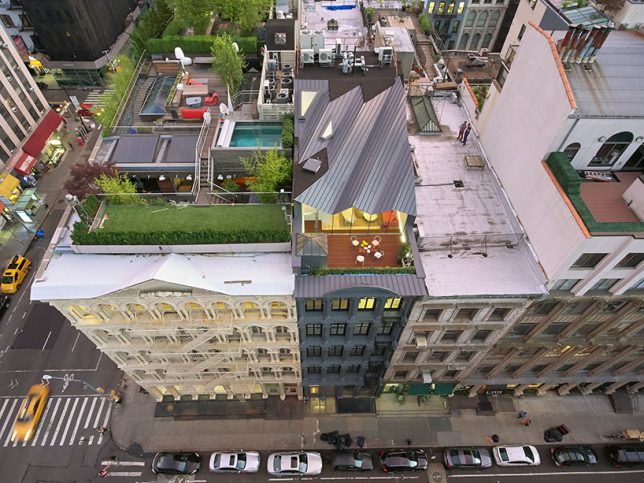
In order to accomplish this clever act of concealment, all angles of view and shadows cast had to be accounted for. In turn, these informed the shape of the angular extension. Tracing lines of visibility across facade features of adjacent buildings, the designers derived a roof line that would work with the project goals.


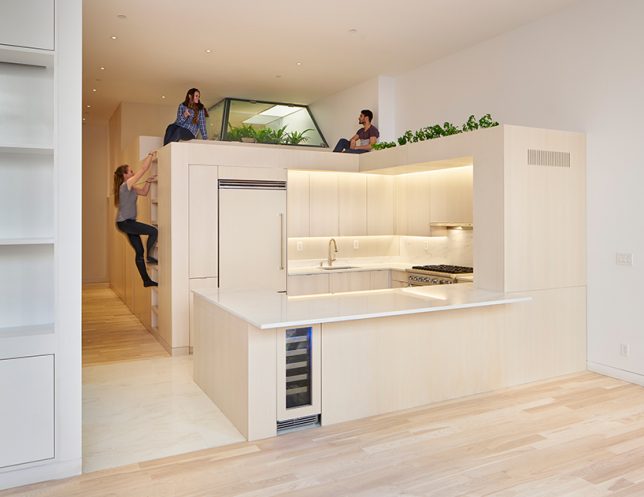
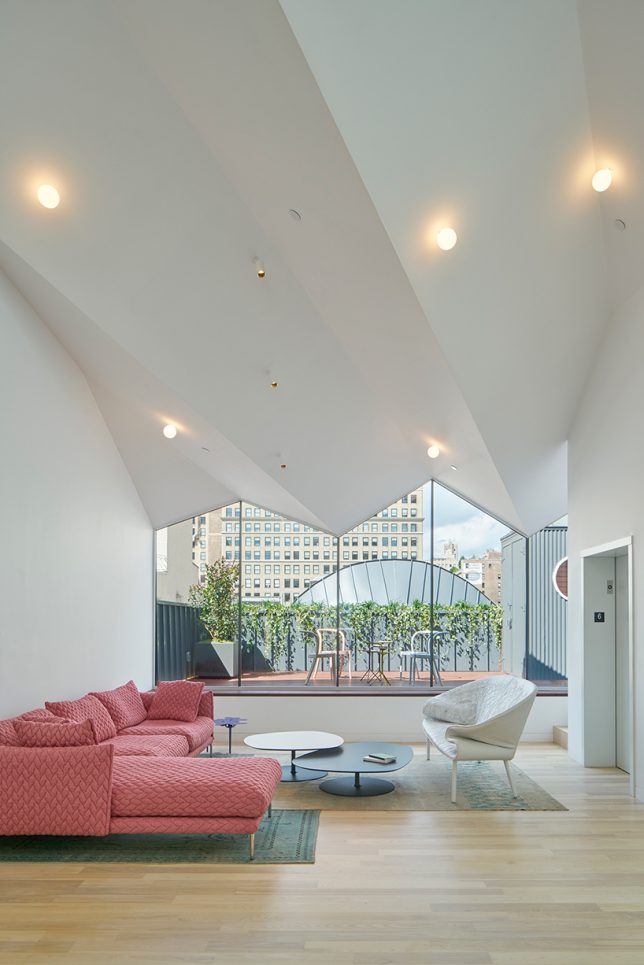
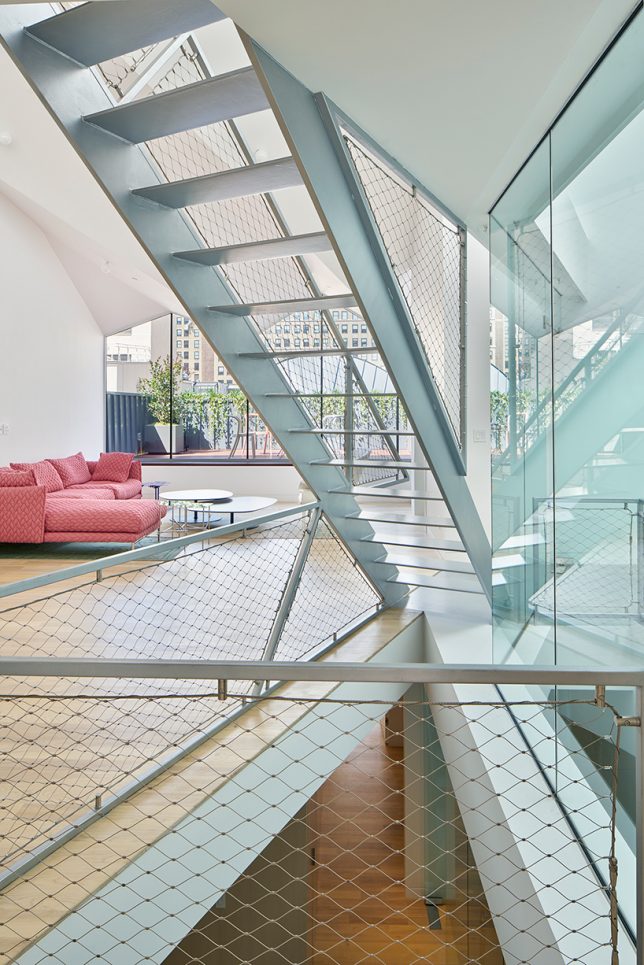
All of this naturally shaped the interior spaces as well, creating dramatic diagonal lines that carry through the various rooms.


The fifth-floor pop-up features sleeping quarters, entertaining and dining spaces, as well as a secluded terrace tucked behind the pediment to provide privacy for residents. The former elevator bulkhead has been converted to contain a hut tub servicing the deck as well.


[ By WebUrbanist in Architecture & Houses & Residential. ]
[ WebUrbanist | Archives | Galleries | Privacy | TOS ]
[ By SA Rogers in Gadgets & Geekery & Technology. ]
We don’t have to wait for a dystopian future in which our faces are scanned as we walk down the sidewalk and our every movement is logged – we willingly carry personally identifiable tracking devices in our pockets everywhere we go, and cameras are everywhere. What’s the average law-abiding citizen concerned with privacy to do, let alone activists and protesters seeking to exercise their constitutional rights? These wearable counter-surveillance designs, including drone-evading cloaks, signal-blocking phone cases and fingerprint spoofers aim to provide us with privacy-preserving tools in the age of Big Brother.


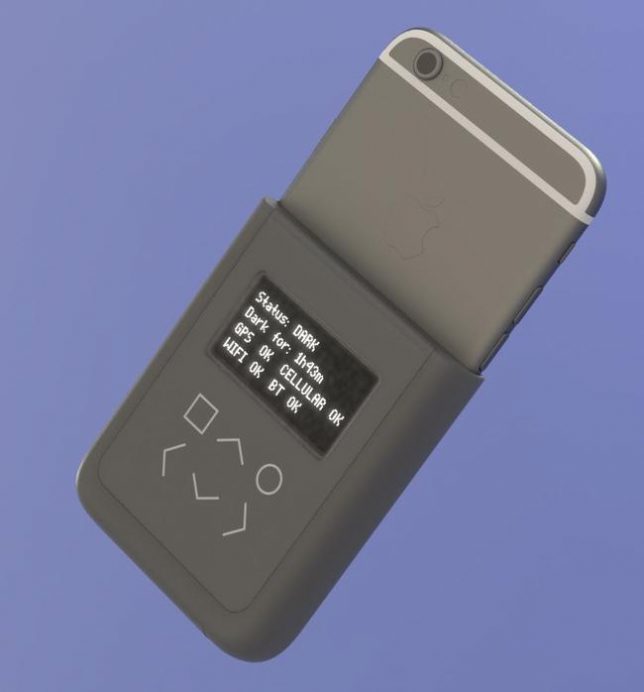
Designed by the infamous whistleblower Edward Snowden himself, who knows a thing or two about the NSA, this modified iPhone 6 case features a screen that monitors when an iPhone is transmitting, covers the rear camera and triggers alerts when the phone is transiting data via radio signals that can make a user detectable.
“If you have a phone in your pocket that’s turned on, a long-lived record of your movements has been created,” Snowden explained while presenting the case at MIT’s Media Lab via video connection from Russia. “As a result of the way the cell network functions your device is constantly shouting into the air by means of radio signals a unique identity that validates you to the phone company. And this unique identity is not only saved by that phone company, but it can also be observed as it travels over the air by independent, even more dangerous third parties.”
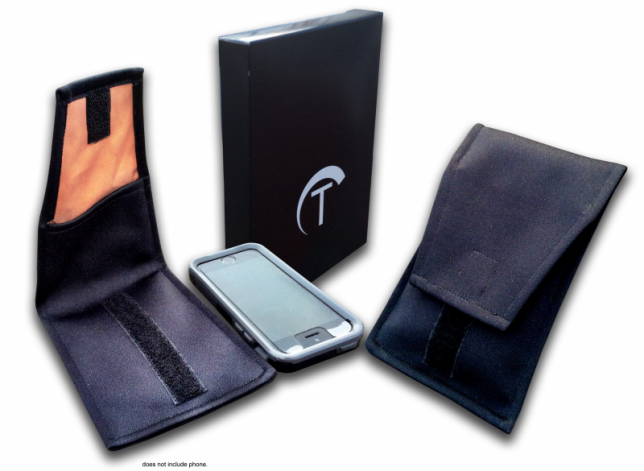
A lower tech option with similar albeit less robust features, called the Tunnel case, provides similar benefits and is available now, unlike Snowden’s concept. It’s a signal-jamming copper-lined sleeve that blocks all electromagnetic frequencies within ten seconds, making you untraceable.


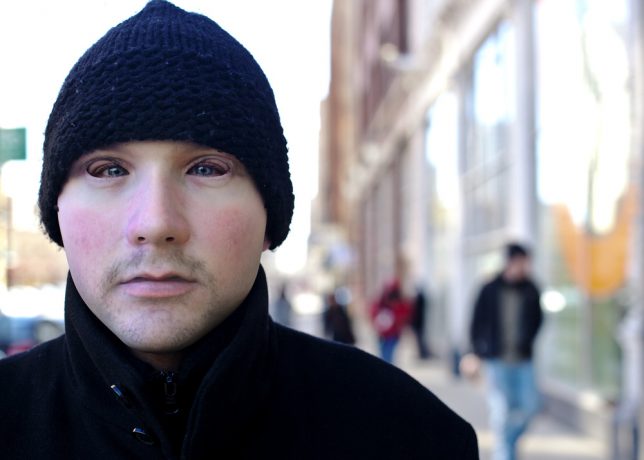
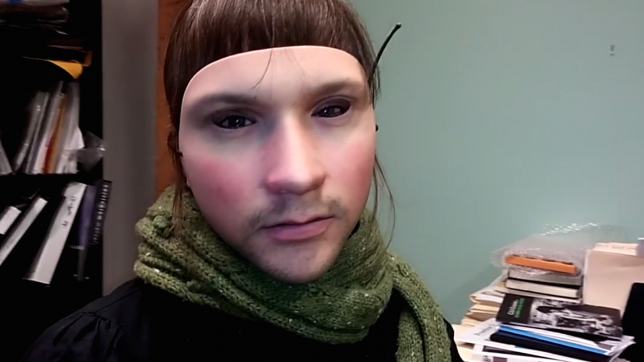
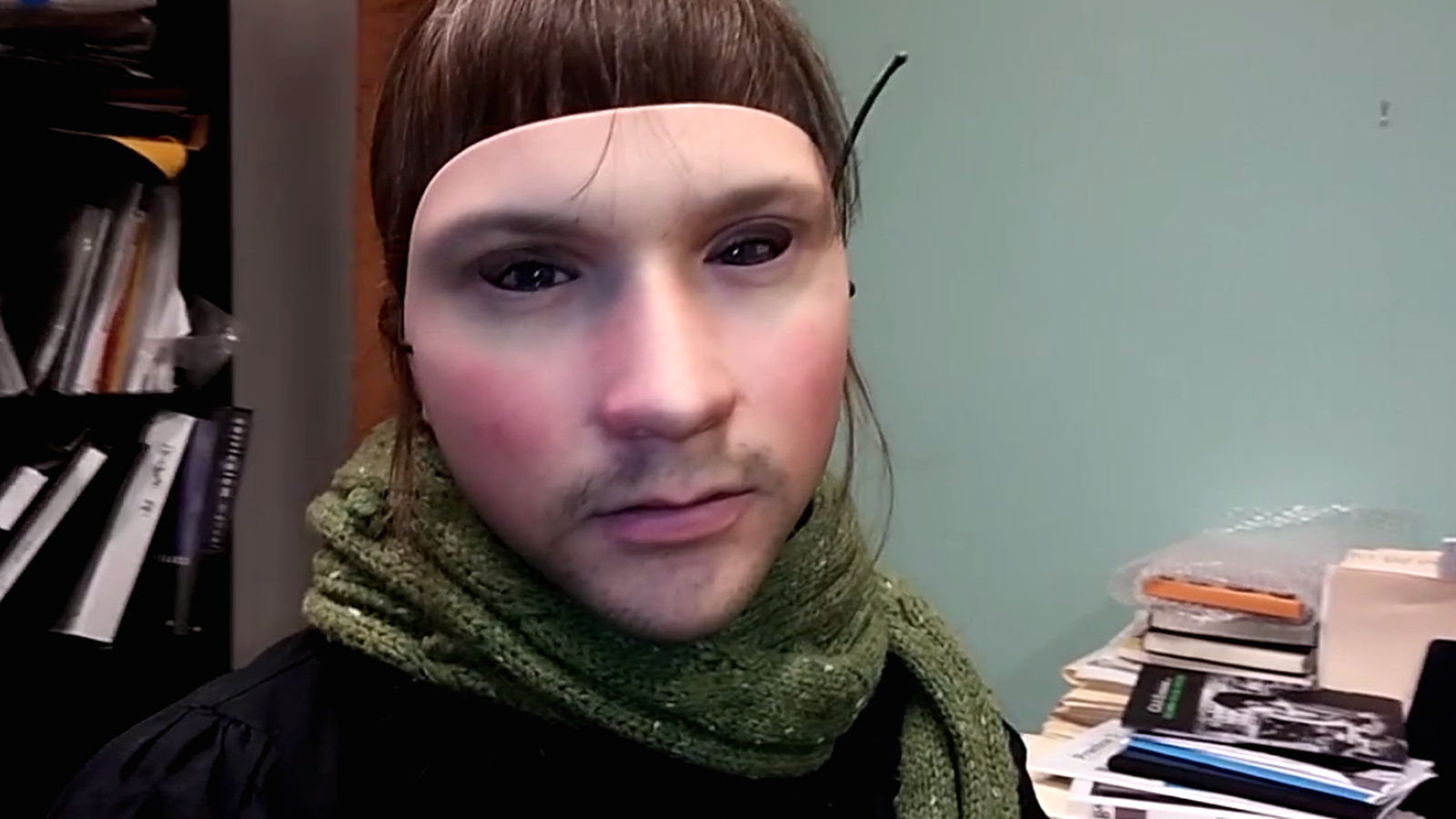
There’s no denying that this 3D-printed resin prosthetic mask is creepy looking – especially the way the wearer’s eyes tend not to line up correctly with the eye holes. But wearing another man’s face can help you slip past biometric scanners without revealing your true identity. Artist Leo Selvaggio has lent us all the use of his visage so facial detection software identifies the wearer as him. The mask is also available in a budget-friendly, printable paper version.
“Our world is becoming increasingly surveilled,” reads the URME website offering the mask. “For example, Chicago has over 25,000 cameras networked to a single facial recognition hub. We don’t believe you should be tracked just because you want to walk outside and you shouldn’t have to hide either. Instead, use one of our products to present an alternative identity when in public.”

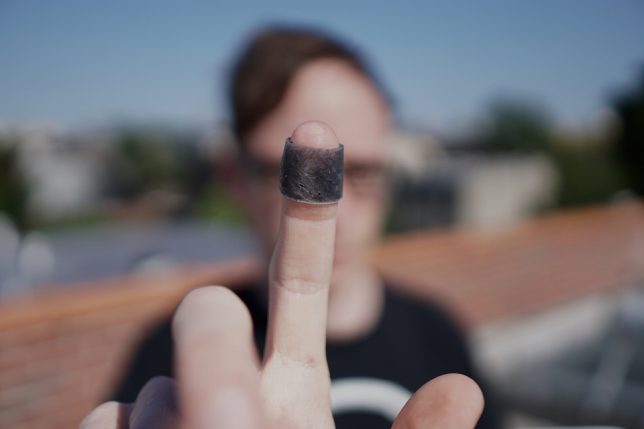
The IDENTITY kit by Mian Wei is a ‘fingerprint substitute’ you apply to the tips of your fingers like band-aids. Since fingerprints are biological identifiers that we can’t change, they can be used against us, and the rise of consumer devices requiring a fingerprint passcode can put this crucial piece of identity verification at risk. The black prosthetics are made of a mixture of conductive silicone and fibers so you can assign ‘false fingerprints’ to your iPhone and other devices, and so your ‘fingerprint’ can’t be molded and used as a key to your life.


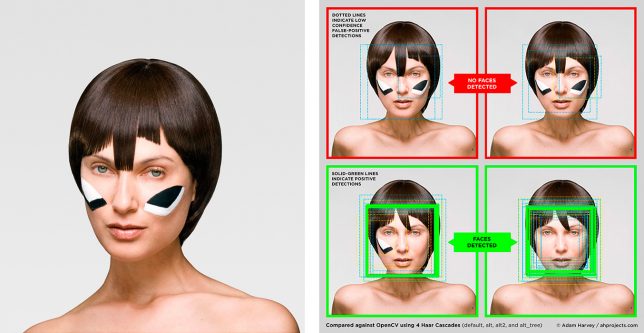
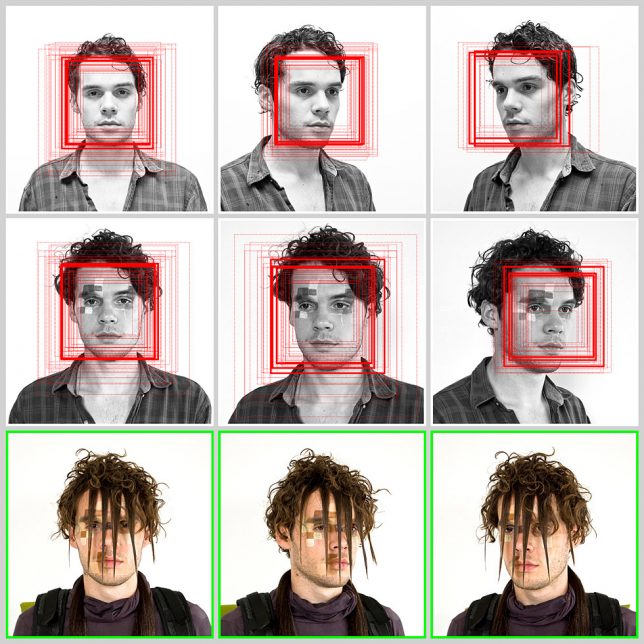
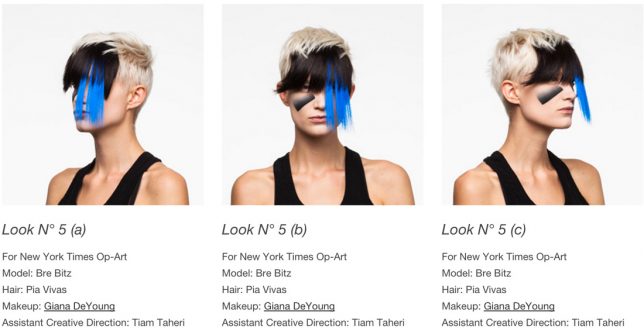
For now, facial detection software still isn’t quite advanced enough to recognize human faces that significantly depart from the usual symmetric arrangement of features. That’s where the ‘anti-face’ comes in, a way of altering your appearance via hairstyles and cosmetics to fool computers into thinking they’re looking at something other than a face. The CVDazzle project explores this idea with a series of six style tips for reclaiming privacy, explaining how to foil detection via makeup, obscuring the nose bridge and eyes as well as the elliptical shape of your face, modifying contrast and avoiding symmetry.


[ By SA Rogers in Gadgets & Geekery & Technology. ]
[ WebUrbanist | Archives | Galleries | Privacy | TOS ]
[ By WebUrbanist in Design & Products & Packaging. ]
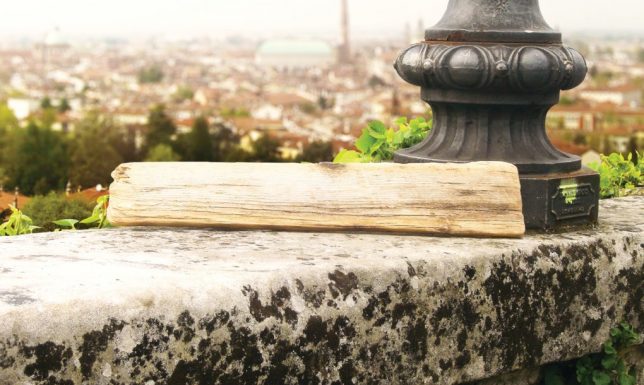
Overcoming the awkward aesthetic factor typically faced by home solar technology, these disguised panels look like ordinary building materials you would expect to spot along the sides, steps or roof of a house.

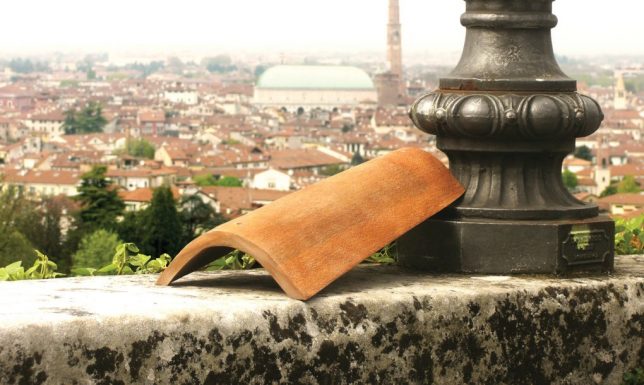
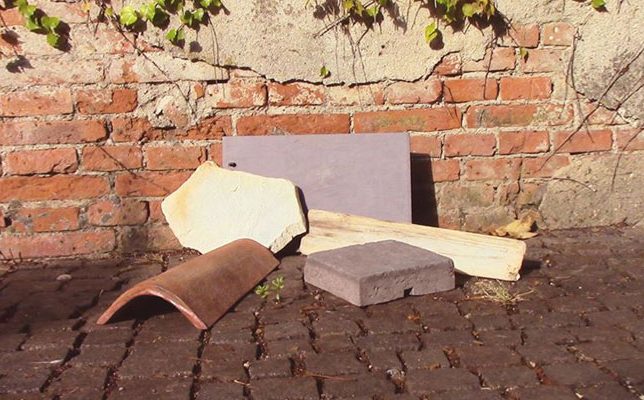
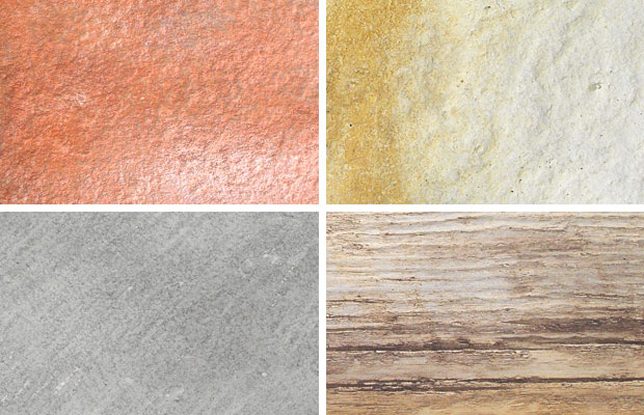
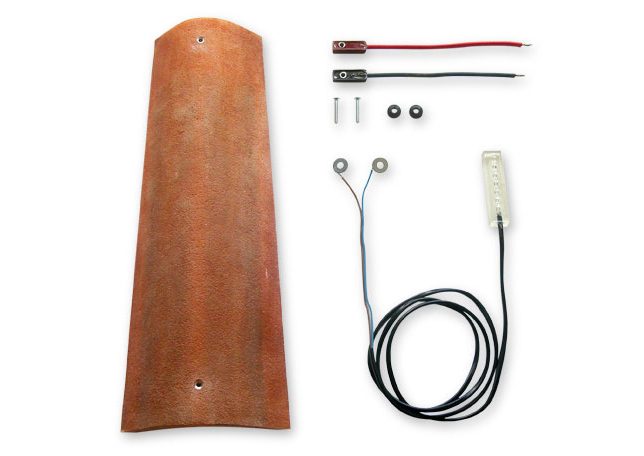
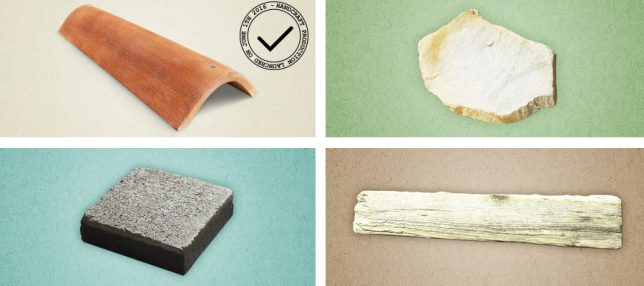
Dyaqua, an Italian company, has developed their Invisible Solar series to look like concrete bricks, slate shingles and wooden boards, allowing them to blend into ordinary built environments. A thin top layer mimics desired materials while allowing the sun’s rays through to the photovoltaic cells beneath.

From the company: “The Invisible Solar modules are composed of a non-toxic and recyclable polymeric compound, within which are incorporated the monocrystalline silicon cells. A special surface, opaque at the sight and transparent to the sun rays, covers the cells by hiding them without prevent their operation.”

Instead of adding semi-reflective, black-and-grey accents to a traditional wood or masonry structure, these fixtures are designed to fit any abode, historic or modern. The company has begun production with the Rooftile, which resembles a typical reddish-brown terracotta shingle.


From there, they aim to create blocks and boards that can be used on walls (cladding) or walkways (pavement) sure to please even the toughest community design standards boards. They are also built for strength and durability, able to “withstand high static load, tolerates chemical solvents and atmospheric agents.”


[ By WebUrbanist in Design & Products & Packaging. ]
[ WebUrbanist | Archives | Galleries | Privacy | TOS ]
[ By WebUrbanist in Art & Street Art & Graffiti. ]
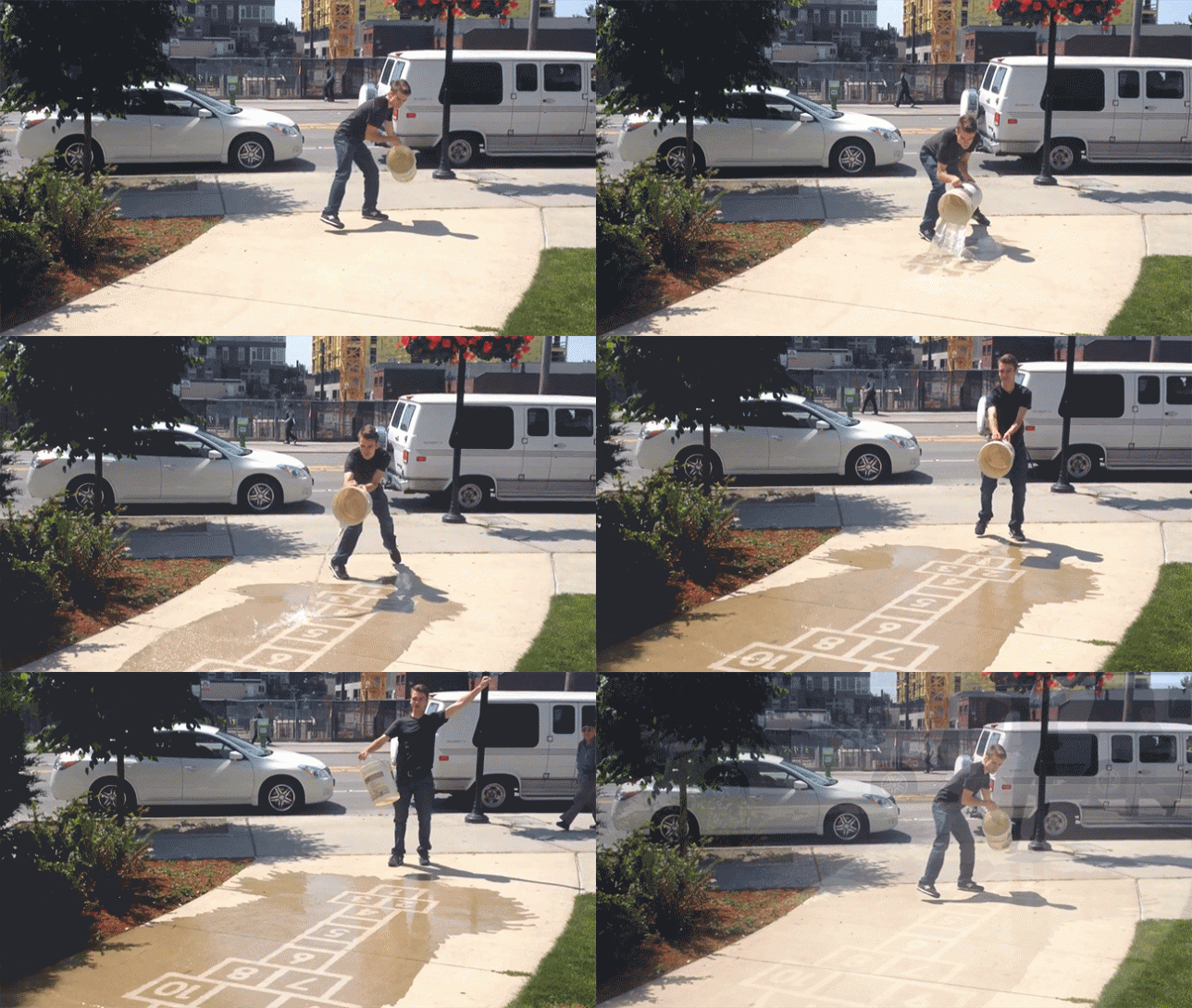
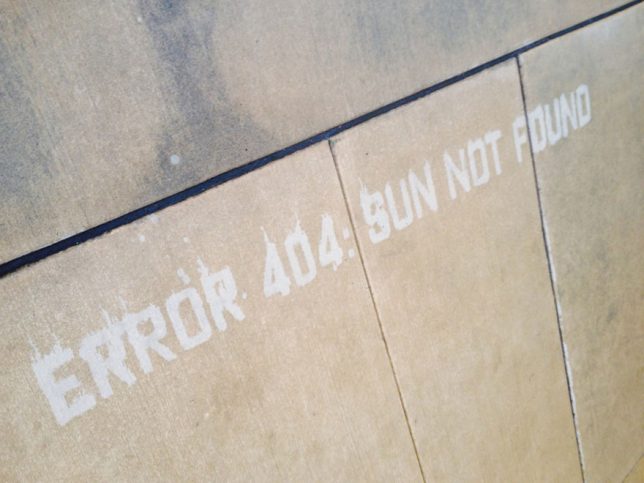
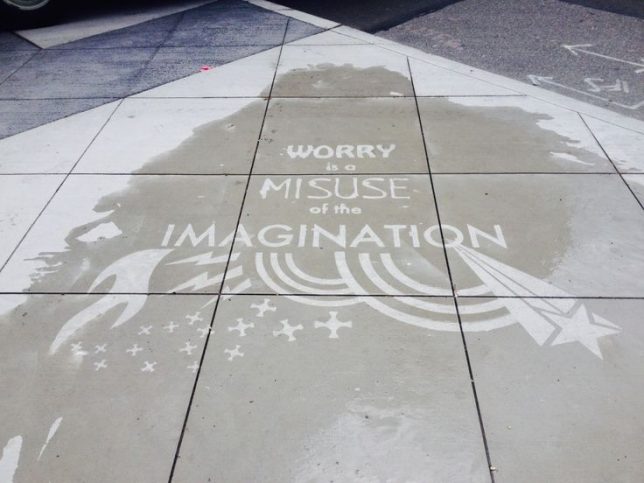
When the hydrophobic NeverWet spray came out, it promised to waterproof everything, but users found they had mixed results in applying it to things like clothing and touchscreens – it discolored shoes and left films on devices. Then someone thought to create a stencil and tag sidewalks with the stuff, and a new type of visible-when-wet graffiti was born.

Since an initial round of stencils came out in Boston, others have gotten even more creative with the stuff, creating hopscotch boards and other water-activated drawings.
Recently, a series of works inspired by the popularity of the augmented reality game Pokémon GO have allowed people to throw gameplay-inspired water balloons to reveal characters on sidewalks.

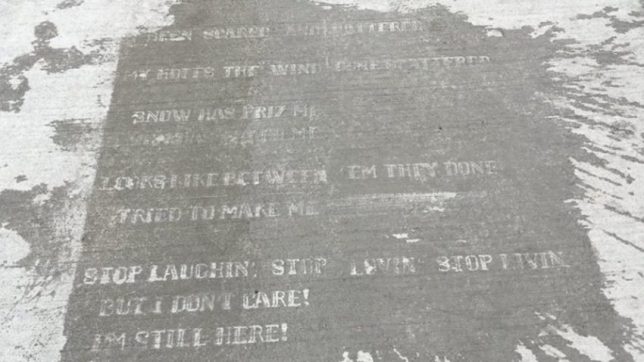
Rainworks in Seattle has created an array of humorous messages and interactive games that only show up when the city’s famous fog turns into a downpour. Others have made poems and short stories spelled out light-on-dark against drenched backdrops.

Of course, the potential applications are endless – businesses could use the same strategies to offer rain-specific happy hours or other discounts to passers by, signs that only show up when wet. Graffiti artists could add new secret layers to their murals that also only appear in the rain. Fun in the sun is great, but this approach encourages people to get out on cloudy days … then rewards them for their efforts.


[ By WebUrbanist in Art & Street Art & Graffiti. ]
[ WebUrbanist | Archives | Galleries | Privacy | TOS ]
[ By SA Rogers in Art & Street Art & Graffiti. ]

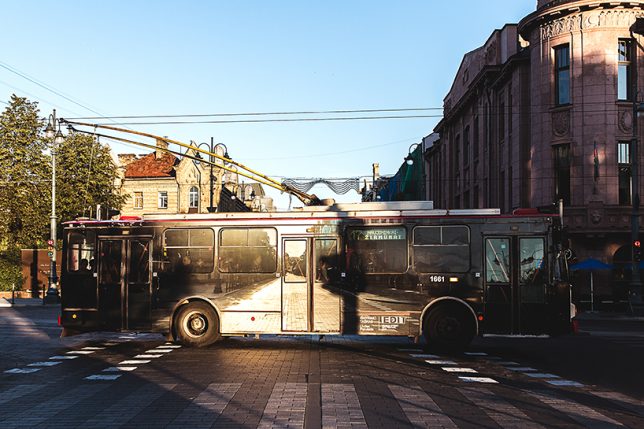
The streets of Vilnius, Lithuania are full of ghost buses that blend right into their surroundings while passing through intersections as if only existing in translucent ethereal form. Matching up to the scenery beyond when glimpsed at just the right moment, the buses are momentarily camouflaged thanks to photorealistic printed imagery mounted to their exteriors for this summer’s Vilnius Street Art Festival.

Illusion
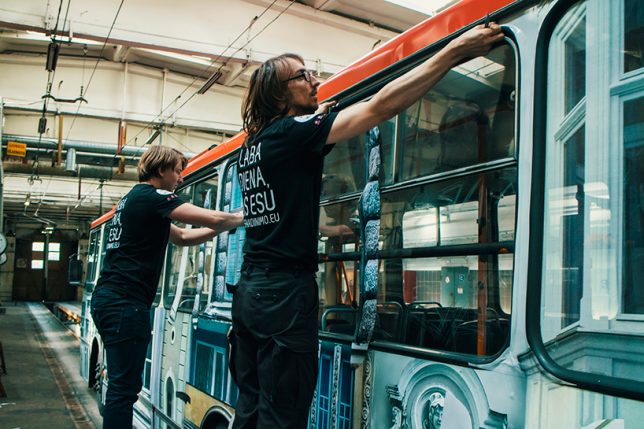
Lithuanian artist Liudas Parulskis collaborated with Studio Vieta to print full-scale scenes from the city onto public trolleybuses, a charmingly retro mode of transportation that has remained popular here despite being replaced by newer transit systems in many modern metropolises. ‘Vanishing Trolleybus’ is a temporary installation encouraging pedestrians to try to catch a glimpse or a photo of the effect in action at just the right ‘vanishing point.’

Jau vaziuoja! #vilnius #vilniusstreetart #vsaf #vilniusstreets
Camouflage ? #vilniusstreetart @vilniusstreetartfestival Pusdienis planavimo, žadintuvas 5 valand? ryto, skambutis ? troleibus? parko dispe?erin?, netik?tas sve?ias, valanda laukimo ir dvi valandos retušavimo. Manau, kad visai pavyko ? Credits: Netik?tas pagalbininkas – @sveikutiss Id?ja ir ?kv?pimas – @michaelste
One bus appears to be covered in imagery depicting traditional local architecture, while others capture specific street scenes around the city. Parulskis added a wolf running across an intersection to one of the buses, winking at the unofficial mascot of the city.


[ By SA Rogers in Art & Street Art & Graffiti. ]
[ WebUrbanist | Archives | Galleries | Privacy | TOS ]

You must be logged in to post a comment.