RSS
 

Posts Tagged ‘iconic’

Video: The story behind Albert Watson’s iconic Steve Jobs portrait

31 Oct

Albert Watson is one of the best, and best-known portraitists in the world, and in this video by Profoto he tells the story behind one of his most iconic shots: THE portrait of Apple co-founder Steve Jobs.

It’s a photo that you have no doubt seen—be it on the Apple homepage the day Jobs passed, or on the cover of Walter Isaacson’s biography of the tech giant—but the story behind it takes just 2 minutes to tell. Watson explains how he instantly earned Jobs’ cooperation, how he got Jobs to look into the camera with his trademark intensity, and how the portrait came to adorn the Apple website on the day Jobs passed away.

Hear the story from Watson himself in the video above.

Articles: Digital Photography Review (dpreview.com)

 
Comments Off on Video: The story behind Albert Watson’s iconic Steve Jobs portrait

Posted in Uncategorized


Netflix acquires rights to Kodachrome: a movie about the final days of the iconic film

16 Sep
Photo courtesy Toronto International Film Festival (TIFF)

Netflix has acquired the rights to Kodachrome, an upcoming Jason Sudeikis movie about the last days of the Kodachrome film era. The news was first reported by Deadline, who is claiming that Netflix paid $ 4 million for the rights and plans a widespread theatrical release that could cover theaters in major regions around the world—including the US, UK, Canada, and Japan.

Kodachrome the movie revolves around a father and son on a road trip to get to one of Kodak’s photo processing labs before it closes down forever. The screenplay was inspired by a New York Times article about the last lab in the world that was processing the now-iconic film stock; in the movie, the characters are racing against time to try and get four rolls developed before it’s too late.

True to the film’s theme, Kodachrome was shot on film, not digital, and features the acting talents of Jason Sudeikis, Ed Harris, and Elizabeth Olsen. Here’s hoping it comes to a theatre near you… and pays proper tribute to the analog legend.

Articles: Digital Photography Review (dpreview.com)

 
Comments Off on Netflix acquires rights to Kodachrome: a movie about the final days of the iconic film

Posted in Uncategorized


Starchitect Spotlight: 10 Iconic Architectural Projects by Herzog & de Meuron

29 Aug

[ By SA Rogers in Architecture & Offices & Commercial. ]
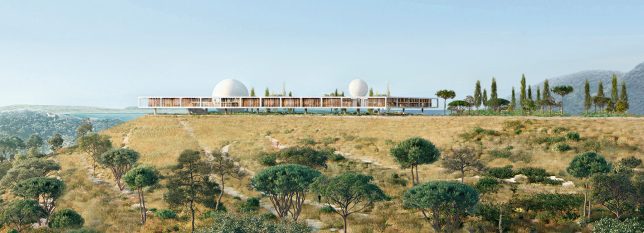
Based in Basel, Switzerland, the architecture firm Herzog & de Meuron is known for dramatic, monumental Modernist structures free of frivolity, expanding over the years from simple geometric silhouettes to more complex and dynamic shapes. Each of their buildings is almost like an oversized sculpture, some rising high above street level or cantilevering at striking angles while others, like their recent Berggruen campus, lie low and flat. These 10 projects represent some of the firm’s most iconic and memorable works.

Berggruen Institute, Los Angeles, California
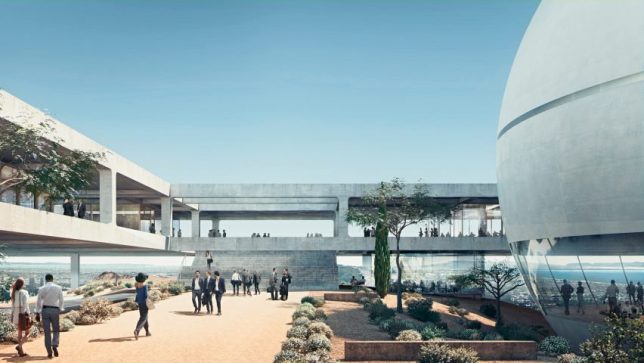
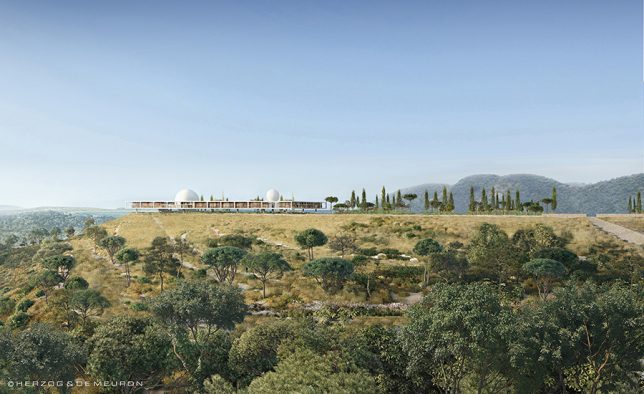
The firm conceived this new campus for the Berggruen Institute overlooking Los Angeles as a “landscape vision,” building on only a small area of the 447-acre site to keep 90% of it open and natural. Built along a mountain ridge in the Santa Monica mountains, the campus includes an elevated ‘frame’ surrounding a large courtyard garden and spherical lecture hall. It will act as a private educational forum for scholars and leaders in various fields working to “provide critical analysis and new ideas that will shape political, economic and social institutions.”

56 Leonard Street Skyscraper, New York City
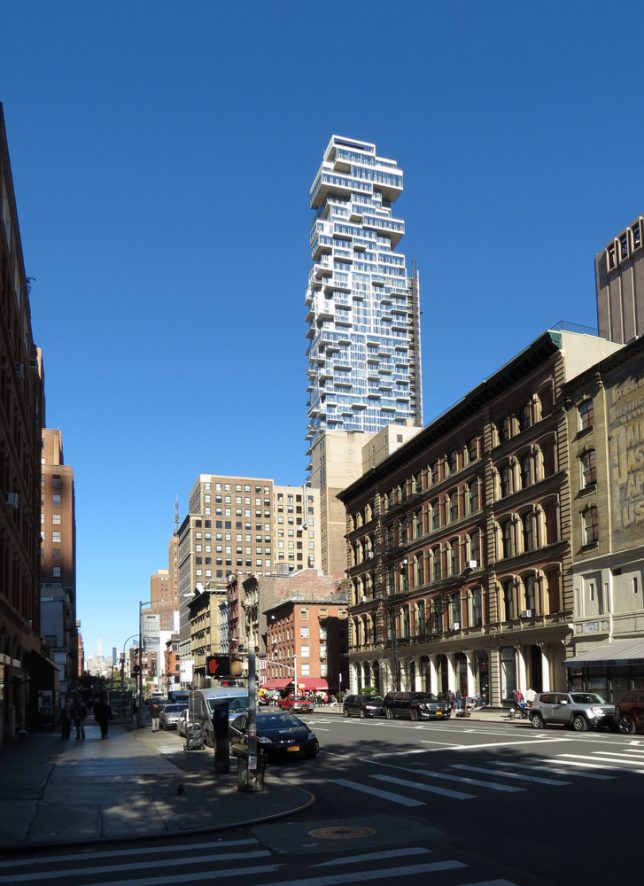
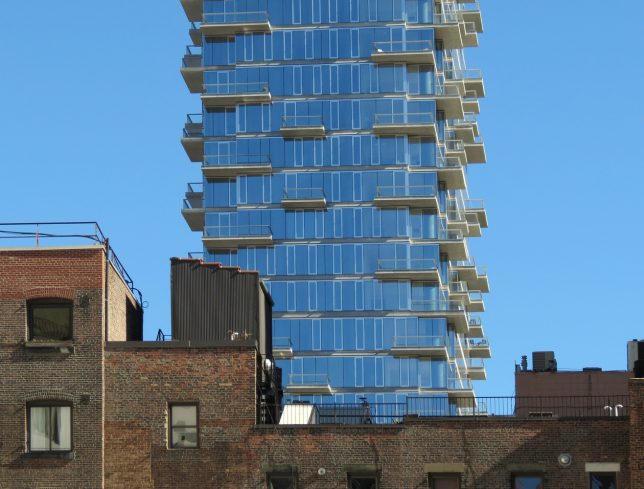
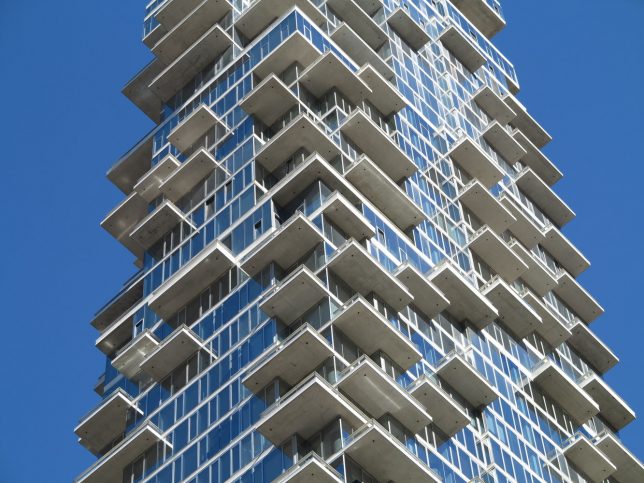
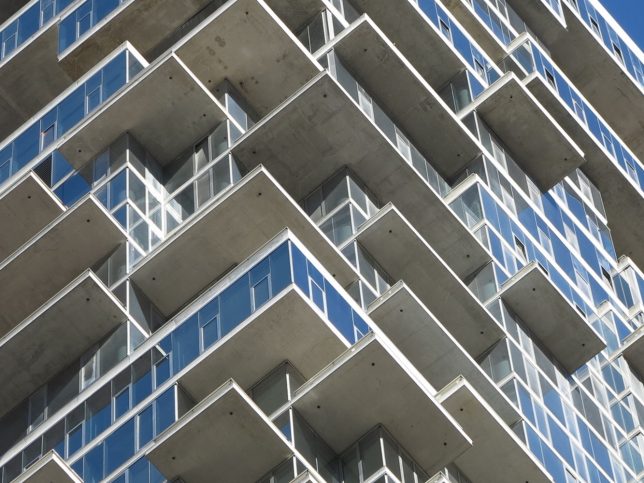
Construction of Herzog & de Meuron’s latest New York City skyscraper is complete, and the firm has released a stunning time lapse of the building process. This structure is envisioned as a stack of individual houses arranged in a Jenga-like formation, giving it a pixelated appearance. This arrangement also creates a series of terraces and projecting balconies on every level.

Elbphilharmonie, Hamburg, Germany
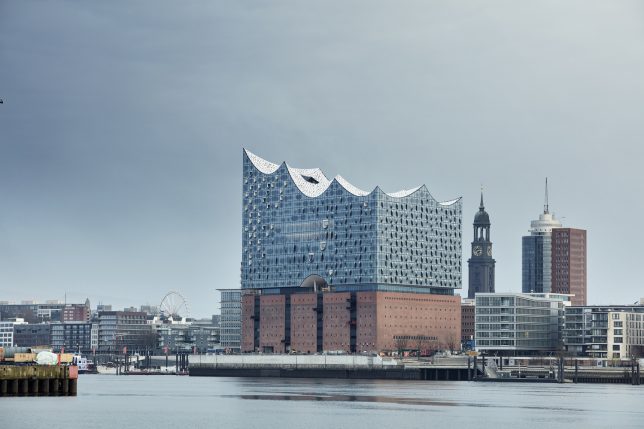
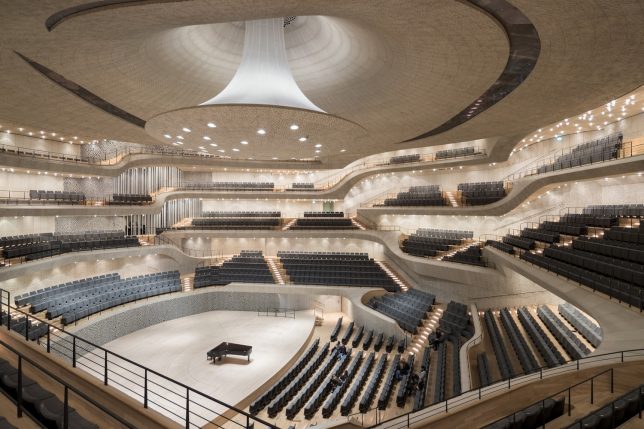
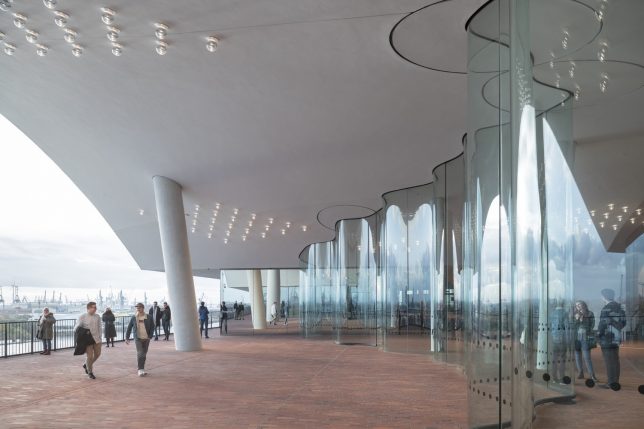
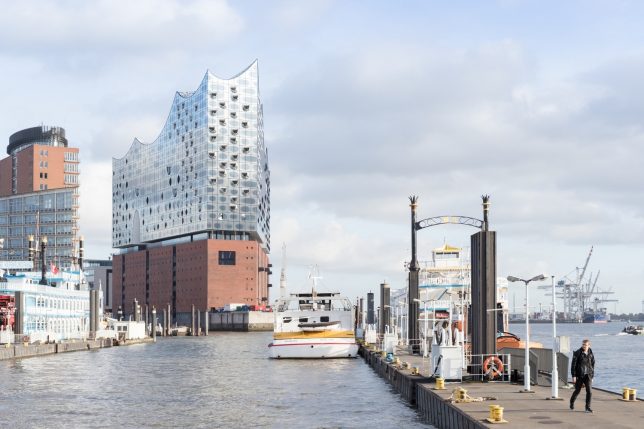
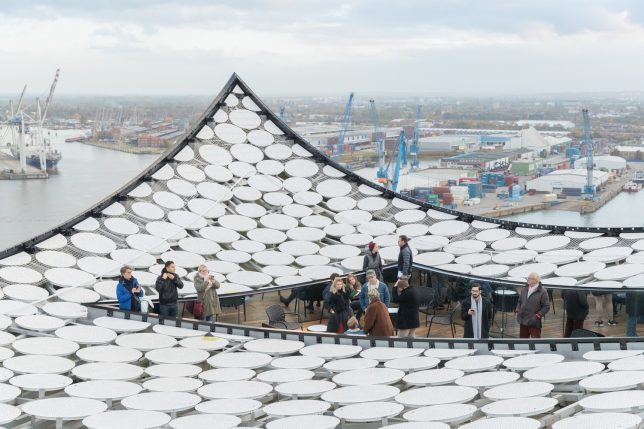
At $ 900 million, the price tag for Herzog & de Meuron’s Elbphilharmonie building in Hamburg is undeniably astronomical, but many in the city – and the international architecture community – say it’s worthwhile. Positioned on top of a 19th-century warehouse, the new structure glitters in a series of buoyant waves, echoing the water of the adjacent Elbe River. The 26-floor, 700,000-square-foot complex features a sweeping 269-foot escalator, performance halls, a main auditorium and a rooftop terrace.

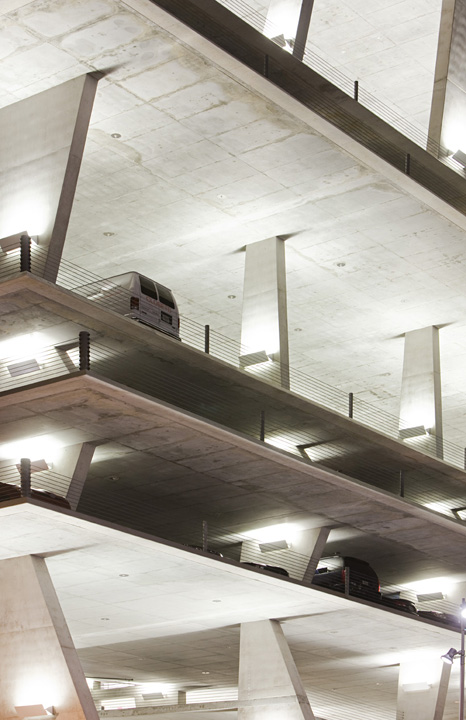
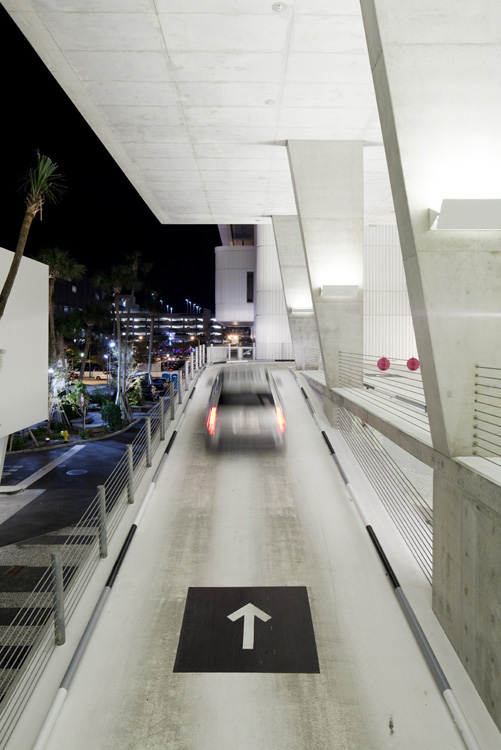
1111 Lincoln Road, Miami, Florida
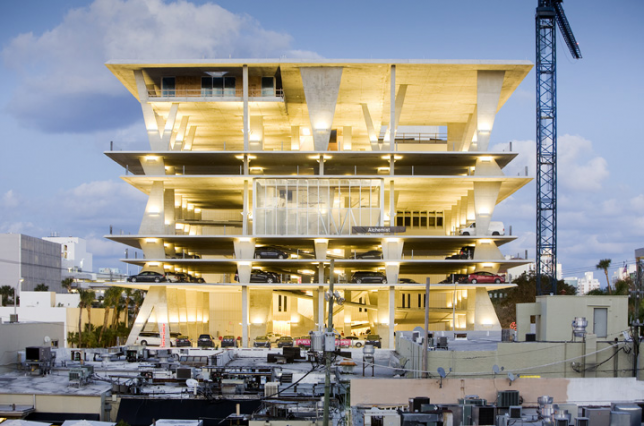
Helping to popularize a trend of high-design parking garages, 1111 Lincoln Road is a stunning, angular concrete structure positioned in one of Miami’s most active pedestrian areas, overlooking the city’s iconic Art Deco architecture. “Jacques Herzog stated that this building will reinterpret the essence of Tropical Modernism, and it somehow reminds me of the modern movement in Brazil, with raw structures providing shade, while containing smaller enclosing sub-elements,” the architects explain. “The slabs stand over a set of irregular columns, giving a sense of a precarious equilibrium. These columns also cast different shadows, giving more character to the facade.”

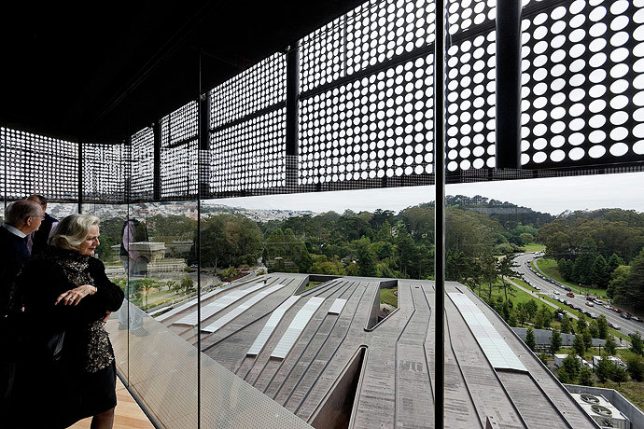
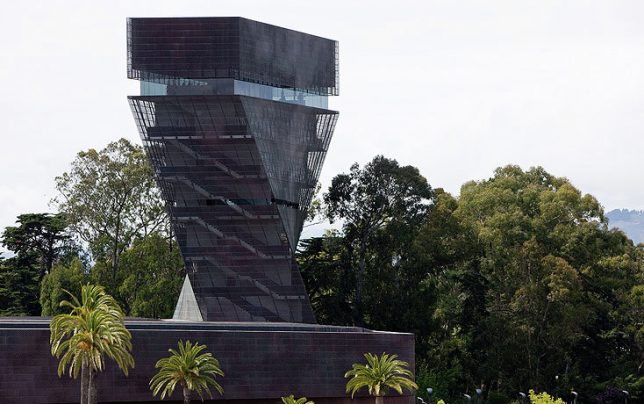
M.H. De Young Museum, San Francisco, California
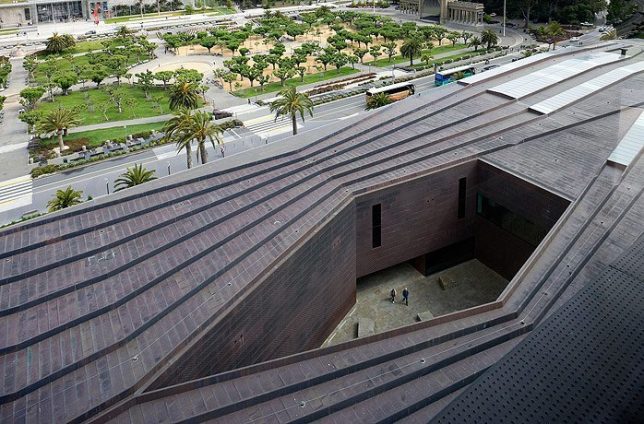
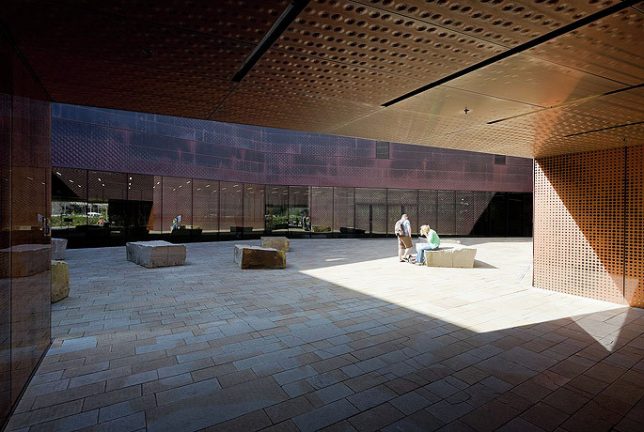
Reviving an 1895 museum that was destroyed by the 1989 Loma Prieta earthquake, the M.H. De Young Museum in San Francisco dramatically departs from the visuals of its predecessor, keeping only historic elements like sphinxes and original palm trees and taking on a monumental silhouette. Its inverted pyramid-shaped tower twists atop its ground-level roof, making it a landmark from a distance. Materials like stone, copper and wood help merge it with its park-like environment.

Tenerife Espacio de las Artes, Spain
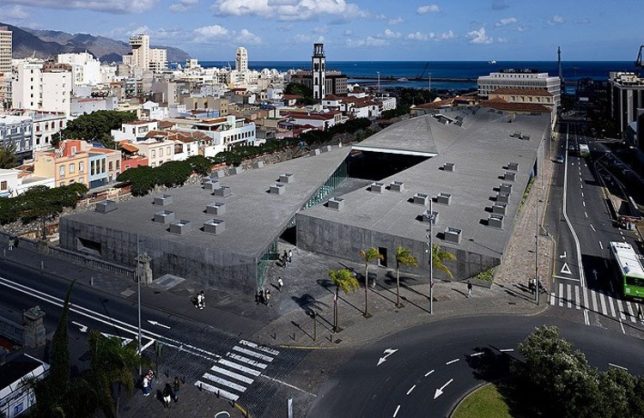
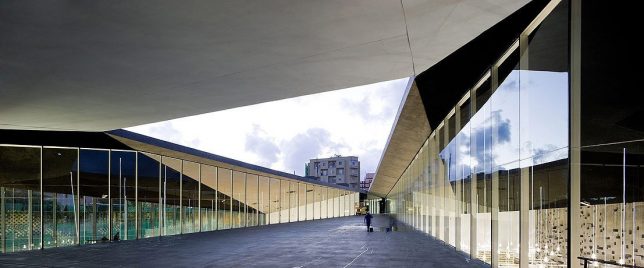
For the TEA cultural center in Spain, Herzog and de Meuron wanted to interfuse and interflow various activities and spaces within the center, cutting a new public path diagonally through the complex connected to the top of the General Serrador Bridge. The triangular space at the center is a new public plaza open and accessible to everyone in the city, featuring a cafe and restaurant along with the capability to become an open-air cinema. “The spatial interplay between inside and outside integrates rather than separates the very diverse urban landscapes which are so fascinating in Santa Cruz. The new cultural centre is therefore not only a place of encounter for people but also a place of intersection for the landscape of the contemporary city, the old city with its skyline along the Barranco and the archaic topography of the Barranco itself.”

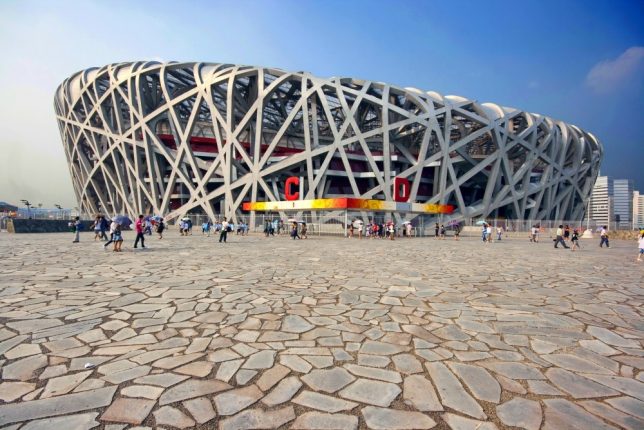
Beijing ‘Bird’s Nest’ Olympic Stadium, China
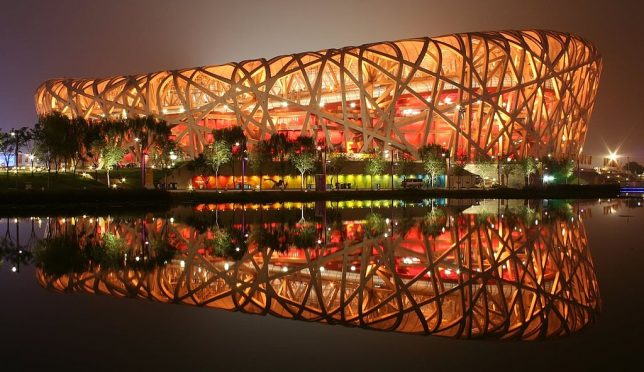
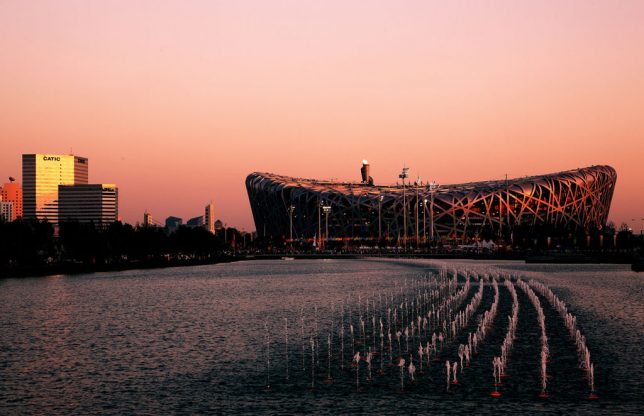
Completed in 2008, the national stadium in Beijing sits in the center of the Olympic complex, and like many Olympic structures once the Games are over, it has reportedly fallen into disuse and disrepair. In its prime, it was one of the most complex stadiums ever built, and it was especially impressive at night, when illuminated from within. Taking inspiration from Chinese ceramics, it integrates criss-crossing steel beams to hide the supports for the retractible roof, which was later removed from the design. Still, those beams remain its most striking and notable feature.

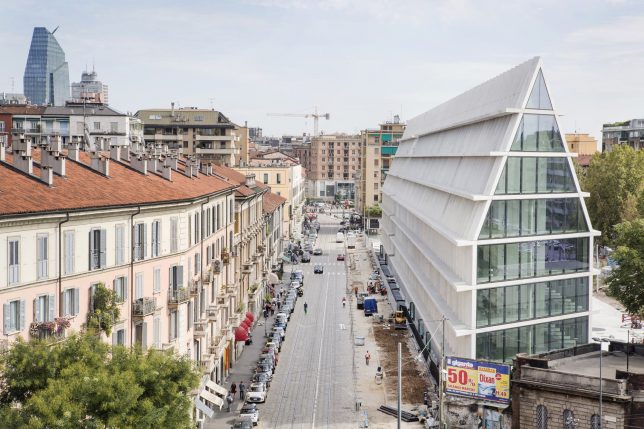
Feltrinelli Porta Volta
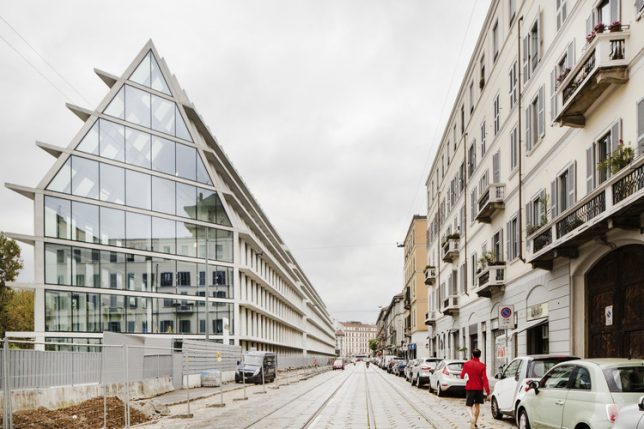
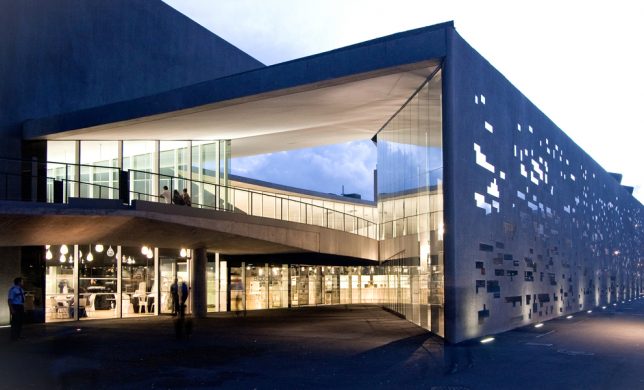
A long, gabled volume with a gridded exterior stretches down a Milan street, hosting a research center and offices for Fondazione Giangiacamo Feltrinelli. Situated within the city’s Ports Volta district, the elongated building is all white and glass, with glazing continuing right up its 5-story facade onto its roof. A strip of greenery stretches from the boulevard to its rear entrance. “The new buildings are inspired by the simplicity and generous scale of historic Milanese architecture such as the Ospedale Maggiore, the Rotunda della Besana the Lazzaretto and Sfrozesco Castle,” says Herzog & de Meuron.

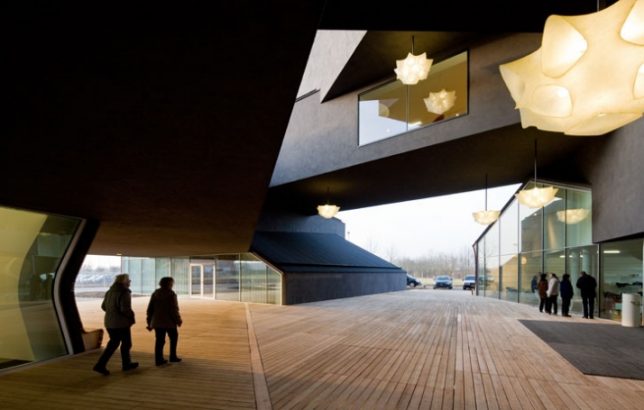
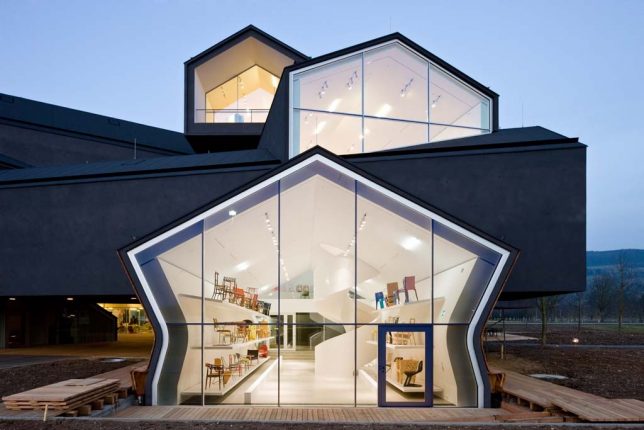
VitraHaus
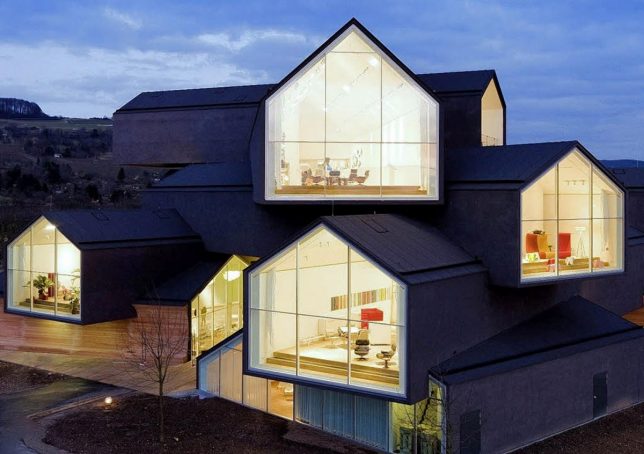
Another instant Herzog & de Meuron classic utilizing gabled typologies is VitraHaus, commissioned by home design company Vitra to present their home collection on their campus in Weil am Rhein, between the border of Switzerland and Germany. 12 ‘houses’ are stacked together into a five-story structure, with five houses at the base and seven more stacked on top of them. Some are cantilevered up to 49 feet, and all of them feature glazed ends to show off Vitra’s interiors.

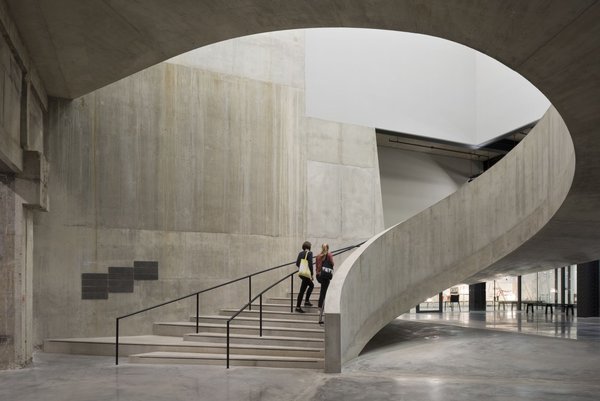
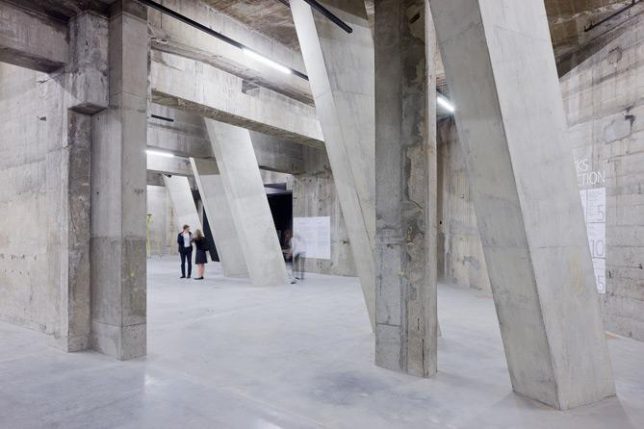
The Tanks at the Tate Modern, London
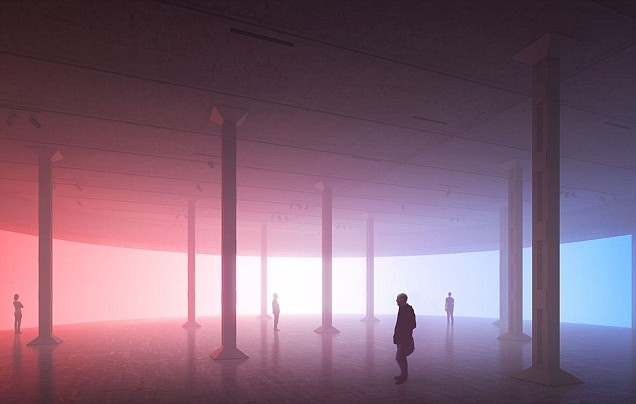
‘The Tanks’ are a series of underground gallery and performance spaces beneath the Tate Modern Museum in London, converted from former oil storage spaces by Herzog and de Meuron. In a previous life, the space the gallery occupies was a power station. The architecture firm transformed the raw industrial spaces without disguising their origins, giving them a vague dystopian feel.

Share on Facebook


[ By SA Rogers in Architecture & Offices & Commercial. ]

[ WebUrbanist | Archives | Galleries | Privacy | TOS ]


WebUrbanist

 
Comments Off on Starchitect Spotlight: 10 Iconic Architectural Projects by Herzog & de Meuron

Posted in Creativity


This iconic still life photo was shot at f/240… for 6 hours!

20 Aug

Editor’s Note: The video contains a fine art nude print that is spoken about starting at 7:50 and appears in the background throughout most of the video from that point on. Potentially NSFW.


What’s the smallest aperture you’ve ever used? F22? Maybe the max you’ll find on some large format lenses: F64? When iconic photographer Edward Weston needed more depth of field to capture his famous still life Pepper No. 30, F64 wasn’t nearly enough. He shot it at F240, using only natural light and exposing the shot for 4-6 hours!

This curious piece of photo trivia came up during the latest episode of Marc Silber’s show Advancing Your Photography, in which he visits Weston’s house and speaks to Weston’s grandson Kim about the legendary photographer’s work and technique.

Edward Weston’s famous ‘Pepper #30’ was shot at f/240, with an exposure time of between 4 and 6 hours using all natural light. Photo: Edward Weson, screenshot from video.

Silber and the younger Weston touch on several of the renowned photographer’s best known photographs, and finish the episode with a teaser from inside Weston’s darkroom. To hear about these techniques in more detail and see more of Weston’s work and home, click play up top.

Articles: Digital Photography Review (dpreview.com)

 
Comments Off on This iconic still life photo was shot at f/240… for 6 hours!

Posted in Uncategorized


Like A Rock Star: 12 Iconic Movie Corvettes

03 Jul

[ By Steve in Culture & History & Travel. ]

The Chevrolet Corvette’s long list of silver screen starring roles turned America’s first mass-produced sports car into an automotive pop culture icon.

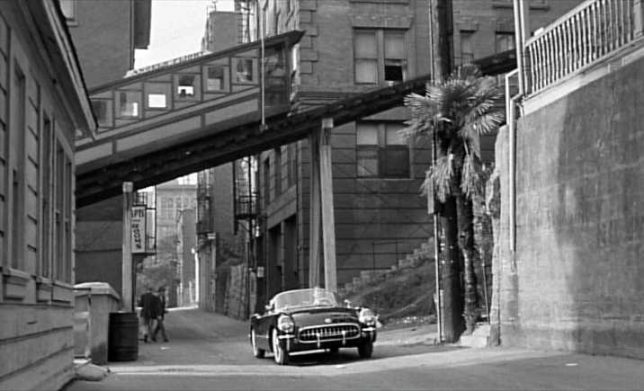
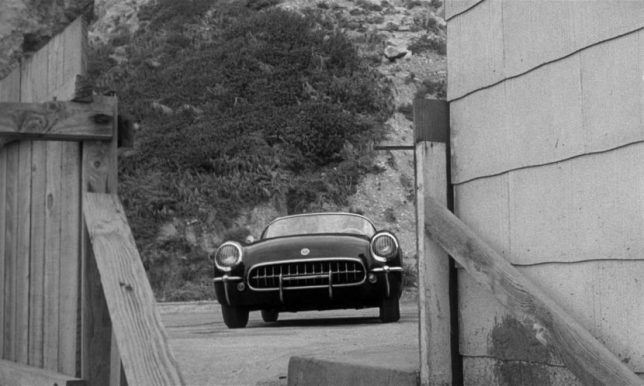
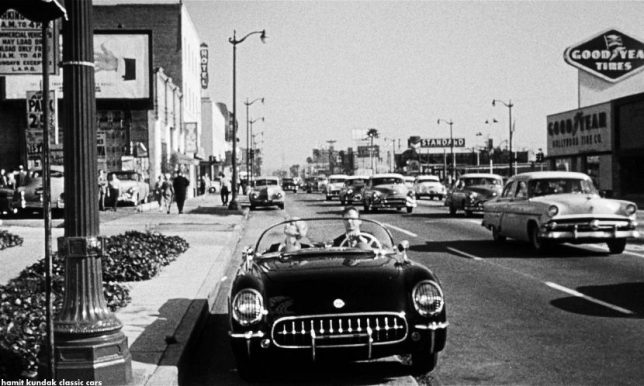
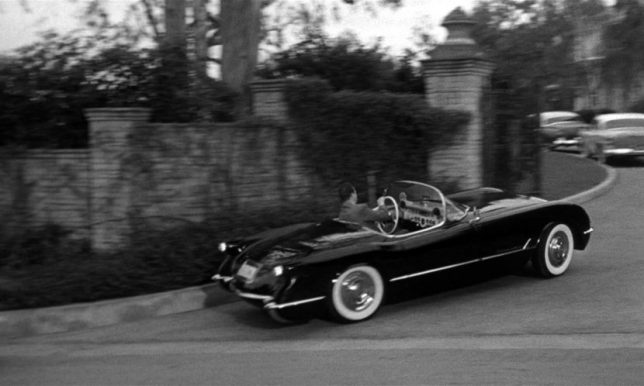
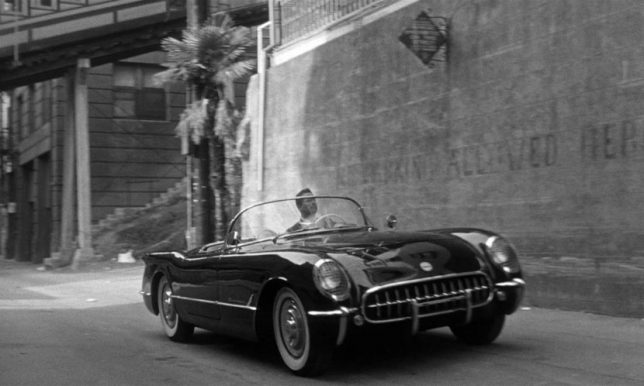
One of the Corvette‘s first film appearances was in the 1955 film noir classic Kiss Me Deadly. Directed by Robert Aldrich, the movie starred Ralph Meeker as Mickey Spillane’s hard-boiled private investigator Mike Hammer. The latter roamed the mean streets of Los Angeles in his 1954 Corvette, one of only 3,640 manufactured that year and one of only FOUR painted black.

Hammer’s black ‘vette may have looked cool but performance was anything but hot due to the pedestrian Stovebolt Six engine under its fiberglass hood. GM introduced a V8 for 1955 but limited model year production to just 700 in order to move the rest of the slow-selling ’54s. Even so, Hammer’s sleek (for the times) ride definitely added badly-needed panache to a niche model whose future was very much in doubt.

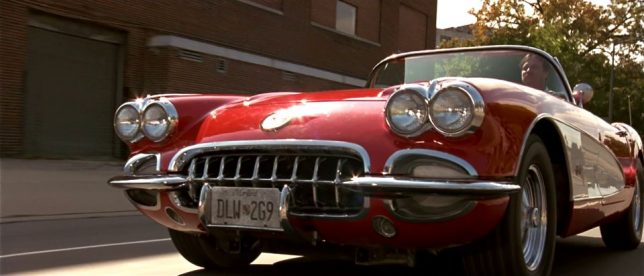
True Lies – 1959 Corvette

True Lies, a 1994 action-adventure-comedy starring Arnold Schwarzenegger, Jamie Lee Curtis, Tom Arnold, Tia Carrere, Bill Paxton, Eliza Dushku, and even Charlton Heston has aged rather well. Ditto for the red 1959 Corvette driven by Paxton (playing sleazy used car salesmen Simon) as he regales AH-nold on his time-tested seduction technique: “Let’s face it, Harry, the ‘Vette gets ’em wet.”

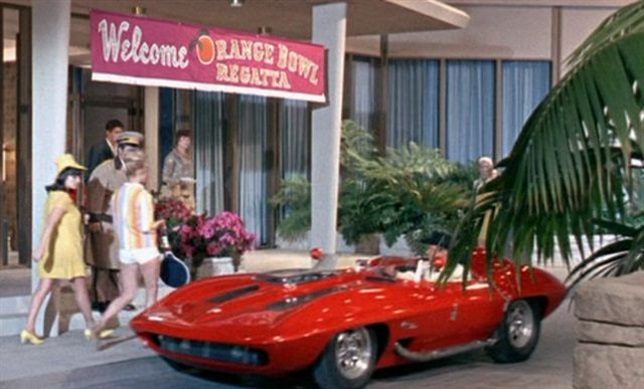
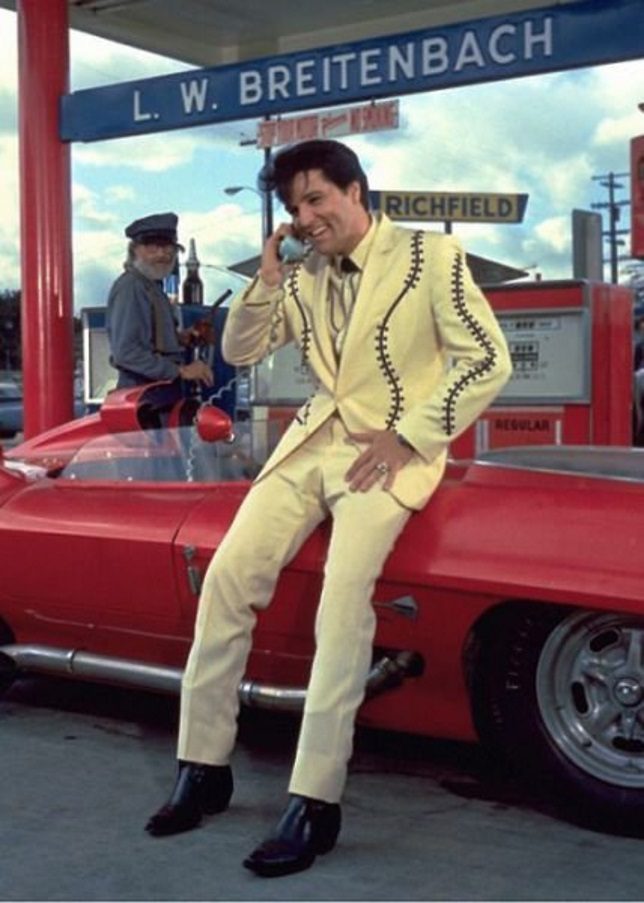
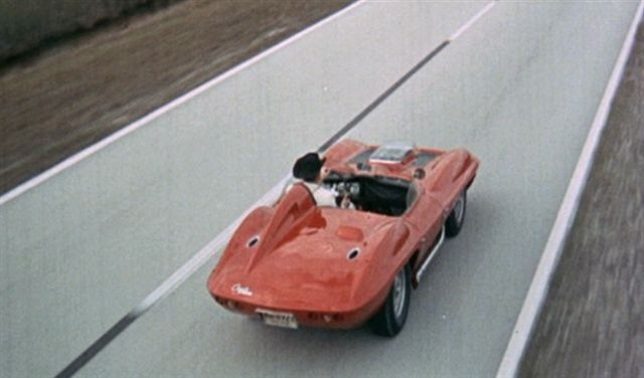
Clambake – 1959 Corvette XP-87 Stingray Racer

“Hey buddy, where’s the gas cap on this thing?” Built in 1959 “to test handling ease and performance,” the Corvette XP-87 racer won an SCCA National Championship in 1960. It was then modified with the addition of a passenger seat and made the rounds of the auto show circuit.

The XP-87 bowed out in grand style, appearing in the 1967 film Clambake as the private car of Elvis Presley’s oil tycoon character. Thank you, XP-87, thank you very much.

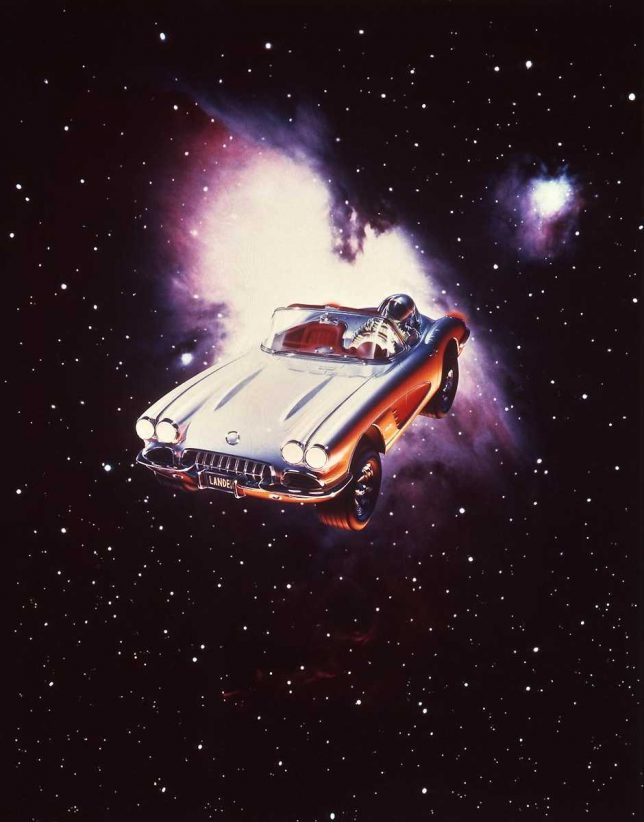
Heavy Metal – 1960 Corvette

“You can hedge your bet on a clean Corvette”… Heavy Metal – the 1981 animated sci-fi fantasy film produced by Ivan Reitman and inspired by the eponymous graphic magazine, featured a 1960 Corvette but if you arrived a few minutes late to the movie theater, you probably missed it.

Here’s a link to the ‘vette’s impressive entrance (dude totally sticks the landing!) in which it literally brings evil to the world in the form of the glowing green loc-nar. Mustang owners most definitely approve.

Next Page – Click Below to Read More:
Like A Rock Star 12 Iconic Movie Corvettes

Share on Facebook


[ By Steve in Culture & History & Travel. ]

[ WebUrbanist | Archives | Galleries | Privacy | TOS ]


WebUrbanist

 
Comments Off on Like A Rock Star: 12 Iconic Movie Corvettes

Posted in Creativity


The Power of a Photograph – Iconic Moments Captured as Images

09 Mar

As photographers, we have a great power. We can capture moments in time that are unique, iconic, emotional and powerful. Photography has the power to change things.

By Bronson ABbott

See some of the ways that photographs have this power:

  • We have the power to capture human moments
  • Moments of loss the desperation
  • Of Defiance
  • Moments of bravery
  • Those of love and respect
  • And moments of triumph

How do you use your photography in powerful ways? What are you favorite iconic photographs from history and why? Please share in the comments below about how you feel photography is powerful in our lives.

The post The Power of a Photograph – Iconic Moments Captured as Images by Darlene Hildebrandt appeared first on Digital Photography School.


Digital Photography School

 
Comments Off on The Power of a Photograph – Iconic Moments Captured as Images

Posted in Photography


One iconic moment, two viral photos: Rio photographers capture Bolt’s smile

23 Aug

The Rio Olympics have come to a close, and there’s no doubt that these summer games have been memorable. World records were smashed, heroes were made and the best sports photographers in the game captured it all. But what may go down as one of the most memorable images from the games is actually two photos, captured by two photographers a fraction of a second apart.

Photo by Kai Pfaffenbach / Reuter’s.

Embed from Getty Images

Cameron Spencer of Getty Images and Kai Pfaffenbach of Reuter’s snapped nearly identical photos of Bolt and his grin as he neared the finish line of the 100m race. It’s not easy to spot the difference until you notice that Bolt’s right hand is sharp in one image and blurred in the other.

Naturally, the nuance was entirely lost on the internet, particularly on Twitter where the photos quickly became the subject of countless memes. As is the way with memes, both photos went viral without credit to either of the photographers who took them. The dual photos even confused a well-meaning Sports Illustrated writer who gave credit to Spencer while tweeting the photo taken by Pfaffenbach. After the error was brought to his attention he issued an apology.

Most news coverage used (and credited) Spencer’s photo. Articles that document the popularity of the meme mostly reference the Getty photo as well, even though Pfaffenbach’s photo appears to have been used more widely.

Did you notice the different photos in circulation? Why do you think one photographer got more attention and credit for his photo? Let us know in the comments.

Articles: Digital Photography Review (dpreview.com)

 
Comments Off on One iconic moment, two viral photos: Rio photographers capture Bolt’s smile

Posted in Uncategorized


Missing Pyramid: Louvre Installation Makes Iconic Monument Disappear

27 May

louvre pyramid camouflage 1

In a work of large-scale urban camouflage, French street artist JR has made the iconic glass pyramid standing outside the Musée du Louvre disappear. At least, it seems to disappear, when viewed from one very particular angle, thanks to a massive wrapping printed with a photograph of the museum’s facade. Known for paste-ups on a monumental scale as well as digital projections on architecture, JR transforms the 11,000-square-foot pyramid by I.M. Pei, which became a Paris landmark after its installation in 1989.

louvre pyramid camouflage 2

The illusion convincingly stands in for the entrance to the Louvre palace, despite being rendered in black and white, and matches up perfectly with the facade. Before the Pyramid became publicly accepted as an integral part of the Louvre, it was controversial, with some critics arguing that the clash of architectural styles was an affront to what the museum itself represents. In camouflaging it, JR takes us back to the days before it was built, leaving us with the distinct feeling that something is missing. The display will be in place through June 27th, 2016.

louvre pyramid camouflage 3

“Making the Pyramid disappear is a way for me to distance myself from my subject,” says JR. “The feud between traditional and modern tastes in art and architecture is nothing new. The Pyramid, Buren’s columns at the Palais-Royal, and the Pompidou Center – all of these caused controversy. My work is about transmitting history to better understand the present, and find echoes with our own times. What happened in the past is part of a broader context that can still have relevance for today.”

“By erasing the Louvre Pyramid, I am highlighting the way Pei made the Louvre relevant for his time, while bringing the Louvre back to its original state. The Pyramid is one of the most photographed French monuments. I am redirecting its energy, because people are going to have to move around it. They are going to look for the best angle to get the full impact of the anamorphic image, and really make the Pyramid disappear.”


WebUrbanist

 
Comments Off on Missing Pyramid: Louvre Installation Makes Iconic Monument Disappear

Posted in Creativity


Ribbon of Light: Replacing LA’s Most Iconic Historical Bridge

16 Mar

[ By WebUrbanist in Architecture & Cities & Urbanism. ]

bridge from above

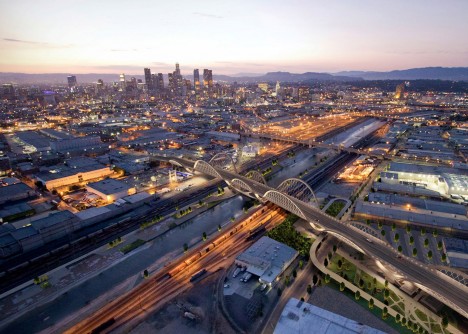
Quite possibly the most filmed and photographed bridge in the world, the Sixth Street Viaduct, spanning the Los Angeles River, is a challenging icon to replace, but the Ribbon of Light aims to try.

sixth street viaduct original

The famous Art-Deco viaduct in question, built in 1932, has been featured in dozens of films, television shows, music videos and video games, including Grease, Gone in 60 Seconds, Terminators 2 and 3, Madonna’s ‘Borderline’ video and episodes of Lost and 24.

Some sequences show most recognizable part (directly over the LA river) being driven across, but many are shot from the river below. Unfortunately for fans, its was deemed seismically unstable thanks to compromised concrete supports, despite its historic landmark status with the city.

sixth street viaduct replacement

Architect Michael Maltzan, responsible for its replacement, has made his design an epic ode to its iconic curves, reprising and repeating them across a much longer portion of the new structure.

bridge at night

The new structure features arched trusses to be illuminated at night, suspended over a series of parks and paths being developed below and alongside it. A series of staircases and ramps will allow pedestrians and bikers to move up, down and across it as well.

new viaduct and park

The architects are clearly cognizant of the landmark they are replacing, and, in a way, are preserving its visibility through these repetitive forms, which actually extend much further out on either side than the original arches.

under bridge park

From the architects: “The project foresees a multi-modal future for the city, one that accommodates cars, incorporates significant new bicycle connections, and also increases connectivity for pedestrians to access the viaduct, not only at its endpoints, but along the entirety of the viaduct, linking the bridge, the Los Angeles River, and future urban landscapes in a more meaningful relationship.”

la river ribbon bridge

“These pairs of repeated concrete arches and cable-supported roadway deck are simultaneously elegant and efficient. The design approach unifies and optimizes the architecture of the viaduct through repetition, creating a unique configuration through the repeated use of arches, roadway and pier forms: an iconic structure.”

Share on Facebook


[ By WebUrbanist in Architecture & Cities & Urbanism. ]

[ WebUrbanist | Archives | Galleries | Privacy | TOS ]


WebUrbanist
 
Comments Off on Ribbon of Light: Replacing LA’s Most Iconic Historical Bridge

Posted in Creativity


Van Gogh’s Iconic Bedroom Brought to Life & Available to Rent

17 Feb

[ By WebUrbanist in Boutique & Art Hotels & Travel. ]

van gogh 3d

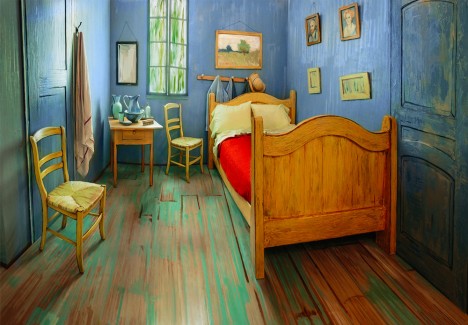
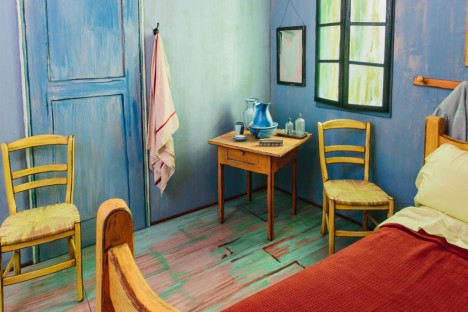
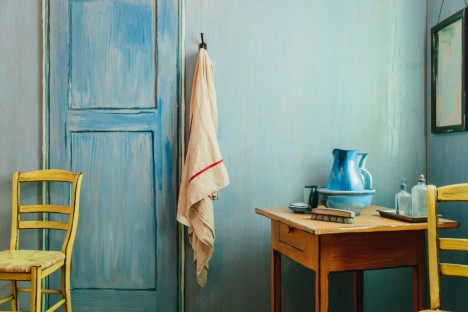
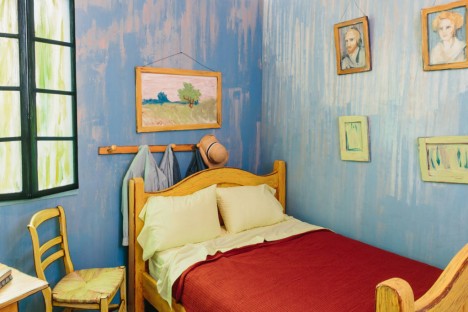
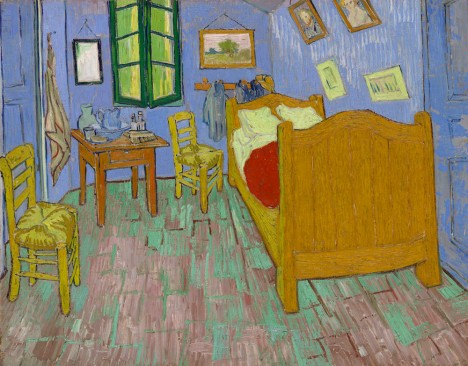
The Art Institute of Chicago has brought one of the most famous paintings of Vincent Van Gogh to life like never before: a complete replica realized in three dimensions and available as a rental to art fans in for a night of surrealistic immersion. The details, furniture and decor have been painstakingly drawn from the image, right down to crooked chairs, suspended paintings and heavily brush-stroked colors.

van gogh original yellow bedroom

For rent on AirBNB, the project is part of a larger exhibition around Van Gogh’s various bedroom paintings made in the late 1880s, one of which was made during a stay at an asylum. The recreated room is located in the River North neighborhood of Chicago, next to one of the AIC’s campuses.

van gosh 3d recreated

At just $ 10 a night, this place is likely to rent out entirely if it has not already. For whatever reason, the space also comes with a television and internet connection, though authentic experience-seekers may want to skip those, turn down the lights and just enjoy a night living inside of a classic work of art. The exhibit runs through early May and features over 30 of the master’s works.

van gogh interior replica

More from the AIC: “Van Gogh’s life was short and nomadic. By the time he died, at the age of 37, he had lived in 37 separate residences across 24 cities, mostly as a boarder or a guest dependent on the hospitality of family or friends. In 1888, he finally moved into the only home he truly considered his own: his beloved ‘Yellow House’ in Arles.”

van gogh rental exhibit

“Of his many bedrooms, Van Gogh immortalized only the one from the Yellow House—three times in fact. He first painted the room in 1888 shortly after his move to the Arles and then painted the composition twice more in 1889: once to record the first version that had been damaged when his home flooded and then again as a gift for his mother and sister.”

Share on Facebook


[ By WebUrbanist in Boutique & Art Hotels & Travel. ]

[ WebUrbanist | Archives | Galleries | Privacy | TOS ]


WebUrbanist
 
Comments Off on Van Gogh’s Iconic Bedroom Brought to Life & Available to Rent
Posted in Creativity