RSS
 

Posts Tagged ‘High’

Low Frequency, High Amplitude

19 Nov

I’ve been doing a lot of thinking recently about the next step in my weird, one-off career. And this tweet, by a man who I truly admire, summed up my thoughts in just four words.

As a photographer, you could hardly ask for better advice. I’m taking it to heart, both for myself and for Strobist.

Read more »
Strobist

 
Comments Off on Low Frequency, High Amplitude

Posted in Photography


Creating a Black and White High Contrast Portrait Edit in Lightroom

17 Nov

Introduction

The Following is an excerpt from the SLR Lounge Lightroom Preset System v5 and accompanying workshop from the Lightroom Workshop Collection v5.  The Lightroom Preset System is designed to take you from Ordinary to Extraordinary photos in just a few seconds and clicks within Lightroom 4 and Lightroom 5.

Overview

In this tutorial we’re going to go over how to turn a regular color portrait into a nice high contrast black and white image. For this tutorial we have a portrait of a baby out in a field. The overalls, details in the field, and overall background blur will be complimented by a high contrast black and white edit. The SLR Lounge Lightroom Preset System v5 has presets specifically for high contrast black and white portraits which we are going to apply to this photo. If you don’t have the preset system, we’ll list all of our Develop settings so you can achieve the same look.

Here’s what our photo will look like before and after we’re done with the edit.

beforeafter

Unedited Photo on Left | High Contrast Black and White on Right

Lightroom Preset System v5 Mixology

For those who have the Preset System, you can follow the Mixology Recipe below to get to the same results. If you don’t have the Preset System, please read the article or watch the video below to see exactly how this look was achieved.

Develop Mixology

  • 01-10 BASE – SOFT: 13b. Light Crush – B&W
  • 03-70 ADJUST – VIGNETTING: 71c. Neutral – Zeroed

Written Tutorial

Step 1: Checking The EXIF Data

exifdata

We press “i” to pull up our EXIF data so we can see exactly how this image was shot. This image was shot with a 50mm lens at f/2. We want to keep in mind that the depth of field is shallow, and we may have to add sharpening to this image.

Step 2: Apply Preset

We’re starting with our “01-10 BASE – SOFT: 13b. Light Crush – B&W” preset, and after we lower the Exposure to -0.10 we have a nice high contrast black and white look. Then we apply a “03-70 ADJUST – VIGNETTING: 71c. Neutral – Zeroed” vignette preset so we can get a subtle edge darkening.

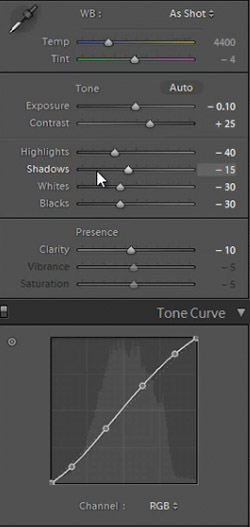
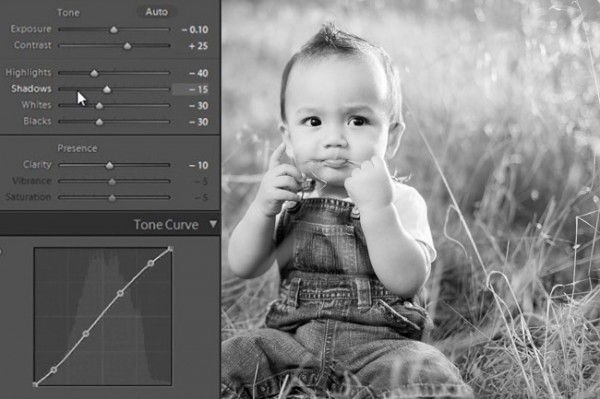
In the develop settings the Contrast was raised and the Shadows and Blacks have been dropped. This is giving our nice deep shadows and blacks, and adding to the high contrast look we’re editing for. The Highlights and Whites have also been dropped in order to bring the highlights in the skin closer to the mid tones.

developpanel1

With Settings Zeroed Out

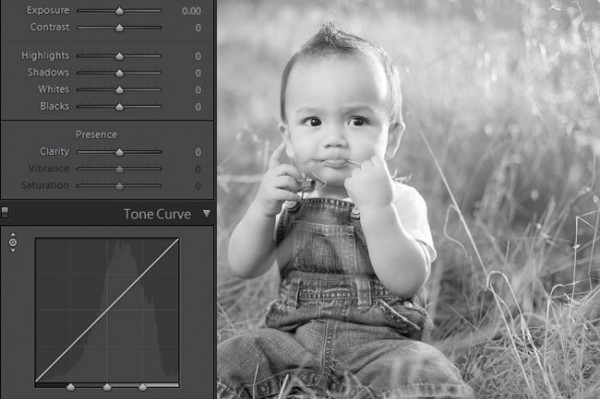
Here’s what our image looks like with a simple black and white conversion (convert by hitting “V”), without the adjustments in Contrast, Highlights, Shadows, Whites, Blacks, and Tone Curve.

Before High Contrast Settings

With High Contrast Settings

Here’s our image with Contrast, Highlights, Shadows, Whites, Blacks, and Tone Curve adjustments applied.

High Contrast Develop Settings

In the image below you can see a huge difference that the adjustments make. The eyes stand out, there’s more details in the hair and grass, and there’s more texture in the clothes.  All these subtle details combined add quality to an otherwise flat black and white image.

beforeandafter

All Settings Zeroed On Left. High Contrast Adjustments on Right


In our Sharpening settings our preset applied our standard amount, but the image is still a bit soft because of the shallow depth of field caused by shooting this image at f/2.0. To get a nice sharp portrait we raise the Amount, Radius, and Detail. The preset also adjusted our Noise Reduction settings, giving the subject in our portrait nice soft skin. All of the “SOFT” presets have this standard amount of Noise Reduction applied in order to soften and smooth out skin without going so far to kill fine details.

sharpening settings

Here’s what our image looks like before and after our presets are applied.

Before

lightroom-5-tutorial-high-contrast-b&w-newborn-0001

After

lightroom-5-tutorial-high-contrast-b&w-newborn-0002

Watch the Video Tutorial

If you would like to see exactly how all of the settings and adjustments were applied, please watch the video from the SLRLounge YouTube Channel.

Conclusion and Learn More

We hope you all enjoyed this tutorial. If you are interested in learning more or purchasing the SLR Lounge Lightroom Preset System v5 or the newly released Lightroom Workshop Collection v5, please click any of the links in this article.

Post originally from: Digital Photography Tips.

Check out our more Photography Tips at Photography Tips for Beginners, Portrait Photography Tips and Wedding Photography Tips.

Creating a Black and White High Contrast Portrait Edit in Lightroom

The post Creating a Black and White High Contrast Portrait Edit in Lightroom by Post Production Pye appeared first on Digital Photography School.


Digital Photography School

 
Comments Off on Creating a Black and White High Contrast Portrait Edit in Lightroom

Posted in Photography


Urban Nest: New Round Amphitheater Section for High Line

15 Nov

[ By WebUrbanist in Architecture & Public & Institutional. ]

high line new nest

New York’s elevated park is expanding in new directions both physically and proverbially, its new addition a stark circular shift from the overall linear nature of the existing spaces.

high line new york

high line green seating

Situated at the intersection of West 30th Street and 10th Avenue, the lush green Spur is at the heart of the new High Line section, providing a fresh kind of urban gathering, interaction and performance space.

high line current rail

high line vegetation trees

Converting more disused rail tracks into raised green space, the nest-like bowl of seating and vegetation provides both background sound relief from the surrounding city and views back out onto its streets below.

high line site plan

high line rail yards

high line bowl nest

Designed by James Corner Field Operations in collaboration with Diller Scofidio + Renfro, this pivotal turning point (quite literally a bend in the overall plan of the park) features woodland grasses, maples, perennials and ferns. The rest of the park bends up into the rail yards at this key point, wrapping back west across Manhattan toward the Hudson River.

Share on Facebook


[ By WebUrbanist in Architecture & Public & Institutional. ]

[ WebUrbanist | Archives | Galleries | Privacy | TOS ]


WebUrbanist

 
Comments Off on Urban Nest: New Round Amphitheater Section for High Line

Posted in Creativity


Garden Bridge: Lush River-Spanning High Line for London

13 Nov

[ By WebUrbanist in Architecture & Public & Institutional. ]

london platform park

A unique green retreat and pedestrian pathway is set to rival elevated parks around the world, including New York’s own High Line, right in the heart of London. This project stands out from its lofty peers in many regards, but most boldly: it is set over the River Thames rather than buildings or roads.

raised platform

green river bridge london

Heatherwick Studio, known for work in architecture, urban infrastructure, sculpture and design, is teaming up with landscape designer Dan Pearson and global engineering firm Arup to realize this massive and bold cross-disciplinary endeavor.

green bridge daytime flora

green park design concept

Crossing over 1,000 feet of river, the bridge will branch out into smaller spaces and seating areas and be populated with a wide range of regional flora. The complex plan will frame views of the city and provide opportunities for different kinds of performances and interactions.

green bridge lit up

green city vista view

green park platform london

The bridge is intended to bring a place of peace, quite and greenery back to the heart of the city as well as serving the role of pedestrian route. It will be both an activator of the two newly-joined neighborhoods and a stunning green landmark.

Share on Facebook


[ By WebUrbanist in Architecture & Public & Institutional. ]

[ WebUrbanist | Archives | Galleries | Privacy | TOS ]


WebUrbanist

 
Comments Off on Garden Bridge: Lush River-Spanning High Line for London

Posted in Creativity


DxOMark report: Nokia Lumia 925 scores nearly as high as Lumia 1020

07 Nov

dxo.jpg

Nokia’s Lumia 925 is PureView branded but doesn’t use the Lumia 1020’s large sensor and pixel-binning algorithms. However, the 8.7MP smartphone just scored nearly as well as Nokia’s 41MP flagship phone in DxOMark’s extensive imaging tests despite the conventional 8.7 MP CMOS sensor. Our partners at DxOMark have put the Lumia 925 through their comprehensive image quality testing regime; click through to learn what they found.

News: Digital Photography Review (dpreview.com)

 
Comments Off on DxOMark report: Nokia Lumia 925 scores nearly as high as Lumia 1020

Posted in Uncategorized


DxOMark report: Nokia Lumia 925 scores nearly as high as Lumia 1020

07 Nov

dxo.jpg

Nokia’s Lumia 925 is PureView branded but doesn’t use the Lumia 1020’s large sensor and pixel-binning algorithms. However, the 8.7MP smartphone just scored nearly as well as Nokia’s 41MP flagship phone in DxOMark’s extensive imaging tests despite the conventional 8.7 MP CMOS sensor. See why on connect.dpreview.com.

News: Digital Photography Review (dpreview.com)

 
Comments Off on DxOMark report: Nokia Lumia 925 scores nearly as high as Lumia 1020

Posted in Uncategorized


Matching the Production Style to the Image – High Energy Means High Contrast

31 Oct

Introduction

The Following is an excerpt from the SLR Lounge Lightroom Preset System v5 and accompanying workshop from the Lightroom Workshop Collection v5.  The Lightroom Preset System is designed to take you from Ordinary to Extraordinary photos in just a few seconds and clicks within Lightroom 4 and Lightroom 5.

Overview

One thing that we like to do within our studio is match the post production style to the overall emotion and story within the image. We feel that doing so leads to a much stronger overall image.

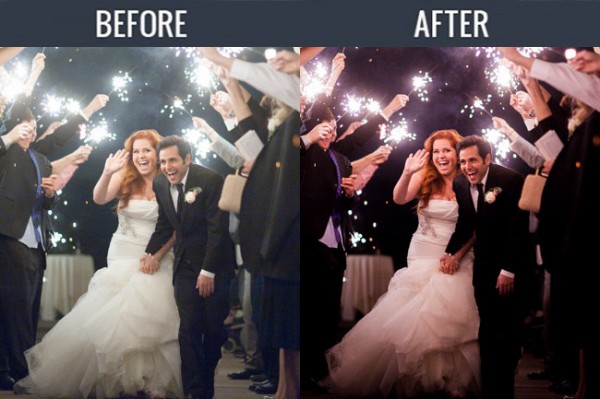
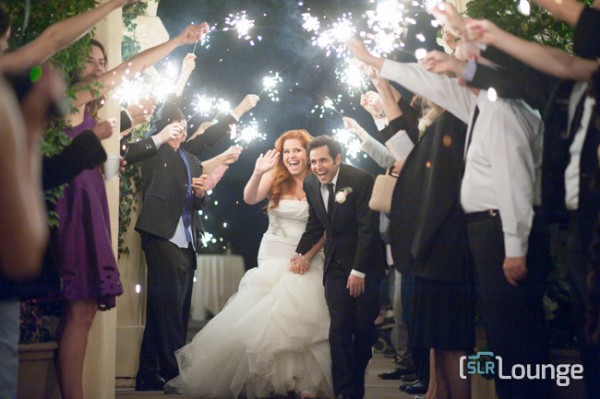
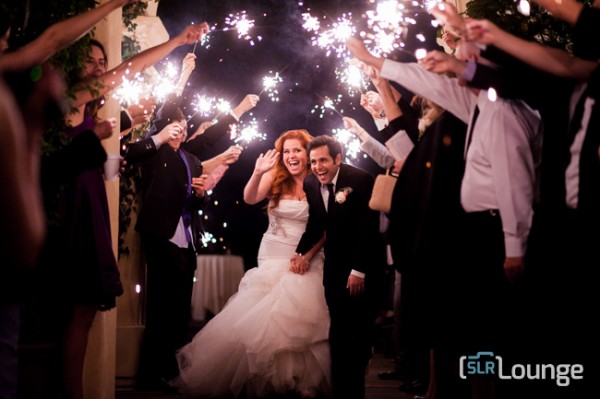
So in scenes that have a lot of energy, we want to emphasize the excitement with a colorful, high contrast production style. For this tutorial, we are using this sparkler exit photo which should be well complimented by the high contrast edit. The SLR Lounge Lightroom Preset System v5 has presets specifically for high contrast portraits which we are going to apply to this photo. Not to worry, we are going to demonstrate all of the settings below.

Here is what our image looks like before and after our presets are applied.

beforeandafter

Lightroom Preset System v5 Mixology

For those who have the Preset System, you can follow the Mixology Recipe below to get to the same results. If you don’t have the Preset System, please read the article or watch the video below to see exactly how this look was achieved.

Develop Mixology
01-10 BASE-SOFT: 14a. Heavy Crush – Skin Desat

Local Adjustment
Radial Filter: 03 Burn (Darken) -0.5 Stop (watch video tutorial for reference)

Written Tutorial

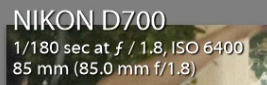
Step 1: Checking the EXIF data

Screen-Shot-2013-08-12-at-3.40.04-PM

The first thing we generally do is take a look at how the image was shot. Doing so, gives us a lot of information on things we need to look out for when post producing. To check the EXIF data press ”i”.  This image was shot with a Nikon D700 at ISO 6400. This is important to keep in mind because Nikon cameras tend to shoot skin tones slightly green, and this high of an ISO might also present a noise issue.

Step 2: Apply Preset

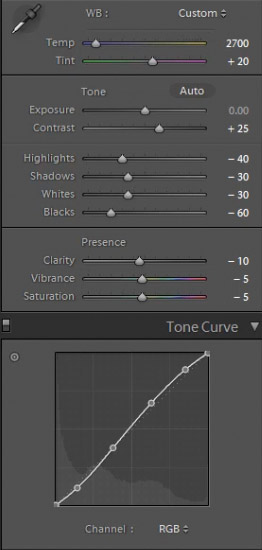
After we adjust Color Temperature and Tint to taste, we apply the “01-10 BASE-SOFT: 14a. Heavy Crush – Skin Desat” preset. This preset adds contrast to the photo and makes adjustments to desaturate skin tones.  The Contrast is being raised and the Shadows and Blacks are being dropped in order to boost overall image contrast. To flatten out the highlights over skin tones, we have dropped the Highlights and Whites.  In the Tone Curve we have a subtle “S” shaped contrast boosting tone curve to add a bit of contrast back specifically where we need it.

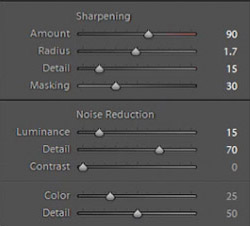
Here are the final Basic and Tone Curve Panel settings:

developpanal

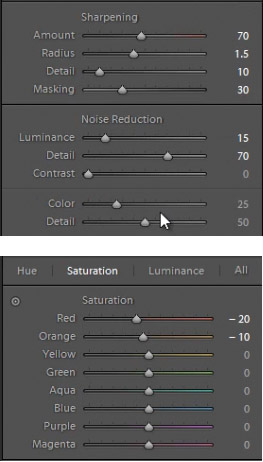
We have our standard Sharpening and Noise Reduction adjustments applied to this image. Even though this image was shot at a high ISO,the D700 takes such great photos at ISO 6400 that we don’t have to raise any of the Noise Reduction Luminance beyond what we already have.

In the HSL our Reds and Oranges are slightly dropped in order to desaturate heavy reds and oranges that can appear within skin tones when we are doing a high contrast edit.

developsettings1

Step 3: Add Radial Filter

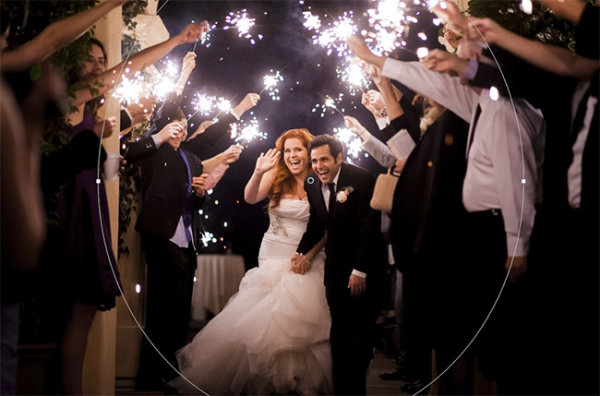
The last thing we’re going to do is add a Radial Filter to this image. This filter is unique to Lightroom 5, but Lightroom 4 users can get the same effect by adjusting the vignette settings, or by using an Adjustment Brush and painting around the outside of the image.

radialfilter

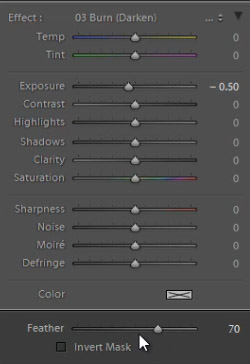
We’re pairing the Radial Filter with our “03 Burn (Darken) -0.5 Stops” preset to get a nice vignette around our couple. We adjust the Feather to 70 to make the effect more subtle.

radialfiltersettings

Some people may comment that shadow details are being clipped, but that’s okay for this image. Remember, we edited this image to fit the mood and energy, not for it to be technically “color correct.” Making this high energy photo a high contrast one is a stylistic choice, and we love the way it looks. Here’s what our photo looks like before and after our edit.

Before

lightroom-5-tutorial-high-contrast-portrait-0001

After

lightroom-5-tutorial-high-contrast-portrait-0002

Watch the Video Tutorial

If you would like to see exactly how all of the settings and adjustments were applied, please watch the video from the SLRLounge youtube video channel.

Conclusion and Learn More

We hope you all enjoyed this tutorial. If you are interested in learning more or purchasing the SLR Lounge Lightroom Preset System v5 or the newly released Lightroom Workshop Collection v5, please click any of the links in this article.

Post originally from: Digital Photography Tips.

Check out our more Photography Tips at Photography Tips for Beginners, Portrait Photography Tips and Wedding Photography Tips.

Matching the Production Style to the Image – High Energy Means High Contrast

The post Matching the Production Style to the Image – High Energy Means High Contrast by Post Production Pye appeared first on Digital Photography School.


Digital Photography School

 
Comments Off on Matching the Production Style to the Image – High Energy Means High Contrast

Posted in Photography


Zaha Hadid’s Apartment Block Overlooking NYC High Line

05 Sep

[ By Steph in Architecture & Houses & Residential. ]

Zaha Hadid High Line Apartments NYC 1

A glittering glass apartment block with volumes flowing into each other in dynamic stacked arrangements will be architect Zaha Hadid’s first building in New York City. Set to overlook the second section of the High Line, the city’s elevated park, the 11-story sculpted glass and steel development aims to draw in luxury buyers with a double-height lobby, private courtyards, a communal garden and residences measuring up to 5,500 square feet.

Zaha Hadid NYC High Line Apartments 2

The mid-rise apartment block will feature approximately 37 apartments, each with its own private terrace, 11-foot ceilings and state-of-the-art features. Located in Chelsea at 520 West 28th Street, the building will also offer a large roof terrace and an indoor pool and spa.

Zaha Hadid NYC High LIne Apartments 3
“Our design is an integration of volumes that flow into each other and, following a coherent formal language, create the sensibility of the building’s overall ensemble,” says Hadid. “With an arrangement that reinvents the spatial experience, each residence will have its own distinctive identity, offering multiple perspectives and exciting views of the neighborhood.”

Zaha Hadid NYC High Line Apartments 4

The creation of the High Line, which was formerly an abandoned section of elevated railway, has spurred a rash of new economic and real estate development in areas of the city that had slumped a bit. According to The New York Times, the High Line as generated $ 2 billion in private investment, including a number of other deluxe apartment buildings, art galleries, restaurants and boutiques.

Share on Facebook


[ By Steph in Architecture & Houses & Residential. ]

[ WebUrbanist | Archives | Galleries | Privacy | TOS ]


WebUrbanist

 
Comments Off on Zaha Hadid’s Apartment Block Overlooking NYC High Line

Posted in Creativity


How to Shoot High School Football

25 Aug

It’s the middle of August here in Atlanta, and that means that the kids are back in school.  It’s a bit earlier than most places, but regardless of where you live the rites of fall will soon be in full swing.  Here in the South, one of those rites plays itself out every week– not in cathedrals of brick and stained glass windows, but in those made from steel beams, cement bleachers, and 6,400 square yards of well-tended grass.  Yes, it’s high school football season.  And in the South that means an almost religious zealotry.  If you think I’m kidding, give me a call and come for a visit.  Make sure to bring your camera, though, because you’re not going to want to miss this.

FB-348

The Right Gear

I’m not going to spend a lot of time here discussing camera bodies.  Some of the photos in this article were taken six or seven years ago on a used Nikon D70, while later images were shot with a Nikon D300 or D700.  As long as you are photographing with a reliable DSLR, your bigger concern is going to be the glass. As much as you may covet that 400mm lens you see NFL sideline photographers shooting with on TV, it is possible to get really great shots at this level with a few basic pieces of equipment.  As with any sporting event, you are going to want a good mix of wide-angle and zoom images.  When I first started shooting sports I was using one body and one lens– the 70-200mm f/2.8.  I was able to shoot and edit creatively enough to get that variety of necessary focal lengths.  As things progressed, I was able to add a second lens– the 24-70mm– to the arsenal.  With these two lenses I was able to get everything cropped properly in the camera, without having to rely on destructive post production.  If you can only afford one fast lens right now, definitely opt for the longer zoom.

Fast lenses are also going to be important once the sun goes down because most high school sports have a prohibition against using flash.  I’ll confess to occasionally firing my flash, but be careful with your angle.  You don’t want to blast a player with flash full in the face and possibly change the outcome of the game.

Since flash is not going to be an option, you will most likely need a monopod for keeping your camera steady– particularly at slower shutter speeds after the sun goes down.

As with any type of shoot, make sure you have all of the necessary backups– batteries, memory cards, etc.  Make sure you also have a plan for when it starts raining.  This isn’t an “IF” it starts raining.  Into every sports shooter’s life some rain WILL fall.  Be prepared for it.  The Think Tank Hydrophobia or the OP/TECH USA Rainsleeve should do the trick
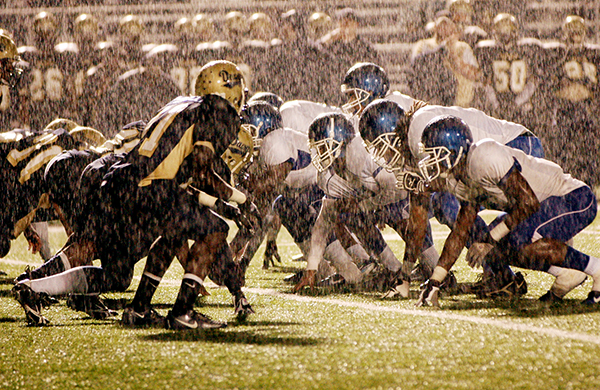
Trust me.  At some point it's going to rain.

Trust me. At some point it’s going to rain.

Getting In

Unless you are a credentialed photographer from a media outlet or the school’s contracted photography company, chances are you’re going to have to pay to get in.  The good news is that it’s usually less than $ 10.  You might be able to talk your way in, but the money goes to a good cause, so don’t be a tightwad.

Get There Early

You are also going to want to get there early.  The teams take the field to warm up anywhere from one to one and a half hours before game time.  Warm-ups are going to give you one of your best opportunities for quality shots.  For starters, the light is better.  The sun hasn’t set and you’re going to have a really great quality of natural light– particularly if you shoot with the sun at your back.  Players also tend to move a little more slowly in warm-ups than in the actual game.  You’ll have an easier time capturing motion, and more of an opportunity to isolate individual players.  In some cases, you may even be able to actually walk out onto the field to shoot and not be restricted to the sidelines.  If you do walk out onto the field, PLEASE BE CAREFUL!  There are probably 150 kids and coaches out there warming up.  They are big, fast, and not paying attention to you.  Their job is to play football– not give you a good photo op.
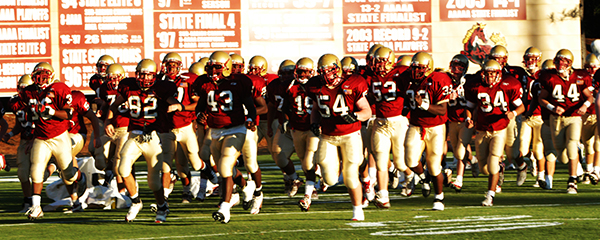
Get there early and take advantage of the sun while you can.

Get there early and take advantage of the sun while you can.

Know the Sport

The biggest key to getting quality photos of any sport is to have a solid understanding of the game and how it is played.  These games have an ebb and flow all their own.  You are going to want photos of both the offense and the defense.  Is it a running play or a passing play?  What are the odds they’re going to fake the punt on 4th down?  Do you need to be on the sideline or the end-zone?  The home side of the field or the visitors’?  Remember that there is a big difference between shooting as a media photographer and shooting as a parent.  As a reporter or school photographer, you are there for “the big picture.”  As a parent, you are mostly concerned with getting photos of your son, and he’ll be easy to track with that big number on his back.  In either case, the more you understand the subtleties of the game the better prepared you will be.
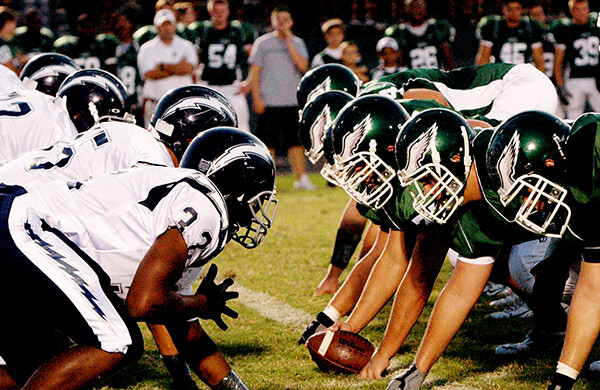
FB-207

Focus

When I say “focus” I’m not just talking about your photography.  As noted above, these kids are big and fast and strong, and are trained to run through anything in their way.  I once saw a photographer stand his ground on the sidelines, despite the fact that a player was being pushed out of bounds right at him.  I watched as his camera, lens, and monopod all went flying in three different directions and he flew in a fourth.  He was wheeled off the field with cuts to his face and a leg that had been broken in two places.  No photograph is worth that.  Focus on where you are and what is going on around you.
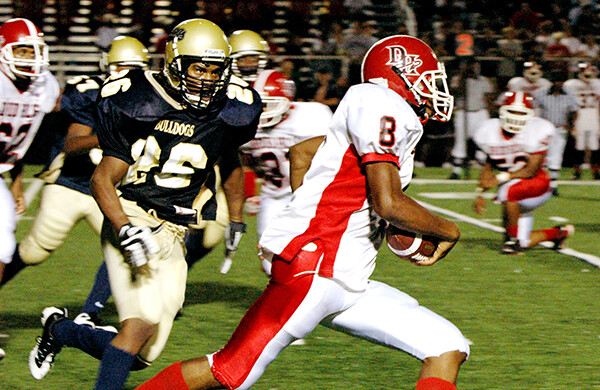
FB-281

Now let’s talk about the other kind of focus.  It’s an action sport and you want action photos.  Whereas you would ordinarily focus on the eyes for a portrait, these kids are all wearing helmets and you’re not going to have that option very often once the game starts.  Your camera’s auto-focus works by looking for contrast.  Football uniforms are usually going to have a lot of contrast between the color of the jersey and the color of the numbers.  If you can get the eyes, great.  If not, your best bet is to try locking on either those numbers or the ball once players start moving.
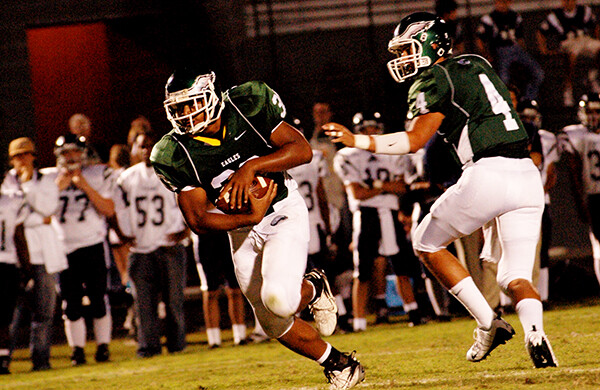
FB-213

Camera Settings

As with any photo shoot, there is not necessarily a “right” or “wrong” exposure.  But this is a sport, after all, and if you come home with 250 blurry photos you aren’t going to be happy.  Keep in mind that since shutter speed controls ambient exposure, the faster your shutter speed is the better your chances of freezing the action.  I generally like to start with a shutter speed of 1/500 and adjust my aperture and ISO accordingly until I get the look I want.  Since this is an outdoor sport, your lighting is going to be changing over the course of the game.  What started out with great natural light before the sun went down is going to finish in the dark under less-than-ideal stadium lights.  That may mean slowing down your shutter speed to let in more light, as well as opening up your aperture or raising your ISO.  This is going to take some practice.  Be prepared for some trial and error.
FB-777

Vantage Point

First and foremost, let the light guide you.  I know…sounds all dramatic and stuff, but really.  Take advantage of the sun while you can
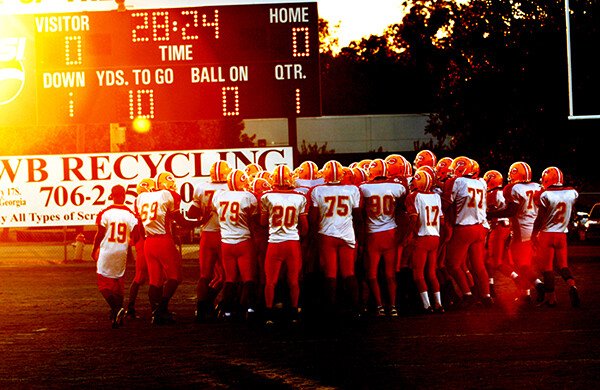
FB-071

Obviously, the closer you are to the action the better your photos will be.  As noted earlier, having a solid understanding of the game will definitely help you decide where to be.  This is one reason why you hardly ever see a veteran sports photographer standing still for very long.  Be aware that some places are going to have restrictions on where you can and can’t stand, regardless of your press credentials.  “The Box,” for example, is the area on the sideline between the 20-yard lines.  This area, for a variety of reasons, is supposed to be off-limits for anyone other than players, coaches, trainers, etc.  A game official who is a stickler for the rules could penalize the team for your presence in the box.  If that happens, start running and don’t look back.

There is a natural tendency to shoot a football game primarily from “your team’s” side of the field.  If you’re a parent, this is where you know people and feel comfortable.  Try going around to the other side of the field once in a while.  From this vantage point, you will not only capture the action, but your own team’s colors and sideline will add a great element to your background.

Be Creative.  Keep Your Eyes Open

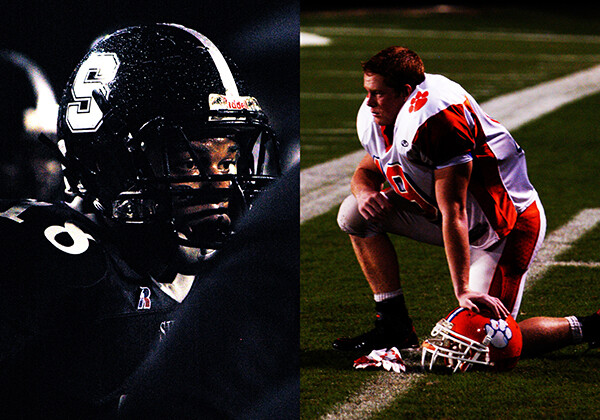
It’s football, but that doesn’t mean you can’t be creative with your angles and composition.  If you’re the parent of a player, find a way to focus on your athlete and make them stand out.  If you are selling game photos on your website, getting creative will only help your sales.  I tend to think in terms of portraits.  Changing angles resulted in getting this quarterback against a perfect background.
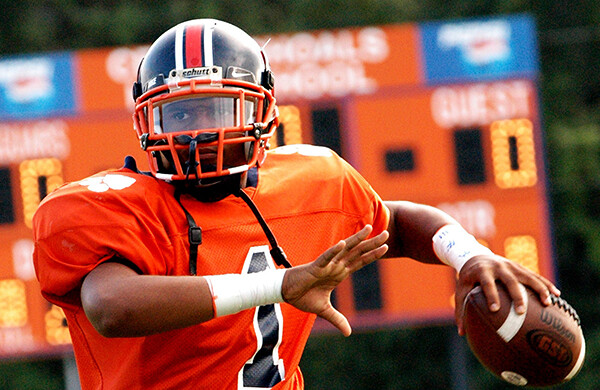
FB-295

Don’t fall into the trap, though, of assuming that everything worth photographing is right there on the field in front of you.   Spend some time in the stands.  Shoot the crowd reactions.  Photograph the band and the cheerleaders.  Capture the traditions.  There is so much more going on in that stadium than just a football game.  Turn your back on the action once in a while and take a look around you.  There are stories everywhere.   Learn to keep your head on a swivel.
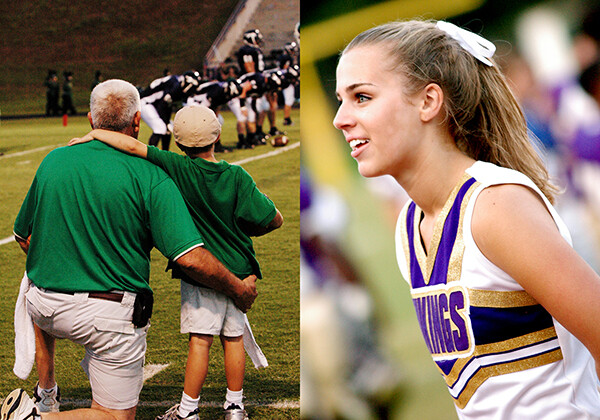
FB-999

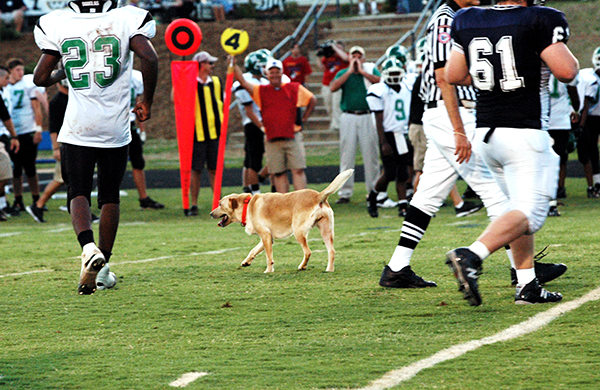
Pay attention.  You never know who might drop in.

Pay attention. You never know who might drop in.

Spray and Pray…to Motor Drive or Not to Motor Drive?

As with so much of what we do, five photographers will give you five different answers.  When I first started shooting high school sports I was doing so with a slow camera that didn’t have the buffer speed for just leaning on the motor drive and hoping for the best.  That was probably a good thing.  I learned to both compose my shots and choose my moments a little more carefully.  I developed a pretty fast shutter finger, and, I think, a better eye for sports action. Even now, though, with better equipment, I tend to leave my camera set for single clicks.

FB-888

Etiquette

If you are covering a particular team over the course of a season, introduce yourself to the coaches.  Your job will be easier if they know who you are and why you are there.  These kids may be big and strong, but they are still kids and these coaches are looking out for them.  Play your cards right with the coaches and there’s no telling what kind of access you might get.
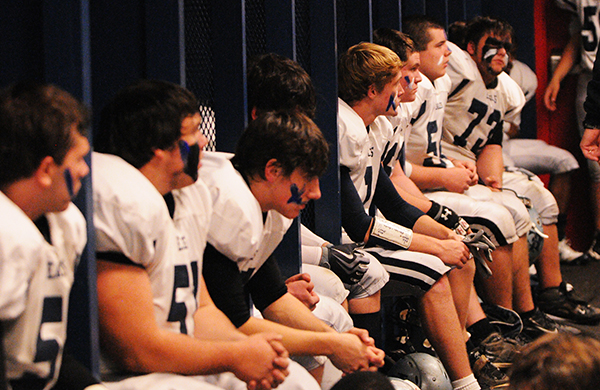
FB-178

Being nice to coaches gets you all kinds of access.

If a coach or official tells you something, listen to them.  If they ask you to move, you move.  You’re in their house and you have to play by their rules.

No flash.  It may sound silly to you, but you have no idea what the consequences might be.  There may be college scouts in the stands, and you blinding the receiver with your flash might have an impact on whether that kid gets a scholarship or if he’s even recruited at all.

If play stops for an injury on the field, show some respect and PUT YOUR CAMERA DOWN.  While it might make for compelling photography, it is entirely possible that you just witnessed the end of a child’s life-long dream or his chance of going to college.  You don’t want him or his parents seeing that on your website.  This is high school, not the NFL.  Be sensitive and keep it in perspective.

Any seasoned photographer will tell you that photographing sports is not easy, and football may be one of the hardest.  With with a little practice and preparation, though, you’ll see your images start to improve quickly and steadily.

Post originally from: Digital Photography Tips.

Check out our more Photography Tips at Photography Tips for Beginners, Portrait Photography Tips and Wedding Photography Tips.

How to Shoot High School Football


Digital Photography School

 
Comments Off on How to Shoot High School Football

Posted in Photography


Awash In Light: High Key Portraiture

19 Jul
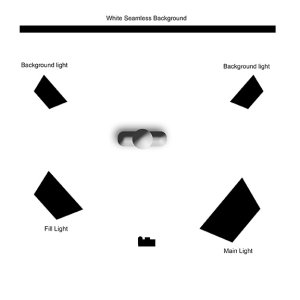
This shot was done using a tradition speedlight setup.  I used 4 speedlights- two on the background with no modifiers, and two in softboxes on the subject.

This shot was done using a tradition speedlight setup. I used 4 speedlights- two on the background with no modifiers, and two in softboxes on the subject.

This is the lighting setup used for the first image above. Exposure was f/4, 1/250, ISO 400. The background lights were Canon 430 EX II speedlites, and the main and fill were 580 EX II speedlites.

This is the lighting setup used for the first image above. Exposure was f/4, 1/250, ISO 400. The background lights were Canon 430 EX II speedlites, and the main and fill were 580 EX II speedlites.

When shooting portraits, the very first decision I make is what look I’m going for. The answer to that question lies directly in how I want to light the scene.  Generally, I want to evoke a mood or a feeling.  Low key portraiture which has dramatic lighting, tends to be very moody, while high key portraiture will have a more even light, with very few harsh shadows.  High key lighting tends to make the scene much more upbeat.

The problem with high key lighting is that, indoors, it can be costly to achieve.  First, you need a white or light colored background.  Seamless paper will work best, but I’ve also found that I can get away with flat bedsheets; one hung from a background stand and another on the floor, with the two meeting . When done right the seam can be hidden nicely.  of course, a light colored muslin will work as well.  Once the background is set, you need to light the background evenly.  This requires at least two lights to light it evenly.   Once the background has been lit, you need to light your subject.  Using softbox for the main light and a smaller softbox for the fill, you can adjust the lighting to have some soft shadow on your subject if you prefer, or you even the lighting out if you want to eliminate shadow altogether.  A reflector can also help kick more light into your subject’s face and further soften shadows.

High key lighting can be also be achieved outdoors, and at lesser cost as well.  If the light is flat and even, a simple metallic reflector can be used to fill any shadows that occur.  I find bright cloudy days perfect for this type of shooting.  By the same token, a sunny day will work well also. A scrim can be used to soften the sunlight on the subject, while the sunlight brightly lights the background and creates that high key look.

For this shot, I ventured away from the setup above, and used a 50-inch softbox with a Canon 580 EX II speedlite. This was positioned on the far side of the subject- her left. To camera right, I used a large silver reflector to fill the shadows. I used white sheets as a background on the floor to complete the scene.

For this shot, I ventured away from the setup above, and used a 50-inch softbox with a Canon 580 EX II speedlite. This was positioned on the far side of the subject- her left. To camera right, I used a large silver reflector to fill the shadows. I used white sheets as a background on the floor to complete the scene.

As far as camera settings go, it’s important to note that a high key image is not simply overexposed. You’ll want to watch your histogram to keep from clipping the highlights, but you will want to keep your exposure to the right on the histogram to ensure that the shows aren’t too deep.  if I’m indoors, I’m using either studio lights or speedlights and using them to generate my exposure.  Outdoors, I’ll shoot on aperture priority and use exposure compensation to push my exposure where I want it, again, careful not to clip the highlights.

I find high key portraiture a great way to photograph children or adults.  It brings a happy, upbeat mood to the scene, and can also give an edgy look to things.   Ultimately, it will take some experimentation to get the lighting the way you like it, but once you do, it’s another technique in your pocket to work with and use to create images. Happy shooting!

This shot was taken outdoors. It was a bright day but the sun was diffused by a thin layer of clouds, making it very soft and even.  Canon EOS 1D X, EF 70-200 f/2.8L IS II. 1/320, f/2.8, ISO 200.

This shot was taken outdoors. It was a bright day but the sun was diffused by a thin layer of clouds, making it very soft and even. Canon EOS 1D X, EF 70-200 f/2.8L IS II. 1/320, f/2.8, ISO 200.

This was another bright day.  This image was taken at the beach, and a light fog rolled in to diffuse the bright sun. A reflector positioned right next to the camera further softened shadows. Canon EOS 5D Mark III, EF 85mm f/1.2L. ISO 100, 1/8000, f/1.2.

This was another bright day. This image was taken at the beach, and a light fog rolled in to diffuse the bright sun. A reflector positioned right next to the camera further softened shadows. Canon EOS 5D Mark III, EF 85mm f/1.2L. ISO 100, 1/8000, f/1.2.

Post originally from: Digital Photography Tips.

Check out our more Photography Tips at Photography Tips for Beginners, Portrait Photography Tips and Wedding Photography Tips.

Awash In Light: High Key Portraiture


Digital Photography School

 
Comments Off on Awash In Light: High Key Portraiture

Posted in Photography