Today’s digital cameras are marvels of modern technology, allowing even the most inexperienced photographer access to state-of-the-art imaging systems that were the domain of supercomputers, and research institutions only a few decades ago. With prices plunging continually lower, and more devices equipped with cameras than ever before, photography has reached the point of ubiquity: cameras are everywhere, and anyone who wants to take photos can do so. But sometimes, the best thing you can do to grow as a photographer is to take the opposite approach and set some strict limits for yourself. By operating within the bounds of some simple constraints, you will often find yourself exploring new photographic possibilities that you had never realized were there before.
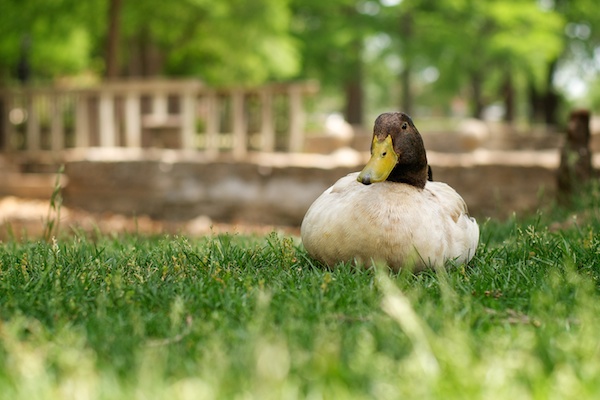
1. Limit the number of shots you take
Memory cards are extraordinarily cheap. It’s tempting to buy the biggest card you can afford in order to ensure you can fill it with thousands of pictures and not worry about running out of space. But not too long ago, photographers were limited to just a handful of pictures at a time. Each roll of film (i.e. memory card) could hold 36 shots at most, and they were crazy expensive by today’s standards. Imagine paying four dollars for a memory card that could only hold a couple dozen photos and only be used once! Nevertheless, for decades our photographic forefathers were able to churn out amazing images by working within these limits, and so can you.
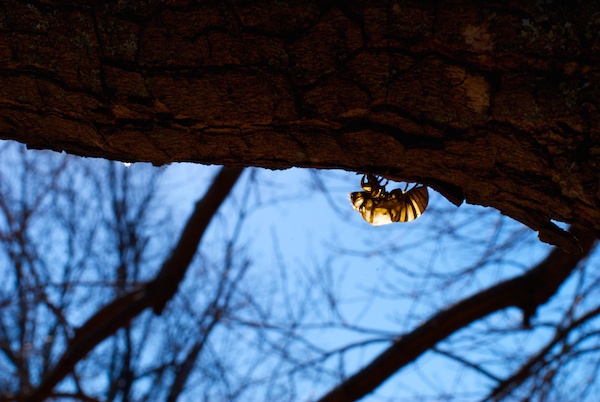
The next time you go out to shoot, limit yourself to only a handful of pictures–set the number beforehand, and stick to it. In doing so, you will have to be much more purposeful about what you photograph. Rather than take the “spray and pray” approach where you shoot hundreds of photos now and find the good ones later, take a more measured and intentional approach by really studying your subjects and finding the best shots through careful planning. You might be frustrated at first, but will soon find that you develop a much more intimate relationship with your subjects, the lighting, the composition, and other elements of photography. Limiting yourself to only a few pictures will help you make each shot count, and help you shoot for quality instead of quantity.
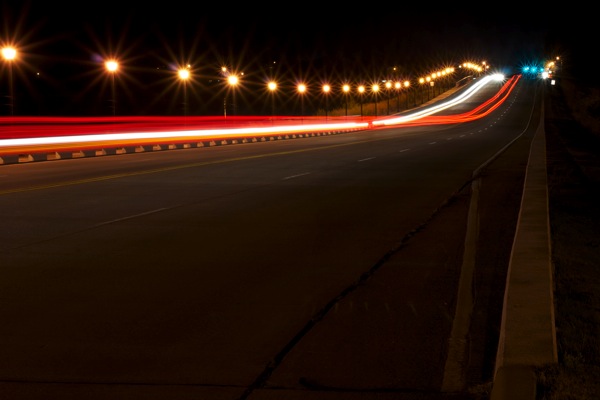
2. Limit your focal length
Zoom lenses are a wonderful thing, and are a great way to help you get closer to the action or take in a wide angle of view on a given scene. But zoom lenses on consumer cameras are a fairly recent invention, and not long ago every camera shipped with a simple prime lens, meaning it could not zoom at all. Imagine not being able to zoom in and out! You would have to physically move yourself to get closer to the action–not at all what people expect nowadays. But by limiting your focal length you can, ironically, find yourself stretching your photographic muscles in ways you never thought possible.
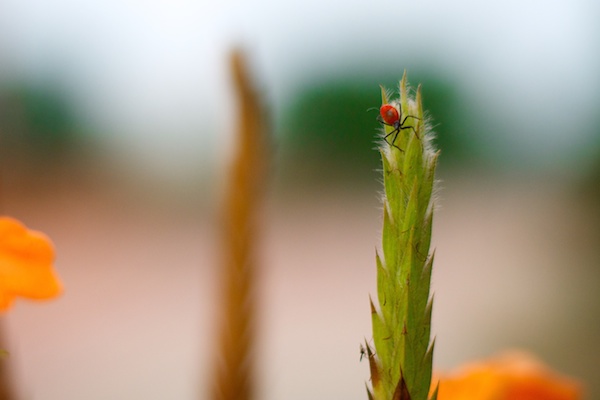
When you allow yourself only one focal length, it forces you to look at the world with a different perspective and see new opportunities for pictures. Let’s say you are out with your kids at the park, but instead of standing on the side and zooming in, try locking your lens at one focal length such as 24mm or 35mm and physically walking around to get closer. You will soon discover new perspectives that you overlooked, because you were relying on the zooming capability of your lens. Or if you normally like to take photos of nature or architecture at a wider settings like 18mm, try setting your focal length to something like 55mm and see what happens.
True, the pictures you take will look nothing like what you are used to, but you will see the world from a new perspective and find all sorts of different photographic opportunities you never realized were there. If the temptation to start zooming in or out strikes, don’t give in. Move yourself around and look for ways to work within the limit you have set, and you will be surprised at what you can accomplish.
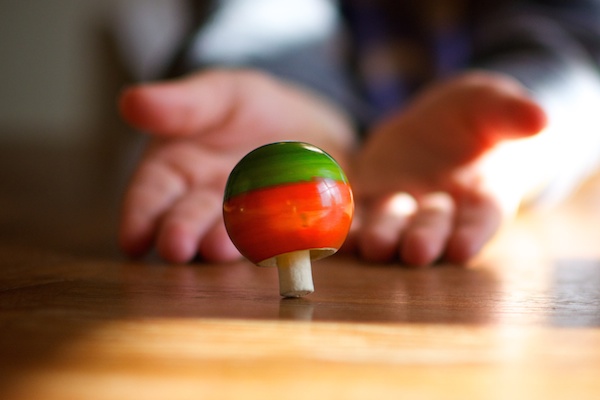
Of course the best way to limit your focal length is to buy a prime lens, which I highly recommend. Not only will you learn to maximize the possibilities afforded by a single focal length, but you will get other benefits like a much larger aperture which means better photos in low light, and nice blurry backgrounds too.
3. Limit your subject
We’ve all heard people tell us to take time to stop and smell the roses, but what about taking time to photograph them? Or, specifically, one single rose. That’s the idea here: rather than taking pictures of many roses, trees, buildings, sculptures, or people – focus on just one subject and look for new and interesting ways to capture it on digital film. Study it from every possible angle, and find ways of positioning it (or yourself) that might not seem so obvious. Try returning at different times of day, or seasons of the year, and see how it changes. You might end up with dozens or even hundreds of pictures that are boring, uninteresting, or just not all that good. But you will also likely end up with some gems that are far beyond what you thought you could accomplish before.
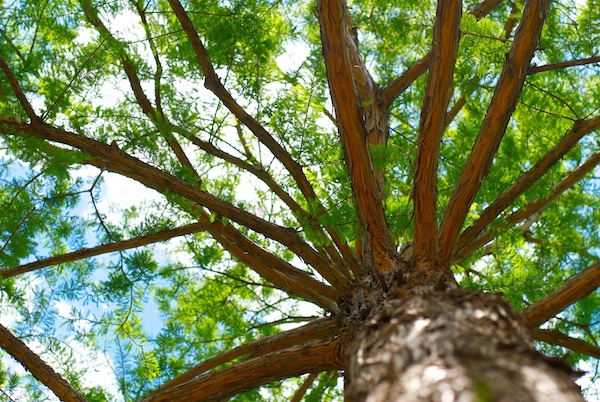
Limiting yourself, in a world with limitless photographic opportunities, might seem counter productive at first. But if you give it a try, you will find that putting some constraints on your photography will help stretch yourself in new ways and find interesting picture opportunities that you might have overlooked hundreds of times before.
The post Three Exercises to Limit Yourself and Grow as a Photographer by Simon Ringsmuth appeared first on Digital Photography School.

Digital Photography School


