RSS
 

Posts Tagged ‘Glass’

Handle with Care: 10 Years of Fragile Glass Boxes Broken by FedEx

10 Feb

[ By WebUrbanist in Art & Sculpture & Craft. ]

fedex-box-arts

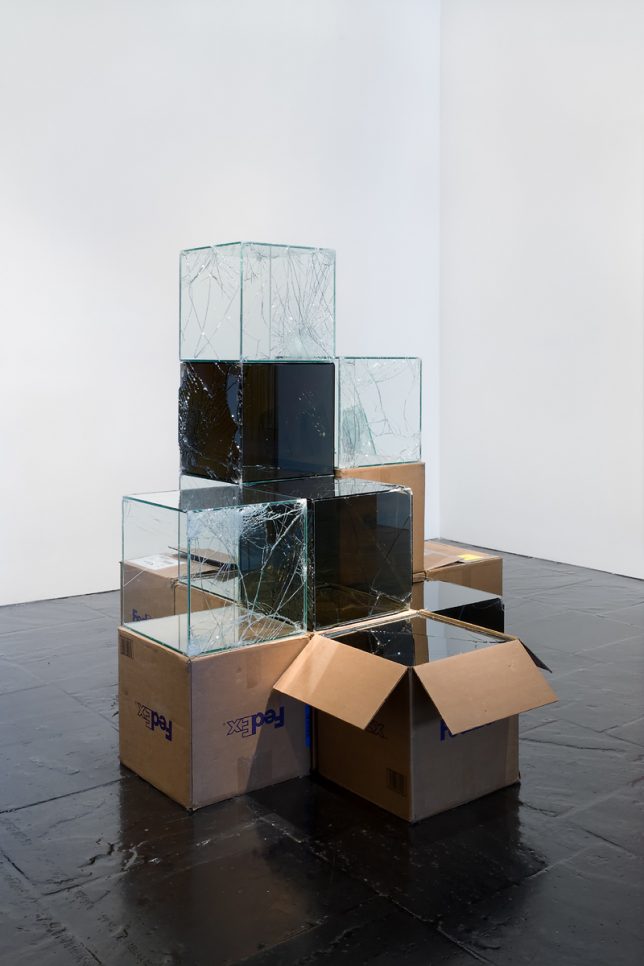
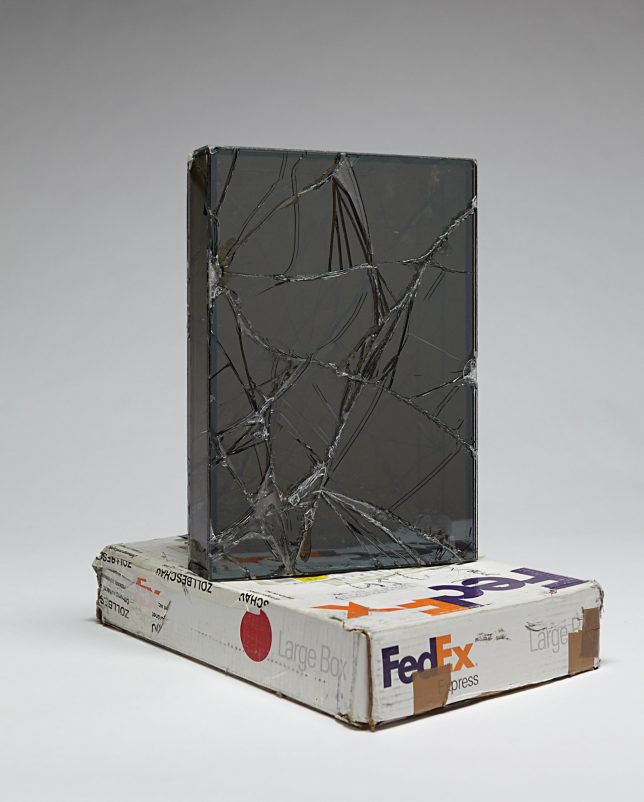
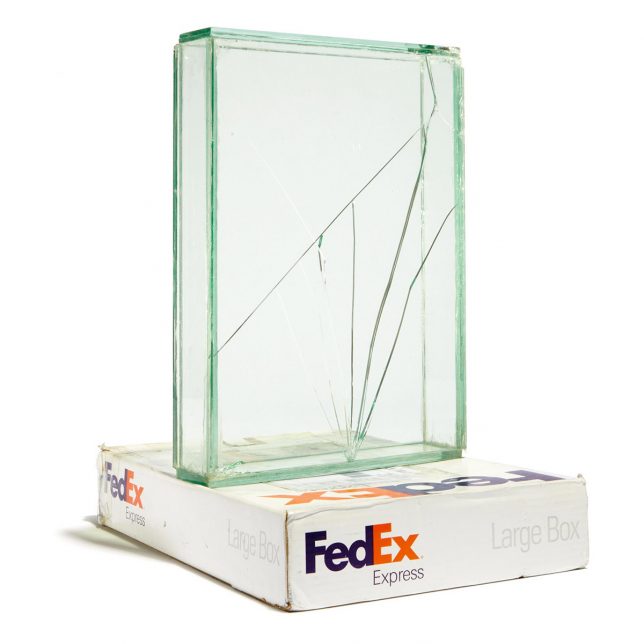
Packing and shipping artwork is a delicate and costly process, unless your intention is to create new pieces by allowing them to break along the way. Starting in 2005, artist Walead Beshty began a decade-long project, sending works of art to galleries around the world with an important twist: the key element of their creation happened in transit.

fedex-cubic-assembly

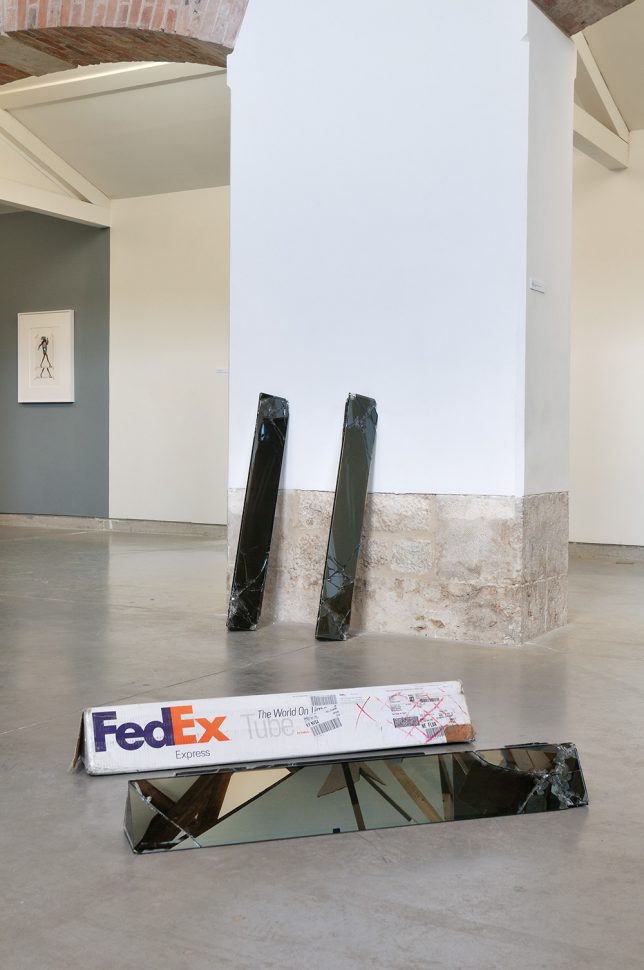
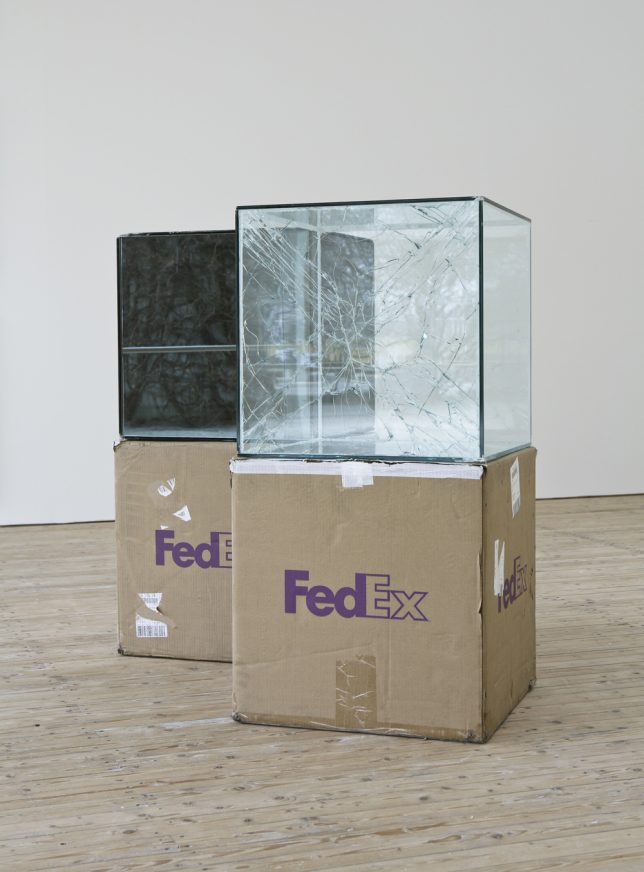
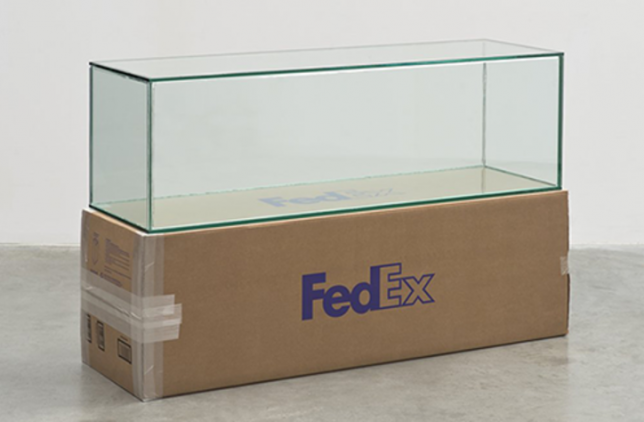
Beshty would construct glass boxes to fit inside the cardboard shipping containers, matching their interior dimensions (no padding or other protection). Curators then unpacked the finished works, usually cracked but not totally destroyed (being constructed from shatter-proof glass).

fedex-express-tube-art

Each piece was given a descriptive name including the date of shipment, tracking number and box dimensions, then put on display (resulting in titles like: FedEx® Large Box ©2005 FEDEX 139751 REV 10/05 SSCC, Priority Overnight, Los Angeles-New York trk#795506878000, November 27-28, 2007). In some cases, the glass contents are reshipped, changing form again and again as they move between exhibitions.

fedex-pedestals

The net result is a work that tells the story of its own travels, particularly a period between leaving the hands of the artist and being received by a museum or collector. The displays vary, but in some cases the battered boxes become pedestals for the finished sculptural displays.

not-borken

But beyond this fixation with the story behind the art, there is another element that drove Beshty: the “perversity of a corporation owning a shape” – as it turns out, FedEx has managed to copyright the dimensions of their box designs.

fedex-glass-cube

“They are basically a unit of space owned by a corporation in which to ship objects,” explains the artist. This idea of a company being able to “own” an empty volume of air designed to transport goods seemed surreal, and was another factor motivating this unusual mobile art project.

Share on Facebook


[ By WebUrbanist in Art & Sculpture & Craft. ]

[ WebUrbanist | Archives | Galleries | Privacy | TOS ]


WebUrbanist

 
Comments Off on Handle with Care: 10 Years of Fragile Glass Boxes Broken by FedEx

Posted in Creativity


Modern Mazes: 15 Labyrinths Made of Glass, Steel, Light and Salt

19 Jan

[ By SA Rogers in Art & Installation & Sound. ]

light-maze-1

Escaping the convoluted confines of the conventional hedge-in-a-garden, the labyrinth takes on ever more complex forms to better confuse you with, especially when mirrors, glass or mechanical elements are involved. These immersive installations use unusual materials and disorienting configurations to encourage visitors to wander, explore, face uncertainty about their paths and pause to marvel at the beauty of it all.

Maze Made of Light by Brut Deluxe

light-maze-2

light-maze-3

light-maze-4

This immersive light maze made of acrylic panels with dichroic film applied to one side creates a reflective rainbow you can walk through. Once you’re inside, circles cut into the acrylic transmit colors from other areas of the maze. ‘Yûzhóu’ was craeated by architecture and design studio Brut Deluxe for the Luneng Sanya Bay Light and Art Festival in Hainan, China.

Vertical Maze Tower in Dubai

maze-tower-2

This 56-story skyscraper in Dubai is the world’s tallest vertical maze according to Guinness. DAR Consult worked with maze designer Adrian Fisher to design the eye-catching accent, highlighting it in thousands of LED lights to make it stand out after dark.

Big Maze by Bjarke Ingels Group at the National Building Museum

big-maze-1

big-maze-2

big-maze-3

big-maze-4

With high birch panel walls that tower over you along the edges shrinking to waist-height at the very center, this maze by architecture firm Bjarke Ingels Group gets easier the navigate the further you go. The life-sized indoor maze was assembled inside the National Building Museum in Washington DC. “The concept is simple: as you travel deeper into a maze, your path typically becomes more convoluted,” say the architects. “What if we invert this scenario and create a maze that brings clarity and visual understanding upon reaching the heart of the labyrinth?”

Steel Labyrinth by Gijs van Vaerenbergh at C-Mine Art Centre, Belgium

steel-maze-1

steel-maze-2

steel-maze-3

steel-maze-5

steel-maze-4

The architect duo known as Gijs Van Vaerenbergh experimented with the classic form of the labyrinth for a sculptural installation at the center of the C-Mine Arts Centre in Genk, Belgium. The design, made of 5mm-thick steel plates weighing a total of 186 tons, is envisioned as a composition of walls and voids that strategically frame various areas with cut-outs. An accompanying tower outside the maze allows visitors to get a bird’s eye view of the entire thing.

Salt Labyrinths by Motoi Yamamoto

salt-labyrinth-2

salt-labyrinth-1

salt-labyrinth-3

This labyrinth is so minuscule in scale, only insects could ever hope to navigate it, but it’s a wonder to take in from above. Artist Motoi Yamamoto is known for his intricate temporary sculptures made of salt, creating complex arrangements that almost seem organically formed.

Next Page – Click Below to Read More:
Modern Mazes 15 Labyrinths Made Of Glass Steel Light And Salt

Share on Facebook


[ By SA Rogers in Art & Installation & Sound. ]

[ WebUrbanist | Archives | Galleries | Privacy | TOS ]


WebUrbanist

 
Comments Off on Modern Mazes: 15 Labyrinths Made of Glass, Steel, Light and Salt

Posted in Creativity


How to Create Glass Ball Landscapes – 6 Techniques

29 Dec

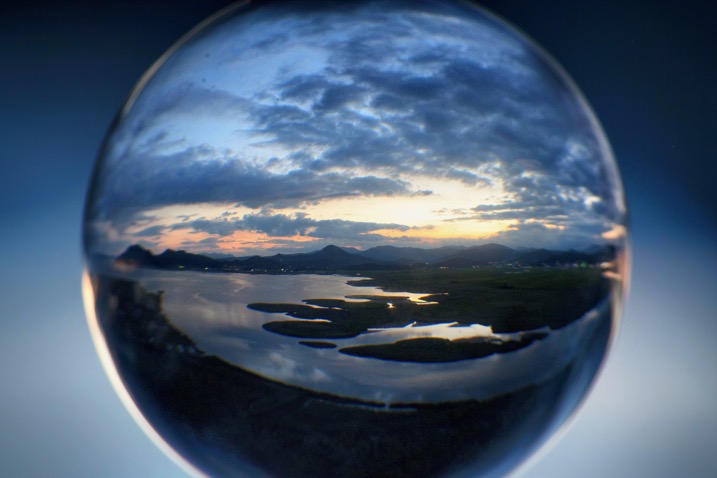
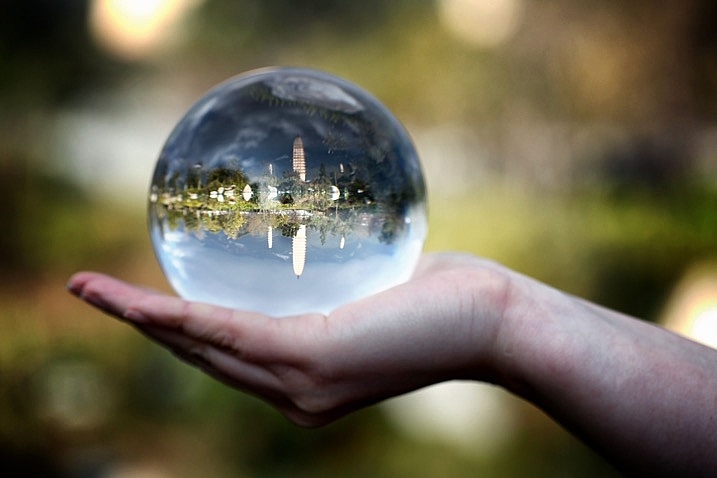
In photography, creative inspiration can often come from trying something new and photographing a scene with that technique. Creating glass ball landscapes is one example of this, as it allows you to capture a fish-eye like scene, using a telephoto lens. The glass ball creates a mystique, as many people associate looking into a crystal ball with seeing into the future. However, visions inside a glass ball are easy to achieve with a few simple steps!

How to take landscape photos with a glass ball

img_8070-copy

In order to get good landscape photos with the glass ball, you’ll need to apply some basic rules, an understanding of the science at work also helps. If you read my previous article on crystal ball photography you will already be familiar with the 7 steps you can follow to take this type of image. Here’s a quick recap:

  1. Choose a scene that you’d normally shoot with a wide angle lens.
  2. Photograph this scene with the sun behind you, lighting up the scene you wish to shoot.
  3. Place the ball somewhere it won’t fall.
  4. Compose your scene with the glass ball in it.
  5. Ensure the horizon lines inside the ball and in the background match.
  6. Focus the camera on the scene inside the ball, which is best achieved using live-view and manual focus.
  7. Use an aperture of around f/4 as this will keep the ball sharp and the background blurred.
  8. Take the photograph, and repeat if you’re not happy with the sharpness inside the ball.
  9. Rotate your image in post-processing so the scene in the ball isn’t upside down. In some cases, you can skip this step.

Alternative glass ball landscapes, and how to compose them

It’s easy to get it in your mind that every scene or situation needs a crystal ball photo. This is not the case and careful consideration needs to be taken when selecting the photograph you’ll take. The most important thing to do is find a compelling subject that shows prominently inside the glass ball. Once you have this basic parameter established below are some differing ways you can compose your glass ball landscape photograph.

1 – The classic composition

Glass ball landscapes use the rule of thirds. This classic composition shows the entire ball and was shot at 100mm.

Glass ball landscape using the rule of thirds. This classic composition shows the entire ball and was shot at 100mm.

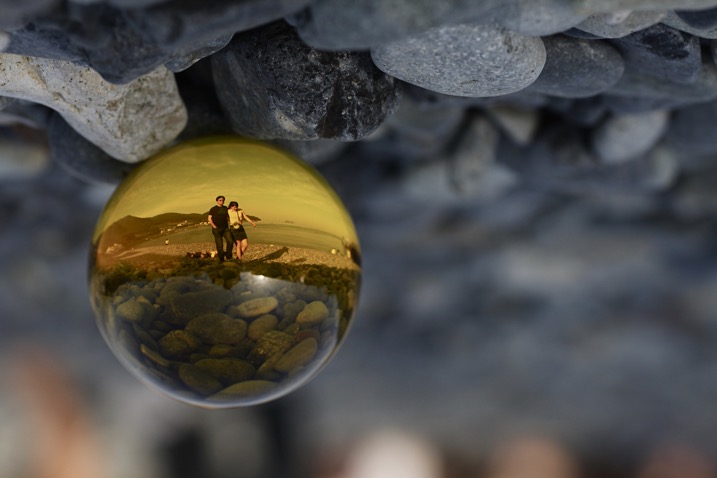
In this type of composition the ball fills the majority of the frame, with the entire edge of the ball visible. This will lead to glass ball landscapes that have an immediate impact and areas to the side of the ball that are blurred out and minimalist in nature. This type of image is most easily taken with a macro or telephoto lens with an aperture of f/4 to create the nice bokeh around the ball.

2- Get in close

Getting closer to the glass ball will emphasize the scene within the ball, this also entails framing that cuts some of the edges of the ball away. A centered composition with both the top and bottom part of the ball can work here, this has the advantage that top and bottom parts of the scene cannot be easily deduced. The other composition follows the rule of thirds, with the edge of the ball showing in the left or right third of the image.

glass ball landscape photography

A closer crop focuses the eye more on the image in the ball.

3 – Give the ball a bit of space

There are many ways to photograph the glass ball, and using a wide-angle lens with this technique can be very effective. In this case, you want the background scene to be minimalist, with the ball becoming an accent in the scene. The scene will not likely be rotated during post-processing, so compose to the scene in the background. In this type of the photo, the ball and the landscape scene should form a balanced composition.

A wider angle of 20mm is used here. The ball is an accent within this frame.

A wider angle of 20mm is used here. The ball is an accent within this frame.

4 – Take it to the high life

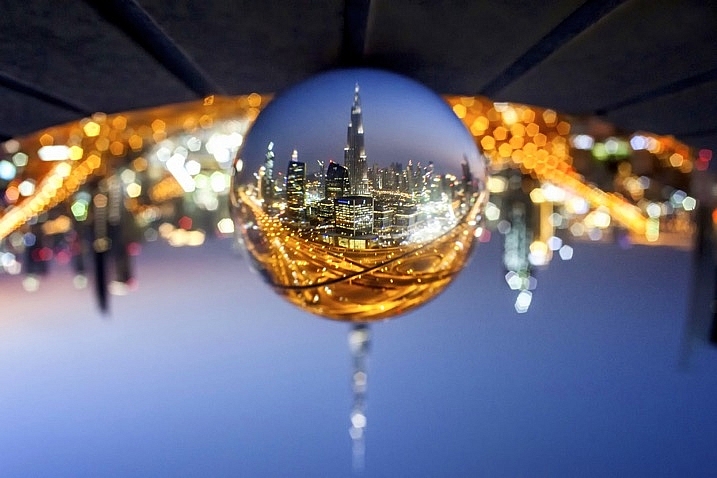
Glass ball landscape photographs

Gaining access to the rooftop provided a great vantage point.

As with all landscape photos, a high vantage point for glass ball images works well. Gaining access to a high building overlooking a city, or climbing a hill are both good options. Once at your high vantage point find a good position to place the ball, so you can see the landscape inside it. You need to ensure the ball will not fall, be very careful with its positioning.

5 – Don’t forget the view from the floor

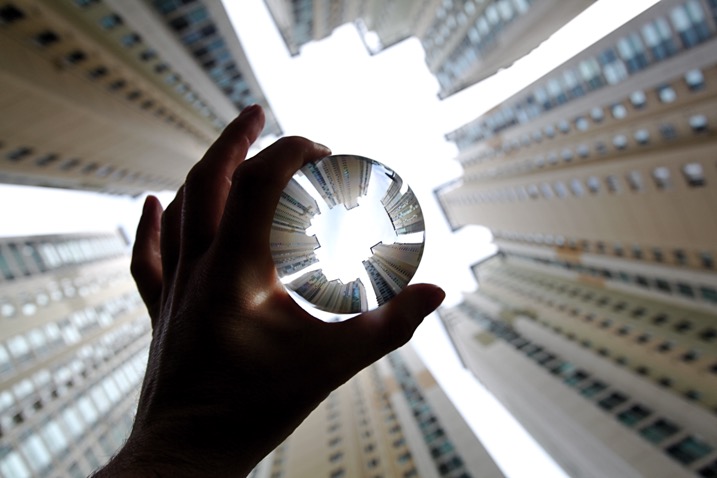
Apartment buildings in Busan, South Korea. This photo shows a glass ball being held by hand.

The view looking up can be just as good as the view looking down.

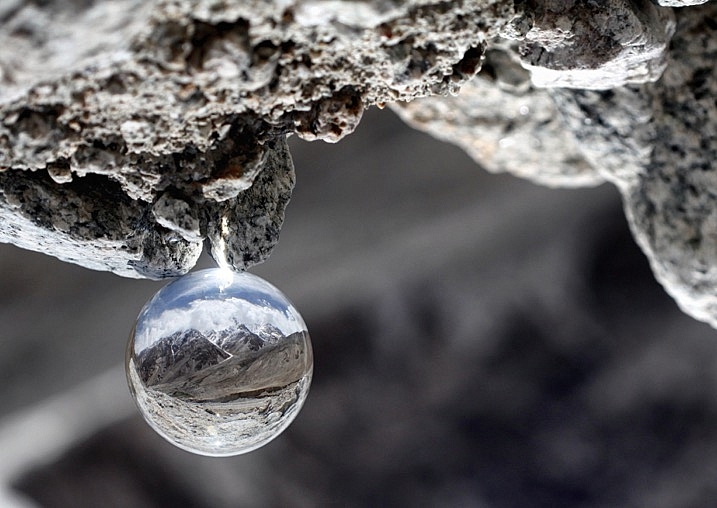
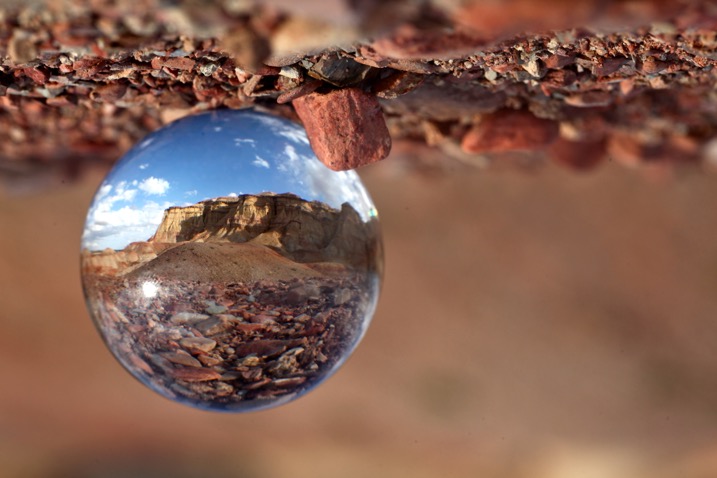
Deserts and canyons make for great locations to photograph with the ball. In this photo the ball is place on the ground, the stones in the foreground add a nice element to this photo.

In this photo the ball was placed on the ground, the stones in the foreground add a nice element to this photo.

Placing the ball at street level doesn’t always work, as half the scene will be taken up by the ground. That said there are several situations that really work well with the ball on the ground.

  • The ball is ever so slightly higher than the rest of the scene, so it might be at the top of an undulation.
  • There is a reflection in the scene from a marble surface or a puddle.
  • The ground is an appealing element of the photo because it’s a leaf bed for example.

6 – The human element

A friend holding the ball in position is an alternative to putting the ball on the ground.

A friend holding the ball in position is an alternative to putting the ball on the ground.

The glass ball landscapes are not always best suited to having people in them. The blurred background may look less appealing with a human shape included in it. There are a couple of ways to humanize your image, though, while still maintaining a minimal feel.

  • You eclipse the people inside the ball. Use a long telephoto lens, compression will cause people to appear inside the ball. The background will be clean without the shapes of people in it (as below).
  • You take the photo, and someone else is holding the ball. The hand is the human element of this photo, with the landscape still inside the ball (as above).
glass ball landscape photography

Photographing people inside the ball is tricky, but not impossible.

Where to try this technique

The places you’d visit for regular landscapes will also work for glass ball landscapes. The rooftops of tall buildings in cities work very well or a worm’s eye view from street level can be just as good. The beach or the desert are excellent options due to the minimalist nature of those locations.

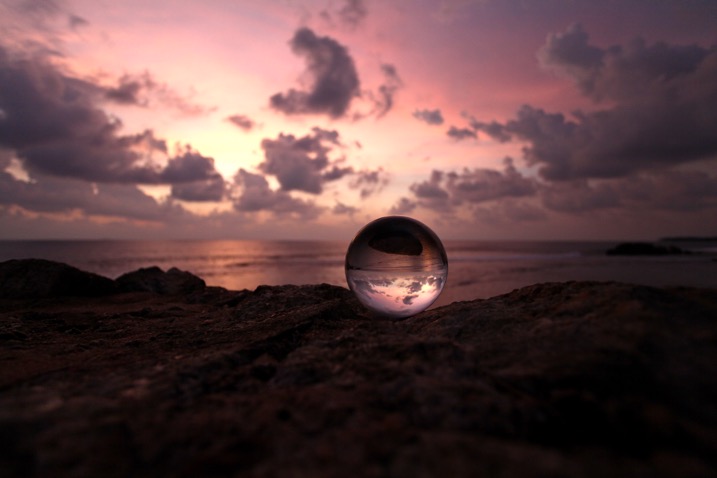
Sunset photos at the beach with the glass ball are one of the classics in this genre of photography. Mountains and forests make for good locations as well. A lone tree can be a nice subject, as can lines of tree trunks inside the glass ball. Up in the mountains, you can easily fill the scene inside the ball with a large peak jutting up into the landscape.

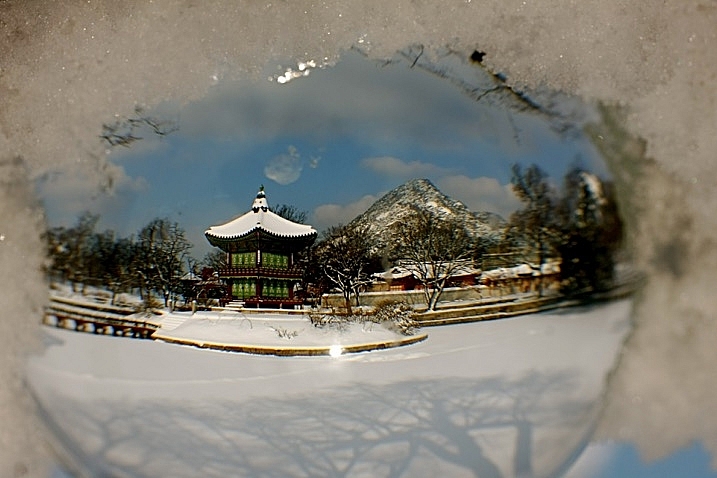
The snow globe is a well known souvenir gift, which the glass ball can replicate.

The snow globe is a well-known souvenir gift, which the glass ball can replicate.

Getting out with the glass ball

In my last article on refraction I linked to a site selling an 80mm glass ball, this is a great option though it can be heavy to carry. You can also use a smaller ball for many situations, and when you are carrying a heavy bag of camera gear this is a good idea.

Once you have a glass ball it’s best to dive in and see what works best for you. I’d love to see more examples of your work, it was great to see so many pictures last time. One final tip, be careful in the sunlight with the ball. The glass ball acts as a magnifying glass with the sun’s rays and can burn you, or your property.

googletag.cmd.push(function() {
tablet_slots.push( googletag.defineSlot( “/1005424/_dPSv4_tab-all-article-bottom_(300×250)”, [300, 250], “pb-ad-78623” ).addService( googletag.pubads() ) ); } );

googletag.cmd.push(function() {
mobile_slots.push( googletag.defineSlot( “/1005424/_dPSv4_mob-all-article-bottom_(300×250)”, [300, 250], “pb-ad-78158” ).addService( googletag.pubads() ) ); } );

The post How to Create Glass Ball Landscapes – 6 Techniques by Simon Bond appeared first on Digital Photography School.


Digital Photography School

 
Comments Off on How to Create Glass Ball Landscapes – 6 Techniques

Posted in Photography


5 Tips for Shooting Glass to Enhance Your Street Photographs

20 Dec

As any studio photographer will tell you, photographing translucent and reflective objects like glass for product work can be an ordeal. It’s not impossible, but it sure isn’t easy, with plenty of variables and tricky reflections to minimize and avoid.

Naturally, you can imagine my foray into street photography was both a welcome change and a culture shock. Stepping out of the studio and into the realm of street photography, I went from an incredibly controlled environment to anything but! That’s when I began to view glass in a different light. Yes, the very bane of many a studio photographer’s existence can actually be a street photographer’s blessing.

Shooting through glass

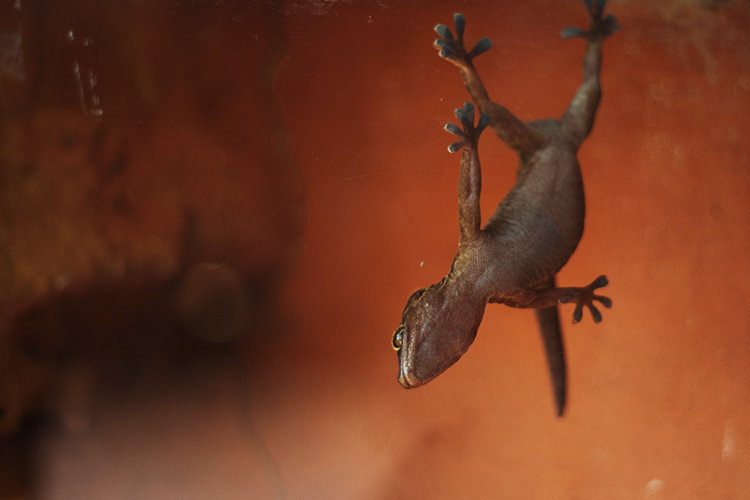
Photographing through glass lends unique perspectives, like this photo of a gecko hanging upside down on a glass enclosure.

There aren’t many fixed objects that pose opportunities as readily to a street photographer as glass. As photographers, we all (mostly) use glass in our lenses as its inherent properties focus light and correct optical aberrations, allowing us to record sharp images. Glass surfaces in the street, however, present a variable and volatile abundance of opportunity. It can soften, reflect, highlight, disguise, frame, and transpose. Glass constantly changes with the environment yet it behaves as a physical barrier between the photographer and subject, allowing for a degree of ease between the two.

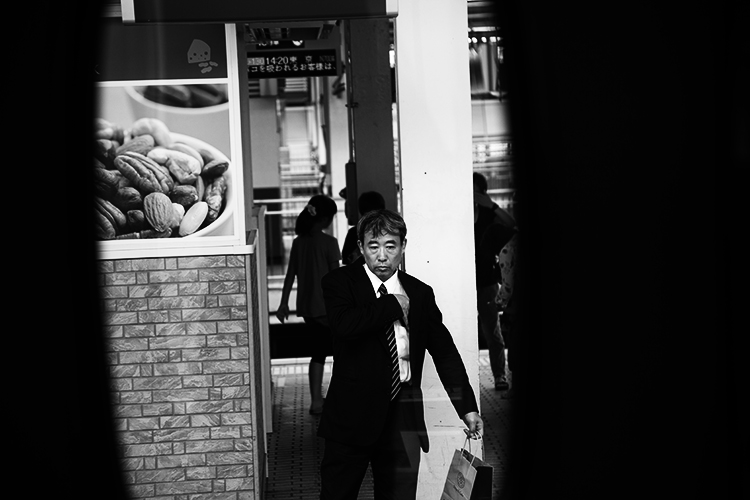
For the sake of this article, I’ve narrowed the benefits of glass to only the most obvious and dramatic – color, pattern and texture, reflections and depth, glass as a physical barrier, framing and finally, distortion and perspective. Okay, so I combined a few points, but you’ll soon see that glass isn’t just for selfies and reflections. Shooting through glass can actually change up your practice and give you a whole new perspective on street photography.

1 – Color

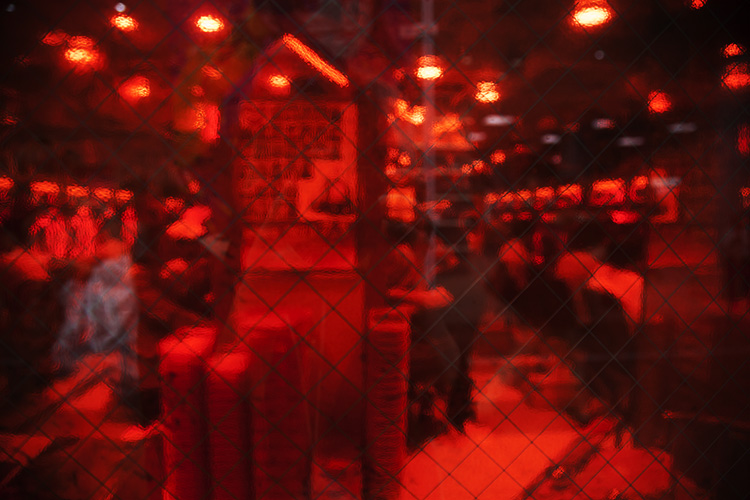
photography-through-glass05

The saturated red of the glass between the subject and I adds a sense of voyeurism.

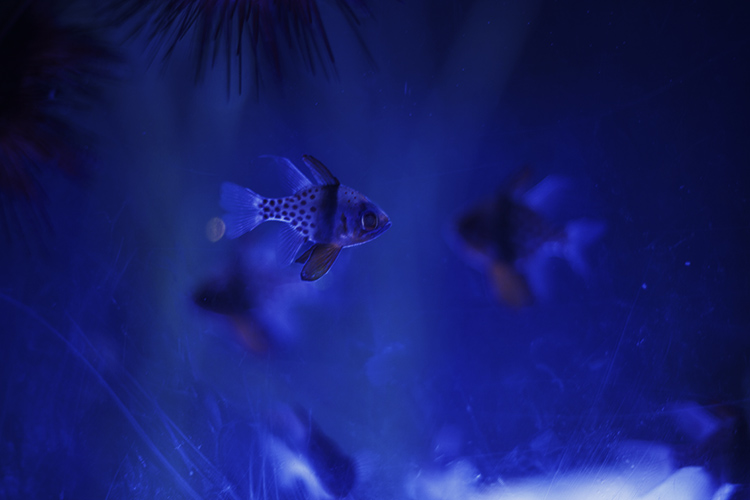
Color greatly influences how a viewer reads an image. Shooting through colored glass is a great way of adding atmosphere to your photographs without post-production. Red glass, like that found on decals or nightclubs, suggests a sense of intimacy or passion, whereas blue could suggest an aquatic or daylight setting. Color eludes to the time of day a photograph was taken and a highly saturated image can also take on a surreal appearance, distancing the viewer from the photograph and creating a feeling of voyeurism. Try photographing subjects through tinted feature walls at late-night shopping malls or through the aged glass of old windows.

photography-through-glass06

2 – Pattern and texture

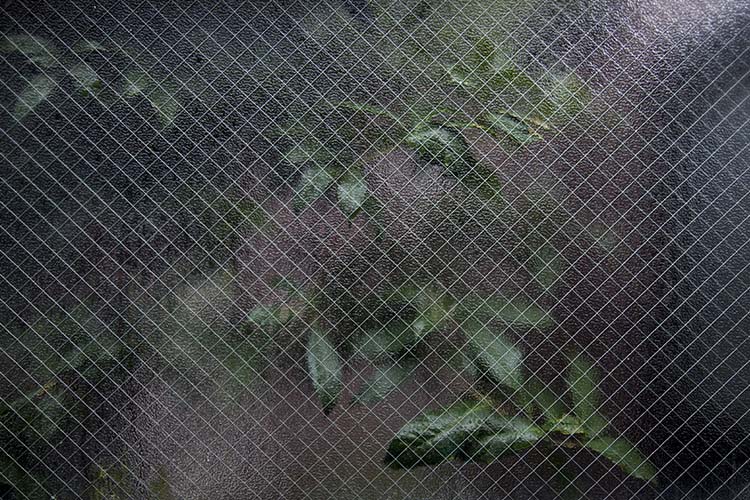
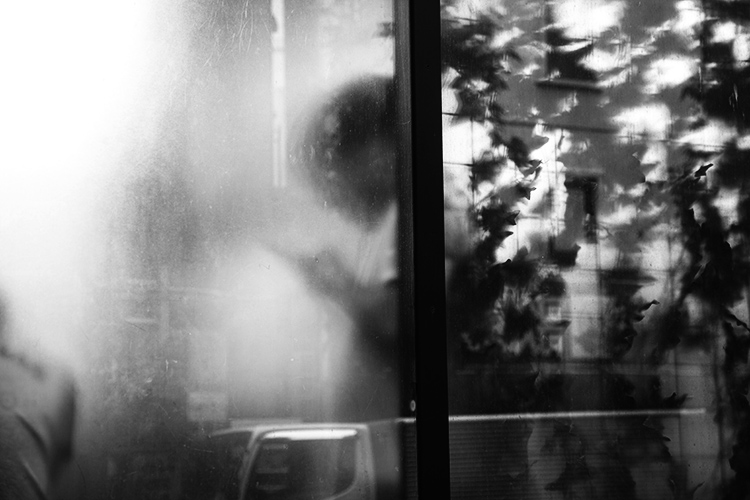
Using pattern and texture in a photograph explores how an image feels as well as how it looks. Textural images appeal to our sense of touch and it allows photographers to form greater connections with an audience. Photographing textured, semi-opaque and reinforced glass divides an image into smaller sections. This prompts a viewer to dissect an image in pieces to gain a greater understanding of the whole.

Different textures are great for images with organic and inorganic subject matter too. Creating juxtapositions that draw attention to subjects that are usually discounted creates engaging subject matter. Texture also affects the way light interacts with glass, softening the subject matter behind it and emphasizing form and shape over content.

photography-through-glass04

The rough, reinforced glass in the foreground of this image highlights the soft, organic form of the plant in the background.

photography-through-glass07

3 – Reflections and depth

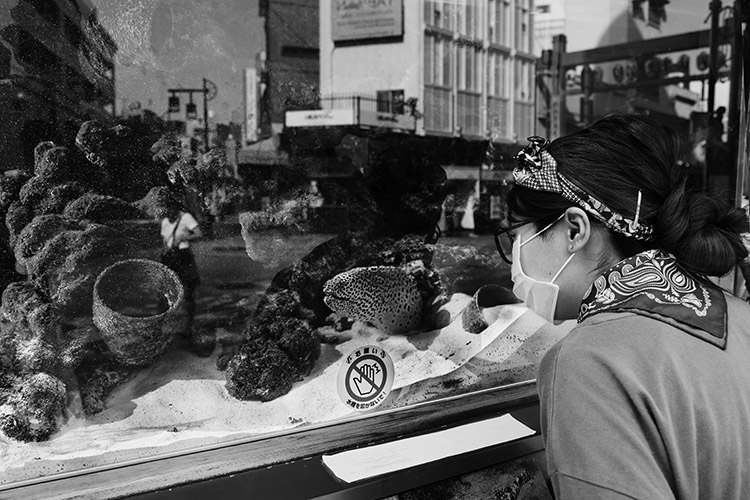
Want to add context to a portrait but running low on legroom? Reflective glass windows are a great way to add depth to a photograph. Reflections in glass create a greater sense of atmosphere and give the viewer more information about an image. The characteristics of reflected light add tonal variety to a photograph, drawing a viewer in for a closer look. The closer you are to a glass surface, the less it will reflect, try stepping back or shifting the camera angle. Stepping back also has the added bonus of minimizing your chances of disturbing a potential subject.

photography-through-glass02

This photograph features a woman inspecting an eel in a shop window, but also includes a reflection of the street, adding depth and a greater sense of context.

4 – The invisible wall

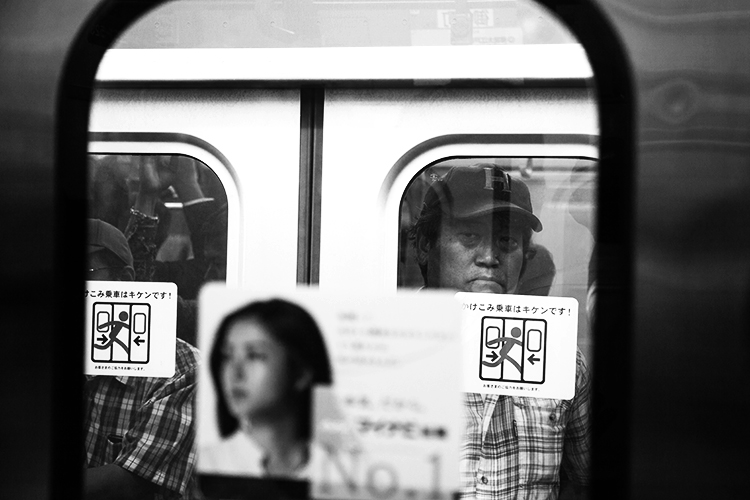
In my time as a street photographer, I’ve noticed an interesting psychological phenomenon. When I’m photographing subjects through transparent panes of glass – people are much more at ease. Photographing people through a glass window or panel seems to add a degree of separation. My theory is that when there is a physical barrier between you and the subject, people subconsciously feel more comfortable. Glass reduces noise and light, creating a physical partition that lures people into a sense of security.

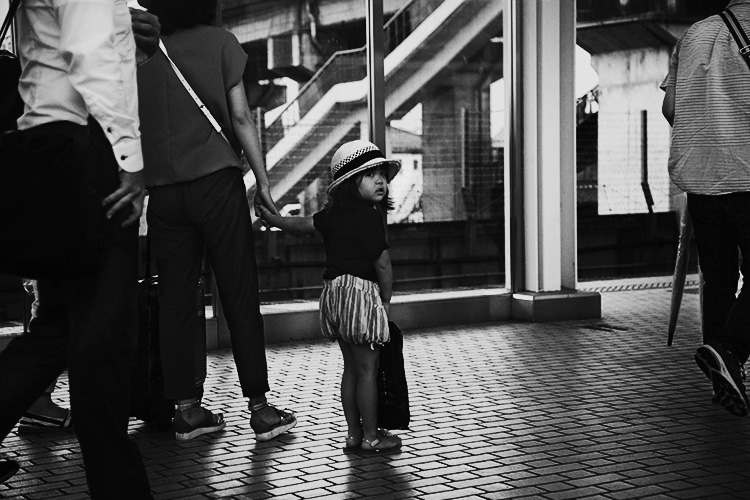
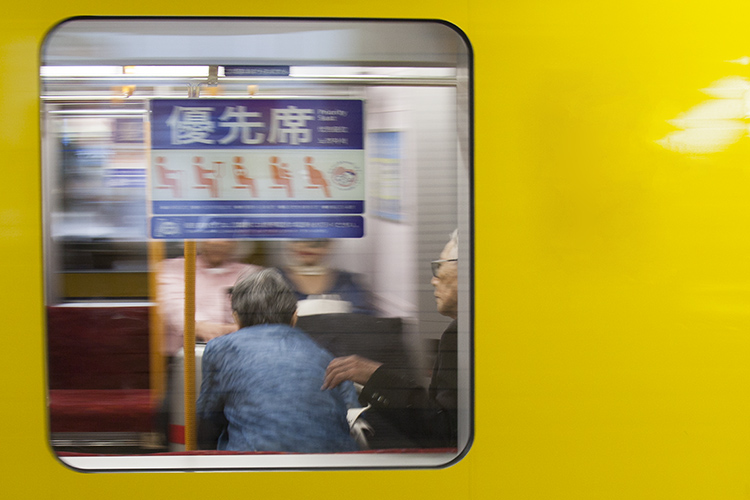
I find that when separated by a pane glass people are more likely to look directly into the lens too, allowing their curiosity to run a little freer behind a physical partition. Some of the most natural street portraits I have taken have been through glass partitions and windows. Train rides offer an excellent opportunity for unencumbered street photography.

photography-through-glass12

Taken from a train window, the subject and I had a bit of a stare-off before I took this shot.

Also taken from a train window, this child was watching my train leave the station. I was quick enough to place my camera against the glass to capture her looking back at me.

5 – Framing and perspective

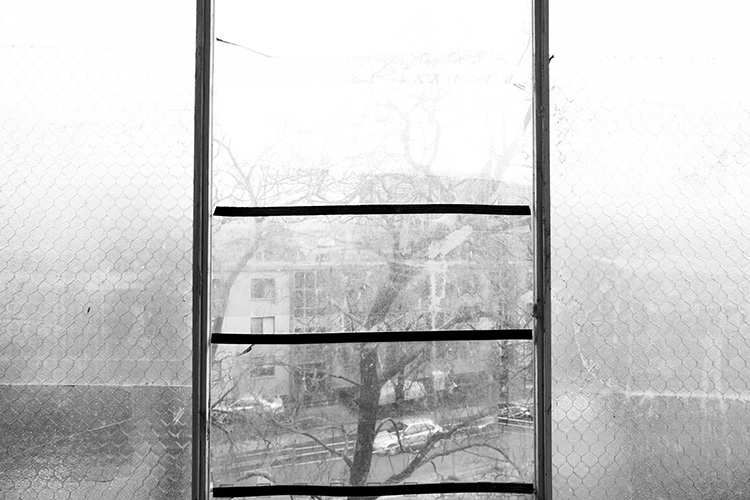
Emphasizing the photographer’s point of view can lend a voyeuristic atmosphere to an image. Framing is the use of shapes in the environment to guide the viewer’s eye to a point in a photograph. Photographing through glass partitions or windows emphasizes that you have captured a moment without prompting a subject, like looking through a keyhole.

Viewing a subject photographed from above feels different to viewing a photograph taken from below. One great way to take advantage of glass’s transparent nature is to focus on various animals’ attraction to transparent surfaces. Inhabitants of urban landscapes such as lizards, frogs, spiders, snails and insects all negotiate glass surfaces with ease.

A photographer with a keen eye can exploit these opportunities to capture unique perspectives of our fellow city-dwellers. Like humans, animals seem more at ease with a wall of glass to separate them from potential predators, allowing you the chance to capture a more natural photograph.

photography-through-glass13
photography-through-glass11

photography-through-glass03

Distortion

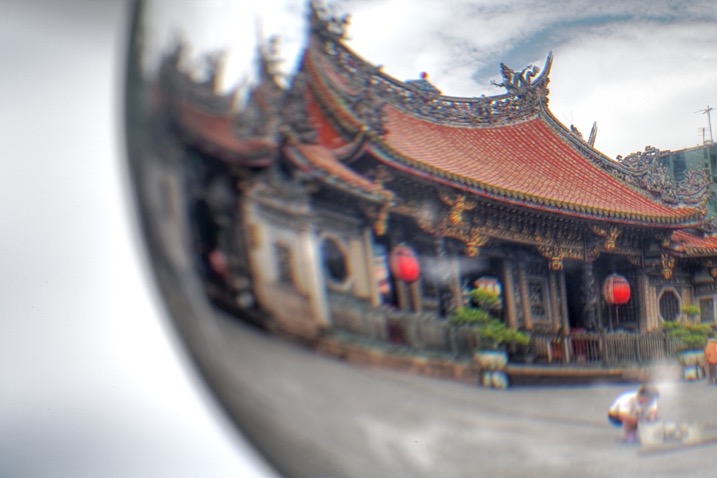
Light traveling through glass often behaves in surprising and interesting ways. If light touches even the most minute curved surface it refracts, distorting anything viewed through it. Planning a shot in front of a pane of glass can yield fascinating and surrealistic photographs.

Try experimenting with different thicknesses of glass at varying degrees of curvature. Aquariums and aquatic displays are good for honing this technique because the water inside the glass containers amplifies the distortion. Holding variously shaped prisms over the front of your lens can yield some surprisingly effective and interesting results too.

photography-through-glass08

Conclusion

Transparent, opaque, tinted, laminated, textured, reinforced… there are endless varieties of glass and each presents a unique opportunity for you as a photographer. Although I’ve tried to list a few of the more dramatic ways to use glass in street photography, the potential is limitless and exciting.

photography-through-glass14

They key to taking great street photographs is to be open to opportunity and quick on the shutter button. With limited time to capitalize on the moments that are presented to you, focusing on surfaces like glass that can yield fascinating results quickly and is a fool-proof way of enhancing your craft.

googletag.cmd.push(function() {
tablet_slots.push( googletag.defineSlot( “/1005424/_dPSv4_tab-all-article-bottom_(300×250)”, [300, 250], “pb-ad-78623” ).addService( googletag.pubads() ) ); } );

googletag.cmd.push(function() {
mobile_slots.push( googletag.defineSlot( “/1005424/_dPSv4_mob-all-article-bottom_(300×250)”, [300, 250], “pb-ad-78158” ).addService( googletag.pubads() ) ); } );

The post 5 Tips for Shooting Glass to Enhance Your Street Photographs by Megan Kennedy appeared first on Digital Photography School.


Digital Photography School

 
Comments Off on 5 Tips for Shooting Glass to Enhance Your Street Photographs

Posted in Photography


LG V20 owners report fragile, easily cracked camera glass

26 Oct

Numerous reports have surfaced from LG V20 owners claiming that the glass covering the smartphone’s rear camera is easily shattered. In some cases, the glass reportedly breaks without any direct impacts, leading some to speculate that the LEDs may be the cause. Some users report receiving a new phone with glass that’s already cracked, while others indicate it cracks after only several hours or days of use.

In addition to user reports on Reddit, smartphone durability tester ‘JerryRigEverything’ experienced the same issue. The glass camera covering is shown shattering in the video below a few moments after he rubs it with a pick to test its durability against scratches. LG has not issued a comment on the reported issue. For now, users are advised to keep the protective film covering on the camera glass in an effort to avoid cracks.

Via: TechTimes

Articles: Digital Photography Review (dpreview.com)

 
Comments Off on LG V20 owners report fragile, easily cracked camera glass

Posted in Uncategorized


Canon introduces EF 16-35mm F2.8L III USM and EF 24-105mm F4L IS II USM L-series glass

26 Aug

$ (document).ready(function() { SampleGalleryV2({“containerId”:”embeddedSampleGallery_0777777920″,”galleryId”:”0777777920″,”isEmbeddedWidget”:true,”standalone”:false,”selectedImageIndex”:0,”startInCommentsView”:false,”isMobile”:false}) });

Coinciding with the announcement of the 5D Mark IV, Canon has introduced updates to two L-series lenses: the EF 16-35mm F2.8L III USM and EF 24-105mm F4L IS II USM. The 24-105mm F4L II offers improved image stabilization, claiming four stops to its predecessor’s three, and adds air sphere coating for better resistance to ghosting and flare. Two aperture blades have been added, totaling 10 now – arguably one more than it should have for pleasing sunstar rendition.

The third iteration of Canon’s 16-35mm F2.8L uses a large diameter GMO (glass-molded) dual surface aspherical lens. Like its predecessors the lens is water- and dust-resistant, and Canon claims the new lens boasts improved durability. We’ve seen some initial comparisons vs. the Mark II, and the Mark III clearly addresses one of its predecessors largest shortcomings – poor off-center performance – while arguably improving upon one of its most revered qualities: beautiful sunstars, now with 18 rays.

The EF 16-35mm F2.8L III USM will cost $ 2,199 and the EF 24-105mm F4L IS II USM will sell for $ 1099. Both lenses are scheduled for October availability.

From the press release:

New Canon EF Lenses and EOS Accessories
In addition to the new EOS 5D Mark IV DSLR, Canon is also introducing two EF-Series L-series lenses as well as a variety of EOS accessories. The new EF 16-35mm f/2.8L III USM Ultra-Wide Zoom Lens features a large diameter GMO dual surface aspherical lens and ground aspherical lens, f/2.8 aperture throughout the entire zoom range, fluorine coating, improved durability and is dust and water resistant. The new EF 24-105mm f/4L IS II USM Standard Zoom lens features an improved four-stop image stabilization as well as ghosting and flare reduction with air sphere coating. The Canon EF 16-35mm f/2.8L III USM Ultra-Wide Zoom Lens is scheduled to be available late in October for an estimated retail price of $ 2,199.00†† and the EF 24-105mm f/4L IS II USM Standard Zoom Lens is scheduled to be available in late October for an estimated retail price of $ 1,099.00††.

Additional EOS accessories include the Canon Battery Grip BG-E20, Canon Rain Cover ERC-E5S/E5M/E5L and Canon Protecting Cloth PC-E1. For more information about all these products and accessories, please visit: https://www.usa.canon.com/5D4Legend

††Availability, prices and specifications are subject to change without notice. Actual prices are set by individual dealers and may vary.

EF 16-35mm F2.8L III USM / EF 24-105mm F4L II USM specifications

  Canon EF 16-35mm F2.8L III USM Canon EF 24-105mm F4L IS II USM
Principal specifications
Lens type Zoom lens
Max Format size 35mm FF
Focal length 16–35 mm 24–105 mm
Image stabilization No Yes (4 stops)
Lens mount Canon EF
Aperture
Maximum aperture F2.8 F4
Minimum aperture F22
Aperture ring No
Number of diaphragm blades 9 10
Optics
Elements 16 17
Groups 11 12
Special elements / coatings 1 dual-surface aspherical, 1 aspherical + fluorine, Air Sphere, Sub-wavelength Structure coatings Fluorine and Air Sphere Coatings
Focus
Minimum focus 0.28 m (11.02) 0.45 m (17.72)
Maximum magnification 0.25× 0.24×
Autofocus Yes
Motor type Ring-type ultrasonic
Full time manual Yes
Focus method Internal
Distance scale Yes
DoF scale No
Physical
Weight 790 g (1.74 lb) 795 g (1.75 lb)
Diameter 89 mm (3.48) 84 mm (3.29)
Length 128 mm (5.02) 118 mm (4.65)
Sealing Yes
Colour Black
Zoom method Rotary (internal) Rotary (extending)
Power zoom No
Zoom lock No
Filter thread 82.0 mm 77.0 mm
Hood supplied Yes
Hood product code EW-88D EW-83M
Tripod collar No

Articles: Digital Photography Review (dpreview.com)

 
Comments Off on Canon introduces EF 16-35mm F2.8L III USM and EF 24-105mm F4L IS II USM L-series glass

Posted in Uncategorized


Slow motion video shows glass shattering at 343,000 fps

21 Jul

YouTube channel ‘The Slow Mo Guys’ has posted a new video showcasing its fastest frame rate content to date: 343,915 fps, to be precise. The duo behind the channel, Dan and Gav, used a Phantom v2511 camera to record glass Pyrex dishes shattering with speeds starting at 28,546fps. At its fastest frame rate, the camera captured the glass shattering at a rate 13,756 times slower than real time.

At the fastest frame rate, the Phantom camera recorded for a duration of 5.1 seconds and during that time captured 19.5 hours’ worth of video footage. 

If you’re having trouble sleeping, you can check out the full 19+ hour slow-motion shatter video here. 

Via: Bokeh

Articles: Digital Photography Review (dpreview.com)

 
Comments Off on Slow motion video shows glass shattering at 343,000 fps

Posted in Uncategorized


Weekly Photography Challenge – Glass

11 Jun

How do you photograph something that is transparent or see through, like glass? See how these photographers did it with 28 images of glass subjects, then see if that gives you some ideas for this week’s challenge.

Designmilk

By designmilk

Weekly Photography Challenge – Glass

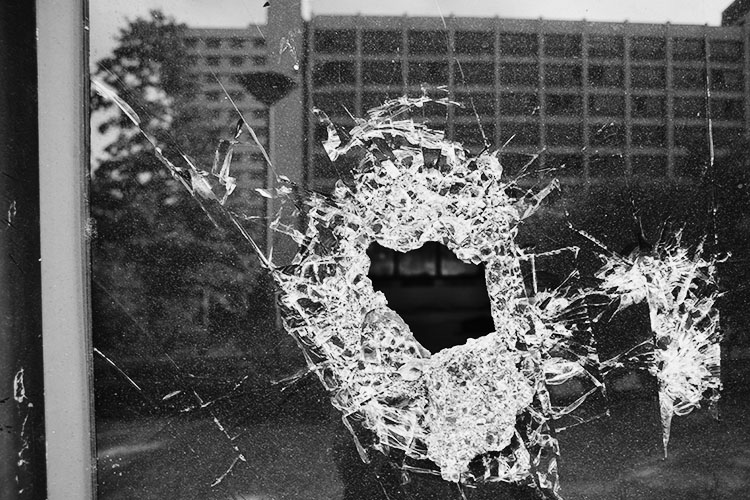
This should be easy enough to find subjects for this week’s challenge – glass – the tricky part is how to photograph it. Glass reflects everything including the light source and even yourself. So how you approach this will be up to you. Shoot a crystal glass in the studio, photograph an old weathered window pane, work with the reflections and go with them for effect, or shoot through glass. Get creative.

Bill Gracey

By Bill Gracey

?ethan

By ?ethan

Dara Or

By Dara or

Share your images below:

Simply upload your shot into the comment field (look for the little camera icon in the Disqus comments section) and they’ll get embedded for us all to see or if you’d prefer upload them to your favourite photo sharing site and leave the link to them. Show me your best images in this week’s challenge. Sometimes it takes a while for an image to appear so be patient and try not to post the same image twice.

Matthew Rogers

By Matthew Rogers

Wil C. Fry

By Wil C. Fry

Han Cheng Yeh

By Han Cheng Yeh

googletag.cmd.push(function() {
tablet_slots.push( googletag.defineSlot( “/1005424/_dPSv4_tab-all-article-bottom_(300×250)”, [300, 250], “pb-ad-78623” ).addService( googletag.pubads() ) ); } );

googletag.cmd.push(function() {
mobile_slots.push( googletag.defineSlot( “/1005424/_dPSv4_mob-all-article-bottom_(300×250)”, [300, 250], “pb-ad-78158” ).addService( googletag.pubads() ) ); } );

The post Weekly Photography Challenge – Glass by Darlene Hildebrandt appeared first on Digital Photography School.


Digital Photography School

 
Comments Off on Weekly Photography Challenge – Glass

Posted in Photography


28 Ethereal Images of a Transparent Subject – Glass

10 Jun

Glass is one of the trickiest subjects to photograph. Trying to avoid reflections, seeing through it, and distortion it causes. It can also help create some dramatic and stunning images.

In this image collection we see how several photographers have handled different kinds of glass subjects:

Ana

By Ana

?aura Tou

By ?aura Tou

Thomas Hawk

By Thomas Hawk

Maurits Verbiest

By Maurits Verbiest

Hellsgeriatric ?

By Hellsgeriatric ?

Martin Brigden

By Martin Brigden

Dean Hochman

By Dean Hochman

Tim

By Tim

Sparkleice

By sparkleice

Jurek D.

By jurek d.

Heike Giesler

By Heike Giesler

Broterham

By broterham

Michael

By michael

Sandy/Chuck Harris

By Sandy/Chuck Harris

Hehaden

By hehaden

Stan Lupo

By Stan Lupo

Chechi Peinado

By Chechi Peinado

Carl R Jr.

By Carl R Jr.

Iahan 13:20

By Iahan 13:20

Andreas Manessinger

By Andreas Manessinger

Neil Tackaberry

By Neil Tackaberry

Chechi Peinado

By Chechi Peinado

Justin Kern

By Justin Kern

R.e. Kittson

By r.e. Kittson

Mister G.C.

By Mister G.C.

Tim

By Tim

Billy Wilson

By Billy Wilson

Jonathan Cohen

By Jonathan Cohen

googletag.cmd.push(function() {
tablet_slots.push( googletag.defineSlot( “/1005424/_dPSv4_tab-all-article-bottom_(300×250)”, [300, 250], “pb-ad-78623” ).addService( googletag.pubads() ) ); } );

googletag.cmd.push(function() {
mobile_slots.push( googletag.defineSlot( “/1005424/_dPSv4_mob-all-article-bottom_(300×250)”, [300, 250], “pb-ad-78158” ).addService( googletag.pubads() ) ); } );

The post 28 Ethereal Images of a Transparent Subject – Glass by Darlene Hildebrandt appeared first on Digital Photography School.


Digital Photography School

 
Comments Off on 28 Ethereal Images of a Transparent Subject – Glass

Posted in Photography


Fast Glass: Tips for Working With Wide Aperture Lenses

29 May

As photographers, many of us become infatuated with new gear, such as a new flash, tripod, or lens. We scrimp and save our money, and go off to the camera store to purchase that new lens we’ve had our eye on, most times satisfied with whatever new piece of kit has found its way into our bag. Sometimes, though, it happens that for some reason that new gear we’ve spent our hard-earned money on doesn’t live up to our expectations.
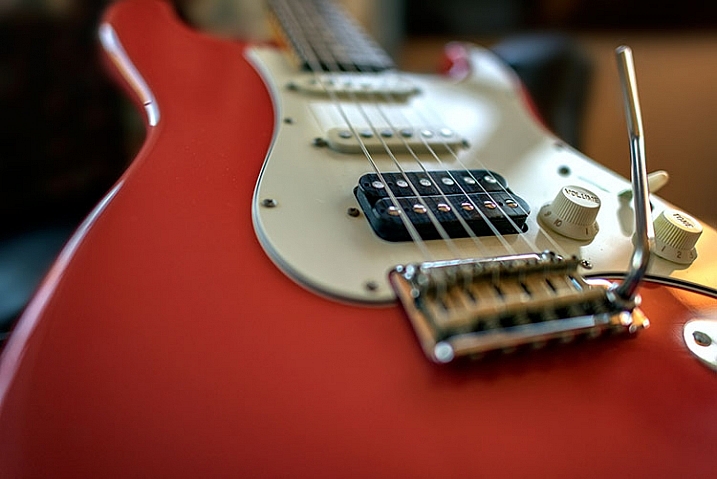
Shallow depth of field

Fast lenses enable the photographer to use shallow depth of field creatively. A 24mm f/1.4 lens, shot at f/1.4 was used for this image.

It may be that it was overhyped, or it doesn’t suit your workflow. There are occasions, however, when a piece of gear has a learning curve attached to it that needs to be solved before you can fully enjoy it. One such item that seems to have that learning curve attached, is a fast lens (one with large maximum aperture).

At some point, we all begin dreaming of fast (large aperture) lenses. For the purpose of this article, I’m going to define fast lenses as ones with maximum apertures wider than f/4.

Fast lenses are great for a lot of things, shooting in low light being one of the major advantages, because the wider aperture allows more light into the imaging sensor, which in turn allows you to use a faster shutter speed. This is why lenses like the 70-200mm f/2.8 are such a workhorse in a photojournalist’s camera bag. Another advantage to the wider aperture is the ability to create shallow depth of field in your image, which can make your subject really stand out from the background. The 85mm f/1.4 is one of my go-to lenses for almost any portrait situation for just that ability.

Focus on the eye

When photographing portraits, focusing on the closest eye is ideal when using shallow depth of field.

That all sounds great, right? But it’s that last point regarding shallow depth of field which seems to create the biggest problems for most photographers, who are new to using a fast lens. I often hear of photographers complaining about a lack of sharpness in their lenses, and more often than not, the issue crops up when the photographer is using a fast lens.

It may be a portrait photographer trying to use an 85mm f/1.8 wide open, or someone doing street photography with a 35mm f/1.4, and for some reason there’s a lack of sharpness to the image that will invariably be blamed on the lens. In my 20 years in photography, I’ve owned and worked with a lot of gear – 0ver a dozen different camera bodies, and several dozen lenses I’ve used at one point or another. I can honestly say that I have never once had one come straight out of the box brand new, and not be in perfect working order, so treat that option (that the lens is faulty) as a last resort for now.

Understanding Depth of Field

In addition to their low light capabilities, many photographers purchase fast lenses simply because of the ability to shoot with a shallow depth of field. When used creatively, a lens with a large aperture used wide open, allows you to be very selective in what you show the viewer, and what you hide in soft out of focus areas, known as bokeh.

However, it’s very important to understand that depth of field works differently dependent on the lens you are using. For instance, a lens such as the Nikon 85mm f/1.4 will have paper thin depth of field when used at f/1.4, at close distances to the subject. As the subject moves further away from the camera, that depth of field becomes a little greater. But at the minimum focusing distance, you could focus on an eyelash on your subject, and still have the eyeball be out of focus, despite the fact it’s only half an inch behind the eyelash. Assuming you don’t want to back up and change the framing on your subject, the best way to ensure sharp focus on the eye, is to choose a focus point on the eye and be careful it does not accidentally focus on an eyelash.

If you are willing to sacrifice a bit of that shallow depth of field, simply stop down a bit to give yourself some leeway on where you focus. While at f/1.4 or f/1.8 you may not be able to get both the eyelash and the eye in focus, but at f/2.2 or f/2.8, you’ll likely have enough depth of field to achieve sharp focus on both.
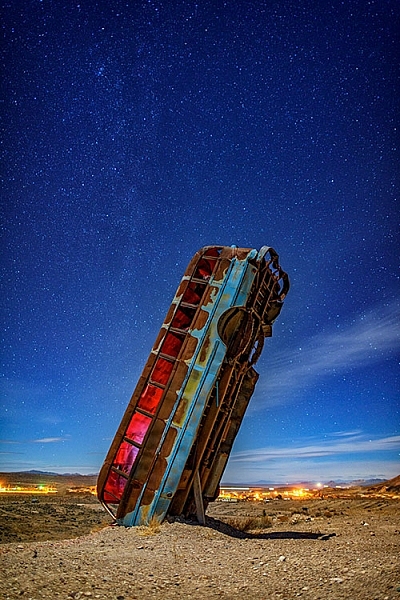
hyperfocal distance

Using a 24mm f/1.4 lens wide open, setting the focus distance to the hyperfocal distance, allows you to get greater depth of field even when photographing wide open.

Even on wide angle lenses, such as a 24mm f/1.4 or 35mm f/1.4, which have inherently (seemingly) greater depth of field due to the nature of wide angle lenses, you’ll still notice some issues arising due to the use of a wide open aperture. If you can step back from the subject, you can increase the perceived depth of field since you’ll be focusing further away. You can calculate how far away you need to be by using a hyperfocal distance calculator.

The hyperfocal distance is the closest distance at which a lens can be focused, while still keeping objects at infinity acceptably sharp. In the shot of the upended bus at night, knowing the bus was about 30 feet away, I calculated the near limit of focus for the lens I was using at about 18 feet and the far limit was 91 feet, meaning anything past that distance would still be out of focus at f/1.4. By focusing at the hyperfocal distance of 44 feet, I knew the bus would fall into the area of sharp focus, while still keeping the stars in sharp focus. This is true because the hyperfocal distance is where everything from that distance to infinity falls within your depth of field, and everything from the hyperfocal distance to the point halfway between the camera and that distance, also falls within your depth of field.

Unfortunately, it’s not always possible to focus at the hyperfocal distance. For instance, photographing at a party in a dimly lit room, you may notice some areas out of focus due to the shallow depth of field. The fix here is to  stop down a bit if you can. If you need more light, consider using a flash if appropriate, and stopping down the lens to give greater depth of field. Another option is to raise the ISO a bit to allow you to stop down the aperture more.

You may find yourself saying, “I didn’t purchase a fast lens to use it at a smaller aperture!” While that may be true, if you find yourself unable to capture sharp images due to the shallow depth of field, stopping down is the best solution. Please keep in mind, I’m not talking about a lens that just isn’t sharp. I’m talking about a lens that, due to its fast aperture, isn’t capable of capturing the depth of field needed to keep everything that you want sharp in focus.

Choosing Your Focus Point
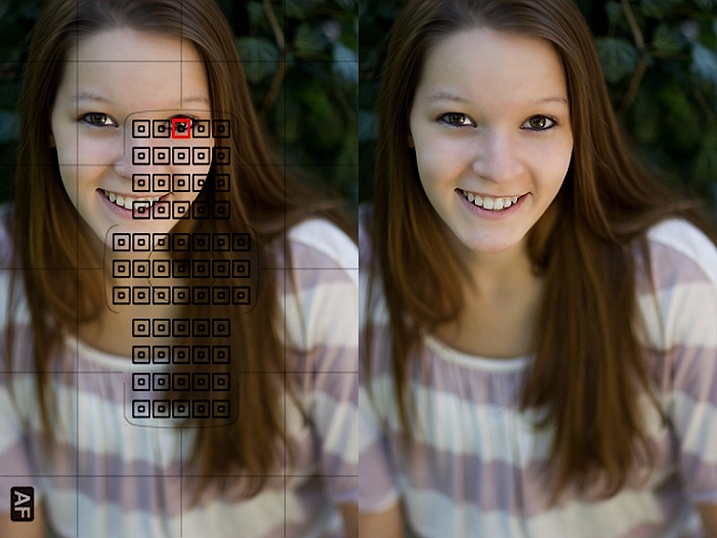
choose a focus point

When it is critical to focus on a specific area in the image, choosing the correct focus point will ensure sharp focus where you want it, even when using a wide aperture with shallow depth of field.

One of the best things you can do when using a fast lens, is to ensure you’re focusing precisely where you think you are focusing. You want to be sure your camera is set to allow you to manually choose a focus point. By manually selecting a focus point, you can ensure the camera focuses on what you think it should. Most cameras default focus point selection method is automatic. In this mode, the camera will generally try to focus on the nearest object with detail that is covered by one of the focus points. Allowing the camera to choose can be a recipe for disaster, since quite often, the nearest object with detail is not what you want to focus on.

One of the best things you can do as a photographer is take control of where your camera is focusing by selecting the focus point that you want, and ensuring that the focus point you choose is on the subject you want to be sharp. Cameras today have multiple focus points, with some having as many as 61 AF points. While it’s true that generally speaking the center point will be the most accurate of those points, technological advances have made the points along the outer edge much more accurate than in the past. This means that you can choose those outer focus points with confidence when composing your image.
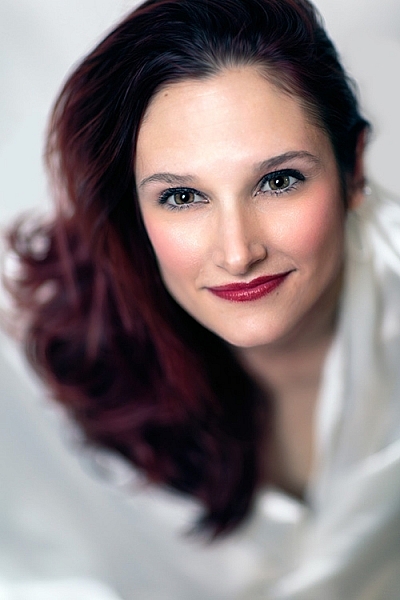
Focus on the eyes

Using shallow depth of field on a portrait allows the photographer to focus on the eyes, and lets the rest of the body fall out of focus. An 85mm f/1.2 lens was used here.

Another related problem to the camera choosing the wrong AF point, is photographers employing a technique known as focus and recompose. This technique came about back when cameras only had a few AF points bunched around the center of the viewfinder. In many situations, it’s not a problem, as long as you are using an aperture that will provide adequate depth of field to maintain focus on the object or person you’ve focused on.

However, when using a fast lens, at a wide open aperture, focusing and then recomposing your shot becomes a real problem. This is because when using a fast lens at a wide aperture, the depth of field is so thin, that recomposing the shot will actually shift the plane of sharp focus away from the subject you initially focused on. So while you may have focused on the correct subject, using the center AF point, in adjusting your composition you knocked your subject right out of focus again. The solution for this issue is the same as above: manually select an AF point that you can place right on top of your subject, without recomposing your shot.

Embrace the Bokeh
shallow depth of field

Shallow depth of field can be used to create interesting effects and force your viewers to look where you want them. This image was made with a 70-200mm lens at f/2.8.

Lastly, in answer to those who bought fast glass to shoot it wide open, I say – embrace the bokeh! Bokeh is defined as the visual quality of the out of focus areas of an image, and each lens renders these areas a bit differently. Fast lenses typically have beautifully smooth bokeh.

Compose your shots so that the shallow depth of field is used creatively. To do this, you’ll need to understand what you can and can’t do when shooting wide open. Knowing that you will have a shallow depth of field, you’ll want to avoid stacking subjects at different distances. Create compositions that contrast sharp areas, with out of focus areas. Use that contrast to highlight certain objects within your frame, and by the same token, hide other objects by causing them to be drastically out of focus.
Highlight an object using shallow depth of field

Using shallow depth of field allows you to highlight one object in sharp focus against a blurry background. This image was made with an 85mm f/1.2 lens.

Images created using shallow depth of field force your viewers to look where you want them to, because the eye is naturally drawn to areas of sharp focus. By using proper focusing techniques, you can ensure the image you see in your mind is the one you capture, and by understanding how the lens will handle depth of field, you can ensure that you’ll know to stop down when you need to for added depth of field, avoiding the mistake of having an important part of your image out of focus.

What’s your favorite fast lens to work with and why?

googletag.cmd.push(function() {
tablet_slots.push( googletag.defineSlot( “/1005424/_dPSv4_tab-all-article-bottom_(300×250)”, [300, 250], “pb-ad-78623” ).addService( googletag.pubads() ) ); } );

googletag.cmd.push(function() {
mobile_slots.push( googletag.defineSlot( “/1005424/_dPSv4_mob-all-article-bottom_(300×250)”, [300, 250], “pb-ad-78158” ).addService( googletag.pubads() ) ); } );

The post Fast Glass: Tips for Working With Wide Aperture Lenses by Rick Berk appeared first on Digital Photography School.


Digital Photography School
 
Comments Off on Fast Glass: Tips for Working With Wide Aperture Lenses

Posted in Photography