RSS
 

Posts Tagged ‘Flower’

How to Create Gorgeous Flower Images using a Flashlight and a Reflector

31 May

1-Light-painting-flowers-orchid

In this tutorial, I’m going to share with you some simple and inexpensive ways to create beautiful flower images. You will learn to add light by using a flashlight and a reflector. If you add in some imagination and patience, you will soon be creating gorgeous flower images of your own.

In addition, you will gain insight about seeing light, and how and recreate it on your own.

The techniques I am going to share are reminiscent of light painting and burning (from film days printing negatives), but in this tutorial we are going to take advantage of the ambient light, combined with light from flashlights to create some great effects.

Setting up

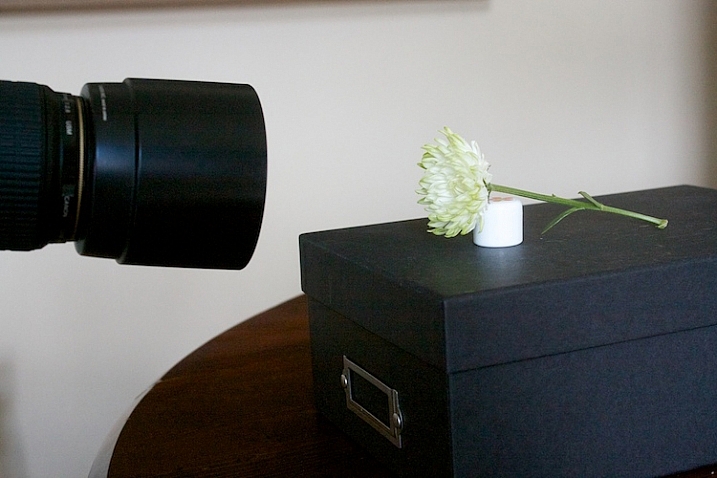
You will need to put your camera on a tripod, and find a nice surface near some window light to photograph your flower. Set up to shoot using a shutter speed slower than 1/15th of a second, and it’s much easier if you use a cable release or use your camera’s self-timer feature.
1s-Light-Painting-Flowers-2016-05-19at13-10-21-behind-scene

Here’s my set up, above. I chose an easy location, perpendicular to a window, providing some nice light. I used a prop to hold the flower up.
2s-Light-Painting-Flowers-2016-05-19at13-30-24

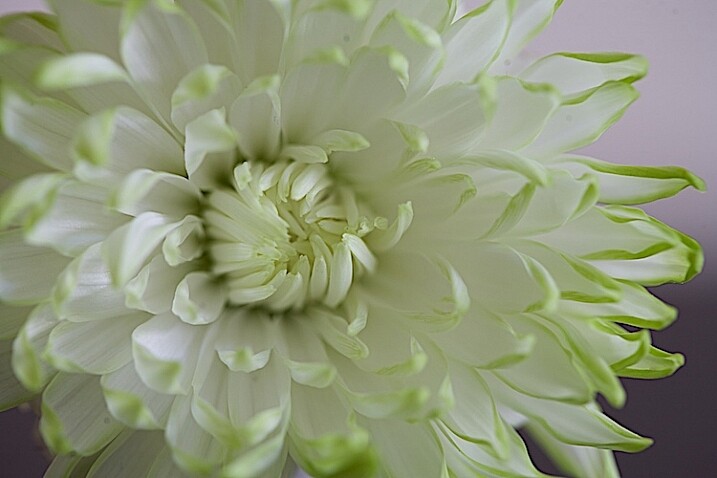
Window light only. Exposure was f/4 at 1/4.

I did a test shot, above, to determine my exposure using just ambient light. I slowed the shutter speed down just a little bit to see what results I would get.
2.s-Light-Painting-Flowers-2016-05-19at13-29-53

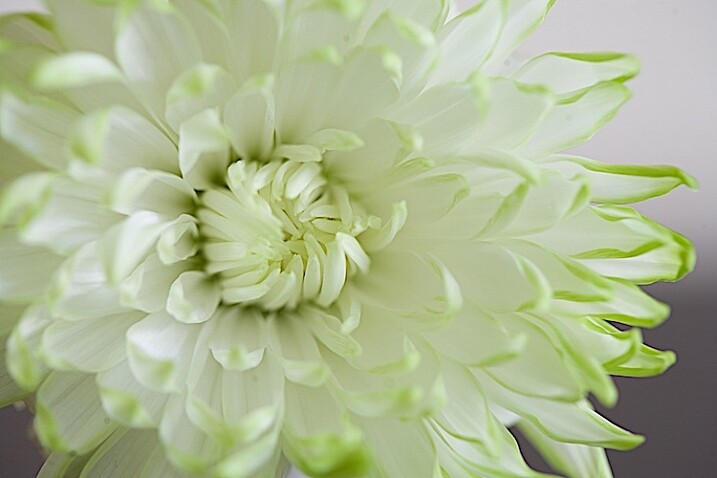
Window light only. Exposure f/4 at 0.40 seconds.

Add a reflector

It’s a little brighter at this exposure, but notice that the shadows are still quite strong.
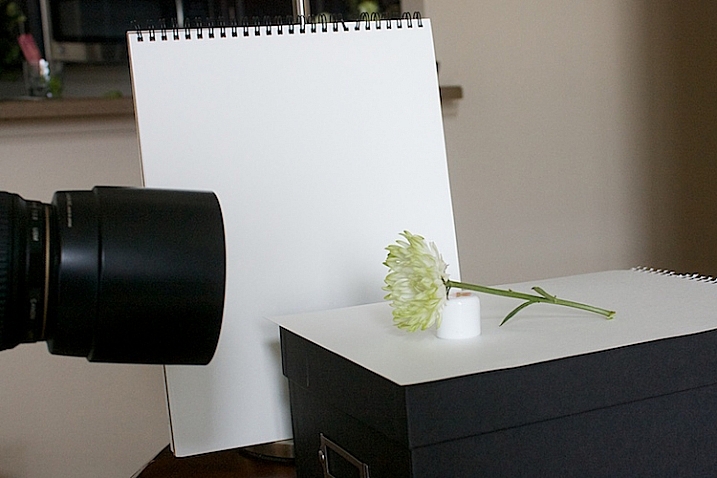
3s-Light-Painting-Flowers-2016-05-19at13-15-39-behind-scene

To soften the light, I added a white fill card below, and to the side of the flower. It’s also called a reflector. Almost anything white can be used as a reflector. The idea is to fill in the shadows, and to make the light feel softer.
4s-Light-Painting-Flowers-2016-05-19at13-36-59

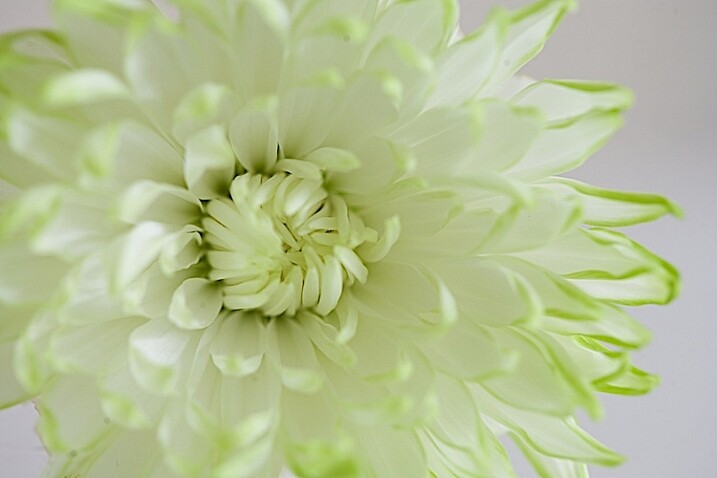
Window light with fill card. Exposure f/4 at 1/4.

This exposure above was taken with the fill cards in place. Compare it with the two above, and notice that the lightness/darkness is similar to the longer exposure. It’s pretty amazing how much light can be added to a photo just by using reflectors.

More importantly, note the quality of light. By that I mean, notice how the shadows are still present to the left of the center of the flower but are not as prominent. Also be aware of how  nicely the shadows are filled in from the bottom.

Create a feeling that matches your subject

Flowers are soft. They are feminine. When we tell stories about our subject, we want to convey that feeling. One of the ways we convey feelings in photographs is in how we use light. Notice how the feel is different in the photos with the fill card and without. The second exposure feels softer and more feminine, and thus, supports the story of a feminine flower.

Add light from a flashlight for more drama

Now, to add a backlight with a flashlight. Make sure to position the flashlight in such a way that it doesn’t cause lens flare (the light isn’t hitting the lens directly). Make sure the light is pointing entirely at the flower, and not reaching your camera lens.
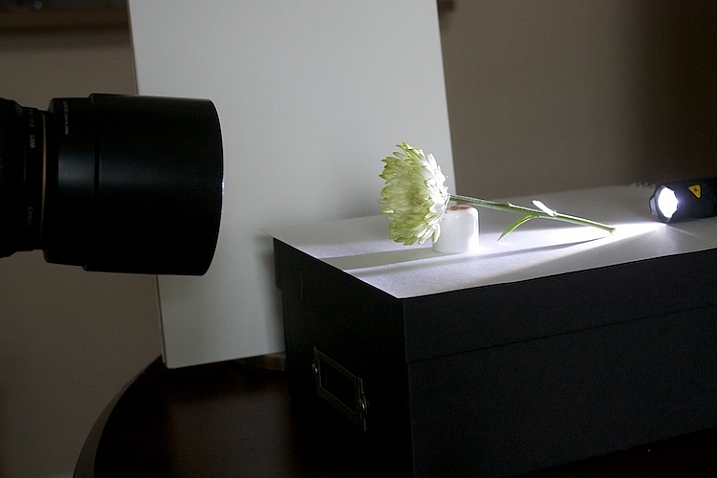
5s-Light-Painting-Flowers-2016-05-19at13-18-08-behind-scene

5bs-Light-Painting-Flowers-2016-05-19at13-51-46

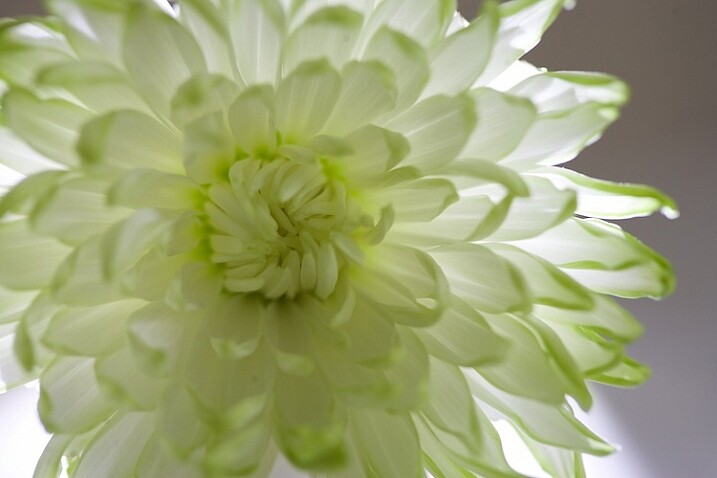
Flashlight with backlight, no fill cards or reflectors. Exposure f/4 at 1/4.

This is with a strong backlight. Notice how dark the center of the flower seems.
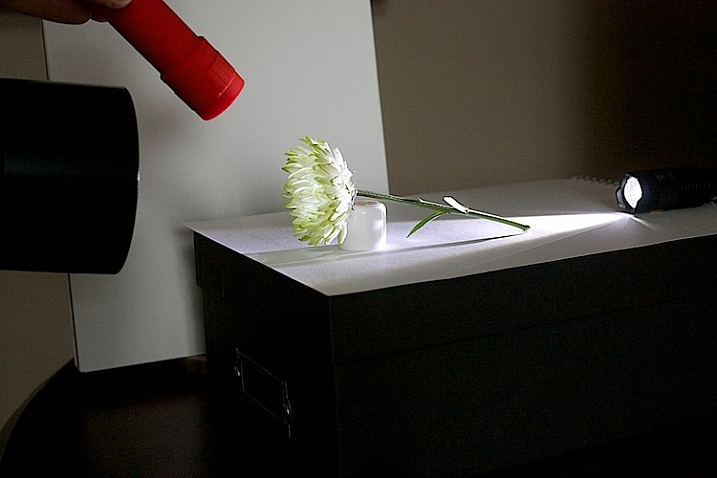
6s-Light-Painting-Flowers-2016-05-19at13-41-23-behind-scene

We can use a second light to fill in the center of the flower. I recommend using a slower shutter speed, 1/15th or less, and moving the flashlight while the exposure is made. If you don’t move the light, it will appear too strong and create harsh shadows.
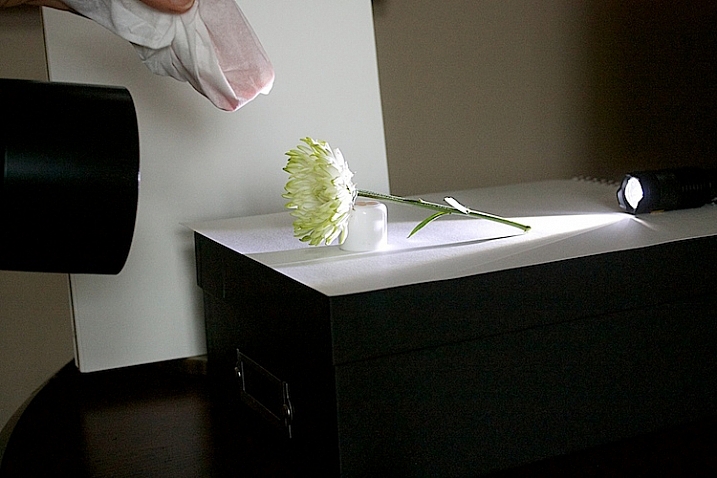
7s-Light-Painting-Flowers-2016-05-19at13-41-03-behind-scene

If the light appears too strong and too direct, use a diffuser over your flashlight. I used a kleenex to soften the light.
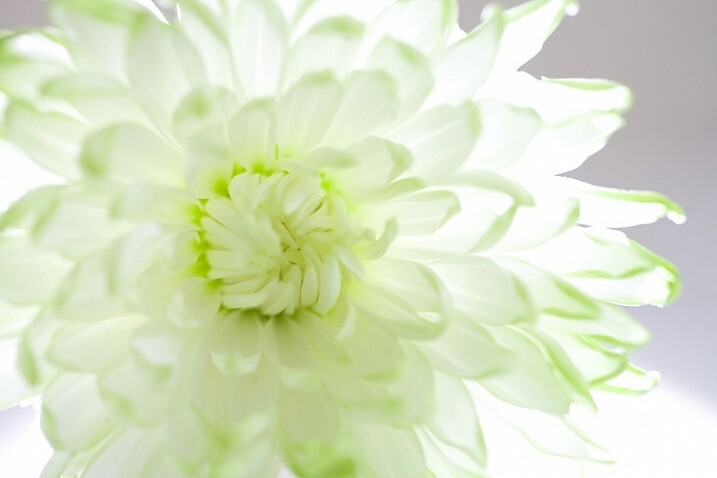
8s-Light-Painting-Flowers-2016-05-19at13-38-27

Flashlight as a backlight, with a second flashlight as a fill light in the front. Exposure f/4 at 1/4.

How does this feel to you now? Notice how I brought the exposure of center of the flower up, just by doing a little light painting. If you ever worked in a darkroom, you will notice this is similar to manipulating an image in an enlarger called, burning, but we are doing it live at the capture stage.
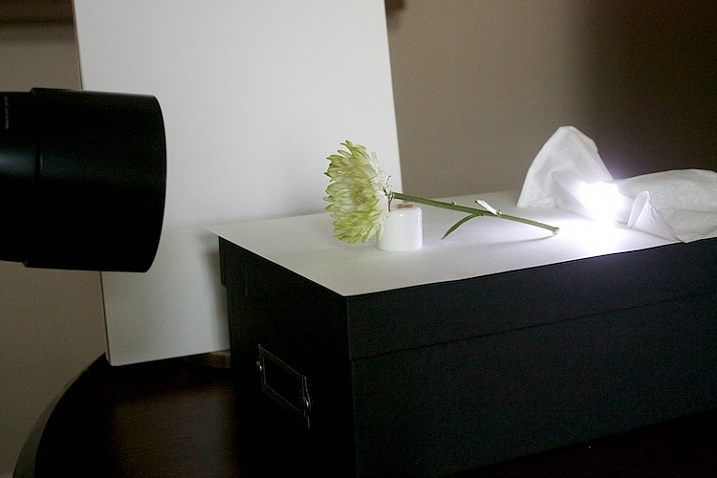
9s-Light-Painting-Flowers-2016-05-19at13-20-12-behind-scene

Let’s see what our flower looks like with a backlight that isn’t as strong. I used a kleenex diffuser on the flashlight in the back.
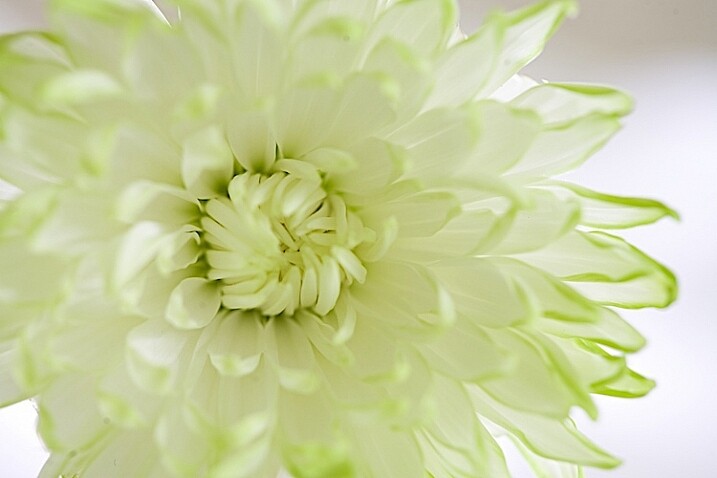
10s-Light-Painting-Flowers-2016-05-19at13-41-36

Using a softer backlight by diffusing with tissue.

Can you see how much softer the backlight is?
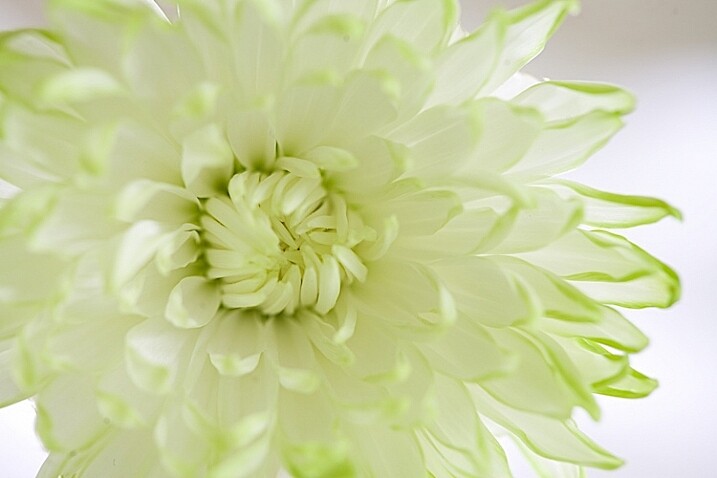
11sLight-Painting-Flowers-2016-05-19at13-42-54

In this image, I added a little bit of fill with a flashlight and kleenex diffuser.

This is very, very subtle. But move your eye back and forth between the two. Can you see the one directly above is a little bit softer? The difference isn’t huge on a computer screen, but makes a big difference in a large print.

Get creative with light and composition
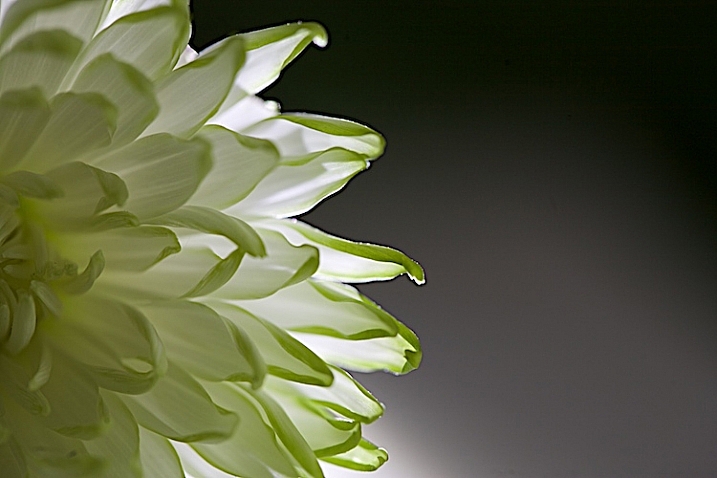
11s-Light-Painting-Flowers-2016-05-19at14-07-29

At this point, it’s time to get creative with your framing and play with light.

In composition, you want to decide what your center of interest is in the photograph, and draw the eye to that point. Notice how dark the center of the flower is in the top image, so let’s add some fill.
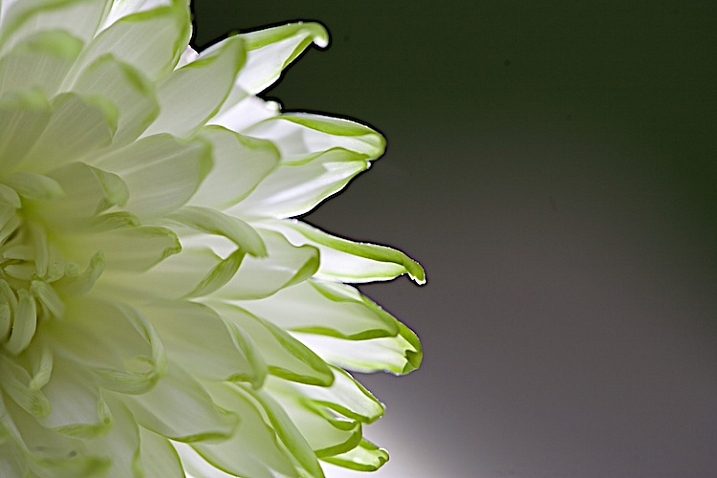
12s-Light-Painting-Flowers-2016-05-19at14-06-32

The center of the flower is lighter now (above). Which image do you like better?
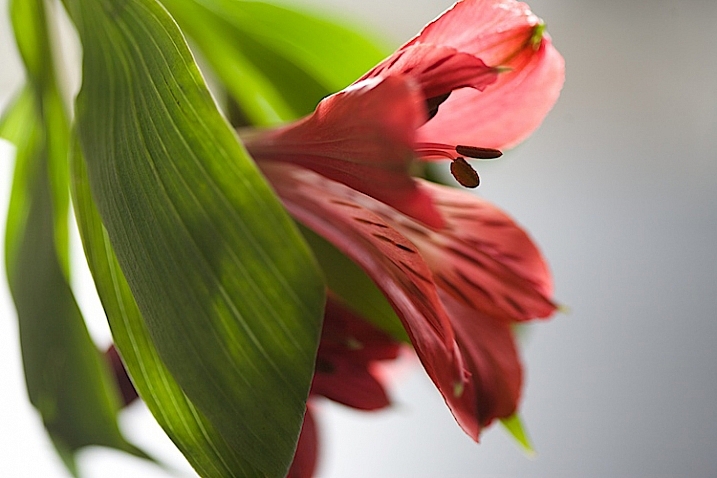
20.s-Light-Painting-Flowers-2016-05-19at16-10-27

Notice the stamen of the flower above. Can you see it’s just a black blob? What happens when we add just a little bit of fill with a flashlight?
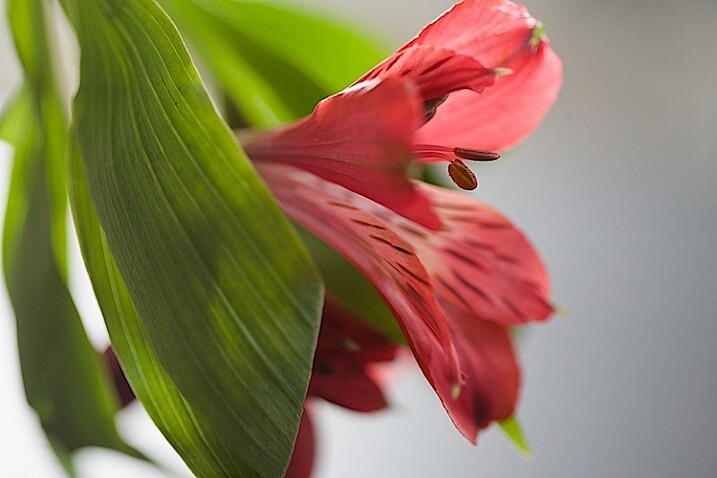
21.s-Light-Painting-Flowers-2016-05-19at16-11-21

The center of interest becomes more pronounced.

Let’s try another one.
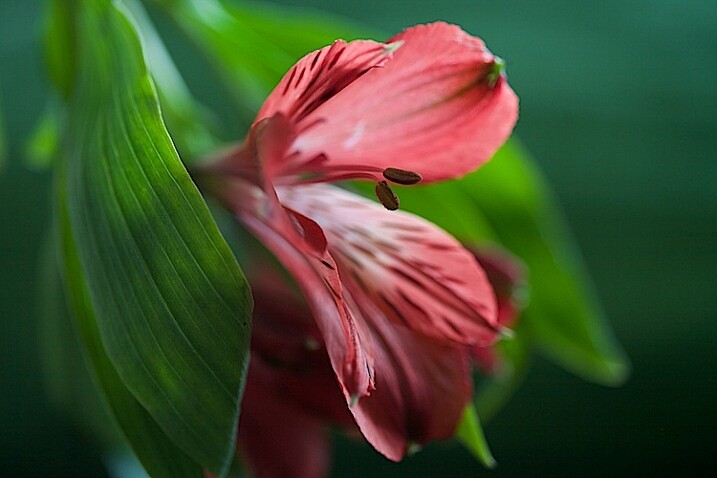
22.s-Light-Painting-Flowers-2016-05-19at16-30-03

Dark stamen.

23.s-Light-Painting-Flowers-2016-05-19at16-29-04

A little bit of fill.

25.s-Light-Painting-Flowers-2016-05-19at16-33-56

A new angle with no fill.

26.s-Light-Painting-Flowers-2016-05-19at16-36-40

A little bit of fill light, highlighting the center of interest.

A few more examples

Let’s go back to this simple lighting setup.
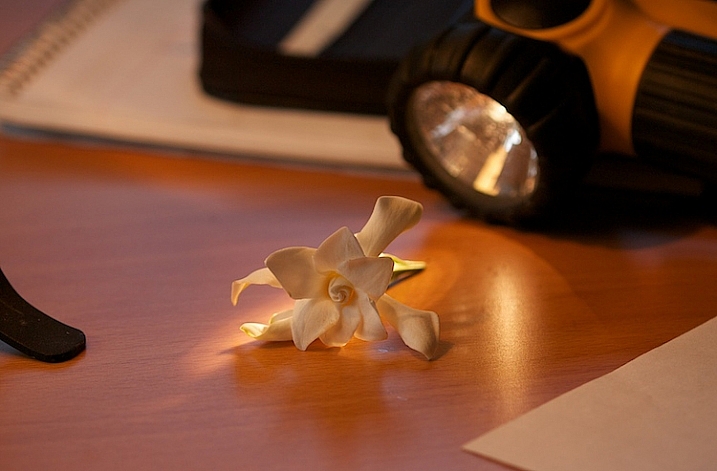
2-Light-painting-flowers-gardenia-1

I used this setup on several different kinds of flower and I likde this white rose the best.
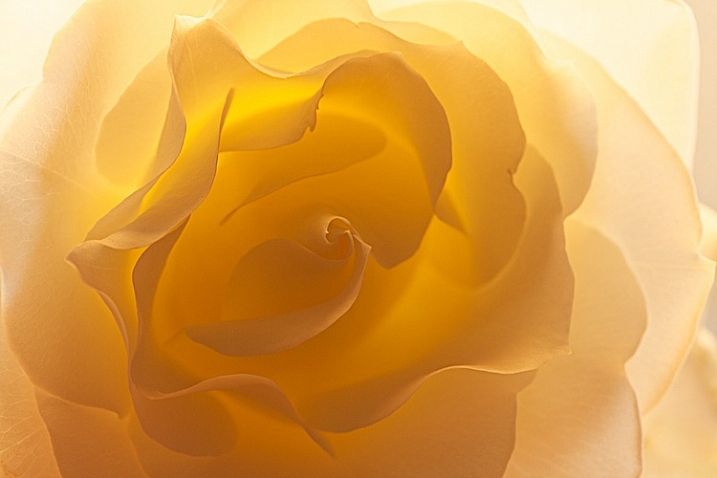
3-Light-painting-flowers-White-Rose-no-fill

Can you see the beautiful light and how translucent the rose looks?

I like the overall feel to the image, however, there is a lot of contrast between the center of the flower and the outer petals. You want your viewer’s eye to go toward the center of interest, which is the middle of the flower, so I placed a reflector right in front of the flower.
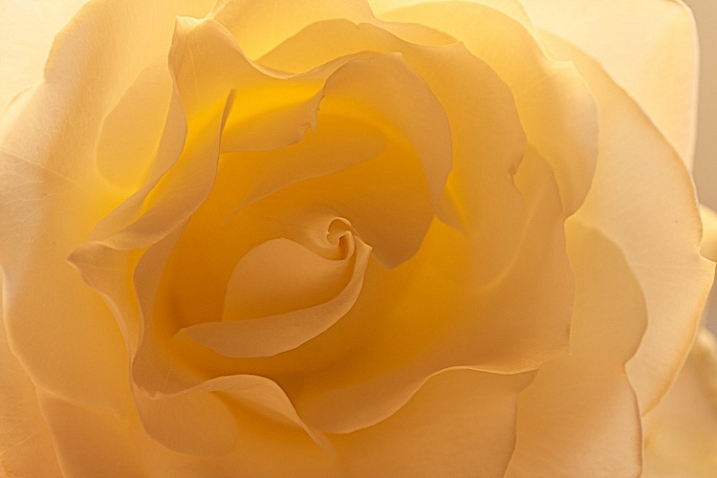
4-Light-painting-flowers-White-Rose-fill

You can see how the light reflects back in, and brightens up center of the flower. I also like this frame better because it feels softer.

This technique can work outdoors, too. Just use your reflector and your flashlight, and see what works.
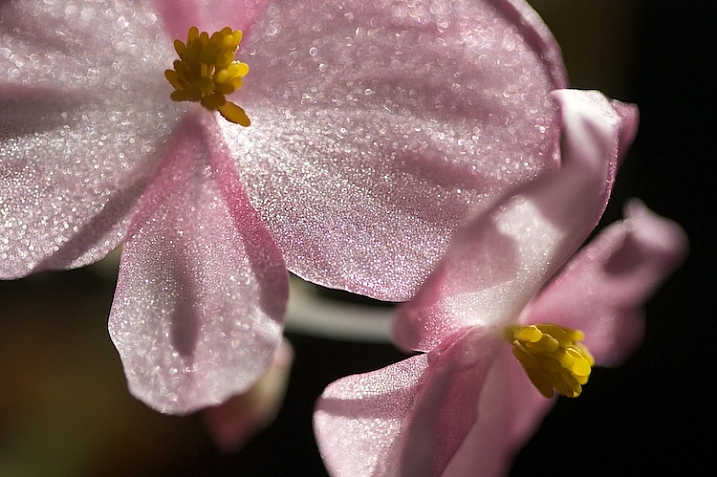
7-Light-painting-flowers-no-fill-pink-3

There is no right or wrong when deciding where to put your light, but it’s usually best not to shine your main light from the camera angle. In this photo, the light is to the right and it feels to harsh to me. There are strong shadows on the flower that don’t add to the feel of the photograph. I moved myself in order to move the position of the light source, the sun.
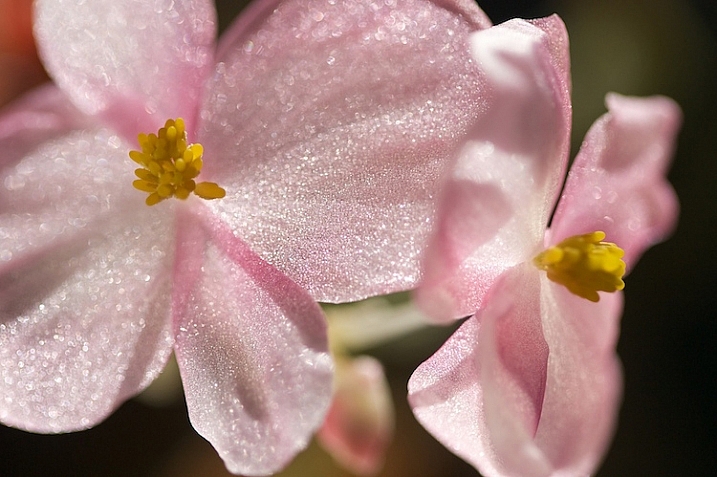
8-Light-painting-flowers-fill-pink-3

I added a fill card, and see how the stamen starts to stand out. This is much better, but I decided to play with camera angles to see what that would look like.
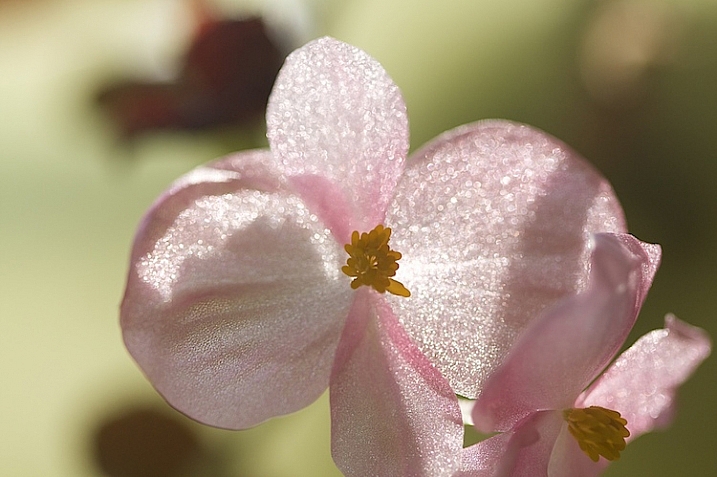
11-Light-painting-flowers-no-fill-pink-2

I liked this better, especially how the light created patterns on the petals of the flower, but I wanted my interest in the center of the flower. It still just seemed to dark.
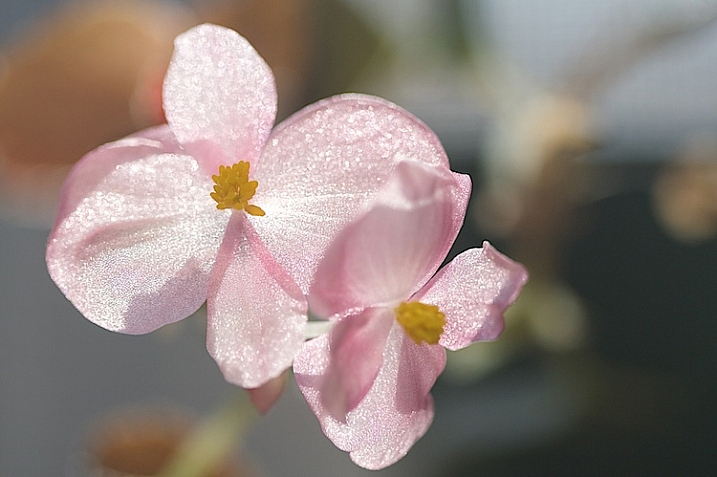
10-Light-painting-flowers-fill-pink-2

In the photo above, I used a reflector to fill in the shadows and used my flashlight to add a little bit of light.
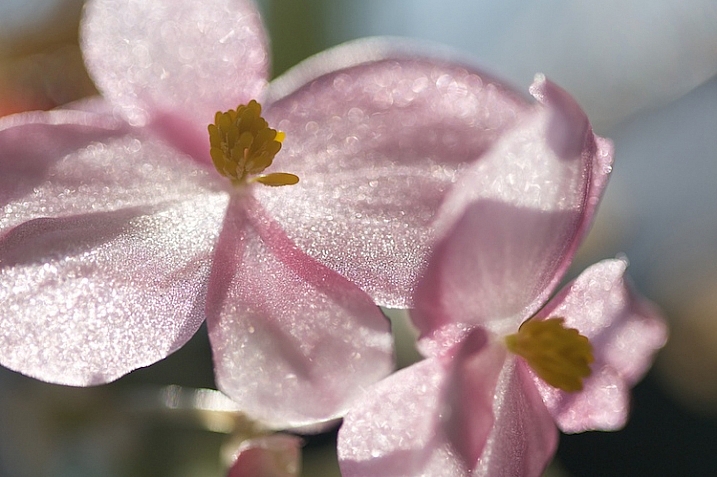
5-Light-painting-flowers-no-fill-pink

Then, I changed the angle just a little bit. This is with no fill (above).
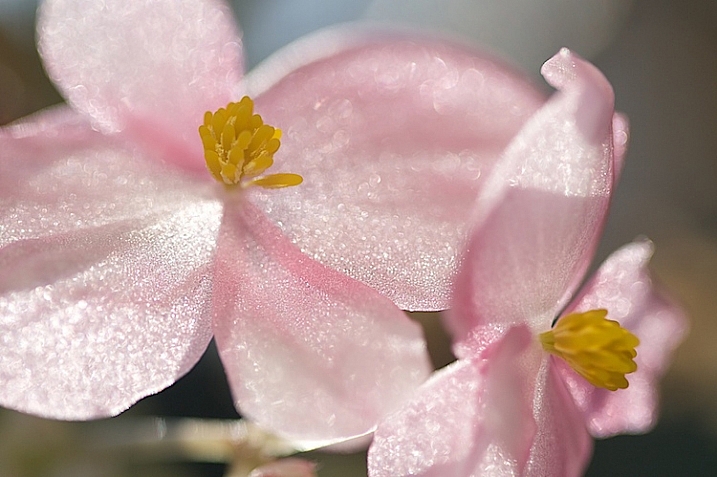
6-Light-painting-flowers-fill-pink

Here is the same flower with a reflector and flashlight filling in the dark areas.

There is no science to this. It’s all about playing to see what works. Here are a few more example that I shot, these images have no corrections. They are straight from the camera to help you see my process better.
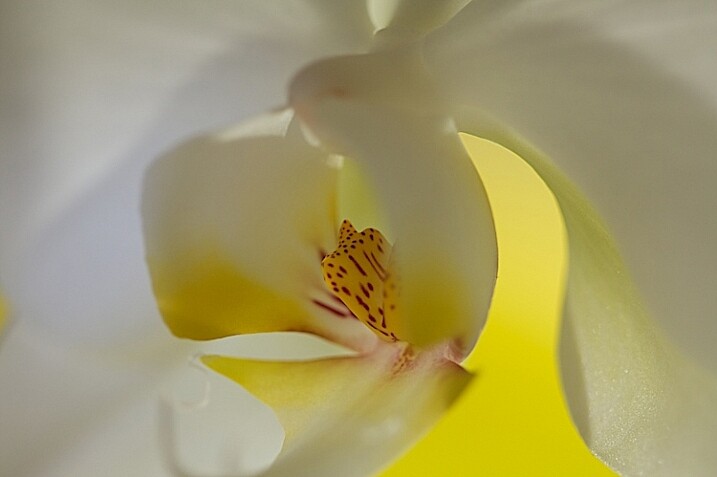
16Light-painting-flowers-no-fill-orchid

Without a fill.

17-Light-painting-flowers-fill-orchid

With a fill.

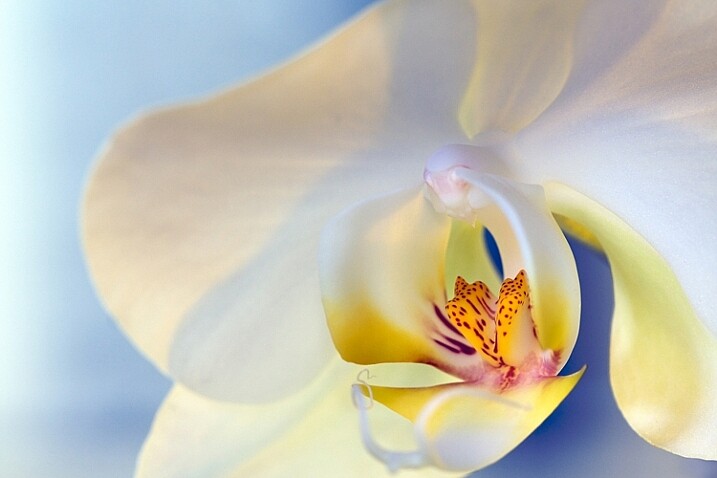
1-Light-painting-flowers-orchid

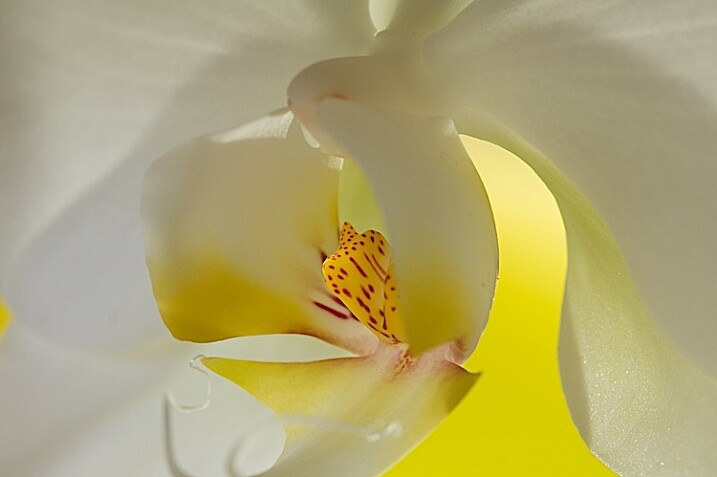
This final photo used several reflectors, as well as using a flashlight in the center of the flower.

Now you have some great tips, and inspiration to create a gorgeous floral photo of your own. You’ve seen how you can use simple fill cards to add light and soften an image. You’ve learned how light impacts the story you are telling, and you’ve learned how a simple flashlight or two, plus a kleenex, can take your photos to a new level.

Let’s see your floral photos, please share in the comments below.

googletag.cmd.push(function() {
tablet_slots.push( googletag.defineSlot( “/1005424/_dPSv4_tab-all-article-bottom_(300×250)”, [300, 250], “pb-ad-78623” ).addService( googletag.pubads() ) ); } );

googletag.cmd.push(function() {
mobile_slots.push( googletag.defineSlot( “/1005424/_dPSv4_mob-all-article-bottom_(300×250)”, [300, 250], “pb-ad-78158” ).addService( googletag.pubads() ) ); } );

The post How to Create Gorgeous Flower Images using a Flashlight and a Reflector by Vickie Lewis appeared first on Digital Photography School.
Digital Photography School

 
Comments Off on How to Create Gorgeous Flower Images using a Flashlight and a Reflector

Posted in Photography


How to do More Unique Flower Photography

10 May

Do you love to photograph flowers? Flowers are the most beautiful things to photograph. They have texture, color and come in wonderful shapes.

MBeaty 2

To create unique flower photography:

  • Use a 50mm or a telephoto lens.
  • Photograph with backlighting to enhance the transparency of the petals.
  • Choose camera angle carefully – photograph from below to obtain unusual shapes, photograph at eye-level to create a realistic look.
  • Get closer – try making an abstract
  • Look for great backgrounds – declutter the is using bokeh and a shallow depth of field.
  • Quality and color of light – photograph under diffused lighting, during the golden hour, or with the sun at an angle to enhance color, texture and depth.

MBEATY 6

About lenses

A wide-angle lens will allow you to add more background and may distort a bit depending on the camera angle. You will have more details in your photograph. A 50mm or a short telephoto will allow you to show the flower with little environmental information. It will not distort the flower.

Backlight it

MBEATY Photo 1

Use back lighting to enhance the petals. Some petals have a beautiful translucence. You will see the awesome veins and their designs. Shoot your photos of flowers towards the sky. If the sky is blue it will add a nice contrast and if it’s cloudy it will add drama to your photograph. Be aware that the sun needs to be on either side of your flower. The sun should not be pointing towards your camera or you will get a silhouette or lens flare.

Choose your camera angle

Photograph from below the flower and you will see unusual shapes. Many people forget to shoot from this position. It may not be the most comfortable one (you might find yourself flat on a pebbled ground) but it’s worth a try. You will find very original views and shapes from this viewpoint.

MBEATY photo 7

Change the camera position often. Photograph with the camera at eye level for a more realistic look and then photograph from above and below.

When you find a flower, move around and look for a good angle. If the background has too many things going on you will need to change the camera height or the position.

Get close – make an abstract

Get close to the flower. Make your photograph about texture and color. Have you thought about how to extract and abstract your flower? Photograph parts of the flower with parts of background details. The closer you get the more abstract your image will become. You will eventually start to show lines or just color.

MBEATY photo 4

When you dissect an object, it will appear in a very different way than when you originally saw it. You will be showing your point of view. Your unique creativity will be taking over the composition. Study your flower and change its look with your framing.

The Background

Have you noticed that when the background looks good, everything will look good? This is why it’s a good idea for you to photograph with a large aperture. You will be able to soften up the background and make the composition exclusively about the flower.

Make sure to declutter your background so that your flower will be the center of attention. You can declutter by using a shallow depth of field and by moving around until you find a suitable background. Use the stems and leaves to frame the flower. They will add an interesting design to your image.

MBEATY photo 3

A good way to declutter the background is to shoot with a large aperture. This means that you can use f/1.4, f/2.0, f/2.8, etc. Bokeh is also a great way to declutter the background. It will add a surreal look and make the flower stand out.

If you who have a zoom lens with the largest aperture of f/4.0 or f/5.6: Set your lens to 50mm or 70mm. To blur the background nicely, the flower needs to be far away from the background. Make sure that you are close to the flower and the flower is at least three to five feet away from the background.

If you are photographing with backlight it’s not crucial to have a blurry background because the sky will provide for the background.

MBEATY  photo 2

How to show texture

Photograph when the sun is at a low angle to enhance texture. Late afternoon or early morning will provide for a good sun angle. You will obtain great texture when you photograph under diffused light. This can be in the shade, or on bright, but cloudy days. The diffused light will provide for even lighting and the textures and details of the flower will be enhanced.

If you want to show the leaves and parts of the flower an f-stop of f/8 will be good.

Light – quality and color

The color of your flower will be subject to the quality of the light you are shooting under. You will like the effect that you get when you work under a nice soft and diffused light. The nuances of the colors will show up more. You will see more tone variations. Depth will be more visible. When you add that to the shallow depth of field technique, your flower will have an artistic and special look.

MBEATY photo 5 Bad light and good light2

Photograph during the golden hour (early morning and sunset) to achieve a lovely warm tone on your flower. This light is a soft light. It will show depth and dimension and give it a realistic look. It is best to have the sun coming from either side. It’s very flattering to the flower.

The worst type of light is midday sunlight, and when the sun is hitting the subject directly (from the camera angle not the side). These two lights will make the flower look flat and the whole photograph will lack depth. Avoid midday sunlight and direct light.

Do you have any additional tips for doing more unique flower photos? Please share in the comments below.

googletag.cmd.push(function() {
tablet_slots.push( googletag.defineSlot( “/1005424/_dPSv4_tab-all-article-bottom_(300×250)”, [300, 250], “pb-ad-78623” ).addService( googletag.pubads() ) ); } );

googletag.cmd.push(function() {
mobile_slots.push( googletag.defineSlot( “/1005424/_dPSv4_mob-all-article-bottom_(300×250)”, [300, 250], “pb-ad-78158” ).addService( googletag.pubads() ) ); } );

The post How to do More Unique Flower Photography by Marguerite Beaty appeared first on Digital Photography School.

Digital Photography School

 
Comments Off on How to do More Unique Flower Photography

Posted in Photography


Shoot Your Own Frozen Flower Photos!

23 Apr

Spring is upon us. And it’s bringing a ton of flowers.

Now the only question is: whatcha gonna do with all those blooming beauties?

Ooh, we know! You should freeze ‘em, photograph ‘em, and then marvel at the gorgeous results.

Seriously, frozen floral photos are so pretty and unique that it’s almost unfair . So let us show you how to make them with this easy peasy (freezy) tutorial.

Freeze Flowers for Stunning Photos

Thanks for the inspiration Mo Devlin!
(…)
Read the rest of Shoot Your Own
Frozen Flower Photos! (508 words)


© Taylor for Photojojo, 2015. |
Permalink |
No comment |
Add to
Frozen Flower Photos!”>del.icio.us

Post tags:


Photojojo

 
Comments Off on Shoot Your Own Frozen Flower Photos!

Posted in Equipment


A Collection of Cheery Flower Photos to Brighten Your Day

22 Aug

Over the last few weeks I’ve been featuring different colors as the weekly theme. To change it up a bit this week, and enjoy every last minute that summer brings us, I’ve rounded up some lovely cheery flower photos for you.

Who doesn’t like a good flower photo? They’re colorful, have lots of textures, maybe an insect or two, and are always interesting photographic subject material.

Enjoy and have a floral day!

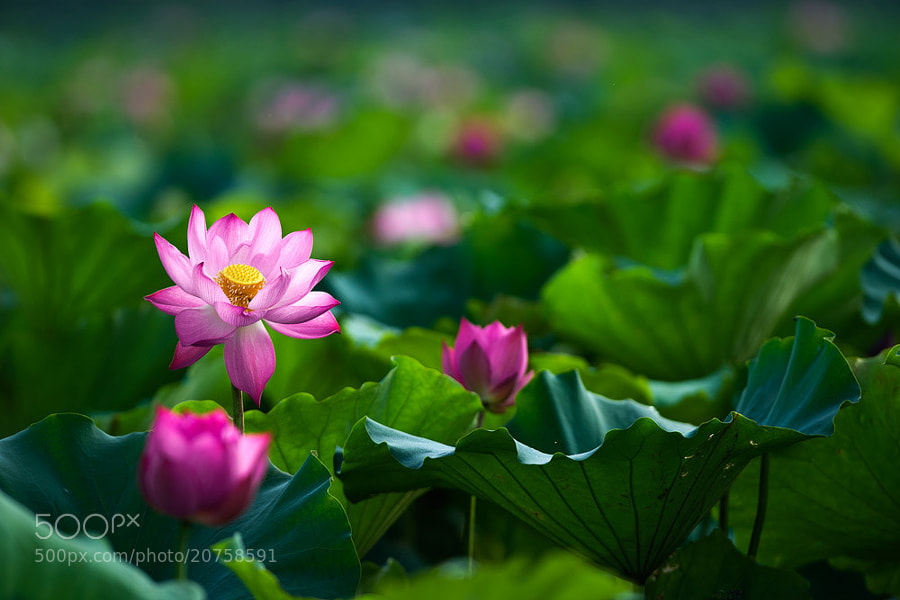
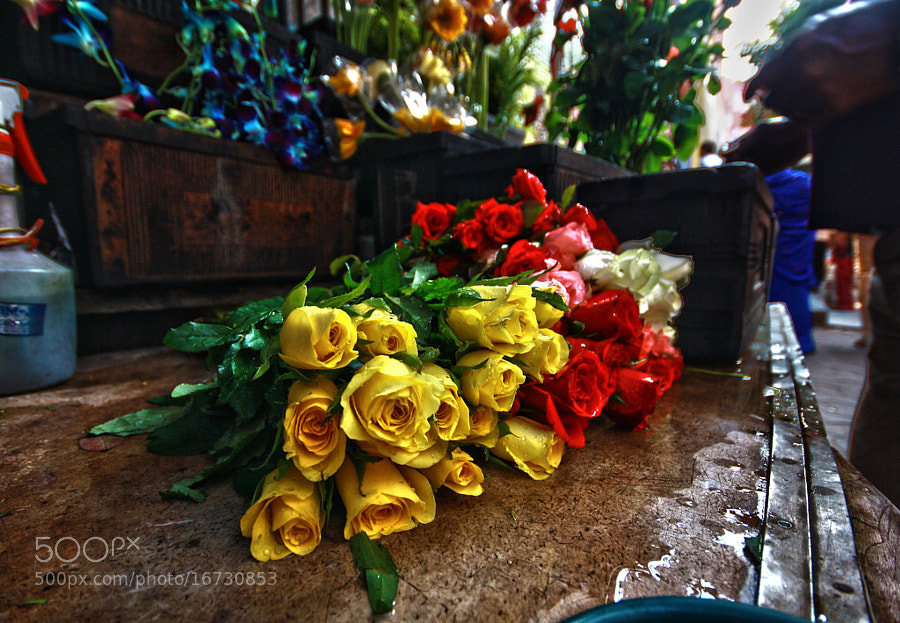
Photograph Lotus by Hai Thinh on 500px

Lotus by Hai Thinh on 500px

Photograph shine by park seo jin on 500px

shine by park seo jin on 500px

Photograph Atmaniksepa by Josep Sumalla on 500px

Atmaniksepa by Josep Sumalla on 500px

Photograph ... by Alena ?erve?anská on 500px

… by Alena ?erve?anská on 500px

Photograph Satsang by Josep Sumalla on 500px

Satsang by Josep Sumalla on 500px

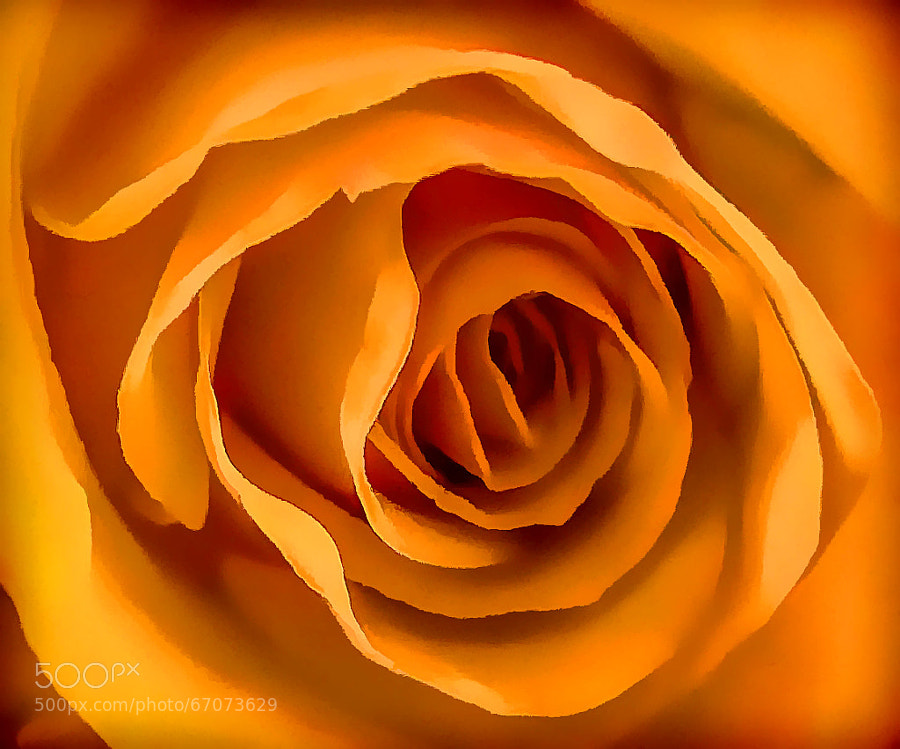
Photograph Orange Rose Abstract by Chris KIELY Australia on 500px

Orange Rose Abstract by Chris KIELY Australia on 500px

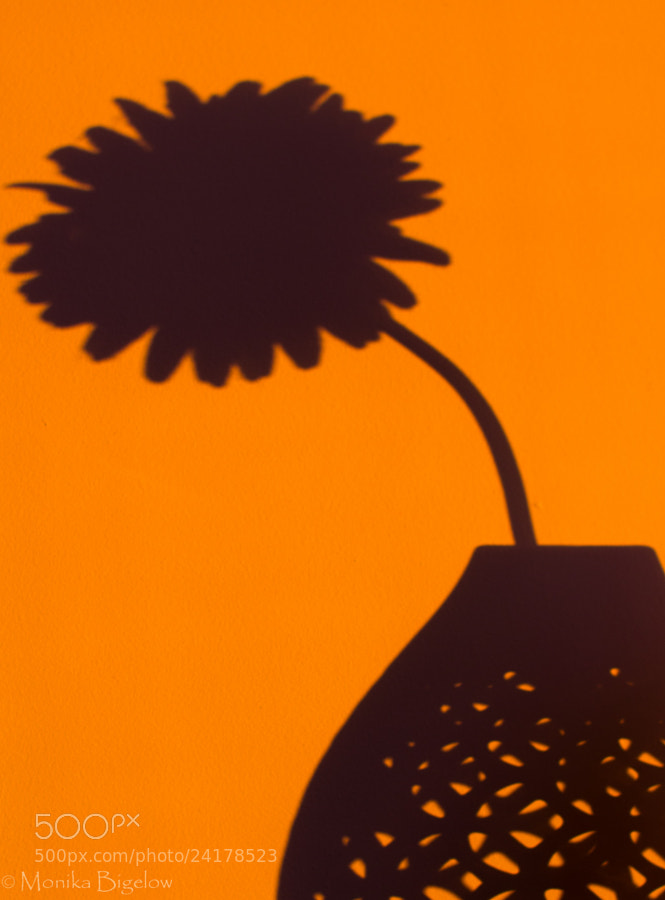
Photograph 59/365   Shadows from the Morning Sun by Monika Bigelow on 500px

59/365 Shadows from the Morning Sun by Monika Bigelow on 500px

Photograph Mother's Day Flower by Kevin  Pepper on 500px

Mother's Day Flower by Kevin Pepper on 500px

Photograph Rot im Feld by Leo Pöcksteiner on 500px

Rot im Feld by Leo Pöcksteiner on 500px

Photograph Dandelion 2 by Margaret Morgan on 500px

Dandelion 2 by Margaret Morgan on 500px

Photograph * by Ayad Ashour on 500px

* by Ayad Ashour on 500px

Photograph * by Ayad Ashour on 500px

* by Ayad Ashour on 500px

Photograph Untitled by Ayad Ashour on 500px

Untitled by Ayad Ashour on 500px

Photograph Steel Blossoms by Jake Schwartzwald on 500px

Steel Blossoms by Jake Schwartzwald on 500px

Photograph Trio by Ofir Abramovitch on 500px

Trio by Ofir Abramovitch on 500px

Photograph The Lily Pond by Ron W on 500px

The Lily Pond by Ron W on 500px

Photograph Smell of Flowers  by Debabrata Chatterjee on 500px

Smell of Flowers by Debabrata Chatterjee on 500px

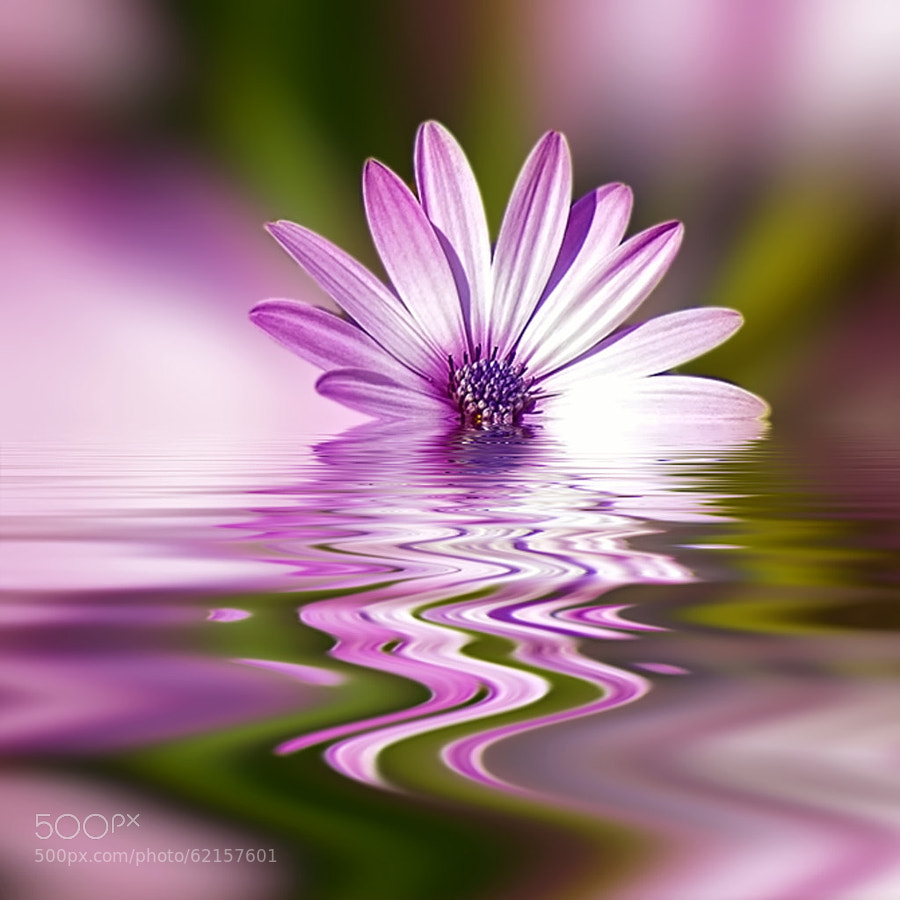
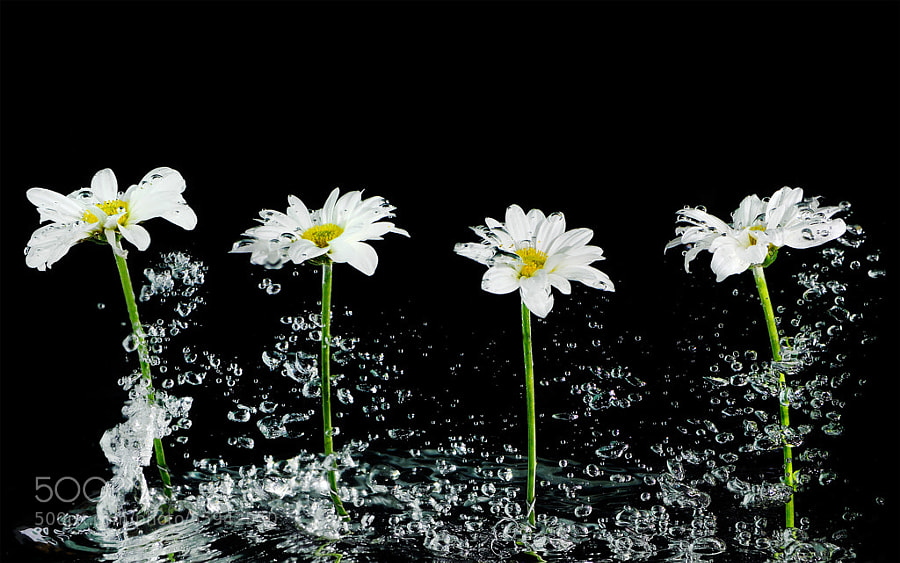
Photograph Water daisy by chimkudo  on 500px

Water daisy by chimkudo on 500px

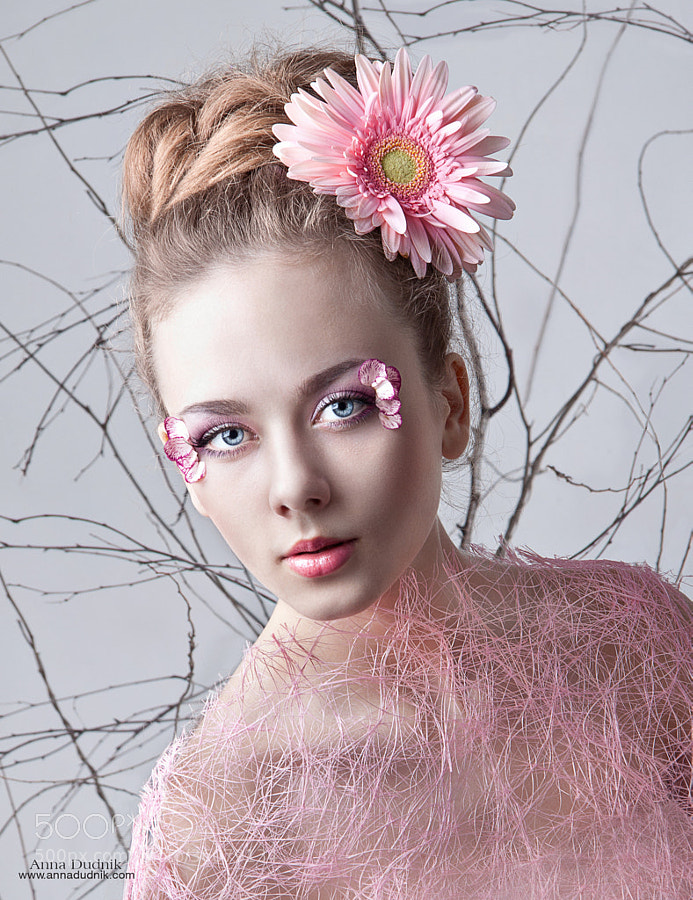
Photograph *** by Anna Dudnik on 500px

*** by Anna Dudnik on 500px

Photograph Tori by Emily  Soto on 500px

Tori by Emily Soto on 500px

Photograph Alena Kasia - Orchid by Simon Fuller on 500px

Alena Kasia – Orchid by Simon Fuller on 500px

Photograph Beauty hiding by almalki abdullrahman on 500px

Beauty hiding by almalki abdullrahman on 500px

Photograph Bright Intentions by H. Becker on 500px

Bright Intentions by H. Becker on 500px

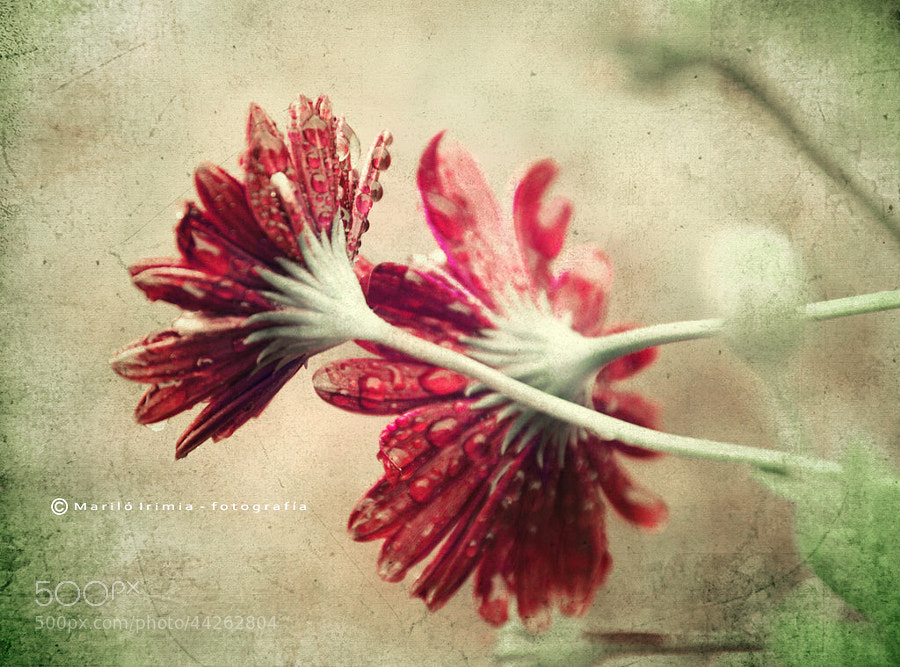
Photograph vintage daisies by Mariló Irimia on 500px

vintage daisies by Mariló Irimia on 500px

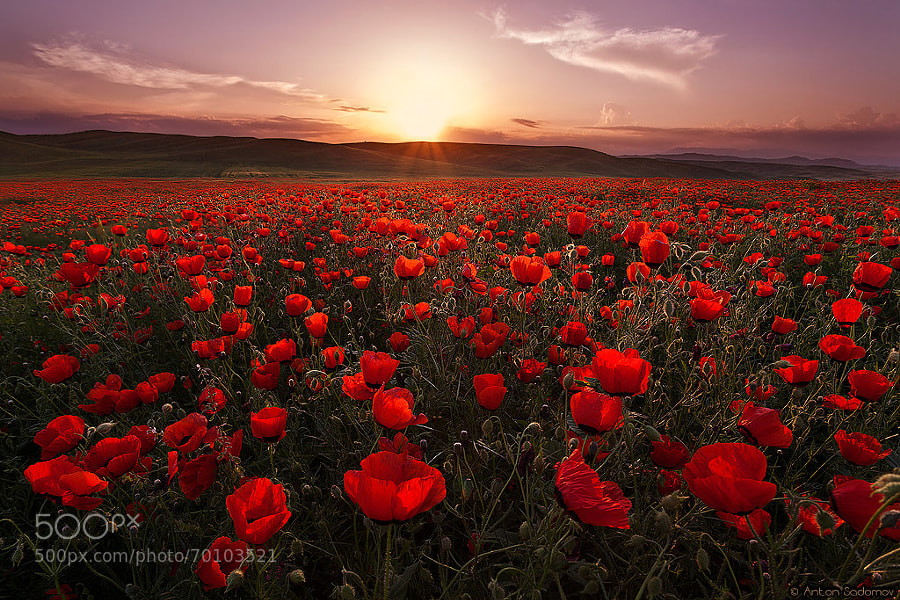
Photograph poppy field by Anton Sadomov on 500px

poppy field by Anton Sadomov on 500px

Photograph summertime ... by Ernest Stierschneider on 500px

summertime … by Ernest Stierschneider on 500px

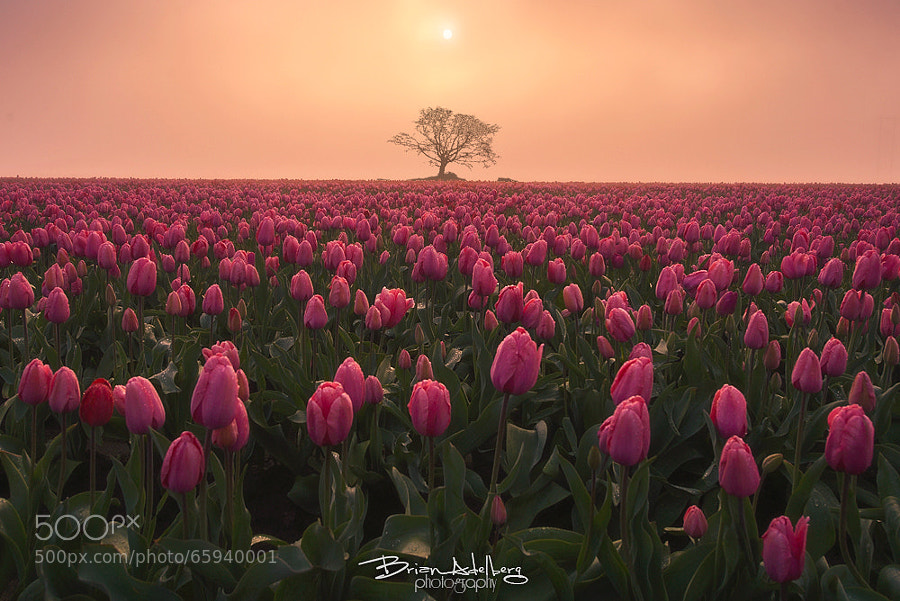
Photograph Red Dawn. by Brian Adelberg on 500px

Red Dawn. by Brian Adelberg on 500px

Photograph Tulip Sniffer by Kaylee Greer on 500px

Tulip Sniffer by Kaylee Greer on 500px

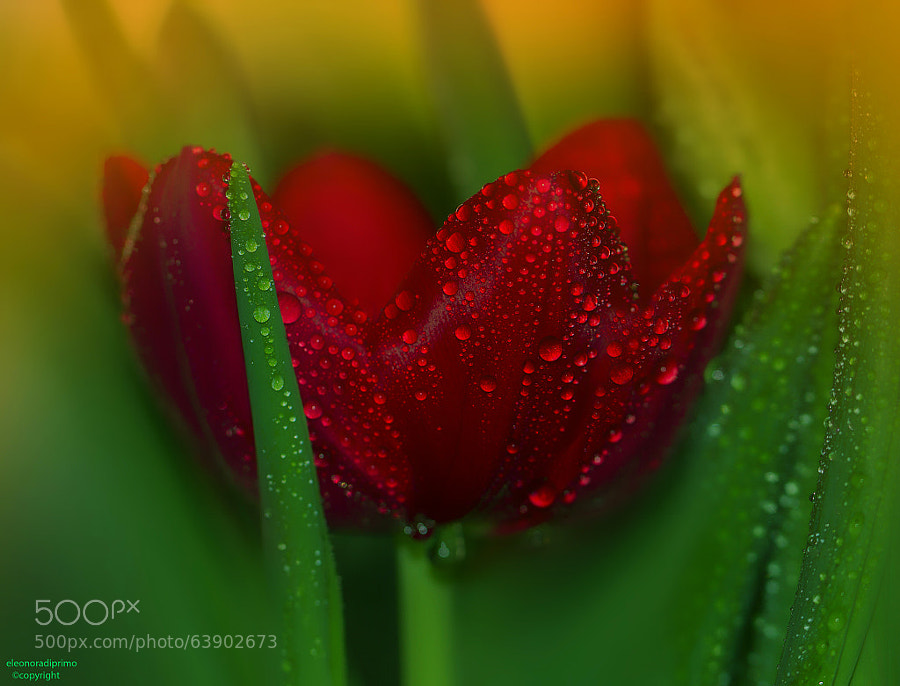
Photograph In red... by Eleonora Di Primo on 500px

In red… by Eleonora Di Primo on 500px

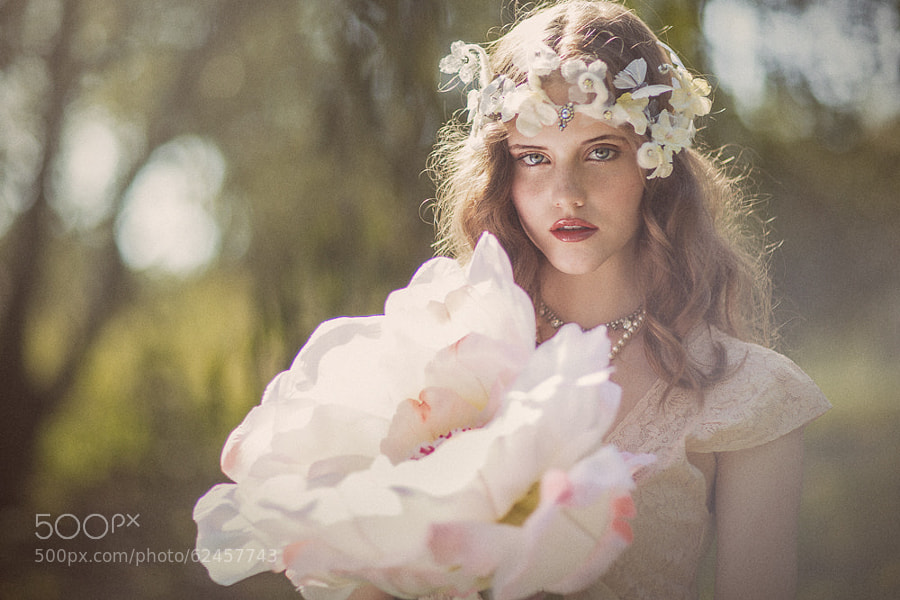
Photograph Bridal Bouquet...... by Gina J. D. on 500px

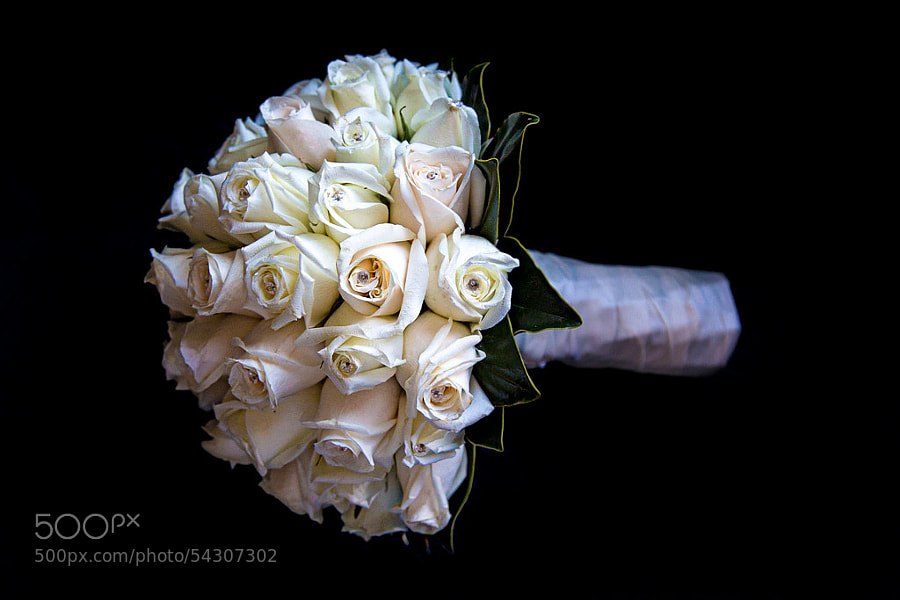
Bridal Bouquet…… by Gina J. D. on 500px

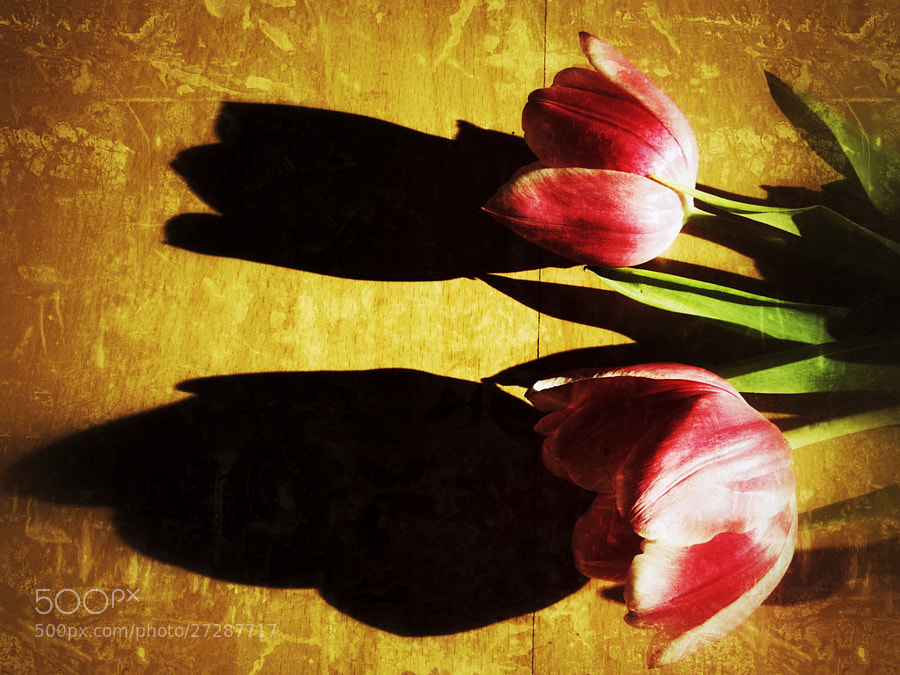
Photograph shadows of tulips by Borni Merisoniom on 500px

shadows of tulips by Borni Merisoniom on 500px

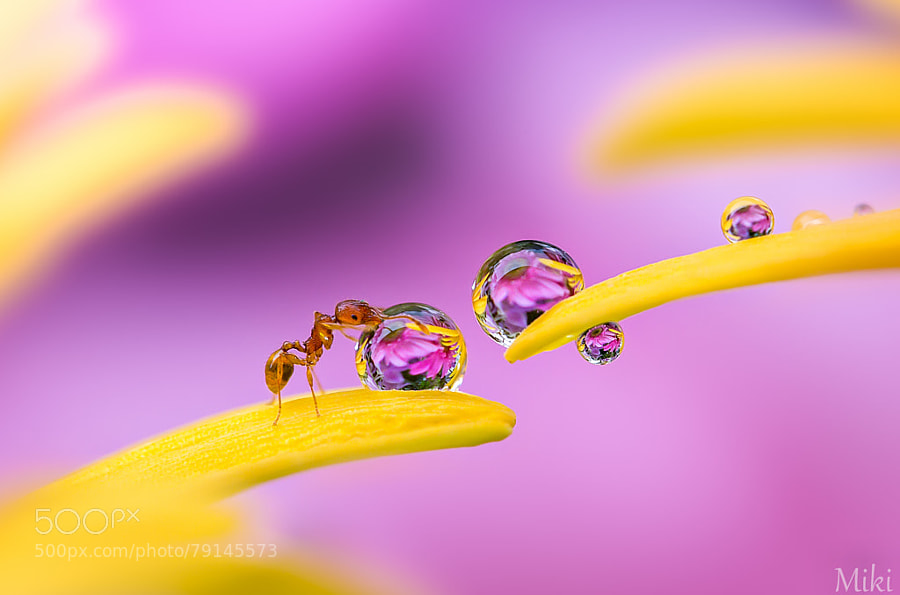
Photograph A walk by Miki Asai on 500px

A walk by Miki Asai on 500px

Photograph Very Deep by Wave Faber on 500px

Very Deep by Wave Faber on 500px

Photograph We just wanna play drums! by Alberto Ghizzi Panizza on 500px

We just wanna play drums! by Alberto Ghizzi Panizza on 500px

Photograph Pollination by Cesar Castillo on 500px

Pollination by Cesar Castillo on 500px

Photograph small but beautiful by Eric Bonkhz on 500px

small but beautiful by Eric Bonkhz on 500px

The post A Collection of Cheery Flower Photos to Brighten Your Day by Darlene Hildebrandt appeared first on Digital Photography School.

Digital Photography School

 
Comments Off on A Collection of Cheery Flower Photos to Brighten Your Day

Posted in Photography


Unique Flower Photography Using Multiple Exposures

12 May

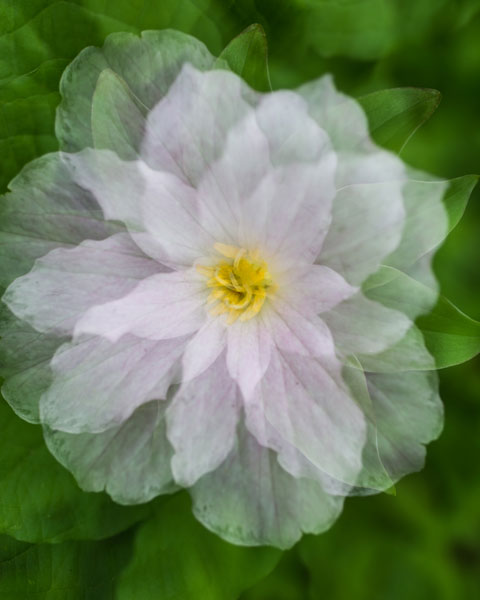
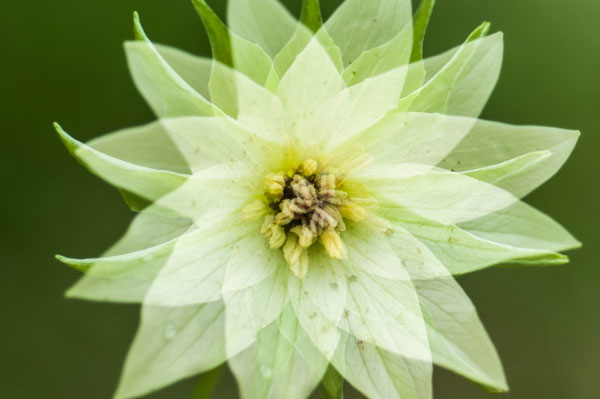
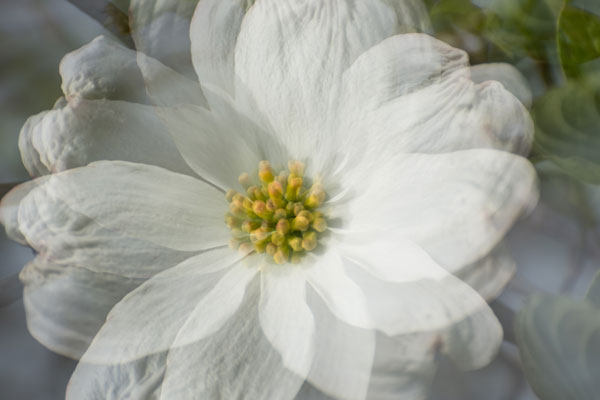
Most of the new cameras from both Nikon and Canon now have the capability to create multiple exposures. The technique is rather simple to set up, but the results can be both unlimited and unpredictable. So try using this feature to create some unique floral images.

DSC_3968

Set-up

  1. Select Multiple Exposure from your camera’s menu. The default option on this setting is, of course, OFF. Select the ON option. Some cameras will give you the option here for ON (series) which will keep the option on until you turn it off or ON (single photo) which will capture only one multiple exposure image.
  2. Scroll down to select the number of shots you desire, select either two or three. (Some cameras will allow you to select up to 10).
  3. The third setting is Auto Gain. When set to ON, your camera will automatically adjust exposure gain for the addition of each image. In the OFF position you must manually adjust for the exposure of each layered image. (All the sample images here were created with the Auto Gain ON.)
  4. Confirm that you have Multiple Exposure set to ON and hit OK.
  5. You’re now ready to shoot, so set up your exposure and focus like you would do with any floral image.
  menu1 menu2 menu3

Taking multiple exposure images does take some practice to perfect, and you will have a lot of throwaways. As you take each exposure, your camera will show you a preview of the image just exposed, and you have 30 seconds to shoot the next image or the camera will finish the process without any additional exposures. After the last exposure of the series, you will see the final image.

Type of Multiple Exposure Images to Try

The resulting photos you can accomplish with this technique are limited only by your own creativity. The following paragraphs describe how to shoot three types of images:

  • The Twist
  • The Fill
  • The Shoot Through

The Twist

In this method, set the number of shots to three. The key to this method is to keep the center of the flower in the same location on all three images. Using your spot focus point as a reference point to help keep the images aligned, take the first image. Keep the center of the flower in the same location of the view finder and turn the camera to the left or right and take a second exposure. Then, again keeping the center of the flower in the same location, turn the camera again and take the third image. The degree of your turn can vary depending on the size of the subject flower. Remember to refocus before each of the three exposures.

DSC_0009


DSC_0060

DSC_4035

The Fill

In this method you will fill the frame with flowers by shooting however many multiple exposures you choose and placing flowers in different locations within the frame with each exposure.

DSC_4059

The Shoot Through

Set your number of exposures to two. Your first exposure should be a normal exposure of the floral subject. Without changing the focus setting, move your camera closer to the flower to fill the frame with an out-of-focus image, which will give you a soft shoot-through effect.

DSC_3958

DSC_4045

Other Tips

  • Some Nikon models will automatically turn off Multiple Exposure after each image, so you will need to go back into the menu and turn it back on after each image is completed.
  • Simple backgrounds work best.
  • Most successful images are shot handheld. Using a tripod to create these images makes it difficult to move freely.
  • LiveView will be disabled on your camera during multiple exposures.
  • Remember, after your first exposure is taken, if no operations are performed within the next 30 seconds, the camera will automatically end the Multiple Exposure mode.

Creating Multiples in Photoshop

If your camera doesn’t have the Multiple Exposure options, you can still create these same effects in Photoshop.

  1. Take all your images as describe above as single frames. Open the first image in Photoshop.
  2. Open the second image and copy and paste it onto the first image as a second layer. Change the layer blending modes to multiply. You can experiment with different blending modes to get some wild effects. You can also change the opacity of each layer to get the effect to your liking.
  3. Repeat Step 2 for every image in the series.

photoshop

Shooting multiples is a lot of experimenting, but when you get a good image, you will know it! This method can also be used for many other kinds of images. For example, try shooting a silhouette and filling it with another image. . . the possibilities are endless!

The post Unique Flower Photography Using Multiple Exposures by Bruce Wunderlich appeared first on Digital Photography School.

Digital Photography School

 
Comments Off on Unique Flower Photography Using Multiple Exposures

Posted in Photography


A Collection of Spring Flower Photos to Brighten your Weekend

29 Mar

If you live in the northern part of the world hopefully you will start to see some signs of spring soon. I know where I live we still have some of the yucky cold white stuff but I got flowers for my birthday and they brightened my week, so I was inspired to do a collection of them to brighten yours!

Even if you’re in the southern half of the world you can still enjoy pretty flowers and know they’ll be back soon. Can’t you just smell them?

Enjoy!

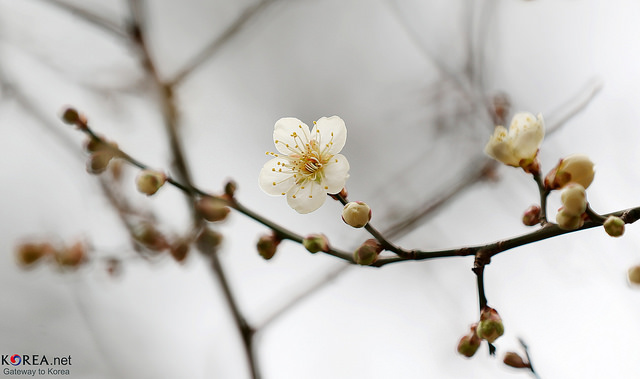
By Republic of Korea

By Tim Hamilton

By Mike Mozart

By Davide Simonetti

By Ross Manges Photography

By slack12

By ZakVTA

By Jeff Kubina

By Maurice Perry

By Mike Keeling

By Xavier

By Agustin Rafael Reyes

By Steve Wall

By Gwen Harlow

By nutmeg66

By Chris Gin

By Brian Carson

By MARCOS VASCONCELOS

By casch52

By Jose Maria Cuellar

By David A. LaSpina

By LadyDragonflyCC – >;<

By Ferruccio Zanone

By Daniel Kulinski

By mendhak

By ruben alexander

By aussiegall

By George Thomas

By Rachel

By J Labrador

By Jim Nix

By kataaca

By Cath in Dorset

By Steve Corey

By Lisa Plymell

By keeva999


The post A Collection of Spring Flower Photos to Brighten your Weekend by Darlene Hildebrandt appeared first on Digital Photography School.

Digital Photography School

 
Comments Off on A Collection of Spring Flower Photos to Brighten your Weekend

Posted in Photography


Throw a Bouquet: Guerrilla Seed Bombs & Flower Grenades

21 Jan

[ By WebUrbanist in Art & Street Art & Graffiti. ]

seed bomb guerrilla gardening

Filling shotgun shells with flower seeds is just the latest (and loudest) in a long line of designs for guerrilla gardeners. If you are looking for a little less bang for your buck than seed-swapped buckshot, you may wan to try a seed ball, bomb or grenade instead, all a bit more stealthy despite their loud-sounding names.

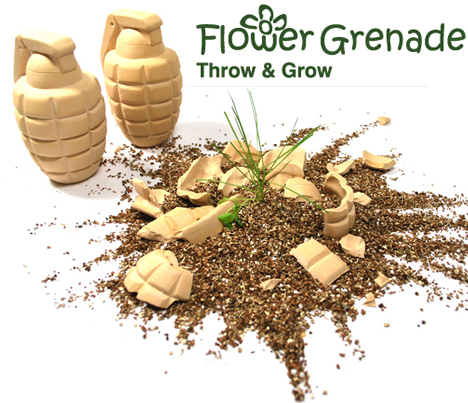
seed bomb flower grenade

One throw-and-grow option for the concrete jungle is this compostable-shelled Flower Grenade packed with ryegrass, buttercups and poppies. This hardy custom-tailored mix is designed to flower in sequence for a multi-week, time-delay effect well beyond the ten seconds or so of their traditional wartime relatives.

seed bomb machine dispenser

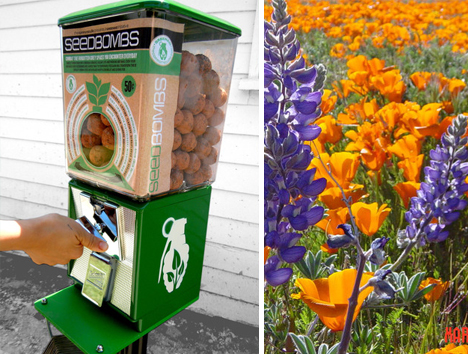
Another cleverly-titled approach comes from Greenaid, a group intent on seeding the urban landscape with converted gumball machines rejigged to dispense seed bombs instead of sweets. Put in a quarter and receive a ball made of clay, compost and seeds to help you compact dull gray vacant lots and faded green parking medians.

These Greenaid creations are uniquely tailored to provide local wildflowers native to the areas in which they are deployed – in LA, for instance, they contain White Yarrow, California Poppy, Lupine and Blue Flax.

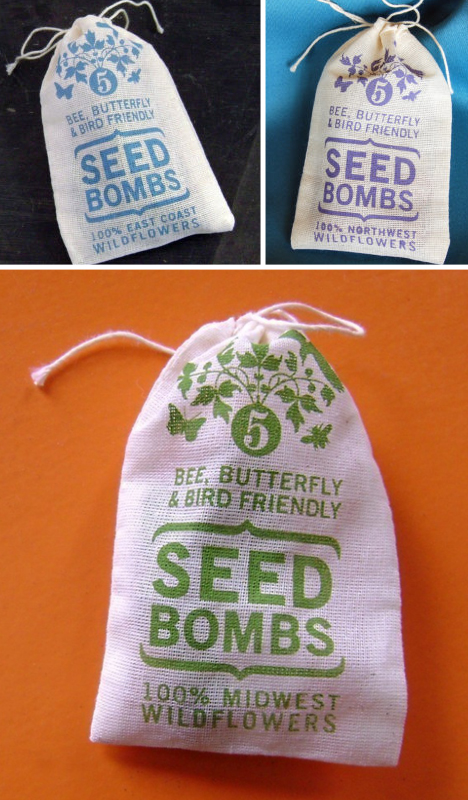
seed bombs region specific

There are lots of other options, too, from region-oriented seed balls for sale on sites like Etsy to do-it-yourself instructions or kits to help you build your own. When it comes to guerrilla gardening, the real trick is understanding your environment and purpose, then strategically finding a solution for that particular context.

Share on Facebook


[ By WebUrbanist in Art & Street Art & Graffiti. ]

[ WebUrbanist | Archives | Galleries | Privacy | TOS ]


WebUrbanist

 
Comments Off on Throw a Bouquet: Guerrilla Seed Bombs & Flower Grenades

Posted in Creativity


Guerrilla Gardening: Shotgun Shells Filled with Flower Seeds

20 Dec

[ By WebUrbanist in Design & Products & Packaging. ]

flower seeding shell casing

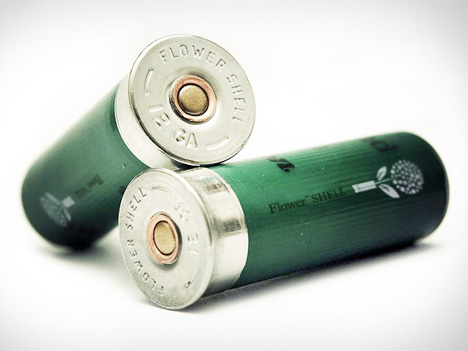
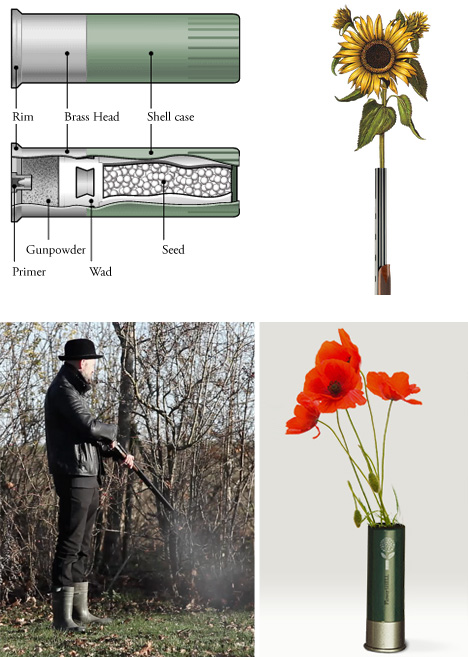
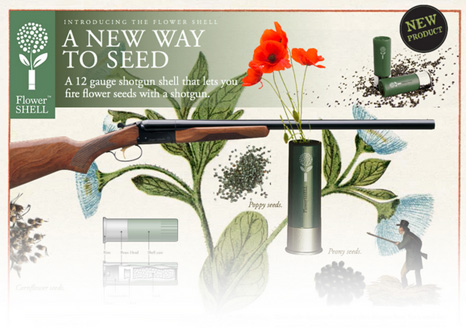
Seed bombs have long been a (non-violent) weapon of choice for guerrilla gardeners, but Flower Shells now aim to make your 12-gauge shotgun a key part of your go-green arsenal. Perhaps these will redefine ‘flower power’ for a new generation of eco-warriors, though a bad misfire might instead give new meaning to ‘pushing up daisies’.
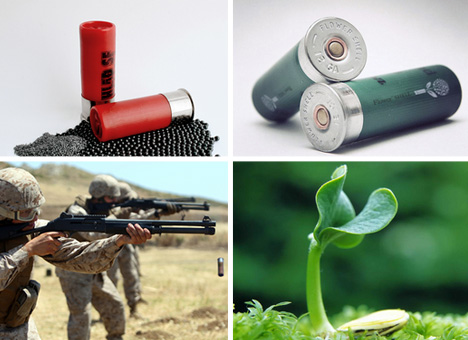
flower seed shotgun shells

“A personal project between art, gardening and gun smoke,” these are what they sound like: modified shotgun shells filled with seeds, all designed to make gardening more fun.

flower power shotgun shells

Their inventor, after “hour and hours of weeding, seeding and cutting” was working one planting meadow flower when the realization dawned: “this could be made much easier, faster, better using a shotgun. Said and done, soon I had emptied a shotgun shell of led and filled it with flower seeds.”

flower seed shell website

Encountered skepticism was turned into motivation: “I tested different seeds, different ways of closing the shell after modification, different amount of gunpowder, different angels of firing and different guns.”

A modern take on beating swords into plowshares, the project adapts devices designed to kill into ones that give life instead. “Walking through a field of meadow flowers, cornflowers, daisies and poppies an early summer sunday morning made me realize this was working. This flourishing field was my creation, it was all done with 142 shotgun shells.”

Share on Facebook


[ By WebUrbanist in Design & Products & Packaging. ]

[ WebUrbanist | Archives | Galleries | Privacy | TOS ]


WebUrbanist

 
Comments Off on Guerrilla Gardening: Shotgun Shells Filled with Flower Seeds

Posted in Creativity


10 Tips for Improving Your Flower Photos

25 Mar

Spring is here!

For those of us in the Northern Hemisphere who have been hunkered down for winter, enduring the rain and the snow, the time has finally come to get outside and enjoy some long awaited sunshine.

As the flowers start to emerge from the soil, all the neighbours begin emerging from their houses with gardening tools in hand. I, on the other hand, have my camera in hand ready to capture the spring flowers and I hope you do too!

Here are 10 tips that will help you make the most of your flower photography this spring.

1. Photograph flowers on an overcast day

Okay, not every day in spring is a sunshiny blue sky day. But that’s okay because the white sky days are perfect for photographing flowers.

The soft even light of an overcast day compliments the delicacy of the flowers and there are no shadows and no harsh bright spots, which makes it easier to get a good exposure.

Flowers in soft light by Anne McKinnell

2. Backlight will make your flowers glow

Another type of light that is excellent for flower photography is backlight. Backlight happens when the sun is directly in front of you lighting your flower from behind. Because flower petals are translucent, backlight makes flowers appear to glow.

Try to capture backlit flowers late in the day when the sun is close to the horizon which will cast nice warm light on the rest of your image too. You might even be able to catch some rays of light filtering through the trees.

Backlit flowers by Anne McKinnell

3. Watch out for wind

When it comes to photographing flowers, wind is your enemy. The easiest way to avoid it is to do your photography early in the morning when there is less chance of wind. If there is a bit of wind, you can use a piece of cardboard or your reflector to create a block.

Your other option is to bring a flower inside. I photographed the flower below by taking it inside and placing it in front of a white sheet.

Gerbera by Anne McKinnell

4. Get closer

There are a number of ways to go about making the close up images of flowers we all love.

First, you can use a telephoto lens and zoom in to the flower. In this case, make sure you take note of the minimum focussing distance of the lens. This is usually marked on the outside of the lens. For example, my 70-300mm telephoto lens has a minimum focusing distance of 1.5 meters (or 5 feet). It simply will not focus on anything closer.

There are a couple of solutions for getting around the minimum focussing distance problem. One is to use extension tubes which are hollow tubes that you place between the camera and the lens. Essentially the tubes move the lens farther away from the camera’s sensor which allows the lens to focus on closer objects. The other solution is to use a close-up filter which works like a magnifying glass and attaches to the end of your lens.

Finally, you can use a dedicated macro lens which has the ability to focus on objects that are close to the end of the lens.

Spring Tulips by Anne McKinnell

5. Use a reflector

If your subject is in the shade, you can use a reflector to bounce some light back towards your subject and make the flower more vibrant.

6. Avoid a cluttered background

As with every photograph, the background can make or break the image. Try to change your position so that there is nothing distracting behind your flower.

7. Use a shallow depth of field

Shallow depth of field is when only part of the image is sharp and the rest is soft and out-of-focus. You can achieve this by using a wide aperture (low aperture number) such as f/4 or f/2.8. The effect is even more pronounced if you are using a telephoto lens with a wide aperture.

Flowers and water drops by Anne McKinnell

8. Make it sharp

Even if you are using a shallow depth of field, it is essential that at least part of the flower is sharp. Use a tripod, a cable release or your camera’s two second timer, and the mirror lock up function for the best results.

Remember that even if there doesn’t appear to be much wind, flowers always move. If your flower isn’t sharp, try using a faster shutter speed.

Finally, check your focus and if necessary use manual focus to ensure the camera is focussed on the most important part of the subject.

9. Change your point of view

Move around and try some different angles for more interesting images. Try photographing the flower from behind or underneath to capture a point of view that is different from what we see from a standing perspective.

Behind the flower by Anne McKinnell

10. Focus through another flower

One technique I love is focussing through another flower. Remember how I said in tip #4 that your lens has a minimum focussing distance? You can use that to your advantage! Try positioning yourself so that another flower is in front of your main subject and very close to the end of your lens. The secondary flower will become a blur of colour and your final image will have a more abstract feel.
Flowers using the shoot through technique by Anne McKinnell

If your camera has been gathering dust this winter, now is the perfect time to get yourself and your camera outside to enjoy the sunshine and the flowers and make some beautiful images!

Post originally from: Digital Photography Tips.

Check out our more Photography Tips at Photography Tips for Beginners, Portrait Photography Tips and Wedding Photography Tips.

10 Tips for Improving Your Flower Photos


Digital Photography School

 
Comments Off on 10 Tips for Improving Your Flower Photos

Posted in Photography


Gloriosa superba flower time lapse

13 Feb

Gloriosa superba flower time lapse Filmed by Neil Bromhall for www.rightplants4me.co.uk my free to browse website plant finder, plant identification, pest and pruning advice online resource. This tropical flower was filmed over a period of seen days. The stamens ripen in an interesting way. Filmed on Nikon D300. 55mm macro nikkor lens studio flash. Music ‘Circles of uncertainty’ by Oliver Ledbury