RSS
 

Posts Tagged ‘Festivals’

5 Tips for Photographing Festivals

10 Jan

The post 5 Tips for Photographing Festivals appeared first on Digital Photography School. It was authored by Caz Nowaczyk.

Goroka Show, Papa New Guinea. © Jeremy Flint

The performance, color and wonderful crowds that are the signature features of festivals make them an excellent subject for photography. Festivals are great organized events worth attending and can occur anywhere at any time.

A festival is defined as ‘a day or time of the year when people have a holiday from work and celebrate some special event.’ Festivals could be a day or period set aside for celebration to commemorate an anniversary or other significant events. A festival may also occur for feasting, such as religious events or for performances of music, theatre, and dance.

These special events are usually held periodically and are designed to entertain, providing a fantastic opportunity to capture some interesting images.

Consider if there is a festival or event you have always wanted to attend? Whether it’s at home or abroad, it will be sure to offer an array of colorful and compelling subjects and scenes.

Here are five 5 tips for photographing festivals:

1. Shoot local festivals

© Jeremy Flint

You don’t have to travel long distances to visit festivals. Find an event that is going on near you and head out with your camera to capture it. Often festivals are seasonal, so time your visit to a festival that takes place during your favorite time of the year such as summer or winter. Arrive early for the chance to get your bearings and find a suitable place to see and photograph the event.

Remember festivals in towns and cities can cause built up traffic, and road closures may restrict access. Allow extra time to get to the event and be observant to ensure your gear stays safe in crowded situations.

© Jeremy Flint

2. Shoot festivals around the world

If you are traveling abroad, consider visiting a festival during your vacation. Some incredible festivals are celebrated around the world including the Holi festival in India, the Rio Carnival, the Goroka and Mount Hagen shows of Papa New Guinea and Oktoberfest in Germany. They offer the chance to see a unique and varied side to the people of the place you’re visiting.

Goroka Show, Papa New Guinea © Jeremy Flint

There is generally a great atmosphere during these events, and the costume-clad festival participants are dressed to impress and hopefully won’t mind having their photograph taken.

Festivals involving cultures, such as those in Papa New Guinea and parts of Asia, brilliantly combine local culture with exciting tribal traditions. I photographed this image at the Goroka show in Papa New Guinea where local groups demonstrate their unique song and dance.

Goroka Show, Papa New Guinea © Jeremy Flint

Try and get a bit closer to the action and capture the variety of activities taking place. Alternatively, if you are with friends and family and prefer to remain in one place, wait for the action to come to you.

3. Add color

Festivals such as carnivals, street parties, and fetes create endless opportunities for lively, colorful images. Since everyone taking part in the celebrations are enjoying the occasion, they are happier than usual to have their picture taken. You can take advantage of this by capturing interesting poses and joyous people.

Be sure to look out for vibrant individuals in which to point your lens. Take portraits of cheerful revelers and capture the participants in their colorful clothing.

© Jeremy Flint

4. Capture action

© Jeremy Flint

At festivals, things happen fast. With parades and processions, attendees move quickly, so be ready to capture the action. With this in mind, I recommend you use a fast shutter speed to capture any aspects you find interesting. Try experimenting with different shutter speeds of 1/100th of a second and above.

A guy falling off a horse, Llanthony Show, Brecon Beacons, Wales © Jeremy Flint

5. Relax and enjoy it

Don’t get hung up on getting the perfect shot. Take time out from the photography, and you can enjoy it more. Spend time soaking up the atmosphere and see the activities with your own eyes. Similarly, immerse yourself in the event and enjoy the spirit of the festivities and the kaleidoscope of color.

Join in the festivities and dance or walk with the participants if they are marching.

Most importantly, have fun and enjoy the event, you will have a much more memorable experience.

Conclusion

In summary, festivals offer a wonderful chance to create pictures with color, impact, and action. Most importantly, relax, enjoy it and don’t get too engrossed in taking the perfect shot. When photographing festivals remember these tips to help you improve your images. Therefore, get out there and capture a festival near you and share your photos below!


The post 5 Tips for Photographing Festivals appeared first on Digital Photography School. It was authored by Caz Nowaczyk.
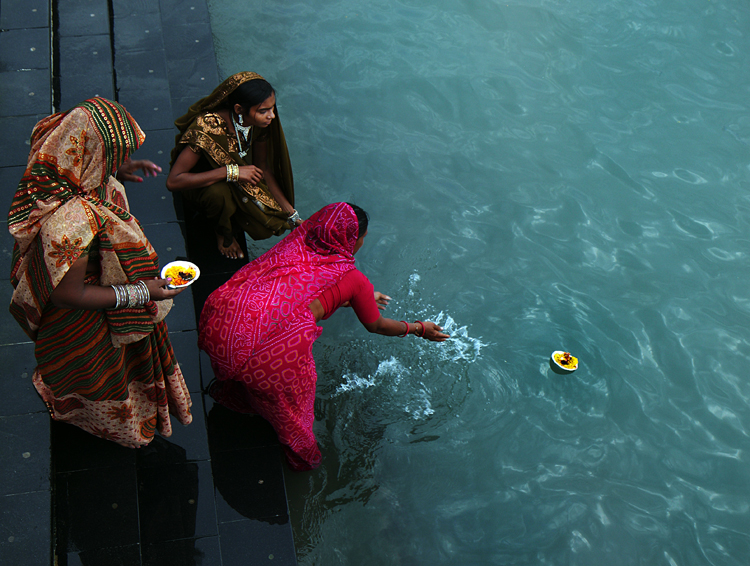
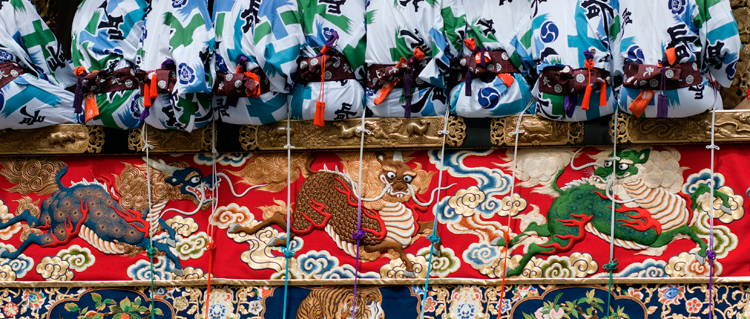
Digital Photography School

 
Comments Off on 5 Tips for Photographing Festivals

Posted in Photography


How to Take Better Photos of Festivals and Celebrations

19 Oct

?

Mitchell K is not only a brilliant photographer, but also creates the most engaging videos of his travels. This one is no exception, and whilst a little longer than the videos we normally share, it’s an engaging, informative and inspiring lesson from Mitchell on how to get better photos at festivals and celebrations.

The video was filmed in a few locations in Peru. I’ll share parts of my adventure. You’ll even see how I almost killed myself driving over a high mountain pass at night. The main focus, though – is on the travel photography tips and advice. When you finish watching this video, you’ll have a much better idea about photographing festivals, celebrations and gatherings of people. It is almost 30 minutes long, but, I do really believe that it’s worth your time.
– Mitchell Kanashkevich

Mitchell has authored 3 great books for dPS – if you love his style, grab this quick offer to get 50% off these titles. Just use the code MITCHELLK50 (expires 31 October 2018):

Transcending Travel


Captivating Color

Natural Light

You can also check out more free tips on the blog:

Photographing Festivals and Events – Tips for Travel Photographers

Beginner’s Guide to Photographing Festivals

20 Tips for Photographing Historical Reenactments and Festivals

The post How to Take Better Photos of Festivals and Celebrations appeared first on Digital Photography School.


Digital Photography School

 
Comments Off on How to Take Better Photos of Festivals and Celebrations

Posted in Photography


Shooting Festivals and Events – Tips for Travel Photographers

26 Oct

Festivals, fairs, and carnivals are a great visual opportunity for any travel photographer because they provide us with a glimpse into the local culture. I remember working in the Gion Matsuri festival in Japan. While one can say that Japan is super modern and hi-tech, the festival allowed me to see a different, more traditional side of the place – from the local food to the clothing.

festivals and events travel photographer

Here are some tips that will allow you to make the best out of your next festive event

Before you go

Build your next vacation around a festival. Why not schedule your next trip or family vacation around a festival? Not only can festivals and local events give lots of great visual opportunities, but a festival can be a good experience for your non-photographing partners as well. Thus, you can combine a family vacation with your love of photography at the same time and place.

How to find your next festive vacation

Choose your destination according to your schedule. If you know that you can take some time off in the summer, Google “best festivals in July and August” and Mr. Google will offer some great ideas – from a music festival in England to a tribal festival in Papua New Guinea. Now, all you have to do is to choose.

Or, choose your schedule according to your destination if you already decided on your next destination. If possible, try to choose the time and season according to a local festival or event.

festivals and events travel photographer

Booking and planning your trip

Book your trip as early as possible. Well-known festivals and fairs tend to attract huge groups of visitors from all around the world. Everything from booking a flight ticket to getting a good hotel can be extremely expensive or even impossible. So, do your best to book everything well in advance.

Choose smart lodging. While traveling, time is everything and as a cultures photographer, you want to maximize your time by selecting a smart lodging. Don’t waste your time and money on a hotel which is far from the main attractions. Be on the streets with first light, before the crowds.

Get the event schedule. Knowing when and where to be is important for every photographer, but this is a must if you are working around a moving festival (like a parade). If possible, look for the event schedule online, and be sure to double check it with a local (like a receptionist at your hotel or a local taxi driver) upon your arrival.

festivals and events travel photographer

On location

Get there before the crowds. To get yourself a spot in the first row, you will need to be there as early as possible. It might feel a bit boring or like a waste of time, but this is essential if you want to photograph the action and not just the backs of people’s heads.

Get a good vantage point

Find an off-public vantage point. Get creative and find yourself a (legal) way to avoid the hustle of the street (and standard imagery) by getting to a high vantage point. Scout a location – balconies or windows that can give you a better perspective on the event, and seek the owner’s approval in advance.

Build your own vantage point. I saw this technique while working on that story on the Japanese festival in Kyoto. To get a higher vantage point, the local photographers brought small ladders and stools that allowed them to shoot the action without thousands of heads in their frame. This is a smart and extremely practical idea.

festivals and events travel photographers

Be safe

Watch yourself and your gear. Besides being a paradise for pickpockets, some festivals and events can get pretty wild and even violent (I never got so many elbows and punches as I had in India). Avoid getting into a situation that might get too crowded or dangerous!

This recommendation is relevant for any significant event, but from my experience, mostly in festivals which are religious in nature.

Back home

Create a diverse set of images. While sorting and editing your work, try to make your set of images as diverse as possible. Showcase the event from different points of view; high vantage points, portraits, day and night, food, local arts and crafts, etc.

festivals

Approach organizers and pitch your work. Sending your work to the event organizers can be a great way to get published, and it may get you a ticket for the non-public areas at next year’s festival. In a case of a traditional festival, you can always send your images to the local embassy and offer them to use your work.
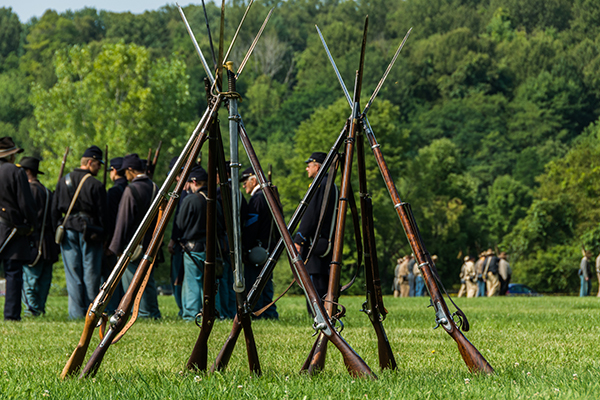
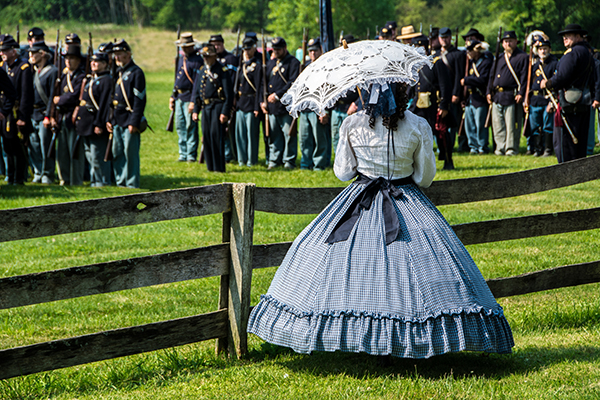
Here is my list of some of the best festivals for photographers. You may want to add some of these to your list.

Well known festivals

Kumbh Mela festival India

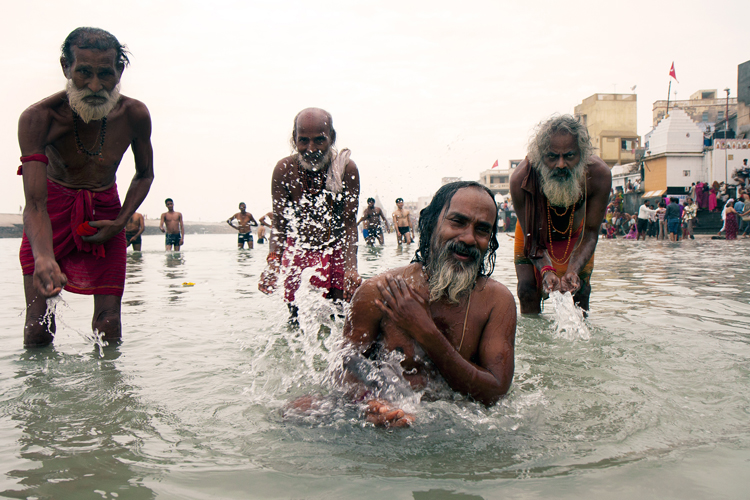
The Indian Kumbh Mela festival is the largest religious gathering in the world, with millions of people coming to bath in the holy Ganges River.

  • When: Every 12 years, with the next one on 2022.
  • Where: Haridwar, Allahabad , Nashik-Trimbak and Ujjain in India.

Kombh Mela festival India

Dia de Muertos Mexico

The Dia de Muertos, or the Day of the Dead, is a unique and photogenic festival which takes place in Mexico. On that day, locals believe that their dead will return to earth and are preparing for the event. After preparing food and offering, the locals will visit the cemetery, decorating the graves with candles and flowers, making it both spooky and very photo worthy.

  • When: The beginning of November.
  • Where: Throughout Mexico.

Songkran festival Thailand

In this festival, which is the Thai New year, you will need to find a solution to cover your camera, because you are going to get wet. Very wet! In the Thai culture (and in many other cultures as well) water are considered as a purifying source and this festival is the largest water fight in the world. Along with great food, music, and dancing in the streets, it is the Thai culture as its best.

  • When: 13-15th of April
  • Where: Throughout Thailand.

8.jpg

Hanami – Japan

If you thought that Japanese people could be a little crazy sometimes, wait until you meet them at cherry blossom time. Local picnics, karaoke singing, and amazing natural sight of the white cherry flowers, making it a local event to experience.

  • When: Depending on temperature and location on the island, but aiming for late March will be the best.
  • Where: Throughout Japan

Kombh Mela festival India

Less well-known festivals

Damadihana – Madagascar

Turning of the bones. A Malagasy tradition in which local families, take out the remains of their ancestors from the family graves and wrap them in new cloth. Dancing with the remains to the sound of local music is part of this morbid festival.

  • When: Throughout the second half of the year.
  • Where: Highlands of Madagascar.

Argungu Fishing Festival – Nigeria

This festival take place every year in the Northern part of Nigeria. The main event is a competition where thousands of men and women jump into the river with limited time to catch the largest fish, using only traditional tools or their hands.

  • When: February or March.
  • Where: Northern Nigeria.

Kombh Mela festival India

German Christmas market

Maybe not as exotic as the other events on this list, but the Christmas markets in Germany are an experience not to be missed. Local art stalls, outstanding food, music, and everything from the unique design of the stalls to the lights illuminating the streets, is so visually interesting!

  • When: November and December.
  • Where: Throughout Germany.

Conclusion

Do you have any other festival or event photography tips to share? Or maybe you know of some other great festivals to add to this list. Please share in the comments below.

googletag.cmd.push(function() {
tablet_slots.push( googletag.defineSlot( “/1005424/_dPSv4_tab-all-article-bottom_(300×250)”, [300, 250], “pb-ad-78623” ).addService( googletag.pubads() ) ); } );

googletag.cmd.push(function() {
mobile_slots.push( googletag.defineSlot( “/1005424/_dPSv4_mob-all-article-bottom_(300×250)”, [300, 250], “pb-ad-78158” ).addService( googletag.pubads() ) ); } );

The post Shooting Festivals and Events – Tips for Travel Photographers by Oded Wagenstein appeared first on Digital Photography School.


Digital Photography School

 
Comments Off on Shooting Festivals and Events – Tips for Travel Photographers

Posted in Photography


Beginner’s Guide to Photographing Festivals

13 Nov

Photographing-festivals-1

Festivals are a great place to practice a wide variety of photographic disciplines for any photographer. With plenty of action in one central location, often over a couple of days or more, there’s a chance to try your hand at everything; portraiture, street photography, landscape, night photography, fast action, and more, as well as play with all kinds of lighting and subjects, and the chance to tell a photographic story.

So much to learn about photography all in one place.

Festivals are a great place to photograph everything from portraits to panoramas, and pretty much everything in-between.

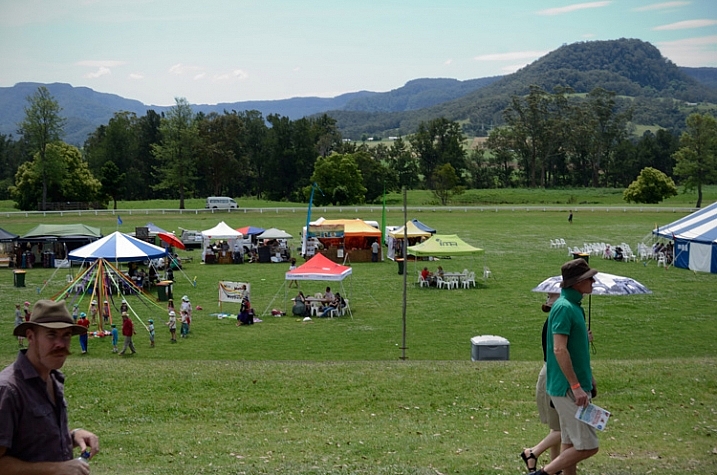
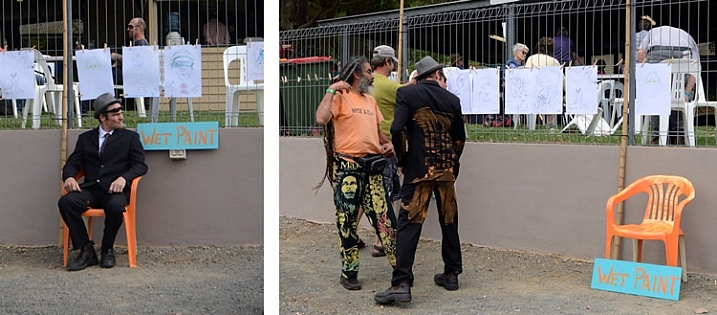
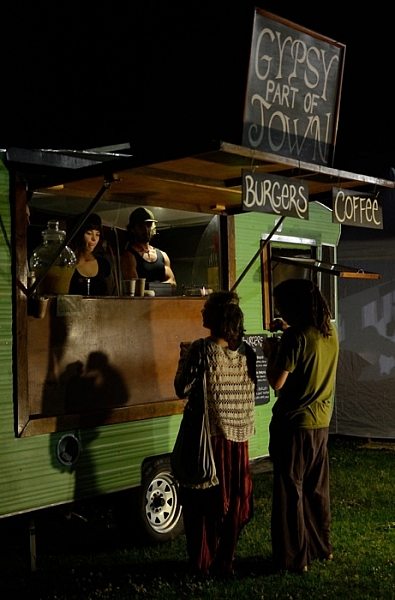
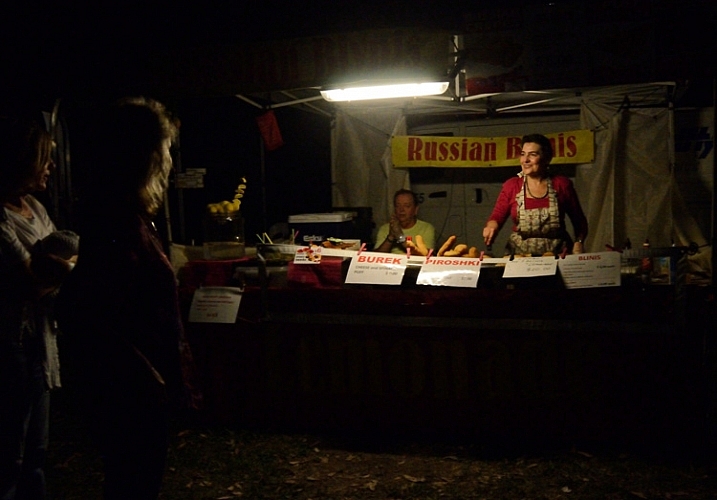
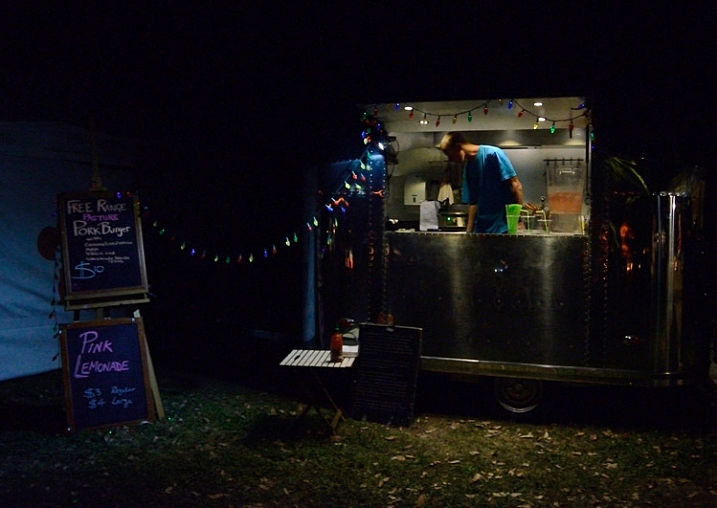
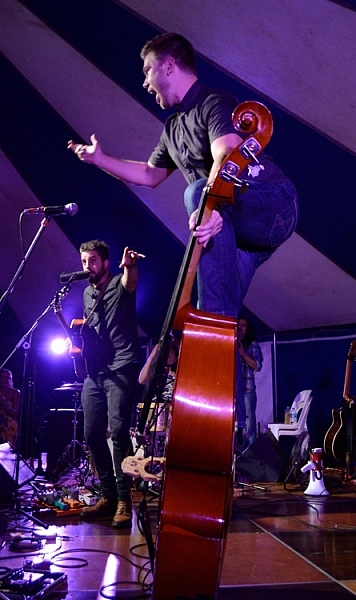
There is a festival for just about everything from the massive Burning Man Festival, to small food, wine, music festivals, there’s some bizarre festivals like Tunarama in Australia, where the key event is tuna tossing. Unfortunately I didn’t make it to Tunarama, so for this article I have used images from a small country town folk festival. Regardless of the kind of festival you choose, here are some tips to get you started – a beginner’s guide to photographing festivals.

There's so many different festivals for photographers to practice theirs skills at.

Look up a local festival and get out there with your camera.

Camera gear

If you are a beginner reading this, chances are you have a DSLR with a standard kit lens, so you are good to go. I would highly recommend a zoom, but it’s not necessary, you can still get great images while learning a wide variety of photographic skills. For all these images I used either a standard kit 18-55mm lens, or a small point and shoot camera. If you have other lenses, take them, you’ll most likely have a chance to use them.

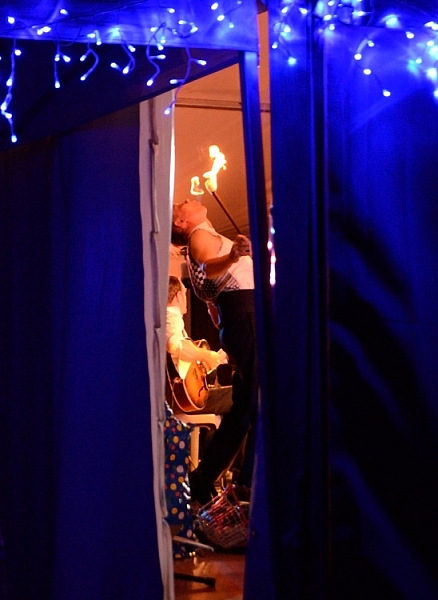
A tripod will also come in handy if you are going to photograph at night. Many festivals have fireworks, or people twirling glow in the dark things, that need long exposures.

Spare memory cards and batteries are pretty much essential, and a polarizing filter wouldn’t go astray for bright daylight.

Photograph your festival with any gear you have, even your phone.

You really don’t need fancy camera gear to get some interesting images at a festival.

Camera settings

If you are a beginner, and not used to rapidly adjusting manual settings on the fly, I would recommend starting with Auto or setting your camera to Program Mode, or pick an appropriate “Scene mode” for night and low light. But also take the opportunity to experiment with manual settings. Read up on low light, street photography, fireworks, etc., before you go. Try to avoid using your flash.

The bottom line though, in order to have a great time photographing a festival, and getting a few images you are really happy with, you don’t need anything more than your mobile phone – everything else is bonus. If you are using your phone, and I recommend you do so as well as use your camera, try looking up some free extra apps to experiment with.

Any gear will do for photographing a festival, even your mobile phone.

This image was photographed using a small point and shoot with its auto filters.

What to photograph

Photography everything. Shoot non-stop from the setting up, to the live acts, parades, stall holders (vendors), the crowd, surrounding landscape, behind the scenes, people in audiences, details, packing up, and even what was left behind. Sometimes shooting from dawn until evening, in close, panoramic, and everything in-between.

Photographing-festivals-12

Photographing-festivals-7

Photogrpahing-Festivals-19

Try to tell a story

You can capture a story in a whole series from a festival, or small series within a series, or within a single photograph.

Photographing-festivals-9b

Small festival stories can be fun to capture

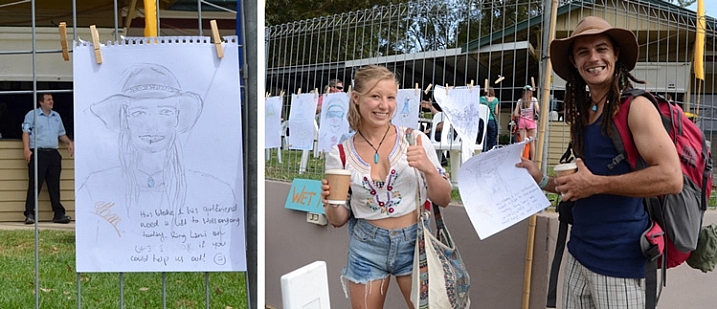
These two pegged a drawing on the fence with a request for a lift to the next station. It worked!

Festivals are great to try capturing a story in one image or over many.

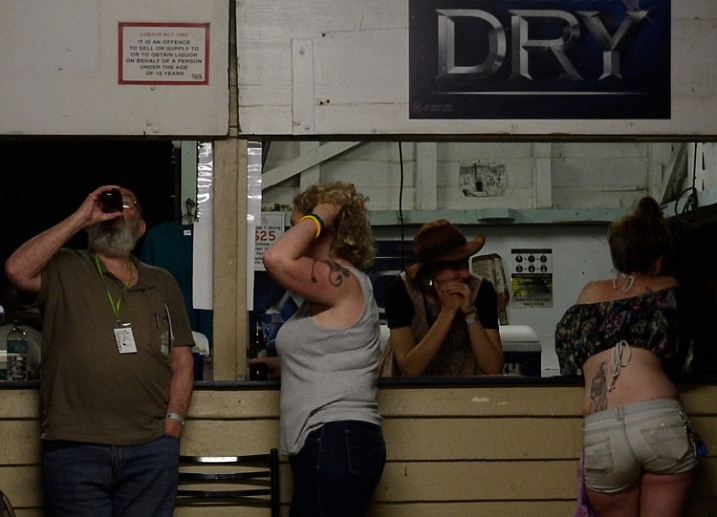
Locals hanging out at the festival bar.

Each festival I have been to, has a different feel. For example, a food and wine festival has a different crowd, and is more relaxed than a rock music festival.

Capturing small details and panoramas set the scene, give the viewer a sense of place. Then, capturing events, acts, and people give a sense of what is going on there. Capturing audience reactions and small details create a sense of really being there.

Photographing-festivals-23

Photographing-festivals-6

Photographing-festivals-11

Getting involved

Festivals are often annual events. Depending on the event, there may be an opportunity to volunteer. While you may spend most of your time helping out, you could have access to back stage, or other areas behind the scenes. When you have a decent portfolio, you could volunteer as photographer to build up an excellent portfolio to apply as official paid photographer.

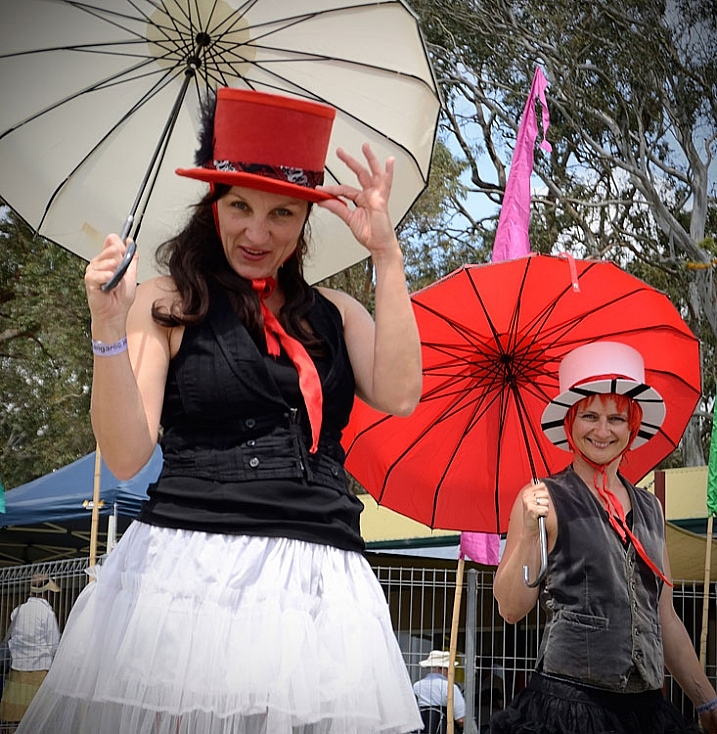
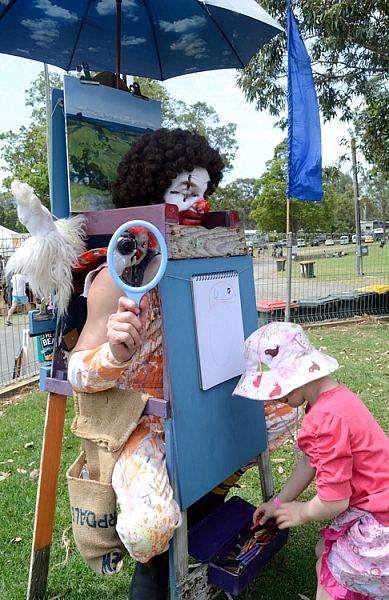
The last festival I went to, I worked as an assistant to the artist in residence, dressed as a clown. This helped me to capture a lot of smiles, and some not so smiley expressions. Not everyone loves a clown.

Get involved in the festival you are photographing.

Photographing as a clown was a new experience!

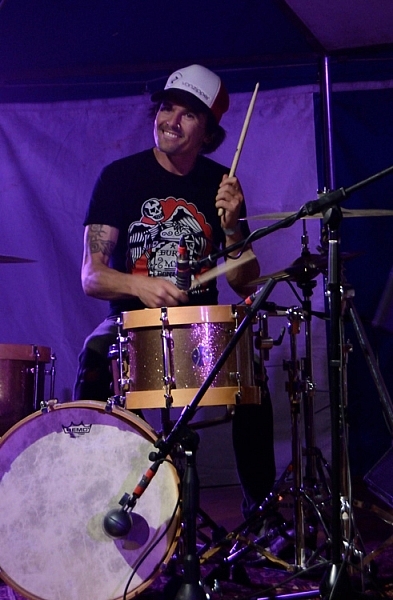
This guy from the band 19-Twenty just noticed he was being photographed by a clown, and he didn’t miss a beat. I certainly wouldn’t have got that shot had I not been in my rather amusing costume.

Don’t be afraid to approach people

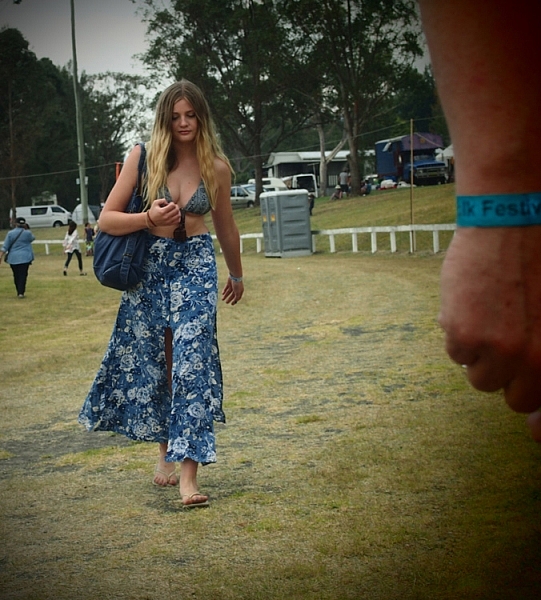
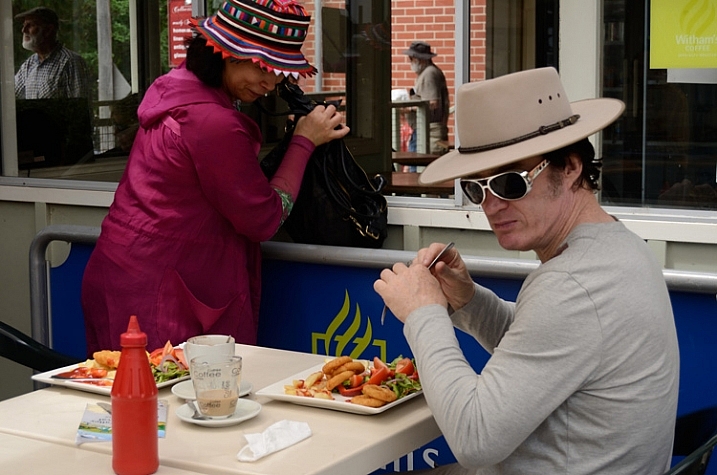
People photography is also a great thing to practice at a festival. It can be pretty intimidating approaching strangers, as it is to be approached by a photographer. But most people don’t really mind, and are often flattered.

Don't be afraid to approach strangers, most people are OK about it.

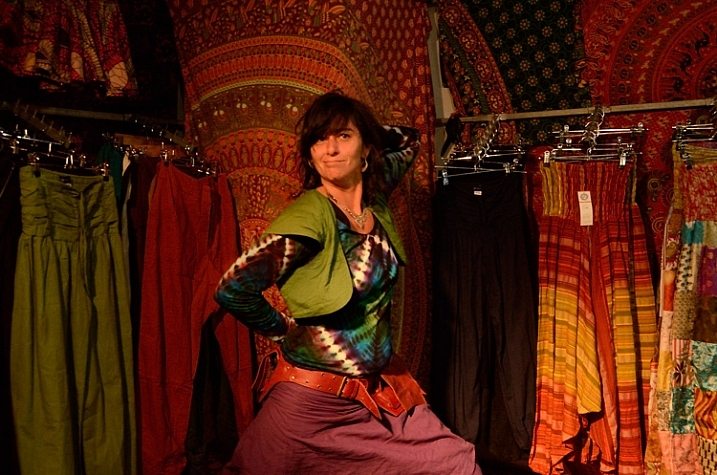
Most people don’t mind having their photograph taken if you are polite about it. Some, like this lass, love it.

So just ask, be honest with them, and let them know you are a beginner practicing at the festival. Perhaps even carry some cards or pieces of paper with your name, and a website, where they can see your images.

If you’re too shy, sometimes a smile and a wave, pointing to your camera and giving them a hopeful questioning look will do the trick. Or you can try a street photography approach, capturing people more candidly, and naturally.

Photographing-festivals-13

Thank you Elvis, thank you very much.

Keep doing the rounds

Walking around the entire the festival over different times of day/night, can provide fresh images of the same spot as the light changes, and different people and characters pass by. A stall that doesn’t look like much during the day, could be lit up beautifully at night. Capturing stall holders when busy and quiet, can provide two entirely different moods.
Photographing-festivals-16

Photographing-festivals-24

Photographing-festivals-21

Don’t get in the way

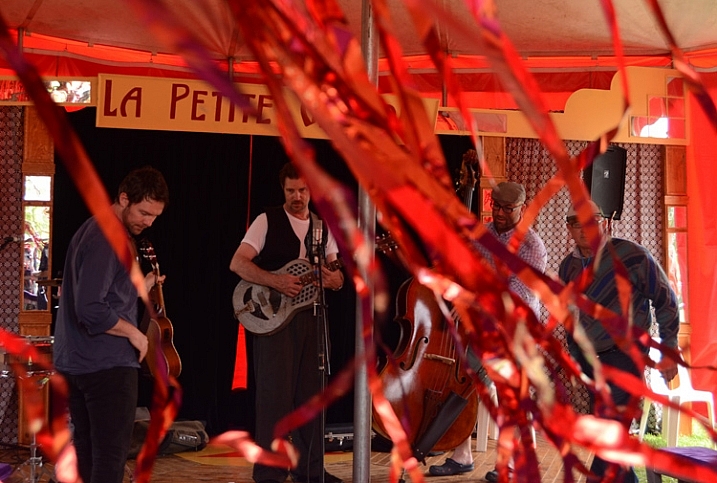
Try not to annoy the live acts, and audience, by photographing all the way through the entire act, or getting in anyone’s way. A good general rule for band photography is to only photograph for the first three songs.
Morris dancer with evil eye.

Keep your eye out for moments, rather than just firing away. Look for different angles and interesting color compositions.
Photographing-festivals-18

Photographing-festivals-17

The best tip I can give you is to have fun. Enjoy the festival, as well as photographing it. So much photographic fodder in one place, often with good food and music as well.

So get out there, find yourself a fun festival, and start photographing. Please share your festival photographs with us in the comments below. Have you any tips to add for our readers? Any great festivals to recommend?

googletag.cmd.push(function() {
tablet_slots.push( googletag.defineSlot( “/1005424/_dPSv4_tab-all-article-bottom_(300×250)”, [300, 250], “pb-ad-78623” ).addService( googletag.pubads() ) ); } );

googletag.cmd.push(function() {
mobile_slots.push( googletag.defineSlot( “/1005424/_dPSv4_mob-all-article-bottom_(300×250)”, [300, 250], “pb-ad-78158” ).addService( googletag.pubads() ) ); } );

The post Beginner’s Guide to Photographing Festivals by Lea Hawkins appeared first on Digital Photography School.


Digital Photography School

 
Comments Off on Beginner’s Guide to Photographing Festivals

Posted in Photography


Photograph Summer Fun From Festivals to Farmers Markets

23 Jul

Street fairs and block parties and farmer’s markets, oh my!

Summer’s the time for outdoor fun. But so much activity can be overwhelming. How do you make sure you capture it all?

You use this list we made just for you! It has all the photo actions you’re gonna wanna take during your next outdoor summer extravaganza.

Now slap on some sunscreen and let’s go!

Photograph Outdoor Summer Memories

(…)
Read the rest of Photograph Summer Fun From
Festivals to Farmers Markets (437 words)


© Taylor for Photojojo, 2015. |
Permalink |
No comment |
Add to
Festivals to Farmers Markets”>del.icio.us

Post tags:


Photojojo

 
Comments Off on Photograph Summer Fun From Festivals to Farmers Markets

Posted in Equipment


20 Tips for Photographing Historical Reenactments and Festivals

22 Sep

No matter what the season, people love to congregate in special places to celebrate or commemorate special events. Here are some tips that may help you take maximum advantage of the opportunities that festivals and historical reenactments present.

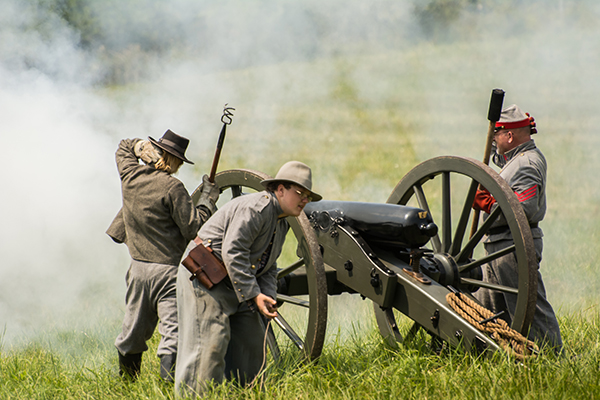
firing the canon

#1 Research the event before you go

Do some homework before you attend the event, to get an idea of the subject of the celebration, and something of its history. For example, if you are attending a battle reenactment, a little research before you arrive may give you an inside advantage as to how the battle may unfold in front of you. Even local street festivals exist for a celebration, so know what you can expect to experience, such as special displays, parades, entertainers, and fireworks.

#2 Know the rules of the event

For instance, some events may not allow you to bring coolers or large backpacks into a crowded venue, which could include your camera bag. Prepare accordingly to abide by the rules.

#3 Acquire a schedule of events and map of the venue before arriving

You’ll know ahead of time when to arrive and which locations you would like to shoot first.

#4 Develop a shot list

Preparing a shot list is a good way to help you to get all the images that you intend to capture. It is so easy to get caught up in a single attraction, then, when day is done, realize that you missed a lot of other shooting opportunities. So give yourself a game plan for the day, remembering that schedules can be flexible.

#5 Arrive early and stay late

The early bird gets the worm or the best parking place. Of course we know the best light of the day is during the early morning and pre-sunset, so arrive early and stay late to take advantage of it. Also, at many events the crowds don’t arrive until midday, and many who arrive early may also leave early.

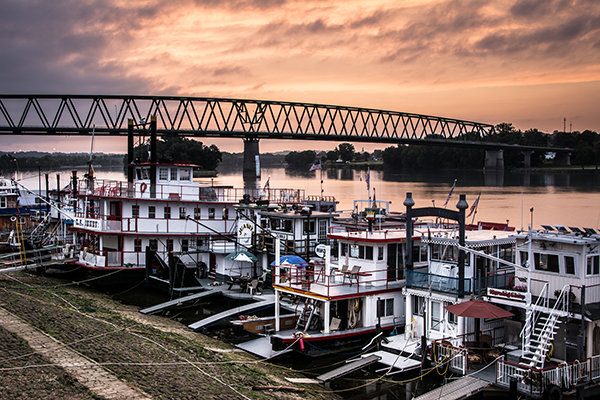
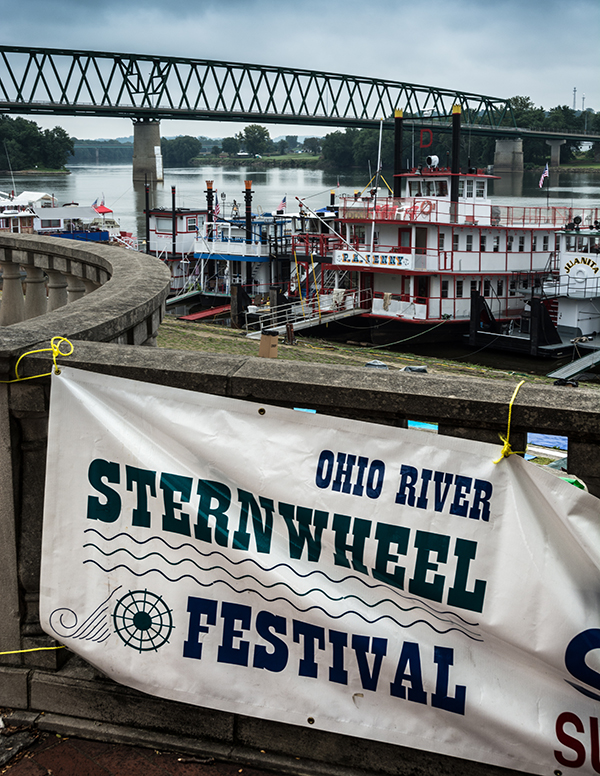
Sunrise at the Ohio River Sternwheel Festival gives a colorful view of the event before the crowds arrive.

Sunrise at the Ohio River Sternwheel Festival gives a colorful view of the event before the crowds arrive.

#6 Bring a compass

Upon arriving it is very important to get your bearings, which may require taking a compass reading. This becomes very important when looking to for the best lighting and vantage point from which to shoot.

#7 Meet the people involved with event logistics

Interaction with the event coordinators, staff, participants or re-enactors of an event can be very beneficial to you when it comes to getting inside information, and perhaps some behind-the-scenes shots. In some cases getting to know the right person might land you a unique vantage point, not accessible to the public. Offering to send photos to them can also be great way to get access to some great images. (Don’t forget to get contact information.)

#8 Be prepared

Always bring a spare camera battery. There is nothing worse than missing a great shot because your battery went dead. Spare memory cards are a must also, because you could be shooting thousands of photos each day and you want to have enough memory with you to hold all your images. For shooting in the middle of the day, in the harshest lighting conditions with deep shadows, consider using your pop-up flash to provide fill light for close-ups and portraits.

#9 Prepare for weather

Be prepared by checking the weather forecast ahead of time. You may find yourself standing for long periods of time in the direct sunlight, so sun screen is a must. Also bring plenty of water to stay hydrated. A wide brim hat can also be useful to keep the sun out of your eyes. Your equipment also may need protection from weather elements, especially moisture related.

#10 Be aware of the wind direction

Wind direction can be very important if you are photographing an event where there will be weapons (e.g. canons) fired. If your shooting location is downwind from the action, all you may get in your image is a lot of smoke. In some cases this could add some very interesting effects but, it is best to be aware of this ahead of time.

#11 Play nice with re-enactors and other photographers

Sometimes photographing these events can mean shooting in very crowded locations with everyone wanting to get that same great shot. Be courteous to your fellow photographers, interact with the people around you and work to help everyone have a great experience. Offer suggestions that might be helpful to those who are obviously less experienced. Also, remember festival workers are providing a service to you and in many cases it might be for very little or no pay, so be considerate of them.

#12 Choose an appropriate lens

A good walk-around lens, like a 28-300mm or 18-200mm zoom, is a desirable choice for these types of events and will allow you to use the same lens all day. However, if such an item is not in your arsenal, narrow your options down to just a couple of lenses, like a wide angle and a 200mm or 300mm telephoto.  If you choose to use multiple lenses, remember there can be lots of dust in the air at outdoor festivals, so you need to be careful while changing them not to get dust in your camera, which will find its way onto your sensor. If you must change lenses it would be a good idea to try to find a dust-free area, (your car would be a good spot, if parked nearby).

#13 Shoot with a higher ISO if necessary

Raising your ISO will allow the shutter speed to stop the action and aperture to maximize your depth of field. However, in some instances a narrow depth of field may be useful to make your subject stand out from the background.

#14 Watch your background

When you are shooting at a reenactment event, the last thing you want in an otherwise perfect image is a car or other object that will seem historically out of place in the background. In some cases you can remove these objects in post-production, but it is best to avoid them, and look for a different vantage point that allows you to exclude them.

DSC_9671-Edit-2

#15 Look for details

Be observant to discover details that may make your shots stand out from all the other photographers shooting at the same location. Look for expressions on the faces of participants and spectators, as well as interactions between them.

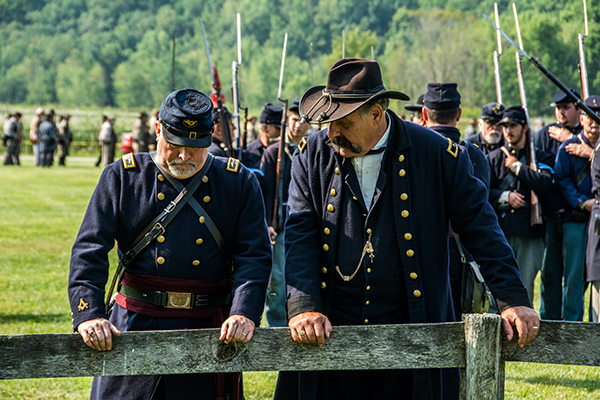
Two officers standing at the fence discussing battle strategy.

Two officers standing at the fence discussing battle strategy.

Look for detail

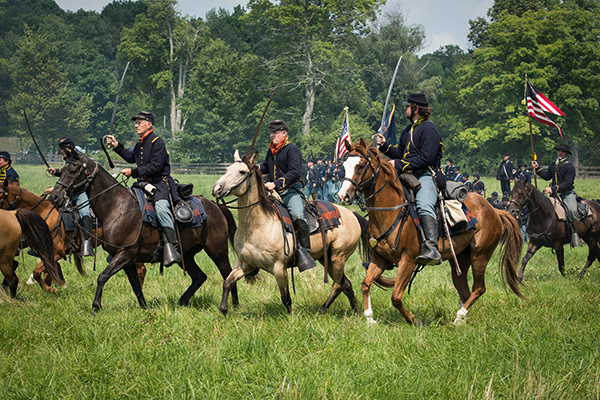
This image captured from ground level, features a unique detailed view of reenactment maneuvers.

#16 Think safety

Remember to keep in mind where you are, when you are looking through your lens for an extended period of time. It is easy to lose track of just how close to the action you might have become.

#17 Tell a story

You’ve heard it said that picture is worth a thousand words, so look for images that tell a story. It doesn’t make much difference how well the photo is composed, that your exposure is correct and image is in sharp focus, if the shot doesn’t communicate the event experience to the viewer.

Lady in era dress watching and waiting, tells a story

Lady in period dress, watching and waiting, tells a story.

#18 Attend more than one day

If possible, returning for a second day can allow you to get some really great images. After attending the first day, it becomes easier to anticipate the action (especially in the case of a reenactment event), pick up other happenings missed the first day, or re-shoot favorite subjects with alternate lighting and camera settings.

#19 Capture images that may interest the event organizers

Often times festivals or events are looking for images to use for next year’s promotional material. Depending on the event’s budget, some might even offer to pay for desirable images, while others may not be able to offer more than a byline (it’s still very cool to see your images published). Many events hold a photo contest that pays prize money and features the winning image in promotional material. You should give such an opportunity your best shot.

Shoot images that might interest event organizers, such as this image from the Ohio River Sternwheel Festival held in Marietta, Ohio.

Shoot images that might interest event organizers, such as this image from the Ohio River Sternwheel Festival held in Marietta, Ohio.

#20 Give your photos a vintage effect in post-production

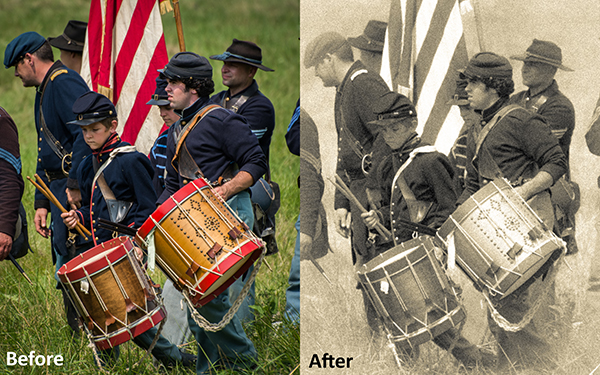
Giving your image a nice sepia tone to match the photos of former eras can be an interesting way to present reenactment or old-time feeling events.  Click on this link to download an American Civil War Lightroom preset. This preset will give you the era’s sepia tone effect, with faded corners and added grain.

DSC_9684_rto

Remember to have fun when you are photographing events and festivals. It is easy to get so involved with getting that perfect shot that you don’t take the time to enjoy the experience. Please share some of your favorite reenactment or festival shots.

The post 20 Tips for Photographing Historical Reenactments and Festivals by Bruce Wunderlich appeared first on Digital Photography School.


Digital Photography School

 
Comments Off on 20 Tips for Photographing Historical Reenactments and Festivals

Posted in Photography