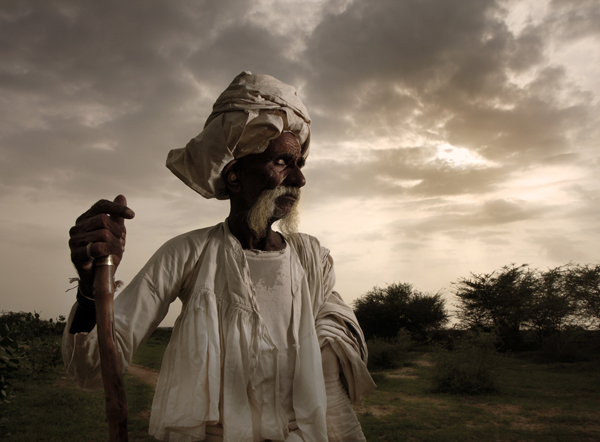
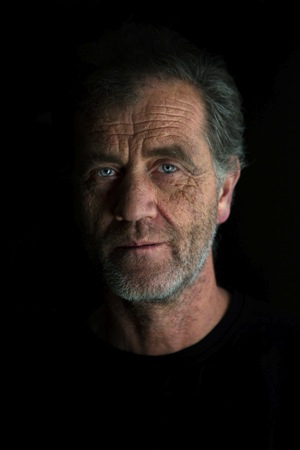
RSS
 

Posts Tagged ‘Fear’’

Overcoming Fear in Photography

06 Nov

Fear. It’s an emotion to which we all can relate. Luckily, nervousness or fear in photography can be overcome with practice and patience. After speaking with a few fellow photographers and borrowing from my own experiences, I have listed some shared fears among photographers and ways you can learn to overcome them.
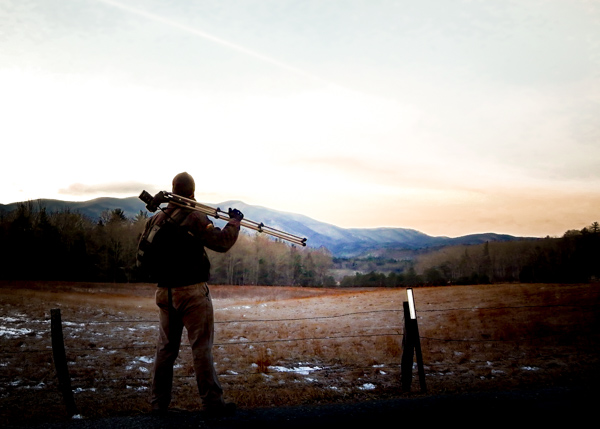
Overcome Fear

1. The fear: I’m afraid I don’t know what I’m doing.

Every photographer at some point feels a little out of their depth when encountering a new situation or problem. Whether it’s learning to use a new piece of equipment, a lighting conundrum, or simply making a careless mistake during a shoot – we all can feel a little lost from time to time. This is especially true when a person first begins to learn the art. There’s a lot of somewhat technical information to absorb and it can be frustrating to understand new things. I recall shooting my first large wedding. I was so nervous that I was sweating more than the groom. There were some hiccups but overall the shoot went smoothly and the client was pleased.

How to beat it:

Acceptance. That’s the best way to overcome your fear of being inexperienced. The most effective thing you can do as an aspiring photographer is to constantly remind yourself that we all start somewhere. At some point, even the most celebrated of photographers didn’t even know how to operate a camera. You will learn as you go and you will make mistakes. You will also have successes. The key to beating the fear is the determination to keep going.

2. The fear: I’m afraid people won’t like my work.

The fear of rejection is a biggie. We all feel it to some extent and we all struggle with the fact that some people simply will not like the work we produce. This is the beauty and the bane of any art form. Art, by its very nature, is extremely subjective. Each person will view a piece with there own eyes and make judgements based on their experiences.

Here is one of my personal favorite images and one of the least liked by the public.
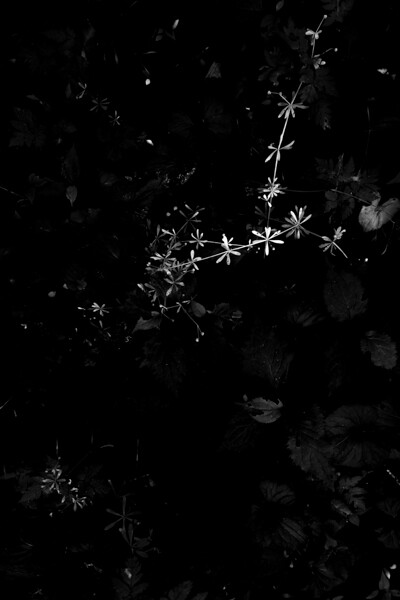
Ferns

How to beat it:

When I first began my photographic journey I was easily discouraged. It seemed that for every roll of film I used there would be only one or two decent exposures. I would get so frustrated to point I would just put down my camera. Fortunately for me, I stumbled upon this quote from Ansel Adams:

“Twelve significant photographs in any one year is a good crop.”

That sentence hit me hard. I realized that if one of the most influential American photographers of all time was happy with twelve good images in an entire year, then I should be thrilled of the progress I was making! As painful as it can be, failure is an essential learning tool. Seldom do we gain new knowledge only from our success. Do your work as best you can and show it to the world. The rest is out of your control.

3. The fear: I’m afraid to photograph people.

Making photos of people can be compared to public speaking. Very few people (I haven’t met any) are able to hit the ground running when it comes to street or event photography. It’s just not easy. Anxiety is a constant, at least it was for me. I would worry about how the subject might react to being photographed or if I looked strange photographing a stranger on the street. Even the act of carrying my SLR around in public made me feel out of place.
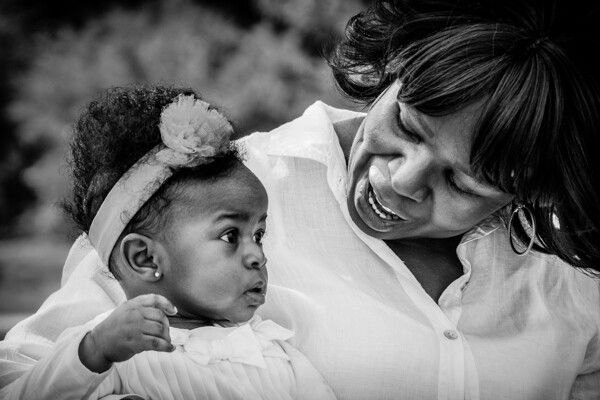
Child and Grandmother

How to beat it:

The short answer – just do it. Go out and confront your fear. It sometimes helps to begin in a place where other people will likely be carrying cameras such as a public park, farmers market, or other large gathering. You will feel more at ease knowing that you aren’t the only one making photos. As you become more relaxed, begin taking your camera with you on a daily basis.

Practice short excursions around your street or neighborhood and get used to being around people while using your camera. The more you do something the less frightening it will likely become.
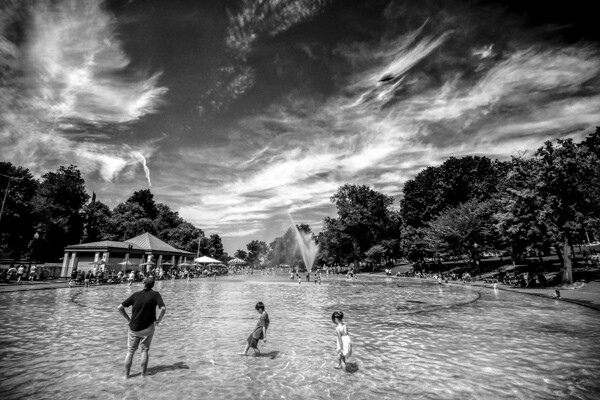
Boston Common

Before you know it, you will be able to approach public situations with confidence.
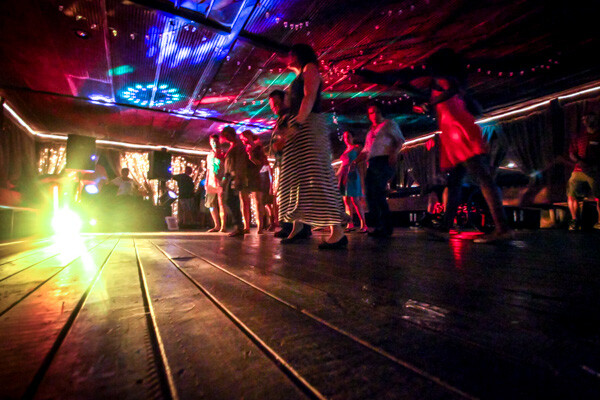
Party

4. The fear: I’m afraid my gear isn’t good enough.

Gear envy. That nagging notion that if you only had this lens or that filter or if you could afford the newest whatever – we all experience it to some degree. It’s a basic condition of humans to want what we don’t have and photographers (most, not all) are notorious for never having enough. We can sometimes let ourselves be afraid that our gear just isn’t up to the task and become convinced that all we need is more and better equipment.
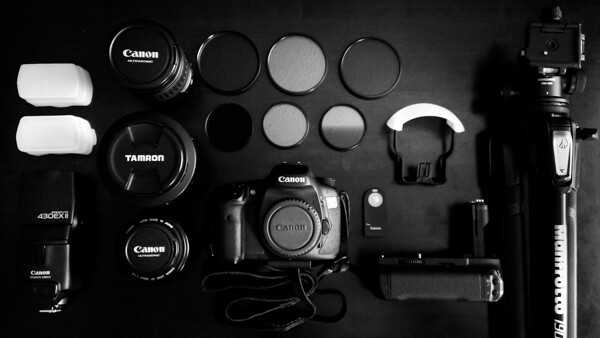
Gear

How to beat it:

The best way to overcome the fear of gear inadequacy is to understand that you will never have the best gear because the best gear hasn’t been made yet. Everything is evolving and you only have to do a quick internet search to realize most camera gear updates every couple of years. Stop focusing on what you don’t have. Instead, learn to make the most of what you do have. Study the capabilities of your gear and know what it can do. More importantly, understand what it can’t do. Constantly I see eager photographers become disappointed and discouraged because their expectations grossly overwhelm the capability of their gear. If you have realistic expectations then you won’t be so prone to doing the worst thing a photographer can do – which is quit.

Do you suffer from any of these fears? Do you have others not listed here? Share with us in the comments – we’re all friends here and support each other in getting over our fears.

The post Overcoming Fear in Photography by Adam Welch appeared first on Digital Photography School.


Digital Photography School

 
Comments Off on Overcoming Fear in Photography

Posted in Photography


Overcoming the Fear – Creating Better Travel Photography Portraits

22 Jul

Pick up Oded’s new Snapn Guide (a dPS sister company) Snapn Travel here for only $ 7. A lifetime of travel memories in a Snap.
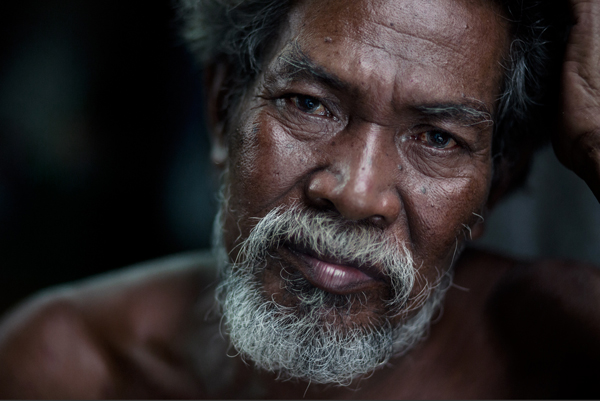
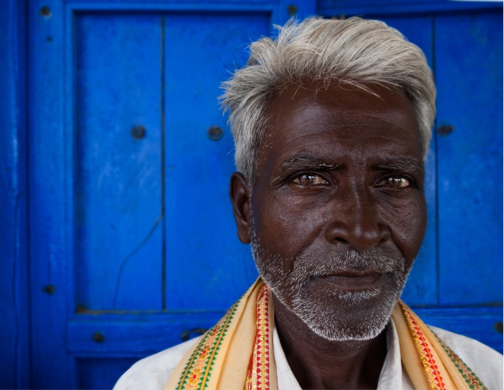
Traveling is fun and rewarding, but sharing memories of your journeys with friends, family and the world through your own beautiful images can be even better. Especially rewarding are images of the interesting people you meet along the way, because creating travel photography portraits can be an amazing addition to your portfolio.

But, if taking pictures of strangers while interacting with them makes you uneasy, maybe even feeling a bit of fear? GOOD! Then this article is for you.

F11A1011

The world of photography is divided between two groups of people: those who enjoy creating portrait photography and those who do not. Through discussion with my own students I have realized that only about ten percent of those who avoid portrait photography actually do not like it. The remaining ninety percent, so I discovered, are hiding, deep down inside, a photographer who really desires to shoot portraits, especially when he or she travels to interesting and distant places, meeting people from other cultures.

But it is not that easy. Let’s be honest, sometimes it’s super hard. So what we do is we wrap ourselves with excuses like: “I do not feel comfortable with this”,”I do not want to invade a person’s privacy” and as the “golden excuse” we used that one story of someone who shouted at us at some market in Morocco.

Blue guy

First, from my experience, getting yelled at (and all kinds of other problems) only starts when you take photos of someone from a distance and they catch you in the act.

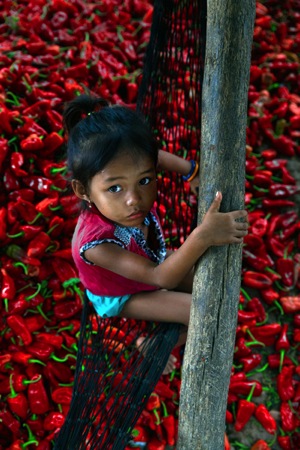
Paprlika princeBut here is another fact: there is nothing like photographing someone from a close distance. The eyes, the feelings and the huge visual story potential within. Besides, when we work from a close distance while interacting with the person, we gain control of our tools as photographers: composition, background, the “decisive moment” and we also have that amazing ability to tell the photographed person: “you know what, let’s take one more shot”.
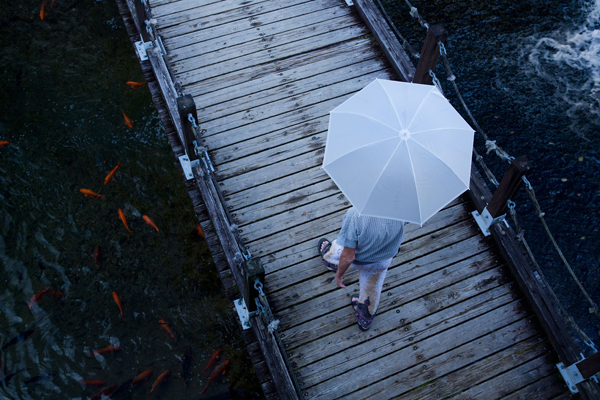
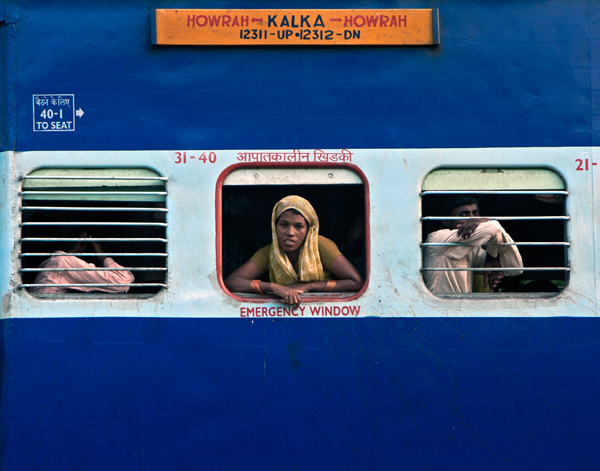
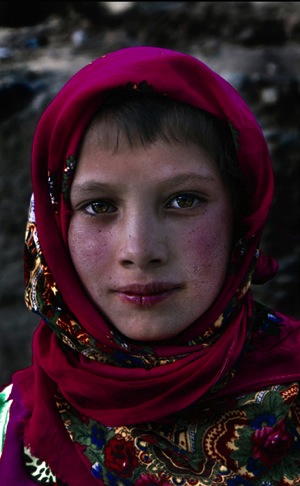
In 99% of my travel photography work with magazines, I photograph portraits from a close distance, without hiding myself or hiding the fact I am taking a photo. Now, some will say that when a person sees a camera, it affects the authenticity of the moment. I will address this issue later.

First rule: tell, do not just show

This is the # 1 mistake of bad travel photography: trying to show a story, instead of telling it. Creating a diary instead of evoking feelings. Here is the unpleasant truth; apart from our family and close friends, no one cares where we travel and who we meet along the way. If you want to succeed in exciting your viewers, you need turn to a different approach.

10

Before the digital era, it was enough if you traveled to the other side of the world and came back with images of people from some exotic tribe. You know, those “colorful” images, of people with a bone stuck in their nose. Today, when almost every corner of our planet has been photographed, this is not enough anymore and we have to return to the basics; to that one element that hasn’t changed since the beginning of time – a story.

We are just obsessed with stories. A person is not only clothes, a Cuban cigar or colorful sari; a person is an entire story. A story is a complex thing to create, so for the first step I will ask that your images be able to answer this question: how does the person in the image feel? Is it a comedy or a tragedy? Has he just finished a day of hard work or is he enjoying a vacation? Look at the person’s body language and listen to his voice. Try to convey the type of feeling you had while meeting this person.

134.jpg

Choose the right equipment

Remember the following equation – if you have a telephoto lens, you will to use it, because that is the easiest way of shooting people, from a distance. Instead, go with a wide lens (up to 50 mm for full frame, 35mm for cropped sensor). Also, try to avoid complicated and sophisticated equipment like flash and tripods. This will attract unwanted attention in the streets and you will be busy handling the gear instead of focusing on the story in front of you.

73 08

Read about the culture

Yes, in India they wear sari and in Cuba they smoke cigars. To get a more in-depth story of the culture, you have to learn about it first. Prior to your trip, do a brief study of the place you are about to visit. View images, read material and mainly, answer important questions like:

  • How will people react to the camera?
  • Do I need to pay for taking a picture?
  • Are there things that I should not photograph?

In order to answer these questions you can ask someone who visited the destination or look for information on the web. If you do not know anything about the culture, you will fall into the cliché of photogenic tourist traps. But if you come with knowledge, it will affect your photography. My editor at the National Geographic Traveler magazine calls this “photographic intelligence”. Go the extra mile and read about the history of the place, the religious system, the food and the local music, which leads me to our next tip.

F11A7455

Use the local music to your advantage

Recently I photographed a story on the Dominican Republic. It was the first time I worked on this side of the world and suddenly I felt as if I almost forgot how to take pictures. I did not approach anyone and at first, my photography did not come out well at all. So, I just listened to some local music on my headphones. I do not recommend staying with headphones all the time, because it cuts you off from the environment. But for the first day, it’s a great tip; it puts you in the groove and makes you feel good. In conclusion, on the first day of your trip, do not trouble yourself with approaching strangers. Relax, listen to the local music, get into the groove and warm up with easier image making: buildings, landscape, food, etc.

71

Get outside when the lighting is right

The meaning of “Photography” is drawing with light. Even the most photogenic person will not look good in unsuitable light. There are no rules about lighting – no “good” or “bad”. There is appropriate and inappropriate lighting, because light has varying qualities: color, direction, strength, softness, etc. According to most photographers, the best light for most situations is within the “golden hours”: around sunrise and sunset. If this is your first time approaching people in order to photograph them, let the light be on your side. Try adjusting the correct time to go outside. If you cannot control the time (like when on an organized tour) try to photograph people in the shade.

34

Force yourself – get out of your comfort zone

After a day of listening to the local music, getting the groove and warming up with easy shots, it is time to start working. Do not delay it, even if it is very hard for you. Just fake it until you make it:

  1. 72Choose: choose a person you would like to photograph. Don’t use excuses like: “I can’t find anyone special”. Just make the shot, even if it’s only for practice. It is very important that you choose a person who is not on the move, because you need to get ready BEFORE approaching him, so it will be easier in a static situation (a seller in market stand, or someone relaxing at the park)
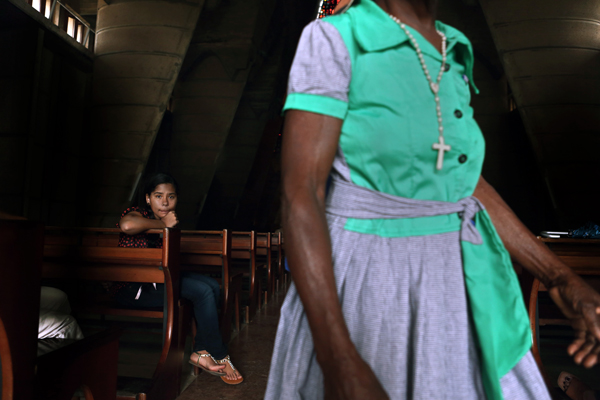
  2. Get ready: know your lens and exposure. Think about the composition and background.
  3. Approach: ask the person if you can take their photo. You can ask verbally or just by lifting the camera and smiling, waiting for a smile back.
  4. Explain: it doesn’t matter if you are in NYC or Tibet; people want to know why you are taking their photo. You can tell them how much you liked their shop, pet, hair, etc., or just mention that you like portrait photography and you would like to take their photo. Usually this kind of good feedback will be enough.

Now, you might get a NO for an answer. That’s okay! Say “thank you” and then just “get back on the horse”, move on to the next person. You might get a YES. That’s wonderful! Relax, think about the framing and make the image.

F11A9627

So what about the authenticity of the moment?

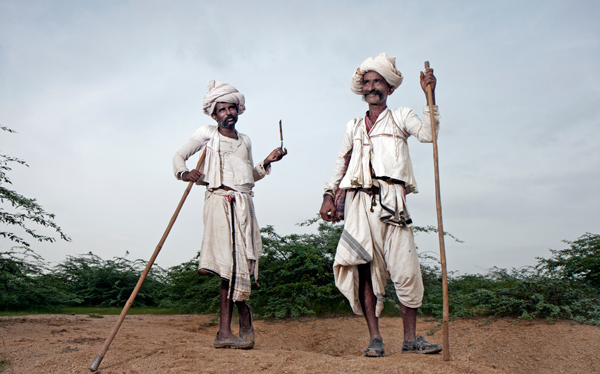
It’s True. Usually when a person is asked to be photographed, they will put on a “mask”. You can call it their pose. Sometimes this pose might be the thing you are looking for. When photographing two men for a story I did in India for the National Geographic Traveler magazine, that pose (image below), which is so typical for the Rabari tribe men, was perfect for the story I wanted to tell.

Page 29 b

If you don’t want the pose, my solution – give your subject time and space. Do not stop him or her from making that pose. Give them a positive feedback and show them how nice the first photo came out. From my experience, after a minute or two, the masks fall. That is because someone eventually will enter your subject’s shop, or they will receive a phone call or anything that might make your subject forget you are still there. This is the moment of magic. This is when the best pictures happen.


Pick up Oded’s new Snapn Guide (a dPS sister company) Snapn Travel here for only $ 7. A lifetime of travel memories in a Snap

  • Learn how to bring the emotion of your trip home with you, not just a memory card.
  • Become a travel photographer instead of a photographing traveller.


The post Overcoming the Fear – Creating Better Travel Photography Portraits by Oded Wagenstein appeared first on Digital Photography School.


Digital Photography School

 
Comments Off on Overcoming the Fear – Creating Better Travel Photography Portraits

Posted in Photography


5 Street Portrait Tips to Overcome Your Fear of Approaching Strangers

21 Feb

It can be scary to start taking street portraits, especially if you’re an introvert. You like being quiet, people are busy and you don’t want to bother anyone. But you’re a photographer, so you see all of these “decisive moments,” and every time they slip away, it hurts a little. With practice and a few tips, though, you can shoot Continue Reading

The post 5 Street Portrait Tips to Overcome Your Fear of Approaching Strangers appeared first on Photodoto.


Photodoto

 
Comments Off on 5 Street Portrait Tips to Overcome Your Fear of Approaching Strangers

Posted in Photography


Bubble of Fear: Surreal Photo Series Highlights Fukushima

23 Aug

[ By Steph in Art & Photography & Video. ]

Surreal Photos of Nuclear Fukushima 1

A gas mask hangs in a red box mounted to a tree in an otherwise peaceful forest, a jarring reminder that all is not well in Fukushima. French photographers Carlos Ayesta and Guillame Bression (collaborating as Trois 8) present ‘Bad Dreams?’, a series of photographs calling attention to the eerie continued desolation of the Fukushima Daiichi power plant and surrounding areas that were contaminated with radiation following the earthquake, tsunami and nuclear disaster of 2011.

Surreal Photos Nuclear Fukushima 2

The duo photographed local residents beside plastic-wrapped swing sets, and enclosed within bubbles in front of supermarkets in evacuated towns. Many of these areas are still inaccessible due to the contamination, and even those that aren’t off-limits are quiet and still, as residents fear even low levels of radiation poisoning.

Surreal Photos Fukushima 4

As the photographers point out, the border between the dead zones and the areas that are technically ‘safe’ is blurred and subjective, with locals required to set their own limits. “This gray threat becomes the fertile soil of our imagination and our fears. Fears that could become even more harmful than the radiation itself.”

Surreal Photos Nuclear Fukushima 3

Each photograph depicts an area within these ‘blurred lines,’ including a lake in the mountains filled with ‘safe’ water that parents won’t allow their children to drink, and a forest where officials have been unable to draw distinctions between areas that are contaminated and those that aren’t. ‘The man in the bubble before the dead forest’ shows a forest that died because it was flooded with salt water for months after the tsunami. See the whole series at Trois8.fr.

Share on Facebook


[ By Steph in Art & Photography & Video. ]

[ WebUrbanist | Archives | Galleries | Privacy | TOS ]


WebUrbanist

 
Comments Off on Bubble of Fear: Surreal Photo Series Highlights Fukushima

Posted in Creativity


Bubble of Fear: Surreal Photo Series Highlights Fukushima

23 Aug

[ By Steph in Art & Photography & Video. ]

Surreal Photos of Nuclear Fukushima 1

A gas mask hangs in a red box mounted to a tree in an otherwise peaceful forest, a jarring reminder that all is not well in Fukushima. French photographers Carlos Ayesta and Guillame Bression (collaborating as Trois 8) present ‘Bad Dreams?’, a series of photographs calling attention to the eerie continued desolation of the Fukushima Daiichi power plant and surrounding areas that were contaminated with radiation following the earthquake, tsunami and nuclear disaster of 2011.

Surreal Photos Nuclear Fukushima 2

The duo photographed local residents beside plastic-wrapped swing sets, and enclosed within bubbles in front of supermarkets in evacuated towns. Many of these areas are still inaccessible due to the contamination, and even those that aren’t off-limits are quiet and still, as residents fear even low levels of radiation poisoning.

Surreal Photos Fukushima 4

As the photographers point out, the border between the dead zones and the areas that are technically ‘safe’ is blurred and subjective, with locals required to set their own limits. “This gray threat becomes the fertile soil of our imagination and our fears. Fears that could become even more harmful than the radiation itself.”

Surreal Photos Nuclear Fukushima 3

Each photograph depicts an area within these ‘blurred lines,’ including a lake in the mountains filled with ‘safe’ water that parents won’t allow their children to drink, and a forest where officials have been unable to draw distinctions between areas that are contaminated and those that aren’t. ‘The man in the bubble before the dead forest’ shows a forest that died because it was flooded with salt water for months after the tsunami. See the whole series at Trois8.fr.

Share on Facebook


[ By Steph in Art & Photography & Video. ]

[ WebUrbanist | Archives | Galleries | Privacy | TOS ]


WebUrbanist

 
Comments Off on Bubble of Fear: Surreal Photo Series Highlights Fukushima

Posted in Creativity


Doctor Who in 3D – ‘Where Angels Fear’

16 Nov

A mini adventure with the superbly scary Weeping Angels.. in 3D! If you are unable to watch The Time of Angels without a cushion handy, then don’t watch this!! (This movie’s in 3D, you know, the red and bluey green type. So you’ll need the glasses – I hear a nice pair came with DWA the other month. The point of the movie is the 3D really, but if enough people moan then perhaps I’ll upload a normal version as well. Enjoy!)
Video Rating: 4 / 5

 
Comments Off on Doctor Who in 3D – ‘Where Angels Fear’

Posted in 3D Videos