RSS
 

Posts Tagged ‘concert’

Glittering Wave-Shaped Concert Hall Placed Atop Old Warehouse Building

26 Jul

[ By SA Rogers in Architecture & Public & Institutional. ]

herzog de meuron concert hall 1

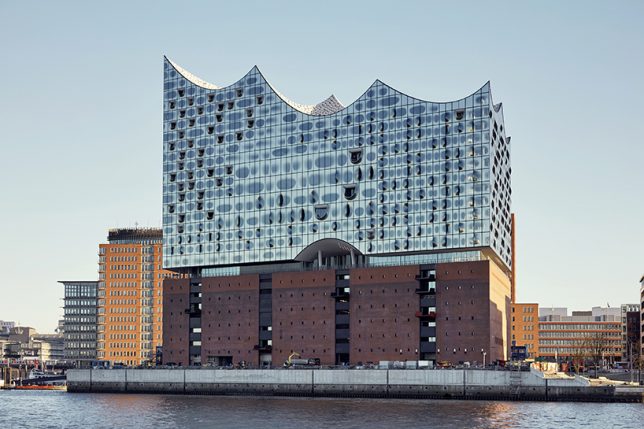
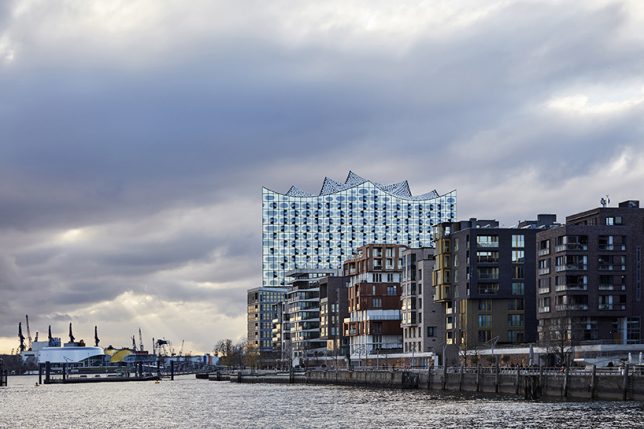
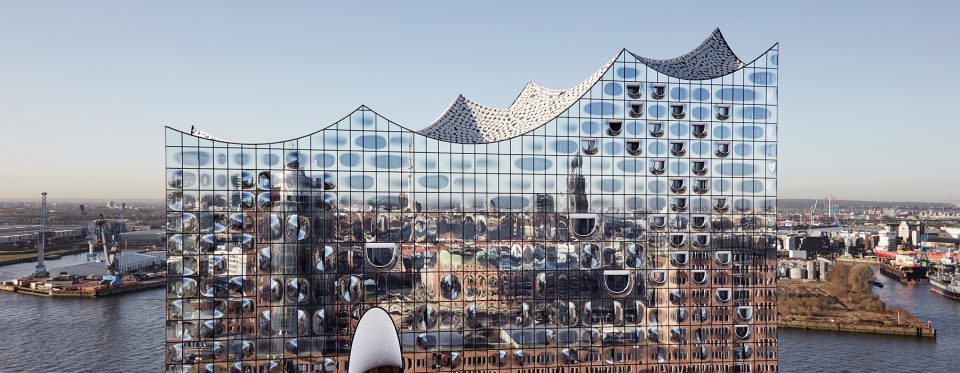
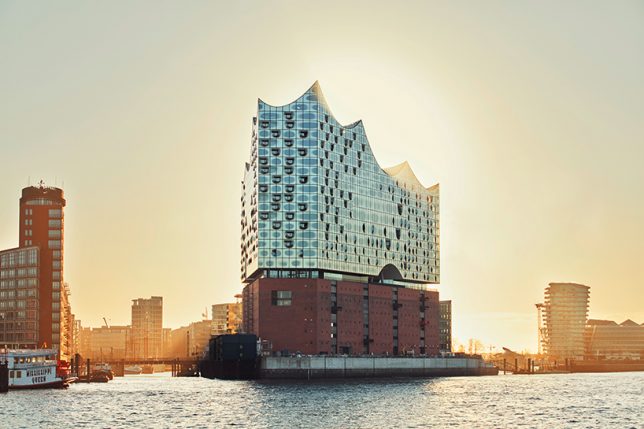
German concertgoers are so excited about the stunning new Elbphilharmonie building in Hamburg by architecture firm Herzog & De Meuron, they’re already snapping up tickets for the first events scheduled after its inauguration on January 11th, 2017. The glittering wave-shaped addition is a bold ultramodern example of adaptive reuse, delicately hovering over an existing brick warehouse building to assist with soundproofing its 2,100-seat arena. The project is finally nearing its completion after nearly a decade of construction, with all of its interior fittings set to be in place in time for its handover to its operators on October 31st, 2016.

herzog de meuron concert hall 2

herzog de meuron concert hall 4

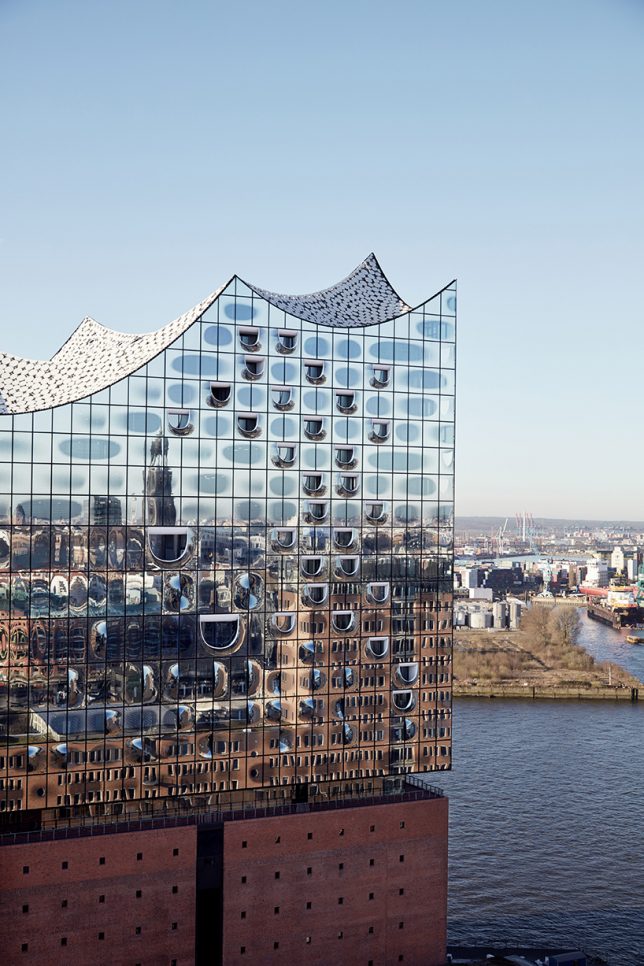
With anticipation building for such a long time, it’s a good thing the final result is so impressive. Located in Hamburg’s Hafencity quarter on a peninsula jutting out onto the River Elbe, the complex not only mimics the adjacent surface of the water, it literally mirrors it with 1,100 panes of reflective cladding punctuated by convex elements and D-shaped windows reminiscent of fish mouths. Reflective basalt grey dots prevent the structure from overheating and add to the shimmering effect.

herzog de meuron concert hall 3

herzog de meuron concert hall 5

The complex also houses a 250-room hotel, 45 private apartments, two additional concert halls and a public viewing area with panoramic vistas of the waterfront. Reusing the old building pays tribute to the neighborhood’s industrial past even as Hafencity – a new urban redevelopment scheme that enlarges the Hamburg City Center by 40 percent – blossoms as a cultural hub. The scheme is seen as a blueprint for Hamburg’s development into the 21st century, reestablishing it as a modern maritime city.

interior 2

interior

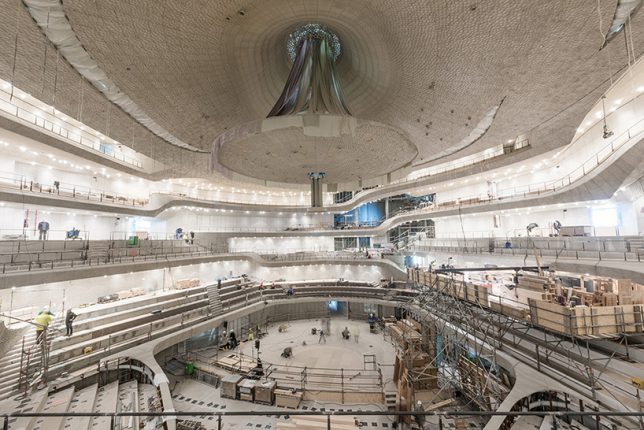
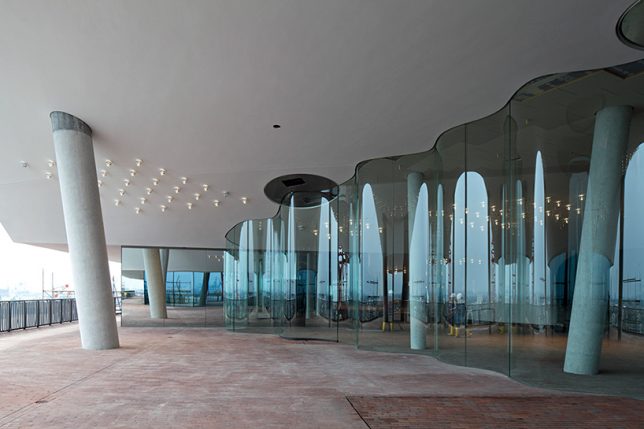
Inside, the careful selection of state-of-the-art materials helps explain the long delay in construction, as an organically textured white ‘skin’ made of dense gypsum-fiberboard panels enhances acoustics and makes the space even more visually expansive. Other details, like a flowing glass wall on the panoramic ‘plaza,’ continue the aquatic theme.

Share on Facebook


[ By SA Rogers in Architecture & Public & Institutional. ]

[ WebUrbanist | Archives | Galleries | Privacy | TOS ]


WebUrbanist

 
Comments Off on Glittering Wave-Shaped Concert Hall Placed Atop Old Warehouse Building

Posted in Creativity


Newspaper protests strict photo contract by sending a cartoonist to a Foo Fighters concert

15 Jul

In an ongoing trend of protests against strict photo contracts for music photographers, Quebec newspaper le Soleil sent a cartoonist to illustrate a Foo Fighters concert. The publication called the contract one of the harshest it had seen, citing passages that require photographers to surrender copyrights to their images, giving the band the ability to use images in any media without permission or payment. Read more

Articles: Digital Photography Review (dpreview.com)

 
Comments Off on Newspaper protests strict photo contract by sending a cartoonist to a Foo Fighters concert

Posted in Uncategorized


10 Must-Have Camera Settings for Concert Photography

16 Sep
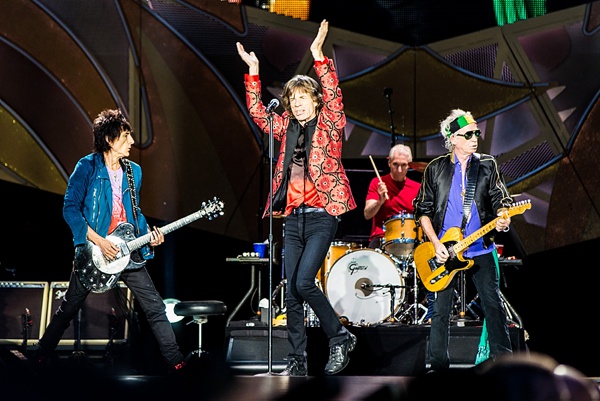
The Rolling Stones

The Rolling Stones: Nikon D800, 185mm at f4, 1/320, ISO 1600

The correct camera settings are key to getting awesome concert photos in low light situations. Maybe you were in this situation before. You used the full automatic mode in front of the stage and – BAM- the little flash monster sitting on top of your camera pops up and throws the ugliest light you can think of onto the singer’s face. At this point, a lot of frustrated concert photography beginners just take their cameras home and never shoot a concert again. But wait, in this article I’ll share the camera settings I use all the time during concert shoots and I promise they’ll help you to immediately boost your career as concert photographer. Let’s start.

1) Aperture Priority Versus Manual Exposure Mode

I started off using aperture priority mode; you tell your camera the aperture you want to use and the camera sets the shutter speed accordingly. This is a great option for a beginner to use, because you’ll be stressed enough with all the other things going on around you. However, I soon recognized that only manual mode would give me the flexibility I was looking for. I set aperture, shutter speed, and ISO and then change them on the fly using the internal exposure bar in the viewfinder. I am constantly checking my LCD screen and have a look at the histogram to see if my exposure is correct.
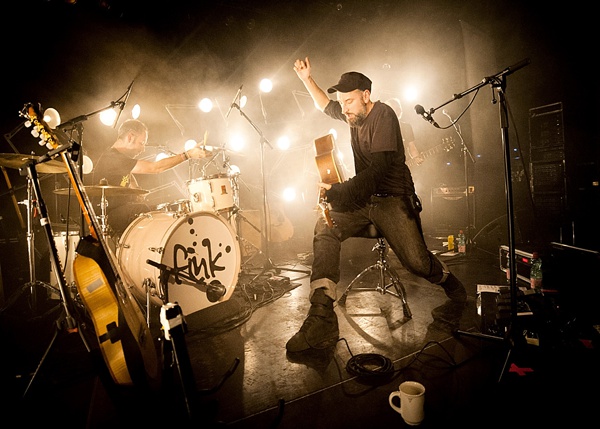
Fink

Fink: Nikon D700, 14mm at f/2.8, 1/200, ISO 3200

2) Use the Lowest Aperture Number

When deciding which lenses will work best for concert photography, you’ll always come to the same conclusion: use fast lenses and shoot them wide open. Set your aperture to the smallest number on your lens e.g. f/1.8 (which reflects a big aperture). This allows the most possible light to enter your sensor and is a must-have setting in ultra low-light stage conditions. The best zoom lenses have an aperture of f/2.8, the best prime lenses f/1.4 or f/1.8. For Beginners on a budget I suggest to get a 50mm f/1.8, which is cheap and therefore a no-brainer for concert photography.

3) Use a Fast Shutter Speed

Have you ever been on a concert where the artist was hyperactive jumping from one side of the stage to the other? To freeze these movements you have to use a fast shutter speed. In general, I set my shutter speed at 1/200sec and faster. Otherwise you risk blurred photos.
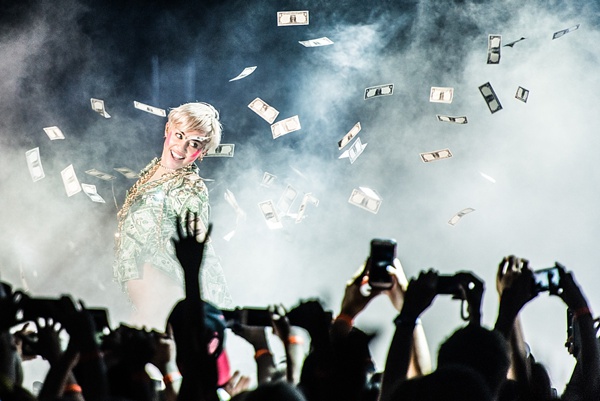
Miley Cyrus

Miley Cyrus: Nikon D800, 340mm at f/4.8, 1/320, ISO 1600

4) High ISO Values

ISO or film speed refers to the sensitivity of an analog film. Today the term is used for the sensitivity of your digital sensor. The higher the ISO setting the less light is needed for a proper exposure, but the more noise you will encounter in your pictures. Depending on the ability of your camera a good starting point for ISO is a setting of 1600. If my shutter speed is too low, I will crank up the ISO setting to 3200 or 6400.

5) Spot Metering

Set your camera’s internal light meter to spot metering. This takes a light reading limited to the center of your viewfinder (a very small percentage, and some cameras allow you to choose where to meter – check your manual). When shooting concerts, you will often find yourself in a situation where the artist is lit by a spotlight and the rest of the stage is almost dark. When using spot metering mode, place the artist’s face in the middle of your viewfinder and you’ll get the right exposure for it. When using the Matrix (or evaluative) metering setting, the camera will take a light reading at several points in the scene and you’ll probably get overexposed faces if the background is dark.
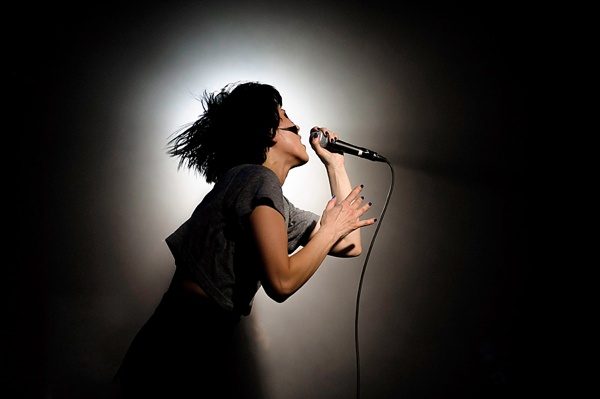
Atari Teenage Riot

Atari Teenage Riot: Nikon D700, 50mm at f/1.8, 1/2500, ISO 1600

6) Use the Middle Autofocus Point

On your camera, only use the central focus point in low light situations. This will be the most accurate one. If you don’t always want to have the artist in the middle of the frame, you have to recompose. Simply push your shutter button halfway down to focus on the artist’s face. By holding the shutter button halfway down you lock focus. Now move your viewfinder until you get the desired framing and push the shutter button fully down.

To use this technique, you have to set your camera to Autofocus single (AF-S for Nikon, One Shot for Canon) mode, otherwise the camera focuses continuously while you’re reframing your picture. You can also set the AF-ON button to focus, which I prefer.

7) Use Auto White Balance

I use the auto white balance setting on my camera. The reason being is that I shoot in RAW format and can therefore adjust the white balance setting in post-production anyway.
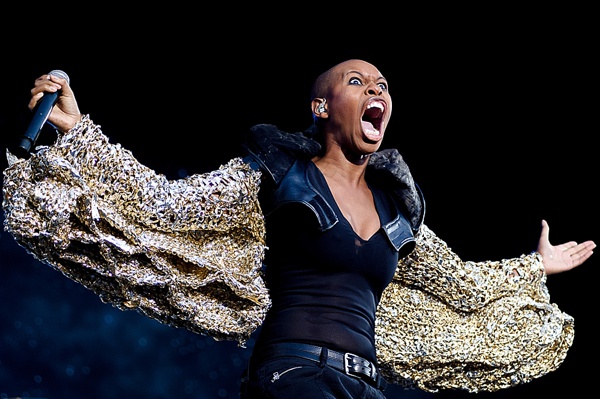
Skunk Anansie

Skunk Anansie: Nikon D700, 85mm at f/3.5, 1/500, ISO 1600

8) Multiple Shot (Burst) Mode

Set your camera to multi-shot mode (may be called High Speed shooting mode). It allows you to rapidly shoot three to four photos in a row (depending on the frames per second of your camera model. It’s more likely that at least one of the four photos is tack sharp whereas the others might not be in focus.

9) Never Use Flash

First, you are not allowed to use a flash in concert photography. Imagine ten photographers burst their flashes at the same time. This would be quite annoying for the artist. Second, straight flash pictures don’t look awesome.
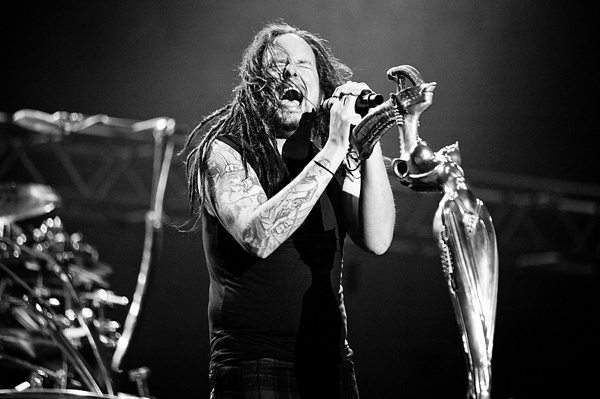
Korn

Korn: Nikon D700, 130mm at f/2.8, 1/250, ISO 3200

10) Shoot in Raw Format

Always shoot concerts in RAW format. If you shoot in JPEG mode, the internal camera computer adds contrast, saturation and sharpness to your photos. These files look great when you open them on your computer, but don’t leave much freedom in post-production. If you shoot in RAW format, the camera does not process the photo at all. The advantage is that you can change parameters like exposure, white balance, saturation, contrast, clarity and so on afterwards.

Here is a summary of my ten must have camera settings:

  1. Use manual exposure mode
  2. Use your lowest aperture number
  3. Use fast shutter speeds
  4. Use high ISO values
  5. Use spot metering
  6. Use your middle autofocus point
  7. Use the auto white balance setting
  8. Use burst mode
  9. Never use flash
  10. Shoot in RAW format

With these camera settings you will be able to get great results when shooting in low light conditions such as concerts.
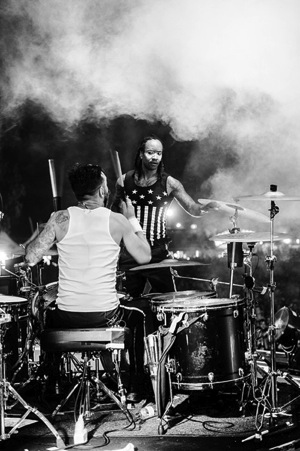
The Prodigy

The Prodigy: Nikon D800, 85mm at f/1.8, 1/320, ISO 1600

Zola Jesus

Zola Jesus: Nikon D700, 50mm at f/1.8, 1/200, ISO 1600

Being a concert photographer can be tough. There are a lot of industry secrets that nobody is talking about and it took me almost six years to reveal them.

So I decided to write the Guide to Rockstar Concert Photography which is a step-by-step guide which will provide you with all the information necessary from shooting your first concert, learning which camera gear and settings you need, how to build an awesome portfolio, understanding the rules of the photo pit, getting signed by magazines, shooting exclusively for your favorite bands, and making money with your work.

This guide is available for the first and only time at SnapnDeals at a 50% off discount to help you getting started to become a Rockstar Photographer too.

The post 10 Must-Have Camera Settings for Concert Photography by Matthias Hombauer appeared first on Digital Photography School.


Digital Photography School
 
Comments Off on 10 Must-Have Camera Settings for Concert Photography

Posted in Photography


Anatomy of a Concert Photography Shoot

24 Feb
Concert photography Slash

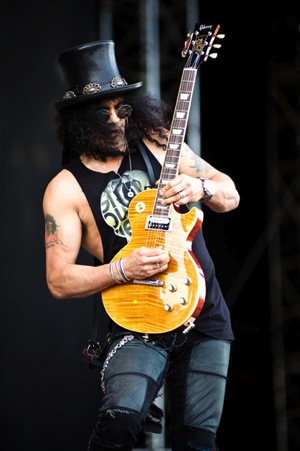
Slash from Guns N’ Roses

In my last article 6 tips for budding concert photographers I explained the basics (and camera settings) of how to start your career as a concert photographer. I would like to say a big thank you for your awesome feedback and your ongoing comments on that post. It really means a lot to me and shows how many talented and hard working concert photographers are out there.

This article is a follow up, and I will go into more details about the “anatomy of a concert photography shoot“. Especially when you are new to concert photography, it can be overwhelming to stand in the photo pit all alone with your camera. The venue lights go out, the band enters the stage and you have only three songs (average 10 minutes) to get your awesome shots. Honestly, in the beginning it was also scary for me, but trust me, after you have shot some concerts you’ll feel much more comfortable in front of the stage and you’ll learn to know your camera settings by heart.

One of the points that are often undervalued is the fact that a band consists of various individuals. It is tempting to only shoot the lead singer (the key person), but this would be just one out of the whole band. There’s also a guitarist, drummer, bass player and additional musicians that are worth taking a closer look. Hence, it is more difficult to photograph the other band members, but you definitely should try to catch everyone on stage.

Let´s break it up:

The Lead Singer (The celebrity of the band)

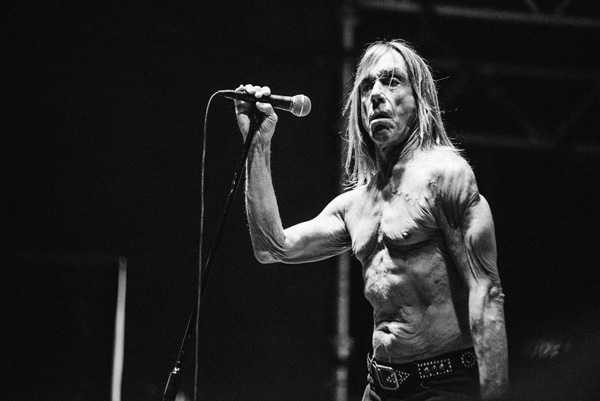
This guy is the one whose name is often linked to the bands name such as Iggy Pop, Morrissey, David Bowie, Neil Young or Leonard Cohen.

They are the celebrities and will be shown on every VIP party and on TV. So, to photograph this person is a must have. From a concert photographers perspective, this is the easiest member to photograph. They are always at the front of the stage and get the best lighting. I always focus on the lead singer first and once I’ve got some awesome shots, I will follow up on the other band members.

Concert photography Iggy Pop

Iggy Pop

The Guitarist and the Bass Player

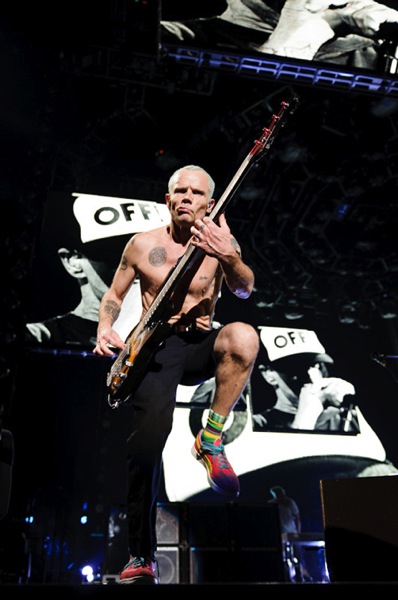
Next I focus on the guitarist and bass player. Both of them are standing on one side of the stage, either behind the singer or on the same level. I’ve shot concerts where the bass player was standing in total darkness, so I won´t have a chance (even with a full frame sensor DSLR, f/1.4 lens, and ISO 6400) to get a decent picture. These are the hard times of a concert photographer and you just have to accept it sometimes. However guitarists and bass players provide great shots when you catch them e.g. posing when playing a solo or jumping around.

(See photo below of Flea from the Red Hot Chili Peppers and Slash from Guns N’ Roses top of the article)

Concert photography Flea bass player

The Drummer

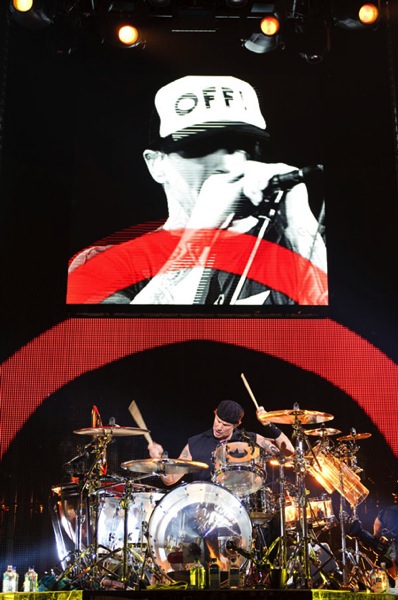
The drummer is the “heart“ of the band and the pulse generator. A rock band without a drummer doesn’t work, but photographers tend to ignore them in their pictures. The drummer is also the one who gets you awesome action shots if you catch them in the right moment. However, these guys are almost always in the back of the stage and therefore you need a telephoto lens like the 70-200mm to capture his presence. On bigger stages (like festivals) it can happen that the drummer is so far away, that it is not always possible to reach him with your basic lens kit. But try your best, and your efforts will be rewarded.

Concert photography drummer

Chad Smith, Red Hot Chili Peppers

The Band

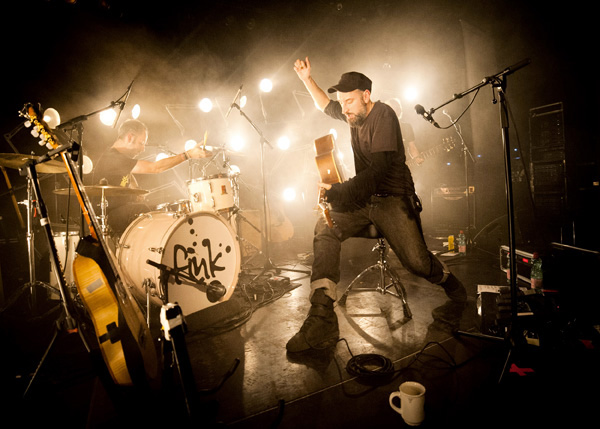
Also try to get a picture of the entire band. Your best bet is the use an ultra wide-angle lens such as a 14mm lens. This will allow you to get the whole stage in one picture. If you are allowed to shoot the complete show (you have to ask the band first), try to get other viewpoints such as from a balcony, from the back of the venue, or on stage.

Concert photography band

Fink

The Audience

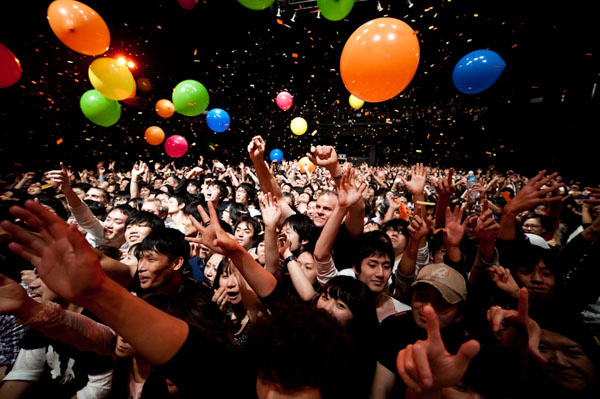
In addition, you can also take pictures of the audience. Just turn around in the photo pit and you are facing the screaming fans squeezed into the first row. This is a tricky one, because there is lack of lighting there and you need a ultra wide angle lens to capture some good action shots. Try to catch them when they are ecstatic about the band.

Concert photography Audience

Some general notes for you as concert photographer:

  • I always try to get the musicians with their instruments. So when I shoot the lead singer, I take care to include the microphone. When shooting the guitarist, get the guitar in the shot and the drummer needs to show his drumsticks, otherwise it looks strange when someone sits behind a huge drum kit, but you can’t actually see him playing.
  • In general I try to frame my pictures in a way that I don´t chop off guitar necks, bass bodies or keyboards. For a close shot of the drummer you need to crop the drum kit. Thats fine, just try to get a clear framing.
  • Shooting famous bands like Metallica, Iron Maiden, Red Hot Chili Peppers, they always provide good lighting on stage. It gets more difficult in smaller clubs where you are confronted with poor lighting conditions.
  • Try to get some details shots too. Shoes, tattoos, fancy stage outfits such as lamps, visuals or flags. Some bands can be very creative.

Summary:

  • Get to know your gear by heart first (camera settings, lenses)
  • Even though the lead singer is the celebrity of the band, try to also get the other band members
  • For the drummer, you often have to use a telephoto lens
  • Show the context in your pictures e.g. The singer with a microphone, drummer with drumsticks, etc.
  • Frame your pictures to avoid cropping off the instruments
  • Get pictures of the band, audience and details on stage
  • The more famous the band, the better lighting on the stage (rule of thumb)


The post Anatomy of a Concert Photography Shoot by Matthias Hombauer appeared first on Digital Photography School.


Digital Photography School
 
Comments Off on Anatomy of a Concert Photography Shoot

Posted in Photography


Blow-Up Building: Inflatable Concert Hall Tours Japan

26 Sep

[ By Steph in Global & Travel & Places. ]

INflatable concert hall Japan 1

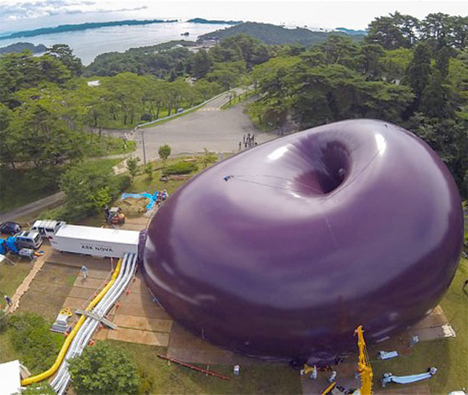
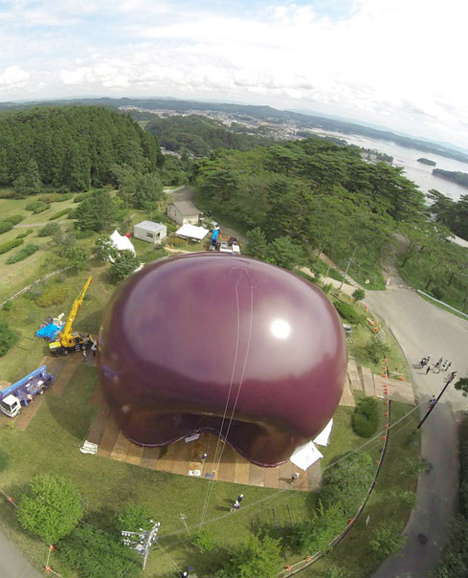
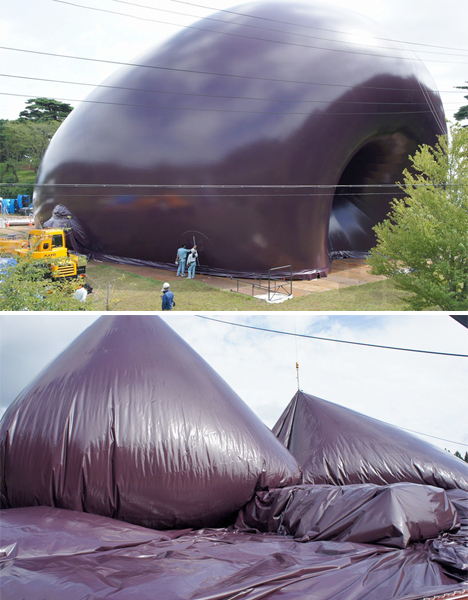
A giant purple bubble will rise from a pile of plastic to bring music, workshops and performance to Japan’s northeastern coast, which was devastated by an earthquake and subsequent tsunami in 2011. A collaboration between British sculptor Anish Kapoor and Japanese architect Arata Isozaki, the Ark Nova is the world’s first inflatable concert hall, and will tour the country for the Lucerne Festival Arknova 2013.

Inflatable Concert Hall Japan 2

Once fully inflated, the coated polyester structure measures nearly 60 feet in height and 115 feet in width. Its first stop is at a park in the town of Matsushima, which suffered serious damage to its many important cultural properties and artistic monuments, and lost thousands of residents.

Inflatable Concert Hall Japan 4

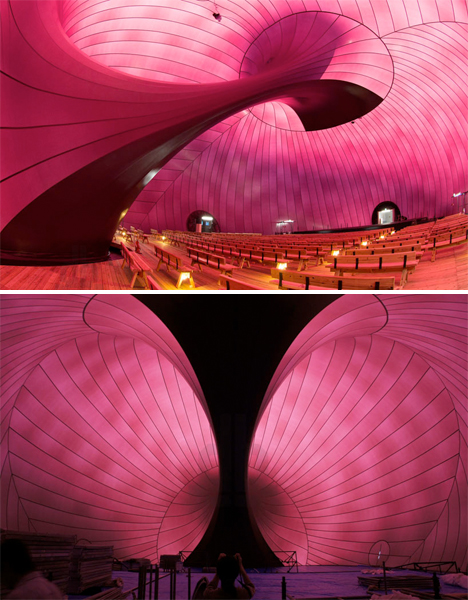
Wood from cedar trees that were damaged by the floods was used to create seating for 500 guests. The structure can easily be deflated, and will travel around the region to host events that organizers hope will help rebuild local culture and spirit.

Inflatable Concert Hall Japan 3

In addition to a range of modern concerts and performances, traditional Japanese culture such as kabuki theater will be celebrated. Children in the affected regions will also perform traditional arts and performances themed on the earthquake disaster.

Share on Facebook


[ By Steph in Global & Travel & Places. ]

[ WebUrbanist | Archives | Galleries | Privacy | TOS ]


WebUrbanist

 
Comments Off on Blow-Up Building: Inflatable Concert Hall Tours Japan

Posted in Creativity


Shoot Great Concert Photos & Win a Trip to Way Over Yonder Music Festival

10 Sep

Whether you’re a festival fanatic or haven’t seen a concert in years, we’ve got something you might like.

We’ve teamed up with Scoutmob, Paste Magazine and Hotel Tonight to send one lucky winner (& pal) to Way Over Yonder festival in Santa Monica, California.

Flights, hotel, festival tix (VIP, natch) and gift cards to the Scoutmob and Photojojo stores are included. And it takes all of 5 seconds to enter!

Enter to go to Way Over Yonder, free!

And… while you’re waiting to see if you won, improve your concert photography skills with a few of our favorite guides:

  1. Music Photography Made Simple
  2. Music Photographer’s Guide to Festival Photography
  3. Concert Photography Tips From Digital Photography School

p.s. A new iPhone is coming! To celebrate, every checkout in the shop gets free enrollment into our Phoneography 101 course today.

Related posts:

  1. Rockin’ Photography: How to Shoot Great Concert Photos It’s all about the D&B. (Dark and blurry.) If you’re…
  2. Get Out and Shoot! — 3 Great Ideas for Shooting Outside in Your Town or City There’s one sure-fire way to improve all of your shots:…
  3. Shoot to Sell: Taking Better Photos for eBay, Etsy & Instructables   We’ve teamed up with our buddies at Instructables to…


Photojojo

 
Comments Off on Shoot Great Concert Photos & Win a Trip to Way Over Yonder Music Festival

Posted in Equipment


Photographer captures concert with DSLR-mounted GoPro

23 May

dead-to-me-pouzza-2013-montreal-800-3.jpg

If you’ve never had the chance to stand in the front row and shoot a live concert, Montreal-based photographer Pierre Bourgault has the next best thing. He attached a GoPro camera to the top of his Canon DSLR and recorded a seven minute video of his shooting experience at a Dead to Me concert. He then overlaid the actual photos taken at the show, which you can view after the break.

News: Digital Photography Review (dpreview.com)

 
Comments Off on Photographer captures concert with DSLR-mounted GoPro

Posted in Uncategorized


My First Concert: Lighting Craziness

19 May
I had noticed this lighting scheme earlier in the song and missed it, focusing elsewhere. But when guitarist Brendt Allman went into his solo, I waited to see if it would happen again. Sure enough, it did. EOS-1D Mark IV, EF 70-200 f/2.8L IS II. ISO 3200, 1/200 f/2.8.

I had noticed this lighting scheme earlier in the song and missed it, focusing elsewhere. But when guitarist Brendt Allman went into his solo, I waited to see if it would happen again. Sure enough, it did. EOS-1D Mark IV, EF 70-200 f/2.8L IS II. ISO 3200, 1/200 f/2.8.

A few years ago, I managed to start working with one of my favorite groups of musicians, a progressive heavy metal band from Pennsylvania called Shadow Gallery.  This has led to me collaborating with them in a number of ways.  I did some publicity photos for them, shot a music video (in another first for me) that ended up getting play on MTV in Europe, and in what I consider a career highlight, shot my first concert performance- which also happened to be their first concert performance.

Having never shot a live performance, I didn’t know what to expect.  I knew the venue was a small local place, so I had no idea what the lighting would be like. I came prepared with two lenses, an EF 24-105 f/4L and EF 70-200 f/2.8L IS II, as well as a 580EX II speedlite. I wasn’t sure the speedlites would be allowed, and even if they were, felt they would limit my shooting since I’d have to wait for the recycle. I used two cameras- a Canon EOS 7D and a Canon EOS-1D Mark IV. Both are capable of relatively high ISO’s, which I knew I’d be using in a dimly lit concert venue. By raising the ISO, it minimized how hard the flash would have to work.  I experimented starting at ISO 800, and finally settled on ISO 3200 a song or two into the show.

The great thing about musical performances is the lighting is generally pretty

This shot was early in the show, and I was experimenting with flash for my exposures. I used the built-in flash on the EOS 7D, and set the flash exposure compensation to -1 so as not to overpower the ambient. The result was good fill on his face, while the stage lighting created a nice backlight. The slower shutter speed of 1/100 allowed some motion blur in the hair, but that adds to the energy of the image. ISO was only 800 here, as it was the first song and I was still experimenting.

This shot was early in the show, and I was experimenting with flash for my exposures. I used the built-in flash on the EOS 7D, and set the flash exposure compensation to -1 so as not to overpower the ambient. The result was good fill on his face, while the stage lighting created a nice backlight. The slower shutter speed of 1/100 allowed some motion blur in the hair, but that adds to the energy of the image. ISO was only 800 here, as it was the first song and I was still experimenting.

interesting, if not all that bright.  What I wanted to do was figure out, when the lights were at their brightest, what my exposure should be.  I had the luxury of an opening act to shoot some tests. In addition, I wasn’t limited to just three songs like you might be with more well-known performers. I had an entire two hour show, so I took the first two songs to really nail my exposure down.

Even when using flash, I wanted to balance the flash with ambient light, not overpower the ambient lighting.  To do this, I shot in Manual mode.  I set my aperture wide open at f/2.8 or f/4 depending on the camera.  I wanted a shutter speed fast enough to stop any movement on stage, so I ended up settling on 1/200 for the most part. Knowing the 7D would be a bit noisier at the high ISOs due to the smaller sensor, and that the lens I was using was a stop slower, I put the 24-105 on that camera and shot it at 1/100 at f/4 to give it an extra stop of exposure.  That allowed some motion blur to creep in, but for the most part I lost very shots due to motion blur.

The constantly changing lighting meant that some shots just vanished as I pressed the shutter button.  The lighting was frantic and pulsing and constantly changing. But after a song or two, it got easier to predict the patterns, as well as see where the band members liked to stand so I could plan for a shot. After a time I ditched

the flash and opted to shoot sequences at 8 and 10 frames per second to be sure I caught a good expression or peak action. In some cases, I’d catch great lighting for an instant, and then wait to see if the lighting sequence repeated and I could catch it again.

Overall, it was a great experience, one I hope to repeat again some time. It was the perfect combination for me- great music and photography.

After a while I turned off the flash and raised the ISO up. Shooting using only the ambient light created some dramatic lighting situations. EOS 7D, EF 24-105 f/4L IS/ ISO 3200, 1/100, f/4.

After a while I turned off the flash and raised the ISO up. Shooting using only the ambient light created some dramatic lighting situations. EOS 7D, EF 24-105 f/4L IS/ ISO 3200, 1/100, f/4.

Post originally from: Digital Photography Tips.

Check out our more Photography Tips at Photography Tips for Beginners, Portrait Photography Tips and Wedding Photography Tips.

My First Concert: Lighting Craziness


Digital Photography School

 
Comments Off on My First Concert: Lighting Craziness

Posted in Photography


Walt Disney Concert Hall, Los Angeles

28 Feb

Check out these visual art images:
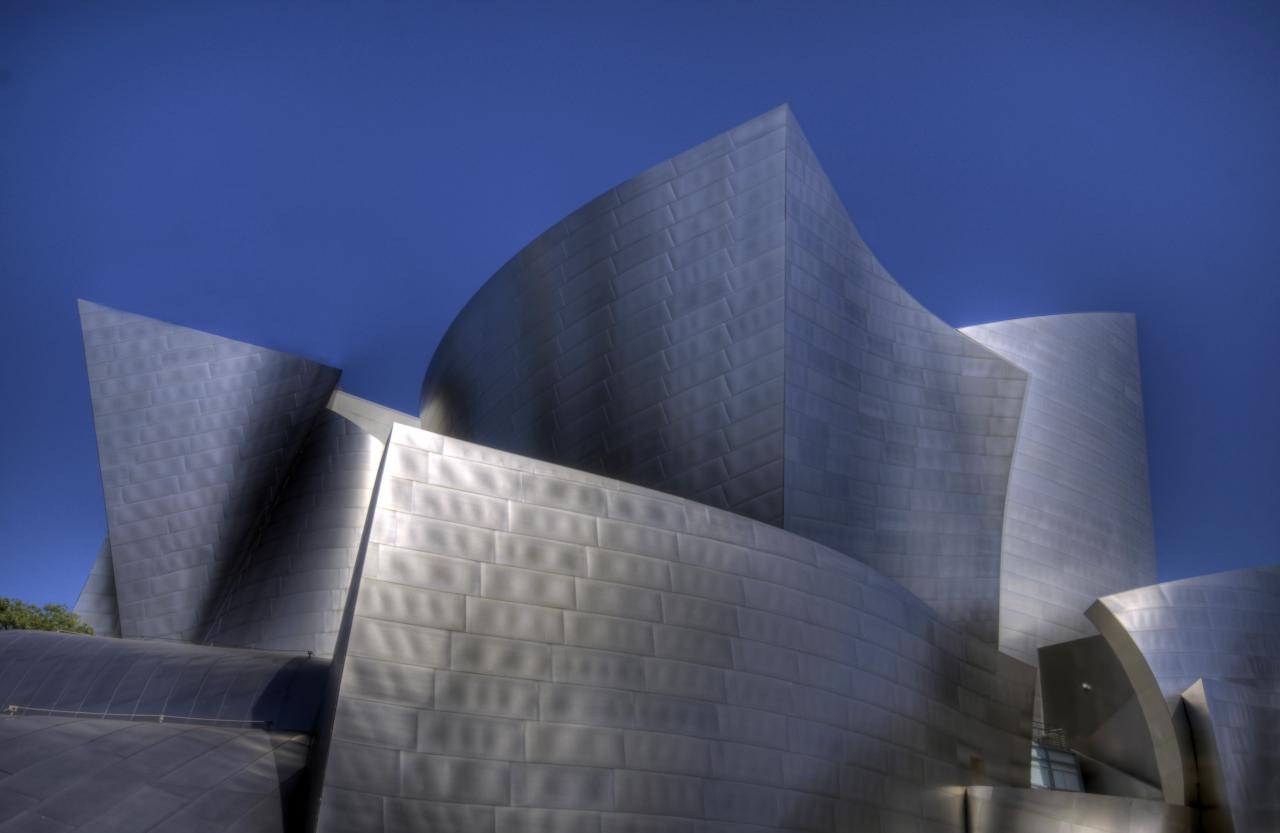
Walt Disney Concert Hall, Los Angeles
visual art
Image by Creativity+ Timothy K Hamilton
This is the Walt Disney Concert Hall. Designed by architect Frank Gehry, Walt Disney Concert Hall, new home of the Los Angeles Philharmonic, is designed to be one of the most acoustically sophisticated concert halls in the world, providing both visual and aural intimacy for an unparalleled musical experience.Through the vision and generosity of Lillian Disney, the Disney family, and many other individual and corporate donors, the city will enjoy one of the finest concert halls in the world, as well as an internationally recognized architectural landmark.From the stainless steel curves of its striking exterior to the state-of-the-art acoustics of the hardwood-paneled main auditorium, the 3.6-acre complex embodies the unique energy and creative spirit of the city of Los Angeles and its orchestra.
I tried to keep just the building and sky in the photo to maintain some of the abstract quality of the architecture. This is a five-shot HDR (high dynamic range) photograph. I used HDR because of the bright shine of the building, which made it impossible to get the full range of light and dark without "blowing out" highlights. It’s not in perfect alignment, because the shots were hand-held. I made a choice not to bring along a tripod on the trip out of consideration for my wife, Grace. She puts up with enough stopping and waiting for me to take photos as it is. And does so graciously.
_DSC2260_56_57_58_59 ps Walt Disney Concert Hall

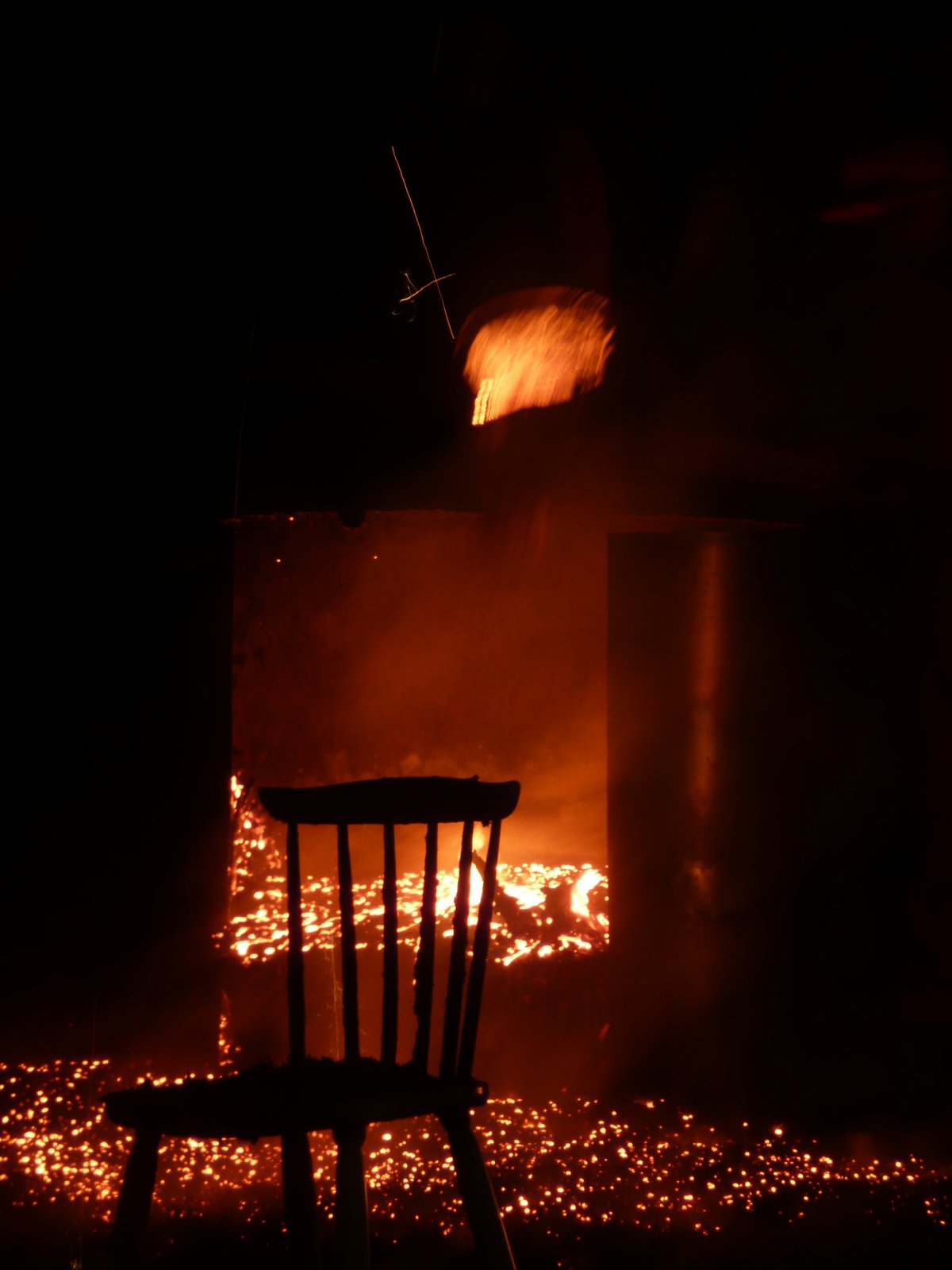
Embers & Chair
visual art
Image by bettlebrox
Mass Art’s Spring 2009 Iron Pour.

www.eworksfestival.com/index.php?page=events/4_10
The Iron Pour has a strong history at Massachusetts College of Art, beginning as a fundraiser for the Metals Department, it has grown into a celebration of art, music, and performance. Recently, the Iron Corps., the group that organizes the event, has been working in conjunction with Eventworks, who will be kicking off their annual Art Festival. This spring, we will be invoking themes of outer space and the explosive demise of stars and planets . Aside from the spectacular sculptural performances by the Iron Corps. , activities will include face painting, fire dancing, visual shows, and four musical acts throughout the course of the night.

 
Comments Off on Walt Disney Concert Hall, Los Angeles

Posted in Photographs


FREEDOM CONCERT 2009 – Billy Ray Cyrus – “Some Gave All” – 16×9 Films – Fallbrook Digital Studios

21 Dec

“Some Gave All” performed by Billy Ray Cyrus in honor of American Veterans. Featuring Sherman Gillums, Jr., on stage. Sherman is a father of two children who began his Marine Corps career in 1990 at age 17. During his 12-year career he has served as a forensic photographer, drill instructor, and close-combat instructor-trainer. His service achievements include two commendation medals, an achievement medal, meritorious promotion to staff sergeant, and commission to the rank of Warrant Officer in 2000. His military career ended due to a car accident in 2002. He followed new pursuits in life after a year of physical therapy and rehabilitation, working first as the Cal-Diego Paralyzed Veterans Associations newsletter editor then on the Chapters board of directors. In 2004, he accepted a position with Paralyzed Veterans of America as a service officer where he prosecuted disability claims on behalf of veterans at the San Diego VA Regional Office and Board of Veterans Appeals in Washington DC, and currently serves as President of Cal-Diego PVA. 16x9films.com, Produced by Steve Shelden.
Video Rating: 5 / 5