RSS
 

Posts Tagged ‘complex’’

Ins and outs of ISO: where ISO gets complex

17 Apr

Fujifilm’s GFX 50S stops adding analog amplification when it gets to ISO 1600, with all ISOs above that using lighter and lighter tone curves. This means that, by ISO 12,800, there are three stops of fully recoverable highlights that would have been lost if the camera had applied more analog gain, making it possible to produce a very different rendering of the scene.

Fujfilm GFX 50S | ISO 12,800 | 1/90 sec | F2.8 | GF 63mm F2.8 R WR
Photo: Dan Bracaglia

Most people recognize that ISO establishes a connection between exposure and image lightness. As we saw in part one, ISO only connects the input and the JPEG output, without specifying anything what should happen in-between. The important takeaways from the previous article are:

  • ISO relates exposure to final image lightness by whatever means the manufacturer choses
  • ISO is not just analog amplification, and doesn’t dictate what happens at the Raw level

This provides plenty of freedom for manufacturers to use different combinations of analog amplification and tone curve, so long as a given exposure results in the expected lightness.

This is important because analog amplification can help reduce noise but it also reduces the dynamic range that gets retained. So it can sometimes make sense to keep amplification low and do more of the lightening using digital processing, rather than reducing the dynamic range of the images you’re capturing.

Tailoring the highlight response of JPEGs

Before the 2006 definition of ISO was adopted, cameras used the same tone curve for each ISO setting and added a stop of amplification each time you changed the ISO setting (in part due to lack of processing power). The following diagram is based on the tone curve and measured lightness levels from an Olympus camera.

Before 2006 most cameras did increase lightening by increasing analog amplification with each ISO step. They used the same tone curve for all ISO settings.

Once the ISO definition changed, it allowed the Olympus E-620 and the models up to the present day to use the base level of amplification but with ISO 200 exposures. This new ISO 200 mode was similarly noisy to the one on the older cameras, despite using lower analog gain – because most of the noise was photon shot noise, which directly relates to the illumination levels and exposure, not amplification. However, this new way of working afforded an extra stop of highlight capture that was previously amplified to the point of clipping.

If you ignore the exposure implications and give ISO 100 and ISO 200 modes the same exposure, you end up with identical values in the Raw files.

After 2006, this changed. Olympus, for instance, used ISO 200 levels of exposure but without any increase in amplification. This provided an extra stop of highlight capture, with no significant increase in noise, compared to the old ISO 200. All the higher ISOs used the same tone curve.

Many of its cameras indicate that ISO 100 is an expansion, or ‘pull’ mode, despite being the same as the ISO 100 setting on its older models.

All the ISO settings above 200 use the same tone curve, along with one stop less amplification than in older models. Interestingly, the ISO 100 mode is sometimes listed as an expansion mode on some Olympus cameras, because it clips highlights sooner than the other ISO modes (despite being exactly the same as the ‘full’ ISO 100 mode on older models).

DR Modes

Taking this logic further, some cameras have Dynamic Range modes that combine less analog amplification with tone curves that incorporate more highlight information.

Canon’s Highlight Tone Priority and Ricoh’s Highlight Correction DR modes both do this: using one stop less amplification than standard mode to preserve the highlight data that would otherwise be amplified to clipping. The side-effect of this is that the lowest available ISO setting goes up by a stop when you engage these modes.

Fujifilm takes this a step further, offering three Dynamic Range settings. The table below shows the relative levels of amplification and how they combine with exposure levels for the different DR modes:

DR100 DR200 DR400

ISO 200
exposure

1X

ISO 400
exposure

2X 1X
ISO 800
exposure
4X 2X 1X
ISO 1600
exposure
8X 4X 2X
This table shows a simplification of the amplification level being applied at each DR mode and ISO setting. The colored boxes are the modes shown in the next diagram.

Another way of looking at it is that the DR modes’ tone curves require less and less exposure to correctly render middle gray, so are considered to be higher ISO settings.

This shows the ‘base ISOs’ of the three DR modes, which require less and less exposure to achieve the expected image lightness but keep amplification at its minimal setting, capturing one or two additional stops of highlight data.

Because most of the noise in an ‘ISO 800’ shot comes the randomness of the light you captured (which is dictated by the exposure used), there’s very little noise difference between using DR100 and DR400 modes with an ISO 800 exposure, but the DR400 shot has two stops more highlight information.

Because there’s no connection between ISO and amplification, and because the sensors it uses are highly ISO invariant, Fujifilm is able to offer a series different ISO modes with the sensor’s amplifier in its ‘base ISO’ state.

This can be useful for Raw-shooting photographers: the DR200 and DR400 modes essentially let you expose one or two stops to the right (ie shifting exposure to include highlights that would otherwise be lost), while maintaining a comprehensible preview image. Snapping a quick DR400 mode image lets you check which additional highlights will be captured, without the rest of the image becoming too dark to interpret.

High ISOs without additional amplification

At higher ISOs, there are some brands that stop applying additional amplification after a certain point, and produce all subsequent ISO settings using digital processing.

The pros and cons of amplification

Most cameras can capture their widest dynamic range at ‘base ISO’: the setting with the least amplification.

Adding amplification helps diminish the impact of any electronic noise added after the amplification step (downstream read noise), and boosts the output of the sensor to a level that’s well matched to the analogue to digital converter (ADC).

However, the sensor response remains unchanged, and any additional amplification beyond this ‘base’ level also pushes some of the initially captured signal to the point where it clips, this reduces the available dynamic range of the camera by up to a stop with every additional doubling of amplification.

In many modern sensors, the amount of downstream read noise is so low and the precision of the ADC sufficiently high that there’s only a small difference between the result you get from using a low amount of amplification, then lightening the results later, versus applying lots of amplification. This is a property we call ISO invariance (though should perhaps be called Amplification Invariance). Exploiting this characteristic by using a low amplification but with the exposure settings associated with a higher ISO setting has little noise cost and reduces the amount of highlight data that’s clipped.

The very high ISOs are created either by doubling the captured values before storing them or by adding a metadata flag to indicate that everything should be lightened by a number of stops during processing. Sometimes this is done because sensors’ amplifiers have a maximum gain level they can deliver, but it’s equally true that there’s very little benefit to applying large amounts of analog gain.

The beneficial side effect of preserving highlights can be seen in the GFX 50S example at the top of the page: this isn’t a case of software trying to ‘recover’ highlights from partially clipped data, this comes from multiple stops of highlight data being preserved in the Raw file, just not used by the default tone curve.

Even on a camera that doesn’t do this, it shows the benefit for Raw shooters of selecting appropriate exposure settings then reducing the ISO setting for some low-light shots or times where you need a fast shutter speed. There’ll be little noise cost but highlights such as neon signs won’t be clipped.

All ISO settings from a single amplification level

At its most extreme, there have been cameras that only have a single level of amplification and then generate all their ISO settings from that state (though this is rare). For this to work, you’d need a highly ISO invariant sensor, which wasn’t the case in the one instance we’re aware of.

ISOs in Log mode

Strictly speaking, most cameras’ Log modes stray outside the ISO standard, since they’re not in the sRGB colorspace. But, presumably to avoid your camera having to present you with a a totally different lightness scale, most cameras continue to use the ‘ISO’ terminology in Log mode.

In most cameras, when you switch from a standard color profile to Log mode, the minimum available ISO jumps significantly. This isn’t necessarily because more amplification is being applied, a lot of it will be because the Log tone curve is so flat.

Just like the DR modes we discussed above, if you want to capture more highlight information but you’re already at your lowest amplification level, the only option is to reduce your exposure and brighten the result using a more dramatic tone curve. This is essentially what’s happening in Log modes: the super-flat Log gamma curves require less exposure to deliver middle grey, so are considered higher ISO settings.

This is why, for instance, the Panasonic S1H’s minimum ISO changes dramatically when you change into one of its Log modes, or even into one of its color modes with a flatter tone curve:

Panasonic S1H color mode: Minimum ISO
(expansion turned off)
Standard ISO 100
Cinelike D2 ISO 200
Hybrid Log Gamma ISO 400
V-Log ISO 640

If you shoot them all at the same exposure values, they all clip at the same point, since they’re all based on the camera’s lowest amplification settings. The change in the available ISO settings is purely reflects that their tone curves accommodate an extra 1, 2 and 2.67EV of additional highlights, respectively, compared to Standard mode.

However, that’s not always the case. When you engage the S-Log modes on Sony cameras, there’s an increase in minimum ISO but this jump is the effect of the flatter tone curve combined with an increase in amplification. The size of the jump from standard mode to S-Log2 changes between cameras, but the change in tone curve accounts for 2.33EV of this shift: anything more than this comes from amplification.

Shifting from standard color mode to S-Log2 sees the ISO rating jump by at least 3EV on most Sony cameras. This 3 stop reduction in exposure doesn’t yield 3 stops of extra highlights, though: instead you only get 2.33EV of additional highlight capture because the analog amplification is also being increased (by 0.67EV on the a7R III, illustrated), presumably to overcome a little noise in the deep shadows.

As if to emphasize how far we are from the ISO standard at this point, this produces a JPEG in which a middle gray target would appear darker than the standard 118, 118, 118 RGB value. Instead the camera meters to expose middle gray at what videographers would consider IRE 32.

With this in mind, it’s always worth being careful of any camera where the ISO doesn’t increase when you shift to Log mode: it almost certainly means that some of these ISO settings are ‘pull’ expansion modes, which will prematurely clip highlights.

EI: explicitly separating exposure from analog gain

Interestingly, some more recent video cameras – often the ones that shoot Raw video – offer an EI ‘Exposure Index’ mode. This uses the camera’s base amplification setting at all times, and combines this with the exposure values usually associated with a higher ISO.

It’s terminology that dates back to push-processing film, where you would use a different exposure index than the sensitivity of your film.

Explicitly separating amplification from exposure considerations might let photographers make more informed choices about how to use their cameras

This approach is essentially like generating all your ISO settings from a single amplification level, with the benefit that you gain an extra stop of highlights for each higher EI step (ie: one stop less exposure).

For now, we’ve not seen a stills/video camera explicitly use an EI approach to exposure. But as the two worlds converge, we wouldn’t rule it out. Explicitly separating amplification from exposure considerations might let Raw shooters in particular make more informed choices about how to get the most out of their cameras.

What’s next?

This article tries to show how different cameras exploit the flexibility of the ISO standard to provide different modes and features. Unfortunately, the JPEG-focused nature of ISO makes it difficult to apply this knowledge if you’re shooting in Raw. Because the standard doesn’t define what should happen to the Raw files at different ISO settings, it’s difficult to work out the optimal settings to use.

In a forthcoming article, we’ll look at our Science Editor’s proposals to move beyond the current ISO system. Specifically, a system that accounts for Raw and is able to better exploit modern sensor performance.


Again, thanks to bobn2 for his pre-publication check of this article to prevent overly casual use of the word amplification.

Articles: Digital Photography Review (dpreview.com)

 
Comments Off on Ins and outs of ISO: where ISO gets complex

Posted in Uncategorized


Samsung Galaxy A80 teardown reveals complex camera swivel mechanism

29 Nov

The Samsung Galaxy A80 is a Snapdragon 730-powered mid-range phone that would not stand out much from the crowd if it weren’t for its pretty unique camera swivel mechanism. Like the Asus ZenFone 6 and other swivel phones the A80 only has only one camera that can be used as both a main shooter and selfie camera.

Youtuber JerryRigEverything has now put the A80 through a detailed teardown process and discovered that the swivel mechanism is quite a complex piece of engineering that uses a stepper motor with a threaded shaft for raising and lowering the camera module.

At the peak of the extension the rotation of the camera is triggered through a clever gearing system. The camera ‘carriage’ is also running on rails at the side of the phone for smooth movement.

The camera module itself features a 48 MP main camera with 1/2″ sensor, a 12mm-equivalent ultra-wide and a depth-sensing time-of-flight camera for bokeh simulation.

JerryRigEverything concludes that the A80 is one of the most over-engineered phones he has seen but that it’s quite difficult to take apart, and especially to put back together again, with many more screws to remove and reinsert than on more conventional devices.

No matter your opinion on the swivel design, it’s quite amazing to see how much engineering can be squeezed into the tiny body of a smartphone these days.

Articles: Digital Photography Review (dpreview.com)

 
Comments Off on Samsung Galaxy A80 teardown reveals complex camera swivel mechanism

Posted in Uncategorized


Cascable iOS app lets you create complex shutter ‘recipes’ for any scenario

25 Jan

The Cascable app—an iOS app that can lets you control just about every Wi-Fi enabled camera on the market from your Apple device—first came on the scene in 2015. Since then, it’s received several major updates, but last week’s release of Cascable 3.2 is arguably the most important update yet. The update introduced Cascable Recipes, and turned the app into “the most powerful photography automation tool available on mobile platforms.”

Recipes—an extension of Cascable’s built-in Shutter Robot intervalometer feature—allow you to automate your photo sequences in incredibly minute detail. Forget setting a basic interval, exposure value and number of shots, Recipes go way beyond that.

As you can see from the screenshot below, you can create as complex a ‘recipe’ as you want for your time-lapses or exposure brackets.

You could change your shutter speed, aperture, ISO, or exposure compensation between every single shot if you’d like; you can even add advanced ‘Variables,’ values that can be changed while the recipe is running. In the example below, the bulb length is being multiplied by 2, and 30 seconds is being added to the interval, between each shot:

And finally, you don’t have to worry about wasted time and memory card space when you’re building complex recipes. Cascable includes a built-in camera simulator that will let you check your multi-hour time-lapse recipe in seconds, in the comfort of your own home. The system runs your recipe, cutting the wait times, and spits out a log so you can see exactly what will happened when you’re on location.

The latest version of Cascable is available for free on the iTunes App store, and you can create and test Recipes in the free version. If you want more advanced features like Variables, you can upgrade to the Pro version, which will cost you either $ 2 per month on subscription, or a one-time purchase of $ 30.

One More Thing

For the developers out there, Cascable did make one other announcement alongside its Recipes update. In addition to Cascable 3.2, the company also released CascableCore, a Software Development Kit (SDK) for iOS and macOS that gives developers access to Cascable’s camera connectivity tech, so they can bake it into their own apps.

“The CascableCore SDK allows you to concentrate on building great applications,” reads the release, “while we handle interfacing with well over 100 supported cameras.”

Cascable Core is available on a 30-day evaluation period for “products and companies that meet our partnership criteria.” For more information on CascableCore, click here.

Press Release

Industry-leading photography automation tools and a modern camera SDK, available now

STOCKHOLM — January 18th, 2018 — Cascable AB is happy to announce the release of two new products that will revolutionise the automation of complex photography tasks, from building custom time-lapse routines to building entire custom photography applications.

Shutter Robot Recipes is the most powerful photography automation tool available on mobile platforms, providing complete freedom and creativity when building that perfect time-lapse, exposure bracket sequence, or any other series of shots you can think of. Alongside a powerful and intuitive recipe editor, Cascable provides tools to ensure your recipe works exactly as intended, including a built-in camera simulator—perfect for checking your multi-hour time-lapse recipe before you hike up that mountain!

Cascable is available to get started with for free from the iOS App Store. Cascable’s Pro features come with a free trial when subscribing from $ 2 per month, or can be unlocked with a one-time $ 29.99 purchase. Please visit http://cascable.se for more information on Cascable, including screenshots, photographs, and detailed user guides.

CascableCore is a Software Development Kit (SDK) for iOS and macOS that provides the power and flexibility of Cascable’s industry-leading camera connectivity to your public or internal applications. Using one set of unified and modern APIs, the CascableCore SDK allows you to concentrate on building great applications while we handle interfacing with well over 100 supported cameras.

CascableCore is available with a 30-day evaluation for products and companies that meet our partnership criteria, with pricing depending on the application. Please visit http://developer.cascable.se for more information on CascableCore.

Articles: Digital Photography Review (dpreview.com)

 
Comments Off on Cascable iOS app lets you create complex shutter ‘recipes’ for any scenario

Posted in Uncategorized


Play On, LEGO Brick Layer: 14 Complex & Creative Toy-Brick-Inspired Projects

23 Mar

[ By SA Rogers in Art & Sculpture & Craft. ]

lego main

Play on, LEGO brick layer, ’cause the projects adults are coming up with using these little plastic toy bricks are totally incredible. Some amazing recent creations either made from or inspired by LEGO bricks include a functional camera that prints photos, a plastic helmet based on LEGO figures’ bowl-cut hair, stop-motion animation, a life-sized Batmobile and a robot that folds and flies paper airplanes.

Twin-Lens LEGO Camera Prints Photos

lego camera

lego camera 3

lego camera 2

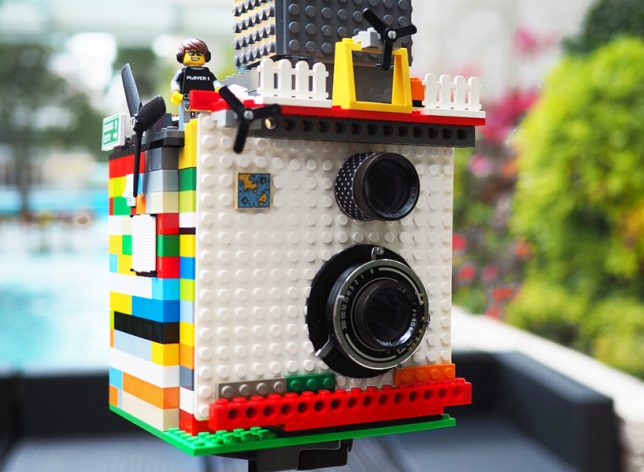
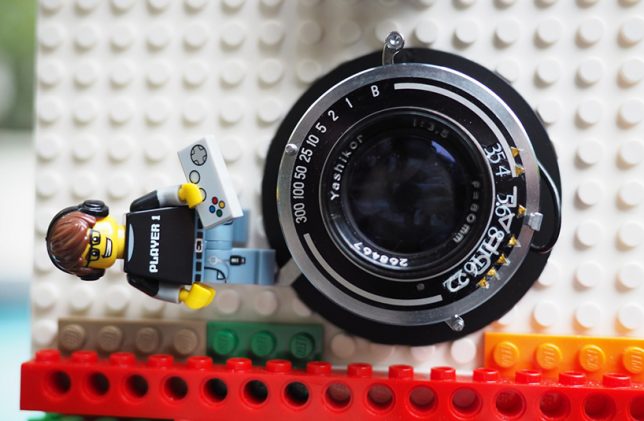
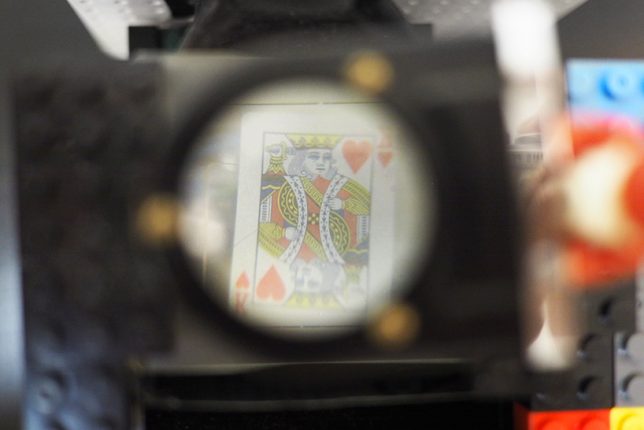
Making use of two retrofitted camera components and a LEGO brick housing, this fun model by a Hong Kong photographer blogging as Instax Magic doesn’t just take real photos, it also prints them. Taking lenses from a vintage Japanese Yashica camera and an ejection mechanism modified from a Fuji Instax mini camera, the creation playfully incorporates LEGO elements like figurines, fences and turbines. After seeing a neighbor throw a box of toy bricks in the trash, the photographer says “I started to think about the possibility of modifying a camera with LEGO. My impression is that there is always some creative way to use LEGO.”

LEGO Claw Shopping Bag

lego claw shopping bag

lego claw shopping bag 2

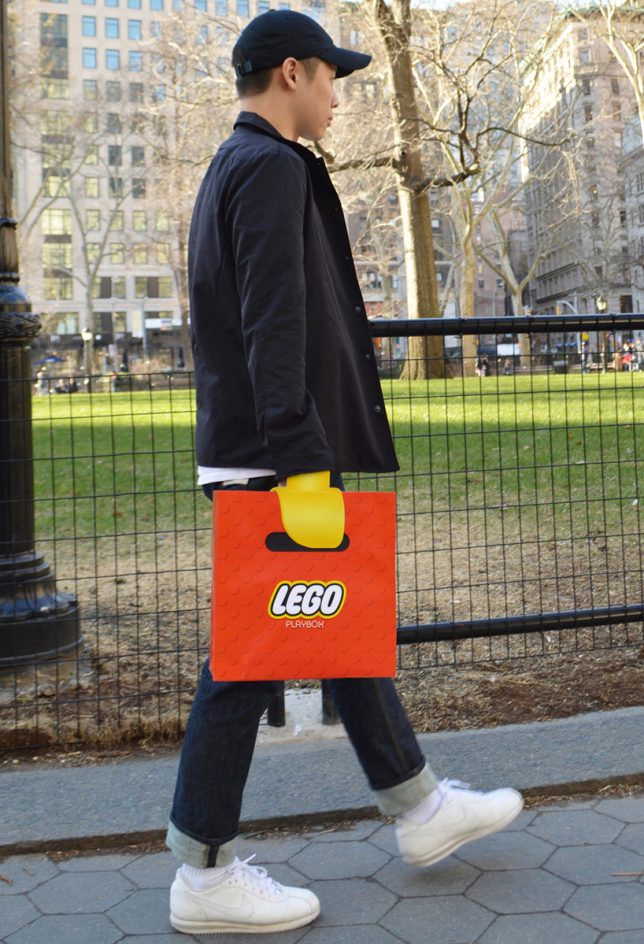
Walk down the street looking like you’ve got a yellow LEGO claw for a hand with this fun promotional shopping bag by New York-based advertising and designers Junho Lee and Hyun Chun Choi. The illusion only works when you’re wearing long sleeves, and you clutch a fabric ribbon hidden inside to hold the bag.

Intentional Helmet Hair, Courtesy of LEGO

lego bike helmet

lego bike helmet 2

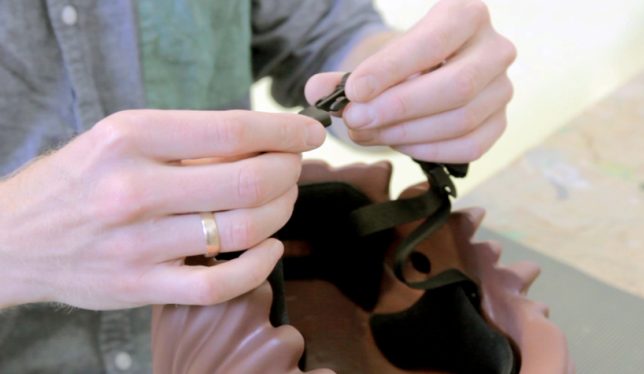
Helmet hair is actually desirable if you wanna bike around town looking like a LEGO figure that sprouted to real-life dimensions. Design firm MOEF created a functional bicycle helmet mimicking the proportions and characteristics of the original plastic toy thanks to 3D scanning. Right now, it’s just a prototype, but it could go into production with the aim of encouraging kids to wear helmets.

LEGO Stop-Motion Marriage Proposal

lego stop motion marriage proposal

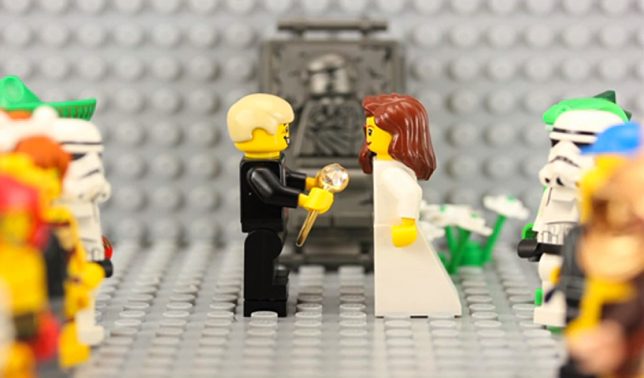
It took Atlanta-based filmmaker Walt Thompson 22 hours, 2,600 photos and hundreds of LEGOs to create a stop-motion animation marriage proposal to his girlfriend of four years, Nealey Dozier, even going so far as to dress the LEGO couple in outfits that matched what the real-life couple wore when they met.

Enlarged LEGO Vehicles in Real-Life Environments

life size lego cars

life size lego cars 2

life size lego cars 3

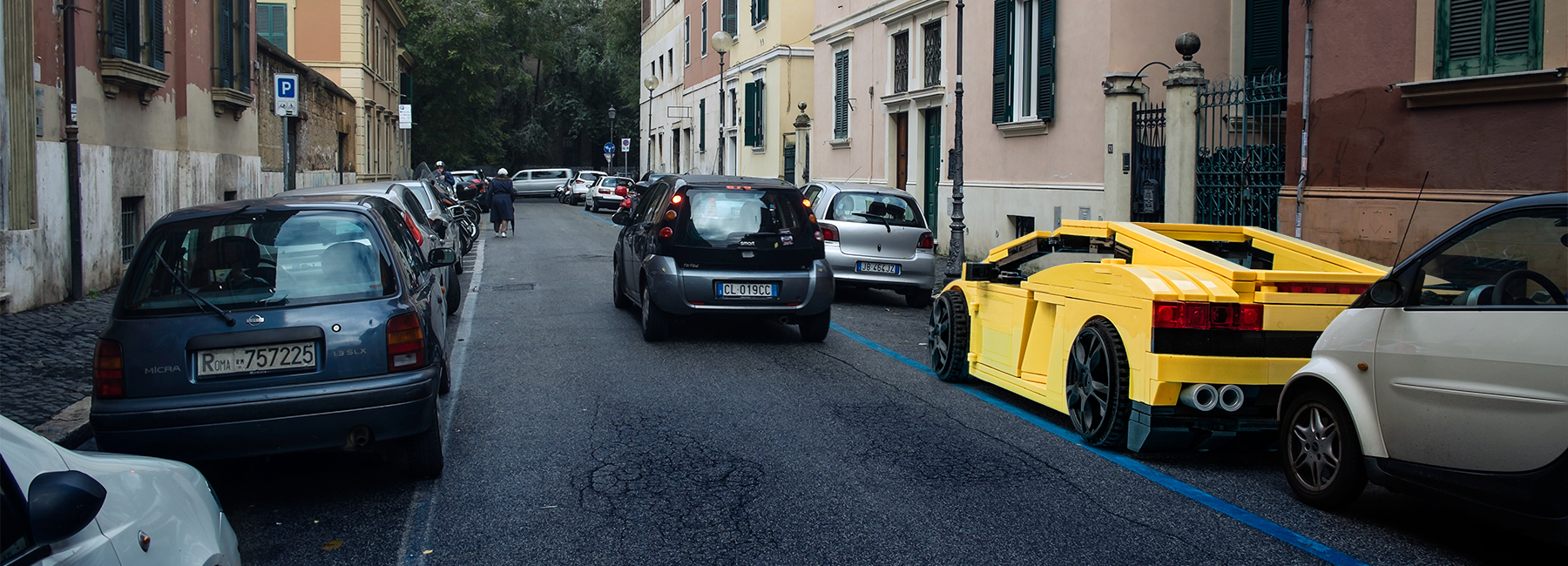
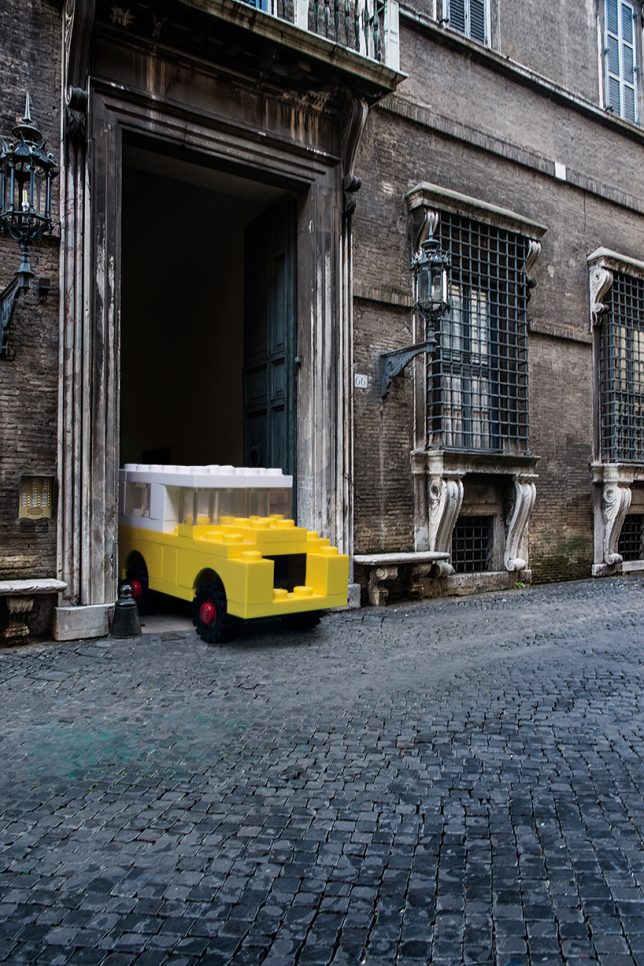
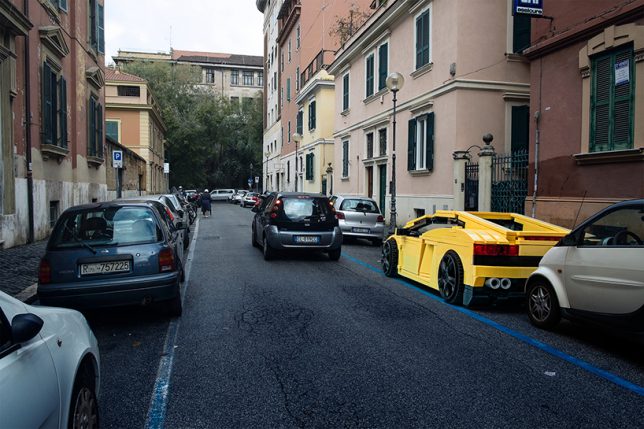
What would LEGO Lamborghinis, trucks, camper vans and helicopter models look like if they were kept exactly as they are, but enlarged to fit into the real world? Pretty ridiculous, as it turns out in this series of digital images by Italian photographer Domenico Franco, which sets them among Italian scenery. But at the same time, the models are so familiar, they don’t seem particularly out of place. “The aim is to transform ordinary contexts into extraordinary ones, thus compelling the toys to get out of the idyllic and politically correct landscapes belonging to their perfect and idealistic cities, with the result of instilling them in those vices, virtues and desires typical of human beings.” says Franco.

Next Page – Click Below to Read More:
Not Just For Kids 14 Complex Creative Lego Inspired Projects

Share on Facebook


[ By SA Rogers in Art & Sculpture & Craft. ]

[ WebUrbanist | Archives | Galleries | Privacy | TOS ]


WebUrbanist

 
Comments Off on Play On, LEGO Brick Layer: 14 Complex & Creative Toy-Brick-Inspired Projects

Posted in Creativity


Yoga Joes: G.I. Action Figures Posed in Complex Meditative Positions

18 Oct

[ By WebUrbanist in Art & Sculpture & Craft. ]

yoga rock stack

G.I. Joe and other toy soldier figures are rarely found in anything but anxiety-prone positions, ready to do battle with the imaginary enemy. But in this quirky collection, they tackle a fresh foe: difficult and sophisticated yoga positions.

yoga in nature

yoga position solider

yoga action figure

yoa pose joe

These posed characters can be found doing downward-facing dogs, lotus headstands and scorpions but also more complex positions like firefly, scorpion, peacock, side plank and king pigeon.

yoga silhouette

yoga figurine

yoga headstand

yoga and lizards

Started in 2014 by artist Dan Abramson, the collection has grown to include ever more sophisticated poses and postures which, in many cases, require more work for the figurines’ creator in making their molds. The pieces are sold in themed collections, ready to be used as toys or staged in nature for funky photo shoots.

yoga

yoga 2

yoga 3

yoga 4

yoga 5

yoga joes

“My hope is that advanced Yoga Joes inspire beginners to reach for the stars or, at the very least, to reach for their foot backward over their head” says Abramson. “I hope they inspire seasoned yoga masters to expand their own practice by showing off next to them on Instagram. But whatever your skill level, I truly hope they inspire calm and focus, and hopefully more than a few smiles and laughs.”

Share on Facebook


[ By WebUrbanist in Art & Sculpture & Craft. ]

[ WebUrbanist | Archives | Galleries | Privacy | TOS ]


WebUrbanist

 
Comments Off on Yoga Joes: G.I. Action Figures Posed in Complex Meditative Positions

Posted in Creativity


Science City: Futuristic Research Complex to Vitalize Egyptian Desert

12 Sep

[ By WebUrbanist in Architecture & Public & Institutional. ]

science city egypt

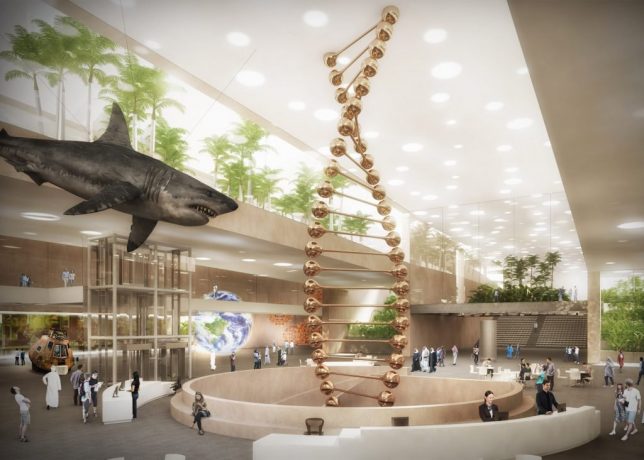
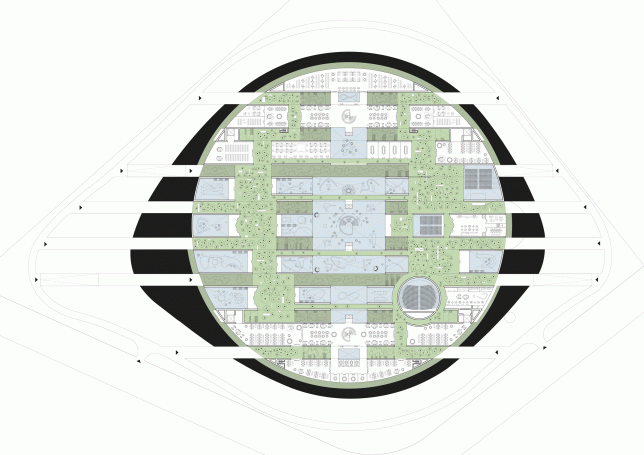
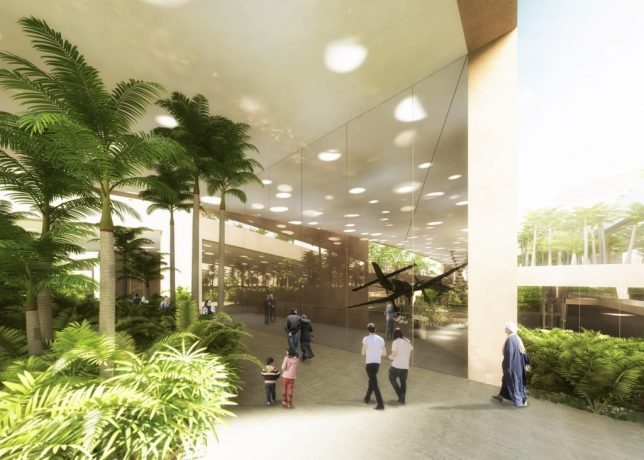
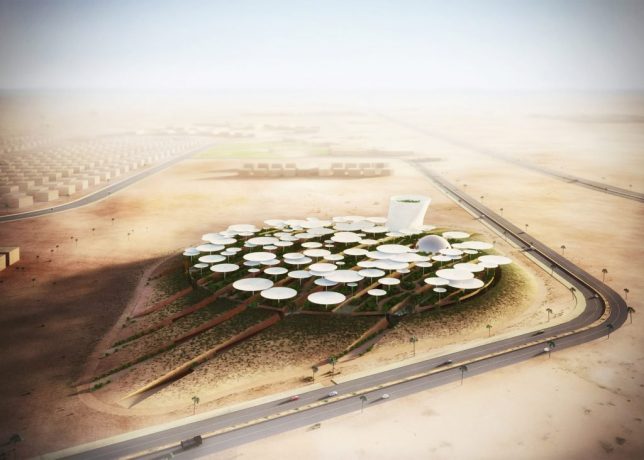
A new 125,000-square-foot science complex to be built outside Cairo will combine research, learning and museum facilities in a future-focused structure designed by competition-winning architects.

science side view

Architects Weston Williamson+Partners beat Zaha Hadid Architects to secure the role of lead designer on this forward-thinking Science City complex. Their plans include a planetarium, observation tower, workshop rooms and conference facilities in addition to spaces dedicated to scientific research and development.

science city displays

science center interior

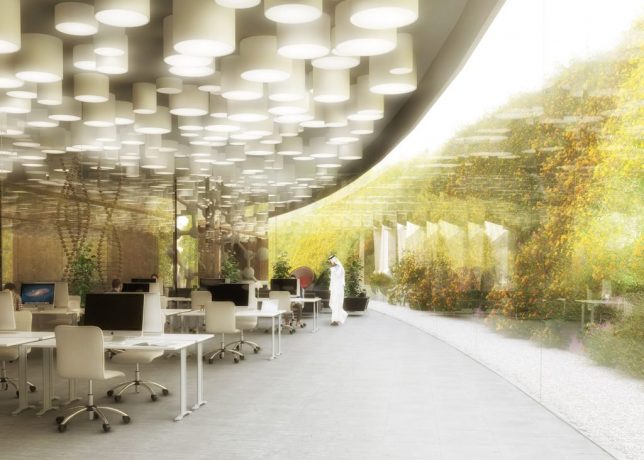
The competition brief called for a future-oriented, state-of-the-art interactive science museum for the new century, and “a set of buildings and spaces that must be inspiring on the outside and motivating and exciting on the inside to visitors and employees alike” – it attracted nearly 500 submissions from architects around the world.

science plan view

science city section

science master plan

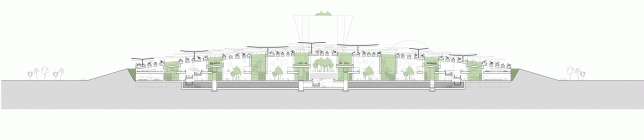
The circular footprint is filled with umbrella-shaped protrusions serving to define spaces and paths while providing shelter from the Egyptian heat. While currently located in a semi-remote location, the design is intended to form part of a larger regional master plan for redefining and expanding Egypt’s capital city.

science exterior

futuristic science complex

Of their victory, the architects said: “We are proud to have won. Needless to say that Egypt has a unique cultural heritage, but we were also attracted by the ambition of the project, clearly expressed through the brief. We look forward to developing the design and creating something worthy for Egypt’s future generations.”

Share on Facebook


[ By WebUrbanist in Architecture & Public & Institutional. ]

[ WebUrbanist | Archives | Galleries | Privacy | TOS ]


WebUrbanist

 
Comments Off on Science City: Futuristic Research Complex to Vitalize Egyptian Desert

Posted in Creativity


Liberty City: Inside an Urban Governmental Drone Test Complex

20 Aug

[ By WebUrbanist in Travel & Urban Exploration. ]

drone system

If you have ever wondered how and where the Department Homeland Security evaluates drones for real-world applications, this Freedom of Information Act request reveals some of the secrets behind the operations taking place at one of these rather mysterious locations. Not to be confused with its video game namesake, tracing back to Grand Theft Auto’s own digital Liberty City, this real-world test site is fascinating to learn about remotely but not somewhere you want to have an actual vehicular adventure.

artifical-street-urban-complex

For years, the government has been testing drones for everything from monitoring infrastructure and special events to patrolling harbors and supporting first responders. Run by Robotic Aircraft for Public Safety (RAPS), Liberty City and sites like it let local, regional and national governments deploy different models of drone and decide which best suit their needs. Like Gravesend in the UK (pictured above), officers and troops are also called in on the ground to interact in these remarkably complete but staged environments.

urban drone testing

Variegated urban terrains help those overseeing the tests determine a drone’s ability to identify key objects and individuals in the built environment, distinguish assailants and perpetrators in complex situations and track persons through challenging architectural landscapes. Simulations revolve around everything from ordinary robberies to hostage situations and terrorist attacks. The goal, ultimately, is to figure out what (completely or partially) autonomous vehicle technologies will work both generally and around specific purposes, for applications ranging from emergency search-and-rescue to broader everyday surveillance. While the work they are doing in these places is not classified as such, it is still highly secretive and much of it still remains undisclosed after years of inquiry.

drone testing documents_edited-1

Submitted via MuckRock, the FOIA request behind the details featured here sheds light on the reasons and methods behind these processes and places. Per Shawn Musgrave, “The broad objective of RAPS is to determine whether drones can play a practical role in a broad range of public safety deployments. Such applications include law enforcement, firefighting, disaster response, and search-and-rescue. The RAPS testing program evaluates each drone model for ease of operation, durability and performance in simulated scenarios. Reviewers compile their findings into a database for first responders nationwide to use when weighing a drone purchase.”

Share on Facebook


[ By WebUrbanist in Travel & Urban Exploration. ]

[ WebUrbanist | Archives | Galleries | Privacy | TOS ]


WebUrbanist

 
Comments Off on Liberty City: Inside an Urban Governmental Drone Test Complex

Posted in Creativity


Megablock Microclimate: Urban Treehouse Apartment Complex

13 Mar

[ By WebUrbanist in Architecture & Houses & Residential. ]

urban treehouse forest plants

Shrouded in 150 trees that absorb 200,000 liters of carbon dioxide per hour, this massive five-story, block-spanning residential building occupies its own protected inner-city ecosystem.

urban forest planters microclimate

urban treehouse steel beams

Located in Torino, Italy, 25 Verde was designed by Luciano Pia (images by Beppe Giardino) to serve both the residents of the complex as well as the surrounding urban environment. Its living facade forms light, sight and sound barrier on all sides but also regulates pollution and temperatures in and around the structure.

urban garden trellice supports

urban treehouse street view

treehouse complex

Rich foliage provides shade during the summer and lets more sunlight in during the winter. Situated on the ground and in planters above, each species was carefully selected for its growth needs, colors and other attributes relative to the project’s goals. At ground level, a raised-earth effect provides privacy for residents and a sense that the entire complex is growing right out of the soil.

urban forest facade design

urban green walkway area

urban treehouse courtyard area

Steel tree-shaped supports reinforce the appearance of an urban forest while a series of wooden platforms, trellises and towers make the entire complex feel all the more like a treehouse in the heart of the city. Paths and courtyards provide residents and visitors a great series of moments that combine elements of nature and urban design.

Share on Facebook


[ By WebUrbanist in Architecture & Houses & Residential. ]

[ WebUrbanist | Archives | Galleries | Privacy | TOS ]


WebUrbanist

 
Comments Off on Megablock Microclimate: Urban Treehouse Apartment Complex

Posted in Creativity


Made in China: World’s First 3D-Printed Apartment Complex

21 Jan

[ By WebUrbanist in Architecture & Houses & Residential. ]

3d printed apartment complex

The same company known for printing 10 home in less than 24 hours is back with a new record-breaking construction project: a multistory apartment structure built using recycled building materials and fast-hardening cement, paired with an ornate villa assembled using the same technologies.

3d printed villa exterior

Construction waste forms the aggregate base of WinSun‘s quick-drying concrete, while a huge 3D printer array is responsible for building the large prefabricated parts that are then built on site with steel reinforcement and regulation insulation.

3d printing extrusion interior

In a twist that will able to those who enjoy truth in architecture, much of the extrusion process is evident on the interior and exterior walls of the villa component as well.
3d printing apartment

Drawing on CAD files, the printer lays out the pattern like a cake decorator squeezes out frosting, creating space-frame gaps for insulating materials, plumbing and electrical – a high-tech process to quickly create a pair of low- and mid-rise buildings.

3d printed villa design

According to WinSun, “This process saves between 30 and 60 percent of construction waste, and can decrease production times by between 50 and 70 percent, and labour costs by between 50 and 80 percent. In all, the villa costs around $ 161,000 to build.”

3d printed walls demo copy

While the company has yet to reveal just how big of a structure they can build using their existing equipment, their future goals include larger buildings, perhaps even prefab skyscrapers, and possibly bridges or other infrastructure. From 3Ders, “Today’s press conference attracted more than 300 building industry experts, investment bankers as well as media reporters. Ma Yi He, CEO of WinSun explained: the company’s success is due to their unique and leading techniques. First is their exclusive 3D printing ‘ink,’ which is a mixture of recycled construction waste, glass fiber, steel, cement and special additives. According to Ma, waste from recycling construction and mine rest produces a lot of carbon emissions, but with 3D printing, the company has turned that waste into brand new building materials. This process also means that construction workers are at less risk of coming into contact with hazardous materials or work environments.”

Share on Facebook


[ By WebUrbanist in Architecture & Houses & Residential. ]

[ WebUrbanist | Archives | Galleries | Privacy | TOS ]


WebUrbanist

 
Comments Off on Made in China: World’s First 3D-Printed Apartment Complex

Posted in Creativity


Forgotten Gardens: Crumbling Complex Has a Sinister History

31 Oct

[ By Steph in Abandoned Places & Architecture. ]

8106836787_459e43e1d3_z
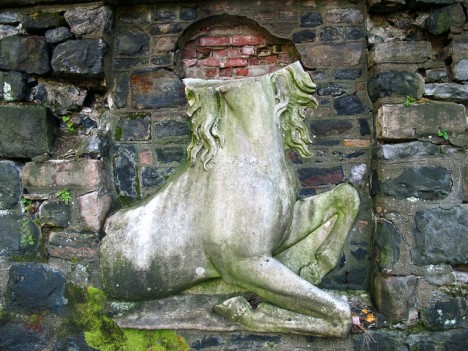
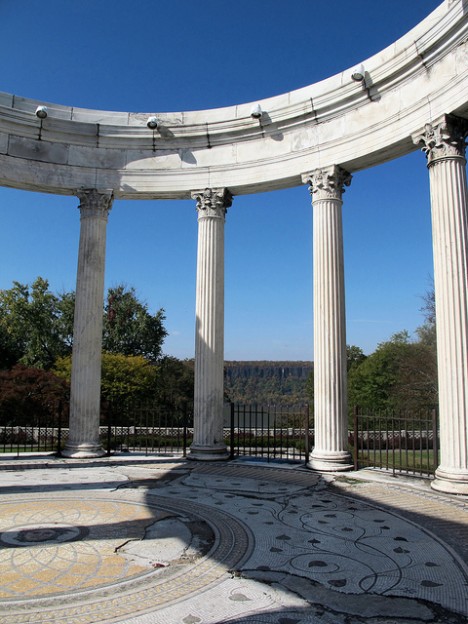
Police reports detail disturbing incidents that have occurred just beyond the stone walls of one of America’s most dramatic forgotten gardens, a mysterious complex full of imported ancient Roman columns in the unlikely location of suburban Yonkers, New York. How much of the sinister history of this place, which has become the stuff of legend over the years, really happened? Was it a hotbed of bizarre occult activity as the locals claim, or is this just a case of Satanic panic?

8106866635_bd101b03d8_z

8106840336_c7ea983d3e_z (1)

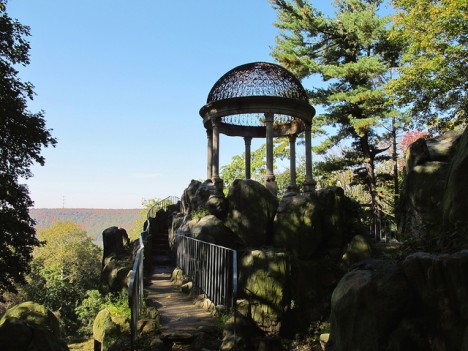
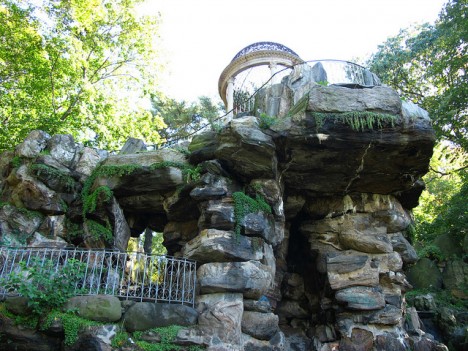
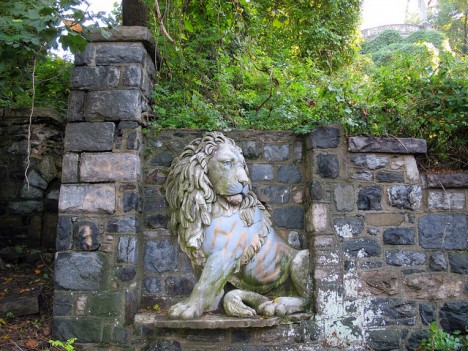
Perched on a hillside overlooking the Hudson River and sprawling across 43 acres, Untermyer Park (also known as Untermyer Gardens) was first developed between 1899 and 1940 as part of a large private estate. A Grecian-style amphitheater, classical pavilion, Persian Paradise garden and a number of statues were erected by the time owner Samuel Untermyer died, and the gardens passed to the City of Yonkers in 1946.

8106834885_6c83edab7b_z

8106859353_836b060f10_z

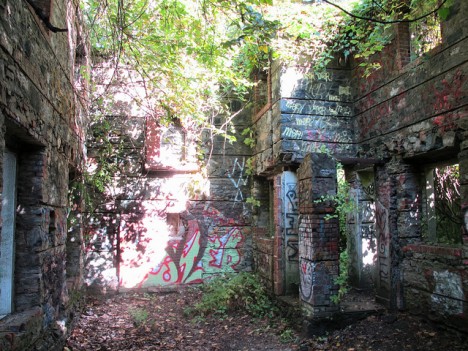
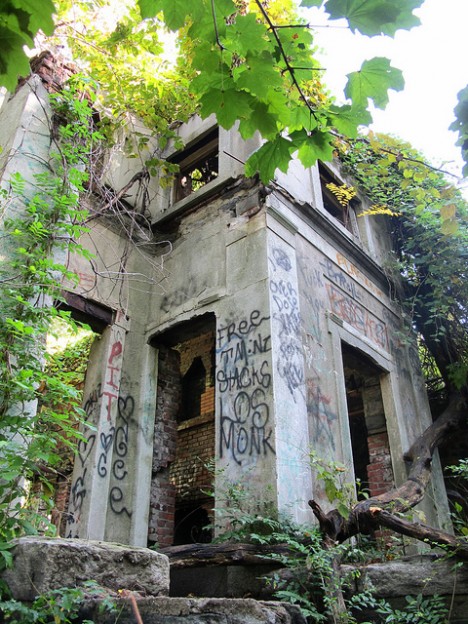
Decades later, the complex has begun to crumble, with graffiti covering many of the deteriorating stone structures. But it’s more than neglect that gives this place a sense of foreboding: it’s the connection to one of New York’s most brutal serial killers. As the murderer known as Son of Sam taunted police with Satanism-tinged letters during a killing spree targeting young couples, police found the corpses of ritualistically mutilated German Shepherds in the aqueduct south of Untermyer Park.

8106869294_64d4e41f00_z

8106822061_14ccd2160a_z

Years after he was captured in 1977, David Berkowitz claimed that he hadn’t acted alone, pinpointing Untermyer Park as the site of frequent gatherings of the Satanic cult of which he was a member. This claim alone has led to all manner of legends springing up about the park, with locals claiming to hear strange chanting or glimpse the glow of torches in the woods at night.

8106839265_d359f38fd7_z

Is it the truth, or just defensive ramblings from the mind of a killer? It’s hard to say, but Berkowitz’ claims fall into line with the Satanic panic that sprung up in the ’70s and ’80s, blaming supposed secret cults for everything from child molestation to murder. It’s impossible to say exactly what has transpired at Untermyer Park, especially given the gruesome discovery in 1976, but the place definitely still carries a feeling of mystery, especially as its once-grand features continue to decay.

All photographs via Kristine Paulus/Flickr Creative Commons

Share on Facebook


[ By Steph in Abandoned Places & Architecture. ]

[ WebUrbanist | Archives | Galleries | Privacy | TOS ]


WebUrbanist

 
Comments Off on Forgotten Gardens: Crumbling Complex Has a Sinister History

Posted in Creativity