RSS
 

Posts Tagged ‘Comfort’

4 Tips to Get You Out of Your Comfort Zone for Photographic Inspiration

03 Jan

The post 4 Tips to Get You Out of Your Comfort Zone for Photographic Inspiration appeared first on Digital Photography School. It was authored by Ana Mireles.

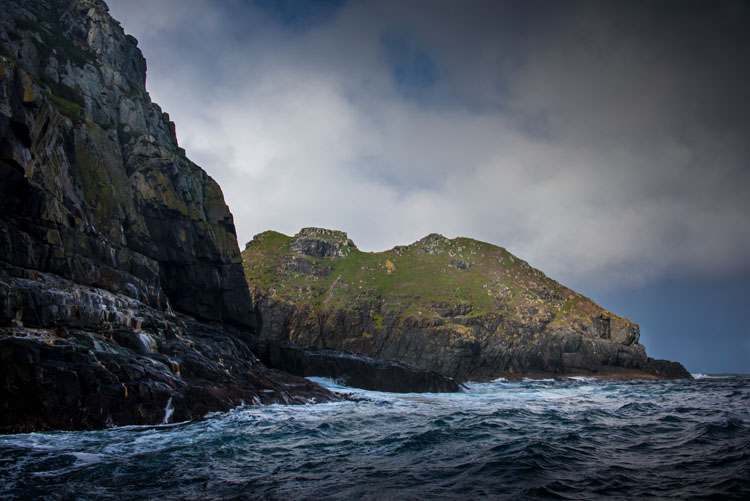
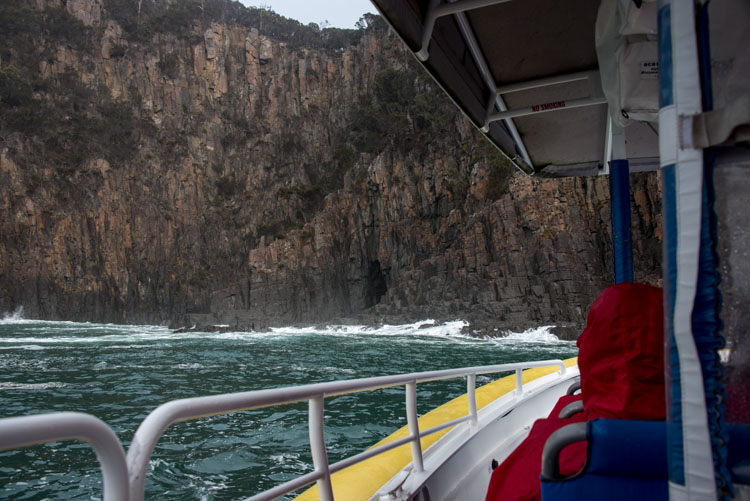
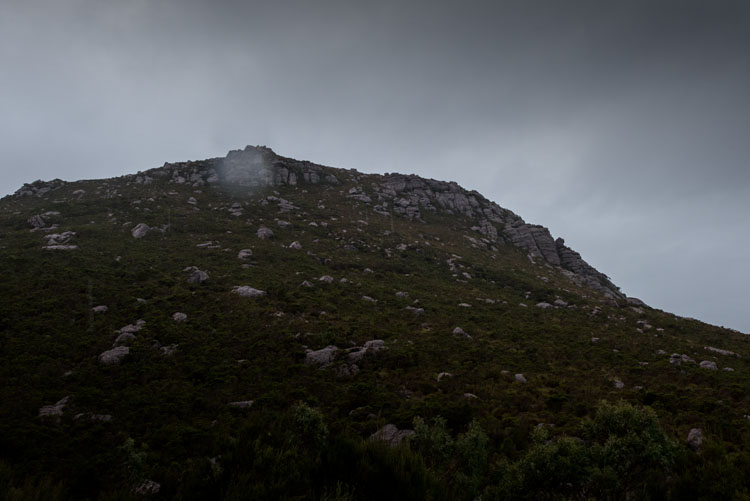
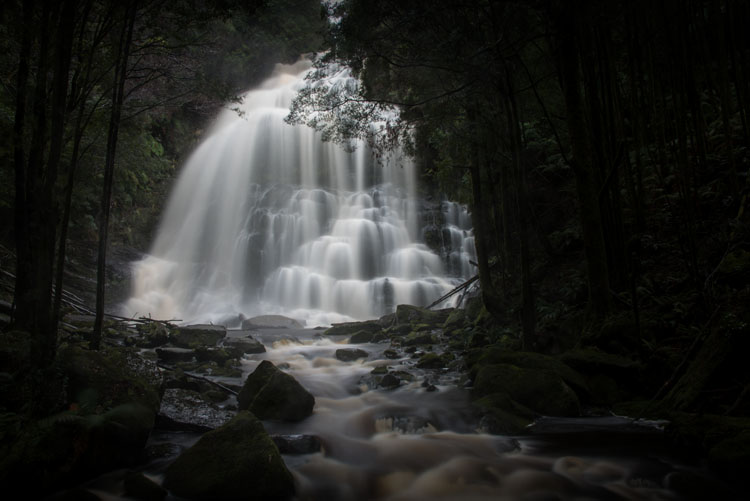
Are you feeling uninspired? Perhaps you’re stuck in your photography practice and feel like you’ve reached the best of your abilities? Don’t worry, we all feel like that sometimes. In most cases, all you need is to get out of your comfort zone to find new and exciting challenges. Here are some tips to get you out of your comfort zone for photographic inspiration.

1 - 4 Tips to Get You Out of Your Comfort Zone for Photographic Inspiration

1. Change your focal length.

All of us have a preferred focal length either because it’s the only lens we have, or because it’s the fittest for the kind of photography that we do. So the problem is not that you have it, it is that it impacts a lot of your photographic behaviors as well. You might think it’s not a big deal, but it’s vastly different working with a fixed focal length than a zoom lens, or shooting with a wide angle lens than a telephoto lens.

2 - 4 Tips to Get You Out of Your Comfort Zone for Photographic Inspiration

The focal length you use affects the physical distance you need between you and your subject. With a telephoto lens, you can be further away and still get close detail. A wide-angle lens allows you to fit in a bigger scene even if you are closer to your subject. Making this change means you walk around your subject to get the shot, which helps you find new perspectives and points of view. Sometimes you can’t get closer or further away as you may need, forcing you to reframe and rethink your entire image.

3 - 4 Tips to Get You Out of Your Comfort Zone for Photographic Inspiration

Another thing that changes when you modify the distance between your camera and subject is the Depth of Field. Depth of Field depends on the Aperture (f/stop). If you take two images with the same aperture but one of them is with a wide-angle lens, and the other is with a telephoto, the latter will have a shallower depth of field. If you’d like to understand this concept in more depth, I recommend you read my article How to Use Still-Life to Understand Focal Lengths. In any case, the results of your images may be different to what you are used to, and this inevitably pushes you out of your comfort zone.

4 - 4 Tips to Get You Out of Your Comfort Zone for Photographic Inspiration

2. Change the type of photography you do

One of the beauties about photography is how versatile it can be. You can photograph practically anything. I don’t mean that any photographer can do every kind of photography. Each one needs its own set of skills, and that’s why I recommend this exercise.

You can be a wedding photographer, a landscape photographer, or a food photographer – it doesn’t matter. There is always another type of photography you can try. For example, if you’re a portrait photographer, used to dealing with people, go and shoot some architecture photography or any subject you can’t move or control. If you usually do macro or abstract details, go wider and try to compose a scene from urban photography. You’ll be amazed at how changing what you see also changes the way you think. It opens your mind to new possibilities.

5 - 4 Tips to Get You Out of Your Comfort Zone for Photographic Inspiration

As a photographer, no matter what your specialty, you are working with light. However, it most certainly different working with studio lights doing a still life than natural light while shooting a landscape. One is not better than the other, nor is it easier. They are just different and as a result, require different skills. Studio lighting means learning to set everything from scratch. You create the amount and type of light you want.

However, natural light means learning what time of the day is best, dealing with weather conditions and so on. It also means having the right equipment. I’m not suggesting that you go and spend a lot of money on something you may not use much as there’s always a way to adapt and improvise. This is also part of going out of the comfort zone.

6 - 4 Tips to Get You Out of Your Comfort Zone for Photographic Inspiration

3. A small change can go a long way

Expanding your creativity can be done by changing a small thing from your photographic routine. Change the time of the day that you go out to shoot, go back to a place you visited in a different season, or walk the opposite way when you go out the door. New conditions or new places spark new ideas.

7 - 4 Tips to Get You Out of Your Comfort Zone for Photographic Inspiration

4. Change equipment

I already mentioned focal length, but the lens is not the only thing you can change to challenge yourself. Try a different camera. I’m not suggesting that you go out and buy an extra camera. You can try renting for a day or exchange cameras with a friend. You can switch from your camera to your phone and vice-versa. The composition is different when shooting full-frame and crop-sensor. It’s challenging to photograph a maximum amount of photos with a film camera instead of the (almost) limitless and immediate result of digital. However, it doesn’t matter what you use (more or less professional than your regular equipment), what matters is that it’s different.

8 - 4 Tips to Get You Out of Your Comfort Zone for Photographic Inspiration

Conclusion

There are many ways to push your photography and creativity further. Try some of these tips or come up with some of your own. See where it takes you. One last piece of advice: don’t be afraid of doing bad photos. There is a reason why your comfort zone IS your comfort zone. You’ve mastered it, you like it, and you create great images. Expect that you won’t achieve the same results when you change photographic genres – that’s all the more reason to try it!

The post 4 Tips to Get You Out of Your Comfort Zone for Photographic Inspiration appeared first on Digital Photography School. It was authored by Ana Mireles.


Digital Photography School

 
Comments Off on 4 Tips to Get You Out of Your Comfort Zone for Photographic Inspiration

Posted in Photography


The Magic of Creativity Rarely Happens in Your Comfort Zone

17 Sep

You’re not likely to ever excel at anything unless you push past what you normally do and exit your comfort zone. That’s unless you’re the type of person who’s not comfortable unless they are constantly taking risks.

Python in a Pit © Kevin Landwer-Johan - The Magic of Creativity Rarely Happens in Your Comfort Zone

Becoming more creative with photography requires you to seek out new subjects. It means trying different techniques. It demands you tackle the difficult and uncomfortable at times.

Most creatives seek to improve on what they have already achieved. This can mean photographing what they normally photograph different and better. It could mean working in whole other genre of photography altogether. Both approaches are challenging and vulnerable to failures.

How can you step out beyond your comfort zone and experience real magic in creativity?

Flag performance at a street parade - The Magic of Creativity Rarely Happens in Your Comfort Zone

Watch Your Attitude

I believe the biggest struggle many people have in growing creatively is that they can be too hard on themselves. When they try something new they set themselves up to fail because of negative thought patterns. Sound familiar?

Taking a step outside your creative comfort zone with a positive attitude is the most important factor towards your success. Acknowledging to yourself that what you are doing is new and difficult and that your initial result will probably suck, is important. If you are broken hearted at your photos the first time you try a new aspect of photography, you will never grow. You will not find the magic.

You need to press on and make the most of what you find difficult to help you improve.

Karen pipe smoker - The Magic of Creativity Rarely Happens in Your Comfort Zone

Commit to Learn

Studying the new technique or subject you’re challenging yourself with is a positive step towards creative magic. If you launch headlong into something new without knowing much about it you will most likely fail. I know this to be true from far too much personal experience.

Taking time to study a little more, step by step, you can become an expert. When I first worked in a photography studio with subjects, lights, props, and backgrounds I could manipulate it was all new to me. I had come from working as a newspaper photographer where I often had no control over these things. I didn’t know what to do.

Initially, I wasted a lot of Polaroids, (instant photos which were used to preview the setup, now we chimp our LCD screens).

Then, I found a gem of a book in the local library, (yes, this was when the internet was still a baby.) Light Science and Magic was a superb teacher. This book taught me so much of how to control the lighting. I am also a big fan of Irving Penn and love his still life arrangements. I have always learned a lot by studying the work of high achieving photographers.

Studio photos of food and cocktails - comfort zone

Creating Photos for Someone Else

The main difference between amateur and professional photographers is not that pros take better photos and earn a living doing so. The most significant difference is that professional photographers must consistently produce photos that fit a brief and please someone else, not just themselves.

Photographing what you are passionate about is meaningful for enjoyment and creative growth. Photographing something you have no interest in is often a huge challenge.

When I first started work at the newspaper I learned very quickly that I was well out of my comfort zone. I was having to not only talk to strangers but to go back to my picture editor with publishable photos of those strangers. I was painfully shy and it was so difficult, but I wanted to keep my job, so I took on the challenge.

Later came other challenges like photographing sports events and other action photo situations I had no experience with. The opportunity to attend top international matches was a good incentive. I learned because I had to and I came to love it.

one day cricket action- comfort zone

Role-Play Being a Pro

You don’t need to get a job working for a newspaper. These photography jobs are few and far between nowadays. You can role play effectively and imagine you are a pro.

Set yourself assignments and treat them as though you are working for a newspaper or magazine. Better still, have someone else task you assignments of their choosing. This way you will begin to photograph subjects and in situations, you may never have chosen.

You will discover that you love some of these assignments as you are being stretched beyond what you normally do. As you are outside your comfort zone you will have to think and behave differently.

Set deadlines. Approach this exercise realistically. If someone else has set your assignment, have them review your photographs with you and make a selection.

By role-playing like this, you may have the advantage of rephotographing the same subject if you can see room for improvement. This is a luxury I did not often have when working at the newspapers.

Forest Waterfall - comfort zone

Photographing What is Familiar

I am not advocating only photographing new and different things with techniques you’ve never used. Making great photos of what you love can be equally challenging.

Taking pictures of what you love over a long period of time your photos may begin to lack flair. This is common. If you are truly passionate about what you are photographing you need to press yourself to remain creative.

We are often at the local markets in Chiang Mai taking photo workshops. I told myself after we’d been going there for about a year that I need to come away with at least one new portrait each time. Not of the same people who I knew and were easy to photograph, but of different people in different locations at the market.

I’d passed this guy many times and felt a little intimidated by his tough looking exterior. One winter’s morning he was standing in the sun outside his flower shop watching the world go by. The light was fabulous and he had on a cool beanie. I had to ask him. Turns out he was happy to pose for me. I took him a print of this photo next time we were there and now he often gives my wife or our customer’s flowers when we are passing.

Street portrait of a Thai man - comfort zone

Photographing People

I have become pretty comfortable photographing people, but still, find it challenging. Like with the tough looking flower seller, initial contact and relating to a stranger is not easy for most people. If you step out and ask often the results can be most rewarding.

Photographing people you know can pose other problems. My friends got engaged recently and asked my wife and me to do a photo session for them. My challenge was pressure I put on myself to excel. I wanted to bless them with photos that made the event special.

Working with my wife is always enjoyable. We work well together. I found I could capture different moments, especially when their attention was on her. My expectations and desire to do well for my friends was my biggest challenge. My fear of failing was my biggest hindrance.

Once I relaxed and enjoyed myself as much as they were I was able to take some photos that they told us later were their favorite image of themselves they’ve ever had. This is feedback every portrait photographer loves to hear.

Thai woman and white man in the street - comfort zone

Two New Personal Photography Challenges

My wife and I recently moved to a new home in the countryside. I have never been particularly interested in landscape photography, but now I need to be.

We are running a homestay and need to show off the wonderful environment so people will want to come and stay here. This means I must make the best landscape photos I can. It’s good to be working with a subject that I have not cared for much and to have a reason to be taking these types of photos.

My second challenge is to use my phone for more photography. I am comfortable with my camera, thank you. I have had little interest in using my phone except to take the occasional snapshot. Currently, I think I am using my phone more than I am using my camera.

Bicycle on a road in the rice field - comfort zone

I am using the panorama mode frequently.

I ride my bicycle in the surrounding region each morning. But I don’t like carrying a camera when I ride so I am using my phone to photograph the local landscape.

Part of my motivation to take up the challenge of photographing with my phone is that this is how most photos are being made in the world now. I need to know more about it so I can teach it. The best way for me to learn is to just do it.

The limitations I have with using my phone are a big challenge. I must innovate and be creative to capture the photos I want. Now I am also beginning to use my phone to photograph more than only landscapes. As the challenges continue I hope my creativity continues to grow.

Thai rice landscape - comfort zone

Be encouraged, find something new that’s not easy for you. You will only reap the rewards if you step outside of your comfort zone and try. Tell me in the comments below how you are getting on with your challenge, I’d love to know.

The post The Magic of Creativity Rarely Happens in Your Comfort Zone appeared first on Digital Photography School.


Digital Photography School

 
Comments Off on The Magic of Creativity Rarely Happens in Your Comfort Zone

Posted in Photography


Why Getting Outside Your Comfort Zone is Good for Your Photography

23 Feb

Getting outside your comfort zone is good for your photography. The single, biggest factor that has helped me to improve my photography was becoming comfortable with being uncomfortable. This has been across all areas of photographic work, from weddings, corporate through to my absolute passion, travel photography.

googletag.cmd.push(function() {
mobile_slots.push( googletag.defineSlot( “/1005424/_dPSv5topic-rhs(300×250)”, [300, 250], “pb-ad-124309” ).addService( googletag.pubads() ) ); } );

Getting Outside Your Comfort Zone 15

Let me explain. From the very beginning I had the same concerns as many beginners in photography, where do I even start? I had built-up an imaginary wall about how I would understand the theory and mechanics of the photographic process as well as being creative in how I approached my photo work. All questions that only served to stop me from getting out there and experimenting so that I could learn by doing and implementing the theory I had poured over so many times.

The moment I let go of concern over the results I would achieve, and more importantly, what other people thought of my images, was the moment I felt free to experiment and make mistakes. That’s where the real learning happens, as I soon discovered.

Play the long game plan

I also realized early on, that becoming proficient in photography is a long game plan. It doesn’t happen overnight. It also requires effort and focus to be able to approach each challenge with a willingness to keep trying until understanding and outcome produce results that meet expectation. After my first year of taking photos, I had improved, and that improving continues to this day. Why? Because I continue to push myself outside of my comfort zone to improve as an image maker.

There is nothing better on the road to discovery and learning than feeling like you have a good understanding of what you are doing while enjoying the breakthroughs of understanding. And ultimately, capturing the images you set out to. However, it is important to remember that staying comfortable in what you are doing and how you are doing it, will reduce your growth and further understanding of different types of photography or more specifically, different approaches.

Getting Outside Your Comfort Zone 20

A few years ago this theory was clarified for me while I was working in Antarctica. We were fortunate to have two National Geographic Photographers on the ship with us who were generous enough to do a couple of presentations during days at sea. One point, in particular, helped me to understand in a different way, what I had already been doing since the early days of my image making. And the beauty is, you can apply this approach to most scenarios, be it landscape, travel, wedding, portrait, or commercial photography.

The 80/20 rule

Devote 80% of your image making time to getting the images you set out to do. Play it safe to a certain degree to be sure you come home with your planned shots. Then for the remaining 20% of the time, throw caution to the wind and experiment with no expectation of any outcome. If you think about this approach, 20% of your image making time adds up to quite a bit. Pushing yourself with the 20% will not necessarily lead you to capture amazing new images every time, but it will allow you to have little discoveries along the way that can add up to thinking of new ways or approaches for the future.

Experimenting with shutter speed, white balance, aperture, ISO, focal length, and movement are all options that can result in new ways of doing and seeing things. Ultimately, this will help you to understand the best approach to a given scenario with controlled, positive results.

Getting Outside Your Comfort Zone 10

The list of possibilities is endless. But without regard for the outcome, you are left with a more innocent, concern-free approach to getting creative and pushing the limits of your knowledge and current space of understanding.

Side benefits of learning outside your comfort zone

The side benefits of further learning of my chosen craft, even if they seem unrelated, have also helped with my ability to shoot under pressure. In regards to my travel photography, I have attributed my ability to get solid images under challenging circumstance with limited time, to having shot and assisted on a lot of weddings. For me, weddings have proven to be the ultimate space for growth with my image making ability, and it is easy to see why.

When shooting weddings you have no control over weather, lighting, time of day, or the environment you are shooting in. You have the responsibility of capturing images in often very challenging environments. It also means you are shooting a lot, with purpose, which I’ve always been a big advocate of for helping improve your photography.

Now I’m not suggesting to go out and shoot a few weddings just to help improve your photography in other areas. Photographing weddings is something you have to want to do. You especially have to respect the responsibility that comes with taking on such a big day in people’s lives. You have no second chance and have to be at the top of your game to consistently get it right. Over time, though, assisting or working as a second shooter for an established wedding professional would be a good way to test the waters to see if this is an area of photography you would like to pursue.

Getting Outside Your Comfort Zone 23

Some practical exercises

You can, of course, replicate these same scenarios without the time pressure or expectation of outcome only a client can have.

An option would be to visit and photograph the interiors of some local churches to gain an understanding of what it means to shoot in low light. Then slowly walk from the inside of the church to the outside (assuming this is during daylight hours) and adjust your exposure to achieve correctly exposed images over what will be a massive change in light levels. This is an extreme example but there will absolutely be situations in the future where the learnings gained from this type of exercise will be put to good use.

Getting Outside Your Comfort Zone 02

Getting Outside Your Comfort Zone 01

Another great exercise is to visit a city (which could be yours) and set up your camera just before sunset when there is still plenty of light. Then slowly take images of the same scene over the next two hours as the sun sets and the lights come on in the city. The best option for this exercise is to have your camera on a tripod so the scene remains the same and you are able to get a solid idea of how the changing light conditions affect your results.

This exercise not only helps you to understand the process of changing exposure on your camera but gives you a solid idea of the mix between natural and man-made light during the change over from night to day.

Getting Outside Your Comfort Zone 06

Getting Outside Your Comfort Zone 07

Getting Outside Your Comfort Zone 08

Getting Outside Your Comfort Zone 09

Getting Outside Your Comfort Zone 11

Visit your local beach maybe an hour and a half before sunset and take images during the changing light conditions. You will see a number of things during this experiment as there are big changes in lighting and color. You will have a greater understanding of what you need to do to continue making correctly exposed images based on the changing lighting conditions which would be different to the city example I gave earlier. Look closely at the changing color and corresponding white balance and the effect it has on your images.

To take this a step further, take your kids or some friends down to the beach and use them to experiment with taking portraits at this time of day.

Getting off Automatic

If you are currently using your camera on an automatic setting, you can start to experiment with a more manual approach to your image making. Let’s assume for a moment, you are using automatic settings for everything on your camera, aperture, ISO, and shutter speed.

Play with aperture

One option would be to experiment with Aperture Priority (setting your camera so you take control of the aperture). You can experiment and start to see what different effects you will have in your images by using specific apertures. Set up an object, focus on it and then cycle through all of the different apertures to see what happens. This is a fantastic exercise to apply to portraiture so you have a better understanding of what results you will achieve based on your chosen aperture.

Getting Outside Your Comfort Zone 31

85mm lens on a full frame camera, ISO 2000, 1/50th, at f/18.

Getting Outside Your Comfort Zone 32

Shot with an 85mm lens on a full frame camera, ISO 2000, 1/320th, at f/8.

Getting Outside Your Comfort Zone 33

85mm lens on a full frame camera, ISO 2000, 1/2500th, at f/2.8.

Play with focal length

Changing focal lengths on a fixed subject is also a great exercise to help develop your learning. The portraits below are perfect examples of a fixed subject with fixed camera settings. The only change was moving backward while zooming in (going to a longer focal length) the subject. The difference between the resulting images is clear.

Getting Outside Your Comfort Zone 35

24mm lens on a full frame camera, ISO 1000, 1/250th, at f/5.6.

Getting Outside Your Comfort Zone 36

50mm lens on a full frame camera, ISO 1000, 1/250th, at f/5.6.

Getting Outside Your Comfort Zone 34

210mm lens on a full frame camera, ISO 1000, 1/250th, at f/5.6.

Play with shutter speed

The same can be done with shutter speed. A popular subject for longer exposures is waterfalls, allowing you to blur the water to achieve a misty look. Keep in mind, a tripod is essential for this type of image. When you have time, find a local waterfall or flowing stream (preferably on an overcast day). Set up your camera on a tripod and cycle through the shutter speeds to see the differing results you will achieve based on long and short exposures and the effect it has on the water.

Getting Outside Your Comfort Zone 14

Practice, practice, practice

The above exercises may seem a little boring, but it is only through continued practice that you will understand with confidence, what you need to do to achieve the images you want. Over time, and through experience, it becomes an instinctive response to what is in front of you based on knowing, or having an idea of what result you are after.

There are many benefits to exploring locations in your area. You are able to revisit them on a number of occasions during different weather, times of day, and different seasons. You can really test yourself and build your understanding and experience in dealing with these differing light and brightness scenarios.

Travel photography

The other area where you may have limited time and no control over the variables earlier mentioned is travel photography. Often when traveling, these limitations will leave you feeling a level of pressure to get the image. It is the practice, understanding, and development you implement before you go traveling that will help you capture images with confidence, even when the time of day and lighting are not at their best.

Getting Outside Your Comfort Zone 29

Getting Outside Your Comfort Zone 30

For example, if you’re traveling to Africa to photograph wildlife, you’ll be using long lenses a lot more than if you are doing a church tour of Italy where wide lenses would often be the order of the day. The important thing here is to push yourself and get out there as much as possible to replicate, as best you can, the type of shooting you will be doing in order to build that skill set before you travel.

Getting Outside Your Comfort Zone 26

Getting Outside Your Comfort Zone 25

Challenges of travel

Travel also often leaves you tired due to the realities of what you need to do to get to your location or full days trying to see and experience as much as possible. Try to be as healthy and fit before you go in order to maximize all the photo opportunities traveling can bring. There is nothing worse than coming home feeling like you have missed opportunities due to needing to rest or not using your time efficiently.

Successful travel photographers are always well-researched and prepared to go as much as possible. The know that they need to maximize their time in order to come home with a full body of work that will help justify all that goes into a travel gig. This usually means starting before sunrise and working through to night time to capture specific locations in all their various forms.

This has been the case for me on many occasions. When working in Antarctica and South Georgia, we had a lot of exploring time in the zodiacs (small inflatable boats). On one particular occasion, we were advised of a one hour cruise which turned into 3.5 hours due to the many photo opportunities we had. It was a cold day and snowed the entire time. That added to the challenge of shooting, often with a long lens from a moving craft amongst 10 other people also working hard to get the shot in the confines of a small boat. Once we were all loaded safely back on board, almost all participants went inside immediately, either for a warm shower or warm drink, and rightly so, it was very cold.

Getting Outside Your Comfort Zone 17

Getting Outside Your Comfort Zone 21

Another photographer and I stayed outside the ship to see if there were any other photo opportunities that presented themselves before we pulled anchor and continued on our way. The images above were just a few that made the effort completely worthwhile. We pushed ourselves and were rewarded with many great images which no one else captured. We were only outside for a further 30 minutes, however, the response from fellow passengers upon seeing our images confirmed we had made the right decision to continue pushing on and taking advantage of the conditions in front of us. This has been a consistent factor with all of my photography based trips over the years.

When you travel, you are surrounded by so many photographic opportunities. Remember to take full advantage of these and everything that travel offers. Of course the most important thing is to enjoy yourself, however, if images are a top priority, be sure to take advantage of the time you have and be out and about as much as possible.

Getting Outside Your Comfort Zone 40

Conclusion

It is also worth researching other photographers to see what they have done in the same locations you are planning to visit. Look at what you like and don’t like, then try and photograph the same scene in a way not yet done by others.

Growth in photography, as with most things, comes from pushing yourself to improve, going beyond your comfort zone and identifying areas you can experiment with and learn from.

googletag.cmd.push(function() {
tablet_slots.push( googletag.defineSlot( “/1005424/_dPSv4_tab-all-article-bottom_(300×250)”, [300, 250], “pb-ad-78623” ).addService( googletag.pubads() ) ); } );

googletag.cmd.push(function() {
mobile_slots.push( googletag.defineSlot( “/1005424/_dPSv4_mob-all-article-bottom_(300×250)”, [300, 250], “pb-ad-78158” ).addService( googletag.pubads() ) ); } );

The post Why Getting Outside Your Comfort Zone is Good for Your Photography by Damian Caniglia appeared first on Digital Photography School.


Digital Photography School

 
Comments Off on Why Getting Outside Your Comfort Zone is Good for Your Photography

Posted in Photography


Get Outside Your Photography Comfort Zone to Learn and Grow as a Photographer

06 Sep

As photographers, we usually start out photographing everything and anything. All subjects are game as we explore our new found passion. When we grow and get more serious about our craft, we often try to find our unique place in the industry. Our niche, our comfort zone, where we can specialize and make a name for ourselves.

This is a good thing! A photographer that has a unique niche is more memorable than a photographer that covers every subject. It’s better to be the dog portrait guy, or the black and white waterfall girl, than to be forgettable.

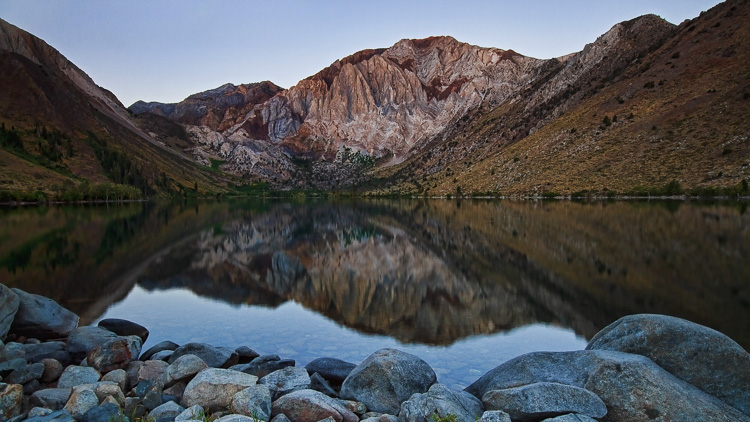
Convict Lake California by Anne McKinnell

One of my favourite things to photograph: water scenes at twilight.

But just because you’ve specialized in a particular area of photography doesn’t mean you can’t continue to explore your craft. There is much to be learned from photographing other things, and applying any lessons learned to your niche. In fact, there is much you can learn from photographing things that you specifically don’t like to shoot.

Get out of your photography comfort zone

So I challenge you to come up with a short list of things you don’t like to photograph, and then give them a try. Remember, you don’t have to be good at it. Don’t worry about trying to create a masterpiece. You’re not going to show these photos to anyone. But, by getting outside of your comfort zone and giving yourself the permission to play, you’re bound to learn something along the way.

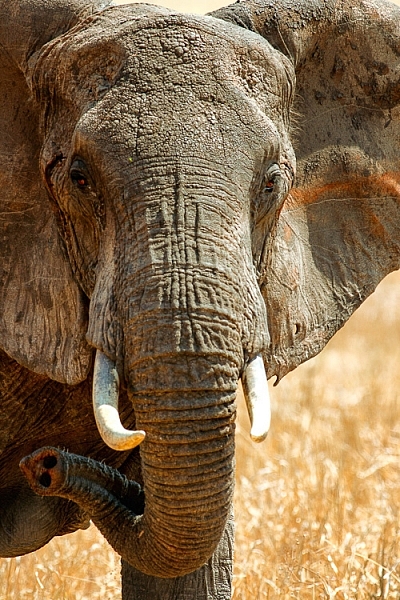
Elephant in Tarangire National Park, Tanzania by Anne McKinnell

Applying lessons learned about shadow and light in portrait photography to wildlife photography.

Afraid of portraits? Photograph one

For example, when I did this exercise, the thing on the top of my list was portraits. I’ve always been somewhat terrified of doing portraits! Also on my list was sports, cars, and architecture.

It was serendipitous when a friend of mine asked me to photograph her newborn. As the terror swept through me, I remembered my list and realized I should take the opportunity. Of course I advised her to hire a real newborn photographer since I had no experience in this area. But I still tried, and I made some images that were pretty good. But more importantly, I learned some things that I could apply to the areas of photography I was more interested in, like landscapes and wildlife.

Working inside was new to me and since I didn’t own any lights, I worked with natural light from the window. As I positioned my subjects around the room, I noticed how the light fell on their faces, and learned to pay very close attention to the direction of the light. I also noticed how important it was not to have any distracting things in the background, which also applies to many other areas of photography.

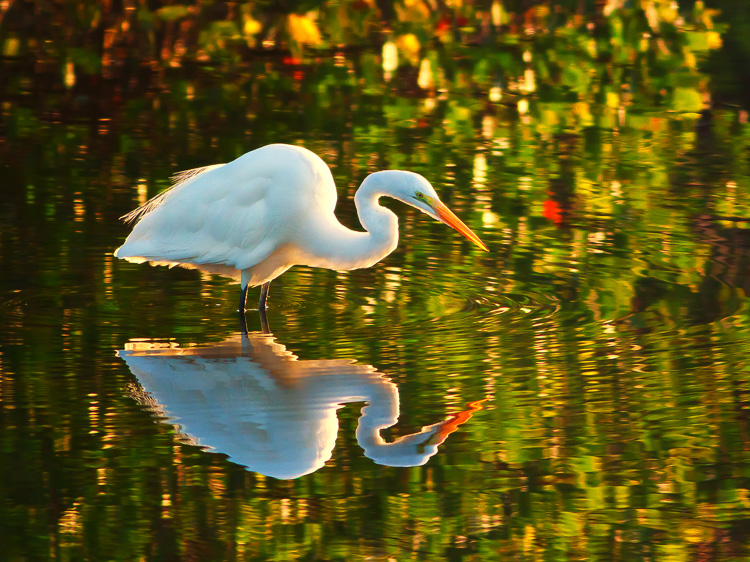
Great White Egret by Anne McKinnell

Using rim lighting and non-distracting backgrounds (learned doing portraits) in wildlife photography.

Try sports photography

The second thing on my list of things I wasn’t interested in photographing was sports. So I headed up to the local university where there is always something happening on a weekend, and found a rugby game to photograph.

I learned something very important that day. You see, I don’t know a thing about rugby, and it quickly became obvious that I couldn’t capture a special moment, because I had no idea when it was going to happen. I had to sit and watch, and try to figure out how the game worked, and only then did I have a chance.

I didn’t make any good images that day, but I sure learned a lesson that I apply to wildlife photography all the time. I sit and watch, and learn the behaviour of the animals before I try to photograph them. That way I can anticipate what is going to happen, and come away with a photograph that captures a special moment in time.

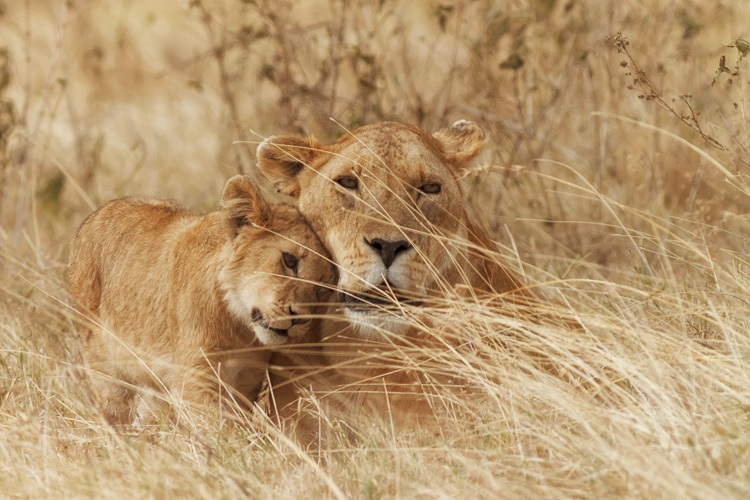
Lion and cub at Ngorongoro Crater, Tanzania by Anne McKinnell

Anticipating the special moments in wildlife photography.

How about architecture photography?

Another thing on my list at the time I did this exercise was architecture, but after playing with it for awhile I discovered a new passion. Now I love photographing architecture. One thing I learned is that most architectural subjects are inherently symmetrical, and while the rule of thirds works, symmetrical compositions work really well too. Now I apply this principle to other subjects that are inherently symmetrical as well.

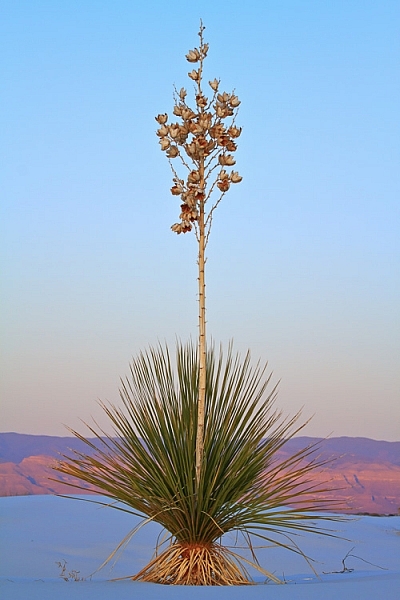
Yucca at White Sands National Monument, New Mexico by Anne McKinnell

Using a symmetrical composition in landscape photography.

Challenge yourself! Give yourself time to play! Remember that this is an exercise just for you, to help you explore your craft and grow as a photographer.

Exploring subjects is just one way to accelerate your photography learning curve. (It’s a great way of finding your niche too!) For more ways to speed up the learning curve, check out my eBook “8 Ways to Accelerate Your Photography.”

googletag.cmd.push(function() {
tablet_slots.push( googletag.defineSlot( “/1005424/_dPSv4_tab-all-article-bottom_(300×250)”, [300, 250], “pb-ad-78623” ).addService( googletag.pubads() ) ); } );

googletag.cmd.push(function() {
mobile_slots.push( googletag.defineSlot( “/1005424/_dPSv4_mob-all-article-bottom_(300×250)”, [300, 250], “pb-ad-78158” ).addService( googletag.pubads() ) ); } );

The post Get Outside Your Photography Comfort Zone to Learn and Grow as a Photographer by Anne McKinnell appeared first on Digital Photography School.


Digital Photography School

 
Comments Off on Get Outside Your Photography Comfort Zone to Learn and Grow as a Photographer

Posted in Photography


Finding Comfort with Off-Season Photography

24 Jul

When you are learning photography you read so much about golden hours, the right time of the day to take photos, and other rules. What about the sort of photos to take depending on the weather? People tend to think that you need good weather to get good photos.

leannecole-winter-photography-razorback-gor

What happens when all there is only rain, fog, overcast skies, and all you want to do is sit inside, keep warm, and drink coffee? However, what if you disregard all that, and decide that you like the image you get in the winter or just bad weather?

There is no question that the images you get in the off-season (that could be snow, monsoon, or heat wave depending where you live), when you would rather stay indoors, are going to be very different. It should be considered as opportunity to see nature in a different light, and a challenge to be brave, to try new types of images. It is also important to take steps to make sure you and your gear are protected from the elements.

LeanneCole-winter-photography-008

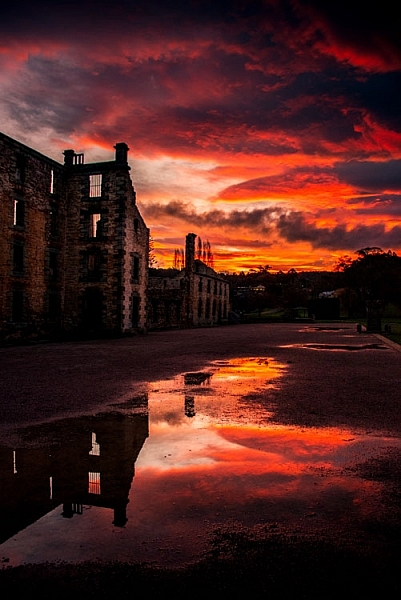
A winter sunset at Port Arthur in Tasmania made even bigger by all the rain and the puddles creating fantastic reflections.

Here are a few reasons why off-season is a great time to take photos:

Not many people around

If you are anything like me, you dislike people who walk into your shot, or just won’t leave an area you want to photograph. During the popular vacation times you will be surrounded by people, and many other photographers who think that taking photos in popular places is also a good idea. It can be very crowded.

Winter (or off-season) is a time that most people decide not to travel, they don’t want the weather ruining their trip. This makes it the best time for you to go out and take photos. You may find that many spots are devoid of people, or there won’t as be many.

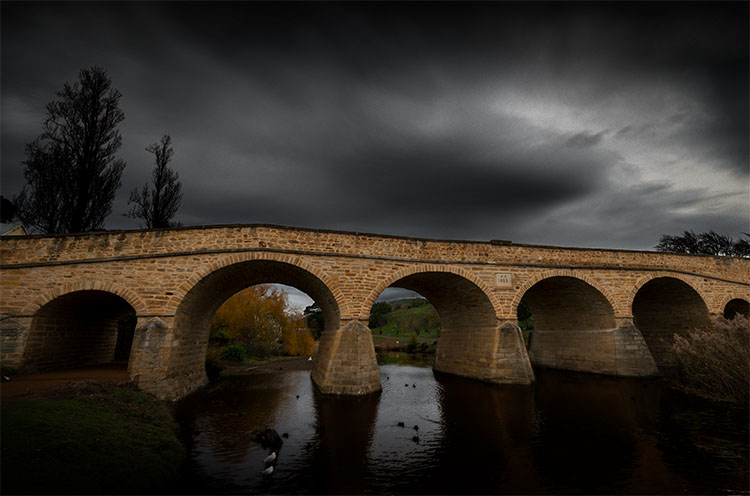
leannecole-winter-photography-richmond-bridge

It is an opportunity to take photos that others will not

As most people will stay indoors when the weather is bad, you will be able to get out and take the photos the others miss out on. Rain, fog and snow can all give you incredible images. Even overcast grey days will give you a different look. There are some of us who would go for an overcast sky any day, over a beautiful blue one with no clouds.

Making the most of breaks in bad weather

During bad weather there are going to be breaks where the rain (snow, or whatever you get there) will stop and if you are lucky the sun might even come out. In southern Australia that often happens. You might only get 10 minutes of it, or a few hours, so you have to make the most of it.

You can’t be lazy. If you see the weather improving, you need to get out there fast. Visit all the places on your list and see what you can get. In some instances, it may be the only opportunity you get to shoot some spots.

LeanneCole-winter-photography-009

A break in the rain at Strahan, Tasmania, so we spent four hours getting what we could before it started again.

Water in winter

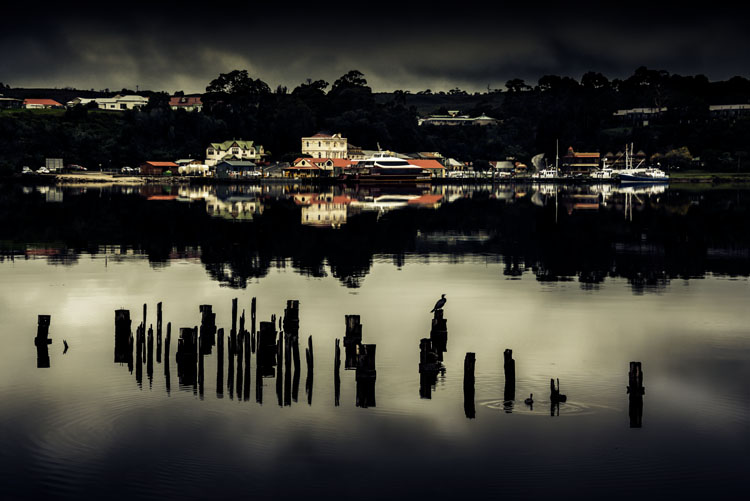
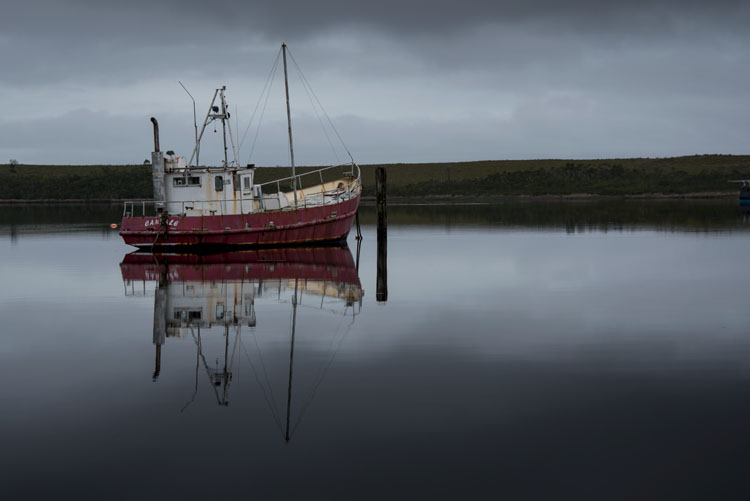
There is something quite magical about water in the winter or off-season. When it isn’t raining, the stillness can create some magical landscapes where the water will be so calm, that everything reflects in it. Often after light rain you can get that flat reflective surface.

LeanneCole-winter-photography-003

Reflections in the water can be wonderful, especially when you get an overcast sky reflected as well.

Rain gives a natural vibrance

Have you ever noticed how a dry seashell is dull, and the vibrancy that you saw in it on the beach is gone? That is, until you wet it again! When I was a child we used to paint shells with clear nail varnish so they would keep that wet look.

The landscape is not that much different. You can’t paint it with varnish, but you can look for rainy days that make it all wet. Colours are saturated and just pop out. Grass appears a lot greener, and warm tones like red and yellow stand out a lot more. You get a landscape that is grey, but in it there are also saturated colours that are accentuated to make the image more interesting.

LeanneCole-winter-photography-010

Colours can appear saturated during and after rain.

Moody landscapes

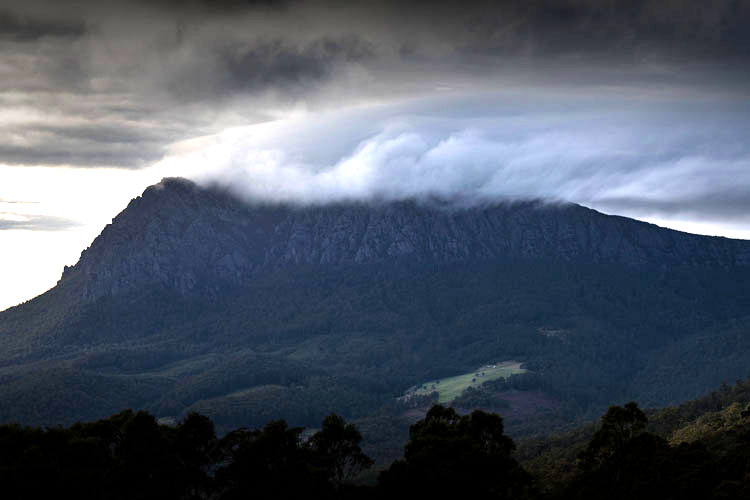
Off-season gives you so many more opportunities to get moody landscapes. Nothing says mood like a scene drenched in fog. It has a way of isolating your subject, and making it the most important thing in the image. The mist is also great for getting silhouettes of objects, especially around water.

Overcast skies can do the same. Dark foreboding clouds can create darkness in landscapes, and give a sense of dread, tinged with some scariness. The absolutely best scene is the one with a dark overcast sky, then the sun peeks through a break in the clouds, and highlights an aspect of the image. It’s like hitting the jackpot, you get the best of everything. It is one of my favourite things to capture.

If you are out and see fog, frost, or lots of clouds, try to figure out how to make them work for you in your image. See if you can get lots of different angles, and what you can do with them.

leannecole-winter-photography-hellsgate-lighthouse

LeanneCole-winter-photography-004

Fog can create moody landscapes and isolate areas.

Light

Photography is full of rules, how to take photos, when to take photos; it is said that you shouldn’t take photos between 10am and 4pm. Is this true? Perhaps in the summer, and those places that don’t really have winter, but if you live a long way from the equator this rule may not apply to you. The further you are away from it the less it applies.

leannecole-winter-photography-queenstown

Winter (off-season) light is quite beautiful. There is a softness to it that makes photographing wonderful, and you can get some incredible images. The shadows are soft, meaning the edges aren’t hard and sharp like they are in the summer. The sun doesn’t get as high in the sky so the shadows are always long.

Living in a country like Australia where the summers are hot and harsh, I look forward to winter every year. It means I can go out and take photos for as long as I like, when I like. The clock doesn’t dictate when it is a good time. Winter is my absolute favourite time for photography here.

LeanneCole-winter-photography-007

On an overcast day the sun could suddenly come out and give your landscape a spotlight effect.

Equipment you need to take with you

When you are travelling in the off-season you have to be prepared for wet and cold weather. It’s likely going to mean that you will have to take more gear with you so that you can protect your gear.

In your kit it’s good to have a plastic raincoat cover for your camera; a sleeve that will fit over your camera, but the end is open for your lens so you can still take unobstructed photos. Many cameras can take a certain amount of water, the more high end ones more so, but you don’t want to push it much. If you are out in the rain constantly, then protect it as much as you can.

LeanneCole-winter-photography-006

Riding in a boat in open water in inclement weather is a disaster waiting to happen, so make sure you protect the camera and keep it covered up.

A lens hood is one of the best ways to protect the end of your lens when it is misty and raining. The sides of it can help prevent water from ruining your photos, unless you are shooting straight into the wind.

Having a lens cloth close by is an absolute must. As much as you try to keep the lens dry if there is any breeze, you will get drops of water on the end. It is good to keep it in your pocket for quick access. Nothing spoils a photo more than water drops on the lens.

LeanneCole-winter-photography-002

Waterdrops on your lens can ruin your images, and can be very hard to remove in post-production, especially if there are lots of them.

Making the most of it

You shouldn’t think of the off-season as a time to hibernate, but make the most of weather that other photographers don’t consider. Think about how you can get the weather conditions to enhance your images, and give you a final photo that is unique. Good luck with it and remember to rug up and keep warm.

LeanneCole-winter-photography-005

Waterfalls can be full of water from lots of rain.

leannecole-winter-photography-newstead-railwayshed

googletag.cmd.push(function() {
tablet_slots.push( googletag.defineSlot( “/1005424/_dPSv4_tab-all-article-bottom_(300×250)”, [300, 250], “pb-ad-78623” ).addService( googletag.pubads() ) ); } );

googletag.cmd.push(function() {
mobile_slots.push( googletag.defineSlot( “/1005424/_dPSv4_mob-all-article-bottom_(300×250)”, [300, 250], “pb-ad-78158” ).addService( googletag.pubads() ) ); } );

The post Finding Comfort with Off-Season Photography by Leanne Cole appeared first on Digital Photography School.


Digital Photography School

 
Comments Off on Finding Comfort with Off-Season Photography

Posted in Photography


Cold Comfort: 7 Abandoned Wonders of Scandinavia

02 Jan

[ By Steph in 7 Wonders Series & Global. ]

Abandoned Scandinavia Main

A Russian ghost town on a Norwegian island in the Arctic, decaying modernist houses in Sweden and woodland homes taken over by wildlife in Finland are among the abandoned treasures of Scandinavia. Left behind but not forgotten, these structures stand as reminders of a past now lost, whether due to the changing public view of prison-like mental institutions, the end of the Cold War or the invention of new technology that made old ways obsolete.

Pyramiden, Norway’s Abandoned Russian Settlement

Abandoned Scandinavia Pyramiden 2

Abandoned Scandinavia Pyramiden 1

Abandoned Scandinavia Pyramiden 3

A Russian ghost town at the end of the world, Pyramiden is a coal mining community on the remote Arctic archipelago of Svalbard, Norway. It was founded in 1910 by the Swedish and sold to the Soviets in 1927, and was once home to 1,000 people. The town consists of just a handful of buildings and some mining equipment, and has been entirely abandoned since 1998, though in 2007 construction began on a hotel that enables guests traveling to the island to stay overnight. The last ton of coal extracted from the mine sits behind a spire-shaped monument bearing the settlement’s name.  The buildings remain as they were when left behind, and because of the low rate of decay in the freezing Arctic climate, they’re expected to remain visible 500 years from now.

Modernist Houses, Sweden

Abandoned Scandinavia Modernist House 1

Abandoned Scandinavia Modernist House 2

Abandoned Scandinavia Modernist House 3

This glass-walled home was the epitome of Swedish modernity in the 1960s, designed by architect Bruno Mathsson and once full of the sleek midcentury modern furniture for which he remains most famous. Mathsson designed this home and two others like it as ideal showcases for the fitness-obsessed, nature-centered nudist lifestyle, but the homes were abandoned at some point and have been empty for decades. Photographer Mikael Olsson has spent the last decade visiting and documenting two of the houses, revealing their descent into disrepair.

Abandoned Houses Taken Over by Animals, Finland

Abandoned Scandinavia Animal House 1

Abandoned Scandinavia Animal House 2

Abandoned Scandinavia Animal House 3

This group of homes in the Finnish woods may have been abandoned by people, but they provide a safe haven for a wide array of wildlife. Photographer Kai Fagerström discovered the houses near his family’s summer home in Salo, left behind after their inhabitants passed away or relocated. Inside, he has documented raccoons, squirrels, skunks, foxes, owls and many other creatures making themselves comfortable.

Murmansk Ghost Ship, Norway

Abandoned Scandinavia Murmansk Ship 1 Abandoned Scandinavia Murmansk Ship 2

Rusting in the waters just off the coast of the Norwegian village of Sørvaer after running aground, a Russian cruiser waited nearly twenty years to be rescued. The Murmansk was commissioned in 1955 and remained in service until 1994, when it was sold to India for scrap, but it never made it to its intended destination, partially sinking into the sea. The process of retrieving it was complicated by the possible presence of radioactive substances aboard the ship, the rough seas and the extreme climate of the area. In 2009, funds were raised to build a dry dock to start the process of dismantling it. The wreckage actually looks much smaller than it really is – those waters are hiding the vast majority of the ship.

Next Page – Click Below to Read More:
Cold Comfort 7 Abandoned Wonders Of Scandinavia

Share on Facebook


[ By Steph in 7 Wonders Series & Global. ]

[ WebUrbanist | Archives | Galleries | Privacy | TOS ]


WebUrbanist

 
Comments Off on Cold Comfort: 7 Abandoned Wonders of Scandinavia

Posted in Creativity


Taking Your Photography Outside of Your Comfort Zone

21 Jul

A contribution from Lori Peterson

New photographers sometimes jump in and photograph everything they can. They will photograph a wedding one-day and commercial real estate on another. It isn’t until later on that they realize the importance of finding their niche and concentrating on the things that fuel their art and their passion and still manage to pay their bills. 

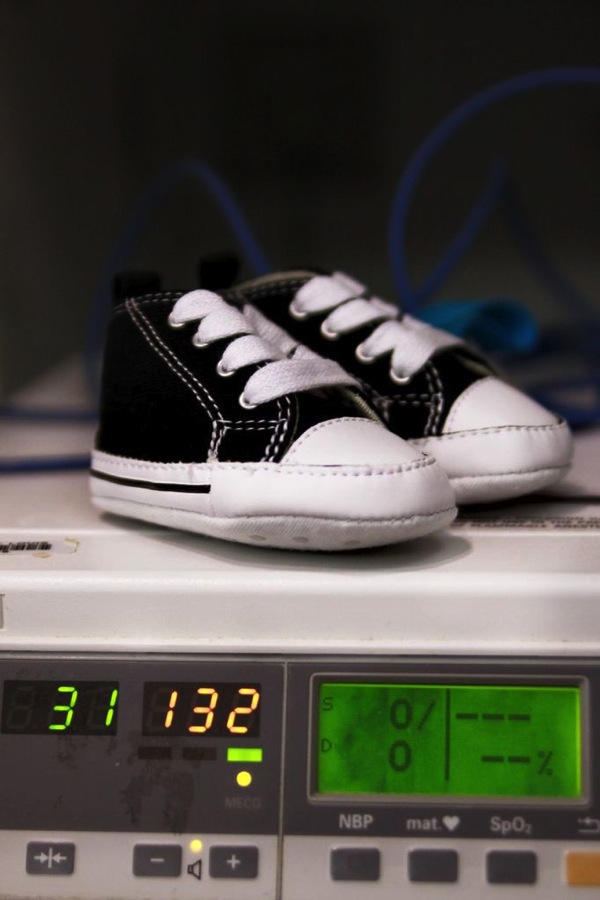
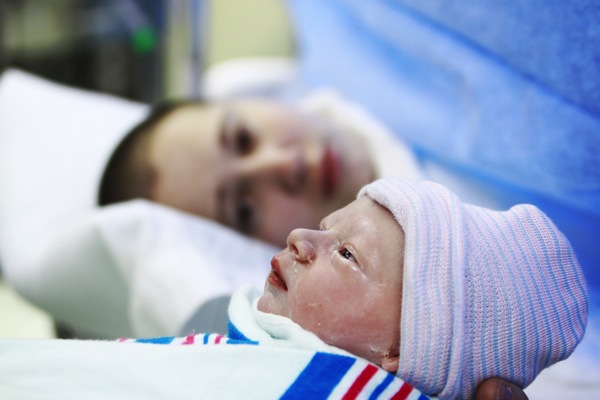
Life can bring you lessons you didn’t even know you needed to be taught. I have been present as a photographer in hospital situations and you have to expect the unexpected. Whether it’s shooting images at a birth or documenting a medical procedure for a family, you should always be prepared for things to change.

If you are planning on being a birth photographer, not only is it important for you to discuss expectations from your client, but you should also find out what the doctor and hospital will allow. Your client might want you to photograph parts of the delivery, but the hospital or doctor may have very strict rules about photography.   Births aren’t always smooth, quick, and without drama. You might plan on being at a birth for a few hours, but if labor stalls, you might be there longer. Expect the unexpected.

If you are allowed to photograph the birth you should be mindful of the doctor, the nurses, and all the other hospital staff that need to be in the room to take care of your client and the baby. Your job is to document, not to be in the way. 

01

If complications arise and there is a need to go to the OR for a cesarean, make sure that your client has discussed this possibility with the doctor. The doctor and the anesthesiologist have the final say so as to whether or not you can go back with your client. Be polite and respectful. If you can’t go back to the OR, make plans to photograph the baby as soon as possible so that your client can still have those early moments recorded.

If you are allowed back in the OR, ask the anesthesiologist about where you can shoot from. Don’t badger them with questions and chitchat. Don’t try shooting over the screen to get shots of the surgery itself.

Once the baby is born just remember to keep documenting those moments. Mom is missing out on some of those and Dad might need to be with her. Don’t forget to capture the interactions of the new baby when they bring him or her over to Mom for the first time.

Image 02

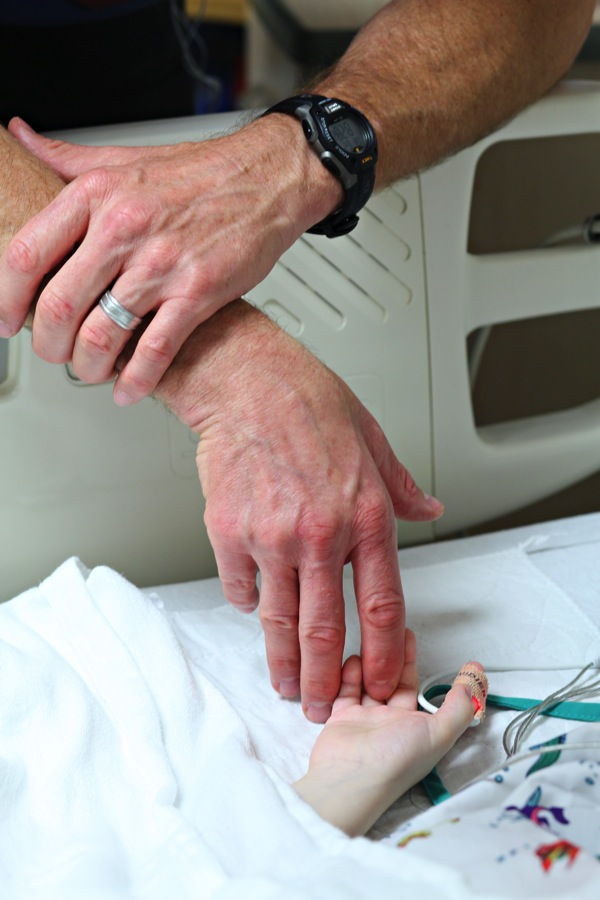
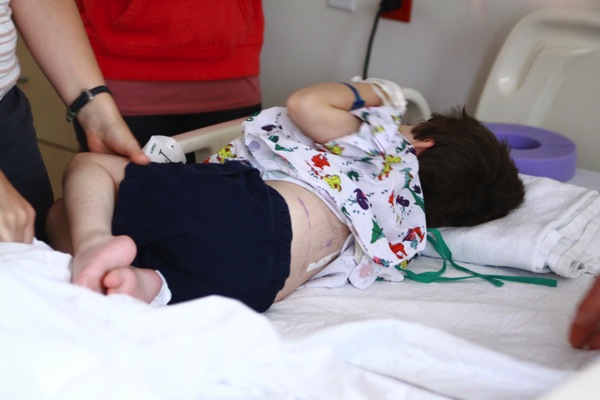
Learning to expect the unexpected has helped me when doing more photojournalism type shoots as well. Most recently I was hired to help a family document their six-year-old son’s Selective Dorsal Rhizotomy surgery. Surgery time was pushed back a bit and then waiting time was also pushed back. There was a lot of waiting. 

After his surgery he did a lot of sleeping. There was a lot of pacing and worrying from family members and from me as well. His parents just wanted to stick close by and be there in case he woke up. They talked to him, they held his hand and they waited.

Image 03

I shot images during his first time getting out of bed, his first time in physical therapy, and his first time crawling and standing after his surgery. Some of the moments when he was crying were so difficult for me, but I had to remind myself to keep documenting this for him and his parents to look back on. Lighting changed. People walked in. People walked out. He was awake. He slept. The situation changed routinely, but what was expected of me didn’t.

04

For some photographers shooting in a hospital setting might not be ideal, but I can tell you from personal experience that helping families to document their lives is one of the most rewarding types of photography you can do.

Stepping outside of your comfort zone can bring you a new awareness of the world around you and remind you of how wonderful photography can be to document life events. It will physically and emotionally challenge you. You will have to learn to move fast. You will have to learn that sometimes the shot doesn’t have to be technically perfect to tell the story. It’s very different than portrait photography because you aren’t in control of everything. You have to learn to give up some of that control and trust your instincts. Capturing those moments are such a precious gift you are giving to your clients, and you will reap the rewards by adding to your skill-set for future endeavors.

Lori Peterson is an award winning photographer based out of the St. Louis Metro Area. Her dynamic work ranges from creative portraits to very unique fine art photography. Lori’s work can be seen at www.loripetersonphotography.com and also on her blog at www.loripetersonphotographyblog.com. You can follow her on Facebook at https://www.facebook.com/LoriPetersonPhotography.

Post originally from: Digital Photography Tips.

Check out our more Photography Tips at Photography Tips for Beginners, Portrait Photography Tips and Wedding Photography Tips.

Taking Your Photography Outside of Your Comfort Zone


Digital Photography School

 
Comments Off on Taking Your Photography Outside of Your Comfort Zone

Posted in Photography