Tag: Clay

  • These incredibly intricate pinhole cameras are made from clay

    $ (document).ready(function() { SampleGalleryV2({“containerId”:”embeddedSampleGallery_8966365626″,”galleryId”:”8966365626″,”isEmbeddedWidget”:true,”standalone”:false,”selectedImageIndex”:0,”startInCommentsView”:false,”isMobile”:false}) });

    Steve Irvine is an incredibly talented ceramic artist, but he’s been passionate about photography for almost as long as he’s been working with clay. “It only seems natural,” he says, “that the two passions should come together.” And when they do, the ceramic pinhole cameras you see above are the result.

    In the gallery above, each camera is followed by a sample photograph taken with the selfsame camera.

    Most are made using a combination of throwing and hand-building techniques, glazed and fired by Irvine, and then improved upon with little antique dials, gadgets and other accents until the final product looks like something out of your favorite steampunk universe. As Irvine explains on his website, these creations are fully-functional cameras:

    These are fully functional pinhole cameras. They have no lens, light meter, viewfinder, or automatic shutter, and yet they can produce gallery quality images. I use black and white photo paper in them for the negatives. The negatives are either 4 x 5 inches, or 5 x 8 inches.

    You can find more examples of Irvine’s pinhole photography at this link. And if you want to see how one of these cameras is made, you can find a step-by-step tutorial on Irvine’s website here.


    All photos by Steve Irvine and used with permission.
    Articles: Digital Photography Review (dpreview.com)

  • Invisible Solar: Panels Camouflaged as Wood, Clay, Stone & Concrete

    [ By WebUrbanist in Design & Products & Packaging. ]

    solar-shingle-design

    Overcoming the awkward aesthetic factor typically faced by home solar technology, these disguised panels look like ordinary building materials you would expect to spot along the sides, steps or roof of a house.

    solar-camouflaged-disguised

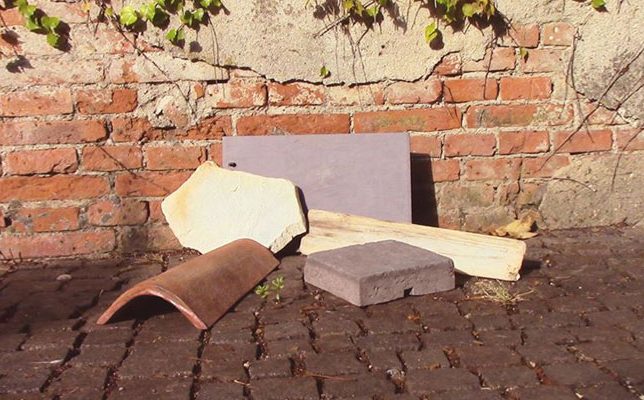
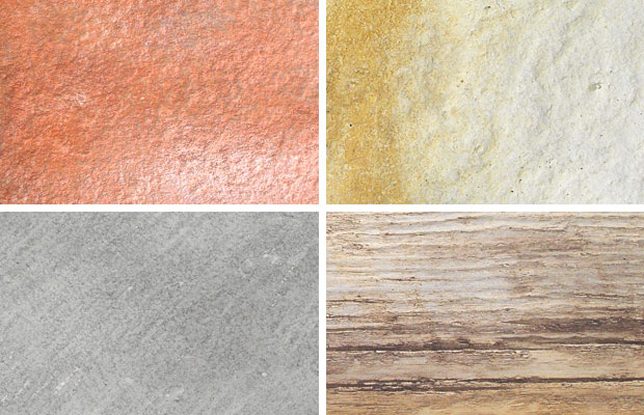
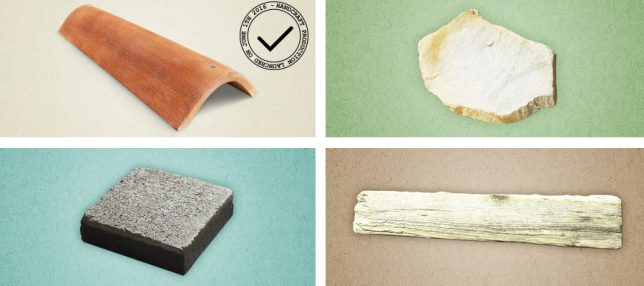
    Dyaqua, an Italian company, has developed their Invisible Solar series to look like concrete bricks, slate shingles and wooden boards, allowing them to blend into ordinary built environments. A thin top layer mimics desired materials while allowing the sun’s rays through to the photovoltaic cells beneath.

    solar-material-cover

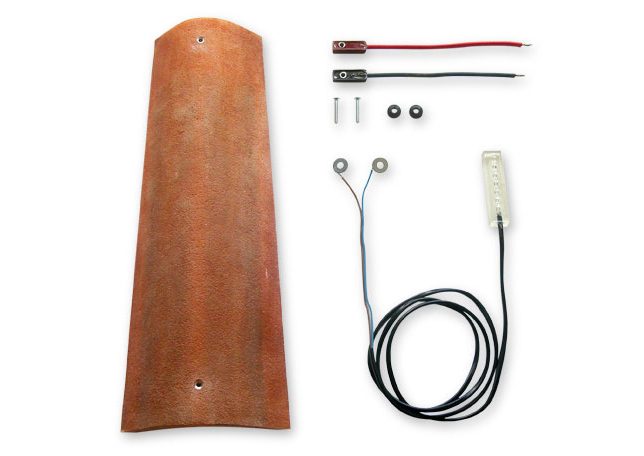
    From the company: “The Invisible Solar modules are composed of a non-toxic and recyclable polymeric compound, within which are incorporated the monocrystalline silicon cells. A special surface, opaque at the sight and transparent to the sun rays, covers the cells by hiding them without prevent their operation.”

    invisible-solar-panel

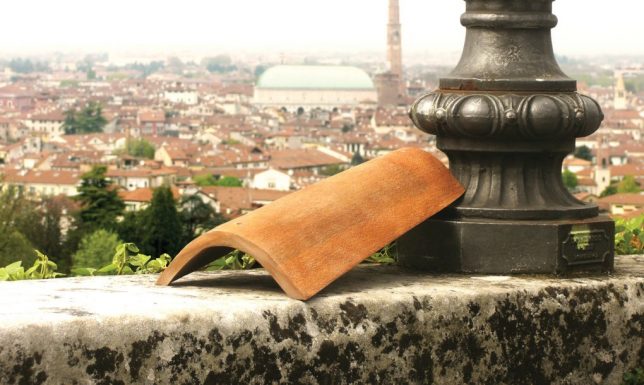
    Instead of adding semi-reflective, black-and-grey accents to a traditional wood or masonry structure, these fixtures are designed to fit any abode, historic or modern. The company has begun production with the Rooftile, which resembles a typical reddish-brown terracotta shingle.

    solar-wood-block

    secret-solar-panels

    From there, they aim to create blocks and boards that can be used on walls (cladding) or walkways (pavement) sure to please even the toughest community design standards boards. They are also built for strength and durability, able to “withstand high static load, tolerates chemical solvents and atmospheric agents.”

    Share on Facebook


    [ By WebUrbanist in Design & Products & Packaging. ]

    [ WebUrbanist | Archives | Galleries | Privacy | TOS ]


    WebUrbanist

  • Mobile 3D Clay Printer: Whole Houses from Local Mud & Fiber

    [ By WebUrbanist in Architecture & Houses & Residential. ]

    3d printing dirt water

    Easy to disassemble and transport on demand, this 3D-printing solution uses natural materials to build completely stable homes from readily available resources.

    3d printed architecture mud

    Designed by WASP (World’s Advanced Saving Project) and deployed recently at a maker fair in Rome, the Delta device itself is lightweight and can be loaded onto a truck, moved then rebuilt in a matter of hours.

    3d printed architectural home

    Structurally, the system employs curved walls, arches and domes to create solid buildings that can withstand the test of time. For its source material: dirt, clay and water are fed into the machine, leaving the results to dry naturally in the sun. Other substances like wool can be added to help bind the solution. Architecturally, the designs draw on regional vernaculars.

    3d printer delta machine

    Part of WASP’s larger goal here is to raise awareness of non-plastic building materials that can be used in 3D printers, all with the same degree of precision found when using plastics. This process has started with demo models and is leveling up to full-scale structures.

    3d house printing technology

    As for future endeavors: “the company is in the process of exploring 3D printing implantable ceramics, such as hydroxylapatite, bioglass and aluminium oxide, to create bone implants with the same porous structure as natural bone.”

    Share on Facebook


    [ By WebUrbanist in Architecture & Houses & Residential. ]

    [ WebUrbanist | Archives | Galleries | Privacy | TOS ]


    WebUrbanist

  • DIY Clay Camera Tags

    Extra photos for bloggers: 1, 2, 3

    Cherries go on cake, chocolate fudge on ice cream and camera tags on awesome gifts.

    Camera tags are the gift (wrap) that keeps on giving. Long after the gift has been unwrapped and forgotten, this tag will live on.

    They are simple to make and will impress your photo mad friends before they’ve even opened the gift.

    Ready to be a wrap rockstar? Follow us.

    Learn How to Make Your Own Camera Tags

    (…)
    Read the rest of DIY Clay Camera Tags (256 words)


    © Erika for Photojojo, 2014. |
    Permalink |
    No comment |
    Add to
    del.icio.us

    Post tags:


    Photojojo