RSS
 

Posts Tagged ‘Breathtaking’

10 Landscape Composition Techniques for Breathtaking Photos (2021)

27 Jun

The post 10 Landscape Composition Techniques for Breathtaking Photos (2021) appeared first on Digital Photography School. It was authored by Darren Rowse.

In this article, I’m going to share 10 simple landscape photography composition tips – so that you can start creating beautiful, flowing, dynamic, balanced landscape images.

10 landscape photography composition techniques

Specifically, you’ll discover:

  • How to draw the viewer straight into the scene (and keep them wanting more!)
  • How to position your horizons for maximum dynamism and balance
  • A simple trick for minimalistic landscape shots
  • A cool technique to focus the viewer exactly where you want them
  • Much more!

So if you’re ready to take your landscape compositions to the next level, let’s dive right in, starting with my number-one most useful technique:

1. Include a main subject to engage the viewer

To instantly level up your landscape compositions, here’s how you should start:

By including a clear, identifiable subject in each photo.

The subject can be anything: a rock. A mountain. A river. A shell on the beach. Waves crashing on the shore. Lightning in the sky.

The point is to include at least one element in your photo that the viewer can grab onto – something that sucks them into the frame and piques their interest. Otherwise, your viewer will become confused. They won’t know where to focus, so they’ll move on to a different image and never look back. (Not good!)

waterfall at sunset with flowing water
Here, the main subject is the waterfall – it’s what really captures the viewer’s attention.

Is it okay to include multiple interesting subjects? Absolutely! In fact, many landscape photographers these days specialize in packing both a foreground subject and a background subject into a single photo (more on that later). But be careful not to include so many subjects that the viewer no longer has a place to focus. When in doubt, simplicity should win out.

2. Use the rule of thirds to position your key elements

The rule of thirds is one of my favorite landscape composition tools. It’s a great way to get started with composition, and it’ll give you an easy way to arrange key elements within the frame, like your main subject, your horizon, and other supporting elements.

For those unfamiliar with the rule of thirds, here’s a quick explanation:

The rule of thirds tells you to split your composition into vertical and horizontal thirds, so you end up with a series of gridlines. Then, for the most powerful compositions, you should place compositional elements along those gridlines (and at their intersection points).

landscape photography rule of thirds composition gridlines

This often comes into play when working with horizon lines. Instead of putting the horizon smack-dab in the center of the frame, you can put it along the top rule of thirds gridline (a good idea if your foreground is especially interesting) or along the bottom rule of thirds gridline (a good idea if your sky is colorful or dramatic).

For this image, the blowing sand in the foreground is stunning – so the photographer chose to put the horizon along the upper gridline:

sand dunes with rule of thirds landscape composition

You can also use the rule of thirds to position your main subject. You might put the subject along one of the vertical gridlines, or – even better – at an intersection point.

A quick word of caution, though:

The rule of thirds is a helpful technique. But despite the name, it’s not a landscape composition rule – rather, it’s a guideline, so you don’t need to follow it all the time. Instead, use it when it works, break it when it doesn’t.

Make sense?

3. Use foreground interest to create depth

Most landscape photos, even the mediocre ones, include background interest (such as a distant mountain, a dramatic sunset, or a house on a cliff).

But if you want to really take your landscapes to the next level, I highly recommend including foreground interest, which should sit somewhere between your camera and the background. (It’s also referred to as the near-far composition technique.)

This is a powerful tool, one that’s insanely popular among today’s professional landscape photographers. And the reason it’s so popular? It helps create the illusion of depth in a scene.

For instance, a photo of a distant mountain can look nice, but it often appears rather flat.

But add some grass close to the camera, and the whole composition immediately deepens. The viewer first focuses on the foreground grass, then moves into the midground, then finally sees the stunning mountain in the background:

mountain with grasses in the foreground

So the next time you find a beautiful background subject, like the mountain I mentioned above…

…take a few moments to look for foreground interest. Then include both foreground and background in a single shot.

Note that the foreground interest can be a discrete subject, like a patch of grass. Or it can simply lead the eye into the frame, as I discuss in the next tip:

4. Use leading lines to suck the viewer into the scene

Leading lines are lines that draw the viewer into the scene. They generally start in the foreground of the composition, then move back, back, back…until they reach a distant subject.

In the photo below, the road acts as a leading line, which moves the viewer toward the beautiful sunset:

leading lines moving toward the sunset

The road isn’t really a discrete subject, but it does provide foreground interest, and it moves the viewer toward the background.

By the way, you can make leading lines out of pretty much anything. I highly recommend you take a look at some of your favorite landscape photography and see how it incorporates leading lines; you’ll find all sorts of creative compositions, with lines created out of roads, rivers, fallen trees, ferns, lines in the dirt, and much, much more.

river flowing away as leading lines in a mountainous landscape
The river leads the eye toward the mountains in the background.

5. Use lots of negative space to create minimalist landscape compositions

These days, minimalism is all the rage in landscape photography. Here’s how it works:

First, find a scene full of negative space. (Negative space refers to emptiness in a composition, like a long stretch of blue sky, a swathe of green grass, a smooth, barren beach, etc.)

Second, find a small, isolated, lonely-looking subject, like a tree in a field, a rock jutting out from a flat landscape, or even a person.

Third, position your isolated subject so it’s small in the frame, and it’s surrounded by plenty of negative space. Here, it often pays to break the rule of thirds; instead of putting your subject at a rule of thirds intersection point, you put it closer to the edges of the frame, which serves to emphasize the emptiness.

man walking in minimalistic landscape photography composition
The person walking alone provides a focal point and is surrounded by plenty of negative space.

You’ll end up with an attention-grabbing shot, one that feels both contemporary and timeless.

6. Don’t be afraid to go tight

Most photographers do landscape photography with wide-angle lenses. And in general, this works really well; you can capture the vastness of the scene while emphasizing foreground and background subjects.

That said…

It sometimes pays to zoom in tight using a telephoto lens (a 70-200mm or 100-400mm will do a good job).

This works especially well on relatively flat subjects with graphic lines: a distant waterfall, cracks in a canyon wall, overlapping mountains. Zooming in will compress the scene, so advice about adding depth tends to fly out the window, and that’s okay.

Instead, focus on using landscape compositional tools like the rule of thirds to create balance and flow. And as I emphasized at the beginning of this article, make sure to include a clear point of interest!

telephoto  mountains overlapping
A telephoto lens compressed these mountains, so you get a beautifully layered composition.

7. Use layers to help simplify the scene

Layers are one of my absolute favorite landscape photography composition techniques, because they make scenes simpler, easily digestible, and all-around beautiful.

When you’re out with your camera, just look for a clear bottom layer, middle layer, and top layer (though more layers is fine, too!).

One of the great things about layered compositions is that they work regardless of your focal length or subject of interest. You can create layered wide-angle shots by incorporating clear foregrounds, midgrounds, and backgrounds into the composition.

layered composition grasses by the sea
Note the grasses in the foreground, the water in the midground, and the sky in the background.

And you can create layered telephoto shots by compressing distant elements (as I mentioned in the previous tip, overlapping mountains look great, but you can also layer trees, sand dunes, and more).

mountains with dramatic sky
Here, the layers are more subtle – the mountains are layered, though the final layer is the sky.

Not every composition is amenable to layering. But when you find a scene with repeating or overlapping elements, that’s a good sign you can get a layered shot – and when possible, I recommend you go for it.

8. Incorporate diagonal lines to add movement

This one’s a more advanced landscape composition tool, and the effect can be subtle – but when done right, it can level up a good photo to a great one.

You see, diagonal lines are an effective way to move the eye around the scene and add flow to a shot. They’ll carefully push the viewer toward the main subject, while also prompting them to have a fun little journey around your photo.

To get started, I’d recommend first identifying your main subject. This should be the focal point of your image, and the place you want the diagonal lines to lead.

Then walk around, looking for potential diagonals that point toward – not away! – from your subject. You’ll often need to get creative. Consider all your options: paths, lines of trees, fences, rivers, a shadow, even clouds!

Finally, compose your photo, including at least one diagonal line moving toward your subject (and feel free to use two, three, or four lines if you can find them).

mountains with beautiful clouds forming lines
The clouds provide diagonal lines that move the viewer toward the mountain.

Note that diagonal lines can be foreground leading lines, but they don’t have to be. It’s perfectly acceptable to find a diagonal line that starts far off in the distance, as long as it moves toward your main subject.

9. Use geometry, especially triangles, to add flow and stability

In landscape photography, geometry is your friend.

Specifically, you can incorporate shapes, such as triangles, squares, and circles, into your compositions. These will help create both flow and stability, plus they just look very cool (especially when done with subtlety!).

For instance, consider the triangle, one of the most powerful shapes available to the landscape photographer. It includes diagonal lines and therefore adds plenty of movement. It also tends to be very stable, thanks to its strong edges and wide base.

mountains forming a triangle
The mountain creates a clear triangle – and it makes the composition far more powerful.

Circles are great, too – partial circles create nice curves for plenty of flow. And complete circles create eye-catching points of interest.

You don’t need to find full shapes in the landscape, by the way. It’s okay to use a somewhat circular rock, a vaguely triangular mountain, and so on. The point is to include shape-like elements when you can, without stressing too much about whether you have a complete shape or an implied one. That way, you create strong compositions that still feel natural.

Make sense?

10. Find natural frames to focus the viewer

As emphasized earlier in this article, foreground interest is a great way to add depth to landscape compositions.

But sometimes, you run into foreground elements that can’t quite work as a discrete compositional element…

…yet can still sit around the edges of your photo as a frame.

This is the landscape photography framing technique: You include tangential elements around the outside of an image and use them to direct the viewer toward the interesting midground and background.

For instance, you might include an overhanging branch toward the top of the image, in order to guide the viewer toward the subject in the middle of the shot:

village scene with tree providing a landscape composition frame

Or you might find a tunnel of rocks that leads the viewer toward the sunset in the background.

In wide-open spaces, finding frames can be tough. But if you’re shooting in a more chaotic landscape, you can often find trees or rocks to create a frame. In fact, it’s often these simple frames that take a good composition to the next level; they provide much-needed focus by showing the viewer exactly where to look (and when positioned carefully, they can also block out distracting elements).

Landscape photography composition: final words

Well, there you have it:

10 techniques to enhance your landscape compositions.

Practice these techniques, and above all, have fun!

Now over to you:

Which of these composition tips is your favorite? Which are you going to try first? Share your thoughts in the comments below!

autumn trees with mountains in the background

The post 10 Landscape Composition Techniques for Breathtaking Photos (2021) appeared first on Digital Photography School. It was authored by Darren Rowse.


Digital Photography School

 
Comments Off on 10 Landscape Composition Techniques for Breathtaking Photos (2021)

Posted in Photography


The breathtaking winners of Nat Geo’s Travel Photographer of the Year 2017

02 Aug

National Geographic Travel Photographer of the Year 2017 Winners

Photo and caption by Sergio Tapiro Velasco/National Geographic Travel Photographer of the Year

Grand Prize and 1st Place, Nature: The power of nature

Powerful eruption of Colima Volcano in Mexico on December 13th, 2015. That night, the weather was dry and cold, friction of ash particles generated a big lightning of about 600 meters that connected ash and volcano, and illuminated most of the dark scene. On last part of 2015, this volcano showed a lot of eruptive activity with ash explosions that raised 2-3 km above the crater. Most of night explosions produced incandescent rock falls and lightning not bigger than 100 meters in average.

National Geographic has announced the winners of its coveted Travel Photographer of the Year 2017 competition.

The grand prize and 1st place in the Nature category was awarded to Mexican photographer Sergio Tapiro Velasco, whose stunning photograph of the erupting Colima Volcano, complete with lightning strike, beat out over 15,000 entries from photographers in more than 30 countries.

In addition to the $ 2,500 prize that all category winners receive Velasco will also receive a ten-day trip for two to the Galápagos Archipelago with National Geographic Expeditions.

Check out the full winners gallery at this link.

National Geographic Travel Photographer of the Year 2017 Winners

Photo and caption by Hiromi Kano/National Geographic Travel Photographer of the Year

2nd Place, Nature: To live.

Swans who live vigorous even in mud.

National Geographic Travel Photographer of the Year 2017 Winners

Photo and caption by Tarun Sinha/National Geographic Travel Photographer of the Year

3rd Place, Nature: Crocodiles at Rio Tarcoles

This image was captured in Costa Rica when I was travelling from Monteverde to Playa Hermosa. As you cross over this river, you can stop and peer over the edge of the bridge. Below, reside over 35 gigantic crocodiles, relaxing on the muddy banks of the river. I wanted to capture the stark difference between the crocodiles on land and in the water. In the murky waters, the body contours of these beasts remain hidden, and one can only truly see their girth as they emerge from the river.

National Geographic Travel Photographer of the Year 2017 Winners

Photo and caption by Norbet Fritz/National Geographic Travel Photographer of the Year

1st Place, Cities: Levels of reading

The modern interior of the city library in Stuttgart. With its wide-open space in the central, where natural light comes from through the windows on the top, it has a very unique atmosphere, where you can broaden your knowledge.

National Geographic Travel Photographer of the Year 2017 Winners

Photo and caption by Andy Yeung/National Geographic Travel Photographer of the Year

2nd Place, Cities: Walled City #08

The Kowloon Walled City was the densest place on Earth. Hundreds of houses stacked on top of each other enclosed in the center of the structure. Many didn’t have access to open space.This notorious city was finally demolished in 1990s. However, if you look hard enough, you will notice that the city is not dead. Part of it still exists in many of current high density housing apartments. I hope this series can get people to think about claustrophobic living in Hong Kong from a new perspective.

National Geographic Travel Photographer of the Year 2017 Winners

Photo and caption by Misha De-Stroyev/National Geographic Travel Photographer of the Year

3rd Place, Cities: Henningsvær Football Field

This football field in Henningsvær in the Lofoten Islands is considered one of the most amazing fields in Europe, and maybe even in the world. The photo was taken during a 10-day sailing trip in Norway in June 2017. We arrived to Henningsvær after a week of sailing through the cold and rainy weather. Upon our arrival, the weather cleared up. I was really lucky that the conditions were suitable for flying my drone, and I managed to capture this shot from a height of 120 meters.

National Geographic Travel Photographer of the Year 2017 Winners

Photo and caption by F. Dilek Uyar/National Geographic Travel Photographer of the Year

1st Place, People: worship

This photo was taken in Konya. Willing Dervish in an historical place of Sille Konya Turkey.

The ‘dance’ of the Whirling Dervishes is called Sema and is a symbol of the Mevlevi culture. According to Mevlana’s teachings, human beings are born twice, once of their mothers and the second time of their own bodies.

National Geographic Travel Photographer of the Year 2017 Winners

Photo and caption by Julius Y./National Geographic Travel Photographer of the Year

2nd Place, People: Interesting moment.

Museum visitors curiously watching Rembrandt’s painting ” Syndics of the Drapers’ Guild” where it gave the illusion that the people on the paintings too are curiously watching the visitors.

National Geographic Travel Photographer of the Year 2017 Winners

Photo and caption by Rodney Bursiel/National Geographic Travel Photographer of the Year

3rd Place, People: Under The Wave

I recently traveled to Tavarua, Fiji to do some surf photography with pro surfer Donavon Frankenreiter at Cloudbreak. I’m always looking for new angles and perspectives. The usual surf shots have all been done so we decided to get a little creative. Makes you look twice.

Articles: Digital Photography Review (dpreview.com)

 
Comments Off on The breathtaking winners of Nat Geo’s Travel Photographer of the Year 2017

Posted in Uncategorized


Video: Breathtaking drone footage of Oregon’s landscape

09 Dec

Michael Shainblum is a skilled professional landscape photographer known for his time-lapse footage and incredible still work. In 2015, he decided to take his photography to the skies to begin working on a drone project.

All told, he shot 16 hours of footage with DJI 3 and DJI 4 drones to produce this breathtaking 4K aerial montage filmed all over the state of Oregon. Be sure to turn the lights down, the sound up and HD mode on to really enjoy this short film.

Articles: Digital Photography Review (dpreview.com)

 
Comments Off on Video: Breathtaking drone footage of Oregon’s landscape

Posted in Uncategorized


The Power of the Sea in 24 Breathtaking Images

01 May

Nature provides a sense of its power in many ways – few with the same effect as the sea. It can be calm and peaceful, or powerful and frightening.

Enjoy these breathtaking images of the sea and think about how you can capture shots like this too:

Photograph Storm Rage by Matthew Jones on 500px

Storm Rage by Matthew Jones on 500px

Photograph New Beginning by Bobby Bong on 500px

New Beginning by Bobby Bong on 500px

Photograph Audience of One by Marc  Adamus on 500px

Audience of One by Marc Adamus on 500px

Photograph Abandoned by Ted Gore on 500px

Abandoned by Ted Gore on 500px

Photograph Rough sea n12 by Giovanni Allievi on 500px

Rough sea n12 by Giovanni Allievi on 500px

Photograph Beat of the Ocean by Hugh-Daniel Grobler on 500px

Beat of the Ocean by Hugh-Daniel Grobler on 500px

Photograph Bending waves by Paolo Lazzarotti on 500px

Bending waves by Paolo Lazzarotti on 500px

Photograph Porthleven Storm by Lloyd W.A. Cosway [DEVONshots.com] on 500px

Porthleven Storm by Lloyd W.A. Cosway [DEVONshots.com] on 500px

Photograph Rising by Andre Luu on 500px

Rising by Andre Luu on 500px

Photograph Waves Hunter by Bobby Bong on 500px

Waves Hunter by Bobby Bong on 500px

Photograph A T T A C K by Thomas Roux on 500px

A T T A C K by Thomas Roux on 500px

Photograph Tropical paradise with turtles by Vitaliy Sokol on 500px

Tropical paradise with turtles by Vitaliy Sokol on 500px

Photograph wave by Vitaliy Sokol on 500px

wave by Vitaliy Sokol on 500px

Photograph beyond the waves by Tu Geo on 500px

beyond the waves by Tu Geo on 500px

Photograph The Modern Force by Toby Harriman on 500px

The Modern Force by Toby Harriman on 500px

Photograph m a u i  .  j a w s  I V by s e n s o r p i x e l on 500px

m a u i . j a w s I V by s e n s o r p i x e l on 500px

Photograph Iceland Through The Lens by Skarpi Thrainsson on 500px

Iceland Through The Lens by Skarpi Thrainsson on 500px

Photograph tracing by Dragan Todorovi? on 500px

tracing by Dragan Todorovi? on 500px

Photograph Gold On The Sea by Sergio Valverde Pérez on 500px

Gold On The Sea by Sergio Valverde Pérez on 500px

Photograph Cool!!  by Emrah Erduran on 500px

Cool!! by Emrah Erduran on 500px

Photograph Coming Back by Plamen Valchev on 500px

Coming Back by Plamen Valchev on 500px

Photograph Morjim beach, Goa, India by Pavel Sokolov on 500px

Morjim beach, Goa, India by Pavel Sokolov on 500px

Photograph Mighty Sea, color version by Joao Brites Moita on 500px

Mighty Sea, color version by Joao Brites Moita on 500px

Photograph Rugged Cliffs and Stormy Seas by Rosie Schneider on 500px

Rugged Cliffs and Stormy Seas by Rosie Schneider on 500px

googletag.cmd.push(function() {
tablet_slots.push( googletag.defineSlot( “/1005424/_dPSv4_tab-all-article-bottom_(300×250)”, [300, 250], “pb-ad-78623” ).addService( googletag.pubads() ) ); } );

googletag.cmd.push(function() {
mobile_slots.push( googletag.defineSlot( “/1005424/_dPSv4_mob-all-article-bottom_(300×250)”, [300, 250], “pb-ad-78158” ).addService( googletag.pubads() ) ); } );

The post The Power of the Sea in 24 Breathtaking Images by Darlene Hildebrandt appeared first on Digital Photography School.


Digital Photography School

 
Comments Off on The Power of the Sea in 24 Breathtaking Images

Posted in Photography


A Collection of Breathtaking Images of Beaches

11 Jul

Seeing as how I’m writing this while I sit with a view of the Pacific Ocean on the Oregon coast, I thought I’d round up some great images of beaches, the sea and the ocean for you this week.

Some of them incorporate some great long exposure techniques, and many are shot at the magical time of day the Golden Hour.

If you live near the sea you always have a great subject right nearby. If not, find a local pond, lake, stream or other smaller body of water and make your own magic.

Enjoy!

Photograph Shelley Beach by Ashley Poyyayil on 500px

Shelley Beach by Ashley Poyyayil on 500px

Photograph The Return by Jonathan Danker on 500px

The Return by Jonathan Danker on 500px

Photograph Winter Sunset Haystack Rock by Chip Phillips on 500px

Winter Sunset Haystack Rock by Chip Phillips on 500px

Photograph s t o r m 3 by Aaron Pryor on 500px

s t o r m 3 by Aaron Pryor on 500px

Photograph Aurora Shore by Max Ramuschi on 500px

Aurora Shore by Max Ramuschi on 500px

Photograph Moeraki Boulders by Yan Zhang on 500px

Moeraki Boulders by Yan Zhang on 500px

Photograph Southern Oregon Coast Sea Arch by Chip Phillips on 500px

Southern Oregon Coast Sea Arch by Chip Phillips on 500px

Photograph The Reward by Dylan Fox on 500px

The Reward by Dylan Fox on 500px

Photograph Rocky path to dawn.. by Zelda T on 500px

Rocky path to dawn.. by Zelda T on 500px

Photograph Thunder of Zeus by Alban Henderyckx on 500px

Thunder of Zeus by Alban Henderyckx on 500px

Photograph Peak hour train ride by Pat Charles on 500px

Peak hour train ride by Pat Charles on 500px

Photograph Silent Morning by Hendri Suhandi on 500px

Silent Morning by Hendri Suhandi on 500px

Photograph Colossus by José Ramos on 500px

Colossus by José Ramos on 500px

Photograph Beach Bum by Rick Lundh on 500px

Beach Bum by Rick Lundh on 500px

Photograph Charleston Boneyard Beach Sunrise Reflection Lowcountry South Carolina by Mark VanDyke on 500px

Charleston Boneyard Beach Sunrise Reflection Lowcountry South Carolina by Mark VanDyke on 500px

Photograph Overflow by Yury Prokopenko on 500px

Overflow by Yury Prokopenko on 500px

Photograph Fury by Oscar Martinez Diego on 500px

Fury by Oscar Martinez Diego on 500px

Photograph Beat of the Ocean by Hugh-Daniel Grobler on 500px

Beat of the Ocean by Hugh-Daniel Grobler on 500px

Photograph New Beginning by Bobby Bong on 500px

New Beginning by Bobby Bong on 500px

Photograph Sunrise:Twirl by Bipphy Kath on 500px

Sunrise:Twirl by Bipphy Kath on 500px

Photograph Blue Hour Paard van Marken by Iván Maigua on 500px

Blue Hour Paard van Marken by Iván Maigua on 500px

Photograph Sunset at Portland Head Light by Noppawat Charoensinphon on 500px

Sunset at Portland Head Light by Noppawat Charoensinphon on 500px

Photograph Noctis by Lincoln Harrison on 500px

Noctis by Lincoln Harrison on 500px

Photograph Oltremare by Francesco Gola on 500px

Oltremare by Francesco Gola on 500px

Photograph Beach Morning by Mobeen Mazhar on 500px

Beach Morning by Mobeen Mazhar on 500px

Photograph Fishing boat beached by Anek S on 500px

Fishing boat beached by Anek S on 500px

Photograph STUCK IN THE MOMENT by ManButur Photography  on 500px

STUCK IN THE MOMENT by ManButur Photography on 500px

Photograph Aerial by Jeff Dotson on 500px

Aerial by Jeff Dotson on 500px

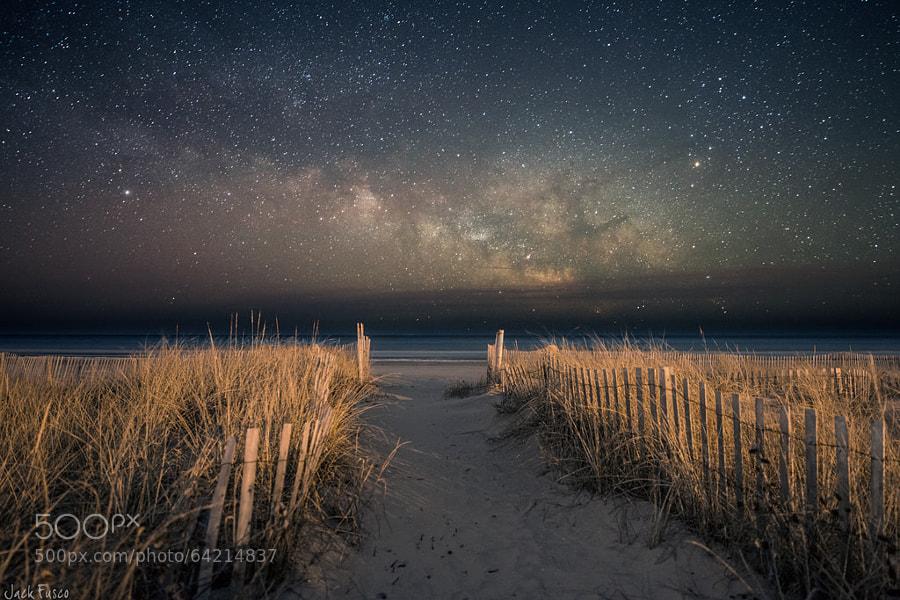
Photograph Dreamers by Jack Fusco on 500px

Dreamers by Jack Fusco on 500px

Photograph White & Welsh by Mark Broughton on 500px

White & Welsh by Mark Broughton on 500px

Photograph Heading Out by Jason  Crowell Photographics on 500px

Heading Out by Jason Crowell Photographics on 500px

Photograph After Hours by Carlos Resende on 500px

After Hours by Carlos Resende on 500px

The post A Collection of Breathtaking Images of Beaches by Darlene Hildebrandt appeared first on Digital Photography School.


Digital Photography School

 
Comments Off on A Collection of Breathtaking Images of Beaches

Posted in Photography


50(ish) Examples Of Breathtaking Fisheye Photography

14 Mar

Fisheye photos are tricky to do well. Sure, the super wide angle and curved distortion makes a lot of these pictures look cool. You don’t even need to know much about photography to impress your friends and get a boatload of “likes” on Facebook. But if you want to capture a unique perspective, you’ll need to do your homework. Then, you’ll have Continue Reading

The post 50(ish) Examples Of Breathtaking Fisheye Photography appeared first on Photodoto.


Photodoto

 
Comments Off on 50(ish) Examples Of Breathtaking Fisheye Photography

Posted in Photography


Breathtaking images from Red Bull Illume 2013’s finalists

01 Aug

illume4.png

The finalists in the annual Red Bull Illume photo contest have been revealed, and action and extreme sports never looked so good. A total of 250 finalists have been announced with entries in 10 different categories. Come August 29th, a winner will be crowned from 50 finalists invited to the reveal in Hong Kong. Click through and take a look at some of these incredible contenders for the grand prize.

News: Digital Photography Review (dpreview.com)

 
Comments Off on Breathtaking images from Red Bull Illume 2013’s finalists

Posted in Uncategorized


NOAA Titanic Expedition 2004: Breathtaking Wreck Footage

20 May

Breathtaking… Nearly 20 years after first finding the sunken remains of the RMS Titanic, marine explorer Robert Ballard returned in June 2004 helped by the National Oceanic and Atmospheric Administration (NOAA), Office of Ocean Exploration to study the ship’s rapid deterioration. The RMS Titanic team worked aboard the NOAA Ship Ronald H. Brown from May 30 through June 9 spending 11 days at the wreck site, mapping the ship and conducting scientific analysis of its deterioration. Using the Institute for Exploration (IFE) remotely operated vehicles (ROV’s) Hercules and Argus, to conduct a sophisticated documentation of the state of Titanic was not possible in the 1980’s. This “Look, don’t touch” mission utilized high-definition video and stereoscopic still images to provide an updated assessment of the wreck site at an enormous depth of 3840 meters (12600 feet). As the nation’s ocean agency, NOAA has a vested interest in the scientific and cultural aspects of the Titanic, and in its appropriate treatment and preservation. NOAA’s focus is to build a baseline of scientific information from which we can measure the shipwreck’s processes and deterioration, and then apply the knowledge we gain to other deep-water shipwrecks and submerged cultural resources. Video courtesy of the RMS Titanic Expedition Team 2004, ROI, IFE, NOAA-OE. Please visit source: oceanexplorer.noaa.gov
Video Rating: 4 / 5

 
Comments Off on NOAA Titanic Expedition 2004: Breathtaking Wreck Footage

Posted in 3D Videos