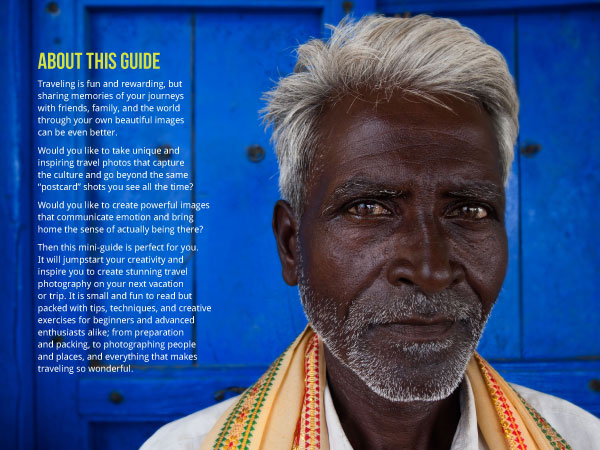
Oded Wagenstein is a travel photographer and writer. He’s built a reputation taking intimate portraits from around the world and is a regular contributor to National Geographic Traveler magazine (Hebrew edition).
Regular readers will be familiar with Oded’s wonderful photography and articles. We’re interviewing him here at dPS because we have just published his new ebook about travel photography.
 It’s called Snapn Travel – A lifetime of travel memories in a snap, and it’s available from our sister site Snapn Guides. It’s a fantastic ebook that will help any photographer who is planning a trip to another country to take better photos while they are there.
In Snapn Travel Oded writes about the importance of creating images that tell stories. He explores the process that he undertakes on any travel assignment, from initial research to working in the field, to come away with powerful and evocative images. We’ll delve a little deeper into some of those topics in this interview.
The Interview
In your ebook you start by saying that travel photography is all about portraying the stories and emotions we find during our journeys. Can you elaborate on those ideas? How does one go from taking snapshots of places you see on your travels to taking photos that make full use of emotion and story?
Oded: Travel photography is almost as old as photography itself. Magazines and commercial photo publishers used to send travel photographers like Francis Bedford and James Ricalton to “exotic” places in the east to bring back some of that “oriental flavor” that everyone in the west was so badly after in the nineteenth century. Even until recently, if you visited a remote tribe in Africa and got an image of someone with a bone through his nose, you got yourself a “worthy” image.
But those days are over! We live in an era of digital photography, where cameras are so common, that even this tribe might have its own smartphone camera. Today, it is really hard to create fresh images that the world hasn’t yet seen. So, from my point of view, today, an image alone is not enough, as you must be able to tell a visual story. Don’t show me India, I know how India looks, tell me how traveling in India felt for you. If you want to sum up my philosophy: shoot what you feel and make your viewer feel the same.
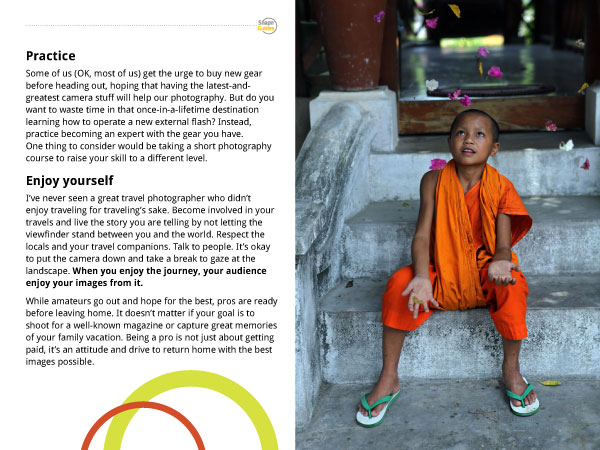
A lot of your photos are portraits. How do you find willing subjects for your portraits when travelling?
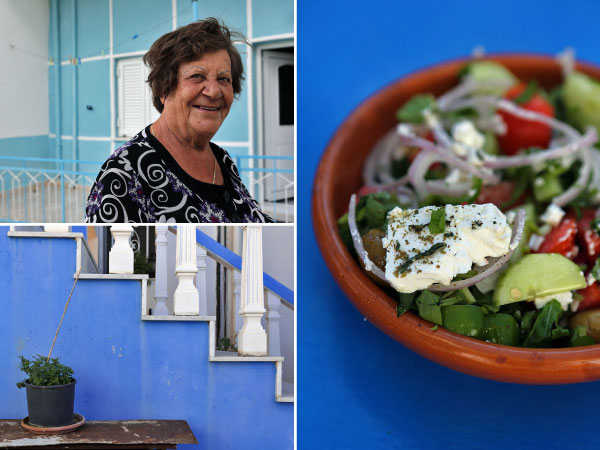
Oded: Portrait photography is a “give and take” relationship, not “take and take”. I try to make it as fun as possible for the person I photograph. If he wants to tell me a story, I listen, and always do my best to send the photo to him. I make the process a conversation, and not a photo shoot. This lets my subject forget about the camera.
One of the most important skills I learned is to ask a person a question, shoot while he’s answering, and while I’m thinking about the next question. This makes everything natural and “flow”. Portrait photography is so much more than controlling aperture and shutter speed.
How do you overcome obstacles such as language differences or suspicion of foreigners?
Oded: I always travel with a fixer, who is a local that can serve as a guide and translator.
How do you become involved with the people that you meet? How do you come across as a traveller who is genuinely interested in people rather than a tourist who perhaps sees the local people as little more than subject for photos?
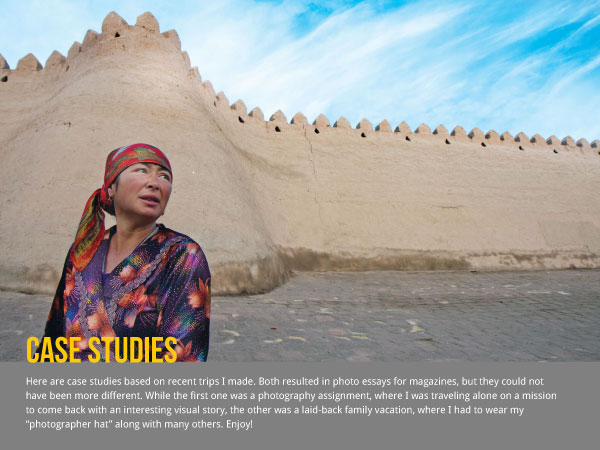
Oded: First, as obvious as it may sound, I am really interested in them. The image for me is just a byproduct: a nice byproduct, but not the goal. I am an image maker because the camera helps me “see” the world in a better way. It lets me start a conversation with a stranger, and maybe have a cup of tea with them. The camera is my bridge to the world and besides being interested in the person’s story, I always try to get inside the story and not watch it from outside. For example, once I was invited to a local Tajik wedding. I took a few pictures but then put the camera down and got on the dance floor. The next time I took out my camera, the pictures were much better.
Can you talk us through the differences between working on an official magazine shoot and going to a location purely under your own initiative?
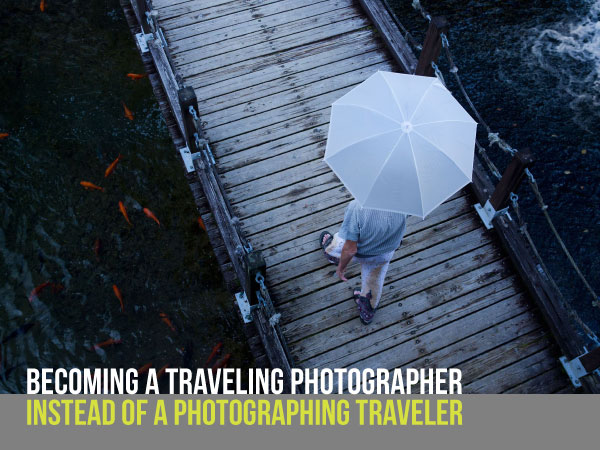
Oded: I treat both scenarios exactly the same way. In both, the responsibility to come back with the best results is all on the photographer’s shoulders and no one can tell you exactly what to shoot and where to go. The magazine can help you with ideas or hiring a fixer (local guide), but you are your own boss, for better and for worst.
I do my visual research and learn about the culture (history, food, music, religion, etc.). On the ground, I hire a fixer and do my best to come back with the best images, even if it takes me long days, hard walks, and enduring extreme weather.
In my travel photography workshops, I always refer my students to the “client”. From my point of view, we all, professional and amateurs alike, have clients. Our clients are our viewers and friends, and I treat my Facebook viewers and my magazine editor with the same amount of effort and professionalism.
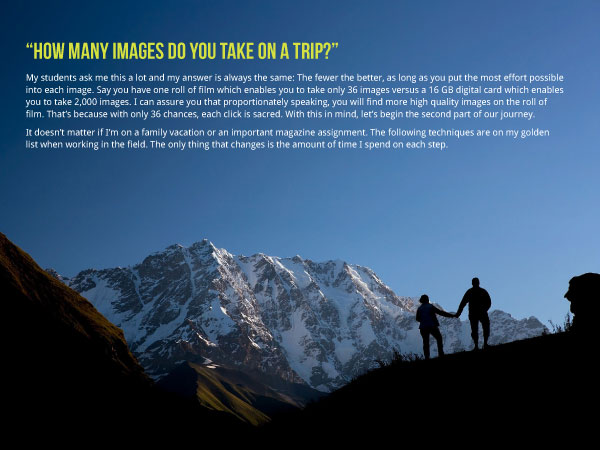
I like this piece of advice: “Discover things not commonly photographed and your stories will always be two steps ahead of the crowd.” Can you explain this in a little more depth? How do you find the things that are not commonly photographed?
Oded: You don’t have to travel far, or trek for miles, to find those places. You just need to think outside the box. For example, I did a story not long ago on Bollywood. India is so complex and rich, but I think that we always see the same things about the country: poor people in really colorful clothes. So I wanted to show a different side of India: rich and glamorous.
My students struggle to find interesting things to photograph in their own towns. And I tell them that one’s ordinary breakfast or road to work is another’s “exotic” country.
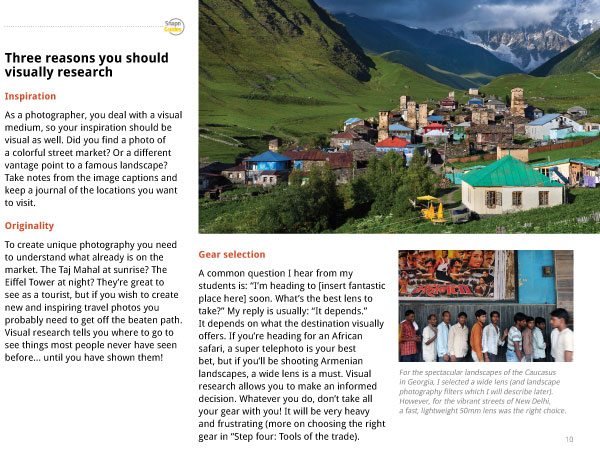
Last year I spent a week in the north of New Zealand’s South Island. I took some landscape photos but I wasn’t really happy with the results. It made me realixe just how hard landscape photography can be – you’re relying on the weather and light to do its part, and in many ways as a photographer, your hands are tied. You have to work with the landscape as it is, and (digital manipulation aside) there is nothing you can do to change it. Bearing in mind there isn’t much happening in a cultural sense in this part of the world, what advice would you give me if I was to go back to the same place and try again? How can I move from taking uninspiring landscape photos to finding and telling an interesting story?
Oded: This is a good question. Here you have two approaches:
The passive approach, or coming at the right time. Just come in the right season, the right day, at the right time. Say a cloudy winter day with golden rays of sunrise.
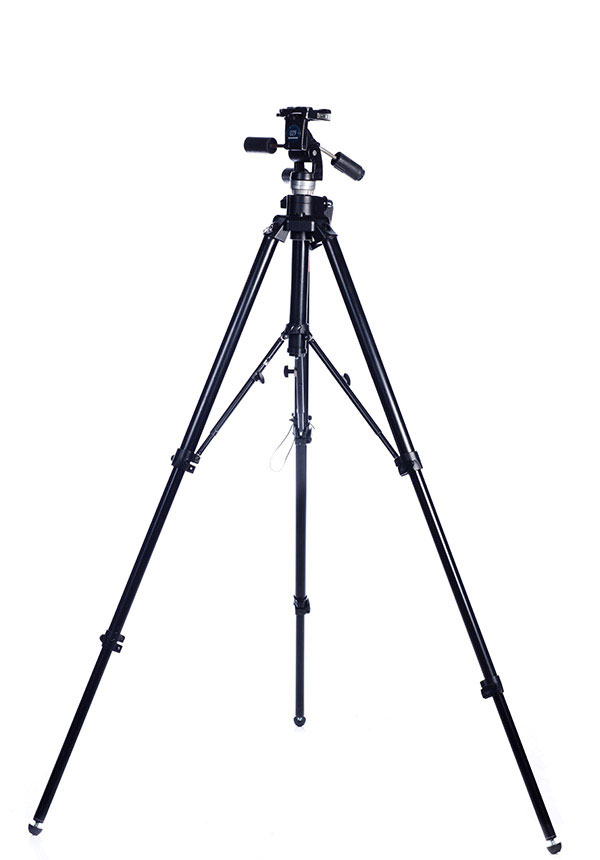
The active approach, or creating the right time. Good lighting is always needed, but bring a tripod, a good looking hat, a backpack, and capture yourself enjoying the view. You will see how the image becomes better because you added a “main hero” to the image and because people love watching other people. Don’t avoid people in your landscape photography, that’s my advice.
Traveling to a distant and exotic location is one thing, but given that most people can only spend a short time of the year doing this, what about the idea of travel photography in your own back yard?
Oded: Buy the Lonely Planet guide (or any other guide book) on your own country and travel by it. Take a silly tourist’s hat and view some postcards. See your own back yard as a tourist. Think of places you have special access to – maybe there is an interesting story or a person in your family (I have a few), maybe your job is not ordinary, and maybe your mother just cooked a local dish that I, as a foreigner, would love to see.
Do you have any questions for Oded about travel photography? Please let us know in the comments. And don’t forget to check out Snapn Travel – A lifetime of travel memories in a snap.
The post Interview: Oded Wagenstein – Author of Snapn Travel Guide and dPS Writer by Andrew S. Gibson appeared first on Digital Photography School.
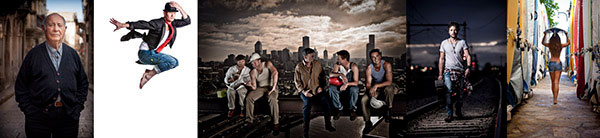
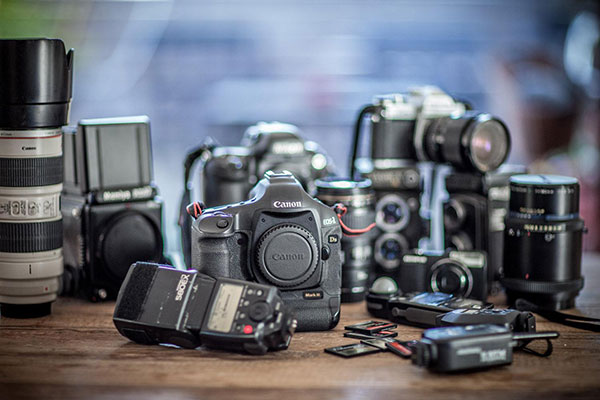
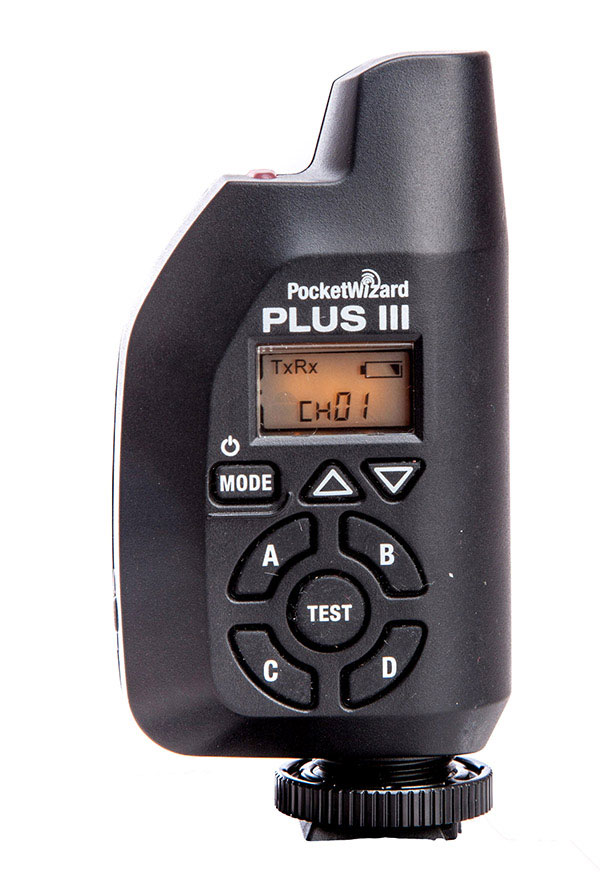
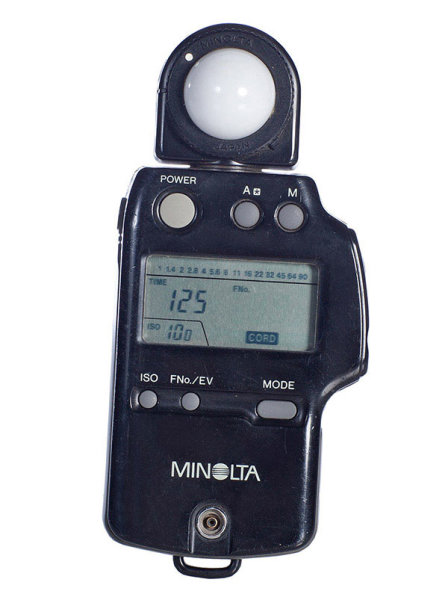
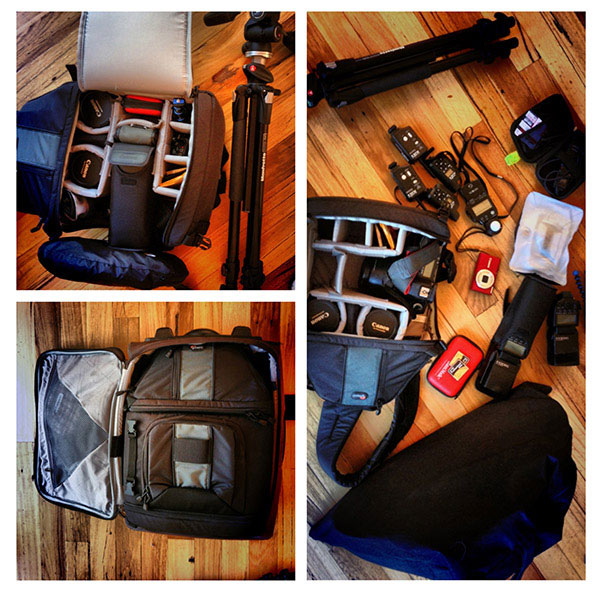
 I use a speedlight off camera for about 20%-30% of my photo shoots. Like any piece of gear, they have their pros and cons, but they can light you out of some tight spots (quite literally).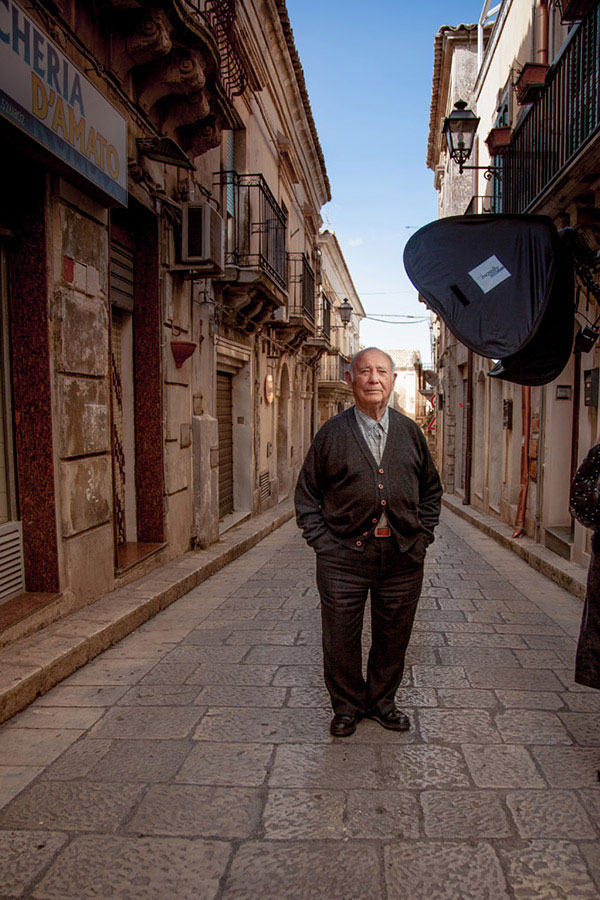
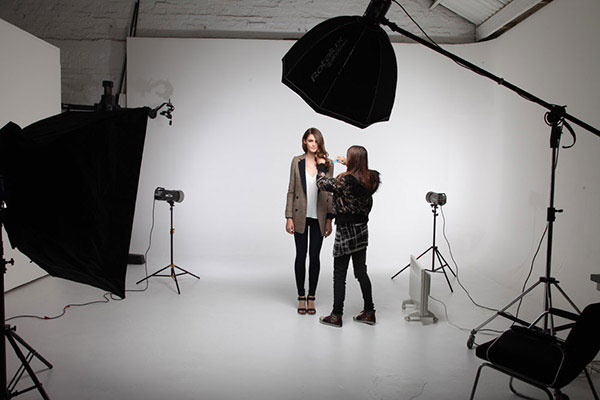
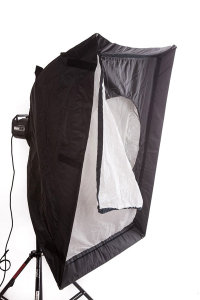 If I could only pick one light modifier to take to a deserted island, it would have to be a softbox. Small, medium or large this little puppy is my go to light source for 80% of my shoots.
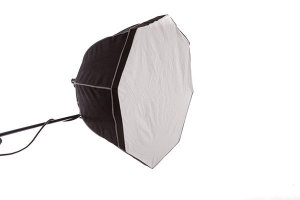 Rotalux Deep Octabox