RSS
 

Posts Tagged ‘Artificial’

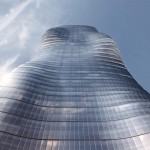
Cyberpunk Sunset: Artificial Sun Lights Up Warsaw Skyscraper

31 Jan

[ By WebUrbanist in Architecture & Offices & Commercial. ]

warsaw downturn fake cyberpunk sun

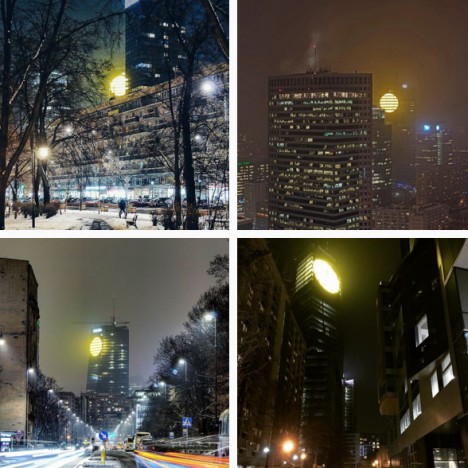
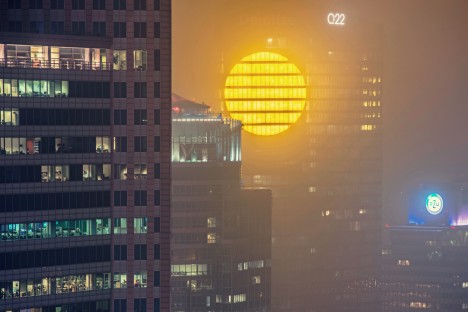
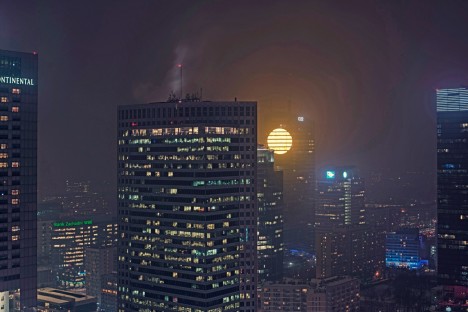
The developers behind a new tower rising in downtown Warsaw, Poland, have added a sunny surprise to the side of the building, aiming to brighten the moods of citizens during dark and cold months of winter construction.

polish skyscraper warsaw sun

A temporary installation, set to stay in place until the floors are occupied, was made to “brighten up the lives of people during this depressing winter time, when the days are short and you miss the sun.” It was intentionally lit on Blue Monday, thought to be the most depressing day of the year.

warsaw artificial sunlight installation

The 42-story Q22 tower is a neomodern office building developed by Polish firm Echo Investment and designed by APA Kury?owicz & Associates with collaboration from Buro Happold Polska.

80s cyberpunk

Intentionally or otherwise, the entire project evokes images of retro gaming graphics and vintage cyberpunk films like Bladerunner, in a way (perhaps depressingly) reminding residents of just how much winter they still have lying in wait.

Share on Facebook


[ By WebUrbanist in Architecture & Offices & Commercial. ]

[ WebUrbanist | Archives | Galleries | Privacy | TOS ]


WebUrbanist

 
Comments Off on Cyberpunk Sunset: Artificial Sun Lights Up Warsaw Skyscraper

Posted in Creativity


Natural Versus Artificial Light: Which Do You Prefer Working With?

16 Jul

Many photographers at one point or another are faced with this question; is it better to use natural or artificial light when taking photos? There is definitely not a right or wrong answer, although as a photographer, you’re sure to have your own strong opinions. In this article, we’ll review the key differences between natural and artificial lighting sources, as well as the pros and cons of using them.

Defining Natural and Artificial Light

To begin, let’s clarify the definitions of natural and artificial lighting. To keep things simple, natural lighting can also be thought of as available light, such as that produced by the sun or the moon. Artificial lighting is produced via another source, such as a studio strobe, speedlight, LED light, your camera’s pop-up flash, or even a streetlight or lamp.
Natural light2

Benefits of Using Natural Light

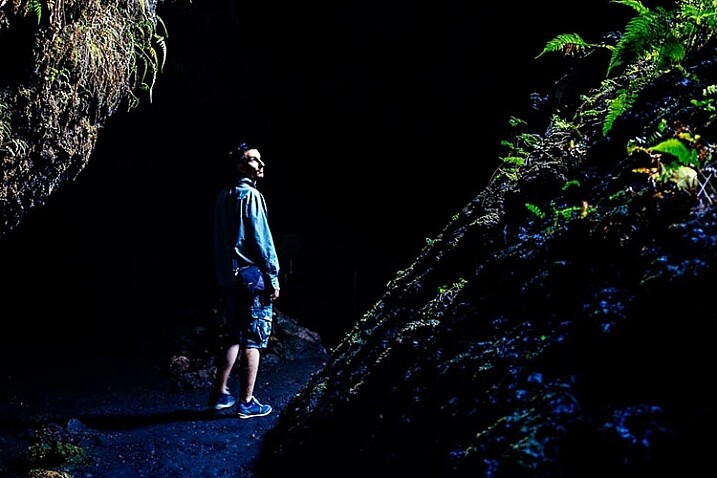
The biggest benefits of using natural lighting is that it is free, abundant, and very easy to find. There’s no need to make huge investments in lighting equipment to find gorgeous natural light to pull off brilliant shots. All you need is a camera and some sun or moonlight, and you can begin shooting immediately! If you ever choose to upgrade your natural lighting approach, the tools of the trade are also very cheap, consisting mainly of reflectors and diffusers to bounce or manipulate the available light. Due to the ease of use and acquisition of natural lighting, it’s generally recommended that beginning photographers start experimenting with natural light before introducing artificial light to help understand how light works.

Cons of Using Natural Light

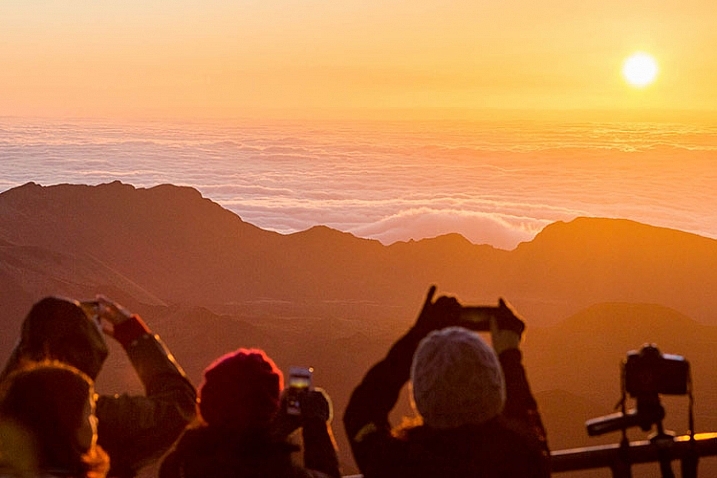
While natural lighting is abundant and easy to incorporate into photography, it can be challenging for the simple fact that sunlight varies greatly. Depending on location, season, weather, and time of the day, natural lighting can produce differing colors and contrast in your images. For example, midday sun tends to produce neutral white colors and extremely high contrast, while golden hours of sunrise and sunset have very warm colors and medium contrast. Thus, the look you’re going for will determine the time and location of your photo shoot, unless you harness additional tools such as reflectors, diffusers, and lens filters.
Natural light1

Benefits of Using Artificial Light

If you’re a fan of being able to manipulate and control every aspect of your photo shoot, artificial light will better suit your needs. Since artificial lighting has little to do with natural sources, it is a ceaseless light source that is available at any time of the day, meaning you don’t necessarily have to plan your photo shoot around the weather, or availability of sunlight. Depending on the artificial light source you choose, sunlight or even moonlight can be replicated, creating images that appear to have been shot with natural light, but at a time of your choosing.

While artificial light may have a reputation for sounding complicated and expensive, there’s a wide range of lighting gadgets available for photographers; ranging from cheap DIY solutions to top-of-the-line professional grade strobes, and lots of options in between. Some lights can have tricky settings, but many are relatively straightforward, especially continuous lighting sources such as LED lights that have simple dimming switches.

Off camera flash portrait photography

Off-camera flash portrait photography

Cons of Using Artificial Light

Even though artificial light sources offer you more control over photo shoots, it comes with the burden of needing more gear, and time to set it all up. Unlike the sun, artificial lighting costs money, even if you opt for DIY solutions such as candles or desk lamps. Professional grade artificial lighting sources will also need to be held in place with light stands, and possibly even modified with umbrellas, beauty dishes, and soft boxes.

Depending on the photo you have in mind, you may need multiple artificial light sources to balance your image out. There are also other accessories needed such as batteries or power cables and plugs, and you’ll need a dedicated studio or space to set your lights up. Long story short, artificial lighting can adds lots of extra moving parts to your photo shoot, that cost additional time and money, not to mention require lots of practice.

When to use Natural or Artificial Lighting?

What type of lighting you use will ultimately come down to your personal preference and experience as a photographer, as well as your budget and the ideal image you’re trying to create. Artificial lighting typically takes some time and practice to begin using properly; whereas natural lighting is much easier to get started with from the get-go. There are of course exceptions to these rules, but generally natural lighting is usually easiest to use for documentary, street, or run-and-gun photography when you don’t have a lot of time to set up a controlled photo shoot. On the flip side, artificial lighting is usually preferred for commercial, product, and fashion photography when there’s both a budget, and ample resources to create the photo.
Off camera flash portrait photography

Which do You Prefer?

As noted earlier, there are very strong opinions for and against using natural and artificial lighting for photography. Which camp do you fall into, and why?

googletag.cmd.push(function() {
tablet_slots.push( googletag.defineSlot( “/1005424/_dPSv4_tab-all-article-bottom_(300×250)”, [300, 250], “pb-ad-78623” ).addService( googletag.pubads() ) ); } );

googletag.cmd.push(function() {
mobile_slots.push( googletag.defineSlot( “/1005424/_dPSv4_mob-all-article-bottom_(300×250)”, [300, 250], “pb-ad-78158” ).addService( googletag.pubads() ) ); } );

The post Natural Versus Artificial Light: Which Do You Prefer Working With? by Suzi Pratt appeared first on Digital Photography School.


Digital Photography School
 
Comments Off on Natural Versus Artificial Light: Which Do You Prefer Working With?

Posted in Photography


New Artificial Lighting Tricks Human Brain into Seeing Sunlight

18 Feb

[ By WebUrbanist in Design & Fixtures & Interiors. ]

skylight

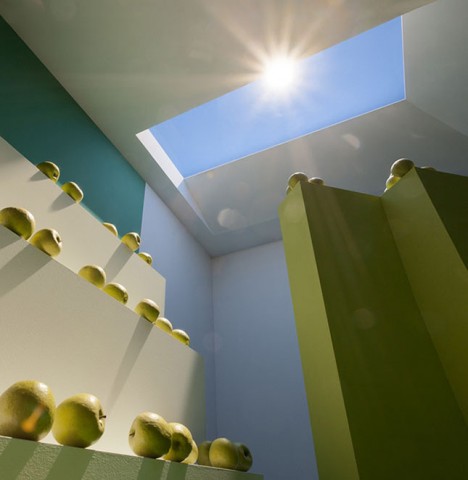
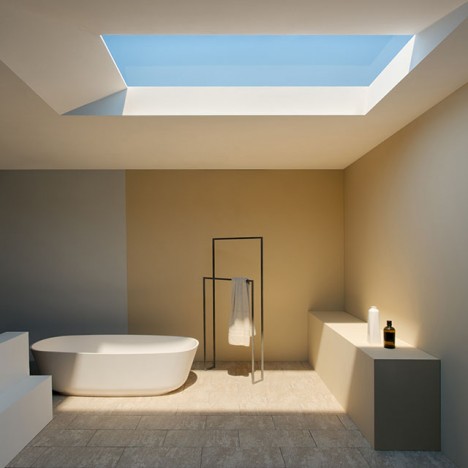
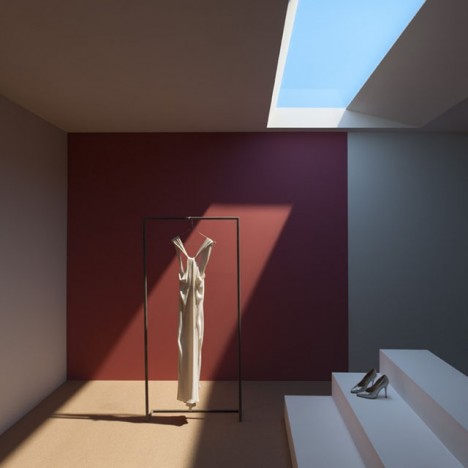
Access to natural daylight has long been one of the biggest limiting factors in building design – some solutions involve reflecting real daylight from the outdoors, but until now no solution has been able to mimic natural refraction processes and fool our minds into thinking we are surrounded by actual sunlight.

artifical snlight interior image

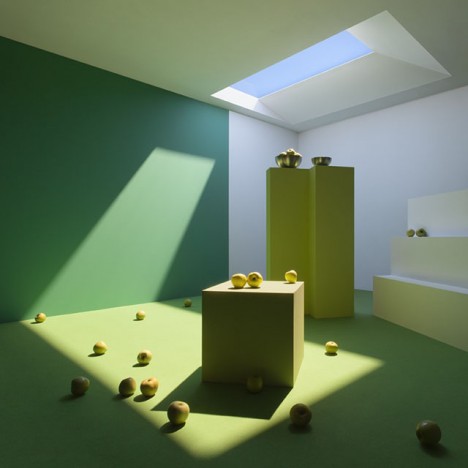
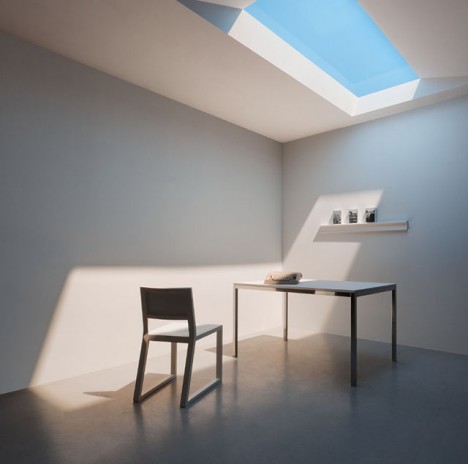
Developed by CoeLux in Italy, this new form of artificial light is able to dupe humans, cameras and computers alike using a thin coating of nanoparticules to simulate Rayleigh scattering, a natural process that takes place in Earth’s atmosphere causing diffuse sky radiation. It was not enough to make the lights brighter or bluer – variegation and other elements were needed as well.

artficial skylight system design

light bring to market

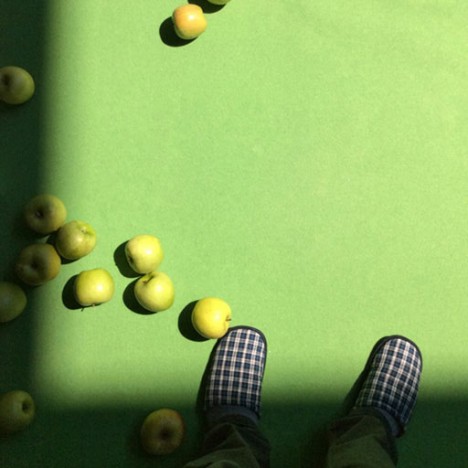
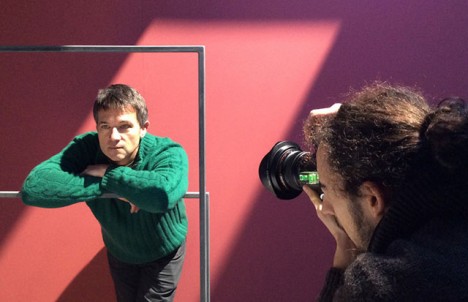
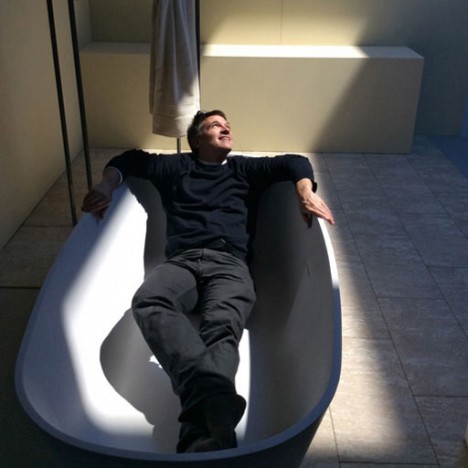
The result is an effect that carries the same qualities we are used to experiencing outside, from color to light quality. The company also boasts that these photos are untouched and that their fake skylights in showrooms fool people in person just as effectively, appearing to have infinite depth just like one would expect looking up into the sky (James Turrell’s skyspaces and this work by Christo come to mind).

artificial light photo shoot

daylight light soucre innovation

The potential applications are effectively endless, from lighting deep indoor spaces to replacing natural light in places where winters drag on and daylight hours are short. The company sees opportunities in areas like healthcare facilities where it may not be possible to put patients near real windows for spatial or health reasons.

lux live winner award

light real simulation design

Currently, three lighting types are on offer to simulate various broad regions – Mediterranean, Tropical and Nordic – featuring various balances of light, shade, hue and contrast. They are also working on additional offerings, including simulated daytime sequences (sunrise through sunset) and color variations to reflect different kinds of weather conditions.

Share on Facebook


[ By WebUrbanist in Design & Fixtures & Interiors. ]

[ WebUrbanist | Archives | Galleries | Privacy | TOS ]


WebUrbanist

 
Comments Off on New Artificial Lighting Tricks Human Brain into Seeing Sunlight

Posted in Creativity


Urban Surfing: City Dwellers Catch Radical Artificial Waves

12 Aug

[ By Steph in Travel & Urban Exploration. ]

Urban Surfing 1

Until recently, anyone who wanted to surf the artificial waves in a river in Munich’s English Garden had to do so under cover of night, with one eye on the shore watching out for police. But in the summer of 2010, Eisbach Munich was officially opened to qualified surfers, who must be pre-approved by the city before attempting to stay afloat in the often-freezing waters.

The need to test surfers’ abilities comes after an Australian student drowned while swimming in the river in 2007. While swimming is still forbidden, Eisbach has since become the world’s largest urban surfing spot among the world’s largest urban park.

Urban Surfing 2

Urban surfing 7

The wave that permanently crests year-round was created by accident in 1972 after concrete blocks were submerged underwater to disrupt the current. It measures 12 feet across and can only accommodate one surfer at a time.

Urban Surfing 3

Crowds gather to watch as the surfers attempt to stay on top of the wave, never getting the break that would come when a natural wave in the ocean crests upon the shore and retreats.

Urban Surfing 6

Urban surfing enthusiasts have created an online zine for the Eisbach community and other surfing events that take place in unusual settings, with lots of pictures.

Share on Facebook


[ By Steph in Travel & Urban Exploration. ]

[ WebUrbanist | Archives | Galleries | Privacy | TOS ]


WebUrbanist

 
Comments Off on Urban Surfing: City Dwellers Catch Radical Artificial Waves

Posted in Creativity


Apple files patent application for artificial muscle camera lens actuator

21 Jun

applepat1b.jpg

After filing one last month, Apple has applied for another camera-related patent. The document an artificial muscle structure being used to replace traditional motors to control focus and aperture in a camera module. The design is interesting because it can carry relatively large and heavy optics and consumes very little power. Read more

News: Digital Photography Review (dpreview.com)

 
Comments Off on Apple files patent application for artificial muscle camera lens actuator

Posted in Uncategorized


3D-Printed Prosthesis: Custom Casts & Artificial Limb Covers

18 Jul

[ By WebUrbanist in Gadgets & Geekery & Technology. ]

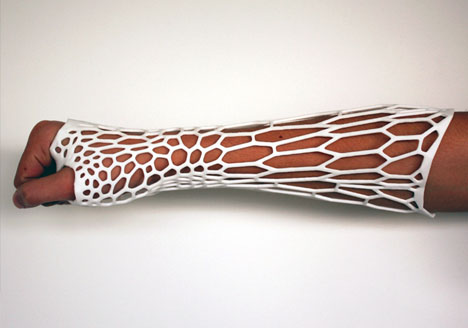
custom 3d printed cast

Customization has long been a limiting factor in certain aspects of medical practice, particularly those centering around damaged or lost limbs  creating different person-specific needs. 3D printing technologies, perfect for one-off, fit-to-purpose projects, may just promise ideal solution(s).

custom cast design process

Jake Evill dubs his project, Cortex, an exoskeleton rather than a cast. First, an x-ray of the injured limb is performed. Next, a scan of the exterior of that same limb is made. Finally, based on both of the above, a suitably stiff-but-flexible 3D print is made. The result is customized to the needs of the user for both recovery and comfort.

custom efficient cast design

The resulting design addresses issues of aesthetics, but more importantly deals with waste, healing, safety, durability and other everyday needs. Unlike its cumbersome traditional counterparts, it is readily washable, comfortable and compact enough to fit under clothing that would otherwise require modification.

custom style prosthesis cover

Bespoke Innovations, meanwhile, addresses the needs of those with artificial limbs through what they call Fairings. Their process likewise involves scanning the limb, but in this case of the non-organic variety, then creating a custom cover to fit the functional and stylistic needs and wants of the wearer.

custom artificial limb covers

From the company: “Fairings infuse the individual’s lifestyle and taste into the design from the start. But to make this an even more personal part of the prosthetic leg, Fairings can be enhanced with patterns, graphics, and materials—including leather, ballistic nylon fabric, chrome plating, and even tattoos. By creating a unique custom form that presents the individual, Bespoke Innovations hopes to change the way the world thinks of prostheses.”

Share on Facebook


[ By WebUrbanist in Gadgets & Geekery & Technology. ]

[ WebUrbanist | Archives | Galleries | Privacy | TOS ]


WebUrbanist

 
Comments Off on 3D-Printed Prosthesis: Custom Casts & Artificial Limb Covers

Posted in Creativity


Underwater Art Exhibit Debuts on Artificial Reef Off Key West

03 Aug

An underwater art exhibit has debuted on a former Air Force missile tracking ship sunk in the Florida Keys National Marine Sanctuary seven miles south of Key West to become an artificial reef. Austrian art photographer Andreas Franke is exhibiting a dozen digitally composited images on the Gen. Hoyt S. Vandenberg that was scuttled in May 2009. The 4- by 5-foot photographs stretch along some 200 linear feet on the starboard side of the Vandenberg’s weather deck, 93 feet below the surface of the Atlantic Ocean. Franke photographed the wreck last year. He digitally added other elements to the images to create the artwork. One picture depicts a girl wielding a butterfly net to capture fish shown in an original underwater image of the wreck. In another, kick boxers compete adjacent to one of Vandenberg’s iconic tracking dishes. The 20-square-foot images are encased in plexiglass and mounted in stainless steel frames sealed with silicone. A project organizer said Sunday he hopes the exhibition will remain in place through the end of the year. Footage is courtesy of Way Down Video.
Video Rating: 4 / 5

DVD available at www.911inplanesite.com If A Picture Is Worth A Thousand Words, What Is A Video Worth? What “In Plane Site” accomplishes that no other video expose’ on September 11th has to date, is it exposes the viewer to a barrage of news clips from a majority of the mainstream news outlets. The official story of that day was told on live TV by reporters, policemen, firefighters, and other on-the-scene eyewitnesses, however, that footage was shown only once on live television broadcasts in the first hours of the attacks and then… it was never repeated. The stories changed, information was enigmatically omitted, and what can only be described as officially prescribed propaganda took the place of indisputable reality. THE PENTAGON: Some of the most damning evidence surrounding the attack on the Pentagon centers about substantial and incontrovertible video and photographic evidence which insights viewers to ask crucial and essential questions. After all, the laws of physics cannot be suspended or can they? One question many viewers ask is, “why was America and the rest of the world not shown the video footage and the photographs of the Pentagon, BEFORE the outer wall had collapsed?” Many people do not realize that the outer wall of the Pentagon did not collapse until 20 minutes after the initial impact of what we were told was a Boeing 757. Upon examining these photographs, one can clearly see a hole, which is only 16 feet in diameter. This begs the question: “How can a
Video Rating: 4 / 5