RSS
 

Posts Tagged ‘angle’

Canon introduces 11-24mm f/4L USM wide angle zoom

07 Feb

Canon has added a new ultra-wide zoom to its EF lineup – the EF 11-24mm f/4L USM. The new lens offers the widest angle of view ever provided in a rectilinear full-frame DSLR lens, and uses 16 elements in 11 groups with a total of four aspherical elements for distortion control. Read more

Articles: Digital Photography Review (dpreview.com)

 
Comments Off on Canon introduces 11-24mm f/4L USM wide angle zoom

Posted in Uncategorized


Olympus Stylus 1 firmware update adds wide angle converter compatibility and interval shooting

16 Jan

Olympus has released v2.0 firmware for its OM-D styled premium compact camera, the Stylus 1, which will enable users to fit a wide angle converter to the lens. The update also introduces useful features like focus peaking, 35mm equiv. step zoom, interval shooting and time lapse modes. Read more

Articles: Digital Photography Review (dpreview.com)

 
Comments Off on Olympus Stylus 1 firmware update adds wide angle converter compatibility and interval shooting

Posted in Uncategorized


The Canon EF 8-15mm f/4L Fisheye USM, My New Favorite Wide Angle Canon L Series Lens

21 Nov

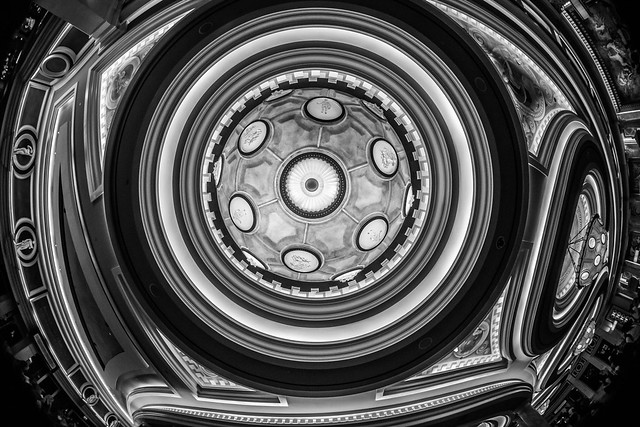
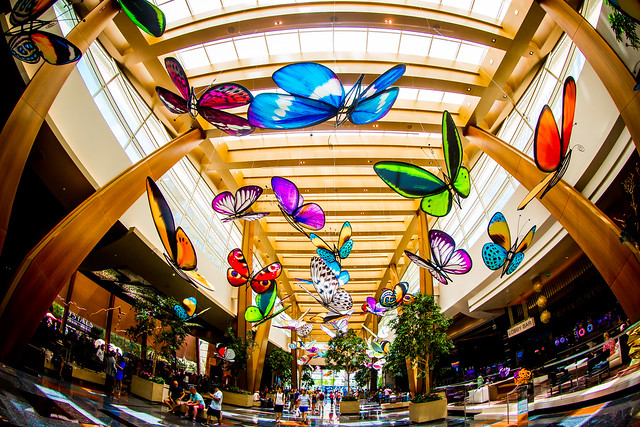
My Friend Chihuly Says Hi

I almost didn’t purchase the Canon EF 8-15mm f/4L Fisheye USM lens. I remember a conversation when I bought it a few years back on Google+ with my good pal Gordon Laing where I was really debating buying it. It was in pre production and I had an order in with B&H but it hadn’t shipped yet. At around $ 1,400 the lens felt expensive for what I worried might be an oddball lens, a lens useful for making a few high impact fisheye shots but not good for much else.

I’m happy to say that I did buy the EF 8-15mm fisheye lens and that I couldn’t be more happy about that decision.

My main dilemma with the EF 8-15mm fisheye was that I already owned the excellent EF 24mm f/1.4 lens and EF 14mm f/2.8 lens, and so I felt like I had the whole wide angle world covered. Now I find that I use this lens at 15mm much more than either my EF 24mm f/1.4 lens and EF 14mm f/2.8 lens and get what feels to me to be a remarkable more normal non fishy looking wide angle shot. Yes, you can tell it came from a fisheye lens at 15mm, but barely and I love the slightest degree of distortion I get there artistically speaking.

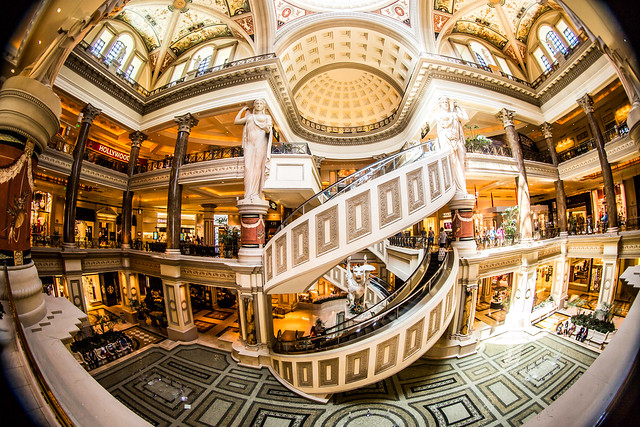
Welcome to Caesars

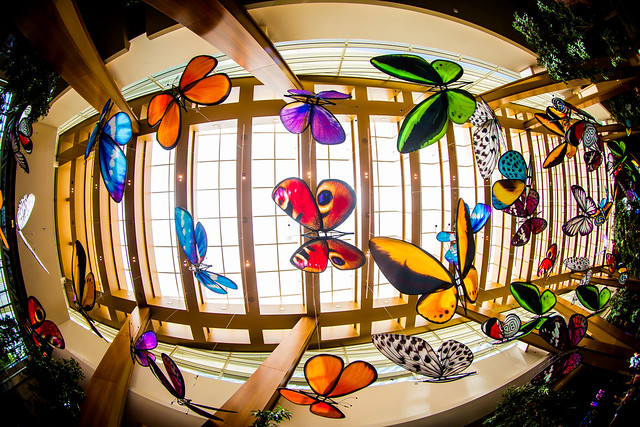
Of course I have way more fun shooting this lens at 8mm and have found that beyond traditional fisheye subjects, this lens has opened up a whole new world to me when it comes to shooting more abstractly — especially with architecture. I find these days my EF 14mm lens stays in my bag and instead I put on my EF 8-15mm fisheye lens for almost every ceiling photo I take.

I find this lens gets me my highest impact shots. Shots that make you go wow and make people notice.

Underground

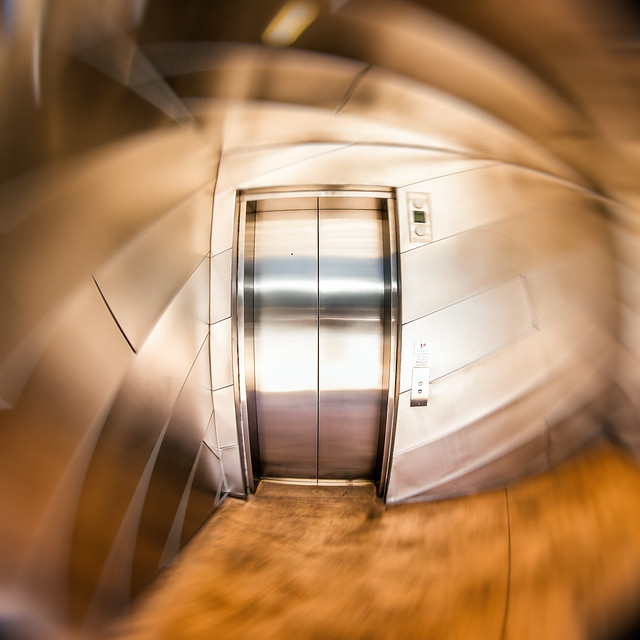
On a full frame lens this lens gives you a perfect circle at 8mm. I love the square crop format and frequently shoot it at 8mm and then crop square afterwards.

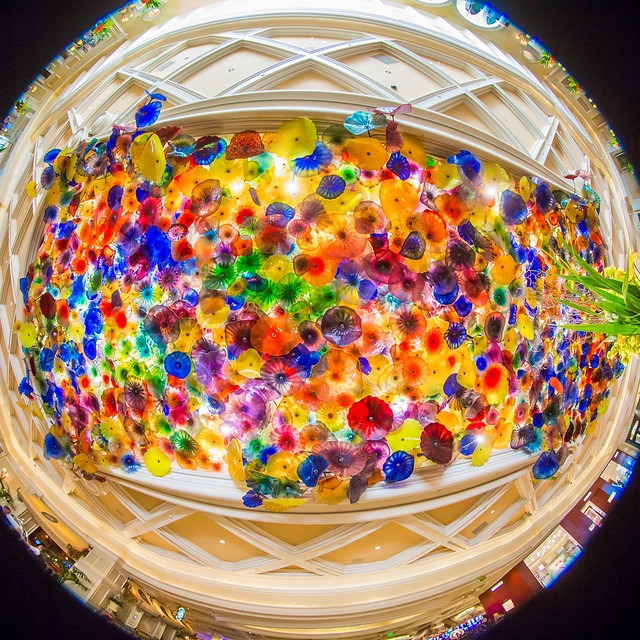
The lens is super sharp and great if you want to get the entire ceiling of Chihuly’s amazing sculpture at the Bellagio like in the photo with this post.

While it’s not the best portrait lens, it can be fun to use as well with photographing people in new and creative ways (like this version of the human eye that I used it on).

As a reminder, my analysis of my Canon gear is being done in partnership with Canon and I am receiving compensation for this work with them.

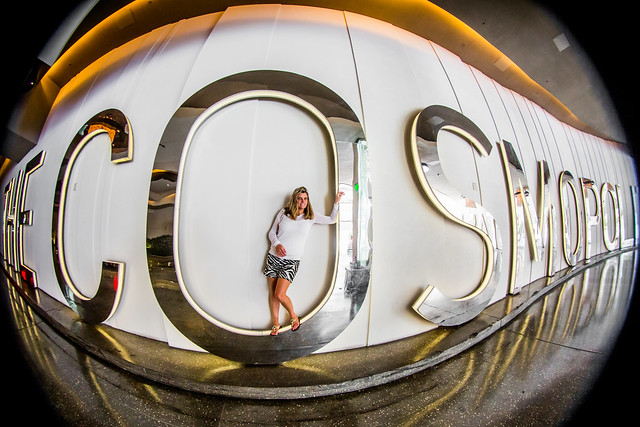
Meet You at the Cosmopolitan

You Give Your Hand to Me

If You Can Find Her

Your Love is My Favorite Color

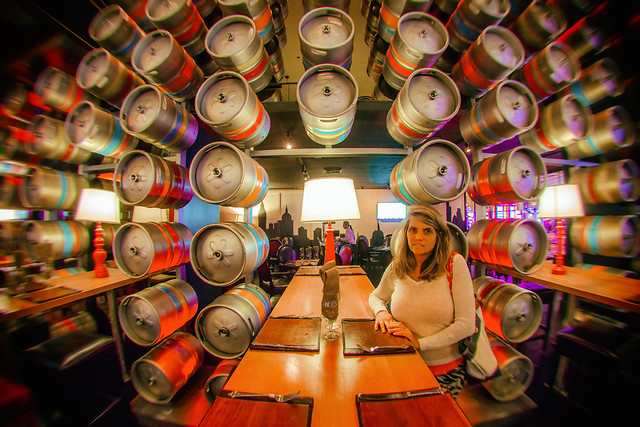
Time for a Beer?

Your Love is My Favorite Color

Penchant


Thomas Hawk Digital Connection

 
Comments Off on The Canon EF 8-15mm f/4L Fisheye USM, My New Favorite Wide Angle Canon L Series Lens

Posted in Photography


The Canon EF 8-15mm f/4L Fisheye USM, My New Favorite Wide Angle Canon L Series Lens

30 Oct

My Friend Chihuly Says Hi

I almost didn’t purchase the Canon EF 8-15mm f/4L Fisheye USM lens. I remember a conversation when I bought it a few years back on Google+ with my good pal Gordon Laing where I was really debating buying it. It was in pre production and I had an order in with B&H but it hadn’t shipped yet. At around $ 1,400 the lens felt expensive for what I worried might be an oddball lens, a lens useful for making a few high impact fisheye shots but not good for much else.

I’m happy to say that I did buy the EF 8-15mm fisheye lens and that I couldn’t be more happy about that decision.

My main dilemma with the EF 8-15mm fisheye was that I already owned the excellent EF 24mm f/1.4 lens and EF 14mm f/2.8 lens, and so I felt like I had the whole wide angle world covered. Now I find that I use this lens at 15mm much more than either my EF 24mm f/1.4 lens and EF 14mm f/2.8 lens and get what feels to me to be a remarkable more normal non fishy looking wide angle shot. Yes, you can tell it came from a fisheye lens at 15mm, but barely and I love the slightest degree of distortion I get there artistically speaking.

Welcome to Caesars

Of course I have way more fun shooting this lens at 8mm and have found that beyond traditional fisheye subjects, this lens has opened up a whole new world to me when it comes to shooting more abstractly — especially with architecture. I find these days my EF 14mm lens stays in my bag and instead I put on my EF 8-15mm fisheye lens for almost every ceiling photo I take.

I find this lens gets me my highest impact shots. Shots that make you go wow and make people notice.

Underground

On a full frame lens this lens gives you a perfect circle at 8mm. I love the square crop format and frequently shoot it at 8mm and then crop square afterwards.

The lens is super sharp and great if you want to get the entire ceiling of Chihuly’s amazing sculpture at the Bellagio like in the photo with this post.

While it’s not the best portrait lens, it can be fun to use as well with photographing people in new and creative ways (like this version of the human eye that I used it on).

As a reminder, my analysis of my Canon gear is being done in partnership with Canon and I am receiving compensation for this work with them.

Meet You at the Cosmopolitan

You Give Your Hand to Me

If You Can Find Her

Your Love is My Favorite Color

Time for a Beer?

Your Love is My Favorite Color

Penchant


Thomas Hawk Digital Connection

 
Comments Off on The Canon EF 8-15mm f/4L Fisheye USM, My New Favorite Wide Angle Canon L Series Lens

Posted in Photography


Sony rolls out Zeiss FE 16-35mm F4 wide angle zoom and HVL-F32M flash

15 Sep

Sony has announced the Vario-Tessar T* FE 16-35mm F4 ZA OSS for its E-mount interchangeable lens cameras, as well as the HVL-F32M flash and XLR-K2M XLR audio adaptor kit. The 16-35mm is the fifth full-frame zoom for Sony’s Alpha 7 series. Read more

Articles: Digital Photography Review (dpreview.com)

 
Comments Off on Sony rolls out Zeiss FE 16-35mm F4 wide angle zoom and HVL-F32M flash

Posted in Uncategorized


A Different Angle: 15 Great Geometric Home Accessories

19 May

[ By Steph in Design & Furniture & Decor. ]

Geometric Home Accessories Main

Bring the clean, graphic lines of cubes, pyramids, prisms and other polyhedrons to your home with these (often literally) sharp accessories. Hand-drawn shapes on wallpaper, icosahedron salt and pepper shakers, DIY origami ornaments, modernized Himmeli mobiles and diamond-shaped cookie cutters are among these 15 affordable geometric decorative objects.

Random Geometry Wallpaper by Nama Rococo

Geometric Home Nama Rococo

The imperfect nature of hand-drawing adds a bit of a quirky feel to the ‘Random Geometry’ wallpaper by Nama Rococo. Plaster an entire room with it, create an accent wall or just frame a single sheet for $ 100.

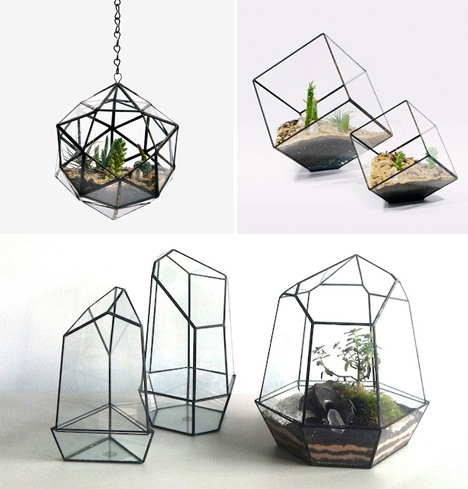
Score + Solder Terrariums & Planters

Geometric Home Score + Solder

Glassworker Matthew Cleland of Score + Solder creates stunning geometric terrariums, planters, lamps and more, handmade to order from his 13-acre farm in British Columbia.

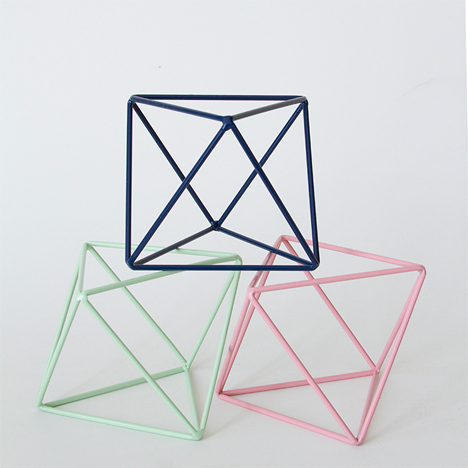
Octahedron Decorative Objects by Eric Trine

Geometric Home Octahedron Decor

Perfect for the mantle or as a conversation piece on the coffee table, this octahedron decorative object by Eric Trine costs just $ 32.

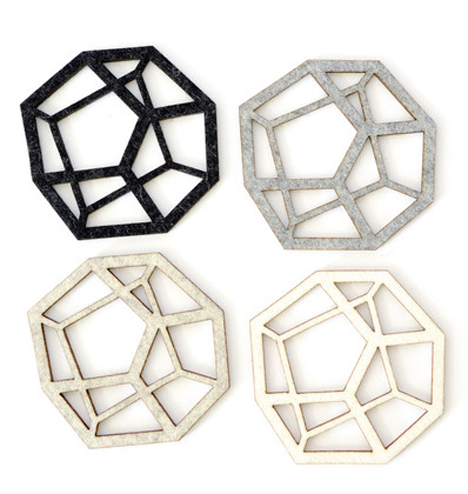
Pentahedron Coasters by Koromiko

Geometric Home Pentahedron Coasters

Protect your table from condensation with this set of four handmade felt pentahedron coasters, handmade in San Francisco by Koromiko, $ 40.

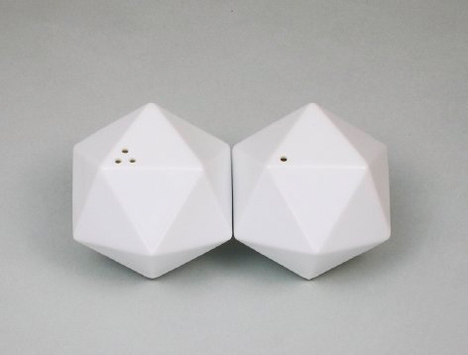
Icosa Salt & Pepper Shakers by Club88inc

Geometric Home Icosa Salt and Pepper

This set of icosahedron-shaped salt and pepper shakers by Club88inc, $ 35, will fit perfectly into the palm of your hand.

Next Page – Click Below to Read More:
A Different Angle 15 Great Geometric Home Accessories

Share on Facebook


[ By Steph in Design & Furniture & Decor. ]

[ WebUrbanist | Archives | Galleries | Privacy | TOS ]


WebUrbanist

 
Comments Off on A Different Angle: 15 Great Geometric Home Accessories

Posted in Creativity


How Low Can you Go? An Illustration of Camera Angle for Wildlife Photography

26 Nov

This is a guest article by photographer Paul Burwell

Whenever I teach wildlife photography, I inevitably go on at some length about the necessity of trying to get your camera near the height of your subject’s eyes.  This concept doesn’t only apply to wildlife photography, it applies equally well to photography of people, pets or hobbits.  When I teach this concept to a group of students, their eyes tend to glaze over until I put some images in front of them that can really illustrate the point.

Safety first

It obviously isn’t always practical or safe to get into a lower shooting position. This is true if you’re dealing with larger animals and especially predators, getting low may trigger their prey response where they start to consider you a potential snack, or in my case a meal.  It isn’t just your health I’m concerned about, as it seems the regular response to some sort of animal attack is for the authorities to track down the offending critter and end its time on earth.  So, when I’m telling you that your pictures will improve if you can get lower and match your subject’s eye level, you do still need to THINK about what you’re doing and the sort of subject you’re dealing with.  No photograph is worth either your health, or the health of your subject.

How camera angle effects your images

I thought I’d use the following images, of the extremely dangerous and elusive Richardson’s ground squirrel, to illustrate how images improve as the angle of the camera to the subject changes in respect to the level of the subject’s eyes.  This is the perfect critter for this topic because, depending on the squirrel’s posture, its eyes are somewhere between one and six inches (2.5 to 15 cm) above the ground.  All of the images below were photographed with my full-frame Canon DSLR along with the Canon 500mm lens with a 2.0x teleconverter on it for an effective focal length of 1000mm.  All of the images were made at an aperture setting of f/9, the standard setting I use on this lens/teleconverter combination when I’m wanting as little depth-of-field as possible while at the same time stopping down a bit to compensate for the sharpness lost by using the teleconverter. 1000mm is roughly equivalent to about a 20x zoom, if you are using a point-and-shoot type camera, from what our bare eyes would normally see.

Examples

This first shot was taken from my vehicle with the lens resting just on top of the window opening.  The extreme focal length (or magnification factor) of images made with a super telephoto lens does help minimize the apparent difference in height (which ended up being about four feet or 1.2 metres) but you can still tell it was shot looking down at the squirrel.
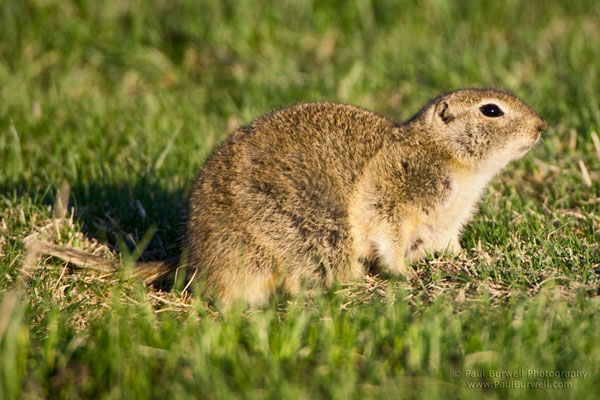
Richardson's Ground Squirrel sitting on the grass - shot from four feet height

Richardson’s Ground Squirrel sitting on the grass – shot from four feet height (1.2 meters)

On this next photo below, using my tripod with the lens about 18 inches (45cm) above the ground, you can really see how the camera angle has changed and how nicely the background resolves into a whole bunch of nothingness (technically called bokeh), but there is still an element of peering down on the ground squirrel.
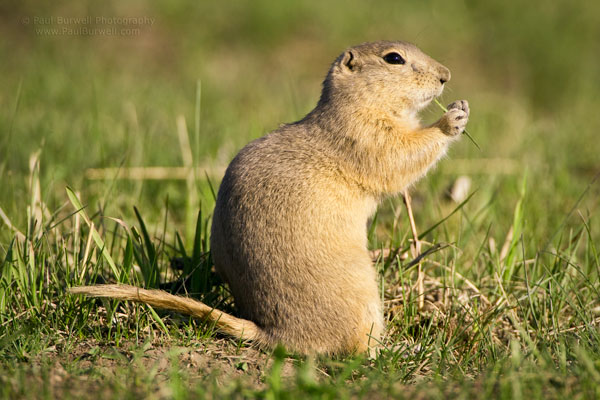
Richardson's Ground Squirrel sitting on the grass - shot from 18" camera height

Richardson’s Ground Squirrel eating a piece of grass – shot from 18″ camera height

 The effect of getting your lens closer to your subject’s eye level is that the viewer of your images is able to look at the subject without looking down at it and the innate connection between the viewer and the subject is a lot more intimate and compelling.  So what happens when you get even lower to the point where your lens is as close to the eye level of the subject as possible?
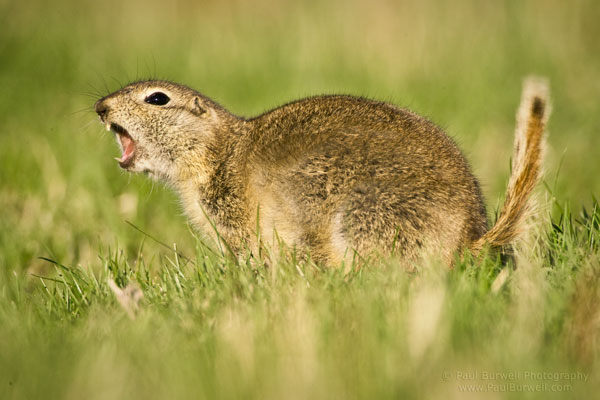
Richardson's Ground Squirrel giving a warning signal - 6 inch camera height

Richardson’s Ground Squirrel giving a warning signal – 6 inch camera height
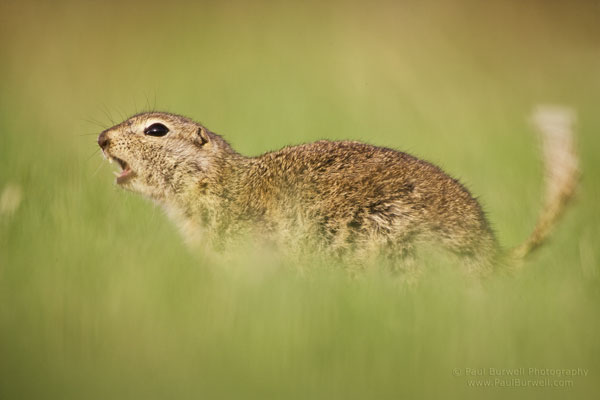
Richardson's Ground Squirrel giving a warning signal - 6 inch camera height

Richardson’s Ground Squirrel giving a warning signal – 6 inch camera height

You can see the image becomes even more compelling with the lens and camera are now at the same level of the squirrel. I was laying in a prone position on the ground for these last two images, with the lens resting on a bean bag.  In the first of the two images above, shot at 6 inches camera height, you can really see the delineation line of what’s in focus and what isn’t (the DOF).  One could argue that the out of focus grass in front of the image is distracting, but, I’d argue that the dreamy effect created adds to the interest of the photo, and the squirrel’s head and eyes are nice and sharp.

Summary and your turn

I hope that these images, along with the accompanying text, help illustrate the point about getting to your subject’s eye-level whenever feasible. It’s not necessary to use a 500mm lens, you will have the same effect with whatever lens you have.

  • Have some feedback on these images?
  • Have questions about different situations?
  • This is the place to ask them or contribute your own thoughts.

Paul Burwell wildlife photographerIn addition to being the owner of the Burwell School of Photography, Paul Burwell is a professional photographer, writer, educator and enthusiastic naturalist with over twenty years experience working with and educating adults. He is a contributing editor and regular columnist with Outdoor Photography Canada Magazine. Paul has been a finalist in the Veolia ‘Wildlife Photographer of the Year’ worldwide competition both in 2009 and 2010 and was named a ‘Top Wildlife Shooter’ by Popular Photography Magazine in 2010. You can find Paul on Google Plus and Paul Burwell.com.

Post originally from: Digital Photography Tips.

Check out our more Photography Tips at Photography Tips for Beginners, Portrait Photography Tips and Wedding Photography Tips.

How Low Can you Go? An Illustration of Camera Angle for Wildlife Photography

The post How Low Can you Go? An Illustration of Camera Angle for Wildlife Photography by Guest Contributor appeared first on Digital Photography School.


Digital Photography School
 
Comments Off on How Low Can you Go? An Illustration of Camera Angle for Wildlife Photography

Posted in Photography


Secret Graffiti: Railings Reveal Art Only at the Right Angle

11 Oct

[ By WebUrbanist in Art & Street Art & Graffiti. ]

angled rail street art

Railings, shutters, sun shades and other surfaces with separate-but-repeating elements are all potential canvasses for this unique semi-secretive approach to street art.

angled rail various perspectives

angled graffiti approach

angled graffiti right perspective

Zebrating is the German artist group behind these pieces, carefully calculated, printed and glued onto surfaces with a balance of color and simplicity that lets them stand out but seem also like part of their environment.

angle graffiti evil eye

angled graffiti whole building

angled graffiti horizontal slats

Though sometimes seen in process and stopped by the cops, this crew continues to paint their lenticular-style pictures both on public urban surfaces and in more sanctioned venues like museum galleries or approved architecture.

Next Page:
Secret Graffiti Railings Reveal Art Only At The Right Angle

Share on Facebook


[ By WebUrbanist in Art & Street Art & Graffiti. ]

[ WebUrbanist | Archives | Galleries | Privacy | TOS ]


WebUrbanist

 
Comments Off on Secret Graffiti: Railings Reveal Art Only at the Right Angle

Posted in Creativity


Secret Graffiti: Railings Reveal Art Only at the Right Angle

10 Oct

[ By WebUrbanist in Art & Street Art & Graffiti. ]

angled rail street art

Railings, shutters, sun shades and other surfaces with separate-but-repeating elements are all potential canvasses for this unique semi-secretive approach to street art.

angled rail various perspectives

angled graffiti approach

angled graffiti right perspective

Zebrating is the German artist group behind these pieces, carefully calculated, printed and glued onto surfaces with a balance of color and simplicity that lets them stand out but seem also like part of their environment.

angle graffiti evil eye

angled graffiti whole building

angled graffiti horizontal slats

Though sometimes seen in process and stopped by the cops, this crew continues to paint their lenticular-style pictures both on public urban surfaces and in more sanctioned venues like museum galleries or approved architecture.

Next Page:
Secret Graffiti Railings Reveal Art Only At The Right Angle

Share on Facebook


[ By WebUrbanist in Art & Street Art & Graffiti. ]

[ WebUrbanist | Archives | Galleries | Privacy | TOS ]


WebUrbanist

 
Comments Off on Secret Graffiti: Railings Reveal Art Only at the Right Angle

Posted in Creativity


Miniature wide angle lens under development at UCSD

28 Sep

UCSD.jpg

Researchers at UCSD’s Jacobs School of Engineering are working on a miniature wide angle lens, taking advantage of the benefits of spherical lenses. At just a tenth of the size of a traditional wide angle lens, a spherical lens can create wide angle images without chromatic aberration or loss of resolution at corners. The challenge is capturing the lens’ spherical projection on a flat sensor. The team have overcome this by using optical fibers fused to the rear of the lens to relay light to electronic sensors. Click through to read more about the this unique concept.

News: Digital Photography Review (dpreview.com)

 
Comments Off on Miniature wide angle lens under development at UCSD

Posted in Uncategorized