RSS
 

Archive for January, 2019

Why Carrying Less Camera Gear Will Make You a Better Photographer

10 Jan

The post Why Carrying Less Camera Gear Will Make You a Better Photographer appeared first on Digital Photography School. It was authored by Kevin Landwer-Johan.

During travel photography workshops, we teach participants who often carry big, heavy camera bags. A lot of the time people do not use very much of what they are lugging around with them.

In this article, I want to encourage you to think about carrying less camera gear and how it can help you improve your photography.

Why Carrying Less Camera Gear Will Make You a Better Photographer Female Photographer

© Kevin Landwer-Johan

Restrictions of weight

Walking around with less weight on your shoulder or back makes a huge difference to photography sessions. It’s no problem if you’re working in a studio or are going to be mostly in one location, but otherwise, it can wear you out quickly.

Going on a photo walk, or even when you go on location, carrying less weight in camera gear frees you up and gives you more energy. You can enjoy your photography for longer periods of time. This becomes more noticeable as you get older.

Well-designed camera bags make a difference with good weight distribution. Mostly though, bags designed to carry a lot of camera gear are backpack-style and I do not find these easy to use. They are either strapped on and secure, with a belt to help support the weight on your hips, or your gear is easily accessible but the weight is not so well distributed.

Carrying a heavy bag of equipment hanging off your shoulder is tiring. It can also lead to back problems if you frequently do it for long periods.

Why Carrying Less Camera Gear Will Make You a Better Photographer Poi Sang Long Festival

© Kevin Landwer-Johan

The hassle of bulk

Bulky bags make moving around more difficult. Again, this is more pronounced as you get older. Getting down on the ground to capture a low angle view becomes difficult with a bulky backpack on. If you do not have the bulk and weight on you are far more likely to get down and potentially make a more interesting photo.

Markets and other busy locations are far easier to navigate if you are carrying less camera gear.

With less of a mass of gear, you are also more inconspicuous. This can be a great advantage and help you obtain more natural, candid photos.

Khao San Road Why Carrying Less Camera Gear Will Make You a Better Photographer

© Kevin Landwer-Johan

Thinking differently about how you compose

I think the biggest advantage of carrying less camera equipment with you is that you are forced to be more alternative in your approach to composition.

You will need to be more imaginative if you have only one or two lenses with you. Zooming with your feet becomes more necessary. It does not take long to get used to.

Seeing in new ways that still allow you to take interesting photos becomes second nature if you practice often enough. You have to think more about taking photos with the lens you have on your camera. If you have limited options you have to focus on your composition rather than relying on the perspective a different lens gives you.

Of course, this all means you need to plan more in advance. Packing the right gear for a particular situation is important. Before you head out with minimal gear, carefully consider the demands you are facing and which lenses will be most appropriate. If you are like me and prefer not to use zoom lenses, your options are more limited and carrying less gear is more challenging.

Why Carrying Less Camera Gear Will Make You a Better Photographer

© Kevin Landwer-Johan

What gear should I pack?

Ask yourself how much of your gear you really use each time to go out. When you stop to think about it you will probably find that you use certain lenses and other equipment more often and other gear hardly at all.

Check your metadata in Lightroom to see which lenses you use the most. Open a catalog of the favorite photos you’ve taken over the last twelve months or so. In Grid View in Lightroom click on the Metadata option in the top bar. Now you will see lists of cameras and lenses you have used. Analyzing your best photos based on lens and focal length may help you decide which lenses you use the most to take the photos you are most satisfied with.

Maybe you will choose to take one or two lenses with you more often, based on this information. Don’t always pack the lens you use the most. Push yourself by sometimes only packing a lens you tend not to use so much. This helps you become more comfortable using these lenses and to master them.

Kevin Lander-Johan Photographer Why Carrying Less Camera Gear Will Make You a Better Photographer

© Kevin Landwer-Johan

Conclusion

You may need to buy a new bag, or consider not taking a camera bag with you. If you are only taking one or two lenses out you may not even need to take a camera bag at all.

Don’t aim to travel too light when you have to produce a set of photos for a customer or specific purpose. Limiting yourself in terms of gear options can be detrimental in these situations. If you have a job to do, you need to be sure to do it well.

Challenge yourself to use minimal camera equipment for a month or two. Create a new body of work. When you reach the set period of time you have made yourself, look back over your photos and think about the difference this exercise has made to your photography.

Do you limit your photography gear? Let us know in the comments below.

The post Why Carrying Less Camera Gear Will Make You a Better Photographer appeared first on Digital Photography School. It was authored by Kevin Landwer-Johan.


Digital Photography School

 
Comments Off on Why Carrying Less Camera Gear Will Make You a Better Photographer

Posted in Photography


Kodak-branded SMILE lineup includes two instant cameras and a new instant printer

10 Jan

New Jersey-based C+A Global has launched new Kodak-branded products, including an instant camera and two instant printers. Called the Kodak SMILE Instant Print, this product line offers the SMILE Classic Instant Print Digital Camera, SMILE Instant Print Digital Camera, and SMILE Instant Digital Printer.

The KODAK SMILE Classic Instant Print Digital Camera features a vintage camera body design coupled with a ZINK instant printer, pop-up viewfinder, automatic strobe flash, microSD card slot, and 10-second timer. Despite its retro appearance, the model has Bluetooth and works with the Kodak Instant Print Companion mobile app.

Joining the retro-styled Classic camera is the slimmer, modern SMILE Instant Print Digital Camera, a 10MP digital camera with a ZINK Zero Ink printer, microSD card slot, automatic flash, LCD viewfinder, and 10-second timer.

The SMILE line’s new instant digital printer offers instant printing for images captured with a smartphone, the Kodak Instant Print Companion app, and a Bluetooth connection. The digital printer and digital camera will cost $ 100 each, while the Classic camera will cost $ 150. Kodak hasn’t yet revealed the products’ launch date.

Articles: Digital Photography Review (dpreview.com)

 
Comments Off on Kodak-branded SMILE lineup includes two instant cameras and a new instant printer

Posted in Uncategorized


Sharp reveals 8K Micro Four Thirds camera prototype at CES 2019

10 Jan

Sharp made a surprising announcement during CES 2019 this week: it’s developing an 8K Micro Four Thirds camera, currently referred to as the ‘8K Video Camera.’ YouTuber Kinotika published a short hands-on video (above) with the prototype camera, but details are slim at this time. Sharp reportedly told CES attendees that it will reveal the model’s official specs in Q2, possibly at NAB 2019.

According to Kinotika citing Sharp employees at CES, the 8K Video Camera will support 8K video recording at 30fps in H.265 codec. The model, at least at this point in the development process, is also expected to offer a single UHS-II SD card slot, sensor stabilization, and a large 5-inch flip-out display.

Sharp reportedly stated that it is working on a 60fps recording option for a lower resolution, possibly 1080p. Other features present on the prototype include a full-size HDMI port, audio-in, USB-C, a microphone input, and a headphone jack. Assuming nothing changes by the time an official announcement takes place, the ‘8K Video Camera’ will have a sub-$ 5,000 price.

Unfortunately, the prototype wasn’t functional and additional details aren’t available.

Articles: Digital Photography Review (dpreview.com)

 
Comments Off on Sharp reveals 8K Micro Four Thirds camera prototype at CES 2019

Posted in Uncategorized


The Neimeo e-ink keyboard can be customized for Photoshop, Lightroom and other apps

09 Jan

Nemeio is a portable keyboard that uses e-ink technology to allow for complete customization for any app you want to use it with, including Adobe Photoshop, Lightroom and other image or video editing apps.

The keyboard features mini-displays in each of the 81 keys, so users can create specific key-layouts for any app they are working with and switch between them using the Nemeio companion software. Icons can be dragged and dropped in the latter’s virtual keyboard and then immediately show up on the real one.

The Nemeio can also be set to change its layout automatically with the app you are using. For example, you could use a standard keyboard layout while typing emails or writing a letter. Once you open Photoshop the keyboard would then automatically change to a different layout with editing shortcut icons.

The Nemeio comes with a brushed-metal body and measures only 12x7x0.43-inch (30.5×17.8×1.1cm), making it easily portable. It can connect to any device with Bluetooth keyboard support.

The Nemeio is not quite available yet but shipping is expected some time this year. Pricing could be an issue, though. Engadget reports the keyboard could cost somewhere between $ 300 and $ 500.

Articles: Digital Photography Review (dpreview.com)

 
Comments Off on The Neimeo e-ink keyboard can be customized for Photoshop, Lightroom and other apps

Posted in Uncategorized


Canon RF 28-70mm F2 L sample gallery

09 Jan

$ (document).ready(function() { SampleGalleryV2({“containerId”:”embeddedSampleGallery_6689405339″,”galleryId”:”6689405339″,”isEmbeddedWidget”:true,”selectedImageIndex”:0,”isMobile”:false}) });

Canon launched the mirrorless full-frame RF-mount with a handful of impressive lenses including the RF 50mm F1.2L as well as the the versatile, fast 28-70mm F2L – a lens we’ve been shooting with a lot. Described by one DPR-staffer as ‘the size and weight of a 25 oz can of [popular-Australian-in-name-only] beer,’ this lens isn’t necessarily compact, but it does seem like an indicator for what’s to come for the RF-mount. Simply put, it seems more suited for a larger, more professional body than the EOS R. Despite some awkwardness using it on the aforementioned, we’re impressed with the results.

See our Canon RF 28-70mm F2L sample gallery

Articles: Digital Photography Review (dpreview.com)

 
Comments Off on Canon RF 28-70mm F2 L sample gallery

Posted in Uncategorized


DJI unveils Smart Controller with a built-in ultra-bright 5.5″ Full HD display

09 Jan

DJI has unveiled Smart Controller, a new drone controller with a built-in ultra-bright 1000cd/m2 5.5-inch Full HD screen. The display, which is around double the brightness of a smartphone LCD, eliminates the need to use a mobile device when piloting DJI drones.

The Smart Controller’s ultra-bright display is designed to be usable in direct sunlight, according to the company. The controller supports drones featuring DJI’s OcuSync 2 video transmission system, including the Mavic 2 Zoom and Mavic 2 Pro. The Smart Controller’s physical controls were optimized for DJI’s drones.

Other Smart Controller features include a 2.5-hour battery life, support for operating in temperatures as low as -20C / -4F and as high as 40C / 104F, automatic switching between 2.4Ghz and 5.8GHz wireless connections, transmissions up to 4.9 miles / 8km, detachable control sticks, and an integrated microphone and speaker. The Smart Controller’s built-in HDMI port enables video playback at up to 4K/60fps with H.264 and H.265.

At the software level, the controller’s customizable Android dashboard includes support for the DJI GO 4 and Pilot apps, as well as SkyTalk for livestreaming and select other third-party apps. With DJI GO-Share, imagery viewed on the Smart Controller can be directly transferred to a tablet or smartphone.

DJI will begin selling its new Smart Controller in early 2019 for $ 649 USD. Consumers will also have bundle options featuring the Mavic 2 Pro and Mavic 2 Zoom drones.

Articles: Digital Photography Review (dpreview.com)

 
Comments Off on DJI unveils Smart Controller with a built-in ultra-bright 5.5″ Full HD display

Posted in Uncategorized


Wacom announces the Cintiq 16HD, a Full HD graphics tablet that displays 16.7 million colors

09 Jan

Wacom has announced its latest creation, the Cintiq 16HD, a mid-range pen tablet that takes inspiration from Wacom’s much larger (and more expensive) Cintiq Pro lineup and packages it in a more compact and affordable form factor.

The Cintiq 16HD falls right between Wacom’s Cintiq 13HD and Cintiq 22HD graphics tablet. Its display, as it name suggests, is a 15.6 inch 1920 x 1080 pixel touchscreen display with the ability to produce upwards of 16.7 million colors — 72% NTSC color coverage and 100% sRGB. The screen has a brightness rating of 210 cd/m², a 1000:1 contrast ratio and a 176-degree viewing angle.

The pen tablet features built-in legs that provide a natural tilt angle and a recessed connection so it lays flat when the three-in-one power port is plugged in.

Included with the Cintiq 16HD is the Wacom Pro Pen 2, which works with the tablet to offer 8192 levels of pen pressure sensitivity — four times that of its predecessor, the Cintiq Pro 16. The pen features two side buttons and lag-free tracking. It uses Electro Magnetic Resonance (EMR) technology, meaning no batteries are needed to keep the pen operating.

The Wacom Cintiq 16HD works with both macOS and Windows operating systems and is currently available for pre-order for $ 649.95. In addition to the graphics tablet and Wacom Pro Pen 2, it comes with a detachable pen holder, three replacement nibs, a nib removal tool, a 3-in-1 cable, and the required power cable and adapter.

Wacom offers a limited one-year warranty in Japan, Asia Pacific and China and a two-year limited warranty in the USA, Canada, Latin America, Europe, Middle East and Africa.

Articles: Digital Photography Review (dpreview.com)

 
Comments Off on Wacom announces the Cintiq 16HD, a Full HD graphics tablet that displays 16.7 million colors

Posted in Uncategorized


Best Photos of 2018 by JMG-Galleries Blog Readers

09 Jan

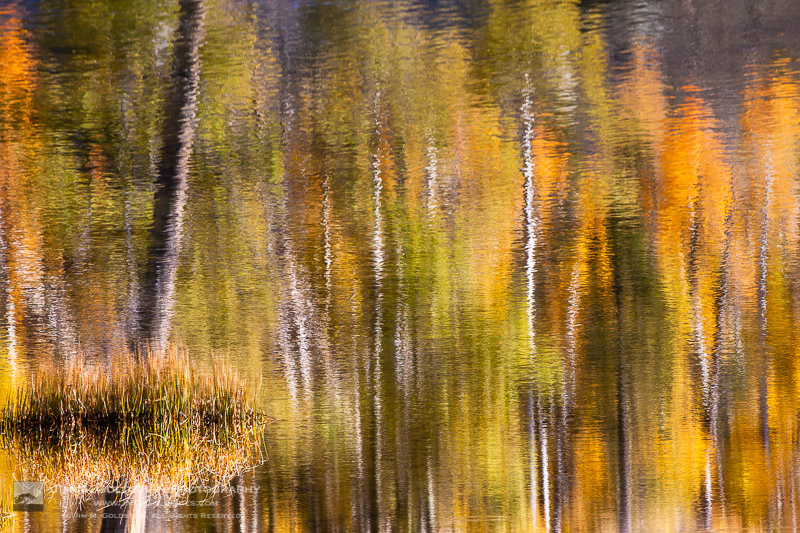
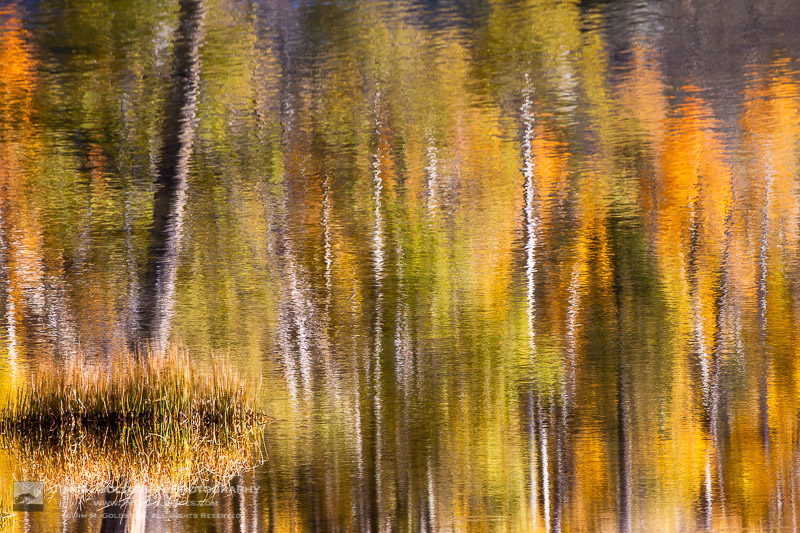
Fall Color AbstractI’m excited to share the results of my 12th annual Best of Photos project.  115 photographers from around the world (amateur and professional alike) have shared their best photos of 2018.  I’m always amazed at the quality of work shared and I hope it’s a source inspiration to you for the coming year.

For those who are new to my blog project, photographers taking part span the gamut of photo enthusiasts to professionals. The great thing about photography is that no matter what your skill level we all can relate equally in our love for the art of photography and visually exploring. With that in mind I encourage you to reach out to photographers whose work you enjoy to keep sharing & growing as an artist.  I am incredibly thankful that this tradition has been embraced and enjoy seeing how familiar faces have evolved their work & grown over the years.  I hope reviewing your best photos of the year and comparing them to years pasts keeps you inspired and aware of your progress as a photographer.

If you’d like to take part next year and be informed when submissions open for the “Best Photos of 2019” blog project add your name to my mail list. You won’t be spammed. I send out newsletters quite infrequently.

Thank to everyone who took part!  I invite you to visit each link below as I have and introduce yourself to many of the participating photographers.

Best Photos of 2018

  1. Jim Goldstein – Best Photos of 2018 by Jim M. Goldstein
  2. Michael Russell – My Top 10 Photographs Of 2018
  3. Dave Wilson – Best of 2018
  4. Joseph Smith – 2018 Favorites – A Baker’s Dozen
  5. Randy Langstraat – My Ten Favorite Photos of 2018
  6. Chuq Von Rospach – Chuqui 2018 Best Of Photos
  7. Rachel Cohen – Best of 2018
  8. Lucy Autrey Wilson – A Thousand Words
  9. Romain Guy – Best of 2018
  10. Alexander S. Kunz – My Favorite Photos from 2018
  11. Stefan Baeurle – Top 10 Favorites of 2018
  12. QT Luong – 2018 in Review
  13. Jenni Brehm – Best pf 2018 – Changing Perspectives
  14. Sean Bagshaw – My Favorite Photos Of 2018
  15. Johann A. Briffa – 2018: A Photographic Retrospective
  16. Exploring Light – 2018: A Year In Review
  17. Drake Dyck – Top Ten (favourite) Images of 2018
  18. Richard Wong – Fine Art Photography Prints – 2018
  19. Ramen Saha – 2018 – Ten moments
  20. Martin Quinn – Quinn Images 2018 Favorites
  21. TheDarkSlides – TheDarkSlides Best of 2018
  22. Denise Goldberg – top photos :: 2018
  23. Peter Carroll – Favourites of 2018
  24. Jeff Hubbard – Ten Favorite Photos 2018
  25. Gary Crabbe – My Favorite Landscape Photos of 2018 – A Year-End Retrospective
  26. Harold Davis – Harold Davis – Best of 2018
  27. Werner Priller – My Favorite Images of 2018/
  28. Phil Colla – Natural History Photography – Best Photos Of 2018
  29. Aaron Hockley – Tech Photo Guy: Best Photos of 2018
  30. Dan Baumbach – 2018 in Review
  31. Jao van de Lagemaat – Jao’s best images of 2018
  32. Pete Miller-USKestrel Photography – Favorite Images of 2018
  33. Shikha – Eastern Sierra – My favorite images of 2018
  34. Bruce Leventhal – Reflecting on 2018
  35. Christopher Sheppard – The Stories Behind My Favorite Photographs of 2018
  36. Alan Majchrowicz – Photo Highlights 2018
  37. Tom Whelan – Nature Diary
  38. Todd Henson – Best Photos of 2018: My Favorites of the Year
  39. Khürt Williams – Island in the Net
  40. Patricia Davidson – My Top 10 Favorite Photos of 2018
  41. Russ Bishop – 2018 – The Year in Pictures
  42. Jim Coda – Some of My Favorite Images from 2018
  43. Steve Cole – Birds Eye View of 2018
  44. Fred Mertz Photography – Best Photos of 2018
  45. Martijn van der Nat – Best of 2018
  46. Graf Nature Photography – Twenty Eighteen Wanderings
  47. Scott Thompson – My Top 10 Tahoe Area Photos of 2018
  48. Kyle Jones – 2018 Favorites
  49. Clint Losee – My Best Landscape and Nature Photos of 2018
  50. Caleb Weston – Caleb Weston – Dubland Media
  51. Greg Clure – Best of 2018
  52. Rick Holliday – Favorites from 2018
  53. J.J. RAIA – J.J. RAIA Best Photos of 2018
  54. Francis Gagnon – Francis Gagnon Best Photos of 2018
  55. Mike Chowla – My Ten Best of Images of 2018
  56. Carl Donohue – 2018 in photos
  57. Kurt Lawson – 10 Favorites of 2018: From Lava Rivers in Hawaii to Yosemite Snowstorms
  58. William Bean – William Bean
  59. T.M. Schultze – My Favorite Photographs of 2018
  60. Andrew Thomas – Aerial Adventures – Best of 2018
  61. Matt Conti – 2018 Top 20 Photos
  62. Daniel Leu – Favorites – 2018
  63. Carol Schiraldi – Best of 2018 from Carol’s Little World
  64. Alan Dahl – 2018 Favorite Photos
  65. Milan Hutera – 2018 in Pictures
  66. Kathy Barnhart – Flickr Sensing Light Best of 2018 Album
  67. Greg Russell – Alpenglow Images 2018 Year in Review
  68. Derrald Farnsworth-Livingston – Top 10 Favorite Images from 2018
  69. Kevin Ebi – Living Wilderness: Best of 2018
  70. Jackson Frishman – Favorites of 2018
  71. Greg A. Lato – My Favorite Photos of 2018
  72. Mike Shipman – Mike Shipman’s Best of 2018
  73. Beth Young – Best Photos of 2018
  74. Dale Grosbach – My Favorites – 2018
  75. Brent Huntley – Photography and Travel
  76. Charlie Russell – Best Wildflower Photos for 2018
  77. Bryan William Jones – Jonesblog
  78. Tony Wu – Favorite Photos of 2018
  79. Adrian Klein – 2018 Photo Retrospective
  80. Scott McGee – Top 10 of 2018
  81. William Neill – My Favorite Photographs of 2018
  82. Thomas Yackley – Yackley Photo
  83. Anne McKinnell – Best Photos of 2018
  84. Holly Davison – Top Ten of 2018
  85. Brian Knott – Brian Knott Photography 2018 Year In Review
  86. Anna DeStefano – Affirmation Photography’s Best of 2018
  87. Ingeborg Fernau – Magicalglow Photography Blog
  88. Emil Powella – Top 10 of 2018
  89. Elduro Tuco – Elduro Tuco
  90. Eric Chan – Favorites From 2018
  91. TP Chapman – Best of 2018
  92. Ilias Katsouras – Okrivadas
  93. Molly Dean – Best Photos of 2018
  94. Sarah Marino – 2018 Wrap-Up and a Few Favorite Photographs
  95. Michael Frye – My Top Photographs of 2018
  96. Jim Stamates – Memories of 2018
  97. Tim Aston – Favorites from 2018
  98. Samantha Decker – My Best Photos of 2018
  99. Bryn Tassell – Bryn Tassell favourites of 2018
  100. Mike Cleron – 2018 Favorites
  101. Carla Overduin – Best Photos of 2018
  102. Peter West Carey – Best Photos of 2018
  103. Simon C Ponder – SponderPoints
  104. Ron Niebrugge – Favorite Photos from 2018
  105. Steve Cozad – Best of 2018
  106. Björn Göhringer – My Top 15 Photos From 2018
  107. Neil Corman Photography – 12 Favorite Images from 2018
  108. Maurice O. Weaver – Best Photos of 2018
  109. Michael McCloskey – Best Photos of 2018
  110. Stephen L. Kapp – Best Photos of 2018
  111. Robin Black – Best Photos of 2018
  112. Kelly Castro – 10 FROM 2018
  113. Jeff Sullivan – My Top 10 Photos of 2018
  114. David Leland Hyde – Landscape Photography Blogger/Best Photographs of 2018
  115. Larry Angier – A collection of my best/favorites from 2016


Have a great 2019!

The post Best Photos of 2018 by JMG-Galleries Blog Readers appeared first on JMG-Galleries – Landscape, Nature & Travel Photography.


JMG-Galleries – Landscape, Nature & Travel Photography

 
Comments Off on Best Photos of 2018 by JMG-Galleries Blog Readers

Posted in Equipment


The Insta360 Titan is an 11K 360-degree camera with 8 Micro Four thirds sensors

09 Jan

Insta360 has most user types of 360-degree cameras covered, offering cameras from the consumer-level One X all the way up to pro-level 8K models. However, it seems there is demand for even more powerful cameras with higher resolutions.

With the new 11K Titan camera Insta360 is catering to VR cinema professionals with the highest demands. The camera features eight lenses with Micro Four Thirds sensors, which is the largest sensor size on any stand-alone VR camera.

The camera supports 10-bit color and in video mode can shoot 11K or 10K 3D at 30 fps, 8K at 60 fps or 5.3K at 120 fps. In still mode it can capture 11K 360-degree images in 3D and monoscopic.

To cope with the amounts of image data that is captured, each lens/sensor combo requires a high-speed SD card. Gyroscopic metadata for Insta360’s FlowState stabilization and low-resolution proxy files, which can be used for quicker editing with Insta360’s Adobe Premiere Pro plug-in, are stored on an additional card.

In addition to the company’s very efficient FlowState stabilization, the Titan also supports Insta360’s Farsight radio technology which allows for remote control of the camera and was first introduced with the Pro 2 model. The CrystalView conversion tool can be used to play back and watch the camera’s 11K video output.

This much technology does not come cheap, of course, and priced at $ 14,999, the Titan is squarely aimed at the VR professionals camp. If you think the camera could be a profitable investment for your business, you can reserve one now with a $ 150 deposit. Shipment is expected for April. If you’d like to get an idea of the image quality the camera is capable of, head to the Insta360 Youtube channel for resolution, low-light and stabilization comparisons.

This Is Titan: Insta360 Opens Reservations on 11K, Eight-Lens VR Cinema Camera

Insta360 today opened reservations for the Insta360 Titan, an eight-lens cinematic VR camera that captures 360 photos and video at up to 11K resolution.

The Titan uses eight Micro Four Thirds (MFT) sensors, the largest sensors available in any standalone VR camera. These sensors maximize image quality, dynamic range, low-light performance and color depth, raising the bar for realism in high-end professional VR capture.

Insta360 will show the new camera at the CES show in Las Vegas this week. The Titan is set to ship in April, following a pilot program with select filmmaker partners.

Creators can reserve their Titan here today to secure a priority shipment in the first batch.

Introducing Insta360 Titan: https://youtu.be/9VhxtmV7mZQ

Turn it up to 11.

The Titan is the first standalone 360 camera ready to record in 11K. Key shooting modes include 11K at 30 FPS, 10K 3D at 30 FPS, as well as 11K 360 photos in 3D and monoscopic formats.

Additional shooting modes include 8K at 60 FPS and 5.3K at 120 FPS.

A sensor so good you’ll want eight.

360 cameras use an array of sensors to cover every direction of the action. Most use small sensors on par with those found in smartphones or action cameras — useful for installing in a smaller camera body but not for maximizing image quality.

The Titan bucks this trend, sporting eight optimized Micro Four Thirds sensors that combine the benefits of a large sensor area with a relatively compact design. These high-performance sensors are the key to achieving a cinematic image quality that’s been unattainable to VR creators until now.

Natural light and color.

The Titan supports shooting in 10 bit color, allowing for billions of color combinations and extreme color accuracy, while its high dynamic range lets creators capture natural lighting and low-light scenes to achieve an unparalleled realism in VR.

Make your move with FlowState Stabilization.

The Titan uses Insta360’s signature onboard FlowState Stabilization technology, allowing for gimbal-like 9-axis stabilization with no accessories or added effort from the user. Onboard stabilization lets creators achieve the stunning dynamic shots necessary to tell a compelling story in VR.

Not in the shot. But still in the action.

The Titan comes standard with Insta360’s Farsight live monitoring system, consisting of a transmitter and a receiver that can be easily attached to a phone or tablet.

Using Farsight, VR filmmakers can easily preview and control their shoots remotely. VR directors used to have to yell “action” and then jump behind a tree to avoid ruining the shot. Farsight saves them the sweat.

Deliver what you shoot.

Ultra-high-res VR content presents a distribution challenge. Most playback systems aren’t ready to decode immersive video at higher than 4K, let alone 11K.

CrystalView, Insta360’s proprietary playback tech, lets creators deliver what they really shot. It renders in real time exactly the part of a video a viewer is watching – with no computing power wasted on displaying what’s behind their head — so that even mainstream smartphones can play back full-quality Titan content.

Reservations open now.

Starting today, VR filmmakers can reserve their Insta360 Titan and be among the first owners when the camera ships this April.

The Titan is priced at $ 14,999 USD, and the reservation is confirmed with a fully refundable deposit.

Articles: Digital Photography Review (dpreview.com)

 
Comments Off on The Insta360 Titan is an 11K 360-degree camera with 8 Micro Four thirds sensors

Posted in Uncategorized


Mapplethorpe movie trailer arrives ahead of film’s US theatrical premiere

09 Jan

A new trailer has given the public its first look at Mapplethorpe, a biopic chronicling the life of controversial photographer Robert Mapplethorpe, whose provocative work earned him fame in 1970s America. The movie, which was written and directed by Ondi Timoner, first debuted to a limited audience at the Tribeca Film Festival last year, but will receive a wider release in US theaters on March 1, 2019.

Mapplethorpe was best known for his black-and-white portraits and photographs of New York’s underground scene. The photographer’s first solo exhibition took place in 1973 at the Light Gallery in New York City featured photos captured with a Polaroid camera. Mapplethorpe later transitioned to a Hasselblad medium format camera. The photographer’s fame flourished through the 1980s up to his death from AIDs in 1989.

The biopic stars Matt Smith of Dr Who fame as Robert Mapplethorpe, Marianne Rendon as Patti Smith, and Hari Nef as Tinkerbelle.

Articles: Digital Photography Review (dpreview.com)

 
Comments Off on Mapplethorpe movie trailer arrives ahead of film’s US theatrical premiere

Posted in Uncategorized