RSS
 

Archive for July, 2018

5 Essential Shots You Need to Get for Street Market Photography

26 Jul

A favorite subject for many street photographers is the market. It’s no surprise either, as these places have a lot of life going on, and therefore many good photography opportunities. The best way to get the most out of your street market photography is to get organized.

That means going in with a plan, which for photographers means a list of photographs you intend to take. So in this article, you’ll get an idea of what those photos should be, read on to find out.

#1 – An overall scene-setting shot

Five Essential Street Market Photos You Need to GetFive Essential Shots You Need to Get for Street Market Photography

A scene-setting photo that shows the scale of the market will often need to be taken from a high vantage point.

This is the photo that tells the viewer about the scale of the market. It’s the entry point for the viewer into all the other photos that will go into this set. There will be different approaches to achieving this photo, and depending on the location of the market some options might not be available to you.

  • Bird’s eye view – To get this photo you’ll need to find a high vantage point of some description. The aim is to capture the whole market or as much of it as possible in one shot. You essentially want to show the size of this market before you present the more human photos. Your lens choice will depend on how far away from the market your vantage point is located. Typically you’ll want to use a wide-angle lens for this, although photographing from a distance means a longer focal length is always possible. A third possibility these days is using a drone (check the laws in your area first!), with this available you’ll not need to spend the time looking for a vantage point.
  • Wide-angle – Assuming you’re not able to utilize a bird’s eye view, the next option is a wide angle photo from street level. You won’t capture the whole market, but a sense of scale is still possible. These type of photos will work best with an indoor location where you can capture interior architecture.
  • The tunnel – Finally many markets will have market stalls along a road that seem to go off into infinity. The best method to capture this is to use a longer focal length lens to compress the scene. If the market stalls are on both sides of the road this may well give the effect of a tunnel.
Five Essential Shots You Need to Get for Street Market Photography - market near train tracks

Elements in the photo that give context to the scene are a good idea. Here you can see this is a railway market.

#2 – A staged portrait

Photographing strangers is a big part of market photography. In order to get a good photo of market vendors, there are several steps which you’ll need to take as a photographer.

  • Gaining permission – As this photo is staged, you’ll first need to ask the person for their permission. In some cases, this will be a simple request, which is either accepted or refused. In order to increase your chances of getting a “yes”, buying something from a street vendor will help, you may even offer to pay cash just for the photo. Are you in a location where you don’t speak the local language? Learning the simple expression, “May I take your photo please?” is a great idea, and failing that body language can be surprisingly effective.
  • Taking the photo – As you’ve gained permission for this photo, you’ll likely be standing close to your subject. The best lens for this is a prime lens that’s good for portraits such as the 50mm. It’s preferable that you spend time to build rapport with your subject before taking the photo, this will give you a more natural looking photo. Then take care of the usual things like a nice clean background, and light coming from the right direction to light up the person’s face.
Five Essential Shots You Need to Get for Street Market Photography - vendor selling fruit in large baskets

Gaining permission to take the photo allows you to control the scene a bit more.

#3 – A candid portrait

Candid street market photos will likely make up the majority of your photos of the market. Getting good photos here will require quick wits, and an ability to blend in.

  • The decisive moment – Capturing the decisive moment can make or break your photo. To increase your chance of getting this moment you need to position yourself in the right place. Look for spots where there are many human interactions, and anticipate the right moment. So this might be a customer interacting with a vendor, or perhaps a street hawker cooking some food.
  • Hip photography – One way to be more conspicuous with your photography, and get natural looking photos is to experiment with hip photography. If your camera is not at your eye most people will assume you’re not taking a photo of them. So if your camera is at your hip instead you can get close to your subject, and take the photo from the hip secretly, without drawing attention to yourself. To get this technique right takes a bit of practice. Focus your camera to a set distance before taking the photo, and keep the camera in manual focus to prevent it from refocusing. Use a small aperture of f/16 or smaller, so you have a large depth of field.
Five Essential Shots You Need to Get for Street Market Photography - man selling fish at a market on the train tracks

This photo is a candid, the rail lines frame the vendor nicely.

#4 – Detail photos

The produce you’ll find at the market can make for some excellent detail photos to go in your street market photography selection. In theory, these photos should be the easiest to come by. Because it’s still life photography you won’t need to get permission from a person to take the photo. However, you are taking photos of someone’s stock, so ask permission to take the photo first.

  • Repeating patterns – Items like fish or fruit make great subjects for repeating patterns. Often the vendor will have these lined up in an aesthetically pleasing manner, so as a photographer you just need to concentrate on good framing.
  • Contrast – Look for color contrast, perhaps between fruits of differing color, or table backgrounds against produce. Colorful images will look good in your street market photography collection.
  • Change the angle – The majority of detail photos are taken from the top down. Changing the angle can still give you an interesting detail photo though, but with more depth to it. If you use a low enough angle you may even get some bokeh background in your frame.
apples in baskets next to train tracks - Five Essential Shots You Need to Get for Street Market Photography

This is a detail photo, but once again context is inferred with the train track.

#5 – Something more creative

Finally, it’s always good to introduce a little creativity to your street market photography. These are the type of photos you’ll want to go for once you’ve bagged the other photos in this list.

There are many ways you can be creative with your market photography, below are a few ideas.

  • Low key – Markets are great places to find shards of light, a gap in the roofing perhaps that lets the sunlight through? You can use that light to create a low key portrait. Simply expose for the sunlit area, and underexpose the background. You will likely be exposing at -2EV or -3EV to create a photo like this. Wait for your subjects face to be lit up by the sun, and take your photo.
  • Blur – The use of blur can create a dynamic edge to your photo. Whether you attempt a panning photo, or put your camera on a tripod and expose for around 1/3 of a second to capture the motion of people moving about the market is for you to decide.
  • Crystal ball – A versatile object that can be applied to many different genres of photography. If you’re looking for a photo with a fish-eye like feeling but compressed into the ball, then this is a great option.
Five Essential Shots You Need to Get for Street Market Photography - low key portrait of a lady

Creating a low key photo is one option for more creative street market photography.

Now it’s time for you to do some market photography!

So do you enjoy street market photography? What’s your favorite type of photo to take while you’re in the hustle and bustle of a market?

What time of the day do you typically photograph markets? Do you like to go at the crack of dawn to see all the life at a fish market? Or do you go for the low light magic of a night market?

What tips do you have for getting the best results from this genre of street photography? As always please share your photos and ideas in the comments section of this article.

street market photography - vendors selling goods on train tracks

In this photo, the motion blur of a moving train can be seen behind the market vendors.

The post 5 Essential Shots You Need to Get for Street Market Photography appeared first on Digital Photography School.
Digital Photography School

 
Comments Off on 5 Essential Shots You Need to Get for Street Market Photography

Posted in Photography


Warning: Avoid This Scam Targeting Photographers

26 Jul

Over at All Things Photo, I’ve shared a video detailing a scam targeting photographers selling prints online. Also included in the video are 7 tips to avoid being scammed online. While the video is on the long side it’s worth a listen to protect yourself and learn the limitations of fraud protection with your bank and insurance companies. If you’re driving you can also listen to the podcast recording via the All Things Photo podcast.

If you haven’t already I welcome you to follow All Things Photo on YouTube, Twitter and Facebook.

The post Warning: Avoid This Scam Targeting Photographers appeared first on JMG-Galleries – Landscape, Nature & Travel Photography.


JMG-Galleries – Landscape, Nature & Travel Photography

 
Comments Off on Warning: Avoid This Scam Targeting Photographers

Posted in Equipment


How I Evaluate Crowdfunding Projects: Kickstarter, Indiegogo & Beyond

26 Jul
How I Evaluate Crowdfunding Projects

How I Evaluate Crowdfunding Projects

13 Questions You Should Ask
Before Backing A Crowdfunding Project
on Kickstarter, Indiegogo and Beyond

Crowdfunding projects via sites like Kickstarter and Indiegogo have been increasing in popularity and some would say hit the mainstream. No disrespect to my wife, but she’s not an early adopter and it wasn’t until recently a mini ice machine showed up at our door that I realized she knew and took part in Kickstarter. By contrast, I’ve been using Kickstarter since it launched 2009/2010 and Indiegogo since 2014. In that time, for all the bad press these sites sometimes get, I’ve had a really good rate of return on my pledges. Roughly 85% of the projects I’ve backed have been delivered to my door and as it turns out my rate of return monetarily has been 83 cents on the dollar (ie for every $ 1 spent I’ve lost $ 0.17).  It would seem I’ve backed enough crowdfunded projects that I’d be considered a “super backer”, so I thought I’d share my evaluation process with you to increase the odds you back successful projects.

Do I Need This? / Suspension of Disbelief
The first thing you’re likely to see when visiting a project on Kickstarter or Indiegogo is the video pitch. Invariably the product discussed will be the best thing since sliced bread, but before you impulsively back the project ask yourself:

1. Is this a product I really need and/or will I use more than X times to recoup my cost? 

I can’t say I absorbed a lot in my college economics course, but I never forgot the discussion about the difference between wanting and needing a product. Be honest with yourself about whether you’re getting something that will be of use to you or if your money will be better spent on essential goods and services.

2. Is the product too good to be true? Or are the project organizers over ambitions?

One of the most entertaining aspects of evaluating crowd funded projects is to determine if they’re even possible. Does the product defy physics? (Ex. laser face razor)  Figuring out if you’re being sold snake oil is an important part of evaluating a pitch. When in doubt, watch the pitch video a few days later so as to not get swept up by hype and allow yourself time to research the technology/concept behind the product.

Product or Platform Dependencies

3. Is the product dependent on other products to be compatible?

If so will this product be obsolete by the time the product ships? (ex. iPhone cases being released after the next generation phone is released, GoPro accessories, etc.)  The biggest downside to accessory projects is that the product they’re an accessory for can change faster than the project can execute. Cell phone cases, cell phone lens add-ons and action cameras are all prone to this. For this reason, I rarely back these types of projects.

Is This Product Filling A Hole In The Marketplace?

4. Is there already something out there that is equivalent, proven and at a price point I should get instead?

If you like gadgets it’s pretty easy to lose sight of the larger marketplace as a whole when browsing crowdfunding sights. When you browse Kickstarter or Indiegogo your frame of reference will be all the projects on that site.  One project may seem better in relation to another and when you find one that strikes a nerve your reference point will be set against other sub par projects. Ultimately the “good” project catching your eye may be solved by an equivalent product elsewhere… like Amazon, so do your homework. This is especially true for batteries, chargers and similar accessories.

5. Are there or have there been other crowdsourced projects that are similar and how did they fare?

Odds are the products you’ll find on crowdfunding sites will not be one-of-a-kind. Research to see if an equivalent project is on going and/or more likely to be delivered? If you find a similar product that was crowd funded see if it was successful, well reviewed, and/or delivered on time. If a similar project failed in the past investigate why and see if the project you’re considering is repeating the same mistakes.

6. Will this product obsolete itself or be obsoleted by a dependent technology?

Sometimes our immediate desires cloud our vision of the future. Some products and technologies cycle faster than upstart companies (ex. operating systems). If you’re backing software (app or desktop program) is it likely to be compatible in 6 to 18 months? Will the company/product you’re backing be faced with an incompatibility and have to pivot resulting in costly delays?

Likelihood of Delivery

7. When is delivery targeted and what roadblocks are likely to impede that goal?

Most projects are required to list “Risks and Challenges”. Don’t gloss over this section and weigh it heavily in your evaluation whether to back the project. Are all the risks and challenges being accounted for? Are some risks being taken too lightly? If these risks don’t match up to the proposed delivery date reconsider backing the project or communicate your concerns to the project team.

8. Will this project bust because of expensive materials or labor costs?

Some projects face an uphill battle simply because the project organizers lack an understanding of the cost of materials and labor or have initial quotes unexpectedly changed by vendors mid-project increasing overall costs. Of the many projects I’ve backed, this is one of the most common reasons a project fails.

9. Is there a prototype in existence and has it been reviewed by others?

Crowdsourced projects are essentially pre-order campaigns and most crowdsourcing sites require a prototype to be in place before taking pledges. If this is not the case for the project that has caught your eye it’s time to take a harder look and/or reconsider backing it.

Leadership & Experience of Project Organizers

10. Is it a known company or are the project organizers well known?

Is the company or project organizers known? Sometimes established companies use crowd funding sites as a preorder mechanism. Odds are if they already produce and deliver products you’re going to get what is promised to you. If it’s a lesser known company or team look into the credentials of those running the project you’re interested in. It should not be good enough that a social media or celebrity talking head is the face of the company. In the worst case scenario see if the people behind the project have a bad reputation.

11. Do the project organizers have experience in the area of their project (software, engineering, manufacturing, etc.)

Ideally, the person or team assembled for the project that has caught your eye has the appropriate background, skill(s) and network to complete the job. A good idea alone won’t get the job done.

12. Have they successfully completed a Kickstarter or Indiegogo project?

Has the company or team behind the project successfully completed other crowd funded projects? Is the project being run by a company that is already established? If the answer to either of these questions is yes, your odds of seeing the promised product go up exponentially. On the flipside, Google the team or team members to see if they’ve tried before and failed under a different company name. Was it delivered on time? If not how late was it?

13. Do they communicate effectively and frequently?

Never underestimate the power of good communication. It is important to make sure that backer concerns and expectations are addressed quickly. If project comments are addressed slowly or incompletely that is a big red flag. Also important is the ability of project organizers to address hard questions constructively as it may be telling how they’ll communicate when the project hits some rough patches.

Committing to the Project
If everything looks good to these questions, I strive to back projects at a pledge level that is the best value (ex. early bird pricing or multiple unit orders). Then I swing back in a few days to reevaluate the project. At that point, I either back out or mentally validate I’m making a wise purchase. Note: If you get cold feet about a project you can undo your pledge, without penalty, if the fundraising window is still open.

Risk
With all this in mind I usually only commit a monetary pledge I’m willing to lose, assuming the project is never executed and delivered. There is never a guarantee a project will be completed and most crowd funding sites insulate themselves legally from liability if a project is a bust. My track record to date is pretty good with 85% of my backed projects being delivered. Again only pledge or spend an amount that you’re willing to lose. In an ideal world, the organizers will have a great deal of experience with engineering and manufacturing, delivering quite quickly after their campaign ends. For those that are trying their hand for the first time, you’re betting they can navigate the process before their funds evaporate. It doesn’t always work out, but when it does it can be a lot of fun.

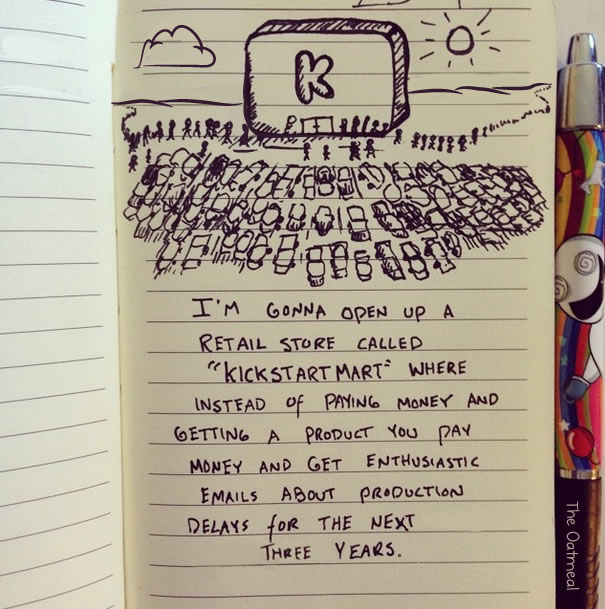
kickstartmartvia The Oatmeal

Addressing The Skeptics
Given my earlier reported rate of return, it could be interpreted that every successful project I’ve backed really cost me 17% more. If I’ve lost 17 cents overall for every dollar spent that could be equated to a 17% premium paid for my successful campaigns. In the macro sense, you could look at it this way but consider my reported numbers cover a span of 7+ years. From year to year the amount I lost, per dollar spent, fluctuates depending on how bold/expensive my pledges were. As it turns out my overall average pledge in this time frame was $ 132.77. I’d like to think that most of this “premium” is recouped by grabbing the greatest discounted offers with early project pledges (aka early bird pledges).  On the other side of the coin, one can make the argument that you’re backing projects for more altruistic purposes to help upstarts get started rather than opportunistically satisfying your consumer urges. In my case, I have backed several projects to help other photographers (photo books, conservation campaigns, etc.) so I’m not backing crowd funded projects just for material goods alone.

No matter how you slice it you’re going to have varying degrees of success, but hopefully, my process of evaluating projects helps you avoid scams and/or get the most out of your investment.

Related Reading
The 5 Biggest Crowdfunding Failures Of All Time (2017)
The Ugly Afterlife Of Crowdfunding Projects That Never Ship And Never End (2014)

The post How I Evaluate Crowdfunding Projects: Kickstarter, Indiegogo & Beyond appeared first on JMG-Galleries – Landscape, Nature & Travel Photography.


JMG-Galleries – Landscape, Nature & Travel Photography

 
Comments Off on How I Evaluate Crowdfunding Projects: Kickstarter, Indiegogo & Beyond

Posted in Equipment


Leica APO-Summicron-SL 75mm F2 ASPH sample gallery

26 Jul

$ (document).ready(function() { SampleGalleryV2({“containerId”:”embeddedSampleGallery_0319280430″,”galleryId”:”0319280430″,”isEmbeddedWidget”:true,”selectedImageIndex”:0,”isMobile”:false}) });

The Leica SL 75mm F2 was launched alongside the SL 90mm F2 earlier this year, and the pair of lenses share identical dimensions. The 75mm F2 is ever-so-slightly cheaper than its 90mm counterpart, but still impressively sharp on the SL’s 24MP full-frame sensor. We’ve been shooting with Leica’s latest short telephoto prime for a little while, and we’ve put together a gallery of real-world samples.

To get a sense of its performance, we hauled the 75mm F2 from sea-level urban portrait sessions all the way up to 6400 ft in Mt. Rainier National Park.

Articles: Digital Photography Review (dpreview.com)

 
Comments Off on Leica APO-Summicron-SL 75mm F2 ASPH sample gallery

Posted in Uncategorized


Blog Project: Your Best Photos From 2017

26 Jul

It’s that time of year again and if you’re a regular JMG-Galleries reader that means one thing…
it is time to kick off the 11th annual best photos of the year blog project. This is by far my most popular blog project with hundreds of photographers taking part last year (see Best Photos of 2016,  2015, 2014, 2013,  2012, 2011, 2010, 2009, 2008 and 2007).  It’s great to see the community of photographers that have developed around this blog project. As always I hope the exercise of picking your best photos helps improve your photography (10 Ways to Top Your Best 20xx Photographs).

So without any further delay here is how you take part to submit your best photos of 2016.

How to Participate (Read Carefully)

  1. Review & select your best photos from 2017.
    Note: Photo edit carefully narrowing down your results to your best 10 or 5 photos. Reference Pro Tips: Photo Editing with Gary Crabbe for pointers.
  2. Create a blog post on your website or a Flickr/500px set containing your best photos from 2017.
  3. Complete the form below by Tuesday JANUARY 2rd at 11:59PM PST to take part. The following Tuesday, or thereabout, I’ll post a link to all submitted sites and photos on my blog. Throughout the week I’ll also share the results across all my social media accounts.

Spread the Word!
Feel free to spread the word of this project on Twitter, Facebook, Instagram, Google+, photo forums you frequent and/or your blogs. All who are interested in taking part are invited.


Loading…

The post Blog Project: Your Best Photos From 2017 appeared first on JMG-Galleries – Landscape, Nature & Travel Photography.


JMG-Galleries – Landscape, Nature & Travel Photography

 
Comments Off on Blog Project: Your Best Photos From 2017

Posted in Equipment


Best Photos of 2017 by Jim M. Goldstein

26 Jul

I’m happy to report 2017 was a much better year than 2016 on many fronts. Family was healthy, we avoided experiencing the passing of family members, there was a fair amount of travel, a few great photos were taken and most importantly to me my boys continue to experience nature and ask for repeat camping trips.

In past years yearly recaps I’ve emphasized how much of my focus has shifted from taking nature photos to instilling a sense of wonder about and deep respect for nature in my two young sons. That continues to be the case.   I’ve never delved into it too deeply in past yearly recaps why my prioritization has shifted. In part it’s likely very obvious for some. That said I do want to call it out. I became a photographer because of my love for nature. If I hadn’t been so intrigued by nature I’d never have had a reason to pick up a camera. With the onset of social media and mobile phones with cameras I’m not sure that can be said of many young photographers today. More and more as I view photography online I wonder whether people are truly interested in their subjects (all styles of photography not just nature) or just trying to increase their follower stats because that’s the thing to do in this day and age. Perhaps my cynicism is getting the better of me after working at Borrowlenses where I dealt with photography talking heads & professional and aspiring professional photographers on a daily basis. An element of my becoming a jaded photographer I’m sure (kudos to my friend Richard Wong for writing that post). I’ll avoid going down the path of airing dirt for now as that’s a series of posts unto itself. Anyhow once my boys got old enough it was quite natural for me to want to go back to my roots enjoying nature over photography. I’d like my children to deeply respect and value our natural world. What would I be teaching them, about nature and in general, if I was always taking photos on our trips versus living the moment?

For that reason my yearly recap photos have and will continue to be split between family photos and everything else. While my boys are in their most formative years I’ll continue to put my emphasis behind experiencing nature versus artistically capturing it. The fact that my boys regularly tell me, often out of the blue, they want to go camping again means the world to me. I’m incredibly grateful one aspect of my professional outdoor photographer mind has not lost a beat and that is timing our trips for optimal conditions. This used to torment me as I’d leave my DSLR behind, but the more my boys reminisce and ask for more nature experiences the more I know I’ve made the right call.

Now that that’s out of the way… my favorite photos, in no particular order are below. Enjoy and thanks for taking the time to view this post and my blog in general.  If you happen to have a recap of your best photos of 2017 I invite you to submit it to my blog project, where I list the best photos of photographers who read my blog. It’s a lot of fun and a great way to get inspired at the beginning of the new year.

Best of  Landscape & Nature

_MG_9035-_MG_9089-3

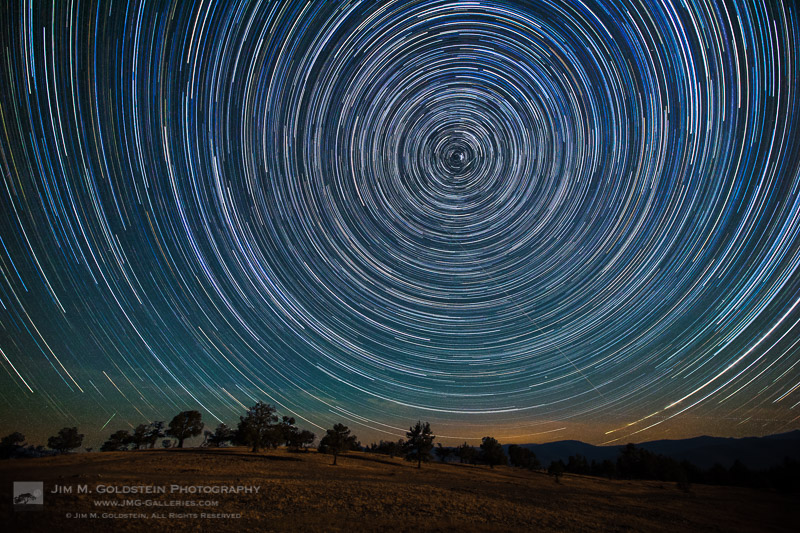
I took my boys to witness the total solar eclipse in August of 2017. We went off road to an isolated mountaintop with 360 degree views in eastern Oregon. My focus for the eclipse itself was on the experience with my boys, but we did star gaze a lot at night before the big day. In trying to explain how the earth moves I set up a quick star trail sequence to show the boys. This was the result.

_A2A1077M-2

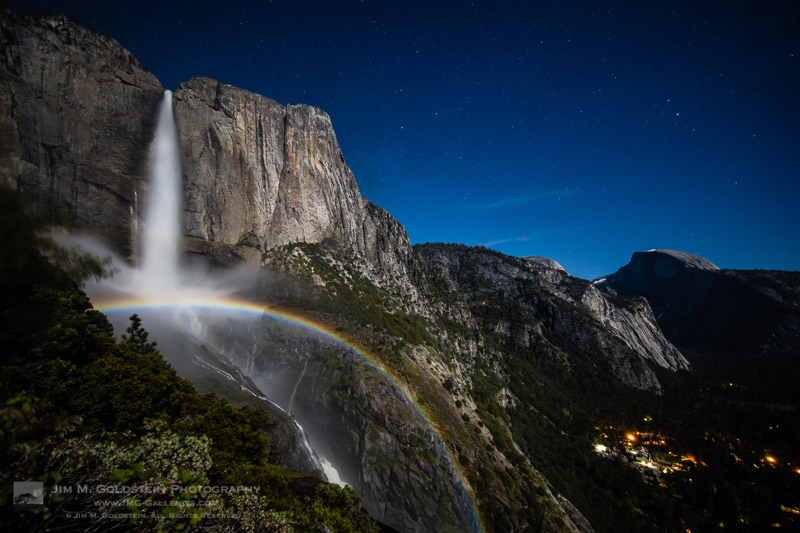
Water levels were near record levels this spring in Yosemite Valley. I made what has become a regular hike to Upper Yosemite Falls to take time-lapses of moonbows with my friend, Brian Hawkins. Like me, he seems to have enough screws loose to think this night hike is a good idea along with huddling in ice cold mist to capture this view.

_MG_7933-edit-3

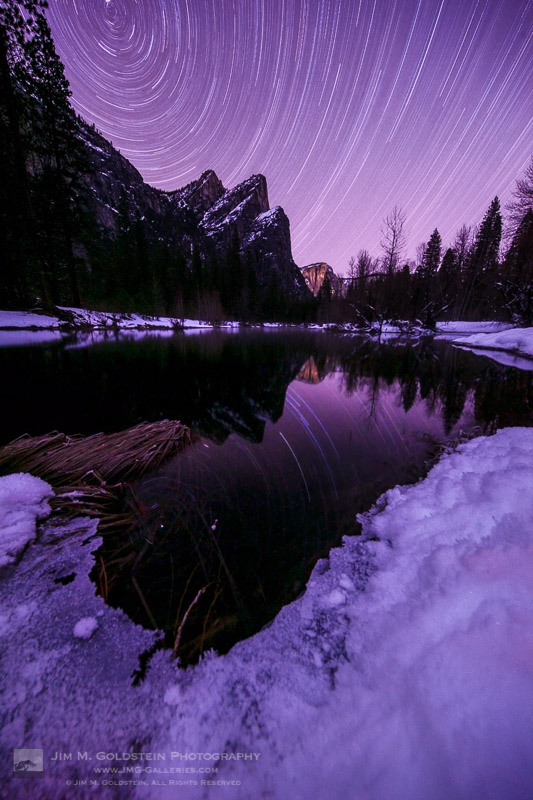
At the beginning of the year I timed a trip to Yosemite Valley to capture some long overdue winter star trail photos. This was a single 2+ hour exposure taken with my Canon 5D Mark II. Pictured is Three Brothers with star trails reflected in the Merced River.

_MG_7906M-4

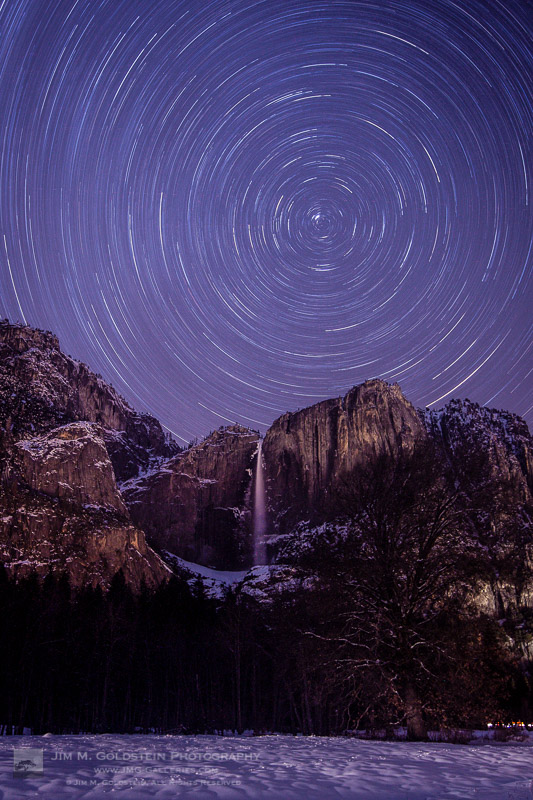
Another single 2+ hour exposure taken with my Canon 5D Mark II. Pictured is Upper Yosemite Falls as seen from the valley floor.

PacificOverlander.com Truck Under the Milkyway

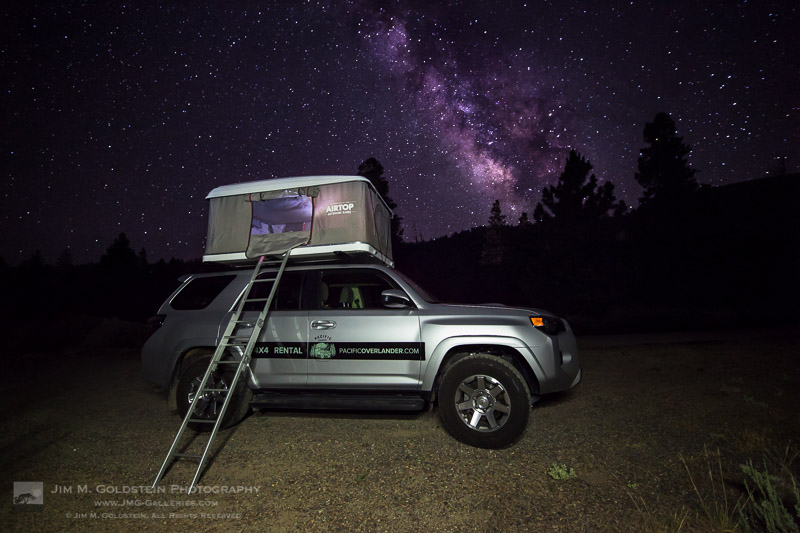
For most of my family trips this year I’ve rented an SUV outfitted with a rooftop tent via PacificOverlander. I took this photo on the first night of one of my trips with the boys as we explored the Owens Valley. While they slept I snuck in this photo of our truck/tent under the Milky Way. If you’re unfamiliar with PacificOverlander it’s well worth investigating. I’ve had several amazing experiences and my boys keep asking me why I keep giving the truck back. They regularly have so much fun on these trips it would seem they’re sold on having a truck/rig like this of their very own.


Best of Family

IMG_4675-2

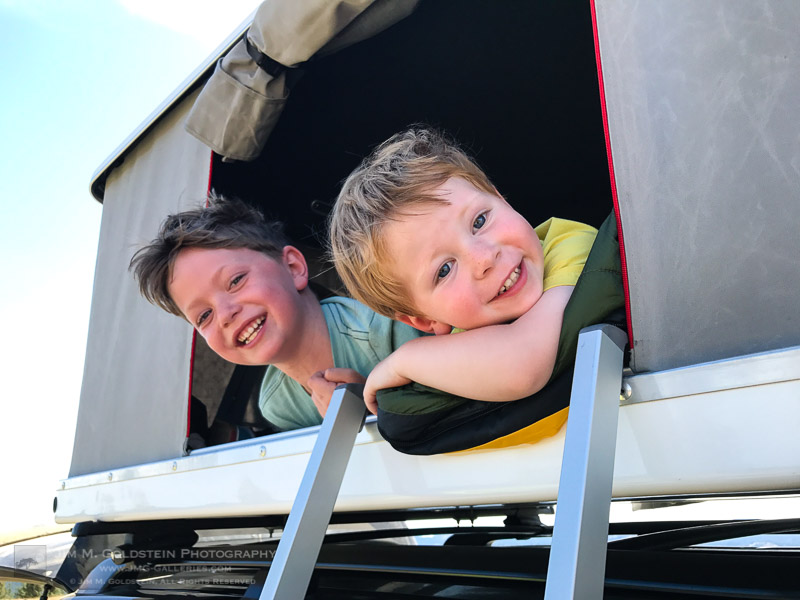
Taken on our trip to see the total solar eclipse, the boys enjoy hanging out in the tent atop our PacificOverlander SUV. This photo sits atop both my home and work desk. It’s probably my favorite photo of the year as it captures the raw joy my boys have on our camping excursions.

_MG_9412-2

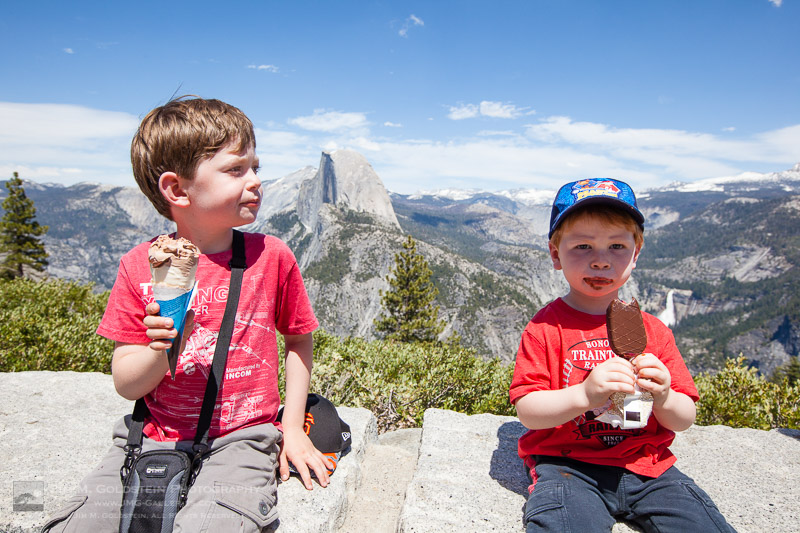
I spoiled my kids with ice cream atop the Glacier Point lookout in Yosemite National Park. A moment I enjoy remembering through this quick snapshot.

_MG_9241-2

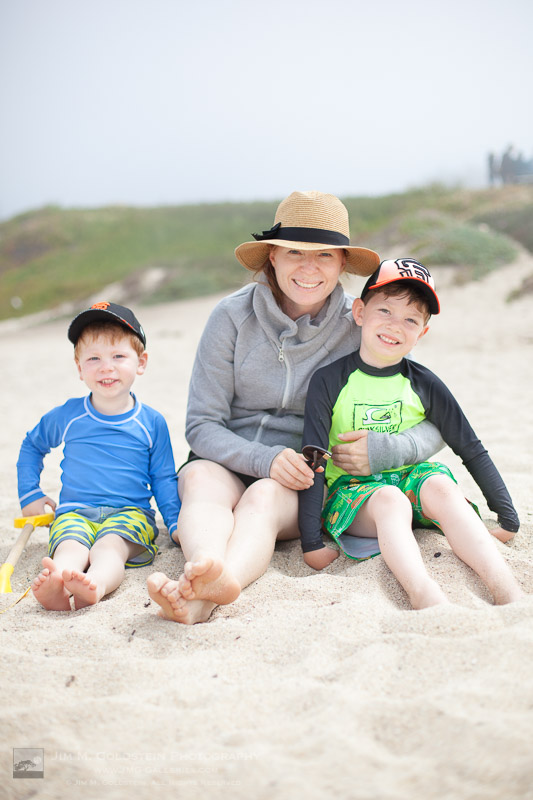
Wrangling family for a group photos is… a challenge. This is especially true when the boys enjoy making faces and test the patience of my wife. Every so often though a photo comes out just right. This was one that I took while we enjoyed a sunny day at a beach near Half Moon Bay.

_MG_9801-4

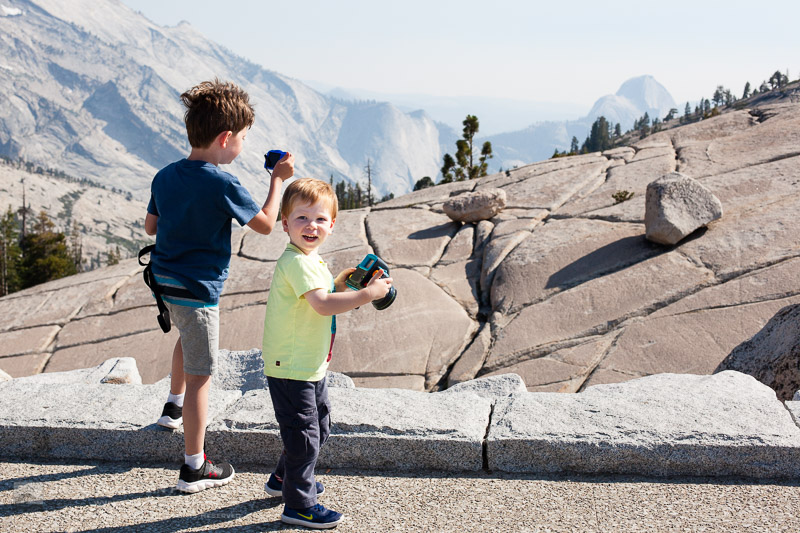
Not a technically great photo, but the fact it captures the raw excitement of my youngest son exploring new places makes it one of my favorite of the year. The had a fun time rock hopping at Olmsted Point in Yosemite National Park.

_MG_8189-3

Trains… my boys love trains. Given the opportunity they’ll always jump on a train and lucky for them the commuter train, Caltrain, is very close to where we live. Bright eyed and excited I couldn’t help but take this photo of my son as we started to roll.


Bonus Images / Honorable Mentions

I didn’t take this first image, but it’s impossible to exclude as it’s a great keepsake from a very fun trip. Below that you’ll see a short slideshow of images that might show a glimpse of the future. While I’m not actively taking serious photos in front of the boys they’ve none the less taken to photography on their own. If you’ve seen my past years “Best of” photos you’ll also see that my oldest son continues to enjoy being part of trick photos (forced perspective, rotated images, etc.). His best this year was “rock climbing” at Devils Postpile National Monument. Lastly my oldest also enjoyed getting drenched under a rainbow at Bridal Veil Fall in Yosemite this spring.
_MG_7944-Edit-2

Click to view slideshow.

If you’re curious to see how these compare to my “best of” images selections from years past I invite you to check them out: Best Photos of the Year by Jim M. Goldstein.

Wow! You made it this far. Thanks for taking the time to view all my photos. Keep tabs on my latest posts by subscribe to my blog or (ironically) follow me on social media. I’m not posting as frequently as I used to, but when I do it’s likely something you won’t want to miss. Also I do have a mail list if you’d like to subscribe (at my current rate I send out 1-2 email per year due to a hectic schedule).


The post Best Photos of 2017 by Jim M. Goldstein appeared first on JMG-Galleries – Landscape, Nature & Travel Photography.


JMG-Galleries – Landscape, Nature & Travel Photography

 
Comments Off on Best Photos of 2017 by Jim M. Goldstein

Posted in Equipment


Best Photos of 2017 by JMG-Galleries Blog Readers

26 Jul

_A2A1077M-2

Get ready to start 2018 off on the right foot with some creative inspiration. The results of my 11th annual Best of Photos project hopefully will provide just that by introducing you to photographers and their work from all over the world. Get ready to travel around the world in 100+ links.

For those who are new to my blog project, photographers taking part span the gamut of photo enthusiasts to professionals. The great thing about photography is that no matter what your skill level we all can relate equally in our love for the art of photography and visually exploring. With that in mind I encourage you to reach out to photographers whose work you enjoy to keep sharing & growing as an artist.  I am incredibly thankful that this tradition has been embraced and enjoy seeing how familiar faces have evolved their work & grown over the years.  I hope reviewing your best photos of the year and comparing them to years pasts keeps you inspired and aware of your progress as a photographer.

If you’d like to take part next year and be informed when submissions open for the “Best Photos of 2017? blog project add your name to my mail list. You won’t be spammed. I send out newsletters quite infrequently.

Thank to everyone who took part!  I invite you to visit each link below as I have and introduce yourself to many of the participating photographers.

Best Photos of 2017

  1. Jim M. Goldstein – Best Photos of 2017 by Jim M. Goldstein
  2. Randy Langstraat – My Ten Favorite Photos of 2017
  3. Michael Russell – My Top 10 Photos of 2017
  4. Phil Colla – Best Natural History Photos of 2017
  5. Greg Russell | Alpenglow Images – 2017 year in review
  6. Mike Matenkosky – My Favorite Photos from 2017
  7. Khürt Williams – 2017 Favourites
  8. Carl Donohue – Expeditions Alaska
  9. Kevin Ly – Kevin Ly | Best of 2017
  10. Martin Quinn – Quinn Images – Best of 2017
  11. Robin Mayoff – RHM Images Best of 2017
  12. Craig L. Howe – On the Move
  13. Johann A. Briffa – 2017: A Photographic Retrospective
  14. Harold Davis – Harold Davis—My Best of 2017
  15. Denise Goldberg – top photos :: 2017
  16. William Bean – Bill’s Blog
  17. Greg Clure – Best Images of 2017
  18. Rick Holliday – Best Images of 2017
  19. Peter Carroll – Peter Carroll – Favourites of 2017
  20. Mike Chowla – My 10 Best Photos of 2017
  21. Wendy M. Seagren – wendy seagrens best photography 2017
  22. QT Luong – 2017 in Review, Favorites, and Seasons Greetings
  23. Jenni Brehm – Changing Perspectives
  24. Rachel Cohen – Rachel Cohen Photography
  25. Brian Knott (FMKphoto) – 2017 year in review
  26. Shikha Shrivastava – My favorite photos of 2017
  27. Dave Wilson – Dave Wilson Photography – Best of 2017
  28. Larry Millican – Millican Photography
  29. Alexander S. Kunz – My Favorite Photos from 2017
  30. Mark Duffy – 500px
  31. Stefan Baeurle – Top 10 Favorites of 2017
  32. Adrian Klein – Favorite Photos of 2017
  33. Alan Majchrowicz – Photo Highlights 2017
  34. Russ Bishop – Russ Bishop Photography | 2017 – The Year in Pictures
  35. Todd Henson – Best Photos of 2017: My Favorites of the Year
  36. Peter Tellone – My 2017 Top Ten Best Images
  37. Aaron Hockley – thisGruntled – Best Photos of 2017
  38. Tony Wu – Favorite Photos of 2017
  39. T.M. Schultze – T.M. Schultze Website
  40. Andrew S. Gibson – My Favorite Photos From 2017
  41. John Pemberton – JPSquared – Images of 2017
  42. Scott Thompson – Scott Shots Photography’s Top 10 Tahoe photos of 2017
  43. ElDuro Tuco – ElDuro Tuco
  44. The DarkSlides – The DarkSlides
  45. Jon McCormack – From Ancient Cities to Endangered Animals – 2017 in Photographs
  46. Fred Mertz Photography – Fred Mertz Photography
  47. Richard Valenti – Richard Valenti Photography
  48. Jeff Hubbard – My Favorite Photos of 2017
  49. Andrew Scharlot – 2017 Best Pictures
  50. Deb Snelson – Favorite Photos of 2017
  51. Richard Wong – Favorite Photos From 2017 – Richard Wong
  52. Caleb Weston – Dubland
  53. Gary Crabbe / Enlightened Images – My Favorite Landscape Photos of 2017 – A Year-End Retrospective
  54. Tom Whelan – Nature Diary
  55. Robert Varley – Robert Varley
  56. Kyle Jones – Favorites from 2017
  57. Neil Creek – Neil Creek – Photographer
  58. tim fiddimore – North Devon 2017
  59. Richard Murphy Photography – Best of 2017
  60. Alan Dahl – Favorites of 2017
  61. Gabor Ruff – Natural History Photography – Highlights from 2017
  62. Kevin Ebi – Living Wilderness: Best of 2017
  63. Clint Losee – 10 Best Landscape and Scenic Photos of 2017
  64. Mark Hespenheide – Best of ’17
  65. Ilias Katsouras – Okrivadas
  66. David J Grenier – 2017 Top 12 Photographs
  67. J. J. RAIA – 2017 Jim Goldstein Project
  68. Rob Tilley – Best of 2017 – My Favorite Images of the Year
  69. Björn Göhringer – Top 14 From 2017
  70. Bernt-Inge Madsen – Bernt-Inge.com
  71. USKestrel Photography (Pete Miller) – My favorite images of 2017: A Different Perspective
  72. Milan Hutera – 2017 in Pictures
  73. Fred Murphy – Fred Murphy Photography
  74. Harry Hitzeman – My Top Photographs of 2017
  75. Andrew Thomas – Best of 2017 – Aerials
  76. Dean Foster – 2017: Year in Review
  77. Simon Ng – 2017 A Year of Water
  78. Michael Katz – Michael Katz Photography
  79. Drake Dyck – Top Ten (favourite) Images of 2017
  80. Jose Manuel Santos – The Magnificent Douro Valley
  81. Gary Buzel – Gary Buzel Studios
  82. Bryan William Jones – Top Photos of 2017
  83. Peter Knott – 2017 Favourites
  84. Kamala Venkatesh – Kamala Venkatesh
  85. Jason Frye – My Top 10 of 2017
  86. Jackson Frishman – Favorites of 2017
  87. Thomas Yackley – Top Ten Landscape and Nature Photos of 2017
  88. Mark Graf – 2017 – A Year of Despair and Dragons
  89. Kurt Lawson – 10ish Favorites of 2017
  90. Jorge Ramirez – Selection 2017
  91. William Neill – William Neill’s Light on the Landscape Photoblog
  92. Daniel Leu – Favorites – 2017
  93. Derrald Farnsworth-Livingston – Top 10 Favorite Images from 2017 ~ Journey of Light
  94. Photography
  95. Mike Christoferson – 2017 Has Come and Gone
  96. Carol Schiraldi – Best of 2017 – My Top Images
  97. Robin Black – My 10 best photos (or personal favorites, anyway) of 2017
  98. Bryn Tassell – Favourites of 2017
  99. Steve Luther – SkyVista Photography Best of 2017 Images
  100. George Stark – George Stark Images
  101. Josh Meier – Josh Meier Photography Best of 2017
  102. Werner Priller – My Favorite Images of 2017
  103. Peter Krogh – Best of 2017 Photographs by Peter Krogh
  104. Under Pressure Photography by Scott F McGee – Top 10 Photos of 2017
  105. Joseph Smith – 2017 Favorites – A Year’s Review
  106. Chuq Von Rospach – 2017 BEST PHOTOS OF THE YEAR
  107. Charlotte Gibb – Twelve Months – Twelve Photographs
  108. Holly Davison – Holly Davison Photography
  109. Colleen Miniuk-Sperry/CMS Photography – Favorite Photos From 2017
  110. Anne McKinnell – Top 10 Landscape Photos of 2017
  111. Jim Stamates – My Favs of 2017
  112. Neil Corman Photography – Ten Images from 2017
  113. Eric E Photo – Analog: 2017
  114. Phyllis Whitman Hunter – Phyllis Whitman Hunter Photography
  115. Catalin Marin – My favourite shots of 2017
  116. Catalin Marin – Corporate work – My favourite client shots of 2017
  117. Simon Ponder – Sponderpoints
  118. Greg A. Lato – latoga photography Favorite Photos of 2017
  119. Paul Rosenblum – Best Shots of 2017
  120. Patricia Davidson – My Top 10 Favorite Photos of 2017
  121. Tim Aston – Favorites from 2017
  122. Yosemite and Bay Area Photography by John Harrison – “My Best Nature
  123. Sue Shuey – Best Overall 2017
  124. Ron Niebrugge – My Photo Blog
  125. Michael Frye – My Top Photographs of 2017
  126. Jao van de Lagemaat – Jao van de Lagemaat’s Best images of 2017
  127. David Leland Hyde/Landscape Photography Blogger – Best Photographs of 2017
  128. Mike Cavaroc – Free Roaming Photography
  129. Patrick Endres – 2017 Favorites
  130. Alex Buisse – Best of 2017

Have a great 2018!

The post Best Photos of 2017 by JMG-Galleries Blog Readers appeared first on JMG-Galleries – Landscape, Nature & Travel Photography.


JMG-Galleries – Landscape, Nature & Travel Photography

 
Comments Off on Best Photos of 2017 by JMG-Galleries Blog Readers

Posted in Equipment


Fujifilm plans to increase interchangeable lens production capacity as demand grows

26 Jul

Increased mirrorless digital camera demand has prompted Fujifilm to ramp up its interchangeable lens production capacity, the company has announced. New facilities at its existing Taiwa Factory in Miyagi prefecture, Japan will start in September, the ultimate goal being a 70% production capacity increase by 2020, the year when Fujifilm expects all of the new facilities to be fully operational.

Fujifilm reports that its annual interchangeable lens sales are growing by more than 20% per year. The company currently offers 36 interchangeable lenses for its X and G mounts, including its newly announced XF 8-16mm F2.8 ultra-wide zoom scheduled to launch in November.

Fujifilm reports that its annual interchangeable lens sales are growing by more than
20% per year

The company revealed plans to install a large-scale cleanroom facility with a “cutting-edge” analyzer, as well as other facilities that will include AI-based optical adjustment technologies. The launch of these facilities, says Fujifilm, will increase lens production efficiency while maintaining a high level of quality. Fujifilm says the Taiwa Factory’s “Made in Japan” interchangeable lenses will be distributed globally.

Via: Fujifilm

Articles: Digital Photography Review (dpreview.com)

 
Comments Off on Fujifilm plans to increase interchangeable lens production capacity as demand grows

Posted in Uncategorized


Apple patents correction system for smartphone accessory lenses

26 Jul

Accessory lenses for smartphones can be useful tools for expanding the photographic capabilities of your device. However, the process of physically attaching these lenses to the smartphone and centering them above the camera lens is prone to minor but important error as even a slight misalignment can result in a drop in image quality. Additionally, the accessory lens’ optical design can have a detrimental effect on the image output.

Apple has now been granted a patent that aims to fix the problem using a two-pronged approach: by using correction software and a movable built-in camera lens.

The document describes camera hardware and an analysis and processing software that can be used to analyze image quality and detect problems potentially caused by add-on lenses. By looking at certain image metrics, the system could compare image quality before and after attaching an accessory lens and then use software algorithms to correct accordingly.

Additionally, actuators would allow to change the position of the built-in camera lens on multiple axes, in order to correct for any misalignment of the accessory lens. This could include tilting the camera and varying the distance between the built-in lens and accessory lens.

The patent suggests electronics, magnets and radio sensing among other methods to detect if an accessory lens has been attached. If the smartphone knows what exact accessory is being used, additional options in the camera app could be utilized as well.

As usual, there is no way of knowing if and when this system will make it into a production device but it certainly looks like it could make the use of accessory lenses more appealing to many of us.

You can find the complete patent document on the USPTO website.

Articles: Digital Photography Review (dpreview.com)

 
Comments Off on Apple patents correction system for smartphone accessory lenses

Posted in Uncategorized


Why You Should Avoid Shooting at Small Apertures Like F18 to F40

26 Jul

The bigger the number, the better, right? Wrong! The aperture is a strange thing and one you may find difficult to understand in depth. The first weird thing is that large numbers means a small apertures. It is very counter-intuitive.

In this article, you will learn a couple of quirky details about aperture and why you should avoid shooting in the top range of f/18 to f/40.

ocean view and cliff - Why You Should Avoid Shooting at Small Apertures Like F18 to F40

The aperture plays a significant role in two different equations. The first one defines the exposure and the other one controls the depth of field.

Changing the aperture will change both the exposure settings as well as the depth of field. In some cases, you can take advantage of that, in particular, if you are a landscape or cityscape photographer.

The advantages of small apertures

Two common goals for a landscape or cityscape photographers are:

  1. To get everything within the frame in focus.
  2. Get longer exposure times to blur moving objects like water or moving cars.

It happens so, that these two goals go hand in hand with aperture. If you set your camera to a smaller aperture (that is a larger f-number), you will get a greater depth of field. At the same time, you will also get longer exposure times.

The photo below is a photo of a mountain lake in France. It serves as a classic example of what you as a landscape photographer may experience in the field.

mountain scene France - Why You Should Avoid Shooting at Small Apertures Like F18 to F40

You want the foreground to be in focus as well as the mountains in the background. On top of that, you want the water to be smooth. It requires longer exposure times to smooth small ripples on the surface.

To get a longer exposure times, you can attach a Neutral Density Filter on your lens. If your filters are not quite enough, you can also lower the aperture to f/22 or whatever is the smallest your lens can do.

The depth-of-field is maximized at f/22 or smaller if your lens allows it. So this magically goes hand in hand and everything seems great.

However, a couple of things happen, when you stop a lens down all the way to f/22 or even lower.

Problem #1: Small apertures reveal dust on your sensor

The first problem that arises is that the dust spots you have on your sensor becomes painfully visible. Almost any camera, even with a freshly cleaned sensor, will have dust spots.

Why You Should Avoid Shooting at Small Apertures Like F18 to F40

Dust spots clearly visible due to a small aperture.

Dust spots are annoying because you have to clone them out later in the post-processing and if you have many dust spots this is a real pain. For this reason alone, you may want to avoid f/22.

Problem #2: Small apertures lose sharpness

The other problem may a surprise to you. The dust spots are annoying, but not more that. At f/40 you can’t even shoot a sharp photo! But even at f/22, there are problems.

Why You Should Avoid Shooting at Small Apertures Like F18 to F40

200% crop of a blurry image at f/22.

This is a 200% close-up of the unprocessed RAW photo of the French lake above, which was shot at f/22. As you can see the photo is not quite sharp. There is a softness to it and it is not a focus problem, but something entirely different.

This lens, a Nikon 16-35mm f/4, cannot produce anything sharper than this at f/22. You can work on this in the post-processing stage by applying some sharpness, and get something that seems reasonably sharp, but it is not really that good.

Why You Should Avoid Shooting at Small Apertures Like F18 to F40

200% crop of the final processed image.

Some harsh post-processing has made the image seem sharper. But had the RAW photo been sharper in the first place, this would have been a much better result.

Below are some examples shot using a Sony 24-240mm lens at 240mm on a Sony a7R II body, shot from a sturdy tripod.

This lens is not the sharpest one in town, but for a superzoom, it is one of the best I have seen. At 240mm f/6.3 (wide open – it is no fast lens) through to f/40 (fully stopped down).

Why You Should Avoid Shooting at Small Apertures Like F18 to F40

1/320th at f/6.3

Why You Should Avoid Shooting at Small Apertures Like F18 to F40

1/160th at f/9.0

Why You Should Avoid Shooting at Small Apertures Like F18 to F40

1/80th at f/13

Why You Should Avoid Shooting at Small Apertures Like F18 to F40

1/40th at f/18

Why You Should Avoid Shooting at Small Apertures Like F18 to F40

1/15th at f/29

Why You Should Avoid Shooting at Small Apertures Like F18 to F40

1/8th at f/40

Have a look at this series as the aperture lowers. At f/9 the lens is at its sharpest and then sharpness begins to decline. Even at f/13, it is not super sharp, but still fixable. At f/18 the lens begins to lose details and at f/40 you can no longer tell the bricks from each other.

Why they even bother providing f/40 on a lens such as this, is a mystery. So what is going on? This is much worse than a few dust spots and it is NOT fixable.

Diffraction is the problem

What happens is that you run into the laws of physics and there is nothing you can do about it. When you stop down your lens, the hole the light passes through inside the lens becomes smaller and smaller. That’s why it’s called a smaller aperture.

When the hole gets small enough you run into trouble with one of the laws of physics which is called diffraction.

Why You Should Avoid Shooting at Small Apertures Like F18 to F40

Shot at f/22 on a full frame camera. Sharpness is not optimal.

In layman terms, what happens is that the light spreads out a bit when it passes through a small hole. The light intended for one receptor (one pixel) on the sensor spreads a little bit to its neighbors. The result is an unsharp photo.

And the smaller the hole, the bigger the problem, which is exactly what you see at f/40 above. Diffraction begins around f/22, but even as the lens is closing in on f/22 the sharpness is declining.

What is the minimum usable aperture?

So what is the minimum f-stop or aperture you should use? Or phrased not be misunderstood, what is the largest f-number you should use?

All lenses behave differently, but the laws of physics are constant. Some lenses are sharpest at f/5.6 while others may be sharpest at f/9.0, as was the case with the Sony 24-240mm lens. This has to do with the design of the lens.

Why You Should Avoid Shooting at Small Apertures Like F18 to F40

15mm at f/8 on a full frame camera.

What is common for most lenses, is that they produce the sharpest photos somewhere in the middle range, from f/7.1 to f/13 (called the sweet spot). What is certain for all lenses is that as the aperture gets smaller (bigger f-number) beyond f/13, the worse the lens performs in terms of sharpness.

Diffraction becomes a problem around f/22 and the lens will become increasingly less sharp. The Sony lens takes diffraction pretty hard while a Nikon 28-300mm I also own is less pronounced.

The title of this article suggests that you should avoid using f/18-f/40. Why do I say f/18?

It is a gradual change, but personally, I have stopped going beyond f/16, simply because I find the photos too soft. You can never make them tack sharp, and you have to process them pretty hard to get something fairly sharp and acceptable.

Why You Should Avoid Shooting at Small Apertures Like F18 to F40 - park bench and scenic view

The best way to find your personal limit on your favorite lens is to put your camera on a tripod and shoot test shots at f/11, f/13, f/16, f/18 and f/22 or even further down if your lens has those apertures.

Look at the photos at 200%. Notice the sharpness difference and decide what your limit should be. Memorize that and just be sure not to go below that aperture.

The compromises

Photography is full of compromises and now you have a couple more you have to make. As I established at the beginning of this article, there are some good reasons why you want to go for small apertures, but they come at a price of lack of sharpness and dust spots.

You may want to reduce the dust spot problem, I know I do. If you stay around f/8 the dust spots will not be very pronounced. However, the shutter speed will be much faster than at f/16 and the depth of field much less as well.

You can affect the shutter speed by attaching a 2-stop Neutral Density filter, which will produce the same shutter speed as f/16 but shooting at f/8.

Why You Should Avoid Shooting at Small Apertures Like F18 to F40 - large chain links

Another solution

You can solve the problem of getting everything in focus by shooting more than one photo. One having the foreground in focus and one having the background in focus and then blending these two photos.

This technique is called focus stacking. Whether that is easier than fixing dust spots is something you will have to decide for yourself.

Why You Should Avoid Shooting at Small Apertures Like F18 to F40 - forest and pathway

This is a focus stacked photo shot at f/11 and 134mm on a cropped sensor.

In photography, there are always compromises you have to make. How will you overcome the urge to shoot at f/22 and beyond?

The post Why You Should Avoid Shooting at Small Apertures Like F18 to F40 appeared first on Digital Photography School.

Digital Photography School

 
Comments Off on Why You Should Avoid Shooting at Small Apertures Like F18 to F40

Posted in Photography