RSS
 

Archive for January, 2017

Japanese Joinery: Captivating Gifs Reveal Ancient Secrets of Wood Assembly

25 Jan

[ By WebUrbanist in Design & Furniture & Decor. ]

giffed

Before screws, nails, glue and other fasteners, joinery was a matter of complex interlocking forms that shaped not only the structure but also the aesthetic of what was built.

joinerygifs

For generations, Japanese wood craftsmen and their carpentry guilds were known to carefully protect trade secrets of their construction techniques. Even as the approaches found visual representation in print publications, it was often hard to visualize how they worked.

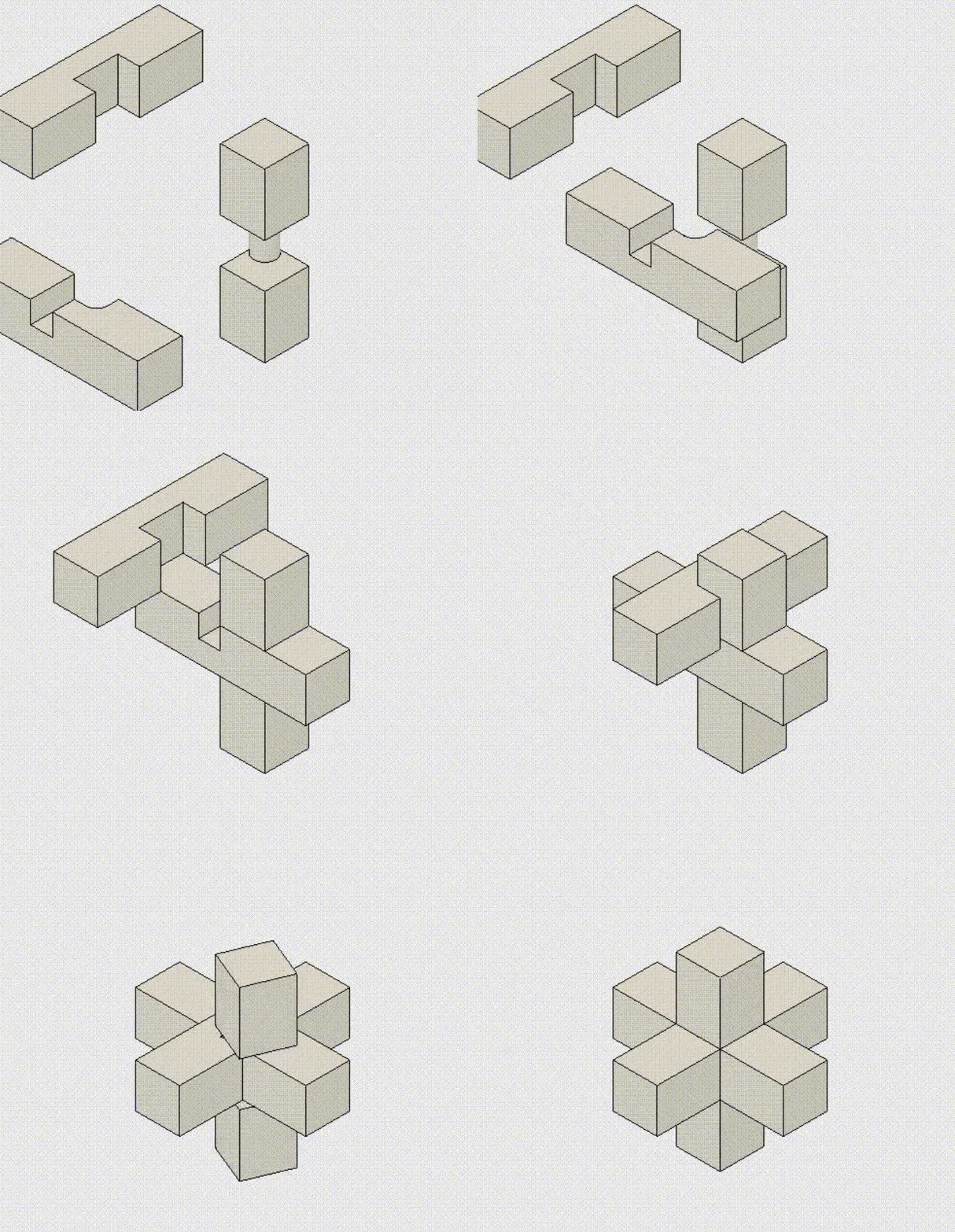
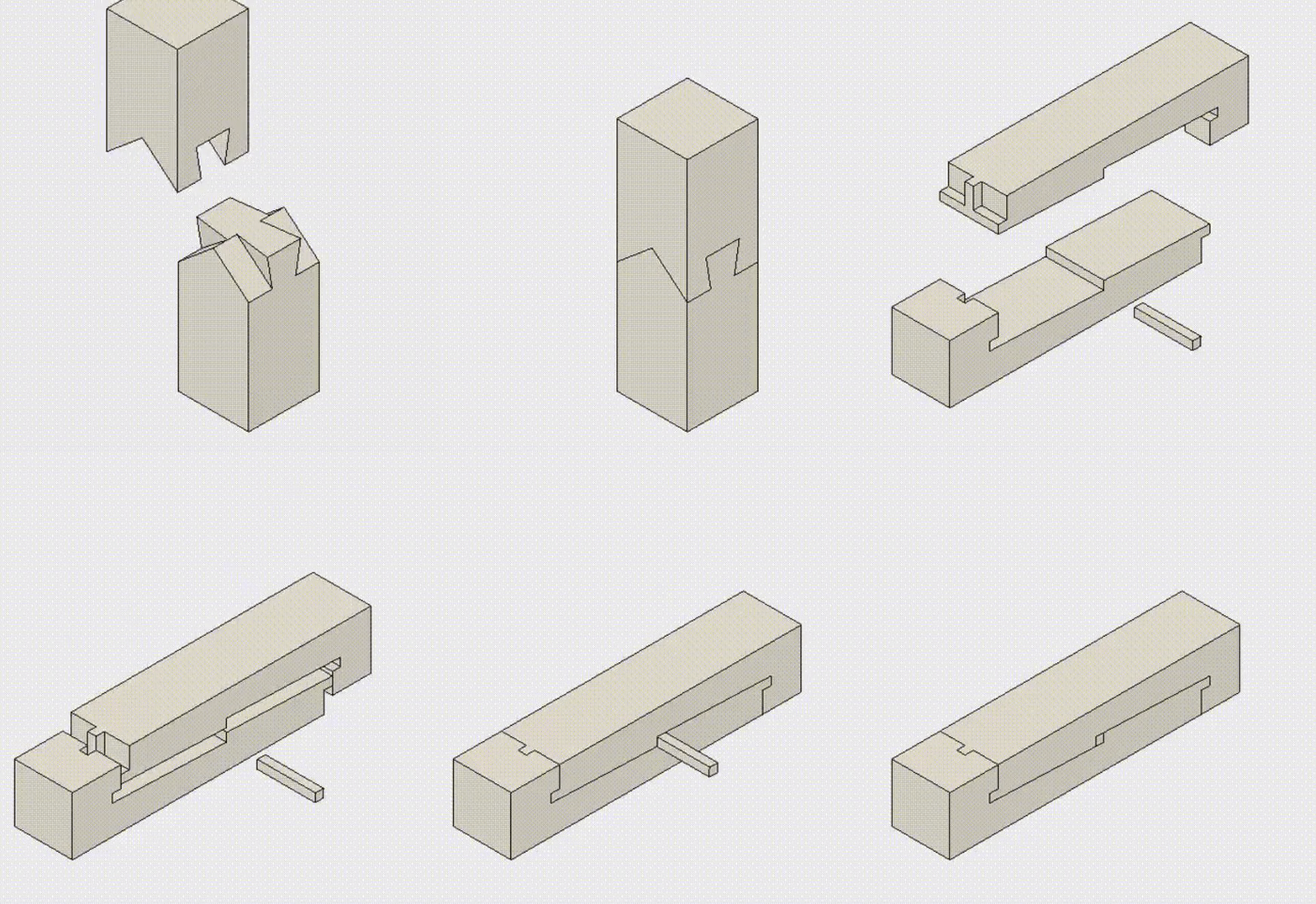
These animated 3D representations communicate the inner workings of these traditional techniques in a way that no static rendering or model could hope to do, depicting them in motion through the assembly process.

Created by a Japanese fan of woodworking, they were made using Fusion360 and derived from historical documents and precedents. He has so far posted dozens of these joinery techniques, many of them highly complex (featuring multiple interlocking parts, twists and turns).

While modern-day technologies have replaced historical joints in most everyday applications, they could also be positioned to bring them back into play — with 3D-printing devices readily available, the sophisticated cutting that used to be done by hand can be done by machine.

Share on Facebook


[ By WebUrbanist in Design & Furniture & Decor. ]

[ WebUrbanist | Archives | Galleries | Privacy | TOS ]


WebUrbanist

 
Comments Off on Japanese Joinery: Captivating Gifs Reveal Ancient Secrets of Wood Assembly

Posted in Creativity


Get ’em while you can: Fujifilm GF670 medium-format film cameras back on sale

24 Jan

Update: An earlier version of this article incorrectly stated that the cameras were discovered at a B&H warehouse – they were found at a US Fujifilm warehouse by the manufacturer.

The public will soon be able to purchase new units of the discontinued Fujifilm GF670 film rangefinder folding camera thanks to a cache reportedly found in a Fujifilm warehouse. The information comes from The Phoblographer, which reports it was informed about the matter during a recent Fujifilm event in New York City.

B&H Photo’s website lists the GF670 as ‘back-ordered’ with an availability date of early February. The price is currently listed as $ 1799 and includes a one-year warranty.

Fujifilm introduced the GF670 in 2008; its was discontinued in 2014.

Via: The Phoblographer

Articles: Digital Photography Review (dpreview.com)

 
Comments Off on Get ’em while you can: Fujifilm GF670 medium-format film cameras back on sale

Posted in Uncategorized


Croatia in 4K: travel photographer Max Lowe on location with Canon EOS 5D IV

24 Jan

The Canon EOS 5D Mark IV is Canon’s latest full-frame DSLR, aimed at enthusiast and professional photographers. As well as 30MP stills, the 5D IV can also capture HD and 4K video, at up to 60p. 

Late last year, we joined travel photographer Max Lowe on location in Croatia. Over the course of several days, Max documented the people and beautiful scenery of the Dalmatian Coast, while we filmed the experience entirely using the EOS 5D Mark IV.

Read our in-depth review of the Canon EOS 5D Mark IV


This is sponsored content, created in partnership with Canon. What does this mean?

Articles: Digital Photography Review (dpreview.com)

 
Comments Off on Croatia in 4K: travel photographer Max Lowe on location with Canon EOS 5D IV

Posted in Uncategorized


Interview: Fujifilm talks GFX, X100F and getting serious about video

24 Jan
 Makoto Oishi, Billy Luong and Yuji Igarashi from Fujifilm

Following the launch of the GFX 50S, the X100F and the X-T20, we spoke to Fujifilm executives about their models, their ambitions and what we might be able to expect in the future in terms of medium format, the XE range and video. 

We spoke to Makoto Oishi, manager of Fujifilm’s Sales and Marketing Group, Optical Device and Electronic Imaging Products division, Yuji Igarashi, general manager of Fujifilm’s Electronic Imaging Division, and Billy Luong, Manager for the Technical Marketing and Product Specialist Group. They answered our burning questions as best they could: Will the GFX series gain phase detection AF? Will it ever have a fixed lens model? How is the X-E series faring?

GFX 50S: who is it for, and what’s next?

As you’d expect, we started by discussing the GFX 50S and who it’s for. ‘Fashion, commercial and landscape photographers are the main targets,’ says Oishi. ‘And especially when it comes to landscape, it’s not just professional photographers, but also amateur photographers.’

‘The tonality and dynamic range also mean it’ll appeal to wedding photographers,’ adds Luong. ‘And architecture,’ says Oishi: ‘But you can see from the weather sealing that we want landscape and outdoor photographers to feel confident using this camera.’

Consequently, these users groups will direct which lenses the company creates for the system. ‘We’ve already announced our first six lenses but we’re thinking about what comes next,’ says Oishi: ‘We have some ideas but haven’t decided yet. For example maybe a wide-angle zoom for landscape photographers or maybe something like a 200 or 250mm and so on. We want more feedback from users about what to make next.’

Image quality and autofocus

In the early days of the X-mount system, the company said it had chosen to prioritize image quality even if it that meant using a design with slightly slower focus. This compromise wasn’t necessary with the GFX, Oishi says: ‘The first priority must be image quality, of course. After our experience with the X-series we’ve developed a series of technologies in lens design as well as autofocus motors.’

The GFX 50S is designed to be relatively small and swap easily from being a studio camera to a field camera. The 50mm-equivalent 63mm F2.8 lens focuses pretty quickly despite the absence of phase-detection elements or a linear motor to drive focus.

‘Some of the first [GF] lenses have linear motors, whereas the 63mm has a different motor, more like the one used in the 23mm F2. The autofocus speed is already very good: we haven’t had any complaints. Instead we’ve had some users surprised by how fast the contrast-detection system is.’

This doesn’t mean the GFX series will never have phase detection, though. ‘This is our first development of this sensor,’ says Oishi: ‘we’d have needed more time to develop on-sensor phase detection. The image quality of medium format is our first priority. From a technical point of view, maybe in the future we might incorporate phase-detection pixels. On the other hand, we’re already developed advanced CDAF algorithms.’ There’s no image quality cost to using phase detection, he says.

‘We’re designing all our GF lenses to work with 100 megapixels, so there’s just as much of a challenge of resolution’ – Makoto Oishi

This need for optimal image quality got us wondering: which is more difficult to design, an F1.4 lens for APS-C or an F2.8 lens with the IQ expectations but less dense sensor of medium format? ‘The fundamental design doesn’t change,’ says Oishi: ‘things like the availability of an appropriate autofocus motor to deal with bigger, heavier lenses in medium format always adds problems. They’re both difficult, both to design and manufacture.’

‘The medium format lens is physically bigger which seems like it should be easier to manufacture but you have to pay just as much attention to how sensitively each element is aligned. I’d say they’re both difficult. Differently difficult.’

‘One thing to remember is that we’re designing all our GF lenses to work with 100 megapixels, so there’s just as much of a challenge of resolution.’

‘As the sensor becomes bigger, that means chromatic aberration becomes bigger: it’s proportional to the size. In GFX we’ve minimized aberrations optically and the used digital compensation only to refine the final result, and it depends on lens.’

Makoto Oishi shows-off the GFX 50S’s 44x33mm sensor

As with the X series, Fujifilm has decided not to use in-body image stabilization. ‘Some of the lenses we’ve already announced have OIS built in,’ Oishi points out: ‘but basically our image circle is perfect for the 44 x 33mm sensor size.’

The undeniable appeal of the X100 series

The discussion then turned to the X100 series and its role in the company’s lineup, now that a 23mm F2 lens is available for the X-mount system.

‘Of course using the 23mm F2 on one of our X-mount cameras, you get the same sensor, the same processor, but they’re two different things,’ says Oishi. ‘The X100 lens and sensor are optimized to work together, [whereas] on the ILCs, the sensor has to work with every lens. This means the X100’s image quality can be very good but the lens remains small. The 23mm F2 [XF] lens is also good, the size is a bit bigger but the autofocus can be a bit faster. Then, of course, the X100 series has the optical viewfinder.’

‘A good proportion of our customers are saying the X100 brought back their passion for photography’ – Billy Luong

‘The X100 also has a leaf shutter and built-in ND filter, which make a big difference,’ says Luong: ‘The faster sync speed is an important difference for anyone using flash. Then there’s the silent operation.’

But the appeal is about the format, as much as the specs, suggests Oishi: ‘The X100 series presents a great opportunity: the body size means it works as a second camera for anyone: not just Fujifilm users. If they fall in love with your system then maybe they’ll consider your cameras in future.’

Luong concurs: ‘It’s an iconic shape, it has a distinctive style. Some customers are at the point where they’re done with interchangeable lens camera, they just want the one focal length.’

 ‘The X100 series continues to perform well. In the US, each generation has sold better than the last,’ says Yuji Igarashi.

So who is the X100 series customer? ‘Normally 30% of buyers are people who already use an X100 series camera. But we’re always attracting new customers, too,’ says Oishi.

‘We look at how we retain our customers,’ says Luong: ‘the X100 is often photographers’ first foray into the Fujifilm system. The size, the weight, the image quality. A good proportion of our customers are saying the X100 brought back their passion for photography. That type of person is very much part of the equation.’

Could these same benefits be applied to medium format, we asked. ‘Of course it could be an idea for medium format,’ says Oishi: ‘it depends on demand and the market. The GFX 50S is one style: the ‘S’ means ‘SLR-style.’ Another way to do it would be a rangefinder style camera. Maybe an ‘R’ could be a rangefinder: we’re always considering other options and possibilities.’

‘If mirrorless interchangeable lens camera is too big as a rangefinder style, a fixed lens camera could be smaller, like the GF670.’

X-T20: putting X-T2 image quality in a smaller body

The SLR-style has wide appeal, Luong explains: ‘The SLR style targets a wider audience. We find pro and enthusiast photographers gravitate towards the SLR-style camera. Back to the GFX camera, that’s why we went with the SLR style.’

What does this tell us about the X-T20 target customer, then?

‘There will be a lot of X-T2 and X-T1 users wanting a second body,’ says Luong. ‘Then, of course, there’ll be people wanting X-T2 image quality in a more compact body. It could be a step up from the X-A series or a step over from an entry-level DSLR to a mirrorless type camera.’

‘We wanted to expand the range of users with the X-T10,’ says Oishi. ‘The X-T20 has more capability than ever before, in autofocus, for instance. For casual users, AF speed is important, especially compared with other cameras, such as DSLRs.’

Touchpad AF

However, the X-T20 doesn’t offer the increasingly popular ‘touchpad’ function to control the AF point with the camera to your eye. Mr Oishi explains why: ‘It’s possible. We know some people have difficulty with their nose operating the focus. We think our eight-way joystick is better in many circumstances but we’ll listen to feedback about a camera like the X-T20.’

The FujiFilm X-T20 offers X-T20 image quality in a smaller body. Despite having a touchscreen, it can’t offer touchpad AF control. For now…

This makes us wonder how the company decides which models feature touchscreens and which don’t. ‘It’s a question of the customer response,’ Oishi says. ‘The X100 has an optical viewfinder so it doesn’t make sense to put a touchscreen behind that. Maybe the joystick is better. With the X70, though, it’s a much smaller camera and you have to use the screen so it made sense to control with the screen.’

‘On the X-T20, we were trying to keep the camera small, so there wasn’t room for a joystick. So it depends on the product. It’s not about whether it’s seen as professional or not: the GFX has one.’

‘Product design for each model is focused on certain priorities,’ explains Luong: ‘X100 is about design. Even making it a couple of millimeters thicker to incorporate a touchscreen or tilt screen would make a big difference. It could change the design completely.’

‘We always think about the real target user’s priorities,’ says Oishi. ‘What does the target user want to use?’

Don’t count the X-E series out

The release of three SLR-style cameras in a row (X-T2, X-T20 and GFX 50S) doesn’t mean the company is abandoning the rangefinder style, though. ‘XE is an important series for us,’ Oishi says: ‘There are so many XE1, 2 and 2S users in the world. We are always thinking about the next model, whether that’s XT, XE or X-Pro. Obviously we can’t confirm anything at this point but we are aware there are many requests for this type of camera.’

Unmet needs?

With the X-series lineup looking increasingly mature, both in terms of lenses and bodies, what unmet needs remain?

‘Video is a big growth area for us,’ acknowledges Luong: ‘Our latest cameras such as the X-Pro2 and X-T2 show there’s a lot we’ve learned.’

 The Fujifilm X-T2 is a significantly more capable video camera than we were expecting.

And there’s an audience for video, he says: ‘If you look at who’s producing material, there’s a generation of YouTube content providers. People are increasingly watching content on their computers, on YouTube, rather than traditional TV.’

‘In Japan the developers worked very closely with production studios. A lot of their feedback shaped the outcome of the X-T2’s video quality and the way it operates.’

‘Features like Film Simulation, taking them from stills to video they found really useful but things such as bitrate, file format and compression, that came from us listening to feedback.’

‘Video is a big growth area for us, the X-Pro2 and X-T2 show there’s a lot we’ve learned’ – Billy Luong

There are challenges, though, says Oishi: ‘Movie AF is very difficult: it depends on the subject. Sometimes you want it to be quick, other times you want it to be slower and smooth.’

‘Whether it’s an algorithm that recognizes a tap on the screen should be a smooth focus pull, or potentially a custom setting, we’re very serious about getting it right,’ says Luong.

Does this mean we could expect an even more video-centric camera, given that all the X-series lenses are essentially in the Super 35 format?

‘We already have cinema lenses that are Super 35,’ Luong reminds us. ‘We’re continuing to develop video features, so we’ll continue to investigate.’

‘There’s a market there,’ Luong says.

Listening to customer feedback

Since the idea of user feedback had come up so often in the discussion, we ended by asking what the company’s process was for collecting feedback.

‘Our X Photographers: professionals who use the camera day in, day out, that’s the first line of feedback,’ says Luong: ‘It’s quite a large group. With the GFX we had something like 50 photographers around the world using pre-production cameras.’

‘We also monitor the comments on our YouTube channel and I personally scour through DPReview and try to work out which things are a must and which are ‘would be nice’.’

‘We don’t systematically seek feedback from our existing users,’ says Igarashi: ‘but we try to listen to everyone and evaluate those opinions.’

Articles: Digital Photography Review (dpreview.com)
 
Comments Off on Interview: Fujifilm talks GFX, X100F and getting serious about video

Posted in Uncategorized


Streets Illustrated: Colorful Interventions Make the City More Fun

24 Jan

[ By SA Rogers in Art & Street Art & Graffiti. ]

Filling the city with art by literally painting right onto the streets makes it feel like everyone is immersed in an illustration, acting out some kind of larger-than-life story. Formerly bare patches of asphalt and concrete get splashes of color, patterns and imagery that can be humorous, fun or politically pointed. Roadsworth is among the street artists best known for this style, and recently debuted a new piece referencing the refugee crisis.

roadsworth-montreal-mural-festival

“A new record: as of today, the UN has counted 65 million refugees in the world,” he says. “I painted this in recognition of this tragic fact. Walls and Fences are for painting and climbing not for dividing and obstructing.”

In this particular mural, painted onto a street in Montréal, passersby are confronted with massive hands cling to a chain-link fence, effectively forcing them to recognize and think about the subject matter.

roadsworth-gif

roadsworth-ice-cream

roadsworth-bridge-crossing

Other Roadsworth murals are more playful, like a stop-animation squirrel that appears to run down the street when the images are stacked in a GIF, and a crosswalk that has been turned into a rope bridge. A giant pink ice cream cone melts onto the pavement.

roadsworth-octopus

roadsworth-bike-path

roadsworth-singing-river

Prints can be purchased at Roadsworth.com, and you can keep up with the artist’s work on Instagram.

Share on Facebook


[ By SA Rogers in Art & Street Art & Graffiti. ]

[ WebUrbanist | Archives | Galleries | Privacy | TOS ]


WebUrbanist

 
Comments Off on Streets Illustrated: Colorful Interventions Make the City More Fun

Posted in Creativity


Vanguard’s Alta Rise bags expand so you can cram in even more gear

24 Jan

Vanguard’s Alta Rise bag series, which debuted at Photokina, includes three messenger models, two backpack models and one sling bag model. The entire lineup offers what Vanguard calls a ‘+6 size expanding feature’ for increasing or decreasing a bag’s size as needed.

The lineup features the Alta Rise 28 Messenger ($ 109.99), Alta Rise 33 ($ 119.99), Alta Rise 38 ($ 129.99), Alta Rise 43 Sling ($ 99.99), Alta Rise 45 Backpack ($ 129.99), and the Alta Rise 48 Backpack ($ 159.99). The +6 expansion system extends the size of each bag by 6cm via unzipping a single zipper. All six bags can generally fit three to five lenses, a DSLR, and other items including a tablet or, depending on its size, a laptop.

Other universal features include a ‘quick action’ access point, protective padding, and a ‘total coverage rain cover.’ Some other non-universal features include an Air System for comfort in certain bags, accommodation for up to a 15-inch laptop, a discreet ‘Magic Pocket,’ and feet on the bottom to keep the bottom of the bag off the ground.

Via: ThePhoblographer

Articles: Digital Photography Review (dpreview.com)
 
Comments Off on Vanguard’s Alta Rise bags expand so you can cram in even more gear

Posted in Uncategorized


Jared Polin launches ‘MyGearVault’ app to help you keep track of your gear

24 Jan

You probably know him as that shouty man on YouTube with the big hair, but for the past few months, Jared Polin (aka ‘Fro Knows Photo’) has been working on a new app called MyGearVault. It’s designed to help photographers keep track of their gear and make sure it’s properly covered if anything goes wrong.

The app launched over the weekend, and we’ve been using it for a few days. So far, we’re impressed. MyGearVault is one of the most straightforward ways we’ve found to keep track of a collection of photo equipment, and features like .CSV file export and an option to generate insurance quotes from within the app make it a potentially very powerful tool for enthusiasts and professionals alike. 

We caught up with Jared last week to get the low-down on what MyGearVault is, and how it works.

Download MyGearVault


Why did you make an app?

Two things. We all know that photography is more than a hobby, its also an investment. Like other photographers, I have a lot of gear, and keeping it organized is essential. This free app primarily acts as a way for creatives to organize their equipment, and includes features to help them safeguard that investment.

Far too many photographers either don’t have insurance, or have the wrong kind. That’s why I created MyGearVault – to educate creatives about the proper insurance coverage so they can finally get the right protection. 

MyGearVault isn’t just me. My partner in this project is an insurance industry veteran of 15 years who has overseen the formation of multiple insurance companies.

How does MyGearVault work?

MyGearVault has three major functions – it helps you to input, organize and finally protect your gear. Adding your cameras, accessories, computers and more to your vault is an extremely easy process, and if you don’t find your item in our database you can manually enter it.

If your item is in our database an image will already be populated along with the manufacture and model name. If you would like to change the image you can load one from your phone or take a picture of your item.

One of the most important features and my favorite is the ability to take a picture of your receipt and upload it to MyGearVault from your phone. Your receipt will be safely and securely stored inside your vault. This is important if you ever need to file a claim with an insurance company or supply a copy of your receipt for a warranty repair.

As you enter gear you will see your ‘total vault value’ listed at the top. As you enter different categories you will see the total value of that particular category. This is a great way to know what you have and what it’s worth.

We’ve also built a simple way for you to organize your gear into ‘kits.’ For example you can create a wedding kit that includes everything you would take to shoot a wedding. From the bodies and lenses to memory cards, computers, flashes, stands etc. At the top of each kit you will see ‘total kit value’ so you know what you have and what it’s worth. 

Finally, there’s the protection aspect. We understand the importance of protecting your gear. That’s why we’re working with licensed professionals with access to top rated insurance companies to find a solution that fits your needs. Right now inside MyGearVault you can take a short questionnaire to receive an insurance quote. And in about one business day you can expect to have full comprehensive coverage from one of our licensed insurance partners.

What does your service offer that others don’t?

MyGearVault stands above anything else out there because it not only lets you input and organize your gear simply and elegantly but also lets you protect it. This is an interface designed for creatives by creatives, so its easy to understand and fun to use.

We are also working on features that help photographers protect their gear, such as serial number recognition in the case that gear gets stolen or misplaced. Additionally, we’re working with licensed professionals with access to top rated insurance companies to find a solution that fits a photographer / videographers needs. 

In the weeks ahead we will be rolling out videos to help creatives understand the insurance world so they make sure they have the proper coverage. Insurance my not be sexy, but understanding it and protecting your gear is very important.

$ (document).ready(function() { SampleGalleryV2({“containerId”:”embeddedSampleGallery_5812076312″,”galleryId”:”5812076312″,”isEmbeddedWidget”:true,”standalone”:false,”selectedImageIndex”:0,”startInCommentsView”:false,”isMobile”:false}) });

I’m not a pro. Why do I need MyGearVault?

Simple, MyGearVault helps you keep track of what you have and what its worth. Many of us have a significant amount invested in our photography. Whether you’re a pro or not, it makes sense to organize your investment, and protect it.

If you make any money from your photography / videography, or if it’s your livelihood, MyGear Vault is a simple way to track and protect your gear.

I am a pro, and I already have insurance – why do I need MyGearVault?

If you’re happy with your insurance by all means stick with it. But I would suggest you still download and utilize MyGearVault because it can help you keep track of what you have, what it’s worth, and organize your receipts and serial numbers. When I entered all my gear into my personal Vault the first time, I realized I had more gear than I was currently insured for. MyGearVault helped me see what I had so I knew how much coverage I needed.

With MyGearVault you’re able to export a complete listing of all your gear, with its value and serial numbers, or just the gear within a specific kit or category as a .CSV file. Simply send this to your current insurer each year when they ask for it. In the future we will include an option to export this data as a PDF, which will include your sales receipts. 

Even if you currently have insurance it might be a good idea to compare your current policy to one offered by our insurance partners. You can get a no obligation insurance quote under the insurance tab of MyGearVault.

I’m not sure I’m comfortable uploading information about my photo equipment – is the data secure?

When you use MyGearVault, data is sent to over a secure https protocol (the same thing used when you’re doing online shopping or logging in to your bank account). If you want to get technical, we’re serving API calls over https using token authentication. We will never share your data with anyone. When it comes to device security, you can secure the MyGearVault app with a touch ID or passcode, and there’s an option for Facebook login.

How are you making money from MyGearVault?

The short answer is that right now we’re not. MyGearVault is free, and in the long run, we hope that it becomes a revenue-generating service. For now though, we want photographers and video creatives to use it, tell us how it should evolve, and help us create the next version. 

How are you hoping MyGearVault will evolve in future?

Right now we’re focused on helping both enthusiast and professional photographers / videographers keep track of their gear and protect it with this free app. As the community grows, we’re looking forward to offering additional resources to help them creatively and professionally.

INPUT• ORGANIZE• PROTECT: NEW “MYGEARVAULT” APP HELPS PHOTOGRAPHERS KEEP TRACK OF AND INSURE THEIR CAMERAS AND GEAR

  • Photographer and Instructor Jared Polin of FroKnowsPhoto created this service for creative professionals and hobbyists
  • Free App available today on the App Store
  • Photographers and Videographers can organize all of their equipment in their own secure personal “Vault”
  • App educates on how to protect gear and help users find insurance options

PHILADELPHIA, PA (January 23 2017) – Announced today and now available, MyGearVault is a new app for creatives (photographers / videographers) to help organize and protect their investment in expensive equipment. Jared Polin, also known as FroKnowsPhoto, created the app to help creatives and professionals understand what gear they have and what its really worth, while educating users and offering choices for protecting their own equipment.

“I get more emails than I should with stories of how someone’s gear was stolen, and they want to crowd fund replacements, because they didn’t have insurance. The truth is, its not entirely their fault. There’s not a lot of education out there about proper insurance for creatives. That’s all about to change. Whether you’re a working professional, a beginner, or a seasoned photo enthusiast, odds are you have a significant investment in your photo / video gear, which NEEDS to be organized to be protected,” Said Jared Polin.

Input and Organize

Knowing what you have and what its worth is the first step to protecting yourself. The interface of the MyGearVault app is easy to use, and allows users to input all of their equipment into their own secure, personal “Vault.” It’s simple to store all the important information about your gear, including a verified serial number, picture of your receipt, date purchased and much more. To speed up the process, the app has an auto-populate function that recognizes what the user is typing and completes fields. Recognizing that users have a lot of gear, the app helps organize it in unique and effective ways.

Each item can be saved into a specific category, such as Cameras, Lens, Computers, Data Storage, etc. When users click on a category, the total value of items based on the gear inside will appear. users can also create custom kits of gear, such as a specific gear assortment for weddings, travel, studio, video, astro -the possibilities are endless. This is a great way to know the value of gear you’re taking with you for any given vacation, project or job. All of this data can be easily exported as a CSV file and sent as needed for insurance, repair purposes or to friends and colleagues.

Protect

MyGearVault works in a few ways to help protect you: First, your vault is a record of your purchases, receipts and serial numbers, which makes it easy to account for your gear if the unfortunate happens. Your serial number is registered, so if the item is stolen, we will let you know if it is registered within another vault. MyGearVault educates users on the best option for insuring their gear. While not an insurance company, MyGearVault has partnered with licensed insurance professionals to helps users find a solution that fits the unique needs of every type of creative professional.

We understand how important insuring gear is, but also how confusing it can be, and that’s why we’re working with licensed professionals with access to top rated insurance companies. Right now inside MyGearVault you can take a short questionnaire to receive an immediate, no obligation insurance quote. In approximately one day, you can have full comprehensive coverage from one of our licensed insurance partners. “I have seen too many times that people are denied coverage, don’t have an adequate policy, or no coverage at all,” says Polin. This is the first step users can take to protect themselves.”

Availability

The MyGearVault app is available now, free of charge in the Apple App Store®. To download the app, click here: https://itunes.apple.com/app/mygearvault/id1106860868

An Android compatible version of the app is planned for the future. Contact Jared Polin with questions regarding MyGearVault – jared@mygearvault.com

Be sure to check out https://mygearvault.com/ for more information. Please check out our YouTube playlist for “how-to” videos.

Articles: Digital Photography Review (dpreview.com)

 
Comments Off on Jared Polin launches ‘MyGearVault’ app to help you keep track of your gear

Posted in Uncategorized


Hovering Homes: 12 Cantilevered & Elevated Residences Maximize Views

24 Jan

[ By SA Rogers in Architecture & Houses & Residential. ]

elevated-snohetta-cabin-1

Supported by nothing but skinny poles, delicately balancing or tethered as if they might float away, these precarious-seeming houses laugh in the face of gravity. Cantilevering architectural volumes off cliffsides or elevating them well above ground level gives modern residences incredible views of their surroundings, whether they’re located on a mountain overlooking the sea or in the middle of a busy Japanese city.

Snohetta Treehotel, Sweden

elevated-snohetta-cabin-2

elevated-snohetta-cabin-3

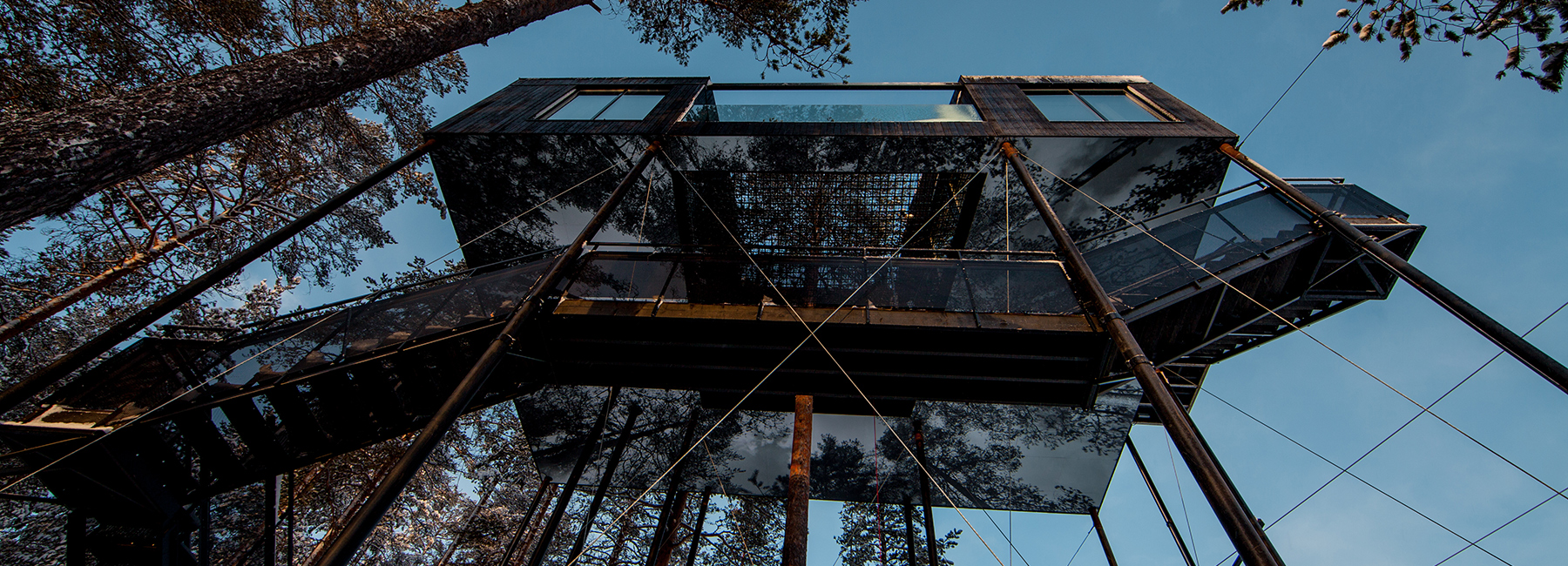
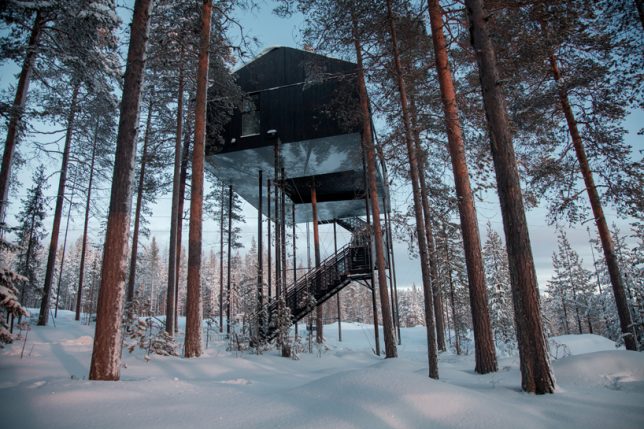
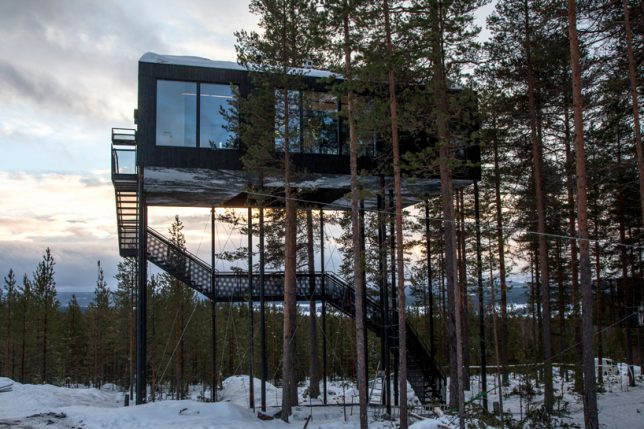
Architecture firm Snøhetta has completed their addition to Sweden’s Treehotel, a hovering cabin that appears at first glance to be supported by no more than the staircase leading up to it. The design is based on a traditional Nordic cabin with a wood facade clad in charred boards of pine for a look that contrasts with the snow below, making the structure look heavy and solid to enhance its gravity-defying properties.

Tower House Inspired by Observatories

tower-house-5

tower-house-3

tower-house-1

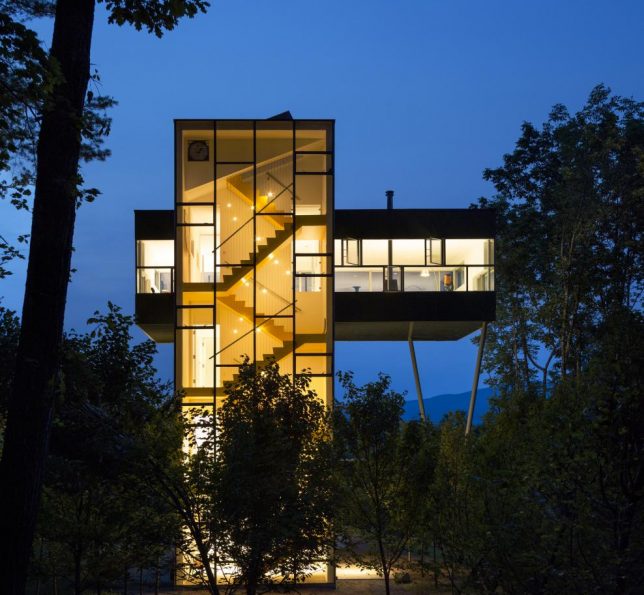
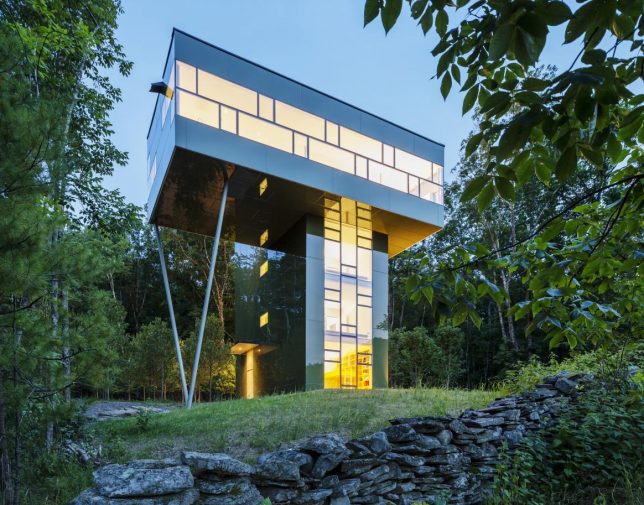
Tucked into the woods of upstate New York, GLUCK+’s Tower House takes inspiration from observatories for its mostly-vertical form. A bright yellow staircase is visible from outside through the glass envelope of the supporting tower, and the upper volume is topped with a terrace.

House in Yatsugatake Mountains by Kidosaki Architects, Japan

elevated-house-kidosaki-1

elevated-house-kidosaki-2

elevated-house-kidosaki-3

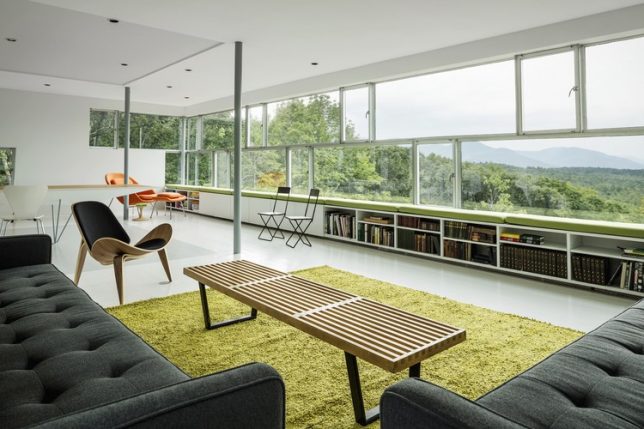
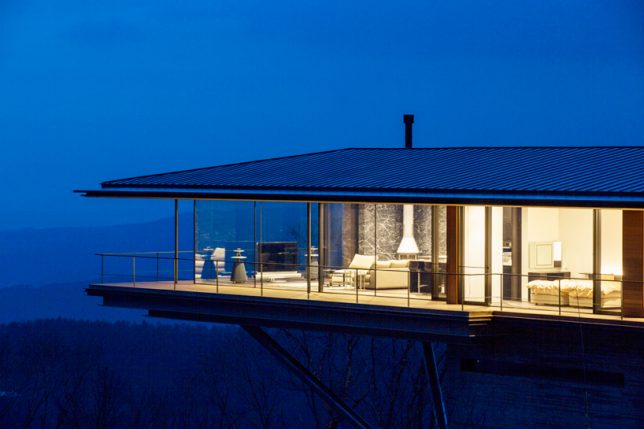
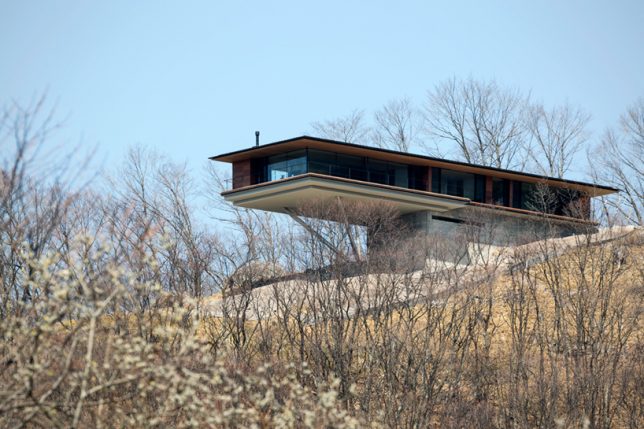
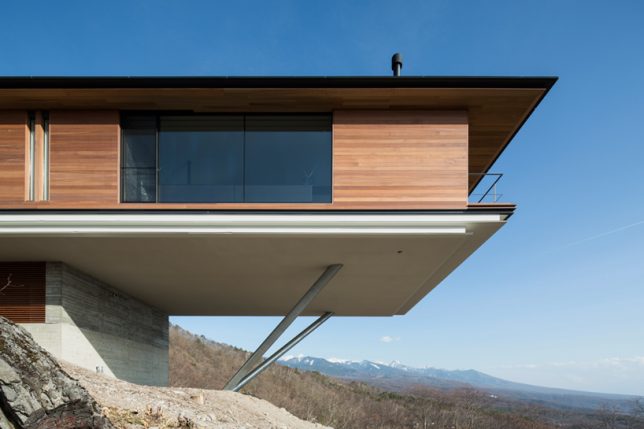
Jutting out over a cliff at the foot of Japan’s Yatsugatake Mountains, this home by Kidosaki Architects Studio expands horizontally out into midair to enhance views of the natural landscape through floor-to-ceiling glazing on three sides. The cantilevered portion of the home is supported by two diagonal steel cylinders.

Cargo Container Office Sticks Out Beyond Edge of Hill

cantilevered-shipping-container-office

cantilevered-shipping-container-office-2

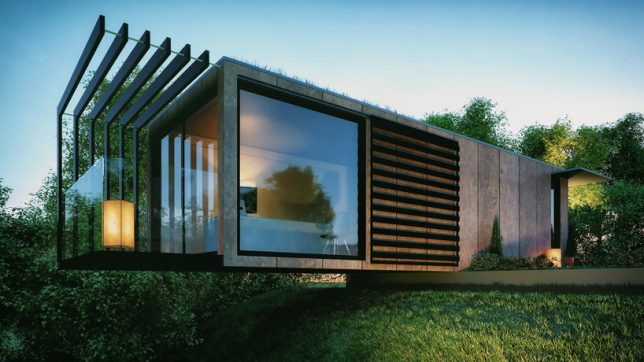
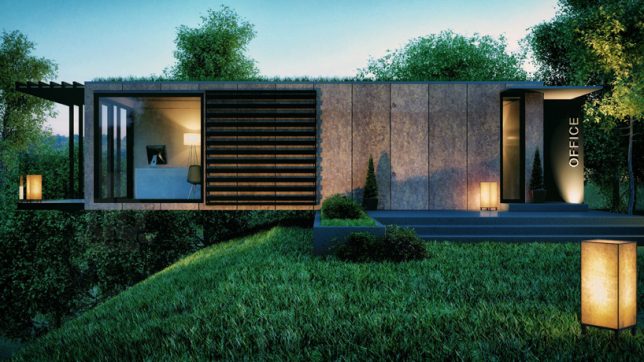
Architect Patrick Bradley repurposed a 45-foot cargo container into an office for himself, allowing a third of it to hang out over the edge of the hilly plot as a sort of floating balcony encased in glass. The project makes very few structural changes in the container itself, staying true to its original form while modernizing its exterior.

Next Page – Click Below to Read More:
Hovering Homes 12 Cantilevered Elevated Residences Maximize Views

Share on Facebook


[ By SA Rogers in Architecture & Houses & Residential. ]

[ WebUrbanist | Archives | Galleries | Privacy | TOS ]


WebUrbanist

 
Comments Off on Hovering Homes: 12 Cantilevered & Elevated Residences Maximize Views

Posted in Creativity


Fujifilm X100F pre-production sample gallery

23 Jan
Fujifilm X100F at ISO 320, 1/125 sec, F3.6. Photo by Richard Butler

The Fujifilm X100F is the fourth iteration in the company’s series of compact-yet-capable fixed lens cameras. Though this model carries over the previous iterations’ 23mm (35mm equivalent) F2 lens, the lens takes on new life in front of a 24MP X-Trans CMOS III sensor found in the X-Pro2 and X-T2.

In the span of one weekend, our beta X100F has traveled from the east coast of the United States to the west, from candid street portraits to puppies, and there is an awful lot in between. Enjoy, and keep an eye out for an updated gallery with a full production model in the coming weeks.

Samples shot with a beta X100F, so many not exactly represent final image quality.

Articles: Digital Photography Review (dpreview.com)

 
Comments Off on Fujifilm X100F pre-production sample gallery

Posted in Uncategorized


See Wall: Graffiti Praising & Parodying Donald Trump

22 Jan

[ By Steve in Art & Street Art & Graffiti. ]

trump-graffiti-1b

Donald Trump is destined to leave his mark on the world stage but the world’s graffiti artists have been leaving Trump-related marks for some time.

trump-graffiti-1f

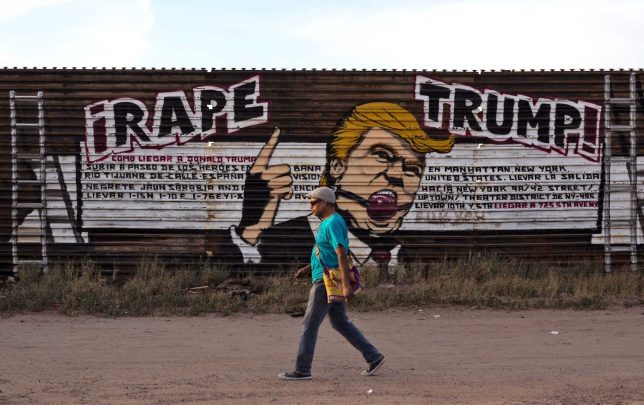
The notorious “wall” Trump has theatrically threatened to build along the US-Mexico border already exists – in parts – and older sections have been renewed, reinforced and in some places made redundant. One example of the latter can be found about a mile west of Tijuana airport: the so-called “old border wall” situated on American territory.

trump-graffiti-1c

trump-graffiti-1e

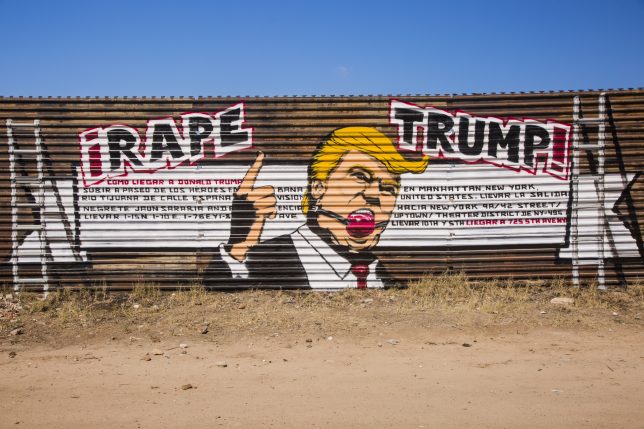
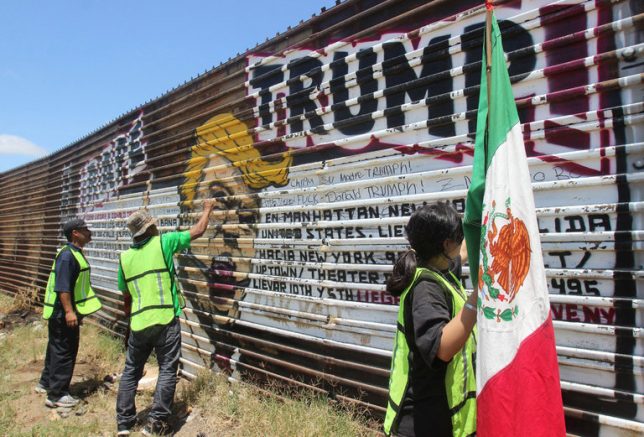
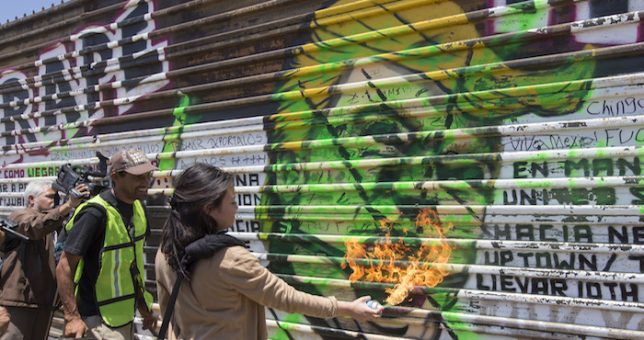
Graffiti collective Indecline created the above “¡Rape Trump!” mural on a section of the rusty, corrugated sheet metal wall in late 2015, roughly six months before Trump clinched the Republican nomination for the U.S. presidency. Check out this video by Indecline posted at their website. The caption “¡Rape Trump!”, by the way, is a sort of Spanish pun – the word “rape” translates roughly to crop, trim, shave or snuff while the ball gag adds a dash of kinkiness to the mix.

Great Brickin’

trump-graffiti-2a

trump-graffiti-2b

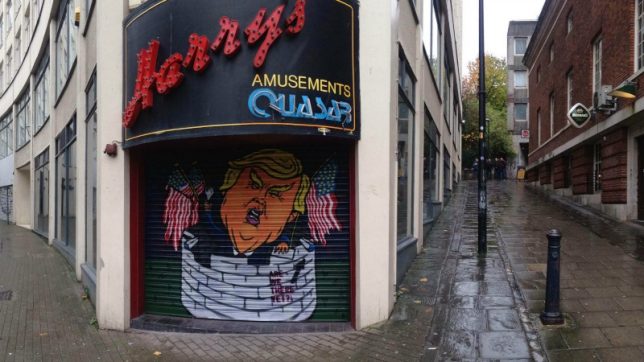
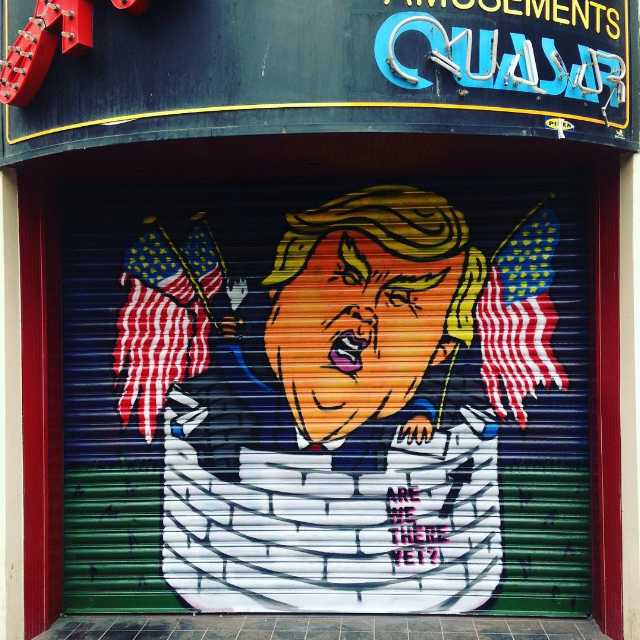
So crowdfunding graffiti is a thing now: graffiti artists The Paintsmiths paid for the above mural through online sales of their photo-book Are We There Yet? The artwork features Trump figuratively and literally walling himself in, and can be found at the corner of Nelson Street and All Saints Street in Bristol, UK.

Where’s Wall-Donald?

trump-graffiti-3a

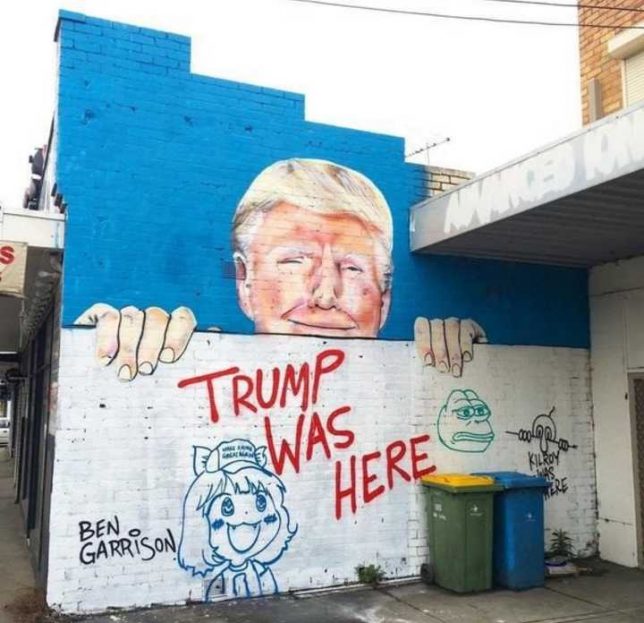
It’s not as if Donald Trump just popped up out of nowhere: the larger-than-life real estate developer took over The Trump Organization way back in 1971 when The Donald was only 25 years old. Indeed Trump was here, was there, and now it seems he’s everywhere.

Punchdrunk Trump

trump-graffiti-4d

trump-graffiti-4c

trump-graffiti-4b

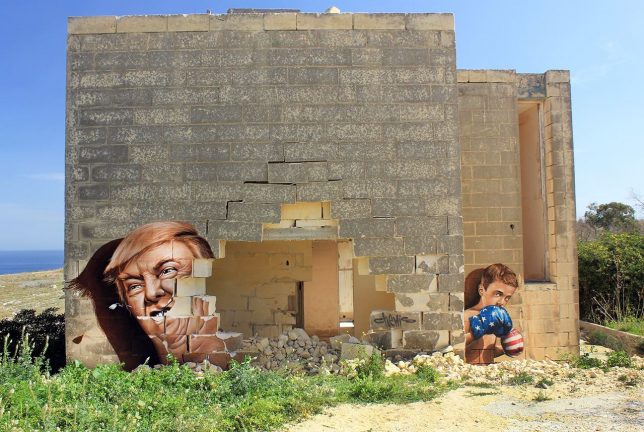
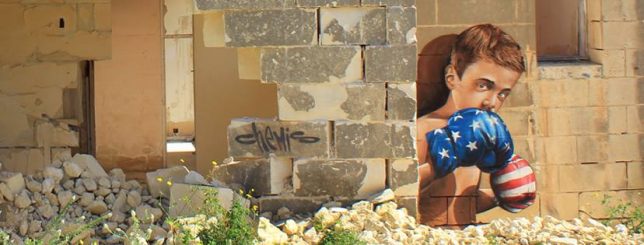
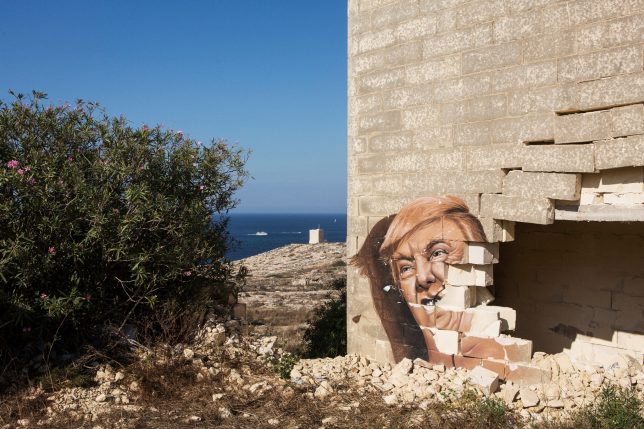
The island nation of Malta is chock-a-block with ruins of all ages, many of which have been co-opted by graffiti artists under the government’s benign gaze. The unusual and intriguing work above, by Czech artist ChemiS, complements abandoned and deteriorated architecture by featuring a young boxer and Donald Trump. Whatever one’s political bent, you can’t deny this particular work is a knockout.

Next Page – Click Below to Read More:
See Wall Graffiti Praising Parodying Donald Trump

Share on Facebook


[ By Steve in Art & Street Art & Graffiti. ]

[ WebUrbanist | Archives | Galleries | Privacy | TOS ]


WebUrbanist

 
Comments Off on See Wall: Graffiti Praising & Parodying Donald Trump

Posted in Creativity