RSS
 

Archive for September, 2016

Still Standing Tall: 7 Monumental Statues of the Ancient World

28 Sep

[ By SA Rogers in 7 Wonders Series & Travel. ]

ancient-statues-easter-island-2

Perhaps we’ll never know what it was like land on a Greek Island and gaze up at the long-lost Colossus of Rhodes, one of the original Seven Wonders of the Ancient World, but there are many other amazingly old monumental statues still standing. From the world’s oldest-known colossal sculpture in the sands of Egypt to a 500-year-old mountain god spewing water and smoke in Italy, these 7 wonders take the human figure (and sometimes, human/animal hybrids) to incredible heights.

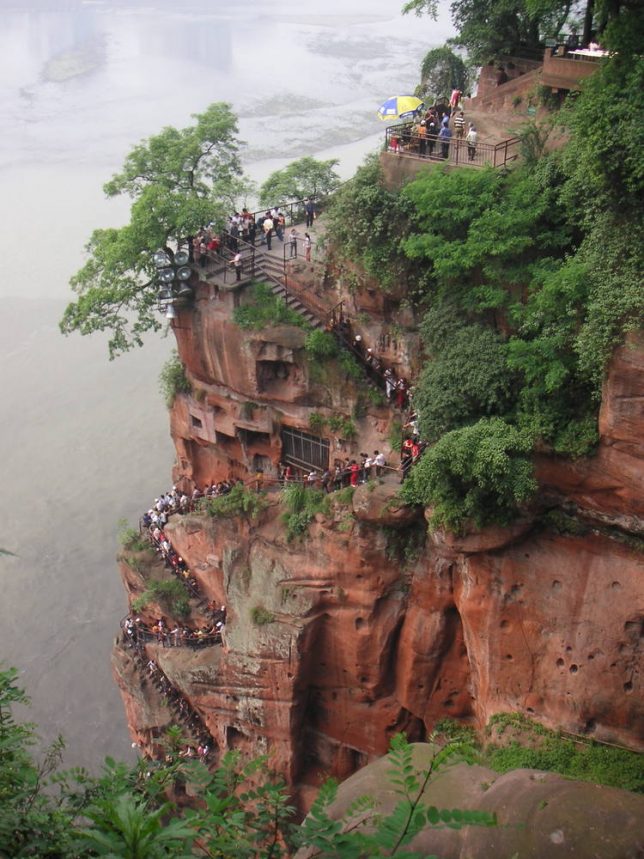
Leshan Giant Buddha, China

ancient-statues-leshan-giant-buddha ancient-statues-leshan-giant-buddha-2


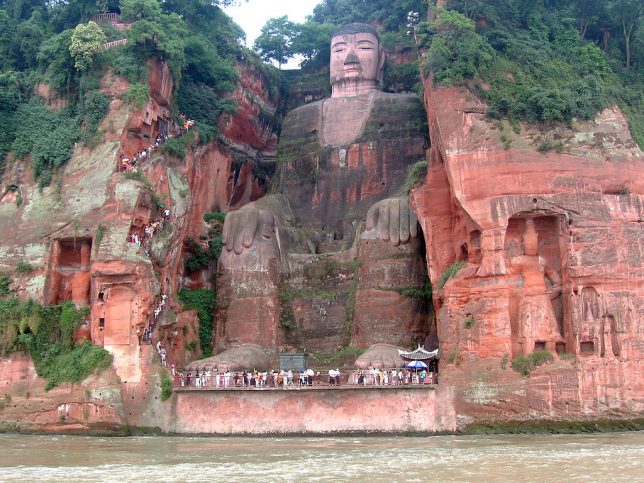
Carved right out of a cliff face at the confluence of three rivers in the southern Sichuan province of China, the Leshan Giant Buddha stands 233 feet tall from its plinth to the top of its head, making it the largest stone Buddha in the world. Construction began in the year 713, led by a Chinese monk named Hai Tong, who dedicated it to calming the often-rough waters for shipping vessels. He was so dedicated to the project, he reportedly gauged his own eyes out when funding was threatened. But after his death, the money ran out, and construction was stalled for 70 years before his disciples breathed new life into the project. In the end, Hai Tong’s wishes were fulfilled: all the rock that was chipped away from the cliff face fell into the water below, altering the currents and making them safe for passing ships. Today, it’s part of the UNESCO-protected Mount Emei Scenic Area, which also includes 1,000-year-old trees and over 30 temples.

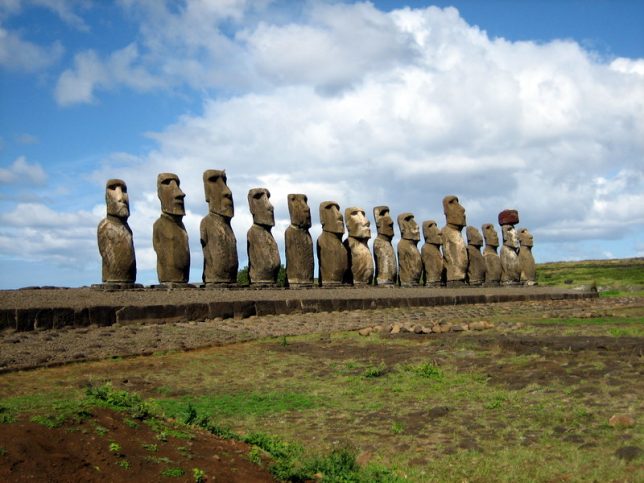
Moai of Easter Island

ancient-statues-easter-island

ancient-statues-easter-island-2

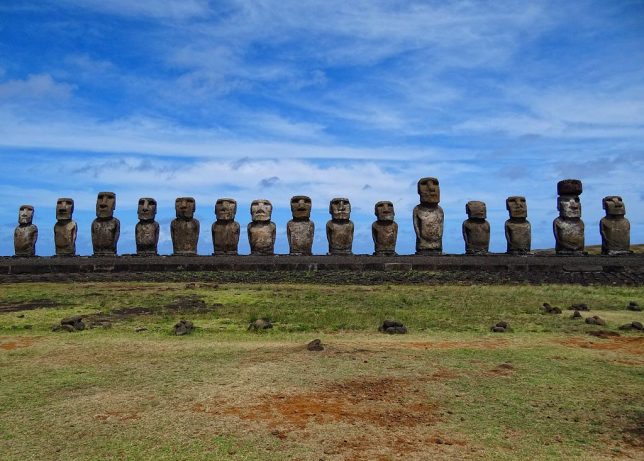
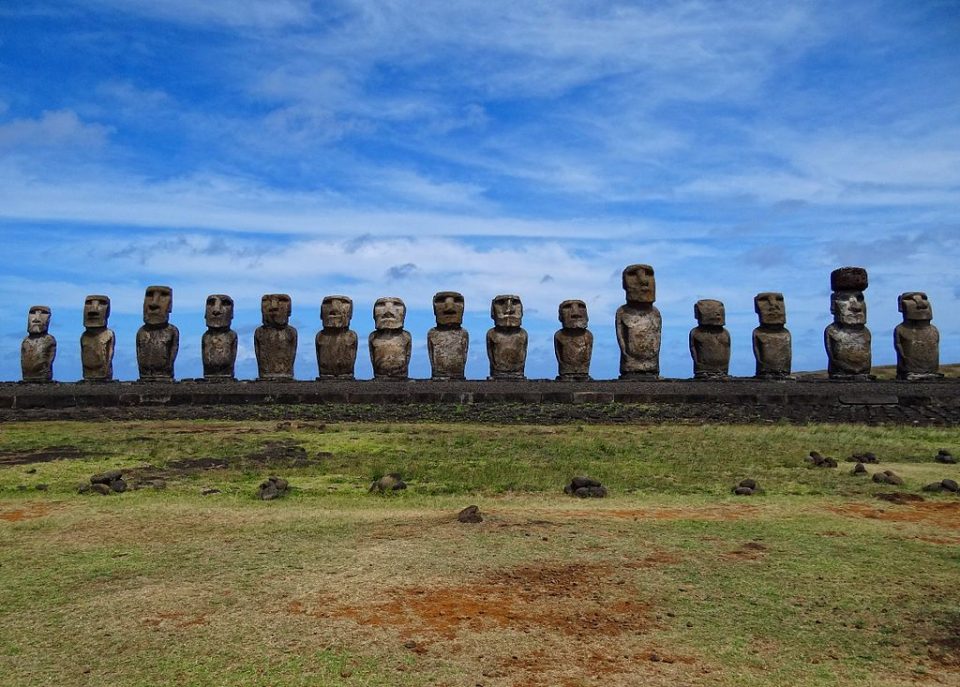
Carved by the Rapa Nui people between 1250 and 1500 C.E., the Moai monolithic human figures of Easter Island all feature massively oversized heads, with the largest measuring 33 feet in height. The heaviest one is shorter but squatter, weighing in at 86 tons. Exactly how the statues were made and transported is still somewhat of a mystery, as the tallest would have measured 69 feet in height if it had ever been completed. While many people erroneously call them the ‘Easter Island Heads,’ they’re actually full bodies, often partially buried beneath the soil with intentionally exaggerated proportions. More than 900 of them have been located on the island, and most of them are made from a compressed volcanic ash. Their empty eye sockets once held eyes made of coral with pupils made of black obsidian or red scoria.

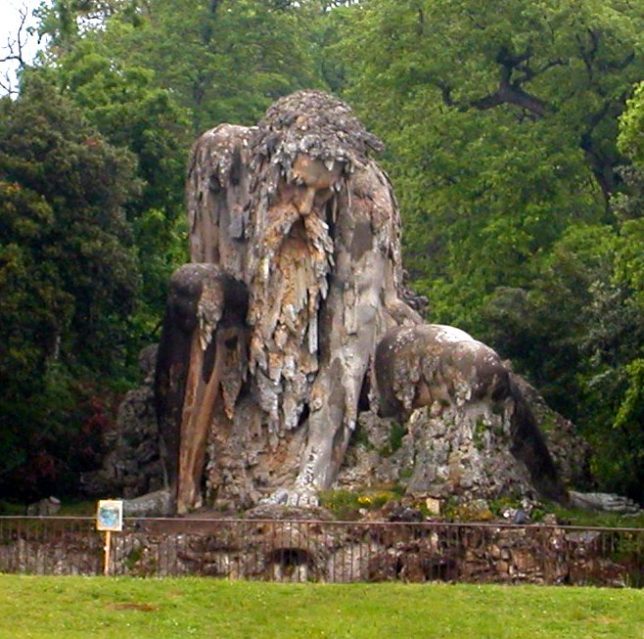
Appennine Colossus, Italy

ancient-statues-colossus

ancient-statues-appennine-colossus

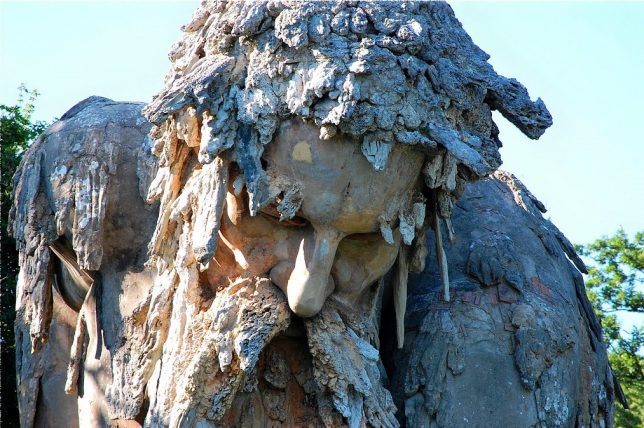
The youngest statue on this list is notable not just for its striking looks, but the fact that it contains several hidden rooms hiding the cool functions that bring it to life. Carved in the late 1500s by Italian sculptor Giambologna as a symbol of Italy’s Apennine Mountains, the ‘mountain god’ stands 35 feet tall over the grounds of the Villa di Pratolino in Tuscany. One of its interior rooms enables water to pass out of the monster in the god’s hand, which pours like a fountain into the body of water below, and another holds a fireplace so smoke can emerge from his nostrils.

Tirthankara Jain Sculptures of India

ancient-statues-tirthankara

ancient-statues-tirthankara-2

ancient-statues-tirthankara-3

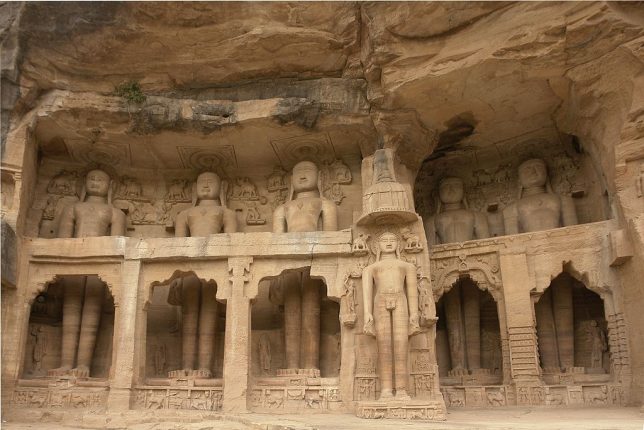
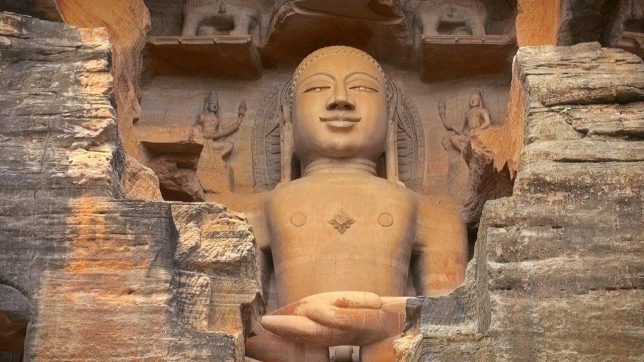
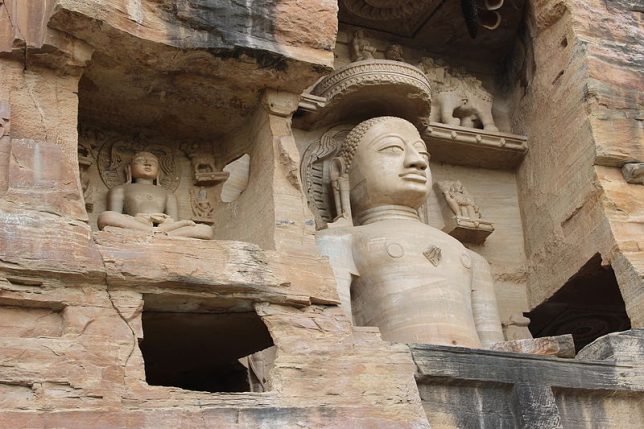
The Jain sculptures in Gwalior, an important city in Madhya Pradesh, India, are cut into the rock faces leading up to the 8th century Gwalior fort. Dating back to the 15th century, the statues depict Tirthankaras, or Teaching Gods, which are worshipped by followers of Jainism. 21 temples are cut into the rock on the southern side, with the tallest idol at 58 feet representing Rishabhanatha or Adinatha, the first Tirthankara.

Next Page – Click Below to Read More:
Still Standing Tall 7 Monumental Statues Of The Ancient World

Share on Facebook


[ By SA Rogers in 7 Wonders Series & Travel. ]

[ WebUrbanist | Archives | Galleries | Privacy | TOS ]


WebUrbanist

 
Comments Off on Still Standing Tall: 7 Monumental Statues of the Ancient World

Posted in Creativity


Photokina 2016 interview: Ricoh aims for visual revolution

28 Sep
The Pentax 645Z might be large compared to the mirrorless medium format cameras announced at the show, but look at the effect of that viewfinder on Carey’s face.

‘Visual Revolution’ is the concept that links Ricoh’s Theta 360 degree camera to its Pentax K-1 DSLR and the arrival of competition only serves to grow the market, the company says.

We spoke to Kazunobu Saiki, Senior Management and Group Leader, Marketing Section, Visual Revolution Business Development and Yutaka Takada, General Manager, Business Management Department, Global Sales and Marketing Division. Saiki started by explaining the company’s philosophy when it comes to imaging.

‘We don’t see the Pentax business and products like the Theta as separate concepts, we group them together under a business group called ‘Visual Revolution.’ We believe the K-1 is a visual revolution within the frame, whether this is in terms of high resolution, the really nice hand feeling or Pixel Shift Resolution.

The Pentax K-1 has been receiving positive feedback both from established Pentax users and photographers who aren’t invested in the K-mount.

Another visual revolution could be beyond the frame. Both are different but both can help users to enjoy some new creativity. That’s why Ricoh governs both areas as one business group.’

Mr. Saiki seems to be in a bullish mood, buoyed by the market response to the K-1. ‘The reaction to the K-1 has been beyond our expectations,’ he says: ‘not only in terms of sales but also in the words we’re hearing from users. We believe we can revive Pentax as the leading company for DSLRs. We’ve had lots of feedback from non Pentax users, who wanted to be able to enjoy our FA Limited lenses. That’s nice feedback to have.’

“We believe we can revive Pentax as the leading company for DSLRs”

This response validates the company’s commitment to the system, he says: ‘In terms of developing the system, we have a lens roadmap and we plan to release some single focal length D-FA lenses. We know some users want to have D-FA Limited lenses and we’re listening to their voices.’

But the Visual Revolution business isn’t just focused on established technologies. Ricoh hopes to capitalize on its early entry into the market for 360 degree capture devices. ‘We believe we are a pioneer of 360,’ says Saiki: ‘If we compare to two years ago, the move to the Theta S has seen business grow to something like triple. Now in 2016 we have several new entrants to the market, but we’re really happy to get competition. That will grow the market itself.’

They’re already starting to see the impact of this increased interest in 360 content: ‘The VR market has really started now, and the Theta is a one-shot VR camera. At the moment, the majority of people enjoy the content that’s provided for them, but with the Theta they can create their own content with one shot. It’s in good harmony with VR development and we expect rapid growth for 360 market, including Theta.’

The Theta, now on its third iteration, faces increased competition but its capability and form-factor remain unique.

The company is confident that the Theta is the right product for the market: ‘When we’ve done our evaluations, we’re told one of the top features is the form factor. It’s very different from all competitors models including newly released ones or any of the earlier released ones we’ve seen. It has the advantage of being small, so it’s always with the user. It can also create a 360 image in a single shot, so it’s quick and simple. Because of this, we’ve applied the same form factor to the first, second and now third generation, the Theta S.’

The current Theta model offers both stills and video but its users are already demanding more: ‘we’ve been listening to the customers voice and after Theta S they’re telling us they want 4K video, HDR and easy live streaming. In today’s form factor this is difficult but this is what they want. They want to enjoy video and high resolution images, too. Most likely we need to develop our product to catch up, technologically.’

‘The Theta S’s still image is more than 4K but the video is 1080 for the entire 360 degree scene. For video customers they require more quality.’ But this is hard, Saiki says: ‘The technology for compression and data transfer have not caught up to allow end users to capture VR in 4K. We need to develop 4K and beyond. This means processing a huge data and this requires heating management in a small and slim body of this form factor. But we want to be the leader in the industry so we’re very busy trying to reply to these needs.’

As well as responding to customer demands, the company says it’s also been trying expand what can be done with the content its devices produce. ‘In order to enjoy and share 360 images/videos, we had needed to have a lot of platforms. Thanking to Google, FaceBook, YouTube, Instagram and others, Theta users can enjoy instant sharing of their works. Also we provide the applications Theta + and Theta + Video for editing and posting on FaceBook, Instagram and so on.’

“We think the challenge is not just connectivity but the management and storage, too”

This isn’t Ricoh’s only work in the area of content sharing, though. ‘One of the key issues is the number of pictures our audience takes. It’s only getting bigger and the size of their images are getting bigger,’ says Saiki.

‘These days we need instant action. Before we had to wait maybe one week to get our prints back. Now it’s maybe a couple of seconds. We think the challenge is not just the connectivity but the management and storage (probably in the cloud), is very important, too.’

‘The cloud side can play a role. These two [connectivity and the cloud] can provide a new era of visuals. Ricoh acquired Eye-Fi’s cloud service, and this is one step to creating new solutions of communication and storage. Not just from the point of view of taking pictures but from the back end as well.’

The 645Z’s weather sealing and lens options (both current and planned) are part of its appeal, the company says.

The 360 market isn’t the only area in which Ricoh faces new rivals. Photokina saw the announcement that Fujifilm will introduce a digital medium format system and for many it was also the first opportunity to see Hasselblad’s X1D camera. Yutaka Takada doesn’t seem too worried, though: ‘We could enjoy success in the medium format market,’ he says: ‘Fujifilm coming to our market shows that it still has potential to grow. Like the Theta, having competition is a great chance to develop the medium format market as a whole. Our advantage is that we have plenty of lenses in our lineup and on our roadmap, which helps convince customers to join medium format. 645Z has great image quality but it’s also weather sealed. People can use it in outside situations. This is very much the DNA of Pentax cameras.’

“Having competition is a great chance to develop the medium format market as a whole”

‘All these are under one business unit to provide visual innovation. We want to give surprise and astonish with innovation.’

And, having discussed the Pentax K-1, 645Z and Theta, we wanted to check whether the company still has time for models such as the GR. Absolutely, says Saiki: ‘Ricoh GR is one of our most important premium cameras. We want to reassure our GR lovers that the series will continue.’

Might that extend to GRs with other focal lengths? ‘It depends,’ says Saiki: ‘we know we really appeal. We have so many GR lovers, it’s a very emotional attachment. That’s why we need to listen to customers about where we should go.’

Articles: Digital Photography Review (dpreview.com)

 
Comments Off on Photokina 2016 interview: Ricoh aims for visual revolution

Posted in Uncategorized


Video: Photokina 2016 wrap-up

27 Sep

Photokina is without question the biggest photography show in the world, and as such, the venue at which manufacturers routinely showcase their biggest and most exciting releases. We were on the ground in Cologne, Germany before the show even began to bring you the most in-depth content we could write on the most important innovations we could find.

But now that Photokina has come and gone, we’ve had some time to reminisce over everything we saw in and among the development announcements, tech briefings and even just while wandering the halls of the Koelnmesse. So in case you just can’t get enough of Photokina content, come join Richard Butler, Barney Britton, and even cameraman Carey Rose for a few pints and a few thoughts on how this year’s show went.

Here’s a sampling of what you’ll find in the video:

  • Our favorite new cameras we got to try
  • A discussion on the problem of heat dissipation (which Richard has claimed, quite wrongly, to be the nerdiest thing he’s ever said)
  • Small sensors versus large sensors
  • No-compromise third-party lenses
  • And of course, some continuity errors regarding the quantity of beer glasses moving about on the table

Thanks for following our Photokina 2016 coverage this year! We can’t wait to see what Photokina 2018 will bring.

Articles: Digital Photography Review (dpreview.com)

 
Comments Off on Video: Photokina 2016 wrap-up

Posted in Uncategorized


Smart Body Art: MIT Temporary Tattoos Turn Your Arm into a Touchpad

27 Sep

[ By WebUrbanist in Gadgets & Geekery & Technology. ]

temporarytattoo

Simple but powerful, these conductive tattoos communicate data and actions to paired electronic devices, translating touch actions into digital activations. As biohacking and other transhumanist interventions go, this technology represents a relatively light-touch approach with potential appeal to a broader audience beyond your typical body hacker.

A collaboration between the MIT Media Lab and Microsoft Research, DuoSkin combines high-tech geekery with everyday fashion, putting circuits right on your skin for easy access. There are four essential configurations at work: a basic button for single-click actions, a slider to scroll, another slighter for continuous scrolls and a complex lattice that acts as a track pad.

tatooo-series

They look like gold and silver flash tattoos but perform a variety of technological feats, thanks to a microcontroller and wireless communication unit. Connected to smartphones, computers or other gadgets, DuoSkin can be used like a touchpad controller, or can change color based on temperature, or can pull and transmit biological data (and combinations thereof).

swipe-tattoo-mit

Imagine: answering the phone, skipping a track in your podcast queue, turning on a TV or turning down the music with a quick swipe to your forearm. The fact that this system is easily removable is one of the key selling points, a harbinger of future mass-market tech that can be applied, taken back off and discarded, just like any other temporary tattoo.

tattoo-with-lights

From the design team: “DuoSkin is a fabrication process that enables anyone to create customized functional devices that can be attached directly on their skin. Using gold metal leaf, a material that is cheap, skin-friendly, and robust for everyday wear, we demonstrate three types of on-skin interfaces: sensing touch input, displaying output, and wireless communication.”

tattoo-complex

“DuoSkin draws from the aesthetics found in metallic jewelry-like temporary tattoos to create on-skin devices which resemble jewelry. DuoSkin devices enable users to control their mobile devices, display information, and store information on their skin while serving as a statement of personal style. We believe that in the future, on-skin electronics will no longer be black-boxed and mystified; instead, they will converge towards the user friendliness, extensibility, and aesthetics of body decorations, forming a DuoSkin integrated to the extent that it has seemingly disappeared.”

Share on Facebook


[ By WebUrbanist in Gadgets & Geekery & Technology. ]

[ WebUrbanist | Archives | Galleries | Privacy | TOS ]


WebUrbanist

 
Comments Off on Smart Body Art: MIT Temporary Tattoos Turn Your Arm into a Touchpad

Posted in Creativity


Snapchat unveils Spectacles, a pair of sunglasses with an integrated camera

27 Sep

Snapchat unveiled its first hardware product over the weekend, a pair of sunglasses with a built-in camera called ‘Spectacles.’ With the new product comes a new company name: Snap Inc. The name change, Snap explains, is directly tied to the launch of Spectacles. With the product, Snap has become more than a company centered around the Snapchat app, and the new name reflects this expanded focus. 

The sunglasses feature a built-in wireless video camera that records circular videos with a 115-degree ‘human perspective’ field of view. The glasses also include an integrated battery able to sustain a day’s worth of recording on a charge, as well as Bluetooth and Wi-Fi for shuttling content from the device to the user’s smartphone and, specifically, the Snapchat app.

According to the Wall Street Journal, the sunglasses feature a button near the hinge to initiate recording, which happens for up to 10-second durations. The publication also states the glasses will be priced at $ 129.99 ‘with limited distribution’ and a slow rollout as the company tests the waters.

Spectacles will be offered in teal, black and coral, but no other official details have been provided at this time. Snap says Spectacles will be available ‘soon.’

Via: Snap, Inc.

Articles: Digital Photography Review (dpreview.com)

 
Comments Off on Snapchat unveils Spectacles, a pair of sunglasses with an integrated camera

Posted in Uncategorized


Invisible Arts: Hydrophobic Games, Poetry & Pokémon Surface When Wet

27 Sep

[ By WebUrbanist in Art & Street Art & Graffiti. ]

rain paint

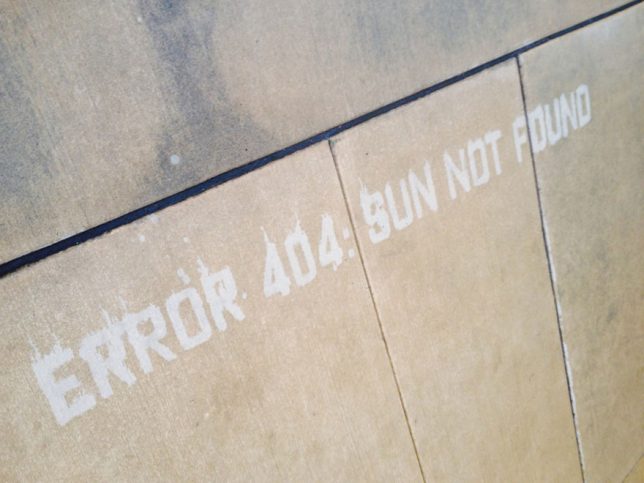
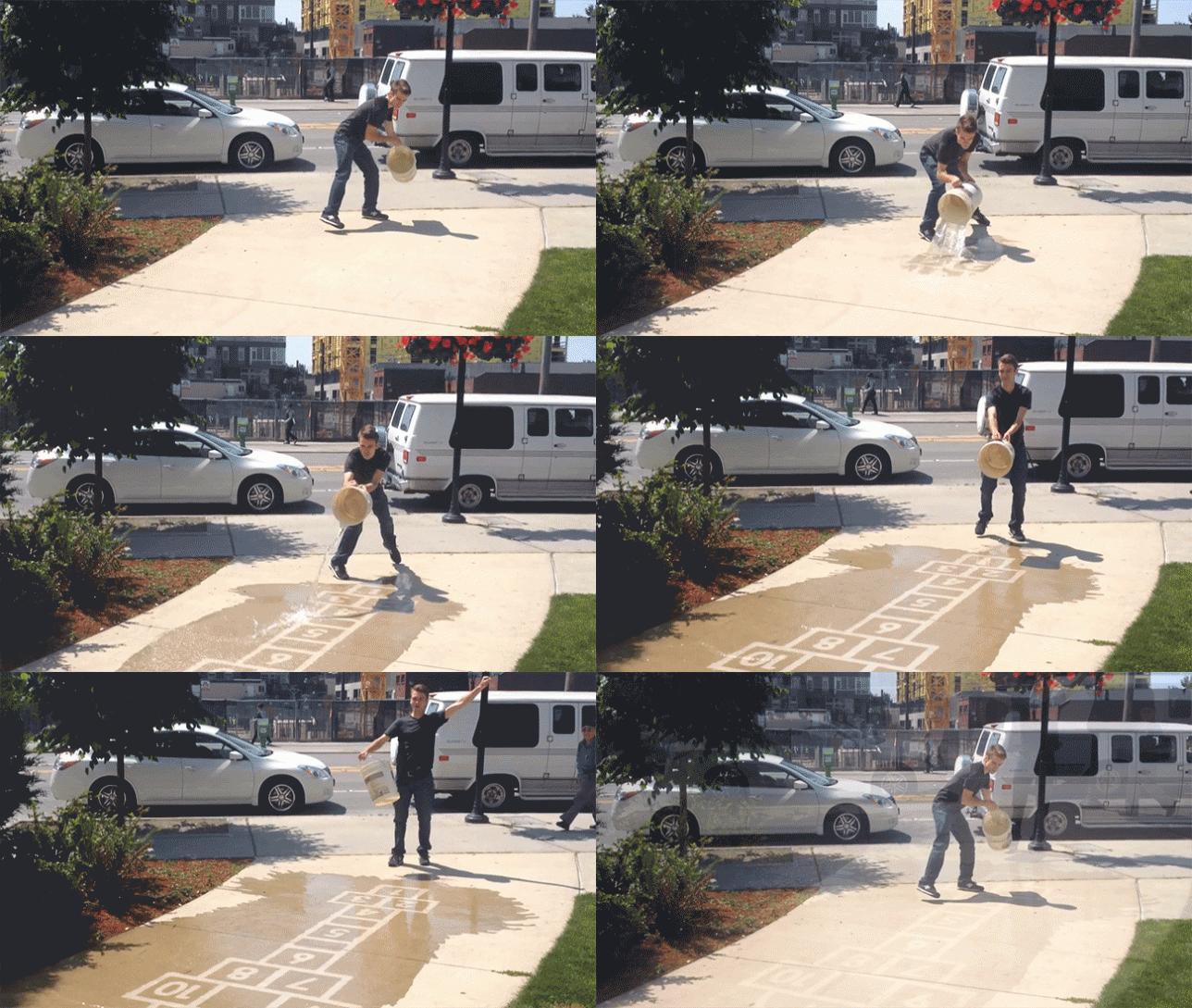
When the hydrophobic NeverWet spray came out, it promised to waterproof everything, but users found they had mixed results in applying it to things like clothing and touchscreens – it discolored shoes and left films on devices. Then someone thought to create a stencil and tag sidewalks with the stuff, and a new type of visible-when-wet graffiti was born.

neverwet

Since an initial round of stencils came out in Boston, others have gotten even more creative with the stuff, creating hopscotch boards and other water-activated drawings.

Recently, a series of works inspired by the popularity of the augmented reality game Pokémon GO have allowed people to throw gameplay-inspired water balloons to reveal characters on sidewalks.

rainy day

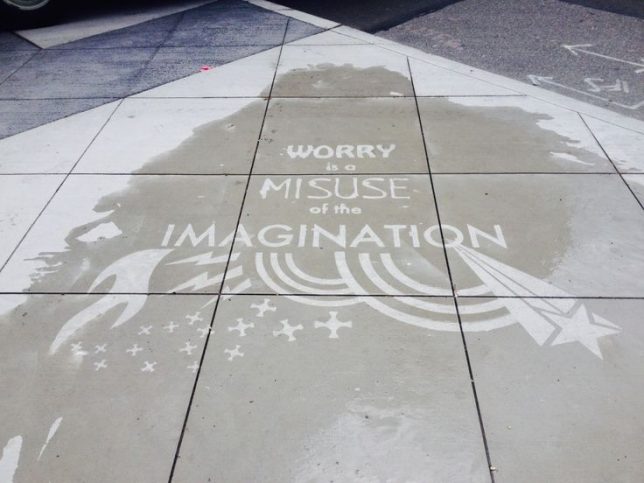
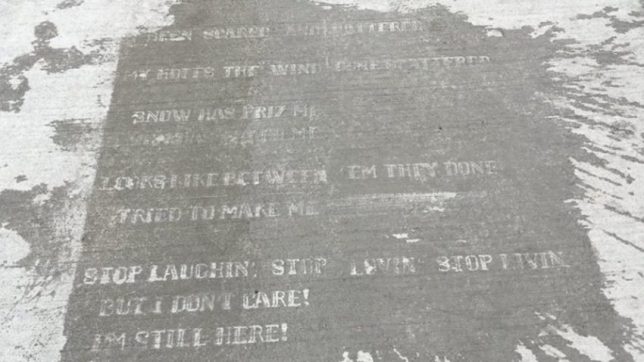
Rainworks in Seattle has created an array of humorous messages and interactive games that only show up when the city’s famous fog turns into a downpour. Others have made poems and short stories spelled out light-on-dark against drenched backdrops.

sidewalk poem

Of course, the potential applications are endless – businesses could use the same strategies to offer rain-specific happy hours or other discounts to passers by, signs that only show up when wet. Graffiti artists could add new secret layers to their murals that also only appear in the rain. Fun in the sun is great, but this approach encourages people to get out on cloudy days … then rewards them for their efforts.

Share on Facebook


[ By WebUrbanist in Art & Street Art & Graffiti. ]

[ WebUrbanist | Archives | Galleries | Privacy | TOS ]


WebUrbanist

 
Comments Off on Invisible Arts: Hydrophobic Games, Poetry & Pokémon Surface When Wet

Posted in Creativity


How to Shoot a Sequence of Photos That Capture a Story

27 Sep

As a photographer, you’ll often concentrate on perfecting your art at taking one perfect photo. However, there are many occasions where you’ll need to string together a sequence of photos with differing styles. Whether you’re shooting a magazine article or making a personal project, knowing how to produce photos that show details, people, and the whole scene is a skill worth having.

Shooting a sequence of photos

In the example you’re going to see in this article, a traditional puppet show will be used to produce this sequence of photos, but any number of other scenarios could apply. There is always plenty to photograph and although my example shows detail, portrait, and scene-setting images, there are other photos that could also have been taken from the same event.

In the image below you can see the area’s that are boxed. They contain the photos you’d be aiming to get from a scene such as this. Let’s talk about each of these shots and why they’re all important.

Overall image

The scene-setting photo

This is the big picture that shows your audience what’s going on, you’ll likely be using a wide-angle lens here to get as much story into your scene as you can.

The image from the puppet show below is the scene-setting photo. In this photo, the viewer can see the stage, audience, and the performers. In this case, a 50mm lens was sufficient to get the entire story needed from this scene. The aim here is not to go in too close, but to tell the whole story. The photo should capture the scale involved, and often it is helpful to do this shoot from an angle above or overhead
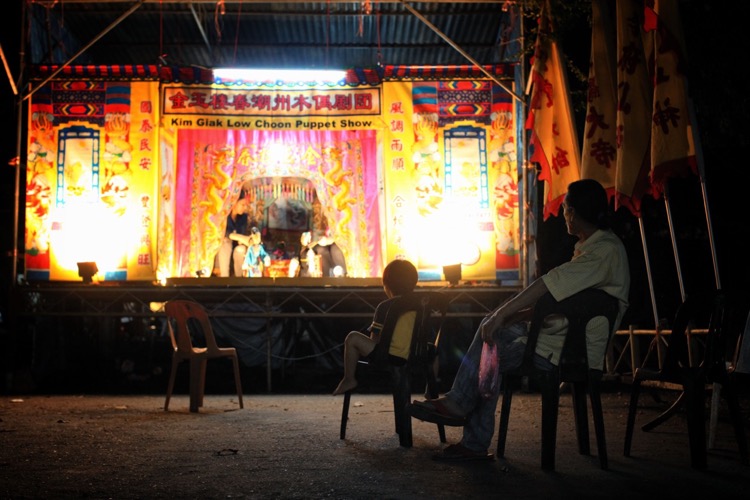
sequence tells a story - scene setter

This photo is the scene setter, you can see the stage and the audience watching the performance.

You’ll notice the image is almost identical to the image used to set out the example at the beginning. The left portion of the frame was a distracting element that wasn’t needed to show the action happening in front of the camera. It’s important to remember that although you want to capture a large canvas when telling your story, too much could detract from the specific story you intend the scene setter to display.

The portrait photos

Portrait photos are a real mainstay of any sequence that seeks to tell a narrative, it’s the people and their story you’re looking to show. There are many types of portraits, though, from ones that just show the face, to those that explore more of the scene around the person (often called environmental portraits).

When photographing a stage production you want to explore as much as you can, that means photographs of the stage, and if possible backstage as well. If the production is small, getting backstage may be as simple as asking the performers on the night of the event. But for large productions or things like music gigs, getting permission to shoot backstage ahead of time is advised. A lot of this work can and should be carried out with lenses best suited to portrait work, which means using primes lens in the range of 35mm to 135mm.
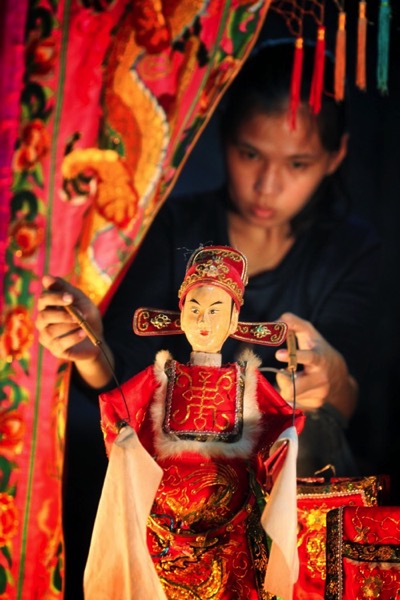
Sequence of photos

The layers created by a shallow depth of field act to give this photo impact, with the main focus on the puppet.

In the scene, you see photographs C (above) and D (below) are of the stage. In photograph C the image needed some compression to fit both the puppet and the puppeteer into the frame. To achieve that you’ll need to use a longer focal length, in this case, a 135mm lens was used. When using prime lenses like the 135mm f/2 you have a lot of control over the depth of field, making it possible to make your subject sharp while the background is blurred.
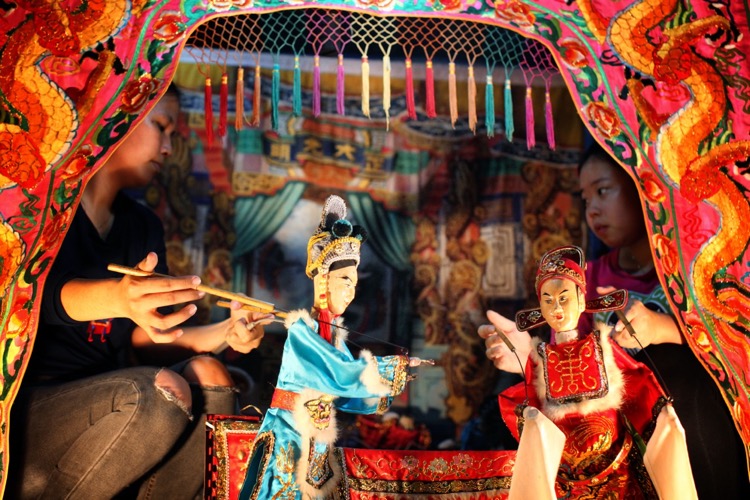
sequence of photos

In this photo, the interaction on stage between the puppeteers is captured.

In this case featuring the puppet, but contextualizing the image with the puppeteer in soft focus, gave the image more story, and hence more impact. Photograph D (above) shows more interaction between puppeteers and more of the stage in general. This time, the image was shot with a 50mm lens allowing for a wide part of the scene to be shown. Once again, focus is on the puppets, and the rest of the scene is softer because a large aperture of f/3.5 was used.

The photograph taken from location A shows musicians performing backstage (below). In this case, some tarpaulin was used to frame the image and give context to the photo. The woman was playing the gong as part of the music that goes with the puppet show. So although the live audience can hear this music, in terms of photography this aspect of the show can only be shown by going backstage to photograph musicians playing their instruments.
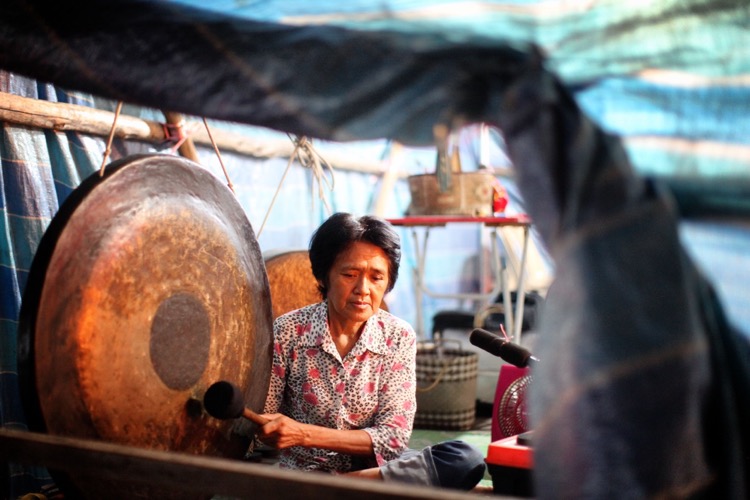
sequence of photos

This photo shows the backstage area of the puppet show. The tarpaulin background and the area being a little too cluttered for the stage can deduce this.

The detail photos

On their own detail photos can look nice, but don’t show your audience what’s happening. When added to a set of photos they can be a vital component that complements the scene setting and portrait shots. These photos are best taken with lenses that can get close to the subject, in other words, macro. You might only include details, or you could show detail but allow some background into the frame for context as well
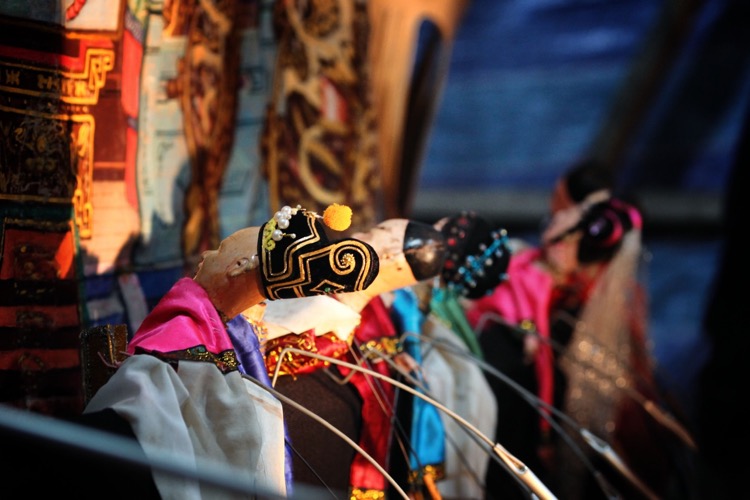
sequence of photos

Here a line of puppets awaits use. Lines work well in detail photos, as do patterns.
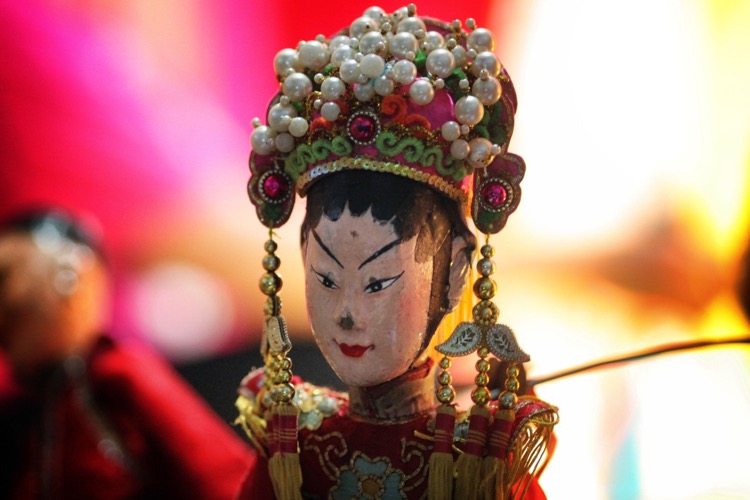
sequence of photos - details

The puppets are full of intricate details, as this photo shows. The use of a macro lens at closer quarters would have enhanced this photo.

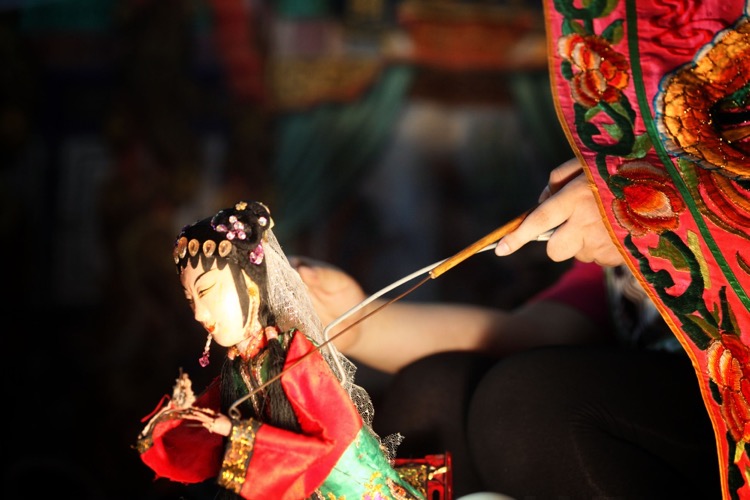
In the puppet show detail photos were taken on stage as shown in picture E (below), and backstage with two pictures taken from location B (above). At location B detail photos of the puppet were taken using a 135mm lens. Usually shooting with a macro would be better. However, walking around backstage wasn’t possible, so getting close to the subject was also not possible. The first shot shows a photo where the face of the puppet is prominent, taken in a similar manner to a portrait. The second image shows the puppets where they rest backstage between performances.
sequence of photos

Here is a detail photo that shows context.

Picture E (above) is a detail shot of one of the puppets, but with a bit more context as you can see how the puppet is being used. The shot has a minimalist feel to it, which makes it ideal for adding text above the puppet’s face. The strong light on the subject allowed me to expose for the puppet, and make the background much darker, which gave this shot its minimal tone.

How this set could be expanded on

Okay, so above there are a set of seven photos combining a number of different photos of differing styles into the one grouping that shows a puppet show. This is a snapshot of a show during a performance, could this be expanded on though? Yes, of course, it could. You could also get images of the puppeteers preparing before the show begins, you could ask if they’d let you photograph the puppets in a much more staged manner where you use lighting and select a background that would compliment the puppets. Then there could also be some staged portraits of the puppeteers with their puppets to add to the mixture of images taken during the show itself.

Other scenarios

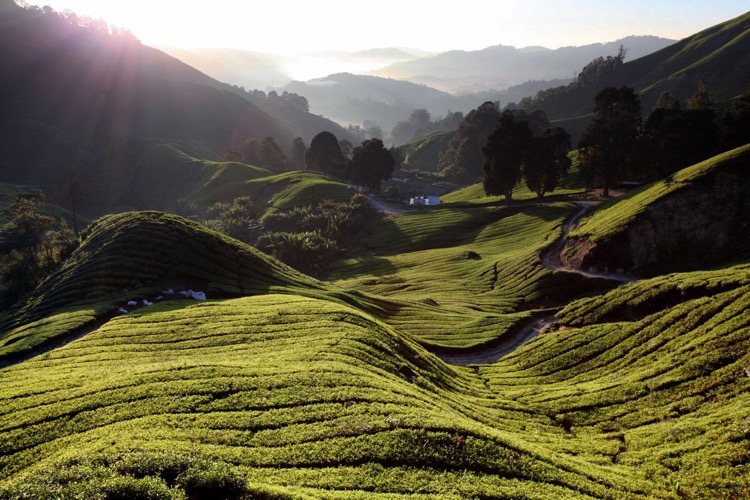
The list of other scenarios that you could shoot to create a sequence of images is endless; it could be a rock concert, a wedding ,or a sports event. In the next example scenario, you’ll see another set of photos how a green tea field can be captured.
1
The scene-setting photo of the green tea fields, taken from a wide vantage point. On the left you can see some white bags, this is the area you’ll find portraits of the plantation workers. The field also has lots of lines and patterns that are ideal for detail photos
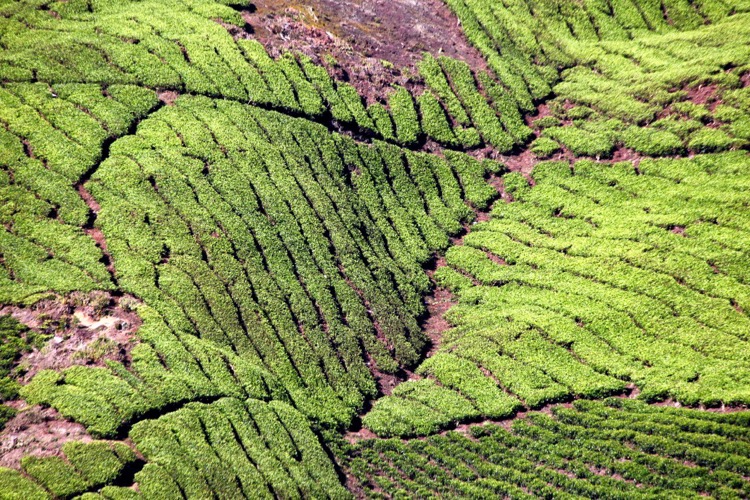
sequence of photos details

The fields are ideal for taking detail photos. In this case, a macro lens wasn’t needed to capture the lines and details, as the tea field required a wider lens.
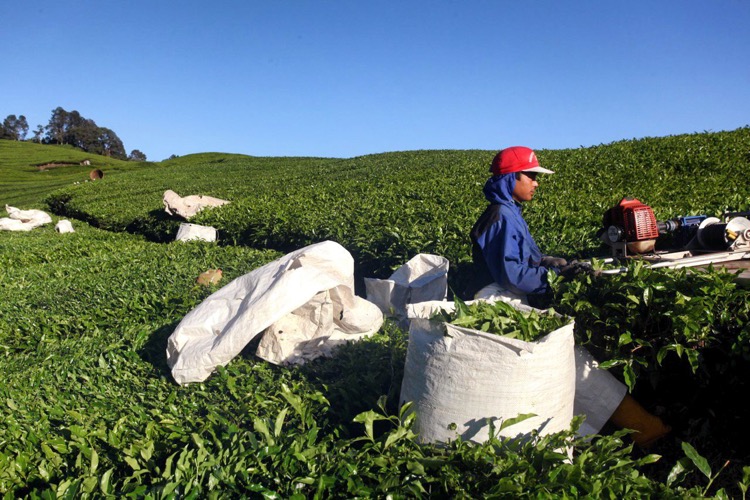
sequence of photos

An environmental portrait shows a plantation worker at work, now you can see how those white bags are used.

sequence of photos portrait

Another portrait photo shows a plantation worker with his basket.

Your turn

If you have any scenario’s you’d like tips on capturing in the way described in this article please add those and any other comments in the comment section below.

googletag.cmd.push(function() {
tablet_slots.push( googletag.defineSlot( “/1005424/_dPSv4_tab-all-article-bottom_(300×250)”, [300, 250], “pb-ad-78623” ).addService( googletag.pubads() ) ); } );

googletag.cmd.push(function() {
mobile_slots.push( googletag.defineSlot( “/1005424/_dPSv4_mob-all-article-bottom_(300×250)”, [300, 250], “pb-ad-78158” ).addService( googletag.pubads() ) ); } );

The post How to Shoot a Sequence of Photos That Capture a Story by Simon Bond appeared first on Digital Photography School.


Digital Photography School
 
Comments Off on How to Shoot a Sequence of Photos That Capture a Story

Posted in Photography


Photokina Roundup

27 Sep

Hey folks. Just a quick post after returning from Photokina 2016 with some cool things that I found interesting and worthy of sharing. (Also, if you ever get a chance to go to Photokina … go. It is indescribably huge.)

So here it is: some lighting stuff, some other stuff . . . Read more »
Strobist

 
Comments Off on Photokina Roundup

Posted in Photography


Google algorithm can caption images with 93.9 % accuracy

27 Sep

Anyone who manages a large image library knows how important keywording and captioning are for categorizing and keeping things searchable. They also know how time-consuming these tasks can be. That’s where artificial intelligence may be able to lend a hand though, and the updated version of Google’s trainable ‘Show and Tell’ algorithm, which has just been made open source, is now capable of describing the contents of an image with an impressive 93.9% accuracy.

Google’s model generates a new captions by using concepts learned from pre-captioned images in the training set.

According to an article on the Google Research Blog the updated algorithm is faster to train and produces more detailed descriptions. The Google researchers trained ‘Show and Tell’ by showing it pre-captioned images of a specific scene to teach it to accurately caption similar scenes without any human help. By making ‘Show and Tell’ open source Google aims to promote research in the field of image recognition.

After the update the image model is now capable of providing more detailed descriptions and more likely to include color descriptions.

Articles: Digital Photography Review (dpreview.com)

 
Comments Off on Google algorithm can caption images with 93.9 % accuracy

Posted in Uncategorized


5 Good Reasons to Take Your Dog on Photography Walks

27 Sep

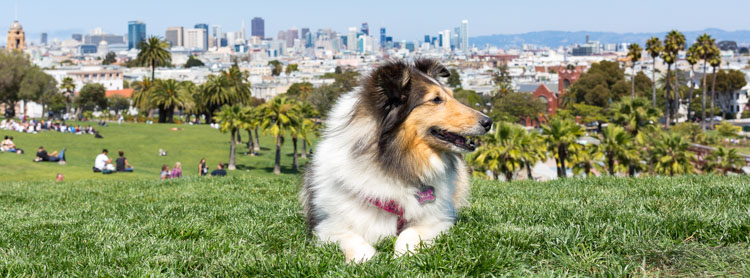
When I travel into the city (San Francisco) I take along my furry assistant and mini model, Mila, for the trip. She’s been working with me for awhile now. She trades in Pup-Peroni and DentaStix, and her daily rate is affordable, but I think she’d work for free too without complaint. I’d always rather bring my pup along on photography walks than go solo.

Take Your Dog on Photography Walks Header

There are a lot of great reasons to practice photography with your dog! I can already think of five good reasons to take your dog on photography walks.

1. Dogs pose for you

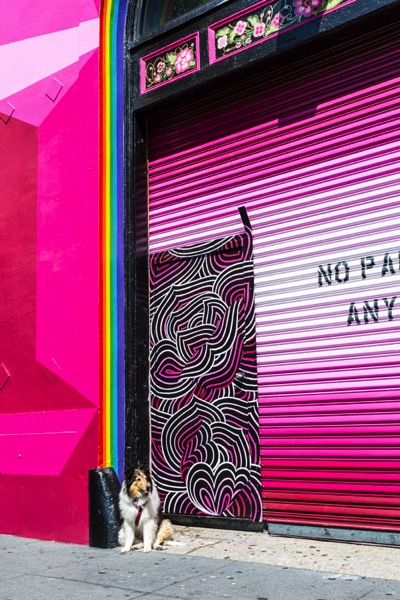
What better way to get test shots of a location than to photograph an assistant? But assistants cost money or at least a glass of wine, so if you’re running a tight ship your dog is a great option. My girl Mila has stood in for me on many location scouting trips. The best part about it is that I now have gazillions of photos of her from all of our adventures.

Take Your Dog on Photography Walks - dogs pose

Would this image have been as interesting without Mila posed in the middle?

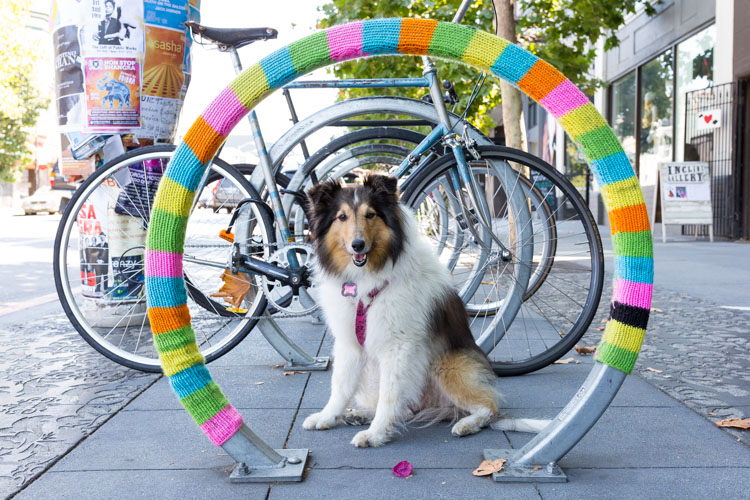
2. Dogs break the ice

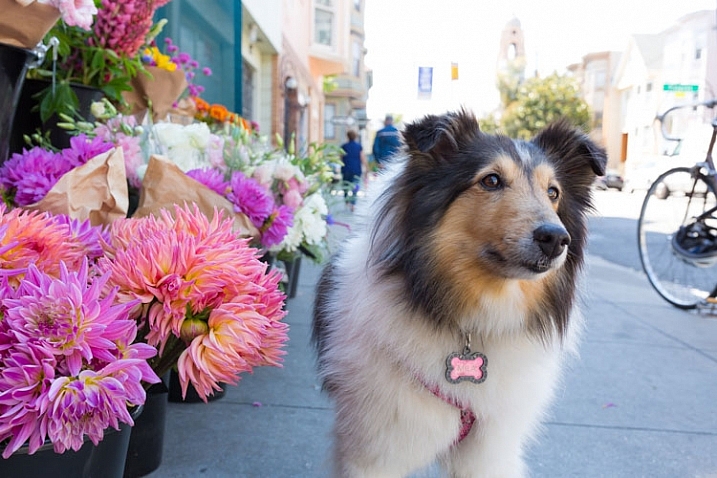
I find this especially useful for street and travel photography. People are less leery of me walking around taking pictures of their homes, businesses, etc., when I have Mila with me. In fact, they often stop to take pictures of her. Her presence encourages positive interaction and engagement, which is very helpful for me when I am trying to get the pulse of a place. Plus, it relaxes people, which makes for all-around better photography in my book.

Take Your Dog on Photography Walks - dogs break the ice

Mila always turns heads on the street. Who doesn’t love a dog that knows how to work the camera?

3. Dogs are like kids, they teach you patience

They need to be fed when they’re hungry. They need to drink when they’re hot. They fidget and don’t give you much time to get that winning shot. Oh, and they get tired and need to take naps in the middle of the street. If you thought child photography was difficult, try pet photography.

Mila is an exceptionally well-trained and mature dog, but she still reacts to her basic needs much as a toddler would. Practicing photography with her makes me very aware of my timing and helps me develop my patience, speed, accuracy, and client empathy. Dogs are great “personal trainers” for working with younger or more demanding subjects.

dogs are like kids they teach you patience

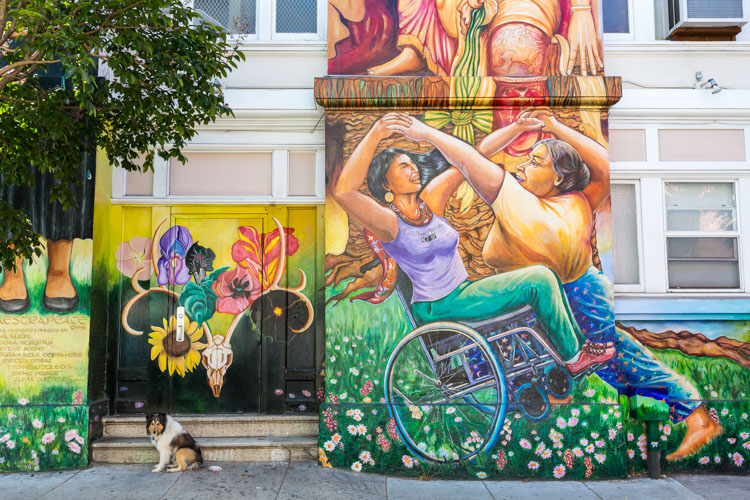
The hunched shoulders tell me all I need to know: it’s time to take a break. Even so, Mila was patient enough to let me snap this shot of her in front of the famous murals at the Mission District Women’s Center.

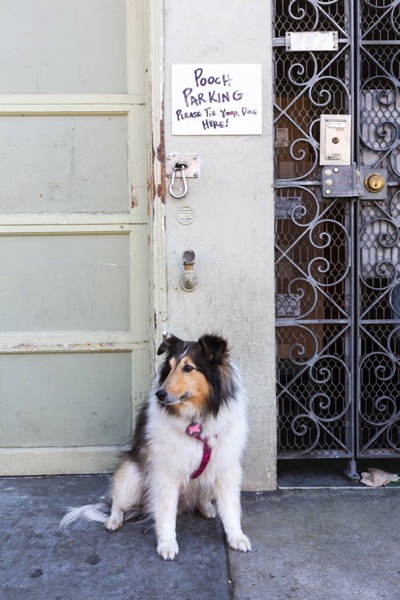
4. Dogs protect you

I will not lie, the thought of walking solo through San Francisco with the street value equivalent of a small sedan around my neck is somewhat unnerving. Couple that with a lack of situational awareness when I am focused on taking a shot, and I’ve got all the makings for a pretty nice mugging. I always feel better when Mila is with me because (a) thieves don’t like messing with chicks with dogs, and (b) she’s got really sharp teeth. (I learned the hard way not to hand-feed her bacon.) If you can’t take a human friend on your next photography walk, why not take man’s best friend?

Take Your Dog on Photography Walks - dogs protect you

Check out that sassy tongue! I challenge anyone to mess with me while my furry bodyguard is on the job.

5. Dogs encourage new perspectives

It’s true that all photographers get into ruts. We get used to taking certain kinds of photos because we’ve had past success with them and therefore know they will be well-received. We have to continually challenge ourselves to seek out new perspectives, and a great way to do this is to imagine seeing the world through someone else’s eyes.

Why not a dog’s? When I work with Mila, I always get inspired to look at things differently because I have to get down on her level or compose shots to complement her smaller size. Just be prepared for lots of dirty knees, soiled shirts, and the occasional funny look as you combat crawl through grass and gutters towards your furry subject.

Get low. Amazing how the scenery changes when you're 18 inches off the ground.

Get low. Amazing how the scenery changes when you’re 18 inches off the ground.

Conclusion

I love taking my dog with me on photography walks. Does it add some extra complexity? Absolutely. (I realized a little too late that I shouldn’t drink two glasses of water on the way to the city, it’s not easy to find dog-friendly bathrooms!) But I think about the rewards of having a pet companion with you on a photography walk, one that encourages you to interact with your environment and seek out new perspectives. It is well worth the extra effort.

If you don’t have a dog of your own to accompany you, perhaps you can borrow a friend’s.

Scroll below for more images from our San Francisco photography walk. Do you take your dogs on photo walks with you? Please share your photos and thoughts in the comments below:

Take Your Dog on Photography Walks 8

Black Magic Woman. I never knew Mila was a Santana fan. The things you learn about your dog on a photography walk.

Take Your Dog on Photography Walks 9

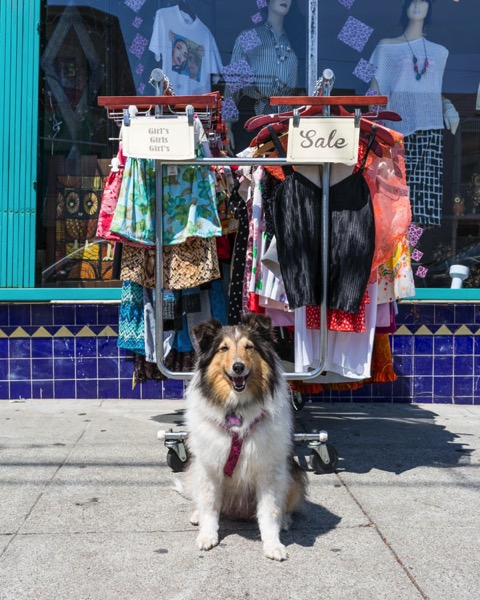
Funky fun style is a must in the Mission! Wear something colorful and bohemian and you are bound to blend in. Mila’s fashion sense led the way to this rack of hot threads.

Take Your Dog on Photography Walks 10

Dog Friendly. There are lots of lovely outdoor seating options at cafes, making them great places to grab a bite with your furry friend.

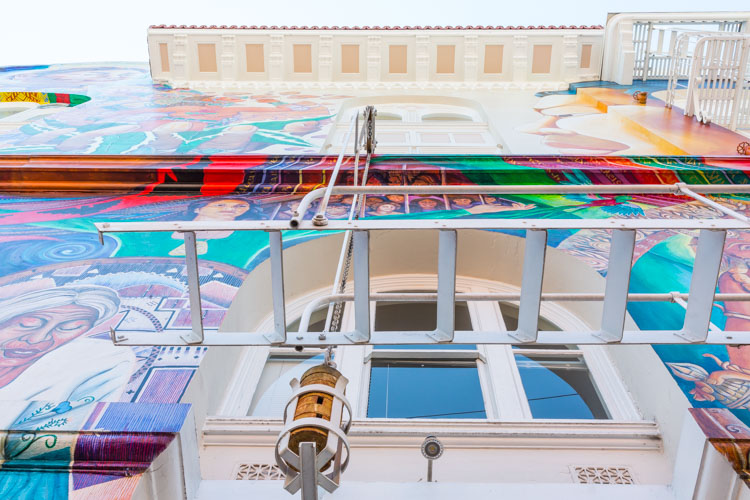
Take Your Dog on Photography Walks 11

I imagine this is what Mila sees when she looks up. The Mission District is renowned for its vibrant murals that celebrate the heritage and culture of the local Mexican community.>

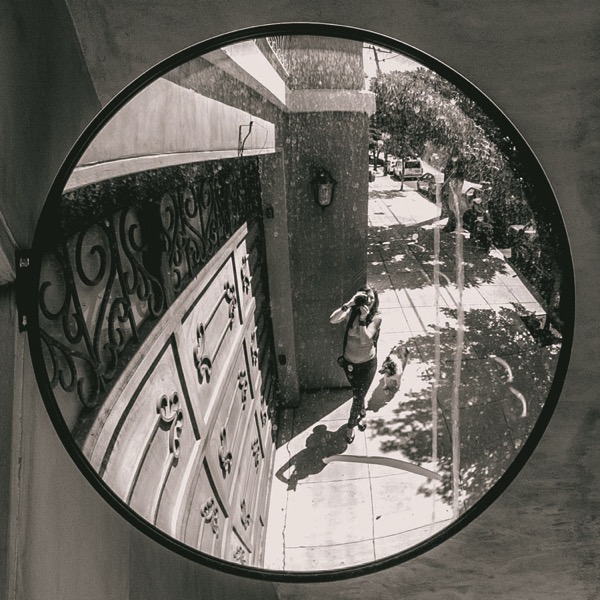
Take Your Dog on Photography Walks 12

Driveways in San Francisco are often small and on an incline, making backup mirrors like this an important garage accessory. They’re also convenient when you want to take a grungey selfie with your Sheltie.


googletag.cmd.push(function() {
tablet_slots.push( googletag.defineSlot( “/1005424/_dPSv4_tab-all-article-bottom_(300×250)”, [300, 250], “pb-ad-78623” ).addService( googletag.pubads() ) ); } );

googletag.cmd.push(function() {
mobile_slots.push( googletag.defineSlot( “/1005424/_dPSv4_mob-all-article-bottom_(300×250)”, [300, 250], “pb-ad-78158” ).addService( googletag.pubads() ) ); } );

The post 5 Good Reasons to Take Your Dog on Photography Walks by Jessica Tallman appeared first on Digital Photography School.


Digital Photography School
 
Comments Off on 5 Good Reasons to Take Your Dog on Photography Walks

Posted in Photography