RSS
 

Archive for October, 2015

8 Things to Do in Autumn When You’re a Photographer

23 Oct

8 Things to Do in Autumn When You’re a Photographer   Autumn is a great time for relaxing at home under warm blanket, with hot tea and a nice book to read or a movie to watch. But not for a photographer. If you still consider autumn not the best time for outdoor shooting… well, any kind of shooting and Continue Reading

The post 8 Things to Do in Autumn When You’re a Photographer appeared first on Photodoto.


Photodoto

 
Comments Off on 8 Things to Do in Autumn When You’re a Photographer

Posted in Photography


27 Sinister Images for the Week of Halloween

23 Oct

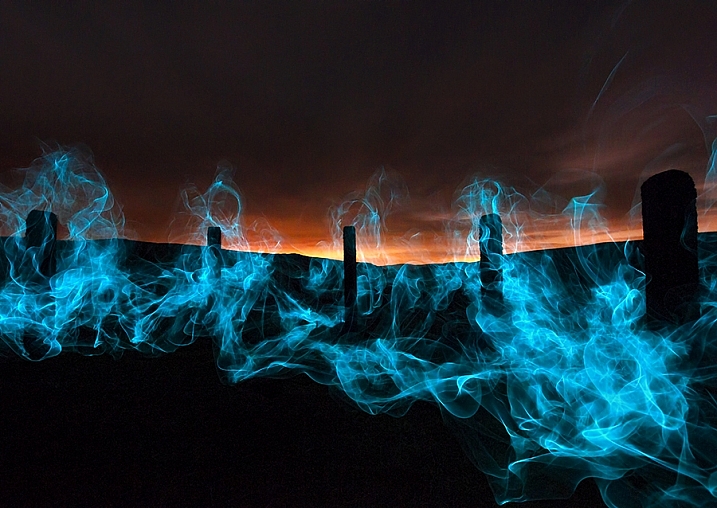
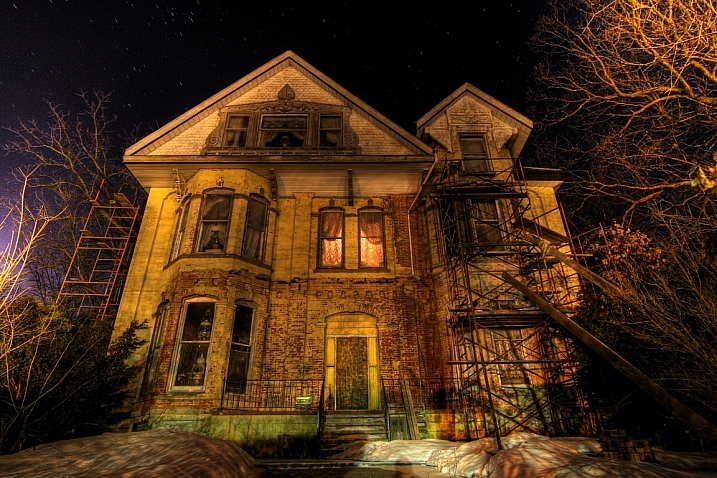
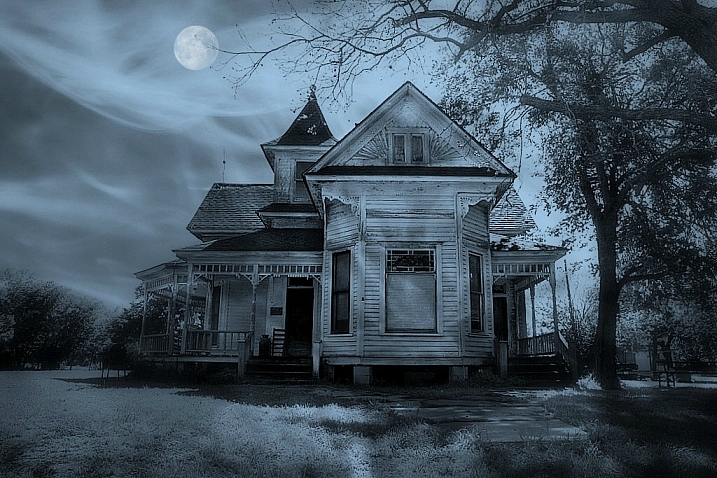
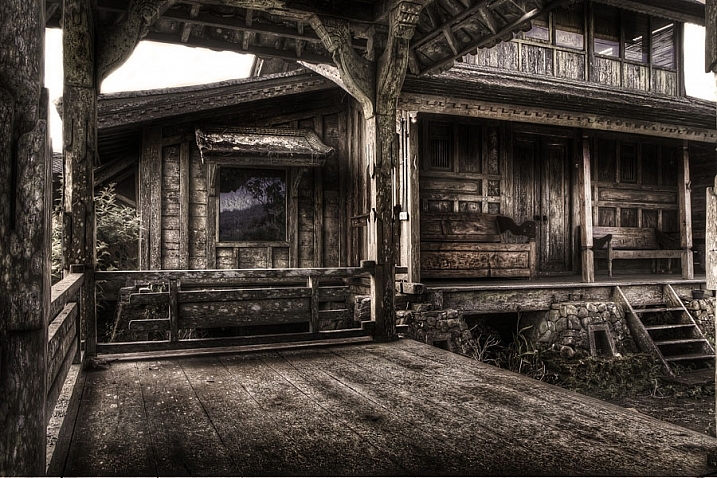
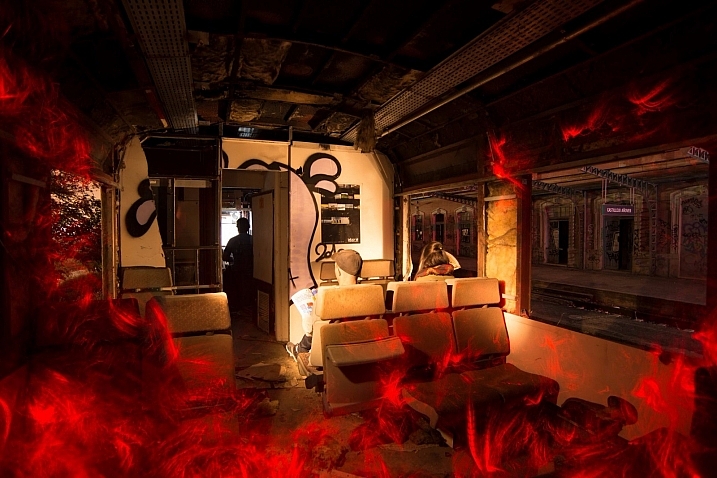
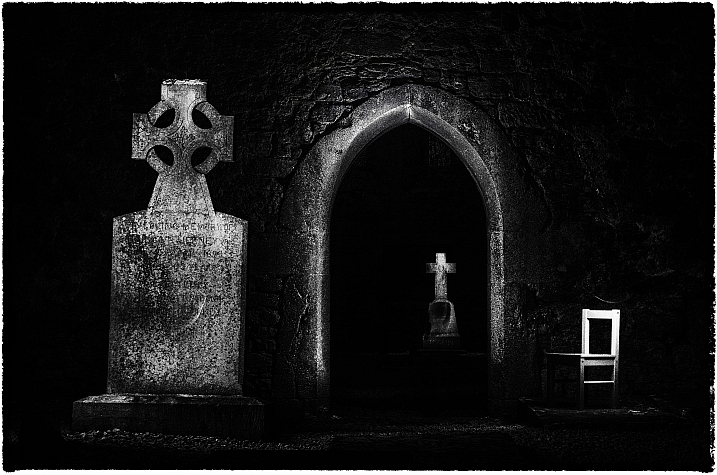
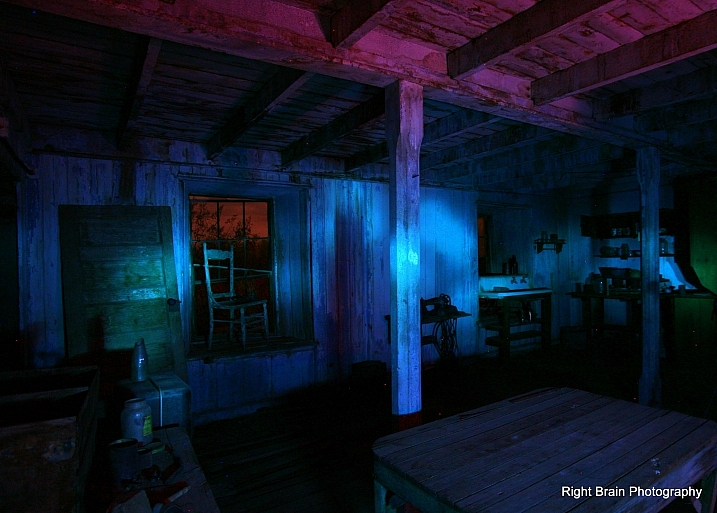
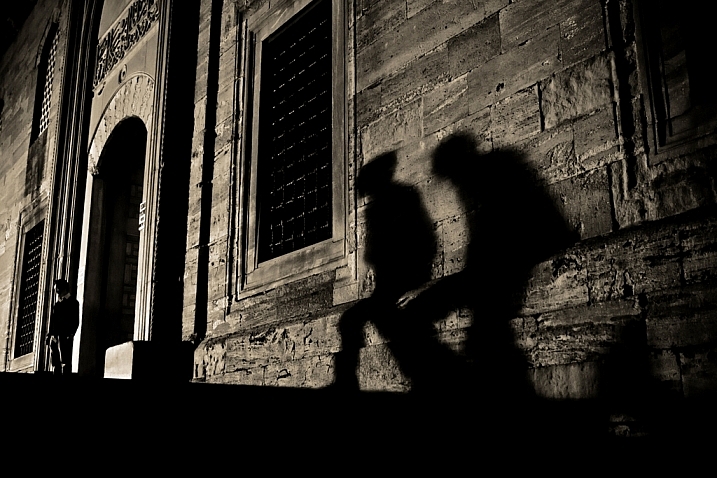
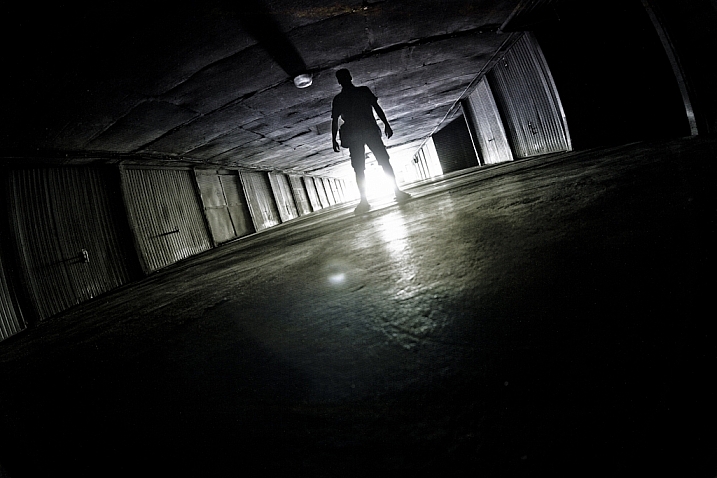
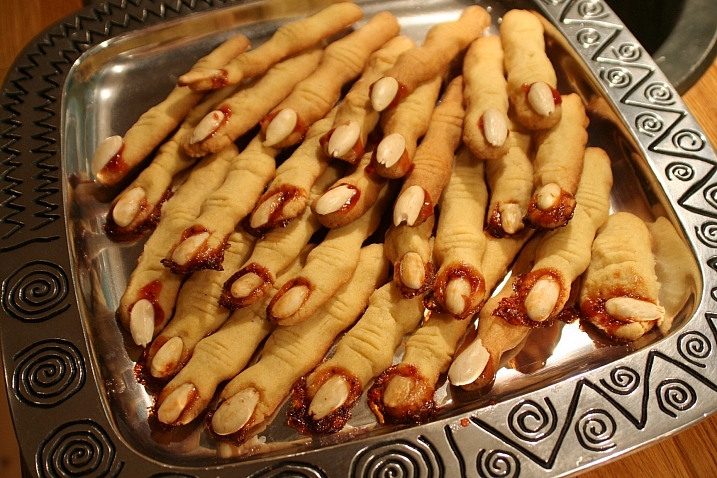
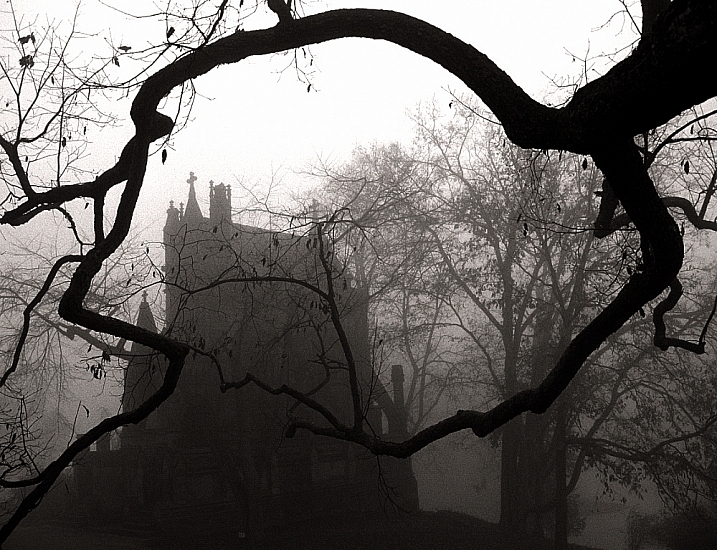
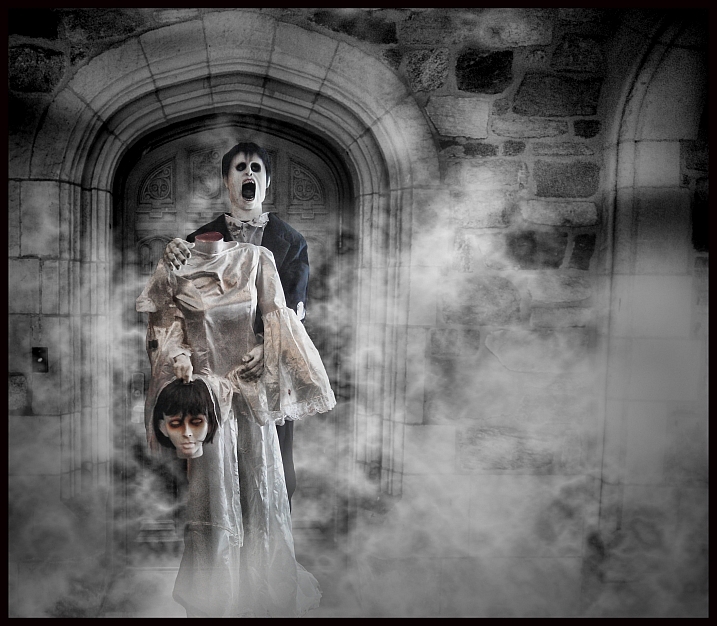
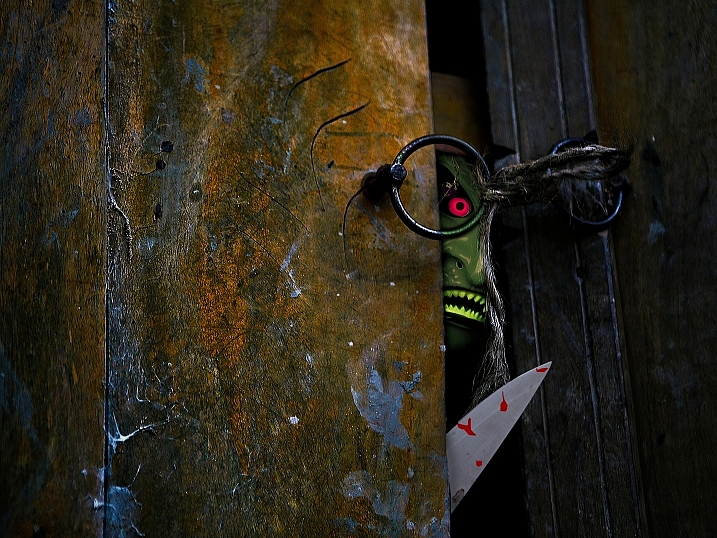
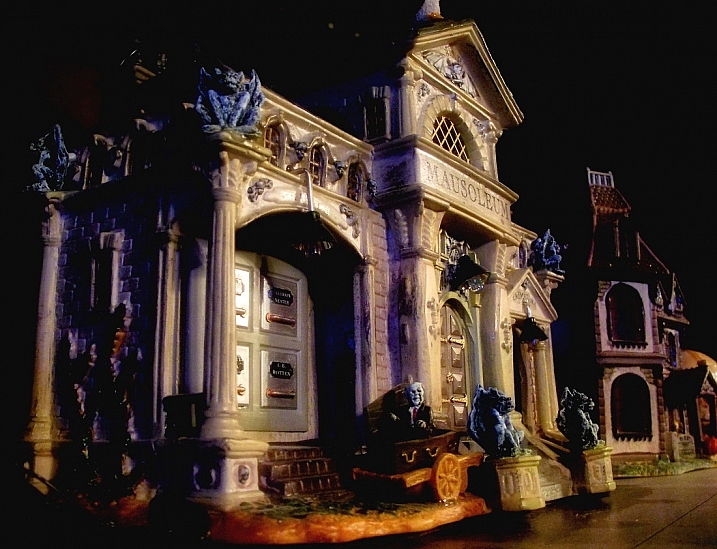
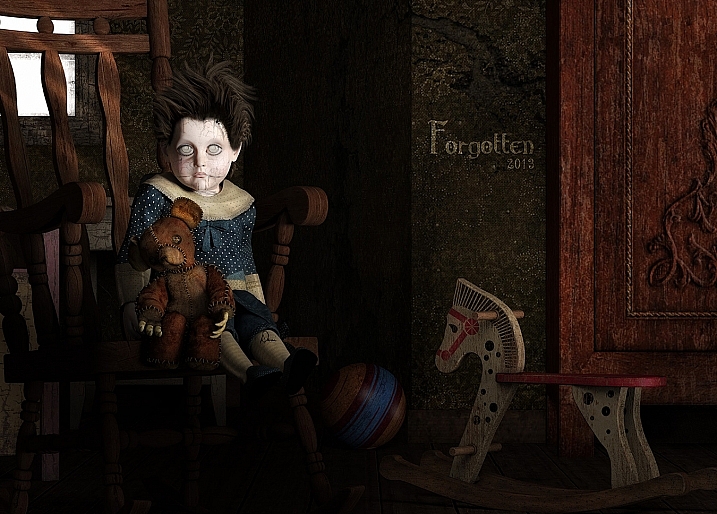
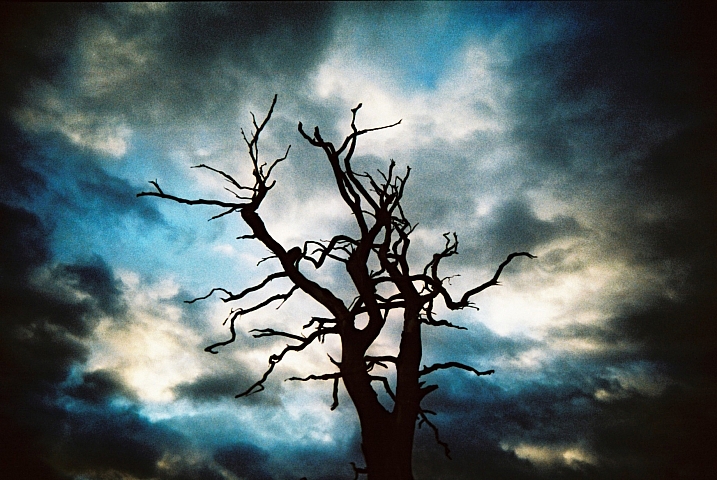
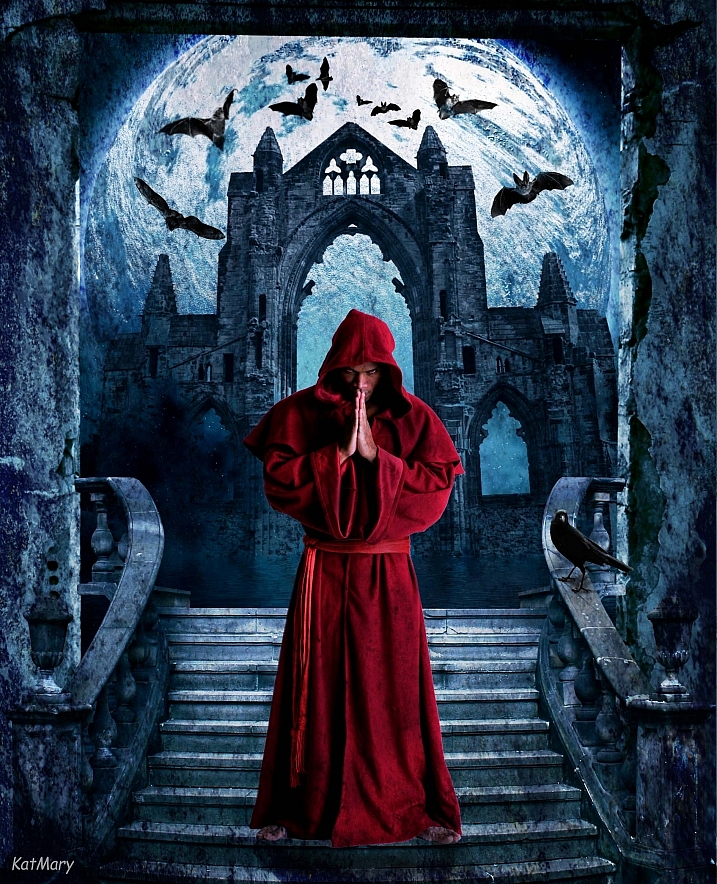
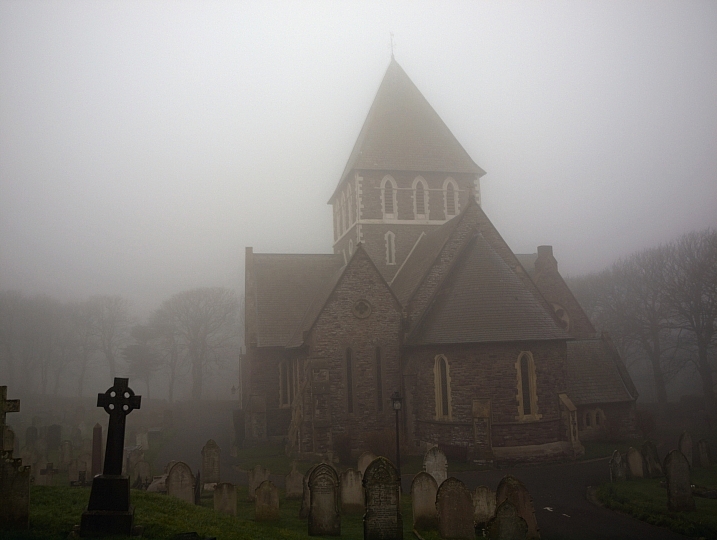
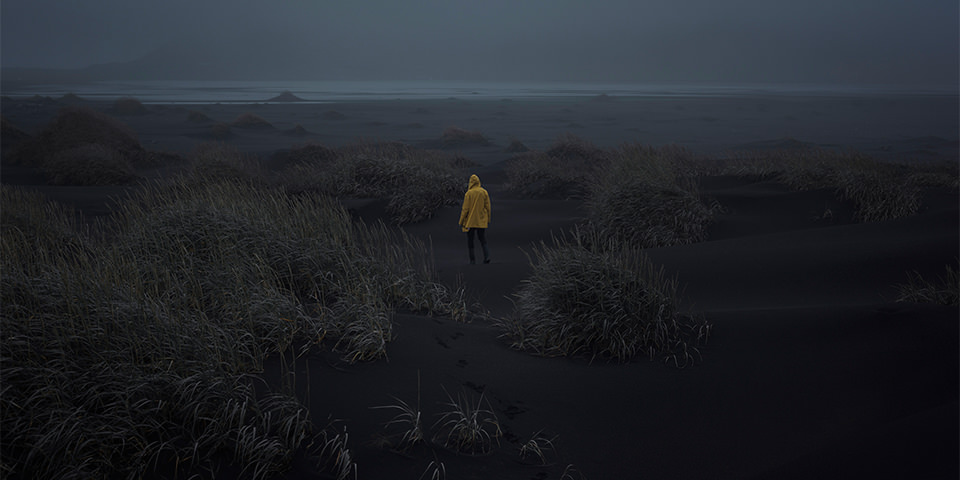
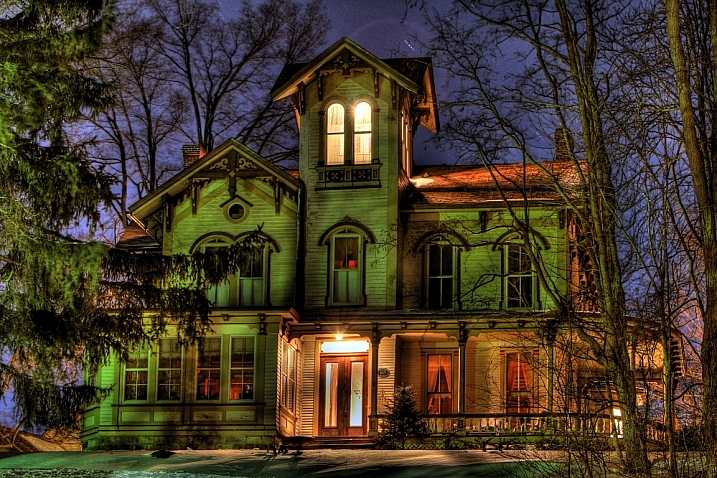
So next week it is Halloween and the goblins and zombies will be out in full force. To get you in the spirt and maybe scare the pants off you – let’s look at a few spooky, creepy images:

Shane Gorski

By Shane Gorski

Kris Williams

By Kris Williams

Shane Gorski

By Shane Gorski

TexasEagle

By TexasEagle

Jimmy McIntyre

By Jimmy McIntyre

Calvin Smith

By Calvin Smith

Cosmo_71

By cosmo_71

RightBrainPhotography

By RightBrainPhotography

Stefano Corso

By Stefano Corso

Christophe Verdier

By Christophe Verdier

Troy B. Thompson

By Troy B. Thompson

Jill

By Jill

Moyan Brenn

By Moyan Brenn

David Ohmer

By David Ohmer

Kasia

By Kasia

Aftab Uzzaman

By Aftab Uzzaman

Rob

By Rob

D.loop

By d.loop

Freeparking :-|

By freeparking 😐

Darlene Hildebrandt

By Darlene Hildebrandt

Mark Lobo

By Mark Lobo

Dani Foster Herring

By Dani Foster Herring

Slimmer_jimmer

By slimmer_jimmer

Yasser Alghofily

By Yasser Alghofily

Katmary

By katmary

Neil Howard

By Neil Howard

Matt MacGillivray

By Matt MacGillivray

googletag.cmd.push(function() {
tablet_slots.push( googletag.defineSlot( “/1005424/_dPSv4_tab-all-article-bottom_(300×250)”, [300, 250], “pb-ad-78623” ).addService( googletag.pubads() ) ); } );

googletag.cmd.push(function() {
mobile_slots.push( googletag.defineSlot( “/1005424/_dPSv4_mob-all-article-bottom_(300×250)”, [300, 250], “pb-ad-78158” ).addService( googletag.pubads() ) ); } );

The post 27 Sinister Images for the Week of Halloween by Darlene Hildebrandt appeared first on Digital Photography School.


Digital Photography School

 
Comments Off on 27 Sinister Images for the Week of Halloween

Posted in Photography


Instagram’s Boomerang app creates animated-GIF-like video loops

23 Oct

Following the success of last year’s excellent Hyperlapse app for creating smoothly stabilized time-lapse videos, Instagram has today launched its second ‘special feature app’. Boomerang captures a burst of still images over one second and combines them into a video that plays backwards and forwards continuously, resembling something not unlike an animated GIF. Read more

Articles: Digital Photography Review (dpreview.com)

 
Comments Off on Instagram’s Boomerang app creates animated-GIF-like video loops

Posted in Uncategorized


Farbfleck

23 Oct

© Florian Wenzel

Ein Beitrag von: Florian Wenzel

„Ich bin ein Farbfleck in einer schwarzweißen Welt.“ So lautet ein Zitat des deutschen Rappers MoTrip, das mir oft in Momenten der Melancholie zu besserem Denken verholfen hat. Ein Farbfleck in einer schwarzweißen Welt mag im ersten Moment etwas verloren wirken, doch wenn man einmal darüber nachdenkt…
kwerfeldein – Fotografie Magazin | Fotocommunity

 
Comments Off on Farbfleck

Posted in Equipment


Reading Railroad: Chicago Rolls Out Mobile Train Car Libraries

23 Oct

[ By WebUrbanist in Technology & Vehicles & Mods. ]

reading railroad

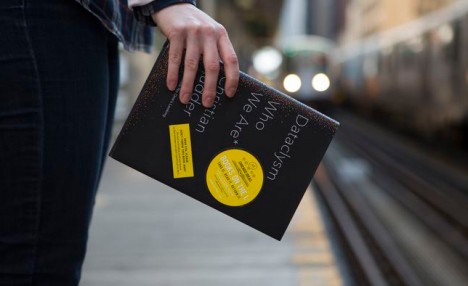
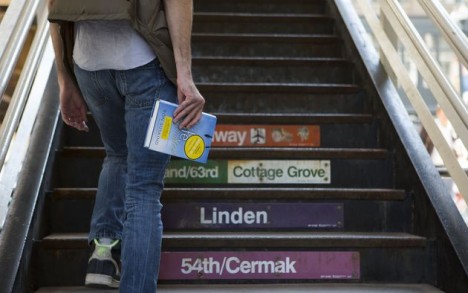
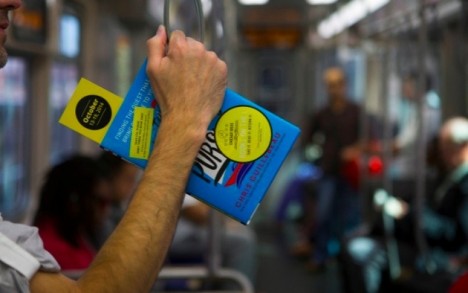
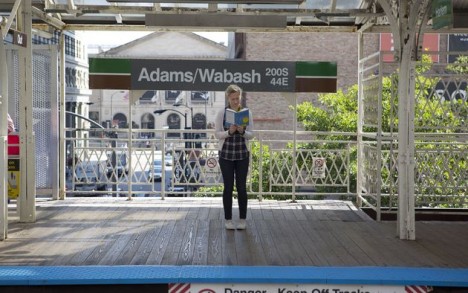
A project in Chicago is turning train cars in the city’s elevated rail network into moving libraries, providing free reads for travelers and commuters using the public transit system.

mobile library movement

mobile book library readin

The Books On the L lending project began as a concept pitched during Chicago Ideas Week and operates with a simple and effective lending policy for this novel type of mobile library: you can read as long as you ride.

books on the subway

The Chicago Transit Authority trains will be populating cars with volumes from hundreds of genres, and could potentially give access to thousands more if they implemented QR codes for ebook reading devices.

mobile reading chicago

The same idea has informally manifested itself in other cities as well, part of a larger Books on the Subway (or Underground) movement that ranges from ‘find a book, leave a book’ ideals to more organized endeavors in places including London, Washington D.C. and New York City. But readers beware: become too engrossed in your borrowed page-turner and you may miss your stop.

Share on Facebook


[ By WebUrbanist in Technology & Vehicles & Mods. ]

[ WebUrbanist | Archives | Galleries | Privacy | TOS ]


WebUrbanist

 
Comments Off on Reading Railroad: Chicago Rolls Out Mobile Train Car Libraries

Posted in Creativity


ZY Optics launches optically improved version of its Turbo Adapter for Micro Four Thirds

23 Oct

Chinese lens manufacturer Shenyang Zhongyi Optics has redesigned the optical construction of is Turbo Adapter that allows Micro Four Thirds users to mount Nikon and Canon lenses to their cameras. The details are slight, but the company says the configuration is completely different, although still using four elements, and new coatings have been applied to reduce flare and increase contrast. Read more

Articles: Digital Photography Review (dpreview.com)

 
Comments Off on ZY Optics launches optically improved version of its Turbo Adapter for Micro Four Thirds

Posted in Uncategorized


Two Methods for Shooting Star Trails Made Easy

23 Oct

As a landscape photographer, it can be easy to find stunning subject matter to photograph during the day. At night, things become more difficult as the sun goes down, but there is still plenty to photograph. With some patience, you can create stunning images featuring the stars as your backdrop, or even your subject.
star trails, night, photography, sky, astrophotography

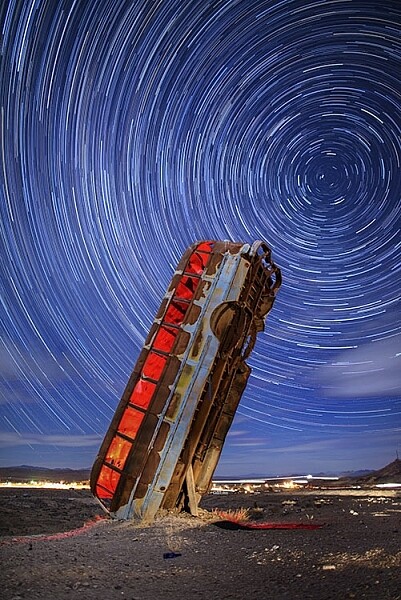
This image is a composite of 156 separate exposures, merged using StarStax software. Each exposure was ISO 400, f/2.8, 30 seconds. The red glow inside the bus was done by shining a red LED flashlight inside the bus from the other side, during one of the exposures.

Equipment list

Before you get started, you’re going to need a few things:

  • A good sturdy tripod is absolutely essential, I’m using an Induro GTT204M2.
  • A wired remote for your camera is also a necessity. Which model you use will depend on the camera you have.
  • A fully charged battery is a must. The vertical grips that are available for some cameras, allowing you to use two batteries at once for longer life, can also be helpful.
  • A flashlight can come in handy, both for finding your way to the location, and for light painting in the foreground.
  • Finally, a large memory card, or two if your camera has dual slots, will be needed.

#1 – The One-Shot Method

There are two ways to photograph star trails. The first is the old-fashioned way, using a single exposure.

For this method, exposures can range anywhere from several minutes, to several hours. This method was the only way to photograph star trails in the days before digital cameras. When using the single exposure method, your camera needs to be in manual mode, with the shutter speed set to Bulb. Some cameras have a separate mode for Bulb. It is like manual mode, but the shutter stays open for as long as the release button is depressed. A time controller such as the Nikon MC-36A, or Canon TC-80N3 can make things easier by allowing you to lock the shutter button down, or program a set amount of time for the exposure.

ISO should be set to 400. You’ll want to set your aperture somewhere around f/4. The wider the aperture is open, the brighter the star trails will be. If you are photographing in a completely dark setting, with no moonlight, the stars will likely be the brightest object in your scene. Once you’ve set your aperture, you need to decide how long a star trail you want. The longer the exposure, the longer the trails.  The image below was a 30 minute exposure.
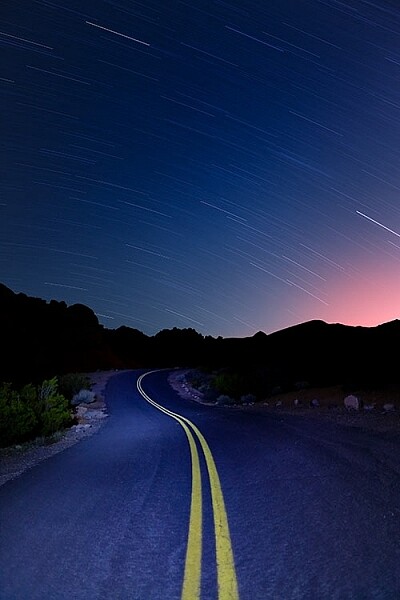
This image was created as a single exposure. Exposure time was 30 minutes, ISO 100, f/5.6. The star trails are dimmer due to the smaller aperture, the fact that the moon was still in the sky, and light pollution from the city in the distance, seen as the glow to the right.

This image was created as a single exposure. Exposure time was 30 minutes, ISO 100, f/5.6. The star trails are dimmer due to the smaller aperture, the fact that the moon was still in the sky, and light pollution from the city in the distance, seen as the glow to the right. The street in the foreground was painted with an LED flashlight for several seconds during the exposure.

One thing you need to be concerned with when using a single long exposure is Long Exposure Noise Reduction. If you choose to photograph star trails using a single exposure, the heat generated on the imaging sensor adds noise to the image. Turning on Long Exposure Noise Reduction reduces that noise by using a method known as dark frame subtraction. I previously discussed dark frame subtraction in the article The Night Sky In Landscape Photography. Long Exposure Noise Reduction doubles the length of time needed to make an image. The camera first takes the exposure. In this case, let’s say the exposure is one minute.Long Exposure Noise Reduction then requires another minute to reduce the noise created by the long exposure. That means if you make a star trail exposure for 15 minutes, your camera will be unavailable to take another picture for 30 minutes. You’ll need to make sure you have enough battery to keep the camera powered while it carries out Long Exposure Noise Reduction.
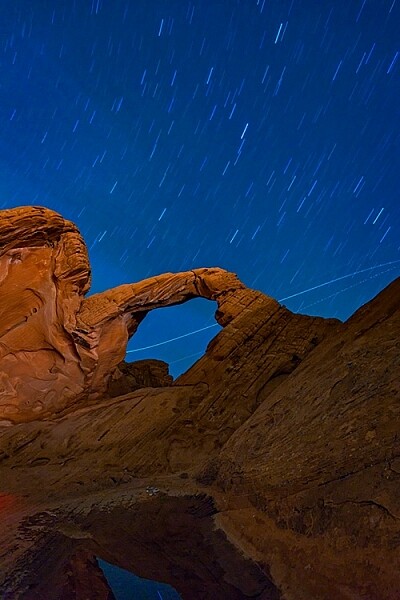
This is a single exposure of 10 minutes, ISO 400, f/5.6.

This is a single exposure of 10 minutes, ISO 400, f/5.6.

In addition to Long Exposure Noise Reduction, another consideration is the length of the exposure itself. There is nothing worse than standing next to your camera while it makes a 30 or 45 minute exposure, and two-thirds of the way through the exposure, a car goes past, shining its headlights across the scene and ruining the exposure. It’s happened to the best of us.

#2 – Merging Multiple Exposures

This is where the second method for photographing star trails comes in. With the advancement of digital imaging, stacking multiple exposures has become possible, and has made creating star trail images easier than ever. By taking a series of drastically shorter exposures, then stacking them in software such as StarStaX, you can increase your flexibility as a photographer, because there are two benefits to this method. The first is that since the exposure are shorter, you can turn off Long Exposure Noise Reduction. The second benefit is that even if a car drives by to ruin the exposure, it’s only one small piece of the sequence, so you can just delete the one frame that was ruined.

StarStaX works by blending a series of images, allowing you to capture the motion of stars in the sky, similar to a single exposure. The one drawback to using software like StarStaX is if clouds are also moving across the sky, it has a tendency to create a stepped shape with them that doesn’t look natural. Better Star Trails Photographs with StarStax is an excellent tutorial for using StarStaX.

Camera settings

To use the stacking method for shooting star trails, set your camera to Manual mode and your camera’s drive to Continuous. Start with your aperture set to f/4. This setting can be adjusted, but the wider the aperture, the brighter the trails. However, be careful to ensure you have enough depth of field, and aren’t overexposing the stars. Shutter speed will be 30 seconds. ISO should be set to 400. Using the time controller or remote for your camera, release the shutter, and use the locking mechanism to keep the shutter button on the remote depressed. With the camera in continuous drive mode, as each exposure ends, another will begin until you stop it. This also minimizes the pause between each exposure, which can cause small breaks in the star trails when the exposures are merged. Alternatively you can use an intervalometer feature if you camera has that, or similar type of remote.
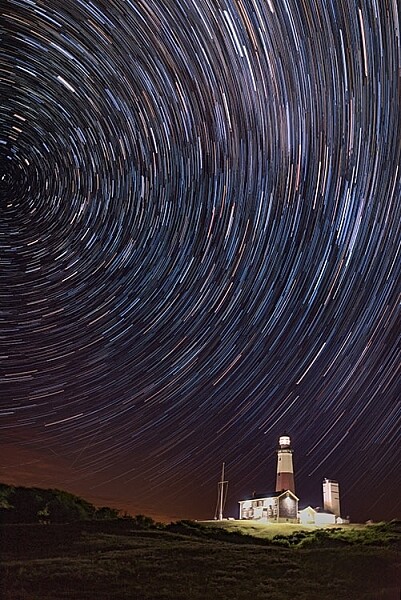
star trails, night, photography, sky, astrophotography

This image is a combination of 121 exposures merged in StarStaX. Each exposure was 15 seconds, ISO 400, f/1.4. To keep the lighthouse from being so bright that it would overpower the star trails, a 3-stop soft-edged graduated neutral density filter was used.

It can be easy to forget the rules of composition when photographing star trails, so don’t get so fixated on the stars that you forget to look at the foreground as well. Chances are your foreground will be shrouded in darkness. A flashlight can come in handy for painting the foreground object with light to make it stand out in the darkness. Colored gels can allow you to get creative with the light painting. When stacking images, you’ll only need to illuminate your foreground for a single frame, as StarStax will use the illuminated exposure for that foreground object.

By the same token, there may be a time where your foreground object is brightly illuminated, as with the lighthouse image above. So I carry a set of graduated neutral density filters, even when shooting at night. For the lighthouse image, I mounted a Vü filters 3-stop soft-edged ND grad on my lens, so that the dark side of the filter was over the bottom half of the frame. This allowed me to keep the lighthouse exposure dim enough to still allow the stars to register in the exposure as well.
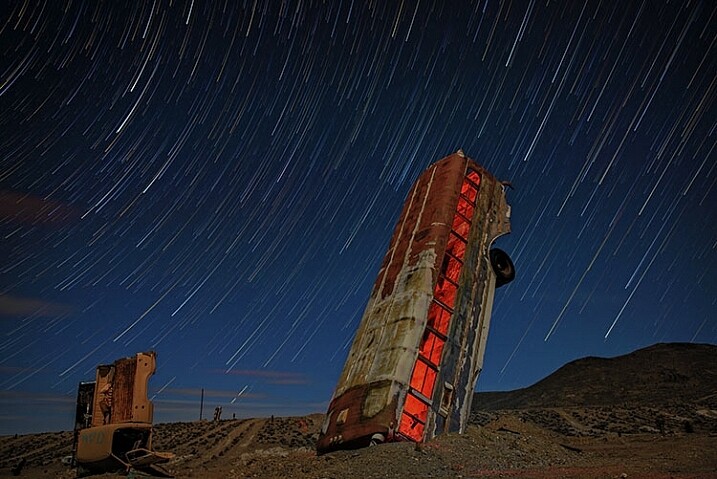
This image was created by merging 116 separate exposures in StarStax software in comet mode. Each exposure was 30 seconds, ISO 400 at f/2.8. A red LED flashlight was shone inside the bus for the first exposure.

This image was created by merging 116 separate exposures in StarStax software in comet mode. Each exposure was 30 seconds, ISO 400 at f/2.8. A red LED flashlight was shone inside the bus for the first exposure.

Once you’ve found your foreground, think about the direction you are facing. When facing north, star trails will form concentric circles. When facing away from the north, star trails will simply be slanted lines or arcs in the sky. Both can create interesting and awe-inspiring images.

Now that you know you don’t have to put your camera away when the sun goes down, you need to find some dark sky to get the best results with star trails. The International Dark Sky Association has a great tool on their website to help you find the best places for night sky photography.

Show some of your best star trail images below!

googletag.cmd.push(function() {
tablet_slots.push( googletag.defineSlot( “/1005424/_dPSv4_tab-all-article-bottom_(300×250)”, [300, 250], “pb-ad-78623” ).addService( googletag.pubads() ) ); } );

googletag.cmd.push(function() {
mobile_slots.push( googletag.defineSlot( “/1005424/_dPSv4_mob-all-article-bottom_(300×250)”, [300, 250], “pb-ad-78158” ).addService( googletag.pubads() ) ); } );

The post Two Methods for Shooting Star Trails Made Easy by Rick Berk appeared first on Digital Photography School.


Digital Photography School
 
Comments Off on Two Methods for Shooting Star Trails Made Easy

Posted in Photography


20:20 vision: Hands-on with Sigma’s 20mm F1.4 ‘Art’

23 Oct

Sigma has grown its ‘Art’ lineup of prime lenses again, with a new 20mm F1.4 for Canon, Nikon and Sigma mounts. The new 20mm F1.4 DG HSM | Art  is designed for full frame DSLRs, and Sigma claims that the 20mm F1.4 is the result of new production technologies including a 59mm double aspherical element. The new 20mm will go on sale from November priced at £849.99/$ 899.99, and we just got our hands on a sample at the Photo Plus Expo in New York. Click through for some first impressions

Articles: Digital Photography Review (dpreview.com)

 
Comments Off on 20:20 vision: Hands-on with Sigma’s 20mm F1.4 ‘Art’

Posted in Uncategorized


Guerrilla Grafting: Public Trees Spliced to Bear Edible Fruit

23 Oct

[ By WebUrbanist in Art & Installation & Sound. ]

guerilla fruit tree

A subversive urban agricultural group in San Francisco is turning ornamental trees into fruit-producing surprises for the local population but while technically breaking the law. A simple incision allows industrious grafters to add living branches to the mix; these scions heal in place then effectively become part of the existing tree.

guerilla branch grafts

A fresher form of guerilla gardening, traditionally carried out through seed bombs and other surreptitious planting techniques, this approach makes existing plants yield free produce.

A flowering apple tree in Oakland, Calif. with two successful grafts from an apple tree which bears fruit.

Founded by Tara Hui, Guerrilla Grafters leaves subtle hints in the form color-coded tape behind to mark their work, eschewing maps to avoid detection.

guerilla grafters group photo

While the city has over 10,000 apple, plum, pear and other fruit trees (and 100,000 public trees in total), these are intentionally rendered sterile to avoid making a public mess or attracting animals. The existence of these species makes guerrilla grafting interventions all the more difficult to spot, since they are simply added to extant greenery and take time to bear fruit.

guerilla gardening sf

The group’s novel form of civil disobedience begins to address issues of food scarcity and accessibility, and raise edible fruits as well as questions about whether it makes sense to strip decorative and shade-providing plants of another essential function they can just as easily provide.

guerilla grafting instruction manual

Their website also provides tips on ideal species combinations and grafting strategies, including the instruction manual shown above. The Guerrilla Grafters “graft fruit bearing branches onto non-fruit bearing, ornamental fruit trees. Over time, delicious, nutritious fruit is made available to urban residents through these grafts. We aim to prove that a culture of care can be cultivated from the ground up. We aim to turn city streets into food forests, and unravel civilization one branch at a time.”

Share on Facebook


[ By WebUrbanist in Art & Installation & Sound. ]

[ WebUrbanist | Archives | Galleries | Privacy | TOS ]


WebUrbanist

 
Comments Off on Guerrilla Grafting: Public Trees Spliced to Bear Edible Fruit

Posted in Creativity


Oh Snap! Handmade GiftsPhotographers Will Love

23 Oct

Do you love shopping on Etsy? Us, too!

This global community of creators sell everything from home decor to handmade jewelry to fun photo-related doodads.

In fact, we found ten of THE cutest and most original Etsy products that awesome photogs like you are sure to love.

Read on and pick yourself up a treat—or get inspired to make your own!

(…)
Read the rest of Oh Snap! Handmade Gifts
Photographers Will Love (473 words)


© Taylor for Photojojo, 2015. |
Permalink |
No comment |
Add to
Photographers Will Love”>del.icio.us

Post tags:


Photojojo

 
Comments Off on Oh Snap! Handmade GiftsPhotographers Will Love

Posted in Equipment