RSS
 

Archive for July, 2015

Past Preserved in Paper: Miniatures Document Gentrification

28 Jul

[ By Steph in Art & Sculpture & Craft. ]

Screen Shot 2015-07-27 at 4.11.52 PM

Today, that charming old brick building on the corner might be a market where you can still grab a six-pack at a decent price; within mere months, it could be knocked down for a gleaming high-income condominium tower. The shift in a city’s character can seem to occur in the blink of an eye as the look and usage of its architecture changes. As gentrification rapidly alters the face of the city around him, Philadelphia artist Drew Leshko documents and preserves building facades as they presently stand in miniatures made of paper and wood.

Screen Shot 2015-07-27 at 4.09.39 PM

Screen Shot 2015-07-27 at 4.09.17 PM

Screen Shot 2015-07-27 at 4.09.06 PM

Whatever your opinion may be about the onward march of modernization and urban progress, it’s hard to deny that too much ‘spiffing up’ without the careful preservation of historical details and the imprints of the people and cultures that have shaped them can make all cities look the same.

Screen Shot 2015-07-27 at 4.09.48 PM

Screen Shot 2015-07-27 at 4.09.27 PM

Screen Shot 2015-07-27 at 4.09.17 PM

Though cleaner and safer, New York City has become virtually unrecognizable within just a couple decades, replacing all of the independent businesses that once lined its streets with chain stores and sleek signage. The same is happening in cities around the world, much to the chagrin of people who have a sentimental attachment to what those places used to be.

gentrification 6

gentrification 5

gentrification 4

Leshko cycles around Philadelphia documenting interesting buildings to later recreate in his studio at a 1:12 scale. Details like bars on the windows, hand-painted banners, graffiti and uneven weathering are reproduced in three dimensions as a way of archiving their condition before they’re gone.

gentrification 3

gentrification 2

Though they may still be a reflection of what Philadelphia really looks like, it won’t be long before these sculptures are mere nostalgia. No matter where you live, taking a close look at them might just prompt you to appreciate the current state of your own city a little bit more.

Share on Facebook


[ By Steph in Art & Sculpture & Craft. ]

[ WebUrbanist | Archives | Galleries | Privacy | TOS ]


WebUrbanist

 
Comments Off on Past Preserved in Paper: Miniatures Document Gentrification

Posted in Creativity


Casio Japan introduces Exilim EX-ZR3000 and EX-ZR60

28 Jul

Casio has launched two new compacts in Japan, the Exilim EX-ZR3000 and EX-ZR60. The ZR3000 uses a 12MP 1/1.7″ BSI CMOS sensor and 25-300mm equiv. zoom, and the beginner-friendlier ZR60 offers a 16MP 1/2.3″ BSI CMOS 25-250mm equiv. range. Read more

Articles: Digital Photography Review (dpreview.com)

 
Comments Off on Casio Japan introduces Exilim EX-ZR3000 and EX-ZR60

Posted in Uncategorized


How to Creatively Alter the Light in Your Photo Using Lightroom

28 Jul

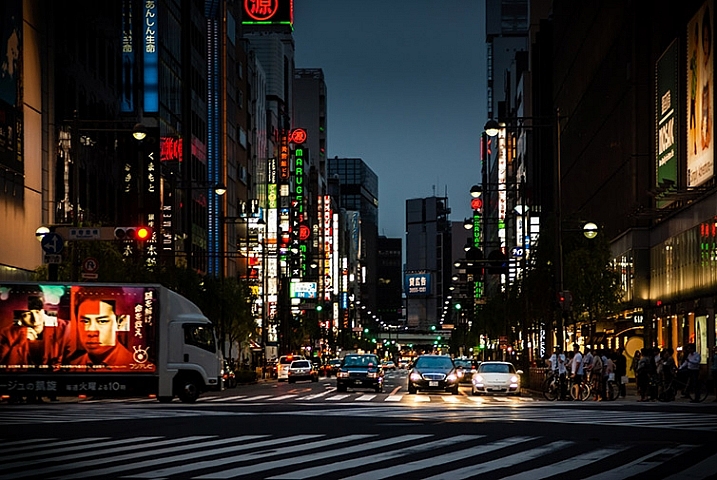
photo of a Tokyo streetscape after being fixed in Lightroom

Learn how to fix problem light and enhance your vision for your photos in Lightroom.

If you’re like most of us, you’ve taken photos from time to time that you’ve had high hopes for, only to realize later on that they didn’t turn out the way you’d hoped. Often what looks like awesome light when you captured the image, just doesn’t translate to great light when you view the photo on your computer screen.

When the photos you’ve captured are once in a lifetime memories they deserve better than this. Thanks to Lightroom they can be improved, fairly quickly and easily. In this video you’ll see how to relight a photo in Lightroom. You’ll learn techniques that you can use on your photos to move the light from where it is now to where you want it to be.

You will see how to use the Graduated Filter to darken skies, how to use the Radial Filter and the Adjustment Brush to bring light and saturation to where you want it to be.

Don’t get me wrong, I’m a big advocate of using the correct settings and capturing a good photo right in the camera. I’m also pragmatic and I know that, despite the best of intentions, the photos you capture don’t always look as good you’d like. Lightroom can help.

So here’s how you can use Lightroom’s tools to improve a photo. This rather lifeless Tokyo streetscape is improved so it is a crisper, shinier image with light and saturated color where it should be. This is something you can do too.

We’d like to see what you do with these tools and your photos, so feel free to show us in the comments below.

googletag.cmd.push(function() {
tablet_slots.push( googletag.defineSlot( “/1005424/_dPSv4_tab-all-article-bottom_(300×250)”, [300, 250], “pb-ad-78623” ).addService( googletag.pubads() ) ); } );

googletag.cmd.push(function() {
mobile_slots.push( googletag.defineSlot( “/1005424/_dPSv4_mob-all-article-bottom_(300×250)”, [300, 250], “pb-ad-78158” ).addService( googletag.pubads() ) ); } );

The post How to Creatively Alter the Light in Your Photo Using Lightroom by Helen Bradley appeared first on Digital Photography School.


Digital Photography School

 
Comments Off on How to Creatively Alter the Light in Your Photo Using Lightroom

Posted in Photography


27. Juli 2015

28 Jul

Das Bild des Tages von: Ralph Kellenberger

©  Ralph Kellenberger

Im Ausblick: Künstlerselfies, Lee Miller und Filmempfehlungen.
kwerfeldein – Fotografie Magazin | Fotocommunity

 
Comments Off on 27. Juli 2015

Posted in Equipment


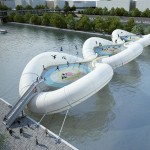
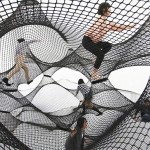
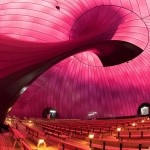
Inflatable Installations: 18 Fun Projects Full of Hot Air

28 Jul

[ By Steph in Art & Installation & Sound. ]

inflatable filthy luker 1

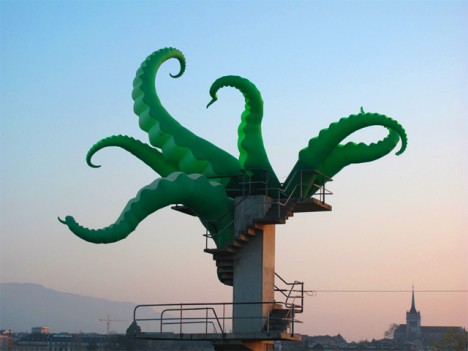
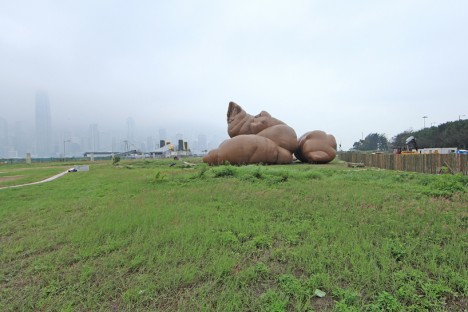
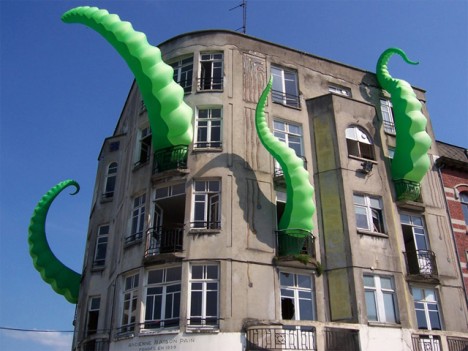
Inflatables are good for more than just pool toys and camping beds – they also come in the form of giant tentacles springing from open windows, the world’s largest rubber duck and (literally) gigantic piles of crap. Blow-up buildings can have a practical purpose as mobile architecture, but sometimes, oversized inflatables are just for fun, transforming both interior and exterior environments and bringing shock value to art festivals around the world.

Giant Poo, Pig & Stonehenge
inflatable poo

inflatable poo pig

inflatable stonehenge

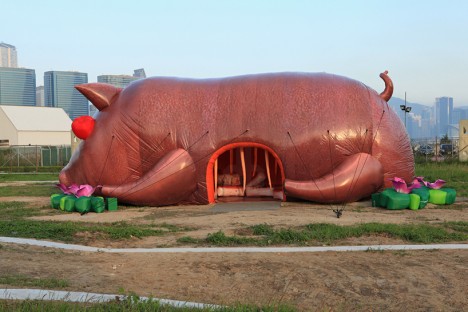
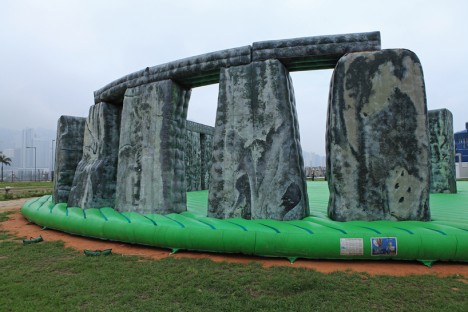
A group of artists came together in the West Kowloon Cultural District of Hong Kong to install oversized inflatable works, including ‘Complex Pile’ by Paul McCarthy, ‘House of Treasures’ by Cao Fei and ‘Sacrilege’ by Jeremy Deller, for an art festival.

Plastic Bubble Environments Transform Interiors

inflatable balloon environemnts 2

inflatable balloon environments 1

inflatable balloon environments 3

inflatable balloon environments 4

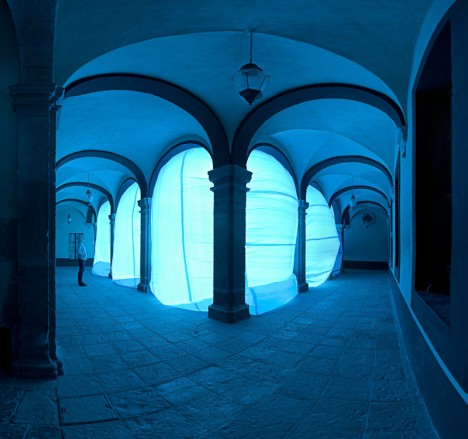
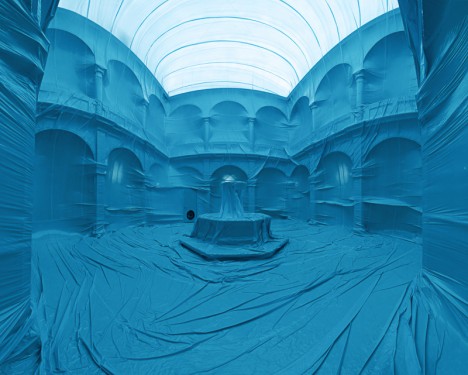
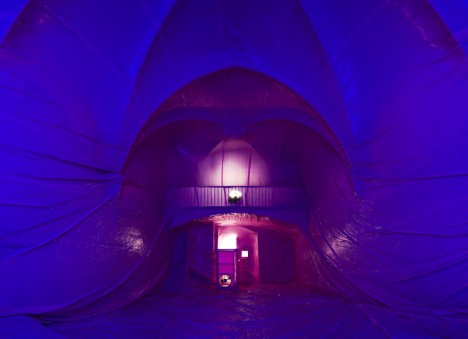
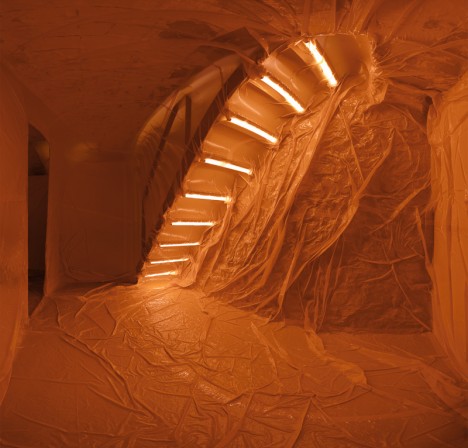
All that’s left of an interior space once these inflatable plastic environments by Penique Productions are put into place is the basic shape and structure of it, all details obscured to create a surreal new environment. The Barcelona-based group inflates massive colorful balloons inside buildings to transform them for special events.

Tentacles, Eyeballs & More by Filthy Luker

inflatable filthy luker 3

inflatable filthy luker 2

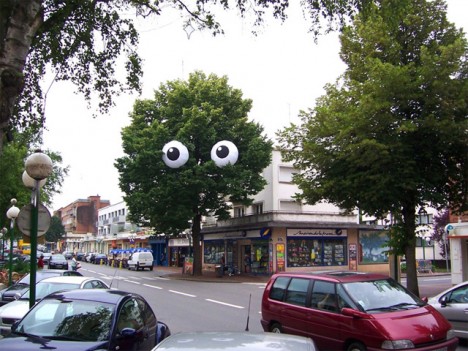
French street artist Filthy Luker makes it seem as if gigantic octopi are trying to escape from buildings around the world, and anthropomorphizes trees with inflatable eyeballs.

Inflatable Snow Chalet in Miami Beach

inflatable log cabin

inflatable log cabin 2

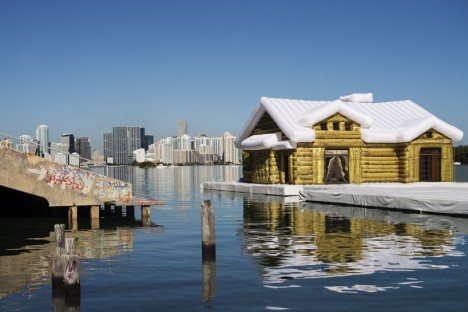
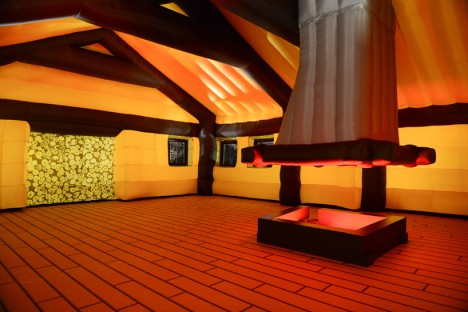
The unlikely sight of a snow-topped ski chalet bobs up and down in the bay beside the now-abandoned Miami Marine Stadium for Art Basel 2013. Entitled ‘Curiosity,’ the giant inflatable structure by Paris-based Galerie Perrotin and French artist duo Kolkoz plays on contrasts. “‘Curiosity’ was the name that was given to the last Mars exploration rover. We have taken this idea of an invader exploring a foreign land and applied it to the snow covered chalet that has set off on a journey and arrived in the middle of a maritime stadium in the hot Florida sun.”

Next Page – Click Below to Read More:
Inflatable Installations 18 Fun Projects Full Of Hot Air

Share on Facebook


[ By Steph in Art & Installation & Sound. ]

[ WebUrbanist | Archives | Galleries | Privacy | TOS ]


WebUrbanist

 
Comments Off on Inflatable Installations: 18 Fun Projects Full of Hot Air

Posted in Creativity


Real-world samples: Nikon AF-S DX Nikkor 16-80mm F2.8-4E ED VR

28 Jul

Nikon’s AF-S DX Nikkor 16-80mm F2.8-4E ED VR is intended as a high-quality everyday lens with the company’s APS-C format DSLRs. Offering an equivalent focal length range of 24-120mm, the 16-80mm features optical VR stabilization and an electronic aperture diaphragm. We spent the weekend shooting with the lens in and around Seattle, attached to a Nikon D7200. Check out our gallery of sample images

Articles: Digital Photography Review (dpreview.com)

 
Comments Off on Real-world samples: Nikon AF-S DX Nikkor 16-80mm F2.8-4E ED VR

Posted in Uncategorized


Shooting with the Canon PowerShot G3 X

27 Jul

We’ve been shooting with the Canon PowerShot G3 X for a few days now. Canon’s latest high-end compact offers a 20MP sensor and 24-6000mm equivalent zoom lens, with a touch-sensitive LCD screen and optional EVF. The G3 X occupies something of a niche in the long-zoom category, offering a longer lens than its 1-inch sensor competitors but without some of the extras, like a built-in viewfinder and 4K video. What’s it like to use? Read our overview to find out. 

Articles: Digital Photography Review (dpreview.com)

 
Comments Off on Shooting with the Canon PowerShot G3 X

Posted in Uncategorized


7 Easy Ways to Rock Your Photo Collages

27 Jul

Sometimes one photo just isn’t enough—we know. Photo collages are gaining momentum in the social media universe, but there’s a lot of untapped potential in the art of collage making. With tons of photo collage apps out there, you can pretty much do anything you want with a smartphone and an Internet connection. With all of the different options available Continue Reading

The post 7 Easy Ways to Rock Your Photo Collages appeared first on Photodoto.


Photodoto

 
Comments Off on 7 Easy Ways to Rock Your Photo Collages

Posted in Photography


A Truly Adventurous Giveaway From PJ and Poler!

27 Jul

We’ve teamed up with Poler for the ultimate roundup of summer fun/camping/roadtrip essentials.

Check out our favorite Poler gear, and their favorite picks from our shop. Then enter to win a Mega Prize Pack of gifts worth over $ 400 from the both of us. Wowza!

It’s never too late to start your summer adventure.

Enter to Win Here

(…)
Read the rest of A Truly Adventurous Giveaway From PJ and Poler! (464 words)


© Erin for Photojojo, 2015. |
Permalink |
No comment |
Add to
del.icio.us

Post tags:


Photojojo

 
Comments Off on A Truly Adventurous Giveaway From PJ and Poler!

Posted in Equipment


How to Become a Professional Travel Photographer – Two Paths

27 Jul
Ethiopian Meskel festival - By oded wagenstein

Ethiopian Meskel festival – by Oded Wagenstein

Many people are mistaken in thinking that travel photography is just about traveling and making photos. While, although that sounds like a dream job, not many people will pay you to just travel and take nice looking photos. Like any job, travel photography is work –  and usually, it’s very demanding.

Yes, you get to go to amazing places, meet exciting people, and the world is your office. But, it also has many downsides: sleeping in flea-infested guesthouses, never-ending bus rides from hell, harassment from corrupted policemen, loneliness, and lack of job stability to name a few.

Are you still here? Good! Let’s talk about how to become a travel photographer. There are two ways to approach this: finding a client, or finding a job that allows you travel.
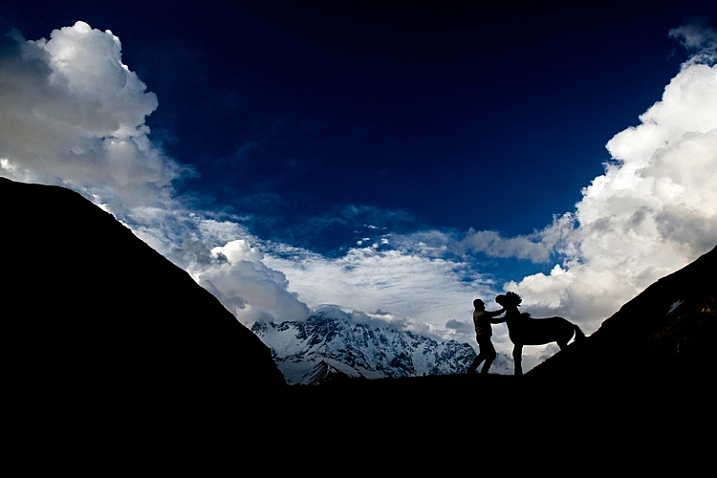
Georgia - by oded wagenstein

Aperture f/5.6, shutter speed 1/6000th, ISO 400. Exposure Compensation: -1.3
-Image by Oded Wagenstein-

First option – Find a client

As a travel photographer, you have many potential clients. Here I will discuss the most common: Governmental tourism organizations, NGOs, Commercial organizations and Media

Governmental tourism organizations

Many governments strive to promote tourism in their countries. To do so, they need photographs to show the things and activities tourists can see and do in their country. Budget-wise, they have usually deep pockets.

Pros: This is the most organized option, the client has a big-budget, and gives you access to places closed to the public.

Cons: It’s very hard to get your foot in the door. Usually these organizations prefer to work with big, well known magazines and newspapers that can promise not only good photographers, but wide exposure to their audience of readers.
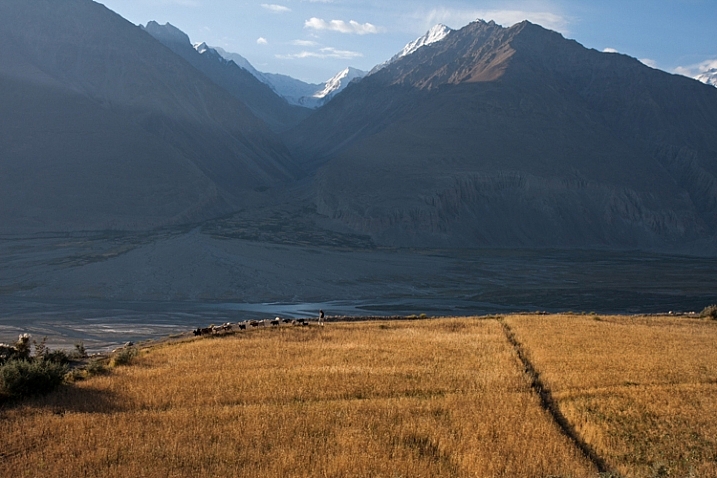
hindukush - By oded wagenstein

hindukush – by Oded Wagenstein

Tip from a pro: Instead of trying to work with a large media organization like a magazine or newspaper, become a small media icon yourself. If you have a large and influential presence on social media, such as Facebook and Twitter, you might be more appealing to these organizations than old school media. So, start a blog, gain followers, and who knows, you could be their next photographer.

Taking the first step: In most cases, working with governmental tourism organizations will never be your first career step. But starting a working relationship with a travel magazine or newspaper, or starting a blog and a Facebook page is a good idea. It’s best to specialize in a specific area of travel, such as adventure, food, etc.
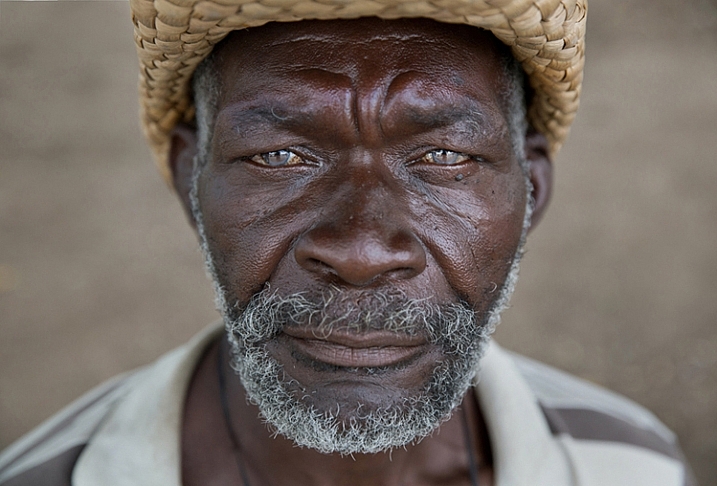
Portrait from Cuba - By oded wagenstein

Aperture f/4, shutter speed 10th, ISO: 500, Exposure Compensation -0.3
-Image by Oded Wagenstein-

NGOs

Some large NGOs (non-governmental organizations) need visual material to help them support their cause and attract donations.

Pros: It depends on the organization, but the work usually deals with super interesting projects on subjects like: animal rights, public health, or any other hot topic that demands the world’s attention.

Cons: This is not the job where you will be asked to shoot lovely landscapes and flowers, as many NGOs need photography as visual proof of their cause. This means you might be asked to get photos of matters that the local government wants to hide from the public eye (animal abuse, theft of natural resources, child abuse, etc.)

Tip from a pro: You can start by volunteering with an NGO that supports a cause you believe in. Then, through your working relationships with people from the inside and demonstrated photography skills, you might get to become the official photographer of the organization.

Taking the first step: You don’t always have to start somewhere far away. If this is your first time doing volunteer work, it would be wise to start locally. A nursing home or an animal shelter are good examples. You will start establishing your portfolio, and work for a good cause at the same time.
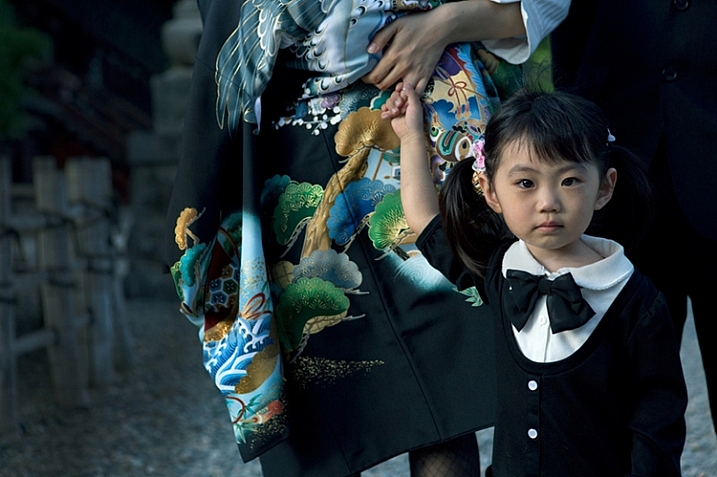
japan - By oded wagenstein

Aperture f/4, shutter speed 100th, ISO: 320, Exposure Compensation -1.7
-Image by Oded Wagenstein-

Commercial organizations

If you are a top notch, worldwide known photographer, it is very likely that customers from all over the world will want to use your services (for fashion, events, sports, architecture, products etc.). But as we are focusing on travel photography, commercial organizations that deal with traveling and tourism are more likely to hire you. Notable examples are hotels, tour companies, airlines and so on.

Pros: The commercial brands who hire a travel photographer are usually worldwide, and that can mean traveling a lot.

Cons: As traveling for free and shooting tourist destinations is a dream job for almost anyone, the fees offered for the job can be quite low. It’s common the photographer only gets paid with benefits like free flights or accommodation.

Tip from a pro: To work with the big brands, you need to market yourself in a way that will appeal to these types of clients. The kind of architectural or food photography a hotel chain needs is very different from what a tour company that specializes in extreme travel. Don’t try to work in all genres and styles. That’s a good path to becoming an inadequate photographer. Focus only on the genre and style you love and put all of your heart and effort into it.

Taking the first step: Approach the client with already made photos. Visited a nice hotel during your last vacation? The hotel’s management will probably be very happy to publish your images if they are good. Most likely they won’t pay you as they did not order the images from you, but they will give you a credit under the photo. But this would be a good start as you’re now published and have a working relationship with a known brand for your CV.
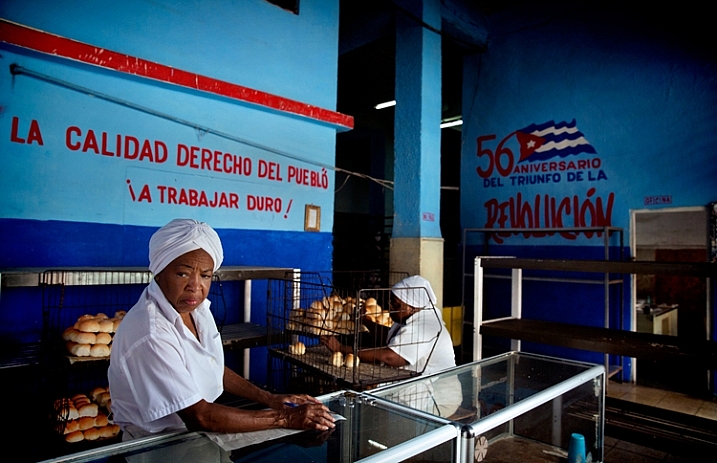
Bakery in cuba - by oded wagenstein

Aperture f/4, shutter speed 10th, ISO: 1000, Exposure Compensation -0.7
-Image by Oded Wagenstein-

Media

Having your travel photography printed on a glossy page of a well-known magazine…if that’s not a childhood dream, then what is? I will divide “media” into three areas: magazines and newspapers, digital platforms, and stock photography agencies.

Magazines and newspapers: Although they tend to be seen as old fashioned and don’t pay as well as other industries mentioned here, working for a newspaper (if you are into photojournalism) or a travel magazine is sure to be an interesting and creative job.

Digital platforms: These days digital platforms and websites are the leading source of information for most people. Although most well-known websites prefer to work with stock agencies (explained below) rather than directly through freelance photographers, some do have their own regular contributors and might send you to cover a story.

Stock photography: Shooting for stock photography is a subject for a different article (or five of them) but you can see stock agencies as the middle man between provider (the photographer) and buyer (magazines and websites). In order for news agencies or image bank websites to send you on assignment, you’re required to be a contract photographer. Each organization has its own contract and demands.  But some photo agencies will be willing to pay for your independent travel images if they are sellable. Do not expect large amounts. But hey, it’s better than nothing.
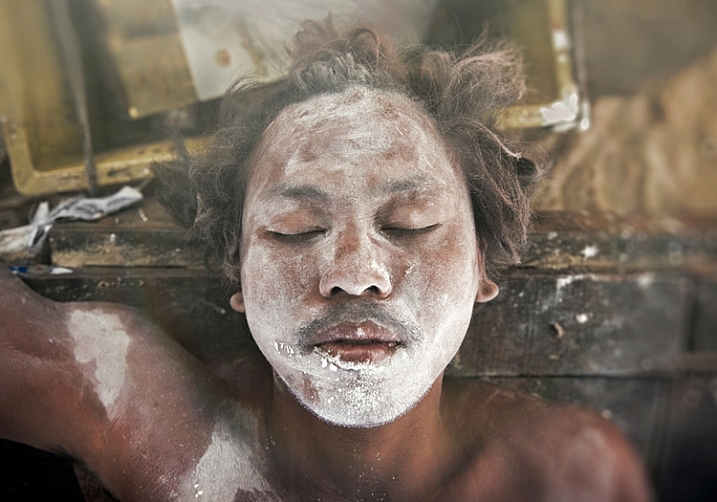
Thailand - by oded wagenstein

Pros: Dealing with the most interesting stories and places around the globe.

Cons: Of all the other clients, this one will probably pay far less than the commercial world. But hey it’s not all about the money, right? The work is usually as a freelancer as well.

Tip from a Pro: In order for a magazine or news agency to pay for your trip and fee, they need to be positive that you can deliver the job. Establishing a strong portfolio is a must.

Taking the first step: Again, like in other cases, starting locally is best. Ask to contribute photos, or propose a travel story, to your local newspapers.
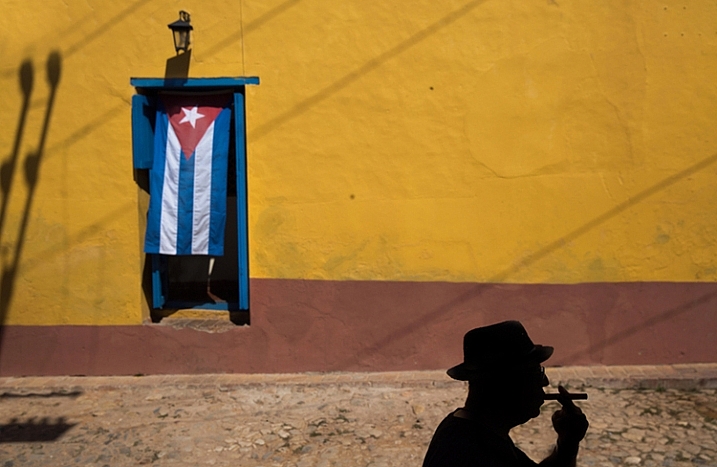
Trinidad, Cuba - by oded wagenstein

Aperture f/5, shutter speed 100th, ISO: 100, Exposure Compensation -2.7
-Image by Oded Wagenstein-

Second option – Find a job that requires traveling or relocation

If the instability of the freelance photographer’s way of life isn’t for you, you can always find a day job that involves traveling. Then you can go to lots of places, be paid for it through your job, and do travel photography in your spare time. Jobs like flight attendant, global salesperson, English teacher (or a spy!) are just several of many professions that let you visit your dream locations, without being too risky on the financial side.
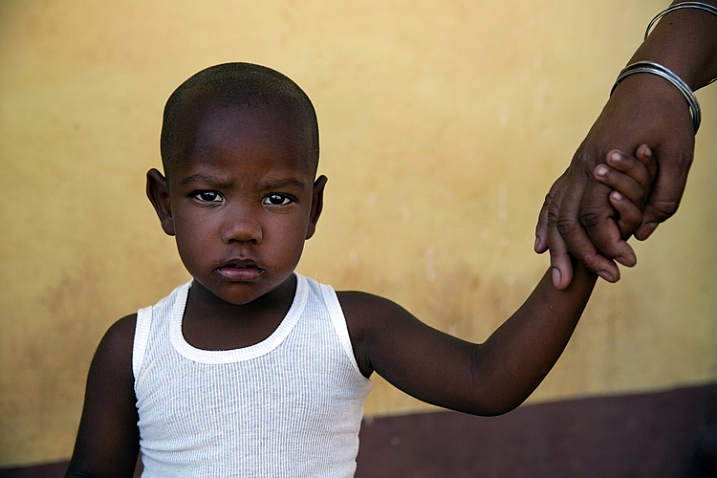
portrait of a dark boy - by oded wagenstein

Aperture f/3.5, shutter speed 100th, ISO: 200, Exposure Compensation -1
-Image by Oded Wagenstein-

Conclusion

This all may sound hard or even impossible. But, like in most arts, you need to be really good at what you do in order to make a living from it. You need to devote at least 50% of your time to marketing your portfolio, and above all, love your craft with all your heart.
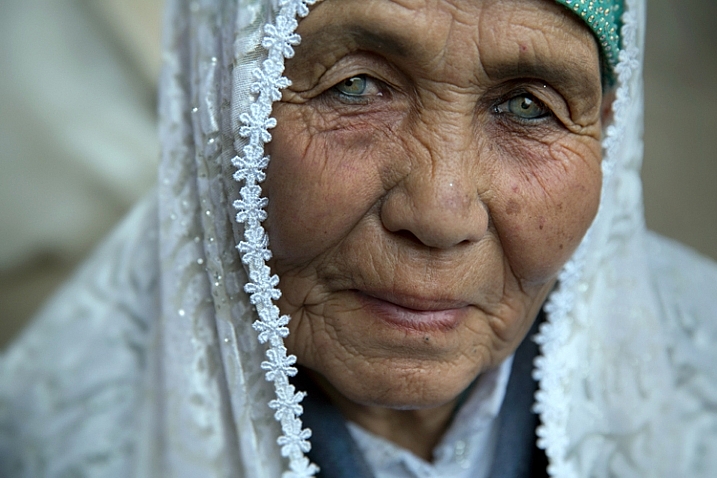
Uzbekistan - by oded wagenstein

Aperture f/4, shutter speed 10th, ISO 160, Exposure Compensation 0
-Image by Oded Wagenstein-

The author would like to thank Nicholas Orloff for his assistance in writing this article

googletag.cmd.push(function() {
tablet_slots.push( googletag.defineSlot( “/1005424/_dPSv4_tab-all-article-bottom_(300×250)”, [300, 250], “pb-ad-78623” ).addService( googletag.pubads() ) ); } );

googletag.cmd.push(function() {
mobile_slots.push( googletag.defineSlot( “/1005424/_dPSv4_mob-all-article-bottom_(300×250)”, [300, 250], “pb-ad-78158” ).addService( googletag.pubads() ) ); } );

The post How to Become a Professional Travel Photographer – Two Paths by Oded Wagenstein appeared first on Digital Photography School.


Digital Photography School

 
Comments Off on How to Become a Professional Travel Photographer – Two Paths

Posted in Photography