Plenty of cameras were released in 2014, among them some very attractive consumer-level interchangeable lens cameras. Among the mirrorless and DSLR models in this class released in 2014 were a new Panasonic GM – the almost impossibly-small DMC-GM5, the very highly-specc’d Nikon D3300 and the awfully flashy (literally) Pentax K-S1. Click through for a reminder of what was released in this class this year, and for a chance to cast your vote for your favorite products.
Month: December 2014
-
Zurück zur ersten Liebe
Ein Beitrag von: Samuel Kümmel
Der 1. April 2009 war in meinem Leben ein wegweisendes Datum. Es war der Tag, an dem ich mich entschieden hatte, in die berufliche Fotografie einzusteigen. Ungefähr drei Jahre lange hatte ich zuvor einigermaßen ernsthaft so gut wie alles und jeden um mich herum fotografiert – oder es zumindest versucht.
Dann kam die Anfrage von zwei guten Freunden, ob ich nicht ihre Hochzeit fotografieren möchte. Sie hatten meine Reportage-Fotos von verschiedenen Veranstaltungen auf unserem Campus gesehen und wollten mich als Hochzeitsfotografen buchen.
Was für eine große Ehre! Mich machte die Anfrage zuerst glücklich, dann nachdenklich. Sind meine Fotos wirklich schon so gut, dass Leute mich zum Fotografieren buchen wollen? Bin ich soweit, für Fotos Geld zu nehmen?
Ich war kein Typ für halbe Sachen. Ich wollte ein 100%-Mensch sein. Damals war der Perfektionist in mir noch sehr stark. Wenn ich etwas machte, dann wollte ich es richtig machen. Und so blieb mir nur die Entscheidung: Entweder Du startest jetzt was in Richtung Fotografie oder Du lässt es ganz sein. Ein Dazwischen gab es für mich nicht.
An diesem Tag meldete ich also mein eigenes Gewerbe an. Ich wollte in die Selbstständigkeit starten. Was zunächst nebenberuflich begann, entwickelte sich durch einige berufliche Umwälzungen und nicht zuletzt eine gute Auftragslage im Spätherbst 2010 zu meinem Hauptberuf. Ab November 2010 war ich Berufsfotograf.
Jetzt steht das Jahr 2014 kurz vor seinem Ende. Die Adventszeit hat begonnen, die Zeit der Besinnung. Besinnen tue ich mich aber bereits seit ungefähr drei Monaten. Ich bin mittlerweile Vater geworden und habe im Herbst letzten Jahres eine Teilzeit-Stelle in meinem alten Beruf angenommen.

Mein Leben beginnt, sich zu verändern und mit der Geburt unserer Tochter ist mir noch einmal neu klar geworden, was mir wirklich wichtig ist im Leben. Ich werde zum Jahresende aus der Berufsfotografie wieder aussteigen.
Wer sich selbstständig macht, geht ein hohes Risiko ein. Und er muss einige Charaktereigenschaften mitbringen oder entwickeln, wenn er wirklich finanziell erfolgreich sein will – denn darum geht es letztendlich in der beruflichen Fotografie.
Ich habe den Eindruck, dass seit einigen Jahren die Fotografen (neben- oder hauptberuflich) wie Pilze aus dem Boden schießen. Allein aus meinem Bekanntenkreis haben sich in den letzten zwei Jahren fünf Personen fotografisch selbstständig gemacht.
Geht ja auch ganz einfach: Man nimmt seinen Namen, setzt ein „Fotografie“ oder „Photography“ dahinter und erstellt eine Facebook-Seite, eine Webseite und/oder einen Account bei einer gängigen Fotoplattform.
Doch ich behaupte, dass die wenigstens wissen, was es bedeutet, sich selbstständig zu machen, wenn sie anfangen. Deswegen hoffe ich, dass meine Ausstiegsgründe aus der Berufsfotografie manchen die Augen öffnen.
1. Ich bin kein Verkäufer
Was mich mit am meisten genervt hat an der beruflichen Fotografie, war das Sich-verkaufen-Müssen. Du stehst permanent mit Deiner Person und mit Deinen Fotos in aller Öffentlichkeit und musst Dich bzw. Deine Fotos irgendwie an den Mann bringen.
Warum bist Du ein_e bessere_r Fotograf_in als andere, die das Gleiche anbieten? Warum sollen Menschen genau Dich buchen? Natürlich ist mir bewusst, dass es verschiedene Wege gibt, sich zu verkaufen.

Manche verkaufen sich marktschreierisch, manche sind einfach über Jahre sehr fleißig und andere haben einfach nur Glück. Sie treffen die richtigen Kunden zur richtigen Zeit am richtigen Ort. Ich habe über die Jahre gemerkt, dass ich in diese „Rolle“ des Verkäufers nicht passe. Deswegen bin ich doch nicht Fotograf geworden?!
Damit ich mich selbst permanent irgendwie anpreise, anschließend irgendwelche Kunden meine Fotos bewerten und mir dann dafür Geld geben, dass ich genau das gemacht habe, was sie wollten? In der Masterclass bei Steffen „Stilpirat“ Böttcher, die ich im Frühjahr 2013 besuchte, lernte ich, dass es auch anders geht.
Diese „Persönlichkeitsschulung“ hat mir damals die Augen geöffnet. Und sie hatte große Auswirkungen auf meine Entscheidung heute, mit der ganzen Sache aufzuhören. Genau das, was wir dort lernten – nämlich, dass Fotografie zu 75% aus Psychologie im Kontakt mit den Kunden besteht – hat mir gezeigt, was ich nicht gut kann.
Hätte ich diese Masterclass doch vor meiner Selbstständigkeit besucht. Es wäre sicher einiges anders gelaufen.
2. Ich kann nicht kalkulieren
Wer beruflich fotografiert, muss Preise machen. Ich hatte am Anfang keine Ahnung davon. Die ersten zwei Jahre habe ich für unterirdische Preise gearbeitet. Meine Hochzeitsreportage (ganztägig) kostete damals wenige hundert Euro.
Inklusive allem. Erst als ich gemerkt habe, dass man von diesen Preisen nicht leben kann und dass meine Fotos qualitativ viel besser waren, erhöhte ich sie. Teilweise um 100 oder mehr Prozent im darauffolgenden Jahr.

3. Ich will eigentlich etwas ganz anderes
Leider hatte ich da schon einen „falschen“ Kundenkreis aufgebaut, nämlich hauptsächlich gemeinnützige Vereine und Kunden, die auf der Suche nach einem „günstigen“ Fotografen waren. Jetzt den Kundenkreis komplett zu wechseln, war sehr schwierig und ich habe es bis heute nicht richtig hinbekommen.
Es ist ein Wunder (und ich danke Gott dafür), dass ich in der Zwischenzeit nicht insolvent gegangen bin. Meine anfangs zu niedrigen Preise sind auch dafür verantwortlich, dass ich bis heute noch nicht das Equipment habe, was ich eigentlich zum Fotografieren immer haben wollte.
Wenn ich hier aufzählen würde, womit ich heute teilweise noch arbeite, werden mich einige Berufsfotografen sicherlich belächeln. Aber das ist mir egal. Ich habe gelernt, damit zufrieden zu sein, dass ich nicht die neueste Technik und die besten Objektive habe.
Ich bewundere Berufsfotografen, die einfach nur „ihr Ding“ durchziehen und anscheinend (von außen wahrnehmbar) nur die Projekte machen, auf die sie wirklich Bock haben. Ich habe großen Respekt für alle, die ihre Bildsprache gefunden haben, die sich durch alle ihre Fotos zieht.
Und ich bin irritiert über alle, die anscheinend mit den größten Scheißfotos (subjektiv, ich weiß!) in der Lage sind, soviel Geld zu verdienen, dass sie davon gut leben können.
Ich habe nach fast fünf Jahren beruflicher Fotografie entdeckt, dass ich das alles nicht will. Hätte ich es doch mal vorher entdeckt – vieles wäre mir erspart geblieben. Ich bin schlecht darin, mich für meinen eigenen künstlerischen Ausdruck gegen fixe Kundenideen durchzusetzen.

Ich brauche noch einige Zeit, um meine Bildsprache zu finden. Und ich will eigentlich nur Fotos und Projekte machen, die mir selbst gefallen. Ich habe mich jahrelang verbogen – aus dem Gedanken und der Angst heraus, mit meinen Fotos genügend Geld verdienen zu müssen, dass ich davon meine Familie ernähren kann. Aber eigentlich will ich etwas anderes.
Ich will ohne Druck fotografieren. Ich will Fotos machen, die ich mir aufgrund ihrer Ästhetik und persönlichen Bedeutung selbst an die Wand hängen würde.
Und ich bin von Technik fasziniert. Letzteres war der eigentliche Grund, warum ich vor ca. 13 Jahren zum ersten Mal eine digitale Kamera in die Hand genommen habe. Nennt mich einen selbstbezogenen Technik-Nerd. Aber zur Zeit fühle ich mich so „selbst-bewusst“ wie schon seit Jahren nicht mehr.
Vermutlich ist alles, was ich will, auch mit der beruflichen Fotografie möglich. Ich kann es aber nicht. Vielleicht in ein paar Jahren mit deutlich mehr Coaching und Mentoring. Aber in der Zwischenzeit will ich meine Familie ernähren und für die Zukunft vorsorgen.
Deswegen wechsle ich in meinen alten Beruf – für den ich nach wie vor viel Leidenschaft habe, die jahrelang unter der Oberfläche geschlummert hat. Mein Appell an alle, die gerade in die fotografische Selbstständigkeit starten wollen, lautet: Überlegt Euch lange und genau, was Ihr eigentlich wollt und könnt.
Und zwar bevor Ihr in die berufliche Fotografie einsteigt. Und wenn Ihr zu einem Ergebnis kommt: Folgt Eurem Herzen. Macht nichts aus Angst oder Druck. Ein anderer Weg ist immer möglich. Es geht weiter – auch für mich. Nur anders.
-
Have your say: Best Lens of 2014
A lot more lenses are released every year than cameras, and while we can’t use all of them, we know that you – our readers – are avid lens buyers, and have your own opinions about which of the many models released every year are the best. For this poll, we’ve selected what we think are the standout lenses of 2014 for enthusiast DSLR and mirrorless interchangeable lens cameras. Click through for a chance to vote for your choice of best lens released in 2014.
-
Deal 3: Save 57% On This Fantastic Lightroom Post Production Course
Today is day 3 in our 12 Days of Christmas and today is all about helping you improve your post production skills with a great deal on Gavin Gough’s Lightroom Video Tutorials.
The Deal
For one day only you can pick up Gavin’s ‘Post-Production Lightroom Video Course’ for just $ 29 – that’s a saving of just over 57%.
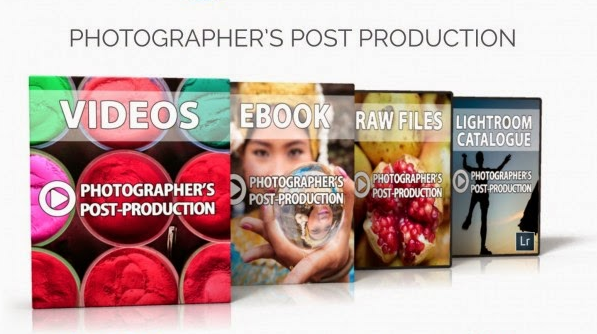
This value-packed course with 20 videos, companion eBook and some great high-res RAW files to learn with gives you step by step training in using the incredibly powerful Lightroom to help take the photos that you’ve taken to their potential.
Gavin has thoughtfully created these videos to walk you through the skills you need. From basics right through to more advanced techniques.
Here’s a video that gives you a feel for Gavin and what is covered.
The Photographer’s Post-Production – An Introduction from Gavin Gough on Vimeo.
This course is practical but also a lot of fun and today instead of paying $ 69 it is yours for $ 29. Grab it here.
Bundle It to Learn about Post Production Workflow
If you are looking to go beyond just processing your images (as is covered in the course) we’ve also got the option to bundle the processing course with Gavin’s best selling eBook – The Photographer’s Workflow.
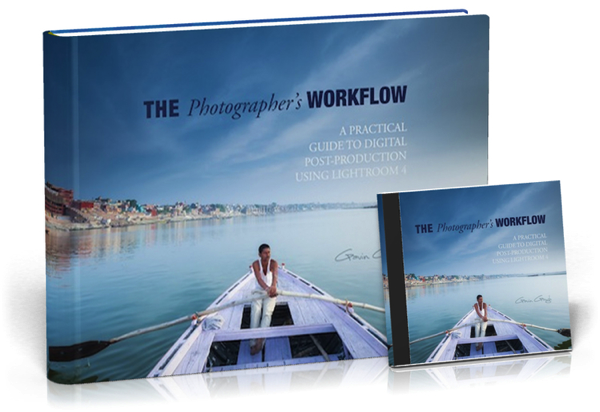
This eBook is all about backing up your photos, cataloging and arching images, presets and developing a workflow management system for your precious images that helps keep them safe and secure but also allows you to process them efficiently.
The full bundle of Course and eBook together normally retail for $ 99 but today only they are yours for just $ 49.
Two Options: But Only for 24 Hours
So today’s deals in a nutshell.
- Grab Gavin Gough’s ‘Post-Production Lightroom Video Course’ for just $ 29 (normally $ 69)
- OR get Gavin’s ‘Post-Production Lightroom Video Course’ AND his eBook ‘Photographer’s Workflow’ for $ 49 (normally $ 99).
But don’t wait too long – this deal is for today only and the clock is ticking.
googletag.cmd.push(function() {
tablet_slots.push( googletag.defineSlot( “/1005424/_dPSv4_tab-all-article-bottom_(300×250)”, [300, 250], “pb-ad-78623” ).addService( googletag.pubads() ) ); } );googletag.cmd.push(function() {
mobile_slots.push( googletag.defineSlot( “/1005424/_dPSv4_mob-all-article-bottom_(300×250)”, [300, 250], “pb-ad-78158” ).addService( googletag.pubads() ) ); } );The post Deal 3: Save 57% On This Fantastic Lightroom Post Production Course by Darren Rowse appeared first on Digital Photography School.
-
BPG image format aims to replace JPEGs
There’s no doubt that JPEG is the web’s go-to image format, offering both widespread compatibility and small file sizes, but it’s far from perfect. Alternative image formats have been developed that provide higher-quality compression, but nothing yet has come close to toppling JPEG thanks to its ubiquity. BPG is the latest new format to challenge it. Read more
-
15. Türchen: RiceQ
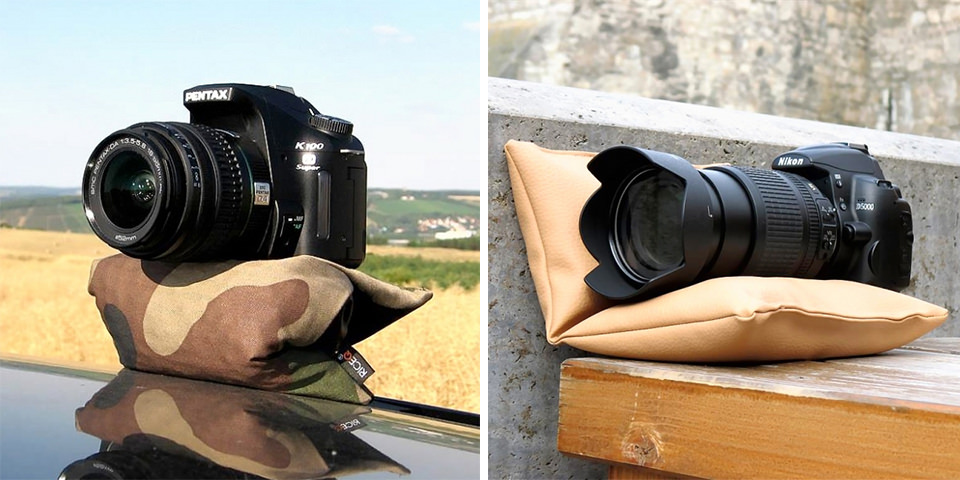

Die Bohnensackstative von RiceQ kennt Ihr sicher schon, denn die Firma ist schon einige Zeit unser Werbepartner. Die kleinen Säcke sind eine großartige Alternative für die gängigen Stative und es gibt sie in verschiedenen Ausführung: City, Traveler und Outdoor. Je zwei in jeder Ausführung liegen im heutigen Türchen für Euch bereit.
Der Vorteil der Bohnensackstative ist ihre vielfältige Einsetzbarkeit: Ob in der Stadt auf einem Geländer, Mauervorsprung oder einer Parkbank, in der Natur auf Bäumen und Felsen. Was auf Bildern oft recht waghalsig aussieht, ist absolut sicher, denn der Sack passt sich optimal an den Untergrund an.


Das Bohnensackstativ „City“ gibt es in zwei Ausführungen und eignet sich optimal für Ausflüge in die Stadt. Es ist extra leicht mit 400 g bzw. 550 g, gut abwaschbar und wasserabweisend.


Das Bohnensackstativ „Traveler“ ist, wie es der Name bereits vermuten lässt, ideal für Reisen und Urlaube. Es ist rutschfest und darf auch mal schmutzig werden, denn dank Klettverschluss lässt sich die Füllung zum Reinigen herausnehmen.


Auch das Stativ „Outdoor“ hat den praktischen Klettverschluss und ist wasserabweisend. Zudem wurde hier wieder viel Wert auf Leichtigkeit gelegt, damit man bei langen Märschen durchs Gelände kein Gramm zuviel tragen muss.
Jede Ausführung ist etwas anders, auch innerhalb der drei Kategorien und am besten seht Ihr sie Euch auf der Webseite ganz in Ruhe an, um herauszufinden, welches für Euch das beste ist. Um die optimale Größe für Eure Kamera zu finden, hilft Euch diese Seite weiter. Natürlich hilft Euch RiceQ auch gern bei Fragen telefonisch oder per E-Mail weiter.
Um eines der sechs Bohnensackstative zu gewinnen, schreibe einen Kommentar mit Deinem Wunschgewinn unter bürgerlichem Namen und gültiger E-Mail-Adresse bis heute um 24 Uhr. Danach verlosen wir sie per Zufallsgenerator unter allen Kommentatoren. Die genauen Gewinnspielregeln findest Du hier. Viel Glück!
-
Have your say in our 2014 Readers’ Polls
2014 was an impressive year for camera and lens launches. We’ve shared our thoughts on many of them, from high-quality high-end DSLRs to some very enticing enthusiast compacts. Now it’s your turn – our 2014 Readers’ Polls are open! Cast your vote in four categories: Best High-end ILC, Best Lens, Best Consumer ILC and Best High-end Compact Camera. Read more
-
How To Evaluate Photo Contests Before Submitting Your Images And Cash
Flickr/Crystian Cruz
Barely a day goes by when I don’t see a tweet or Facebook post about yet another photo contest I must enter. “Big prizes! Fame! Exposure! Magazine Cover!” they yell out at me and I’m often tempted for various reasons.
On the surface, most contests seem like a good idea given the potential upside. However, there are many aspects to any contest which photographers should consider. Those considerations will depend upon where you are along the photography spectrum, from beginner to advanced professional.
When I look at a photo contest more closely, there are many questions I regularly ask to see if the contest is a good fit for my desires and time (and pocketbook). I’m going to list out some basic questions you want to ask yourself before entering contests in hopes that it helps you decide the next time you see a listing. There are no right or wrong answers as we all have different needs and desires for our photography. I want to help you make a conscience choice, not a reflexive one.
After the questions I will present a few current contests I feel are worth entering and why.
What is in it for me?
If you are thinking of entering a contest then you want to get something back out of it. It’s important to know what you want before you submit, otherwise you will never find what you are looking for.
By Images Money
I break down the three main reasons for entering contests into the the 3Fs:
- Fame – Are you doing it just for the exposure and fame? Do you want to be known as “X Magazine’s Fashion Photographer of the Day/Month/Year”? If so, will this contest help you with that goal? Will it add to your resume/CV?
- Fortune – Are you looking for the big bucks and could care less about the fame? Does the contest offer decent prizes to help you meet that goal? What about second and third place, are those good prizes too?
- Feedback – Some contests offer a chance to receive a critique from one of the judges (sometimes at an additional cost). This is helpful especially if you don’t win a prize. Improvement is likely why you are reading dPS in the first place!
Personally, I go for fame once in a while but mostly go for fortune. After all, I met my wife in Costa Rica after winning a Facebook contest to a surf camp there, so I am a little biased. That being said, there is no right answer for everyone, pick the criteria that works for you.
Who picks the winners?
For me, this is the next big issue. Is the winner picked by a single judge, a jury, or is it an open popularity contest voted on by likes and shares?
I prefer juried and judged contests, especially when I can research those doing the picking. I pick these contests because the judges are typically photographers, or someone with advanced art education and experience. I feel the playing field is more level with these contests.
On the other hand, pictures of kittens, sunsets, rainbows, and oversaturated mountains do very well with the voting internet as a whole. I shy away from popularity contests because A) I’m not ultra-popular and B) they can be rigged and often bury great work in favor of pretty work. The main reason a website will run a photo contest is to make themselves more popular and visited and that’s why these types of contests exist.

By Chris Potter
What about my rights?
As a professional with a vested interest in protecting the use of my images, I read the full rules of every contest I enter. They aren’t as hard to read as the iTunes regulations, and the key bits are often labeled with a header such as “Rights” or “Permission”.
What you are looking for here is how your image may be used. A good contest will limit their use of the images submitted to only promote that particular contest. In that case, they will display the images so others can see them and potentially share them (with correct links back to the contest which contains proper credit to me as the photographer) and that is all. They will display winners and may also use them in promoting the next contest, such as showing the 2014 winners when advertising the 2015 contest.
Other contests are simply a rights grab. They offer a juicy prize, such as $ 10,000, but state they can use the images worldwide, royalty-free forever, however they wish. These contests are looking to avoid paying stock companies (and their photographers) for a boatload of images they may use later. They receive the images often at less than a dollar per image. These contests make good business sense for the company, but stink for what they do to everyone except the grand prize winner. Avoid these contests if possible.
What does it cost?
Let me state up front that nothing is free. If a contest is totally free, there are great odds that it is looking to grab rights. Be wary of free (except the Sony contest mentioned below).
Second, what is the entry fee? A legitimate contest with judges or jury will almost always pay those judges and juries. There is the cost of running the contest and paying for prizes. These are, after all, businesses that are running the contests and they don’t want to lose money.
You need to decide for yourself if the cost of entry is worth the reward (see the first item to set your contest barometer).
By Hans Pama
What do they want?
The best way to be disqualified before your images are judged is to mess up the entry procedure and send something in the wrong size or format. Read the entry rules carefully and make sure your images match the size, DPI, and format regulations. Also, read the rules specifically mentioning digital manipulation and compare that to what you have done. Some contests are no-holds-barred (like the Nikon contest below) and let you submit images that have been highly manipulated to the point where objects are removed or inserted. Others stick to what could traditionally be done in a darkroom with an enlarger.
As a starting point, most contests allow for changes to anything for which your editing software has a slider. Things like Exposure, Contrast, Sharpness, as well as Burning and Dodging. Saturation is usually okay too. Realize too that the winning entries in almost every contest have been edited to bring out the life in the image, so expect that you will have to do the same.
Some contests don’t want to see corporate logos in the images or need recognizable people to have a model release on file. If there are images of animals, some contest ban pictures from zoos and game parks, while others allow it. This is why you need to read the rules first to make sure you don’t waste your time and get disqualified.
Where to find contests
I love it when others do the legwork for me and find a plethora of contests which meet my standards. To that end, I am thankful to Photoshelter for regularly putting out a list of worthwhile contests (and notes on some that aren’t worthwhile). They already released their 2015 photo contest guide posted. It’s a great place to start.
The internet is obviously a great place to search. I suggest narrowing the search by defining what you are good at. Don’t type “Photo Contest” into Google, instead, try “West Coast Photo Contest” or “Wildflower Photo Contest”. This will help you find contests better suited to your strengths.
Lastly, don’t forget to look locally. Many communities have contests that can be a great stepping stone for your career or business. It can also help you make contact with your local arts community. Summertime really brings out the contests at art fairs.

By Bram Van Damme
What looks good to me?
Here are a few contest I will be entering in the coming months/year. I chose these contests specifically because they are judged, are not rights grabs, and offer either decent prizes or worthwhile exposure.
Please feel free to link to your favorite upcoming contests (and tell us why we should enter) in the comments section below.
- The Open – $ 50,000 in prizes and it plays to both fields with 100 entries selected by public vote and 100 from judges. Final selection from 200 finalists is chosen by judges. Emphasizes photographers retain their rights to photos. Entry Deadline May 1, 2015.
- PDN Photo Annual – 10 categories give you many options and it is a highly regarded contest with good exposure inside the industry. Entry Deadline February 3, 2015.
- Sony World Photography Awards – Also 10 categories and open to all. Groups for professional, student and open. $ 25,000 top prize and each group winner gets flight to London for showcase gala. Entry Deadline January 5, 2014.
Good luck!
googletag.cmd.push(function() {
tablet_slots.push( googletag.defineSlot( “/1005424/_dPSv4_tab-all-article-bottom_(300×250)”, [300, 250], “pb-ad-78623” ).addService( googletag.pubads() ) ); } );googletag.cmd.push(function() {
mobile_slots.push( googletag.defineSlot( “/1005424/_dPSv4_mob-all-article-bottom_(300×250)”, [300, 250], “pb-ad-78158” ).addService( googletag.pubads() ) ); } );The post How To Evaluate Photo Contests Before Submitting Your Images And Cash by Peter West Carey appeared first on Digital Photography School.
-
Brilliant Brick Creations: 13 Amazing LEGO Gadgets & Art
[ By Steph in Gadgets & Geekery & Technology. ]
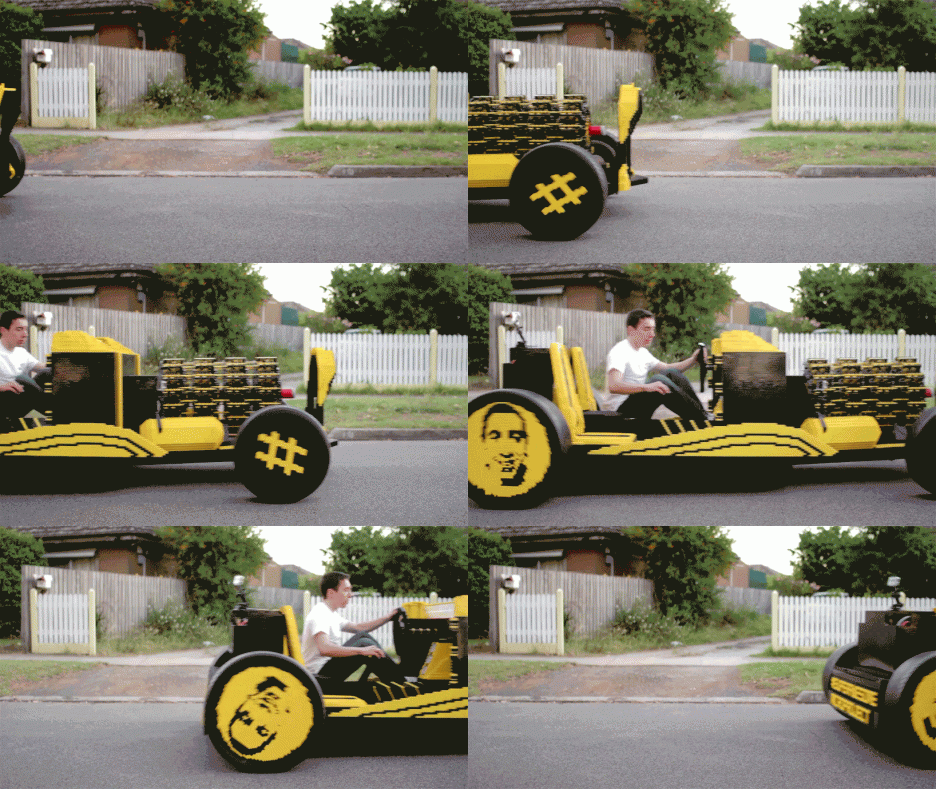
LEGOs can form the basis of all sorts of amazing things, but would you ever have imagined they could create working prosthetics, mechanical looms, drivable hot-rods and even full-sized houses? These 13 incredible creations test the limits of the little plastic bricks, proving that there’s no reason to put them aside as ‘toys’ when we reach adulthood.
Wheelchair for a Disabled Tortoise
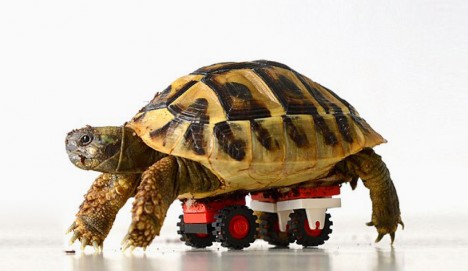
Poor little ‘Blade’ wasn’t managing to get around very well on his own, so his human companion brought him in to local veterinarian Carsten Plischke. Realizing the turtle had a disability that made it hard for him to carry his own weight, Plischke fashioned an adorable little wheelchair out of parts from his son’s Lego collection.
LEGO x IKEA: Furniture Animals
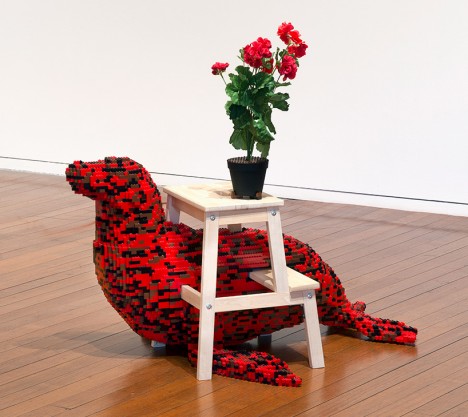
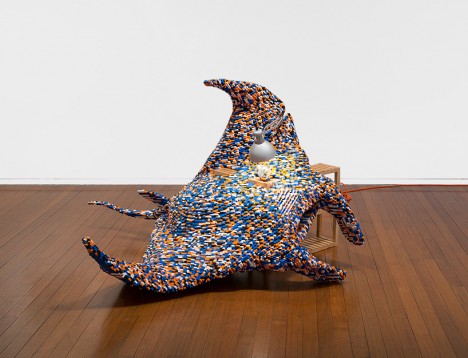
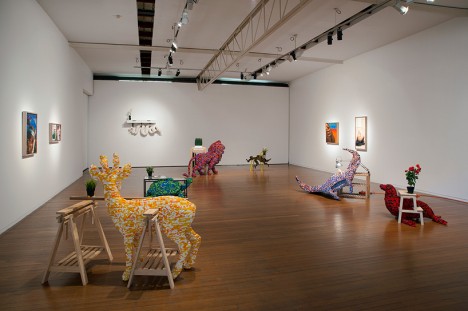
Here’s the LEGO and Ikea mashup you never knew you needed: building block animals interwoven with inexpensive Swedish furniture. ‘Venereal Architecture’ by Claire Healy and Sean Cordeiro includes a lion, deer, stingray, snake, tortoise, octopus and other creatures built around various Ikea items. “As humans we are ever adapting and manipulating our environment to cope with the elements and creatures that share our spaces. We build structures that enclose and protect us from nature. Air conditioning controls the temperature and we domesticate animals so they can live with us.”
“Our control over nature (or lack there of) is central to this body of work. Lego and Ikea furniture are very similar in a sense: they are both objects of aspiration that require assembly… both products represent destruction and re-construction, which are concerns we revisit continually within our practice.”
Working LEGO Gadgets
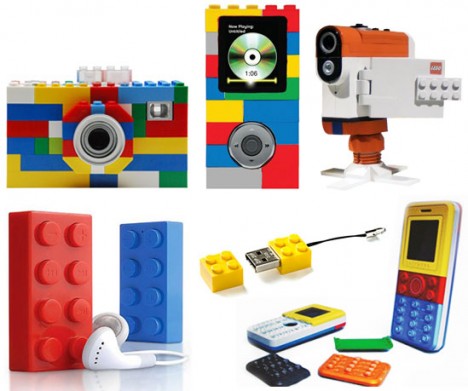

Officially released by LEGO themselves after a collaboration with a company that specializes in children’s tech products, this fun range of gadgets includes working electronic items like walkie talkies, boom boxes, alarm clocks, cameras and even an MP3 player.
Digitally Synced LEGO Calendar


This wall-mounted calendar made entirely of LEGO bricks by UK design studio Vitamins lynches with Google Calendar or iCal to synchronize schedules when users take a picture of the calendar with a smart phone. Software scans the image, notes the location of the various colored squares, and interprets the information.
LEGO Prosthetic Arm
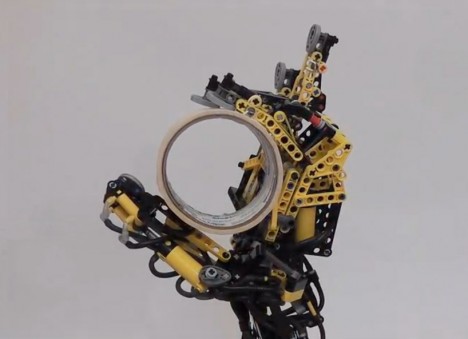
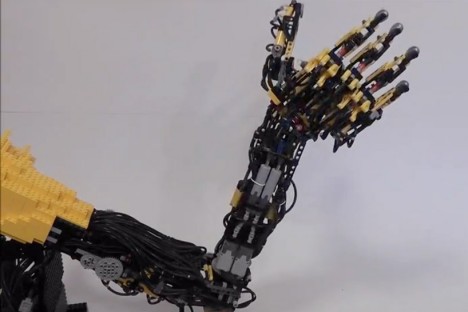
This fully-functional prosthetic limb by student Max Shepherd is made entirely from LEGO and can replicate a full range of human movements including an extending elbow, flexing movements in the wrist, rotation of the thumb and opening and closing of the fingers. The prosthetic is mounted to a ‘skeletal’ base containing all of the wires needed to power it, so we don’t get to actually see it in action on a real live person, but it’s a pretty interesting concept.
Next Page – Click Below to Read More:
Amazing Lego Gadgets Art
Want More? Click for Great Related Content on WebUrbanist:

Pixelated Masterpieces: 3 Classic Paintings in LEGO Form
Chances are, you recognize these images, even though they’re simply arrangements of a few dozen colored LEGO bricks. Squint your eyes, and three of the …
Click Here to Read More »»

LEGO Architecture: 12 Sets Explore Buildings Brick by Brick
Whether official or fan-created, LEGO architecture sets enable wannabe builders to understand just how some of the world’s most iconic structures come …
Click Here to Read More »»
LEGO Artist Nathan Sawaya: Sculping Beauty Brick by Brick
Nathan Sawaya is an internationally known ex-lawyer professional Lego artist’s whose work has been featured throughout the world.
Click Here to Read More »»


[ By Steph in Gadgets & Geekery & Technology. ]
[ WebUrbanist | Archives | Galleries | Privacy | TOS ]
-
15. Dezember 2014
Das Bild des Tages von: Adi Dekel

Fotolinks des Tages
1. Wir müssen reden, und zwar über Geld
Wer verdient eigentlich daran, wenn ein Fotograf Bilder ausstellt? Man möchte sofort ausrufen „Ist doch klar! Der Fotograf!“ – doch das stimmt so nicht. Denn es gibt in diesem Kontext eine Gehaltskette mit viele Menschen dazwischen, die an einer Ausstellung verdienen. Die Künstler selbst gehen dabei immer wieder leer aus. Joachim Schmid hat diesen Umstand beim Namen genannt und ermutigt Ausstellungsbesucher, auch mal nachzufragen, ob (oder wie) der präsentierte Fotograf denn bezahlt wird. → ansehen
2. Humans of… everywhere!
Mittlerweile hat das Projekt „Humans Of New York“ weite Kreise um den Globus gezogen. Überall tauchen Portraits von Menschen in ihrer Heimstadt auf, und alle haben etwas gemeinsam: Von der Stadt ist meist wenig zu sehen, doch die ausgesuchten Menschen fallen durch besondere Merkmale auf. Bored Panda hat sich die Mühe gemacht, alle möglichen „Humans Of…“ durchzusehen und ein paar besondere herauszustellen. Beim Betrachten der Serie fällt das schwankende fotografische Niveau natürlich auf, was dadurch wieder wettgemacht wird, dass ein Großteil der Menschen sehr intime Details preisgibt, die häufig von großer Weisheit und Lebenserfahrung zeugen. → ansehen
3. Aus der Not eine Tugend
Häufig entstehen gemeinnützige Initiativen dann, wenn einzelne Menschen betroffen sind und aus Ihrer Betroffenheit etwas Größeres machen. So geschah es auch 2003, als Thilde Jensen die Diagnose „Vielfache Chemikalienunverträglichkeit“ (MCS) bekam, die eine Art Allergie gegen alle möglichen Stoffe (Zigarettenrauch, Abgase, Parfüm usw.) in der Luft ist. Jensen machte aus der Not eine Tugend und fotografierte Menschen mit derselben Diagnose, auch, um mit der schlimmen Krankheit umzugehen (sie konnte irgendwann nicht mehr ohne Atemschutz-Maske leben). Ihre Geschichte und 13 bemerkenswerte Portraits von MCS-Erkrankten werden auf dem australischen Business Insider vorgestellt. → ansehen