Despite using the same name as its predecessor, the new Moto X is a very different device. Its 5.2-inch 1080p OLED screen, thin bezels and aluminum body give it a premium feel. In the camera department it offers a 13MP sensor and F2.25 aperture, 4K-video and a dual-LED ring flash. We put it through our comprehensive testing – see if the 2014 edition is a better choice for mobile photographers than the original Moto X. Read review
Month: December 2014
-
7 Things You’ll Want to Know Before Turning Pro
Seven Things You’ll Wish You Knew Before Turning Pro
Do you remember your first job? Your first, proper, grown up full-time job. You probably walked in on your first day, not really having much of a clue about what was expected from you. Your manager probably sighed to themselves at the thought of moulding your young, inexperienced self into a viable member of the workforce.
It probably took time but with some guidance, a bit of a learning curve, and probably a few mistakes along the way, you made it.
Now replicate that situation, but imagine you don’t have a manager, or any colleges to bounce ideas off of and to ask for advice. Welcome to your first tentative steps into self employment as a full-time photographer.
You might have been running your business alongside a day job for a while before making the leap. You might have found a support network and accountant, and you might have a good idea of your own processes and policies.
You never know what you don’t know though, so I picked the brains of a group of full-time, professional wedding photographers to find out what they wish they’d known when starting out.
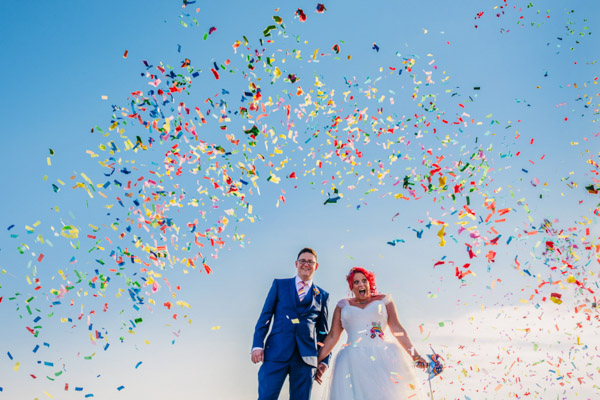
1) “It doesn’t matter how good you are at taking photographs if you’re no good at marketing your business.” – www.blincpicsphotography.com
Building a brand, working on your organic search engine reach, getting featured, focussing on word of mouth referrals, and paid advertising can all be great ways of getting your name out there. It can be a little overwhelming to know where to start though!
dPS has some great articles on marketing techniques in its archive here.
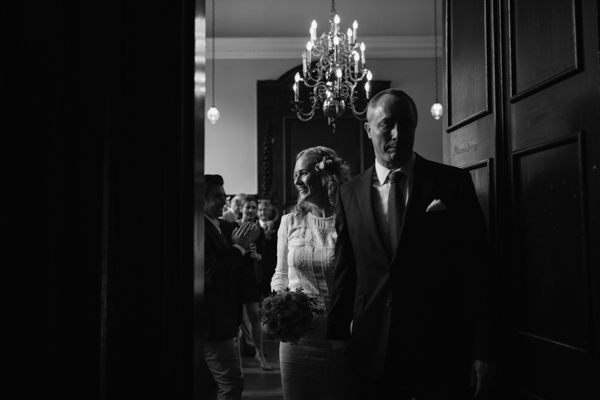
2) “Don’t be scared to say no. It’s okay to turn away business if it’s not a good fit for you.” – Smashing the Glass
We’ve all been there, especially early on in our careers. You accept any job that crosses your path, including those who just need a photographer within their budget, rather than specifically wanting YOU and appreciating your value.
Sometimes you take jobs because they pay you money and you need money. In an ideal world, though, it’s all about creating value and making people see that value, and building your business to attract the clients you want to work with.
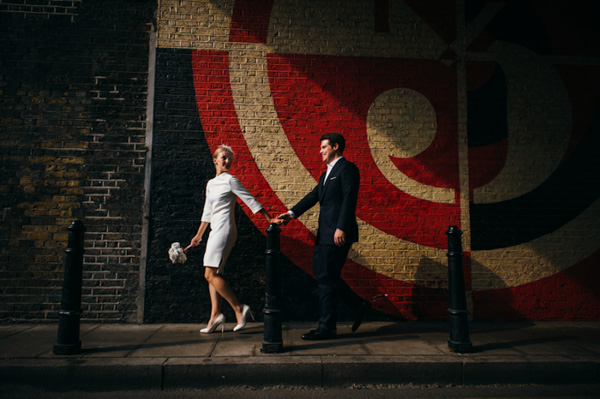
3) “Creating a good workflow is essential. You need to establish good habits from day one.” – Tux and Tales Photo
You might not think you need a client management system to start off with, but you do need a way of tracking your client work flow.
You also need to establish procedures, processes, and a routine that helps you get things done. How will you know when to send out a final invoice? How will you gather feedback from customers to improve your service going forwards? How will you manage expectations? You could use PDFs that explain procedures to clients and set expectations, or you could publish information on your blog or website that explains the way you work and your timescales.
Just because you work for yourself doesn’t mean you can let go of good structure and procedures.
Also do your accounts weekly. Trust me.
4) “The most unique selling point you have is you.” – Jordanna Marston
Be true to yourself, trust your gut and don’t worry too much about what you think you should be doing. Be true to yourself and you will attract clients that connect with you.
The most successful wedding photography businesses I know have their owner’s personality stamped all over them. They have created a brand, they create work that they believe in and that’s authentically them.
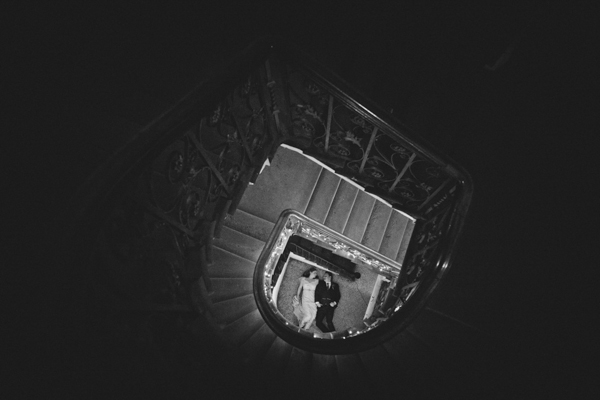
5) “When photography is your passion and your business, you can end up doing it 24/7.” – My Heart Skipped
Don’t forget to explore, discover, be curious and do other things that fill your heart with joy. That joy and creativity will feed back into your photography.
Of course the opportunity issue can occur too and you might find that you only end up shooting when you’re working, rather than shooting for pleasure. Find a balance. Do personal work and have other interests and sources of inspiration.
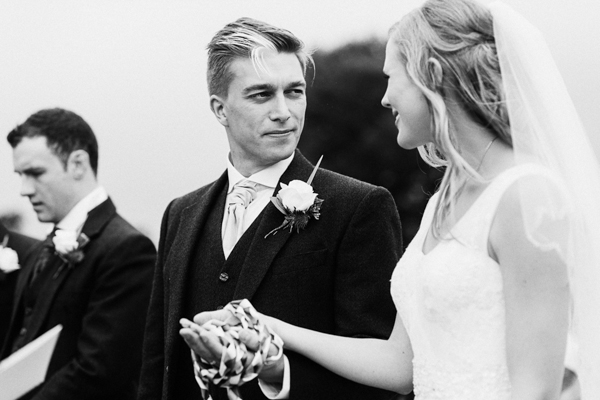
6) “You can’t make a silk purse out of a sow’s ear.” – Andy Gaines
It’s tempting to focus on editing and throwing a filter on everything to find your style, but your style will come naturally when you’re making good work.
What makes your image is light, composition, expression and moment. Not the latest trend in post-processing.
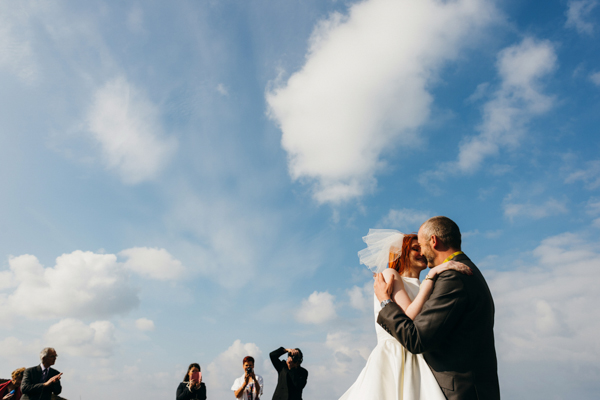
7) “Keep work and play time separate, not only for yourself, but for those you love.” – Paula Ohara
If you learn how to fully switch off, you’ll be fully switched on when you need to be.
Work/life balance is so important. A huge tipping point for me was when I designated a separate work space. I have an office in my house now, but there was a time that I worked from the corner of my living room. It’s really good to have that separation, so you can switch off at the end of the day.
Keep at least one day a week free for yourself. Sunday is my day off now and I try to take it easy on a Monday, if my work load allows it. In my first year or so I routinely worked seven days per week, to keep on top of my editing and my day job commitments.
Make balance a priority. Although I haven’t quite mastered it myself yet…
Are you a pro, do you have any other tips you’d add to this list?
googletag.cmd.push(function() {
tablet_slots.push( googletag.defineSlot( “/1005424/_dPSv4_tab-all-article-bottom_(300×250)”, [300, 250], “pb-ad-78623” ).addService( googletag.pubads() ) ); } );googletag.cmd.push(function() {
mobile_slots.push( googletag.defineSlot( “/1005424/_dPSv4_mob-all-article-bottom_(300×250)”, [300, 250], “pb-ad-78158” ).addService( googletag.pubads() ) ); } );The post 7 Things You’ll Want to Know Before Turning Pro by Laura Babb appeared first on Digital Photography School.
-
Get Access to Hundreds of Photography Courses for Just 55 Cents per Day
Todays deal is epic. It gives you access to the teaching of some of the world’s best photography educators for a whole year for just a few cents per day.
What better way to head into 2015!
In a nutshell today’s deal is that we’ll give you access to KelbyOne for a full year for $ 189 – $ 60 off the regular price.
This works out to a be a full year of photography training for just 55 cents per day.
KelbyOne was founded by best selling author, online personality and pro photographer Scott Kelby and it brings together 80 photography instructors who have put together hundreds of photography courses on all manner of topics related to photography.
Their instructors are amazing and include people like Scott Kelby himself, Trey Ratcliff, Corey Barker, Rick Sammon, Mia Mccormick, Joe McNally and many many more.
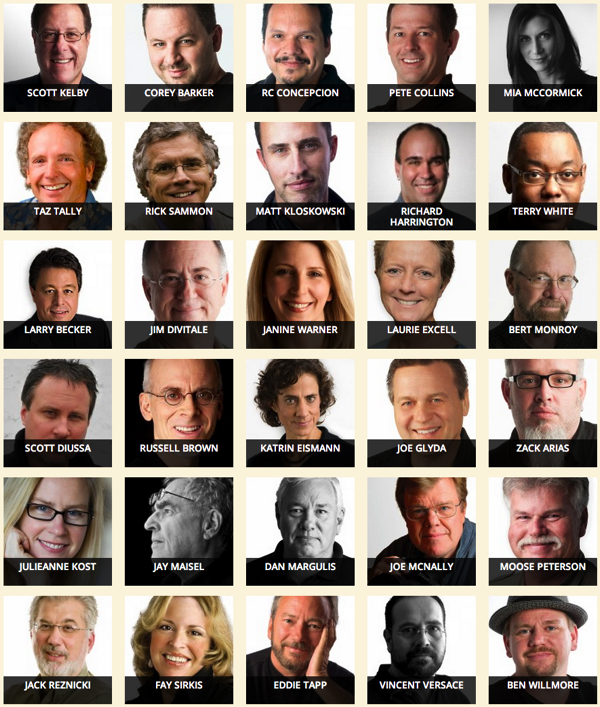
And then there are the courses! They’re arranged by categories including photography, photoshop, lightroom, design, video, business and more and cover almost any topic you can think of that relate to photography.
I just had a look over their courses page and stopped counting when I got to 450! That’s over one course per day for the next year!
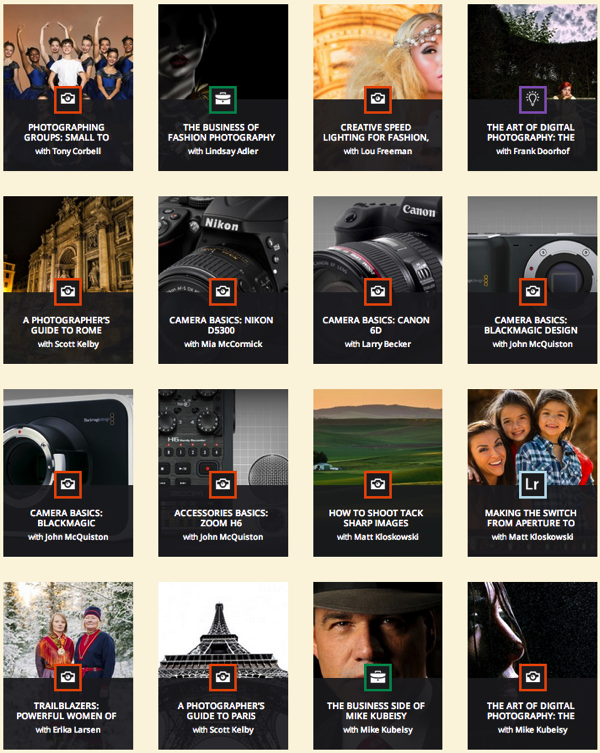
Courses are targeted at photographers of all levels (there’s even a special Beginners track). They can be viewed on your computer or other devices and they even have a way to take them offline if you’re going to be on a train, plane or elsewhere without wifi.
Not only that but you’ll get the Photoshop User Magazine and some cool discounts on gear, plug-ins, hardware and more.
Lastly – as a special bonus for dPS readers they giving anyone who signs up today 200 creative presets and actions for Lightroom and Photoshop.
So if you’re hoping 2015 will be a year for you to improve your photography – this is a deal for you. But don’t wait too long – it only lasts 24 hours!
Sign up for KelbyOne here today and set yourself up for a great year of photographic learning.
googletag.cmd.push(function() {
tablet_slots.push( googletag.defineSlot( “/1005424/_dPSv4_tab-all-article-bottom_(300×250)”, [300, 250], “pb-ad-78623” ).addService( googletag.pubads() ) ); } );googletag.cmd.push(function() {
mobile_slots.push( googletag.defineSlot( “/1005424/_dPSv4_mob-all-article-bottom_(300×250)”, [300, 250], “pb-ad-78158” ).addService( googletag.pubads() ) ); } );The post Get Access to Hundreds of Photography Courses for Just 55 Cents per Day by Darren Rowse appeared first on Digital Photography School.
-
Why Manual Exposure is Better for Winter Wildlife Photography?
My winter wildlife photography tours and workshops put us in locations with lots of snow on the ground, which presents a new issue for most people – how to get good exposure without continuously messing around with exposure compensation.
You have to tell the camera to brighten your images by up to two stops of exposure to make whites white, because the meter in your camera wants everything to be a mid-tone gray.

For example, here is a photograph of one of our main subjects, the Japanese Red-Crowned Crane (above, left). It’s a predominantly white bird on a snowy white background. For a shot like this if I put the camera in Aperture Priority mode with the aperture set to f/8 for example, the camera would tell me that the shutter speed should be about 1/2000 of a second, which would result in a photo like the under-exposed dark version (above, right).
To avoid under-exposing images like this, one thing you can do is to dial-in +2 stops of exposure compensation in Aperture Priority mode. This would result in a new shutter speed of 1/500 of a second at the same aperture, and a beautifully white image.
There is one fundamental problem with this method though, and this is what most people fail to understand until they’ve missed enough shots for them to take my advice seriously. The moment your subject moves away from their white background, the exposure with +2 stops of exposure compensation is no longer valid.
To prove my point during a recent tour, I switched to Aperture Priority with auto-ISO and photographed this Whooper swan on the snow with +2 stops of exposure compensation dialed in. This gave me a perfectly white bird with perfectly white snow, as we’d expect.

Then, just moments later, I photographed a flock of Whooper swans flying into the same location, this time with a darker background, which fooled the camera into increasing my exposure and the result was this totally over-exposed photograph.

To avoid this, when photographing wildlife in the snow, the best course of action is to lock your exposure down (using Manual) so that when the opportunity to photograph something with a darker background arises, the exposure doesn’t shift, and the subject and the snow remains perfectly exposed, as in this example.

The downside of this method is that you do have to continually check your exposure, especially on a day with patchy cloud for example. Because you’ve locked down your exposure totally, you are responsible for noticing when it gets a bit brighter or darker, and updating your camera settings.
In my experience though, although you sometimes have to tweak the exposure in post-processing, you still return home with many more usable shots, as opposed to the above example with the flock of supernova swans, which is a firm candidate for deletion.
Settings Your Exposure for White
To set my exposure I usually just fill the frame with snow, and adjust the settings in Manual mode, until I see the caret on the camera’s meter indicate that the exposure is now at +2 stops for overcast snow or +1 1/3 stops for brightly lit snow.

How you achieve your exposure depends on your subject. Personally, I usually start with the aperture, as that controls depth-of-field, and I want to select that based on how much of the subject or scene I want to be sharp, and how much of it I want to be nice blurry out of focus bokeh.
Then I select the shutter speed, based on my focal length and how much I expect my subject to move. The rule of thumb for the slowest shutter speed you can use without the risk of introducing camera shake, is to use the focal length as the denominator of the fraction in your shutter speed. For example if you are shooting with a 200mm lens, the slowest shutter speed you can safely shoot hand-held is 1/200 of a second.
Of course, image stabilization or vibration reduction in the lens can help you to go slower, but you also have to consider subject movement with wildlife. To freeze a large bird in flight you need at least 1/500 of a second, but ideally 1/1000 or higher if possible.
These are, of course, general guidelines. You may decide to slow down the shutter speed and pan with your subject to use the blur of the wing movement artistically as in this example, but that’s the subject for another article.

Once I’ve decided the aperture and shutter speed based on the subject and any artistic decisions I might make, the last setting that I usually change as I lock in on my manual exposure is the ISO. Once the caret reaches +2 on the camera’s meter scale, I make a test shot, and check the histogram.
For a photograph of a field of snow, or a white bird on a white background, most of the data in the histogram should be almost touching the right shoulder of the histogram. This means the image data captured is almost pure white, as it should be. If the data is in the middle of the histogram, the whites will be gray. This is what the camera would do automatically without our help.

Also remember to turn on your highlight alert or highlight warnings in your camera’s settings, commonly called “the blinkies”, as these will alert you to any areas of your image that you might be over-exposing. It’s okay to over-expose a few specular highlights, but try not to over-expose large areas of your image, especially on your main subject, or the detail in those areas will be lost, and cannot be recovered on a computer later.
One of the other nice things about photographing birds over snow is that the light from the snow reflects up onto the underside of the birds in flight, as in this example. This means that you really don’t have to worry about where the bird is once you have locked your exposure down in Manual mode.

The subject can be on white background, a dark background, or a blue sky, and your exposure will be spot on, leaving you free to concentrate on focusing and composition, instead of frantically trying to adjust your exposure compensation as the action unfolds.
googletag.cmd.push(function() {
tablet_slots.push( googletag.defineSlot( “/1005424/_dPSv4_tab-all-article-bottom_(300×250)”, [300, 250], “pb-ad-78623” ).addService( googletag.pubads() ) ); } );googletag.cmd.push(function() {
mobile_slots.push( googletag.defineSlot( “/1005424/_dPSv4_mob-all-article-bottom_(300×250)”, [300, 250], “pb-ad-78158” ).addService( googletag.pubads() ) ); } );The post Why Manual Exposure is Better for Winter Wildlife Photography? by Martin Bailey appeared first on Digital Photography School.
-
Real-world Test: Shooting Fashion with the Fujifilm X-T1
The X-T1 is Fujifilm’s first weather-resistant interchangeable X-series camera. It is built around a 16.3 MP APS-C X-Trans CMOS II sensor housed in a die-cast magnesium body. Offering a traditional design with five physical top plate dials, two command dials, and six programmable function buttons the X-T1 also has a high resolution OLED viewfinder. In the latest in our series of real-world video tests, we took the X-T1 to a local studio, to see how it would perform in the hands of a professional fashion and portrait photographer. Click through to watch the video
-
2014 Holiday Gift Guide: $100-500
If you’re looking for something special but you don’t want to empty your bank account, these gifts for photographers will do the trick. While a wireless hard drive or a film scanner lacks the wow factor that an African safari can provide, these gifts will bring plenty of joy to any photographer’s holiday.
-
2014 Holiday Gift Guide: $25-100
Photographers are a hard lot to shop for. While it’s tempting to pick up a gift card from your local camera shop and call it a day, we’ve done some digging and come up with photo-related gift ideas for photographers of all skill and aspiration levels. If you’re looking for something stocking-sized (and priced) our guide will put a smile on the face of your favorite photographer.
-
Die Redaktion stellt sich vor: Anne Henning

Achtung, eine knappe Zusammenfassung: Anne. Denkt viel, liest oft, schreibt gern. Verkopft. Arbeitet dennoch bevorzugt mit den Händen. Bildhauerin. Fotografin. Über diese Beziehung wird im Folgenden nachgedacht.
Fotografie ist ein Fenster. Durch dieses Fenster blicken wir allein oder gemeinsam auf eine Wirklichkeit da draußen, ganz als sei der Träger unseres Bildes transparent und zeige die Welt dahinter. Für mich ist dieses Fenster aber nicht transparent. Es ist sichtbar. Es ist Oberfläche, es ist Material, es ist Haptik.
Diese Oberfläche interessiert mich genauso wie die Welt dahinter. Ich finde es großartig, Bilder anzuschauen, aber genauso wichtig ist es für mich, sie zu berühren. Dahinter steht ein längerer Entwicklungsprozess, denn vor zehn Jahren, als ich angefangen habe, mit Verstand zu fotografieren, war mir das Medium noch nicht so wichtig.
Anknüpfend an die alte Kinderkamera, die ich zu Grundschulzeiten hatte und mit der ich alles um mich herum festhalten konnte, habe ich mir mit 16 eine analoge Canon zugelegt und wieder angefangen zu fotografieren. Schnell bin ich vom Kleinbild ins Mittelformat gewechselt, das Rechteck forderte von mir immer zu viele Entscheidungen, die ich im Quadrat nicht mehr treffen musste.

Ich habe angefangen, Kunst auf Lehramt zu studieren und bin dadurch zum ersten Mal mit der Dunkelkammer in Berührung gekommen. In Berührung! Denn erst durch das eigene Entwickeln, das Fühlen von Fotopapier und den Geruch von Chemie habe ich angefangen, mich bewusster mit der Thematik der Materialität auseinanderzusetzen.
Was ist dieses Foto, dieses Fenster? Was kann es überhaupt darstellen und ist nicht alles Dargestellte nur ein Scheinbild der Wirklichkeit, nur Spuren auf lichtempfindlichem Material? Was ist das für eine Oberfläche? Und was ist Inhalt, was ist Träger?

Ich habe mich in den nächsten Jahren phasenweise von der Fotografie distanzieren müssen, um dieser Frage auf den Grund zu gehen. Ich studiere inzwischen in einer Bildhauerklasse an der Kunstakademie Düsseldorf und habe meine Antworten in der Bildhauerei gefunden. Hier gibt es keine Fenster oder Scheinbilder. Was ich aus Holz, Gips oder Metall baue, kann ich berühren, riechen, von allen Seiten betrachten.
Skulpturen kommen mir manchmal sehr viel ehrlicher als Fotografien vor und dennoch habe ich immer wieder das Gefühl, das beides wichtig ist und eigentlich gar nicht so unterschiedlich, wie es auf den ersten Blick scheinen mag. Ich musste nur genügend Gemeinsamkeiten finden, um mich auf beides einlassen zu können.

Ein Gefühl oder eine Frage, die man sowohl durch ein Foto als auch durch eine Plastik beantworten kann.
Chemiefehler in der Dunkelkammer oder reißendes Holz, weil man es nicht lange genug getrocknet hatte – es sind beides Zufälle, die im jeweiligen Medium passieren, die wichtig sein können und manchmal sogar ähnliche Spuren hinterlassen.Oder das Abfotografieren meiner dreidimensionalen Arbeiten, die auf Film ganz anders wirken als im Atelier, losgelöst von Zeit und Raum und manchmal ephemere Zwischenschritte festhalten, die es sonst gar nicht mehr gäbe.

Erst durch diese Schnittstellen habe ich den Wert des parallelen Arbeitens in beiden Medien schätzen gelernt und die Haptik als verbindendes Element für mich erkannt. Denn nicht nur in der Bildhauerei arbeite ich mit meinen Händen, auch in der Fotografie ist das möglich, es kommt nur darauf an, wie man ein Foto interpretiert. Ist das Fenster transparent oder sichtbar?
Für mich ist das ganz klar: Ein Negativ ist nicht nur eine Wiedergabe des aufgenommenen Moments in Komplementärfarben, es ist eine kleine Leinwand. Ich liebe es, nachträglich im Negativ zu arbeiten, durch Tesafilm, Flusen, Risse oder Löcher im Negativ entfaltet sich eine Art Vordergrund im Foto, es scheint, als schwebe das Element über dem Motiv, als habe das Bild eine neue Dimension erhalten und gewinne so an skulpturaler Qualität.
Und auch im Positiv reizt es mich, weiter zu denken. Analoge Bearbeitung durch Feuer, Stifte oder Hinzufügen von zusätzlichen Elementen verändert das Foto ganz ohne Photoshop.

Vielleicht liegt es an meiner täglichen Arbeit im Atelier, aber für mich gibt es so viele Schnittmengen zwischen Fotografie und Bildhauerei, dass es vor meinen Augen verschwimmt. Durch das Scannen meiner Negative verirren sich nachträglich bewusst oder zufällig Kleinigkeiten in meine Bilder, nehmen Raum ein, werden plastisch.
Das Weiterarbeiten am Foto, ob in der Dunkelkammer, am Negativ oder am Scanner, ist für mich wichtiger Teil des Prozesses, eben weil analoge Fotografie Material ist. Eben weil jedes Fenster auch eine Glasscheibe hat.


Vor einiger Zeit fiel mir ein Zitat des italienischen Künstlers Lucio Fontana in die Hände. Eines, das seinen Balanceakt zwischen Malerei und Bildhauerei auf den Punkt definiert und mich nachhaltig beeindruckt hat:
Ich mache ein Loch in die Leinwand, um die überkommenen bildlichen Formeln hinter mir zu lassen, das Gemälde und die traditionelle Kunstauffassung und ich entfliehe im symbolischen, aber auch im materiellen Sinne dem Gefängnis der gatten Oberfläche.
Und im ganz Kleinen möchte auch ich meine Spuren unter der glatten Oberfläche des Fotos hinterlassen. Es ist mir wichtig, nicht nur festzuhalten, was ich sehe, sondern dies auch mit einer Handschrift, einem Fingerabdruck zu tun. Wie ich erzähle, ist genauso relevant wie das, was ich erzähle.
Mit inszenierter Fotografie kann ich wenig anfangen und auch sonst würde ich mich keinem klassischen Genre zuordnen. Ich denke, meine Arbeiten sind relativ verkopft, meistens stehen eine ganze Geschichte und einige durchdachte Nächte hinter einem Foto und selbst, wenn diese Geschichte manchmal auch nicht lesbar ist, habe ich sie doch erzählt und aus dem Kopf befreit.
Schöpfen kann ich dabei immer aus der Literatur. Lesen ist für mich die nahrhafteste Inspiration und dabei kann mich der Begleittext zu einem Bildband von Jannis Kounellis genauso versorgen wie die 70er-Jahre-Journale Peter Handkes*. Und in jedem Roman von Günter Grass finde ich ebenso gedankliche Anregung wie in Wolf Erlbruchs Kinderbüchern. Zwischen den Zeilen steht alles, man muss nur genau genug hinsehen.

In Kauf nehmen muss ich dafür, dass ich sehr langsam arbeite, dass ich mir viel Zeit lasse, eine Idee durchzudeklinieren, bevor ich den Film einlege und dann wird es doch ganz anders als geplant. Dass ich auch mal wochenlang nur Bilder denke, aber keine schieße.
Dass in so vielen Büchern Zettel kleben und auf so vielen Blättern Notizen stehen, dass ich sie unmöglich alle jemals umsetzen werde. Und dass ich die meisten meiner Fotos niemandem zeigen möchte, weil sie auch still und leise in einem Koffer liegend funktionieren.
Nur sehr selten entschließe ich mich, das eine oder andere Bild online zu zeigen, auszustellen oder gedruckt ins Atelier zu hängen. Vielleicht bin ich auch einfach zu kritisch. Aber ich arbeite daran.

Und wenn ich nicht daran arbeite, dann schreibe ich hier eben über Fotografie. Vorzugsweise über Phänomene, die mich aus dem heiteren Nichts gepackt haben und faszinieren. Gern über intermediale Positionen, da mich das auch in meinem Alltag beschäftigen. Oder über kunstwissenschaftlich angehauchte Themen, die ich hier zitieren und aufdröseln kann.
Ich hoffe, ich konnte und kann auch zukünftig kwerfeldein durch meinem Kopf bereichern. Vielen Dank für die Aufmerksamkeit.
Meine fotografische Entwicklung habe ich für das wunderschöne „I think we are alone now #3 – Magazin für analoge Fotografie“ nochmal etwas ausführlicher dargestellt. Das liebevoll gemacht Zine, über dessen letze Ausgabe hier auch schon berichtet wurde, kann ich aber ebenso für die anderen vier Beiträge sehr empfehlen. Bestellbar ist es für 4 € bei Weltschmerz Distro.
* Das ist ein Affiliate-Link zu Amazon. Wenn Ihr darüber etwas bestellt, erhält kwerfeldein eine kleine Provision, Ihr zahlt aber keinen Cent mehr.
-
Canon updates Digital Photo Professional to version 4.1.50
Canon has updated its Digital Photo Professional 4 (DPP) software to version 4.1.50. The update brings support for a couple of new lenses and several camera models, improvements to multiple functions, and compatibility with 64-bit native environments, among other things. The newest version, says Canon, incorporates feedback from both APS-C and older full-frame owners eager for ‘the very latest Raw workflow solution’. Read more
-
Think Tank launches Airport Helipak for Phantom Quadcopter
Camera bag manufacturer Think Tank Photo has announced a backpack designed specifically for photographers using Phantom Quadcopters paired with GoPro cameras. The Airport Helipak is said to accommodate DJI Phantom 2, Phantom 2 Vision or similar quadcopters with their accessories, along with a 15-inch laptop, small cameras such as GoPros, and personal effects. Read more