RSS
 

Archive for November, 2014

Portrait Consultations: Two Questions That Make A Big Difference

21 Nov

Consult (1)I vividly remember the first time I was asked to take photos for someone that I didn’t know. We had friends in common, and she had seen some of the photos that I had taken of friends and family, but we had never met. We talked over the phone, and arranged a time for me to come to her home and take some photos of her daughter. The big day arrived a week or so later, and I was SO nervous. I wasn’t sure what her home looked like, or what the lighting situation would be, or whether her daughter was sitting up by herself yet or not. I didn’t know how long I should stay, whether I could ask to rearrange furniture, or how the photos that I took would be used. Going into the session, I didn’t feel like I was in control, and I didn’t like it one bit.

After that, I began doing portrait consultations with new clients. We would meet for coffee, and I’d casually ask questions about their favorite things to do as a family, favorite colors, favorite books, and whether they liked candid photos. My hope was that this type of a consultation would let us get familiar with each other, and feel like a casual coffee date between new friends. This was a major step in the right direction compared to having no consultation at all, but I still wasn’t getting the information that I wanted, and it was largely because I tended to dance around the questions that I really wanted to ask, rather than asking them directly.

Now, I approach consultations much differently; including a list of specific, direct questions that I ask each and every potential client. I ask what they’re planning to wear. If the session includes children, I ask about the kids’ favorite songs, TV shows, or books. I ask whether they prefer more formally posed images or candid images. Do they prefer color photos or black and white photos?  Are there any locations that have special meaning to their family? I ask a LOT of questions during portrait consultations, but have realized that there are two questions in particular that are the most crucial in allowing me to better understand my clients’ wants and needs for a session, which in turn allows me to produce a better end product for them.

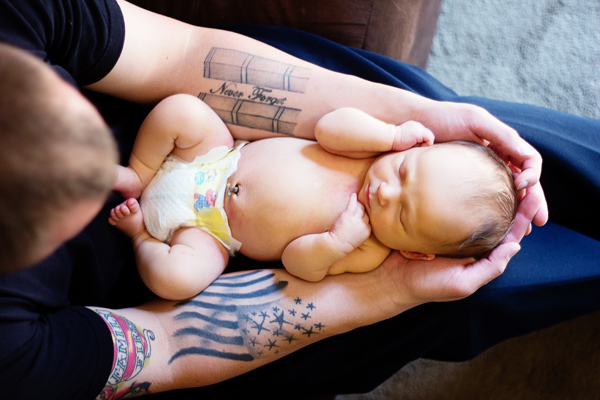
#1 – Is there anything you want to make absolutely sure we capture during your session?
Consult (4)

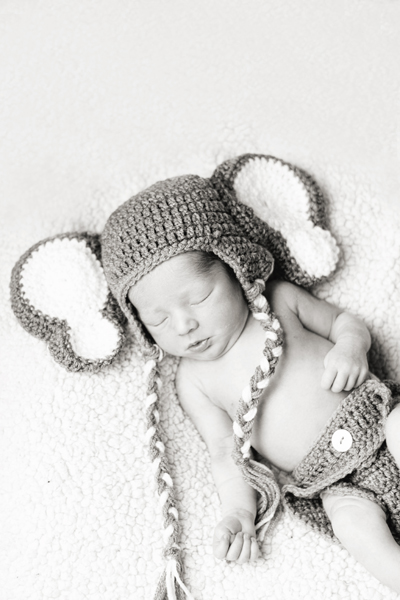
One mom shared with me that while she had called me for family portraits, she was also getting ready to apply for a new job and wanted a photo of her by herself that she could use for her LinkedIn profile. Another mom told me that she was working on special memory books for her children and wanted a photo of herself with each child individually. I’ve had requests for newborn sessions to feature specific hats or quilts made by family members, and I’ve even had requests to feature specific tattoos during portrait sessions. One family asked if they could bring along a bunch of crazy hats, goggles, and glasses for a silly photo or two. Almost every single time I ask the question, I’m blown away by the concrete information about the client’s hopes for our session that I may never have known had I not asked the question specifically and directly.
Consult (6)

Very rarely, asking this question also reveals that I’m actually not the best fit for that particular family’s wants and needs. For example, during a consult with one potential client, she told me that their family was very casual, and that they really wanted some lifestyle photos in their own home, maybe with them and their children baking or drinking hot chocolate in their kitchen. I LOVE that style of photography, and kept thinking that we were really on the same wavelength and that it would be a great session.  Later on during the consult, I asked if there was anything that she wanted to make sure we captured during her family’s session. At that point, she pulled up a Pinterest board that contained images of a family drinking hot chocolate and baking. The problem was that her inspiration images were actually all from a stylized session from another photographer, and as we continued to talk, I realized that they weren’t actually “inspiration” – she actually wanted me to recreate that session exactly, down to every pose and every prop, which I was not willing to do. I am so thankful that we had a consultation prior to her session, and that I asked some very direct questions which allowed us to get past the general and on to the specifics of what that potential client really wanted, because it simply wasn’t something that I could offer.

2. How do you plan to use the images from our session?
Consult (5)

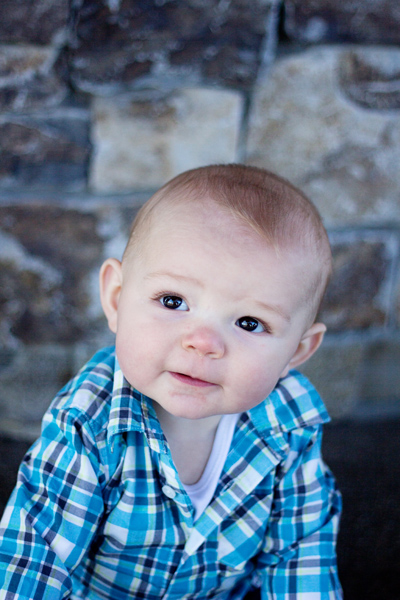
Again, such a simple question that can give you such helpful information going in to a session. Upon asking that simple question, one dad told me that they had a wall in their house that they’d like to fill with portraits of each of their four children, also that they’d like them to be an 11×14 canvas print in vertical format and they’d like all four to be black and white images. Knowing this in advance was so helpful because I was able to really be intentional about creating portraits of the four kids that would look cohesive when grouped together by making sure that the background, lighting, and posing were similar for all four children. In addition, I knew that it was probably wise to include more vertical black and white images in the end gallery than usual, because it was the most important thing for that particular family.

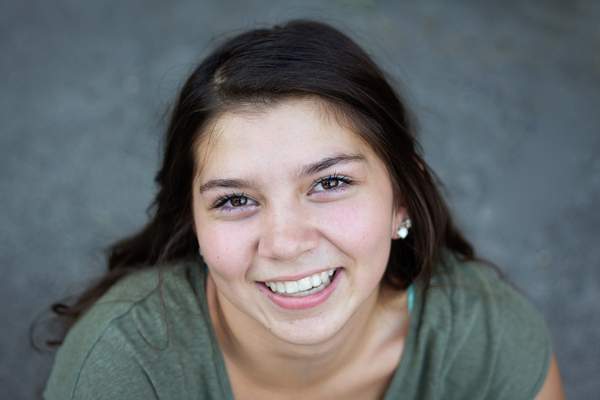
Other clients have told me that they already have their Christmas card picked out, and are just waiting for a photo to complete the card. Being able to see the card template in advance can help me visualize the “feel” that want. There has been at least instance when I’ve suggested switching locations once I saw the card that they had selected – family portraits in a field would have worked well for a shabby chic card, but just didn’t seem as well suited for the ultra modern, minimalistic design the family had chosen. A simple location change really made a big difference in the cohesiveness of the session and their end goal!
Consult (2)

In general, I prefer to meet in person for pre-session portrait consultations. Sometimes, that doesn’t happen due to my schedule (or theirs) and we end up doing a consultation over the phone or via email. In those instances especially, I think it is absolutely vital to ask a few specific, direct questions. Don’t beat around the bush – ask the questions clearly and concisely, and then listen. Really listen. Don’t be afraid to reiterate what you think you’ve heard, back to them. I often say something like, “I’m hearing that you care about capturing the candid moments more than having a photo where everyone is looking at the camera and smiling, is that right?” Which then gives them the opportunity to either affirm that idea, or to tell me that they do really love candid photos, but would like one with everyone looking and smiling as well. Either way, I’m given the opportunity to understand my client’s hopes and expectations a bit better, which makes it easier for me to give them a session that they will really love and treasure for years to come.

Do you hold consultations prior to your sessions?

Are there any questions that are on your must-ask list?

The post Portrait Consultations: Two Questions That Make A Big Difference by Meredith Clark appeared first on Digital Photography School.
Digital Photography School

 
Comments Off on Portrait Consultations: Two Questions That Make A Big Difference

Posted in Photography


Lighting equipment manufacturer Metz files for insolvency

21 Nov

German television and photographic equipment maker Metz has filed for insolvency according to German media. Metz is known for producing high-end lighting equipment including flash units, studio flashes, and video lights. Approximately 600 jobs will be affected by the company’s financial situation. Read more

Articles: Digital Photography Review (dpreview.com)

 
Comments Off on Lighting equipment manufacturer Metz files for insolvency

Posted in Uncategorized


Deserted Space: Photos Document NASA’s Abandoned Launch Pads

20 Nov

[ By WebUrbanist in Abandoned Places & Architecture. ]

abandoned space graveyard photos

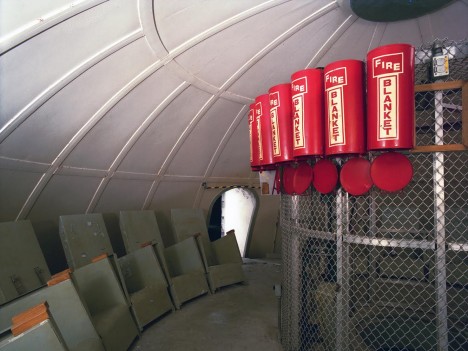
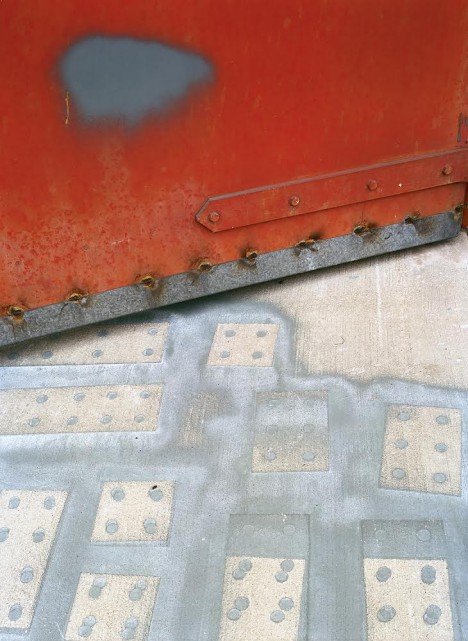
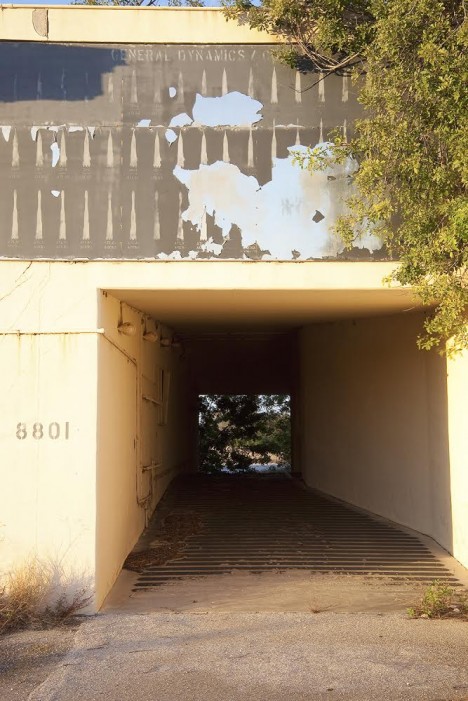
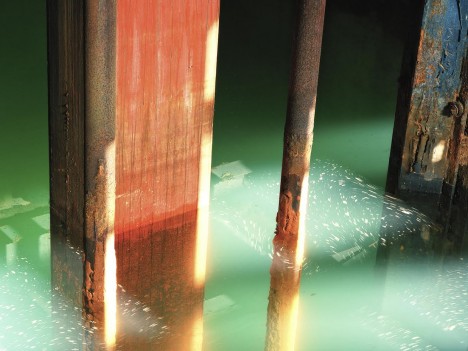
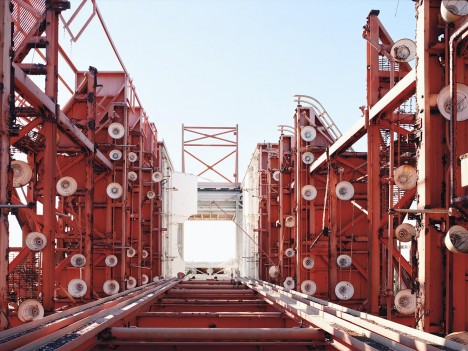
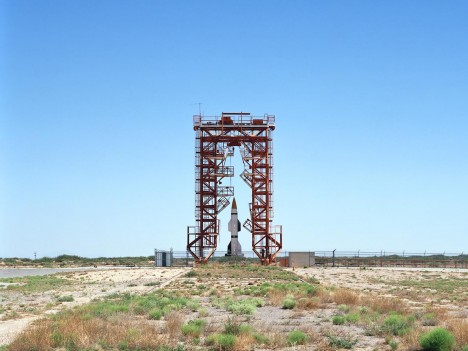
The race for space has shifted gears in recent years with the rise of private programs, leaving a series of amazing space-related graveyards around the United States, which this photographer has spent 25 years exploring and documenting.

abandoned nasa building sign

abandoned rocket room

abandoned flight ring rocket

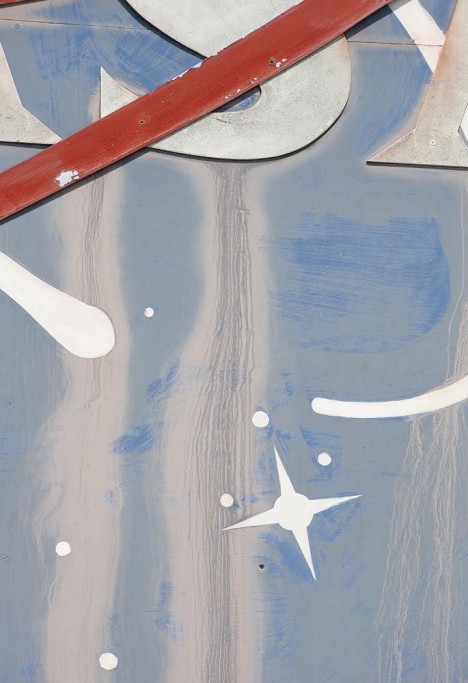
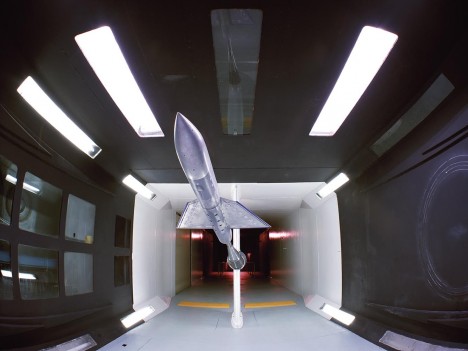
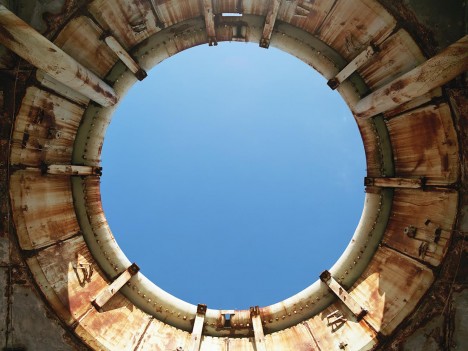
In his upcoming book, Abandoned in Place, Roland Miller takes readers on a “photographic exploration of the American space launch and research facilities that played a crucial role in the early period of space exploration. The goals of this project are to preserve and portray these abandoned, deactivated, and repurposed sites through photography that surpasses the official government approach to documentation and to lend historical and artistic insight to the subject.”

abandoned secret nasa complex

abandoned space program complexes

abandoned space program facilities

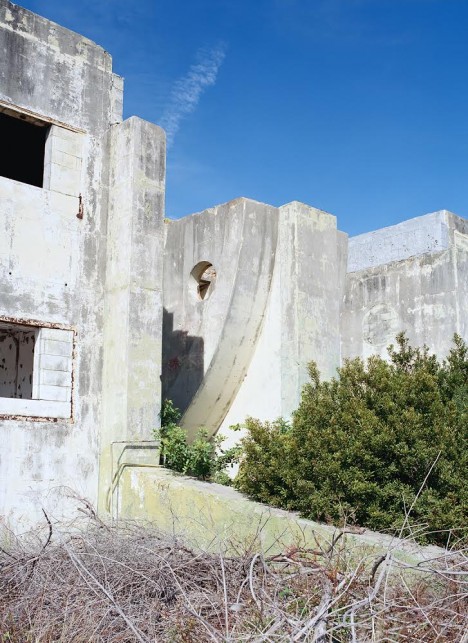
With special permission (and an escort every time), Roland has managed to visit locations including the Marshall Space Flight Center in California, the Stennis Space Center in Mississippi and the Kennedy Space Center as well as Cape Canaveral in Florida. His book features 100 full-color photos – the best and brightest of his extension decade-spanning collection.

abandoned nasa deserted spaces

abandoned nasa crane gantry

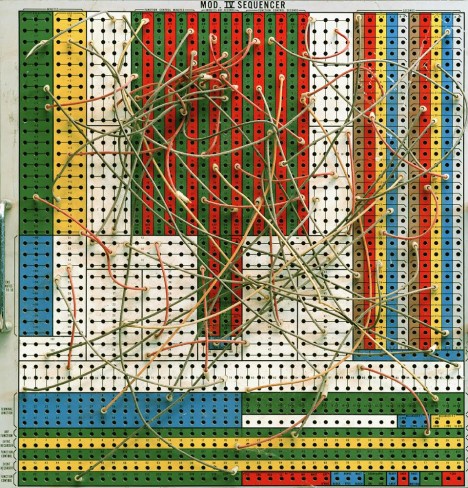
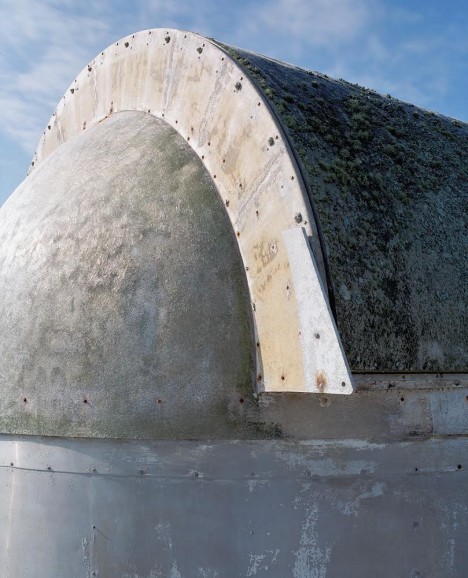
The photographs cover all kinds of incredible objects and details, from cranes and gantries to blast doors, flame deflector tracks, launch rings and even lunar modules. The book will be released by the University of New Mexico Press and contain poems and essays alongside its rich imagery.

abandoned control panel switchboard

Superstructure,Navaho Complex 9, Cape Canaveral Air Force Station, Florida1990

abandoned observatory dome exterior

This project is part guide book and part historical document – it “serves not only as a documentary body of work, but also as an artistic interpretation of these historic sites. The blockhouses, launch towers, tunnels, test stands, and control rooms featured in Abandoned In Place are rapidly giving way to the elements and demolition. By my estimates, fully half of the facilities I have photographed no longer exist. The costs involved in restoring, maintaining, and securing these sites are enormous. Most of these historic facilities are located on secure military or NASA facilities, which drastically limits access by the public. Therefore, photography is the only practical method to preserve and portray these historic locations.”

Share on Facebook


[ By WebUrbanist in Abandoned Places & Architecture. ]

[ WebUrbanist | Archives | Galleries | Privacy | TOS ]


WebUrbanist

 
Comments Off on Deserted Space: Photos Document NASA’s Abandoned Launch Pads

Posted in Creativity


Photographing in Airports

20 Nov

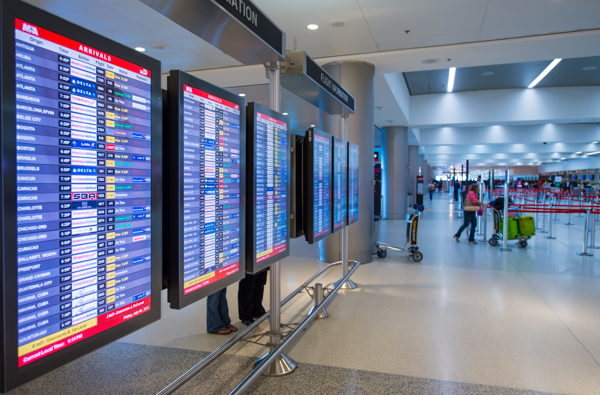
Miami International Airport Terminal

Ahh, the joy of travel photography, who doesn’t love that? But like everything in life, all that glitters is not gold. For travel photography, you actually need to travel, and in many circumstances, air travel and lengthy waits in airports are common.

Nobody likes being stranded in a terminal for hours, or experiencing delays, missed or long connections, all of which happen pretty often. But it can be different for us, the ones who embrace photography. Instead of just sitting there doing nothing, we can have some fun doing what we enjoy the most. At least, that’s what I do – and believe me, the time goes by much quicker when you are there with your camera in hand.

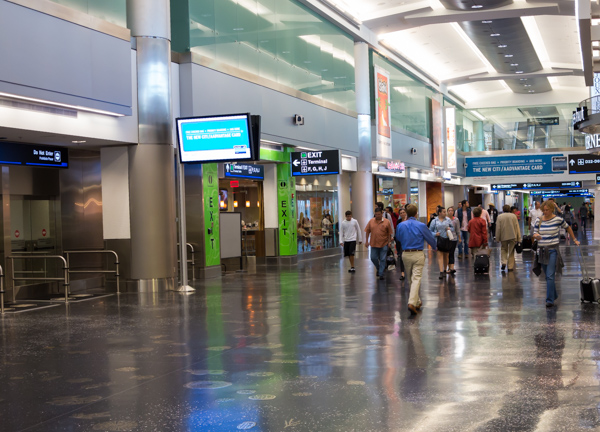
New American Airlines terminal in Miami

Despite the obvious of not photographing in prohibited areas, you shouldn’t encounter any problems wandering and snapping away. I was a bit skeptical the first time, especially in the US, however, I’ve never had any issue.

Perhaps you are thinking that there are not interesting things to photograph in airports. Well, think again. These can be rather compelling places; they come in all forms, shapes and colors.

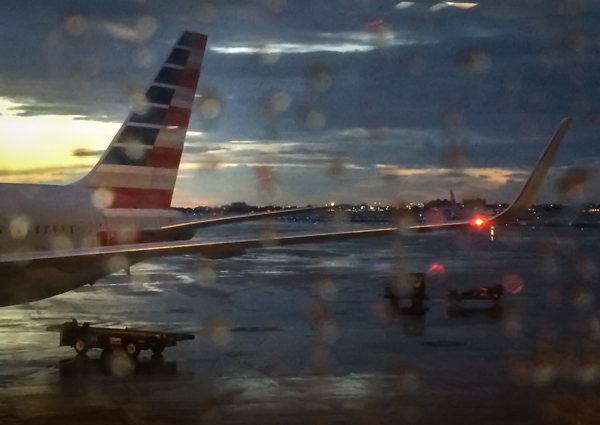
There are always appealing activities around the tarmac and you can shoot through a window. Just be on the lookout for opportunities. The image below was shoot with an iPhone. I didn’t have my camera handy that day and I was rushing to the gate; it was raining and I thought the water drops on the glass made it somehow exciting.

IMG_0701

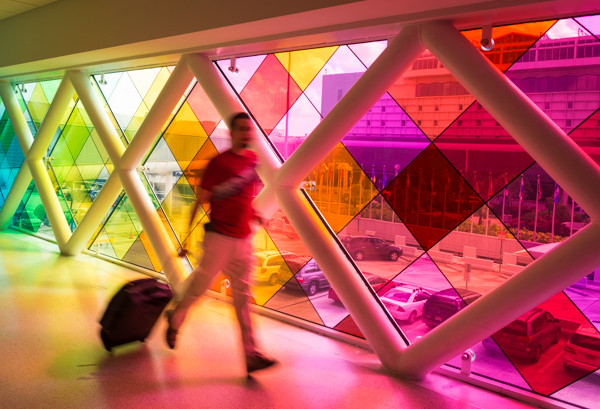
Watch out for unique architectural features. It could be a modern place, a recently built structure, or just a small terminal on a remote exotic destination. Walk around slowly and try to find what makes that place different, sui generis. This colorful skybridge in Miami called “Harmonic Convergence” is a good example of an art installation that is unique to the airport and can’t be found anywhere else. When you spot a space like this, take your time, try different angles, and if necessary wait for the right moment to happen.

Person rushing out in airport

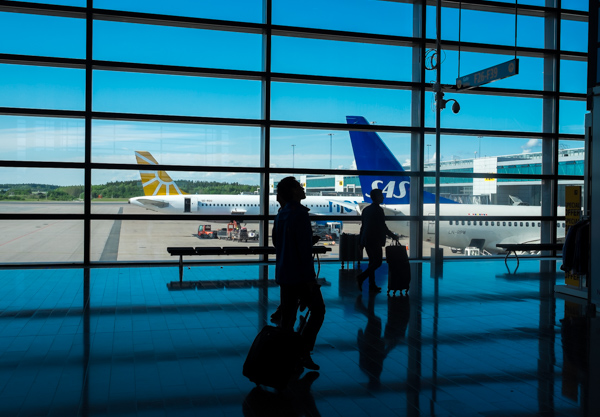
Massive glass walls are most likely to be present in contemporary terminal halls and waiting areas. These are wonderful to work with and you stand a chance of getting great photos. Just meter the light to get a good exposure of the exterior during daytime and the interior will be probably e dark or underexposed. This juxtaposition creates a great contrast; it is then possible to play with forms and figures of people standing or walking by. Silhouettes against a brighter background are always fascinating.

20140525_untitled_0002

You can also think of hallways, food courts, waiting areas and shopping areas. You can really do a lot and it will be much better than just sitting there doing nothing and getting bored. After all, you’ll be fastened to your flight seat for some hours, so what better way to kill the painful wait by just having some fun photographing the airport?

There you have it – next time you need to spend some time at the airport, just pull out the camera and fire away. It will be fun, I promise.

Editor’s note and disclaimer: the suggestions made in this article are by the author and you need to be aware of the legalities and possible issues of taking photos in an airport, as different rules may apply in different countries. It is not a public place so you do not automatically have blanket approval to take any person’s photo. You could possibly be asked to stop, have your camera seized or be restricted from getting on your flight. Practice with extreme caution. dPS is not responsible for any damages resulting from following these tips.

The post Photographing in Airports by Daniel Korzeniewski appeared first on Digital Photography School.

Digital Photography School

 
Comments Off on Photographing in Airports

Posted in Photography


Google develops ‘coherent’ image identification algorithm

20 Nov

Google is working on an image identification technology at its Research Labs in Mountain View, California. The latest complex algorithm from the search engine giant is able to systematically ‘produce captions to accurately describe images the first time it sees them’, creating coherent sentences rather than individual tags. Read more

Articles: Digital Photography Review (dpreview.com)

 
Comments Off on Google develops ‘coherent’ image identification algorithm

Posted in Uncategorized


20. November 2014

20 Nov

Ein Beitrag von: Happy! Andrea

Sheepstop © Happy! Andrea


kwerfeldein – Fotografie Magazin | Fotocommunity

 
Comments Off on 20. November 2014

Posted in Equipment


Fujifilm announces macro tubes, tethering software and X-series firmware availability

20 Nov

Fujifilm has unveiled two macro extension tubes for its X-series interchangeable lens cameras, as well as a launch date for the previously-promised Fujifilm X-T1 firmware. More firmware updates are also announced for the X-E2, X-E1, X-Pro1 and X-30, as well as the introduction of tethering software for PC. Read more

Articles: Digital Photography Review (dpreview.com)

 
Comments Off on Fujifilm announces macro tubes, tethering software and X-series firmware availability

Posted in Uncategorized


19 November, 2014 – Photographers Block

20 Nov


I’m sure you have experienced what is commonly called writers block.  A time where you just can’t seem to get something on paper the way you want.  The same thing happens to photographers too.  It’s when you reach a point of not being able to creatively create an image the way you want.  It can be frustrating to say the least.  Today, Alain Briot dives into Photographers Block and how to get out of it.  His article Photographers Block will help you find ways out of the doldrum and back to your groove.


The Luminous Landscape – What’s New

 
Comments Off on 19 November, 2014 – Photographers Block

Posted in News


Den Regenbogen vorhersagen

20 Nov

Ein Beitrag von: Lucas Fladzinski

Gute Fotografen sind Erfinder. Erfindungen sind die Linsen, durch die Träume zu Entdeckungen werden. Großartige Fotografien sind die Portraits unserer wildesten Träume.

Ich interessiere mich für Orte, Gegenstände und ihre Umgebungen, die durch paradoxe Momente im Verlauf der Zeit nachhallen. Diese durchscheinende und symmetrische, höchst organisierte Landschaft verführt mich. Meine Fotografien sind kein Ersatz für die Realität; sie dokumentieren nicht exakt, wo und wann – viel mehr sind sie illusorische Orte, vertraut und nostalgisch.

Die Kunst legt unendliche Skizzen von Träumen bloß, ist eine unendliche Quelle von Fantasiematerial. Die flüchtige Natur der Fotografie ist der beste Weg für mich, eine Welt, die mehr versteckt als sie zeigt zu verstehen und zu kommentieren. Mit einer Kamera möchte ich eine Welt sehen wie sie hinter meinen verschlossenen Augen liegt. Mit einer Fotografie werde ich daran erinnert.

Ich verliebe mich in jede Fotografie; die guten sind niemals richtig fertig. Was entferne ich und was behalte ich? Ein Riss im Asphalt, ein Krümel auf dem Boden, eine Reflexion in einem Spiegel, ein Wegweiser, ein Riss in der Decke, ein Leberfleck, eine Notrufsäule? Was von einem Bild entfernt wird, ist genauso wichtig wie das, was bleibt.

Vorbeifahrendes Auto in einem gefliesten Tunnel.

HochhäuserMenschen gehen an einer Gasse zwischen hohen Häusern vorbei.

Breite Straße zwischen hohen Gebäuden, an deren Ende Hochhäuser stehen.

Kreuzung mit Hochhäusern.

Skyline mit verschiedenen Hochhäusern hinter einer grünen Wiese.

Leerer Platz vor Hochhäusern.

Parkanlage vor dem Sockel eines Hochhauses.

Verbindung von zwei Häusern über einer Straße.

Baustelle zwischen Hochhäusern.

Straßenkreuzung zwischen Hochhäusern.

Ebenso wie Analogfotografie muss sich ein digitales Bild einem evolutionären Prozess unterziehen. Bearbeitungen sollten in separaten Ebenen gemacht werden. Ich bevorzuge Bilder, die Ebene für Ebene „aufgebaut“ sind und ein Bild ergeben, das aussieht, als wäre es auf Film aufgenommen worden. Dieser Prozess ist langwierig; zu lang, um hier ins Detail zu gehen.

Kurz dargestellt: In der Nachbearbeitung „unterbelichte“ ich ein korrekt belichtetes Bild. Außerdem reduziere ich die Sättigung und füge eine bestimmte Färbung (oder mehrere) ein, die die Farbpalette dominiert. Für die Serie „The Venerable Landscape“ benutzte ich eine Palette aus Gelb, Grün und Cyan, die die Werke am besten beschreibt. Gute Fotografien sind durchscheinend und verraten viel über ihren Entstehungsprozess und den Erschaffer.

In dieser Serie gibt es viele Panoramen. Die Einzelbilder wurden mit einem Manfrotto 303 Plus Pano-Kopf und einer Reihe von Tilt-Shift- sowie Weitwinkel-Objektiven aufgenommen und zusammengesetzt. Diese zusammengesetzten Bilder haben immer einen gezackten Rand, den ich als „Beweis“ des Prozesses stehengelassen habe, statt ihn abzuschneiden.

An den Stellen, an denen der Algorithmus Details nicht korrekt zusammengefügt hat, habe ich die daraus entstehenden Fehler auch nicht korrigiert. Da die Technologie besser und die Algorithmen zuverlässiger werden, sehen die zusammengesetzten Bilder aus aktueller Software anders aus als sie es in früheren Versionen taten.

Zum Beispiel benutzte ich ursprünglich Adobe Photoshop CS5, um die Panoramen dieser Serie zu produzieren. Mitten in der Arbeit an der Serie wechselte ich zu Adobe Photoshop CS6 und bemerkte sofort, dass die neuen Resultate viel „sauberer“ und akkurater aussahen. Also ging ich wieder zurück zur Arbeit in CS5, um die Serie zu finalisieren. Erst durch diesen Prozess war ich in der Lage, die Feinheiten zwischen dem alten und neuen Zustand zu entdecken.

Begrünung an der Straße vor Hochhäusern.Hochhaus an einer Straße.

Licht und Schatten auf einem fast leeren Parkdeck.

Hang einer Abraumhalde im Sonnenlicht.

Landschaft einer Industrieanlage.

Landschaft einer Industrieanlage.Wasserfall.

Zwei Bäume auf einem Felsen, der in einer Schlucht aus dem Wasser ragt.

Versorgungsrohre verlaufen durch wilde grüne Landschaft.

Eingang zu einer Bunkeranlage in einem Hügel in der Natur.

Felsiger Hang in der Landschaft.

Karges Feld, an dessen Ende ein einzelner kleiner Baum steht.

Ich suche nach Ausgewogenheit, wenn ich meine Bilder komponiere. Um diese zu erreichen, ist der Fotograf gezwungen, effektiv seine ideale Position im Bezug auf das Abgebildete und seine Umgebung auszudrücken. Oft wird Symmetrie in meinen Bildern mit Ausgewogenheit verwechselt. Bei Symmetrie geht es fast ausschließlich um die Position eines Betrachters zu seinem betrachteten Gegenstand und weniger um die Beziehung des Betrachters zu seinem betrachteten Gegenstand und dessen Umgebung.

„Photoshop“ ist kein Verb. Adobe Photoshop und Adobe Photoshop Lightroom sind Werkzeuge des Ausdrucks, wie eine Kamera. Gute Fotografen verlassen sich auf ihre Werkzeuge, aber sind von ihren eigenen Fähigkeiten abhängig. Zahlreiche Ebenen von Fähigkeiten und Erfahrungen sind das, was gute Fotografen, die angeheuert und in Ausstellungen präsentiert werden, von solchen unterscheiden, die es nicht werden.

Ein Fotograf sollte seine Werkzeuge niemals fetischisieren. Man braucht nicht die besten Werkzeuge; man braucht lediglich Werkzeuge, die ihre Aufgaben bestmöglich erfüllen. Die besten Fotografen lesen mehr Romane als Anleitungen.

Fotografie erfordert das sorgfältige Studium ordinärer Dinge. Photoshop erfordert die subtile Verfeinerung dieser Dinge. Wenn Du das nächste Mal zu einem Spaziergang unterwegs bist, inspiziere die Farbe der Bürgersteige; sie sind alles andere als grau. Was sind die Farben von Baumrinden, des nächtlichen Himmels oder wie unterscheidet sich das morgendliche vom abendlichen Licht?

Wenn man ein Gebäude fotografiert, versteht ein guter Fotograf, dass die Innenräume mit stärkerer Intensität beleuchtet sein werden, sobald die Nacht heranrückt. Er ist sensibel für den Zeitpunkt des optimalen Lichts und beeilt sich, es festzuhalten. Als Fotograf jagt man ständig das Licht. Fotografen jagen keine Stürme, sie sind viel mehr diejenigen, die Regenbögen vorhersagen.

Dieser Artikel wurde für Euch von Aileen aus dem Englischen ins Deutsche übersetzt.


kwerfeldein – Fotografie Magazin | Fotocommunity

 
Comments Off on Den Regenbogen vorhersagen

Posted in Equipment


Sony announces Alpha 7 II full-frame mirrorless camera with 5-axis IS

20 Nov

Sony has announced its Alpha 7 II, which the company has managed to keep very close to its vest. The big story on this 24MP full-frame mirrorless is its 5-axis sensor-shift image stabilization – the first that we’ve seen in a full-frame camera. Sony claims that this IS system can reduce shake by 4.5 stops using the CIPA standard. The Hybrid AF system has also been improved upon, offering 30% faster speeds and a 1.5X improvement in tracking. The a7 II also sports a larger grip, new front dial, and sensibly relocated shutter release. Read more.

Articles: Digital Photography Review (dpreview.com)

 
Comments Off on Sony announces Alpha 7 II full-frame mirrorless camera with 5-axis IS

Posted in Uncategorized