RSS
 

Archive for February, 2014

No Exit: Dementia Village Dwellers Live in Alternate Reality

19 Feb

[ By WebUrbanist in Architecture & Public & Institutional. ]
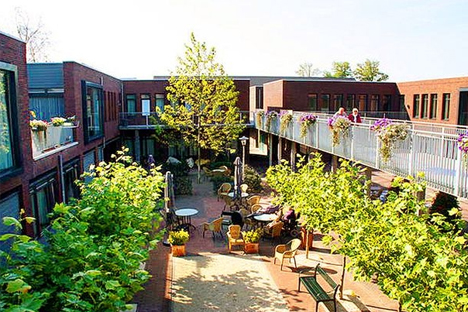
dimentia second story view

It sounds like the dystopian plot of Dark City or The Truman Show, with free-seeming residents unaware they are actually inhabitants of a closed community they cannot leave and  in which they are under constant surveillance … but that is only one side of the story.
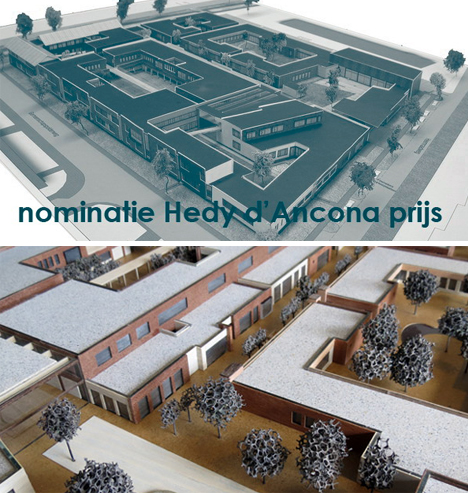
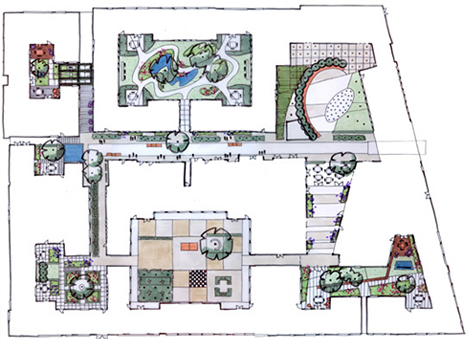
dimensia overall site planning

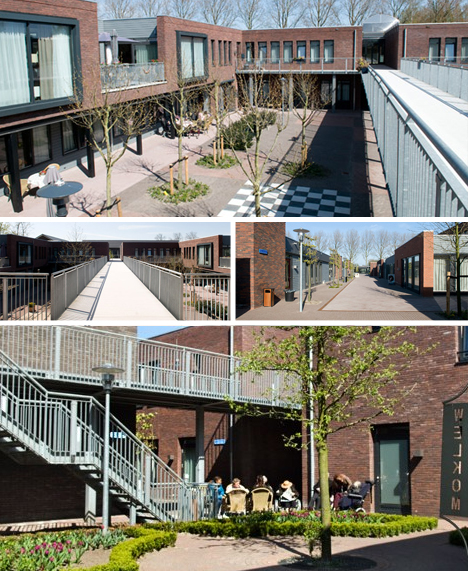
dimentia public outdoor space

A total of 150 Alzheimer’s sufferers live in Hogewey, this gated community unlike any other. Located in the Netherlands, it boasts open copious walking paths and green spaces, a grocery shop, hair salon and dozens of stores and clubs.
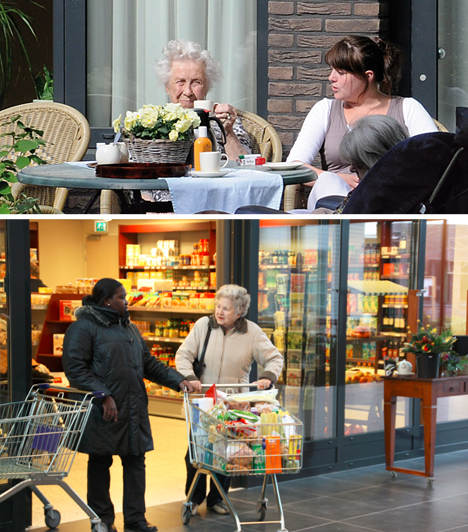
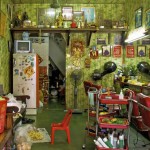
dimentia village resident grocery

The friendly grocers and stylists are, however, all employees of the facility (caregivers, doctors and nurses). If someone approaches the single exit to the outside world they are politely, gently but firmly told to perhaps try another door as this one is closed.
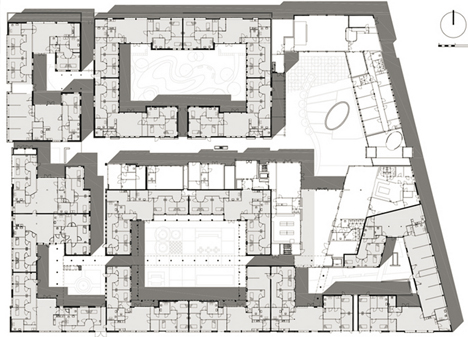
dimentia interior focused plan

dimentiaville ramps parks paths

If this sounds like a terrible situation, consider this: patients can roam much more freely than in many elder car facilities. Patients here require fewer medications, eat better and live longer. Still, it raises philosophical questions that are difficult to answer about the relative value of knowledge and happiness, for instance.
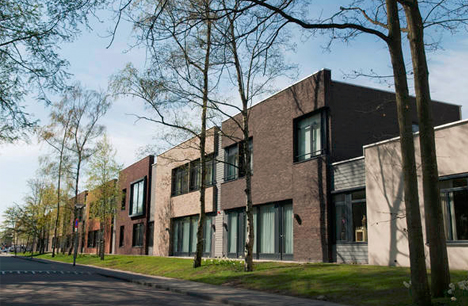
village exterior facade view

themed patient room interiors

Dormitory-style rooms are situated around the exterior of the campus, allowing views out, but building exits all face inward. Each residence structure has a “lifestyle theme” associated with it, designed to make people feel it home, surrounded by appropriate religious symbols for some, music and art for others.
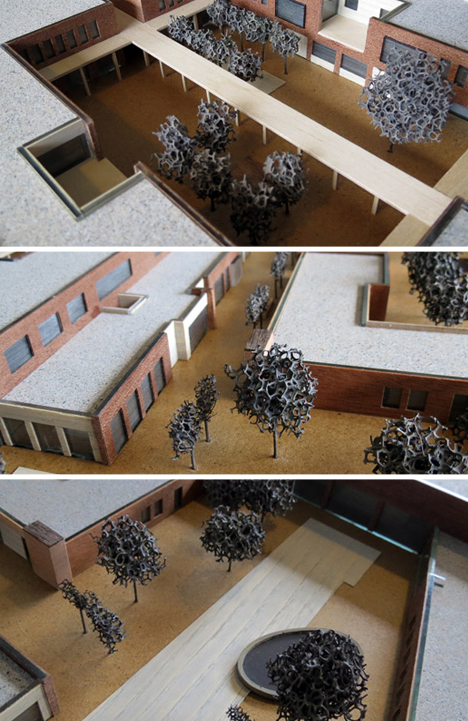
dimentia city architecture model

CNN’s Dr. Gupta traveled to Weesp, the village in which the facility is set, and interviewed caregivers in this extensive twenty-three-minute segment on its purpose and workings. Some people question the ethics of the inherent deception, but if the residents feel at home, it is hard to say what a better alternative might be than this seemingly-ordinary everyday reality.

Share on Facebook


[ By WebUrbanist in Architecture & Public & Institutional. ]

[ WebUrbanist | Archives | Galleries | Privacy | TOS ]

WebUrbanist

 
Comments Off on No Exit: Dementia Village Dwellers Live in Alternate Reality

Posted in Creativity


Camera Review – the Sony A7R

19 Feb

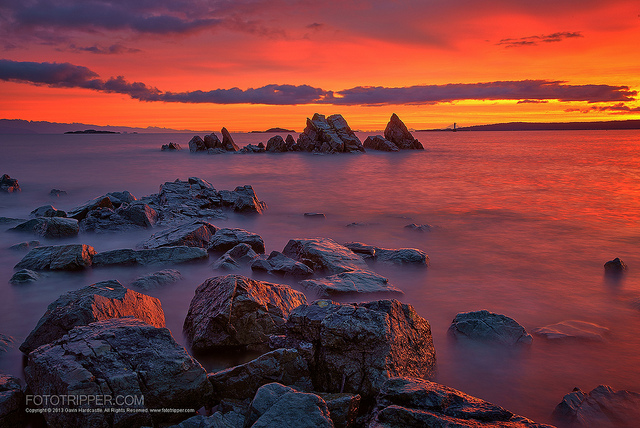
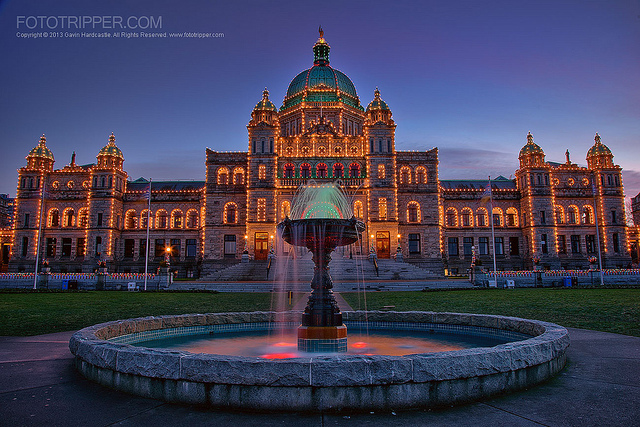
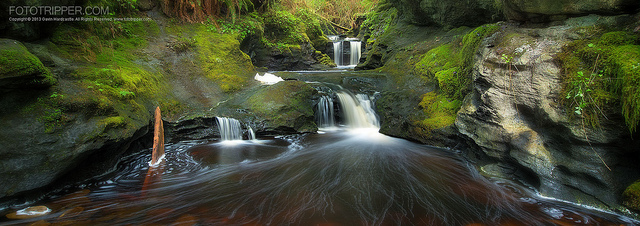
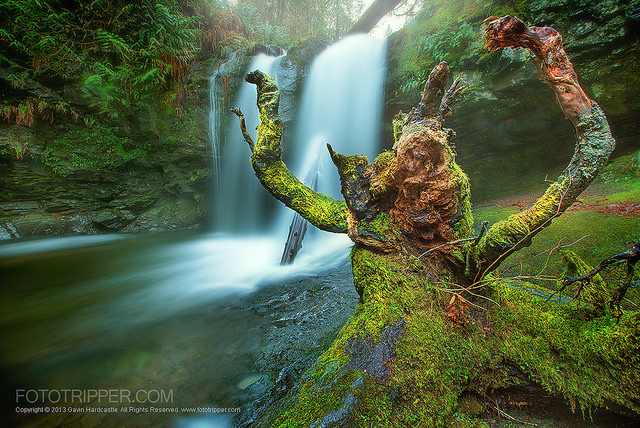
Sony A7R Example shot from one exposure – ‘Ferocious Stump’ By Gavin Hardcastle

Initial Impression of the Sony A7R

I started writing this Sony A7R Review with the sentence ”I hate the Sony A7R”, such was my vitriol over this infuriating yet impressive piece of tech. And that’s what the A7R is, it’s a technological marvel crammed into a tiny, sharp edged box. If you’re like me, converting from Canon or Nikon, you’ll find the learning curve painful as you discard much of the logic you’ve grown so used to.

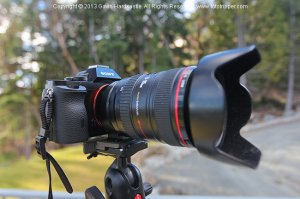
Sony A7R Review with Canon L LensesThat being said, each day my hatred of the Sony A7R diminished as I chipped away at the quirks to uncover the gems this little Pandora’s box has to offer. As expected, the image quality is superb. Having this kind of dynamic range at my fingertips is pure luxury and I’m seeing such a crisp sharpness from my old Canon 24-105mm lens that it’s quickly become my go-to lens of choice.

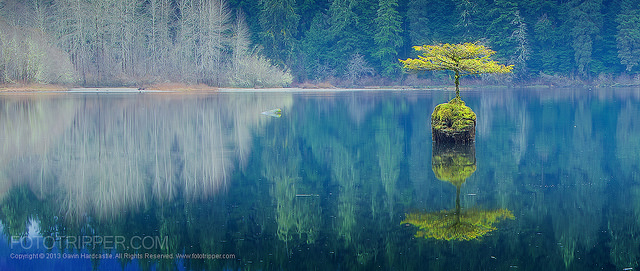
Sony A7R Example – HDR shot ‘The Frost Fangs’ By Gavin Hardcastle

Could I Learn to Love the Sony A7R?

Sony made a great sensor and some really clever technology, but in terms of ergonomics and overall creative workflow, they could learn a lot from the likes of Canon and Nikon. Compared to the sterile feeling A7R, my trusty old Canon 5D mkII feels like a worn in glove that’s perfectly moulded to my hand with everything in the right place. The A7R is like a soulless Cylon that sports the biggest firepower but is completely devoid of heritage or heart.

The problem is, my 5DmkII perished horribly a couple of months ago so I bought the Sony A7R and even splashed out the $ 412 Canadian dollars for the crappy Metabones adapter that fidgets around in the Sony E-Mount like a 5 year old after a super sized Slurpee binge.

Sony A7R ReviewAlthough this is not Sonys fault, this entire setup really has its problems and I’ll be honest, if I hadn’t already taken the plunge and fully committed to this purchase, I’d probably have taken it back to the store to exchange it for something else. Oh but wait, there is nothing else that comes close to the Sony A7R in terms of specification versus price.

So I’m stuck with it, and what do people usually do when they have no choice, but to get along? They figure out ways around the problems and make do. That’s when my hatred of the Sony A7R started to turn into begrudging admiration, dare I say….. even… love?

Sony A7R Example – HDR shot ‘The Capitol’ By Gavin Hardcastle

Very Customizable

The good news is that the A7R is highly customizable, so if you’re willing to spend days digging through the menus, reading the useless manual and trying a bit of experimentation, you’ll be able to tweak it your tastes – I hope. NEX users will already be familiar with complicated menus and I’ve heard that the A7R is much simpler. I expect NEX users will read my review and groan, possibly even accuse me of being a purist old fart who can’t let go of the old DSLR ways (cue more groans from film shooters).

So, without further waffling, here’s a list of things I love about the A7R and a list of things I hate; so that you know what you’ll be getting yourself into should you decide to buy this powerful little beast of a camera.

What I love about the Sony A7R:

  • The 36 MP sensor is excellent in terms of resolution and dynamic range
  • It’s light weight, my tendonitis loves that – but there are drawback as you’ll see below
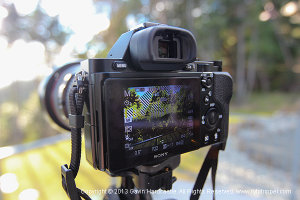
  • The digital spirit level in the display – always get perfectly level shots without a green plastic bubble in your hot shoe – nice
  • The manual focus assist – It displays little marching ants to indicate you’ve hit the sweet spot
  • The Live View looks great in the monitor screen
  • I can angle the monitor screen to make shooting near the ground easy. No more lying prone like a sniper and getting a neck crank.
  • The info icons on the display are very helpful once you learn what they all mean.

Sony A7R Example shot from one exposure ‘Tendrils’ By Gavin Hardcastle – click to see a larger version on Flickr

What I hate about the Sony A7R:

  • It’s too small. By all means keep it light, but for a grown man it would fit much nicer in the hand if it was slightly larger. When it comes to electronics – small isn’t always best.
  • I don’t like the EVF (electronic view finder). Call me old fashioned but I like being able to look through a piece of glass and see my composition even with the camera turned off. Not so much an issue with the A7R specifically, as this is just the way of mirrorless cameras in general.
  • The battery life is pretty shabby due to the EVF and monitor screen always being in use. You’ll be buying that extra battery grip for sure. You can switch off the monitor to save juice.
  • Auto Focus is pretty dire compared to Canon/Nikon but I’ll reserve final judgement until I try out a native Sony/Zeiss lens.
  • If you use the default controls for manual shooting it’s very easy to accidentally hit the adjustment wheel. I’m forever changing my ISO and white balance without meaning to – most enraging.
  • Bracketing will not work in unison with the 2 second self timer. You have to choose one or the other. If you want to bracket without touching the shutter you’ll need to buy a remote.
  • The TimeLapse and Timelapse LE app is utterly useless. No bramping (bulb ramping) and it won’t trigger bracketing mode.
  • It’s slow to save files – If you shoot RAW+JPEG in low light you’ll get very familiar with the ‘Processing’ message on the monitor screen. The drawback of having 36 megapixels I guess.
  • Ergonomics – it’s like a matchbox. Ever heard of curves Sony?
  • Ditch your old SD cards. 36 MP Raw files need some super fast cards .
  • The balance is terrible with legacy DSLR lenses. If you shoot handheld and have a medium to large lens, you’ll hate the feel of the A7R. The native Sony/Zeiss lenses however, are all nice and small so it’s only an issue with your clunky old DSLR glass – which might be exactly why you bought the A7R in the first place.
  • Shutter shock with long lenses causes significant vibration and ruins images due to blurring. Apparently this can be improved by adding a weight to the camera. Some user have reported the battery grip fixes the issue. One more example of the camera being too small for its own good.
  • There is no separate battery charger. You have to connect the camera to the mains via the shortest cable I’ve ever seen. You’ll be shelling out an additional $ 50 for the Sony BC-QM1 battery charger.
  • Auto White Balance fails 80% of the time when using Canon lenses via an adapter.

The Manual (pamphlet) of shallowness

The Sony A7R comes with the most useless user manual I’ve ever seen. It has about as much depth as a Miley Cyrus song and leaves you with more questions than answers. On page 82, the manual mentions that there is an in depth ‘Help Guide’ available at a url that is no longer available. After much scouring of the interwebs I found the real link to the Sony A7 / A7R Help Guide which still works at the time of writing. I’m sad to say I’ve read the entire thing and still needed to find answers to my many problems by forum digging.

Sony A7R Example shot from one exposure ‘Tenacity’ By Gavin Hardcastle

Extra dollars you’ll have to spend on accessories

  • Battery charger
  • Remote shutter release if you want to bracket with 2 second timer
  • Battery grip – for added weight, better balance and longer battery life
  • Extra battery
  • New super fast memory cards

Do you really need 36 megapixels?

Sony A7R Review and Example Shots

Of course you do. It doesn’t matter if you only ever print small images, with 36 megapixels your compositional horizons are greatly expanded because you now have the power to crop like a boss. If you don’t own a $ 6k super telephoto lens, it’s no problem, just take the shot and crop it in post with plenty of resolution left over.

Will you need a new hard drive?

Of course you will. These RAW files are humongulous. If you’re squeamish about losing precious disk space, the Sony A7 is probably the better option with its faster auto focus, smaller files and lower price tag.

Do I recommend this camera?

If you’re a landscape shooter, I would recommend that you buy this camera. If you’re any other kind of shooter and never have the need to print massive images and don’t do much cropping, buy the A7.

Why this is an awesome camera

I admit it, I love the A7R. Even though my list of grumbles is way longer than my list of plus points, it all boils down to the fact that the image quality of the A7R is simply awesome. I’ve learned to work around the annoying quirks and when you consider that Sony’s native lenses are very, very small, it all starts to make sense. Sure, it’s great that we can all attach our old lenses via adapters, but if I could afford to replace my giant, heavy Canon glass with miniature sized Zeiss glass that might possibly do a better job – I totally would.

Have you tried out the Sony A7R? What is your experience? Share with us in the comments please.

The post Camera Review – the Sony A7R by Gavin Hardcastle appeared first on Digital Photography School.


Digital Photography School

 
Comments Off on Camera Review – the Sony A7R

Posted in Photography


Your camera’s best amigo: Miggo Strap and Grip review

18 Feb

Miggo-4.jpg

The Miggo straps and grips bring a lot of innovation to the way we tote and transport our beloved investments. Their versatile multi-use designs combine a high quality camera wrap, a method of securing the camera to your person and lens cap pocket all in one. Are the days of traditional camera toting coming to an end? Find out in our review

News: Digital Photography Review (dpreview.com)

 
Comments Off on Your camera’s best amigo: Miggo Strap and Grip review

Posted in Uncategorized


Beyond Full Moon Photography

18 Feb

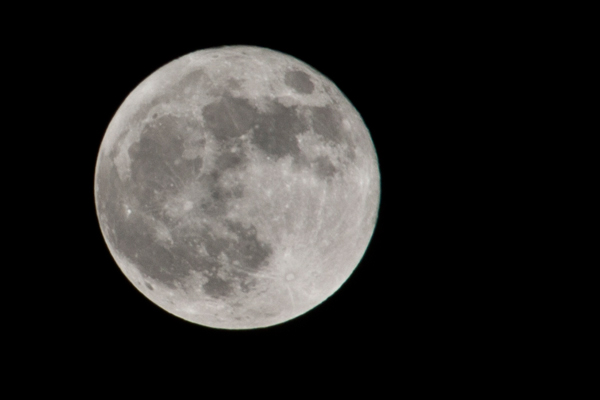
The rising full moon is a shot on many photographers’ bucket lists, but how many of us remember that the moon is even there on those other 28 days of the lunar month? Forget the moon no longer; there are many great reasons to keep shooting the moon throughout its phases.

moon, full moon, photography, how to

Better Craters and Contrast

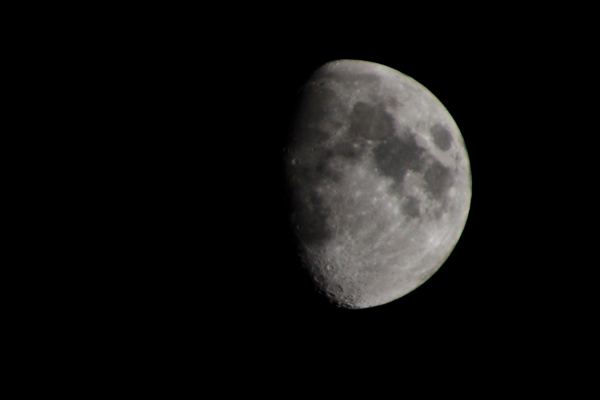
Craters are a fascinating feature of the lunar surface, and they are easier to feature when the moon is no longer full. During a full moon, an entire side of the moon is visible and reflecting the sun’s light back to us. Craters, by contrast, look better in shadow, as this less direct light highlights the differences in elevation on the surface and bring better contrast and definition. A gibbous moon (the lumpy phase between full moon and the first or last quarter when the moon looks half full) is an excellent choice for craters. Along the edge where the moon fades into blackness, you will be able to capture the deep shadows of the craters in your moon photographs.

moon, moon photography, gibbous moon, how to, craters

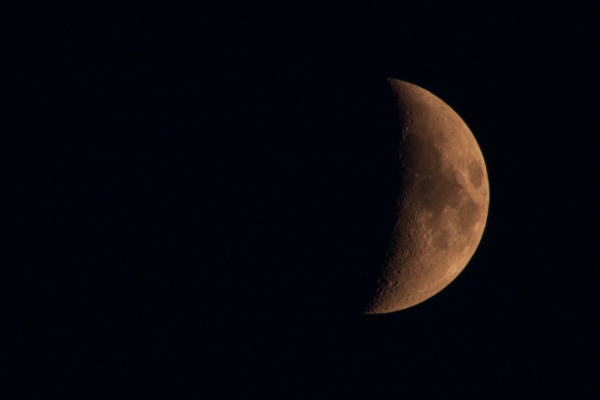
As the moon continues along its progression, it will pass from gibbous through the first quarter, and enter the crescent phase. Before the moon reaches its classic, skinny crescent shape, there are also many opportunities to capture it that emphasize the craters. Because the moon is visible at different times of day and night during different phases, you will also be able to capture the different colors of its light.

moon, moon photography, crescent moon, how to, crescent, craters

Crescents and Earthshine

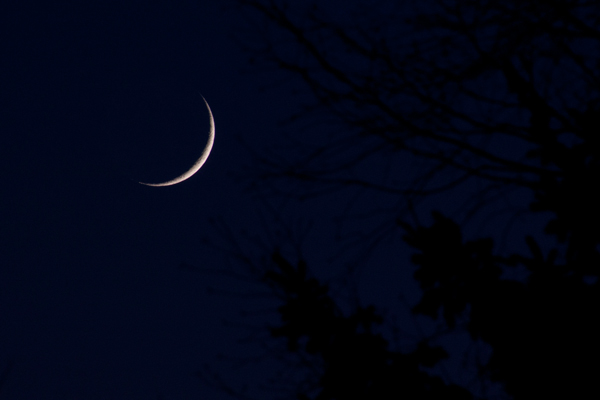
The crescent moon is the phase between first or last quarter and the new moon, when the unlit side of the moon is facing the earth. The crescent shape is hugely significant in many cultures. It is often the version of the moon drawn by children, yet it can be overlooked by photographers. The crescent moon is generally visible during the daytime hours, which can make it more difficult to see and photograph successfully. But, as the crescent reaches its smallest size, you will be able to capture it setting in the early evening, against the brilliant deep blue skies that are well-suited to moon photographs.

moon, moon photography, crescent moon, how to, crescent, craters

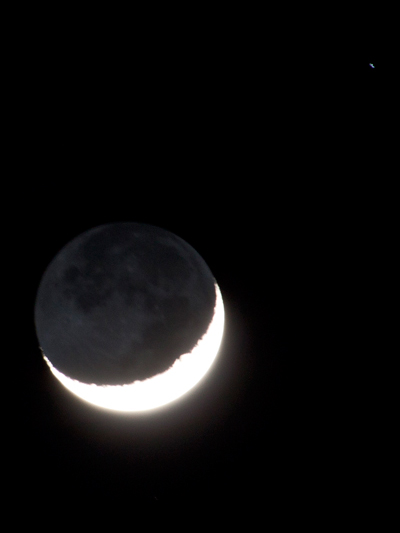
Another phenomenon to photograph with the crescent moon is known as earthshine. If you stare closely at a slim crescent moon, you should just be able to see the darkened outline of the rest of the moon’s surface. That surface is dark because it is no longer reflecting the light of the sun. The fact that you can see it at all is because that part of the surface is reflecting back light from the earth, hence the term “earthshine”.

moon, moon photography, crescent moon, how to, crescent, earthshine, star

If you want to capture a shot of the crescent moon showing earthshine, you will need to shoot in manual and significantly overexpose the image. The crescent part of the moon will become overexposed (very bright) as you bring out details within the shadowed sections of the moon, which can result in a very unique moon shot. A tripod or a camera with good high ISO performance is critical, as is a longer zoom lens. Try to keep your shutter speed below a second or two, otherwise the moon will begin to move during the exposure and blur the image.

Timing and Backgrounds for Moon Photography

A moon photographed alone, however, is simply a shot of the moon. To really make an impact with your moon photography, regardless of the phase, you need to feature an interesting foreground or background. The two critical components here are knowing the timing of moonrise or moonset, and knowing the approximate location of the moon in the sky.

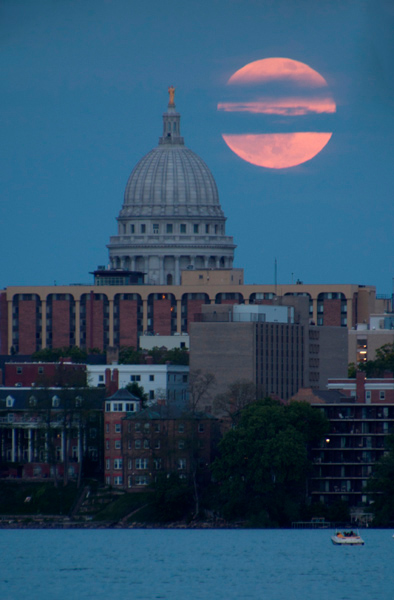
The Photographers’ Ephemeris is downloadable software (free for laptops and desktops but a paid app for Apple and Android phones and tablets) that lets you view the moonrise and moonset times (as well as sunrise and sunset times) against a map, which allows you to plot out exactly where the moon will appear in the sky, depending on where you are standing. Moonrise and moonset tables and times are also easily available and searchable online. You can use the ephemeris to determine exactly when and where to stand if you wish to photograph the moon rising or setting over a specific place or landmark.

moon, moon photography, full moon, how to, Madison, Wisconsin, orange moon

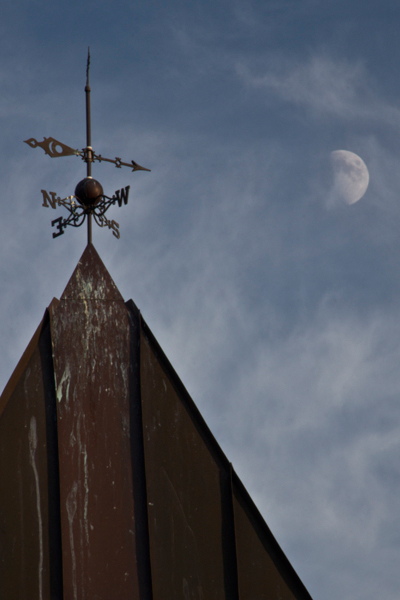
You are not limited to only shooting the moon at night. Depending on its phase and timing, you can photograph the moon during the daytime too, which makes it easier to experiment with interesting foregrounds. By walking around, moving up and down, and otherwise changing your perspective, you can ‘move’ the moon where you want it to appear in your final image. The longer the focal length that you can use, the larger you can make the moon look, relative to the other objects in the image.

moon, moon photography, full moon, how to, gibbous, half moon, photography

Variations

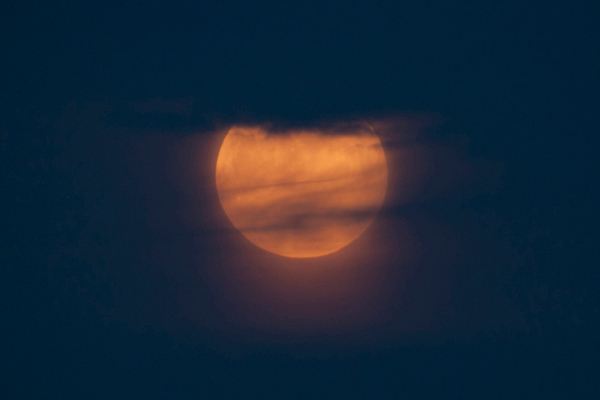
There are an infinite number of variations on moon photography. Do not let yourself be limited by the full moon, only shooting the moon at night, or only when it is rising or setting. Do not let clouds stop you from looking for the moon. Pay a little more attention to the moon throughout the month, and you will find many opportunities for moon photography.

moon, moon photography, full moon, how to, clouds, photography

Have you got some great shots of the moon or some addition tips? If so please share them in the comments below!

More night photography articles:

  • Moon Photography: 6 Tips for Better Moon Photos
  • The Mystery of Night Photography – 35 Images of the Night
  • How To Photograph Star Trails
  • Light Painting Part One – the Photography

The post Beyond Full Moon Photography by Katie McEnaney appeared first on Digital Photography School.


Digital Photography School

 
Comments Off on Beyond Full Moon Photography

Posted in Photography


Aus dem Facettenreich

18 Feb

Ein Beitrag von: Petra Holländer

Farben sind überall um uns herum, sie sind ständig präsent, doch in der richtigen Kombination faszinieren sie und bringen uns zum Staunen. Inspiriert von Austin Totts Serie „Overly Organised“, beschloss ich, meine eigene Fotoserie von Gegenständen zu machen, jedoch nicht in Form von einer Szene zusammengehöriger Objekte, sondern nach Farbschemata.

Ich fing mit einer unbunten Farbe, nämlich Schwarz an und begann einfach, schwarze Objekte zu sammeln. An diesem Tag war ich mit meiner Familie zu unserem Gartenhaus gefahren – unglücklicherweise war es draußen nass und nicht besonders hell. Ich beschloss, das Foto draußen auf einem Tisch aufzunehmen, da drinnen zu wenig natürliches Licht vorhanden war und breitete also meinen mitgebrachten schwarzen Karton auf dem Tisch aus.

black © Petra Holländer

Als ich genügend schwarze Gegenstände gesammelt hatte, legte ich sie auf das Papier auf und versuchte, eine möglichst spannende Anordnung zu erzielen. Nun konnte es eigentlich schon losgehen mit dem Fotografieren!

Doch hier trat schon das erste Problem auf: Ich hatte nur mein 50mm-Objektiv bei mir, mit dem ich sonst eigentlich immer gut zurecht komme, da ich hauptsächlich Portraits mache. Nun war jedoch der Tisch zu hoch und ich zu klein, sodass ich nicht alle Gegenstände vor die Linse bekam.

So musste ich auf eine ziemlich wacklige Leiter steigen, um mein Bild zu bekommen. Finster wurde es auch schon und es dauerte eine Weile, bis ich mein Foto halbwegs scharf hinbekam. Im Nachhinein ist man natürlich immer schlauer und ich hätte das Foto ganz anders gemacht.

brown © Petra Holländer

gelb © Petra Holländer

Mit diesem neuen Wissen machte ich mich eine Woche später an die nächste Farbe, nämlich Braun. Unbewusst entschloss ich mich, nur Naturmaterialien, sowie meine schrägste Fotorequisite – einen toten Fuchs – im Foto zu zeigen.

Das Sammeln der Naturmaterialien machte einen Riesenspaß, jedoch musste ich dann beim Bearbeiten des Fotos feststellen, dass das Muster des Koffers, den ich als Hintergrund ausgewählt hatte, zu unruhig war und zu sehr vom Eigentlichen ablenkte.

Ich liebe alles, was mit Natur zu tun hat, so auch die Gegenstände auf dem braunen Foto, doch im Nachhinein betrachtet, passt dieses Foto einfach nicht zu den anderen. Trotzdem möchte ich es in der Serie behalten, weil es ja doch irgendwie dazu gehört und mir beim Schießen der weiteren Fotos geholfen hat.

grün © Petra Holländer

Die folgenden Fotos liefen dann alle nach dem gleichen Schema ab: Ich fuhr zu meinen Eltern nach Hause, meist mit einem geeigneten Hintergrund in der Tasche, und begann mit der Suche nach farblich passenden Objekten.

Die Entscheidung, bei meinen Eltern zu fotografieren, traf ich, weil es in meiner Wohnung nicht besonders hell ist und weil meine Eltern einfach viel mehr Dinge besitzen als ich. Was nicht daran liegt, dass sie zu viel aufheben, sondern daran, dass ich gerade erst ausgezogen bin und ich deshalb noch nicht so viel besitze. Außerdem konnte ich so in meinen alten Spielsachen kramen, was wirklich toll war und viele Erinnerungen hervorrief.

weiß © Petra Holländer

gold © Petra Holländer

Nach und nach wusste ich immer schneller, wie ich die bunten Gegenstände anordnen musste, damit es mir gefällt. Zum Beispiel, welches Ding ich wohin legen musste, damit es nicht auf etwas Kleineres einen großen Schatten wirft und so weiter. Technisch gesehen wurden die Fotos auch immer besser und vor allem schärfer.

Was mich jedoch am meisten an der Serie fasziniert, ist, dass es so viele unterschiedliche Farbnuancen gibt. Als ich in Schränken kramte und in Kisten wühlte, um bunte Dinge zu finden, hatte ich nur den Namen einer bestimmten Farbe im Kopf und das dazugehörige Bild vor Augen. Doch als ich dann die Objekte nebeneinander legte, merkte ich erst, dass es gar nicht das Gelb oder das Rot gibt, sondern jeder Gegenstand ein klein wenig anders koloriert ist.

red © Petra Holländer

Auch, wenn es noch so banal klingen mag, das war einfach eine tolle und faszinierende Entdeckung. Im normalen Alltag achtet man viel zu wenig auf diese kleinen Dinge, aber dann sind es doch sie, die einen zum Staunen bringen.

Die Arbeit an dieser Serie hat mich also nicht nur in puncto Fotografie ein Stückchen weiter gebracht, sondern mir auch wieder gezeigt, wie schön und facettenreich die Welt sein kann.


kwerfeldein – Fotografie Magazin

 
Comments Off on Aus dem Facettenreich

Posted in Equipment


Sony FE 35mm F2.8 ZA Carl Zeiss Sonnar T* lab test report

18 Feb

lensreview-thingsmall1.png

The Sony FE 35mm F2.8 ZA Carl Zeiss Sonnar T* is one of the first lenses for Sony’s fledgling full frame mirrorless system, offering a classic moderate wideangle view. It’s a small lens that nicely complements the Alpha 7 and 7R, but at around $ 800 / £680 it’s distinctly pricey for a relatively slow prime. So is it worth the money? Click through for the lens test data and our analysis.

News: Digital Photography Review (dpreview.com)

 
Comments Off on Sony FE 35mm F2.8 ZA Carl Zeiss Sonnar T* lab test report

Posted in Uncategorized


Abandoned Nazi Bunker Converted to Power Plant & Cafe

18 Feb

[ By Steph in Architecture & Public & Institutional. ]

Converted Nazi Bunker 2

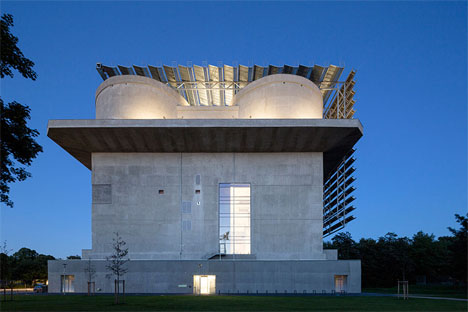
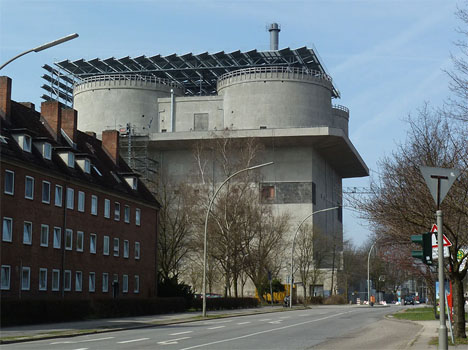
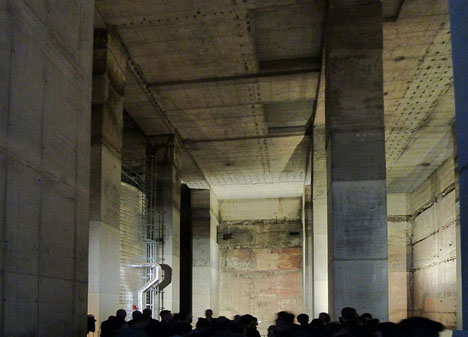
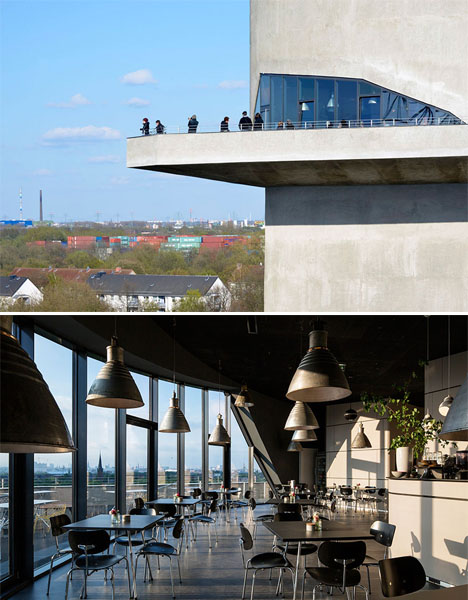
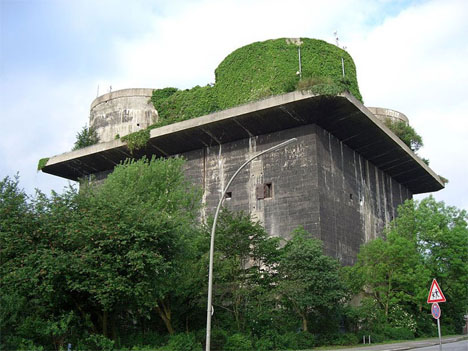
The words ‘Nazi power’ have taken on a new meaning in Hamburg, Germany as an abandoned bunker formerly equipped with anti-aircraft turrets has been transformed for a surprising new use. The Hamburg-Wilhelmsburg flak bunker helped shield city residents from aerial attacks for four years during World War II and was abandoned for decades until its conversion by IBA-Hamburg into a renewable energy power plant and memorial in one.

Converted Nazi Bunker 1

Converted Nazi Bunker 3

Converted Nazi Bunker 4

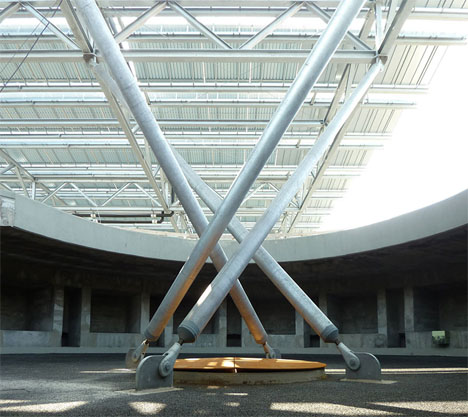
The fortress now meets the heating demands of 3,000 local households using 85% renewable energy including a biomethane-fired heat and power plant and a solar array on the roof that heats a 2-million-liter water tank for dwellings in the Weltquartier district. 30 meters above the ground, a cafe has opened for business inside one of the aircraft turrets.

Converted Nazi Bunker 5

Converted Nazi Bunker 6

The conversion project stands as both a symbol for the ‘Renewable Wilhelmsburg’ Climate Protection Concept, which aims to incorporate sustainability into urban planning, and a historic attraction. Before it was restored, the bunker was stained and shrouded in ivy.

Share on Facebook


[ By Steph in Architecture & Public & Institutional. ]

[ WebUrbanist | Archives | Galleries | Privacy | TOS ]

WebUrbanist

 
Comments Off on Abandoned Nazi Bunker Converted to Power Plant & Cafe

Posted in Creativity


18 February, 2014 – Fuji X-T1 Field Report

18 Feb

Possibly the most innovative camera maker today is Fujifilm. From unique sensor designs, to unique viewing systems, Fuji is constantly exploring new ways to help photographers capture images. Now, with the soon-to-be-released Fuji X-T1 the evolving X system has reached a maturity of sorts. Our contributing editor, Nick Devlin, recently traveled to the US Southwest and Canadian Midwest with an X-T1, and gives the net’s first field report on this exciting new camera.


You can win an all-expenses paid photographic expedition to Antarctica, along with air fare from anywhere in the world. The value of this prize is $ 15,000.

The Luminous Landscape wants you to try any of our more than 60 training or travel videos and our new free video player. Each purchase is an entry, and an annual subscription that includes all previous as well as new videos counts as six entries. The winner of a free lifetime subscription is also chosen from each month’s entries.


FIND OUT MORE


The Luminous Landscape – What’s New

 
Comments Off on 18 February, 2014 – Fuji X-T1 Field Report

Posted in News


The 16 Most Photogenic Everyday Objects, Part Two

18 Feb

In part 1, I spoke about 16 of my favorite everyday objects to include in photographs.  These objects won’t always make a photo, but when included they will almost always make the scene more photogenic.

The purpose of these lists is to help add some inspiration for the next time you walk out the door to photograph. There is beauty to capture around every corner and sometimes it is the simple things that make the most interesting images.

What’s on your list of most photogenic everyday objects?

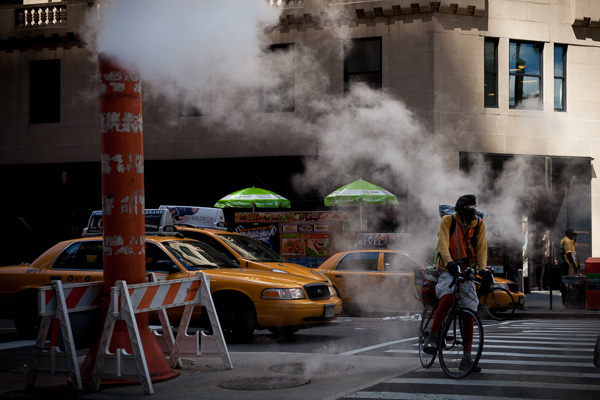
1. Smoke

Find some roadwork and wait for magic to happen. This is an easy way to create an image with a cinematic feel.

Bike Messenger and Smoke

Bike Messenger and Smoke

2. Restaurant interiors

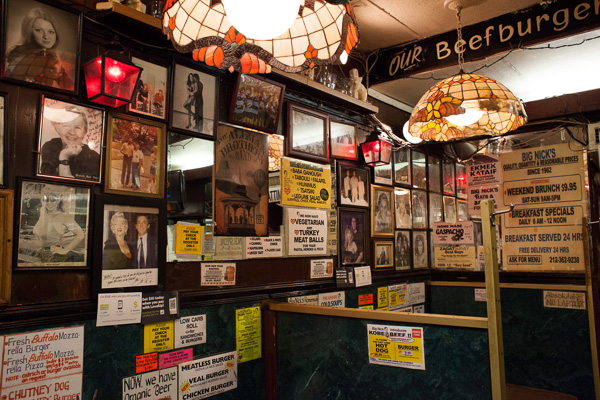
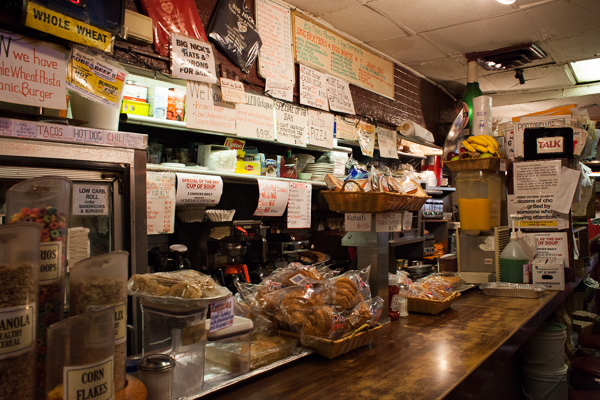
Many people get caught up in photographing their food and forget what is truly interesting, the restaurant itself. I find the long time, no-frill, and historical restaurants to be the most photogenic, but of course there are exceptions to every rule.

Big Nicks Diner

Big Nicks Diner

Big Nicks Diner

Big Nicks Diner

3. Things that are disappearing

One of the most important aspects of photography is its ability to document and encapsulate the past. In addition to taking photos when you travel, use the camera to document and remember your life at home. Capture the simple things that you take for granted, because one day you will suddenly find them gone. The above photos are from my favorite restaurant growing up, Big Nicks, which went out of business in 2013.

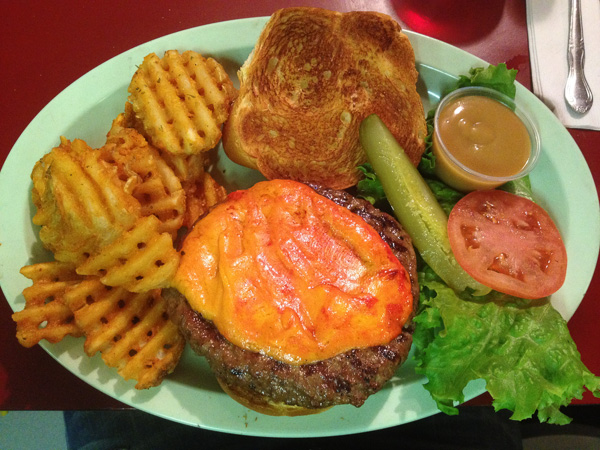
If you are going to photograph your food, why don’t you capture your favorite meal from growing up? I present to you all the port cheddar burger and waffle fries with honey mustard from the late Big Nicks.

Big Nicks Port Cheddar Burger

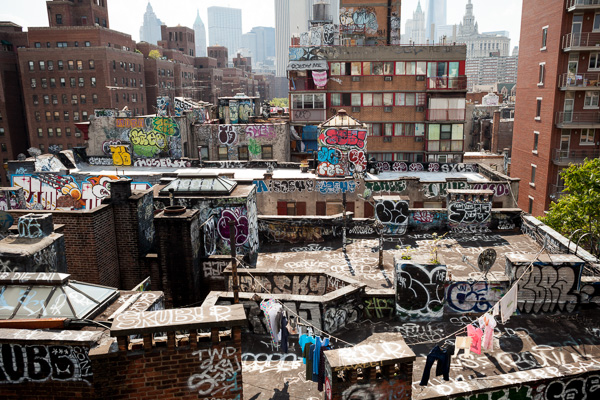
4. Grafitti

Graffiti from Manhattan Bridge

Graffiti from Manhattan Bridge

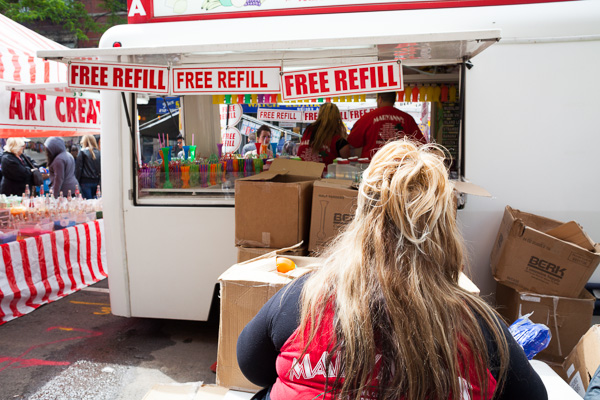
5. Interesting hair styles

I prefer to capture people from the front whenever possible, but combining a unique hairstyle from the back with an interesting background behind it can create a very graphic image.

Loisaida Street Fair, Lower East Side

Loisaida Street Fair, Lower East Side NYC

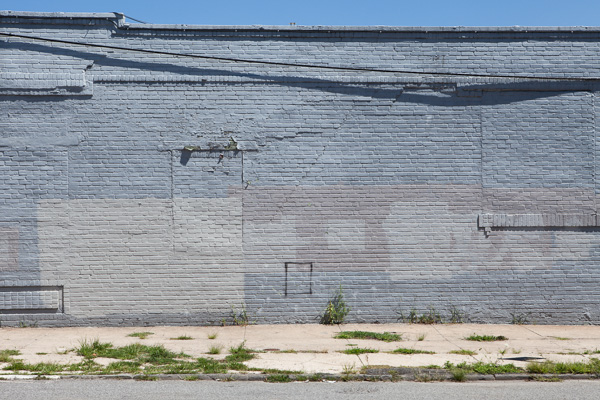
6. Muted and worn colors

Don’t let instagram filters fool you. Muted and subtle colors can be much more striking and beautiful than highly saturated images.

Gowanus Wall

Gowanus Wall

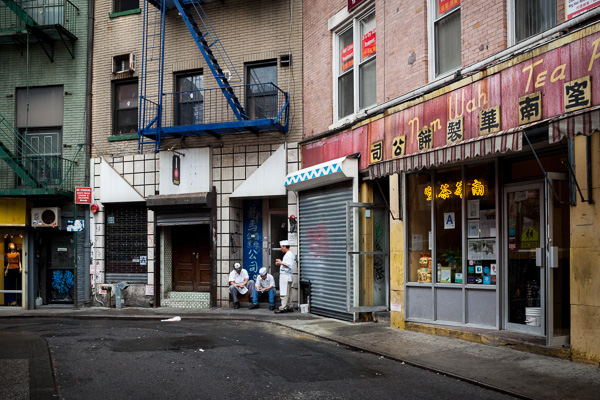
7. Things in threes

The number three is the most glorious number in photography. Objects and people in threes always seem to look good in an image. Why? I think it comes down to the triangle. Three objects will create a triangle shape within an image, which gives the eyes a clear route to move around the image, making it feel more balanced.

As a sidenote, the number three also works when displaying your images. Three images with similar content placed next to each other will help to enhance each individual image. For street photography, a single candid image of a stranger on your wall can look out of place, while three of these images next to each other can work very well.

Chinatown Chefs

Chinatown Chefs

8. Bikes

East Village Bikes

East Village Bikes, NYC

9. Tiny details

If your images do not feel graphic enough, then get in closer. It’s surprising how many stories can be told through the tiniest of details.

Prospect Park, Summer

Prospect Park, Summer

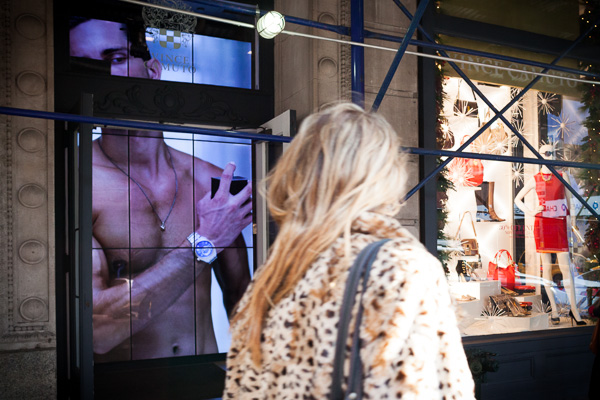
10. Shops and shop windows

Shop windows might seem boring now, but they will age the quickest as fashions and times change. Sometimes the images that seem the least interesting now will be the most interesting in the future. Look at the images of Walker Evans of Eugène Atget for reference.
SoHo Shop Window

SoHo Shop Window

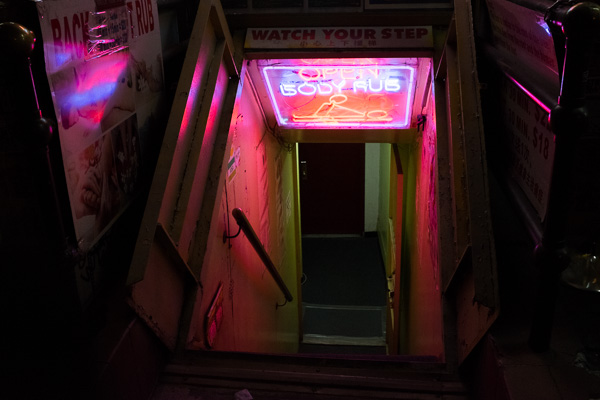
11. Neon signs

Massage Parlor, Chinatown

Massage Parlor, Chinatown

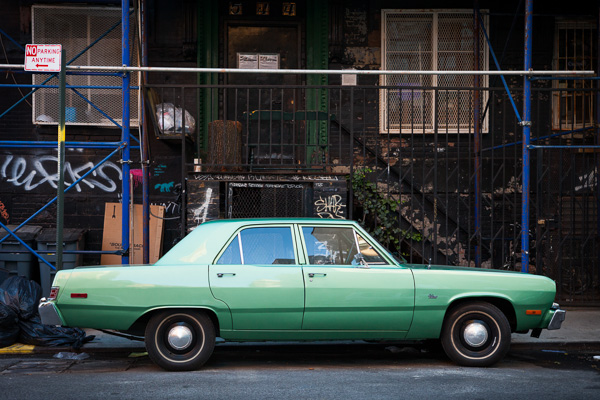
12. Old cars

When possible, try to put together a scene and capture the background in addition to the car.

Old Car

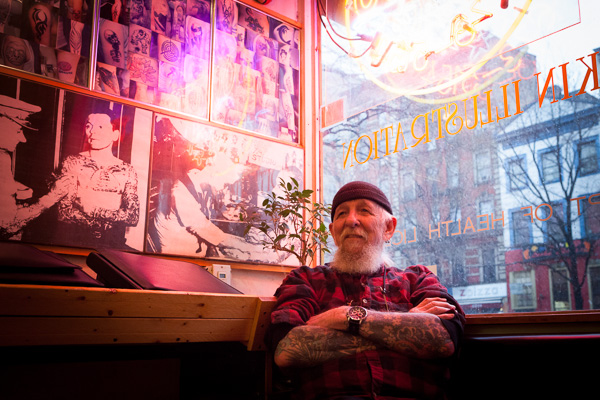
13. Tattoos

And tattoo parlors.  Don’t be afraid, go in there!

Tattoo Parlor

Tattoo Parlor

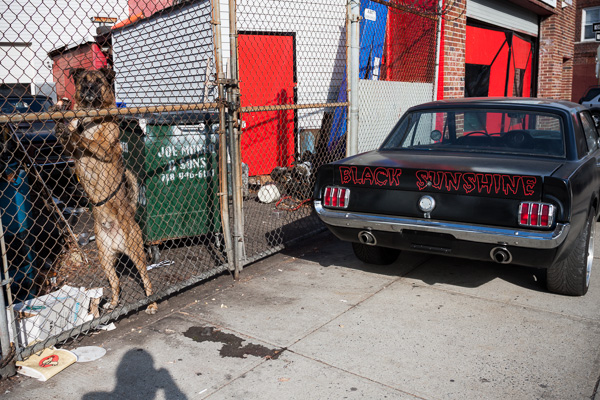
14. Dogs

Man’s best friend, except in this case.
Black Sunshine and Dog

Black Sunshine and Dog

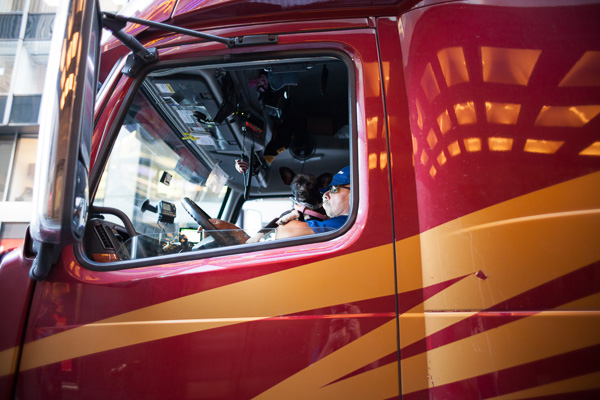
Even burly truck drivers like dogs.
Truck Driver and Dog

Truck Driver and Dog

15. Trash

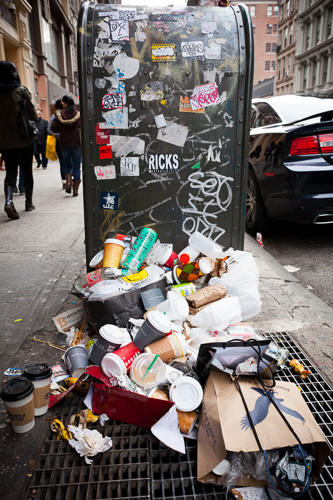
This one is meant to stir the pot a little bit.  No, this is probably not going on my wall (my wife won’t let me), but that does not mean it is not interesting and photogenic.  It is colorful, graphic, diverse and poignant. There are a litany of brands represented: Arizona Iced Tea, Snapple, Starbucks, American Eagle, Marlboro, Guess, and Armani, among others.  Just because it’s not the type of image that is fit for a wall does not mean it can’t be beautiful.  Also, in 50 years this image might have some historical interest when many of these brands are out of business.

SoHo Trash

SoHo Trash

16. Fashion trends

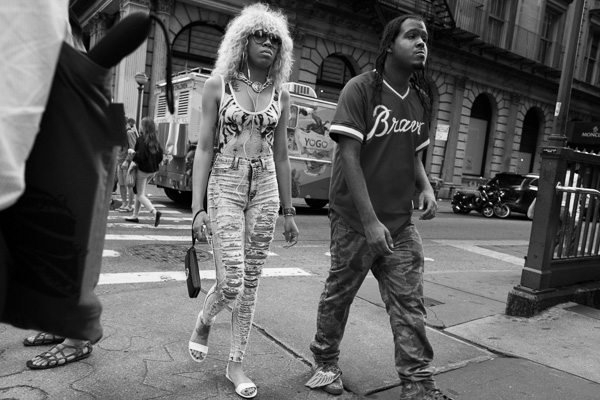
The beauty of walking the same areas over and over with a camera is that you are more aware of and able to witness things as they change. Just as you want to photograph things that are disappearing, you also want to capture what is replacing them. New fashion trends are the most obvious ways of capturing times changing.

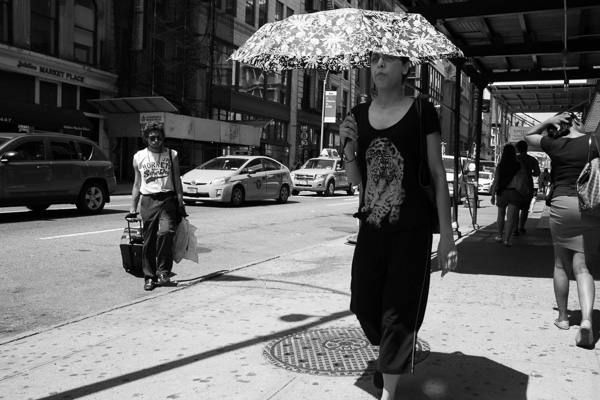
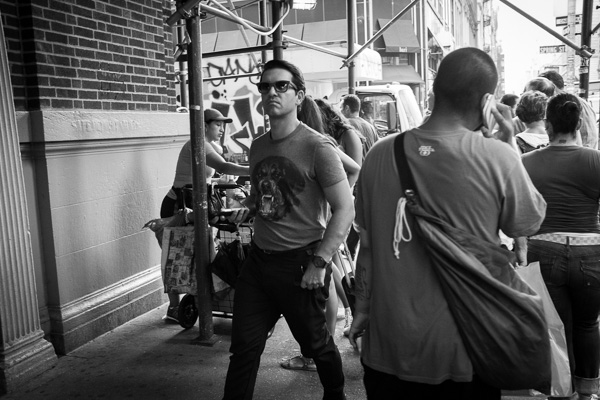
This last summer in SoHo saw the rise of people wearing shirts with animals that looked exactly like them. So yeah… that’s a strange new trend that makes for a very fun photo series.

Urban Tiger, SoHo

Urban Tiger, SoHo

Urban Tiger, SoHo

Urban Tiger, SoHo

Rottweiler Shirt, SoHo

Rottweiler Shirt, SoHo

Urban Tiger, 2 Train

Urban Tiger, 2 Train

What things that are “ordinary” do you like to photograph?

More ideas for photography close to home: 

  • Jumpstart Your Photography: Start a 365 Project
  • 5 Good Photography Habits to Start Today
  • 8 Photo Projects in Your Own Backyard

The post The 16 Most Photogenic Everyday Objects, Part Two by James Maher appeared first on Digital Photography School.


Digital Photography School

 
Comments Off on The 16 Most Photogenic Everyday Objects, Part Two

Posted in Photography


CP+ 2014: Selected highlights of the show

18 Feb

DSCF1339.jpg

The CP+ show in Yokohama Japan has closed, but we’ve still got plenty of content in the pipeline including more interviews with senior executives from the major camera manufacturers which we’ll be publishing over the coming few days. Until then, click through for a look at some of the highlights from this years’ show including a miniature model of Yokohama, lots and lots of snow, and plenty of things that had been cut in half. Oh – and some cameras. 

News: Digital Photography Review (dpreview.com)

 
Comments Off on CP+ 2014: Selected highlights of the show

Posted in Uncategorized