RSS
 

Archive for January, 2014

Hourglass Lamp: Grid-Free LED Powered by Falling Sand

20 Jan

[ By WebUrbanist in Design & Furniture & Decor. ]

hourglass diy powered lamp

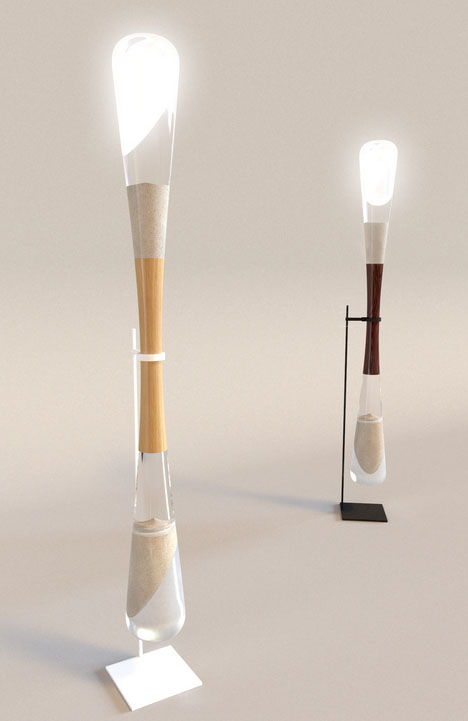
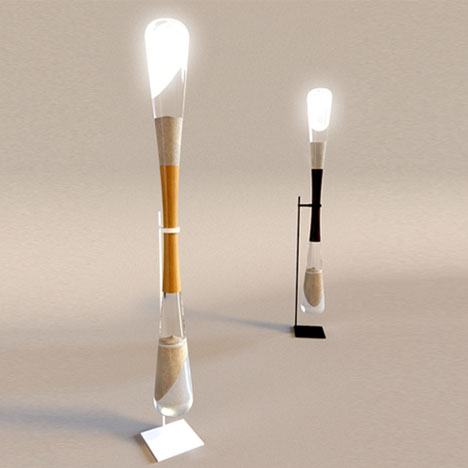
Traditional timepiece meets inventive illumination in this human-powered hourglass lamp that draws its energy elegantly from grains of falling sand.

hourglass light large sized

Designed by Danielle Trofe, each fixture pivots around a central point so users can easily rotate the wood-and-glass core, thus refreshing the timer and turning the light back on each time it runs out.

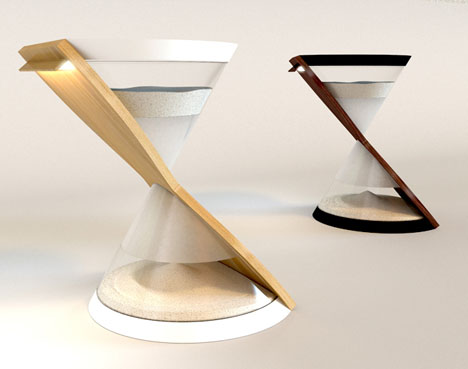
hourglass table sized light

A larger and longer-lit variant comes in the form of a table, essentially an extension of the same design but in a multi-functional format.

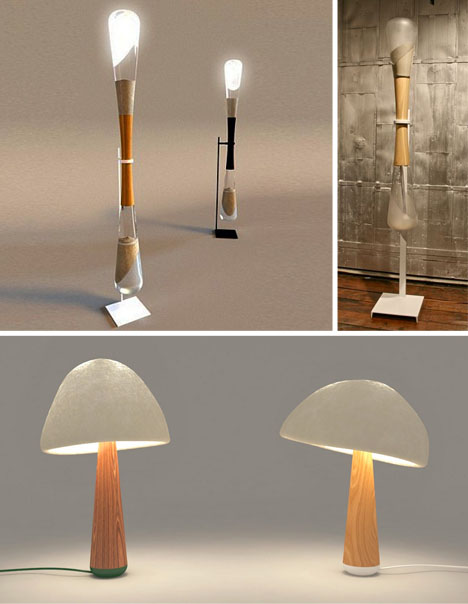
hourglass and mushroom lights

Other works by Trofe include the above mushroom-shaped lamps (Mush-Lume), which is built from agricultural byproducts (including mushrooms) and seems to balance precariously on its base. These are scheduled to launch on Kickstarter next month.

Share on Facebook


[ By WebUrbanist in Design & Furniture & Decor. ]

[ WebUrbanist | Archives | Galleries | Privacy | TOS ]


WebUrbanist

 
Comments Off on Hourglass Lamp: Grid-Free LED Powered by Falling Sand

Posted in Creativity


Metering Modes and How Your Camera Meter Works

20 Jan
Proper Exposure vs. How the Camera Exposes

Proper Exposure vs. How the Camera Exposes

Exposure is a complex beast. Mastering it is of the utmost importance. Exposure and composition are the two most critical components towards making a great image. Exposure is based on three components:

  1. The ISO or sensitivity to light
  2. Aperture or the size of the opening that will let in light, and
  3. Shutter Speed which defines the duration the light will have to pass through the aperture

Whether you shoot in Manual, Aperture Priority or Shutter Priority; there is no difference in how the meter evaluates the scene.

Measuring the light, or brightness of the scene you are trying to capture, is a critical component in determining the perfect exposure. To establish this you need a meter that can read the levels of brightness.

Exposure is measured using light meters.  There are two types: one measures the light falling on the subject or scene, called an incident light meter; the other measures the light reflected off the scene or your subject, and is called a reflected light meter. All meters that are built into digital cameras are reflected light meters, and we will be addressing that type in this article. The more you understand these meters and how they work, the better you will be at understanding and interpreting what they are telling you. Keep in mind that incident light meters are far more accurate than reflected light meters.

How does your camera determine exposure?

Reflected light meters attempt to read the amount of light in the scene you are trying to capture. Unfortunately, those readings are guesses. You may have had the misfortune of photographing a very dark or black subject and have it come out looking over exposed, or a snow scene where the snow looks grey or under exposed. The reason for this behavior is that the camera’s light meter believes that most scenes should average to a mid-grey, also referred to as 18% grey. This middle grey is a mid-point between the darkest shadows and the brightest highlight. Since the camera meter has no idea about white or black, you need to help it using some form of exposure compensation based on the tonality of your subject or scene.

Metering Modes

To help with exposure, and determining how much to compensate, cameras have various metering modes. Typically, the three basic modes are Matrix (also called Evaluative), Center-weighted and Spot metering. Each of these is applicable in particular situations, but do not rely on just one of these modes to do it all for you.

Evaluative Metering

Evaluative Metering

Evaluative Metering

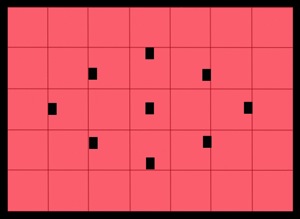
In this metering mode, the meter divides the scene up into a grid and analyzes each segment for highlight and shadow (bright and dark) information. Once that data is collected, it calculates the average value and bases the exposure on that average. Keep in mind that all cameras do not have the same number of areas within the frame. Also, they don’t all calculate the average value for exposure the same way. Manufacturers use complex formulas to arrive at exposure values.  Therefore, it is important that you understand how your camera behaves in various situations and learn when to trust it, and when not to trust it.

Many of the newer DSLR’s not only average the grid, but place additional emphasis on the focusing points that are in use during that particular image capture.

In the next series of images, matrix metering was used to set the exposure. Two foam-core boards, one white and the other black, were placed side by side in the same light.

For the first image, the camera read the exposure while it was pointed in the middle of the white and black boards.  The camera read all the white and the black and came to a reasonable conclusion by averaging the exposure.

S5A9661.jpg

Evaluative Metering – centered between the white and black boards

S5A9658.jpg

Metered off of the white board


The next image was shot with the camera meter reading taken from the white board.  The white was captured as grey and the black a darker grey.  This is because the camera tries to make everything neutral grey or 18%.


Metered on the Black Board

Metered off of the black board


In the third image, the camera read the exposure from the black board.  The resulting image is overexposed making the whites too bright, and a dark grey where it should have been black.


Center-Weighted Metering

center-weighted.jpg

Center-Weighted metering

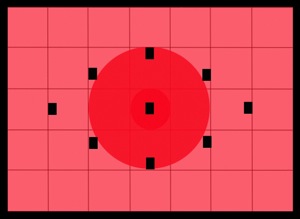
This method of metering lays the most importance on the central portion of the frame, which can be as much as 75% or more, while little or no importance is given to the corners of the frame. Many pro DSLR’s will allow you to adjust the diameter of the center weight area.

This mode of metering is preferred by many photographers and has a reasonable level of accuracy. Also keep in mind that most subjects tend to be centrally placed when framing. You then obtain the exposure and recompose before capturing the image.

Spot Metering

spot.jpg

Spot metering

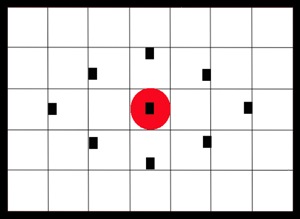
This mode measures the light from a very small part of the scene only.  The area measured is typically the center of the image, using approximately a 3 to 7 degree range of measurement.  It is usually less than 5% of the area of the frame. With most of the mid to upper end DSLR’s, you can arrange the placement of the spot within the frame so as to identify where you want the reading captured (usually it follows where you focus).

This is a very accurate metering mode. It will provide precise readings from small areas of your scene and is most effective in high contrast situations.

The same white and blackboards were photographed once again using spot metering. As you can see in the images below, the same problem exists. Even the spot meter was fooled.

_S5A9659A

Spot metered on the black (left image) and then Spot metered on the white board (right image)

To obtain a correct exposure so the camera is not fooled, a spot meter reading was taken using a grey card placed in the same light as the black and white boards.  This exposure setting based on the grey card was used to photograph the two boards.  The image below shows good exposure.

S5A9661.jpg

Exposure reading using a grey card

How do you switch metering modes?

The Metering icon is represented by an eye-shaped graphic within a rectangle. Your camera’s metering system may have three or more metering modes and the display will change based on which mode is selected.

Which Metering Mode should you use and when?

Matrix metering

Matrix metering works well for scenes that are evenly lit.  It can be used as a go-to method for grab shots. Even though the camera meter may fail you, these meters are highly sophisticated, computer controlled devices and can be relied upon for general photography. You can leave your camera on this mode and use it as a means of exposure education.

Center-Weighted metering

Use this for any scene where you want the primary subject to be correctly exposed while the rest of the image can be generally ignored for proper exposure. This is ideal for people and pet portrait photography, Still life and some product photography.

Center-Weighted is much more consistent and predictable compared to matrix metering. Use it wisely to control where the camera will be measuring the scene and those areas where the lighting does not play a key role in your composition.

Use this mode for outdoor portraits, high contrast scenes, product and food photography to name a few.

Spot metering

Spot metering gives the maximum accuracy and exposure control. This is ideal for back-lit subjects, close-up and macro photography. It can be used to read the brightest and darkest zones for landscapes. You could not do lunar photography without this mode.  Remember to use this mode any time it is important to correctly expose for a subject that does not fill the frame.

Spot metering mode works exceptionally well in situations where your primary subject is much lighter or much darker than its surroundings.

Exposure compensation

In a number of situations, you will need exposure compensation to get the right exposure, irrespective of the metering mode you select. Scenics with a lot of snow cover will be under exposed and will require an increment of +1 or more stops of exposure to make the snow look white.

Conversely, a black furry bear or a person wearing very dark clothing will be overexposed and will require negative exposure compensation of -1 or more stops.

So which mode should you use?

The answer is – it depends on the subject, the light direction, etc. Choose matrix or evaluative metering for evenly lit scenes. Use Center-weighted for scenes that have high contrast and where you want the primary subject to be properly exposed. Use Spot metering for back-lit subjects until you get very familiar with metering, use the spot meter for back lit subjects.

In conclusion, for exposure accuracy an incident light meter can be helpful as your camera’s light meter is easily fooled. But learning how your camera meter works will help you get better, more accurate exposures as well.

The post Metering Modes and How Your Camera Meter Works by Shiv Verma appeared first on Digital Photography School.


Digital Photography School

 
Comments Off on Metering Modes and How Your Camera Meter Works

Posted in Photography


Masters of Photography – Ansel Adams

20 Jan

A few weeks ago I started off a series I’m going to be doing on some of the Masters of Photography, the best in history, with a video about Henri Cartier-Brisson.

This week we’re going to look at probably the most well known landscape photographer of all time, Ansel Adams (Feb. 20 1902 — Apr. 22, 1984). He started his career as a musician but transitioned into being a photographer where he could use his skills to portray his love of nature and the natural world. He was a master of technical skills, co-developed the Zone System and was a founding member of the Group f/64.

You may not know his face, but you should certainly know his images!

This is part one of 3 in the video series. Watch part two and three here.

“ You don’t take a photograph, you make it.” – Ansel Adams

More great photography quotes here!


The post Masters of Photography – Ansel Adams by Darlene Hildebrandt appeared first on Digital Photography School.


Digital Photography School

 
Comments Off on Masters of Photography – Ansel Adams

Posted in Photography


19. Januar 2014

20 Jan

Ein Beitrag von: Felix Meyer

© Felix Meyer


kwerfeldein – Fotografie Magazin

 
Comments Off on 19. Januar 2014

Posted in Equipment


Put To Sleep: 12 Sad Abandoned Pet Shops & Vet Clinics

20 Jan

[ By Steve in Abandoned Places & Architecture. ]

abandoned veterinary clinic
Put away the cat-carrier and make your own Cone of Shame; these abandoned veterinary clinics and shuttered pet shops are closed fur good.

Jersey Snore

Ocean County Veterinary Clinic Lakewood NJ abandoned(images via: Lost Destinations)

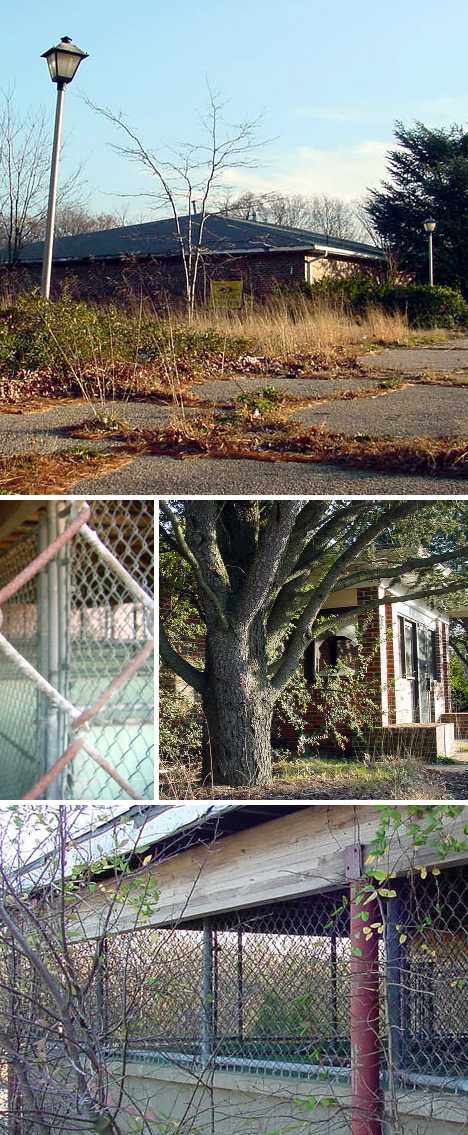
Ocean County Veterinary Clinic in Lakewood, New Jersey is a pretty grim place, even for New Jersey, though one would have to agree things are looking up now that the pet clinic has closed and the animals have gone. Whispered rumors of poor care by clinic managers and unconfirmed anecdotes of euthanized animal carcasses found in the clinic’s dumpsters dogged (sorry) the facility for years.

Ocean County Veterinary Clinic Lakewood NJ abandoned(images via: Lost Destinations)

The labyrinth of claustrophobic chain link cages in the back supports long-running allegations the clinic had contracted with local animal control departments to “warehouse” stray dogs and cats, most of which never escaped a presumably grim fate. “There is a heavy, doomed feeling within these cages;” reports urban explorer “Shady” from Lost Destinations, “even the very trees seems to forbid entrance as they stretch their thorny limbs across the entry gate.” Scarier than Snooki!

Roo The Day

Small Animal Clinic UQ Brisbane closed(image via: ABC News)

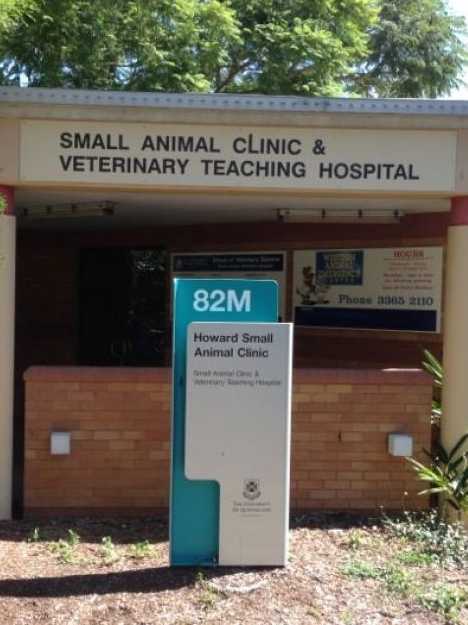
Time’s up for the Small Animal Clinic at the University of Queensland’s St Lucia campus, which has closed after serving area pet-owners for over half a century. While the decision to shut down the St Lucia clinic and transfer its staff and functions to the newer, larger Gratton clinic may be sound financially, Brisbane residents who brought roughly 9,000 small pets to the red brick building annually are, er, hopping mad.

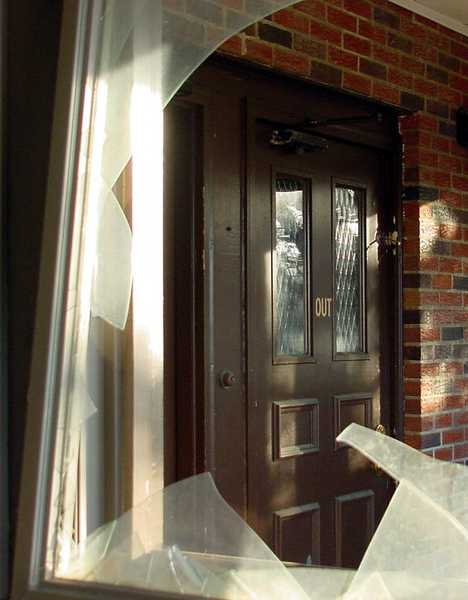
The Doctor Is OUT

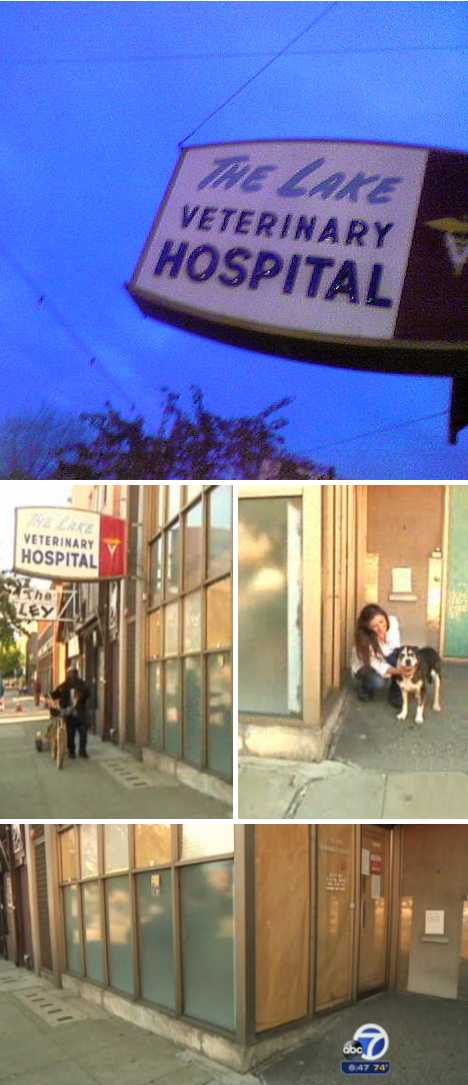
Lake Veterinary Hospital Oakland sign(images via: Beth Budwig and KGO-TV)

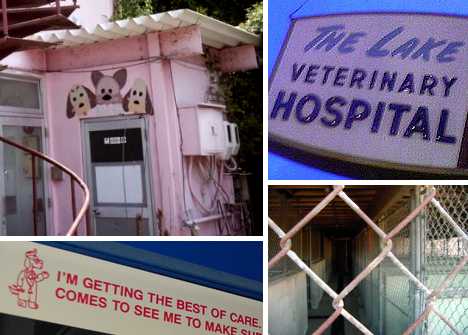
The Lake Veterinary Hospital in Oakland had been patching up pets for the better part of 40 years when suddenly, without any warning, it shut its doors. The owner was nowhere to be found, leaving pet-owners not only at a loss but facing the prospect of their pets’ medical records being lost as well. Thanks to Michael Finney of KGO-TV’s “7 On Your Side”, however, the story has a happy ending: the vet was located and clients were assured their pets’ records are safe and will be sent to them. No telling what lies in store for the clinic and its awesome retro sign, though.

Denver Broken

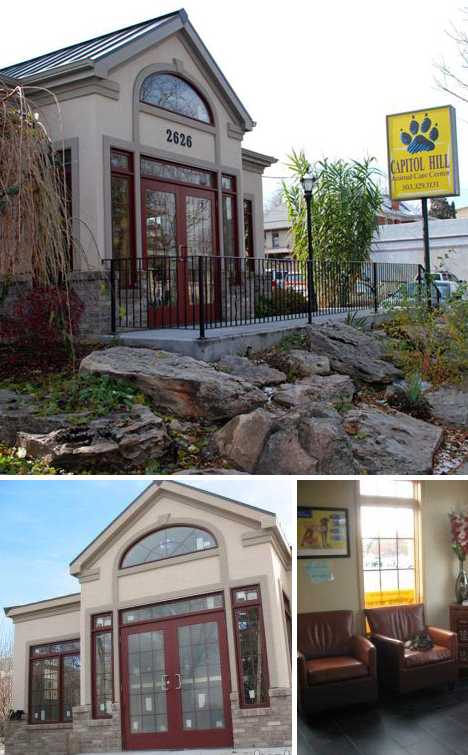
closed Capitol Hill Animal Care Center Denver(images via: 1031 Net Lease and JustDial)

The former Capitol Hill Animal Care Center only closed recently but it still exudes an ominous “Frankenstein’s Castle” vibe all too commonly found with abandoned, closed and disused businesses. Located in Denver, Colorado, the clinic evidently wasn’t a hit with owners of dogs, cats, birds and (wait for it)… broncos.

Next Page – Click Below to Read More:
Put To Sleep 12 Sad Abandoned Pet Shops Vet Clinics

Share on Facebook


[ By Steve in Abandoned Places & Architecture. ]

[ WebUrbanist | Archives | Galleries | Privacy | TOS ]


WebUrbanist

 
Comments Off on Put To Sleep: 12 Sad Abandoned Pet Shops & Vet Clinics

Posted in Creativity


browserFruits Januar, Ausgabe 3

19 Jan

Der milde Winter lässt uns schon wieder an den Frühling denken und im Fotospecial tanzen junge Mädchen mit Blumen im Haar zu verträumten Farben. Vor dem Haus blühen tatsächlich einige Sträucher mitten im Januar. Aber beklagt Euch nicht über fehlenden Schnee, nutzt die Gelegenheit und entdeckt die Vorteile des warmen Winters, denn fotografisch gesehen verspricht doch alles schöne Möglichkeiten. Und kalt wird es sicher bald genug und auch Schnee wird es geben, wenn auch nicht unbedingt dieses Jahr.


Fotospecial: Blumen im Haar

Flickr

500px


Deutschsprachig

• „Es ist absurd, wie leicht sich Menschen manipulieren lassen“, sagt der Fotograf Abdel Aziz al Atibi, dessen Bild von einem zwischen den Gräbern seiner Eltern schlafenden Jungen gerade in den sozialen Medien die Runde macht – und dabei in anderen Kontext gesetzt wird.

• Ein einzigartiges After-Wedding-Shoot aus Irland von Paul liebt Paula.

• Die Vogue zeigt in einer Galerie die neuen Kampagnenfotos für das Frühjahr.

• Warum Berufsfotografen nicht kostenlos arbeiten können in 17 Sprachen.


International

• Von 1938 bis 1941 fotografierte Walker Evans mit einer versteckten Kamera Menschen in New York Citys U-Bahn.

• Eine Fotografin reist durch die Zeit und setzt sich selbst in ihre Kindheitsbilder.

• Wie würden die Modelle berühmter Gemälde aussehen? Die junge ungarische Fotografin Flora Borsi hat es herausgefunden.

• Martin Parr fotografierte gelangweilte Paare. Die Bilder lassen uns an Kästners „Sachliche Romanze“ denken.

• Liebe Fans der Star-Wars-Filme, hier haben wir Bilder hinter den Kulissen der Filme entdeckt.

• Zum Teil sehr lustige Bilder, weil der Fotograf genau zum richtigen Zeitpunkt den Auslöser gedrückt hat.

• Ein anonymer Fotograf, der sich auf Cowboys, Feuerwehrmänner, Ringer und Stripper spezialisiert hat. Seht selbst.

• Peter Zelewski portraitiert seit zwei Jahren fremde Menschen in den Straßen von Soho.

• Einige bisher unveröffentlicte Farbbilder von Robert Capa haben wir hier gefunden.


Neuerscheinungen und Tipps vom Foto-Büchermarkt

Buchtipps

• Wir haben die Taschenbuchausgabe des Gesamtwerks von Willy Ronis* im Laden für 9,99 € entdeckt und zu dem Preis gibt’s das Buch auch auf Amazon. Der Dokumentarfotograf hat zusammen mit Cartier-Bresson, Doisneau und Brassaï unser romantisches Bild von Paris geprägt. Wer sich für das Leben im 20. Jahrundert interessiert, findet hier ganz wunderbare Augenblicke.

• Der Bildband „New York in Color“* zeigt eine der wohl beeindruckendsten Städte in Farbe. Aufgenommen wurden die Bilder von verschiedenen Fotografen wie Saul Leiter, Andre Kertesz, William Klein und Helen Levitt. In diesem Youtube-Video wird das Buch einmal durchgeblättert. Es kostet 31,95 €.


Wettbewerbe

• Mit Optiphot gibt es seit einigen Wochen eine neue Plattform für Fotowettbewerbe. Neben kostenpflichtigen Wettbewerben mit Preisgeld gibt es auch freie Wettbewerbe, in denen man sogenannte Credits sammelt. Damit kann man wiederum an kostenpflichtigen Wettbewerben teilnehmen. Die Gewinner werden von einer Jury bestimmt.


Videos

120 Sekunden Zeit? Schaut dieses Video an. Faszinierende Bilder des Magnum-Fotografen Chien-Chi Chang, die er im Zeitraum von 1992 bis 2011 in Chinatown machte.


Hier ein Blick über den fotografischen Tellerrand hinaus: Einfach ein Video, das Euch in den Hintern treten kann, wenn Ihr gerade einen Schubs brauchen könnt.


Ausstellungen

Frank Horvat: Fashion
Zeit: 15. Januar – 1. März 2014
Ort:??Galerie Hiltawsky, Tucholskystr. 41, Berlin
Link

Berlin Unterwegs
Zeit:??9. Februar – 30. März 2014
Ort: Kommunale Galerie, Hohenzollerndamm 176, 10713 Berlin
Link

Roselyne Titaud: Visites
Zeit: 24. Januar – 23. März 2014
Ort: Museum für Photographie Braunschweig e.V.
Link

Henrik Spohler – The Third Day
Zeit: 17. Januar – 8. März 2014
Ort: Robert Morat Galerie, Kleine Reichenstraße 1, 20457 Hamburg
Link

Mehr aktuelle Ausstellungen


* Das ist ein Affiliate-Link zu Amazon. Wenn Ihr darüber etwas bestellt, erhalten wir eine kleine Provision, Ihr bezahlt aber keinen Cent mehr.


kwerfeldein – Fotografie Magazin

 
Comments Off on browserFruits Januar, Ausgabe 3

Posted in Equipment


Tamas Dezso offers glimpse into post-Communist Romania

19 Jan

Tamas_Dezso_Epilogue_0015_574.jpg

Tamas Dezso is a fine art documentary photographer based in Budapest. Since 2011 he has been documenting the disintegration of former Communist Romania’s infrastructure in a series of photographs called ‘Notes for an Epilogue’. In his own words, the purpose of the project is to ‘render a world which may disappear forever imperceptibly and very rapidly due to the transitional nature of the [Communist] era’. See gallery

News: Digital Photography Review (dpreview.com)

 
Comments Off on Tamas Dezso offers glimpse into post-Communist Romania

Posted in Uncategorized


Lightroom 5 Tips – Hidden Gems

19 Jan

Lightroom_iconAdobe Photoshop Lightroom instructor Julieanne Kost goes over some of the lesser known, yet less exciting features and some Lightroom 5 tips. If you haven’t upgraded from Lightroom 4 yet this will be a little preview. I would personally highly recommend that you do upgrade to LR5 if you haven’t yet.

Some of my favourite LR5 new features are:

  • the Radial Filter
  • that the heal/clone tool is paintable now and not just a dot
  • the auto correct for perspective to correct buildings and tilted images
  • the BOOK module is greatly improved for ordering Blurb books
  • Smart Previews which I didn’t think I’d have a use for but have used a few times now

What are your favourite new features?

Do you have any other hidden gems that aren’t covered in this video? If so please share with us in the comments!

For more Lightroom 5 tips and learning check out these articles:

  • Lightroom Tips for the Develop Module – the Magic Alt Key
  • 3 Lightroom History Tips
  • 4 Quick Tips For Getting The Most Out of Lightroom Presets
  • How to use the new Radial Filter Tool in Lightroom 5

The post Lightroom 5 Tips – Hidden Gems by Darlene Hildebrandt appeared first on Digital Photography School.


Digital Photography School

 
Comments Off on Lightroom 5 Tips – Hidden Gems

Posted in Photography


LEGO Architecture Studio: Boldly Monochromatic Block Set

19 Jan

[ By WebUrbanist in Gaming & Computing & Technology. ]

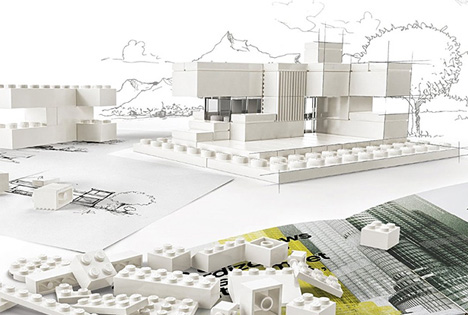
lego architectural white sketch

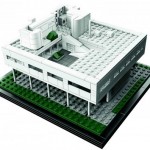
A colorless LEGO kit may sound boring at first blush, but consider the spatial advantages of letting form, line and shadow stand apart from the profusion of colors normally associated with their iconic blocks.

lego architecture studio box

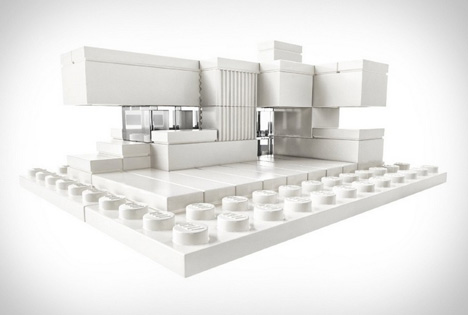
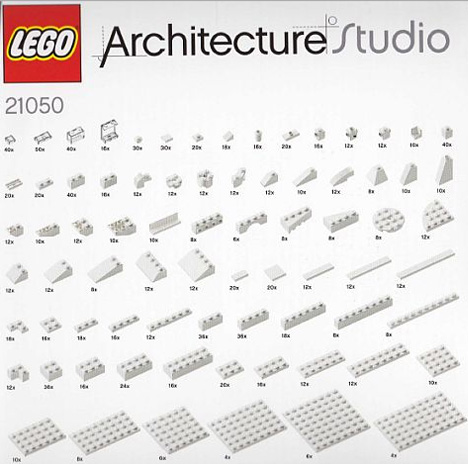
LEGO Architecture Studio‘s pigment-free approach is unusual for the company and intentionally so: it is made to create an experience that is more like pencil or pen sketching in three dimensions, a thinking-through-building process without the complications of shades and hues.

lego monochromatic block set

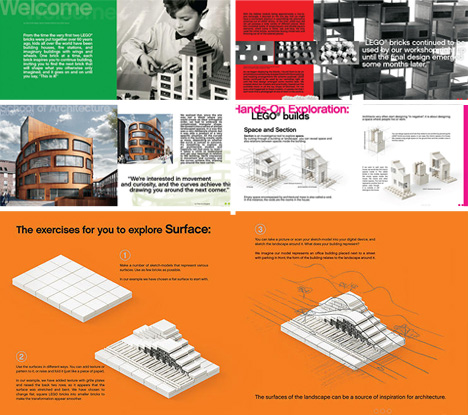
lego architecture studio booklet

Though the all-white block series contains over 1,200 pieces uniformly absent of color, it also comes with a colorful 268-page book that shows aspiring architects (or simply interested kids) what is possible in the world of built environments.

lego color companion book

This companion volume features the work of famous designers and firms including REX Architecture, Sou Fujimoto, SOM, MAD Architects, Tham & Videgård, and Safdie Architects, covering a range of theory and practice, concepts and reality, all from a diverse group of professionals.

lego all white blocks

From FastCo: “At the end of each chapter, the lead architects will all sit around a table with Lego and play with the pieces! Only then is the reader invited to take part in a hands-on Lego workshop exploring some of the theories and concepts explored in the chapter, which can range from exercises exploring symmetry, mass, density, the use of negative space, modules, repetition, and more.”

lego no color kit

The target audience is also ambiguous – the set could be fun for kids, or ideal for teenagers who want to try their hand at architectural concepts and design before deciding on a college major or career path. In the end, perhaps adults will appreciate it the most, or at least best understand and appreciate the aesthetic understatement … then again, children often understand best that a limited palette of props leaves more to the imagination.

Share on Facebook


[ By WebUrbanist in Gaming & Computing & Technology. ]

[ WebUrbanist | Archives | Galleries | Privacy | TOS ]


WebUrbanist

 
Comments Off on LEGO Architecture Studio: Boldly Monochromatic Block Set

Posted in Creativity


Varieté: Eure wichtigsten Fotos 2013

19 Jan

Vor einer Woche haben wir zum Abschluss unserer verschiedenen Jahresrückblicke Euch befragt: Zeigt uns Euer wichigstes Foto 2013. Fast 200 Fotos und Geschichten habt Ihr eingereicht, die wir angeschaut und gelesen haben.

Das hat nicht nur an sich schon Spaß gemacht, sondern es war auch spannend, in der Masse der Einsendungen bestimmte Themen immer wieder zu finden, die Ihr auch in der finalen Auswahl unserer zwölf Favoritenbilder entdecken könnt: Familie, Freunde, Reisen.

Eure wichtigsten Bilder sind oft gar nicht die, die Ihr für die gelungendsten oder perfektesten haltet. Sondern sie sind Euch wichtig, weil sie mit Freunden und Familie entstanden sind oder auf sinnstiftenden, den Horizont erweiternden Reisen.

Von Euren warmen Worten schneiden wir uns gern eine Scheibe ab: Besinnt Euch auf das, was wirklich wichtig ist, umgebt Euch mit Menschen, die Ihr liebt, schaut Euch unsere wunderbare Welt an und haltet diese wertvollen Momente in Fotos fest.
 

© Robert Mehlan

Robert Mehlan schrieb:

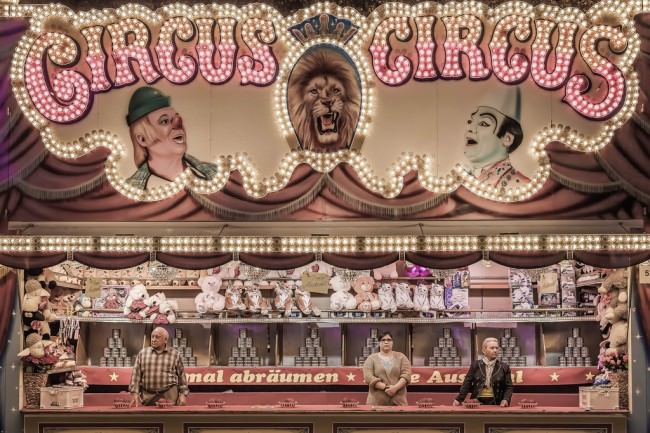
Ich war wieder mal mit meiner Fotoausrüstung zum Oktoberfest-Shooting unterwegs. Karussell, Achterbahn, Zelte und die üblichen Motive. Eigentlich war ich mit der Ausbeute total unzufrieden, denn es waren mal wieder Bilder nach dem Motto „Mutti knipst…!“ Alles schon da gewesen, alles schon gesehen. Ein Freund von mir machte noch kurz vor Schluss eine paar Bilder, ich hatte eigentlich schon eingepackt.

Dann sah ich diese Szene kurz vor Ende des Oktoberfestabends. Aus der Hand mit meinem 70-200mm IS II. Absoluter Treffer. Und dieses Bild wird durchweg positiv aufgenommen. Ende kommenden Jahres wird es sogar zentraler Bestandteil einer Oktoberfestdekoration in einem der führenden Modehäuser in Salzburg. Habe dann gleich mit ein paar weiteren Kassenhäuschen eine tolle Serie machen können. Ist alles innerhalb von 15 Minuten entstanden.
 

© Marijan

Marijan schrieb:

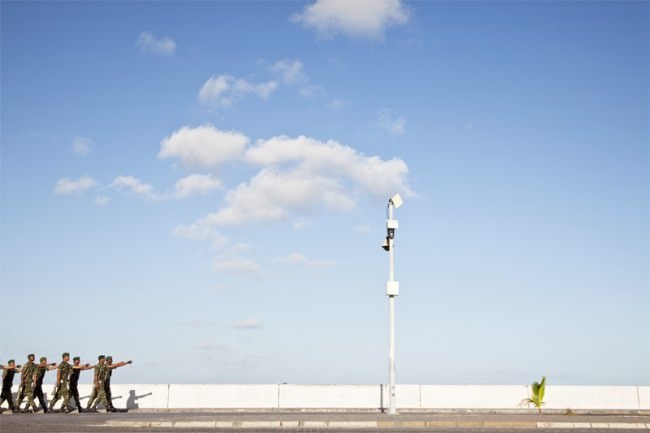
Zur richigen Zeit am richtigen Ort: Diese Militärparade anlässlich des 25. Jubiläum der „Maldives National Defence Force“ entdeckte ich nur durch Zufall. Als ich die Soldaten marschieren sah, rannte ich ein paar Meter voraus und suchte eine geeignete Stelle, um sie in Szene zu setzen. Ich wählte eine untersichtige Perspektive und drückte ab.

Nach ein paar Sekunden war alles vorbei. Als ich auf das Display der Kamera schaute, wusste ich, dass da ein tolles Bild entstanden ist. Durch die offene Bildgestaltung und die kleine zierliche grüne Palme wirkt das Bild für mich perfekt. Zur richtigen Zeit eben am richtigen Ort!
 

© Normen Gadiel

Normen Gadiel schrieb:

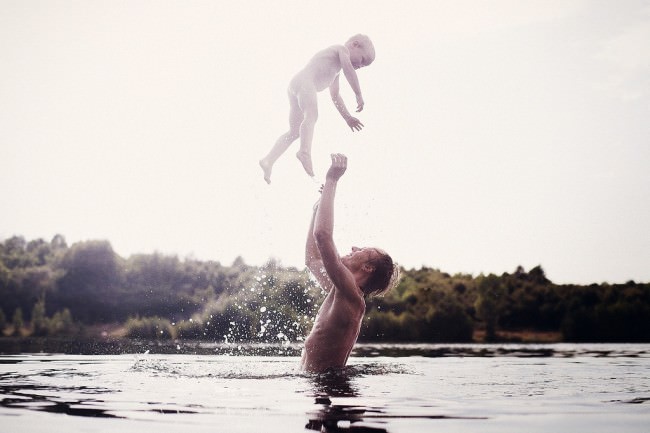
Hallo ihr Lieben, also dies ist mein wichtigstes Foto zum einen, weil die Menschen auf dem Foto zu meinem Freundeskreis gehören und es deshalb persönlich eine hohe Bedeutung hat und zum anderen, weil es für mich nur so vor Lebensfreude strotzt. Der Moment hätte für mich kaum besser sein können und ich kann mich auch nach langer Zeit an diesem Foto sattsehen, was bei mir nicht sehr oft vorkommt. Deshalb ist dies mein Foto 2013.
 

© Martin Kaluza

Martin Kaluza schrieb:

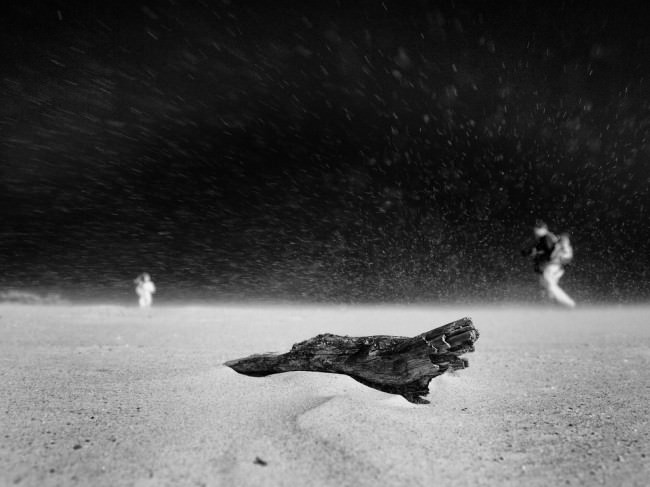
Dieses Bild entstand bei einer Exkursion in den Nationalpark De Hoge Veluwe. Wir hatten viel Bewegung an der frischen Luft, tolles Wetter und ich hatte einen kreativen Flow und Austausch mit den anderen Fotografen. Zudem hatte ich ausgiebig die Gelegenheit, meine frisch umgebaute Infrarot-Kamera zu testen. Es war ein rundum perfekter Tag mit sehr gelungenen Infrarot-Fotografien. Der „Astronaut“ hinten rechts ist übrigens ein anderer Teilnehmer dieser Exkursion.
 

© David Uzochukwu

David Uzochukwu schrieb:

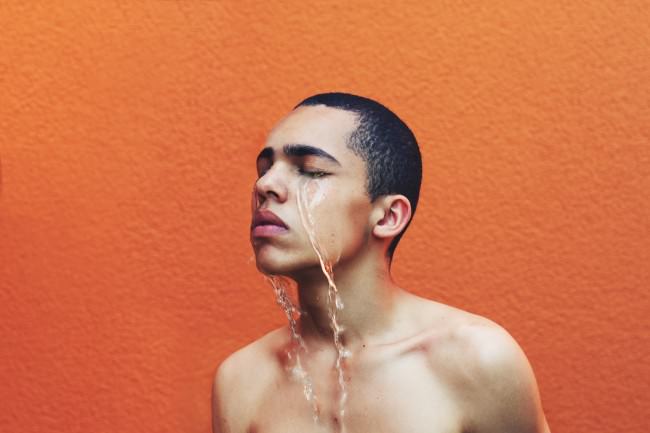
Mein wichtigstes Bild letztes Jahr war dieses hier. Es hat mir gezeigt, dass die Bilder, die mir am besten gefallen werden, ungeplant entstehen – dann, wenn ich einfach aus einem Gefühl heraus zur Kamera greife und nicht einmal darüber nachdenke, was ich eigentlich mache.
 

© Robert Brodatzki

Robert Brodatzki schrieb:

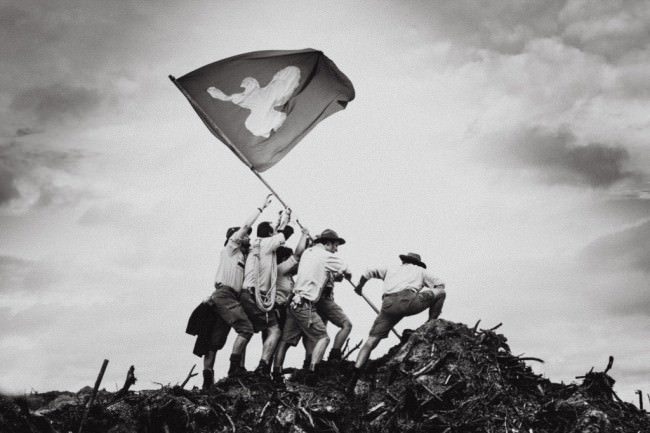
Nachdem ich euren Artikel gelesen habe, war mir sofort klar, welches mein persönlich wichtigstes Foto im letzten Jahr war. Es entstand im November im Rahmen eines Gruppenprojekts mit meinem Pfadfindertrupp.

Das Foto ist angelehnt an das bekannten Motiv „Raising the Flag on Iwo Jima“, welches 1945 von den Amerikanern für Kriegspropaganda benutzt wurde. Unsere Nachbildung dreht die ursprüngliche Botschaft des Originals um. Wir wollen nämlich ausdrücken, dass wir GEGEN Krieg sind und Pfadfinder sich FÜR den Frieden einsetzen.

Dieses Bild erinnert mich an eine sehr intensive Woche und den starken Teamgeist, der sich in dieser Woche in unserer Gruppe gebildet hat. Ohne diese Truppe wäre dieses Foto nie entstanden.
 

© Jonas Hafner

Jonas Hafner schrieb:

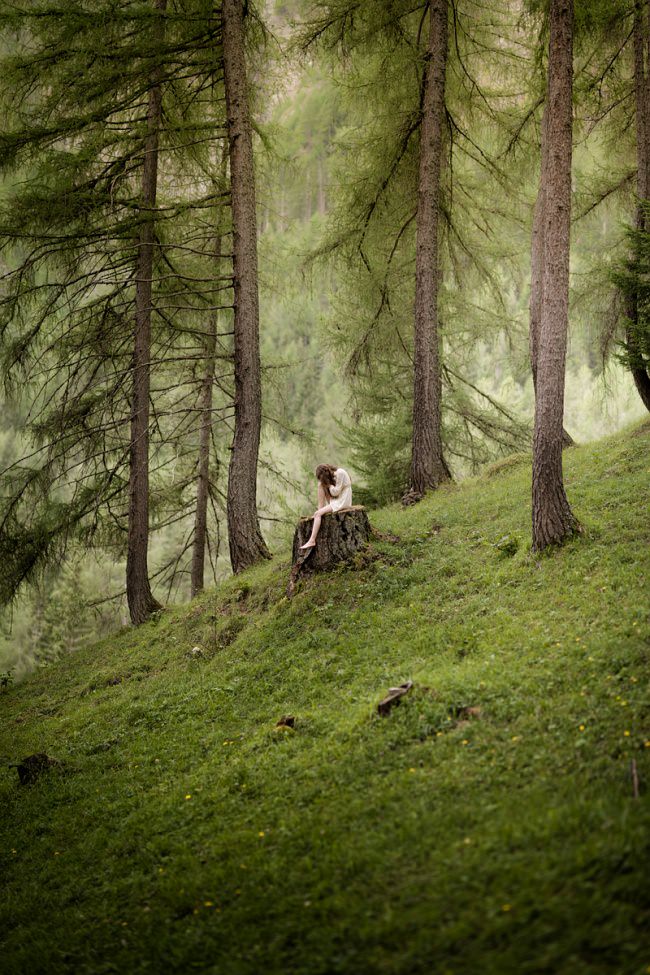
Für das letzte Jahr hatte ich mir vorgenommen, ein paar neue Dinge auszuprobieren. Ich hatte immer ein bisschen Angst vor Ganzkörperportraits und so habe ich mich Monat für Monat ein bisschen näher an dieses Thema rangetastet.

Auf einem sommerlichen Meet-Up in Österreich, wo ich zusammen mit vielen wundervollen Menschen eine Woche lang in den Bergen fotografierte, entstand schließlich dieses Bild. Ich verbinde mit diesem Foto eine wirklich schöne Zeit und sehe darin zugleich die Fortschritte, die ich dieses Jahr gemacht habe.

Für mich zeigt dieses Bild, dass der Mensch zwar die Natur verändert, aber auch seinen Platz in ihr hat. Titel: Aufbäumen
 

© Resa Rot

Resa Rot schrieb:

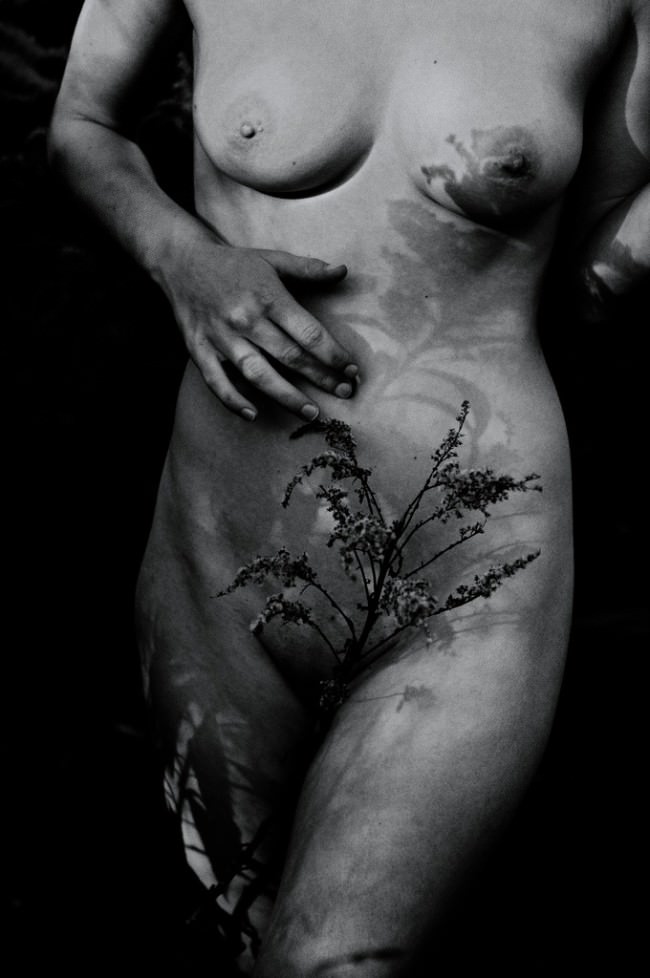
Dieses Bild entstand an einem warmen Oktobernachmittag in einem kleinen, verlassenen Waldstück. Ich beschäftige mich seit letztem Jahr mehr und mehr mit Aktaufnahmen und suchte nach neuen Ausdrucksmöglichkeiten, den Körper zu inszenieren, ohne den Menschen bloßzustellen und eben „nur“ auszuziehen. In diesem Bild fand ich eine für mich gelungene Umsetzung, die mich motivierte, auf diesem Weg zu bleiben. Daher ist es meine persönlich wichtigste Fotografie des Jahres 2013.
 

© Stefan Stammbach

Stefan Stammbach schrieb:

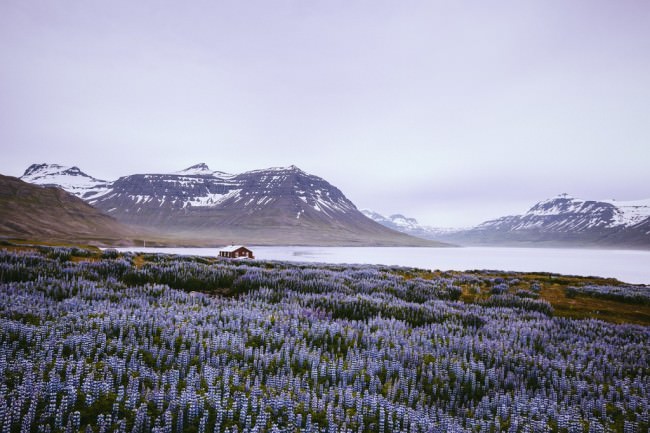
Ich weß nicht, ob es mein wichtigstes Bild ist, aber es ist im Moment mein liebstes. Ich war im Sommer für fünf Wochen in Island unterwegs und dieses Bild war eines der ersten Bilder, welches ich nach der Ankunft mit der Fähre schoss.

Ich war bei einem Freund von einem Freund, welcher mir auf meiner Karte alles markiert hatte, was ich besuchen soll. Er meinte dann, ich solle noch rasch ans Ende der Halbinsel fahren, da habe es eine Vogelwarte. Da entstand dann das Bild. Das war erst der Anfang meiner Reise und ich war vom ersten Tag schon komplett weggeblasen von dem Land.
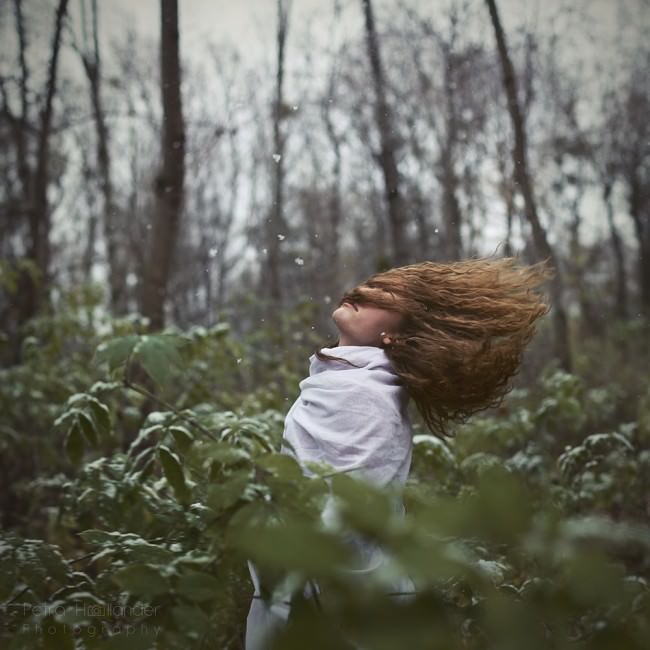
 

© Petra Holländer

Petra Holländer schrieb:

Ich weiß nicht, ob ich EIN wichtigstes Foto habe, aber dieses hier bedeutet mir auf jeden Fall viel. Es entstand spontan auf einer Fototour mit Freunden und ich mag es besonders gern, weil es einerseits so gelungen ist, wie ich es im Sinn hatte und anderseits weil das Bild mehr für mich verkörpert, als zu sehen ist.

Es ist die Art von Fotos, die ich öfter machen möchte. Ich will öfter hinaus in die Natur, ich möchte die Verbindung von Mensch und Natur abbilden, spontan eine gute Idee haben, etwas erschaffen und einfach nur leben, die Natur atmen.
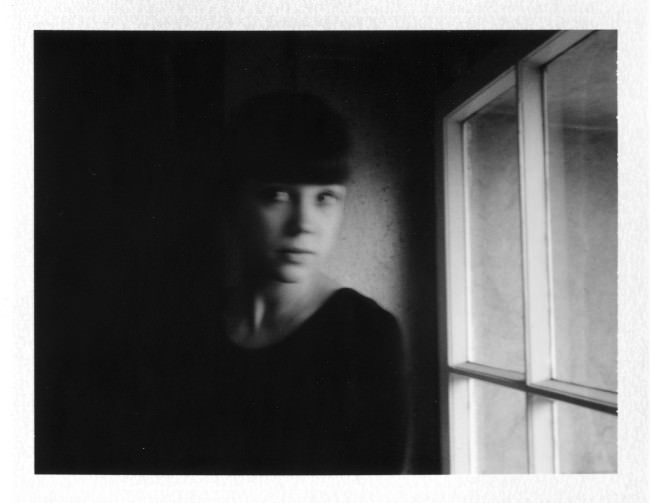
 

© Steffen Fischer

Steffen Fischer schrieb:

Dies ist mein wichtigstes Foto im Jahr 2013. Das Bild entstand ziemlich spontan in unserem Hausflur mit natürlichem Licht, das durch die Fensterscheibe kam. Mir bedeutet dieses Bild sehr viel, weil es zeitlos schön ist und in unserer perfekten Welt durch seine Unschärfe zu etwas Besonderem wird. Die auf diesem Bild abgebildete Person ist im übrigen die Frau, der ich im Jahr 2013 mein Eheversprechen gab.
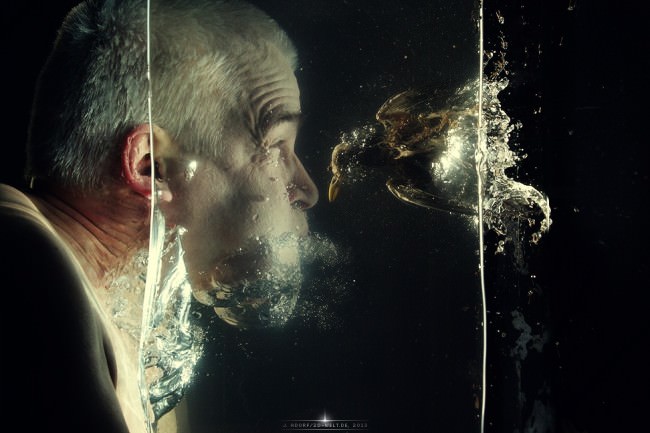
 

© Jürgen Adorf

Jürgen Adorf schrieb:

Warum dieses Bild für mich wichtig ist, erklärt sich schon durch den Titel „Vater“ und steht auch im Bildtext beschrieben. Wirklich überraschend war allerdings die überwältigende Resonanz auf dieses Werk und erst dieses Feedback hat es zu meinem „wichtigsten“ Foto des vergangenen Jahres gemacht.

Es hat mich diese Amsel ein Jahr lang begleitet, nachdem mein Vater verstarb. Sein größter Wunsch war gewesen, einmal ohne jedes Fluggerät fliegen zu können, und ein einziges Mal, in einer vom Glück begünstigten Nacht, hat er im Schlaf genau diesen Traum geträumt, und zwar so unmittelbar, dass er das sehnlichste Gefühl fortan aus eigenem Erleben kannte. Was für eine Gnade! In meinen Träumen begegne ich ihm gelegentlich. Aber nur ganz, ganz selten in seiner menschlichen Gestalt.


Nach diesem Rückblick mit Euren wichtigsten Fotos des letzten Jahres freuen wir uns umso mehr auf ein fotografisch produktives 2014.


kwerfeldein – Fotografie Magazin
 
Comments Off on Varieté: Eure wichtigsten Fotos 2013

Posted in Equipment