Month: December 2013

  • Lichtträumerin

    Ein Beitrag von: Janine Mezéra

    Schon in meiner Kindheit liebte ich die kleinsten Dinge: Marienkäfer, kleine Blumen, millimetergroße Muscheln, die zwischen Sandkörnern kaum zu erkennen waren. Die Faszination für Details und für für andere Menschen unsichtbare Dinge hat mich seit jeher geprägt und beeinflusst.

    Eine andere Welt, in Form von selbstgebundenen und gemalten Geschichtsbüchern zu erschaffen, war mein liebstes Hobby.

    Heute male ich mit Licht, beobachte es im Laufe des Tages und versuche, die Schönheit in diesen nur Minuten anhaltenden Momenten bewusst wahrzunehmen. Architektur und Natur, ihre grafischen Formen und natürliche Schönheit waren der Beginn meiner Reise.

    © Janine Mizéra

    Während eines längeren Aufenthaltes in Frankreich lernte ich, wie atemberaubend ein einfacher Blick aus dem Fenster sein kann. Wenn der Vorhang am Morgen aufgeht und sich eine Berglandschaft ausbreitet, die malerischer ist als alles, was man sich je zuvor erträumt hat.

    In dieser Zeit verstand ich, die Fotografie als einen ernsthaften Teil meines Lebens anzusehen. Vielleicht als Sinn meines Lebens, als Möglichkeit, nie wiederkehrende Momente einzufangen.

    Bald darauf entstanden erste Selbstportraits und ich begann, mich an den Menschen als Medium heranzutasten. Eine Faszination für die Dunkelheit, das Mysteriöse und Undurchschaubare trug ich immer in mir.

    feel my silence ii © Janine Mizéra

    Man könnte mich als Außenseiter bezeichnen und viele meiner Fotos schlichtweg als dunkel. In meinen Augen war dies nie ein Makel, sondern eine eigene Weise, die Dinge zu interpretieren.

    Ich möchte die melancholische und tiefgehende Seite einer Person einfangen. Sie wirklich kennenlernen, in diesem Augenblick bedingungslos lieben und ihr Herz so pur darstellen, wie es ist.

    Ich offenbare dabei mein Inneres, reflektiere mich selbst. Jemanden in seinen fragilsten Momenten zu erleben und die Erlaubnis zu bekommen, ihn so einzufangen, ist etwas sehr Persönliches. Ich bin dankbar für dieses Vertrauen.

    silouette © Janine Mizéra

    © Janine Mizéra

    Es kam der Moment in meiner Entwicklung, als ich begann, analoge Bilder und ihre spezielle Wirkung zu studieren und in einer digitalen Welt umzusetzen. Die digitale Fotografie ist kontrollierbar. Ich schätze es auf der einen Seite sehr, auf diesem Wege immer die Kontrolle zu haben.

    Auf der anderen Seite ist es sehr vorhersehbar. Es reichte irgendwann nicht mehr aus, nur etwas nachzuahmen, also wagte ich den Schritt in die analoge Fotografie und bereue es bis heute nicht.

    Den entwickelten Film in der Hand zu halten, ist ein unbeschreibliches Gefühl. Ein Gefühl wie eine Erinnerung an Kindertage. Wie am Weihnachtsabend vor der Tür zu dem Zimmer zu stehen, in dem gleich der magischste aller Augenblicke stattfindet.

    © Janine Mizéra

    Auch die Fashion-Fotografie und ihre zahlreichen Verlockungen sowie schöner Schein sind ein mittlerweile immer größerer Bereich in meiner Arbeit. Natürlichkeit zu bewahren und den Menschen in den Vordergrund zu stellen, ihn nicht auf die schönen Kleider an seinem Leib zu reduzieren, ist mir dabei sehr wichtig.

    Die Fotos, die mir persönlich am meisten bedeuten, entstanden auf Reisen, auf verrückten Road-Trips oder in Momenten, in denen ich mich mit der Natur verbunden fühlte. Durch zufällige Begegnungen mit Menschen, die so gutherzig und offen gegenüber einer völlig Fremden waren.

    © Janine Mizéra

    © Janine Mizéra

    Es sind diese unvorhergesehenen Momente, in denen ich mich lebendig fühle, neu geboren und bereit für ein neues Kapitel. Die Momente, die zu rar sind und im Alltag oft untergehen.

    Ich wage es zu träumen, hochzustapeln in meinen Erwartungen an das Leben und die Zukunft und diese Momente als Erinnerungen in Bildern einzufangen.

    © Janine Mizéra

    My beautiful picture © Janine Mizéra

    Die Möglichkeit zu haben, mich in Kunst zu verwirklichen und etwas gefunden zu haben, das mich Tag und Nacht einnimmt, macht mich sehr dankbar. Ich möchte weiter träumen.

    Alles geben und jede freie Minute nutzen, um die individuelle Schönheit derer einzufangen, die mir im Laufe meines Lebens begegnen und mich inspirieren. Geschichten von starken Persönlichkeiten erzählen. Gedanken und Gefühle projizieren und teilen. Ich hoffe auf das Unvorhergesehene und möchte Augenblicke intensiver erleben.


    kwerfeldein – Fotografie Magazin

  • Fujifilm announces XF 10-24mm F4 R OIS wideangle zoom

    10-24-news.png

    Fujifilm has announced the XF 10-24mm F4 R OIS, a premium ultra-wideangle zoom lens for the company’s X system mirrorless cameras. It offers an angle of view equivalent to 15-36mm on full frame, and incorporates optical image stabilisation to reduce blur at slow shutter speeds when shooting hand-held. It also has an aperture control ring on the barrel, and is compatible with the company’s Lens Modulation Optimizer function. It’ll be available from March 2014 for $ 999.95 / £849.99. 

    News: Digital Photography Review (dpreview.com)

  • Urban Carousel: Merry-Go-Round Made of Shopping Cars

    [ By WebUrbanist in Art & Installation & Sound. ]

    carousel shopping

    Subverting the shopping cart, this urban installation is a play on consumer culture and its cyclical nature. Of course, it is also a lot of fun to play with, too.

    carousel riders

    carousel carts

    Set in a public plaza of Ponta Delgada, Açores, Portugal, the piece aims to subconsciously attract people to playfully interact in the unlikely desert of a cobblestone square, all around a lone lamppost no less. Modular and assembled on-site, the installation could conceivably be deployed just about anywhere.

    carousel steel

    carousel dusk

    “By counteracting the freedom of movement that normally characterizes these carts (ironically moving in circles) we are reminded that consumerism does not take us anywhere… or [at best back to our] starting point.” says Nuno Pimenta.

    carousel push

    carousel lamppost

    carousel context

    Whether or not the message is clear to the passerby, the function, at least, is self-explanatory. People readily realize they can push the carts, ride in them and go around in a circle just like a miniature park carousel or its classic carnival-ride equivalent.

    Share on Facebook


    [ By WebUrbanist in Art & Installation & Sound. ]

    [ WebUrbanist | Archives | Galleries | Privacy | TOS ]


    WebUrbanist

  • Nikon D4 and Canon EOS 6D added to test scene comparison tool

    shared:TestScene2.jpg

    As we’re racing to complete our full review of the Nikon Df, we’ve added the Nikon D4 and Canon EOS 6D to our studio comparison tool. The studio test scene shows image quality for both JPEG and Raw files. It offers downloadable Raw samples and is designed to simulate real-world daylight and low-light shooting. As always, you can compare the D4 and EOS 6D to a number of other cameras, including the Df. See test scene

    News: Digital Photography Review (dpreview.com)

  • The 10 Most Popular Compact System Camera Systems among Our Readers

    Over the last few weeks we’ve featured lists of the most popular DSLRs, DSLR Lenses and Camera Bags among our readers. Today we’re turning our attention to compact camera systems.

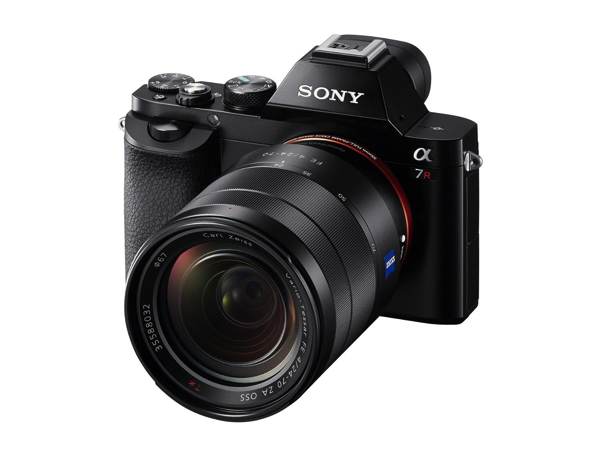
    This last 3 months has seen a bit of a surge in purchases of and interest in this class of camera as an increasing number of our readers seem to be looking for smaller cameras that still have interchangeable lens options. Particularly of interest is Sony’s release of the full farm A7 and A7R cameras which have only been available for a short while but which already feature in our best seller list.

    With manufacturers like Sony, Olympus, Fujifilm and Panasonic continuing to develop and improve their offerings in this class I suspect we’ll see it continue to grow.

    Here are the the 10 most popular compact camera systems among our readers (we’ve kept it to those with interchangeable lenses) bought in the last 3 months (ranked in order of what our readers bought at Amazon in the last few months*).

    10 Most Popular Compact Camera Systems among Our Readers

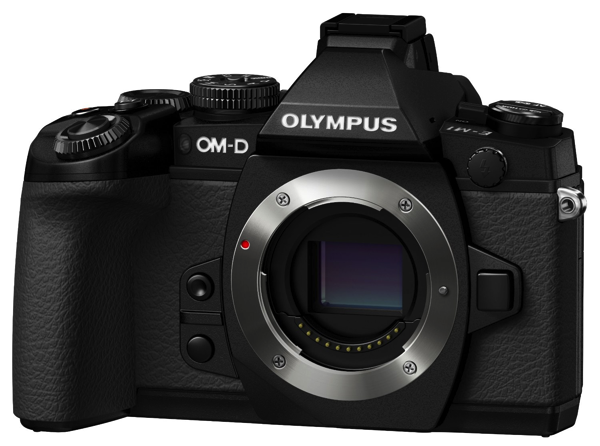
    1. Olympus OM-D E-M1

    NewImage

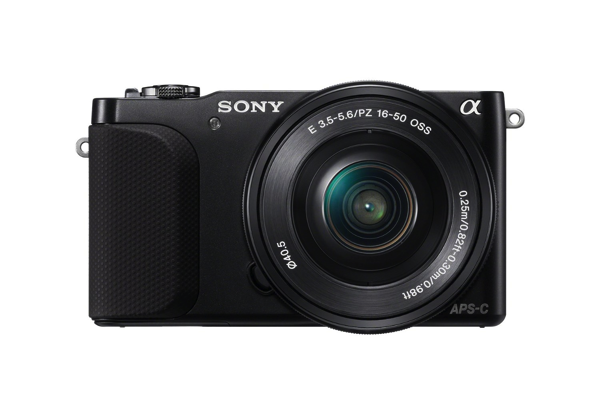
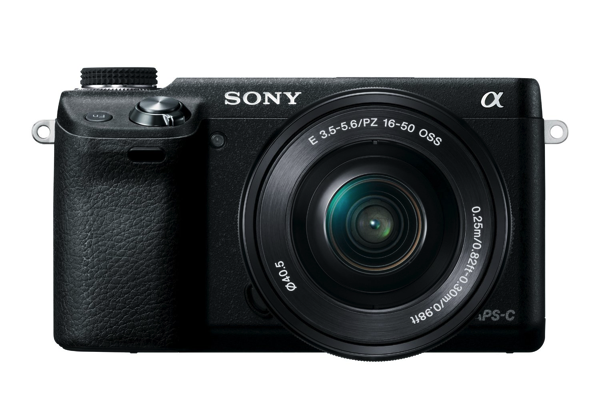
    2. Sony NEX-3NL/B

    NewImage

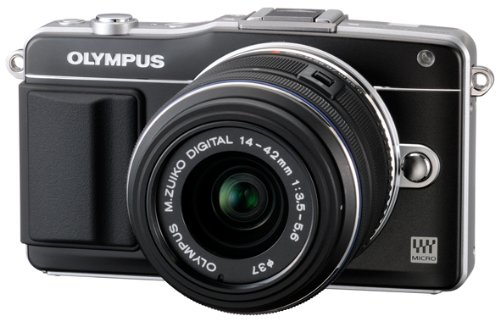
    3. Olympus E-PM2

    NewImage

    4. Sony a7R Full-Frame

    NewImage

    5. Sony NEX-6L/B

    NewImage

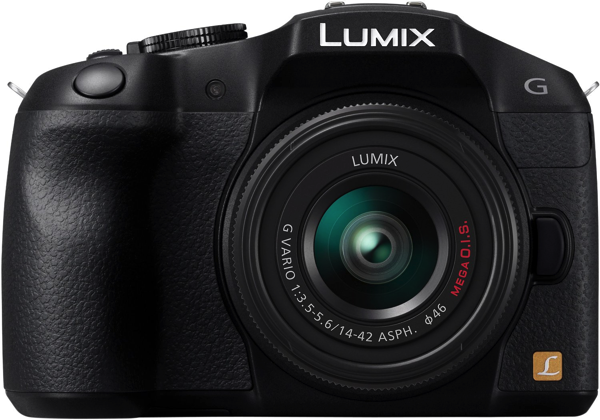
    6. Panasonic Lumix G Series DMC-G6KK

    NewImage

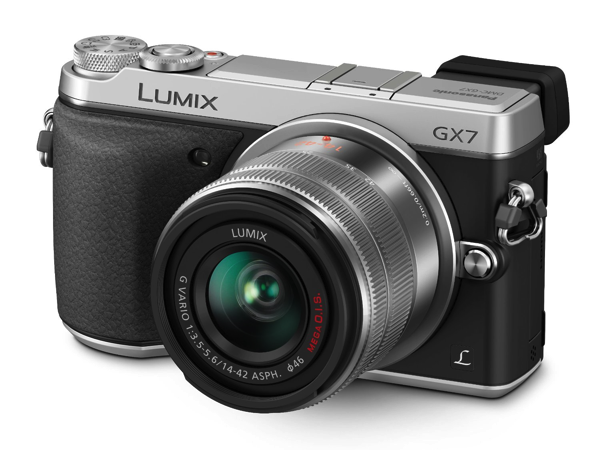
    7. Panasonic LUMIX GX7

    NewImage

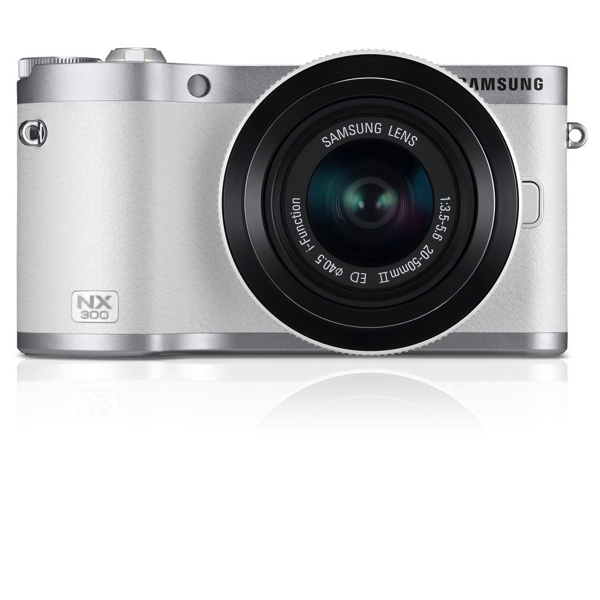
    8. Samsung NX300

    NewImage

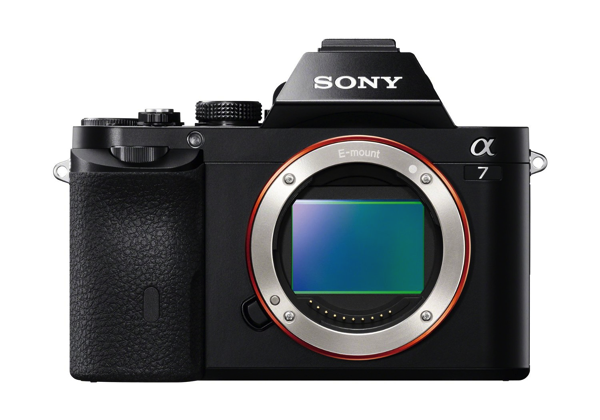
    9. Sony a7 Full-Frame

    NewImage

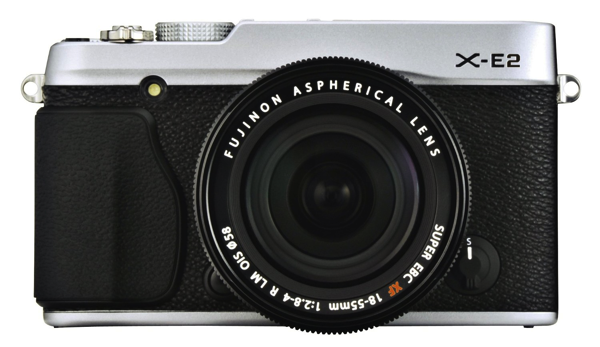
    10. Fujifilm X-E2

    NewImage

    *Note: these lists were compiled from reports supplied to us from Amazon.com where we are affiliates. One of the ways dPS is able to cover its costs and be a sustainable business is that we earn a small commission when readers make a purchase from Amazon after clicking on our links (including those above). While no personal details are passed on we do get an overall report from Amazon about what was bought and are able to create this list.

    The post The 10 Most Popular Compact System Camera Systems among Our Readers by Darren Rowse appeared first on Digital Photography School.


    Digital Photography School

  • DxOMark Mobile analyzes the LG G2’s camera capabilities

    product4.jpg

    We’ve added DxOMark Mobile’s report to our camera review of the LG G2 smartphone. The report includes DxO Lab’s usual industrial-quality scientific measurements. Their imaging experts analyzed 14 aspects of mobile imaging, including detailed image quality assessment, flash performance, autofocus reliability and more to calculate a final score. See their results on connect.dpreview.com.

    News: Digital Photography Review (dpreview.com)

  • Get our ‘Making the Shot’ Portraits eBook today for $7 only!

    Portraits_coverOn the fifth day of Christmas dPS gave to me, the deal we know a lot of you have been waiting for …
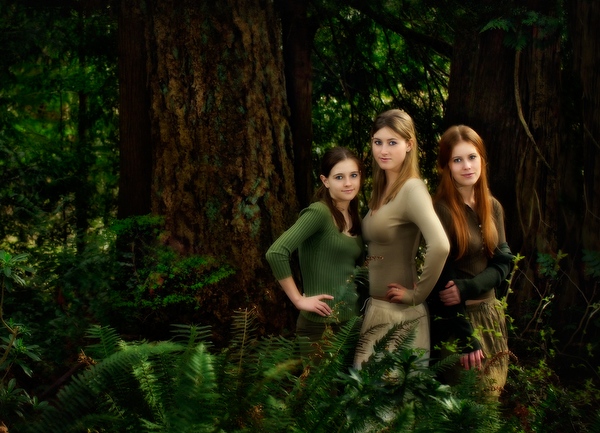
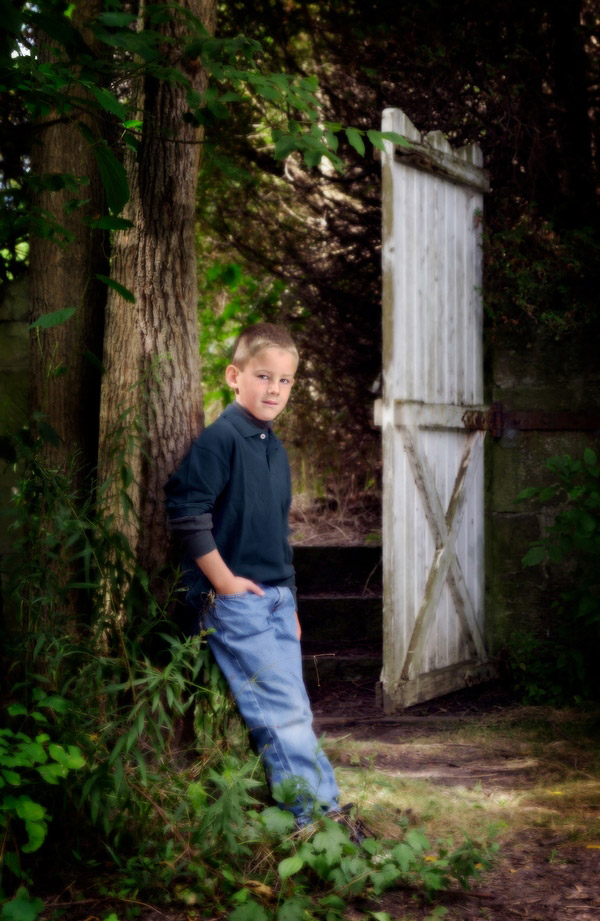
    Save 65% on our smash-hit eBook Portraits: Making The Shot

    Snap up a copy here for just $ 7

    Making The Shot is an amazing eBook that will help you say goodbye to dull and lifeless pictures of people forever. It’s Jam packed with 25 years of portrait photography perfection and we think it’s the best portrait photography eBook you’ll find …

    And 10′s of thousands of our readers who’ve picked up a copy agree.

    If people are what you’re looking at through your viewfinder, you do not want to miss this eBook at this never before offered price.

    Now on one hand we’re really excited about sharing this deal – it’s the cheapest this brilliant portrait photography eBook has ever been.

    … and we know you all love $ 7 eBooks!

    But on the other hand we’re a little worried

    … let’s hope our servers hold up!

    Grab your copy of Making The Shot before the deal closes or our servers go into meltdown!

    It is available right now for only $ 7 ($ 19.99RRP) for the next 24 hours only!

    The post Get our ‘Making the Shot’ Portraits eBook today for $ 7 only! by Darren Rowse appeared first on Digital Photography School.


    Digital Photography School

  • Working with Off Camera Flash and TTL

    Working with Off Camera Flash and TTL

    To be able to create a portrait of someone is a wonderful experience. To do so in an interesting location is even better. To be able to make use of lighting techniques that allow your imaginative ideas to come to life and bring out the personality of the subject and the location environment… is where it really gets exciting!

    Working with Off Camera & Remote Flash

    Step one – analyze the natural light first

    The natural, or ambient light, even though it may seem to be everywhere all at once, actually has the same qualities of direction, intensity, colour and softness that are so easily seen in studio conditions. Taking a moment to observe and think about these ambient light qualities is the first step in determining how you can best make use of additional lighting from off camera flash.

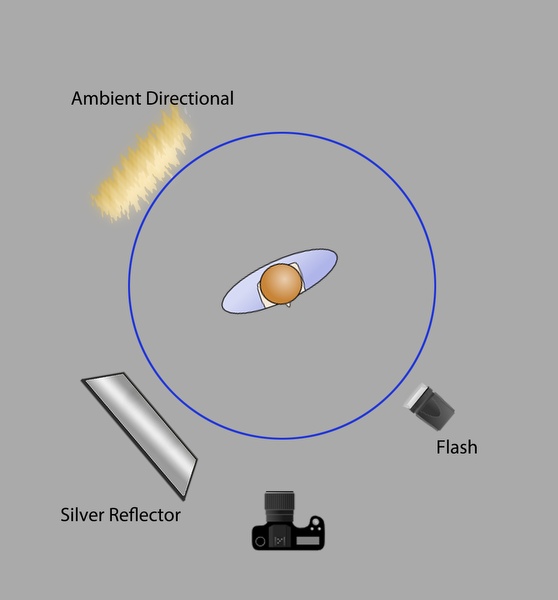
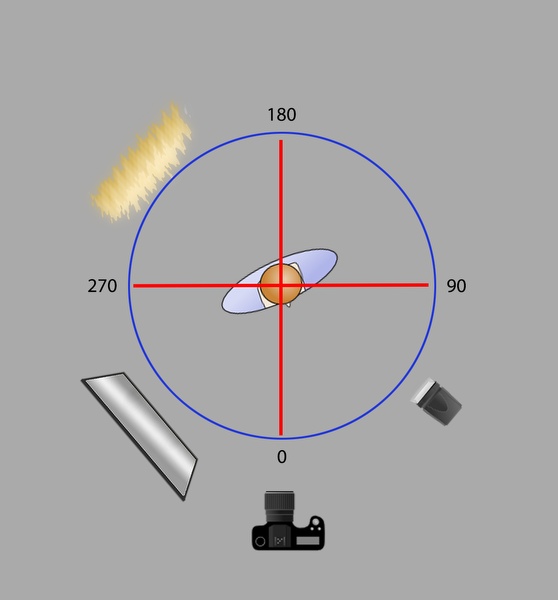
    You might find it helpful to think of your location portrait setting as a clock or compass with your subject in the middle, and the camera and light sources arranged around the subject in a circular manner, through a 360 degree arc.

    The first example below shows a natural light style portrait, with differing qualities of light on the subject and the background. The ambient light direction comes from slightly behind the subject, through the trees, without being too distinct, but enough to provide interest to the background.

    005-Natural-Style-Portrait

    Adding more light – main light placement moulds the portrait

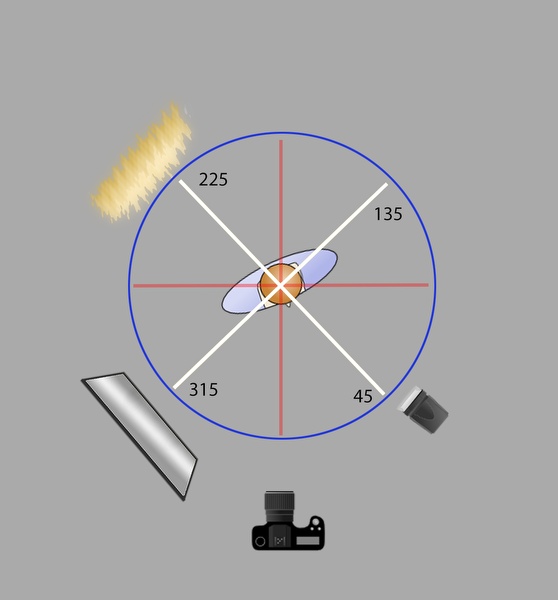
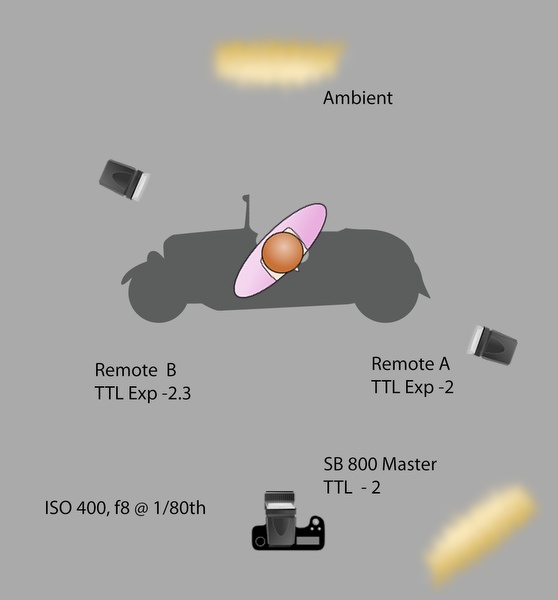
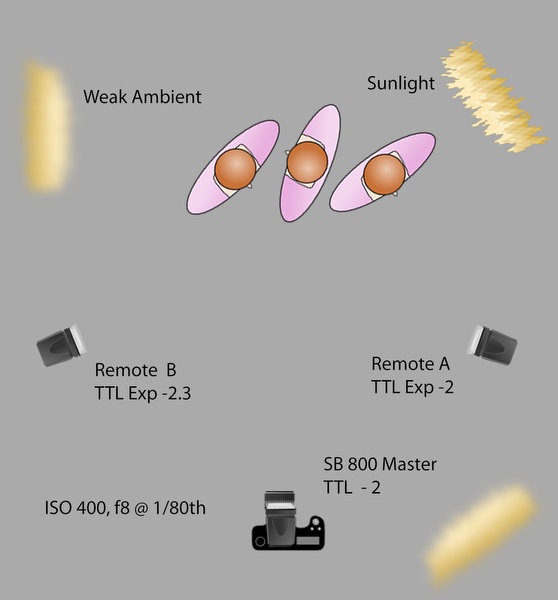
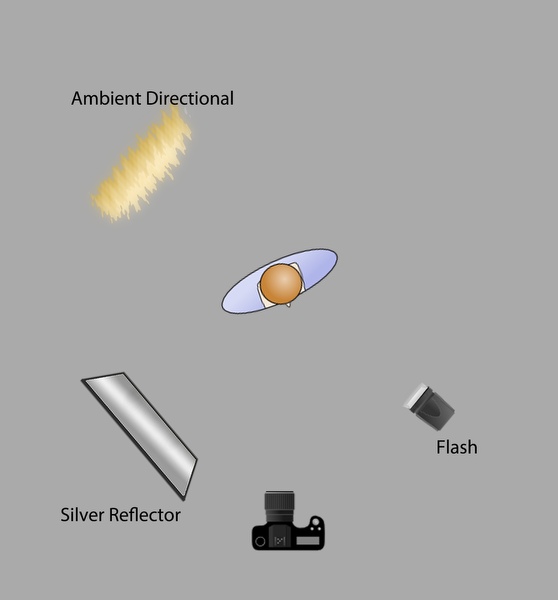
    The diagram below shows the lighting setup with the added a reflector and flash to our scene, in a circular arrangement with the subject in the centre. Light sources have been placed at 45 degree positions, relative to the subject and camera.

    Working with Off Camera & Remote Flash

    Working with Off Camera & Remote Flash

    Strong lighting positions

    On camera flash, is generally known to be harsh and often not that interesting, similarly, light sources from directly from behind and the side are equally strong and not used that often for traditional portraits. These positions of 0, 90, 180 and 270 degrees are shown in the diagram below. These are not “bad” light setups, you can consider them “strong style” positions that are not as flexible to make use of, so they are used less often than more “desirable” lighting setups.

    Working with Off Camera & Remote Flash

    007-Athlete-Portrait-Harsh-Light

    Working with Off Camera & Remote Flash

    Adjusting lighting positions

    Between these hard angle positions is where you want to position your primary or “Main” light sources. Doing so allows you to shape our subject with light in a natural manner and provides a more flexible set so that your subject can easily adjust their pose without “missing” the light. This is more comfortable setup for the photographer and will almost always provide more pleasing results of the subject. Photographs become more interesting as there is now more definition provided by the presence of highlights and shadows, which are also easier to control when working with this setup (003)

    Working with Off Camera & Remote Flash

    Adding secondary lights or reflectors

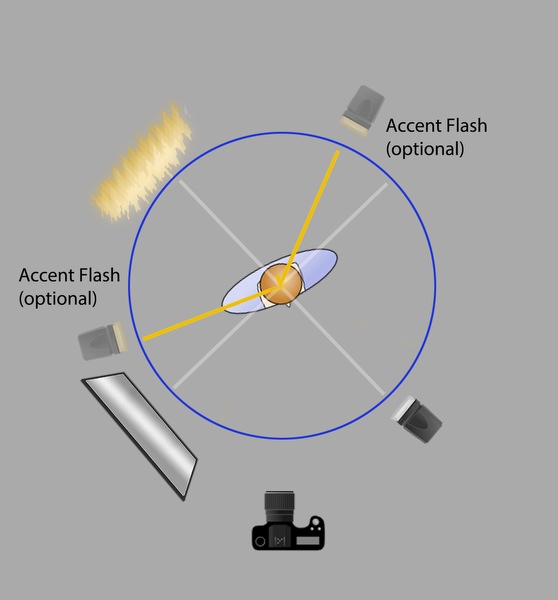
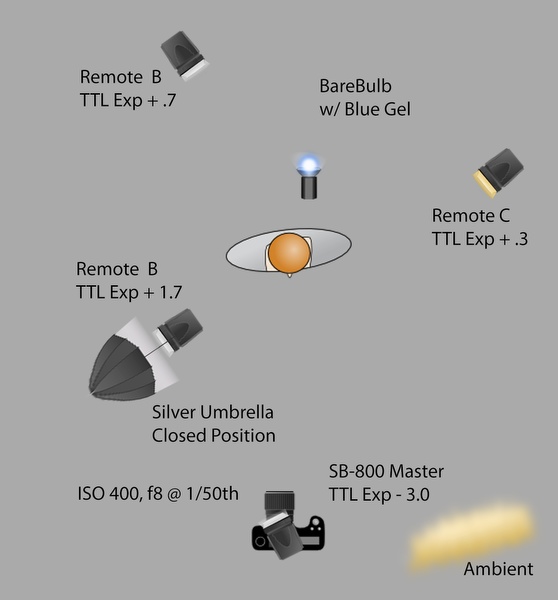
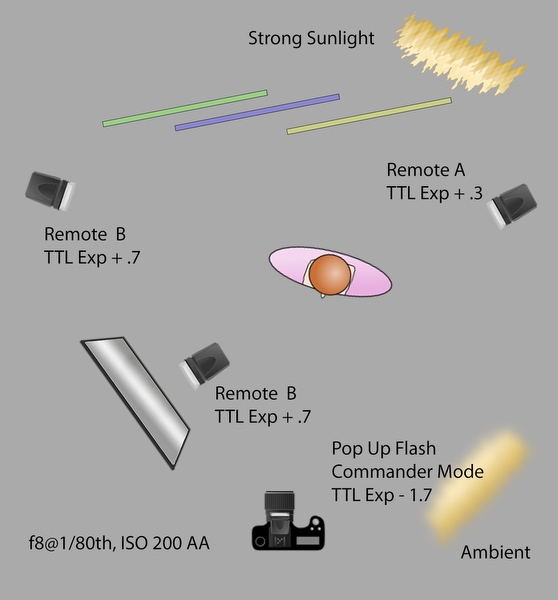
    Once you have identified your ambient light conditions, and placed your main light source, you can now determine where to best place your accent lighting with additional flashes or reflectors. These lights provide enhanced interest to the image, by bringing out the subtleties of texture, colour and form. Placing them too close to your primary light will cause them to wash out each other, so remember the desirable angles created by our light compass earlier. When you think of the compass, you’ll want to have your additional light sources at least 90 degrees away from each other. This allows them to be effective on their own, without overlapping the other lights and losing their intended effect.

    Working with Off Camera & Remote Flash

    Accent lights are always positioned relative to the main light and tend to provide the feeling of a skimmed light back to the camera. This is the most effective way to enhance the creative style within an image, and is surprisingly easy to do now that you understand how the lights work with each other, and how you can arrange them to work best with your subject and where you position your camera.

    Working with Off Camera & Remote Flash

    Working with Off Camera & Remote Flash

    Working with Off Camera & Remote Flash

    Working with Off Camera & Remote Flash

    TIP 1: To gain even more flexibility with outdoor flash, make use of the High Speed Sync feature, which will allow you to use shutter speeds that go beyond the traditional limits of 1/125th or 1/250th. Look to your camera manual for setting that up, so you can use speeds up to 1/8000th , it really works!.

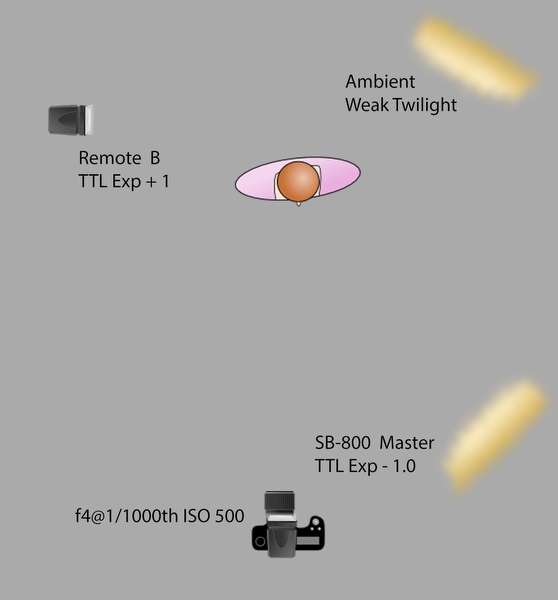
    It may seem intimidating, but controlling the off camera flashes can actually be very easy, surprisingly intuitive, and very effective. Nikon have their way of remotely controlling the settings of their flashes, with their Creative Lighting System (CLS) using highly accurate Through The Lens (TTL) metering. You can use a separate flash on camera as the “Master” to control the Remotes, or even use the camera’s built-in pop up flash in “Commander Mode”. You can adjust the flash output, so the light portion doesn’t affect your image, or use it as additional fill. Nikon has a separate controller as well, called the SU-800. At half the price, it’s like a flash, but without the actual flash head.

    Canon has their equivalent versions available, and other manufactures also enable TTL options. These controls take the fear and pain out of the remote flash experience. Controlling the remote flashes can be as simple as deciding you want more or less light output, then bumping the dial up or down from the camera location.

    Tip 2: Setting your camera to under-expose the natural light by one or two steps, allows your flashes to take over the look of the image and dominate the lighting conditions.

    You can set your camera Manually or use Aperture Priority, either way the camera will “talk to the flash” to calculate the correct flash exposures as they appear in camera, on the sensor. With the internal technology that works so well, the simple camera and flash setups do the work, so you don’t have to.

    Yes, it can be that simple!

    More example images and diagrams

    013-Executive-Indoor-Portrait

    Working with Off Camera & Remote Flash

    Working with Off Camera & Remote Flash

    Working with Off Camera & Remote Flash

    The post Working with Off Camera Flash and TTL by Craig Minielly appeared first on Digital Photography School.


    Digital Photography School

  • Crowdfunded Skyscraper: Record-Breaking Tower in Bogotá

    [ By WebUrbanist in Architecture & Cities & Urbanism. ]

    crowdfunded skyscraper

    With over $ 200 million from more than 3,500 supporters, the world’s largest crowdfunding campaign has generated the means to create the highest skyscraper in Columbia (and the first new one in 40 years).

    crowd build columbia bogata

    The communal nature of the stake puts both the property and power in the hands of the contributors, who in turn receive stake in the finished structure being built in downtown Bogotá. This approach, facilitated by the Prodigy Network, also distributes the risk of this bold venture between those with the motivation to see it made a reality – primarily locals and others with a vested interest in the city’s future.

    crowd plaza rendering detail

    The structure will address a lack of dense vertical growth in a city that has suffered from sprawl, on the one hand, and too-busy streets on the other. It aims to create a residential, commercial and institutional focal point in a location “where tourism, culture, education and shopping are all together, but also where traffic and congestion demand different means of development.”

    crowd buildings top

    Green strategies include advanced water collection systems with graywater reuse, green roof elements, advanced natural lighting optimization and supplemental passive heating and cooling systems.

    More statistics on the finished project: “When complete the BD Bacatá will be 66-stories high and 1.2 million square feet. Development will include office and retail space, apartments and a hotel. The 364-room hotel, located in the tallest tower of the complex will be operated by Eurostars, and feature such amenities as a business center, restaurant, cafeteria, and full-service gym providing hotel guests with above-and-beyond service to ensure their experience will be worth remembering.”

    Share on Facebook


    [ By WebUrbanist in Architecture & Cities & Urbanism. ]

    [ WebUrbanist | Archives | Galleries | Privacy | TOS ]


    WebUrbanist

  • 5 Kickstarter projects for photographers

    kickstarter.jpg

    From gadgets that promise to make timelapse photography easier to a lens that will let your smartphone camera see in the dark, Kickstarter is brimming with interesting ideas from some forward-thinking developers. We take a look at a few aimed at photographers. Learn more on connect.dpreview.com.

    News: Digital Photography Review (dpreview.com)