Month: October 2013

  • Intentional Camera Movement and the Landscape

    Intentional Camera Movement

    An interesting thing about digital photography is that it has led to the rise in use of techniques that are more difficult to carry out with film cameras. It’s all down to the ability to view your images on the camera’s LCD screen after you have taken them. It’s a simple feature, but one that has made a profound change to the way some photographers work.

    Regardless of what you may read about ‘chimping’, the LCD screen lets you see if your technique is working, and make adjustments on the spot if necessary. It’s one of the reasons that professionals don’t use polaroids to check their lighting setups any more. It also makes techniques like long exposure photography much easier – what was once something that was just done occasionally by landscape photographers has turned into a new genre.

    Another technique that has gained in popularity is that of introducing intentional camera movement (also known as ICM on photo sharing sites like Flickr) into the image. Panning, one way of doing that, has been around for decades. But recently some adventurous photographers have started pushing intentional camera movement in new and interesting directions.

    ICM photographers

    If you’re not familiar with the intentional camera movement technique, then I recommend that you take the time to look at the work of some photographers that are proficient with the technique. One of the best known is Chris Friel – an artist turned photographer who pushes the boundaries of what is possible with intentional camera movement (you can read my interview with him here). Doug Chinnery is another.

    Intentional camera movement fascinates me because it is a method that can create some beautiful, ethereal images. When it works, it works beautifully. Yet when it doesn’t, it just looks like camera shake. Some people will say all intentional camera movement photos are just a form of camera shake. Ignore them if you want to try it out – like many areas of photography it’s a subjective call and not everybody will like it.

    Like long exposure photography, the idea behind intentional camera movement is to use a slow shutter speed to introduce blur into the photo. The difference is that with long exposure photography you use a tripod so that part of the image remains sharp. With intentional camera movement, you deliberately move the camera during the exposure so that everything is rendered as a blur.

    Getting started

    Intentional camera movement is carried out with a hand-held camera. It works with shutter speeds from around 1/4 second to four seconds in length.

    Intentional Camera Movement

    Get started by finding a landscape that lends itself to intentional camera movement. You can get the idea by looking at the work of the photographers mentioned earlier. Coastal scenes tend to work well. If you are inland try looking for forests, lakes or rivers. Whatever scene you are working with, search for something that is relatively simple and has some strong graphic shapes (that’s why seascapes, like the one above, work so well). The best time to try these techniques is at dusk. The light is beautiful and the low light means that it’s easy to obtain the slow shutter speeds required.

    Intentional Camera Movement

    There are two basic types of movement you can use. The first is panning – moving the camera from one side to the other in a more or less straight line. It works well for photos like this one, which I took on the beach after sunset.

    Intentional Camera Movement

    The other type of movement is more of a random movement. Jiggle the camera around slightly during the exposure and see what happens. This is where keeping the composition simple helps, as it means the subject is still recognisable even when blurred.

    If the exposure is long enough (say around four seconds) you could try holding the camera relatively still during the first three seconds, then moving it for the last part. This can produce some interesting results.

    Experiment

    The key is to experiment, and to keep looking at the results on your camera’s screen. This shows you how well your technique worked, and you can adjust accordingly. You may find that you need a shorter shutter speed (or a longer one). Or that a different type of movement produces different results. Keep looking and adjusting as you go along and hopefully the results will improve.

    Be prepared to create plenty of images that just don’t work. That’s okay – they are just stepping stones along the way to creating something special. It’s fine if you take a hundred photos and get just one good result – the random nature of intentional camera movement means you are always going to create images that just don’t work.

    How do you know whether you got a good intentional camera movement image? That’s an excellent question. These types of photo are highly subjective. If you like it, and you created a moody image that evokes the atmosphere of the location you’re in, then I think that’s a success. Your eye for what makes a good intentional camera movement image will improve the more you use the technique.

    Mastering Photography

    Intentional Camera Movement

    My ebook Mastering Photography: A Beginner’s Guide to Using Digital Cameras introduces you to photography and helps you make the most out of your digital cameras. It covers concepts such as lighting and composition as well as the camera settings you need to master intentional camera movement photography and take photos like the ones in this article.

    Post originally from: Digital Photography Tips.

    Check out our more Photography Tips at Photography Tips for Beginners, Portrait Photography Tips and Wedding Photography Tips.

    Intentional Camera Movement and the Landscape

    The post Intentional Camera Movement and the Landscape by Andrew Gibson appeared first on Digital Photography School.


    Digital Photography School

  • Verloren gegangene Freiheit

    Ein Beitrag von: Christy Lee Rogers

    Durch Zufall fand ich vor etwa zehn Jahren heraus, dass Wasser ein großartiges Element ist, um Bilder weich zu machen und etwas zu kreieren, das mehr ist als das, was das bloße Auge normalerweise sehen kann.

    Zu dieser Zeit war ich in Los Angeles, vermisste das Meer vor Hawaii und bei einem experimentellen Shooting mit einer Freundin fragte ich sie, ob sie nicht in den Pool springen würde. Es schien der perfekte Weg zu sein, um die Unordnung und Leidenschaft auszudrücken, die ich in meinen Bildern wollte, die ich in mir selbst hatte.

    Ich folgte dabei einem sehr natürlichen Instinkt, da ich rund um die Gewässer von Hawaii aufwuchs und sie auch so sehr liebte. Als ich also die Bilder von besagtem Shooting sah, war es wie ein Funke, der in mir entzündet wurde. Danach wollte ich nur noch im Wasser fotografiere, nichts anderes interessierte mich mehr.

    All That's Left to Hold on to © Christy Lee Rogers

    Wie ein Kind, das Magie gesehen hatte, schmiedete ich danach tags und nachts Pläne, wie ich diese Gemälde kreieren könnte, die mir vorschwebten und die ich vorher mit einer Kamera und der realen Welt noch nicht umsetzen konnte.

    Danach experimentierte ich für etwa sechs Jahre, bevor ich meine erste Serie „Siren“ vorstellte. Während dieser Zeit überzeugte ich einfach jeden, den ich kannte, für mich ins Wasser zu springen – inklusive meiner Mutter und meinem Vater.

    Dies war eine berauschende Zeit der Forschung und Studien darüber, was funktioniert und was nicht. Wasser war ganz einfach das Element gewesen, das bis zu diesem Zeitpunkt in meiner Arbeit gefehlt hatte; die Entdeckung setzte alles frei.

    Image of a Villain Hero © Christy Lee RogersLady Mercy © Christy Lee Rogers

    Mich auf meine erste Veröffentlichung so lange vorbereiten zu können, war wahrscheinlich das Beste, was mir passieren konnte. Meine Arbeit zu zeigen war ja, als würde ich der Welt meine Seele offenbaren und zu der Zeit war ich noch gar nicht sicher, ob ich das wirklich will. Bis dahin hatten nur etwa eine Handvoll Menschen die Bilder gesehen.

    Ich machte die Arbeiten, ließ sie drucken, legte sie dann zur Seite und widmete mich dem nächsten Projekt. Das hatte ein bisschen was von besessenem Schaffenszwang.

    Aber heute genieße ich es sehr, dass meine Arbeiten für mich zu diesem großartigen Weg der Kommunikation geworden sind. Es ist, als könnte ich mit dem Publikum auf eine viel umfassendere Art und Weise ein Gespräch führen. Wenn mir Menschen schreiben und erzählen, wie sehr die Arbeiten sie berührt haben, dann treibt mich das so sehr an, weitere Bilder zu zeigen. Ohne diesen Austausch wüsste ich nicht, was passieren würde.

    Fountain of Life © Christy Lee Rogers

    Es gab ein paar sehr gute Freunde, die mich in dieser Zeit angetrieben haben, meine Arbeit fortzusetzen. Aber ich hatte keine wirklichen Mentoren und habe es auch abgelehnt, auf jede Art der Kritik zu meinen Arbeiten zu hören. Ich wollte jede Form der Beeinflussung dessen, was ich als „rein“ für mich betrachtete, vermeiden. Ich wollte mich nicht der Gesellschaft beugen oder den Dingen, die vorher schon gemacht wurden.

    Ein Freund von mir, der Spezial-Effekte für die Filmindustrie gemacht hatte, riet mir, dass ich den Leuten deutlich sagen sollte, dass ich diese Bilder direkt in der Kamera und nicht erst in der Nachbearbeitung mache. Er dachte, dass dies wichtig sei und ich hatte vorher nie darüber nachgedacht.

    The Heart is a Lonely Hunter © Christy Lee RogersReckless Unbound © Christy Lee Rogers

    Aber im Allgemeinen habe ich sehr auf mich allein gestellt gearbeitet. Tatsächlich habe ich sogar viel gegen den Strich der Gesellschaft gearbeitet. Viele Leute haben mich versucht, davon zu überzeugen, dass es hart ist, sein Leben als Künstler zu bestreiten. Fragten mich, wie ich denn überleben wolle. Rieten mir, als Absicherung auch einen sicheren Job zu haben. Sagten, dass es nett wäre, zu träumen, aber die Realität und so weiter.

    Das hat mich allerdings noch zielstrebiger und dickköpfiger gemacht, was meine Beschäftigung angeht. Das war doch genau das, was ich in meinen Arbeiten ausdrückte. Eine Art von Freiheit, von der ich fühlte, dass sie verloren gegangen war!

    Riders of the Dawn © Christy Lee Rogers

    Mein heutiger Prozess ist immer noch sehr grob und experimentell. Muss er auch sein. Wenn zu viele Erwartungen von einem Besitz ergreifen, ist es für mich wieder Zeit, loszulassen und zu den Grundlagen zurückzukehren.

    Wasser ist so unvorhersehbar, dass man sehr schnell und gerissen dabei sein muss, etwas zu sehen, es zu formen und in ein funktionierendes Ergebnis zu verwandeln. Deshalb liebe ich es auch, mit realen Menschen zu arbeiten: Sie machen ganz natürliche Fehler, die ich liebe.

    Es ist echt. Sie tun interessante Dinge, die zu neuen Ideen führen. Jedes Shooting beginnt mit einem Notizbuch voller Ideen, Inspirationen, Farbschemen, Worten, Gefühlen und Zeichnungen, die ich ständig sammle. Irgendwann währenddessen manifestiert sich ein großes Konzept und ich fange an, in diese Richtung zu gehen.

    The Unending Journey © Christy Lee RogersThe Triumphants © Christy Lee Rogers

    Momentan bereite ich ein großes Shooting in Las Vegas vor, bei dem einige der talentiertesten Schauspieler und Tänzer der Stadt mitwirken werden. Es ist ein besonderes Vergnügen, diese Chance zu bekommen.

    Danach geht’s zur Fotofever Art Fair in Brüssel und ich werde im November in Paris und Lissabon für eine Kunstmesse und die Eröffnung meiner Einzelausstellung zur neuen Serie „Of Smoke and Gold“ sein.

    Außerdem gestalte ich eine Frauen-Schmucklinie für Silver Luthier, eine Marke für Rocker-Schmuck und Gitarren-Accessoires. Meine Arbeiten werden die eher weichere Seite des Labels zeigen und gegen Ende des Jahres erscheinen.

    Soul by the Sea © Christy Lee Rogers

    Dann gibt es noch die musikalische Seite der Dinge: Eine EP ist in Arbeit. Wann immer ich freie Zeit habe, arbeite ich daran. Der Musiker und Produzent Ryan Murphy nimmt das Album auf und produziert es mit mir. Er ist auch mein Vocal Coach und Vater meines ersten Babies, das ich im März erwarte.

    Nach all diesen konkreten Plänen für die direkte Zukunft träume ich noch davon, später an Spielfilmen zu arbeiten und Grafiken für Opern zu gestalten.

    Dieser Artikel wurde von Aileen aus dem Englischen ins Deutsche übersetzt.


    kwerfeldein – Fotografie Magazin

  • Check out These 3 Great Photography Deals from SnapnDeals [Limited Time]

    This week over at our sister site – SnapnDeals – we have some great photography related deals all live for a limited time right now.

    Here’s what you can get your hands on:

    50% off ‘How to Photograph Kids – Naturally’ Course

    NewImageThis online course by Brent Mail (recent contributor to dPS with this popular post) is all about helping you to take great photos of children.

    It will help you on many levels in photographing kids – all the way from how to connect with kids, the right equipment and settings to use, best props, how to edit these images as well as how to share online and display at home, or present the finished products to clients as part of a profitable photography business.

    Save 50% on Brent’s course here for the next week only.

    NewImage

    13% off Dan Bailey’s Zen Photographer eBook

    This brand new eBook by explorer, adventurer and photographer Dan Bailey is all about turning your passion for photography into focus.

    It is an 81-page collection of essays and photographs that are designed to ignite your imagination, inspire creativity and generally fill your brain with rock solid tips, insight and advice – advice that can save you time and prevent you from making many common mistakes as you travel along on your own photography path.

    Grab Dan’s eBook via SnapnDeals here.

    55% Off a range of C1Styles CaptureOne Presets

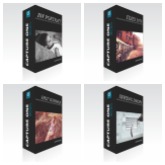
    PresetsFor the next 6 days you can pick up their Spring Drops, Italy 1970, Hot Summer and B&W Portraits preset packs to be used in CaptureOne at under half price.

    Subscribe to Get More Great Deals from SnapnDeals

    Every week SnapnDeals features great photography related deals from around the web. Make sure you subscribe by adding your email address to the form below:

    Post originally from: Digital Photography Tips.

    Check out our more Photography Tips at Photography Tips for Beginners, Portrait Photography Tips and Wedding Photography Tips.

    Check out These 3 Great Photography Deals from SnapnDeals [Limited Time]

    The post Check out These 3 Great Photography Deals from SnapnDeals [Limited Time] by Darren Rowse appeared first on Digital Photography School.


    Digital Photography School

  • Nikon invokes spirit of Noctilux with 58mm f/1.4G premium lens

    58_14G-520.png

    Nikon has announced the AF-S Nikkor 58mm f/1.4G, a premium standard prime for full frame SLRs that’s designed to deliver the best possible images, even at maximum aperture. It’s highly corrected for coma, meaning that point light sources are rendered correctly right across the frame, and is specifically designed to give an attractive rendition of out-of-focus regions of the image. It can also be used on Nikon’s DX format SLRs, on which it will behave like a classic 85mm ‘portrait’ lens. This all comes with a hefty price tag, though; $ 1699.95 / £1599.99. It’ll be on sale in selected retailers at the end of this month.

    News: Digital Photography Review (dpreview.com)

  • In pictures – Nikon’s large and pricey AF-S 58mm F1.4G

    58mm.png

    Want to know more about Nikon’s new premium AF-S Nikkor 58mm f/1.4G? Click through to see our pictures taken of the lens at Nikon’s UK press event, with the latest D610 acting as the model, along with our first thoughts of this sizeable and distinctly pricey optic.

    News: Digital Photography Review (dpreview.com)

  • Panasonic unveils tiny Lumix DMC-GM1 ILC and compact 12-32mm lens

    GM_s_front_H_FS12032-small.png

    One of the original promises of the Micro Four Thirds system was to permit the design of small mirrorless cameras. Today Panasonic released its Lumix DMC-GM1, a tiny camera which can literally fit in the palm of your hand. Don’t be fooled, though: it shares the same 16 megapixel sensor as the GX7 and also offers silent shooting at shutter speeds as high as 1/16000 sec, Wi-Fi, and 1080/60i video recording. It’s bundled with a new 12-32mm F3.5-5.6 lens (also available separately) that rivals a pancake lens for compactness when ‘collapsed’.

    News: Digital Photography Review (dpreview.com)

  • Nikon D5300 adds pixels, Wi-Fi, and GPS while leaving AA filter behind

    D5300_GR_18_55_front.png

    Nikon has announced its new D5300 midrange DSLR which, as you might have gathered, is the follow-up to the D5200. New features include the omission of an AA filter from its 24MP CMOS sensor, a larger 3.2in articulated LCD and also a slightly larger optical viewfinder, 1080/60p video, and built-in Wi-Fi and GPS. Nikon claims that the D5300’s Expeed 4 processor improves performance (allowing for 5 fps burst shooting) and photo quality, while reducing power consumption. You’ll be able to pick up the D5300 this month, in your choice of black, red, or gray. Click through for more details. 

    News: Digital Photography Review (dpreview.com)

  • Movin’ on up: Nikon D5300 first impressions review

    d5300thumb.png

    Nikon’s latest consumer DSLR, the D5300, evolves the design of its predecessor but raises the feature bar, bringing it closer to the D7100. In fact, it’s likely that the 24MP D5300 even uses the sensor of its big brother since it also lacks an AA filter. The D5300’s larger LCD and viewfinder serve to further close the gap, while built-in Wi-Fi, GPS, and 1080/60p video recording go beyond what the D7100 offers. We’ve had some time with a pre-production D5300, and you can click through to read our first impressions review.

    News: Digital Photography Review (dpreview.com)

  • First impressions review: Tiny Panasonic GM1 under the microscope

    specs.jpg

    It’s not every day when you see a mirrorless interchangeable lens camera that can fit in the palm of your hand. That’s why we jumped at the chance to take a look at Panasonic’s new Lumix DMC-GM1, which offers many of the features of its larger siblings, in a much smaller package. Read our first impressions review after the link.

    News: Digital Photography Review (dpreview.com)

  • A Tree Grows Inside This Modern Cylindrical Glass House

    [ By Steph in Architecture & Houses & Residential. ]

    Tree Tower Glass House 1

    Would you give up all your privacy in order to live in a spectacular glass cylinder with a tree growing up the center? Perhaps the secluded forest location will help make that decision for you. ‘Tree in the House’ by Masov Aibek is a stunning four-story modern treehouse in the woods of Almaty City, Kazakhstan with transparent walls and a spiraling staircase.

    Tree Glass House 2

    The staircase takes you from one floor to the next along the outer perimeter of the house, with an opening in the center of each floor that grows wider as the tree’s branches stretch out toward the top. Plasterboard inner walls provide a little bit of organization and section off areas for lounging and a bed.

    Tree Glass House 4

    Aibek set out to create a romantic retreat for couples that nurtures “spiritual and creative development.”

    Tree Glass House 3

    Real as it looks, this is currently just a concept – but it’s on its way to being built. Construction will begin in early 2014 at an estimated cost of U.S. $ 361,000, and the architect is currently taking orders for more.

    Share on Facebook


    [ By Steph in Architecture & Houses & Residential. ]

    [ WebUrbanist | Archives | Galleries | Privacy | TOS ]


    WebUrbanist