RSS
 

Archive for August, 2013

browserFruits August #1

04 Aug

Wir können nicht still stehen und wenn wir einmal nicht fotografieren, dannn kreisen unsere Gedanken um unser Magazin kwerfeldein und was wir Euch hier noch zeigen könnten. Insbesondere unser Herausgeber ist in letzter Zeit sehr angetan von Bildbänden, deshalb startet diese Woche dazu eine neue Serie namens „Blickfang“. Mehr wird noch nicht verraten, also haltet die Augen offen und lasst Euch überraschen.


Fotospecial: Elefanten

Flickr

500px


Deutschsprachig

• Nancy Ebert war in Istanbul und hat von dort ganz zauberthafte Urlaubsfotos mitgebracht.

• Die Amerikanerin Jen Davis fotografierte elf Jahre lang ein Motiv, mit dem sie große Probleme hatte: Sich selbst. Die Neon hat ein Interview mit ihr.

• Stephan Kleinert trennt sich von der Model-Kartei und hinterlässt ihr einen Abschiedsbrief.

• Ein kleines Interview mit der wunderbaren Marie Hochhaus haben wir hier entdeckt.


International

• Die Fotografin April Maciborka gibt Kleinkindern eine Zitrone in die Hand und löst aus, sobald sie hinein beißen. Wie gemein und wie süß!

• Harry Wilks fotografiere seine Familie von 1987 bis 2012 vor dem Familienauto. Eine sehr schöne Serie.

• 500px hat ein Interview mit dem Foodfotografen Gabriele Liaudanskaite, der sehr lecker aussehende und vor allem kreative Fotos macht.

• Habt Ihr schon von Fuji, dem 3-jährigen Fotografen gehört?

• Nicht mehr ganz so neu, aber dennoch bedrückend: The Global Intelligencer zeigt ein paar Projekte von Chris Jordan.

• Symmetrische Portraits: Julian Wolkenstein fotografierte Menschen und spiegelte deren Gesicht in der Mitte, um zu testen, ob der Mythos „symmetrisch = attraktiv“ stimmt. Auf echoism.org könnt Ihr übrigens testen, wie das bei Euch aussieht.

• Wie schön Wassertropfen auf Pusteblumen aussehen, zeigt Sharon Johnstone.

• Schöne Portraits von Herumreisenden im 21. Jahrhundert.

• Und beim Guardian haben wir einen ausführlichen Artikel über Sally Mann entdeckt.


Wettbewerbe

• Die Peter-Christian-Schlueschen-Stiftung nimmt noch bis zum 31. August Sportfotografien an. Der Peter-Christian-Schlueschen-Preis für Sportfotografie ist mit insgesamt 10.000 € einer der höchstdotierten Preise für Sportfotografie in Deutschland.

• Die Leadawards haben die Nominierten für 2013 bekanntgegeben. Für den Publikumspreis könnt Ihr hier auch selbst Fotos in verschiedenen Katgeorien bewerten.


Neuerscheinungen und Tipps vom Foto-Büchermarkt

Buchtipps

• Der Ur-Urenkel Richard Wagners fotografiert und hat sich auf die Spuren seines berühmten Vorfahrens gemacht. Herausgekommen ist der 144 Seiten starke Bildband Richard Wagner in der Schweiz*. Einen kleinen Einblick ins Buch gibt’s auf ZeitOnline.

• Großartige Architekturfotografie gibts im Katalog zur internationalen Wanderausstellung des Europäischen Architekturfotografie-Preises 2013: Im Brennpunkt. Focus of Attention*.


Videos

Inspirierender Blick über den Tellerrand: Der 97-Jähige Hal lasko entwirft mit MS Paint großartige Pixelbilder.


Wenn Ihr Nancy Eberts Fotos auch so toll findet wie wir, dann könnt Ihr gleich noch das Video zu ihrem Hochzeits-Zirkus-Shooting angucken.


Ausstellungen

HEIMsuchung. Unsichere Räume in der Kunst der Gegenwart
Zeit: 9 Mai – 25. August 2013
Ort: Kunstmuseum Bonn
Link

„CROSSING VIEWS“ – 7 Fotokünstler aus Leipzig
Zeit: 2. August – 19. September 2013
Ort: Marburger Kunstverein
Link

Oliver Mark – Außenseiter und Eingeweihter
Zeit: 2. August bis 18. August 2013
Ort: pavlov’s dog – Raum für Fotografie, Bergstrasse 19, Berlin
Link

Wilhelm Schürmann. Bilder aus Deutschland.
Zeit: 14. August – 24. November 2013
Ort: Sprengel Museum Hannover
Link

Zanzibar – Mein KinderLand
Zeit: 12. August – 22. September 2013
Ort: Extro Galerie, Berlin-Weißensee
Link

Mehr aktuelle Ausstellungen


* Das ist ein Affiliate-Link zu Amazon. Wenn Ihr darüber etwas bestellt, erhalten wir eine kleine Provision, Ihr bezahlt aber keinen Cent mehr.


kwerfeldein – Fotografie Magazin

 
Comments Off on browserFruits August #1

Posted in Equipment


Long Exposure Photography and the Square Format

04 Aug

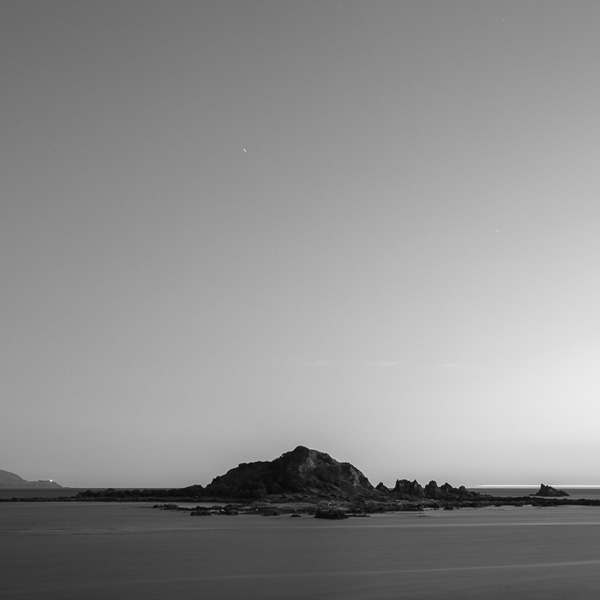
Square format black and white photograph

The rise in popularity of digital cameras over the past decade has coincided with the emergence of a new genre of photography – long exposure photography. Long exposure photography involves using shutter speeds of anything from one second to five minutes or more while using a tripod to keep the camera still. The result is a landscape or architectural study characterised by still elements, such as rocks or a building, contrasting with moving elements, such as water or clouds in the sky. Most long exposure photographers use neutral density filters to obtain long shutter speeds and would probably aim to use a shutter speed of at least thirty seconds to obtain their effects.

Digital cameras greatly assist with long exposure photography because there is no reciprocity failure with digital and the instant feedback provided by the LCD screen lets photographers see right away how effective the composition is.

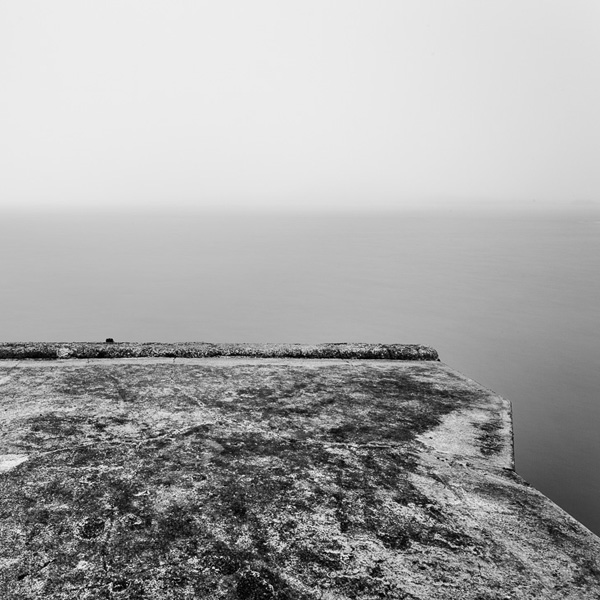
Square format black and white photograph

If you are familiar with the work of some of the more well-known long exposure photographers then you would no doubt have noticed that many of them choose to work in both black and white and the square format. Why is this?

Let’s start with black and white. Monochrome is the medium of choice for many fine art photographers. It’s moody, timeless, evocative and expressive. Removing colour from the composition concentrates attention on texture, contrast, line and light – the visual building blocks of powerful imagery.

The square format is different from other aspect ratios because of its balanced shape. The four sides of a square are equal in length and encourage the viewer’s eye to move around the frame in a circle, rather than side-to-side or up and down. The square frame lends itself to compositions that contain strong shapes, lines or other graphic elements. The strong shape of the square frame seems to emphasise other shapes that appear within it.

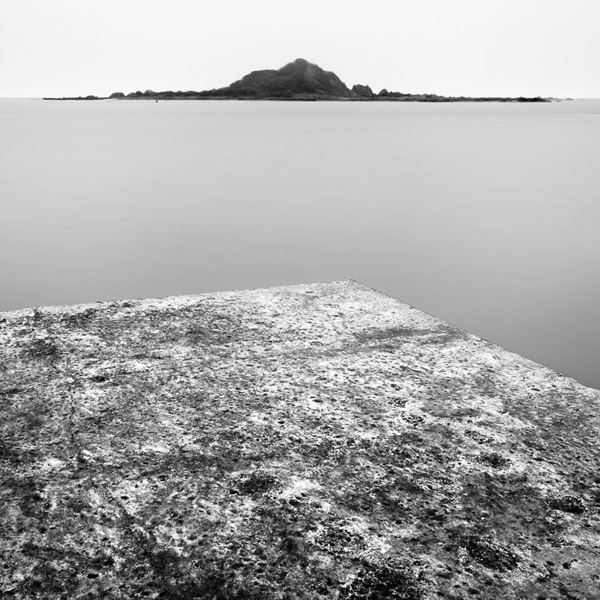
Not all long exposure photographers work exclusively in black and white or the square format, but many of them do. The heavy emphasis on simplicity led composition in the long exposure photography genre marries well with the compositional strengths of the square format.

Square format black and white photograph

Long exposure photographers

Looking at the work of other photographers is an excellent way to learn more about the creative side of photography. The following is a list of some of my favourite long exposure photographers. Each photographer in this list works predominantly in black and white and the square format. You will learn a lot from their work.

I have interviewed many of these photographers on my website. You can work your way through the interviews here.

Photographer Nathan Wirth has also interviewed some of these photographers on his blog Slices of Silence.

  • Joel Tjintjelaar
  • Moises Levy
  • Keith Aggett
  • Julia-Anna Gospodarou
  • Hengki Koentjoro
  • Spencer Brown
  • Didier Demaret
  • Thomas Leong
  • Andy Brown
  • Will Le
  • Maria Strömvik
  • Nathan Wirth
  • Steve Landeros
  • Paul Wheeler
  • Gavin Dunbar
  • Håkan Strand
  • Josef Hoflehner
  • Michael Kenna
  • Jeff Gaydash
  • Michael Diblicek
  • Xavi Fuentes

Conclusion

I hope you enjoyed looking through the work of the photographers listed above. If you’d like to find out more about long exposure photography, then Joel Tjintjelaar’s website BWVision is an excellent place to start. The tutorials page has plenty of information to get you started.

Post originally from: Digital Photography Tips.

Check out our more Photography Tips at Photography Tips for Beginners, Portrait Photography Tips and Wedding Photography Tips.

Long Exposure Photography and the Square Format


Digital Photography School

 
Comments Off on Long Exposure Photography and the Square Format

Posted in Photography


7 Simple Ways a Blog Can Get You More Photography Clients

04 Aug

By Ramsay Taplin

Are you a photographer who dreams of taking your photography business to the next level?

Well, one of the things that creative people (like artists, writers and, yes, photographers) forget is that you grow a business by marketing it – not necessarily by just being good at what you do. There are plenty of good photographers out there.

So what’s the problem?

Not all photography businesses have a huge budget to spend on marketing.

And that’s where a blog comes into it.

In this post I’m going to talk about how you can start a blog (or use an existing one) to get you more clients for your photography business. I don’t run a photography blog but I’ve got a bit of experience with helping small businesses grow using content marketing.

I’ll use a few examples from photographers I know as well as taking some sweet ideas from similar small businesses doing the same thing.

Not all blogs/websites are created equal

For the purposes of this article I thought it would be important to make a few distinctions.

And let’s start by highlighting the fact that a regular “brochure” website is not the same as a blog. Not by a long way.

What’s the difference between a blog and a website?
So what’s the difference? Well, a website is something that generally has static content – pages like About Us, Services, Gallery, Contact and so on. A blog is something that you update regularly with new content. The newest posts usually appear at the top. This comes with a huge set of advantages – some you might never have considered.

Can the two work together?
Absolutely. In fact, that is the ideal situation. The best way to set your photography website up is to make sure it has a blog integrated seamlessly with the rest of the website. Having a blog on a separate domain name is good but not nearly as good as building one under your main brand name. I’ll explain why later.

Where do I get started?
If you don’t have a blog (or a website) and want to learn more I’ve done a video and a full walkthrough on blog hosting that helps you understand how it all works together and how to get started the right way the first time around. You can also check out this Wiki later on for some hosting alternatives.

So how can a blog bring you more photography clients?

Now that we’ve got some of the preliminary stuff out of the way let’s jump into the meat and potatoes of the post.

1. A blog helps to build trust
The first thing to note about a blog is that it helps you build a lot of trust with your potential customers and clients. This is an extremely important part of growing a business these days because a huge amount of your customers will research you before they engage your services. In fact, some people say that one in three people look at the website before engaging the business.

Part of this means having a well designed website that showcases your work and part of it means showing your personality. This is especially important for things like wedding photography where your client will want to have a good relationship with you as it is such an important day for them.

LisaK

A few cool shots from Lisa K’s blog.

Tasmanian photographer Lisa K does this extremely well by having her blog as the homepage of her photography website. The articles she posts are about her daily life and family but always showcase some stunning photographs that would, no doubt, help to create an initial “buzz” and trust with a potential client.

2. A blog helps to increase your reach
The most important part of marketing a business is reach – you need to get in front of new people as often as possible.

This can be quite a difficult concept to understand because we are usually told that loyalty and repeat customers is the most important. Well, if you have five loyal clients who bring you the majority of your business but one drops off then you’re in trouble. A better scenario is to reach new people regularly and then convert them into loyal customers by providing a quality service. Reach is always more important than loyalty for growth.

So how does a blog help to increase your reach?

Well, it gives people something to share and a platform for you to promote all the cool intricacies of your business. People are very unlikely to share around just a portfolio site (unless it’s incredible!) but if you publish a quirky or unique blog post that’s different to your regular material you might find it makes the rounds on Pinterest or Twitter and brings you some new clients.

For example, let’s say you have some hilarious wedding photos of brides trashing their dresses. They’d look look good in a portfolio but imagine the difference it would make if you combined them into one blog post called 10 Hilarious Photos of Brides Ruining their Expensive Dresses. Much more entertaining and shareable.

3. A blog can get you more exposure locally
Google is now giving a lot of weight to local listings. What this means is that if someone types in “photographer” into a Google search they are going to get result from their local area. Here’s an example:

Screen Shot 2013 08 01 at 1 17 37 PM

As you can see, in South Australia I get a Wikipedia result and then the next few are all local South Australian photographers.

Now, a blog can help you take this to the next level in a few ways. The main one is that every blog post you publish will increase your visibility for local terms. For example, if you do a blog post called 25 Beautiful Landscape Photos from Around Sydney you are more likely to rank for terms relating to those photographs to people in Sydney.

Or, you might do a blog post about every photo shoot that you do with local businesses. When people see those photos on those businesses websites or marketing materials and then look it up on Google you’re more likely to appear. So you can piggyback off the success of your client and your quality photos to get more business.

4. A blog gives your website multiple new points of entry
This point strongly relates to the previous one but is worth mentioning on it’s own.

Every time you publish a blog post it (if set up correctly) publishes with it’s own unique web address called a permalink. For example, let’s say you do a post called 5 Interesting Photos from New York that post’s permalink would be something like www.yourwebsite.com/5-interesting-photos-from-new-york/

The great thing about this is that Google will index each post like this in the search results separately depending on what people search for, and how authoritative your website is. This is quite a complicated field we’re getting into now so if you’re interested you can read this SEO for blogs article or this list of SEO tips from Darren.

The main point, however, is that for every blog post you publish you’re creating a new set of keywords through which people can enter your blog.

A great real-world example is my mate Tim from SA TECHFLOOR who told me the other night that since he started blogging and posting photos of his flooring jobs he’s getting more and more phone calls every day. As each one has a different set of keywords (carpet, concrete, bamboo, timber, etc.) he’s got a lot of entry points he didn’t previously.

5. A blog can help your website rank higher
Now, one of the cool things about the previous few points is that if you do them all within your own website you can cause that website to rank higher on Google for important terms like “photographer in [your city]“.

Google likes to show results that are both fresh and of the highest quality. So if you have a small five page website with not much changing, Google might not think it’s all that useful.

If, on the other hand, your website has an active blog with lots of new posts, people sharing it on social media and so on, Google is likely to think it’s more useful for their customers (people searching) and thus rank it higher.
Organic ctr by search position 1 20 png

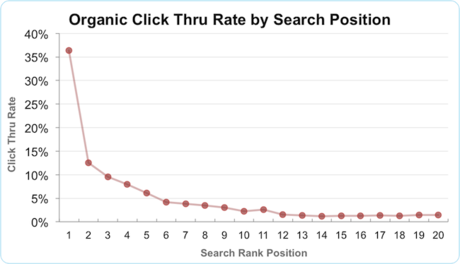
A graph of the click through rate of the top search results thanks to Search Engine Watch.

As you can see in the image above, this can lead to an immediate increase in business because the first result in Google gets over 35% of the traffic for that page. Worse still, the first page gets over 95% of clicks so if you aren’t in the first few results you’re getting overlooked.

6. A blog can help you form new collaborations
A good online friend of mine, Jamie Swanson, runs two photography blogs. One of them is embedded in her main business website and acts as a promoter of her main services. Her second blog, however, is called The Modern Tog and it’s all about running a photography business.

I wanted to mention her second site because it is a great example of someone who has set up something slightly out of the box and created a lot of new connections because of it.

For example, Jamie contacted me through Blog Tyrant about a year ago and I put her in touch with the content editor at ProBlogger. This lead to her writing a hugely successful post about Pinterest that, in many ways, has lifted her reputation online as someone who knows about photography and the marketing side of photography.

It wouldn’t have happened without the blog.

7. A blog can help reduce client friction
Client friction is what happens when they visit your site, like your stuff but for some reason don’t make contact. It could be because they don’t like your prices or it might be something a little bit more intangible like not really “feeling the vibe”.

James Field runs one of Adelaide’s best wedding photography businesses and has a great little video on his website that is a cool example of something you can do to get your clients to know you better.

Now, James’s video isn’t on a blog but it’s the perfect kind of cross-platform content that a blog is perfect for. For example, you could do a series of these types of videos showing how the wedding day pans out for your clients. These could then bring you traffic from YouTube as well as reducing client friction on your blog.

Tips for your photography blog

So now you’ve got some reasons as to why you might want to have a blog on your photography businesses website. But once you’ve got the blog what are some things you can do to make sure it succeeds?

  • Be personal
    People will love your photos (if you’re good) but they might not like you. Try to figure out who your audience is an, if possible, make sure you are personal and friendly.
  • Know your brand
    Know who you are targeting and what keyword they might be looking for on Google. This will help you craft the right content.
  • Make sure it loads fast
    People are getting less and less patient when it comes to websites. In fact, a one second delay can affect conversions by up to 7%.
  • Find a way to be different
    Don’t just publish the same stuff everyone else is. Take a leaf out of BuzzFeed’s book and use content we’ve all seen to come up with something fun, shareable and relevant.
  • Make your blog your “home base”
    In my guide to social media I talk about the fact that your blog should be your base for all your social media activities. This way, all the Tweets, Pins and Shares that you get go towards growing your blog’s traffic and rankings.

Do you run a photography blog?

I’d be interested to hear how many DPS readers have photography blogs and whether or not they’ve helped to get more customers vs just a static website. What has worked for you? Leave a comment and let us know!

Ramsay runs Blog Tyrant – a blog about trying to make a living from the couch and other internet marketing ideas. Find him on Google+ today.

Post originally from: Digital Photography Tips.

Check out our more Photography Tips at Photography Tips for Beginners, Portrait Photography Tips and Wedding Photography Tips.

7 Simple Ways a Blog Can Get You More Photography Clients


Digital Photography School

 
Comments Off on 7 Simple Ways a Blog Can Get You More Photography Clients

Posted in Photography


3. August 2013

04 Aug

Ein Beitrag von: Antonio Aliaga

el gran valle © Antonio Aliaga


kwerfeldein – Fotografie Magazin

 
Comments Off on 3. August 2013

Posted in Equipment


Gravity-Defying House Gives Visitors Climbing Power

03 Aug

[ By Delana in Art & Installation & Sound. ]

dalston house gravity defying art installation

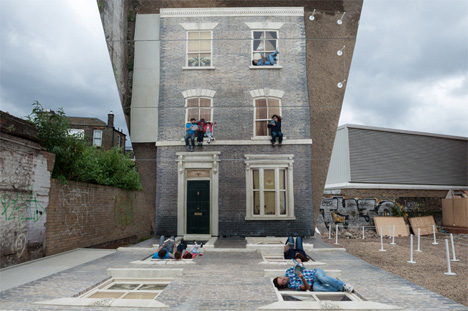
Some London residents have recently acquired an incredible ability to scale walls with ease. They climb the facade of a building, sit quietly on windowsills, and simply enjoy their ability to see the world from a different angle.

dalston house installation art

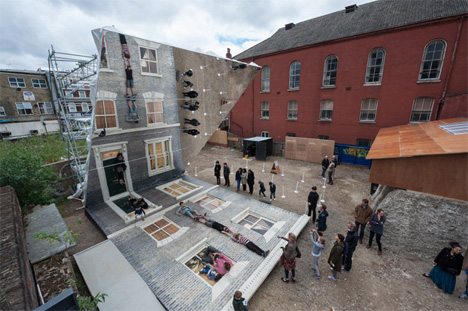
The illusion is made possible by a large-scale installation called Dalston House, created by Argentine artist Leandro Erlich. He painstakingly recreated a London house facade, complete with brickwork detail and ornate windowsills. The facade doesn’t stand up vertically, however. It lies flat on the ground.

house climbing illusion

A huge mirror is positioned at a 45 degree angle from the “house,” allowing people playing and climbing on the facade to look up and see themselves seemingly performing incredible gravity-defying feats.

leandro erlich dalston house london

Passers-by probably also experience a moment of bewilderment as their gaze is first drawn up toward the standing mirror and the people hanging there in impossible positions.

Some visitors to the temporary installation at the Barbican Art Centre‘s Dalston Mill site have gotten very artistic with their interactions. These videos demonstrate just how creative one can be given the ability to leave gravity behind.

Share on Facebook


[ By Delana in Art & Installation & Sound. ]

[ WebUrbanist | Archives | Galleries | Privacy | TOS ]


WebUrbanist

 
Comments Off on Gravity-Defying House Gives Visitors Climbing Power

Posted in Creativity


French River, Northern ON Canada

03 Aug


Granite rock faces on the French River

. : LIGHT and SHADOW : .

 
Comments Off on French River, Northern ON Canada

Posted in Equipment


Konzert: Frère De Song & Lingby

03 Aug

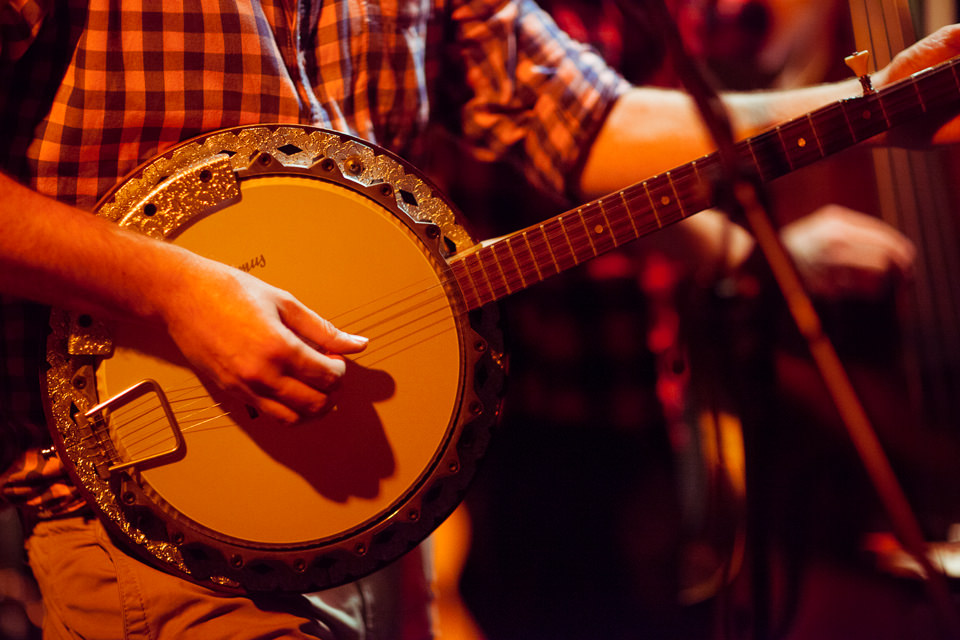
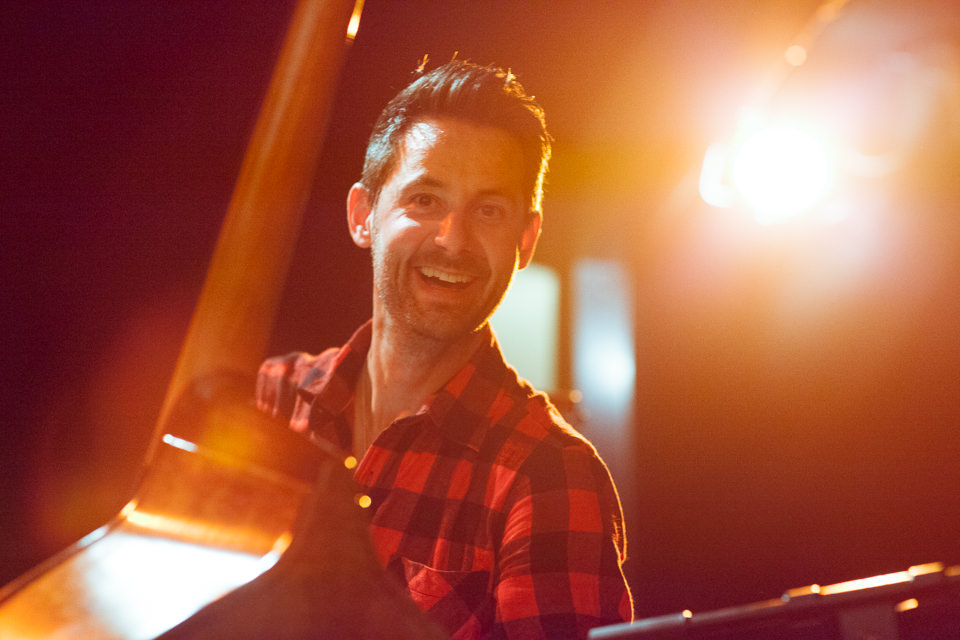
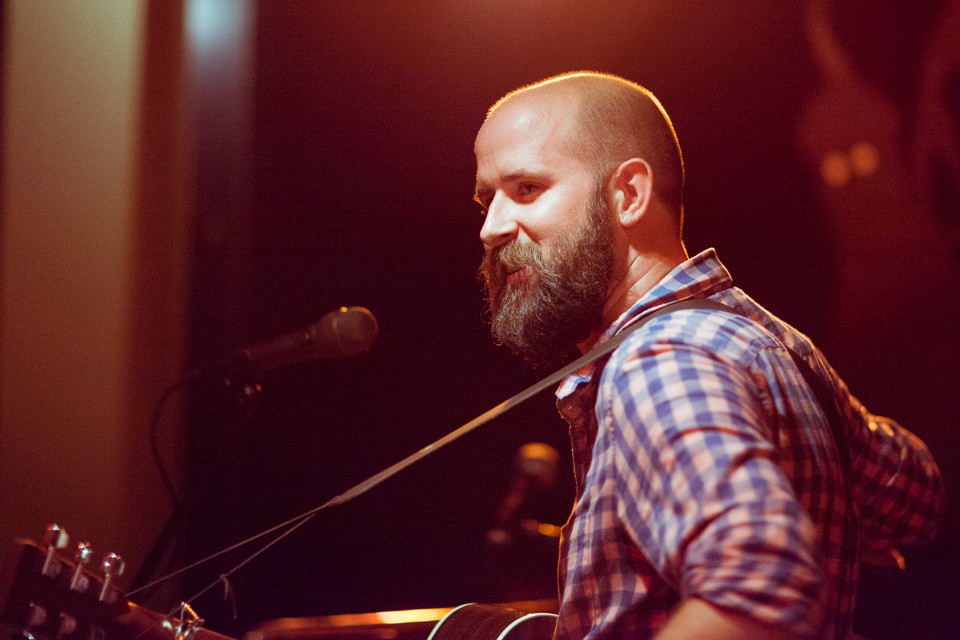
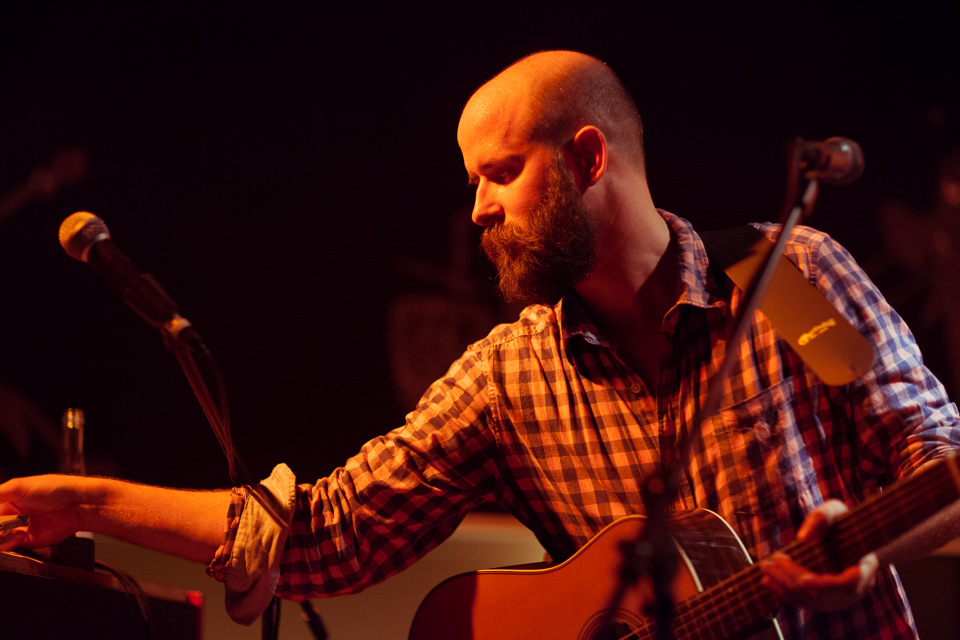
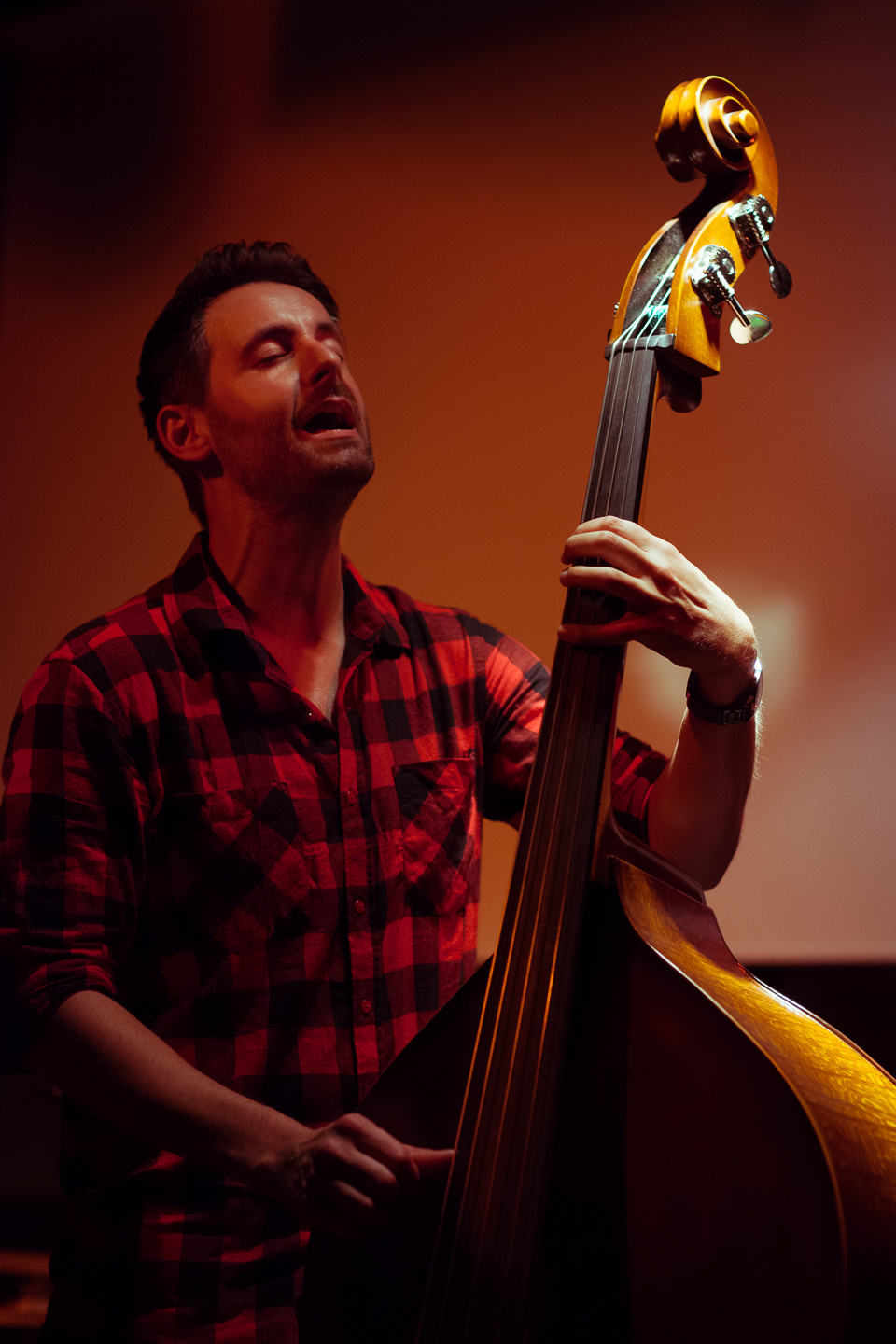
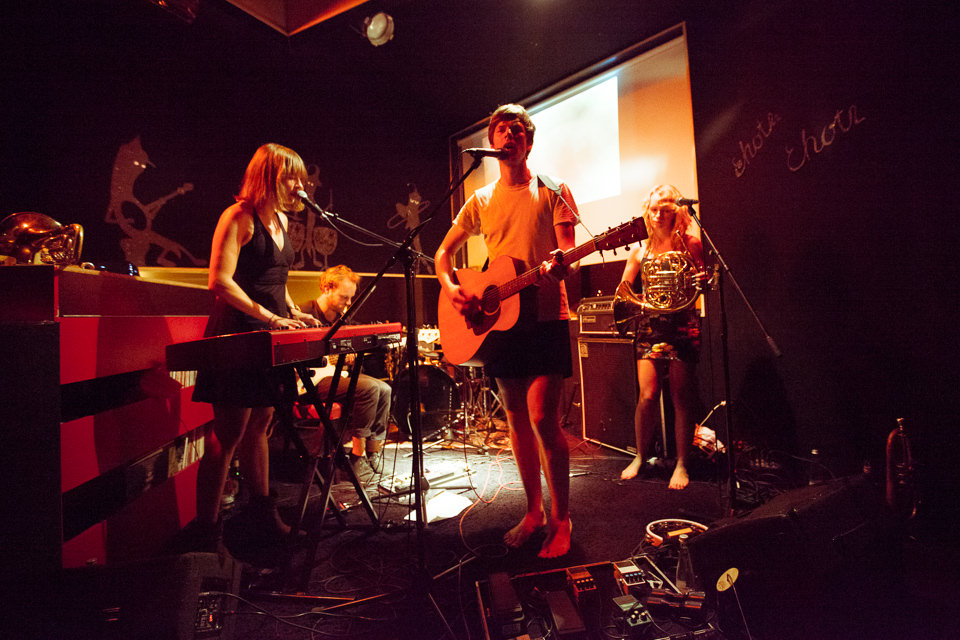
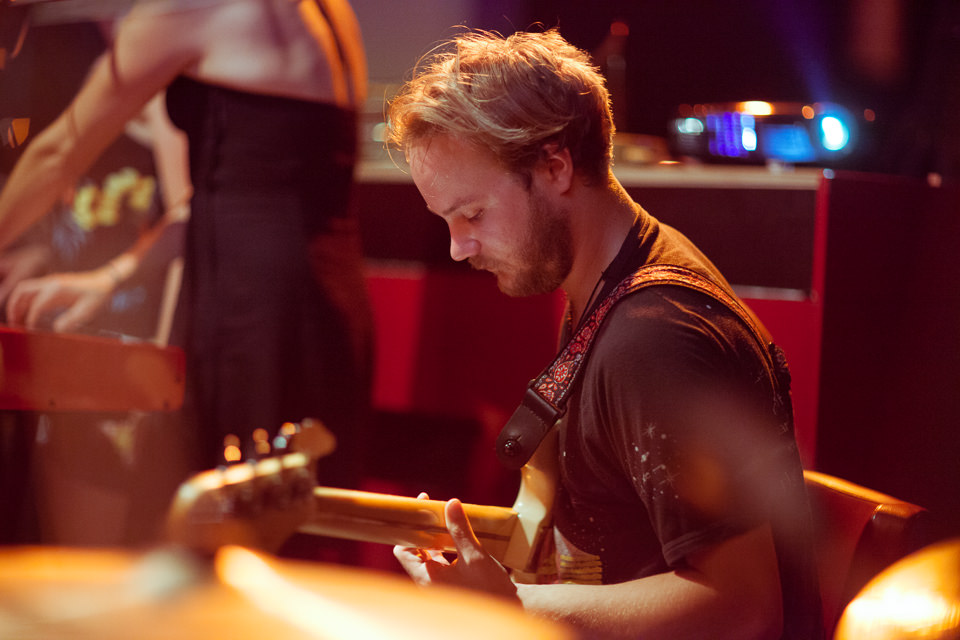
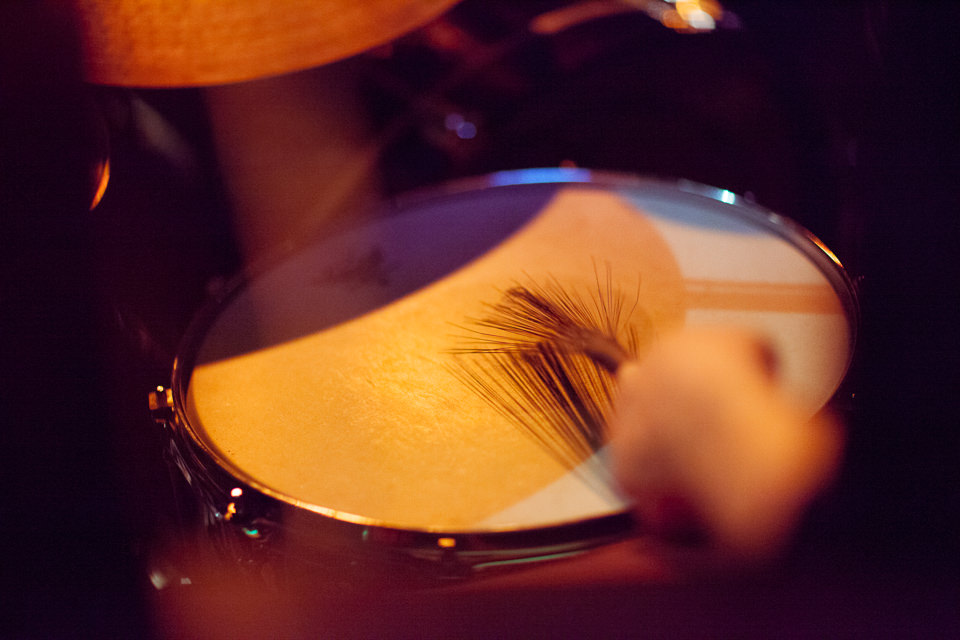
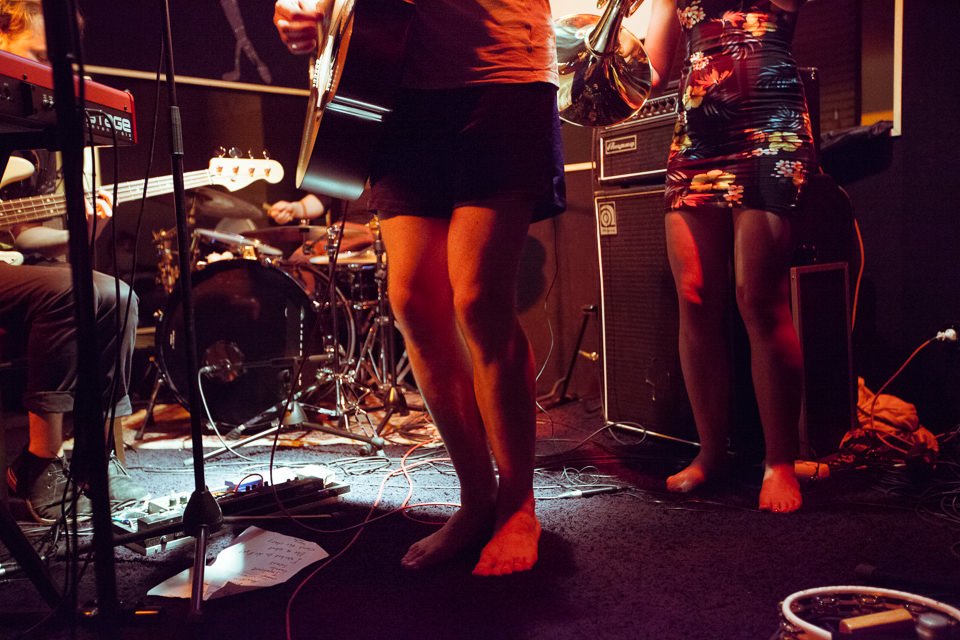
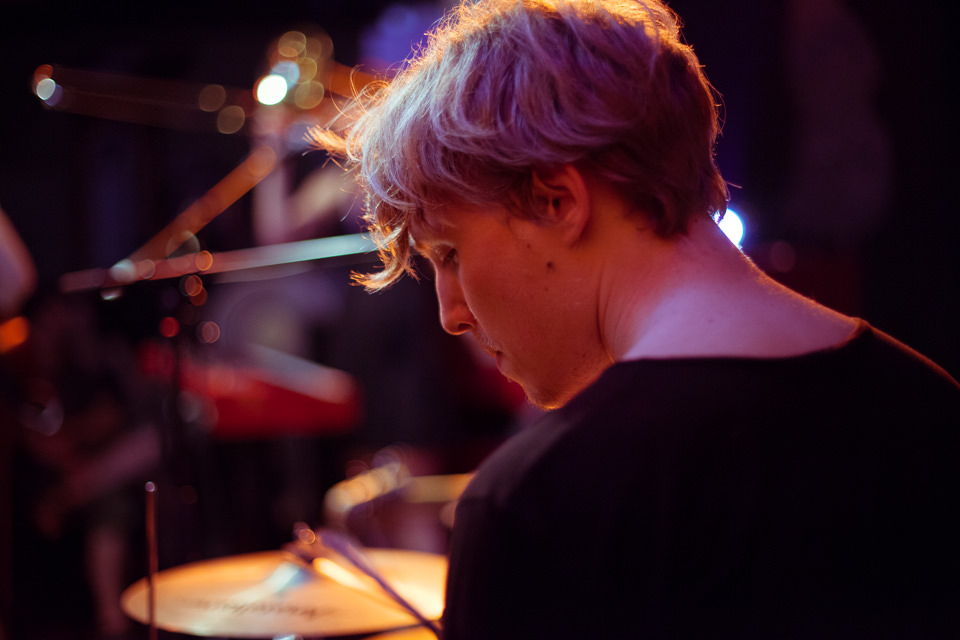
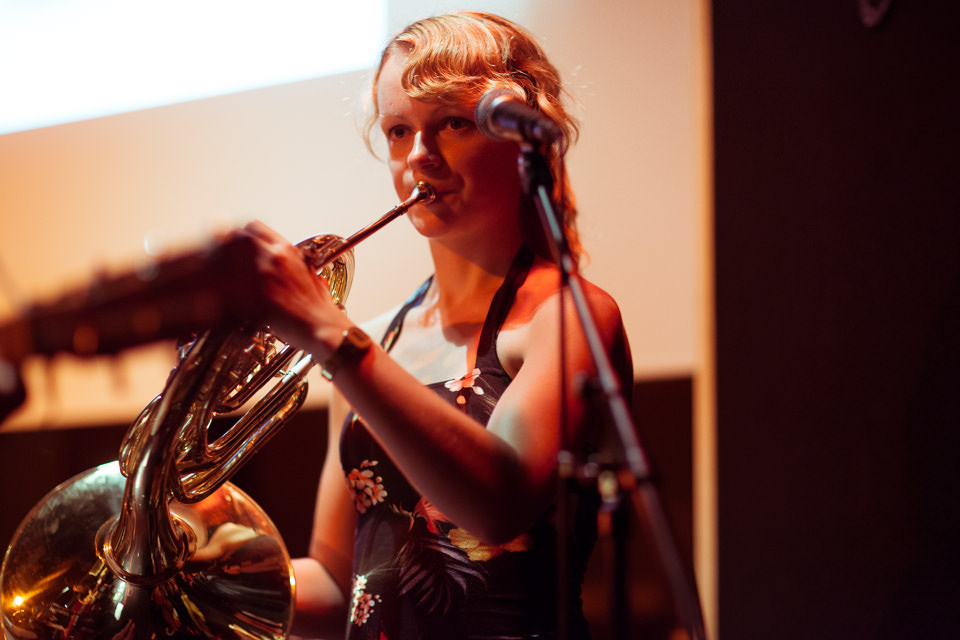
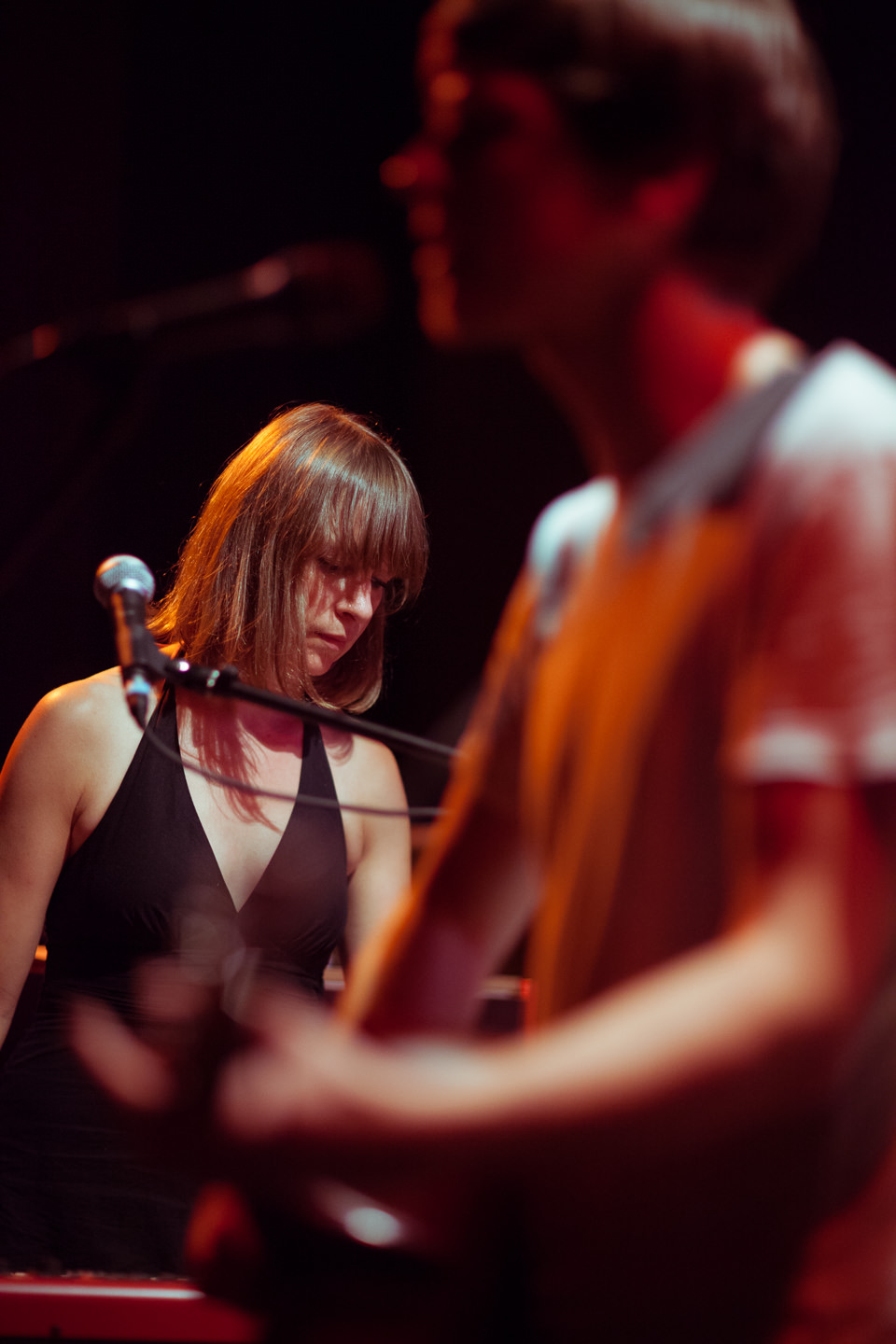
Wie viele von Euch schon wissen, fotografiere ich regelmäßig bei meinen Freunden, die das Café Nun in Karlsruhe betreiben, Konzerte. Jeden Monat finden sich Bands ein, um vor dem hiesigen Publikum ihr Bestes zu geben und häufig handelt es sich bei ihnen um Singer-Songwriter.

Am 25. Juli dieses Jahres spielten Frère De Song aus Faurndau und Lingby aus Köln. Ich freute mich ganz besonders auf Linby, da sie nicht zum ersten Mal hier spielten und in den letzten Jahren eine großartige musikalische Weiterentwicklung hingelegt hatten. Die Dekoration der Bühne wurde von Hanna Lindner und Ines Pommranz des Atelies 27morgen aufs Konzert hin erbastelt und sorgten für ein witziges Zusammenspiel mit den Musikern.

So bestückte ich meine Kameratasche mit ein paar Linsen und fotografierte mit der 5D. Das iPhone blieb in der Hosentasche stecken, denn für solche Events und andere Jobs habe ich mir freigehalten, mit maximaler Qualität zu dienen.

Die Lichtbedingungen im Nun sind durch zwei rote und eine (!) weiße Deckenleuchte relativ katastrophal, zumindest aus fotografischer Sicht. Jedoch habe ich mich über die Jahre daran gewöhnt und die ISO-Stärke des Vollformates aus dem Hause Canon macht sich doch bemerkbar.

Impressionen © Martin Gommel

Impressionen © Martin Gommel

Impressionen © Martin Gommel


Frère De Song

Frère De Song präsentierten unaufgeregte, aber tiefgründige Stücke mit Countryanklängen, nicht weit entfernt von Kings Of Convenience. Mal ruhig, mal amüsiert und stets mit einem Lächeln spielten Matthias Breckle (Gesang, Gitarre) und Marcel Engler (Trompete, Kontrabass, Percussions) auf hohem Niveau und konnten trotz der steigenden Hitze auch dann schmunzeln, als Breckle einmal der Text entfiel.

Frère De Song © Martin Gommel

Frère De Song © Martin Gommel

Frère De Song © Martin Gommel

Frère De Song © Martin Gommel

Frère De Song © Martin Gommel

Frère De Song © Martin Gommel

Impressionen © Martin Gommel

Lingby

Lingby aus Köln brachten nach der dringend nötigen Pause frischen Wind auf die Bühne. Ohne mit der Wimper zu zucken legten sie los und spielten poppig-schöne bis traurig-leise Klänge, die bis ins kleinste Detail aufeinander abgestimmt die Besucher umschlossen. Mit Mut zur Disharmonie und abwechslungsreichem (bis zu dreistimmigem) Gesang war es während der einen Stunde Spielzeit jede Sekunde heiß, aber keine einzige langweilig.

Lingby © Martin Gommel

Lingby © Martin Gommel

Lingby © Martin Gommel

Lingby © Martin Gommel

Lingby © Martin Gommel

Lingby © Martin Gommel

Lingby © Martin Gommel

Lingby © Martin Gommel

Lingby © Martin Gommel

Auch, wenn ich nach dem Konzert komplett durchgeschwitzt war und mich so an meine alten Tage als Musiker erinnert fühlte, habe ich die beiden Bands sehr genossen und freue mich schon darauf, sie (hoffentlich) bald wieder im Cafè Nun sehen und vielleicht auch fotografieren zu dürfen.


kwerfeldein – Fotografie Magazin

 
Comments Off on Konzert: Frère De Song & Lingby

Posted in Equipment


2. August 2013

03 Aug

Ein Beitrag von: Torsten Muehlbacher

Stockholm Underground | Torsten Muehlbacher


kwerfeldein – Fotografie Magazin

 
Comments Off on 2. August 2013

Posted in Equipment


What The Duck #1428

03 Aug

wtdlogo_big.jpg

We’ve been fans of Aaron Johnson’s comic strip ‘What the Duck’ for years. ‘WTD’ is one of the best satirical comic strips in the world, and it’s published here every week, as well as being included in our weekly newsletter. Barbed, topical and always amusing, we hope you enjoy WTD as much as we do. 

News: Digital Photography Review (dpreview.com)

 
Comments Off on What The Duck #1428

Posted in Uncategorized


Water Landscapes: Weekly Photography Challenge

03 Aug

Last week’s sunset/sunrise landscapes challenge was really popular with some beautiful images being submitted so we’re going to continue the ‘landscape’ theme going (to coincide with the launch of our Living Landscapes eBook) and this week are issuing the challenge of photographing a landscape image with ‘water’ in the scene.

So this week we’d love to see some shots with rivers, lakes, oceans, streams and waterfalls (or anything else you can imagine up).

The first page of our 'photographing water' section of the Living Landscapes eBook.

The first page of our ‘photographing water’ section of the Living Landscapes eBook.

Todd has a section on shooting water in the eBook but whether you’ve read it or not we’d LOVE to see your shot!

Once you’ve taken your ‘Water Landscapes’ photos upload your best ones to your favourite photo sharing site either share a link to them even better – embed them in the comments using the our new tool to do so.

If you tag your photos on Flickr, Instagram, Twitter or other sites with Tagging tag them as #DPSWATER to help others find them. Linking back to this page might also help others know what you’re doing so that they can share in the fun.

Also – don’t forget to check out some of the great shots posted in last weeks Sunrises and Sunsets challenge – there were some great shots submitted.

Post originally from: Digital Photography Tips.

Check out our more Photography Tips at Photography Tips for Beginners, Portrait Photography Tips and Wedding Photography Tips.

Water Landscapes: Weekly Photography Challenge


Digital Photography School

 
Comments Off on Water Landscapes: Weekly Photography Challenge

Posted in Photography