RSS
 

Archive for March, 2013

In-Depth: The New Fujifilm X100s

22 Mar

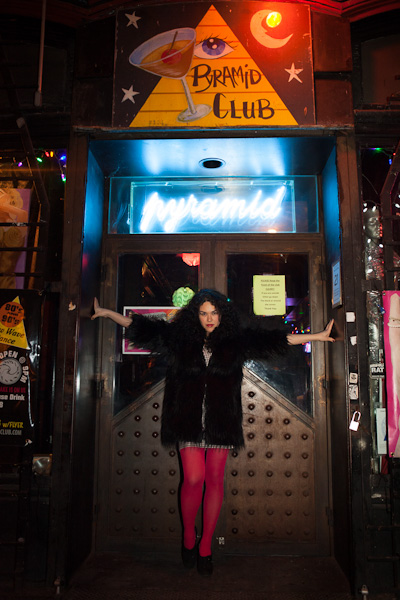
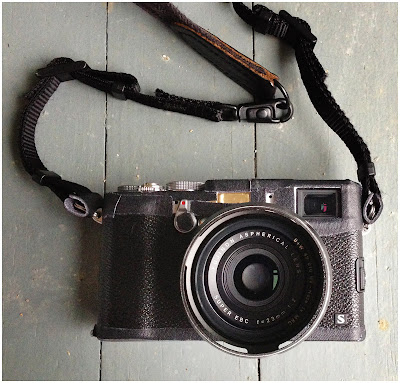
Those of you who follow on other channels—Flickr, Twitter, G Plus—know I have been getting acquainted with the new Fuji X100s for the past few weeks. Seen above, I have purposely gaffed mine up and trashed the shade to make it look not worth stealing (and otherwise less noticeable) when I travel with it.

Reader's Digest Version: It's a remarkable, sync-at-any-speed camera with a no-apologies 16mp chip. I'll probably make more pictures with this camera over the next year than all of my other cameras combined.

Why, below.

Read more »
Strobist

 
Comments Off on In-Depth: The New Fujifilm X100s

Posted in Photography


5 Easy Ways To Screw Up a Photo

22 Mar

Over the years I’ve screwed more photos than I can count.  And recently, when I was thinking about it, there have been a few constants behind many of these screw-ups.  They are all easy to fix, but in our fast moving world they are all mistakes that are so easy to make.  Here’s a short list to help us both avoid them in the future.

1.  You don’t focus exactly on a person’s eye.

1-anne-marieThis point could be taken further by just saying to always make sure to focus on the specific spot that you want the sharpest.  But I find this mistake hurts the most when doing a close-up portrait of a person’s face.  If you are using a shallow aperture, or even if you’re not, make sure that the focus is right on the dominant eye.  If you screw up focus on the eye in this type of portrait, then you screw up the shot.  When you view the portrait on a small monitor or in a very small print, it may not matter, but if you want to create a high quality portrait, then you need the focus on the eyes to be correct.  The eyes are the key to a portrait.

2.  Not stopping your motion completely before you take a shot.

I am generally a very calm person, but nothing makes me want to shake people more than when I see them not stop themselves fully before taking a photo.  It can be a tough habit to break, especially on vacation, however, the fact is that your photos will be blurry if you don’t stop yourself.

If you are traveling and taking photos, try taking less pictures and instead wait for the most interesting moments. Then, take your time on the shots that you do want to take.  If you’re walking around and quickly taking shot after shot without stopping then you might as well just put the camera away and enjoy the view without it.  And anyway, it’s so much better to have 20 amazing shots from your trip instead of 1000 mediocre ones.  Who has time to look through 1000 mediocre shots these days anyway? We have more important things to do, like looking at photos of cats doing ridiculous things on the internet.

3.  Not stopping a forced smile. 

Sara

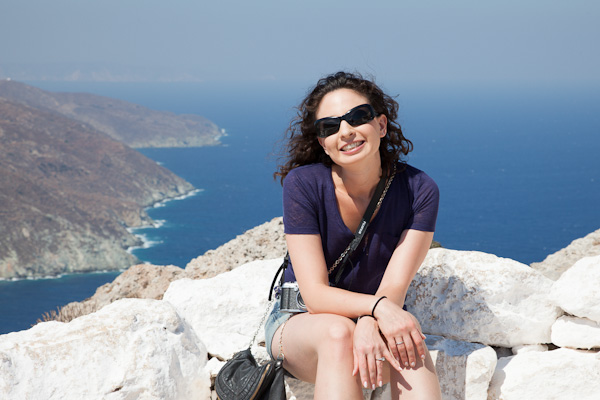
Here’s a portrait of my wife on our honeymoon.  Isn’t she gorgeous!  The warm lighting on her face, the wind in her hair, the texture in the foreground mixed with the incredible cool blue background are all perfect.  But I wasn’t thinking.  I should have taken her bag and the camera, maybe taken a shot without the sunglasses to see her beautiful eyes, and just taken my time to capture a really good quality portrait.  Most importantly, I should have told her not to smile.  This moment just screams out for a natural expression.

Most of the time people don’t look better or even happier when they put that forced smile on their face.  It wasn’t necessary here, I should have noticed it, and I should have worked to catch her with a more natural expression.  I like this photograph of her, but I screwed up and it could have been so much better.  One standard smile and a couple small details can be the difference between an average family snapshot and the best shot you’ve ever taken of your wife.

4.  Using too much straight on flash and not enough natural light.

One of the cardinal sins of photography is the harsh, direct flash showing every pore and detail of a person’s face with the background completely blacked out.  In a few extremely dark situations this might be the only option.  However, if you have a decent lens and camera and there is even a little ambient light, then there is no reason that a flash needs to do all the work, or in many cases, any of it.  You should own a lens that can shoot at least at F2.8.  I know lenses are expensive, but you can get a prime Canon 50mm F1.8 lens for $ 100 and a 50mm F1.4 lens for $ 350.  Those lenses can shoot in the dark.

So if you’re shooting an event, a family function, or an environmental portrait in a place with a low level of light, start with a high ISO and a low aperture to see how much of the available light you can use.  Then, set your flash to provide some fill for the main subjects.  Straight on flash, even as a fill can be a terrible look, so if the ceiling is low enough, a good strategy is to bounce the light up and slightly backwards off the ceiling.  Anything but straight on.

Jacquelyn

1/50th at F2.8, ISO 1600 – Ambient light mixed with direct flash from a 45 degree angle.

5.  Not getting the exposure perfect in the camera.

I know, I know, you can fix it in Lightroom later.  But try this.  Take two shots of the same scene, one exposed correctly and one underexposed by a stop.  Then raise the exposure by a stop on the underexposed shot in Lightroom.  They look different.  The colors and contrast will be slightly off.  It’s not the same.  And yes, maybe you can get it to look similar or equal to the correctly exposed shot with a bit of work and futzing, but what if you don’t have that correctly exposed shot to compare it to?

Try hard to capture the perfect exposure in the camera.  It’s not always possible, but it’s always important.  And it will improve your images significantly.


Post originally from: Digital Photography Tips.

Check out our more Photography Tips at Photography Tips for Beginners, Portrait Photography Tips and Wedding Photography Tips.

5 Easy Ways To Screw Up a Photo


Digital Photography School

 
Comments Off on 5 Easy Ways To Screw Up a Photo

Posted in Photography


We are traffic

22 Mar

Ein Beitrag von: We are traffic

Das Projekt „WE ARE TRAFFIC“ von Till Gläser und Björn Lexius fand ich auf Anhieb spannend. Nicht nur die Fotos überzeugten mich, sondern auch das Anliegen hinter dem Projekt wollte ich unbedingt unterstützen.

Die beiden Fotografen portraitieren in der Serie die Radfahrer Hamburgs, um damit auf die katastrophale Radverkehrspolitik aufmerksam zu machen und zu zeigen, dass Radfahrer zum Verkehr gehören und diesen nicht behindern. Ich freue mich sehr, dass sie mir für kwerfeldein Rede und Antwort zu ihrem Fotoprojekt und der Radkultur Hamburgs standen.

Ihr habt jetzt schon sehr viele Radfahrer Hamburgs fotografiert. Gibt es bestimmte Eigenarten, die Ihr festgestellt habt?

Wir versuchen ja möglichst viele verschiedene Radfahrer zu fotografieren. Wir wollten mit Absicht nicht den zweiundfünfzigtausendsten Cycle-Chic-Blog nachmachen, sondern ein Portrait der ganzen Hamburger Radkultur machen, deswegen ist es schwer, bestimmte Eigenarten über eine so große Gruppe zu verallgemeinern. Allen gemein ist wohl, egal ob Rennrad- oder Hollandrad-Fahrer, dass sie von der Hamburger Radverkehrspolitik genervt sind und sich nicht als gleichberechtigt im Verkehr empfinden.

fraudinkel

Ich glaube, da zum Beispiel hin und wieder einige Fixies und Fixieumbauten zu erkennen. Ist das gerade bei Euch Kult? Verboten sind sie ja…

Prinzipiell ist das zur Zeit schon ein Trend, aber es gibt eben auch viele, die seit Jahren auf Fixies unterwegs sind und nicht einem Trend hinterherlaufen. Man kann auch da nicht alle über einen Kamm scheren. Björn selbst fährt schon seit fünf Jahren Fixed Gear und andere, die wir für „WE ARE TRAFFIC“ fotografiert haben auch noch länger, also schon lange bevor es Trend wurde. Fixie fahren ist schon ein besonderes Fahrgefühl, direkt mit der Straße verbunden.

Wir fotografieren wie gesagt alle und unser Ziel ist nicht, mit dem erhobenen Zeigefinger rumzulaufen und nur abzubilden, wer ein Rad hat, das der StVO entspricht. Wir wollen die Radfahrkultur so abbilden, wie sie ist. Mit allen Subkulturen, die das beinhaltet.

Verboten ist ein Fixie auch generell nicht. Laut StVO braucht ein Rad zwei voneinander unabhängige Bremsen, es geht also nicht um die Antriebsart, also die starre Nabe, sondern um das Fehlen von einer oder beider Bremsen, das nicht StVO-konform ist. Das ist genau wie bei vielen BMX-Rädern, die, um Tricks machen zu können, auch nur eine oder keine Bremse haben, trotzdem findet man sie ebenfalls im Straßenverkehr. Ein Fixie-Fahrer muss das Fehlen der Bremse eben durch eine erhöhte Aufmerksamkeit ausgleichen und den Verkehr viel besser vorraussehen.

roeder

Ich sehe in den Serien auch einige Mountainbikes. Wozu braucht man die denn im flachen Hamburg?

Das kann unterschiedliche Gründe haben. Die einen haben es nur, weil sie es cool finden. Sei es der Look oder das Fahrgefühl, nicht auf jeden Kantstein achten zu müssen. Und zum anderen gibt es in Hamburg eine relativ große Mountain-Bike-Szene, die sich regelmäßig in den Harburger Bergen oder im Volkspark trifft, um dort richtig durch das Gelände zu fahren. Einige der Mountain-Bike-Fahrer haben auch noch andere Räder für die Stadt und haben sich dann für das Shooting für ihr Lieblingsrad entschieden.

Was war Eure eigene Motivation, das Projekt zu starten?

Björn hat schon öfter sozialkritische Fotoserien fotografiert. Die bekannteste war seine Serie „we are vegans“, für die er auch von der Tierrechtsorganisation Peta mit dem Peta Progress Award 2011 ausgezeichnet worden ist.

Als wir uns dann Anfang des letzten Jahres zum ersten Mal offline getroffen haben, um uns über unsere Hochzeitsfotografie auszutauschen, hatten wir schnell ein anderes Thema gefunden: Fahrradfahren. Eine weitere Leidenschaft, die wir beide teilen.

dirk

Inspiriert von den Fotoprojekten „Bicycle Portraits“ aus Südafrika und „BikeNYC“ aus New York hatte Björn vor, eine Serie über Radfahrer zu fotografieren. Da wir beide schnell merkten, dass wir in vielen Bereichen ähnliche Ansichten haben, haben wir beschlossen, das gemeinsam zu machen.

Von der ersten Idee bis zum ersten Foto ist dann noch etwas Zeit vergangen, da wir beide in der Sommer-Hochzeitssaison keine Zeit hatten, uns intensiv mit dem Fotoprojekt zu beschäftigen. So haben wir erst Ende September mit dem Fotografieren begonnen und die ersten zehn Fahrradfahrer und das Fotoprojekt dann Anfang Oktober online veröffentlicht.

Da wir beide von der Situation der Fahrradfahrer in Hamburg total genervt sind, war es schnell klar, dass wir keinen Style-Blog über Fahrradfahrer machen wollen, wo es um die Klamotten geht, sondern wir die Menschen zeigen wollen, die in Hamburg radfahren. Wir wollen den Radfahrern ein Gesicht geben, zeigen, dass es keine anonymen Radrüpel oder Kampfradler sind. Es sind gleichberechtigte Verkehrsteilnehmer, die das umweltfreundlichste Transportmittel wählen, das uns in der Großstadt zur Verfügung steht.

rad

Wir machen beide auch seit fast zwei Jahren regelmäßig bei der Critical Mass in Hamburg mit, um auch auf diesem Weg auf Radfahrer aufmerksam zu machen.

In Anlehnung an Björns letzte Serie und den Spruch der Critical Mass – „We are not blocking traffic, we are traffic“ – haben wir unser Projekt dann „WE ARE TRAFFIC“ genannt.

Ich komme aus Bonn und habe Glück, denn NRW ist ja recht fahrradfreundlich. Wie sieht es denn da genau bei Euch aus?

In Hamburg ist das Radfahren schon eine Zumutung und eine Herausforderung. Die Radverkehrspolitik, wenn man die überhaupt so nennen kann, ist wie aus dem Jahre 1950. Die Politik hat nicht erkannt, dass sich das Radfahren in den letzten 50 Jahren verändert hat. Man fährt schneller und überall hin. Das Fahrrad ist zu einer ernsthaften Alternative zum Auto geworden, nur die Infrastruktur ist weiterhin so, dass sie nur für 10 – 15 km/h ausgelegt ist:

Radwege auf den Gehwegen, über die ständig Fußgänger laufen ohne zu gucken, weil sie der Meinung sind, dass alles zwischen Hauswand und Kantstein ihr Bereich ist und Radfahrer immer bremsen müssen. Auf der Straße Autofahrer, die einen mit 10 – 20 cm Abstand – und nicht mit 1,50 m wie laut StVO vorgeschrieben – überholen und ohne zu gucken abbiegen.

dennis

Man muss schon ein sehr dickes Fell haben, um sich in Hamburg als Fahrradfahrer zu behaupten. Nicht ohne Grund ist Hamburg beim aktuellen ADFC Ranking auf Platz 28 von 34 bei den deutschen Großstädten gelandet. Es fehlt am Bewusstsein, dass sich dort dringend etwas ändern muss und dass Fahrradfahrer kein Störfaktor auf den Straßen sind.

Stattdessen nimmt die Hamburger Politik eher in Kauf, Strafzahlungen in Millionenhöhe an die EU zahlen zu müssen, weil seit Jahren die Emissionsgrenzwerte in Hamburg überschritten werden. Mehr Fahrradverkehr und weniger Autos auf Hamburgs Straßen würden das Problem schnell lösen, aber trotzdem wird konsequent alles gemacht, um an der Situation nichts zu verändern.

Dabei gibt es in Europa mit Kopenhagen eine Stadt, die vormacht, wie es geht. Nach Studien die fahrradfreundlichste Stadt Europas bzw. der Welt und gleichzeitig die Stadt mit der höchsten Lebensqualität.

sarah

Konntet Ihr mit Eurer Serie schon Erfolge für die Radfahrer Hamburgs erzielen?

So schnell geht das wohl leider nicht. Das ist immer ein langer Prozess und auch irgendwie auch ein Kampf gegen Windmühlen. Das Fotoprojekt gibt es ja auch erst seit nicht einmal einem halben Jahr, nach so kurzer Zeit kann man wohl kaum mit greifbaren Veränderungen rechnen.

Und wenn es irgendwann Veränderungen gibt in Hamburg, dann wohl auch gemeinsam mit der Critical Mass, bei der sich jeden Monat Fahrradfahrer treffen, um gemeinsam durch die Stadt zu fahren. Im letzten Sommer bis zu 2.000 Radfahrer!

Aber toll wäre es natürlich schon, wenn wir im Rahmen unserer Möglichkeiten unseren Teil zu einer fahrrad- und umweltfreundlicheren Verkehrspolitik beitragen können.

Ich wünsche Euch viel Erfolg dabei!

Wer das Projekt ebenfalls gut und unterstützenswert findet, dem sei der Bildband zum Projekt empfohlen, der momentan in Planung ist und via Crowdfunding finanziert werden soll. Für 15 € bekommt Ihr ein Poster des Projekts und für 40 € könnt Ihr Euch den Bildband vorbestellen.


kwerfeldein – Fotografie Magazin
 
Comments Off on We are traffic

Posted in Equipment


21. März 2013

22 Mar

Ein Beitrag von: Jorge Schramm

© Jorge Schramm


kwerfeldein – Fotografie Magazin

 
Comments Off on 21. März 2013

Posted in Equipment


Fujifilm announces WiFi-enabled Finepix S8400W 44x superzoom

22 Mar

S8400W_Black_Front_Left_1.png

Fujifilm has announced the WiFi-enabled S8400W superzoom camera with 44x (24-1056mm equiv.) optical zoom lens. It features a 16MP BSI-CMOS sensor, 3 inch 460K dot LCD and an electronic viewfinder. The S8400W records 1080i60 video alongside stereo audio, and offers 10 fps continuous shooting speeds, 0.3 second auto-focus speed and manual exposure modes. Users can share images wirelessly via the ‘Fujifilm Camera Application’ app for iOS and Android smartphones and tablets. The camera will start shipping from May 2013 at a suggested retaill price of $ 349.95.

News: Digital Photography Review (dpreview.com)

 
Comments Off on Fujifilm announces WiFi-enabled Finepix S8400W 44x superzoom

Posted in Uncategorized


Fujifilm unveils Finepix XP200 rugged compact camera with Wi-Fi

22 Mar

fujifilm_xp200.png

Fujifilm has launched the XP200 rugged compact camera with built-in Wi-Fi. It is waterproof to a depth of 15m, shockproof for drops of up to 2m, freezeproof to -10°C and dust/sand proof. It is based around a 16MP CMOS sensor and 28-140mm equivalent lens. The camera’s Wi-Fi capability allows users to share photos via the ‘Fujifilm Camera Application’ app for iOS and Android devices. The XP200 will be available in black, yellow, blue and red from May 2013 at a suggested retail price of $ 299.95.

News: Digital Photography Review (dpreview.com)

 
Comments Off on Fujifilm unveils Finepix XP200 rugged compact camera with Wi-Fi

Posted in Uncategorized


Body Paint Illusions Transform Human Models into Animals

22 Mar

[ By Steph in Art & Drawing & Digital. ]

Body Paint Illusion Marwedel 1
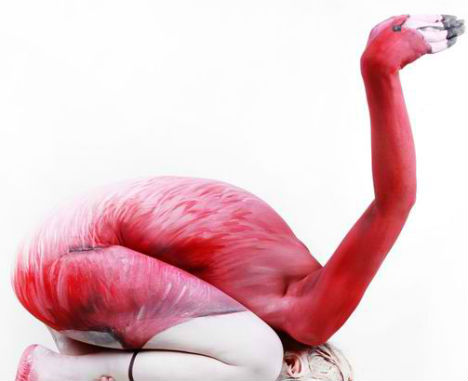
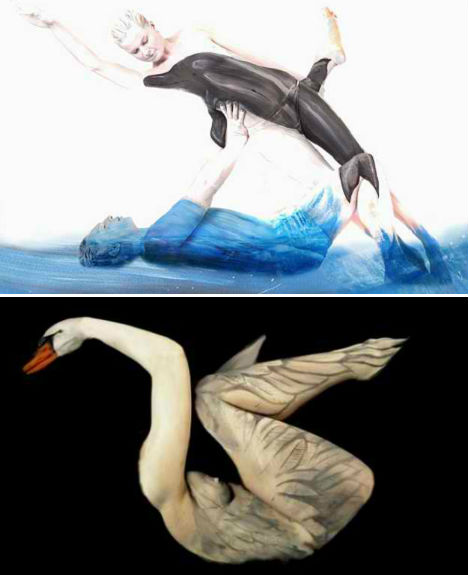
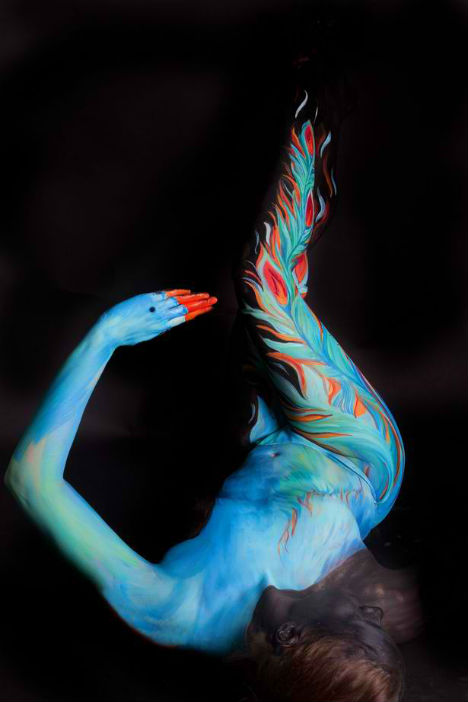
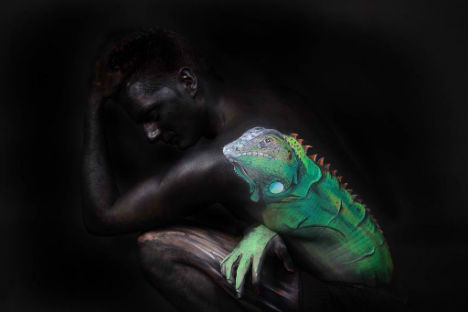
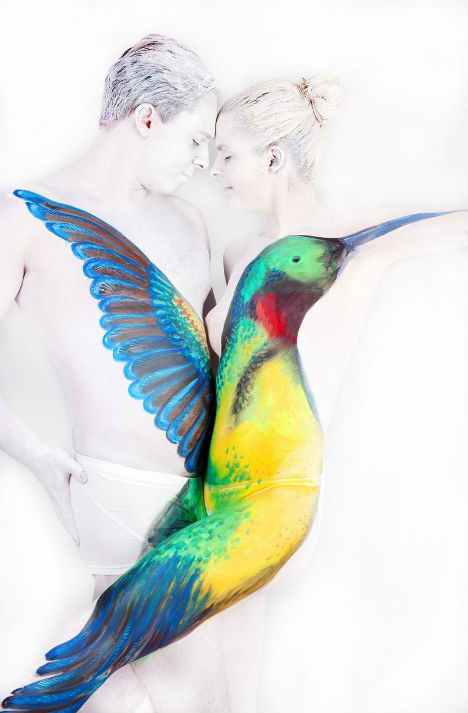
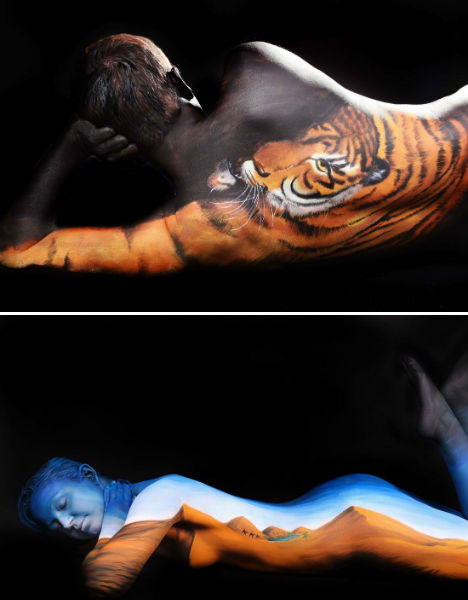
Intricately painted and carefully posed, the human bodies serving as canvases for artist Gesine Marwedel are virtually unrecognizable as they morph into swans, flamingos and iguanas. The 25-year-old German painter employs performance artists to bring her colorful illusions to life, leaving their faces and other body parts visible as part of each composition.

Body Paint Illusion Marwedel 2

The ability to contort into unusual positions is a crucial element of making each of these incredible three-dimensional paintings work. Each photograph depicts not only the painted animal, but also its grace and movement.

Body Paint Illusion Marwedel 3

Body Paint Illusion Marwedel 4

“Body painting is not just paint on a living canvas, it is picking up the body shapes in a subject and the painting on the body,” Marwedel told PSFK. “It is the transformation of a human being into a breathing, moving, living work of art.”

Body Paint Illusion Marwedel 5

Body Paint Illusion Marwedel 6

Marwedel began to explore body art after providing therapy for disabled and autistic children through speech and music. See more of her work at her website, or in person at the World Body Painting Festival, to be held in Austria in July 2013.

Share on Facebook


[ By Steph in Art & Drawing & Digital. ]

[ WebUrbanist | Archives | Galleries | Privacy | TOS ]


WebUrbanist

 
Comments Off on Body Paint Illusions Transform Human Models into Animals

Posted in Creativity


Introduction to Lightroom

22 Mar

Do you have Lightroom but feel like you’re not using it to it’s potential? Have you heard about the power of Lightroom but are not sure if you’ll be able to learn it?

The following video is the introduction from Phil Steele’s ‘Lightroom Made Easy’ video which is currently 30% off at SnapnDeals.

It’ll give you a taste for Phil’s style but also give you a good simple (and free) introduction to what Lightroom is and how it is different from many other types of photo editing software.

Pick up the full Lightroom Made Easy video course for 30% off (just $ 33) via SnapnDeals for the next few days only.

Post originally from: Digital Photography Tips.

Check out our more Photography Tips at Photography Tips for Beginners, Portrait Photography Tips and Wedding Photography Tips.

Introduction to Lightroom


Digital Photography School

 
Comments Off on Introduction to Lightroom

Posted in Photography


21 March, 2013 – Three Free Streaming Videos about Phase One’s New Backs

21 Mar

Following a visit with Phase One executives last week, I have produced three new short streaming videos.

The first is a long exposure field test with the IQ260 back, the second is a look at wireless tethering with the new IQ200 series, and the third is an interview with Jacob Frost, team leader for the Capture One software development group.

We hope that you enjoy these, along with the interview with Phase One‘s CEO published a few days ago.


 "Every time I go back to a module I had already seen, I learn additional things.  I have never seen tutorials that have the excellent mix of what the features are, 
how to use them, enough of the under-the-hood information 
and concepts so that I can utilize the features creatively and efficiently, 
and just enough humor to keep the motivation level high.  Wow!" 


The Luminous Landscape – What’s New

 
Comments Off on 21 March, 2013 – Three Free Streaming Videos about Phase One’s New Backs

Posted in News


A+ Architecture: The World’s Most Dazzling Designs

21 Mar

[ By Steph in Architecture & Public & Institutional. ]

Architizer Architecture Awards 1

Can modern architecture be accessible – and even alluring – to everyone in the world? Architizer believes that it already is, and the 87 winners of its first annual A+ Awards prove that assertion with a dazzling array of designs ranging from dramatic mountain overlooks to bright, graphic pop-up stores. Chosen by a jury and 150,000 public voters, the A+ Award winners accomplish the blog’s goal of “breaking architecture out of the echo chamber.”

Architizer Architecture Awards 2

The point of the contest is not only to honor the world’s most incredible modern structures, but destroy the idea that architecture is only for a small group of elites. “The mission of the Architizer A+ Awards is to remind everyone in the world that they are fans of architecture, even if they don’t realize it,” says Architizer CEO Marc Kushner. “This year’s winners make our job easy. They are projects where noble ambitions match their formal sophistication – they represent the best architecture from across the globe – and more than one project I had never seen before!”

Architizer Architecture Awards 3

Winners include the Isbjerget apartment complex by JDS Architects, a tapered set of white buildings designed to resemble icebergs in the harbor of Denmark, and the National Tourist Route Trollstigen by Reiulf Ramstad Architects, a plateau between deep fjords in Norway that holds the title of most awards won by a single project.

Architizer Architecture Awards 4

Architizer Architecture Awards 5

Architizer Architecture Awards 6

Among other notable winners are Yayoi Kusama’s pop up store for Louis Vuitton, Dolomitenblick by Plasma Studio, and the Wuxi Grand Theatre by PES-Architects. See them all at Architizer.

Share on Facebook


[ By Steph in Architecture & Public & Institutional. ]

[ WebUrbanist | Archives | Galleries | Privacy | TOS ]


WebUrbanist

 
Comments Off on A+ Architecture: The World’s Most Dazzling Designs

Posted in Creativity