RSS
 

Archive for August, 2012

Tipps zur Konzertfotografie mit Kitobjektiven

25 Aug

Ein Beitrag von: Lothar Dornieden

„Konzerfotos ohne lichtstarke Objektive sind nicht möglich.“ So lautet wohl die hinlänglich bekannte Meinung zum Thema Konzertfotografie. Doch auch mit üblichen Objektiven und Lichtstärken, die sich meist um Blende f/4 bis f/5.6 bewegen, lassen sich recht akzeptable Ergebnisse erzielen.


110 mm, 1/250, f5.6, ISO 3200

Probleme und Technik

Beim Fotografieren von Konzerten gibt es im Allgemeinen zwei Hauptprobleme:

  • Wenig Licht mit stark wechselnden Lichtverhältnissen
  • Viel Bewegung auf der Bühne

Hier sind dann in der Regel lichtstarke Objektive das erste Mittel der Wahl. Die sind aber aus unterschiedlichsten Gründen nicht immer zur Hand. Was jetzt? Auf den ersten Blick unterbelichtete oder verrauschte Fotos lassen sich im Nachinein durch gezielte digitale Nachbearbeitung zu einem guten Ergebnis korrigieren. Die digitale Nachbearbeitung der Fotos erledige ich fast ausschließlich mit Lightroom 3.


55 mm, 1/160, f4.0, ISO 3200

Meine eigene Ausrüstung

  • Nikon D5000
  • Objektive 18-55 mm (Blende f/3.5 – f/5.6)
  • 55-200 mm (Blende f/4 – f/5.6)

Je nach Lichtsituation (Open Air mit Tageslicht, Hallenkonzert, Clubkonzert, etc.) und dem eigenen Standort (im Publikum oder im Fotograben) fange ich meistens mit ISO 800 an und erhöhe diesen Wert dann entsprechend der Lichtverhältnisse schrittweise weiter nach oben (1200, 1600 oder 3200). Im Extremfall gehe auch schon einmal auf ISO 6400, aber dann rauscht es meistens doch sehr stark.

Die Blende habe ich normalerweise immer so weit wie eben möglich geöffnet. Wenn es das Licht erlaubt, blende ich aber trotzdem ein wenig ab. Somit besteht nicht die Gefahr, dass man die falschen Stellen fokussiert.


110 mm, 1/200, f7.1, ISO 3200

Die Kamera ist im manuellen Modus, sodass ich dann die Belichtungszeit während des Fotografierens wählen und kontrollieren kann. Dabei versuche ich, eine Verschlusszeit von 1/125 oder 1/100 Sekunde möglichst nicht zu unterschreiten. Ich habe aber auch schon mit Belichtungszeiten von 1/30 Sekunde recht akzeptable Ergebnisse erzielt. Es kommt nun einmal immer darauf an, wie ruhig das Motiv vor der Kamera ist. Allerdings braucht das ein wenig Übung und vor allem eine ruhige Hand.

Die Belichtung darf auch, falls nicht anders möglich, schon einmal eine bis drei Belichtungsstufen unter dem vom Belichtungsmesser vorgeschlagenen Wert liegen. Da ich immer im Raw-Format fotografiere, lässt sich diese Unterbelichtung in der Nachbearbeitung zumeist in gewissem Maße recht gut wieder ausgleichen.


165 mm, 1/30, f5.6, ISO 6400

Nachbearbeitung mit Lightroom 3

Nachdem ich die Fotos in Lightroom 3 importiert habe, geht es ans an die eigentliche digitale Nachbearbeitung. In der Regel verändere ich dann hier hauptsächlich die folgenden Werte, um einem Foto mehr Farbe und Ausdruckskraft zu geben, um Unterbelichtungen auszugleichen und um gegebenenfalls einen Grauschleier zu entfernen.

  • Belichtung
  • Aufhelllicht
  • Schwarz
  • Luminanz zur Rauschentfernung

Bei Fotos mit einem sehr starken Orangestich, der meist dann entsteht, wenn das Foto zu stark unterbelichtet wurde, versuche ich, diesen durch Anpassung der Farbtemperatur im Bereich Grundeinstellungen im Entwicklungsmodul in Lightroom 3 auszugleichen. Bei Aufnahmen mit starkem Rauschen entferne ich dieses anschließend über die Luminanz im Bereich Details im Entwicklungsmodul von Lightroom 3. Hier ist aber Vorsicht geboten, damit das Foto dabei nicht zu sehr seinen natürlichen Charakter und Schärfe verliert.

Ein Bearbeitungsbeispiel aus der Praxis

Das Originalfoto öffne ich in Lightroom und wechsle in das Modul „Entwickeln“. Das hier gezeigte Foto ist mit den Einstellungen 82 mm, ISO 2500, 1/100 sek., f/4.2 entstanden.

Zuerst habe ich die Farbtemperatur von 2950 auf 2092 reduziert, um den deutlich sichtbaren Orangestich zu reduzieren.

Im nächsten Schritt habe ich nun die Belichtung für etwas mehr Helligkeit auf + 0,40 erhöht.

Die Erhöhung des Schwarzwertes auf 24 bringt etwas kräftigere Farben und reduziert einen möglicherweise bestehenden Grauschleier. Das Aufhelllicht auf 43 hellt die durch den vorherigen Schritt zu sehr abgedunkelten Stellen wieder auf.

Durch Erhöhung der Rauschreduzierung auf 24 in der Luminanz wird das Rauschen im Foto reduziert.

Um den Blick mehr auf den Mittelpunkt des Fotos zu lenken und dabei den Musiker noch mehr in den Fokus des Interesses zu stellen, habe ich hier zum Schluss noch „Vignettierung nach Freistellen“ auf -43 eingestellt.


82 mm, 1/100, f4.2, ISO 2500

Die ausgewählten Werte der einzelnen Einstellungen sind keine festen Werte, die ich bei jedem Foto so verwende, sondern ich wähle diese individuell von Foto zu Foto immer wieder neu, frei nach Augenmaß. Der grundsätzliche Weg der Bearbeitungsschritte ist aber fast immer der oben gezeigte.

In Fällen, bei denen die Beleuchtungsverhältnisse vor Ort sehr ungünstig sind – beispielsweise, wenn die Bühne dauerhaft in orange oder rot ausgeleuchtet wird oder wenn ich sehr hohe ISO-Werte verwendet habe – lässt sich durch Konvertierung nach Schwarzweiß auch aus diesem Material in vielen Fällen noch ein sehr ansprechendes Ergebnis machen. Hier gibt das Rauschen, das ich dann auch nicht versuchen würde, vollständig aus dem Foto zu entfernen, diesem zusätzlich noch einen gewissen künstlerischen Reiz.


200 mm, 1/160, f5.6, ISO 6400

Nehmt doch beim nächsten Konzert Eure Kamera mal mit und probiert das oben Gezeigte ein wenig aus. Mit etwas Geduld solltet Ihr dann recht schnell zu wirklich brauchbaren Ergebnissen kommen. Mit der Zeit findet man auch immer wieder neue kleine Tricks heraus, um aus den Fotos noch ein klein wenig mehr herauszuholen.

Wenn Ihr zu dem Thema noch Fragen oder selbst weitere Tipps auf Lager habt, so würde ich mich freuen, wenn Ihr diese hier als Kommentar hinterlasst. Bei Interesse findet Ihr weitere Konzertfotos von mir auf meinem Fotoblog.

Viel Spaß beim Bearbeiten Eurer Konzertfotos!

kwerfeldein – Fotografie Magazin

 
Comments Off on Tipps zur Konzertfotografie mit Kitobjektiven

Posted in Equipment


Transforming Decor Reveals Secrets via Spills, Wear & Tear

25 Aug

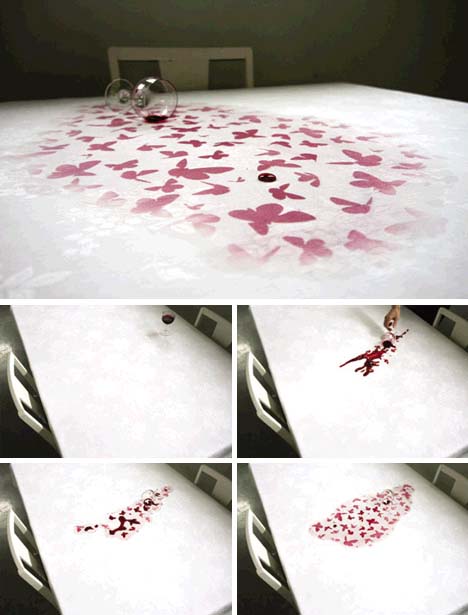
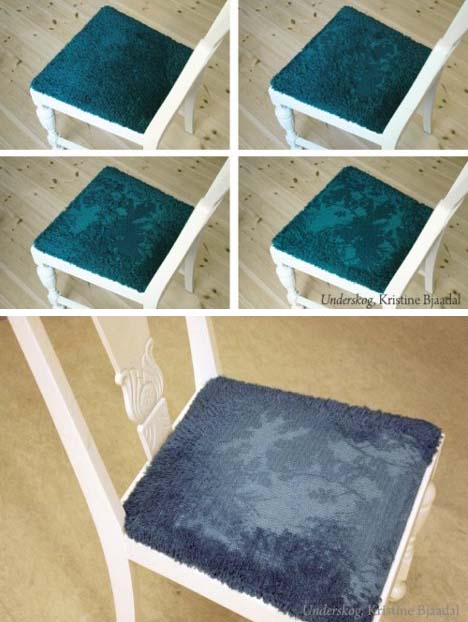
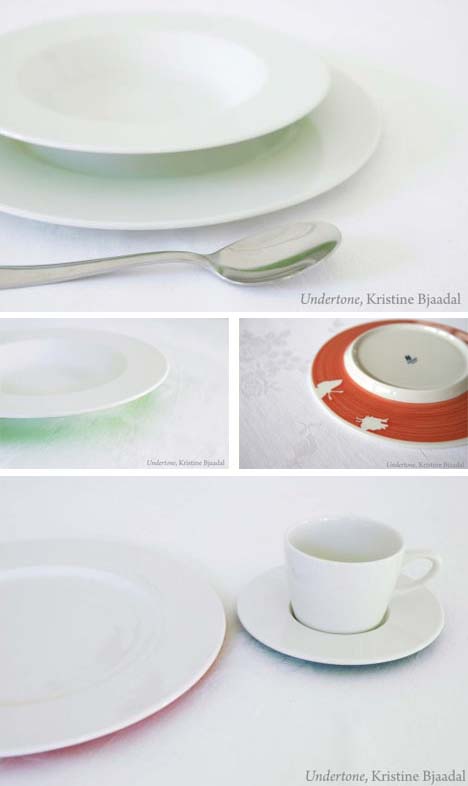
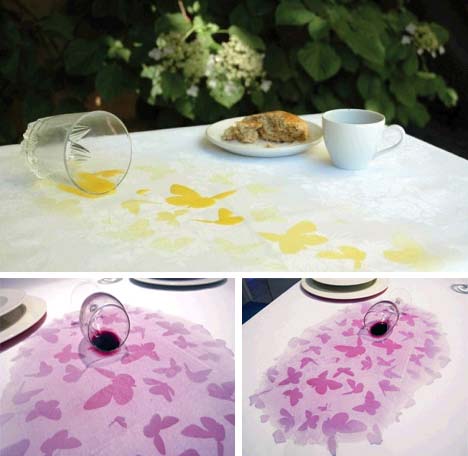
Kristine Bjaadal creates objects with hidden stories to tell – everyday objects with secret tales shown only under strange circumstances, such as tabletop spills or time-worn seating.

A small change making a big impact on the future is known as the butterfly effect. In this case, the accidental tipping of a glass reveals a flock of butterflies lying invisible but in wait right on your tablecloth, titled Underfull.

Or consider the inevitability of fabric wearing thin on your favorite upholstered chair – what if that almost-invariably negative process were turned into something positive, via, say, a pattern that emerges as the surface material layer gets slowly stripped away, named Underskog.

Along similar lines, but requiring less time (but perhaps some until you or your guest notices it), are these so-called Undertone dishes with out-of-sight rings of color below their raised edges. It is only when picked up – or better yet: spotted in reflection on the top of a table – that these tones become clearly visible.


Want More? Click for Great Related Content on WebUrbanist:

Wild Wallpaper: Interactive Decor You Can Rip & Color

Hanging wallpaper is made much more fun when you get to paint and peel it, revealing intricate geometric patterns that won’t be found on any other wall.
Click Here to Read More »»


10 (More) Pieces of Clever Transforming Furniture: From Tetris Tables to Rooms in a Box

Be sure to scroll all the way down: the best (pictured briefly above) has been saved for last!
98 Comments – Click Here to Read More »»


WebUrbanist

 
Comments Off on Transforming Decor Reveals Secrets via Spills, Wear & Tear

Posted in Creativity


Wide Angle: Weekly Photography Challenge

25 Aug

This week your photographic challenge is to take and share a picture taken with the widest available focal length to you.

Wide-Angle-Lens-1-1Photo by WanderingtheWorld – 10mm

This challenge builds upon our recent tutorial – 7 Ways to Get More out of a Wide-Angle Lens which gives some practical tips on shooting this way. While not everyone has a true wide-angle lens to shoot with we challenge you to use whatever you have available. If your camera has a zoom lens – resist the temptation to zoom in this week and shoot as much as you can at the wider end of the zoom.

A few other posts that might help you tackle this wide angle challenge include:

  • Using Wide Angle Lens Distortion Creatively
  • 17 Amazing Wide Angle Images
  • 6 Winning Ways to Work Wide
  • How to Get the Best Results from Ultra-Wide Lenses
  • Wide, Wider, Widest – Wide Angle Photography

Once you’ve taken and selected the ‘Wide Angle’ image that you’d like to share – upload it to your favourite photo sharing site or blog and either share a link to it or – embed them in the comments using the our new tool to do so.

If you tag your photos on Flickr, Instagram, Twitter or other sites with Tagging tag them as #DPSWIDE to help others find them. Linking back to this page might also help others know what you’re doing so that they can share in the fun.

Also – don’t forget to check out some of the great shots posted in last weeks challenge – Green challenge where there were some great shots submitted.

I’m looking forward to seeing your shots!

Post originally from: Digital Photography Tips.

Check out our more Photography Tips at Photography Tips for Beginners, Portrait Photography Tips and Wedding Photography Tips.

Wide Angle: Weekly Photography Challenge


Digital Photography School

 
Comments Off on Wide Angle: Weekly Photography Challenge

Posted in Uncategorized


Striking Gravel-Covered Japanese House is a Study in Contrasts

25 Aug

Monolithic and dramatic, the two-story Ginan House by Keitaro Muto Architects is a wedge-shaped residence with a dark gravel-covered exterior that contrasts beautifully with a stark white interior. Located on the far end of a long and narrow plot, the house features a small swimming pool that extends into a glass-walled niche to create shimmering light effects inside.

The rough surface of the outside walls continue indoors, producing sharp transitions in color and texture from one wall to the next. Vast expanses of white elongate slanted interior walls, and voids throughout the home let streams of daylight in.

Another interesting feature of the inside is a metal bridge that extends across one of these voids to enable access to a walk-in closet and bathroom.

The client requested that the architect leave most of the home site as a garden space. In covering the home with the same gravel that makes up the surface of the garden outside, the architects made the residence seem as if it’s an extension of the garden – one massive sculptural object to contemplate from a quiet place.


Want More? Click for Great Related Content on WebUrbanist:

Cloud House Elevates Organic Architecture to New Heights

An unassuming Edwardian residence in Australia gets an incredibly unexpected cloud-shaped addition perched on the edge of a sky-blue pool.
Click Here to Read More »»


Open House(s): 10 Wonderful Open-Plan Home Designs

Open floor plans allow even the smallest cottage to seem spacious and luxurious. These 10 homes with open plans are the pinnacle of modern architectural design.
1 Comment – Click Here to Read More
»»


WebUrbanist

 
Comments Off on Striking Gravel-Covered Japanese House is a Study in Contrasts

Posted in Creativity


New Coldsteel TrenchHawk

25 Aug

Video Rating: 5 / 5


Windows 7 – Title Bar Tricks and Tips Including Keyboard Shortcuts

25 Aug

Other ways to maximize windows and bring up window options in Windows 7.

Here are a couple of tricks with window title bars in Windows 7 – some of these tips may work in other Windows versions:

* Double-click the title bar of a window to maximize it (if the current window supports maximizing). Double-click the title bar again to restore the window to its previous size. …

Read more at MalekTips.
New Computer and Technology Help and Tips – MalekTips.Com

 
Comments Off on Windows 7 – Title Bar Tricks and Tips Including Keyboard Shortcuts

Posted in Technology


When Less is Really More: Minimalism in Photography [70+ Examples]

25 Aug

Who does understand minimalism as a form of art? I guess, quite less people than those who like it. Have you ever noticed that you like a photo, music, video or any other artwork, but you can’t explain why it is so attractive for you? It excites your mind and you can’t take your eyes off of it. Minimalist photography Continue Reading
Photodoto

 
Comments Off on When Less is Really More: Minimalism in Photography [70+ Examples]

Posted in Uncategorized


Microsonic Landscapes: What Music Looks Like in 3D

25 Aug

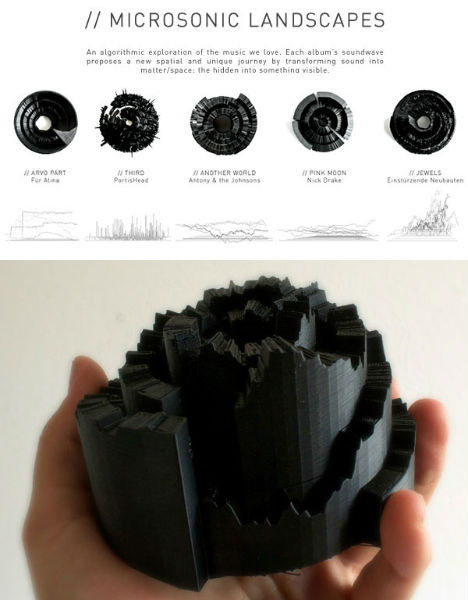
What would your favorite album look like in three dimensions? Mexico City-based research and experimentation studio Realität proposes “a new spatial and unique journey” by transforming the sounds of five albums into physical matter. ‘Microsonic Landscapes’ translate sound waves into 3D-printed visualizations that resemble circular cityscapes, mountain ranges or volcanic craters.

Realität chose ‘Arvo Part’ by Für Alina, ‘Third’ by Portishead, ‘Another World’ by Antony & The Johnsons, ‘Pink Moon’ by Nick Drake and ‘Jewels’ by Einstürzende Neubaten, quite a broad range of musical varieties ranging from gentle classical tunes on the piano to pounding German industrial music.

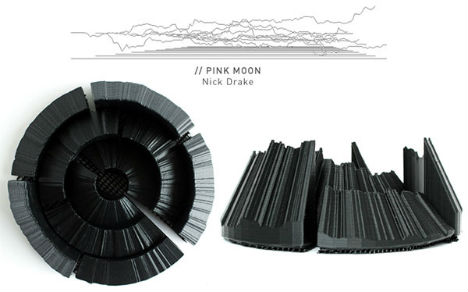
This array of albums has produced dramatic variations in physical representations. While ‘Arvo Part’ is gently inverted like a colosseum, Portishead’s ‘Third’ is spiky, like a series of towers. ‘Another World’ looks like a spiraling staircase. Nick Drake’s ‘Pink Moon’ starts out slanting upward and then falls down steadily in a series of concentric circles. ‘Jewels’ is the most dramatic of all, with its pinnacle calling to mind a dark tower from a fantasy novel.

According to Creative Applications, ‘Microsonic Landscapes’ was created using the open-source three-dimensional data visualization programming language Processing, and printed with MakerBot, a machine that can be programmed to print out anything you want in plastic.


Want More? Click for Great Related Content on WebUrbanist:

Literary Landscapes: Carved Books by Guy Laramee

Encyclopedias in English and Chinese are eroded into landscapes by artist Guy Laramee, in a narrative about a dystopian vision of the 23rd century.
6 Comments – Click Here to Read More »»


Incredible Underwater Landscapes Made with Swirling Ink

Italian photographer Alberto Seveso captures incredible swirling landscapes with high-speed photography of underwater ink swirls.
1 Comment – Click Here to Read More
»»


WebUrbanist

 
Comments Off on Microsonic Landscapes: What Music Looks Like in 3D

Posted in Creativity


20 August, 2012 – Are Museums Destroying Art?

25 Aug

Many photographers find visiting art museums to be inspirational. But there is another type of photographer – trophy hunting tourists and school kids – who are destroying not just the pleasure of a museum visit, but likely also the art itself.

Find out more in Mark Dubovoy‘s most recent essay – Are Museums Destrying Art?


 "Every time I go back to a module I had already seen, I learn additional things.  I have never seen tutorials that have the excellent mix of what the features are, 
how to use them, enough of the under-the-hood information 
and concepts so that I can utilize the features creatively and efficiently, 
and just enough humor to keep the motivation level high.  Wow!
"


The Luminous Landscape – What’s New

 
Comments Off on 20 August, 2012 – Are Museums Destroying Art?

Posted in News


The Latest Innovations in Photography

25 Aug

Technology has never failed to amaze us with its continuous advancements. It has been applied to many different fields including the field of photography. Photography has been improved dramatically through time and more photography advancements are still being developed till present. Before there was only still photograph or pictures but now, a camera can shoot and record videos as well Continue Reading
Photodoto

 
Comments Off on The Latest Innovations in Photography

Posted in Uncategorized