Category: Photography

  • Photographing Adults: the Hardest Group of All

    Step one: surround them with kids or puppies or something so they relax and act normal.

     IMG_9367b

    Okay, fine.  That’s not always possible.  It’s hard to get your hands on a bunch of puppies for one.  It’s a little easier to find a bunch of children, but then there you are…… stuck with a bunch of children.

    Adults are so awkward in front of a camera.  It’s just so much PRESSURE.  To look GOOD.  And NORMAL.  I’m am one of the biggest offenders of this.  A running conversation with me while I’m getting my picture taken goes something like this:

    Is my hair doing something weird?  I feel like my hair is doing something weird.  

    Oh man, you totally just noticed that my right eye is smaller than my left didn’t you?  I hate that.  I was always going to have it fixed, just as soon as laser eyelid reconstruction became available. 

    Can you tell me when you’re actually shooting because I want to be sure I’m sucking it in and looking as skinny as possible. 

    Why did I wear this shirt?  It only highlights my big weird left eye and my non-ability to suck it in.  That was so stupid.  Can you Photoshop in a different shirt?

    Can you try to get my toes in the picture?  Because I painted them last night and that’s about the only part of me that probably looks okay right now.

    Nope, scratch that.  I just saw a chip in the polish.  Great.  Just great.  

    The whole thing is ruined.  No sense in even trying at this point, as clearly I will break your camera.

    Now feels like a good time to mention that I’m not exactly low maintenance.  On any level.  But I also know that I am not the only one that does that, and I know this because every time I photograph an adult, this is the type of things I hear from them too.  Kids have it made when it comes to getting their picture taken—everything they do looks cute.  And if it doesn’t?  What do they care?  They have much more important things to worry about like why the chicken nuggets that are shaped like dinosaurs taste different than nugget-shaped ones.  (Though to be fair, I’m kind of curious about this too.)

    Here are five tips for photographing adults without involving puppies:

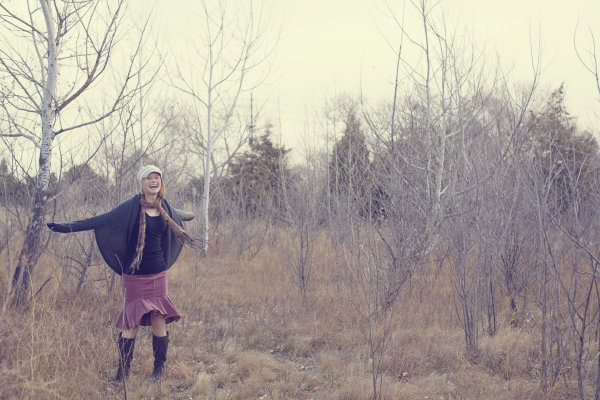
    IMG_0924a

    1. Keep them Busy

    If I had a dollar for every adult I have asked to twirl and dance around, I would have enough dollars to buy this 200 pound St. Bernard I’ve had my eye on with enough left over to keep him in food for at least a week.  Adults fight me every time on this one, but I force it because I can, and hey, we’re all grown-ups here.  I don’t care about their twirling skills a bit.  What I want is for them to loosen up and let go of their worry over how they are going to look.  Ask for something to do something goofy and you’re likely to get a true smile and a natural stance.

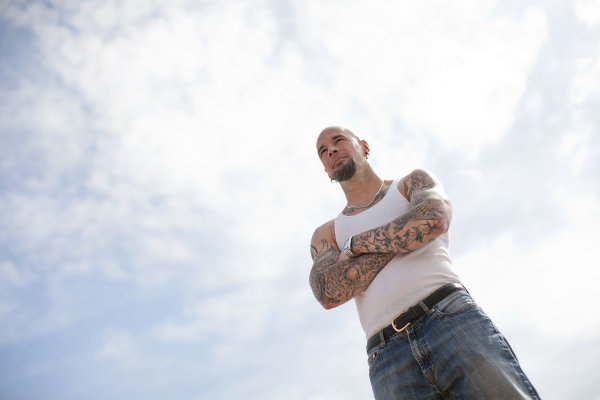
     IMG_0140b

    2. Use your Surroundings

    Adults don’t often come with a car full of stuffed animals to include in the pictures (and boy if they do, I’m outta there so fast), so you have to find parts and pieces of the world around that are going to make the image interesting and personal.  I love me some sky if it’s an option.  I also don’t mind a little concrete but whatever it is, utilize it as a way to draw interest to the person and tell a little story.

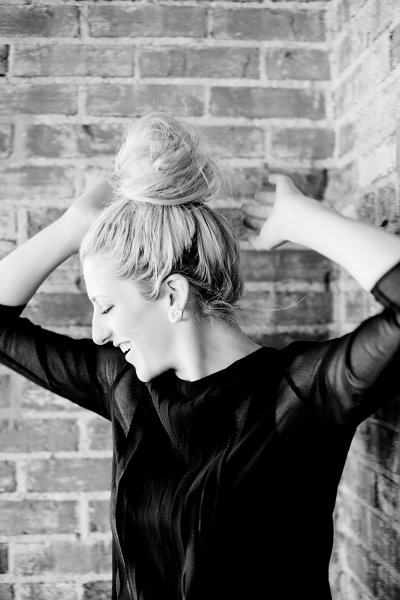
     IMG_9632b_bw

    3. Give them Something to Do with their Hands

    It’s a lot to ask of someone to just stand there and look cute and often the most awkward part of that is not knowing what to do with your hands.  Offer up anything but shoving them in pockets to avoid the inevitable “I don’t know what to do right now” look.

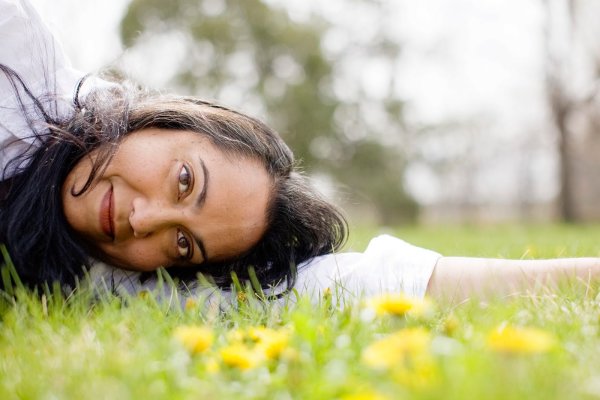
    IMG_2327b

    4. Show them how You would do it

    Every time I photograph an adult and have an idea for a pose or concept, I do it first.  ”I would lay down in this patch of dandelions like this, but you may find that it feels better to you to do it a little differently”.  I encourage them to try it and see what feels comfortable.  In reality you’re just giving them a starting off point.  Once they feel like they are “doing it right” they will become more comfortable and be able to sink into a place that feels natural to them.

     IMG_1222b_bw

    5. Reassure them….  Lots

    While I am shooting, I’m always encouraging.  In an obnoxious and loud way because that’s just how I roll.  I’ll tell them I love what they’re doing, or that they look perfect in this light, or that I’m getting tons of great stuff.  Sure, every once in a while I admit that something looks stupid but only because my idea didn’t work out.  And I’m a big believer in adults thinking I have a magical darkroom where I sprinkle special fairy dust on everyone’s faces and wrinkles and dull skin and that extra 10 pounds you swear exists that doesn’t, just magically goes away.  And then I go out to my money tree and pick todays offerings.  Seriously though, adults take a lot of comfort in knowing that you look at faces all day long and can be trusted to make sure the end result looks great.

    And it never hurts to mention that as far as you can tell, both of their eyes appear to be the same size and you like their shirt.

    Post originally from: Digital Photography Tips.

    Check out our more Photography Tips at Photography Tips for Beginners, Portrait Photography Tips and Wedding Photography Tips.

    Photographing Adults: the Hardest Group of All


    Digital Photography School

  • Annual Road Trip and Major Site Revisions

    By the time you read this I'll be on vacation with the family. We're taking a road trip north into New England and Canada, where none of us have ever been before. (The above is in Maine, on the way to Prospect Harbor on Saturday night.)

    That doesn't mean Strobist is closed. Today we're announcing a completely updated Lighting 101, among other things…

    Read more »
    Strobist

  • 6 Easy Tips To Photographing Strangers In Perfect Candid Moments

    Candid photography is responsible for the best photographs in the world. Just take a look at all the of the most striking images you’ve ever seen, almost all of these are from candid shots when photographing strangers. When photographing strangers, a photographer is bestowed many plus points: Images are considered far more credible the less contrived they are You have Continue Reading

    The post 6 Easy Tips To Photographing Strangers In Perfect Candid Moments appeared first on Photodoto.


    Photodoto

  • Soft Flattering Color Portraits in Lightroom 4 and Lightroom 5

    Introduction

    The Following is an excerpt from the SLR Lounge Lightroom Preset System v5, a preset system designed to take you from Ordinary to Extraordinary photos in just a few seconds and clicks.

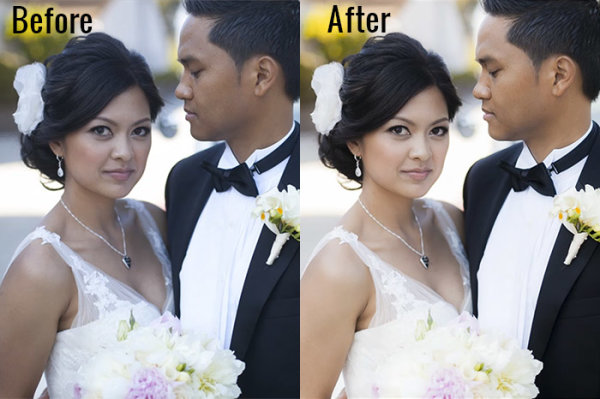
    We have just launched the new Lightroom Preset System v5, and in this first tutorial we want to create a soft and flattering look for color portraits. We want to maintain good overall contrast, while flattening out highlights and smoothing out the details a bit for a more flattering look. Each one of you will probably have different preferences in regards to overall contrast and color temperature, but this Base preset and modification are pretty much our foundation for all of our color portraits within the Lin and Jirsa Photography studio. Here is what the photo looked like before and after the effect is applied.

    beforeafter

    Lightroom Preset System v5 Mixology Recipe

    For those that own the SLR Lounge Lightroom Preset System v5, you can follow this two click recipe. If you like, you can save it as a new custom Mixology, however, since it is only a 1-click modification on our existing Base Preset, we will not be adding this to a new custom Mixology Preset.

    Develop Mixology
    1) 01-10 Base-Soft 11a. Extra Soft-Skin Desat
    2) 03-40 Adjust Shadows Blacks 42. Darken-Medium -15, -30

    Adjust Exposure, Temperature and Tint to taste.

    Local Adjustments
    We used the Graduated Filter and used the “04 Dodge (Brighten) +.5 stop” to brighten up the bottom left of the photo. To see exactly how it was applied, watch the video tutorial below.

    Watch the Video Tutorial

    If you would like to follow along with the Video Tutorial, watch the video blow.

    Complete Written Tutorial

    This written tutorial is meant for those who don’t have the SLR Lounge Lightroom Preset System v5. If you follow along you’ll be able to edit your photos with the same settings we used to edit this one. For any photo we edit we like to check the EXIF data by pressing “i”. This will show us exactly what camera the photo was taken one, what lens, and the settings. You can customize what EXIF data you want to see by pressing “CMD + J” or “CTRL + J”. This photo was taken on a 5D Mark II at 1/800 sec at f/2.0 ISO 100 with a 50mm lens.

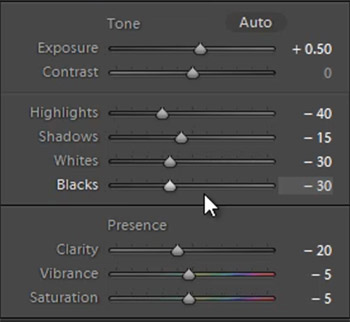
    The first thing we did was go into our “01-10 Base – Soft” preset folder and applied the “11a. Extra Soft – Skin Desat preset”. This preset does most of our work for us, adjusting our exposure, highlights, shadows, whites, and blacks the way we would want them for a portrait like this. The clarity, vibrance, and saturation have all been dropped, giving us a nice soft portrait look. Here’s what our settings look like on the right side panel.

    developsettings

    Our “1) 01-10 Base-Soft 11a. Extra Soft-Skin Desat” preset lowered our Red and Orange levels, desaturating the skin and taking out the red and orange highlighting that can appear in shadows and highlight areas of our subjects skin.

    • Red: -20
    • Orange: -10

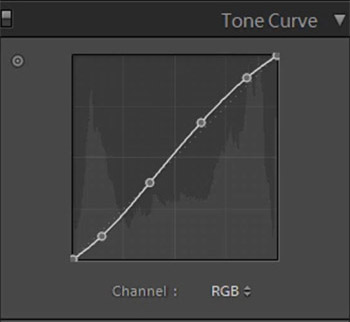
    In the Tone Curve we have a standard “S” curve, giving us a subtle contrast boost by raising the highlights and dropping the shadows.

    tonecurve

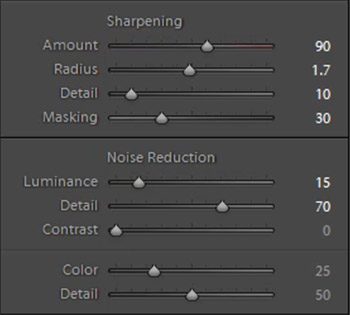
    We add a bit of Noise Reduction Luminance in our portraits because it does a great job smoothing out the pores and making skin look great. We had to raise the sharpening a bit on this photo because it was shot at such a wide aperture, making the depth of field very shallow. Here are what our “Sharpening” and “Noise Reduction” settings look like.

    sharpening

    The vignetting in this photo underexposed her skin slightly in the corners of the photo. This is a great opportunity to use a graduated filer. You can simply go to the Graduated Filter and raise your exposure to “0.50″. Then raise the graduated filter from the bottom left of the photo and come up to the strap of her dress. Watch the video tutorial to see exactly where we put it. After the graduated filter we’re left with our final image, here’s a before and after.

    Before

    before

    After

    after

    Conclusion and Learn More

    We hope you all enjoyed this tutorial. If you are interested in learning more or purchasing the SLR Lounge Lightroom Preset System v5

    Post originally from: Digital Photography Tips.

    Check out our more Photography Tips at Photography Tips for Beginners, Portrait Photography Tips and Wedding Photography Tips.

    Soft Flattering Color Portraits in Lightroom 4 and Lightroom 5


    Digital Photography School

  • Is that a Workshop, Tour or Seminar [Part I]

    There is a modern day aphorism:  Those that can – do. Those that can’t – teach.  I believe, however, the later part of the phrase should be amended to read “Those who can’t – shouldn’t.”

    A majority of photographers working today as professionals ply their trade in the commercial, wedding and portrait disciplines. There are also countless photographers who have historically made images of landscape and nature pictures – the kind of stuff we all love to do. These image makers would typically place their material with a stock photo agency to license their work on their behalf. Unfortunately this business model has been collapsing over the past five, or so, years and will likely continue.

    The by-product of this collapse in landscape and nature picture sales has translated to a deluge of photography workshops, tours and seminars.  Many of these instructor-photographers bring impeccable skills and talents to the table; unfortunately an even greater number bring little more than platitudes and promises.

    The novice photographer will have to do some research to learn what firm offers something worthy of your hard earned cash.  You will have to sift through a lot of chafe to find the nice gems, fortunately they do exist.

    Is the intensity of a workshop what you seek, or perhaps the enjoyment of a tour or the diversity of a seminar? Hopefully this little primer will help steer you in the right direction by explaining the differences and offering some suggestions to ensure you get the right fit for what you are seeking, and at the right skill level.

    The workshop offers the opportunity to try out all the gear you might own with good critique from the instructor.

    The workshop offers the opportunity to try out all the gear you might own with good critique from the instructor.

    A workshop is first and foremost a teaching venue.  It will in all likelihood be based from a single location where you will eat, live and breathe photography.  A secondary consideration is the actual location, the physical presence to facilitate the theme of the workshop.

    The better workshops usually come with a systematic structure: early morning shoot, late morning lecture, early afternoon lecture or critique session and late evening shoot. The shooting sessions will usually always concentrate on the topic presented at the day’s lecture session(s). By the end of the workshop you should have received sufficient lectures, personal evaluation of your efforts, and an overdose of encouragement to meet the objectives outlined. The course syllabus should be available for your study in advance of enrolment.

    Before you do enrol, research to see who the lead instructor will be as well as the supporting teachers, and whether that lead is on site or just loaning their name. Does that leader come with a pedigree that includes accomplishment in their chosen field through innovative techniques, or writing of their findings in books or magazine articles? Are they continuously exploring their own vision, and what is their reputation from previous students?  Contact those testimonial writers personally – they could be just friends of the workshop leader.

    One of the very first clues you might have whether the workshop is for you is by asking the question: “Will the instructor be making photographs during the workshop?”  If the answer is yes, you might want to consider moving to another workshop that interests you. The logic being, how is it possible for the instructor to teach and offer guidance if they are concentrating on looking through their own viewfinder?  You, the student, should have their attention; the instructor can take pictures on their time – you have already bought and paid for that time.

    Most importantly, is the lead instructor an instructor or a teacher? As ridiculous as this might sound, almost anyone can stand in front of a small audience and regurgitate from a prepared lesson plan. A teacher, on the other hand, has that inner quality of being able to instil a desire to learn, of generating an excitement enabling students to be part of a process, promoting confidence and self-esteem all while offering constructive criticism without the student ever knowing. A teacher has a true passion in their chosen art, the art of sharing.  Their enthusiasm is contagious.

    Next up: What is the photo tour?

    Post originally from: Digital Photography Tips.

    Check out our more Photography Tips at Photography Tips for Beginners, Portrait Photography Tips and Wedding Photography Tips.

    Is that a Workshop, Tour or Seminar [Part I]


    Digital Photography School

  • Long Exposure Photography and the Square Format

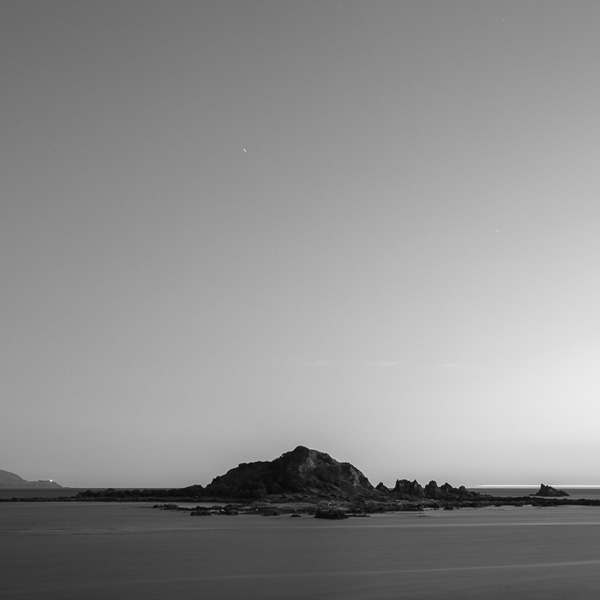
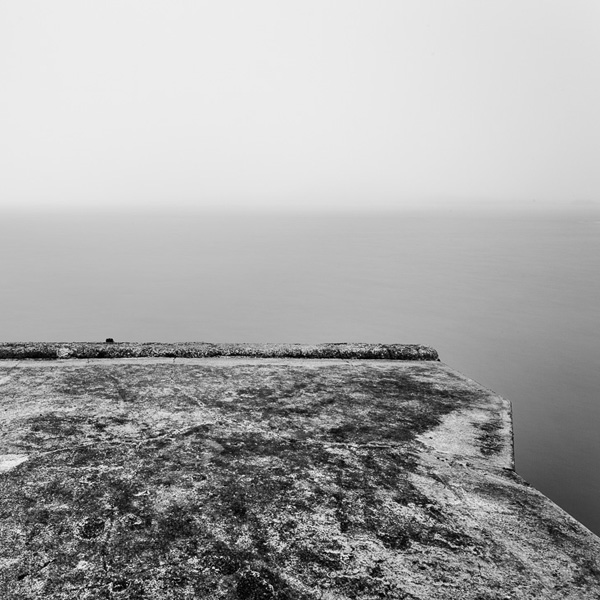
    Square format black and white photograph

    The rise in popularity of digital cameras over the past decade has coincided with the emergence of a new genre of photography – long exposure photography. Long exposure photography involves using shutter speeds of anything from one second to five minutes or more while using a tripod to keep the camera still. The result is a landscape or architectural study characterised by still elements, such as rocks or a building, contrasting with moving elements, such as water or clouds in the sky. Most long exposure photographers use neutral density filters to obtain long shutter speeds and would probably aim to use a shutter speed of at least thirty seconds to obtain their effects.

    Digital cameras greatly assist with long exposure photography because there is no reciprocity failure with digital and the instant feedback provided by the LCD screen lets photographers see right away how effective the composition is.

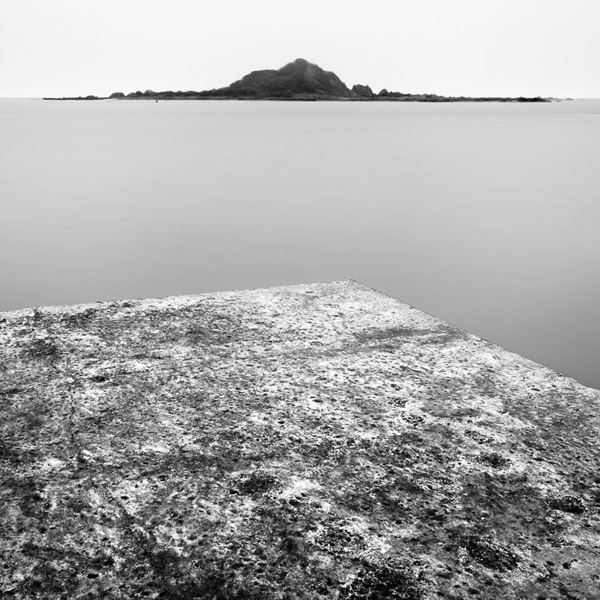
    Square format black and white photograph

    If you are familiar with the work of some of the more well-known long exposure photographers then you would no doubt have noticed that many of them choose to work in both black and white and the square format. Why is this?

    Let’s start with black and white. Monochrome is the medium of choice for many fine art photographers. It’s moody, timeless, evocative and expressive. Removing colour from the composition concentrates attention on texture, contrast, line and light – the visual building blocks of powerful imagery.

    The square format is different from other aspect ratios because of its balanced shape. The four sides of a square are equal in length and encourage the viewer’s eye to move around the frame in a circle, rather than side-to-side or up and down. The square frame lends itself to compositions that contain strong shapes, lines or other graphic elements. The strong shape of the square frame seems to emphasise other shapes that appear within it.

    Not all long exposure photographers work exclusively in black and white or the square format, but many of them do. The heavy emphasis on simplicity led composition in the long exposure photography genre marries well with the compositional strengths of the square format.

    Square format black and white photograph

    Long exposure photographers

    Looking at the work of other photographers is an excellent way to learn more about the creative side of photography. The following is a list of some of my favourite long exposure photographers. Each photographer in this list works predominantly in black and white and the square format. You will learn a lot from their work.

    I have interviewed many of these photographers on my website. You can work your way through the interviews here.

    Photographer Nathan Wirth has also interviewed some of these photographers on his blog Slices of Silence.

    • Joel Tjintjelaar
    • Moises Levy
    • Keith Aggett
    • Julia-Anna Gospodarou
    • Hengki Koentjoro
    • Spencer Brown
    • Didier Demaret
    • Thomas Leong
    • Andy Brown
    • Will Le
    • Maria Strömvik
    • Nathan Wirth
    • Steve Landeros
    • Paul Wheeler
    • Gavin Dunbar
    • Håkan Strand
    • Josef Hoflehner
    • Michael Kenna
    • Jeff Gaydash
    • Michael Diblicek
    • Xavi Fuentes

    Conclusion

    I hope you enjoyed looking through the work of the photographers listed above. If you’d like to find out more about long exposure photography, then Joel Tjintjelaar’s website BWVision is an excellent place to start. The tutorials page has plenty of information to get you started.

    Post originally from: Digital Photography Tips.

    Check out our more Photography Tips at Photography Tips for Beginners, Portrait Photography Tips and Wedding Photography Tips.

    Long Exposure Photography and the Square Format


    Digital Photography School

  • 7 Simple Ways a Blog Can Get You More Photography Clients

    By Ramsay Taplin

    Are you a photographer who dreams of taking your photography business to the next level?

    Well, one of the things that creative people (like artists, writers and, yes, photographers) forget is that you grow a business by marketing it – not necessarily by just being good at what you do. There are plenty of good photographers out there.

    So what’s the problem?

    Not all photography businesses have a huge budget to spend on marketing.

    And that’s where a blog comes into it.

    In this post I’m going to talk about how you can start a blog (or use an existing one) to get you more clients for your photography business. I don’t run a photography blog but I’ve got a bit of experience with helping small businesses grow using content marketing.

    I’ll use a few examples from photographers I know as well as taking some sweet ideas from similar small businesses doing the same thing.

    Not all blogs/websites are created equal

    For the purposes of this article I thought it would be important to make a few distinctions.

    And let’s start by highlighting the fact that a regular “brochure” website is not the same as a blog. Not by a long way.

    What’s the difference between a blog and a website?
    So what’s the difference? Well, a website is something that generally has static content – pages like About Us, Services, Gallery, Contact and so on. A blog is something that you update regularly with new content. The newest posts usually appear at the top. This comes with a huge set of advantages – some you might never have considered.

    Can the two work together?
    Absolutely. In fact, that is the ideal situation. The best way to set your photography website up is to make sure it has a blog integrated seamlessly with the rest of the website. Having a blog on a separate domain name is good but not nearly as good as building one under your main brand name. I’ll explain why later.

    Where do I get started?
    If you don’t have a blog (or a website) and want to learn more I’ve done a video and a full walkthrough on blog hosting that helps you understand how it all works together and how to get started the right way the first time around. You can also check out this Wiki later on for some hosting alternatives.

    So how can a blog bring you more photography clients?

    Now that we’ve got some of the preliminary stuff out of the way let’s jump into the meat and potatoes of the post.

    1. A blog helps to build trust
    The first thing to note about a blog is that it helps you build a lot of trust with your potential customers and clients. This is an extremely important part of growing a business these days because a huge amount of your customers will research you before they engage your services. In fact, some people say that one in three people look at the website before engaging the business.

    Part of this means having a well designed website that showcases your work and part of it means showing your personality. This is especially important for things like wedding photography where your client will want to have a good relationship with you as it is such an important day for them.

    LisaK

    A few cool shots from Lisa K’s blog.

    Tasmanian photographer Lisa K does this extremely well by having her blog as the homepage of her photography website. The articles she posts are about her daily life and family but always showcase some stunning photographs that would, no doubt, help to create an initial “buzz” and trust with a potential client.

    2. A blog helps to increase your reach
    The most important part of marketing a business is reach – you need to get in front of new people as often as possible.

    This can be quite a difficult concept to understand because we are usually told that loyalty and repeat customers is the most important. Well, if you have five loyal clients who bring you the majority of your business but one drops off then you’re in trouble. A better scenario is to reach new people regularly and then convert them into loyal customers by providing a quality service. Reach is always more important than loyalty for growth.

    So how does a blog help to increase your reach?

    Well, it gives people something to share and a platform for you to promote all the cool intricacies of your business. People are very unlikely to share around just a portfolio site (unless it’s incredible!) but if you publish a quirky or unique blog post that’s different to your regular material you might find it makes the rounds on Pinterest or Twitter and brings you some new clients.

    For example, let’s say you have some hilarious wedding photos of brides trashing their dresses. They’d look look good in a portfolio but imagine the difference it would make if you combined them into one blog post called 10 Hilarious Photos of Brides Ruining their Expensive Dresses. Much more entertaining and shareable.

    3. A blog can get you more exposure locally
    Google is now giving a lot of weight to local listings. What this means is that if someone types in “photographer” into a Google search they are going to get result from their local area. Here’s an example:

    Screen Shot 2013 08 01 at 1 17 37 PM

    As you can see, in South Australia I get a Wikipedia result and then the next few are all local South Australian photographers.

    Now, a blog can help you take this to the next level in a few ways. The main one is that every blog post you publish will increase your visibility for local terms. For example, if you do a blog post called 25 Beautiful Landscape Photos from Around Sydney you are more likely to rank for terms relating to those photographs to people in Sydney.

    Or, you might do a blog post about every photo shoot that you do with local businesses. When people see those photos on those businesses websites or marketing materials and then look it up on Google you’re more likely to appear. So you can piggyback off the success of your client and your quality photos to get more business.

    4. A blog gives your website multiple new points of entry
    This point strongly relates to the previous one but is worth mentioning on it’s own.

    Every time you publish a blog post it (if set up correctly) publishes with it’s own unique web address called a permalink. For example, let’s say you do a post called 5 Interesting Photos from New York that post’s permalink would be something like www.yourwebsite.com/5-interesting-photos-from-new-york/

    The great thing about this is that Google will index each post like this in the search results separately depending on what people search for, and how authoritative your website is. This is quite a complicated field we’re getting into now so if you’re interested you can read this SEO for blogs article or this list of SEO tips from Darren.

    The main point, however, is that for every blog post you publish you’re creating a new set of keywords through which people can enter your blog.

    A great real-world example is my mate Tim from SA TECHFLOOR who told me the other night that since he started blogging and posting photos of his flooring jobs he’s getting more and more phone calls every day. As each one has a different set of keywords (carpet, concrete, bamboo, timber, etc.) he’s got a lot of entry points he didn’t previously.

    5. A blog can help your website rank higher
    Now, one of the cool things about the previous few points is that if you do them all within your own website you can cause that website to rank higher on Google for important terms like “photographer in [your city]“.

    Google likes to show results that are both fresh and of the highest quality. So if you have a small five page website with not much changing, Google might not think it’s all that useful.

    If, on the other hand, your website has an active blog with lots of new posts, people sharing it on social media and so on, Google is likely to think it’s more useful for their customers (people searching) and thus rank it higher.

    Organic ctr by search position 1 20 png

    A graph of the click through rate of the top search results thanks to Search Engine Watch.

    As you can see in the image above, this can lead to an immediate increase in business because the first result in Google gets over 35% of the traffic for that page. Worse still, the first page gets over 95% of clicks so if you aren’t in the first few results you’re getting overlooked.

    6. A blog can help you form new collaborations
    A good online friend of mine, Jamie Swanson, runs two photography blogs. One of them is embedded in her main business website and acts as a promoter of her main services. Her second blog, however, is called The Modern Tog and it’s all about running a photography business.

    I wanted to mention her second site because it is a great example of someone who has set up something slightly out of the box and created a lot of new connections because of it.

    For example, Jamie contacted me through Blog Tyrant about a year ago and I put her in touch with the content editor at ProBlogger. This lead to her writing a hugely successful post about Pinterest that, in many ways, has lifted her reputation online as someone who knows about photography and the marketing side of photography.

    It wouldn’t have happened without the blog.

    7. A blog can help reduce client friction
    Client friction is what happens when they visit your site, like your stuff but for some reason don’t make contact. It could be because they don’t like your prices or it might be something a little bit more intangible like not really “feeling the vibe”.

    James Field runs one of Adelaide’s best wedding photography businesses and has a great little video on his website that is a cool example of something you can do to get your clients to know you better.

    Now, James’s video isn’t on a blog but it’s the perfect kind of cross-platform content that a blog is perfect for. For example, you could do a series of these types of videos showing how the wedding day pans out for your clients. These could then bring you traffic from YouTube as well as reducing client friction on your blog.

    Tips for your photography blog

    So now you’ve got some reasons as to why you might want to have a blog on your photography businesses website. But once you’ve got the blog what are some things you can do to make sure it succeeds?

    • Be personal
      People will love your photos (if you’re good) but they might not like you. Try to figure out who your audience is an, if possible, make sure you are personal and friendly.
    • Know your brand
      Know who you are targeting and what keyword they might be looking for on Google. This will help you craft the right content.
    • Make sure it loads fast
      People are getting less and less patient when it comes to websites. In fact, a one second delay can affect conversions by up to 7%.
    • Find a way to be different
      Don’t just publish the same stuff everyone else is. Take a leaf out of BuzzFeed’s book and use content we’ve all seen to come up with something fun, shareable and relevant.
    • Make your blog your “home base”
      In my guide to social media I talk about the fact that your blog should be your base for all your social media activities. This way, all the Tweets, Pins and Shares that you get go towards growing your blog’s traffic and rankings.

    Do you run a photography blog?

    I’d be interested to hear how many DPS readers have photography blogs and whether or not they’ve helped to get more customers vs just a static website. What has worked for you? Leave a comment and let us know!

    Ramsay runs Blog Tyrant – a blog about trying to make a living from the couch and other internet marketing ideas. Find him on Google+ today.

    Post originally from: Digital Photography Tips.

    Check out our more Photography Tips at Photography Tips for Beginners, Portrait Photography Tips and Wedding Photography Tips.

    7 Simple Ways a Blog Can Get You More Photography Clients


    Digital Photography School
  • Water Landscapes: Weekly Photography Challenge

    Last week’s sunset/sunrise landscapes challenge was really popular with some beautiful images being submitted so we’re going to continue the ‘landscape’ theme going (to coincide with the launch of our Living Landscapes eBook) and this week are issuing the challenge of photographing a landscape image with ‘water’ in the scene.

    So this week we’d love to see some shots with rivers, lakes, oceans, streams and waterfalls (or anything else you can imagine up).

    The first page of our 'photographing water' section of the Living Landscapes eBook.

    The first page of our ‘photographing water’ section of the Living Landscapes eBook.

    Todd has a section on shooting water in the eBook but whether you’ve read it or not we’d LOVE to see your shot!

    Once you’ve taken your ‘Water Landscapes’ photos upload your best ones to your favourite photo sharing site either share a link to them even better – embed them in the comments using the our new tool to do so.

    If you tag your photos on Flickr, Instagram, Twitter or other sites with Tagging tag them as #DPSWATER to help others find them. Linking back to this page might also help others know what you’re doing so that they can share in the fun.

    Also – don’t forget to check out some of the great shots posted in last weeks Sunrises and Sunsets challenge – there were some great shots submitted.

    Post originally from: Digital Photography Tips.

    Check out our more Photography Tips at Photography Tips for Beginners, Portrait Photography Tips and Wedding Photography Tips.

    Water Landscapes: Weekly Photography Challenge


    Digital Photography School
  • 100 Smashing Examples of Light Painting Photography (Get A Break From Work Already)

    All of us has experimented with light more than once while capturing friends in the club or dark street with lanterns. Moving light creates amazing patterns in the photo, so these light properties can be effectively used by artists in order to create an image full of magic and mystery. Light painting, also known as light graffiti or light drawing, Continue Reading

    The post 100 Smashing Examples of Light Painting Photography (Get A Break From Work Already) appeared first on Photodoto.


    Photodoto

  • It’s Not Always Sunsets and Kittens: Photographing the Tougher things in Life

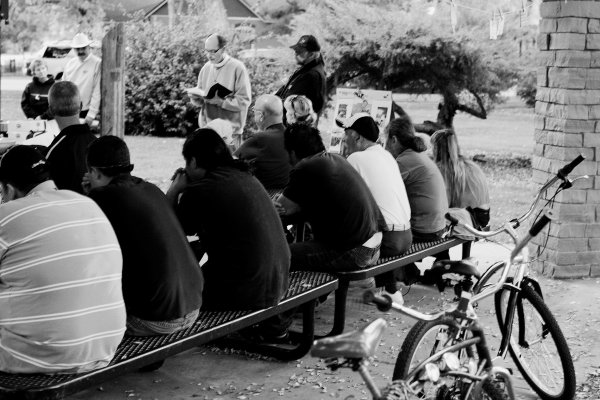
    Not every shoot I’ve done is full of lollipop promises, cute matching (but not too matching) outfits, and happy families throwing their kids up into a perfect blue sky with puffy cloud dreams.  In fact, typically the ones that didn’t, are among the most important pictures I have ever taken.  The ones that there are no road maps for, no instructions, and no cheat sheets.  Several years ago I photographed a beautiful wedding of a young couple deeply in love on a perfect July day.  I shot the wedding, went home, and put those images at the bottom of my “waiting to be edited” stack.  Which is where they stayed until I got a random call that the groom, a police officer, had gone missing in an attempt to save a young girl who had almost drowned in a fast moving river.  For three days rescue teams searched for him, until they found his body a day shy of his and his new bride’s first month anniversary.

    I Googled everything I could think of in an attempt to edit the images, perfectly and quickly with poise and professionalism, as I knew that they would now would hold a gravity beyond what I could have ever imagined when I shot them.  I found nothing—no road map, no instructions, no guide for this massive task I had ahead of me.  Instead I holed up in my office for a weekend with a bottle of scotch and a case of tissues, emerging in time for them to be delivered to his bride at his memorial service.  Those images are now locked in a vault of sorts for me professionally, and I can only hope that by now they perhaps bring an amazing and strong woman great comfort and lovely memories of a beautiful day in her life.

    Photography is a very powerful thing.  And having the ability to do it is an incredible gift.  Not all tough to photograph events will be dire, but do photography even just as a hobby for long enough and you will find yourself in situation beautiful in it’s complexity and the images you take poignant beyond words.

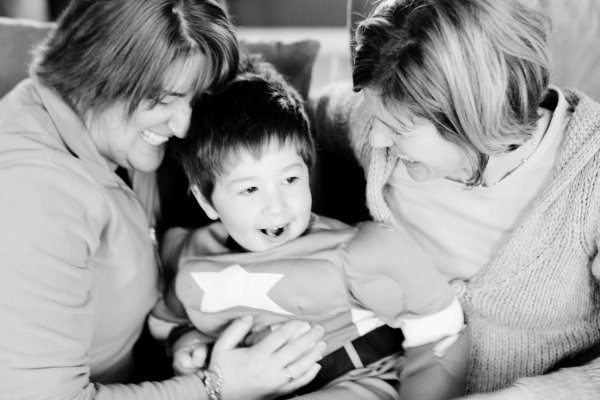
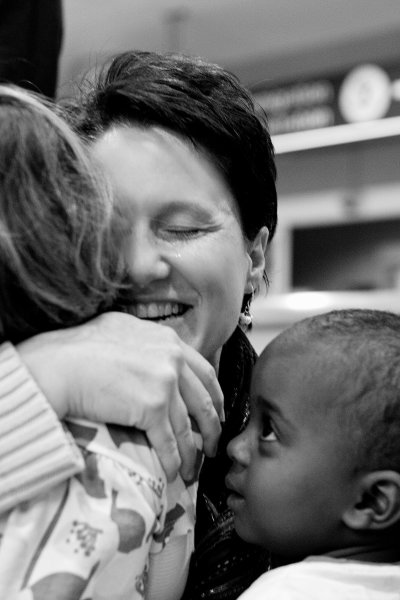
    This is a picture of my dear friend, her son, and her son’s birth mom.  It’s out of focus and isn’t properly exposed.  The kid is wearing a Captain America costume and was feeling especially “spirited” on this day.  It is all of the makings of disaster.  Yet it is one of my favorite images and incredibly important to both myself and the people in it.  A picture doesn’t have to be technically perfect to be amazing.  Sometimes it’s just you being in the right place at the right time, hauling a camera in tow.  Sometimes it’s a matter of you being invited to something very special because you have been trusted to document it.  What a beautiful responsibility that is.  Sometimes it’s not about the where and the how you do it; it’s about that you showed up and did it.  The pictures you take may turn out perfect.  They may not.  Either way, they will be treasured as great gifts.

    IMG_3380b

    Every once in a while I get asked to photograph someone (or a pet) who is gravely ill, or a funeral or memorial service.  I have never been in a situation personally to want a photographer at something like this, but I am always honored when asked to do something so significant.  This is one of those situations where if you have any reservations at all, you should politely decline.  It’s a heavy task, one that can only be done with complete focus and presence.  The first thing I do if I’ve been asked to photograph something like this is make absolutely certain that the immediate family members are all in agreement in wanting my services and what exactly that means to them.  While I have personal guidelines, I want to be sure that what they are wanting works with these, and also something I will be able to do with great compassion.  Each time I’ve photographed this type of situation I have come across someone that didn’t feel I should be there or was confused by my presence and camera.  My best advice is to reply very simply and quietly: “I was asked to be here today” and move on.  Not everyone will understand why a photographer was requested.  Often I don’t understand myself.  But I know that I am doing something important as part of a healing process for another and that’s reason enough.

    IMG_0213b

    IMG_9323b

    Sometimes the occasion is joyful and wonderful and still requiring of great tact and compassion.  Homecomings, be them military or adoption or just long awaited, fall into this category.  If you have been invited to something like this, take a moment to be a bit proud of yourself.  Go on—I’ll wait.  This means that you have been asked to be part of a moment so delicate and special that your abilities are obvious and you are trustworthy beyond measure.  Your camera may have been your golden ticket in the door, but your skills is what will get the job done.  This is one of the few times I stay completely out of the way and ask nothing of anyone.  I am there only to document, not set-up moments or force poses and smiles.  The event will happen so naturally and beautifully on it’s own that you need only to trust in yourself, stay alert and in the moment, and know that the most intense moments will happen very, very quickly.      IMG_0207b

    IMG_0243b

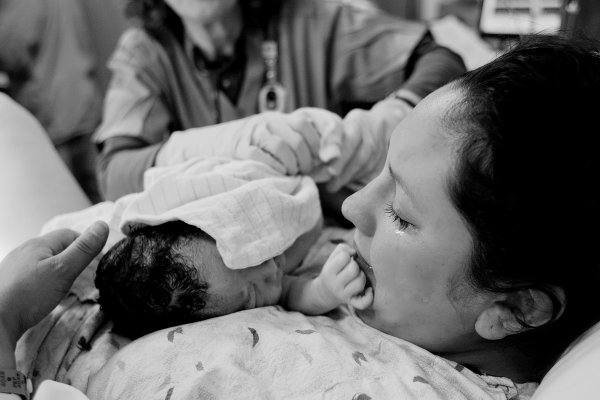
    In my humble opinion, there is no greater honor than being trusted to photograph someone.  Making the honor of being asked to photograph a human coming into this world the highest of the high.  If you ever get the chance the witness life start, I highly recommend it.  Most of this is going to be common sense, but in this case, don’t shoot for the moon.  You are documenting something so special, so amazing, there is no need to force a specific shot.  In a perfect world, you’ll be allowed to stand near the mother, at the top of the bed (or similar), lessening the chances of angles that no one will want pictures of, and increasing the chances of being able to stay out of the way.  Photographing a birth is one of the only times I truly have to use everything I have to hold it together and do my job.  But it turns out you can focus (literally and figuratively) through a layer of tears pretty easily if you need to.  Much like birth itself, this is pure adrenaline; nothing to plan, no way of knowing what shots you are going to get.  I do like to always ask if there is something special that is hoped for—perhaps the first bath or a picture of the baby getting weighed.  Things like that are usually possible and of importance for some.  Photographing births is a game of hurry up and wait and only a couple of things are certain: good glass, a high ISO (no one wants a flash here and the room is often dark), and impeccable manners.

    IMG_4838b

    IMG_4846b

    These type of images may not end up being part of your portfolio, they may not be technically perfect in any way, but likely to someone they will mean everything.

    Post originally from: Digital Photography Tips.

    Check out our more Photography Tips at Photography Tips for Beginners, Portrait Photography Tips and Wedding Photography Tips.

    It’s Not Always Sunsets and Kittens: Photographing the Tougher things in Life


    Digital Photography School