Category: Photography

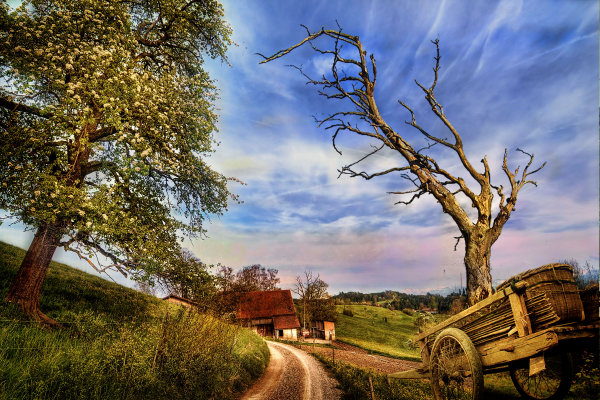
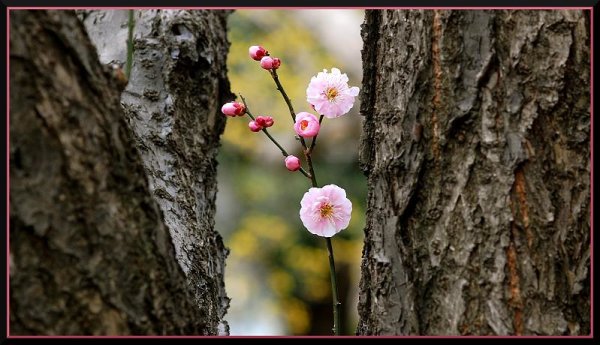
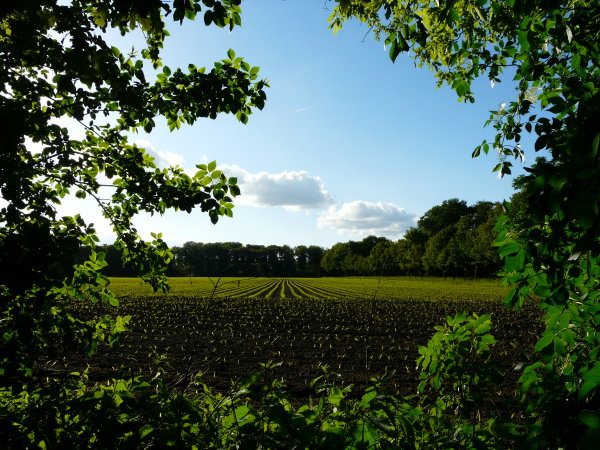
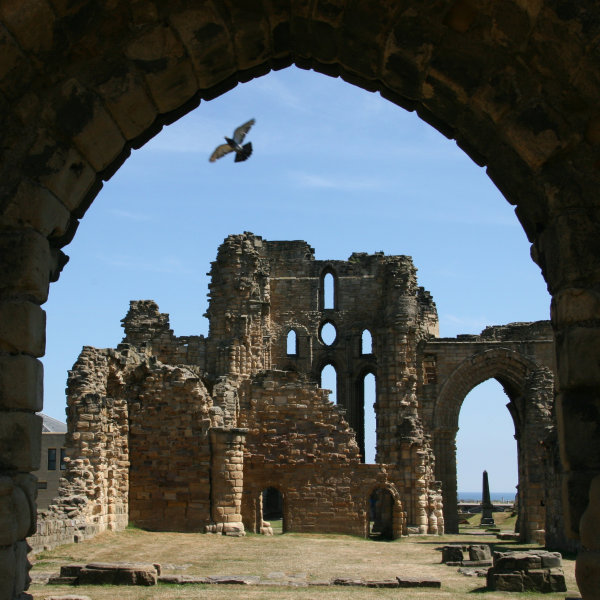
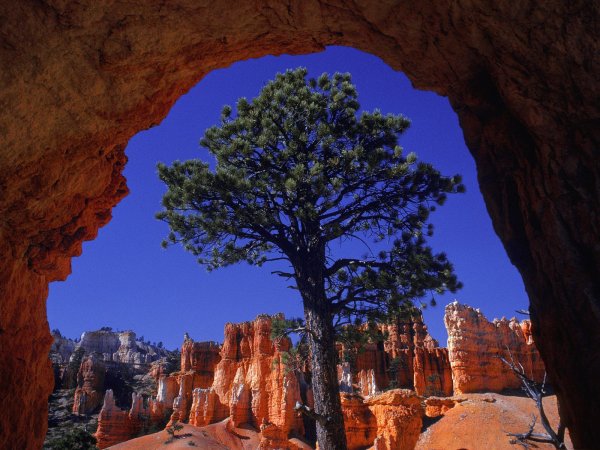
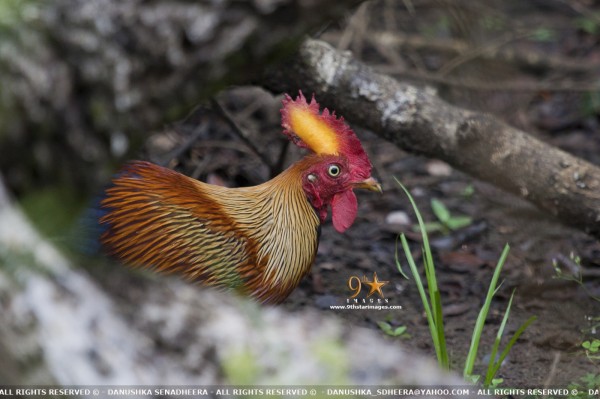
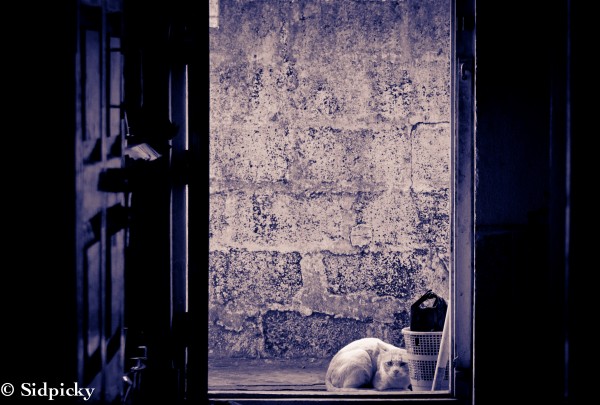
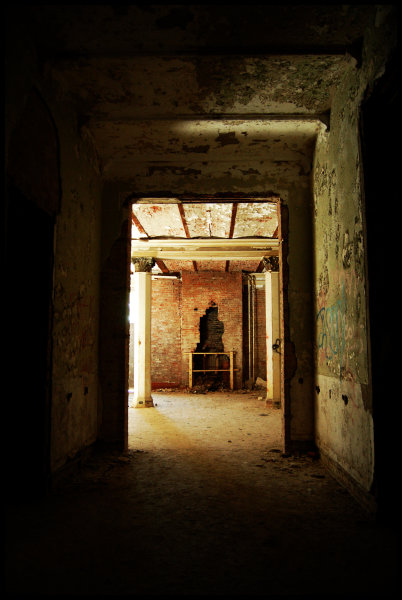
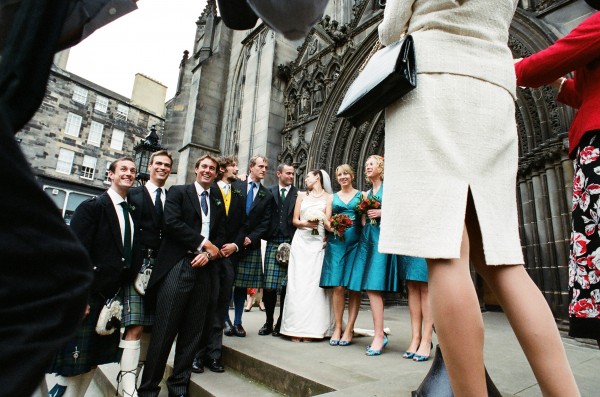
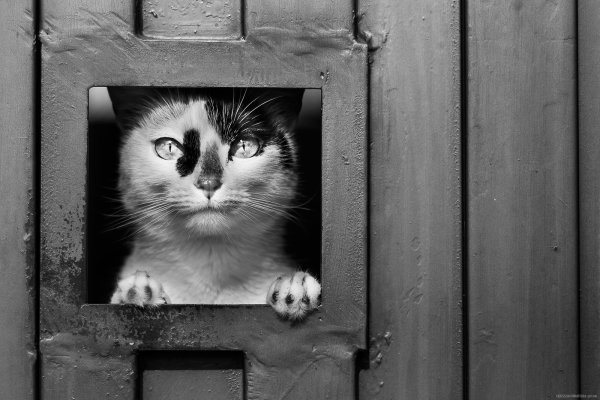
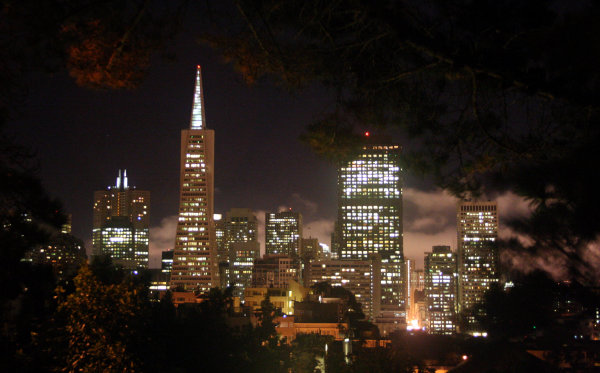
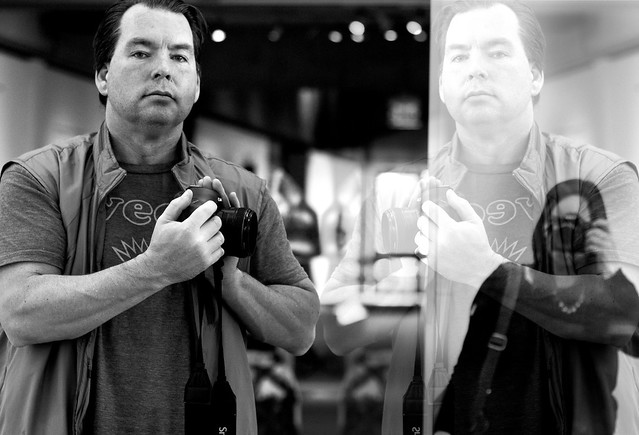
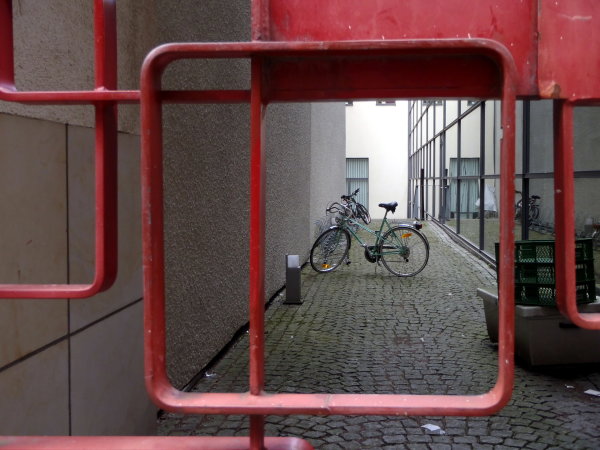
  • 25 Images Using Framing in Composition – Weekly Inspiration


    By lagusa

    Framing in composition

    This week I want to showcase some images that use framing in composition to create a successful image. It is one of the most difficult elements to master, but one of the most important in terms of create depth in your images. In a nutshell this is what frame is all about:

    • adding a foreground object into your scene that frames, or helps highlight your subject
    • sometimes involve stepping back from your original composition and looking for elements to use as a frame
    • usually using a shallow depth of field to put the foreground, framing element out of focus
    • the frame is there to set the scene, and draw the viewer into the image

    Enjoy!

    By Eva Ekeblad

    By Mayr

    By B Gilmour

    By Paul

    By Brian Smithson

    By Judy van der Velden

    By Les Bessant

    By myheimu

    By Katerina Zaitsava

    By Moreno Berti

    By gwynydd michael

    By Danushka Senadheera

    By Tarik Browne

    By Sid Das

    By Sue Hasker

    By Freaktography Urban Exploration and Photography

    By Edward Simpson

    By Chris Beckett

    By Hersson Piratoba

    By Tom Parnell

    By Roberto Saltori

    By Kevin Labianco


    By Jan Maklak

    By Nina Matthews


    Post originally from: Digital Photography Tips.

    Check out our more Photography Tips at Photography Tips for Beginners, Portrait Photography Tips and Wedding Photography Tips.

    25 Images Using Framing in Composition – Weekly Inspiration

    The post 25 Images Using Framing in Composition – Weekly Inspiration by Darlene Hildebrandt appeared first on Digital Photography School.


    Digital Photography School

  • Using Framing in Composition – Weekly Photography Challenge

    Framing is exactly as it implies:  seeing your image through something that frames it such as:  a doorway, a window, through leaves of a tree, etc.

    Shot at Cafe du Monde in New Orleans. To me the people in the foreground help tell the story.

    Shot at Cafe du Monde in New Orleans. To me the people in the foreground help tell the story.

    Framing your subject within a another is a strong, graphical composition. It adds a three dimensional quality to your images, and creates depth. Using framing adds a foreground element that can help set the scene, tell the story, and lead the viewer’s eye into the image.

    Start looking for ways to shoot through natural frames to highlight your subject.

    HINT: back up and look through the doorway behind you.  Show the viewer exactly where to look.

    To frame this Japanese temple in Hawaii I walked away from it until I had this overhanging tree to frame the image. It adds depth and dimension to your images when you use this technique.

    To frame this Japanese temple in Hawaii I walked away from it until I had this overhanging tree to frame the image. It adds depth and dimension to your images when you use this technique.

    For some inspiration check out 25 Images using Framing in Composition posted earlier today.

    Further reading on the topic of composition:

    • Composition: Frame within a Frame
    • Composition and Negative Space
    • Composition and the Power of Line
    • 3 Ways to Improve your Images with Composition

    If you tag your photos on Flickr, Instagram, Twitter or other sites with Tagging tag them as #DPSFRAMING to help others find them. Linking back to this page might also help others know what you’re doing so that they can share in the fun.

    Also – don’t forget to check out some of the great shots posted in last weeks Weather challenge – there were some fantastic shots submitted.

    Post originally from: Digital Photography Tips.

    Check out our more Photography Tips at Photography Tips for Beginners, Portrait Photography Tips and Wedding Photography Tips.

    Using Framing in Composition – Weekly Photography Challenge

    The post Using Framing in Composition – Weekly Photography Challenge by Darlene Hildebrandt appeared first on Digital Photography School.


    Digital Photography School

  • The Updated, Essential Strobist Bookshelf

    A great photo book (whether lighting or otherwise) is an amazing value. You get to rent someone else's brain for the price of a good dinner. And depending on who's brain you're renting and what you do with the info, the return on investment can be hundreds or even thousands of time what you invested.

    Now more than ever, it is a wonderful time to be a lighting photographer. I have long maintained a book list on Strobist, but it has gotten out of date. Today I am correcting that with a tight, "without reservation" list of books that I can absolutely recommend for photographers who want to learn.

    The list includes just four books on lighting, a book on the interpersonal aspects of photography and a massive, magnum opus that is not even out yet. (But I've seen it!)

    Read more »
    Strobist

  • The Pencil vs Camera Photo Project That Will Make Your Eyes Pop Out of Their Sockets

    I’m going full steam ahead to continue our series of articles about awesome photography projects from all over the world. I hope you enjoyed the Cars Adventures and Oh, My Head photo projects we’ve previously posted! Today, I’m going to share with you the Pencil vs Camera project pictures by Ben Heine. His works are bursting full of surrealistic poetry, Continue Reading

    The post The Pencil vs Camera Photo Project That Will Make Your Eyes Pop Out of Their Sockets appeared first on Photodoto.


    Photodoto

  • Want a Great Gift for a Photographer This Holiday Season? Get Them a Scottevest

    Brother and Sister Bonding Time
    Brother and Sister Bonding Time, by April Joy Gutel.

    On Wednesday I spent the afternoon shooting the Oakland Museum of California with my sister April Joy Gutel (her photo of me above, thanks April). I always love shooting in museums and find myself inspired by the art even as I create new art in that sort of a space.

    A lot of museums don’t allow photography, but the ones that do almost always disallow backpacks. Because I shoot mostly prime lenses, I need a lot of different lenses wherever I go.

    On Wednesday I tried shooting in a museum in my new Scottevest for the first time. It worked great. I was able to pack an iPhone 5s, 4 different lenses (my 8-15 fisheye, 14mm, 24mm, 135mm), an extra battery and two CF cards easily into the vest. This was in addition to the Canon Mark 3 and 50mm lens on my camera. While I definitely felt the weight as I shot (those lenses are heavy), it felt much better than wearing a backpack. The lenses were also much more accessible to me as I didn’t have to take a backpack off to get to them. I simply unzipped the pocket and pulled out what I needed.

    Even with this much gear, I still had lots of room to pack more stuff into the vest if I needed it.

    The vest has sleeves that come on or off, in case you want to wear it as a jacket. It was very light weight and very comfortable to wear. It’s a great thing to have around for those times when you want more than just your camera, but don’t want to (or can’t) take your whole backpack set up with you.

    You can check out photos I’ve taken at the Oakland Museum of California here.


    Thomas Hawk Digital Connection

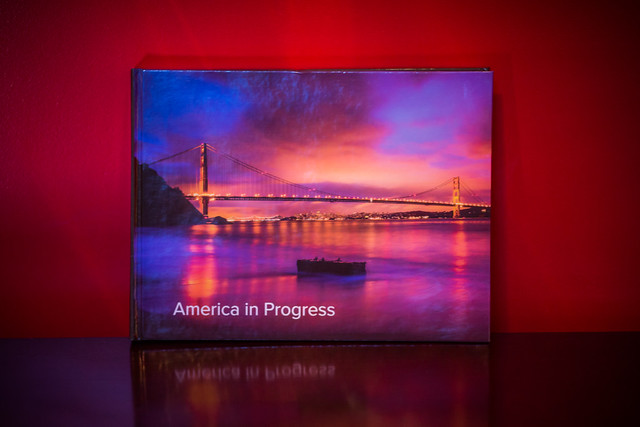
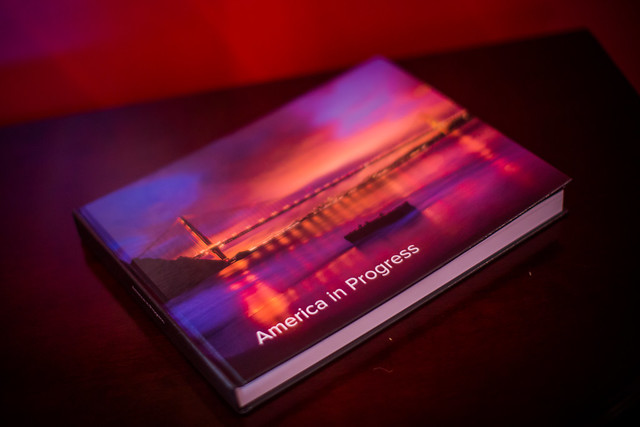
  • My Flickr Book Arrived — It’s AWESOME!

    My New Flickr Book Has Arrived!

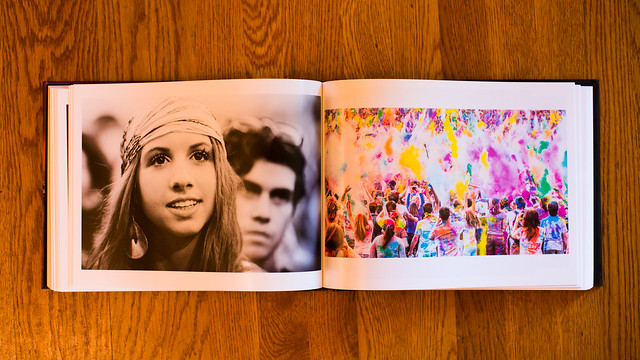
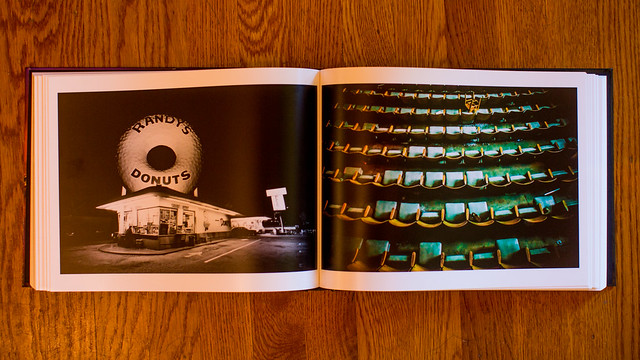
    Yesterday my first book that I made with Flickr’s new book publishing service arrived. I was very impressed. My 200 page book was one of the best self publishing books that I’ve seen yet. I was most impressed with the paper that was used in the book. It was super premium high quality photo paper and as you turned each page it felt much weightier than most paper I’ve seen in other self publishing books.

    The binding was not as nice as professionally printed books, but it was consistent with the binding that I’ve seen on other self published books from places like blurb.

    It took my book exactly 7 days to arrive from the time of order to receipt. Once it was shipped, it was delivered next day.

    As it stands right now you can just order books for yourself. You can’t sell them to others through Flickr. I had a few people that I showed the book to inquire about ordering a copy for themselves. As it stands right now this is a one of a kind book and I don’t plan on making additional copies of it.

    Although I did not see a way to get text into the book, it seems like it might be possible looking at this example of another Flickr book by Flickr user Snoop Pac Doggy Dog. The book comes with a very nice printed removable slip cover and the book also has the same image on the cover itself.

    I would definitely order more books from this service by Flickr. The quality of the product was first rate. It’s also nice that I did not need to upload high res photos to another site. Because Flickr already has my high res photos, it made it easier to just build my book through them.

    It’s nice to finally be able to look at my own photo book and especially put it up on the shelf with my other photo books when I’m done — it sits right between photo books by Friedlander and Winogrand. :)

    My New Flickr Book Has Arrived!

    My New Flickr Book Has Arrived!

    My New Flickr Book Has Arrived!


    Thomas Hawk Digital Connection

  • Five Photography Business Mistakes to Avoid

    A guest article by Steve McConnell

    Five photography business mistakes that cost me dearly and how you can avoid them

    I’ve been toying with an idea of writing an article, in which I share some ideas on how to start a successful photography business. Every time I think about writing it, I realize that I wouldn’t know what to write. I just don’t think that the entrepreneurial journey for an aspiring photographer can be boiled down to a set of step-by-step tips which can fit neatly into a blog post on photography business mistakes

    There are just too many variables (business nuances, possible changes of direction, personal problems, market issues, artistic visions, industry influences, technical developments)  which can be put together in an infinite amount of ways into a business strategy that may lead you to reach your goals.

    However, I think that there’s a fairly universal set of potholes which are likely to derail your ambitions as a creative entrepreneur unless you steer the business ship neatly around them. It is with the aim of highlighting these potholes that I decided to write this article. I hope it enables you to put your dream together in your own unique way, while raising some red flags around things that may trip you up.

    I think that it is much more useful to highlight some of the pitfalls that exist on this path, hopefully leaving you with the freedom to put your dream together in your own unique way, while raising some red flags around things that may trip you up.

    Bit on my background

    Let me give you some context. I started my family photography business almost two years ago. In the first year of operation I managed to grow it to a point where it became my part-time job. In this, my second year, I’ve grown it to a point where I’m working at it full-time, my fiancé works in it part-time, and I employ a part-time retoucher to help with editing.

    We’re busy. However we’re far from being as stable and sure-footed as I’d like. Every dollar counts and every day a dozen priorities have to be juggled in a way that ensures the worker-bee stuff gets done and the bigger picture (no pun intended) ideas are considered, planned and executed.
    photography-business-mistakes-1

    What mistakes have I made that you will want to avoid?

    Looking back at the business decisions I’ve made, there were some which helped us grow (niche marketing, focus on online channels, partnerships).  There were also some decisions I’ve made, which held us back significantly. These are the ones I’m going to share with you in hopes that you will avoid them on your photography journey.

    Mistake #1 – listening to established photographers

    This may be a contentious point. Let me qualify my words here – when I say “established pros”, I mean photographers who have been in the game for 10+ years, who were around in the film era and who most likely built their business by selling big prints, renting a studio and advertising in the Yellow Pages while promoting themselves through industry partnerships.

    I’ve found it immensely difficult to get advice from these folks that is relevant and works in today’s business world. The few times I have taken on their advice and steered my business in the direction they suggested, I regretted it and had to reverse those decisions.

    My take on it is that many established pros suffered a business downturn in the last few years. As a result, many turned to teaching. Thing is, their downturn happened mainly because their businesses were built on principles which expired.  Yet, they’re teaching those exact principles and strategies to the new generation of aspiring photographers.

    I’m not saying that all established pros are not worth listening to, of course not. I’m saying that I personally should have used more discretion in evaluating their advice and rejected more of it, instead of trusting them based on the number of years they’ve been in the game.

    Mistake #2 – taking too long to learn sales

    A few months ago I finally admitted to myself  that I suck at face-to-face sales.

    My background is in marketing, which has been helpful in creating branding and business strategies to bring customers to the websites and ensure they have a great experience there, hopefully leading to a sale. But this skill has also become a crutch, because I’ve become reliant on people making their purchase online. If a potential customer called with intent to ask questions (or, God forbid, challenged me on price), I’d collapse.

    I decided it was time to get comfortable talking about prices and learn how to articulate my value proposition in a way which catches people’s attention. At the end of the article I’ll share some resources that helped me.

    Learning sales was important because it helped me get comfortable with customers on the phone. It changed my perspective on who I am when I answer the phone – I went from being the guy who helpfully provides information about our prices to being the guy who engages potential customers in a dialogue which aims to deliver maximum possible value to them.
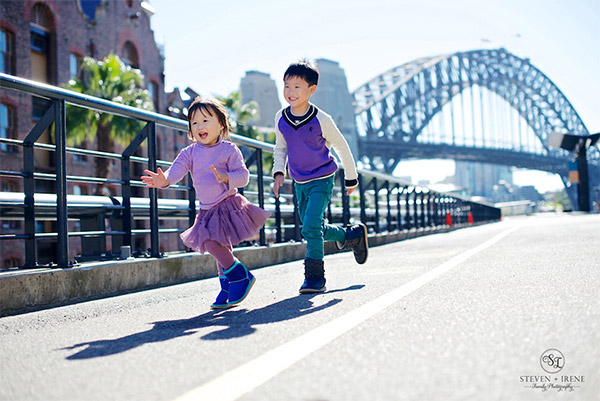
    photography-business-mistakes-2

    Mistake #3 – underestimating the importance of customer service

    I started off with the mindset of “I’m an artist. I’m here to create photos. People hire me for my photographs, not for my phone manner or for a card I might send them for Christmas.” I believed that if I focused on producing great photography, that alone would ensure my customers were happy. I did hardly any follow-up before and after the shoots, and I did little else for my customers, except shooting.

    I was inspired to change my opinion about on this when I bought a new Apple laptop. It was the smallest detail that flicked the switch for me – a little plastic tab which sits under the laptop and makes lifting it out of the box easy. I’m pretty sure if I bought another brand of computer, I’d have to either jam my fingers between the device and the box to pry it out or flip the whole thing upside down and let gravity do the work.

    Not so with Apple. There was a distinct sense of being taken on a journey, even before the Mac was switched on. It made me realize that my customer’s photography journey with me, starts long before a shutter is pressed.

    photography business mistakes to avoid

    MacBook unboxing

    I made it one of business priorities to design, and constantly improve our customers’ experience at every touchpoint with the business. I want people to feel like they’re immersed in a branded experience which begins the moment they arrive at the website and continues long after the photos are delivered. I’m paying attention to things such as:

    • Do they know how to get here?
    • Do they know where to park?
    • Do they get a thank you note?
    • How does the packaging of the USB stick (on which their photos are presented) look?
    • Do I surprise them with some unexpected previews, letting them know that their photos are almost ready?

    I want them to feel like everything is being taken care for them and no matter what goes wrong, they don’t have to worry about it. 

    Mistake #4 – forgetting about the winter slump

    Our business had a nice surge of growth towards the end of last summer, and then it stopped. I’m not saying it just stopped growing. It literally all stopped. I forgot that people might not be as keen to be photographed in windy, chilly months as they are during the summer heat.

    Being prepared for the winter slump will help you avoid a scenario in which the bottom falls out of your business and you have to hock camera (and maybe unessential body) parts on E-bay.
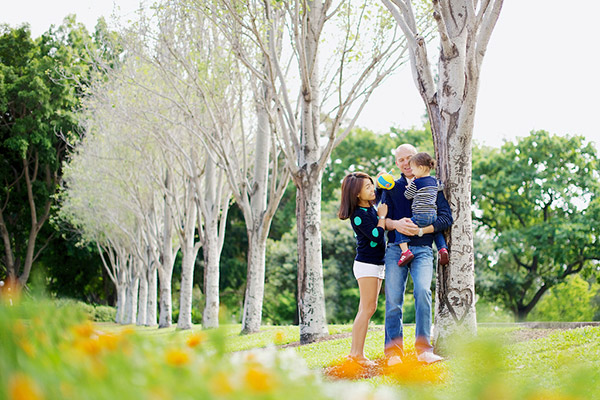
    photography-business-mistakes-3

    Mistake #5 – neglecting my friends

    I’ve lived a fairly ascetic existence for the past two years. My focus has been quite single-mindedly on business. I’ve eliminated just about everything from my schedule which was not business related. I’ve hardly been out. I haven’t spent much money at all on clothes or fancy food. Working for weeks without a day off has been the norm.

    It was a conscious decision and a necessary one, because I wanted to grow the business quickly. I was hungry for it and I knew that I’m the kind of person who isn’t very good at doing a number of things at once, so I couldn’t afford to be distracted. . This meant cutting ties with most of my catch-up friends (you know, the people you ‘know’, but in reality you really don’t) and not seeing some of my best friends for months and years at a time.

    I don’t regret doing it, but I do regret not managing it better. For some people in my life that I do care about, I kind of fell off the radar. I was simply afraid of having a heartfelt conversation with them and telling them that I needed to disappear for a while because there’s something important I had to do.
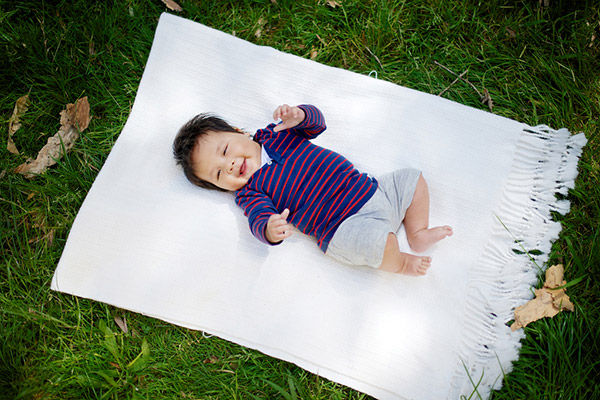
    photography-business-mistakes-4

    In conclusion

    I’m not entirely comfortable being in a position of dispensing advice because I don’t feel like I’ve fully cracked the code yet. In many ways, I’m living a dream I never thought possible. However, in the context of what’s possible as a creative entrepreneur, I’m still very much a beginner.

    However, there are people in this world who have repeatedly created modern, lean businesses which are turning a healthy profit by creating amazing customer experiences. Let me conclude by sharing some resources that I’ve found invaluable:

    Here are two resources which have helped me get comfortable on the phone with potential clients and increase my sales dramatically: S. Anthony Iannarino’s The Sales Blog and  Blake Discher’s Webinar On Negotiating.

    • Everything Google – Moz
    • Sales – S. Anthony Iannarino The Sales Blog
    • Strategy – Fred Destin Startup Lifecycle
    • Starting Small – Seth Godin’s Bootstrapper’s Bible
    • Business Models, Lessons From Silicon Valley – Dave McClure 
    • Kick Up The Bum: A Brief Guide To World Domination (and why that’s a good thing)

    If you’re a photographer and have already set off on your entrepreneurial journey, I’d love to hear about the challenges you’ve run into.

    • Are you running out of time or money?
    • Are you not sure who your market is?
    • Not sure where to even start?

    Those are normal issues to run into and are very much part of the journey. Please share the details in the comments below.

    Editor’s note: of course the opinions expressed in this article of those of the author, based on his experience. If you have a differing opinion or addition tips to add please do so in the comments section below.


    Steven McConnell is a Sydney-based entrepreneur and photographer. Together with his fiancee, he is behind two startups – Steven & Irene Photography and Arielle Careers. When he is not photographing, his focus is on empowering creatives to make a living by doing what they love. You can catch up with him on Google+.

    Post originally from: Digital Photography Tips.

    Check out our more Photography Tips at Photography Tips for Beginners, Portrait Photography Tips and Wedding Photography Tips.

    Five Photography Business Mistakes to Avoid

    The post Five Photography Business Mistakes to Avoid by Guest Contributor appeared first on Digital Photography School.


    Digital Photography School
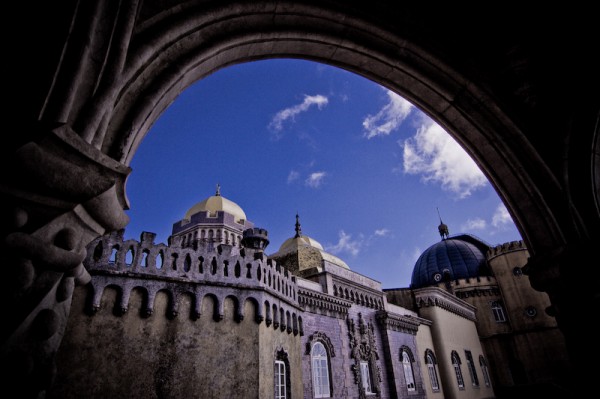
  • Using Street Photography to See Beyond the Ordinary

    A Tree Grows, Chase Bank, Street Photography, Seeing Beyond The Ordinary

    A Tree Grows, Chase Bank

    There is an important idea within street photography to ‘go beyond the ordinary,’ or to capture images that are different from the normal.

    But what is the process of photographing this way? And why?  What is the point?

    The idea behind seeing beyond the ordinary is to develop your own way of doing it, and although there are no clear-cut answers or rules to photographing this way, here are some ideas that can help you think about capturing images in a unique way.

    Find beauty in the story

    Beauty is not only a visual characteristic.  Try to create images that will cause your mind to invent a story.

    It is important to note that these stories don’t have to have a resolution.  Some of the most powerful images will cause you to think about them differently over time or depending on how you feel that viewing, in that moment.

    Lady in Red, 5th Avenue, Street Photography, Seeing Beyond The Ordinary

    Lady in Red, 5th Avenue

    Take a look at the image above.  For me, there is a story here somewhere within the disconnect between the image of the free flowing girl in red on the iPhone case and the rigid stance of the woman dressed in jewelry and muted tones.

    Slow down

    It’s so hard to pay attention to what’s going on around you if you are running around, overstimulated, and trying to immediately capture everything around you.

    Take a deep breath, put the camera down to your side, and just wait and look around a bit.  Unique photographs are hidden all around us, but you need to pay attention to be able to seek them out.

    An image that is different might not stand out at first

    The Cigarette Break, Street Photography, Seeing Beyond The Ordinary

    The Cigarette Break

    Have you ever listened to a song and disliked it the first time, but then the second or third time you hear it you start to appreciate it. Then you can’t get enough of it?  (and then it’s played so much that you can’t stand it again, but that’s another story)

    Some of the best, most extraordinary images will not always hit you at first.

    The same idea happens within imagery. Some of the best, most extraordinary images will not always hit you at first.  With photography, and especially with the amount of imagery that passes our eyes daily, an image only has a millisecond to grab our attention and then a couple seconds of our attention if we do decide to click on it.  This trend can affect how we photograp,h and how we see the world.  I think this is a reason why coloured filter effects are so prevalent these days, because they catch our attention so well, but just as quickly as they enter our lives, they fade off into the sea of similar photographs that we forget about.

    The best images are the ones that grow with you over time – that you can put next to your desk and look at over and over again without losing interest.

    These images don’t care about the first two seconds.

    If everyone’s looking one way, look the other

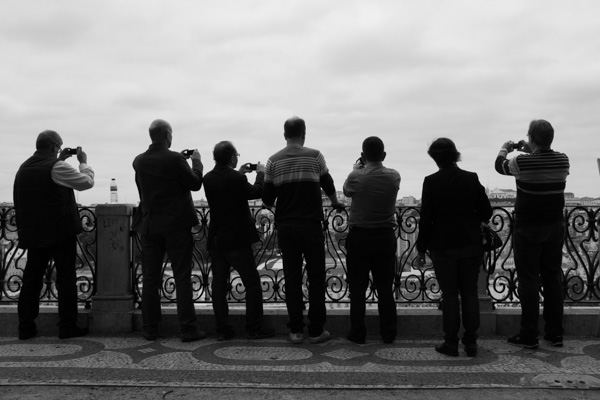
    Designated Photo Spot, Lisbon, Street Photography, Seeing Beyond The Ordinary

    Designated Photo Spot

    This idea works for so many things; investing, real estate, but also for photography.  If everyone is fixated on one thing, or one way of doing something, then it’s often best to head in a different direction.

    What direction that is, who knows.  But it will be easier to figure that out if you are able to rule out the wrong directions.

    Find beauty in the mundane

    This idea doesn’t mean to photograph things that are boring.  It means to search for interest in areas that would normally be thought of as mundane.  Don’t rule out areas or objects to photograph and don’t be afraid to capture something as ‘mundane’ as an empty wall.

    You don’t need to know why you are capturing something, you don’t have to know the meaning of what you are capturing, and it doesn’t have to be beautiful in the traditional sense.  The most important gauge is that it makes you feel something when you look at the image.

    Don’t fixate on getting attention

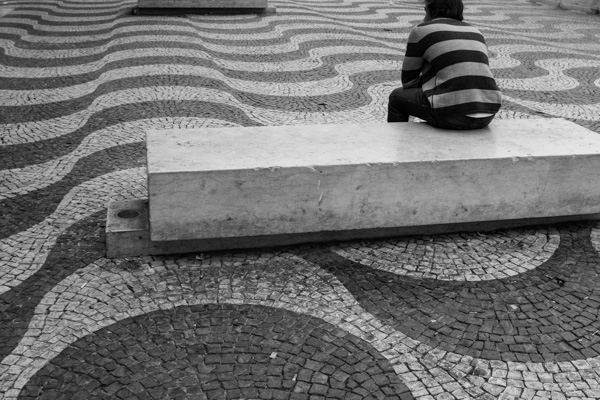
    Lost in Lisbon, Street Photography, Seeing Beyond the Ordinary

    Lost in Lisbon

    Photographing this way might mean that people are going to pass by these types of images the first, second, or fifth time they see them.

    Not everyone is guaranteed to like it, to be used to it, or to understand it.  Even more likely, most people might not even stop and notice it at first.  So don’t be discouraged if this happens.  With this type of photography you are interested in influencing one person significantly, not catching the eye of most people right away.

    It is a good idea to find one photograph,y or art-loving friend, to talk about these images instead of worrying about how everyone feels about them.  If you stick with one or a few people to show your work consistently, they can grow to understand it better and can give you advice and feedback.

    Anyway, the real success of an image is if you like it.

    Post originally from: Digital Photography Tips.

    Check out our more Photography Tips at Photography Tips for Beginners, Portrait Photography Tips and Wedding Photography Tips.

    Using Street Photography to See Beyond the Ordinary

    The post Using Street Photography to See Beyond the Ordinary by James Maher appeared first on Digital Photography School.


    Digital Photography School
  • The Intimate Landscape – 5 Tips for Better Landscape Photography

    Landscape photograph

    A few weeks ago I spent seven days travelling across the northern tip of New Zealand’s South Island. Anybody who has been here knows that it is a beautiful place. I often come across remarks by photographers referencing New Zealand as a destination on their list of dream places to go to. Who can blame them? It’s a spectacular country, with beautiful landscapes.

    However, the road trip brought home something of interest to all landscape photographers – landscape photography is hard. Really hard.

    Not only do you need a beautiful location, but you are also relying on the weather and light to be conducive to the type of photo you want to take. If it isn’t, there may not be time on a short trip to wait for the ideal conditions.

    It’s also a challenge to find an original way to photograph the landscape. Many other landscape photographers have been there before you. It’s difficult to create something new in a short space of time. Here are a few tips to help you do better landscape photography.

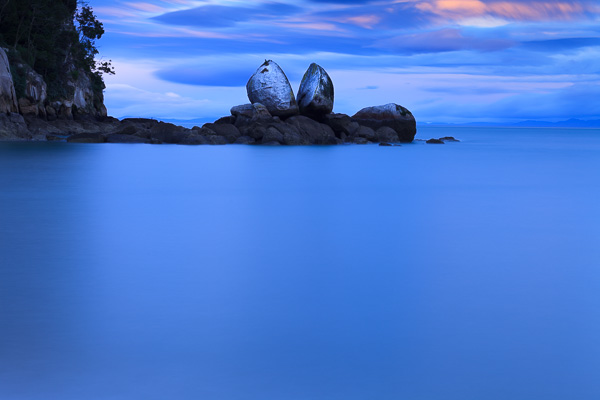
    Split Apple rock, near Abel Tasman national park. I like this photo, but is it original? Not really – it’s a popular landmark and has been photographed by hundreds of photographers. It’s very difficult to create something new here.

    Split Apple rock, near Abel Tasman national park. I like this photo, but is it original? Not really – it’s a popular landmark and has been photographed by hundreds of photographers. It’s very difficult to create something new here.

    #1 Local knowledge

    While there are ways to help ensure that you get the most out of a trip away (watch for those tips in an upcoming future article) today I want to make the point that one of the biggest advantages any landscape photographer has is intimacy with the landscape.

    Intimacy comes from a deep knowledge of ,and a connection with the landscape. It’s an appreciation of the people that live there and the history of the location, plus an understanding of how the landscape changes through the seasons. People who have an intimate relationship with a region usually live there, or visit often. They are not passing through (like I was on the South Island). They know the best places to take photos, and when the light, seasons and weather are most likely to align to create the best results.

    If you are struggling to find ways to photograph your local landscape, maybe it’s time to come at it from a different perspective. How can you turn your familiarity with your local landscape into an advantage?

    Let me give you some practical examples. I live in Wellington, a city at the southern end of New Zealand’s North Island. I’ve never thought of it as a great location for landscape photography. Relatively speaking, it doesn’t have the spectacular landscapes of the South Island, nor the sub-tropical bush or white sand beaches of the northern half of the North Island. However, I’ve found other ways to incorporate the landscape in my photos.

    Landscape photograph

    #2 Long exposure and night photography

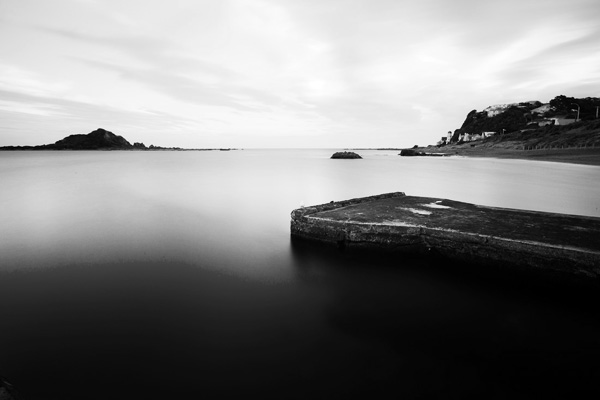
    I know some good locations for these, including places that I would never have found on a short visit. The coastline south of the city has some beautiful, rugged locations. Walking along the sea front during all four seasons has given me an appreciation of how beautiful and changeable it is. The light and landscape change with the seasons and the weather, and I’d never understand that if I didn’t live here. Best of all, once I’ve found a location, I can wait out periods of inclement weather and return when the light is best to take advantage of it.

    The benefit of these techniques is that they help you create photos with a very different look to what many photographers will take.

    Example from another photographer

    I recently came across the work of Mark Gee, another Wellington resident. He’s rather good at night photography. Most of his photos are taken in the local area and show an intimacy with the landscape that only comes with local knowledge and time.

    Landscape photograph

    #3 Try some special techniques

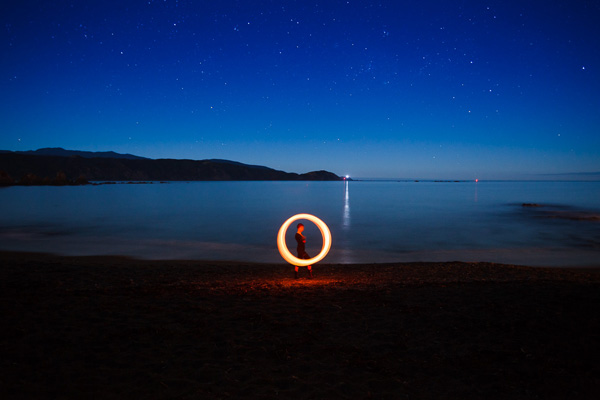
    Painting with light and steel wool spinning are two that come to mind. The lack of spectacular landscapes has pushed me off into different directions as I look for more ways to make the most of the scenery we do have here. Mark Gee’s work has inspired me to try some night photography, and that ties in neatly with these techniques. Again, the freedom to return to the locations I want to use when the sky is clear and there is no wind is priceless.

    If you are looking for original ways to photograph your local landscape, perhaps either of these techniques will help!

    Portrait in the landscape

    #4 Portraits

    I take most of my portraits outside, using my favourite locations as backdrops. Sometimes a certain location may not be great for landscape photography, but it is ideal for taking portraits. The local landscape has become a part of my portrait work, and my style. If I lived somewhere else, my portraits would have a different feel to them.

    How can you incorporate your local landscape in portraits?

    Are there any other ways to utilize the local landscape?

    #5 Use storytelling

    There’s one way I can think of – tell a story. Perhaps there is the potential for a documentary project in your area. Stories are inevitably about people, so think about how local people interact with, or depend on the local landscape. For instance, activities such as running, sea kayaking, cycling, surfing and wind-surfing are all popular here in Wellington. Any one of those could make an interesting documentary project.

    Or something more simple, such as Nathan Wirth’s seascapes with a Buddha.

    What options do you have in your local area?

    Ultimately, all these ideas are about the same thing: going deep and exploring your relationship with your local landscape in a way that isn’t possible on a brief visit. It’s the same reason that National Geographic photographers go away on assignment for months at a time. Intimacy with your subject and time produce a depth of coverage that you can’t get any other way.

    Mastering Photography – additional learning

    il-06

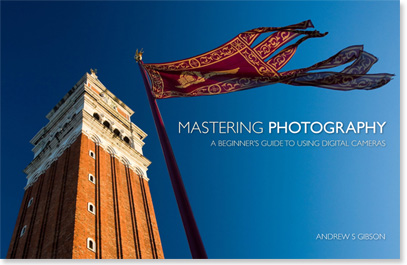
    My ebook Mastering Photography: A Beginner’s Guide to Using Digital Cameras introduces you to photography and helps you make the most out of your digital cameras. It covers concepts such as lighting and composition as well as the camera settings you need to take landscape photos like the ones in this article.

    Post originally from: Digital Photography Tips.

    Check out our more Photography Tips at Photography Tips for Beginners, Portrait Photography Tips and Wedding Photography Tips.

    The Intimate Landscape – 5 Tips for Better Landscape Photography

    The post The Intimate Landscape – 5 Tips for Better Landscape Photography by Andrew Gibson appeared first on Digital Photography School.


    Digital Photography School

  • Adobe Password Resets Definite Cause For Concern

    Adobe Password Resets Definite Cause For Concern

    A guest article by Kevin Yank

    As a digital photographer, you have probably used Adobe software (be it Photoshop or Lightroom) to manage, tweak, or publish your photos at one time or another. If so, chances are you’ve also received an email like this one in the past few weeks:

    adobepasswordreset

    Adobe is sending this message to just about everyone

    If you’re thinking this might be cause for concern, you’re right. When I’m not out shooting photos with my trusty Panasonic GX1, I work on a site called Should I Change My Password, which tracks password security breaches, and I can tell you they don’t come much bigger than this one.

    When we discovered the Adobe password database being shared among hackers earlier this month, we were stupefied by the size of the breach. Far greater than the 2.9 million customers Adobe had already announced were affected, the file contained the email addresses of over 152 million people. To give you an idea, the worst breach we had previously encountered contained “only” 34 million customer records.

    How could Adobe be claiming only 2.9 million affected customers, you might ask? To hear Adobe tell it, most of the records stolen by hackers were “out-of-date”. Best as we can tell, if you gave Adobe an email address and password when downloading, say, Acrobat Reader ten years ago and haven’t been back since, Adobe figures that losing those details to hackers is no big deal. I beg to differ.

    Besides the fact that you can pretty much guarantee every spammer worth his cut-price pharmaceuticals has now added your email address to his distribution list, the method Adobe had used to store your password has been discovered to be insecure. If you used the same password on multiple websites (and let’s face it—ten years ago, who didn’t?) your accounts on those other sites are now at serious risk. Particularly if you used a weak password (such as a date or an English dictionary word), or a password that someone else in those 152 million people might have also chosen (like a pop culture reference), you can pretty much assume hackers will be able to work out your password using the data that Adobe lost.

    Pressure from sites like Should I Change My Password has forced Adobe to notify the full list of people in the database, which is why you and most everyone you know has now received an email from Adobe like the one above.

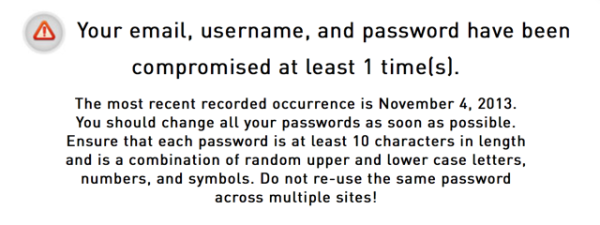
    So, what do you do? Well, whether you have received an email from Adobe or not, you should check if your email address(es) have been compromised. Start by visiting Should I Change My Password, where you can check your email address against our database of breached addresses for free.

    This is what you will probably see

    sicmyp-adobe-check

    Assuming your address (and likely your password) has been compromised, you’ll want to follow our 10-step guide (also free!) for what to do if your password has been hacked.

    In short, don’t rely on Adobe to provide you with complete information about its own failure to protect your privacy and security. Adobe is in full damage control mode right now, and part of that is playing down the scale of the disaster. Think of the most important account you might have shared your Adobe account’s password with, and take the steps necessary to protect it now.

    Kevin Yank is Avalanche’s technology guru. He has a wealth of experience building and managing businesses, and is a world-class developer to boot.

    He might know every programming language ever written and types at a thousand words per minute. When he’s not at his computer, he’s writing books, helping to run Impro Melbourne, or playing the latest Assassin’s Creed.


    Join us for a special event to discuss this issue!
    Next Tuesday December 3rd at 2pm MST (Mountain Standard Time – convert to your time here) Darlene Hildebrandt, our new Managing Editor will be hosting a special LIVE Google Hangout to discuss the Adobe issue.

    LINK TO THE GOOGLE PLUS EVENT – sign up to ask a question

    Here are the details:

    • you don’t need any special software to watch us live just click on the link or watch it here when the time comes (the link will become a live YouTube feed)
    • if you head over to the actual event page you can RSVP to get a reminder notice when it’s starting
    • you can also watch it streaming live on the event page and ask questions of the guest panel

    Some of the things to be potentially discussed are;

    • how has is effected you as a photographer?
    • how do you feel about it?
    • have you taken any actions?
    • have you contacted Adobe? What has their response been?
    • how do you feel about how Adobe has handled it?

    These are things we will be discussing. Join us live to listen in and add your comments in the chat.

    This is a highly volatile and sensitive issue and the discussion will be carried out in a dignified, respectful manner for all parties involved, including Adobe. Hope to see you there!

    Post originally from: Digital Photography Tips.

    Check out our more Photography Tips at Photography Tips for Beginners, Portrait Photography Tips and Wedding Photography Tips.

    Adobe Password Resets Definite Cause For Concern

    The post Adobe Password Resets Definite Cause For Concern by Guest Contributor appeared first on Digital Photography School.


    Digital Photography School