RSS
 

Archive for the ‘Equipment’ Category

Announcing the All Things Photo Podcast

28 Apr

I’m happy to announce that I’ve launched a new podcast titled All Things Photo with Eric Cheng. Between the two of us we have decades of professional photography experience and a unique perspective as industry insiders, Eric with DJI & Lytro and myself with BorrowLenses. Unlike other podcasts this series will also include video vignettes above and beyond our recorded discussions. I welcome you to subscribe on iTunes (listing soon to be available) and subscribe to the All Things Photo YouTube channel. There is a lot still to be done getting the podcast off the ground (including decorating my office), but content begins flowing today.

All Things Photo #1: Lightroom 6.2 Troubles + Light L16 Camera Impressions
Hyped concerns and expectations…

  1. Lightroom releases a buggy update that revamps the beloved Import screen and sparks widespread ire amongst photographers.
    Warranted or overblown?
  2. Light announces the L16 camera promising in camera processing, wifi capabilities, depth of field control and a wide range of optical focal lengths (35-150mm). What we saw at the Light L16 camera launch party in San Francisco.

Additional Content
Essential Resources to Back Out of a Lightroom Upgrade – JMG-Galleries.com

Lightroom 6.2 Release Update and Apology – Adobe Lightroom Journal

Previous import experience to be returned – Adobe Lightroom Journal

Adobe Lightroom Import Screens Before and After – Petapixel

Light.co L16 Camera web site – Light.co

Light L16 Camera promotional video – Vimeo

The Light Story (video) – Vimeo

Robert Scoble Interview of Light CEO Dave Grannan (video) – Facebook

Read more at http://allthingsphoto.libsyn.com/allthingsphoto-1-lightroom-62-troubles-light-l16-camera-impressions#3bUZtXh236Oc2k2E.99
If you’re interested in joining our podcast mailing list visit All Things Photo, our site will be up shortly (much quicker than displayed)

The post Announcing the All Things Photo Podcast appeared first on JMG-Galleries – Landscape, Nature & Travel Photography.


JMG-Galleries – Landscape, Nature & Travel Photography

 
Comments Off on Announcing the All Things Photo Podcast

Posted in Equipment


Color Underfoot

28 Apr
Fallen Aspen leaves with water droplets resting on melting snow

Fallen Aspen leaves with water droplets resting on melting snow

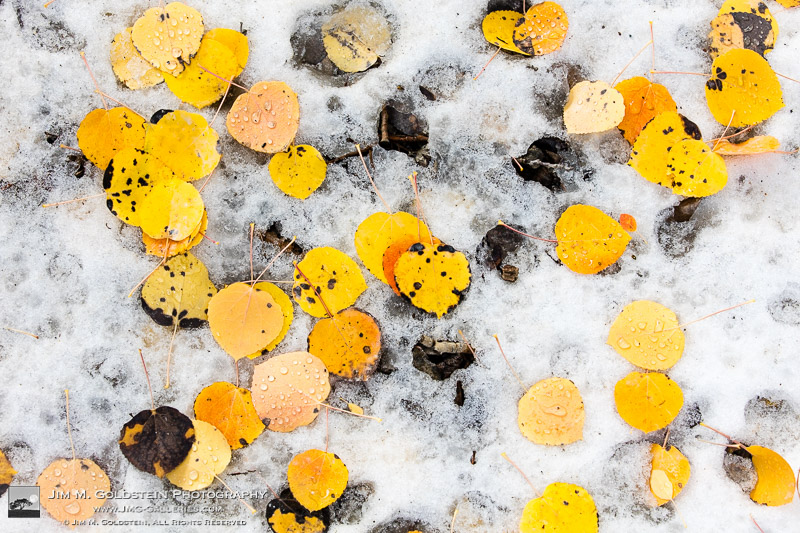
Photographing Fall Color took an interesting turn when snow fell in the mountains above Bishop, California a couple of weeks ago. While the colorful leaves in the trees above me were an obvious choice to photograph I first chose to capture the contrast between colorful leafs past their prime against the snow. To me this photo exudes silence & calm, the quiet after a battle against the elements.

Photo Details
Canon 5Ds R, Canon EF 70-200mm f/2.8 IS USM at 70mm, ISO 160, 1/160/sec at f/8

The post Color Underfoot appeared first on JMG-Galleries – Landscape, Nature & Travel Photography.


JMG-Galleries – Landscape, Nature & Travel Photography

 
Comments Off on Color Underfoot

Posted in Equipment


How Far We’ve Come: Canon 5DS R (2015) vs Canon D2000 (1998)

28 Apr
Canon DSLR comparison between the Canon D2000 and the Canon 5DS R

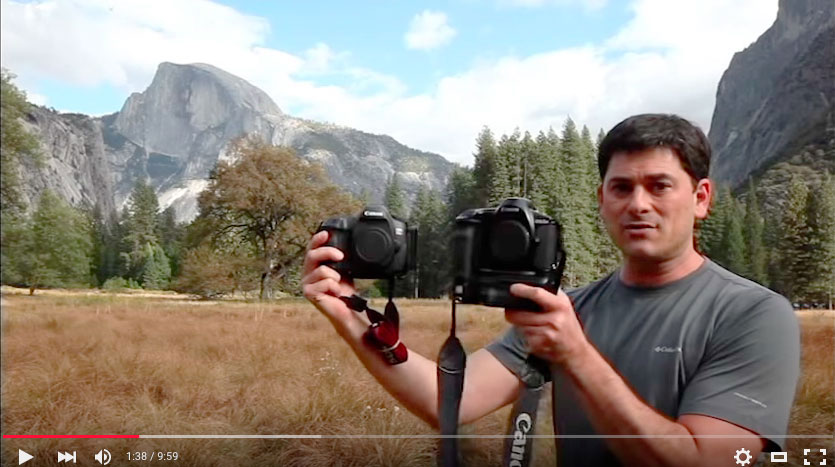
Over on my YouTube channel All Things Photo I’ve released a video looking at how far DSLR technology has come in 17 years by comparing the first Canon branded DSLR circa 1998, the Canon D2000,  to the latest Canon DSLR, the Canon 5DS R.To my surprise the D2000 still has some tricks up its sleeve!

The amusing thing about creating this video is that it took me down memory lane as to why I held out until 2006 to dive in on buying a very expensive DSLR. I held out on shooting film to avoid unacceptable digital noise in long exposures and to continue shooting full frame.  Now its amusing looking back at how bad things were, but I take solace in having more than decent alternatives. It’s good to remember back to the pain points of old school DSLRs to appreciate how good we have it today.

The post How Far We’ve Come: Canon 5DS R (2015) vs Canon D2000 (1998) appeared first on JMG-Galleries – Landscape, Nature & Travel Photography.


JMG-Galleries – Landscape, Nature & Travel Photography

 
Comments Off on How Far We’ve Come: Canon 5DS R (2015) vs Canon D2000 (1998)

Posted in Equipment


Revisiting Film Photography After 10 Years: The Readjustment

28 Apr
Early morning light illuminates Skyrock and the eastern Sierra Mountains

Early morning light illuminates Sky Rock and the eastern Sierra Mountains

This is the 1st of a 3 part series on my experience jumping back into film photography after a 10 year hiatus focusing purely on digital photography.

The Camera
10 years ago I vowed I’d never shoot film again. I enjoyed shooting film to a degree, but compared to digital it became unnecessarily onerous. Back in the day I was shooting 35mm and medium or large format photography was both imposing and expensive. As much as I said “never again” to film there was a 0.01% chance I might jump back in, but it would only happen if I ever landed a very special camera. In the late 90’s I always dreamed of owning Fuji 6×17 medium format film cameras. They were used by top landscape photographers and produced amazing panoramic photos. These cameras and their lenses are so good it’s one of the few film camera systems that have held their value the longest. Fast forward to 2013, I set up an eBay alert for GX617 cameras in the event the right camera at the right price surfaced. It only took a couple of years but earlier this year the right camera finally surfaced. I found someone selling a pristine Fuji GX617 with a 90mm lens (20mm equivalent for 35mm cameras) and 50 plus roles of 120 film. Even still it was a bit of a hit to my budget, but I finally took the plunge.


A photo posted by Jim Goldstein (@jimgoldstein) on

Fundamentals
This Fall when I decided to dedicate a trip to using my new 6×17 camera I started to wonder if I’d be able easily transition back to film photography. On one hand I didn’t want to waste any of the film I acquired (Fuji Velvia 50 & 100) and on the other I was concerned I’d take a hit to my pride feeling like a beginner again. As I dove in using the camera it became clear that my nerves were unwarranted in this area. A firm understanding of photography fundamentals will take you far no matter what system you use.

That said the Fuji Gx617 is very different than a modern DSLR and if there was anything that made me feel like a beginner again it was my lack of familiarity with how this camera functioned. The camera doesn’t have a mirrored viewfinder to preview your composition. Instead it has a dedicated viewfinder for each lens to approximate what will be exposed. The lenses are focused based on the approximate distance of your subject from the camera. Aperture is set manually with levers. A roll of 120 film produces 4 exposures and changing lenses mid-roll is not an option as it will expose the entire roll of film. Becoming reacquainted with manual photography versus relying on a variety of automatic systems we take for granted every day with 35mm DSLRs was quite eye opening.

Methodology
If any one thing tripped me up in my use of the Fuji GX617 it was establishing a routine to avoid basic mixups on selecting my camera settings. Even compared to my 35mm film SLR this was quit an adjustment. Film and digital SLRs enjoy a certain degree of automation where as a camera like the GX617 requires every setting to be made manually. After a couple slip ups I finally established a routine of composing my subject with the “external” viewfinder, check distance, set lens focus, using a light meter to determine exposure settings, set aperture, set shutter speed, and finally tripped the shutter via a cable release.

It all sounds logical, but being new to the camera it took some time to get this routine down. Distractions were plentiful so more than a few exposures were lost as a result of breaking from this routine. Sometimes the basic step of recomposing my next shot was enough for me to miss a basic setting adjustment. Complicating things further was retraining my brain to visualize how each focal length and aperture setting will translate to the medium format look versus 35mm. As an example 300mm on this system equates to 73.5mm on a 35mm system. Also depth of field is different for equivalent aperture settings.  The fun was in the discovery.

Intent & Purpose
One thing that I found incredibly refreshing while using the Fuji GX617 was how the manual settings helped me slow down and connect with my subject more. The manual operation of the camera granted me time to take in my surroundings, more thoroughly observer my subject and feel more connected with Nature.  I was far less prone to jump into a scene, rapidly setup & fire off shots and then bolt to the next location. The combination of camera adjustments taking time and only having 4 exposures to a roll put me in a mindset of wanting to get the most out of the location I was photographing. If I was going to use a precious frame of film and devote the time to set up I made sure that my image was going to not just expose correctly, but connect with viewers & myself. The end result was a much more thoughtful effort with less wasted time and film that produced higher quality results.

Continue on to Part 2 in this series – Revisiting Film Photography After 10 Years: Composing Through New Eyes

The post Revisiting Film Photography After 10 Years: The Readjustment appeared first on JMG-Galleries – Landscape, Nature & Travel Photography.


JMG-Galleries – Landscape, Nature & Travel Photography

 
Comments Off on Revisiting Film Photography After 10 Years: The Readjustment

Posted in Equipment


Blog Project: Your Best Photos From 2015

27 Apr
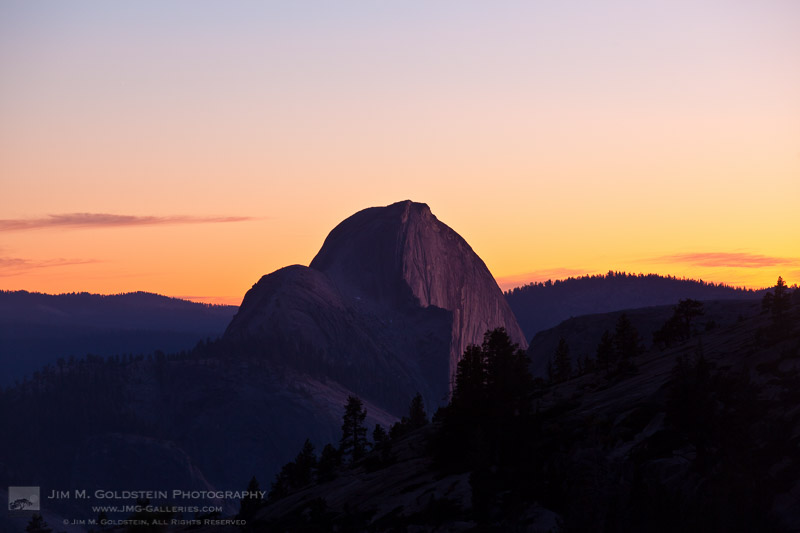
Half Dome Sunset from Olmstead Point, Yosemite

It’s that time of year again and if you’re a regular JMG-Galleries reader that means one thing…
it is time to kick off the 9th annual best photos of the year blog project. This is by far my most popular blog project with over 200 participants taking part last year (see Best Photos of 2014, 2013,  2012, 2011, 2010, 2009, 2008 and 2007). Around this time of year people start to ask if I’d be running this project again. The answer clearly is always YES!
1. I love this project and I love that so many people get excited about it.
2. It’s a great way exercise to improve your photography (10 Ways to Top Your Best 20xx Photographs).
So with out any further delay here is how you take part to submit your best photos of 2015.

How to Participate (Read Carefully)

  1. Review & select your best photos from 2015.
    Note: Photo edit carefully narrowing down your results to your best 10 or 5 photos. Reference Pro Tips: Photo Editing with Gary Crabbe for pointers.
  2. Create a blog post on your web site or a Flickr/500px set containing your best photos from 2015.
  3. Complete the form below by Saturday JANUARY 2nd at 11:59PM PST to take part. The following Tuesday, or there about, I’ll post a link to all submitted sites and photos on my blog. Through out the week I’ll also share the results across all my social media accounts.

Spread the Word!
Feel free to spread the word of this project on Twitter, Facebook, Google+, photo forums you frequent and/or your blogs. All who are interested in taking part are invited.


Loading…

The post Blog Project: Your Best Photos From 2015 appeared first on JMG-Galleries – Landscape, Nature & Travel Photography.


JMG-Galleries – Landscape, Nature & Travel Photography

 
Comments Off on Blog Project: Your Best Photos From 2015

Posted in Equipment


Revisiting Film Photography After 10 Years: Composing Through New Eyes

27 Apr
Aspen Tree Fall Color in the Eastern Sierras of California

Aspen Tree Fall Color in the Eastern Sierras of California

This is the 2nd of a 3 part series on my experience jumping back into film photography after a 10 year hiatus focusing purely on digital photography. You can start here at Revisiting Film Photography After 10 Years: The Readjustment if you missed it.

Mental Math & Visualization
As I’ve been shooting with the Fuji GX617 I’ve had to make a bit of a mind-shift in my approach. On one hand I have to account for slightly different mental calculations regarding how medium format focal distance, depth of field and vignetting might impact my composition. This is rooted with the fact that medium and 35mm formats follow the same mathematics, but the calculations for similar units (focal length, aperture, etc.) result in different visual aesthetics. 90mm focal distance on the GX617 equates to 20mm on a 35mm camera and a 300mm lens on the GX617 equates to ~70mm on a 35mm camera. f/8 on the GX617 is shallow for closer subjects while not so for most images on a 35mm camera. It’s an interesting adjustment, but frustrating if you forget or don’t fully make the right mental calculations as you’re taking photos. After all mistakes on film have a financial cost.

Volume versus Quality
Back in October when I took out the Fuji GX617 and the Canon 5DS R on a trip I found it notable how different my approach to shooting was with each camera. Unsurprisingly I shot less with the film camera and was much more generous in my shooting with my DSLR.  I spent a lot more time on my film shots to focus on correct exposure and composition. With 4 exposures to a roll I took greater care to work a scene by walking around, looking for different angles, check focus, check settings, double check settings and account for various lighting conditions before triggering the shutter. The net result was feeling more connected to the scene I was photographing.

My efforts with the DSLR were much quicker and as a result I took more photos. Shooting RAW affords you to work fast and loose. It was eye opening to see how fast and loose normal shooting has become for me. Jumping back to film made that all too clear. The digital format affords you the ability to:

  1. Salvage an image with +/- 2 stop latitude (potentially more if you use a newer digital camera)
  2. Have virtually no exposure (image count) limitation creating an “insurance” mentality where you take additional photos to account for lighting or weather variations or just to cover lazy technic
  3. Change ISO or lenses during a single composition on a DSLR in the event you realize your initial approach isn’t working


In the end the ratio of digital versus film photos taken on my trip was 1:20. For every film photo taken I took 20 digital photos, but that said I utilized my DSLR to experiment and photograph a much broader array of subjects. As for the photos I considered keepers and worth sharing the ratios broke down as follows:

  • 1 out of every 9 film photos taken was sharp enough and composed well enough to share and/or print.
  • 1 out of every 7 digital photos taken was sharp enough and composed well enough to share and/or print.


Seeing photos that didn’t work out on film were much more painful. Psychologically I felt more angst either because of lost opportunities or the cost associated with a blown roll of film. I’m not sure if my history of shooting film makes me more or less prone to take extra digital photos for insurance than the average photographer, but it certainly has an impact on my emotional state.

Emotive Photographs
Beyond concerns about technical proficiency and productivity I was most concerned about being able to capture images that deeply resonated with me. It’s one thing to say that I got 5 or 100 publishable photos and it’s another to state that they’re photos I think will resonate with others let alone me. Sharp photos, well composed photos, etc. don’t always equate to a great photo.  Images that resonate more deeply are not just about sharpness and composition, but atmosphere, artistic presentation and often “je ne sais quoi”. I’ve yet to compile stats for this as I’m still evaluating images from this trip, but if history is a guide the volume is always low.

The jump back into film has been interesting, fun and even anxiety provoking at times. Most of all it’s been eye opening in how I work, compose and think about photography in general.

Continue to Part 3 in this series – Revisiting Film Photography After 10 Years: Development & Post

The post Revisiting Film Photography After 10 Years: Composing Through New Eyes appeared first on JMG-Galleries – Landscape, Nature & Travel Photography.


JMG-Galleries – Landscape, Nature & Travel Photography

 
Comments Off on Revisiting Film Photography After 10 Years: Composing Through New Eyes

Posted in Equipment


Best Photos of 2015 by Jim M. Goldstein

26 Apr

As is my ritual I’ve compiled my best photos of the year. Similar to last year much of my efforts have been focused on stoking my 5 year old son’s curiosity about nature.  It would be very easy to focus on my photography, but the reason I pursue outdoor photography is because of my deep appreciation for it. I’d like to pass that on to both my boys and with that in mind most of my outings this year were to share the experience exclusively with my son rather than my camera. That said unlike last year my best photos are not Instagram photos (jimgoldstein), but a mixture of DSLR and medium format film via a newly acquired Fuji GX617. Having taken a hiatus from film photography for over 10 years it’s been a great challenge to rexperience the joy and pain of it as I’ve begun sharing in a shot series Revising Film Photography.

To this years best photos in no particular order…

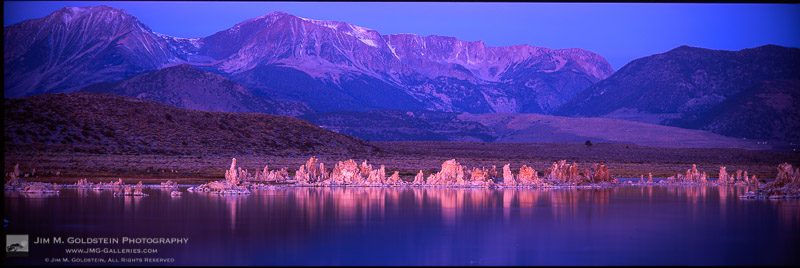
Early morning light falls on tufas at Mono Lake County Park/State Natural Reserve

Early morning light falls on tufas at Mono Lake County Park/State Natural Reserve

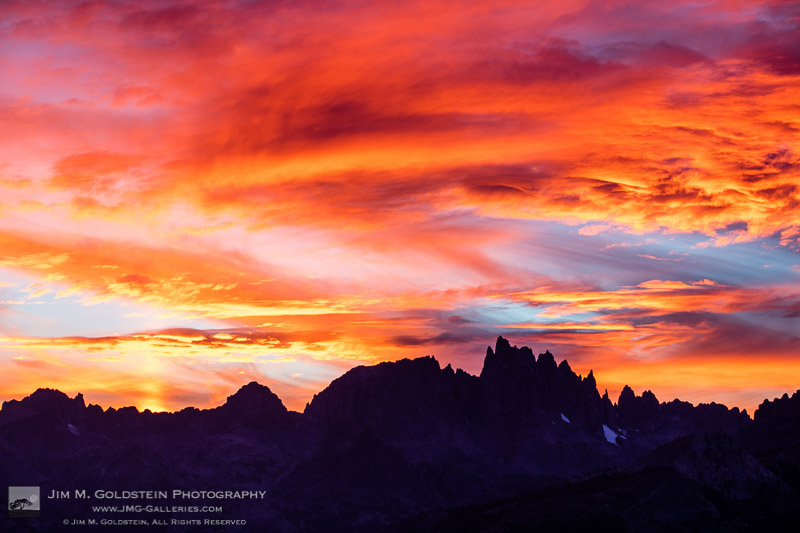
Sunset light with a partial Sun Pillar over the Minarets

Sunset light with a partial Sun Pillar over the Minarets

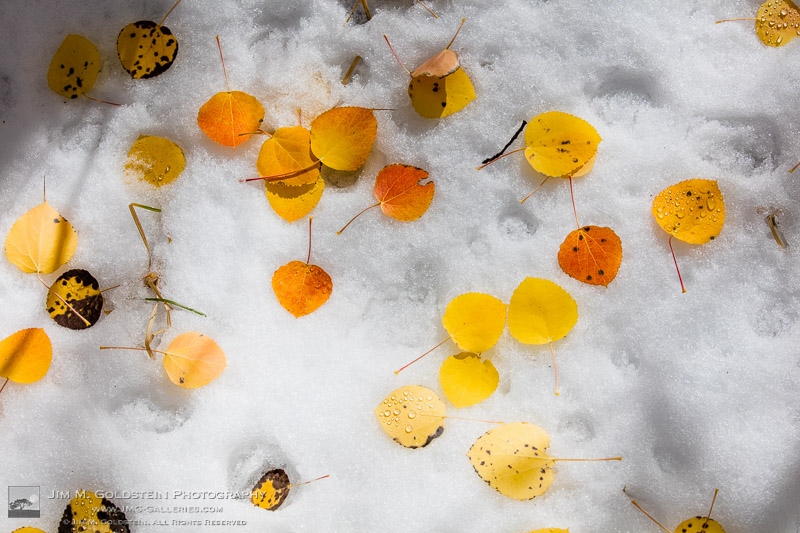
Brightly colored Aspen leaves rest on snow

Brightly colored Aspen leaves rest on snow

300+ foot Redwood trees reach to the sky as seen from the Founders Grove

300+ foot Redwood trees reach to the sky as seen from the Founders Grove

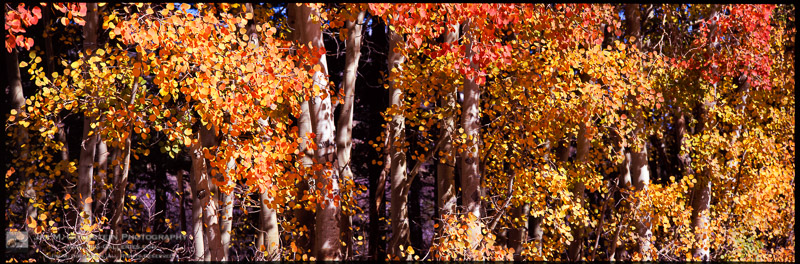
Brightly colored Aspen leaves cling to branches as Fall comes to an end in the Sierra Nevada mountains.

Brightly colored Aspen leaves cling to branches as Fall comes to an end in the Sierra Nevada mountains.

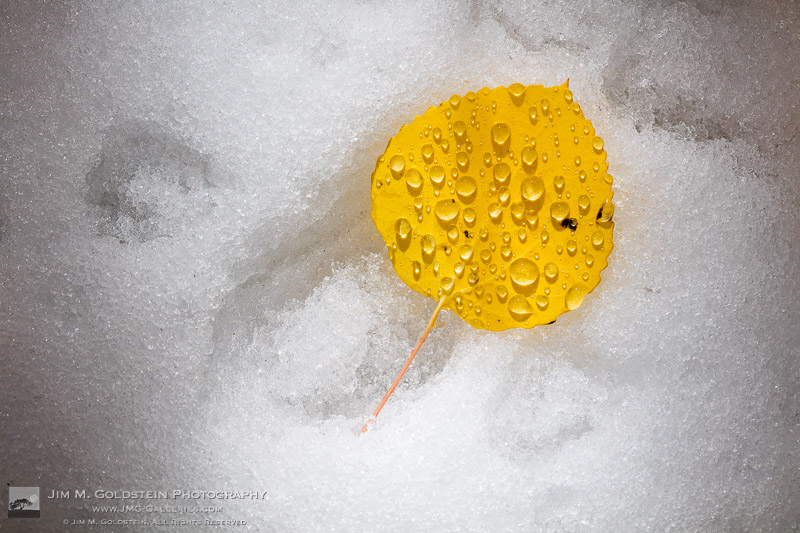
A yellow Aspen leaf with water droplets rests on the snowy ground

A yellow Aspen leaf with water droplets rests on the snowy ground

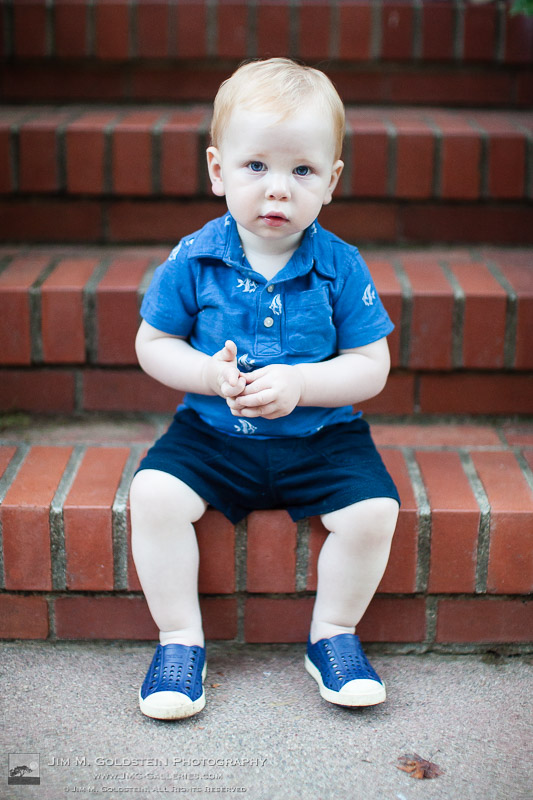
Grant at 15 months of age.

Grant at 15 months of age.

Blake smiling under the Redwood Trees

Blake smiling under the Redwood Trees

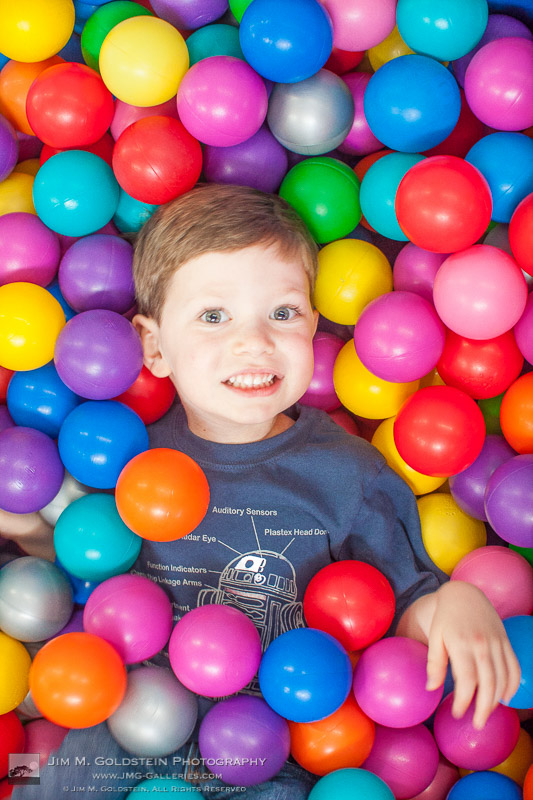
5 year old celebrating a birthday in a colorful plastic ball pit

5 year old celebrating a birthday in a colorful plastic ball pit

1 year old boy makes a serious face in his high chair waiting for his birthday cake

1 year old boy makes a serious face in his high chair waiting for his birthday cake

An honorable mention…
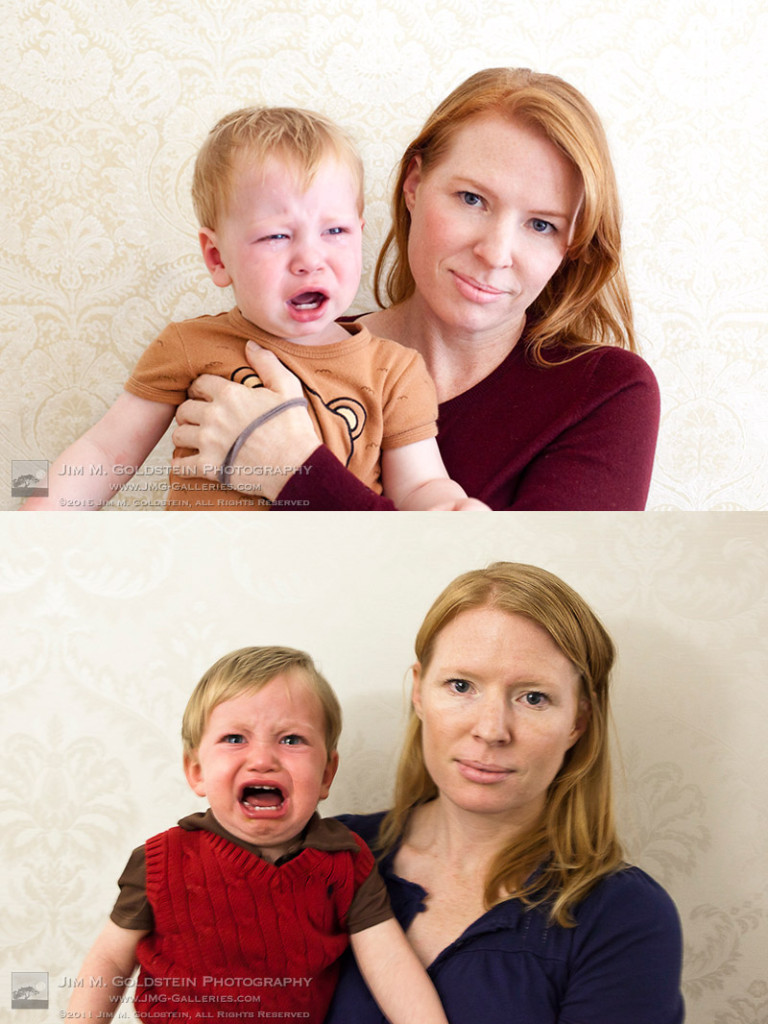
My youngest son now has a matching photo to his older brother featured in my Best of 2011 photos.
trying_times_joint_JMG_7206

The post Best Photos of 2015 by Jim M. Goldstein appeared first on JMG-Galleries – Landscape, Nature & Travel Photography.


JMG-Galleries – Landscape, Nature & Travel Photography

 
Comments Off on Best Photos of 2015 by Jim M. Goldstein

Posted in Equipment


Best Photos of 2015 by JMG-Galleries Blog Readers

26 Apr

Olmsted Point Stars

Every year I like to start off by providing a roadmap of inspiration for myself and those that read my blog by compiling a list of great photos from my blog readers. I am very thankful to everyone that takes part as their enthusiasm has enabled me to turn this into a tradition that is now on its 9th year. It is amazing to think that so many people have embraced this and find it as invigorating as I do. Thank you!  If you’re just discovering my Best of Photos project you’ll find in the list below very talented and passionate photographers of all skill levels. Participants span a spectrum of skill level from hobbyists to professionals and cover a wide variety of genres including landscape, macro, nature, photojournalism, portraiture, event, wildlife, fine art photography and more.  Some names you’ll recognize as being famous and others  you won’t. I invite you to visit each link below as I have and introduce yourself to many of the participating photographers.

If you’d like to take part next year and be informed when submissions open for the “Best Photos of 2016? blog project add your name to my mail list. You won’t be spammed. I send out newsletters quite infrequently.

Thank to everyone who took part! I hope reviewing your best photos of the year and comparing them to years pasts keeps you inspired and aware of your progress as a photographer.

Best Photos of 2015

  1. Jim M. Goldstein – Best Photos of 2015
  2. Scott Wyden Kivowitz – Best and Favorite Photographs of 2015
  3. Chris Moore – Exploring Light – Top Ten Photos of 2015
  4. Nilesh Patel – Best of 2015
  5. Dave Wilson – Best of 2015 – Dave Wilson Photography
  6. Michael Russell – My 10 Favorite Photographs of 2015
  7. Jim Campbell – In My Image
  8. Salter C Ballard – my 2015 best photos
  9. Rachel Cohen – 2015 My Year in Review
  10. JJ RAIA – 2015 Jim Goldstein Blog Project
  11. Andrew S. Gibson – My Ten Favourite Photos from 2015
  12. Russ Bishop – 2015 – The Year in Pictures
  13. Randy Langstraat – ADVENTR.CO – My Ten Favorite Photos of 2015
  14. Clint Losee – Top 10 of 2015 – My 10 Best Landscape and Scenic Photos
  15. Mike Cavaroc – Free Roaming Photography
  16. Richard Murphy – Best of 2015
  17. Franka M. Gabler – Franka M. Gabler Photography – Favorite Images from 2015
  18. Isabel and Steffen Synnatschke – 2015 – Our favorite images of the year
  19. Johann A. Briffa – 2015 Retrospective – Flickr Album
  20. Carl Donohue – Expeditions Alaska Favorite Photos of 2015
  21. Alexander S. Kunz – Twelve favorite photos from 2015
  22. Richard Wong – Favorite Photos From 2015 – Richard Wong
  23. Matt Anderson – MATT ANDERSONS BEST PHOTOS OF 2015
  24. Patricia Davidson – My Top Favorite Photos of 2015
  25. Joseph W. Smith – Favorites from 2015
  26. Martijn van der Nat – Best of 2015
  27. El Paisaje Perfecto – Landscapes of the year. 2015 Edition.
  28. Jenni Brehm – Changing Perspectives – Best of 2015
  29. Pete Miller – USKestrel Photography – uskestrelphotography – My Favorites of 2015
  30. Gary Crabbe – Enlightened Images – My Favorite Photos of 2015 – A Year-End Retrospective
  31. Greg Russell – Alpenglow Images – 2015 Year in Review
  32. Paul Conrad – 2015: A Look Back – My Year in Photos
  33. Philip Esterle – Philip Esterle Photography
  34. Suzy Walker-Toye – Best of 2015 and year in review
  35. Mike Matenkosky – My Favorite Photos from 2015
  36. Alan Majchrowicz – Photo Highlights 2015
  37. Rob Tilley – Best of 2015 – My Favorite Images of the Year
  38. Jon Gresham – The Sun Shines and the Igloo Melts
  39. Mike Cleron – 2015 Favorites
  40. Adrian Klein – Best Photos of 2015
  41. Björn Göhringer – Top 15 From 2015
  42. Chris Tucker – My Best Photos of 2015
  43. Greg A. Lato – latoga photography – My Favorite Photos of 2015
  44. Greg Clure – Greg Clure Photography – Best of 2015
  45. Alister Benn – Alister Benn – Best of 2015
  46. John Fujimagari – The Stentorian Image – Best Of Twenty Fifteen
  47. SkyVista Photography by Steve Luther – Photographic Journeys – SkyVista Photography 10 Favorite Images of the Year
  48. Mike Chowla – My Ten Best of Images of 2015
  49. Björn Kleemann – Best of 2015
  50. Phil Colla – Natural History Photography – Best Photos of 2015
  51. Edith Levy – Edith Levy Photography – 2015 My Year in Review
  52. Andre Krajnik – MyBlog by solaner – a photographer’s view to the world a traveler’s blog
  53. Fred Mertz – BEST OF 2015
  54. Harold Davis – Harold Davis Best of 2015 – Backwards and Forwards
  55. David Leland Hyde – Landscape Photography Blogger – My Favorite Photographs of 2015
  56. Anne and Frank Klug – Ten Favorite Images from 2015
  57. Scott Thompson – Scott Shots Photography – My 10 Best Tahoe Photos of 2015
  58. Jim Stamates – My 10 Best of 2015
  59. Daniel Leu – Favorites of 2015
  60. Tim Newton – 2015 Favorites
  61. Pat Ulrich – Favorite Photographs of 2015
  62. Caleb Weston – Dubland.net
  63. Lon Overacker – Lon’s Favorites of 2015
  64. Brent Huntley – photographyandtravel.com
  65. Jean Day – Jean Day Photography Best of 2015
  66. Denise Goldberg – top photos 2015
  67. Dan Baumbach – 2015 Favorites
  68. M.C.Andrews – The Aerial Horizon
  69. Alex Filatov Photography – Top Photos of 2015
  70. Martin Quinn – Martin Quinn – 2015 Favorites
  71. Anja Eichler – ae.i – travel photography and social media for shutterbugs
  72. Brian King – Brian King Images
  73. QT Luong – Year 2015 in Review: Water Favorites
  74. Amanda Sinco – Favorite Images from 2015
  75. G Dan Mitchell – G Dan Mitchell’s 2015 Favorite Photographs
  76. Bryan William Jones – Top Photos of 2015
  77. Kevin Ebi – Living Wilderness – Best of 2015
  78. Dayne Reast – 2015 Highlights
  79. Bryn Tassell – Bryn Tassell – Favourites of 2015
  80. Michael Bainbridge – 50 of the Best Photographs of 2015
  81. Catalin Marin – My favourite shots of 2015
  82. J.T. Dudrow – A Glimpse Back at 2015
  83. Laurie Buchwald – My 2015 Photography Year in Review
  84. Andrew S. Gray – Abstract Landscapes 2015 – Andrew S. Gray Photography
  85. Anthony Quek – Bugs and Insects of Singapore
  86. Stephen G. Weaver – Stephen Weaver 2015 Favorites
  87. Chuq Von Rospach – 2015 in Review: My Favorite Images
  88. Milan Hutera – 2015 in Pictures
  89. Derrald Farnsworth-Livingston – Journey Of Light Photography – Top 10 Favorite Images from 2015
  90. Floris van Breugel – Floris van Breugel Best of 2015
  91. Andrew Thomas – Best Aerials of 2015
  92. Nick Fitzhardinge – 2015 – a review
  93. Tom Whelan – Twelve from 2015
  94. Jeff E Jensen – A Few Favorites from 2015
  95. Sara M. Skinner Photography – My Top 10 Favorites of 2015
  96. Mike Christoferson – MLCreations Photography
  97. Mark Graf – Michigan Nature Photos – Twenty Fifteen
  98. Navin Sarma – Navin Sarma Photography
  99. Mark Garbowski – 2015 – A Gallery of Favorites – Mark Garbowski Photography
  100. Torsten Muehlbacher – Best of 2015
  101. Rick Holliday – My Favorite Images from 2015
  102. Tony Wu – Favorite Photos of 2015
  103. Jon McCormack – “2015: Ethiopia
  104. Wendy M. Seagren – Thruthelensephotography – Best of The Best
  105. Stephen L. Kapp – Top 10 Images of 2015
  106. Richard Peters – The year of the wildlife photo without a subject in the frame.
  107. RJ Wilner – 2015 Favorites
  108. Stefan Baeurle – Top 10 Favorites of 2015
  109. Brian Knott – FMKPhoto – 2015 year in review
  110. Christian Cueni – My top pictures in 2015
  111. David Richter – Favorite Images of the Year – 5 of 2015
  112. Patrick Endres – 100 Favorite photos from 2015
  113. Dennis Gingerich – My favorite 5 in 2015
  114. Madeline Pain – Best Photos of 2015
  115. Harley James – Backcountry Bibles – Tramping in New Zealand
  116. Tom Poole – My Favourite images from 2015
  117. Wednesdays in Marblehead – Wednesdays in Marblehead – Best of 2015
  118. Jo West – Jo West Images – Photo Blog
  119. Jeff Sullivan – Top 10 Favorite Travel and Landscape Photos from 2015
  120. Mark Hespenheide – Favorites of 2015
  121. Scott F McGee – Under Pressure Photography 10 Favorites of 2015
  122. Mike Walker – Mike Walker 2015 Top 10
  123. Susan Taylor – Susan Taylor’s Best of 2015
  124. Deb Snelson – Favorite Photos 2015
  125. David J Grenier – 2015 Top Twelve Photographs
  126. Colleen Miniuk-Sperry – CMS Photography – Colleen Miniuk-Sperry Photography – Favorite Photos and Poem From 2015
  127. Michael Zapata – Top Photos From 2015
  128. Roy Kropp – Roy Kropp 2015 Favorites
  129. Daniel Gauss – Dan’s Shot On Site Google+ Page
  130. Tina R Schell – 2015 Favorites and Weekly Photo Challenge-Circles
  131. Drake Dyck – Top Ten Favourite Images of 2015
  132. Jeremy Freshwater – 2015 Best
  133. Rob – NeverHappen – Best of 2015
  134. D. Ottar Flack – RedStormPhoto – Best of 2015
  135. Robin Black – Robin Black Photography
  136. Elizabeth Hahn – EM Hahn Photography
  137. Steve Cole – 2015 Retrospective
  138. Kurt Lawson – Kurt Lawson Photography
  139. Michael Burkhardt – Wilderness Adventure Images – Best of 2015
  140. Derek Fogg – British Landscapes Photography – Looking Back on 2015
  141. Charlotte Gibb – Best of 2015 – A Year of Photography
  142. Eric E Photo – Top 10 of 2015
  143. Will Burrard-Lucas Wildlife Photography – 2015 Year in Review
  144. Vaibhav Tripathi – My favorite 12 photos from 2015
  145. Hugh Sakols – Hugh Sakols Photography
  146. charles barnwell – My Best Images of 2015
  147. Burt Gearhart – Best of 2015
  148. Robert H Clark – 2015 Images – A Year In Review
  149. Deborah Zajac – Top 10 2015 Images
  150. Michael Frye – My Top Photographs of 2015
  151. Les Taylor – Les Taylor Photography – Top 10 Photos of 2015
  152. Phil Slade – Best Images of 2015
  153. Brad Goldpaint – 2015 Letting Go and Allowing Life
  154. Ron Niebrugge – Photo Blog – Niebrugge Images
  155. Greg Vaughn – Favorite Photos of 2015
  156. Seán Duggan – Sean Duggan Photographics – Best of 2015


Special thanks to Holger Elhard for his technical assistance!

The post Best Photos of 2015 by JMG-Galleries Blog Readers appeared first on JMG-Galleries – Landscape, Nature & Travel Photography.


JMG-Galleries – Landscape, Nature & Travel Photography

 
Comments Off on Best Photos of 2015 by JMG-Galleries Blog Readers

Posted in Equipment


Revisiting Film Photography After 10 Years: Development & Post

26 Apr
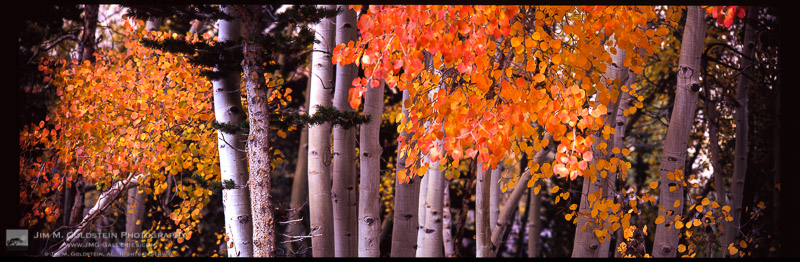
Brightly colored Aspen leaves cling to branches as Fall comes to an end in the Sierra Nevada mountains.

Brightly colored Aspen leaves cling to branches as Fall comes to an end in the Sierra Nevada mountains.

This is the 3rd of a 3 part series on my experience jumping back into film photography after a 10 year hiatus focusing purely on digital photography. You can start here at Revisiting Film Photography After 10 Years: The Readjustment if you missed it.

Withering Vine of Development vs Hipster Revival
These days you hear a lot about how film development has withered away to virtually nothing and I even wrote Film is Dead. No Really! back in 2009 . Depending where you are this may indeed be true. Long gone are the days of having easy access to development at a corner store. In that regard my post from 2009 still holds true. Luckily for me I live near San Francisco and the hipster revival of film has helped keep a few developers, like Light Waves Imaging, alive and kicking. Before finally going to Light Waves I did call around for other alternatives and the few mom and pop stores remaining ship their customers positive film to larger developers elsewhere in California. Rather than wait I opted to drive to Light Waves and pick up my film in 24-48 hours.

Pains of Review and Scanning
It took a while to get used to waiting to see the outcome of my Eastern Sierra shoot on film. It didn’t help that I had immediate access to images I took in parallel on a DSLR. This heightened my interest in seeing my film exposures because I wanted to see how the two formats compared. The last time I shot film side by side with a DSLR it was with an 8.5 megapixel sensor (1.3x crop) Canon 1D Mark II. On this trip I was shooting with a Canon 5DS R which utilizes a 50 megapixel sensor.

When the time came to pick up my film I brought my 5 year old son along and he had plenty of questions at the store counter as to what film was and why it was different than my digital camera. That in itself was a surreal experience as he has only seen digital photographs to this point. I had fun showing him how the images looked on the store light box, but it was still a fairly abstract concept for him to absorb. After spot checking a couple frames on each roll to see if there were any absolute failures (luckily there were not) we headed home. That evening I quickly learned that my old light box was missing a power cord and in a fit of impatience I started using my iPad as a light box. Considering this worked relatively well, but with a loop you see pixels behind your film and I found it distracting. I priced light boxes to buy, but opted to hold off and scanned each frame on my Epson V700 photo scanner.

Am I A Film Worthy Photographer?
I have to admit I was nervous about jumping back into film after 10 years because I wasn’t sure how well I’d hold up to a very unforgiving format. You have a finite number of frames to expose, limited latitude in dynamic range, and a variety of ways to mess up an exposure. I wasn’t a bad film photographer back in the day, but I forgot how bad failed film images made me feel. It’s a miracle I stuck it out with photography. One of the nights I was scanning film I summed up my feelings about film photography on Facebook with the following update:
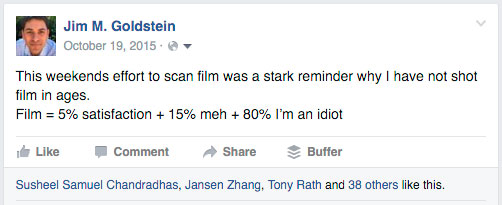
Film = 5% satisfaction + 15% meh + 80% I’m an idiot

Film = 5% satisfaction + 15% meh + 80% I’m an idiot

In the end I turned out to be a “worthy” film photographer. The stats turned out as follows:

  • 29% (13/45) are worthy of working further on (sharp, decent composition, etc.)
  • 11% (5/45) are likely worthy of sharing/printing from the 6×17.
  • 7% (3-4) are likely worthy of sharing from my pinhole camera.
    Note: Each roll of film was comprised of 4 exposures.

The numbers weren’t super impressive, but having >10% of my exposures being worthy of sharing and printing surpassed my expectations. Knowing that while using a new camera system for the first time I could get decently sharp exposures balanced the horrible dread I felt looking at each exposure where I didn’t advance the film properly, under/over exposed, mis-focused, and/or made poor composition choices.

Post-Production
One thing that remained universal 10 years on was how frustrating the results are from scanning film. Whether using a negative or flatbed scanner the resulting scan is soft and looks like a muted version of the film itself. One good thing about the downfall of film is that drum scans are much more reasonably priced. That said for my first time out, flatbed scans were good enough for sharing online.

Looking at my film to edit in Lightroom and Photoshop I felt as though I was transported back in my frustrated younger self 10 years earlier. Other than the interface of the software nothing had changed in the sense that I was color correcting, spotting and sharpening my scans. I found myself meticulously removing color casts with curves adjustments in Photoshop, spotting my image to remove dust spots created by dust on the scanner glass or film itself and trying to resurrect the sharpness of my image after being softened in the scanning process. It made me want to jump ship again to digital… until I saw how final 6×17 image came out.

One other thing that was surprisingly refreshing was once again enjoying the look of Fuji Velvia. In an age where presets are obsessed over as much if not more than cameras I liked seeing a defined look of a particular film. One could argue that the look of film is in itself a preset, but my point here is that it’s a distinct style I long missed seeing. No attempt at a recreated look via a digital preset compares.

Concluding Thoughts
Film photography is both an exhilarating and frustrating experience. Working with a film camera in the field was refreshing. Slowing down and taking in the scene while composing & setting up was incredibly refreshing. I instantly realized how much this had been missing from my digital shoots. On the other hand waiting for my film to be developed, taking a hit to my ego each time I viewed a failed exposure and dealing with the hassles of scanning & post-processing was enough to make me unconsciously start pulling out my hair. If I wasn’t so in love with the 6×17 format I’d likely revert back to shooting digital 35mm exclusively. Luckily for my remaining rolls of 120 film I’ll be taking them out again soon. I’ll keep plugging away with 6×17 film work over the next few years for select personal projects. Film lives after all.


The post Revisiting Film Photography After 10 Years: Development & Post appeared first on JMG-Galleries – Landscape, Nature & Travel Photography.

JMG-Galleries – Landscape, Nature & Travel Photography

 
Comments Off on Revisiting Film Photography After 10 Years: Development & Post

Posted in Equipment


Yosemite Valley – Snow Transitions

26 Apr
Yosemite Valley Fog & Rain

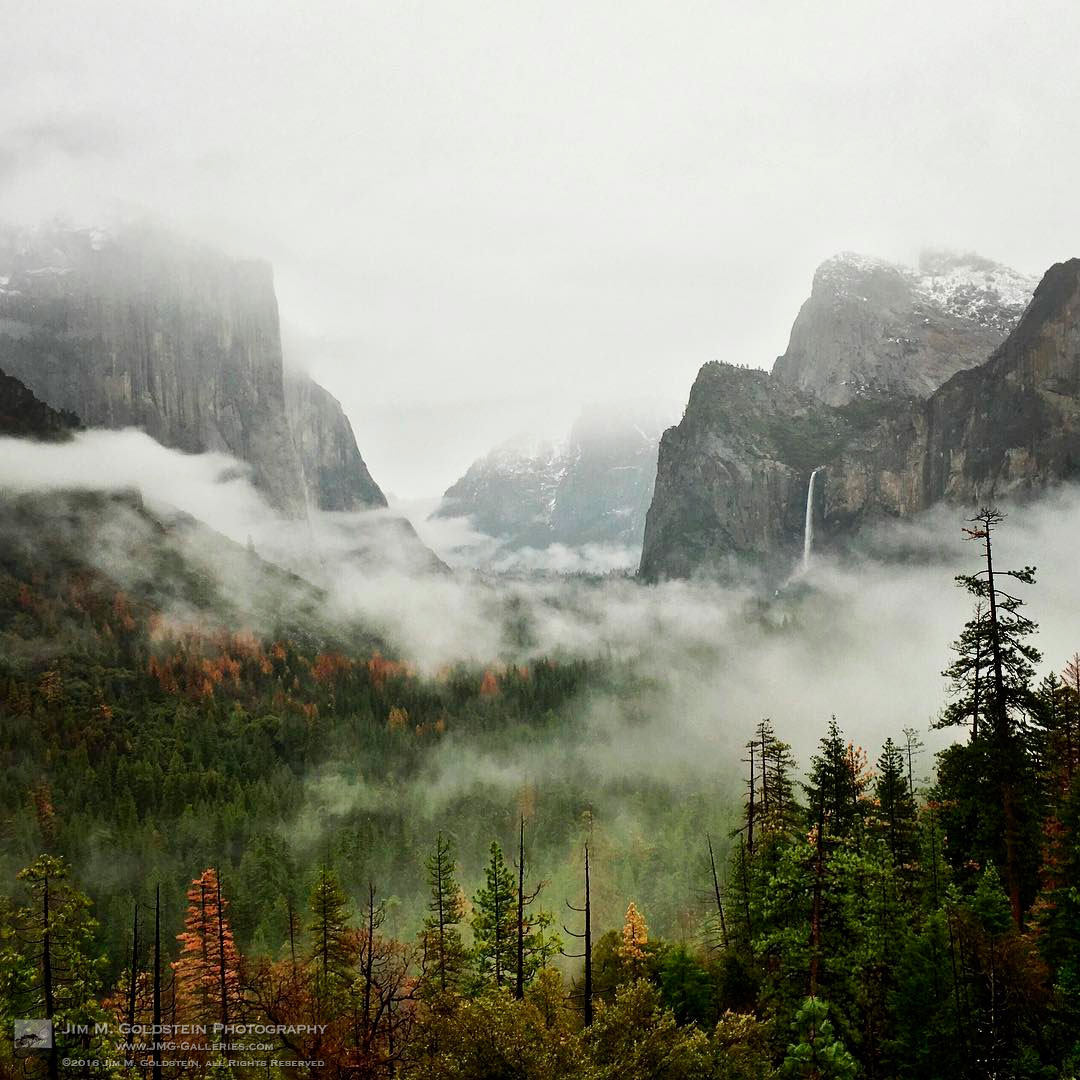
One aspect of Yosemite National Park that makes it so magical is that Yosemite Valley sits at an altitude that requires just the right conditions for snow. While you can often visit the park in the winter months and see snow atop the cliffs encircling the valley, it’s not as common as you’d think for snow to last for long periods on the valley floor… well at least as of late with drought conditions. During my last visit for example it was cold enough for snow in the evening, but come morning it quickly warmed until the several inches of snow that fell had all melted.  This quick melt creates some stellar photographic opportunities with rising steam, fog, swollen streams & rivers, etc. Below are some favorite photos of mine from my recent trip highlighting the fleeting beauty of these conditions.

Yosemite Fog and Rain

A photo posted by Jim Goldstein (@jimgoldstein) on

Ice Forest

A photo posted by Jim Goldstein (@jimgoldstein) on

Merced River Morning

A photo posted by Jim Goldstein (@jimgoldstein) on

Ice Forest II

A photo posted by Jim Goldstein (@jimgoldstein) on

Sights & Sounds: A Yosemite Winter Landscape

A video posted by Jim Goldstein (@jimgoldstein) on

The post Yosemite Valley – Snow Transitions appeared first on JMG-Galleries – Landscape, Nature & Travel Photography.

JMG-Galleries – Landscape, Nature & Travel Photography

 
Comments Off on Yosemite Valley – Snow Transitions

Posted in Equipment