RSS
 

Archive for the ‘Creativity’ Category

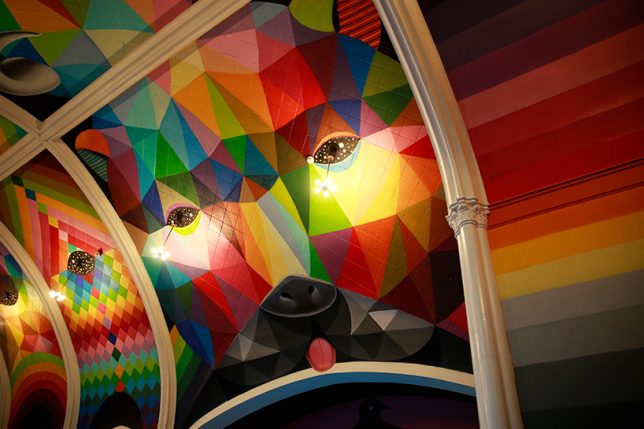
Church of Cannabis: Sanctuary Painted in Hypercolor by Okuda San Miguel

02 May

[ By SA Rogers in Art & Street Art & Graffiti. ]
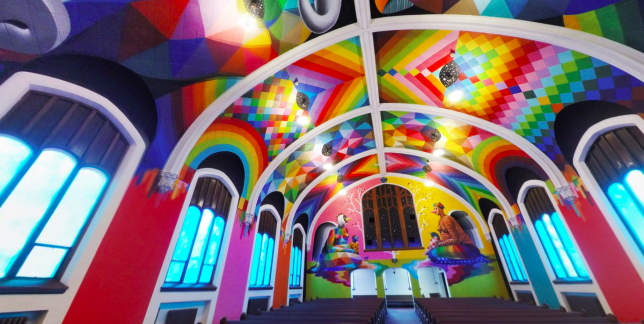
On 4/20/17, the International Church of Cannabis opened in Denver, offering a new community center and sanctuary for marijuana enthusiasts with nearly every surface hand-painted in vivid colors and geometric shapes by street artist Okuda San Miguel. The church “is the first gathering place in the world where those who consume cannabis in order to help achieve their spiritual goals may do so legally, without fear,” and from the looks of their renovation of a 113-year-old building, it’s pretty awesome. You might just say the creators of this space have found their higher calling.
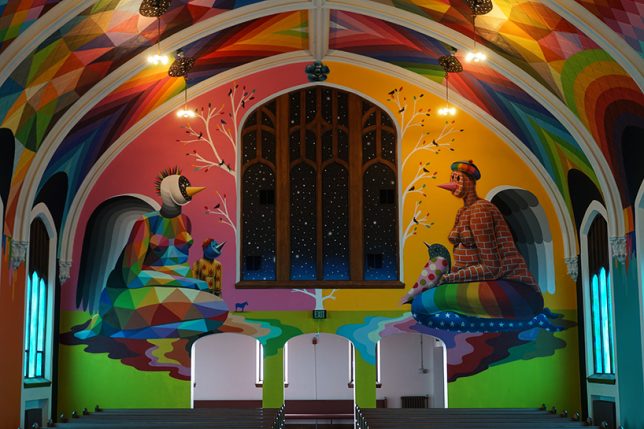
The church is the headquarters of Elevation Ministries, a new nonprofit religious organization in Colorado that officially claims cannabis as its primary sacrament. To become a member, you have to fill out an application on the church’s website, where they explain a few things and offer a 360-degree tour.
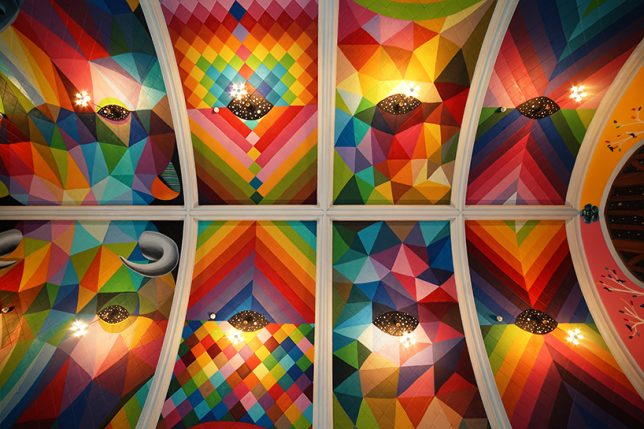
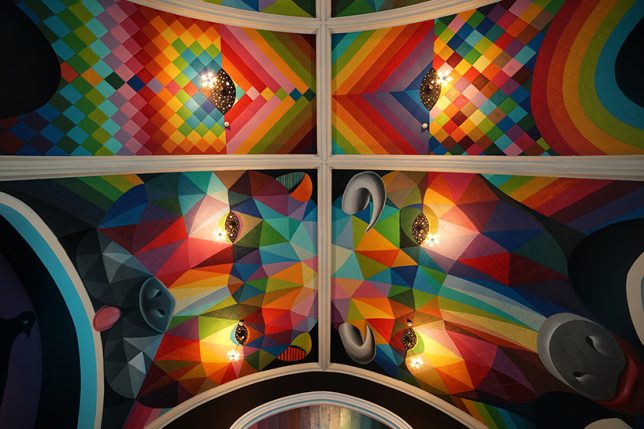
Church members are called Elevationists, and maintain that “an individual’s spiritual journey, and search for meaning, is one of self-discovery that can be accelerated with ritual cannabis use. Elevationists claim no divine authority, nor authoritarian structure, therefore, those of all religious and cultural background are welcome to visit our chapel and take part in our celebrations.”
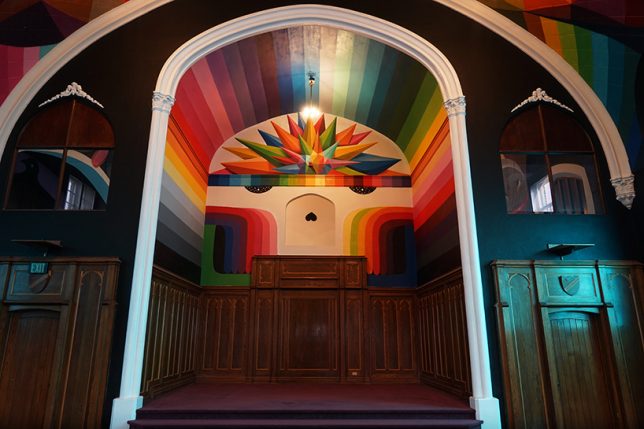
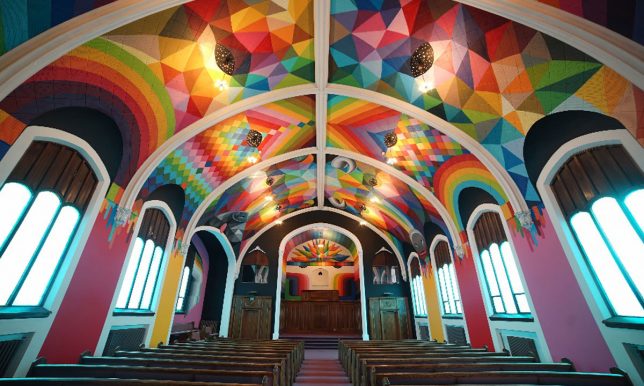
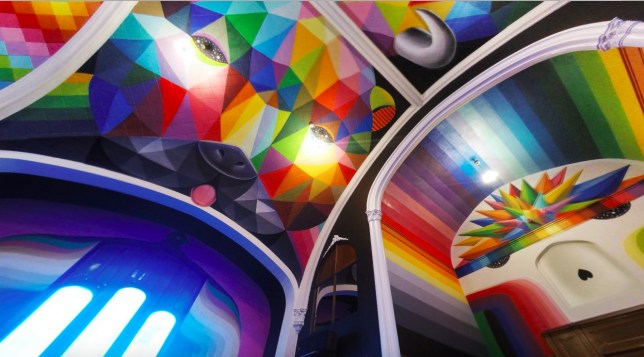
In addition to a dazzling interior painted by Okuda San Miguel (who’s no stranger to painting churches), Elevation flew legendary LA street artist Kenny Scharf to Denver to paint a mural on the facade. The church is seeking funds on IndieGoGo for a few major repairs to the building, replacing the boilers and adding disabled access. Backing it will get you perks like online membership, t-shirts, bricks with your name on them in the garden and more.

Share on Facebook


[ By SA Rogers in Art & Street Art & Graffiti. ]

[ WebUrbanist | Archives | Galleries | Privacy | TOS ]


WebUrbanist

 
Comments Off on Church of Cannabis: Sanctuary Painted in Hypercolor by Okuda San Miguel

Posted in Creativity


Art of Typography: 13 Text-Based Designs Spell It All Out

02 May

[ By SA Rogers in Art & Sculpture & Craft. ]

The language of letters themselves is revealed when we look at their shapes as artistic forms and experiment with the materials we use to create them, whether using them as the basis of furniture design, climbing walls or intricately cut works of paper art. These typography-based experiments encourage us to look at the written word in a whole new way.

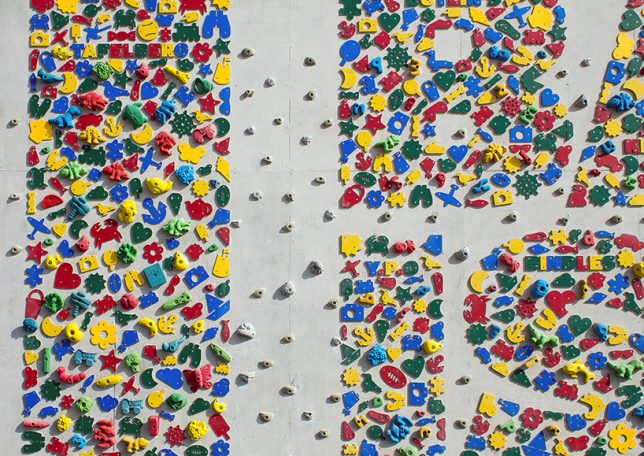
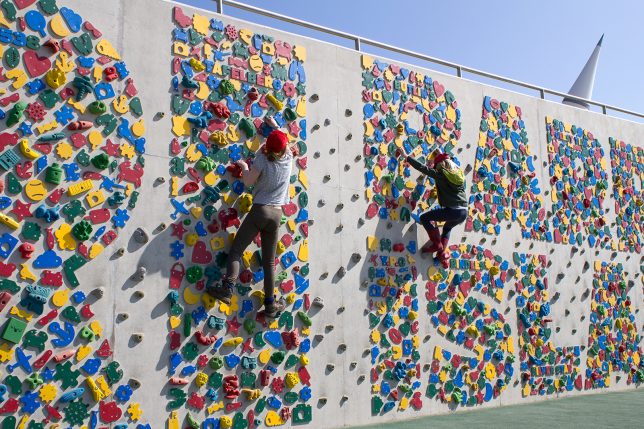
Typographic Climbing Wall by Gordon Young

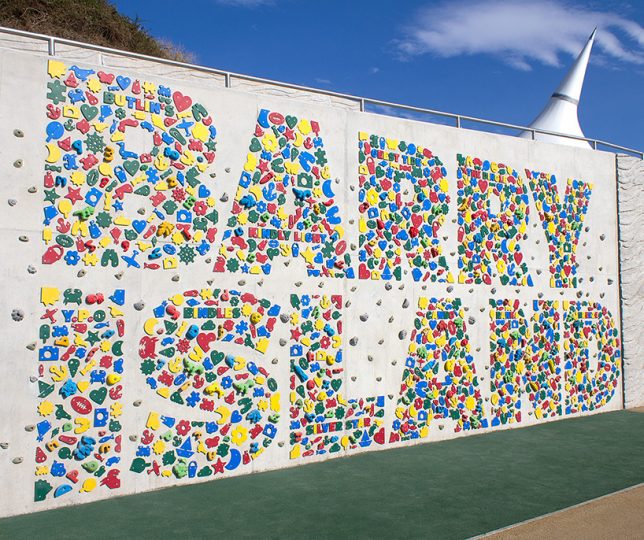
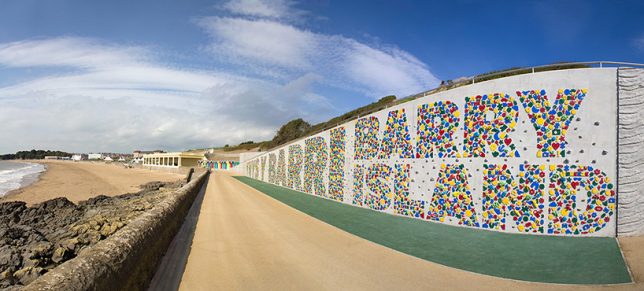
4,000 recycled plastic climbing holds join up with 1,000 sea-themed novelty climbing holds to form a typographic wall spelling the name Barry Island in the UK. Gordon Young transformed a sea wall into an interactive landmark for a previously neglected corner of the shore.

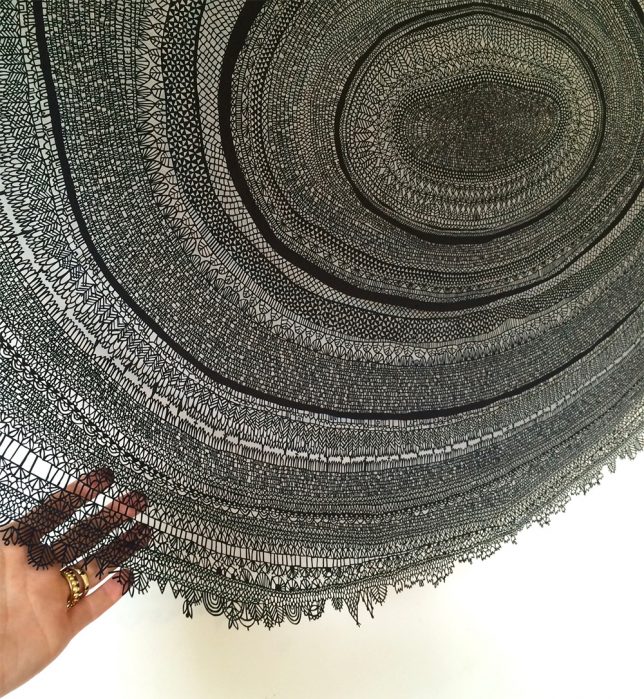
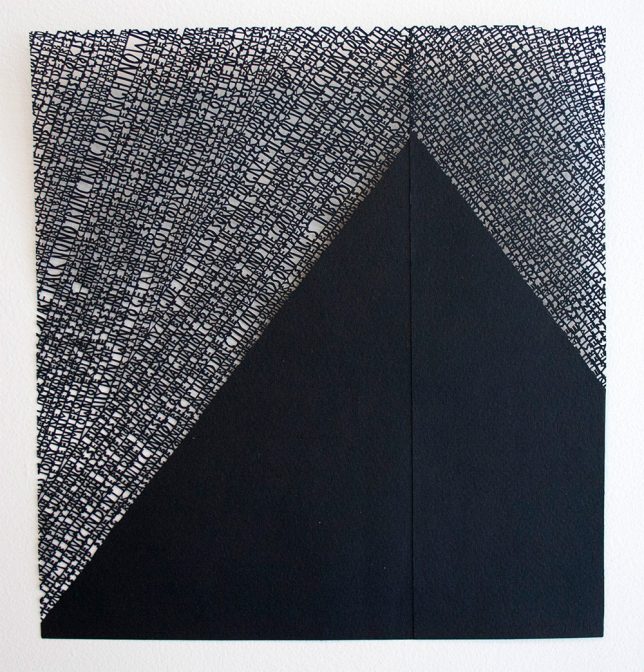
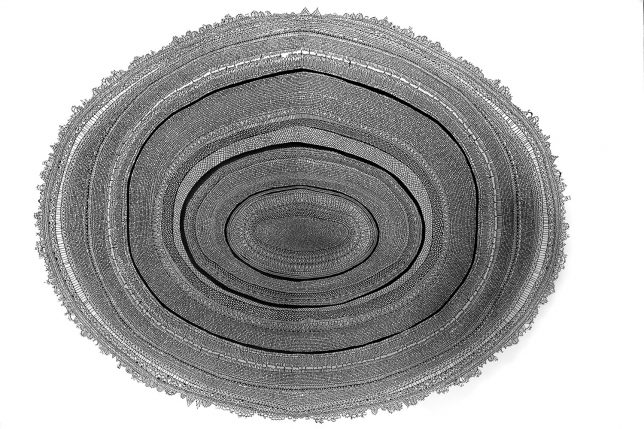
Typographic Paper Cuts by Annie Vought

Sometimes consisting of sentences and sometimes just a jumble of letters, these typographic works are painstakingly hand-cut from paper by artist Annie Vought. A piece called ‘Gosh I’ve Been Here Before’ measures 53” wide and consists of sentences strung together in circles like the rings of a tree.

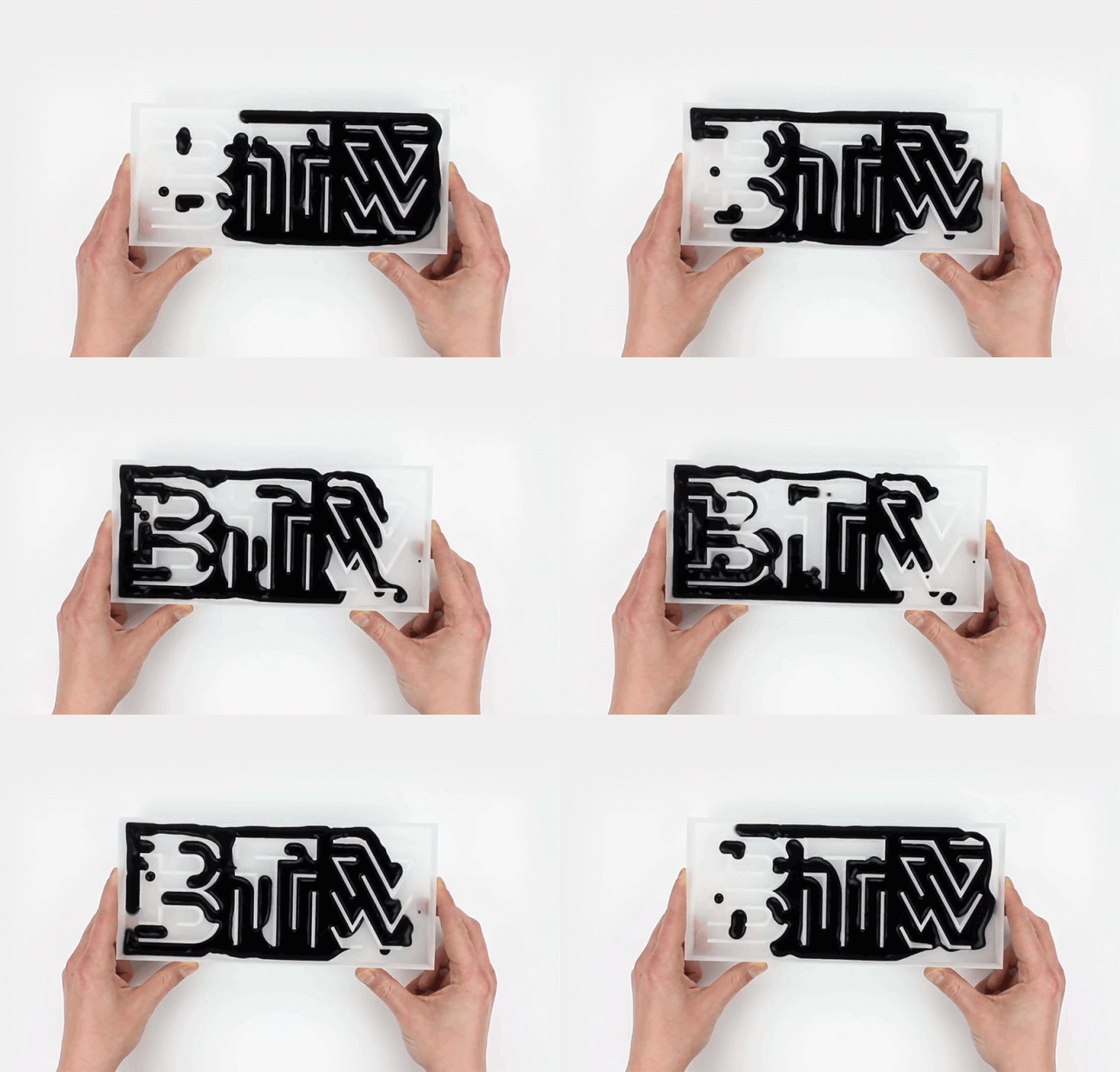
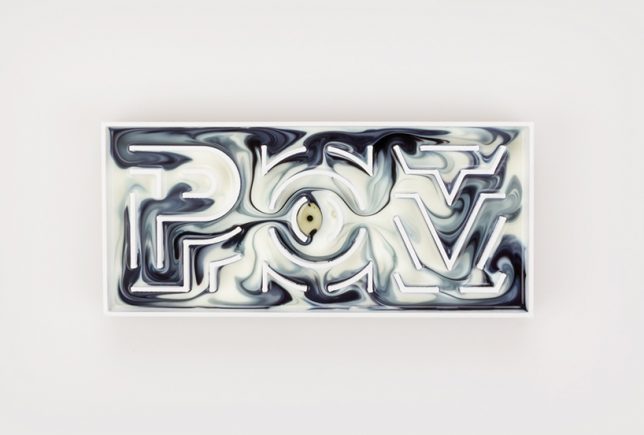
Playing with 3D-Printed Letter For by Thomas Wirtz

Designer Thomas Wirtz created his own typeface, 3D-printed a series of acronyms like ‘BTW,’ ‘FYI’ and POV’ and used them as forms for experimentation with physical media like ink, dye, fire and colored gases.

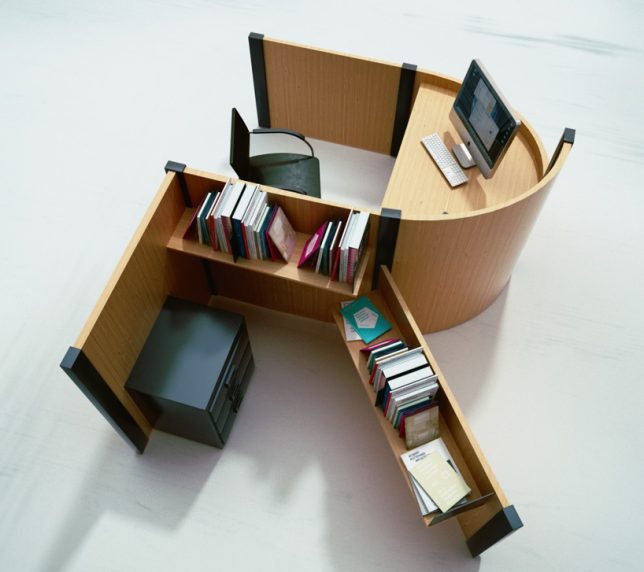
Letter-Shaped Desks by Benoit Challand

Individual works stations are designed in the shapes of letters to spell out messages in an open-plan office environment, where you tend to either find zero privacy or a maze of cubicles. Designer Benoit Challand aims to celebrate the beauty of large-scale typography while bringing some fun into these spaces, demonstrating the concept with tiny models.

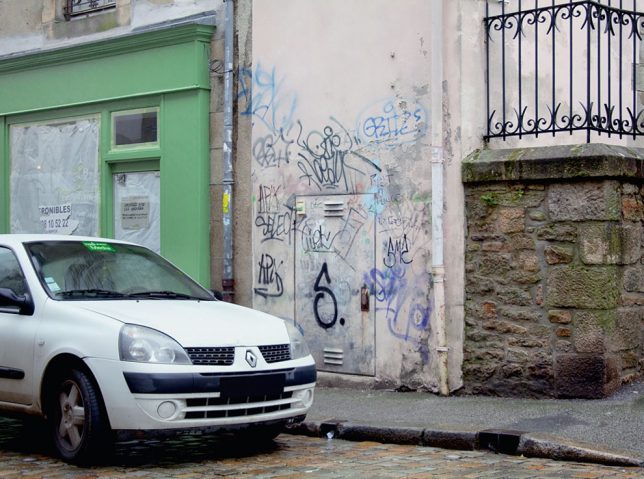
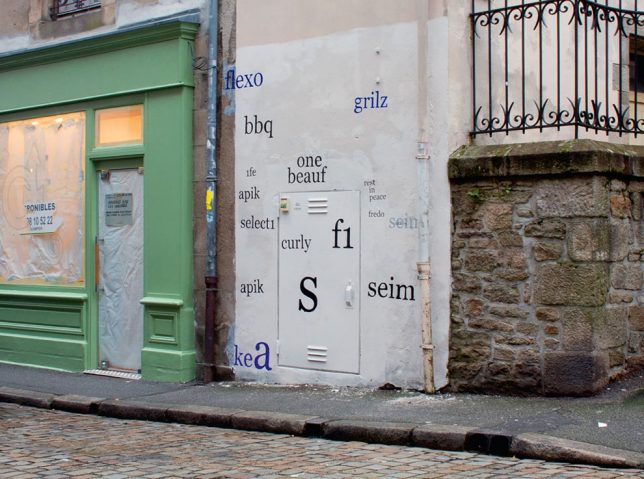
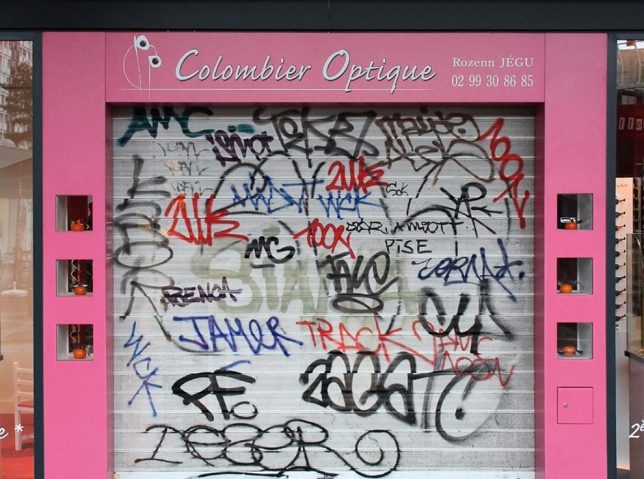
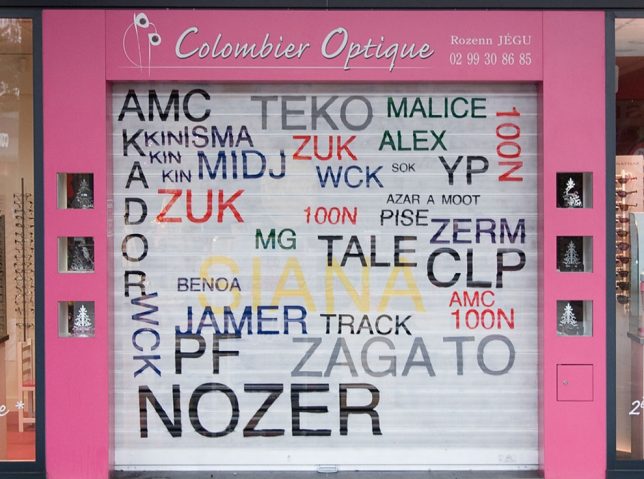
Legible Graffiti by Mathieu Tremblin

Ugly spray-painted tags are a dime a dozen, and almost always illegible. Artist Mathieu Tremblin basically took any artistry out of the tags by converting them into basic typeface, showing us how nonsensical it all is when simply spelled out.

Next Page – Click Below to Read More:
Art Of Typography 13 Text Based Designs Spell It All Out

Share on Facebook


[ By SA Rogers in Art & Sculpture & Craft. ]

[ WebUrbanist | Archives | Galleries | Privacy | TOS ]


WebUrbanist

 
Comments Off on Art of Typography: 13 Text-Based Designs Spell It All Out

Posted in Creativity


You Gotta Be Leaf: 12 Smokin’ Hot Marijuana Mascots

01 May

[ By Steve in Design & Guerilla Ads & Marketing. ]

Marijuana is smokin’ hot and an herb’n helping of marijuana mascots have helped add leaf, er, life to a host of marches, rallies and events.

Marijuana’s gradual transition from an illegal, subversive hobby to a legal, taxable commodity is neither quick nor easy. Proponents of the psychedelic herb have resorted to traditional methods of getting their point across, and mascots take front row center when it comes to getting attention to the cause. Philadelphia-based “Hempy” is a typical marijuana mascot that plays on the wacky weed’s most obvious attributes: he’s green, leafy and makes you smile.

Being a marijuana mascot ain’t all it’s cracked up to be, however. Hempy’s looking decidedly red-eyed and wasted at the November 2015 march for Delaware NORML. Get that dude some Doritos, stat!

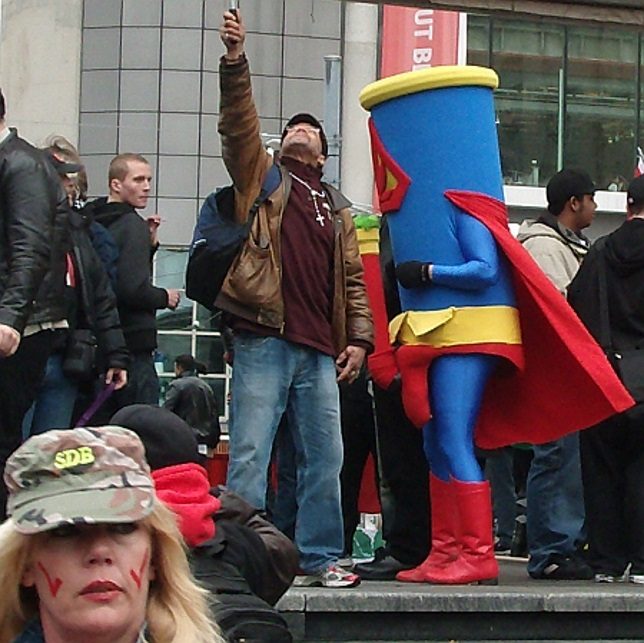
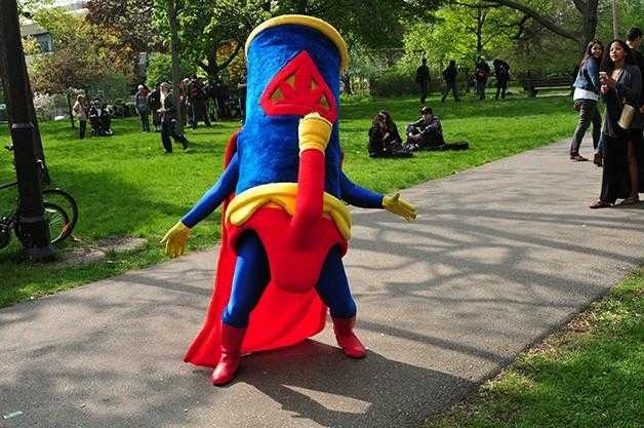
Bongman

Yikes! “Bongman” may not be green but something about him will make you FEEL green… and we don’t have to tell you what that something is, hmm?

Appearing at the 420 Smoke Out in downtown Toronto on April 20th of 2011, Bongman was spotted leaving the event behind the wheel of a white van with “FREE CANDY” scrawled on the sides – at least that’s our guess. Canada is set to legalize the recreational use of marijuana on July 1st of 2018, so maybe Bongman did more than make everyone feel uncomfortable and harsh their buzz.

Potsquatch

Bumble Snowman’s got nuthin’ on Potsquatch – just ask Jennifer Pagliei (below) of WWLP-22 News, who was video-bombed by the shambling weed mascot while reporting live in a Springfield, MA blizzard on February 9th of 2017.

When he’s not crashing newscasts, Potsquatch can be found at POTCO – a marijuana growing supplies store described by owner Dave Mech as a “Costco for marijuana” Welcome to POTCO – we love you, man.

Horny Goatweed?

This capped & shaded stuffed goat is the unofficial mascot of EAZE, a San Francisco-based medical marijuana delivery service backed by Snoop Dogg, among others. No one at EAZE knows the goat’s name, how it got to be the company mascot, or even how it ended up in the front lobby… yeah, sounds like your typical weed-biz startup. Word to staffers: goats eat weeds so keep an eye on your stock.

Next Page – Click Below to Read More:
You Gotta Be Leaf 12 Smokin Hot Marijuana Mascots

Share on Facebook


[ By Steve in Design & Guerilla Ads & Marketing. ]

[ WebUrbanist | Archives | Galleries | Privacy | TOS ]


WebUrbanist

 
Comments Off on You Gotta Be Leaf: 12 Smokin’ Hot Marijuana Mascots

Posted in Creativity


RotterZwam: Abandoned Water Park Turned Indoor Mushroom Farm

29 Apr

[ By SA Rogers in Abandoned Places & Architecture. ]

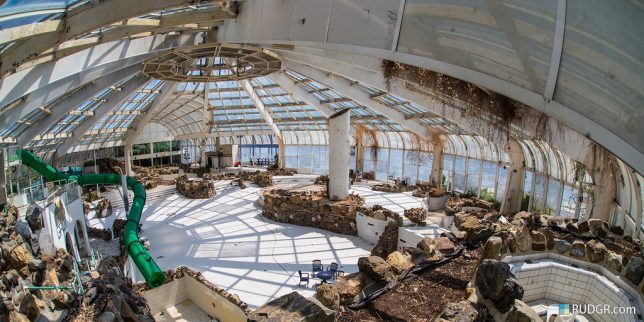
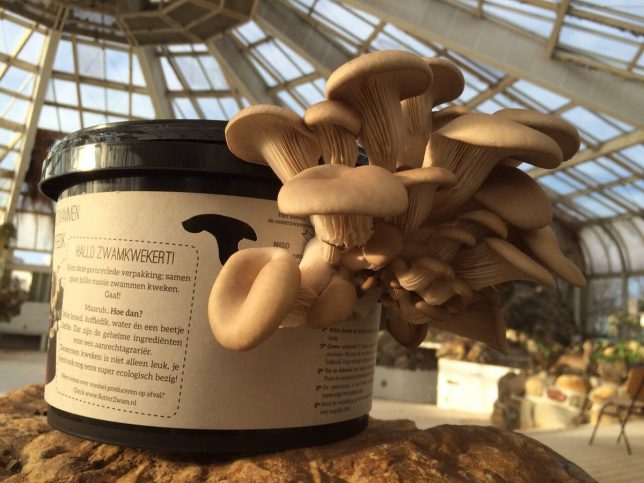
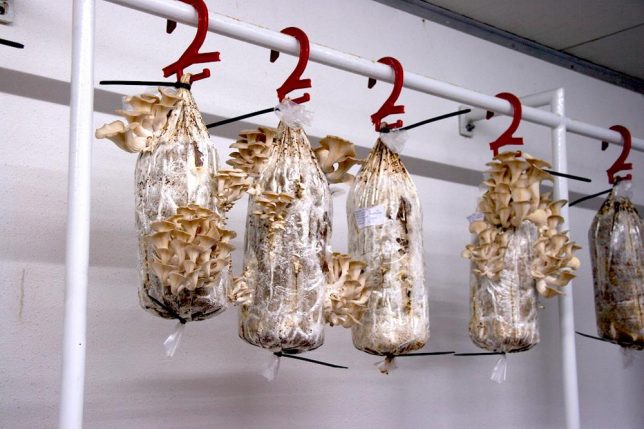
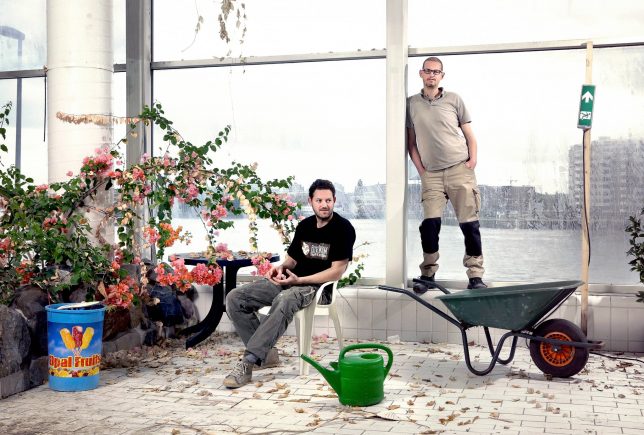
Bags of old coffee grounds hang in the dank dressing rooms of an abandoned Rotterdam water park, growing oyster mushrooms. Two men turned the former Tropicana space, an old teen hangout, into the perfect damp, dim environment for their business, making use of the structure while the city council decides what to do with it. ‘RotterZwam’ rents the building on an anti-squat lease and have transformed it into a fascinating example of adaptive reuse and urban farming.

Tropicana is fairly infamous among Rotterdam locals, but closed after the former owner went bankrupt in 2010. The space had been plagued with problems, from hygiene to sexual assault. It sat empty until Siemen Cox and mark Slegers, RotteZwam’s owners, realized it looked like a giant greenhouse.

Though they hope that central glassed-in space – formerly the pool – will eventually become a greenhouse, for now, they’re making use of the dressing rooms and basement, which offer ideal conditions for fungal growth. The crew hangs bags of coffee grinds from the old Tropicana clothes hangers, and before long, they sprout oyster mushrooms.

They collect the coffee from local cafes, transport it in their carrier bicycle, and give the compost to worms to create an extremely low-waste operation. The produce about 20-50kg of mushrooms every week, and sell it to local restaurants, bakeries and food trucks. They also offer DIY mushroom-growing kits.

“Cities like Rotterdam produce nothing but waste and commuters,” they say in an interview with Vice’s Munchies. “This entertainment park represents that perfectly – we build things and, when we don’t want them anymore, we need others to clean it up, to sweep up our garbage. That’s not how nature works, though – in nature wast doesn’t exist. In this building we hardly ever buy a thing, because eery material or nail is already here.”

Share on Facebook


[ By SA Rogers in Abandoned Places & Architecture. ]

[ WebUrbanist | Archives | Galleries | Privacy | TOS ]


WebUrbanist

 
Comments Off on RotterZwam: Abandoned Water Park Turned Indoor Mushroom Farm

Posted in Creativity


End of Elevated Parks? UK Garden Bridge & US Pier 55 Projects in Doubt

28 Apr

[ By WebUrbanist in Architecture & Cities & Urbanism. ]

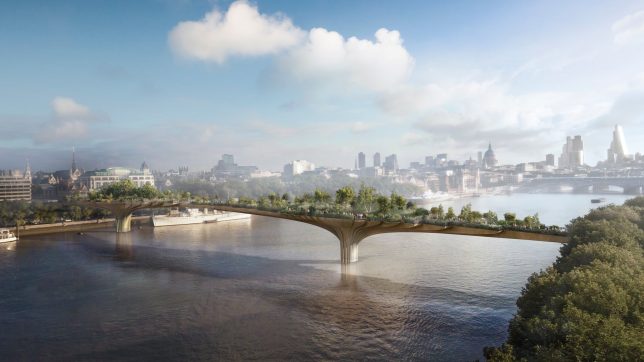
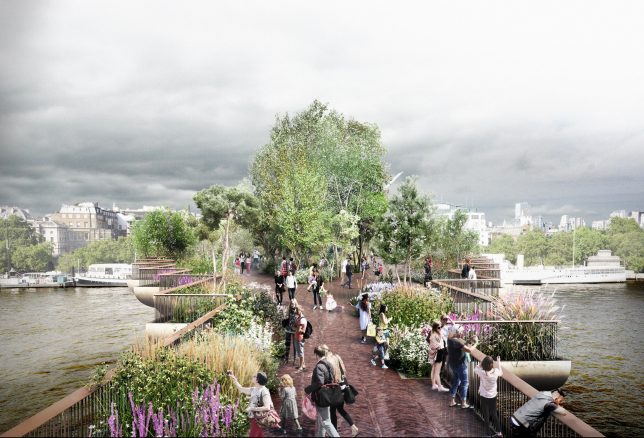
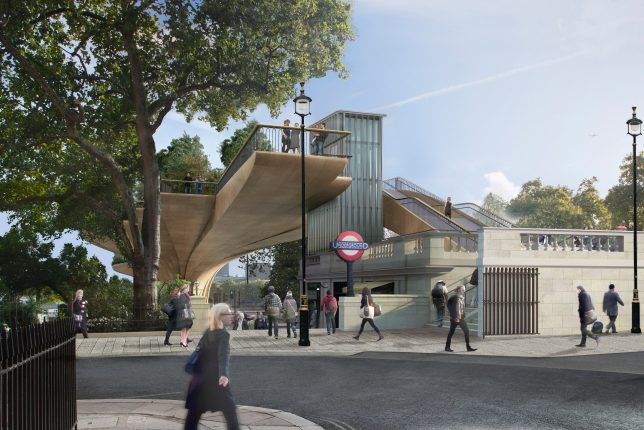
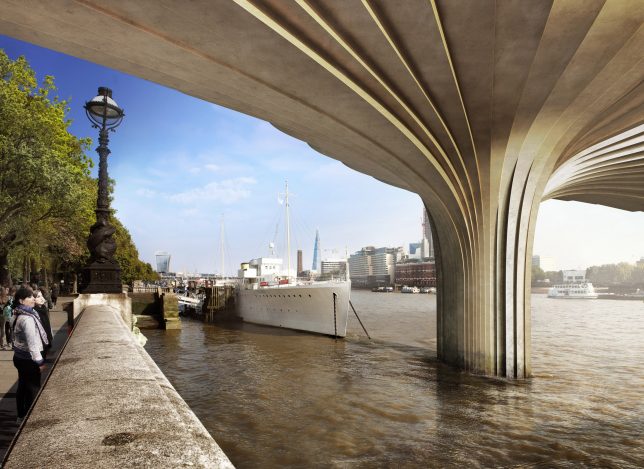
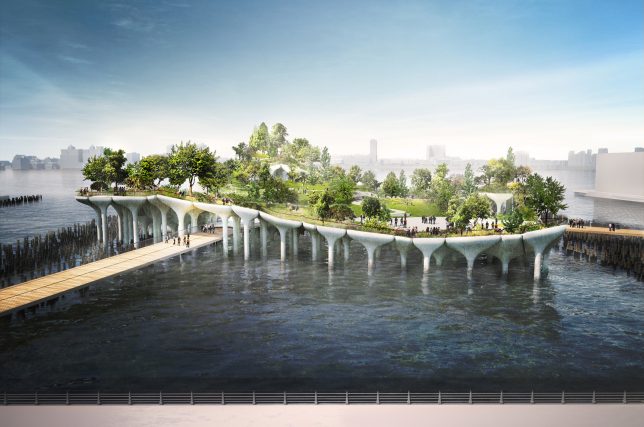
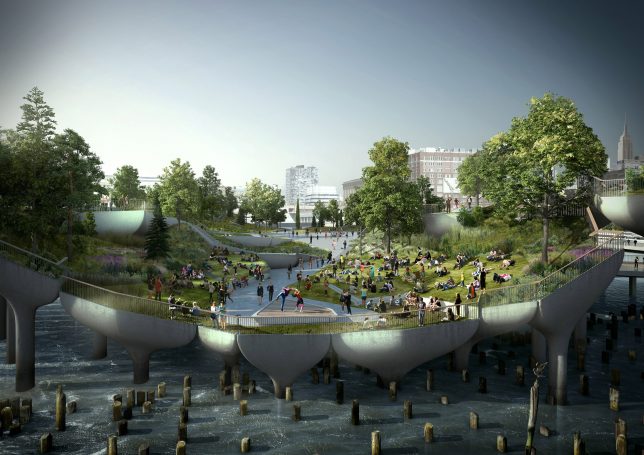
It has been a challenging few weeks for architect Thomas Heatherwick, whose proposals for elevated green urban spaces in both London and New York City face uncertain futures. While the specifics vary, there may be lessons for elevated parks that spans both cases — and if these fail to move forward, it could spell the end of a decade-long trend for lofted public parks.

The Garden Bridge project in London has long been criticized based on its cost and officials are getting serious about making sure the investment (especially tax dollars) will pay off. The design has been touted as a kind of High Line Park for England’s capital, but unlike the High Line it is a brand new construction project (not adaptive reuse) and not positioned to revitalize areas of its city.

At the heart of the issue, unsurprisingly, is money: an initial projection of £60,000,000 has blossomed into an estimated cost of around £200,000,000. Shockingly, even cancelling the project now would result in a bill of over £40,000,000, despite the fact that construction has not even started. While £70,000,000 in private funding was secured at the outset, the rest would have to be covered by taxpayer money, which is less than popular with the public. As of now, the mayor’s financial inquiry has resulted in a recommendation to scrap the project.

According to a governmental report on the project, “Decisions on the Garden Bridge were driven by electoral cycles rather than value for money,. From its inception when there was confusion as to its purpose, through a weak business case that was constructed after contracts had been let and money had been spent, little regard has been had to value for money.” It is unclear whether the project is stalled or slated for abandonment, but it looks unlikely to proceed at this point.

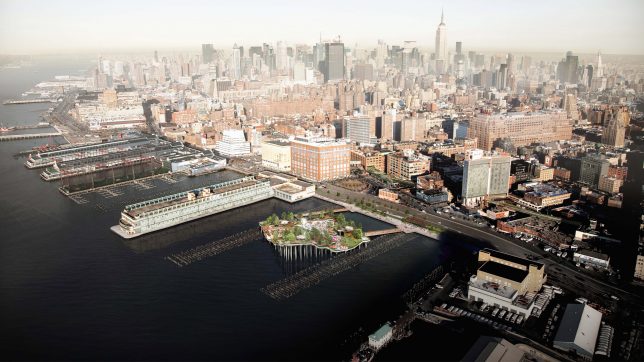
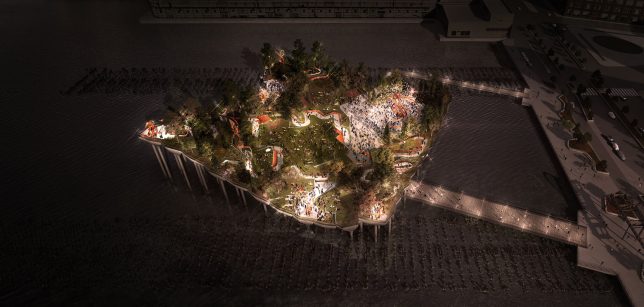
Meanwhile, across the pond, Heatherwick’s proposed Pier 55 project (images by Luxigon), an elevated park stretching out over the water next to Manhattan, is also stalled out, at least for now. Its permit was recently revoked in part based on environmental studies that concluded it would disrupt local marine habitats. There are also concerns that it will block views along the waterfront.

The 10,000-square-foot, $ 200,000,000 park was designed to replace a disused pier in the heart of New York City, but once again it lacks some of the conditions that made the High Line a viable solution, particularly its lack of reuse. Perhaps the elevated parks trend is coming to an end, or (more likely): it is too often pitched as a solution, even in cases where there is no obvious problem to be solved.

Share on Facebook


[ By WebUrbanist in Architecture & Cities & Urbanism. ]

[ WebUrbanist | Archives | Galleries | Privacy | TOS ]


WebUrbanist

 
Comments Off on End of Elevated Parks? UK Garden Bridge & US Pier 55 Projects in Doubt

Posted in Creativity


Rage Rooms: Hourly Russian Service Lets You Vent Aggression

27 Apr

[ By SA Rogers in Destinations & Sights & Travel. ]

Has life in the modern world given you a simmering sense of resentment, anxiety and anger you wish you could unleash upon some highly breakable objects? Maybe you’re fuming over your job and fantasize about smashing a copy machine, Office Space-style, or maybe you’d like to give a certain public institution a piece of your mind. In Russia, you can pay by the hour to take out these aggressions on the environment of your choice – safely, legally and as violently as you like.

For a fee ranging from $ 150 to $ 450 depending on the complexity, ’Rage Rooms’ by Debosh can be customized to your liking. They’ll design your personalized smashable room to resemble your workplace, apartment or any other space you prefer, or you can bring your own breakables and clean up after yourself for a mere $ 50. Prices also vary by ‘difficulty level,’ depending on whether you want to smash some dishes and televisions or rent out a larger space with a group of friends, with more to destroy.

Founder Alexei Barinskiy says he originally owned a flea market, and was often left with too much merchandise that wasn’t selling. He wondered if he could find a way to get rid of it while still making a profit. Shortly thereafter, Debosh was born. They provide the space, breakables, hard hats, protective eyewear and highly satisfying sledgehammers, clubs and baseball bats to do the job.

“Destroyery is a kid of entertainment where people can do things they are restricted to do in everyday life, or maybe such things are just hard to do or they may have really bad consequences,” notes the website (translated from Russian.) “For example, at Destroyery you can smash a TV with a sledgehammer, take off safety goggles, dust down and go home pleased and relieved.”

“However, Destroyery is not just about crushing things with a hammer. You can come on your own or with your friends and experience a new feeling of freedom and permissiveness like when you were a kid, causing mischief and your mom went off on you for broken things at home or your dad smacked your ass for smashing a window.”

It’s kind of nuts, but it’s also hard to deny the draw. Maybe the idea will catch on in the United States, too.

Share on Facebook


[ By SA Rogers in Destinations & Sights & Travel. ]

[ WebUrbanist | Archives | Galleries | Privacy | TOS ]


WebUrbanist

 
Comments Off on Rage Rooms: Hourly Russian Service Lets You Vent Aggression

Posted in Creativity


High Design: 10 Blazing Hot Marijuana Dispensary Interiors

27 Apr

[ By SA Rogers in Design & Fixtures & Interiors. ]

Moving way beyond grungy illegal sources and the psychedelic hippie aesthetics of head shops, modern marijuana dispensaries often look more like luxury hotel lobbies, high-end speakeasies and Apple Stores. As more states within the U.S. legalize medical and recreational marijuana, a whole new world of cannabis-adjacent architecture and design lights up. Here are 10 standout dispensaries, including a couple proposals for rooftop pop-ups and even a Cannabis Cruise.

Barbary Coast Dispensary, San Francisco, California

Called “the most decadent pot smoking lounge in the West” by the San Francisco Chronicle, the Barbary Coast Dispensary is modeled on luxury speakeasies in the city’s old red light district, and features a hash bar, smoking lounge and dab bar among stained glass, dark leather and red flocked velvet wallpaper. The owners wanted the space to have a San Francisco flavor, as opposed to the clinical ‘Apple Store’ look favored by a lot of other dispensaries.

New England Treatment Access (NETA), Brookline, Massachusetts

Set into the historic Brookline Bank building, the NETA dispensary features original design by Swiss-American architect Franz Joseph Untersee, who’s best-known for his Roman Catholic Churches. The traditional interiors are definitely a stark contrast to the places people often procured marijuana before it was legal.

Serra Dispensary – Downtown Location, Portland, Oregon

The third location of the Serra dispensary chain to open in Portland, this Old Town gem is set into an 1889 historic-landmarked building with a black-painted facade. Recalling the aesthetics and feel of neighborhood apothecaries, the space features 16-foot ceilings, elegant display cases, high-end smoking accessories and a lush green wall.

Ajoya Dispensary – Louisville, Colorado

You’d almost think the Louisville, Colorado location of Ajoya was a nightclub walking in, with its dimly-lit interiors designed by award-winning firm Roth Sheppard. Customers sit on single-leg stools to consult with bud tenders over a glossy white counter. If some aspects remind you of an Apple store, that’s intentional; in this age of marijuana emerging from illegality in many states, the owners wanted to project an image of safety and health.

Level Up Dispensary – Scottsdale, Arizona

Scottsdale’s Level Up essentially looks like a high-end jewelry boutique, fitted with chandeliers, backlit display cases and a lounge full of leather seating. The dark grey and green color scheme directs the eye right to the product on the shelves.

Next Page – Click Below to Read More:
High Design 10 Super Stylish Marijuana Dispensary Interiors

Share on Facebook


[ By SA Rogers in Design & Fixtures & Interiors. ]

[ WebUrbanist | Archives | Galleries | Privacy | TOS ]


WebUrbanist

 
Comments Off on High Design: 10 Blazing Hot Marijuana Dispensary Interiors

Posted in Creativity


Shaolin Flying Monks Temple: Wind Tunnel Facilitates Midair Kung Fu Fighting

26 Apr

[ By WebUrbanist in Architecture & Public & Institutional. ]

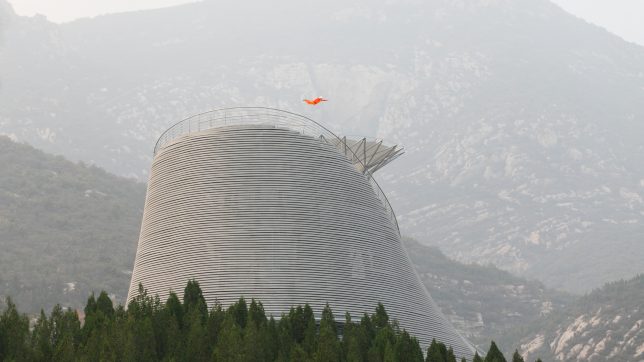
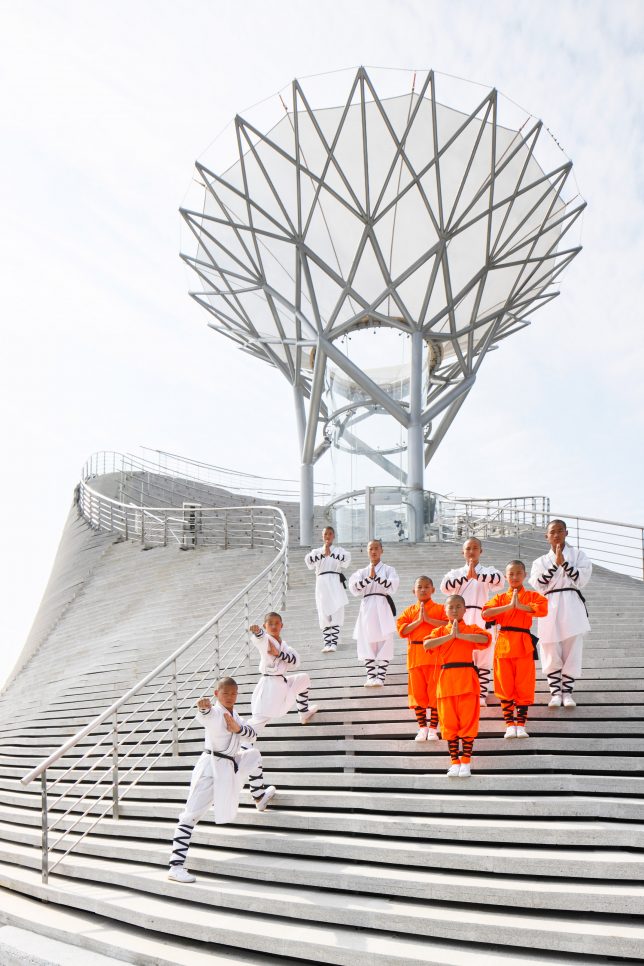
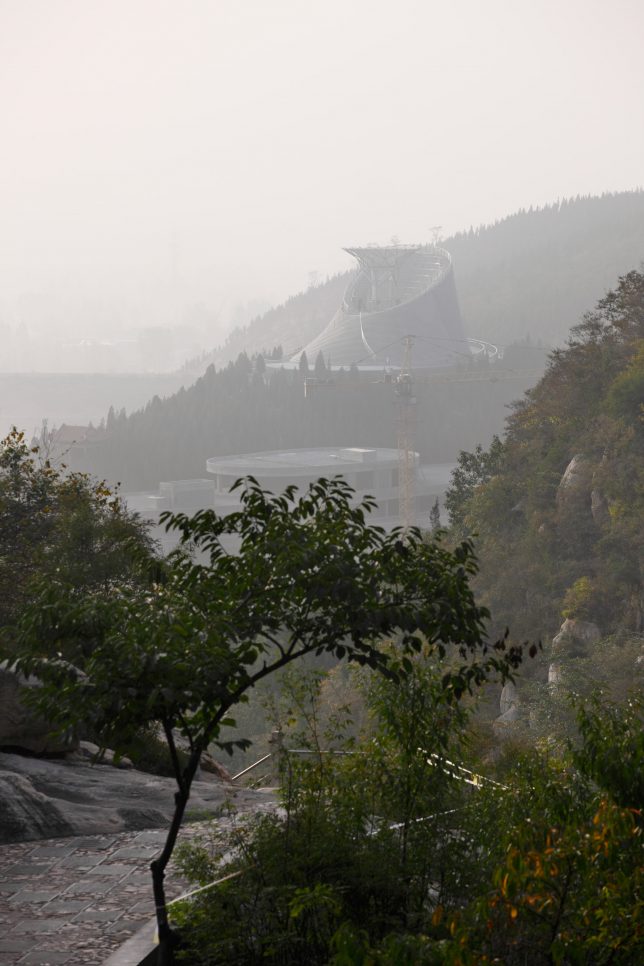
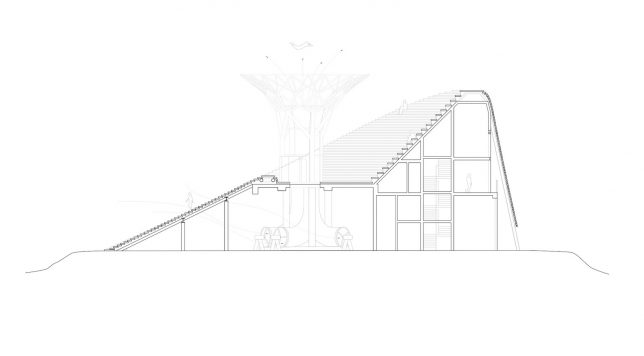
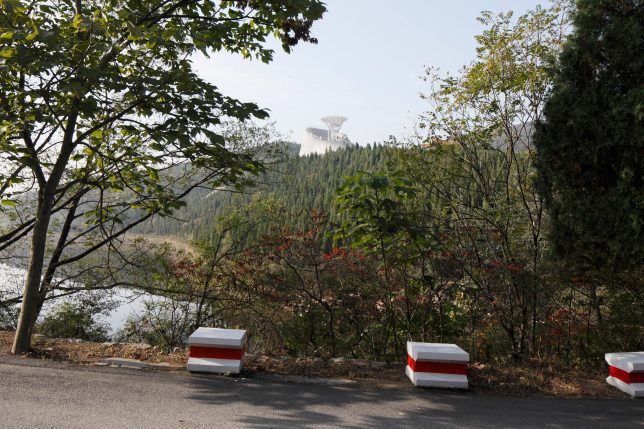
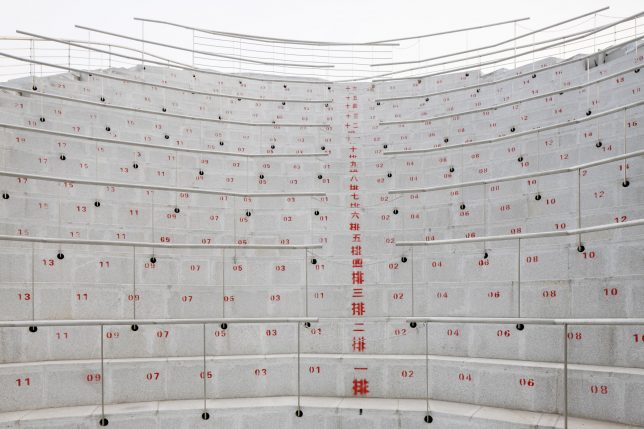
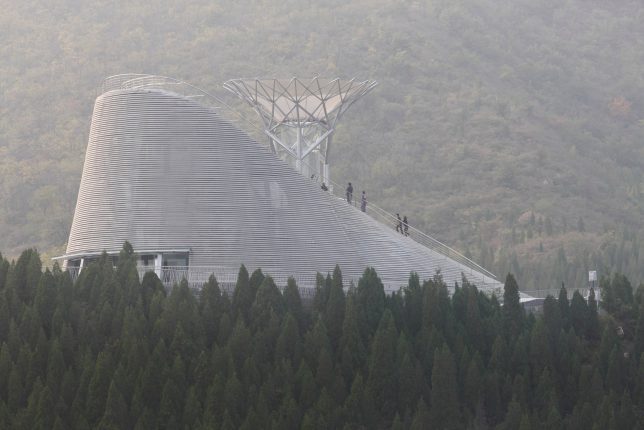
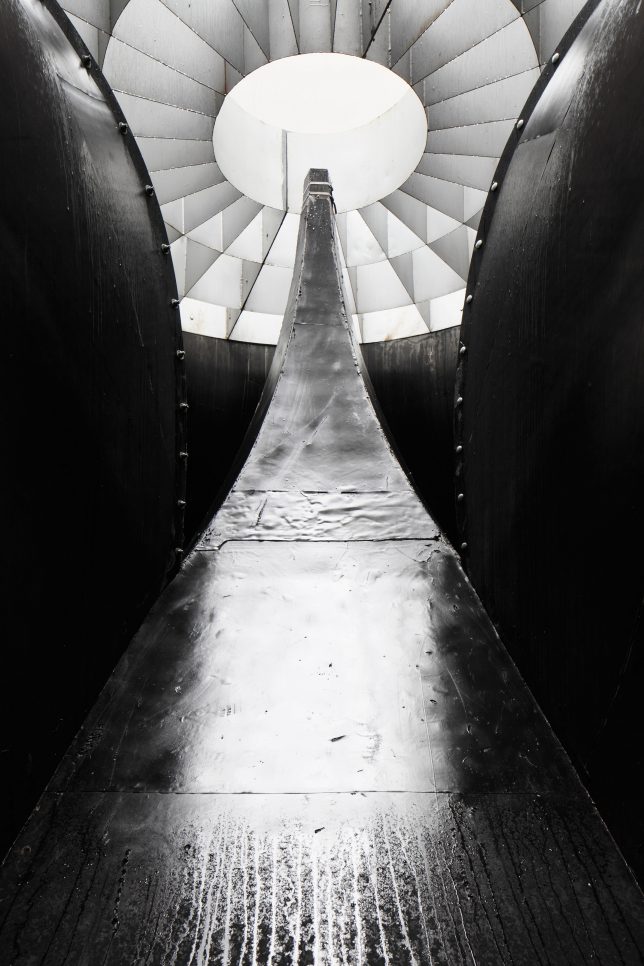
Mixing modern architecture and traditional arena theater design, the Shaolin Flying Monks Temple features a massive wind tunnel that lets combatants in rural Henan, China, fly and fight in front of hundreds of fascinated observers.

The mountainous setting is home to the historical Shaolin Monastery (UNESCO World Heritage Site) and is considered the birthplace of Zen Buddhism and the Kung Fu martial arts practice (as well as the cradle of Chinese civilization more broadly).

Designed by Latvian architect Austris Mailitis, the pavilion is designed to be both contemporary while also deferential to the region and its traditions. The designer was commissioned based on a chance meeting at the Shanghai Expo in 2010.

The mounded shape of the complex and branching, trunk-like protrusion of the tunnel take their inspiration from a translation of Shaolin, meaning: mountain in the wood.

“The architectural and conceptual image pays respect to the beauty of surrounding nature and the historical heritage of the site. Developed in the shape of two symbols – mountain and tree – it serves as a platform for any kind of scenic arts focusing especially on flying performances.”

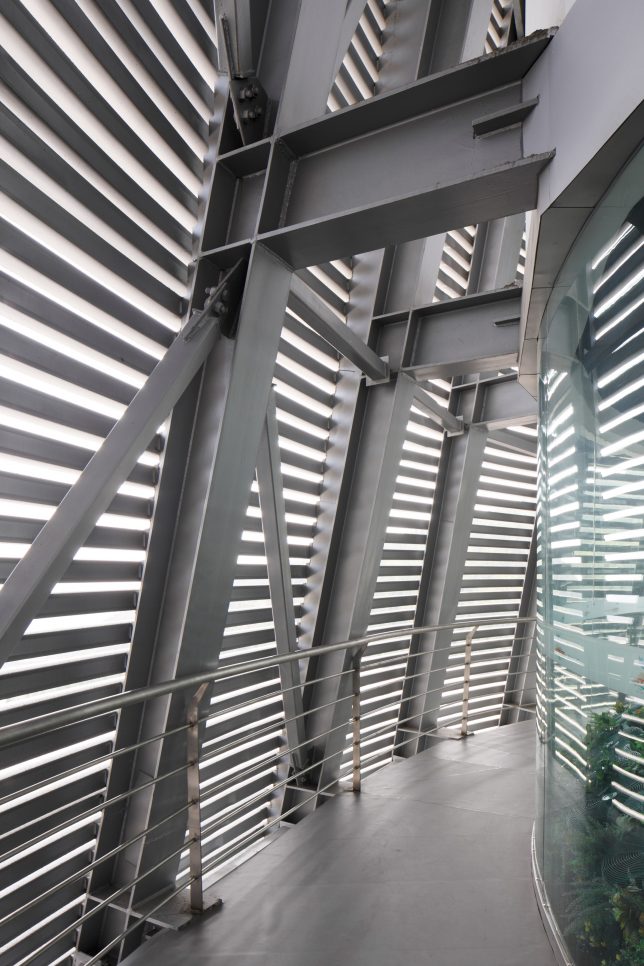
“The building method combines modern and ancient technologies,” explained the architect” — a laser-cut steel superstructure supports stone steps handcrafted using local quarry resources.”

Share on Facebook


[ By WebUrbanist in Architecture & Public & Institutional. ]

[ WebUrbanist | Archives | Galleries | Privacy | TOS ]


WebUrbanist

 
Comments Off on Shaolin Flying Monks Temple: Wind Tunnel Facilitates Midair Kung Fu Fighting

Posted in Creativity


THE HAUS Berlin: Abandoned Building Taken Over By 165 Street Artists

25 Apr

[ By SA Rogers in Art & Street Art & Graffiti. ]

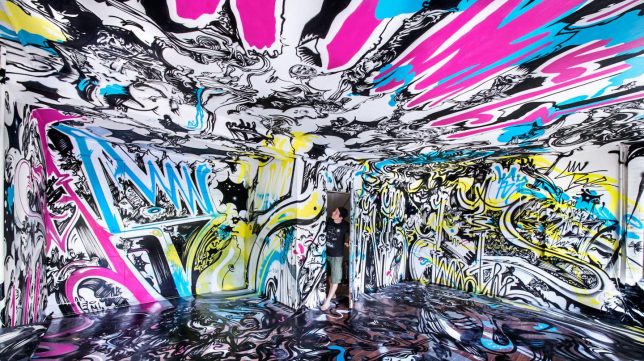
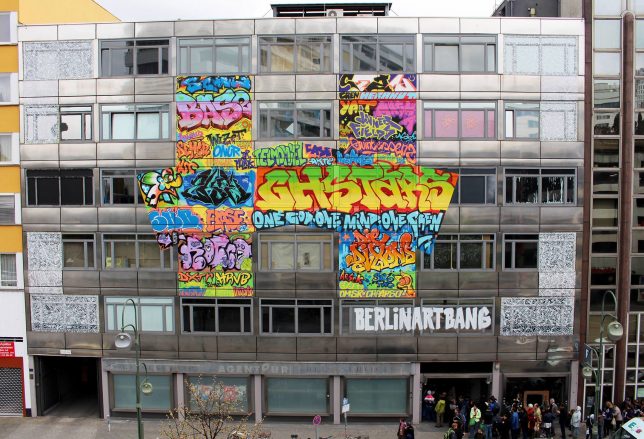
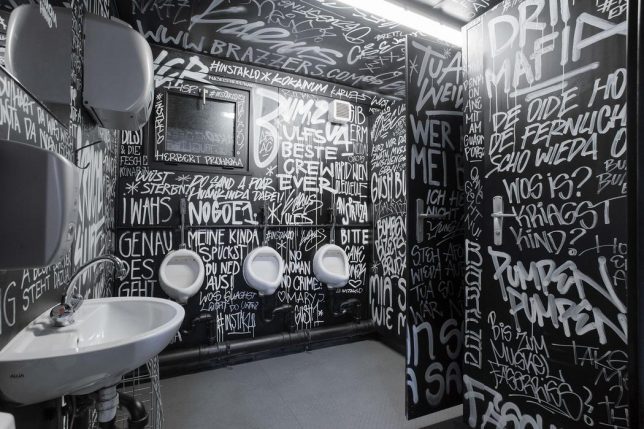
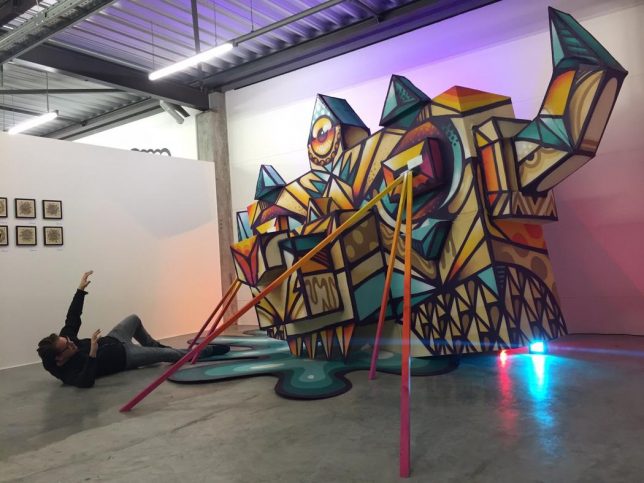
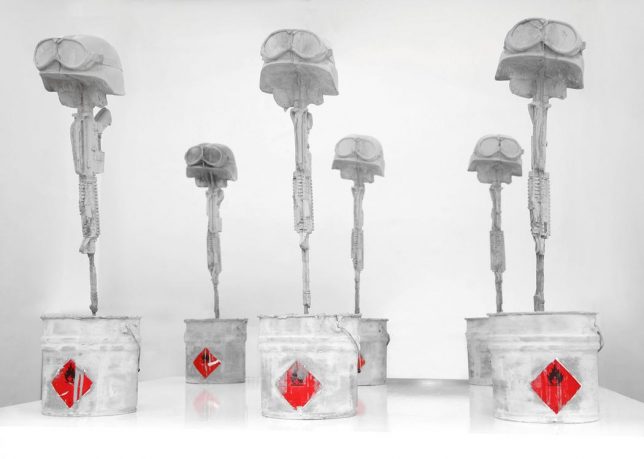
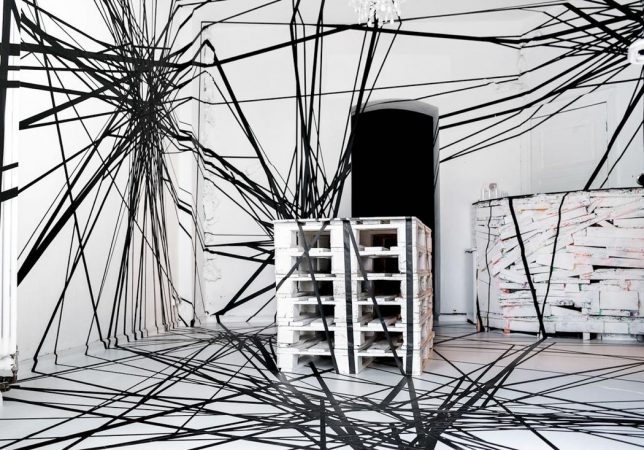
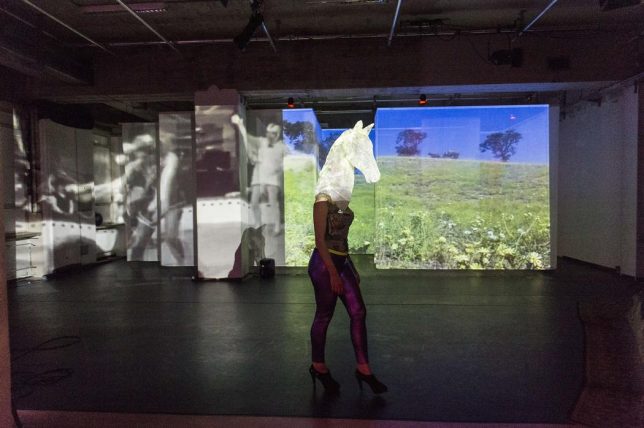
Set to be demolished in June to make way for an apartment building,THE HAUS in Berlin is a formerly abandoned 5-story building filled with site-specific works by 165 street artists. Dreamed up by artists Kimo, Bolle and Jörni of Die Dixons collective, THE HAUS was once a bank on avenue Kurfürstendamm, but fell into disuse over the years. The artists activated their network of creative contacts to temporarily turn it into a street art free-for-all that’s so popular with visitors, there’s often a two-hour wait outside.

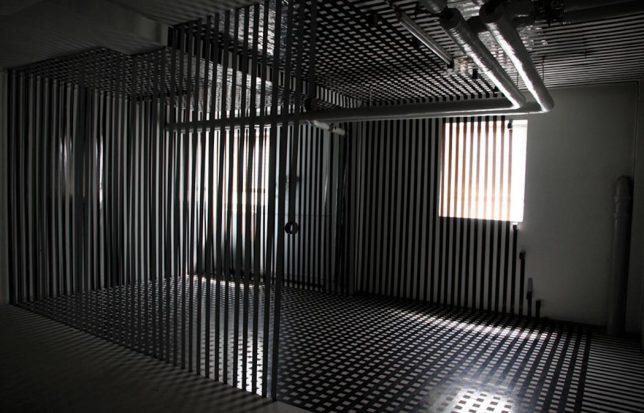
The artists, who range from Berlin locals to international activists, worked almost nonstop from mid-January through March 9th to complete the project, and installations include geometric patterns made of tape, video projections, interactive exhibits and sculpture.

The exhibit opened April 1st, and guided tours run almost all day long on Tuesdays through Sundays with a donation-based, pay-what-you-can system and a ‘no phones’ rule. “Look through your eyes and not through the screen of your phone,” the website urges. You can see each individual installation on THE HAUS website, and learn more about the artists who created them.

Even beyond the art itself, the project is definitely a community effort. Nearly all of the supplies were donated by supportive businesses, and a four-star hotel even put up all the artists free of charge. Berliner Pilsner donated beer. In an interview with Vice’s The Creators Project, Kimo stresses that THE HAUS is “not a marketing joke,” noting that nothing was for sale.

“Feel the freshest urban art gallery ever with a guided tour!” says the site. “108 dope artworks are waiting to be seen, to be experienced and to be memorized by you. Every single piece is created by one of the 165 artists from Berlin and all over the world. But be aware that THE HAUS is created to be destroyed – in the end of May the gallery is going to close and the wrecking ball will follow.”

Share on Facebook


[ By SA Rogers in Art & Street Art & Graffiti. ]

[ WebUrbanist | Archives | Galleries | Privacy | TOS ]

WebUrbanist

 
Comments Off on THE HAUS Berlin: Abandoned Building Taken Over By 165 Street Artists

Posted in Creativity


Transparent Intentions: 13 Glass Additions to Historic Architecture

24 Apr

[ By SA Rogers in Architecture & Houses & Residential. ]

Transparent additions to historic architecture physically expand the space while making the subtlest possible changes to the building exteriors, allowing you to see the original structures right through the glazed walls. Augmenting 500-year-old farmhouses,  Victorian row houses in London and some of Paris’ most iconic-looking apartment buildings, these modern glass extensions aim to blend in with the sky, offering transitions to gardens and bringing natural light into formerly dark interiors.

17th Century Manor Update by Jonathan Tuckey Design

Invisible from the street, this ‘ghostly’ addition to the 17th century Yew Street House in London by Jonathon Tuckey Design lets you see right through its walls to the original stone structure, disrupting its beautiful form as little as possible while adding a gorgeous light-filled dining space.

Farmer’s Cottage in Croatia by Proarh

Zagreb-based architecture firm Proarh renovated a dilapidated traditional Zagorje cottage in Croatia into a modern family home, retaining the external frame while replacing the existing porch with a transparent glass view facing a view of the mountains.

19th Century Parisian Photography Studio to Rooftop Apartments

This glass addition to a 19th century photography studio in Paris by Vincent Parreira Atelier is conceived as an ‘inhabited observatory’ perched atop a Haussmannian building in the city’s Opéra-Madeleine district.

Straatweg Extension by BBVH Architecten

An original masonry structure in Rotterdam, built in the 1930s, gets some much-needed natural light thanks to a two-story, all-glass wing added by BBVH Architecten, which features a transparent roof, facade and upper-level floor with an operable garage-style door leading out to the garden.

‘Salle Labrouste’ Former French National Library

A major overhaul to the French National Library by Bruno Gaudin and Virginie Bregal updated it for the 21st century while retaining its dazzling beauty, adding a glass gallery that serves as a rooftop promenade to link two sides of the structure’s quadrangle.

Next Page – Click Below to Read More:
Transparent Intentions 13 Glass Additions To Historic Architecture

Share on Facebook


[ By SA Rogers in Architecture & Houses & Residential. ]

[ WebUrbanist | Archives | Galleries | Privacy | TOS ]

WebUrbanist

 
Comments Off on Transparent Intentions: 13 Glass Additions to Historic Architecture

Posted in Creativity