Blog

  • MUJI Huts: $27,000 Japanese Timber Micro-Homes Finally for Sale this Fall

    [ By WebUrbanist in Architecture & Houses & Residential. ]

    Japanese makers of minimalist household goods and apparel at MUJI began designing and developing a series of small prefab homes a few years back, one of which is now slated to hit the market later this year.

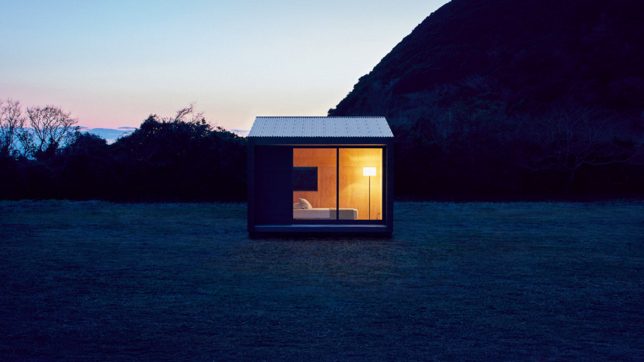
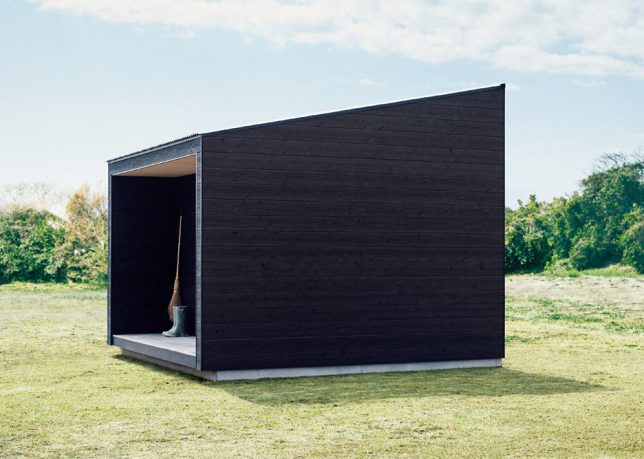
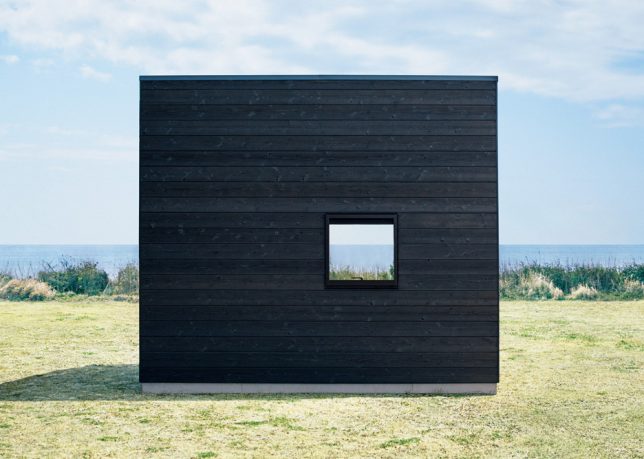
    At just under 100 square feet, the first model to hit the sales floor is a simple but elegant module wrapped in charred timber with floor-to-ceiling fenestration on one side. This traditional blackened-wood cladding technique helps finish the wood, protecting it from fire and decay.

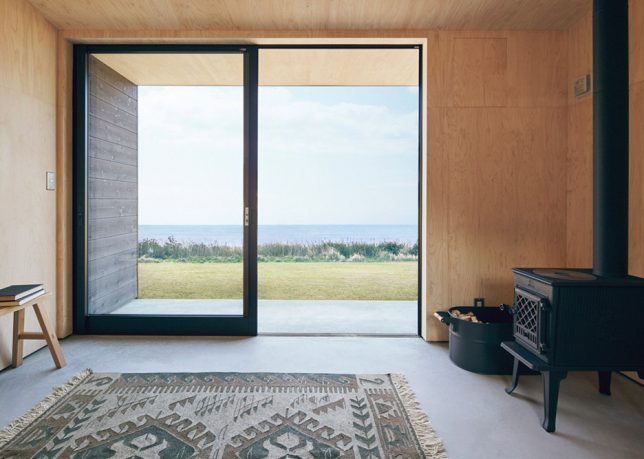
    Inside, bright wood paneling and solid walls on three sides make for a cozy interior and flexibility to situate the structure facing choice scenery. The smooth floor is designed to be easily cleaned for those trekking in and out. Outside, a small covered deck extends the space.

    The relatively low cost (around $ 27K USD) includes both materials and labor (construction) costs. The structure is intended to serve any function needed, from weekend getaway or supplemental room to autonomous housing unit for fans of simple homes and small-space living.

    “It’s not as dramatic as owning a house or a vacation home, but it’s not as basic as going on a trip,” explains MUJI. “Put it in the mountains, near the ocean, or in a garden, and it immediately blends in with the surroundings, inviting you to a whole new life.”

    Share on Facebook


    [ By WebUrbanist in Architecture & Houses & Residential. ]

    [ WebUrbanist | Archives | Galleries | Privacy | TOS ]


    WebUrbanist

  • Looking back: Canon’s eye-controlled focus

    The Canon EOS 5 (known as the EOS A2/A2E in the Americas) was the world’s first SLR camera with eye-controlled focus.

    Over the past few years, we’ve become spoiled by a lot of great autofocus technologies like face detection, tap-to-focus, and subject tracking. But before we had those things, we had Canon’s eye-controlled focus, a technology that made its appearance in film SLRs, but which never quite made the jump to digital cameras.

    For those unfamiliar with eye-controlled focus, let me provide a quick primer. The system made its debut way back in 1992 on the EOS A2E, and remained part of the Canon system until the EOS Elan 7NE in 2004. It promised ‘focus where you look’ functionality, meaning you could activate your AF point of choice just by looking at it.

    As I recall, there were generally two sets of users when it came to this technology: those for whom it worked, and those for whom it absolutely didn’t. There weren’t many in between.

    Even today, whenever we review a Canon camera, someone will post a comment expressing a desire for Canon to bring back eye-controlled focus. And I have to admit, I’m right there with them. I have great memories of it.

    The Canon EOS Elan IIE, introduced in 1995, had a 3-point autofocus system with eye-controlled focus.

    I got my first taste of eye-controlled focus on the EOS Elan II E, and instantly fell in love with it. In fact, I liked using it so much that I switched from a Nikon to a Canon system. The ability to focus by eye was just too much to resist.

    I later upgraded to the EOS 3 – still one of my favorite cameras of all time – which had a much more advanced 45-point AF system. Eye control on the EOS 3 was more sophisticated than on the Elan II E: it had a calibration procedure that involved looking at selected AF points in a prescribed manner, allowing the camera to tailor its response to your eye. Supposedly, if you repeated the calibration process under different conditions, performance would improve over time.

    The EOS 3 also had the ability to store three registers of calibration data. This was especially useful for glasses wearers because you could use one register to calibrate for your naked eye, and another to calibrate while wearing glasses or contact lenses.

    Did it work? It depends on who you ask. Even around the DPReview office, you’ll find opposing views. In my experience, the system didn’t always land on the exact AF point that I wanted to use, but it usually landed close enough that it wasn’t an issue. At least that’s the way I remember it.

    But as we all know, memories can be selective. I sometimes wonder if eye-controlled focus was as good as I remember it being, or if those memories are just a result of nostalgia for a bygone technology. To find out, I pulled those old Canon cameras out of a closet and put them to the test.

    The Canon EOS 3, introduced in 1998, had an advanced 45-point autofocus system with eye-controlled focus.

    The Elan II E worked just as well as I remembered it, performing at about 90% accuracy in my hands. However, it’s worth noting that this camera had a fairly rudimentary 3-point AF system, with well-isolated AF points. Basically, the camera just had to figure out which third of the viewfinder you were looking at to pick the correct AF point.

    The EOS 3 was a bit of a different story. Its 45 AF points were crowded close together, requiring a higher degree of precision when reacting to eye movement. I could reliably get it to focus on the general region of the viewfinder I was looking at, but not with the degree of accuracy I remember.

    With a bit of practice, I’m sure I could improve my success rate a bit, which is probably why I remember the system working better than it does in my hands today. Alternatively, it’s nostalgia. To be honest, I’m not sure which it is.

    Unlike the Elan IIE, whose autofocus points were very far apart, the EOS 3’s 45 autofocus points were packed very close together. This made it more difficult to activate a single, specific AF point by eye. (Diagram from the EOS 3 Instruction Manual.)

    So, would I exchange today’s modern AF systems for eye-controlled focus? Not a chance. Features like face detection (and even eye detection) actually solve the ‘where to focus’ problem in many cases, and features like subject tracking would be hard to give up.

    However, I still love the idea of eye-control focus and believe it would have a useful place on today’s cameras. There are times when I’m moving focus points around with a joystick or D-pad and find myself thinking ‘I wish I could just look at my subject and focus.’

    Technology has advanced a lot in the past couple decades. When eye-controlled focus was introduced in 1992, Microsoft was just launching Windows 3.1, and CERN was still rolling out this new thing called ‘ The World Wide Web.’ In that context, I’m sure a modern eye-controlled focus system could be much more effective, and work for a higher percentage of users, than one introduced during the film era.

    So here’s my plea to Canon: Please consider bringing back eye-controlled focus!

    I suspect that many of you reading this used eye-controlled focus at some point. How did it work for you? Would you like to see it added to modern AF systems? Or, am I completely off my rocker, chasing down a useless technology that should never see the light of day again? Let me know in the comments.

    Articles: Digital Photography Review (dpreview.com)
  • Beautiful photos from 1942 show the making of the New York Times

    $ (document).ready(function() { SampleGalleryV2({“containerId”:”embeddedSampleGallery_4390151446″,”galleryId”:”4390151446″,”isEmbeddedWidget”:true,”standalone”:false,”selectedImageIndex”:0,”startInCommentsView”:false,”isMobile”:false}) });

    Publishing has come a long way since the mid twentieth century. What was once a herculean task putting together each individual page of a newspaper has largely been replaced by click-and-save web publishing.

    So when we came across a curated set of images on Mashable, pulled from the Library of Congress, we were instantly mesmerized by the beauty and complexity of a daily paper’s production. These images were all shot during the course of one night of production in the New York Times’ Manhattan office in the Fall of 1942. The photographer, Marjory Collins, worked for the War Information office.

    What’s particularly interesting about these images, aside from the daunting physical labor required to publish, is the stories of the day. September 1942 was smack in the middle of World War II and news in that day’s paper focused on fighting in both Europe and the Pacific.

    See all the full gallery of images here.

    Articles: Digital Photography Review (dpreview.com)

  • Taco night in 4K with with Panasonic GX850

    Note: Switch the Youtube quality setting to 4K.

    No night of the week is more delicious than taco night. And to document the making of this week’s bounty of yum, we grabbed Panasonic’s new entry level ILC, the GX850, and got shooting.

    The GX850 is capable of 4K/30/24p video, something that sets it apart from other cameras in its class (most only do HD). There is a catch, though: when in video mode users are unable to control exposure settings, with the exception of exposure compensation (which must be set prior to shooting).

    Still, the exposure values selected by the camera on taco night mostly seem sensible. And despite the lack of in-body stablization, the camera’s stabilized 12-32mm kit lens did a decent job keeping things steady. Overall, we think the footage looks pretty good.

    Stay tuned for our full GX850 review, to be published soon.

    Articles: Digital Photography Review (dpreview.com)

  • Moving Miniature: Tiny Landscape Made of Sugar, Spices, Salt & Sand

    [ By SA Rogers in Art & Sculpture & Craft. ]

    Nothing about the hazy sunlight, languid motion of a tire swing, branches blowing in the breeze or puffy white steam pouring out of a factory chimney gives you any idea that the scene you’re looking at fits on a tabletop. Not only is this landscape a miniature – it’s made out of ordinary household objects and materials. Artist Matthew Albanese uses salt, sugar, flour, sticks, moss and other easily procured items to craft stunningly realistic tableaus, but for the first time, he’s incorporated movement, sharing a video.

    ‘The North Jersey Din’ is a moving version of a tree that Albanese has frequently used in a series of images called ‘A Tree in My Backyard.’ The attention to detail that went into this work is pretty incredible. In order for the miniatures to look realistic in the final images, Albanese employs a mix of techniques perfecting the scale, depth of field, white balance and lighting.

    “This video is my first attempt at creating a moving miniature. Everything is designed for movement. The tree itself is made from brass tubes soldered together with springs at every joint. The leaves were die punched and machine cut, each threaded one by one. This video was filmed with just an iphone set to slow motion at 240fps. The audio is a set of recordings I made in my backyard capturing the sounds of the typical North Jersey Din.”

    On his YouTube channel, Albanese also shared a video that captures four months of work in 33 seconds. ‘Making of a Promised Land’ is a time lapse of stills documenting the construction of another diorama, giving us an idea of just how much work goes into creating a single one of these photos.

    Some of the scenes use materials you’d never expect, like faux fur standing in for the fields and sifted tile grout for mountains in ‘After the Storm,’ above. Among the items used in ‘Wildfire’ were cooked sugar, Scotch-Brite pot scrubbers, yellow glitter, clear garbage bags and party bulbs. Click on individual works on his website to see more behind-the-scenes images.

    Share on Facebook


    [ By SA Rogers in Art & Sculpture & Craft. ]

    [ WebUrbanist | Archives | Galleries | Privacy | TOS ]


    WebUrbanist

  • Hahnel introduces radio-controlled MODUS 600RT hotshoe flash system

    Hahnel industries has launched its first flash unit in the shape of the radio-controlled Modus 600RT. The new hotshoe flash is powered by a block lithium ion battery, in the style of the Godox V860ll, instead of the usual AA cells and has a guide number of 60m @ ISO 100. Each flash unit can operate as both slave or master in a wireless set-up, using optical or 2.4GHz radio signals to communicate with other guns or with a Viper flash trigger in the hotshoe.

    Hahnel says the Modus units will be compatible with some other third party speedlights via its optical system and the Viper TTL radio transmitter, but stops short of saying which ones. The Modus 600RT’s radio system has a range of 100m and can control up to three groups of flash units, with manual and TTL output modes. High speed sync is also supported, with shutter speeds of up to 1/8000sec possible, and the lithium ion battery is said to provide up to 550 full power bursts per charge.

    The Hahnel Modus 600RT is available for Canon, Nikon and Sony flash systems and retails at £219.99 for the flash on its own, £269.99 for the flash and a Viper transceiver, or £429.99 for a kit with two flash units and a Viper. US prices have yet to be announced.

    For more information see the hahnel website.

    Manufacturer’s information

    {PressRelease}

    You may recognise the hähnel brand for their long-standing reputation for manufacturing high quality Li-Ion batteries & DSLR accessories, so their new speedlight range may well come as a surprise to you. You must remember though, that hähnel have a long-standing reputation for their wireless flash trigger range which includes the popular Tuff TTL & Viper flash triggers.

    The MODUS 600RT is powered by one of their best-sellingLi-ion batteries –the staggeringly powerful hähnel Extreme Li-Ion battery which beats the speed of AA-powered speedlight’s hands down.

    This new speedlight has a GN of 60 and each unit will handle over 550 shots at full power. Rather than waiting the normal 4-6 seconds which normal Speedlight’s would require at full power, the MODUS 600RT has fast re-cycling in abundance at just 1.5 seconds. The built-in wireless receiver/transmitter offer TTL, manual and multi-modes and high speed sync supports up to 1/8000 of a sec.

    The unique wireless connectivity really steps into a league of its own though when the MODUS 600RT is paired with the Viper TTL Wireless Flash Trigger. Use them together and control up to 3 separate groups of flash guns in either TTL, manual or Multi (Stroboscopic) mode.

    DCM channel matching and over 100m range makes the Viper TTL the perfect partner for this new speedlight.

    Available for Canon, Nikon & Sony.
    For more info take a look at www.hahnel.ie.

    {/PressRelease} 

    Articles: Digital Photography Review (dpreview.com)
  • Adobe’s Lightroom Coffee Break videos give quick time-saving tips

    It’s over ten years since Adobe’s Lightroom emerged from beta, and it’s evolved a lot since then. The company’s ‘Coffee break’ series of videos introduces features you might not know. For a minute of your time, these tips can help speed your workflow.

    For instance, the video above (as highlighted on PetaPixel) shows you how to set the default processing applied to all your files. You can set it to a different preset per camera or even per ISO setting, if you have a preferred noise reduction and sharpening system.

    In this video, Lightroom team member Benjamin Warde explains (in 46 seconds) how to define a new starting point for when you work with new files. That’s got to be worth a moment of your time, hasn’t it?

    Click here to see the Coffee Break playlist of 34 sub-minute video.

    Articles: Digital Photography Review (dpreview.com)
  • Conductive Design: 10 Objects Transformed Into Touch Pads & Circuits

    [ By SA Rogers in Gadgets & Geekery & Technology. ]

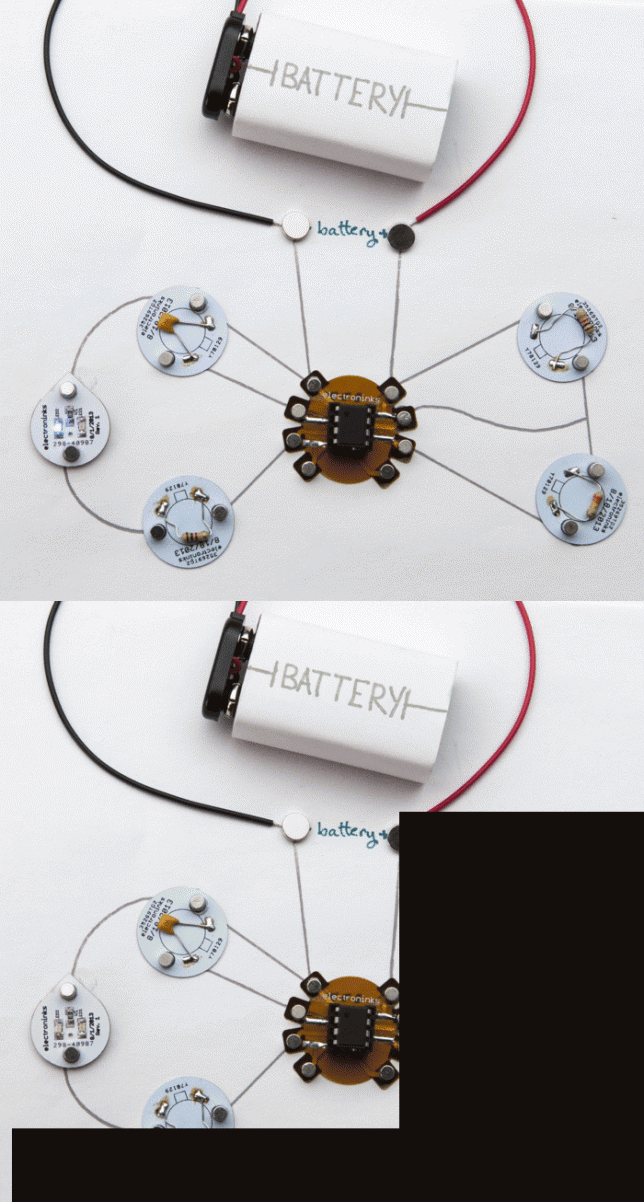
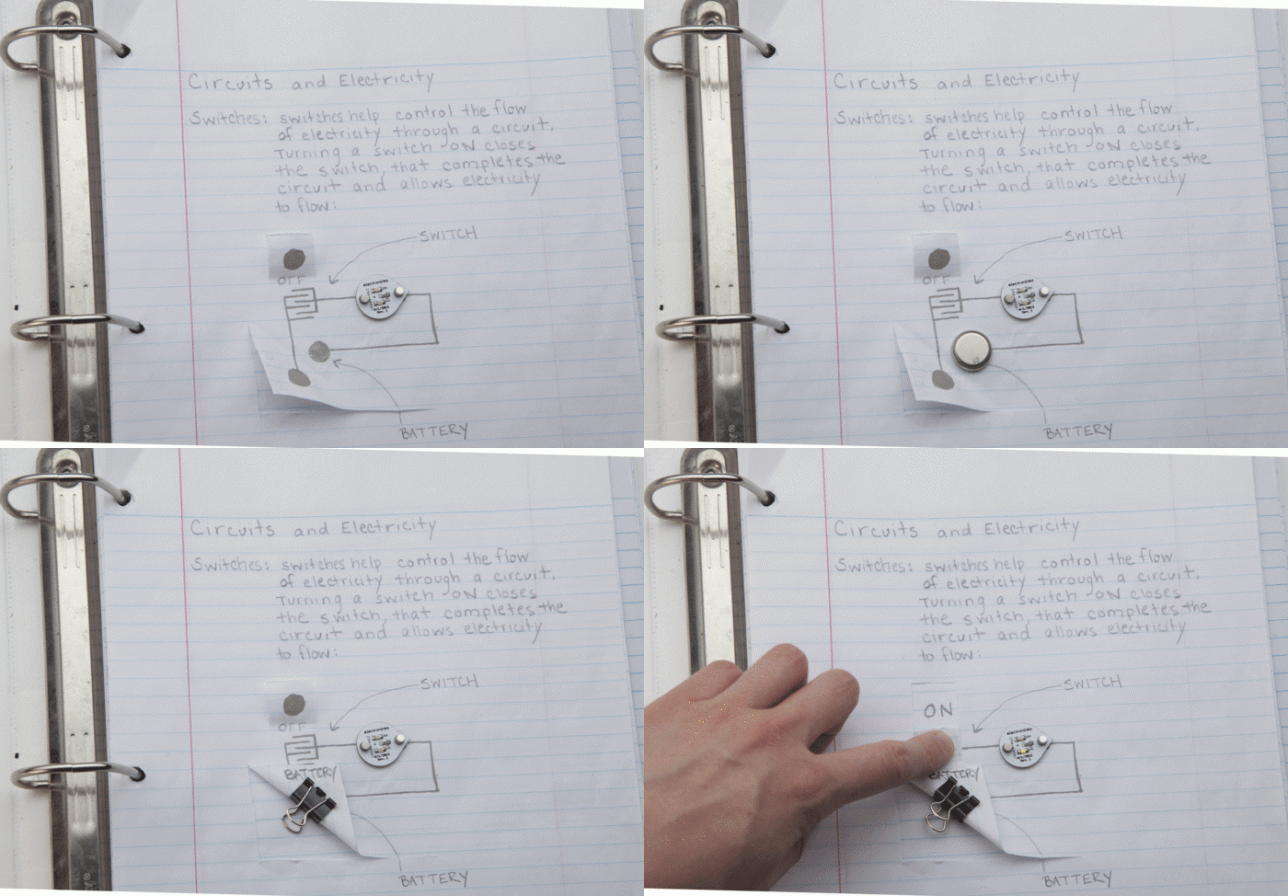
    Conductive paint, ink and thread can be drawn, woven or even tattooed into objects like denim jackets, carpeting and leather iPad cases to make them into electrical circuits, adding a new layer of functionality as well as cool-looking graphic patterns. Draw circuits in any shape, create smart objects that interact with apps, and answer your phone while biking by swiping your finger across your sleeve. These 10 projects – some of which are available commercially – show how far conductive designs have come in less than four years.

    Conductive Wallpaper by UM Project

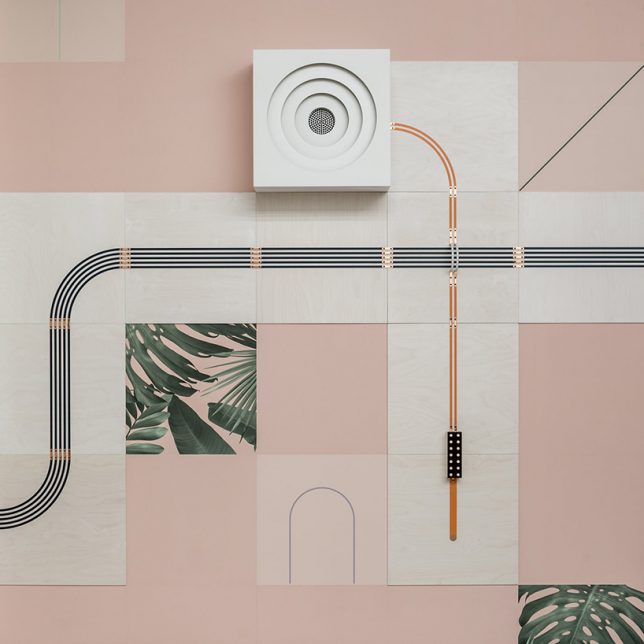
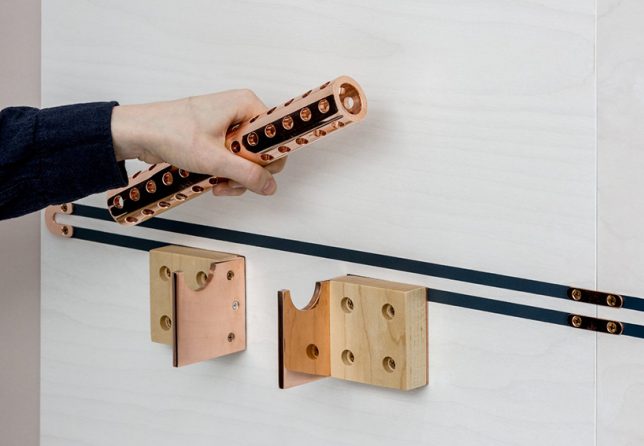
    Instead of hiding wiring for lights away within walls, ‘Conduct’ by UM project and wallpaper company Flavor Paper lays it all out as part of the wall’s design using conductive inks to create decorative circuitry. The circuits control a lamp, fan, speaker, light box and hinged mirror, activated them when someone touches the copper dots, using their body to complete the electricity circuit.

    Jacquard by Google: Conductive Levi’s Denim Jacket

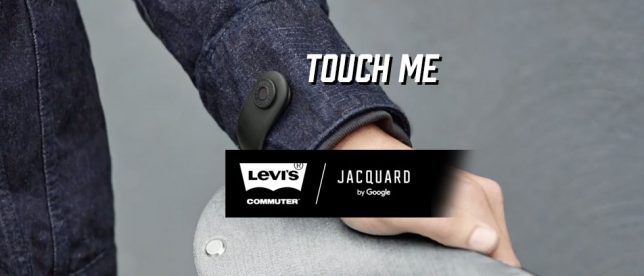
    Jacquard by Google teamed up with Levi’s to create a smart denim jacket made with woven conductive yarn, designed specifically for bike commuters. The aim is to seamlessly integrate technology into textiles, prioritizing the garment over the gadget and making it ultra-wearable. The threads connect to a smart tag on the sleeve that communicates with your mobile device, turning the jacket into a gesture-controlled canvas so you can get directions, adjust the volume on your music or answer a phone call using finger swipes on your sleeve. The Commuter will be available this fall for $ 350.

    Circuit Scribe Conductive Ink Pen

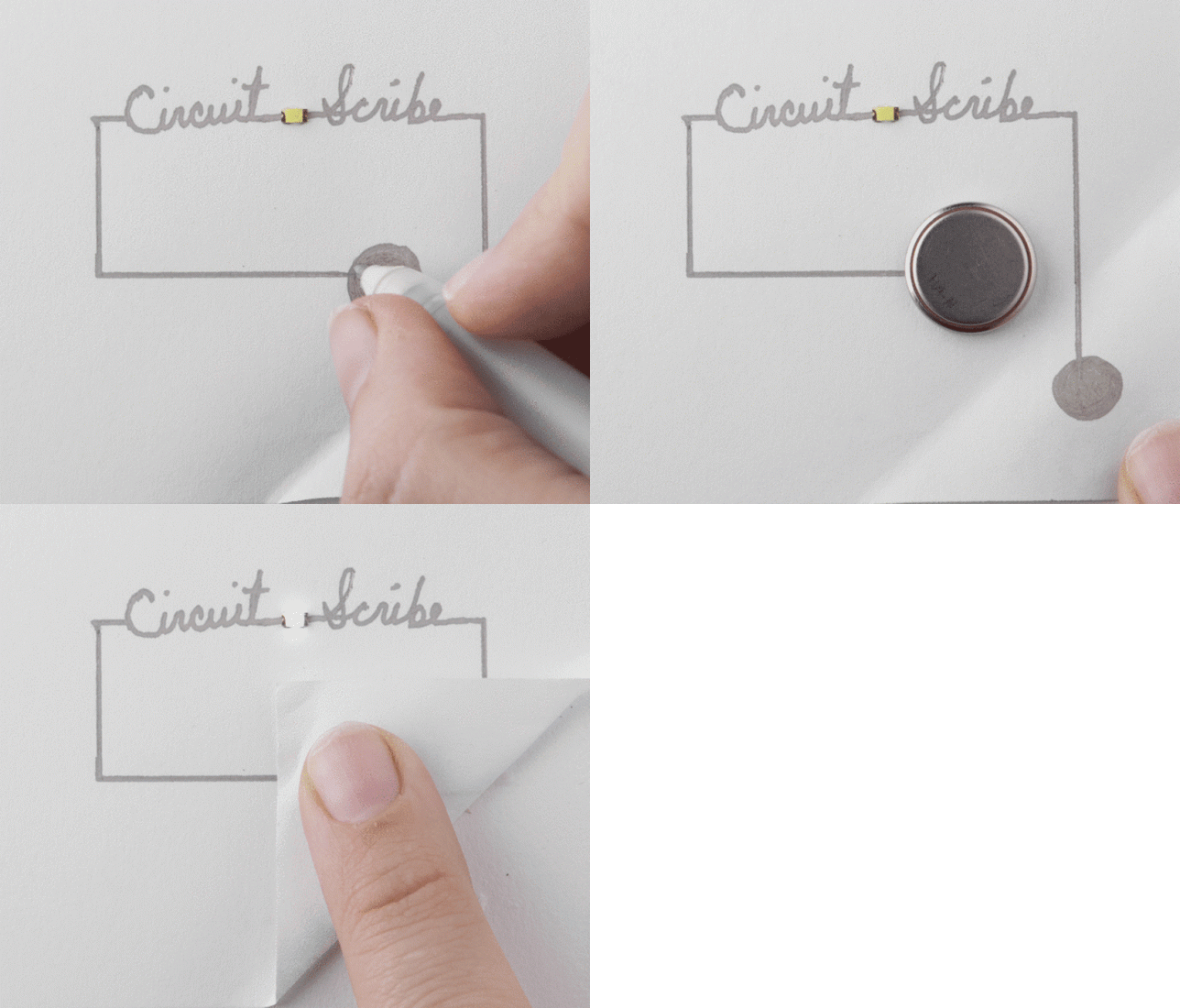
    The ’circuit scribe’ ballpoint pen allows you to draw circuits in any shape using a quick-dryings conducting ink, connecting them to a coin battery, paper clip and LED or more complex parts. While similar conductive pens have been offered before, this one differs by producing just the right amount of ink flow to achieve an ideal conductivity of 50-100 milliohms/square/mil. You can buy kits starting at just $ 10.

    ‘Electrick’ Conductive Paint Turns Anything Into a Touch Pad

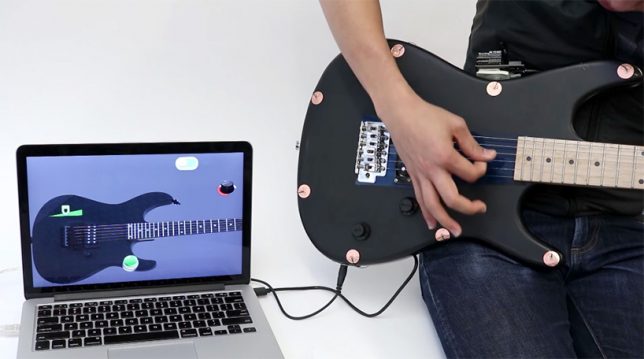
    This conductive paint from Future Interfaces Group (a research lab within the Human-Computer Interaction institute at Carnegie Mellon) turns virtually any surface into a touch pad when you add an electric current over the painted conductive surface using a pair of electrodes. When you touch the surface, the current is disrupted, and the ‘Electric’ program detects exactly where the object has been touched, showing it on a screen. The technology could potentially help engineers test prototypes of touch pad gadgets.

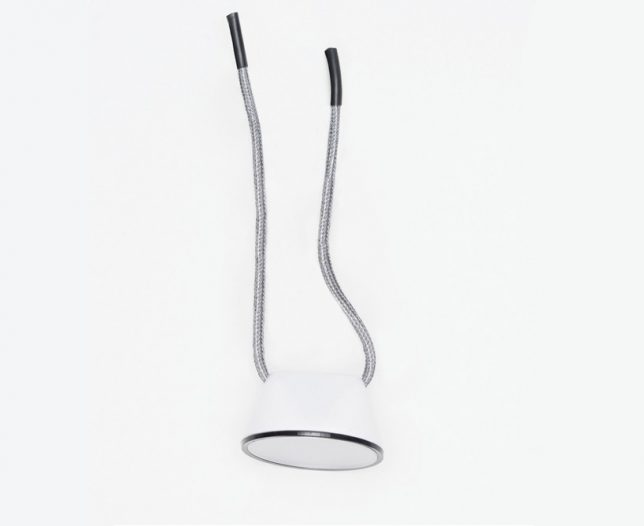
    Conductive Knot Lamp by Celia Torvisco

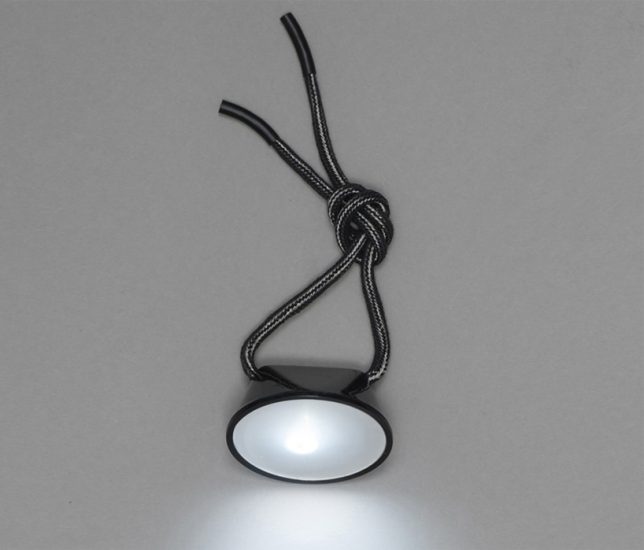
    Tie the threads dangling from this minimalist lamp together, and you’ll complete the circuit to turn it on. Designer Celia Torvisco, who’s also known for her conductive ceramic radio, envisions the flashlight for use while camping, riding a bike or reading a book.

    Next Page – Click Below to Read More:
    Conductive Design 10 Objects Transformed Into Touch Pads Circuits

    Share on Facebook


    [ By SA Rogers in Gadgets & Geekery & Technology. ]

    [ WebUrbanist | Archives | Galleries | Privacy | TOS ]


    WebUrbanist

  • Viltrox launches lens adapters for Sony E-Mount and Micro Four Thirds cameras

    Hong Kong based manufacturer Viltrox has announced three new electronic lens adapters for Sony E mount and Micro Four Thirds cameras. The NF-E1 model lets you use Nikon Nikon F mount lenses on Sony E mount cameras. The EF-M1 and EF-M2 models let you connect Canon EF and EF-S lenses to your Micro Four Thirds camera.

    The latter comes with with four optical elements in four groups. According to the manufacturer this design results in a, compared to the EF-M1, one stop faster aperture and a focal length multiplier of 0.71x.

    All adapters are made of metal and come with a USB port for firmware updates and gold-plated electronic contacts. Autofocus and aperture-adjustment from the camera are supported and Viltrox says the EF-models are compatible with all Canon EF lenses. Pricing and retail information have not yet been released. 

    Articles: Digital Photography Review (dpreview.com)
  • The Light at the End of the Tunnel – 18 Totally Tubular Images

    Tunnels have a unique lighting situation – they are dark in the middle, with the light coming from one end.

    They can also be a great place to create or take unique photographs. Here is what 18 photographers created with photos of tunnels:

    By Tore Bustad

    By Metropolitan Transportation Authority of the State of New York

    By Susanne Nilsson

    By _ Liquid

    By Indigo Skies Photography

    By Rex Boggs

    By ??? tocausan

    By Matt Niemi

    By Andi Campbell-Jones

    By Hernán Piñera

    By Vincent Lock

    By darkday

    By darkday

    By Vaidotas Mišeikis

    By pieter musterd

    By Rahigrim Monasterios

    By Simon & His Camera

    By darkday

    The post The Light at the End of the Tunnel – 18 Totally Tubular Images by Darlene Hildebrandt appeared first on Digital Photography School.


    Digital Photography School